How I Learned to See the World Through 1,000 Different Lenses
An artist's whimsical journey through the looking glass of artistic perspectives. Why seeing multiple views is your superpower.

How I Learned to See the World Through 1,000 Different Lenses
I once spent three hours debating a friend about whether a Rothko was "just colored rectangles." (Spoiler: It wasn’t.) But that argument taught me something profound: art isn’t a window you look through – it’s a lens you look with. Each artist, each movement, each era brings its own prescription for reality. So I set out to collect prescriptions. And oh boy, did my prescription change.
That first Rothko debate? It felt like I was seeing in monochrome. Now? My world’s got 4K color grading and slow-motion effects. Want to see how? Buckle up.
What Exactly Are These "Perspectives" Anyway?
At its core, an artistic perspective is simply how an artist chooses to interpret and represent reality. It’s not just "what" they paint, but how they see, feel, and process it before a single drop of paint hits the canvas. It’s the artist’s unique viewing glasses. Some snap photos. Others build imaginary sculptures from shadows. Some translate city sounds into brushstrokes.
Think of it like this:
Perspective Type  | Artist Might Ask... | Sees the World As... | Example Movement |
|---|---|---|---|
| Literal Documentarian | "Exactly what’s in front of me?" | A photograph or detailed record | Realism, Photorealism |
| Emotional Translator | "How does this feel?" | A mood, a color, a vibration | Expressionism |
| Structural Deconstructor | "What are this thing’s hidden parts?" | Geometric shapes, fractured planes | Cubism |
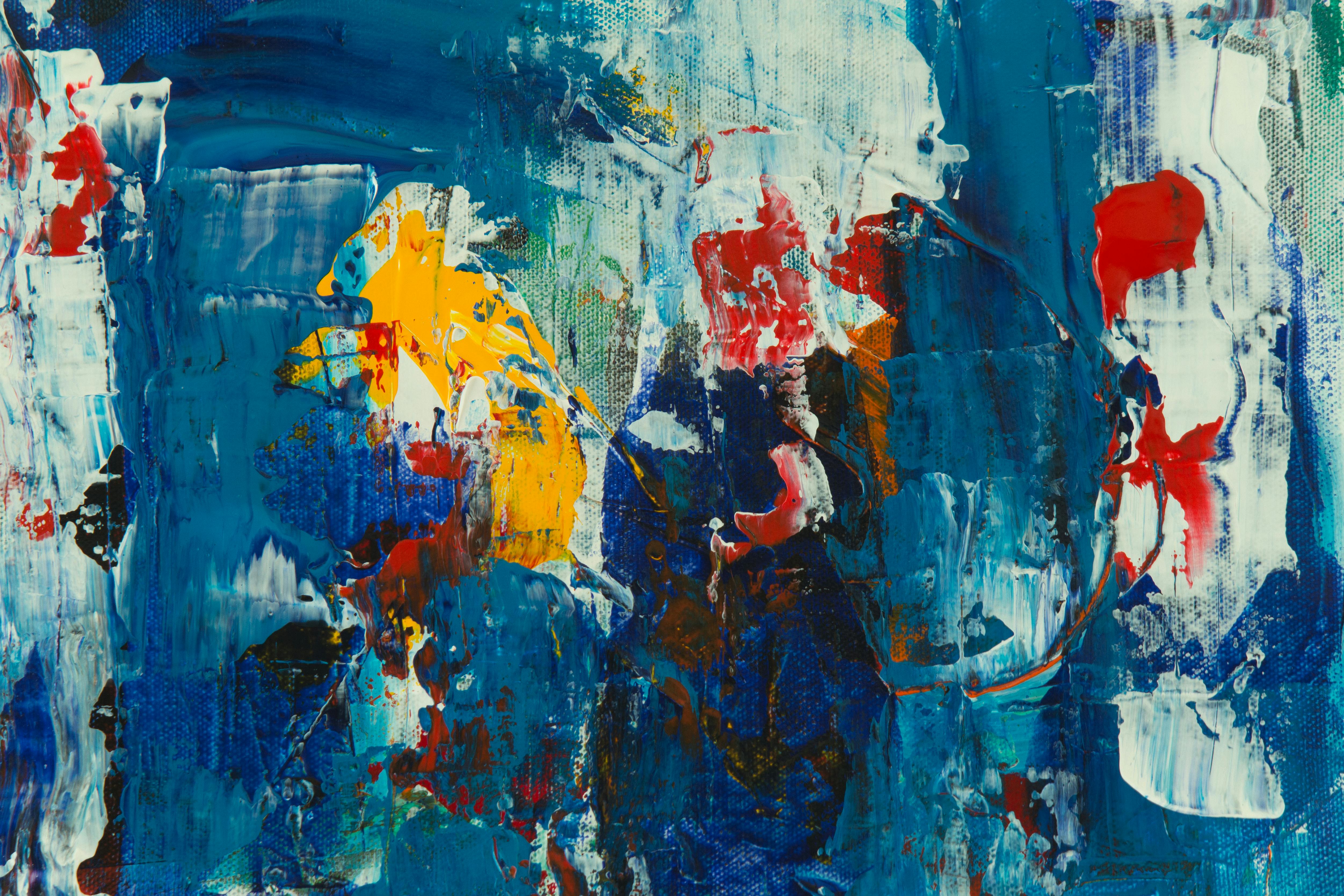
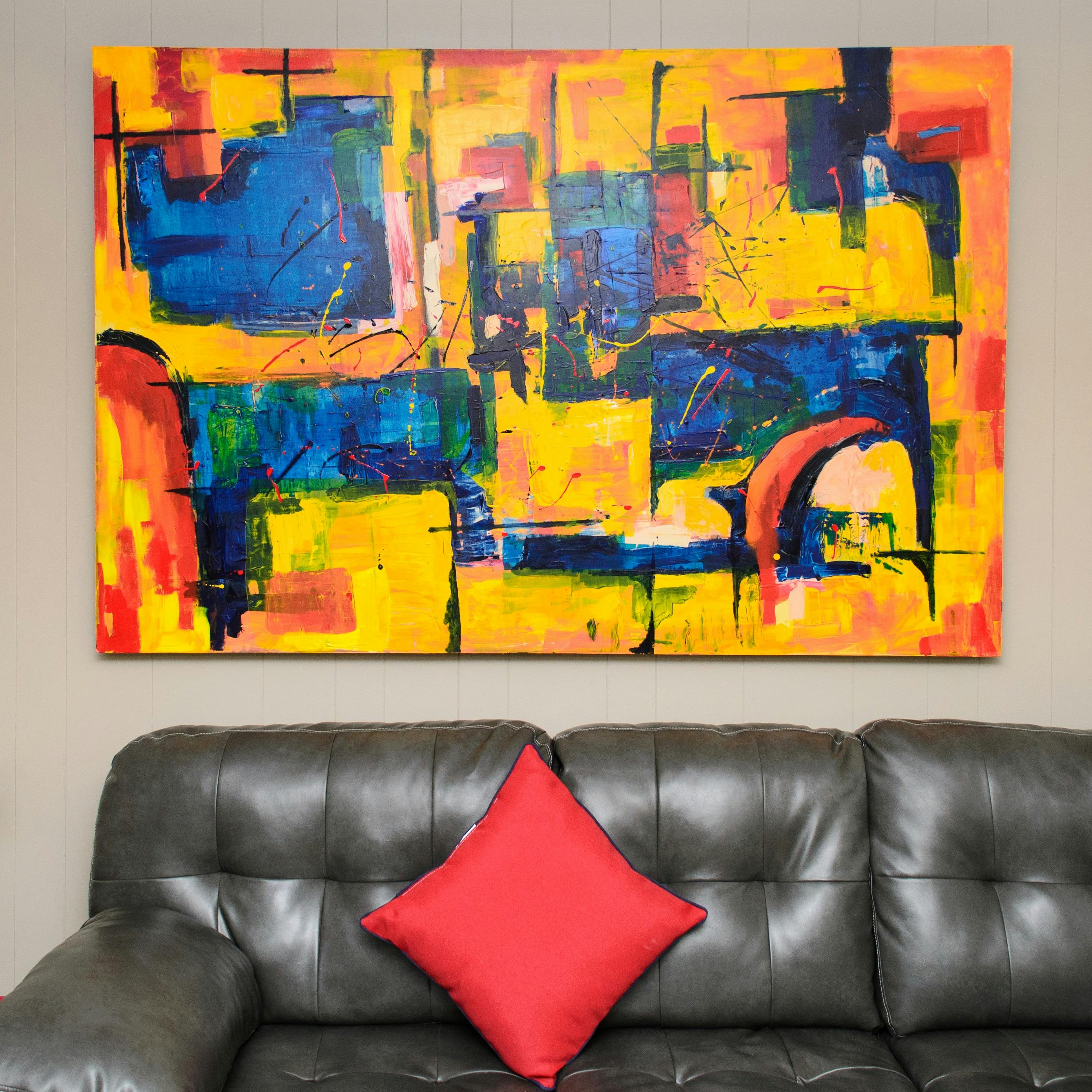
| Abstract Dreamer | "If my memory were a landscape..." | Pure color, form, suggestion | Abstract Expressionism |
| Social Commentator | "What story does this object tell about us?" | A symbol, a message, a critique | Pop Art, Social Realism |
It’s not just about visual art either. Literature, music, dance – all have lenses. That concerto pounding through the speakers? A composer’s perspective on joy or chaos. That character in a novel? An author’s view on human nature. We’re all perspective collectors, whether we realize it or not.
Why Do We Need So Many Different Views? (Seriously, Why?!)
Imagine everyone wore the exact same prescription sunglasses. Sunrises? Forget it. Every sunset would look identical. Lame, right? Artistic perspectives are humanity’s prescription sunglasses collection. They exist because:
- Reality is Personal: Your "happy" isn’t my "happy," your "chaotic" isn’t my "chaotic". Art gives those personal realities a voice.
- Cultures Shape Seeing: Where you grow up, the stories you hear, the struggles you witness – they literally rewire how you perceive the world. Traditional Japanese art sees calm emptiness where Western pop art might see crowded energy.
- History Shocks the System: After a world war? Perspectives get dark and fractured. During technological leaps? Perspectives get sleek and optimistic. Art responds to its time.
- Minds Work Differently: Neurodivergent artists often process reality in unique, brilliant ways. Artists with limited vision might perceive texture and sound in ways others miss. These aren't flaws; they're superpowers.
Seriously, I remember one time I visited a sculpture park. There it was, this massive, abstract piece of twisted metal. To me? It was about tension and anger. To a kid skipping past? It was the world’s coolest jungle gym. To the groundskeeper? Just something that collects pigeon mess. Three perspectives, one piece. Perfect.

A Micro-Journey Through Art History's Prescription Collection
Let’s grab a few viewing glasses from history’s cabinet and peek through them. Don't worry, we’ll keep it brief – like a wine flight for your eyeballs.
The Micro-Portraitist (Renaissance)
Imagine being alive in the 1400s. Portraits weren't vanity projects. They were declarations. "I am important. I am wealthy. Look at my velvet sleeves." Artists like Jan van Eyck weren’t just painting faces; they were meticulously crafting windows into a person’s soul and status. Every detail, every fold of fabric, was a lens focusing on value and identity. Look at the rich textures! It’s sensory overload in the best way.

The Hazy Memoirist (Impressionism)
Then came Monet and friends. They looked at a sunrise or a train station and thought: "This isn’t about the things. It’s about the light hitting the things. It’s about the FEELING of waking up." They threw rulebooks out the window. Forget sharp lines! Splotches! Dashes! Blurs! Their perspective wasn’t documentary; it was diary-like. Capturing a fleeting moment, the impression of light and movement, became the whole point. It’s like the first 60 seconds of waking up – all soft edges and blurry warmth.

The Reality Fracturer (Cubism - Picasso & Braque)
Hold onto your hats. Cubists looked at a bottle, a guitar, a face, and thought: "Why should we see just one angle? Life isn’t flat! Let’s see ALL angles at once!" Picasso famously said, "Painting is a blind man's art. We do not see things; we imagine them." Boom. Reality shattered and glued back together in geometric shards. Their lens was about dissecting form, breaking it down to its core shapes, and rebuilding it in your mind. It’s like having 20 eyes all pointing in different directions simultaneously. Confusing? At first. Explosively creative? Absolutely.
The Color Shouter (Abstract Expressionism - Kandinsky, Pollock)
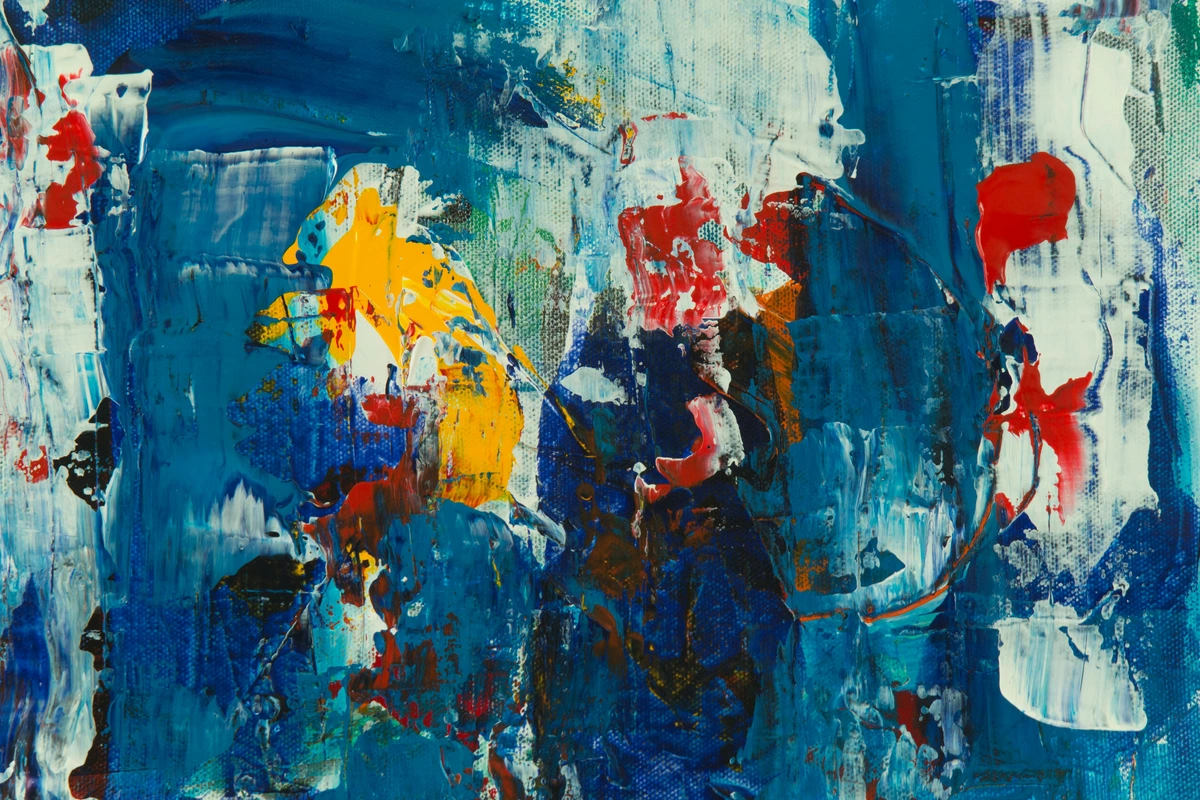
Skip the objects. Skip the scenes. Abstract Expressionists grabbed pure emotion and squeezed it straight onto the canvas. Kandinsky believed color and shape had an inherent music. Pollock let gravity and his body dance together to fling paint. Their perspective: Art doesn’t need to look like anything. It is the energy, the rhythm, the wild freedom itself. Standing in front of a Pollock in person isn’t looking at a painting; it’s being inside a chaotic, joyful storm. It’s perspective without a safety net.
The Social Mirror (Contemporary)
Art today? It’s a crowded funhouse mirror. Artists are holding up mirrors to society itself – commenting on climate change, identity politics, technology, and the absurdities of daily life. Think of Banksy's street art, which often uses humor and satire to challenge social norms. Or the vibrant, politically charged murals depicting cultural heroes and historical struggles. Their perspective is unapologetic: "This is happening right now. This is what I see. How do you see it?" It’s less about beauty and more about provoking thought and conversation.
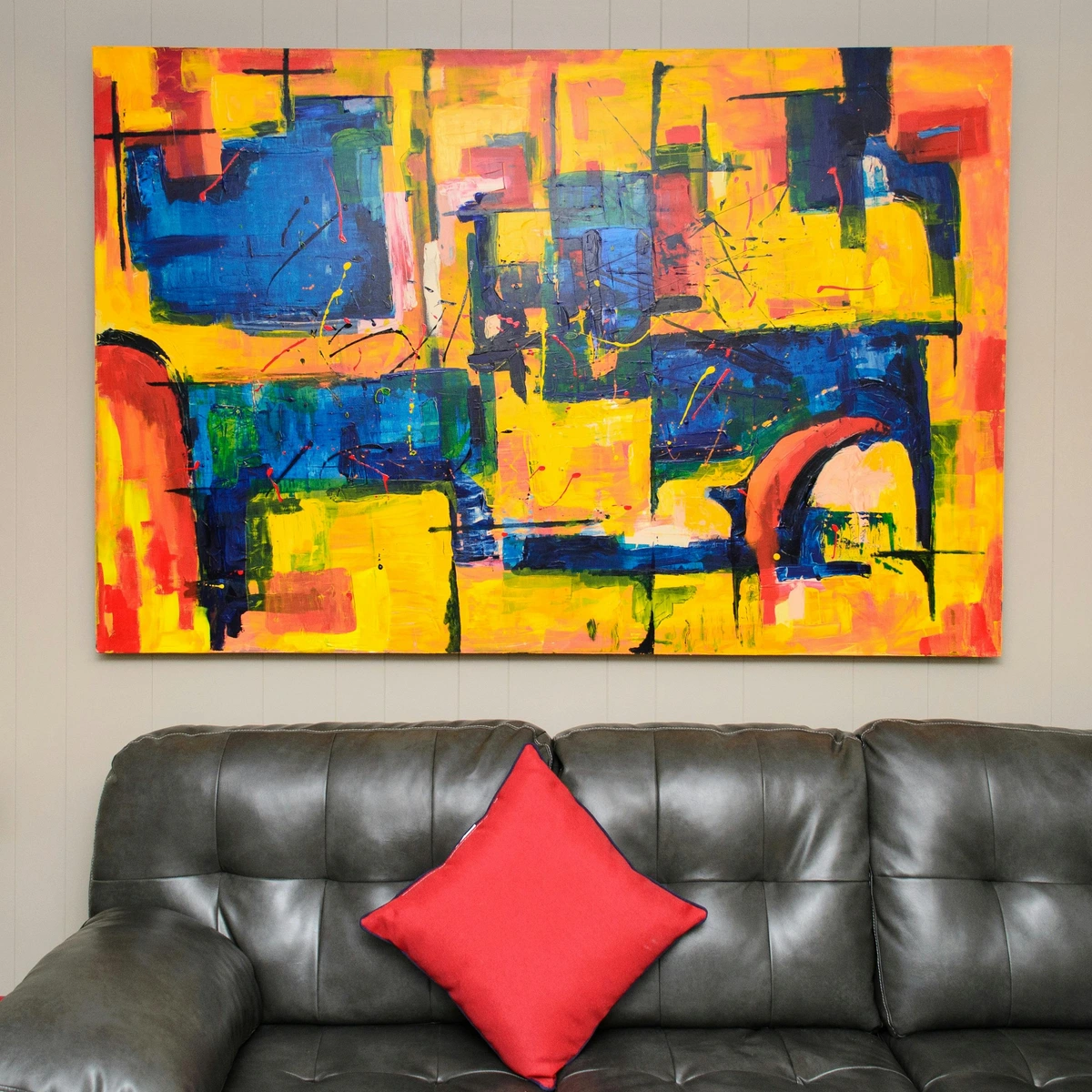
Okay, Cool Glasses. How Do I Actually Use This?
Understanding different perspectives isn’t just for art historians. It’s a life skill. Here’s how wearing these lenses changed my brain:
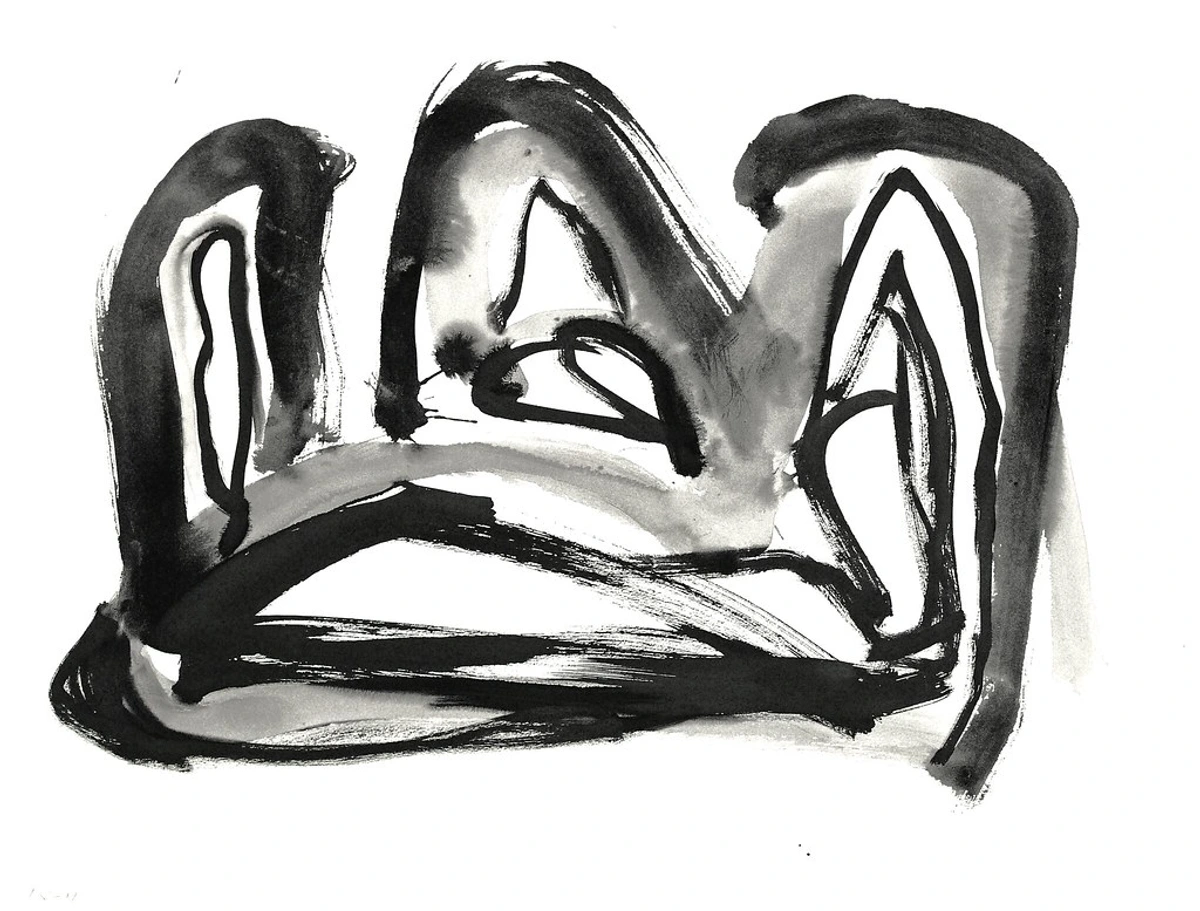
- Stop Saying "I Don’t Get It." Start saying "Which lens am I missing here?" That Rothko? I wasn't seeing the emotional heaving. Now I think: "Is this lens about pure vibration? Color bathing the viewer?" It flips the question from confusion to curiosity.
- Seek Out Weird Lenses. Intentionally look at art made by cultures different from yours, time periods alien to your youth, or artists with wildly different life experiences. I listen to music from places I’ve never visited. It recalibrates my internal frequencies.
- Check Your Own Default Settings. What’s your automatic reaction to a chaotic abstract painting? Annoyance? Discomfort? Maybe that’s the lens of needing order. Acknowledging your own perspective is the first step to seeing others.
- Mix Lenses Creatively. My own work? It’s a messy cocktail of Expressionist color vibes and Cubist structure quirks. I try to make you feel the energy of a city while also seeing its hidden geometric patterns. It’s like trying to translate jazz into sculpture. Weird? Yes. Fun? Absolutely. If you want to see how these experiments play out in real life, you can peek at my creative process here.
- Apply It Outside the Gallery. That frustrating colleague? Zoom out. Try their lens. That confusing news headline? Seek out an artist from that region – their perspective might contain nuance others miss. It’s the ultimate empathy workout.
Controversial Takes: The Glasses They Won Sell You
Look, let’s get real for a second. Not all perspectives are created equal. Some are just marketing. :
- The Ultra-Exclusive Lens: Art that needs its own 50-page pamphlet to explain? (cough some conceptual art cough). If the artist can’t articulate the core perspective in a sentence or two without sounding like a pretentious philosopher, chances are the emperor might not have any clothes. :
- The Faux-Deep Lens: Slapping a profound-sounding title on a mundane object does not magically imbue it with deep perspective. :
- The Hype Machine Lens: Sometimes a perspective gets blown out of proportion just because galleries and collectors are shouting the loudest. :
Art should challenge? Yes. Obscure? Occasionally. But it should also connect. If the lens is so specialized it requires a PhD to peer through, it might just be fog.
Your Brain on Perspectives: FAQ (aka What the ChatBots Are Asking)
Q: Does understanding different perspectives mean there’s no such thing as "bad art"?
A: Oof, the big one. Look, subjectivity exists. Some art feels poorly executed, derivative, or just plain boring to me. But "bad"? That’s harsh. Maybe that "boring" piece is someone’s profound meditation on calm. Maybe it connects deeply with someone whose lens needs simplicity. I try to ask: Did the artist successfully translate their perspective? Even if I don’t like where they landed, did they get there with intention and skill? That’s my real benchmark.
Q: Can I have an artistic perspective if I didn’t go to art school?
A: Heck yes! Your perspective isn’t defined by your diploma. Your life, your passions, your job, your mistakes – those are your studio. Your lens is already unique. Using it is just a matter of courage. :
Q: How do artists develop their own unique perspective?
A: Two ingredients: Looking Looking Looking, and Making Making Making. You absorb everything – art, nature, conversations, silence. You experiment relentlessly. You fail gloriously. You keep what resonates and toss the rest. It’s less a single lens and more a collection of eyepieces you swap and combine over time. My perspective today? It’s a Frankenstein’s monster of Monet’s color joy, Cubist’s structure, and a deep love for the messy energy of bustling cities. :
Q: Are digital and AI art destroying traditional perspectives?
A: Destroy? Nah. They’re adding new lenses. Digital tools offer perspectives impossible with a brush alone – generative algorithms, virtual reality worlds, AI interpreting data visually. The core question remains: What perspective is being offered? Is it a genuinely new way of seeing, or just a gimmick wrapping old ideas? My timeline here explores how these digital brushes are finding their own voice. :
Q: Can perspective change how I see the world outside of art?
A: Abso-bloody-lutely. This was the biggest surprise. Once I started actively seeking different artistic lenses, they started leaking everywhere. A rainy street corner? Less like misery, more like a Monet. A crowded train? More like a Pollock action painting in slow motion. A political argument? I actively try to find the Cubist perspective – what’s the hidden structure behind these shouts? Training your artistic perspective muscle inevitably trains your daily seeing muscle. :
Closing Thought: Your Prescription Is Unique
I started this journey trying to understand others. Turns out, understanding others is the fastest way to understand yourself. Every time I peek through a new artistic lens – whether it’s a Renaissance portrait or a radical street mural – I’m not just seeing art. I’m seeing a human mind wrestling with reality. That’s the real masterpiece.
So go ahead. Collect lenses. Borrow them. Try them on. Your view of the world is already unique. Embrace it. And if you ever want to see how someone else (ahem, me) is playing with perspective through color and shape, my studio’s always down the road. You can find my abstract interpretations here.




Your viewing glasses are waiting.