
NYC Museums: Your Curator's Guide to Art, History & Hidden Gems
Unlock NYC's art scene! Join my personal curator's tour of The Met, MoMA, and hidden gems. Get insider tips, essential planning advice, and an artist's perspective for an unforgettable cultural journey.

New York City Museums: Your Personal Curator's Guide to Art, History, and Hidden Gems
Oh, New York City. Just the name itself, for an artist like me who lives and breathes art, conjures images of an almost dizzying array of cultural riches. Have you ever found yourself standing on a bustling Manhattan street corner, utterly spoiled for choice, wondering which museum to dive into first? Trust me, you and I are kindred spirits. I've been there, map clutched in one hand, coffee in the other, feeling that delicious overwhelm – that thrilling challenge of where to begin in one of the true art capitals of the world.
NYC isn't just a city; it's a living, breathing canvas, a global crossroads where art isn't just displayed, it's woven into the very fabric of existence. Its sheer density of world-class institutions, groundbreaking artists, and vibrant public art makes it a pilgrimage site for anyone who appreciates creativity. But let's be honest, you can't see it all in one go, or even ten. So, how do you choose? How do you move beyond merely seeing art to truly connecting with it? Well, let me share my personal journey, my absolute must-sees, and a few cherished hidden gems that have truly moved me, complete with practical insights forged from countless visits. Consider this your roadmap to making sense of the magnificent chaos.
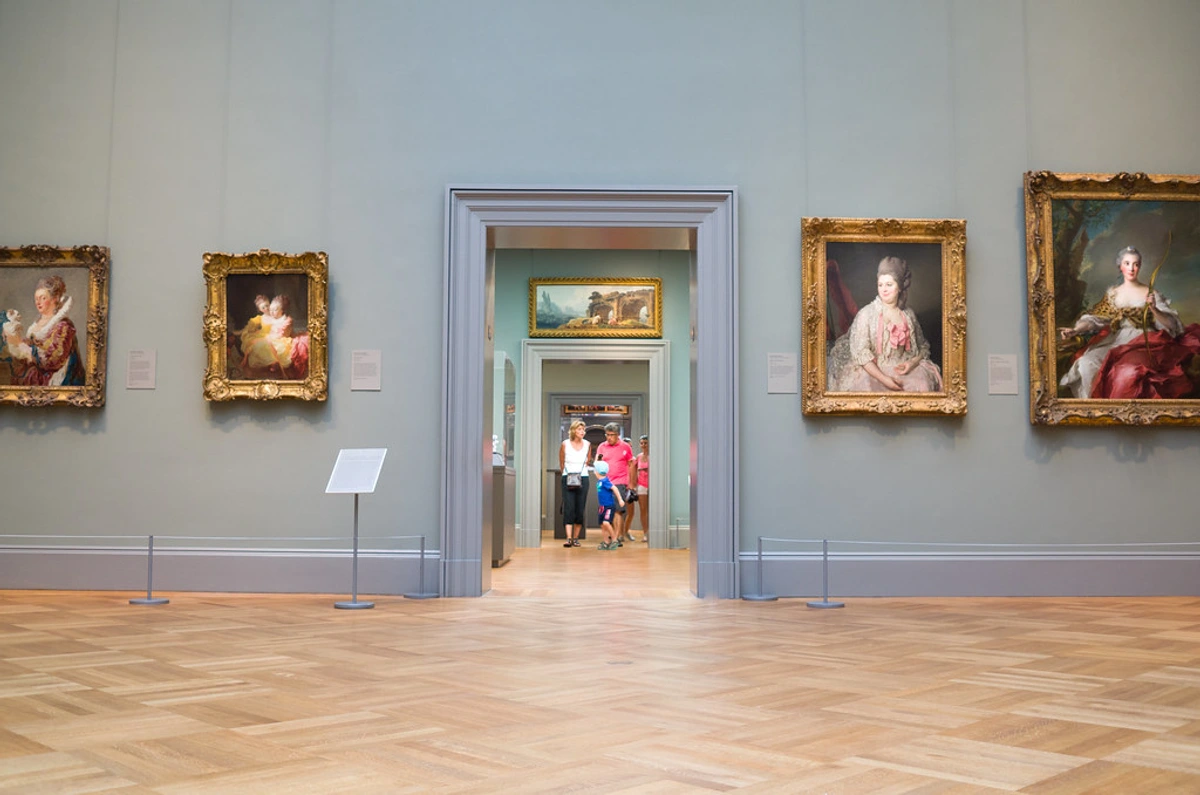
The Titans: Unmissable Icons That Command Your Attention
These are the giants, the institutions that define NYC's art scene for many, and for good reason. They are vast, encyclopedic, and utterly essential, offering deep dives into art history that can steal a day or two of your precious time.
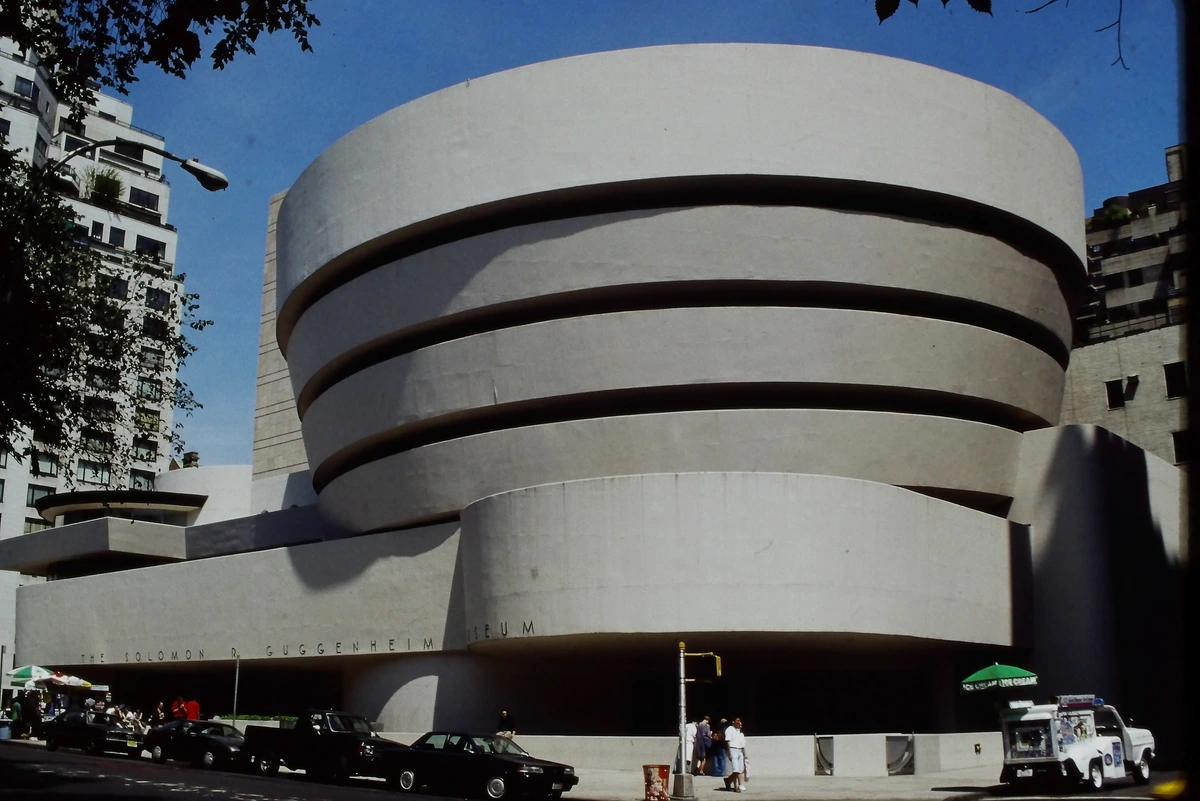
The Metropolitan Museum of Art (The Met): A World Within Walls
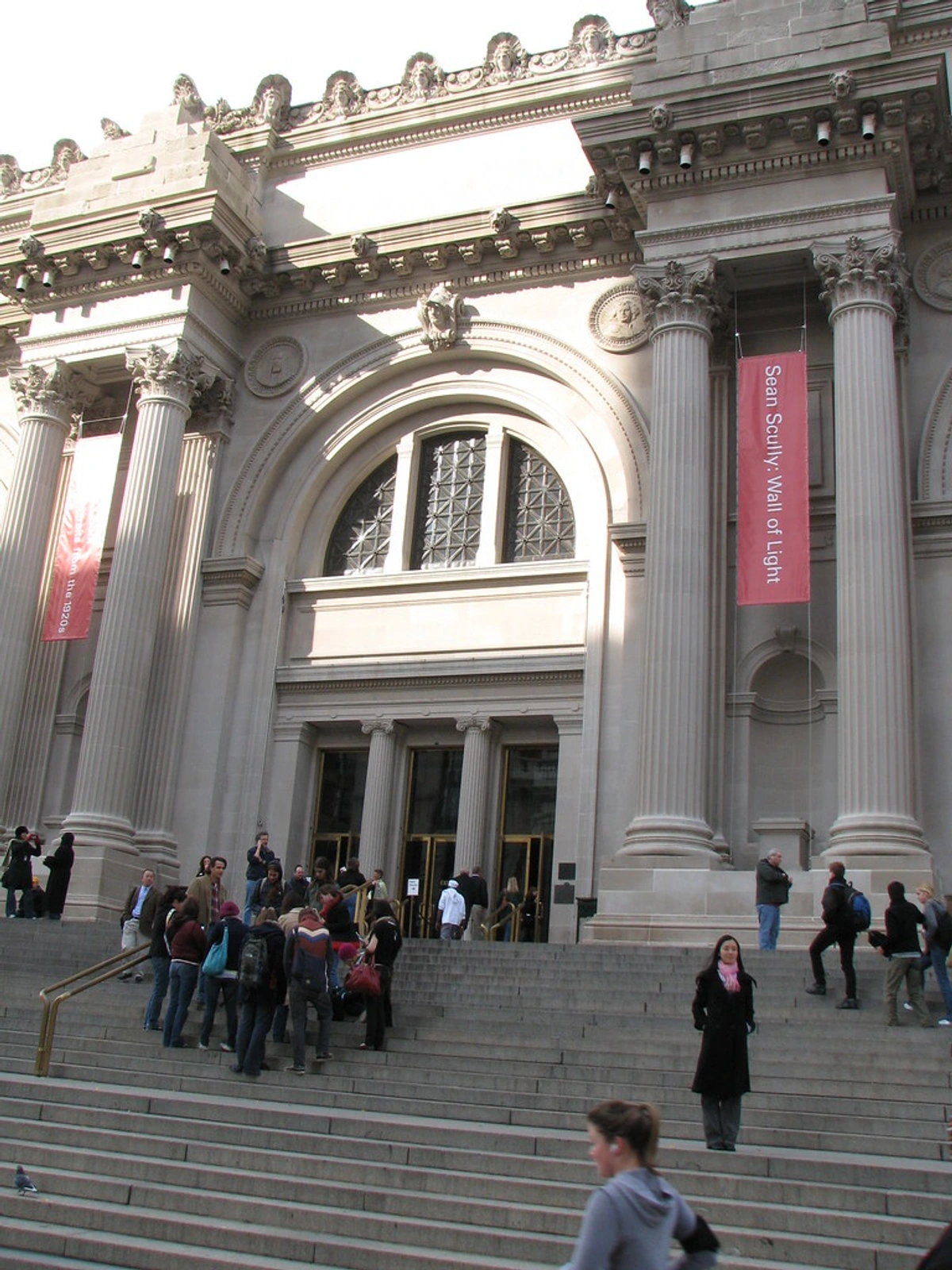
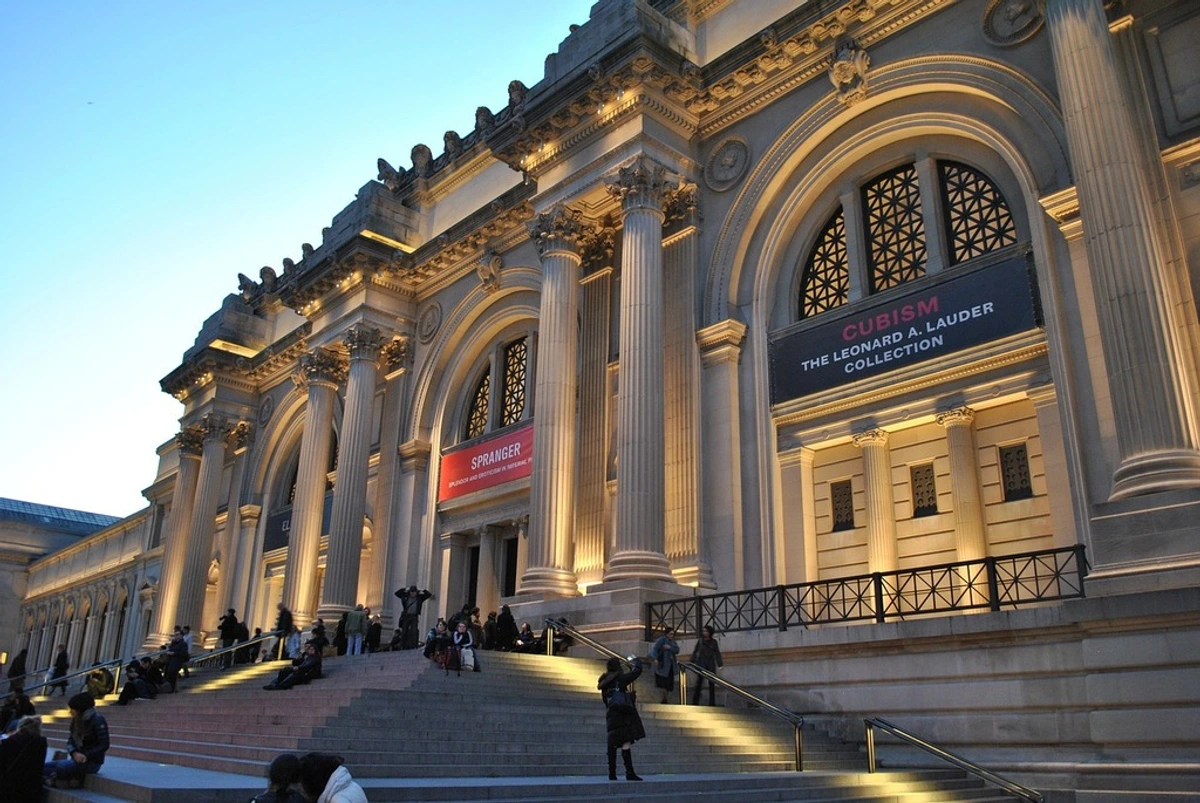
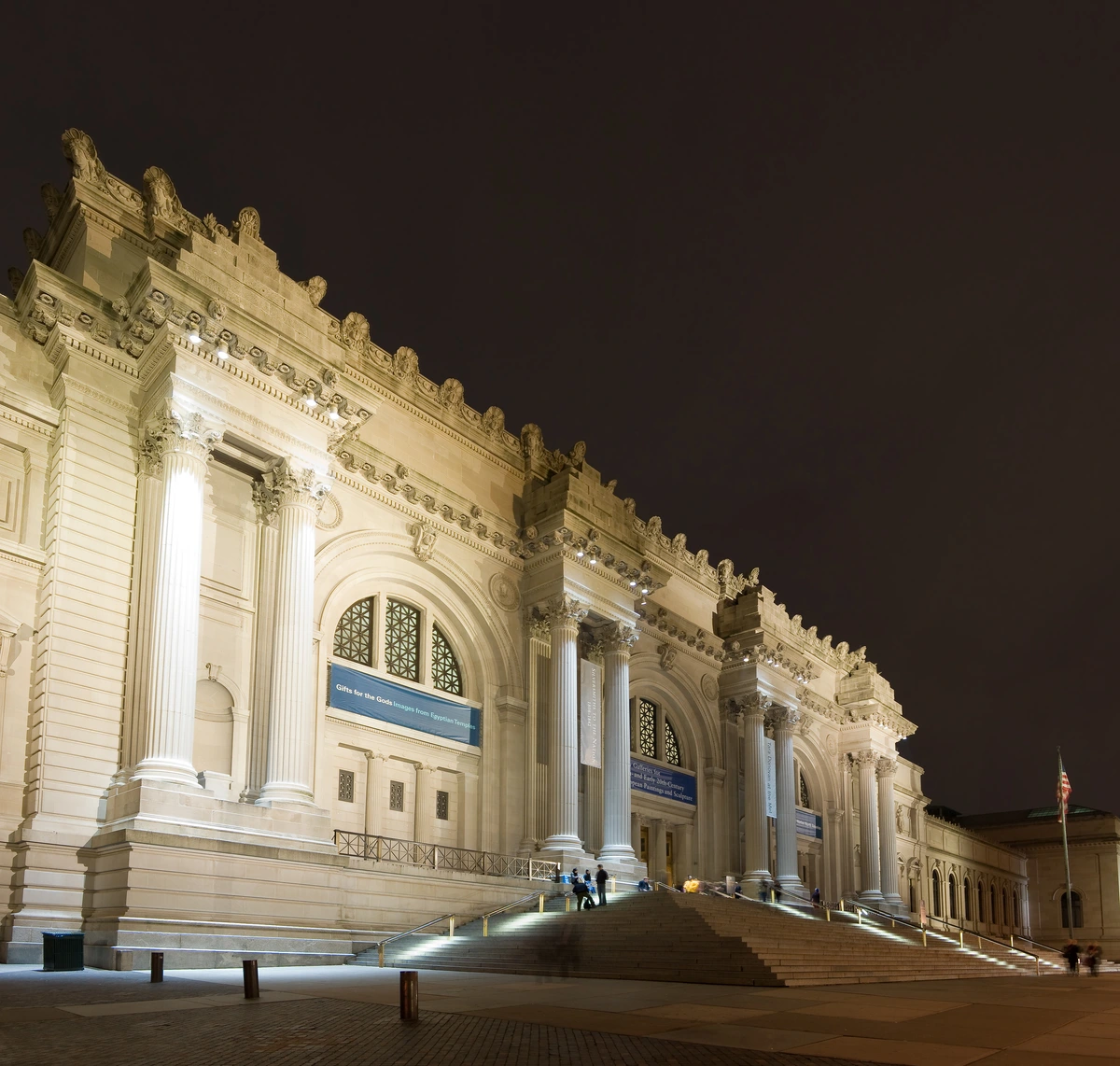
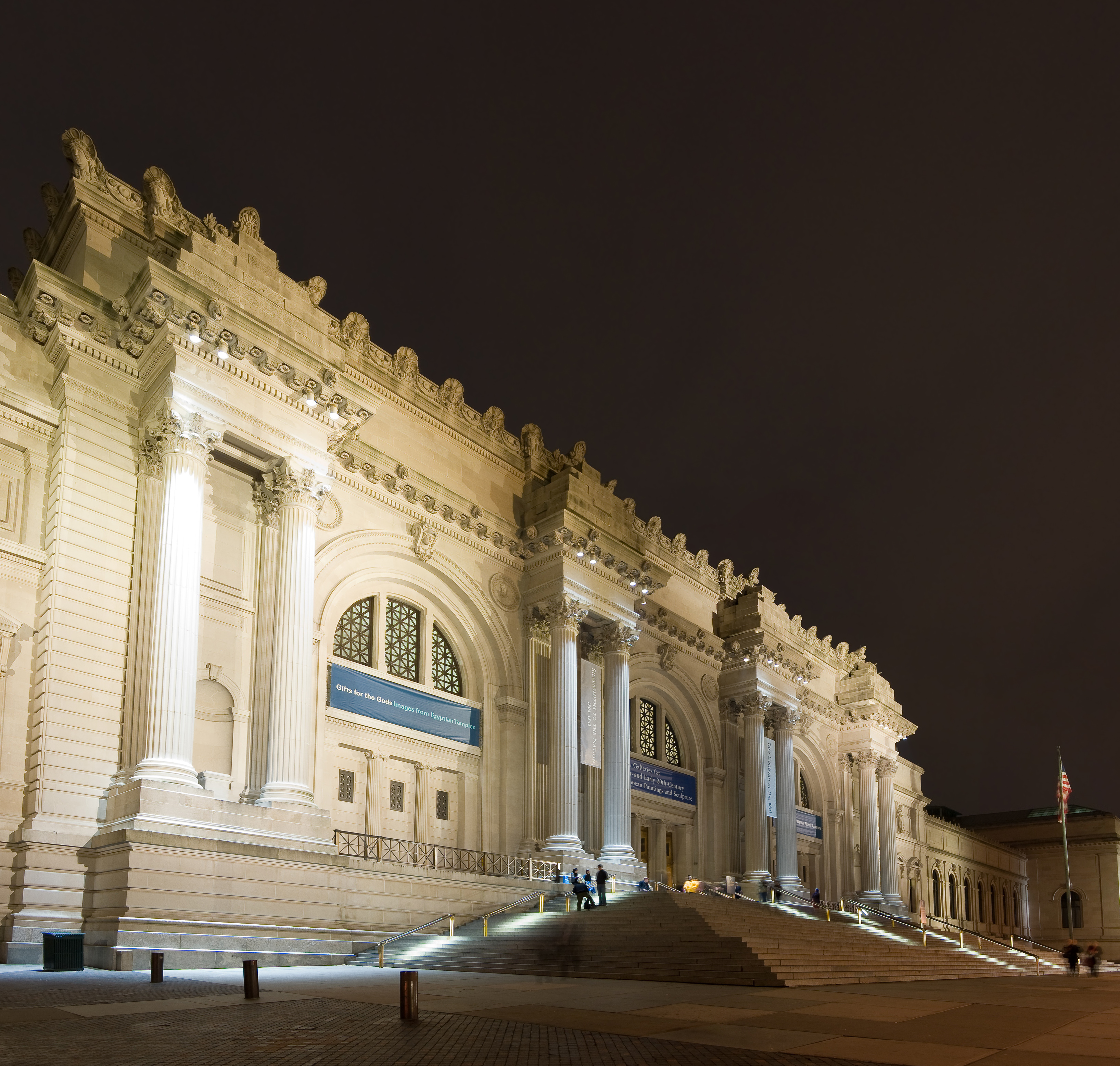
Ah, The Met. Where do I even begin? Founded in 1870 with a vision to bring art and art education to the American people, this isn't just a museum; it's an entire universe of art, history, and human endeavor. I remember my first time walking into the Great Hall, craning my neck to take in the sheer scale of it all. The light filtering through those grand arches, the hushed murmur of visitors – it's a moment that sticks with you, trust me. You could spend a week here and still discover something new.
For a first-timer, The Met can feel a bit daunting, like trying to drink from a firehose. But that's where the magic lies. It invites you to get lost, to stumble upon ancient Egyptian temples, European masterpieces, or dazzling contemporary installations. My advice? Don't try to see everything. Pick a few areas that truly call to you. Are you fascinated by ancient Rome or the enduring influence of Ancient Egyptian art on Modernism? Do you dream of Impressionist brushstrokes or grand masters like Rembrandt van Rijn? Dive deep into those sections. And if you're serious about maximizing your visit, I highly recommend checking out my dedicated piece: A First-Timer's Guide to The Metropolitan Museum of Art, NYC.
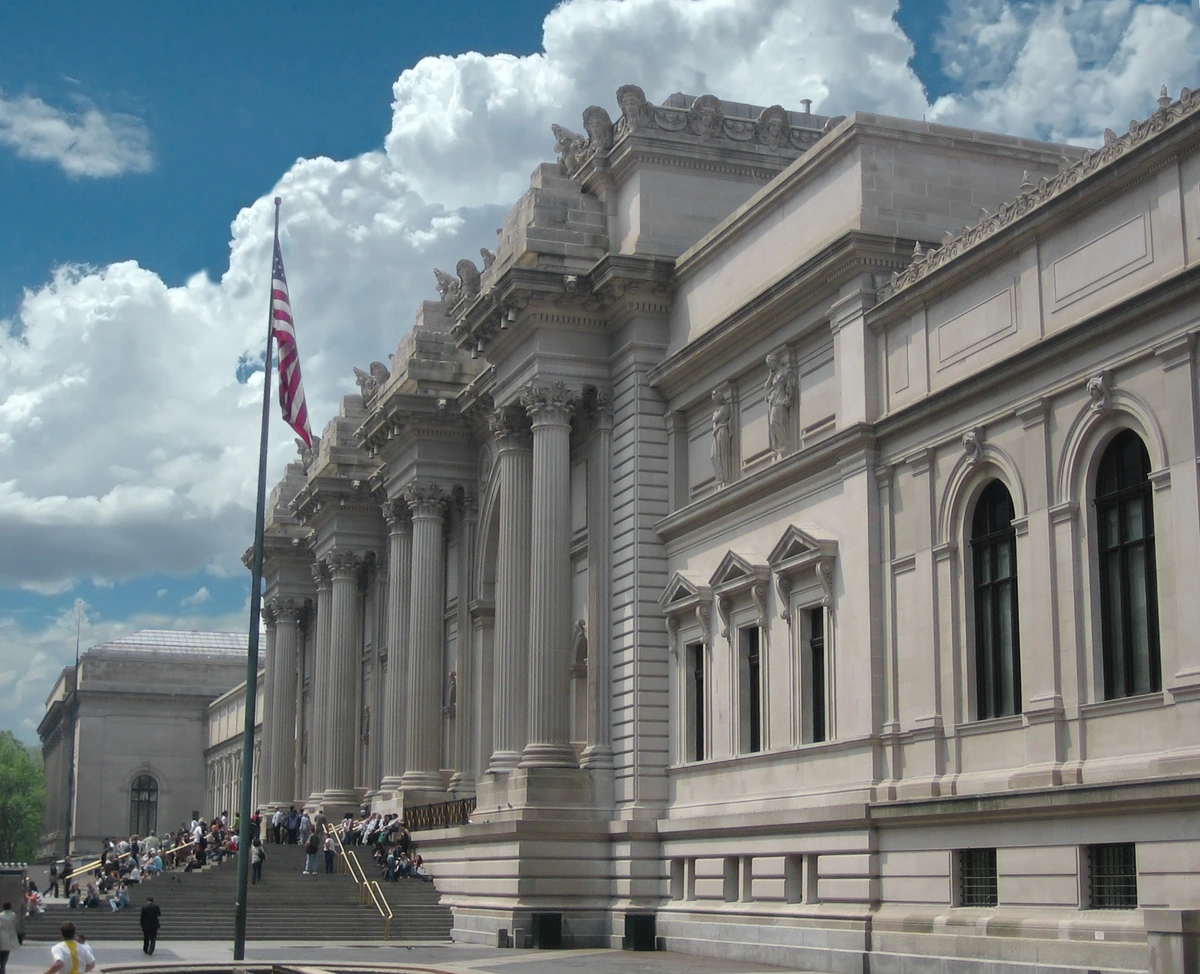
Here’s how I often approach my visits, focusing on different facets of this magnificent institution:
Section Focus  | Iconic Highlights | My Personal Take | Pro-Tip |
|---|---|---|---|
| Egyptian Art | Temple of Dendur, tombs, mummies, the Book of the Dead. | Absolutely breathtaking; transports you to another era. The scale is humbling. | Allow 1.5-2 hours. Don't rush past the smaller, more intricate exhibits. |
| European Paintings | Vermeers (e.g., Young Woman with a Water Pitcher), Rembrandts (Aristotle with a Bust of Homer), Van Goghs – a roll call of masterpieces. | Lose yourself for hours. The natural light in these galleries is simply incredible. | Head here early to avoid crowds. Seek out the less-traveled side galleries for quiet contemplation. |
| American Wing | Emanuel Leutze's Washington Crossing the Delaware, Tiffany stained glass, recreated period rooms. | A fascinating look at American artistic and social evolution, beautifully presented. | Explore the recreated period rooms and the study collection for a glimpse into history. |
| Arms and Armor | Intricate suits of armor, ceremonial weapons from around the world, jousting lances. | Surprisingly captivating, even if you're not usually into military history! | Engaging for all ages, often less crowded than the main painting galleries. |
- Practical Pointer for The Met: Located on Museum Mile (Upper East Side). Easily accessible via the 4/5/6 subway lines to 86th Street. Plan for at least 4-5 hours, or a full day if you really want to immerse yourself. Consider going on a weekday morning right at opening for the most serene experience.
Museum of Modern Art (MoMA): Where the Future Began
If The Met is about understanding the past, MoMA is about grappling with the seismic shifts that defined the modern era and continue to shape our present. Founded in 1929 by three powerful women, this institution championed modern art when it was still controversial, redefining what art could be. I love the feeling of walking through its doors and being immediately confronted by the revolutionary, the challenging, and the utterly iconic.
Here, you'll find true cultural touchstones: Picasso's Les Demoiselles d'Avignon, Van Gogh's The Starry Night, Warhol's Campbell's Soup Cans, Dalí's The Persistence of Memory, and Monet's Water Lilies. MoMA consistently pushes boundaries, challenging perceptions, and, frankly, sometimes making you scratch your head in the best possible way. That's the beauty of modern art, isn't it? It demands something of you, blurring the lines between modern vs. contemporary art. As an artist who delves into abstract art, seeing these groundbreaking works reminds me how art continues to evolve and challenge the status quo.
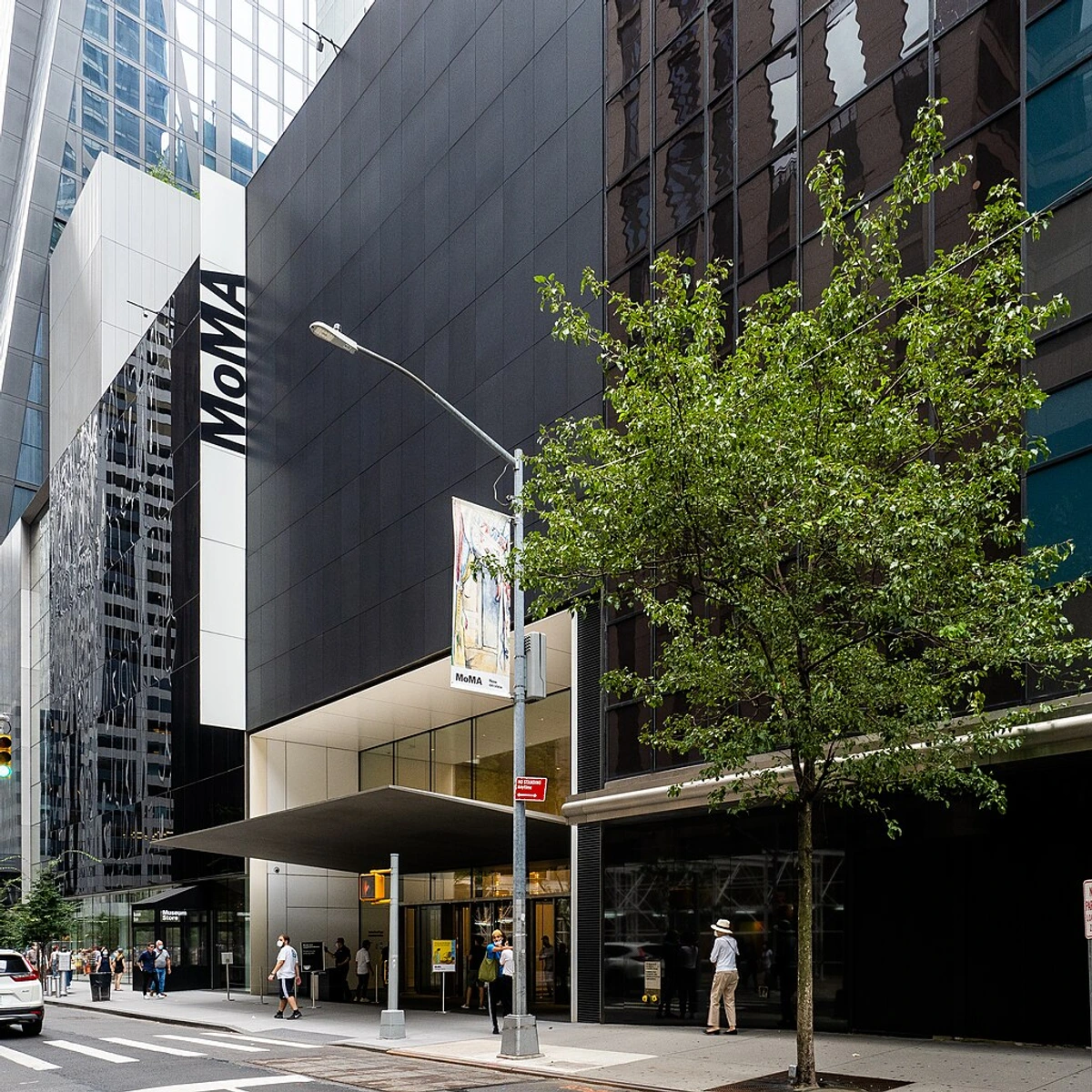
For an even more in-depth look at making your MoMA visit epic, check out A First-Timer's Guide to The Museum of Modern Art (MoMA), New York.
Gallery/Collection Focus | Notable Artists/Works | Why It Resonates With Me | Pro-Tip |
|---|---|---|---|
| Painting and Sculpture | Van Gogh, Picasso, Monet, Pollock, Warhol, Dalí | Ground zero for understanding the evolution of modern painting. Seeing the brushstrokes up close is always a revelation. | Don't miss the tranquil outdoor Sculpture Garden for a breath of fresh air. |
| Media and Performance | Cutting-edge video, sound, and interactive installations by diverse artists. | A peek into art's future, often challenging and thought-provoking. These works make me rethink my own artistic boundaries. | Check for special screenings and performances; they're often unique experiences. |
| Architecture and Design | Influential models, objects, and drawings by giants like Le Corbusier. | Shows how design shapes our world, from a simple chair to a complex city plan. It's art you live with. | The design collection, especially the industrial design, is surprisingly engaging and insightful. |
| Photography | Man Ray, Cindy Sherman, seminal photographic movements. | Captures history and emotion through the lens, often with a raw intimacy that draws you in. | Explore the temporary photography exhibits; they're consistently strong and offer fresh perspectives. |
- Practical Pointer for MoMA: Located in Midtown Manhattan, easily accessible via most subway lines (E or M to 53rd Street-5th Ave, or B/D/F/M to 47-50th Sts-Rockefeller Center). Allocate 3-4 hours minimum. Consider Friday evenings when admission is free, but be prepared for crowds – it's a popular time for a reason!
Solomon R. Guggenheim Museum: Art in a Spiral
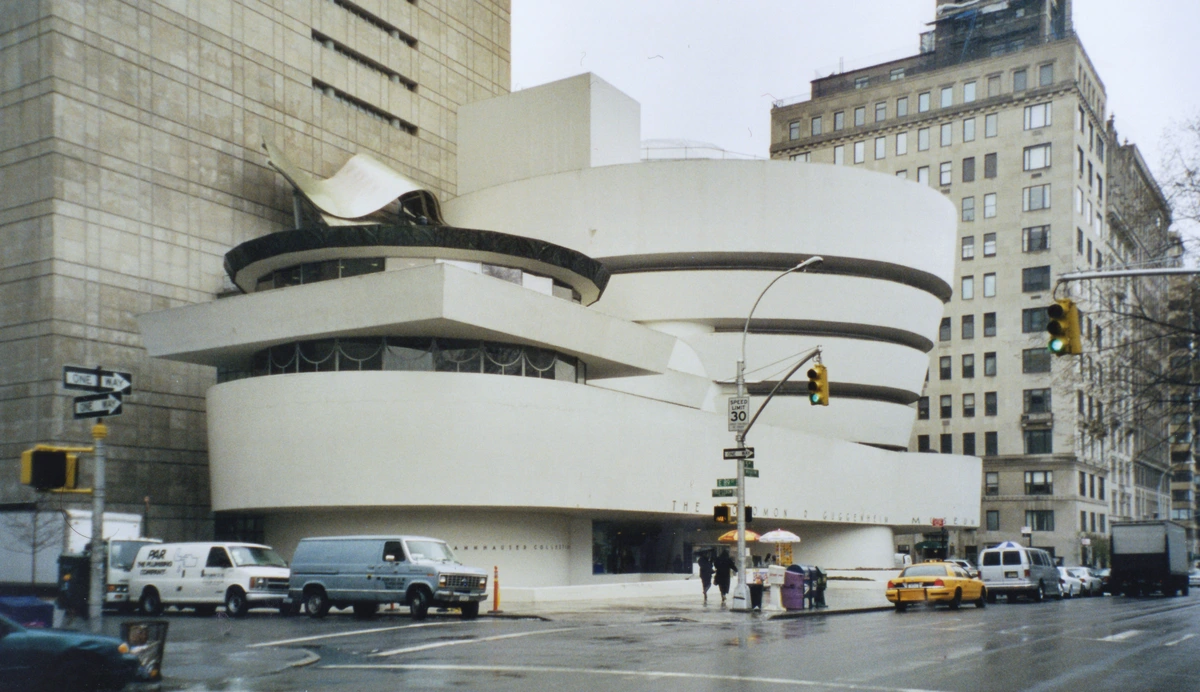
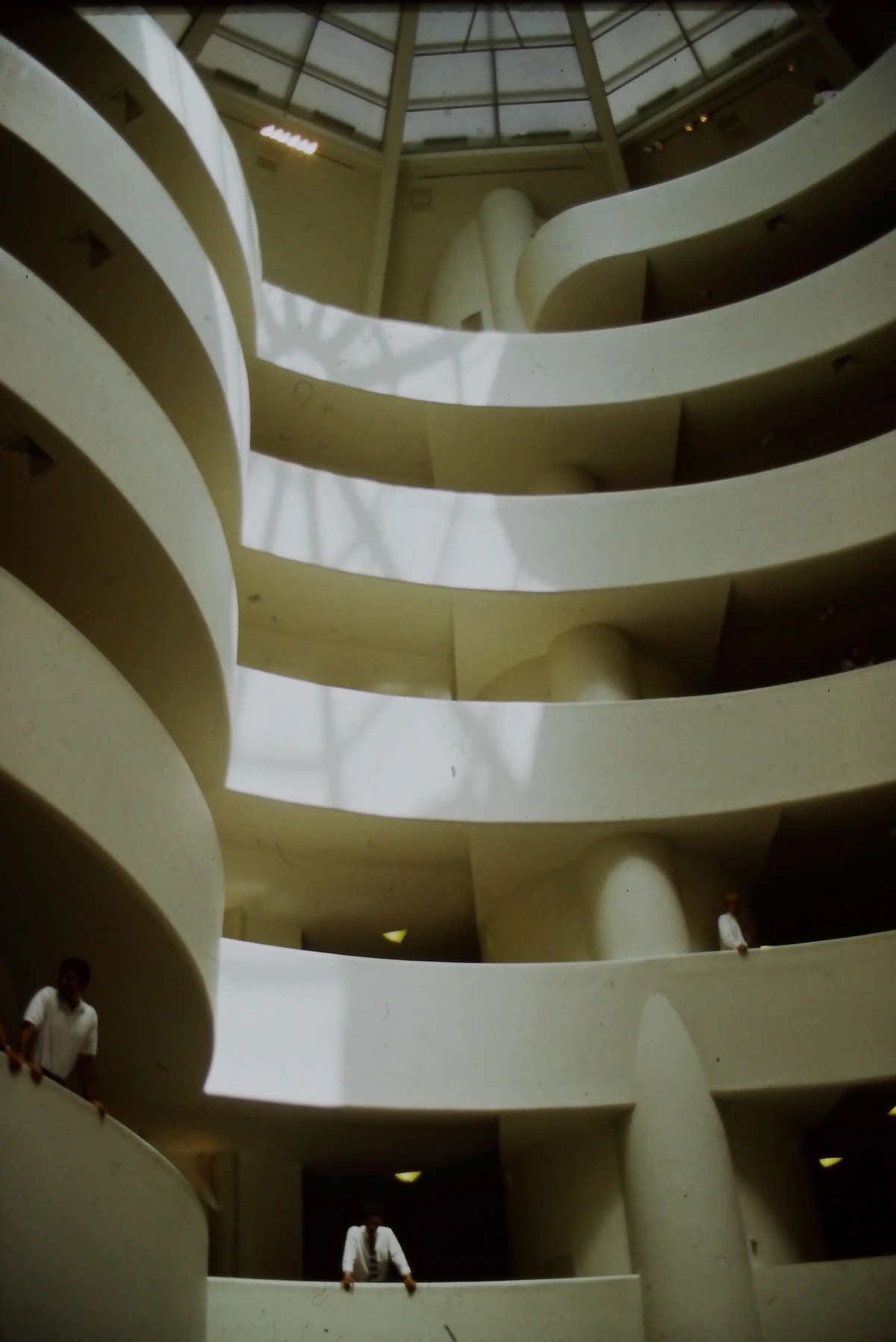
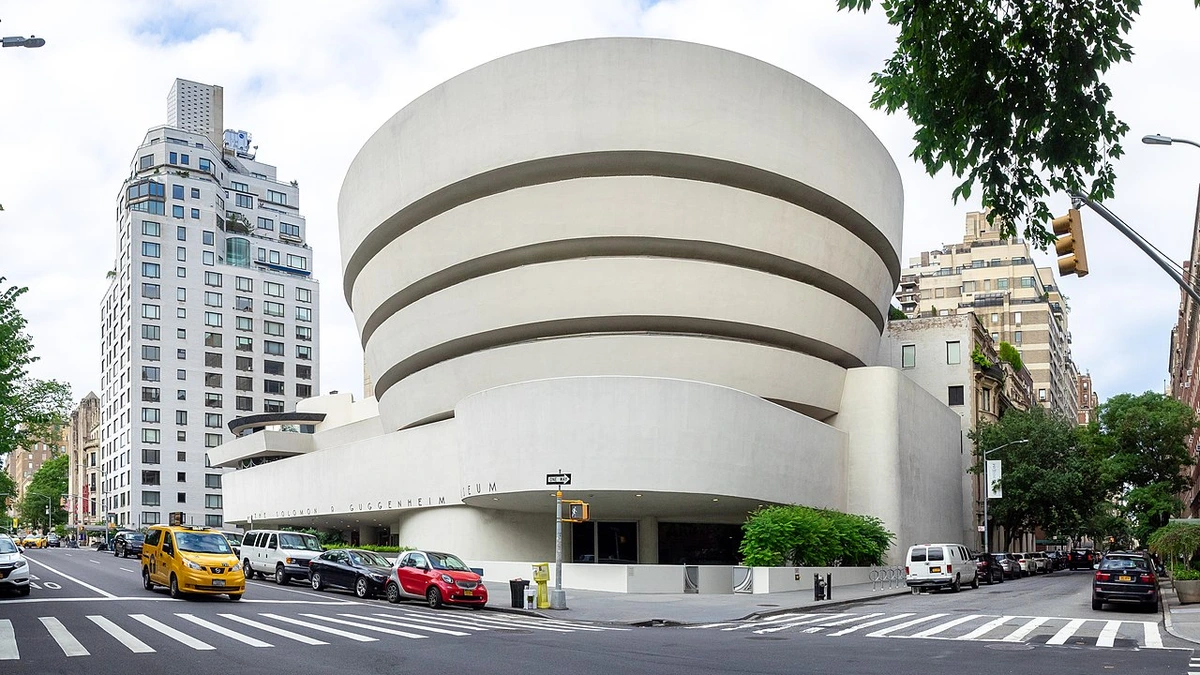
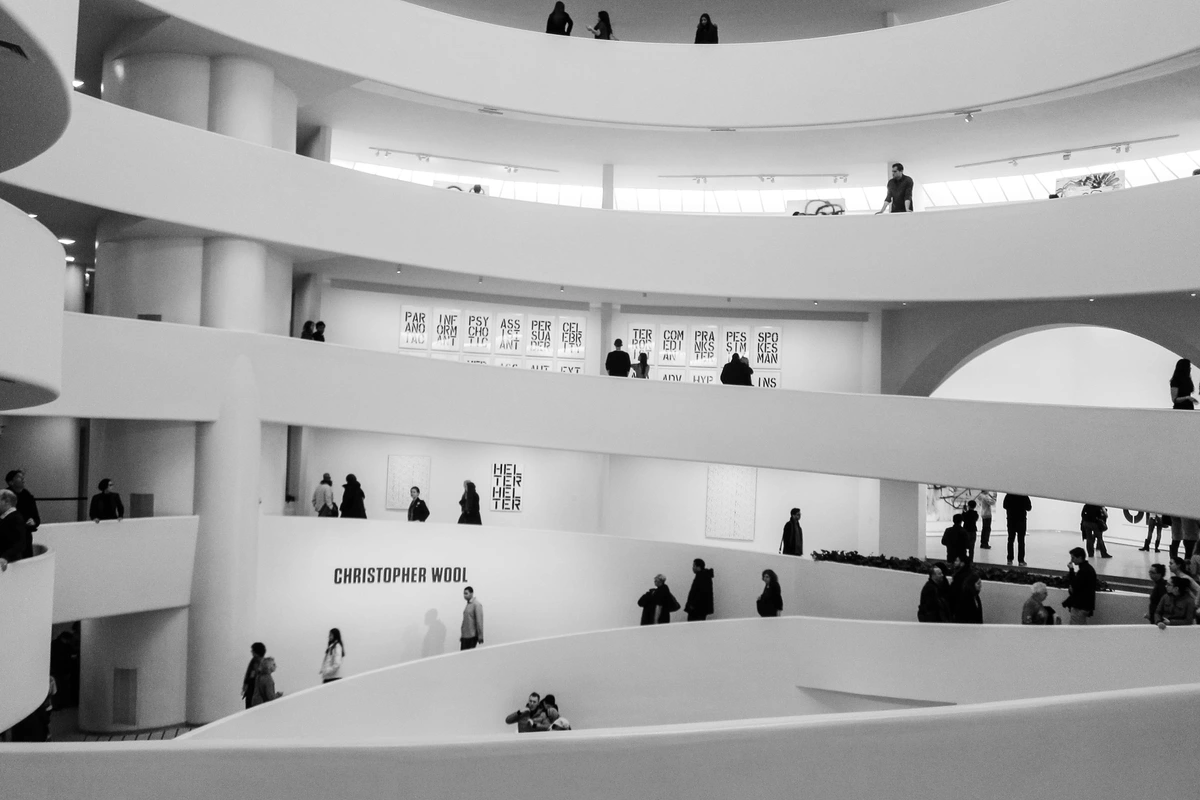
Now, the Guggenheim. Even before you step inside, the building itself is a masterpiece. Frank Lloyd Wright's iconic spiraling design, completed in 1959, is an experience in itself – a UNESCO World Heritage site! Walking up (or down, if you prefer) the gentle incline of the ramp, with art displayed along the walls, feels like a deliberate, immersive journey. It's an experience that often blurs the lines between architecture and the art it houses.
I find it forces you to slow down, to engage with each piece as you ascend or descend, giving your visit a unique rhythm. Its strong collection of Impressionist, Post-Impressionist, and early Modern works by artists like Vasily Kandinsky, Paul Klee, and Marc Chagall feels perfectly at home within this innovative structure. It’s a constant reminder that the vessel for art can be as much a work of art as what it contains.
Aspect | Description | My Recommendation | Pro-Tip |
|---|---|---|---|
| Architecture | Frank Lloyd Wright's iconic spiral, a UNESCO World Heritage site. | Take time to admire the building from both inside and outside; it's part of the show! | Look up at the skylight from the ground floor for a stunning perspective. |
| Collections | Strong in Impressionist, Post-Impressionist, early Modern, and contemporary art, with a particular focus on Kandinsky. | Always check current exhibitions; they're often groundbreaking and site-specific. | Don't rush; let the unique space guide your viewing pace. Enjoy the journey up or down. |
| Visitor Experience | Unique ramp viewing, natural light from the skylight, open rotunda. | Start at the top and work your way down for a less strenuous descent and a fresh perspective on the main rotunda. | Wear comfortable shoes – that gentle incline is longer than you think! |
- Practical Pointer for The Guggenheim: Also on Museum Mile, a short walk from The Met. Use the 4/5/6 subway to 86th Street. Plan for 2-3 hours. Timed entry is highly recommended to manage crowds, especially on weekends.
Beyond the Giants: Niche Gems & Different Vibes
Okay, so we've covered the big three, the ones everyone talks about. But New York, being New York, has so much more. These are the places I go when I want a different kind of immersion, a more specific conversation with art. They offer unique perspectives, from specific eras to cutting-edge emerging artists, and often a more intimate experience than the 'titans.'
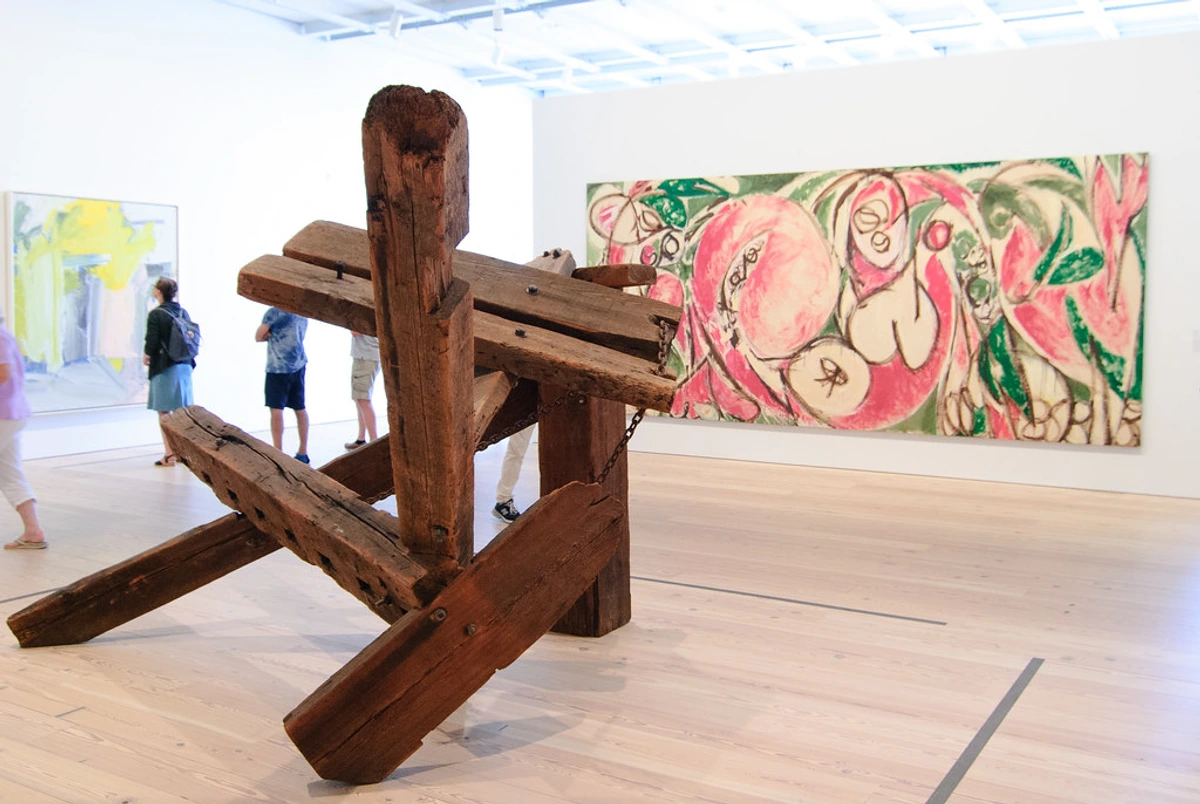
The Whitney Museum of American Art: A Modern American Story
Perched in the Meatpacking District with stunning views of the Hudson River and the High Line, the Whitney is a vibrant celebration of 20th and 21st-century American art. Its roots trace back to Gertrude Vanderbilt Whitney's frustration with the art establishment's reluctance to embrace American modernism, a spirit of rebellion I deeply appreciate. I love its focused mission, its commitment to showcasing the dynamic, often challenging, narrative of American creativity, from Edward Hopper's iconic realism to contemporary voices like Jasper Johns and Cindy Sherman. It feels fresh, relevant, and always has something thought-provoking on display. Plus, the outdoor terraces are just glorious on a sunny day – art with a view, what's not to love?
- Pro-Tip: Combine your Whitney visit with a stroll on the High Line for a perfect afternoon of art and urban nature. Weekday late afternoons often have fewer crowds, and their Friday night "Pay-What-You-Wish" policy is a fantastic deal.
The Frick Collection: Intimacy with Old Masters
Stepping into The Frick Collection feels like entering a private mansion, which it once was. This isn't a museum in the traditional sense; it's a breathtaking collection of Old Master paintings, sculpture, and decorative arts, displayed in the opulent rooms of Henry Clay Frick's former residence. It's an intimate experience, a chance to get up close with works by Vermeer, Rembrandt, Goya, El Greco, and Fragonard without the usual museum crowds. It's a serene escape, a moment of quiet contemplation with timeless beauty. I swear, sometimes I feel like I'm a guest in their home, absorbed in their personal curated world, and that's a rare and wonderful feeling.
- Pro-Tip: Tickets are very limited and must be booked well in advance. Embrace the quiet atmosphere – it's designed for contemplation, not quick tours. Children under 10 are not admitted, making it ideal for a more adult-focused art excursion.
New Museum: The Cutting Edge
If you're looking for art that challenges, provokes, and perhaps even bewilders in the most exhilarating way, the New Museum on the Lower East Side is your spot. Opened in 1977, it's dedicated exclusively to contemporary art, often by emerging artists from around the world. Every visit here is an adventure into the unknown, a chance to see what's next, what's pushing the boundaries. It's raw, it's vital, and it's exhilarating. It reminds me that art is a conversation that never ends, always evolving, always finding new forms. This dynamism is exactly what fuels my own artistic journey and my exploration of abstract art in my own studio.
- Pro-Tip: Its smaller scale means you can comfortably see everything in 1.5-2 hours. Be open-minded; the art here is meant to spark dialogue, not just aesthetic pleasure. Prepare to be challenged, and perhaps a little delighted.
Brooklyn Museum: A Diverse Global Journey
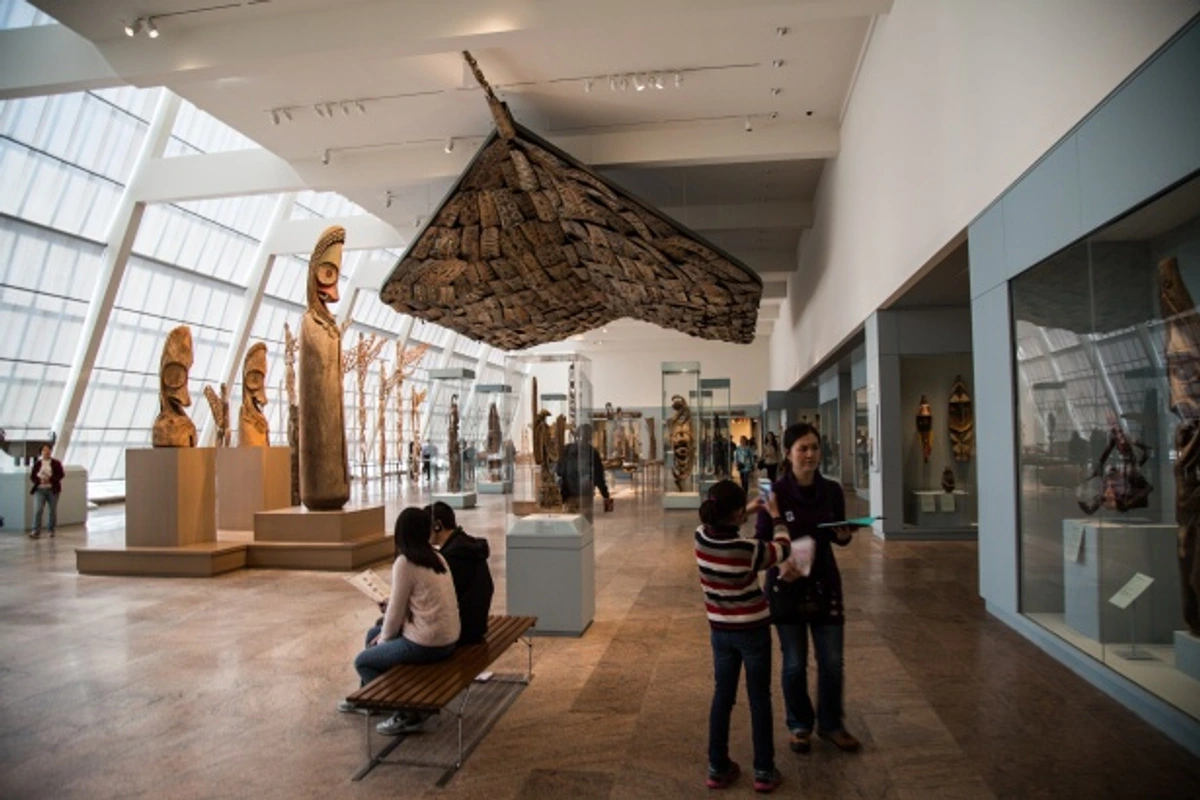
While not in Manhattan, the Brooklyn Museum is absolutely worth the trip. It's one of the oldest and largest art museums in the United States, with a wonderfully diverse collection spanning ancient Egyptian antiquities (second only to the British Museum's collection in the US!), African art (and its influence on Modernism), American art, and a fantastic Elizabeth A. Sackler Center for Feminist Art, which houses Judy Chicago's iconic The Dinner Party. It feels less frantic than its Manhattan counterparts, offering a more relaxed, expansive experience. Plus, exploring Prospect Heights or Crown Heights afterward is always a treat.
- Pro-Tip: Take the 2 or 3 subway directly to Eastern Parkway/Brooklyn Museum. It's a great option for a day when Manhattan museums feel too overwhelming, and offers expansive halls perfect for exploring at a leisurely pace. They also have a popular "Target First Saturdays" program with free admission and events.
Other Cherished Gems & Unexpected Art Experiences
New York's art scene extends far beyond the well-trodden paths. These are the places I cherish for their unique focus and ability to offer a different kind of artistic immersion:
- The Morgan Library & Museum: A stunning complex housing a truly remarkable collection of rare books, manuscripts, and drawings in a breathtaking architectural setting. It's a quiet oasis, perfect for lovers of literature and delicate artistry. Think illuminated medieval manuscripts, original scores by Mozart and Beethoven, and drawings by Rembrandt. It feels like stepping into a collector's personal treasure chest.
- Rubin Museum of Art: For a focused dive into the art and cultures of the Himalayas, India, and surrounding regions. It's a serene, contemplative space, often with fascinating temporary exhibitions of thangkas, sculptures, and ritual objects. It offers a peaceful retreat and a unique cultural perspective.
- Public Art & Street Art: Beyond the museum walls, NYC is an open-air gallery. Don't forget to look up, look down, and wander through neighborhoods like Bushwick, Wynwood (Brooklyn), or the Lower East Side for incredible murals. Seek out iconic public sculptures like the Charging Bull in the Financial District, Fearless Girl (currently near the NYSE), or Robert Indiana's LOVE sculpture (near MoMA). Art truly is everywhere in this city – you just have to open your eyes to it!
Museum | Primary Focus | Vibe/Why I Love It | Time Needed (Avg.) |
|---|---|---|---|
| Whitney Museum | 20th/21st Century American Art | Fresh, relevant, great views of the Hudson, celebrates American dynamism. | 2-3 hours |
| The Frick Collection | Old Masters, European Decorative Arts | Intimate, opulent, serene, feels like a private home, unparalleled intimacy. | 1.5-2.5 hours |
| New Museum | Contemporary Art (emerging artists) | Edgy, provocative, glimpses into the future of art, always surprising. | 1.5-2 hours |
| Brooklyn Museum | Diverse, Global Art, Egyptian, African, American | Expansive, relaxed, broad appeal, community feel, a true hidden giant. | 3-4 hours |
| Morgan Library | Rare Books, Manuscripts, Drawings | Elegant, academic, stunning architecture, a quiet oasis for contemplation. | 1.5-2 hours |
| Rubin Museum | Himalayan, Indian, Asian Art | Meditative, culturally rich, unique focus, peaceful and deeply informative. | 2-2.5 hours |
Making the Most of Your NYC Museum Trip: My Hard-Earned Wisdom
Look, after countless hours wandering through these hallowed halls (and a few missed turns, believe me), I've picked up a few pointers that I think will really elevate your experience. This isn't just about ticking boxes; it's about truly connecting with the art. And trust me, I've fallen victim to "museum fatigue" more times than I care to admit – that feeling where your brain just can't process another masterpiece, and every brushstroke starts to blur. Don't let that happen to you!
- Wear Comfortable Shoes (Seriously): This might sound like a no-brainer, but you'll be doing a lot of walking and standing. Your feet will thank you, and you'll be able to focus on the art, not your blisters. I learned this lesson the hard way one too many times, cutting promising visits short.
- Buy Tickets Online in Advance: This is a golden rule! Save yourself the queue and often secure a better entry time! Most museums offer timed entry, and pre-booking is essential, especially for popular spots. Sometimes, you can even snag a discount. From a behind-the-scenes perspective, pre-booked tickets help museums manage flow and enhance your visit.
- Don't Try to See Everything: I know, the FOMO (Fear Of Missing Out) is real, especially in a city like New York. But seriously, attempting to sprint through every gallery at The Met is a recipe for exhaustion, not enlightenment. Pick a few must-sees and allow yourself to truly linger. It’s better to absorb a few pieces deeply than to skim hundreds – you'll remember the quality, not the quantity. This is a lesson I still remind myself of.
- Look for Free/Pay-What-You-Wish Days: Many NYC museums have specific days or hours where admission is free or on a suggested donation basis. Do your research! It's a fantastic way to experience world-class art without breaking the bank. The Met and Brooklyn Museum, for instance, often have these options for New York State residents or students, and MoMA has free Friday evenings. Always check their official websites for the most up-to-date information.
- Embrace the Gift Shop (or not): Sometimes a little souvenir is lovely, a way to bring a piece of the experience home. But don't feel pressured. The real treasure is the art itself. Though, I admit, I often find myself admiring the prints and books, wondering if I should add something new to my collection.
- Take Breaks: Museum fatigue is a very real, scientifically recognized phenomenon – that mental and physical exhaustion that creeps in after prolonged exposure to art, leading to information overload and a diminished ability to appreciate new pieces. Find a bench, grab a coffee, sit in the courtyard. Let your brain process what you've seen before diving back in. It's a marathon, not a sprint!
Frequently Asked Questions About NYC Museums
Navigating NYC's unparalleled museum scene can bring up a lot of questions, especially for first-timers. Here are the ones I hear most often, and my seasoned curator's answers:

Which NYC museum is best for contemporary art?
For cutting-edge contemporary art, the New Museum is unparalleled, focusing exclusively on emerging artists and provocative new works. MoMA also has an excellent contemporary collection, particularly strong in established 20th and 21st-century artists, and the Whitney focuses specifically on 20th and 21st-century American art, offering another strong option depending on your preference for international versus American focus. Each offers a distinct flavor of contemporary art, so perhaps consider which narrative most appeals to you.
Can I see all major NYC museums in one trip?
Realistically, no, and I strongly advise against trying! NYC has too many world-class museums to see them all in a single trip without feeling rushed and overwhelmed. My personal philosophy is quality over quantity. I always recommend picking 2-3 major ones that truly excite you, and maybe one smaller, niche museum, and allowing ample time for each. It’s about the depth of your experience, not merely ticking off names on a list.
Are there any free museums in NYC?
Yes! While some offer permanently free admission (like the National Museum of the American Indian and the Museum at FIT), many others have specific free days or "pay-what-you-wish" policies. For instance, The Met and Brooklyn Museum offer pay-what-you-wish for New York State residents or students, and MoMA offers free admission on specific Friday evenings. Always, always check their official websites for the most up-to-date information before you go!
What's the best way to get tickets for NYC museums?
The absolute best way is to purchase tickets online in advance directly from the museum's official website. This often secures your preferred entry time, saves you from potentially long queues (especially for popular exhibitions), and sometimes even offers a slight online-only discount. For visitors planning to hit multiple major attractions, considering a CityPASS or a similar multi-attraction pass can also save you money and streamline entry, but always do the math to ensure it aligns with your specific itinerary.
How much time should I allocate per museum?
This really depends on your pace and level of interest, but as a general guide: for major, expansive museums like The Met or MoMA, I'd suggest allocating at least 3-4 hours, and frankly, a full day is not unheard of for The Met if you want to be thorough. For smaller or more focused museums like The Frick Collection, the New Museum, or the Morgan Library, 1.5-2.5 hours might suffice. Remember, it's your journey – some people breeze, some linger for ages. Trust your gut (and your feet!).
My Final Thoughts: The Unending Conversation with Art
Visiting New York's museums is more than just looking at pretty pictures; it's an active dialogue with human creativity across millennia. Each visit is a new conversation, a fresh perspective. Sometimes I walk out feeling utterly inspired, sometimes a little challenged, sometimes just… quiet, in awe of what we humans are capable of. It feeds my soul, informs my own abstract art, and makes me think about what I want to convey in my own studio.
So, next time you're in the Big Apple, don't just sightsee. Experience the art. Let it wash over you, challenge you, move you. And perhaps, find a piece of yourself reflected in the masterpieces on display. Happy exploring, and remember to connect!
Curator's Planning Guide: Strategic Immersion in NYC's Art Scene
For those meticulously planning their pilgrimage to New York City's unparalleled art institutions, consider this your essential curator-approved guide. Beyond the personal anecdotes, here's a structured approach to maximize your art world immersion, ensuring you see the best and make the most of your precious time.
Top 5 Must-Visit NYC Museums for Art Lovers
These institutions represent the zenith of artistic and cultural offerings in New York City, each providing a distinct and enriching experience that every art lover should prioritize.
- The Metropolitan Museum of Art (The Met): A sprawling encyclopedic museum housing over two million works spanning 5,000 years of world culture. Essential for its comprehensive collections from ancient civilizations to European masters and modern art.
- Curator's Tip: Focus on specific wings or eras rather than attempting to conquer it all. The rooftop garden offers spectacular city views seasonally – a perfect spot for a refreshing break after wandering through millennia of art.
- Museum of Modern Art (MoMA): The definitive global institution for modern and contemporary art, featuring iconic works by Picasso, Van Gogh, Warhol, Dalí, and more. Its collection encompasses painting, sculpture, photography, film, architecture, and design.
- Curator's Tip: Allocate sufficient time for the film and media galleries, which often showcase groundbreaking and thought-provoking installations. The outdoor Sculpture Garden is a peaceful escape and a fantastic place to reflect on the art you've seen.
- Solomon R. Guggenheim Museum: Frank Lloyd Wright's architectural marvel, this museum is a landmark for its unique spiraling design and its exceptional collection of Impressionist, Post-Impressionist, early Modern, and contemporary art.
- Curator's Tip: The museum's unique structure dictates a viewing experience that unfolds as you ascend or descend the ramp. Special exhibitions often utilize the entire rotunda for a truly immersive display; always check what's on, as these are frequently the highlight.
- Whitney Museum of American Art: Dedicated to 20th and 21st-century American art, the Whitney offers a dynamic perspective on the nation's artistic evolution. Its Meatpacking District location provides stunning river views and easy access to the High Line.
- Curator's Tip: Its commitment to living artists means frequently rotating exhibitions, ensuring there's always something new and relevant. Don't miss the multiple outdoor terraces for unique perspectives of the city and river, and for installations themselves.
- The Frick Collection: An exquisite, intimate museum showcasing Old Master paintings and European decorative arts within the opulent former mansion of industrialist Henry Clay Frick. It provides a unique opportunity to view masterpieces in a domestic setting.
- Curator's Tip: Best experienced at a leisurely pace, allowing the grandeur and intimacy to wash over you. The tranquil Garden Court is a perfect spot for reflection. Note: Children under 10 are not admitted, maintaining its serene atmosphere, so plan accordingly.
Strategic Planning: Your Artful NYC Itinerary
Strategic planning is absolutely key to an enriching museum experience in NYC. As a curator, I know that flow and pacing are everything. Consider these factors when mapping your cultural journey:
- Geographic Grouping: Cluster museums by neighborhood to minimize travel time and maximize efficiency. For instance, The Met and Guggenheim are both on Museum Mile, making them ideal for a combined visit (though perhaps not on the same day if you wish to fully engage with both – that's a lot of art!).
- Pacing is Paramount: Resist the urge to cram too much into one day. A single major museum (like The Met or MoMA) can easily consume 3-5 hours. Mixing a major institution with a smaller gallery or neighborhood exploration can create a more balanced and enjoyable day, effectively preventing that dreaded "museum fatigue" I talked about earlier.
- Special Exhibitions: Always, always check museum websites for current and upcoming special exhibitions. These often require separate timed tickets and can be a highlight of your visit, sometimes even eclipsing the permanent collection in terms of draw. Plan around them if one truly captures your interest.
- Museum Passes: For visitors planning extensive museum visits, a NYC CityPASS or New York Pass can offer significant savings and streamline entry. However, do your due diligence: evaluate if the included attractions genuinely align with your interests and if the cost-benefit analysis works for your specific itinerary.
- Off-Peak Visits are Your Friend: Weekday mornings, especially right at opening, generally offer the lightest crowds, allowing for a more serene viewing experience and better photo opportunities. Late weekday afternoons can also be quieter, particularly if the museum has extended hours (like MoMA on Fridays).
- Accessibility for All: Many major NYC museums offer excellent accessibility for visitors with disabilities, including wheelchair access, accessible restrooms, and sometimes sensory-friendly hours or programs. Always check the specific museum's website for detailed accessibility information to plan your visit accordingly, ensuring a comfortable experience for everyone.






Essential Planning Table: At a Glance
This table provides quick reference points for your planning, focusing on the key details for an efficient and enjoyable visit.
Museum | Neighborhood | Typical Hours | Best Time to Visit | Special Notes |
|---|---|---|---|---|
| The Met | Upper East Side | Varies (usually 10 AM-5 PM) | Weekday mornings | Pay-what-you-wish for NY residents/students. |
| MoMA | Midtown Manhattan | Varies (usually 10:30 AM-5:30 PM) | Weekday mornings, Friday evenings (free) | Free entry on select Friday evenings. |
| Guggenheim | Upper East Side | Varies (usually 10 AM-5:30 PM) | Weekday afternoons | Timed ticketing recommended. UNESCO World Heritage. |
| Whitney Museum | Meatpacking District | Varies (usually 10:30 AM-6 PM) | Weekday mornings, late evenings | Friday nights are pay-what-you-wish. |
| The Frick Collection | Upper East Side | Closed Mon/Tues (10 AM-6 PM) | Anytime (tickets limited) | Children under 10 not admitted. Pre-booking essential. |
| New Museum | Lower East Side | Varies (usually 11 AM-6 PM) | Weekday afternoons | Focus on emerging contemporary artists. |
| Brooklyn Museum | Prospect Heights | Varies (usually 11 AM-6 PM) | Weekday mornings | Pay-what-you-wish for all. Diverse collections. |
Remember, the goal is to immerse yourself, not merely to observe. Allow yourself to be moved, challenged, and inspired by the unparalleled artistic tapestry of New York City. Happy curating, and enjoy every moment of your artistic adventure!