Buy Art in NYC: A Personal Guide to Galleries, Fairs & Finds
Thinking about buying art in NYC? This personal guide shares where to look, how to navigate galleries and fairs, find affordable pieces, and connect with art in the city that never sleeps.

Buying Art in NYC: A Personal Journey Through the Concrete Jungle
New York City. Just saying it feels like a jolt of electricity, doesn't it? It's a place that buzzes with energy, ambition, and, yes, an absolutely staggering amount of art. For years, I'd visit, wander through museums and galleries, and feel this pull – a desire to not just see the art, but to own a piece of that energy, that creativity. But where do you even begin to buy art in a city that has everything?
It felt like trying to find a specific grain of sand on Coney Island beach. Overwhelming, exciting, and maybe a little bit intimidating. But like anything in life (or navigating the subway system), once you break it down, it becomes less about the impossible task and more about the adventure.
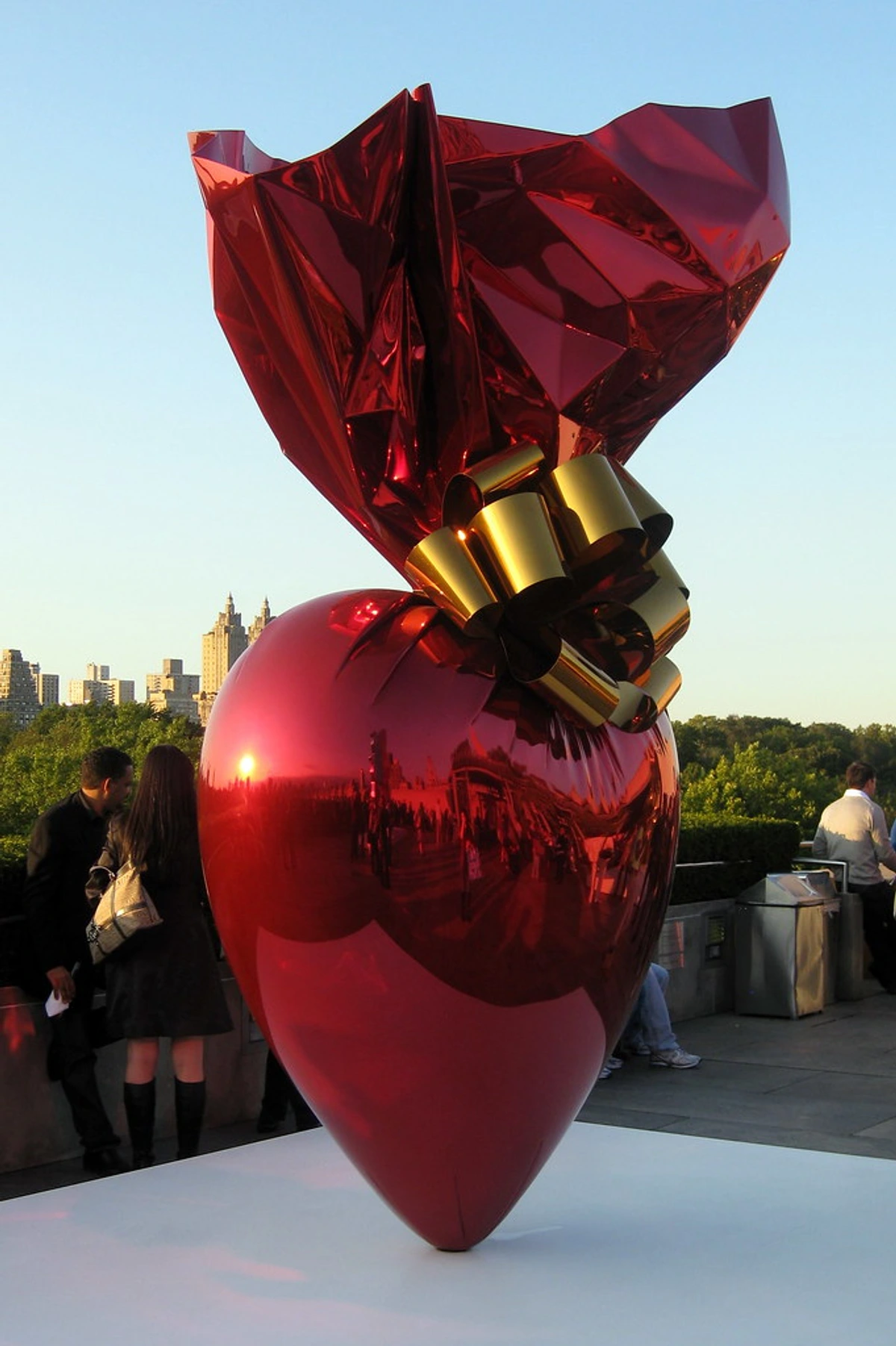
I remember the first time I walked into a gallery in Chelsea. The white walls, the hushed conversations, the way the light hit the paintings—it was like stepping into another world. I didn't know where to start, but I knew I wanted to be part of it. That's the beauty of NYC: it's a city of endless possibilities, and art is one of its most vibrant expressions.
Why NYC is The Place (Or One of Them, Anyway)
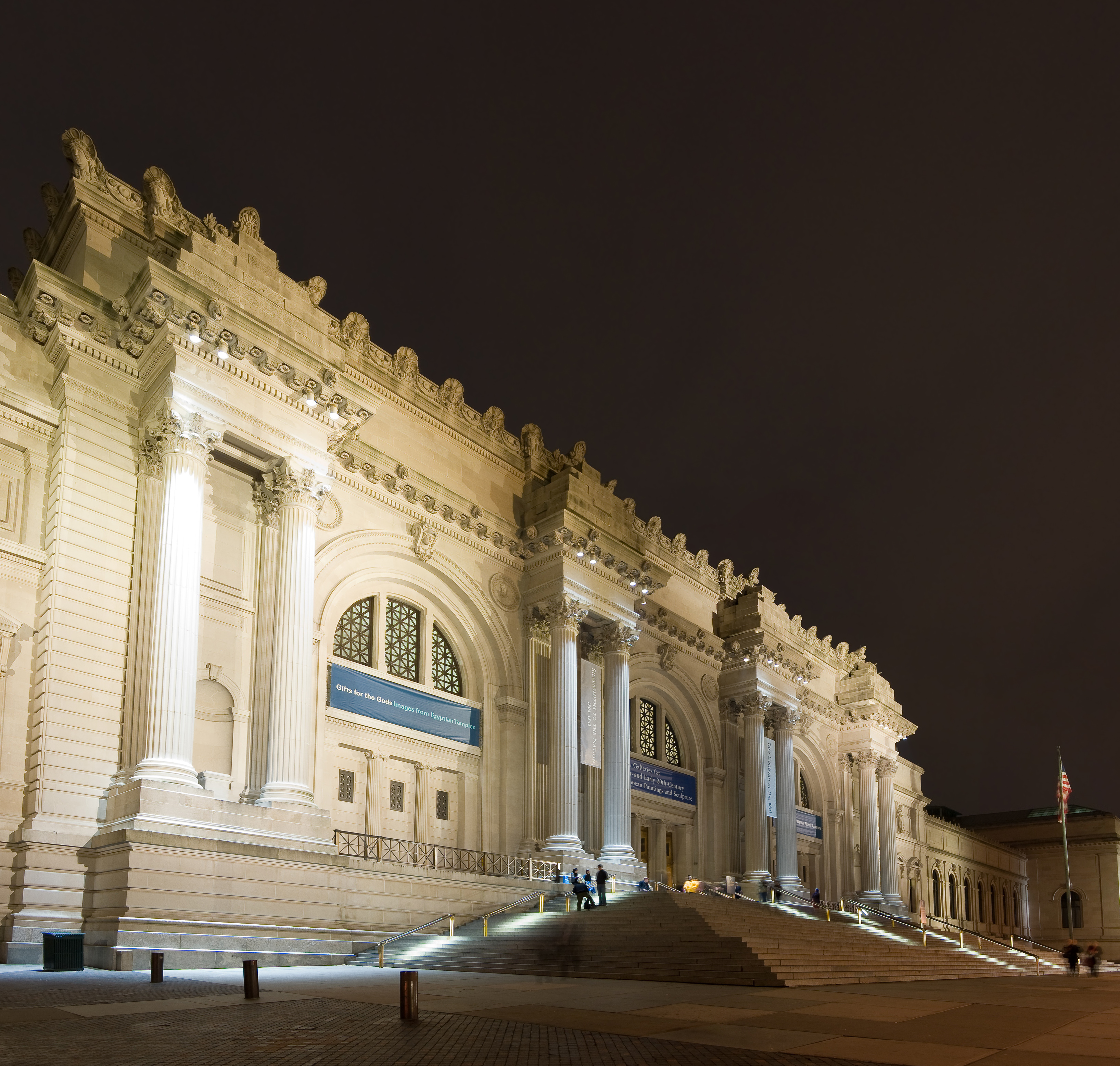
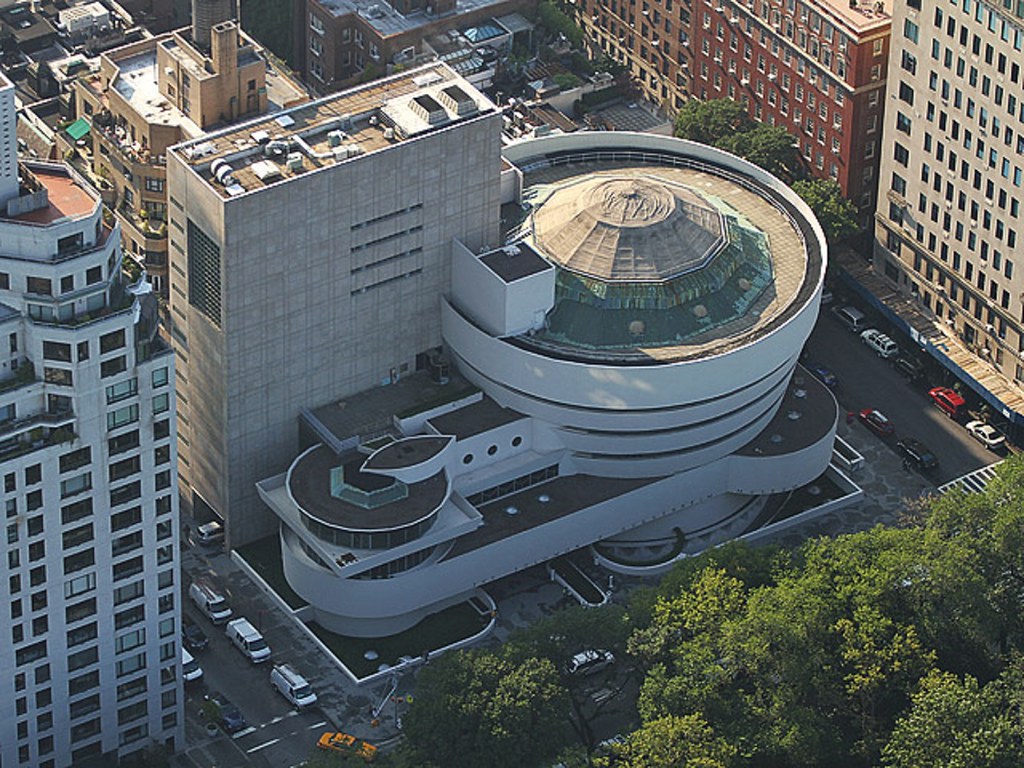
Let's be honest, NYC isn't just a city with art; it's a global art capital. From the established giants to the tiniest basement studios, art is woven into the fabric of the place. This density means opportunity, but also, well, more sand on the beach. You've got world-class museums, yes, but also thousands of galleries, pop-up shows, street art, and artists working away in every borough. It's a vibrant, sometimes chaotic, ecosystem, and diving in headfirst is part of the fun.
If you're curious about how NYC stacks up against other creative hubs, you might enjoy exploring other best art cities around the world.
The Cultural Melting Pot
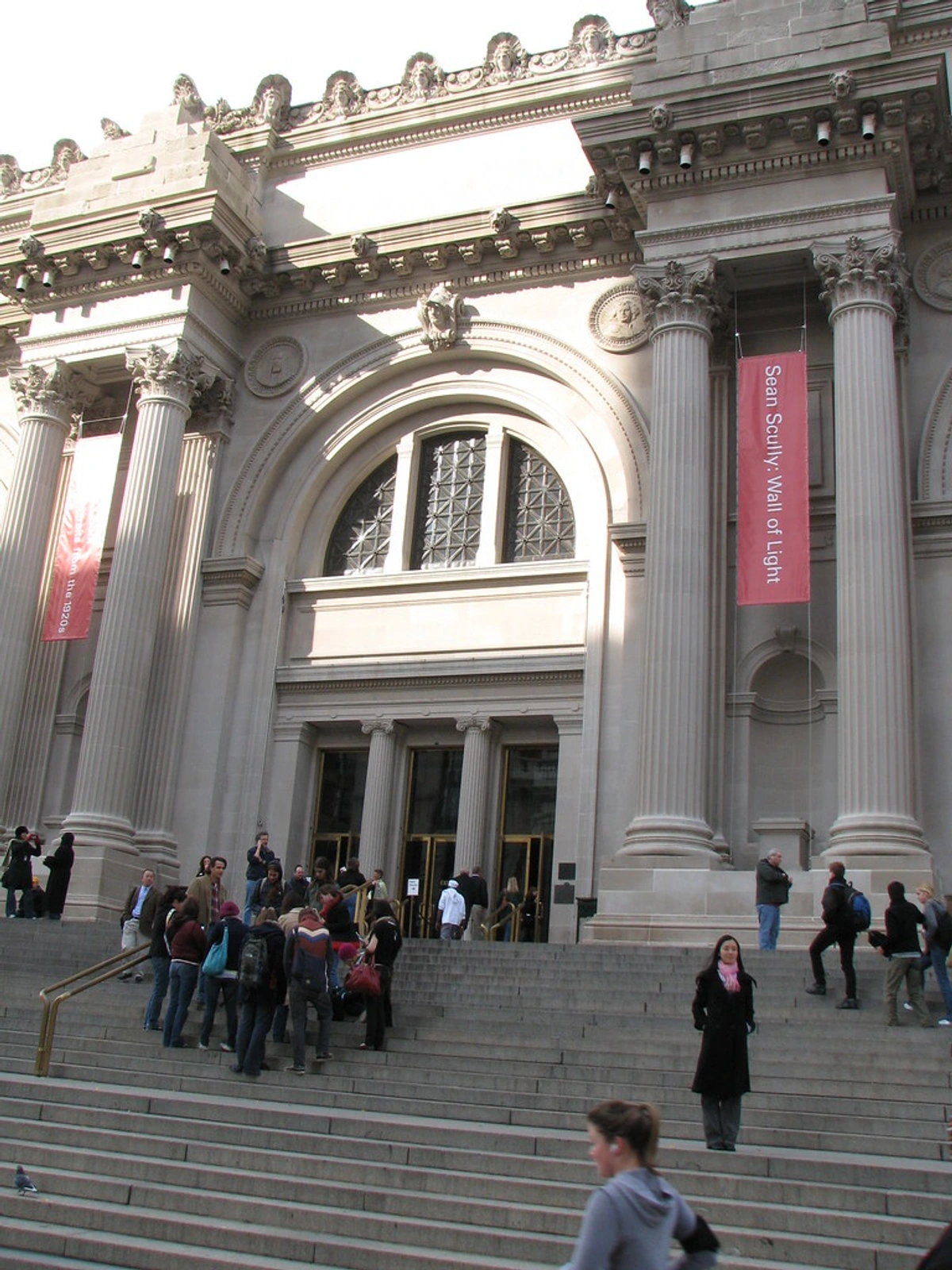
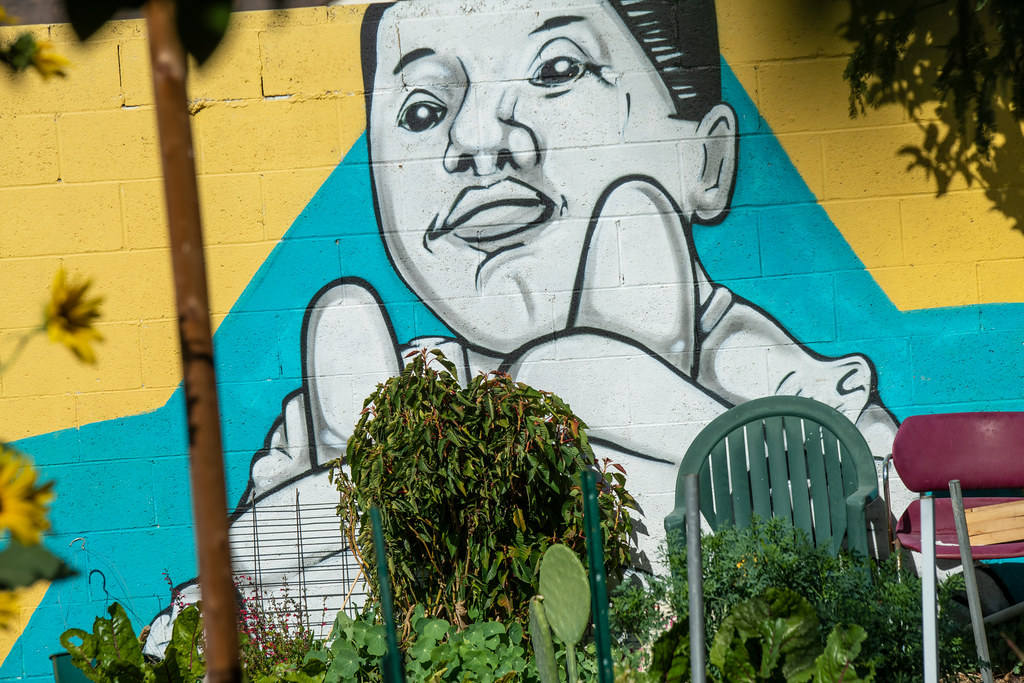
NYC's art scene is as diverse as its population. You'll find everything from classical masterpieces to avant-garde installations, from street murals to digital art. This diversity is what makes the city so special—it's a place where every artistic voice can find a home. Whether you're into abstract expressionism, contemporary photography, or experimental performance art, NYC has something for you.
A Hub for Innovation
The city has always been at the forefront of artistic innovation. From the Abstract Expressionists of the mid-20th century to today's digital and multimedia artists, NYC has been a breeding ground for new ideas and movements. This spirit of innovation is palpable in the galleries, studios, and even on the streets.
Where to Even Start? Navigating the Concrete Jungle of Art
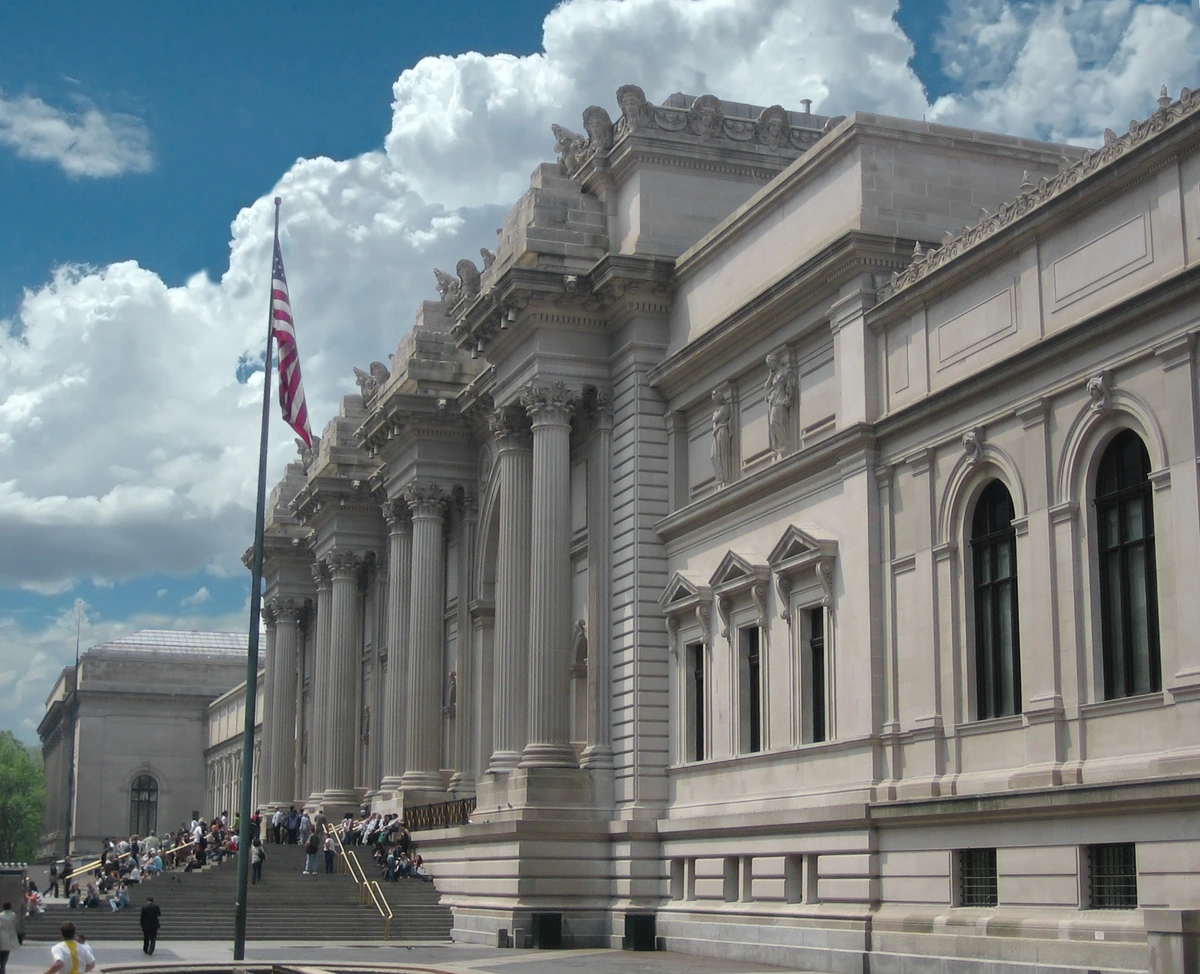
Okay, deep breaths. You're in NYC, you want art. Where do you go? It depends on what you're looking for, your budget, and your tolerance for crowds (and sometimes, attitude).
Understanding Your Taste
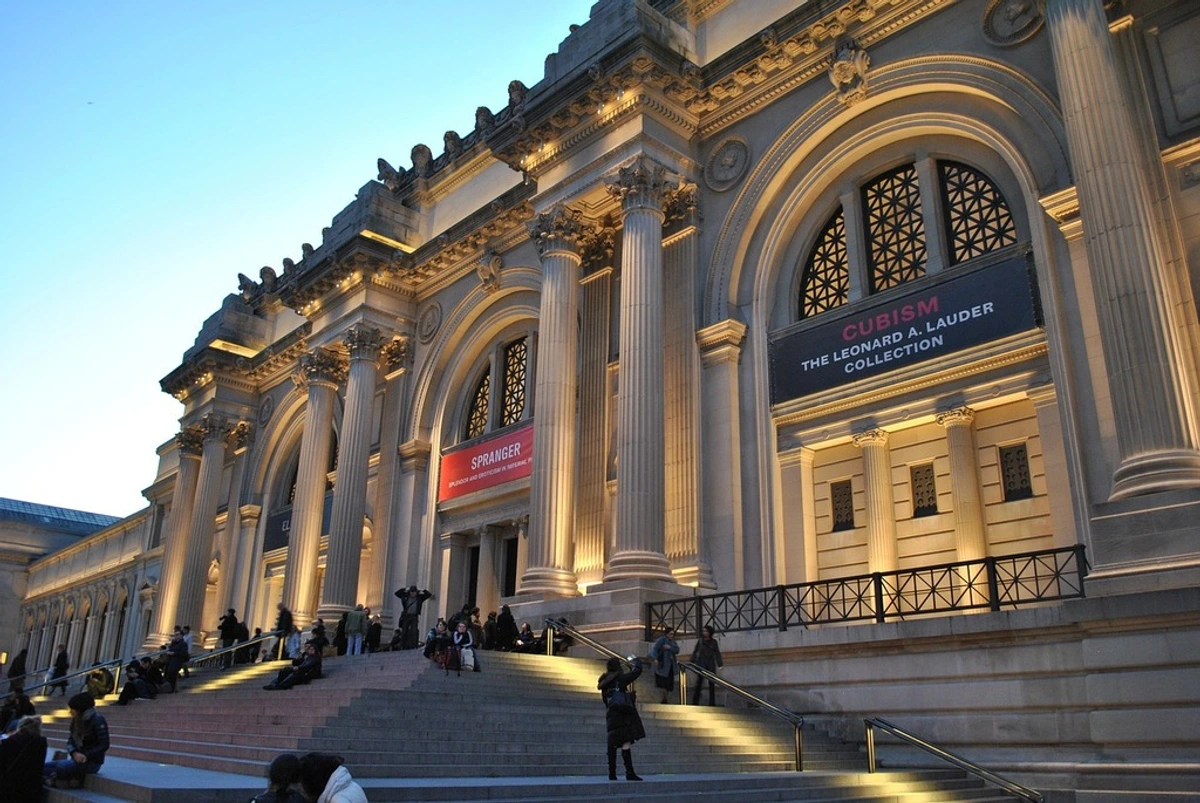
Before diving into the art scene, take a moment to reflect on what you're drawn to. Do you prefer bold, colorful pieces, or are you more inclined toward minimalist designs? Are you interested in contemporary works, or do you have a soft spot for classical art? Understanding your preferences will help narrow down your search and make the experience more enjoyable.
Galleries: The Classic Hunt
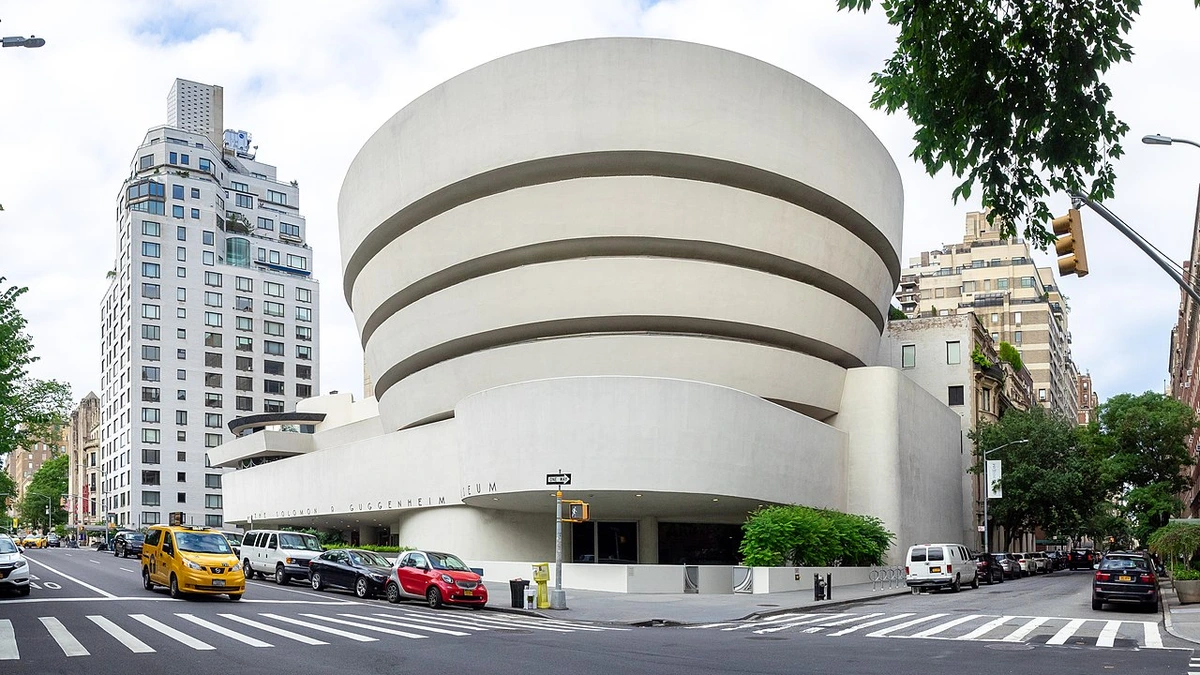
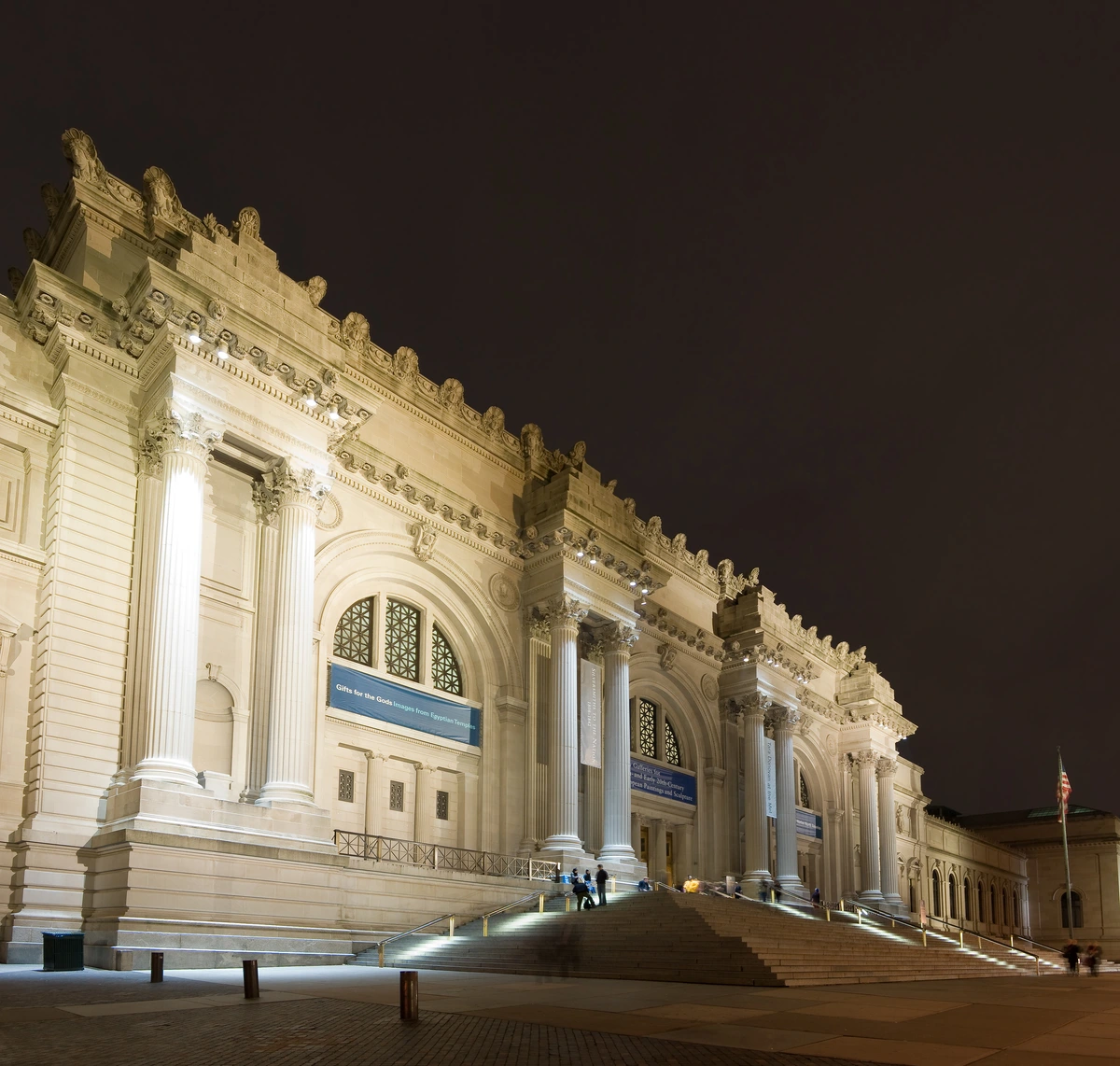
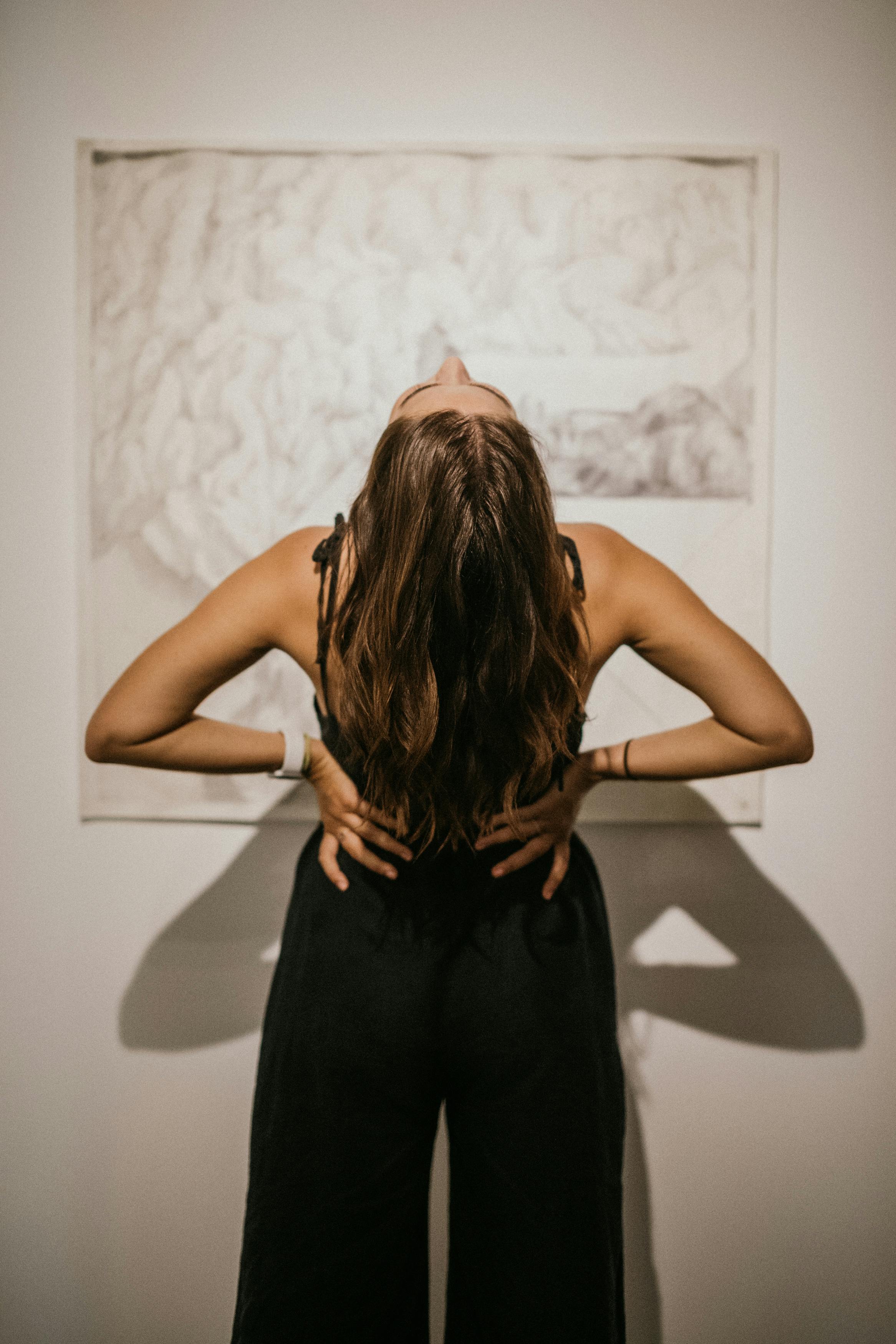
Ah, the gallery. The white-walled temples of the art world. NYC has them in spades, concentrated in areas like Chelsea, the Lower East Side (LES), and uptown. Chelsea is where you'll find the big names and established artists. It can feel a bit daunting, like walking into a fancy store where you're not sure you can afford anything. But honestly, most galleries are happy for you to just look. It's their job to show art!
The LES scene is often younger, edgier, and more focused on emerging artists. It feels a bit more approachable, like discovering a cool new band before they hit the mainstream. Uptown galleries often deal in more historical or blue-chip art.
Visiting galleries is a fantastic way to see a lot of art, understand different styles, and get a feel for what's out there. Don't be afraid to talk to the gallerist – they are usually passionate and knowledgeable, and can tell you more about the artist and their work. Think of it less as a sales pitch and more as a mini-education session.
If you want a deeper dive into NYC's gallery scene, check out our ultimate guide to NYC galleries.
Gallery Etiquette
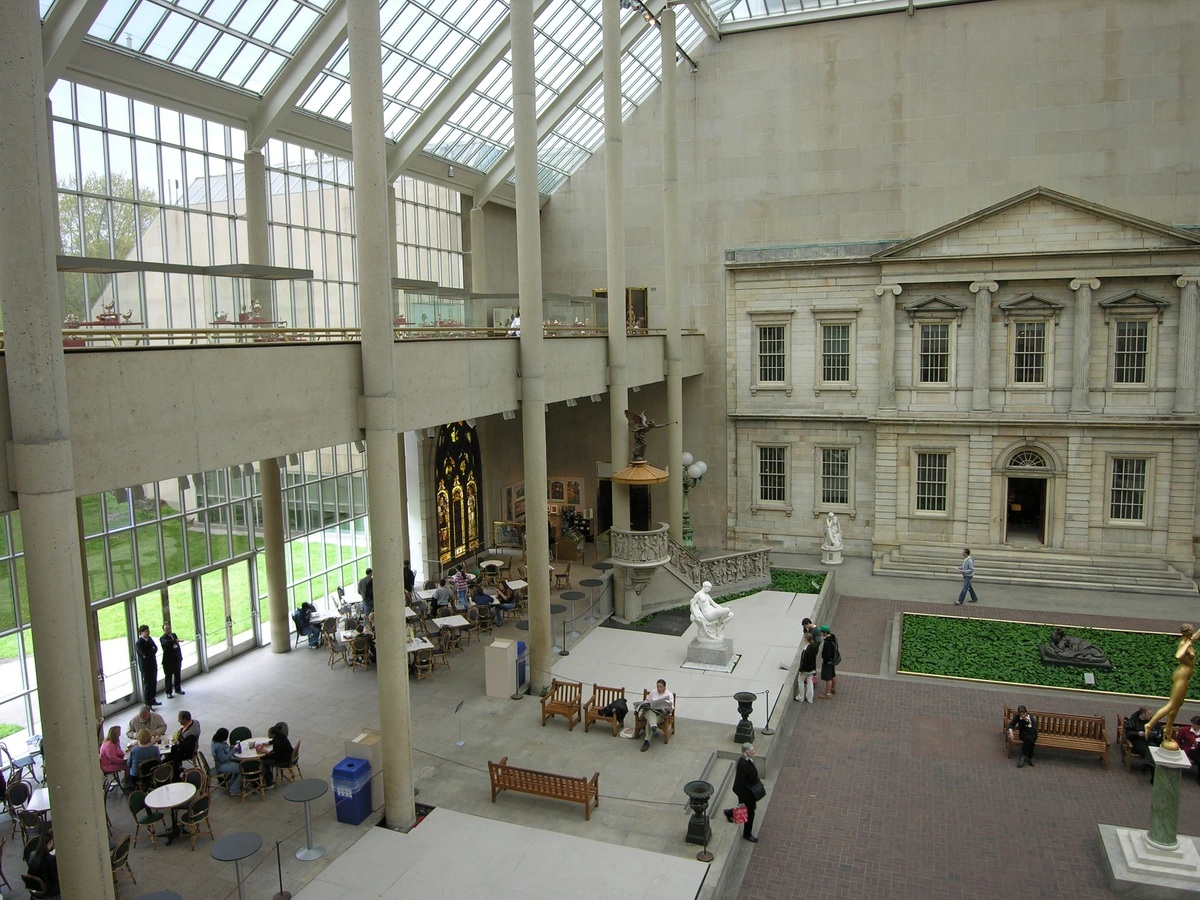
Navigating galleries can be intimidating, especially if you're new to the art world. Here are a few tips to make the experience smoother:
- Dress Comfortably: You don't need to dress up to visit a gallery. Wear what makes you feel comfortable and confident.
- Ask Questions: Gallerists are there to help. Don't hesitate to ask about the artist, their techniques, or the inspiration behind a piece.
- Take Your Time: There's no rush. Spend as much time as you need with each piece. Art is meant to be savored.
- Respect the Space: Avoid touching the artwork unless it's explicitly allowed. Some pieces are delicate and can be damaged easily.
credit, licence
Art Fairs: A Weekend Whirlwind
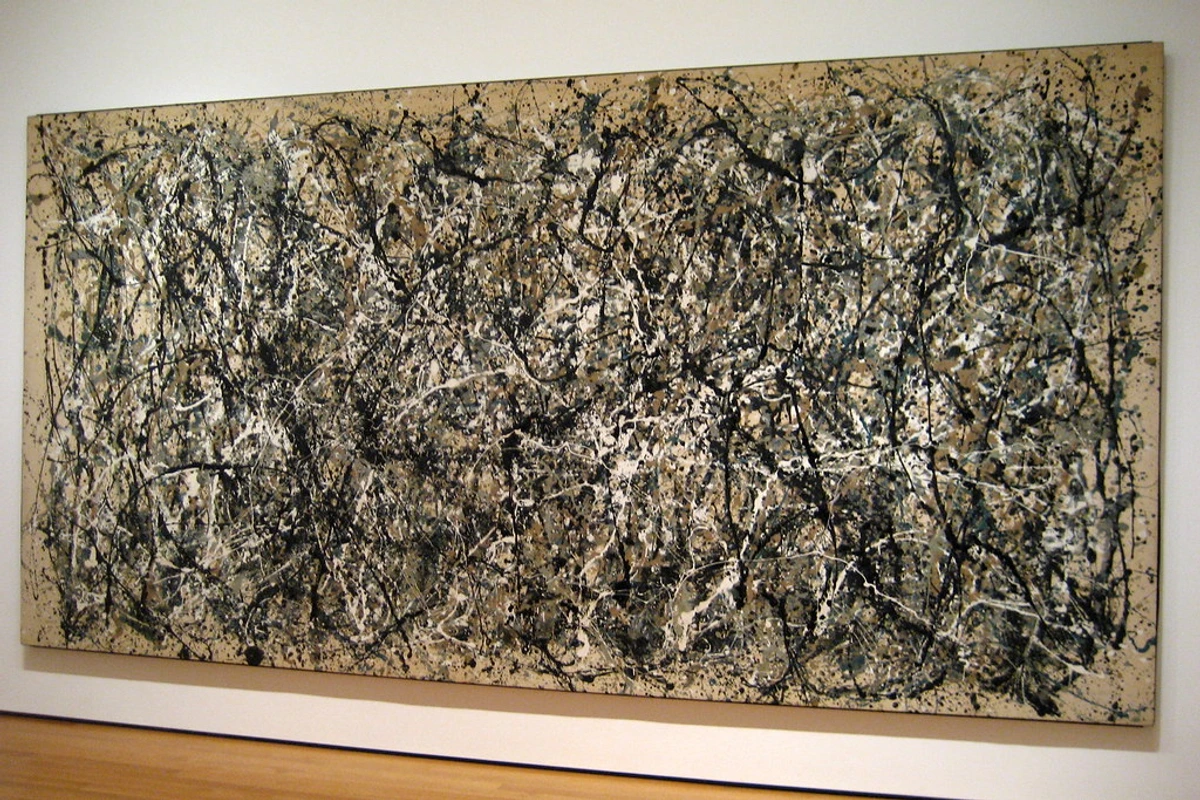
NYC hosts numerous art fairs throughout the year, from the massive Armory Show and Frieze to smaller, more independent fairs. These are like speed dating for art lovers. Hundreds of galleries crammed into one space, showing off their best pieces. It's intense, overwhelming, and absolutely exhilarating.
Fairs are great for seeing a huge variety of art in one go and getting a snapshot of current trends. They can also be good places to buy, as galleries often bring pieces specifically for the fair. Just be prepared for crowds and sensory overload. My strategy? Go with a friend, make a plan (or don't!), and accept that you won't see everything. And wear comfortable shoes. Seriously.
For more tips on navigating these bustling events, read our guide on visiting art fairs.
Making the Most of Art Fairs
Art fairs can be overwhelming, but with a little preparation, you can make the most of your visit:
- Research Ahead of Time: Look up the list of participating galleries and artists. Highlight the ones you're most interested in seeing.
- Set a Budget: It's easy to get carried away in the excitement. Decide on a budget beforehand and stick to it.
- Take Breaks: Art fairs can be exhausting. Take breaks to rest and recharge.
- Engage with Gallerists: They can provide insights into the artworks and artists that you might not find elsewhere.
Auctions: Not Just for the High Rollers (Maybe)
When you think of art auctions in NYC, you probably picture Sotheby's or Christie's, gavel dropping on multi-million dollar masterpieces. And yes, that happens. But there are also smaller auction houses and online platforms that offer more accessible price points. The secondary market can be a place to find works by established artists at potentially lower prices than in a gallery, but it requires research and understanding the process.
I once watched an online auction just for the drama of it. Didn't bid, mind you, just enjoyed the digital tension. It's a different beast than buying from a gallery, often less personal, but can be a valid route if you do your homework.
Learn more about navigating the secondary market and online art auctions.
Tips for Auction Newbies
If you're new to the auction scene, here are a few tips to help you navigate:
- Do Your Research: Understand the artwork's provenance, condition, and market value before bidding.
- Set a Limit: Decide on your maximum bid beforehand and stick to it. It's easy to get caught up in the excitement.
- Attend Previews: Many auction houses offer previews where you can see the artwork in person before bidding.
- Understand the Fees: Auction houses charge buyer's premiums, which can add a significant amount to the final price.
Studios & Emerging Scenes: The Real Treasure Hunt
This is where the magic often happens, especially if you're on a budget or looking for something truly unique. Many artists in NYC have studios, particularly in areas like Brooklyn and Queens, and some open them up to the public during events like Open Studios. Buying directly from an artist is a fantastic experience. You get to meet the creator, hear the story behind the work, and often get a better price because there's no gallery commission.
It feels more personal, like you're not just buying an object, but supporting a person's creative journey. I've always found these interactions incredibly rewarding. It's like getting a little piece of their soul along with the art.
Discovering underrated artists and emerging talent can be incredibly rewarding.
Exploring Open Studios
Open Studios events are a fantastic way to discover new artists and see their work in the environment where it was created. Here's how to make the most of these events:
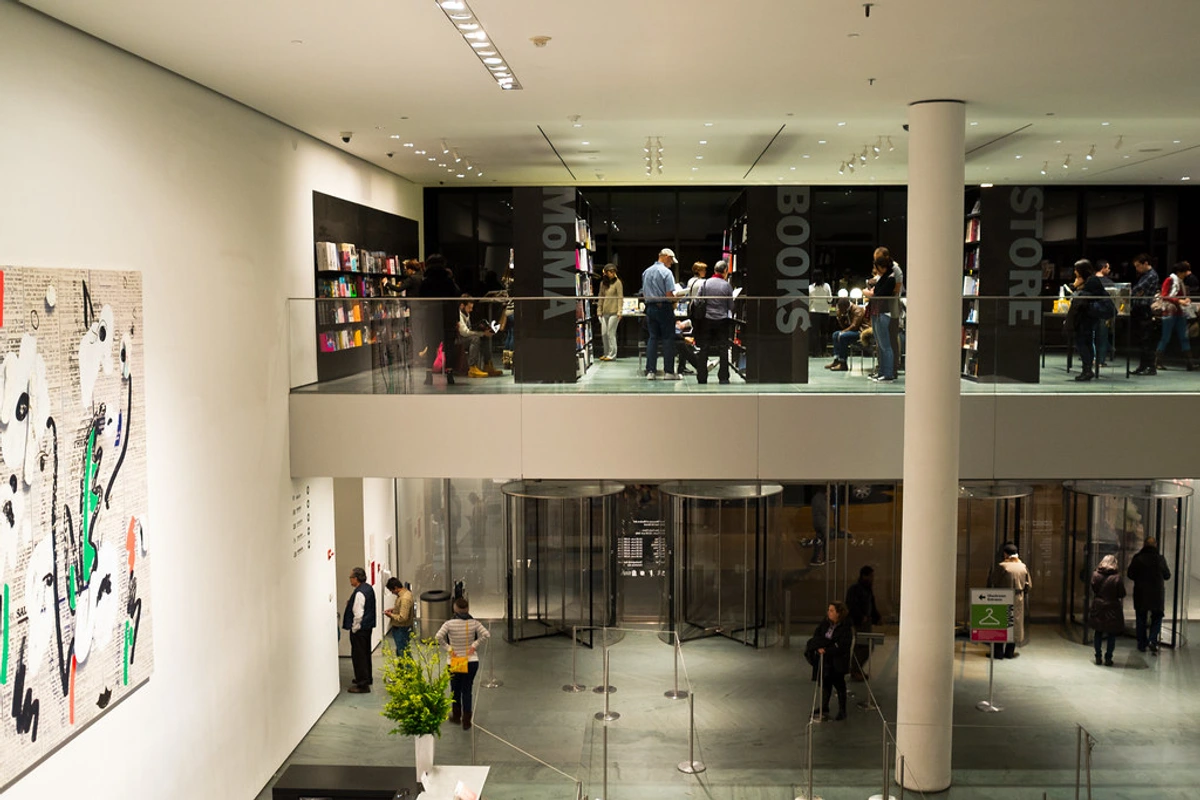
- Plan Your Route: Many neighborhoods host Open Studios events. Plan your route ahead of time to make sure you see as much as possible.
- Engage with Artists: Don't be shy about asking questions. Artists love to talk about their work and the creative process.
- Support Local Talent: Buying directly from artists not only supports their careers but also helps build a vibrant local art community.
Online: The Global Village (Even in NYC)
Even in a city as dense with physical art spaces as NYC, buying art online is a huge and growing option. Many NYC galleries have robust online presences, and platforms exist specifically for discovering and buying art from artists and galleries worldwide. This is great for browsing from your couch (especially after a long day of walking those NYC streets) and comparing prices.
It lacks the immediate physical connection of seeing a piece in person, but the convenience and sheer volume of options are undeniable. It's how many people, myself included, first start exploring what's available. If you're curious about my own work, you can always buy art directly from my site.

A detailed mural of a woman's face integrated into a wall art design, showcasing creative interior decoration techniques and artistic wall panels. Ideal for modern wall decor inspiration.
Keywords: wall art mural, interior decor, artistic wall panels, wall art ideas, home decoration.](https://images.zenmuseum.com/article/decorating-large-walls-with-art/7790d1e0-eac2-11f0-b4b8-49b29ea43f10.jpg) credit, licence
Our guides on buying art online and where to find affordable art online offer more insights.
Navigating Online Art Platforms
Buying art online can be a rewarding experience if you know what to look for:
- Read Descriptions Carefully: Pay attention to details like size, medium, and condition. Ask for additional photos if needed.
- Check Return Policies: Make sure you understand the return policy in case the artwork doesn't meet your expectations.
- Look for Reviews: Customer reviews can provide valuable insights into the quality of the artwork and the reliability of the seller.
- Support Independent Artists: Many artists sell their work directly through their websites or social media platforms. Buying directly from them supports their creative journey.
Finding Your Art in the City That Never Sleeps
Buying art, especially your first piece, can feel like a big decision. In a city like NYC, with so much choice, it's easy to get lost. My best advice? Forget about trends, investment potential (unless that's genuinely your goal, which is a whole other conversation), or what you think you should like. Focus on what resonates with you.
Walk into galleries, visit fairs, explore studios, browse online. Pay attention to what catches your eye, what makes you feel something, what you keep thinking about later. It's a process of discovery, not just of art, but of your own taste. It's okay if your taste evolves over time – mine certainly has!
Defining your personal art style and taste is a rewarding journey in itself. And if you're just starting out, our guide on buying art for beginners is a great resource.
Building Your Art Collection
Starting an art collection can be a deeply personal and fulfilling experience. Here are a few tips to help you get started:
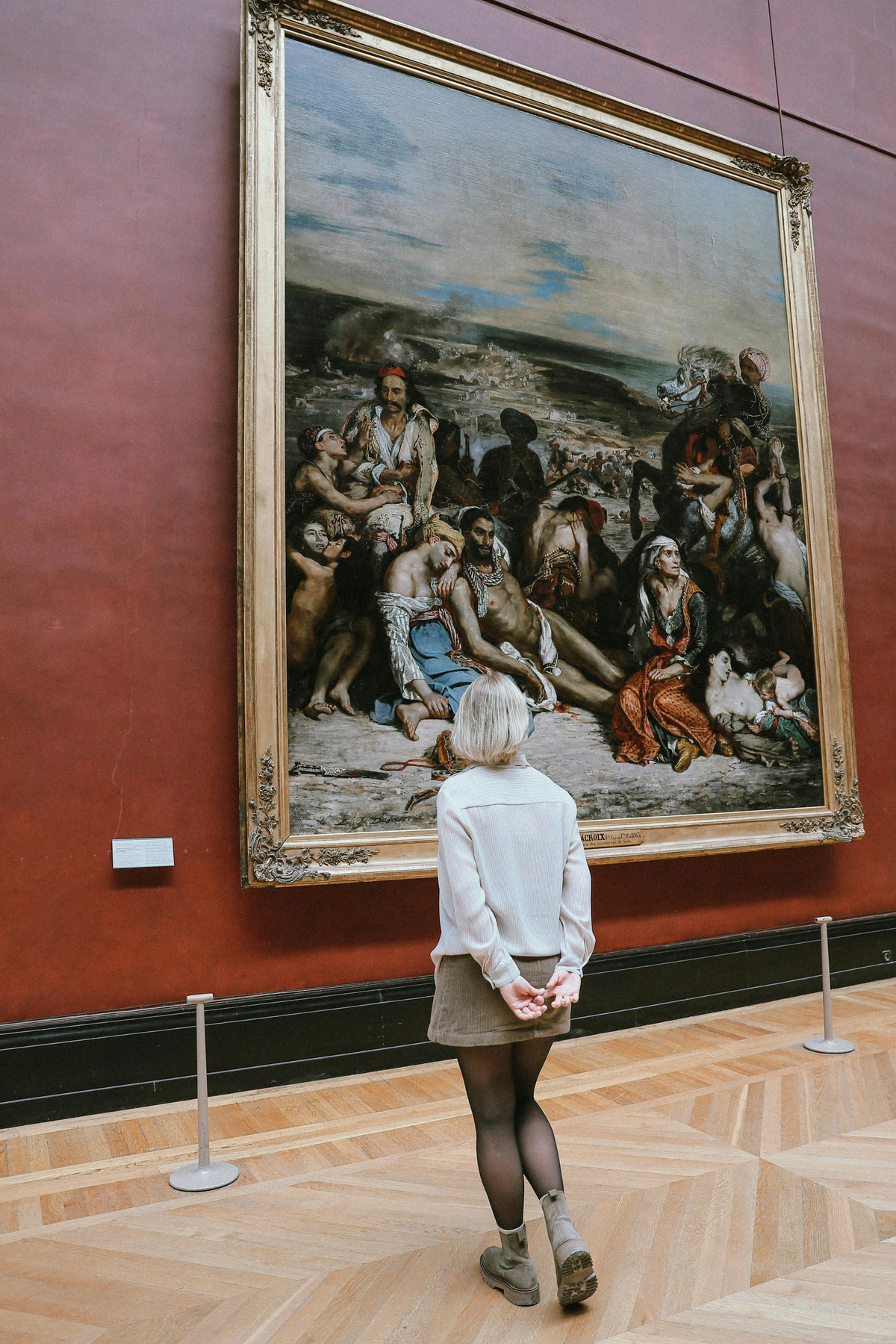
- Start Small: You don't need to buy a masterpiece right away. Start with smaller, more affordable pieces that you love.
- Mix and Match: Don't be afraid to mix different styles, mediums, and artists. Your collection should reflect your unique taste and personality.
- Document Your Journey: Keep a journal or a digital record of your art purchases. Note down why you bought each piece and what it means to you.
- Connect with Other Collectors: Join art clubs, attend events, and connect with other collectors. Sharing experiences and insights can enrich your journey.
Budgeting for Your NYC Art Adventure
Okay, let's talk money. NYC has a reputation for being expensive, and yes, you can spend millions on a single painting here. But you absolutely don't have to. There is art available at every price point.
- Prints: A fantastic way to own work by artists you admire without breaking the bank. Many artists and galleries sell limited edition prints or open edition posters.
- Emerging Artists: Often more affordable than established names. Buying early can be a great way to build a collection and support artists at the start of their careers.
- Student Shows & Non-Profits: Keep an eye on art school shows and non-profit art spaces; they can be sources for exciting, affordable work.
- Art Fairs: While some fairs are high-end, others specifically focus on affordable art.
- Online Platforms: Offer a wide range of prices and often have filters to search within your budget.
Don't be shy about asking about prices, even in fancy galleries. It's a normal part of the process. And remember, buying art on a budget is totally doable.
Understanding Art Pricing
Art pricing can be confusing, especially for newcomers. Here's a breakdown of what influences the price of an artwork:
Factor  | Description |
|---|---|
| Artist's Reputation | Established artists with a strong track record often command higher prices. |
| Medium | The materials used can affect the price. For example, oil paintings may be more expensive than watercolors. |
| Size | Larger pieces generally cost more due to the materials and time involved. |
| Provenance | The history of the artwork, including previous owners and exhibitions, can add value. |
| Condition | The state of the artwork, including any damage or restoration, can impact its price. |
Negotiating Prices
Negotiating the price of an artwork can be intimidating, but it's a common practice in the art world. Here are a few tips:
- Be Polite: Approach negotiations with respect and courtesy. Gallerists and artists appreciate a polite and professional attitude.
- Do Your Research: Know the market value of similar works by the artist. This will give you a better idea of what to offer.
- Be Prepared to Walk Away: If the price isn't right, don't be afraid to walk away. There are plenty of other artworks out there.
Beyond the Purchase: Living with Your NYC Find
So you've found the piece, navigated the purchase (maybe even haggled a little – you're in NYC now!), and brought it home. Now what? Living with art is a joy. It changes the feel of your space, sparks conversation, and reminds you of the moment you connected with it.
Think about how you'll display it, whether it needs framing, and how to take care of it. Your NYC art adventure doesn't end when you leave the gallery; it continues every time you look at your new piece on the wall.
Displaying Your Art
Displaying your artwork is an art in itself. Here are a few tips to help you showcase your pieces:
- Lighting: Proper lighting can enhance the colors and details of your artwork. Consider using track lighting or picture lights.
- Placement: Hang your artwork at eye level for the best viewing experience. Group smaller pieces together to create a gallery wall.
- Framing: Choose a frame that complements both the artwork and your decor. A well-chosen frame can elevate the piece.
- Rotation: Don't be afraid to rotate your artwork. Changing the pieces on display can keep your space feeling fresh and dynamic.
Caring for Your Art
Proper care and maintenance can ensure that your artwork remains in excellent condition for years to come:
- Dust Regularly: Use a soft, dry cloth to gently dust your artwork. Avoid using cleaning products, as they can damage the surface.
- Avoid Direct Sunlight: Prolonged exposure to sunlight can cause fading and damage. Hang your artwork away from windows and other sources of direct light.
- Control Humidity: Extreme humidity can cause warping, mold, and other damage. Use a dehumidifier or air conditioner to maintain a stable environment.
- Handle with Care: When moving or handling your artwork, be gentle and use gloves to avoid leaving fingerprints or causing damage.
FAQ: Your NYC Art Buying Questions Answered (Sort Of)
- What neighborhoods are best for galleries? Chelsea for established, Lower East Side for emerging, Uptown for historical/blue-chip. But honestly, art is everywhere!
- Can I buy art directly from artists? Absolutely! Look for open studio events, follow artists on social media, or check out artist collectives.
- Is it expensive to buy art in NYC? It can be, but there are options for every budget, from affordable prints to high-end originals. Don't let the headlines scare you.
- How do I know if I'm buying something "good"? Define "good" for yourself! Buy what you love and what speaks to you. If you're thinking about investment, that requires different research, but for personal enjoyment, trust your gut. Asking essential questions before buying is always smart.
- What should I consider when buying art as an investment? If you're buying art as an investment, consider factors like the artist's reputation, the artwork's provenance, and market trends. It's also a good idea to consult with an art advisor or do thorough research.
- How can I ensure the authenticity of an artwork? Always ask for a certificate of authenticity. This document should include details about the artwork, the artist, and the seller. If in doubt, consult an expert or use authentication services.
- What are some common mistakes to avoid when buying art? Avoid buying art solely based on trends or investment potential. Buy what you love and what resonates with you. Also, avoid rushing into a purchase. Take your time to research and reflect on the artwork.
- How can I support emerging artists? Supporting emerging artists can be as simple as buying their work, attending their exhibitions, or sharing their work on social media. Every little bit helps in building their careers and fostering a vibrant art community.
Conclusion: Your NYC Art Story Awaits
Buying art in NYC is more than just a transaction; it's an immersion into a vibrant, ever-changing world. It's about exploring, discovering, and finding pieces that resonate with your own journey. Don't feel pressured to be an expert or spend a fortune. Just show up, be curious, and see where the art takes you.
Maybe you'll find a piece that reminds you of the city's energy, or perhaps something quiet that offers a moment of calm amidst the hustle. Whatever it is, your art story in NYC is waiting to be written. Go find it.










(And hey, if you're ever in the Netherlands, you could always visit my museum too! Every artist's journey is different, you know? You can even see a bit of my timeline if you're curious.)
Final Thoughts
Art is a journey, not a destination. It's about the experiences, the connections, and the stories that unfold along the way. Whether you're a seasoned collector or a first-time buyer, NYC offers endless opportunities to explore and discover. So go ahead, dive in, and let the art take you on an adventure you'll never forget.