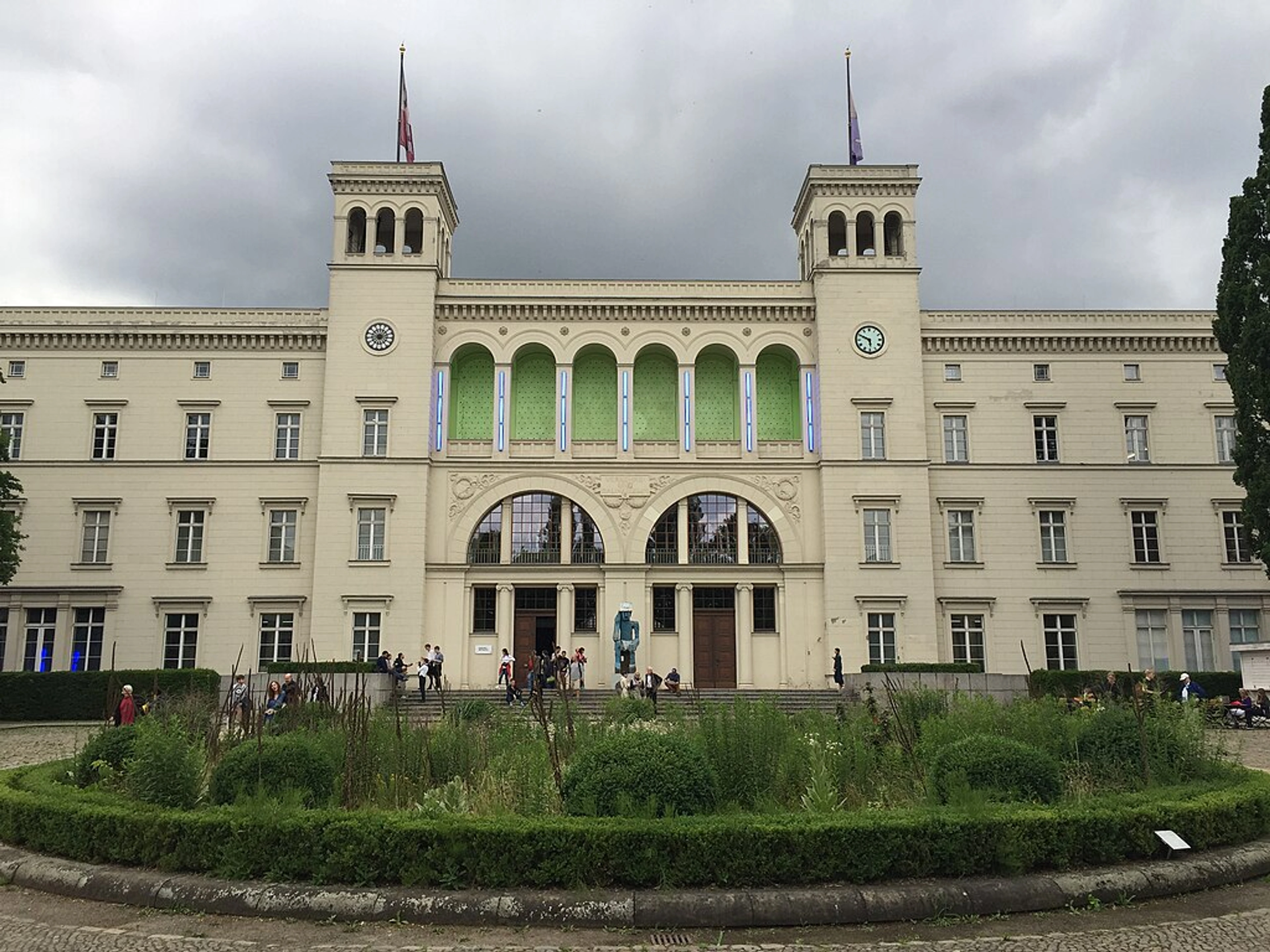
A Look at The Life and Radical Collages of Hannah Höch, the Pioneer of Photomontage
To whom does the title 'Mother of Collage' truly belong? I'd argue it's Hannah Höch. Venture with me past the textbook mentions into the radical world of Weimar Germany's most groundbreaking photomontage artist.

Who is Hannah Höch? The Radical Woman Who Cut Up the World
Hannah Höch was more than just a footnote in art history. She was a revolutionary artist who redefined the boundaries of creativity and challenged societal norms through her groundbreaking work in photomontage. Born in 1889, Höch emerged as a pioneering figure in the Dada movement, using her art to critique the political and social structures of her time. Her legacy continues to inspire artists and activists alike, making her one of the most influential figures of the 20th century.
Höch's contributions to art extend beyond her technical innovations. She was a trailblazer who used her work to address pressing issues such as gender inequality, colonialism, and the rise of fascism. Her photomontages were not merely artistic expressions but powerful tools for social commentary, offering a unique perspective that remains relevant today.
Höch's work transcended traditional artistic boundaries, blending political activism with avant-garde techniques. Her photomontages were not merely artistic expressions but powerful tools for social commentary, addressing issues such as gender inequality, colonialism, and the rise of fascism. By dissecting and reassembling images from mass media, she exposed the contradictions and hypocrisies of modern society, offering a unique perspective that remains relevant today.
Her ability to juxtapose disparate images and create new meanings allowed her to critique the world in a way that was both incisive and imaginative. Höch's work invites viewers to question the narratives they are fed and to imagine a world where art is not just a reflection of society but a catalyst for change.
You know those names you stumble across in art history—names that are footnotes to the bigger, louder movements? Hannah Höch was one of those names for me for the longest time. A small illustration next to a paragraph on Dada, a brief mention of photomontage. But the moment I truly sat down with her work, I realized she wasn't a footnote; she was the whole story. She was the radical woman who took a pair of scissors to the chaos of the 20th century and pieced it back together with biting wit and surreal poetry. If you're here, you're probably wondering the same thing I was: who is Hannah Höch, really?
Höch's journey from obscurity to recognition is a testament to her resilience and vision. Her work challenges us to see beyond the surface, to question the narratives we are fed, and to imagine a world where art is not just a reflection of society but a catalyst for change. Her photomontages, with their sharp critiques and surreal imagery, invite us to explore the complexities of identity, power, and representation.
Höch's journey from a small-town girl in Germany to a pioneering figure in the avant-garde art scene is nothing short of inspiring. Her work transcends the boundaries of traditional art, offering a unique perspective on the world that challenges and provokes thought. Through her art, she invites us to question the narratives we are fed and to imagine a different future.
Her early life was marked by a tension between tradition and rebellion. Born into a respectable, bourgeois German family, Höch was expected to conform to societal norms. However, she was drawn to the bohemian art scene in Berlin, where she found a community of like-minded individuals who were pushing the boundaries of art and society. It was here that she began to develop her unique artistic voice, one that would challenge the conventions of her time.
Höch's life and work are a testament to resilience, creativity, and the power of art to challenge societal norms. Her journey from a small-town girl in Germany to a pioneering figure in the avant-garde art scene is nothing short of inspiring. But what makes her truly remarkable is how she used her art to critique the world around her, from the political turmoil of Weimar Germany to the rigid gender roles of her time. In this article, we'll explore her life, her art, and the enduring legacy she left behind.
Höch's art was not just about aesthetics; it was a political act, a way to challenge the status quo and expose the contradictions of modern life. She used her photomontages to critique the political and social structures of her time, to challenge the norms that sought to confine her, and to imagine a different future. Her work was a reflection of her experiences, a way to process the world around her and to challenge the norms that sought to confine her.
Her photomontages were a radical departure from traditional art forms, allowing her to manipulate reality and create new meanings. By juxtaposing images from mass media, she exposed the absurdities and injustices of her time, offering a critique that was both incisive and imaginative. Her work was not just a reflection of her experiences but a call to action, a demand for a world where women could be more than just objects of desire, where they could be complex, multifaceted individuals with their own agency and power.
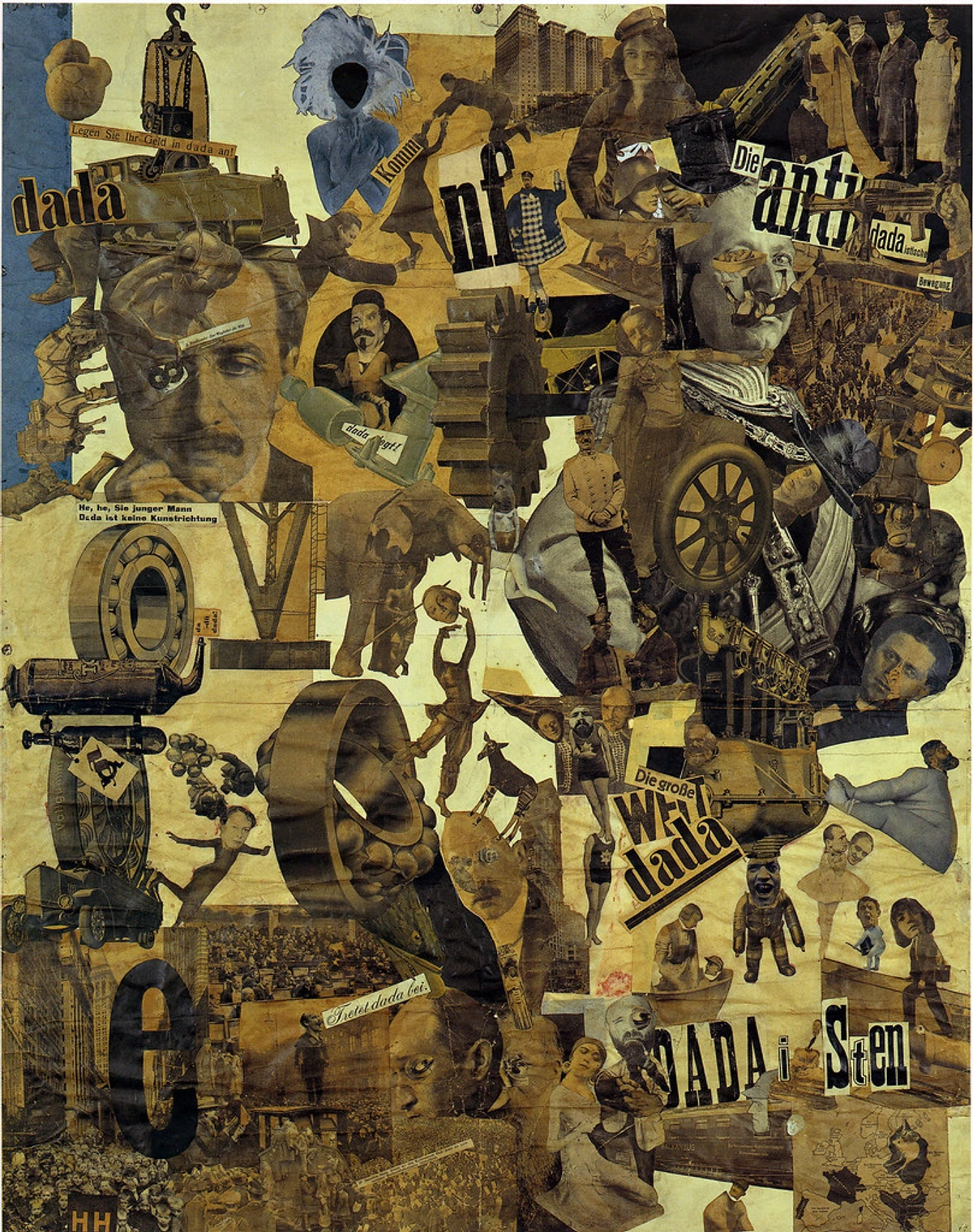
Let's cut right to it. Hannah Höch was a pioneer of photomontage, the art of creating new, often jarring, compositions by cutting and pasting photographs. In the swirling, rebellious whirlwind of the Dada movement in 1910s and 20s Berlin, she was the only woman in the boys' club. But she wasn't just there. Armed with her blade and a sharp feminist eye, she sliced through the manufactured realities of her time—patriarchy, political propaganda, and clichéd ideals of beauty—to create some of the most challenging and enduring art of the 20th century. She is the undisputed mother of collage.
Photomontage was not just a technique for Höch; it was a medium through which she could express her political and social critiques. By manipulating images, she exposed the contradictions of modern life and challenged the status quo. Her work was a reflection of her experiences, a way to process the world around her and to challenge the norms that sought to confine her.
But what exactly is photomontage, and why was it so revolutionary? Photomontage is a technique that involves cutting and pasting photographs to create a new image. It was a radical departure from traditional art forms, allowing artists to manipulate reality and create new meanings. Höch's use of this technique was not just about aesthetics; it was a political act, a way to challenge the status quo and expose the contradictions of modern life.
Höch's photomontages were a reflection of her experiences, a way to process the world around her and to challenge the norms that sought to confine her. Through her art, she invited us to see the world in a new way, to question the narratives we are fed, and to imagine a different future. Her work was a call to action, a demand for a world where women could be more than just objects of desire, where they could be complex, multifaceted individuals with their own agency and power.
The Woman Behind the Blade: A Brief Biography (1889-1978)
Höch's early life was marked by a tension between tradition and rebellion. Born into a respectable, bourgeois German family, she was expected to conform to the societal norms of the time. However, Höch had other plans. She was drawn to the bohemian art scene in Berlin, where she found a community of like-minded individuals who were pushing the boundaries of art and society. It was here that she began to develop her unique artistic voice, one that would challenge the conventions of her time.
Her journey was not without its challenges. As a woman in a male-dominated art world, she faced numerous obstacles. However, she remained committed to her art, using it as a tool to challenge the status quo and to expose the contradictions of modern life. Her work was a reflection of her experiences, a way to process the world around her and to challenge the norms that sought to confine her.
Before she was cutting up magazines, Hannah Höch, born Anna Therese Johanne Höch in 1889, was born into a respectable, bourgeois German family. The path laid out for her was a traditional one. But Hannah wasn't interested. Art was her calling, and she pursued it with quiet determination, studying crafts and graphic arts in Berlin.
Höch's early life was marked by a tension between tradition and rebellion. Her family expected her to conform to the societal norms of the time, but she had other plans. She was drawn to the bohemian art scene in Berlin, where she found a community of like-minded individuals who were pushing the boundaries of art and society. It was here that she began to develop her unique artistic voice, one that would challenge the conventions of her time.
Höch's journey was not without its challenges. As a woman in a male-dominated art world, she faced numerous obstacles. However, she remained committed to her art, using it as a tool to challenge the status quo and to expose the contradictions of modern life. Her work was a reflection of her experiences, a way to process the world around her and to challenge the norms that sought to confine her.
Despite the challenges she faced, Höch continued to experiment with new techniques and ideas, pushing the boundaries of what was possible with photomontage. Her work was a reflection of her experiences, a way to process the world around her and to challenge the norms that sought to confine her. Through her art, she invited us to see the world in a new way, to question the narratives we are fed, and to imagine a different future.
Everything changed when she met Raoul Hausmann, a firebrand poet and artist at the chaotic heart of Berlin Dada. He ignited her avant-garde spirit, and for a time, they were lovers and artistic partners. But the Dada movement, for all its talk of smashing old systems, was still a bit of a boys' club. Hausmann and other male Dadaists, like the iconic George Grosz, never fully embraced Höch, often relegating her to the sidelines. They were happy to have her around, but crediting her work? That was a different story.
Despite the challenges she faced, Höch remained committed to her art. She continued to experiment with new techniques and ideas, pushing the boundaries of what was possible with photomontage. Her work was a reflection of her experiences, a way to process the world around her and to challenge the norms that sought to confine her. Through her art, she invited us to see the world in a new way, to question the narratives we are fed, and to imagine a different future.
Despite the challenges she faced, Höch remained committed to her art. She continued to experiment with new techniques and ideas, pushing the boundaries of what was possible with photomontage. Her work was a reflection of her experiences, a way to process the world around her and to challenge the norms that sought to confine her.
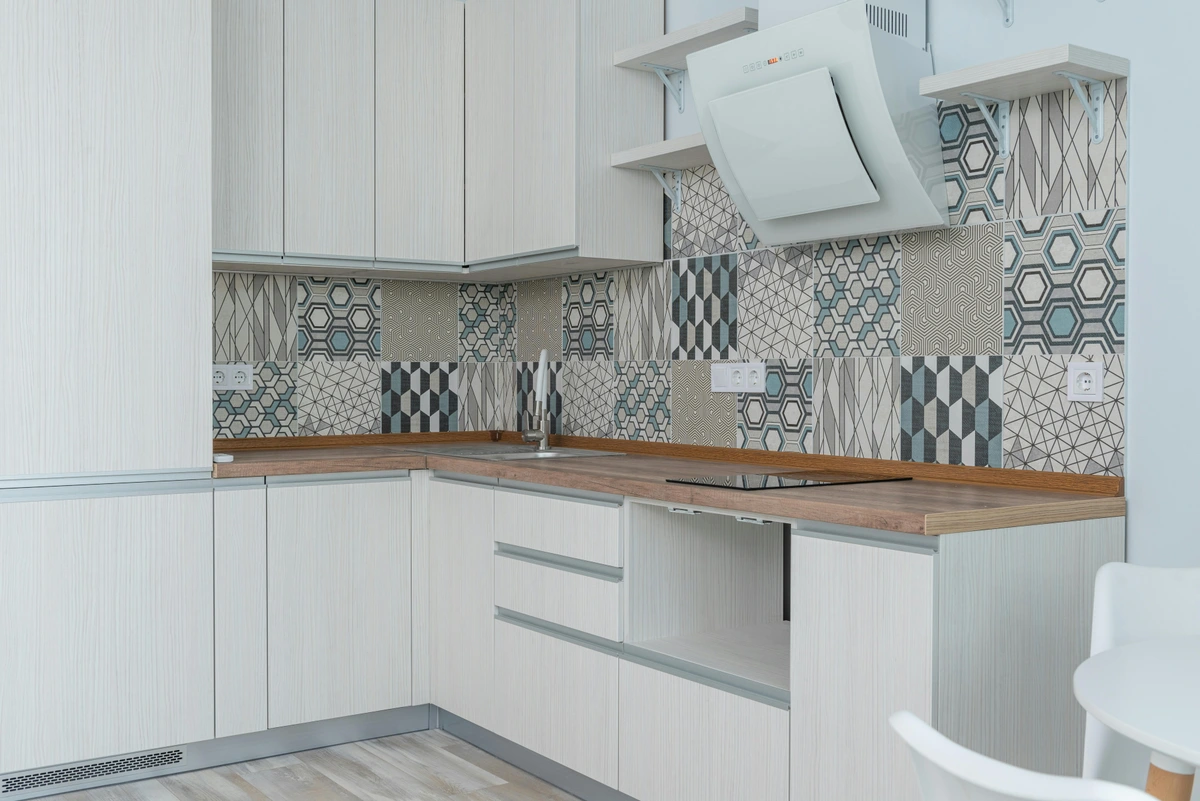
This experience of being the overlooked woman in a man's world didn't break her; it gave her artistic mission a razor-sharp focus. While the men were busy with their manifestos, Höch was in the kitchen, literally and figuratively, creating the very language of photomontage.
Höch's use of the kitchen as a workspace was a deliberate choice, a way to challenge the traditional division of labor and the gender roles that confined women to the domestic sphere. By creating her art in the kitchen, she was reclaiming that space as a site of creativity and resistance. Her photomontages were not just about the images she used; they were about the process of creation itself, a process that was deeply personal and political.
Höch's art was not just a response to the Dada movement; it was a response to the world around her. She used her photomontages to critique the political and social structures of her time, to challenge the norms that sought to confine her, and to imagine a different future. Her work was a reflection of her experiences, a way to process the world around her and to challenge the norms that sought to confine her.
Deconstructing the World: Höch's Revolutionary Art
Höch's art wasn't just about making pretty pictures. It was social commentary, a political act, and a feminist critique all rolled into one.
Her work was deeply political, reflecting the turmoil of her time. She lived through two world wars, the rise and fall of the Weimar Republic, and the horrors of Nazi Germany. Her art was a response to these events, a way to process the chaos and to challenge the narratives that sought to justify it. Through her photomontages, she exposed the contradictions of modern life, the hypocrisy of political leaders, and the oppressive nature of societal norms.
Höch's work was deeply political, reflecting the turmoil of her time. She lived through two world wars, the rise and fall of the Weimar Republic, and the horrors of Nazi Germany. Her art was a response to these events, a way to process the chaos and to challenge the narratives that sought to justify it. Through her photomontages, she exposed the contradictions of modern life, the hypocrisy of political leaders, and the oppressive nature of societal norms.
Höch's work was deeply political, reflecting the turmoil of her time. She lived through two world wars, the rise and fall of the Weimar Republic, and the horrors of Nazi Germany. Her art was a response to these events, a way to process the chaos and to challenge the narratives that sought to justify it. Through her photomontages, she exposed the contradictions of modern life, the hypocrisy of political leaders, and the oppressive nature of societal norms.
Her photomontages were not just about the images she used; they were about the process of creation itself, a process that was deeply personal and political. By creating her art in the kitchen, she was reclaiming that space as a site of creativity and resistance. Her work was a call to action, a demand for a world where women could be more than just objects of desire, where they could be complex, multifaceted individuals with their own agency and power.
Artistry in Kitchen and Culture: The Kitchen Knife Dada
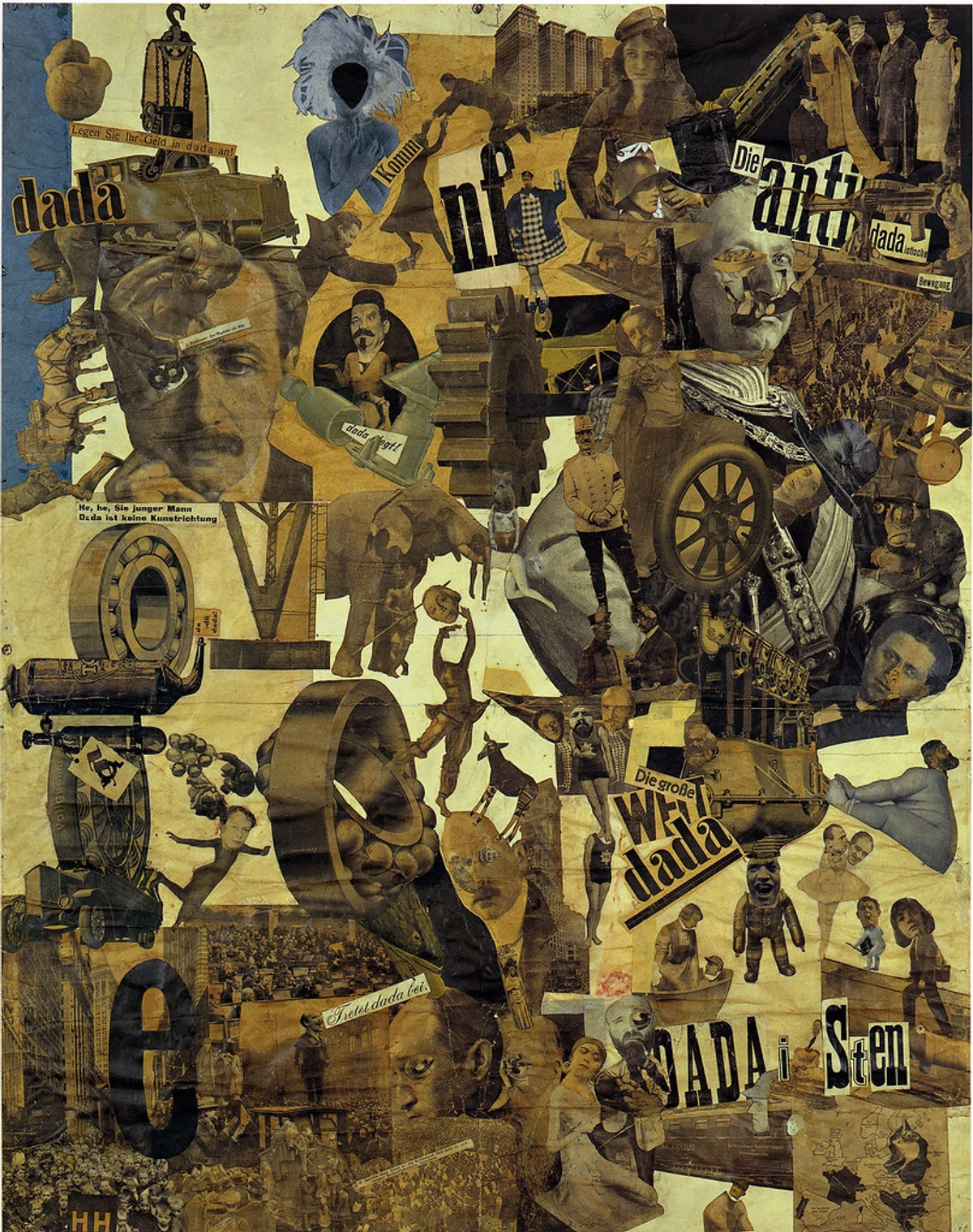
I love the story behind her work, From an Ethnographic Museum, where she explored ideas of the "other" and the exotic. She would spend hours painstakingly cutting out images with a small blade, often in her kitchen. The process itself was a defiance of what "high art" was supposed to be. Her masterpiece, Cut with the Kitchen Knife Dada through the Last Weimar Beer-Belly Cultural Epoch of Germany (a title only Dadaists could love), is a sprawling, chaotic map of Weimar Germany. In it, political leaders are juxtaposed with dancers, machinery, and Dada slogans. It's a world turned upside down by a woman's hand.
Höch's use of the kitchen as a workspace was a deliberate choice, a way to challenge the traditional division of labor and the gender roles that confined women to the domestic sphere. By creating her art in the kitchen, she was reclaiming that space as a site of creativity and resistance. Her photomontages were not just about the images she used; they were about the process of creation itself, a process that was deeply personal and political.
Höch's use of the kitchen as a workspace was a deliberate choice, a way to challenge the traditional division of labor and the gender roles that confined women to the domestic sphere. By creating her art in the kitchen, she was reclaiming that space as a site of creativity and resistance. Her photomontages were not just about the images she used; they were about the process of creation itself, a process that was deeply personal and political.
A Feminist Blade: Critiquing Gender and Beauty
This is where Höch's work becomes truly personal. She lived as a bisexual woman in a time that had no language for it, and she saw how women were packaged and sold to society. Her work The Beautiful Girl is a perfect example. She pastes together a modern woman—with a lightbulb for a head and a car wheel for a body—surrounded by images of pristine, smiling models and consumer goods. It's a hilarious and terrifying commentary on how society expected women to be beautiful, modern, and brainless all at once. She used the very images that oppressed women to critique that oppression.
Höch's exploration of gender and beauty was not just about critiquing societal norms; it was about imagining new possibilities. She challenged the binary understanding of gender, exploring themes of androgyny and fluidity long before they became mainstream. Her work was a call to action, a demand for a world where women could be more than just objects of desire, where they could be complex, multifaceted individuals with their own agency and power.
Her series of works centering on the theme of androgyny also explored what lay beyond society's rigid gender roles. She was questioning identity itself, decades before it became a mainstream conversation.
Höch's work on androgyny was groundbreaking, challenging the binary understanding of gender and exploring the fluidity of identity. She used her art to imagine a world where gender was not a fixed category but a spectrum of possibilities. Her photomontages were a reflection of her own experiences as a bisexual woman, a way to process her identity and to challenge the norms that sought to confine her.
Hannah Höch: 1889-1978 Hannah Höch at her home in Berlin-Heiligensee, 1974.
Dada and Beyond: Her Enduring Legacy
Höch continued to work long after the Dada movement had fizzled out, surviving the horrors of Nazi Germany and continuing to create into the 1970s. Artists like Mimmo Rotella would later use found imagery to critique consumer culture, but Höch was there first, cutting up the advertisements long before it was cool.
Her legacy extends far beyond the Dada movement. She was a pioneer of photomontage, a technique that has since become a staple of modern art. Her work has inspired countless artists, from the pop art movement of the 1960s to the contemporary artists of today. She was a trailblazer, a woman who refused to be confined by the norms of her time, and her influence can be seen in the work of artists who continue to challenge the status quo and push the boundaries of what is possible.
Höch's legacy extends far beyond the Dada movement. She was a pioneer of photomontage, a technique that has since become a staple of modern art. Her work has inspired countless artists, from the pop art movement of the 1960s to the contemporary artists of today. She was a trailblazer, a woman who refused to be confined by the norms of her time, and her influence can be seen in the work of artists who continue to challenge the status quo and push the boundaries of what is possible.
Her influence is like a deep, underground river feeding the art you see today. Every time you see a collage that plays with your sense of reality, every time an artist uses pop culture imagery to make a point, and certainly every time a woman uses art to reclaim her own narrative, you're seeing a little bit of Hannah Höch.
Höch's work is a reminder of the power of art to challenge, to inspire, and to transform. She used her art to critique the world around her, to imagine new possibilities, and to demand a better future. Her legacy is a testament to the enduring power of creativity and the importance of using art as a tool for social change.
Höch's work is a reminder of the power of art to challenge, to inspire, and to transform. She used her art to critique the world around her, to imagine new possibilities, and to demand a better future. Her legacy is a testament to the enduring power of creativity and the importance of using art as a tool for social change.
Hannah Höch: Key Works and Themes at a Glance
Höch's work is a testament to her creativity, her resilience, and her commitment to using art as a tool for social change. Her photomontages are a reflection of her experiences, a way to process the world around her and to challenge the norms that sought to confine her. Through her art, she invited us to see the world in a new way, to question the narratives we are fed, and to imagine a different future.
Her legacy is a testament to the power of art to challenge the status quo and to demand a better world. Her work continues to inspire and challenge us, inviting us to see the world in a new way and to imagine a different future. Her influence can be seen in the work of artists who continue to challenge the status quo and push the boundaries of what is possible.
It always helps to break things down, doesn't it? Here’s a quick guide to the core ideas and creations that define Höch's legacy.
Höch's work is a testament to her creativity, her resilience, and her commitment to using art as a tool for social change. Her photomontages are a reflection of her experiences, a way to process the world around her and to challenge the norms that sought to confine her. Through her art, she invited us to see the world in a new way, to question the narratives we are fed, and to imagine a different future.
Höch's legacy is a testament to the power of art to challenge the status quo and to demand a better world. Her work continues to inspire and challenge us, inviting us to see the world in a new way and to imagine a different future. Her influence can be seen in the work of artists who continue to challenge the status quo and push the boundaries of what is possible.
Work or Theme  | Period | Key Ideas & Description |
|---|---|---|
| Cut with the Kitchen Knife... | 1919-1920 | A sprawling, chaotic photomontage mapping Weimar Germany's political and cultural landscape. It's Dada's rebellious energy in visual form. |
| The Beautiful Girl | 1920 | A feminist critique of the "New Woman," combining a modern woman's form with images of consumerism and technology to show how femininity was being manufactured. |
| From an Ethnographic Museum series | 1924-1934 | A powerful series merging human and non-human forms (often non-Western statues) to question colonialism, racial stereotypes, and the very idea of the "primitive." |
| Collage & Abstraction | Later Career | While her early collages were politically sharp, her later work became more abstract and focused on rhythm, color, and form, showing her immense talent beyond social critique. |
| Love in the Bushes | 1925 | A surreal exploration of love and desire, blending human and natural forms to create a dreamlike landscape. |
| Indian Dancer: From an Ethnographic Museum | 1930 | A critique of colonialism and the exoticization of non-Western cultures, using images of non-Western artifacts and figures. |
| The Bride | 1930 | A feminist critique of marriage and the expectations placed on women, using images of brides and consumer goods. |
| Mother | 1930 | A reflection on motherhood and the societal expectations placed on mothers, using images of mothers and children. |
| The Coquette | 1923-1925 | A critique of the coquette archetype and the societal expectations placed on women to be flirtatious and alluring. |
| The Journalists | 1925 | A commentary on the role of the media in shaping public opinion and the power dynamics between journalists and their subjects. |
| The Artist | 1920s-1930s | A series of self-portraits and introspective works exploring the role of the artist in society and the creative process itself. |
| The Dancer | 1925 | A dynamic exploration of movement and expression, blending human figures with abstract forms to create a sense of rhythm and energy. |
| The Father | 1920 | A critique of patriarchal structures and the role of fathers in society, using images of fathers and authority figures. |
| The Soldier | 1920s | A commentary on militarism and the impact of war on society, using images of soldiers and war machinery. |
| The Politician | 1930s | A critique of political corruption and the abuse of power, using images of politicians and political symbols. |
To dive even deeper into her context and contemporaries, you can explore the broader artistic shifts of the era on my personal art history map at /timeline.
Hannah Höch: Frequently Asked Questions (FAQ)
Here are some of the most common questions I've come across about this incredible artist.
Höch's work continues to inspire and challenge us, inviting us to see the world in a new way and to imagine a different future. Her legacy is a testament to the power of art to challenge the status quo and to demand a better world.
Höch's influence is like a deep, underground river feeding the art you see today. Every time you see a collage that plays with your sense of reality, every time an artist uses pop culture imagery to make a point, and certainly every time a woman uses art to reclaim her own narrative, you're seeing a little bit of Hannah Höch. Her work is a reminder of the power of art to challenge, to inspire, and to transform.
What is Hannah Höch most famous for?
She is most famous for pioneering the art of photomontage and being the only woman in the core Berlin Dada group. Her iconic work, Cut with the Kitchen Knife Dada, is a defining masterpiece of the movement.
How did Hannah Höch influence contemporary art?
Höch's influence on contemporary art is profound. Her innovative use of photomontage paved the way for future artists to explore collage and mixed media as tools for social and political commentary. Her work continues to inspire artists who challenge societal norms and push the boundaries of artistic expression.
What challenges did Hannah Höch face as a woman in the art world?
As a woman in a male-dominated art world, Höch faced numerous challenges, including being sidelined by her male counterparts in the Dada movement. Despite these obstacles, she remained committed to her art and used it as a tool to challenge the status quo and expose the contradictions of modern life.
How did Hannah Höch's personal life influence her art?
Höch's personal life, including her experiences as a bisexual woman and her struggles with societal expectations, deeply influenced her art. Her work reflects her journey of self-discovery and her critique of the rigid gender roles and societal norms that sought to confine her.

What is the significance of Hannah Höch's use of the kitchen in her art?
Höch's use of the kitchen as a workspace was a deliberate act of reclaiming a symbol of domestic labor and transforming it into a tool of resistance. It was a way for her to challenge the traditional gender roles that confined women to the domestic sphere and to assert her own agency and power as an artist and a woman.
What was Hannah Hoch's message?
Her message was complex, but at its core, she used collage to critique the world she lived in. She attacked the political chaos of Weimar Germany, the rise of fascism, and the way society—and the art world—perpetuated sexist and racist ideals. Her work was about dismantling harmful power structures to see what was really underneath.

Höch's work is a call to action, a demand for a world where women could be more than just objects of desire, where they could be complex, multifaceted individuals with their own agency and power. Her art is a reminder of the power of creativity to challenge the status quo and to imagine a different future.
What themes did Hannah Hoch explore?
Her main themes were gender and identity, especially the manufactured concept of the "New Woman." She also explored political chaos, colonialism and racism, and the very nature of art itself, challenging the idea that art had to be a painting or a sculpture.

Höch's work is a reflection of her experiences, a way to process the world around her and to challenge the norms that sought to confine her. Through her art, she invited us to see the world in a new way, to question the narratives we are fed, and to imagine a different future.
Why did Hannah Höch create photomontage?
She saw it as the perfect medium for a fractured world. In an age of mass media and political propaganda, she used the images that were used to manipulate people and turned them into a tool for social criticism. As she famously said, she wanted to "abolish the borders" between the different art forms of painting, photography, and writing.
Höch's use of photomontage was a political act, a way to challenge the status quo and to expose the contradictions of modern life. She used her art to critique the world around her, to imagine new possibilities, and to demand a better future. Her photomontages were a reflection of her experiences, a way to process the world around her and to challenge the norms that sought to confine her.
Höch's use of photomontage was a political act, a way to challenge the status quo and to expose the contradictions of modern life. She used her art to critique the world around her, to imagine new possibilities, and to demand a better future.
How was Hannah Höch a feminist?
Her work was feminist in both its subject matter and its existence. She created powerful critiques of how women were objectified and constrained by societal expectations. But just by being a woman creating radical, challenging art in a male-dominated avant-garde, she was making a feminist statement simply by taking up space and demanding her work be seen.
Höch's feminism was not just about critiquing societal norms; it was about imagining new possibilities. She challenged the binary understanding of gender, exploring themes of androgyny and fluidity long before they became mainstream. Her work was a call to action, a demand for a world where women could be more than just objects of desire, where they could be complex, multifaceted individuals with their own agency and power.
What is the role of the kitchen knife in Hannah Höch's work?
The "kitchen knife" is a brilliant, multi-layered symbol. It’s a reference to a domestic tool, traditionally associated with women's work, which she transformed into a weapon for social and political critique. It represents her power to cut through the manufactured realities of her time and to expose the contradictions of modern life. The kitchen knife is a reminder of the power of art to challenge the status quo and to demand a better future.















Höch's use of the kitchen knife in her art was a deliberate act of reclaiming a symbol of domestic labor and transforming it into a tool of resistance. It was a way for her to challenge the traditional gender roles that confined women to the domestic sphere and to assert her own agency and power as an artist and a woman.