André Breton: Architect of Surrealism and Its Enduring Dream
Unlock André Breton's revolutionary influence: from early psychiatric studies and WWI's crucible, through the seminal 1924 Surrealist Manifesto, to his role as 'Pope of Surrealism.' Explore psychic automatism, 'the marvelous,' objective chance, vital contributions of women Surrealists, and Surrealism's enduring global impact on art, literature, and contemporary thought.

André Breton: Architect of Surrealism and Its Enduring Dream
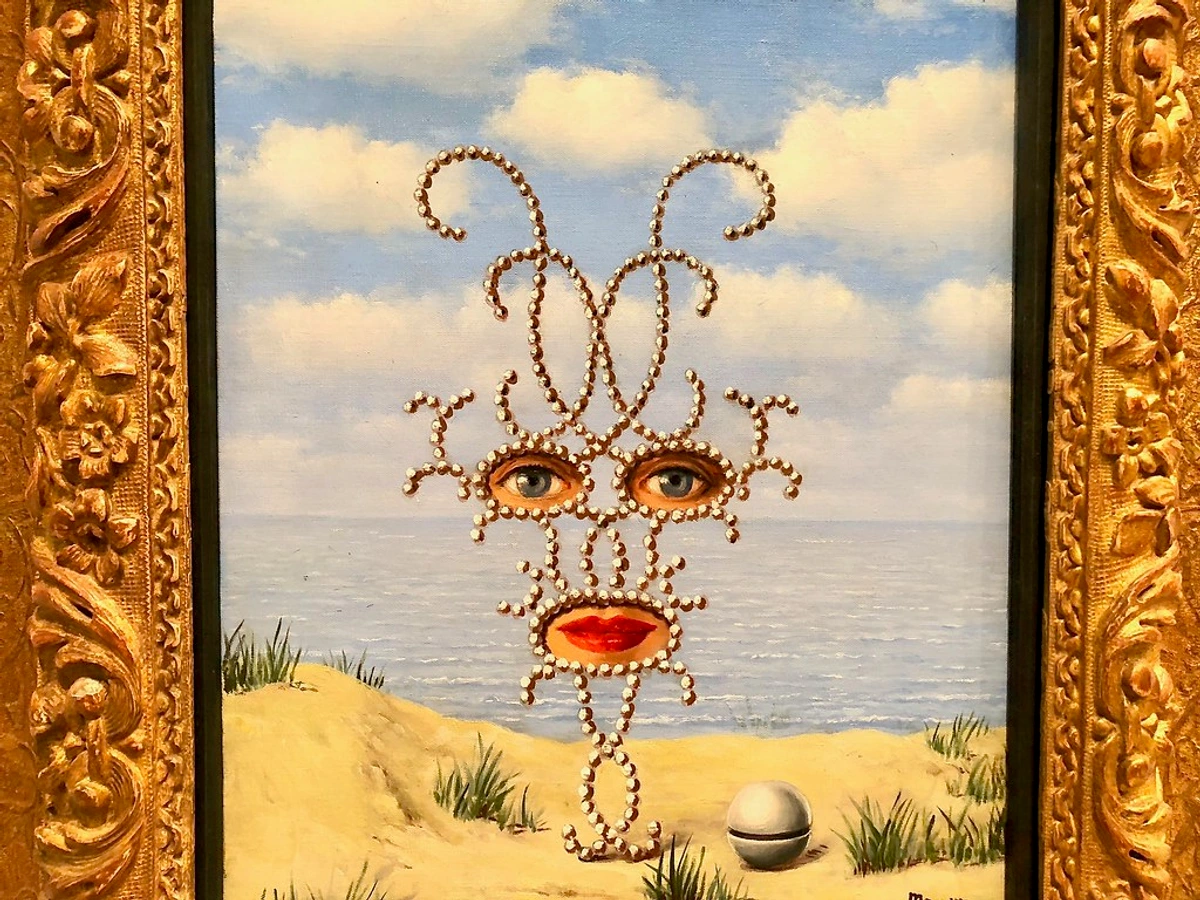
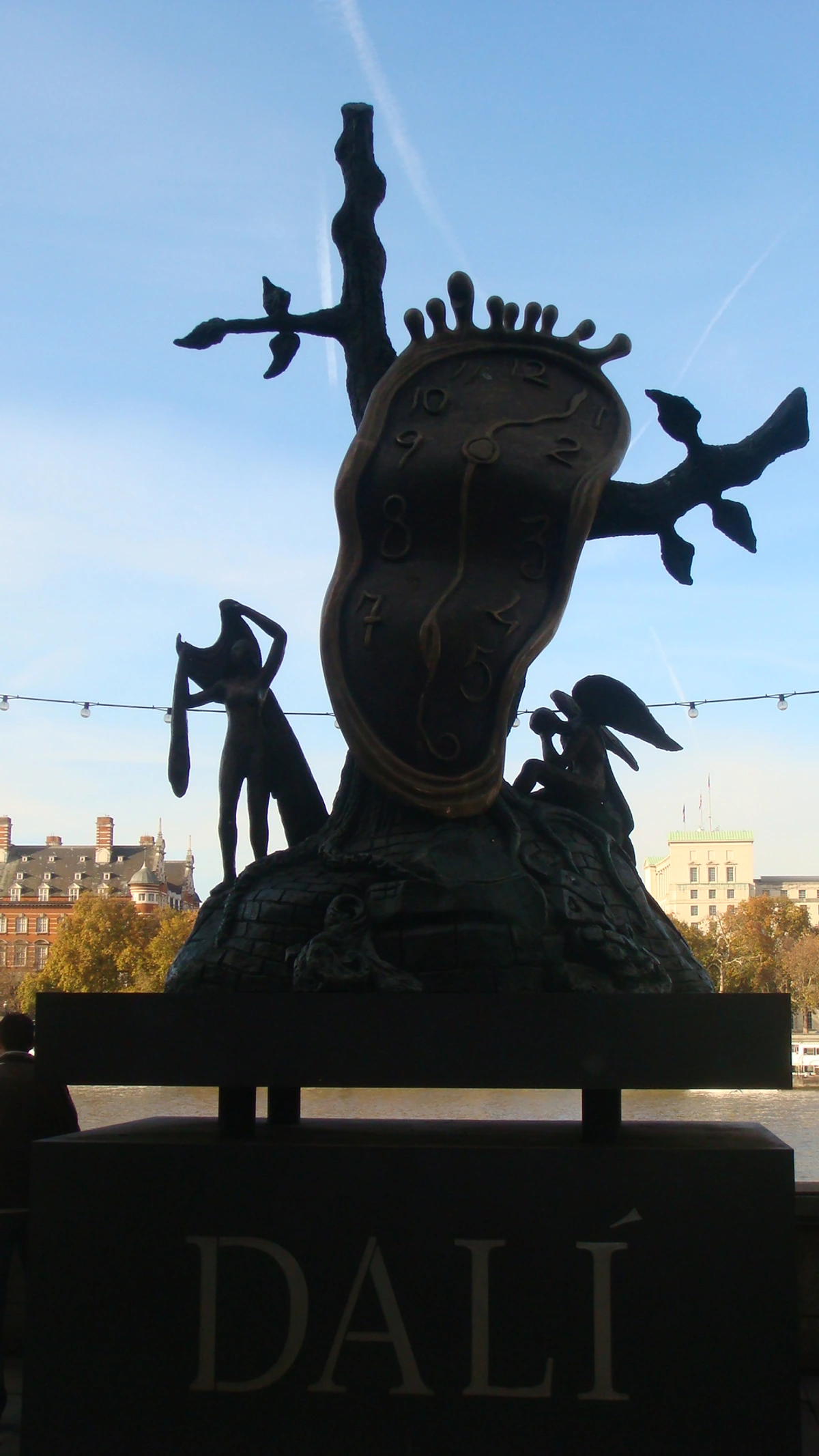
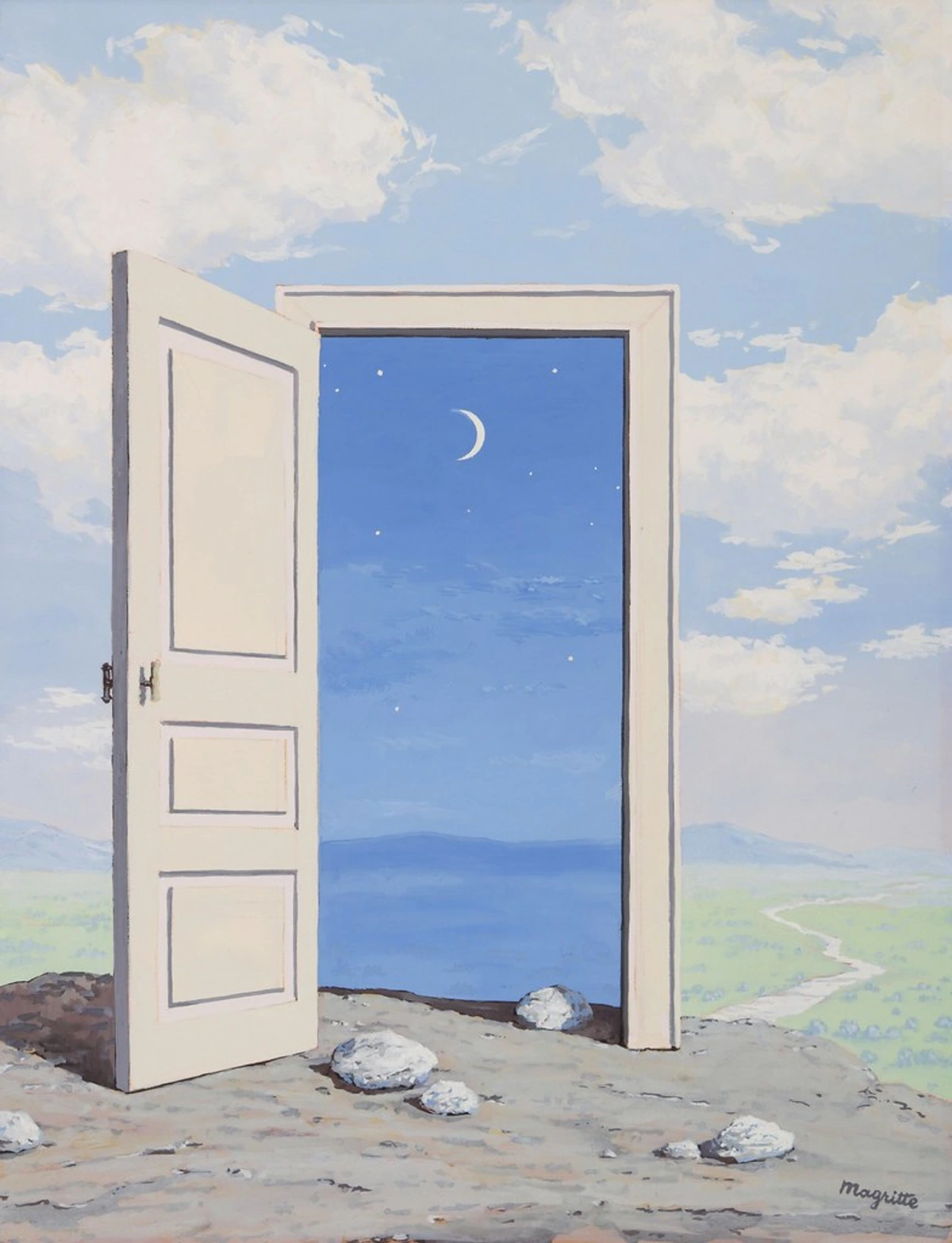
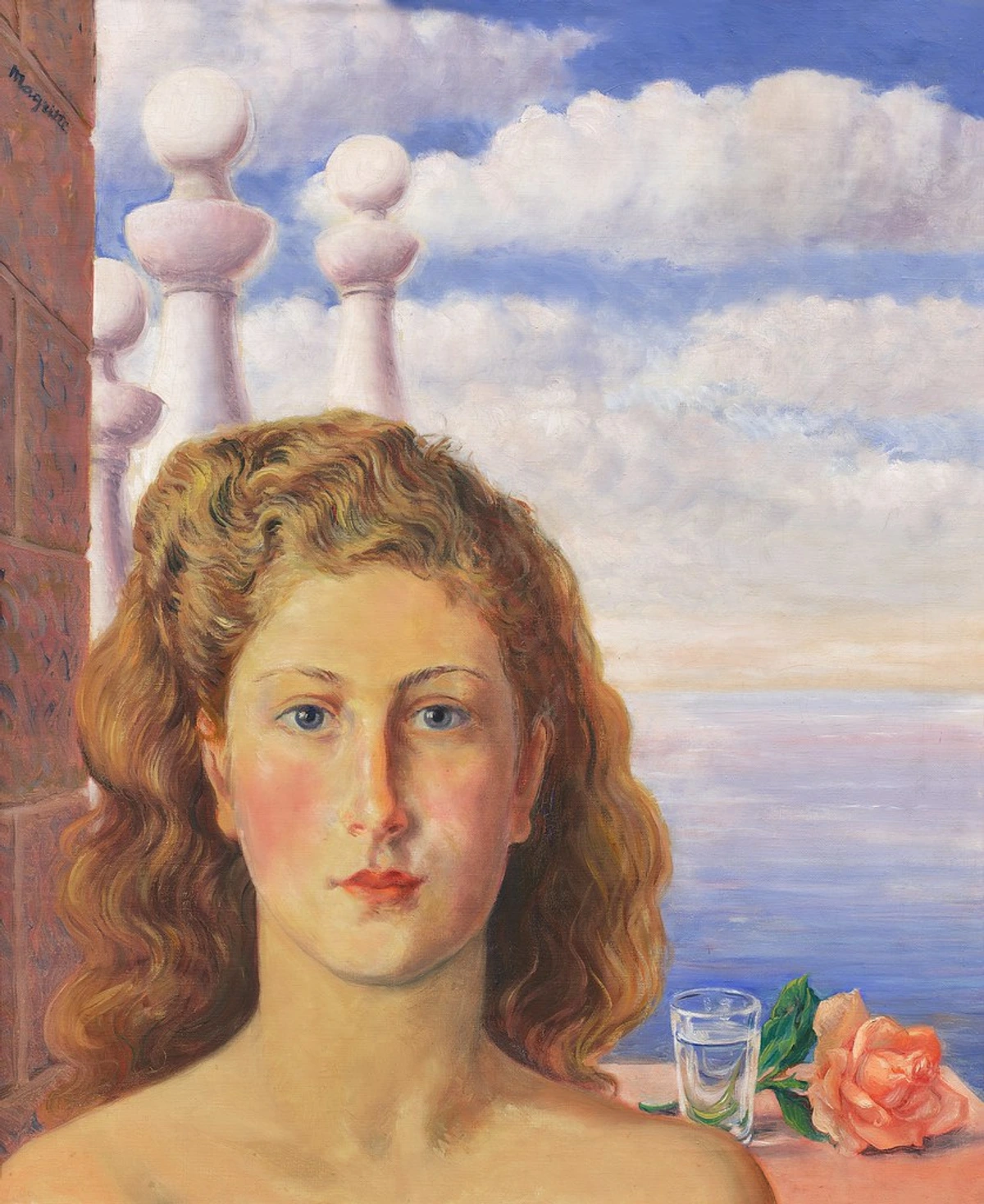
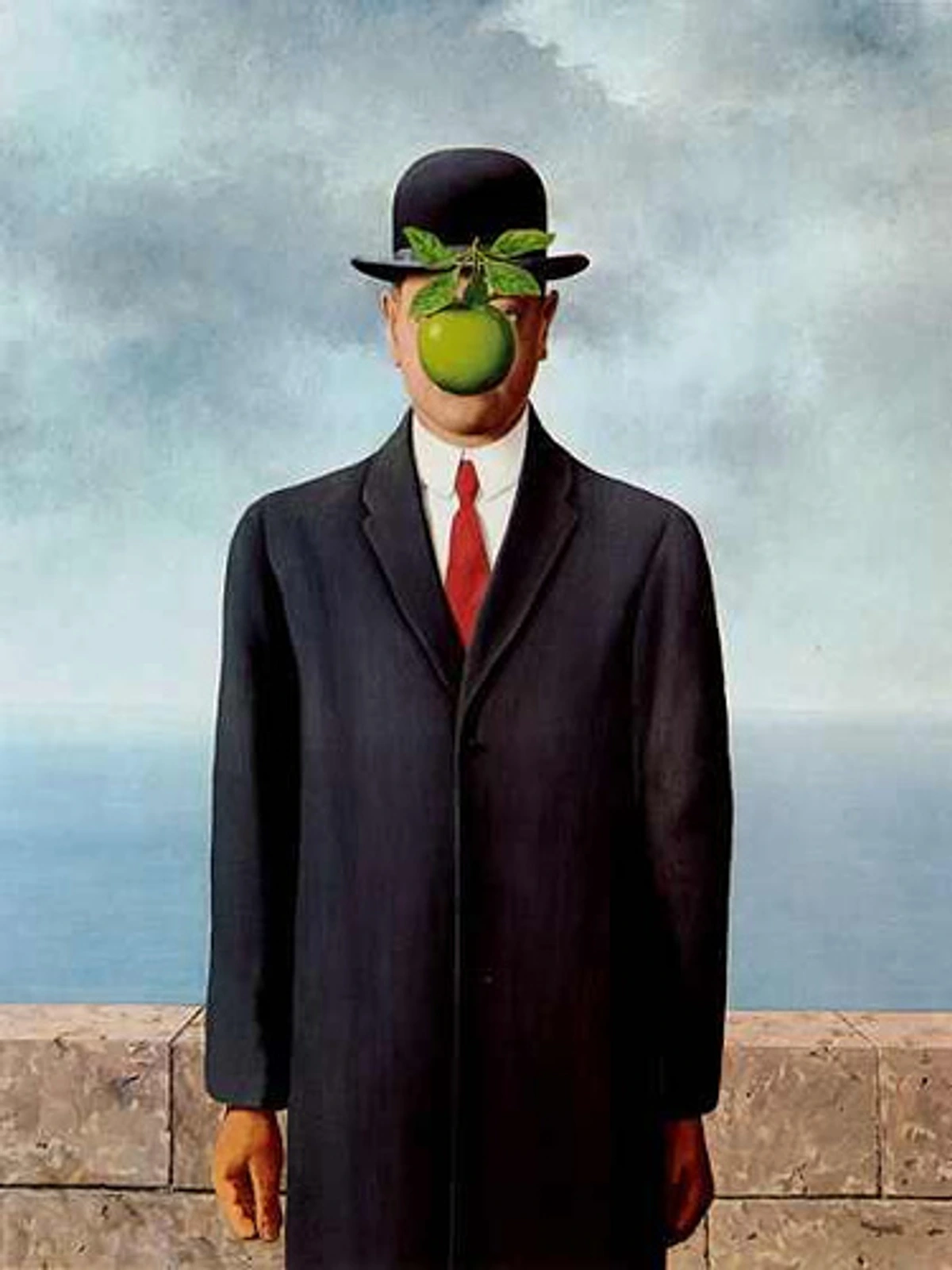
Imagine walking into a dream, fully awake. That dizzying, exhilarating sensation when the world suddenly shifts, and the bizarre logic of your subconscious bleeds into reality. For me, discovering the world of André Breton felt less like studying art history and more like finding a secret map to the wild territories of my own mind, a key to what he called "the marvelous" (le merveilleux). This wasn't just an artistic concept for Breton; it was a fundamental shift in perception, a way to experience a deeper, richer reality. While his name isn't always on the canvas, the towering presence of André Breton is everywhere in the uncanny dreamscapes of Salvador Dalí, the visual paradoxes of René Magritte, and even the raw, unfiltered energy that paved the way for artists like Jackson Pollock.
The man at the very heart of it all was André Breton—less an artist in the traditional sense, and more of a revolutionary, a rigorous theorist, and, if you'll indulge a touch of wry humor, the self-appointed 'Pope of Surrealism.' I know what you're probably thinking: how can one person dictate such a free-spirited movement? But who was he, really? And how did his bold pronouncements, particularly the Surrealist Manifesto of 1924, manage to unlock the subconscious and forever change the course of art, literature, and even film? Let's dive deep into the mind that forged surreality itself.
The Crucible of His Mind: Forged in War and the Unconscious
So, how did a young man come to champion such a radical idea, to demand such a profound shift in perception? Breton's journey wasn't linear; it was a potent confluence of intellectual currents and brutal experiences. Before the war, he was already captivated by the power of language and the hidden depths it could reveal. He devoured the works of Symbolist poets like Arthur Rimbaud, whose call for a "systematic derangement of all the senses" in A Season in Hell resonated deeply. For Breton, this wasn't mere poetic license; it was a blueprint for actively dismantling conventional, rational thought to access deeper, often unsettling truths. Stéphane Mallarmé's pursuit of "pure poetry" through suggestion rather than direct statement, exploring language's evocative power beyond mere description, laid fertile ground for Breton's later theories on automatic writing—hinting at meanings beyond the surface that our conscious minds often censor.
He was initially a student of medicine and psychiatry, a path that put him face-to-face with the intricate, often bewildering, workings of the human mind. He devoured the works of Sigmund Freud, captivated by concepts like the unconscious, dream analysis, and free association. He saw them not just as psychiatric tools, but as incredibly potent artistic ones—blueprints for bypassing the conscious, critical mind and tapping into the raw, unfiltered stream of thought beneath. For Breton, the therapeutic method of free association, where thoughts tumble out without censorship, was a direct parallel to the artistic process he envisioned: a direct channel to repressed desires and the latent content of dreams. This blend of scientific inquiry and poetic sensitivity, I think, is what made Breton so unique; he saw the poetic in the pathological and the psychological in the artistic.
Then came the defining catalyst: World War I. He found himself working in neurological wards, treating soldiers suffering from shell-shock. This experience was, I believe, utterly profound. He saw firsthand how the human mind, under extreme duress, could shatter the neat confines of 'normal' reality. He witnessed language breaking down, the unconscious erupting into fragmented phrases, jumbled images, and raw emotional outbursts that defied conventional sense. It was a brutal, real-world introduction to the terrifying fragility of the rational mind, resonating deeply with his poetic inclinations and his burgeoning interest in Freud's ideas. It showed him a 'sur-reality' that was terrifying but undeniably real, hinting at a deeper truth beyond the visible.
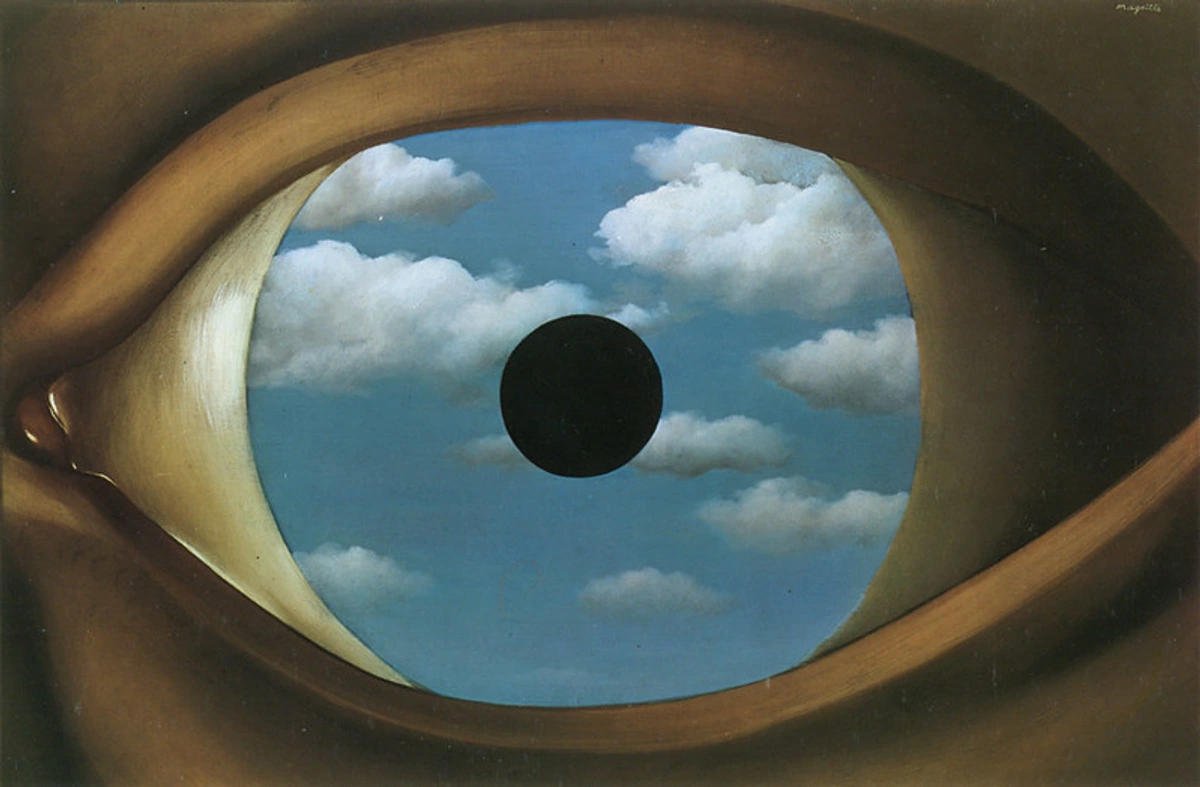
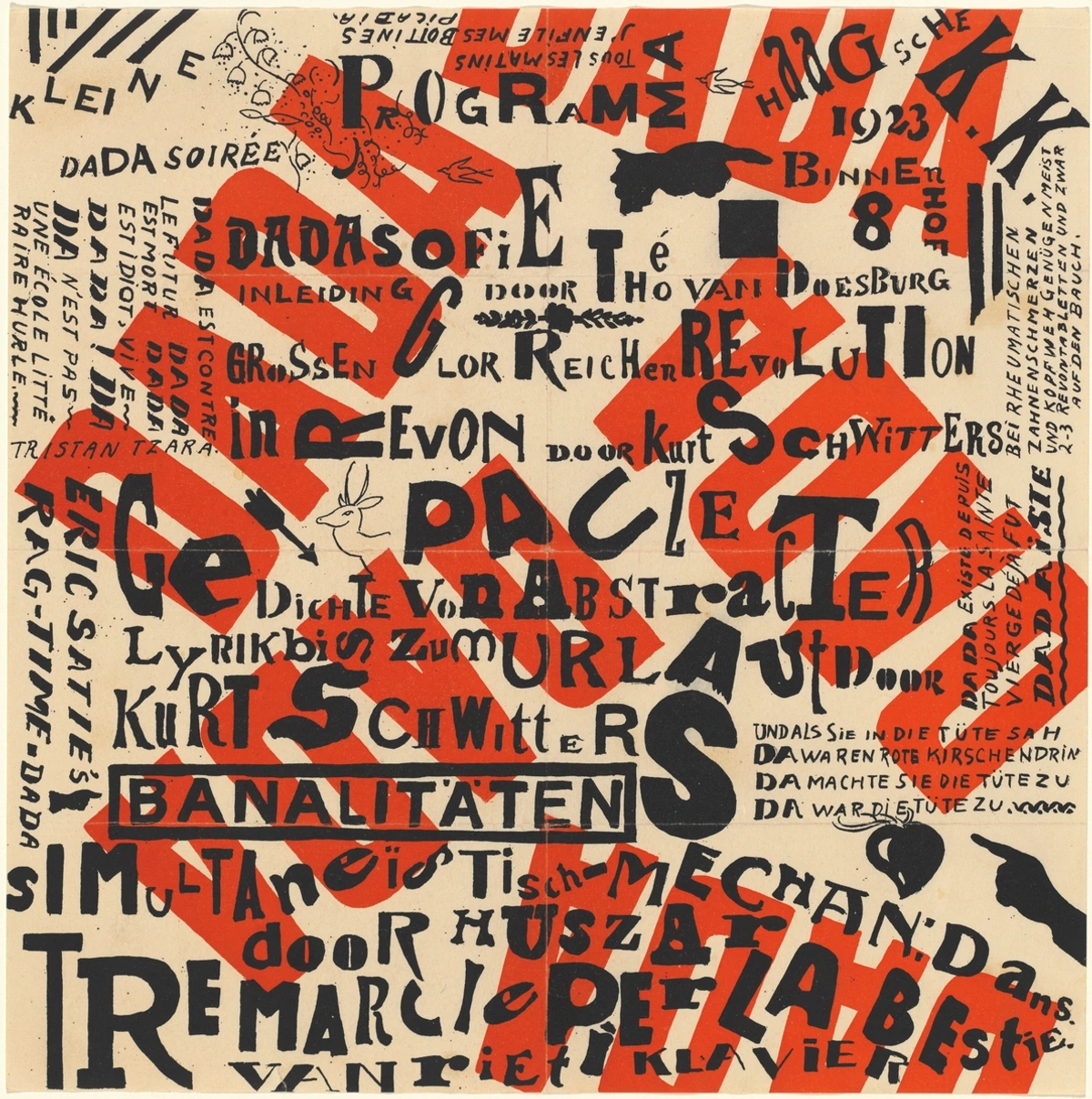
After the war, the disillusionment with a world that had gone mad naturally led him to the nascent, chaotic energy of the Dadaists in Paris. Figures like Tristan Tzara and Marcel Duchamp tore down artistic and societal norms with nihilistic absurdity, a kind of radical "anti-art" that rejected logic, reason, and aesthetic conventions. (Think of Duchamp's urinal as 'art,' for instance – a pure act of defiance.) And look, I appreciate a good bit of chaos and artistic destruction—it's cathartic, even. But for Breton, Dada's pure, unadulterated dismantling wasn't enough. He wanted to build something new from the rubble, not just sit in the ruins. If Dada was a defiant 'no' to a world that had betrayed its ideals, Surrealism became a probing 'what if?'—a constructive rebellion aiming for a deeper, psychic revolution rooted in the freedom of thought and expression.
The Clarion Call: The Surrealist Manifesto (1924) and the Birth of Surreality
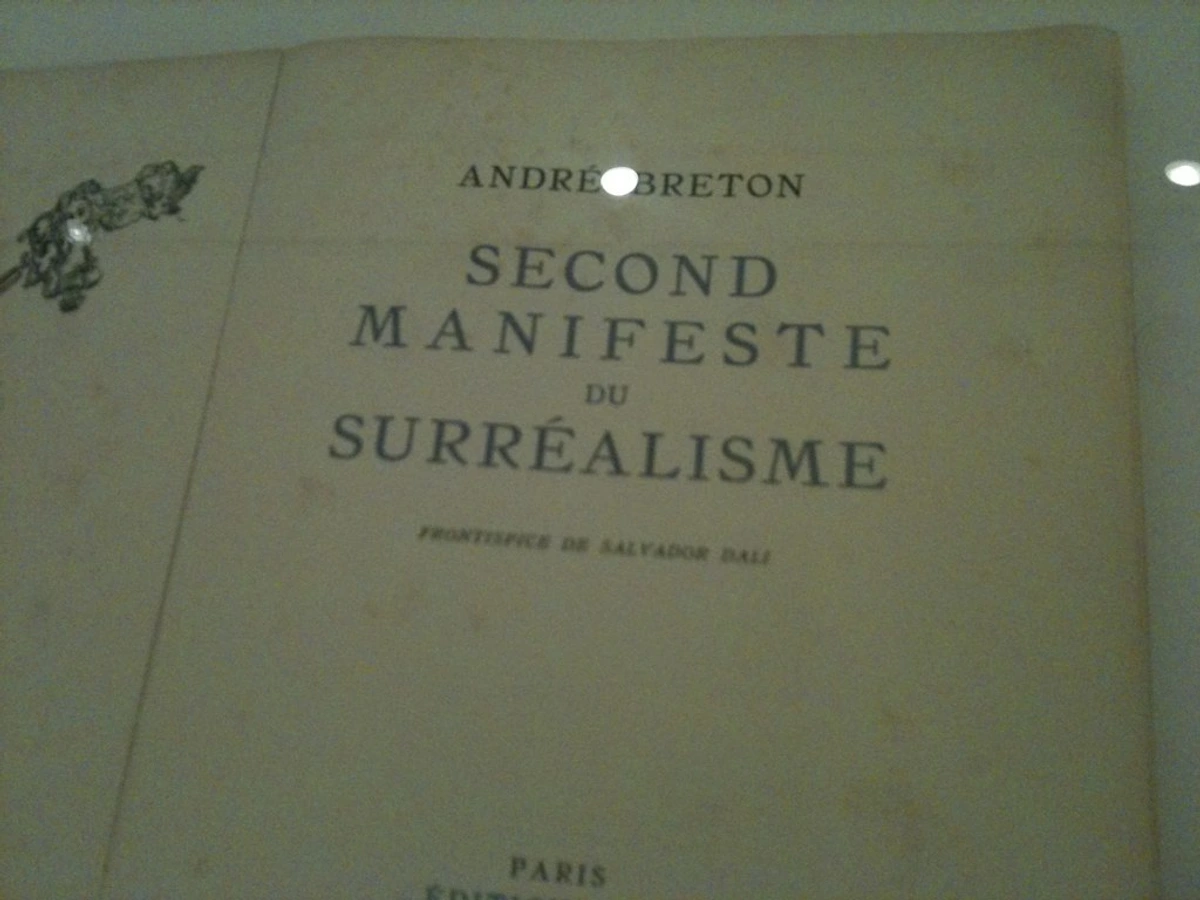
To truly grasp Breton, you absolutely have to start with his declaration of intent. In 1924, he published the Manifeste du Surréalisme. It wasn't just an art pamphlet; it was a defiant declaration of independence for the human imagination, a kind of radical operating manual for a new way of seeing and being. For me, reading it for the first time was like stumbling upon a hidden door, a revelation that explained those ineffable feelings I’d always had about the strange beauty lurking just beneath the surface of the ordinary. In it, he laid down the official definition of the movement he was founding. It really unlocks the whole game:
Surrealism, n. Psychic automatism in its pure state, by which one proposes to express—verbally, by means of the written word, or in any other manner—the actual functioning of thought. Dictated by thought, in the absence of any control exercised by reason, exempt from any aesthetic or moral concern.
Let's break that down, because it's the absolute core. 'Psychic automatism' is the key. It's not just unthinking; it's uncontrolled thinking. Imagine you're doodling while on the phone, letting your hand just go, and suddenly you've created a whole creature without ever consciously deciding to. Or maybe you're free-associating during a therapy session, letting words tumble out without censorship. That's it. It's the act of writing, drawing, or speaking without a plan, letting your subconscious channel directly, bypassing that inner censor that always says, "that doesn't make sense." Breton argued that this unfiltered thought was more profound than anything produced by reason because it bypassed societal conditioning and rational filters, allowing access to more primal instincts and universal truths.
The ultimate goal? To resolve the long-held conflict between the world of dreams and the world of waking reality into a new, absolute reality—a sur-reality. It's that fleeting, exhilarating moment when the bizarre logic of a dream bleeds into your waking life, and for a split second, it feels utterly, undeniably real. This pursuit of the interconnectedness of dream and reality, the blurring of the everyday and the fantastic, is what Breton termed "the marvelous" (le merveilleux). While sur-reality is the ultimate synthesis of dream and reality, the marvelous is the feeling of wonder and revelation that this synthesis evokes, the shock of encountering the uncanny in the mundane. The revolutionary aspect of being "exempt from any aesthetic or moral concern" meant liberating art from traditional judgments, allowing raw subconscious expression to define its own value. For him, art wasn't just decoration; it was meant to reveal this hidden magic in the mundane, to shock us into a deeper awareness of the world and ourselves. It was, in essence, a rejection of suffocating bourgeois rationality and a plea for imaginative freedom – a psychic revolution that sought to liberate the individual from societal constraints by first liberating their mind. This, he believed, was a necessary precursor to broader social and political revolution, freeing humanity from the very mental structures that perpetuated oppression and inequality.
Unlocking the Subconscious: Core Tenets & Techniques in Practice
But how did they actually do it? The Surrealists weren't content to just talk theory; they developed several methods to bypass the rational mind and tap into this elusive 'sur-reality' and uncover 'the marvelous'. These weren't merely artistic styles; I see them as exercises in psychological exploration, blueprints for unlocking the unseen and giving form to the unbidden. It was, after all, Breton's belief that while he was primarily a writer and theorist, his true art was the intellectual architecture and tireless organization of the movement itself, acting as a kind of "curator of the subconscious" for his fellow artists. I often wonder what would happen if I tried some of these techniques myself; would my own subconscious spill out onto the page in unexpected ways?
First, let's look at some of the key figures who shaped the early years of Surrealism, beyond Breton himself:
Figure  | Primary Role/Medium | Key Contribution to Surrealism | Connection to Breton's Vision |
|---|---|---|---|
| Louis Aragon | Poet, Writer | Co-founder, early advocate of automatic writing; key literary figure. | Embodied the literary core of the movement, pushing language's boundaries to access raw thought. |
| Philippe Soupault | Poet, Writer | Co-creator of Les Champs magnétiques, a foundational automatic text with Breton. | Proved the efficacy of psychic automatism in collaborative literary creation, aligning with Breton's call for unfiltered expression. |
| Paul Éluard | Poet | Prolific poet, explored themes of love and desire through Surrealist lens. | His lyrical poetry added emotional depth to the movement's literary output, often born from an automatist approach. |
| André Masson | Painter, Draughtsman | Pioneer of automatic drawing, developed a raw, visceral visual automatism. | Visually translated automatism, proving it wasn't just a literary concept, and creating direct channels from the subconscious to the canvas. |
| Max Ernst | Painter, Sculptor, Collage Artist | Invented frottage and grattage; master of unsettling juxtapositions in collage. | Expanded the visual vocabulary of Surrealism, finding the marvelous in chance and texture, and making hidden forms visible. |
| Joan Miró | Painter, Sculptor | Developed biomorphic forms, often from automatic drawing, full of playful energy. | Showcased a unique, organic form of psychic automatism in painting, letting the subconscious dictate form and line. |
| Yves Tanguy | Painter | Known for desolate, dreamlike landscapes with strange, floating biomorphic forms. | Created vast, otherworldly spaces that felt like pure dreamscapes made visible, directly embodying sur-reality. |
| Man Ray | Photographer, Filmmaker | Innovated rayographs and solarizations; a key figure in Surrealist photography. | Brought Surrealist principles into photography, challenging conventional representation and capturing the uncanny with mechanical means. |
Now, let's dive into the actual methods. These aren't just techniques for making art; I see them as profound ways to interact with the world, challenging us to find meaning in the irrational:
Technique | Description | Famous Practitioners | Example of "The Marvelous" in action | Personal Reflection/Why it works |
|---|---|---|---|---|
| Automatism | Spontaneous writing or drawing without conscious thought. Letting the hand move freely to channel the subconscious directly, like automatic writing or doodling. | André Masson, Joan Miró, Robert Desnos | Miró's biomorphic forms, often drawn in a single, continuous line, revealing unexpected, dreamlike connections from an unfiltered mental stream – a creature born directly from subconscious impulse, creating a sense of wonder in its unbidden emergence. | I imagine this as a mental bypass, letting the mind's raw data flow. It's about trusting the instinctual gesture over reasoned planning, letting the raw data of the mind flow without censorship. |
| Frottage | Create an image by placing paper over a textured surface (like wood grain or fabric) and rubbing it with a pencil. The texture emerges, often suggesting new, fantastical forms that spark imagination. | Max Ernst | Ernst's forests, where the grain of wood transforms into tangled foliage or the scales of mythical beasts, creating uncanny organic life and a startling sense of hidden magic. | This feels like a literal uncovering, making the unseen visible. It reminds me how inspiration can be found in the most mundane surfaces if you just look differently, seeing the potential for the marvelous everywhere. |
| Collage | Assembling disparate images or objects to create a new, illogical, and often startling reality. The unexpected juxtaposition sparks new meanings and "poetic shock," revealing hidden connections. | Max Ernst, Hannah Höch | A Victorian woman's head on a robot's body, or a deep-sea diver's helmet on a mountain peak, forcing new interpretations and a sense of jarring wonder, transforming the mundane into the magical and revealing the marvelous in incongruity. | My mind lights up with possibility here. It's the ultimate "what if?" game, proving that meaning isn't fixed but created by context, generating that poetic shock Breton prized. |
| Exquisite Corpse (Cadavre Exquis) | A collective game where participants write or draw on a sheet of paper, fold it to conceal their contribution, and pass it to the next person. The result is a collaborative, unpredictable image or text, often absurdly cohesive. | Breton, Yves Tanguy, Jacques Prévert | A fantastical creature with a lion's head, a fish's torso, and a bird's feet—a delightful absurdity born of the collective unconscious, showcasing how individual fragments can form a new "reality" beyond singular intent, a truly marvelous shared dream. | This technique fascinates me for its democratic chaos. It shows how emergent patterns can arise from individual, unconscious acts, a truly marvelous shared dream. |
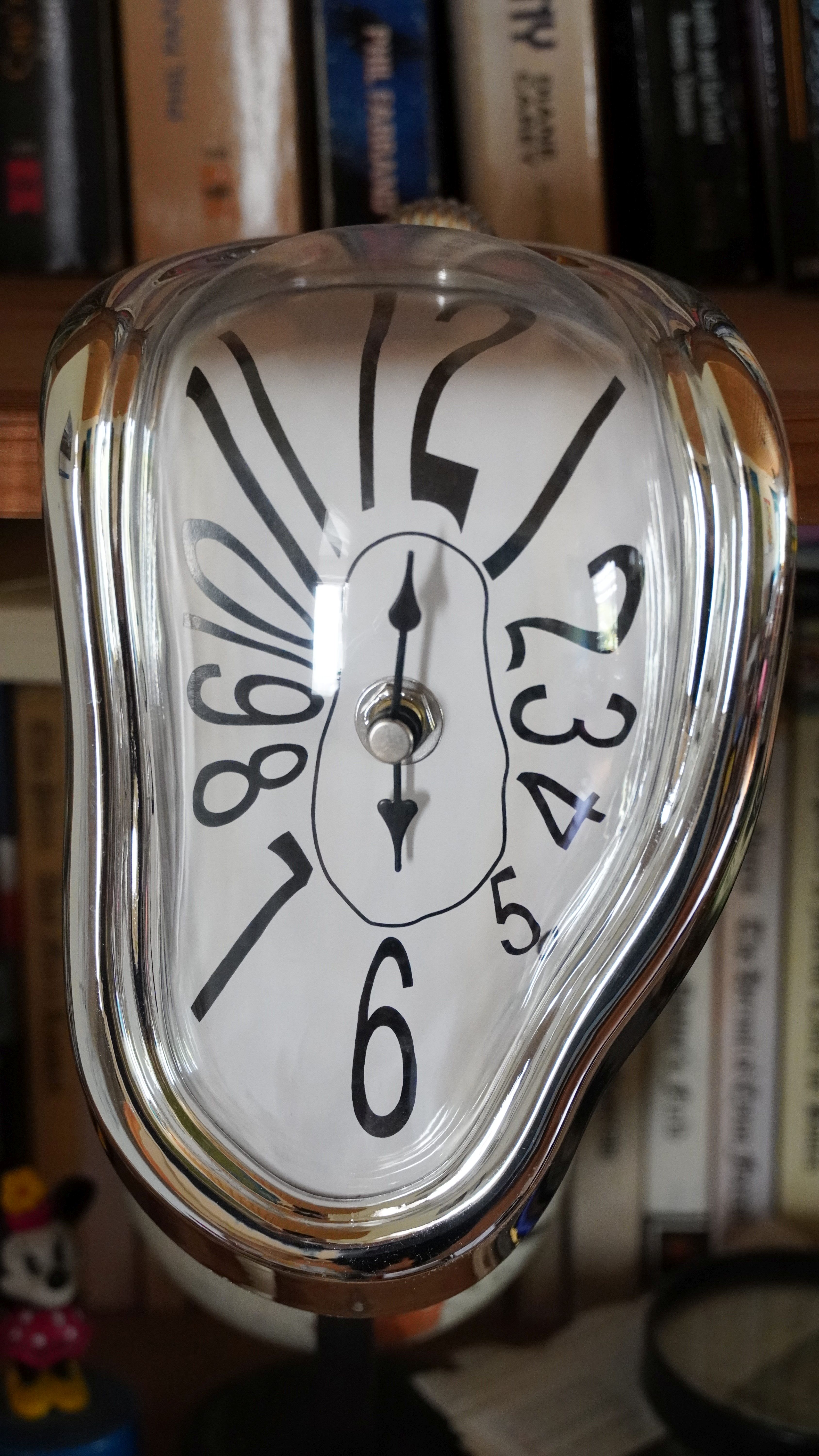
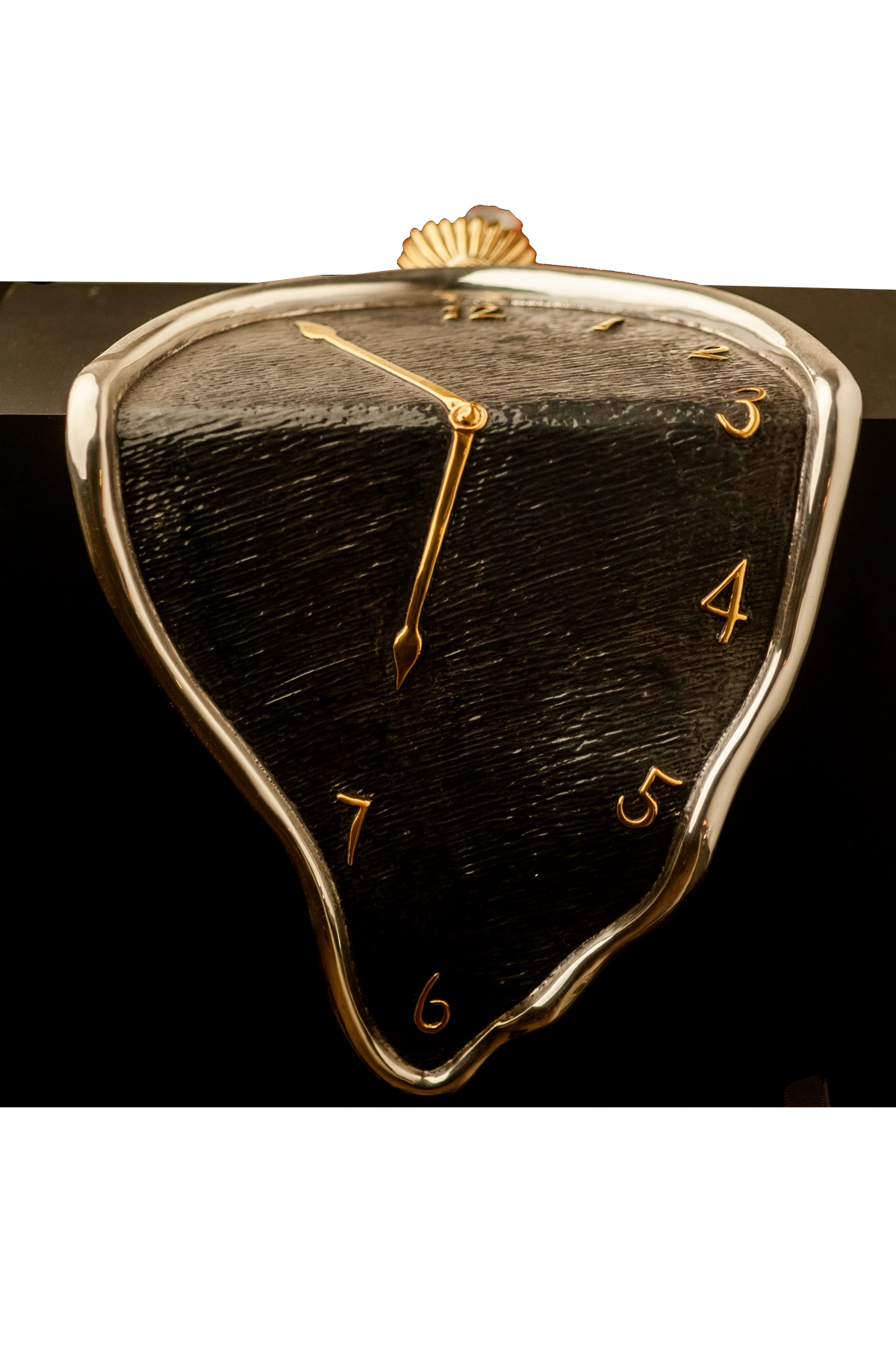
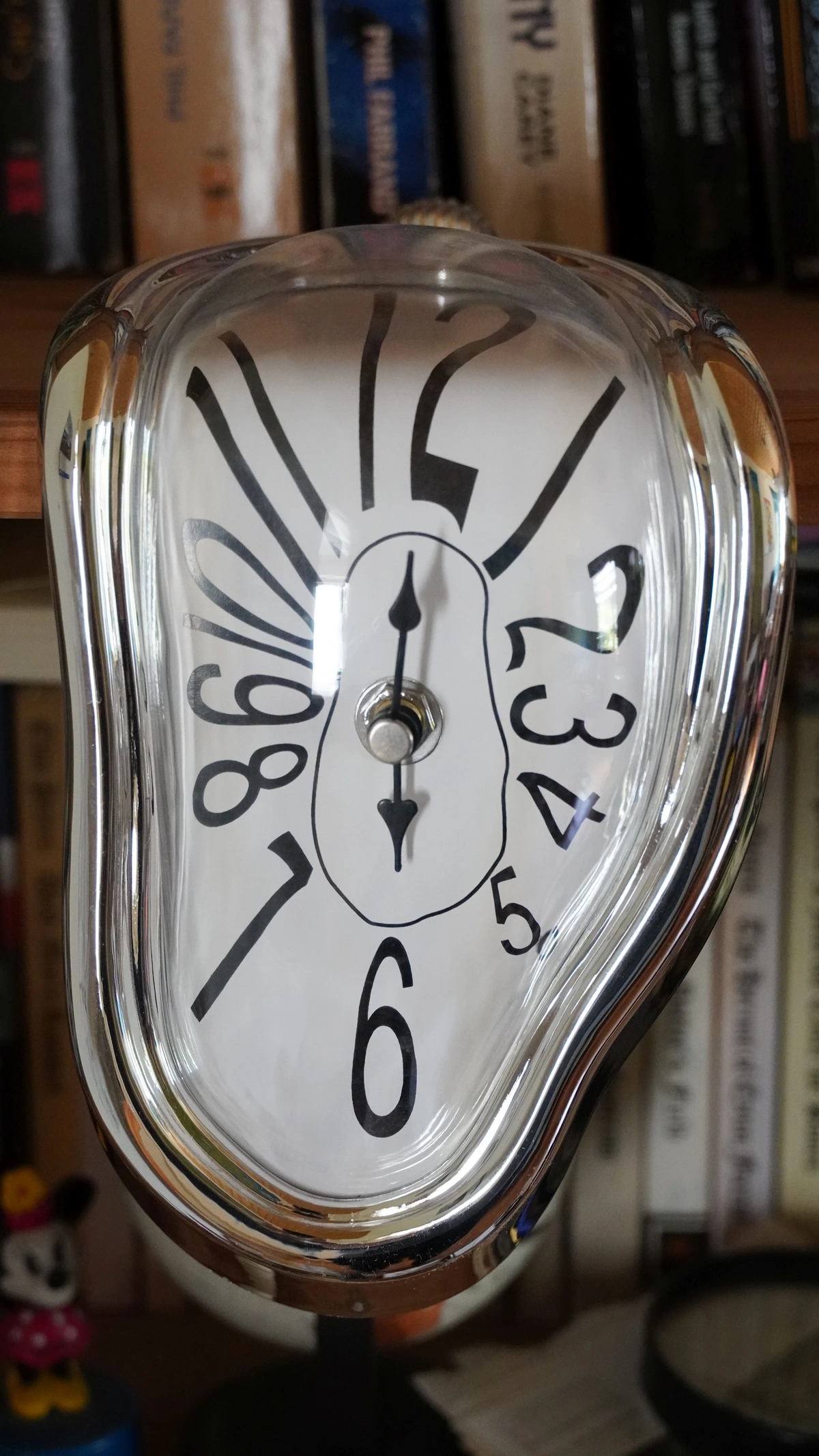
| Dream Transcription | Diligently recording dreams upon waking to use as direct source material, unfiltered by the logic of the day. This provides raw imagery and narrative from the subconscious. | Salvador Dalí, René Magritte | Dalí's melting clocks directly mirroring the illogical yet vivid narrative of a recalled dream, or Magritte's uncanny scenes that feel like fragments of a night vision, presented as if they were waking reality, making the internal external and revealing the marvelous in dream logic. | I've tried this, and it's surprisingly hard to capture. It's about honoring the ephemeral, realizing our night lives are as rich as our day, and that dream logic is a potent artistic language. |
| Found Objects (Objets Trouvés) | Discovering and presenting ordinary objects, often transformed by context or chance encounters, to reveal their hidden beauty or symbolic power. Breton famously sought these out, believing they held clues to "objective chance"—significant coincidences that reveal deeper meaning in daily life, often with a sense of destiny. | André Breton, Man Ray, Meret Oppenheim | A fur-lined teacup (Oppenheim's Object) elevating the mundane into a bizarre, tactile, and humorous object of desire, forcing a re-evaluation of its function and meaning, finding wonder and the marvelous in the ordinary's unexpected transformation. | This is where the magic happens in everyday life. It’s about being open to serendipity, realizing that meaning can be found, not just created, often with a profound sense of destiny. |
| Surrealist Objects | Hand-made constructions that combine incongruous elements, often from found objects, to create a new, illogical entity designed to provoke thought, desire, or discomfort. These were not mere sculptures but were intended as catalysts for psychological disturbance and profound re-evaluation of reality. | Dalí (Retrospective Bust of a Woman), Giacometti (Suspended Ball) | Dalí's bust of a woman with a baguette and inkwell on her head, creating a jarring, symbolic representation of desire and art that transcends rational utility, turning the familiar into something strangely new and unsettling, a true materialization of the marvelous. | For me, these are like physical riddles, challenging our perceptions of what objects should be and what they could mean. They make you question everything, searching for the marvelous in the unsettling. |
These techniques were not just about creating art; they were about a deeper way of interacting with the world, challenging the viewer to find meaning in the irrational, and to embrace the poetic possibilities of the unconscious mind. For me, they offer a powerful reminder that creativity isn't always about conscious effort; sometimes, it's about simply listening to what bubbles up from within. If you're looking to explore the weird and wonderful yourself, I'd suggest checking out contemporary art for sale at the Zen Museum that often draws from similar impulses of unexpected juxtapositions and subconscious expression.
credit, licence
The Pope and His Flock: Leadership, Conflicts, and Reshaping by Women
Breton wasn't just a theorist; he was a leader, an organizer, and, let's be honest, a bit of a gatekeeper. He possessed a magnetic personality and a fierce, unyielding intellect, gathering a dynamic circle of artists and writers around him in Parisian cafes and studios.
Breton's Leadership and the Surrealist Group
He served as the intellectual compass for a diverse group, formally establishing institutions like the Bureau of Surrealist Research (which acted as a central hub for collecting dreams, automatic texts, questionnaires on desire and madness, aiming to systematically map the unconscious) and launching publications like La Révolution surréaliste to disseminate their ideas and solidify the movement. But, and this is where the 'Pope' nickname truly stuck, he was also notoriously rigid, demanding strict adherence to his evolving ideological path. Try wrangling a group of free-thinking artists, poets, and provocateurs, all convinced of their own unique visions; it's a miracle the movement held together as long as it did! He held the power to officially welcome artists into the Surrealist group and, just as famously, to excommunicate them if they strayed from what he deemed the true Surrealist spirit. It takes a certain kind of conviction—or perhaps just a magnificent ego—to declare artistic war on your colleagues! His Second Surrealist Manifesto (1929) vividly demonstrated this, solidifying a more politically engaged and ideologically rigid stance that would lead to many a falling out. This consistent struggle to define and enforce 'pure' Surrealism meant Breton was not merely a theorist but also a rigorous, often ruthless, editor of the movement itself.
The Vital Contributions of Women Surrealists
It's crucial to acknowledge that Breton's influence, while vast, was also deeply complicated by the problematic sexism inherent in the movement's early years. The official group often relegated women to muses, lovers, or passive participants, rather than recognizing them as full-fledged creators. This sidelining often stemmed from a theoretical framework that, whether intentionally or not, privileged male experiences of the unconscious and public life, often viewing female artistic contributions as merely extensions of their male counterparts or their domestic roles. This meant many talented women artists had to carve out their own influential spaces, often pushing the boundaries of Surrealism in ways that not only complemented but sometimes explicitly challenged or expanded Breton's vision, offering distinct and vital perspectives on the unconscious.
For instance, while Breton celebrated Freud, women artists often engaged with psychology through the lens of their own experiences of domesticity, societal repression, or unique mythologies. Figures like Leonora Carrington, with her esoteric visions rooted in alchemy and mythology (as seen in her Self-Portrait (Inn of the Dawn Horse) with its shifting identity and fantastical creatures), often explored themes of female transformation and liberation from patriarchal structures. Remedios Varo constructed meticulous, fantastical narratives of transformation and escape (like The Creation of the Birds, where she depicts a bird-like figure creating actual birds from musical notes and starlight), weaving personal anxieties and spiritual quests into her intricate dreamscapes. Dorothea Tanning's unsettling explorations of domesticity and desire (such as in Birthday, a self-portrait where she stands before endless open doors, bare-chested and surrounded by a strange creature, revealing psychological vulnerability) often revealed the hidden, sometimes sinister, psychological undercurrents of seemingly ordinary life. Meret Oppenheim's playful yet provocative tactile objects, like her fur-lined teacup (Object (Déjeuner en fourrure)), directly challenged perceptions of gender and utility, turning the mundane into something unsettlingly erotic. Even Frida Kahlo (whom Breton famously declared a Surrealist, even though she denied it, seeing her work as pure reality, rooted in her physical and emotional pain rather than dreams or automatism) transcended these limitations. Kahlo felt her art was a raw depiction of her lived experience, a stark contrast to the Surrealists' deliberate quest for the dream realm. These women created some of the movement's most compelling and enduring works, adding crucial layers of depth and challenge to the story of Surrealism, making it far richer than Breton's singular narrative might suggest. Their exclusion from official narratives only highlights the tenacity and sheer brilliance required to break through and reshape the movement from within and without.
Conflicts and Excommunications: The Path of Purity
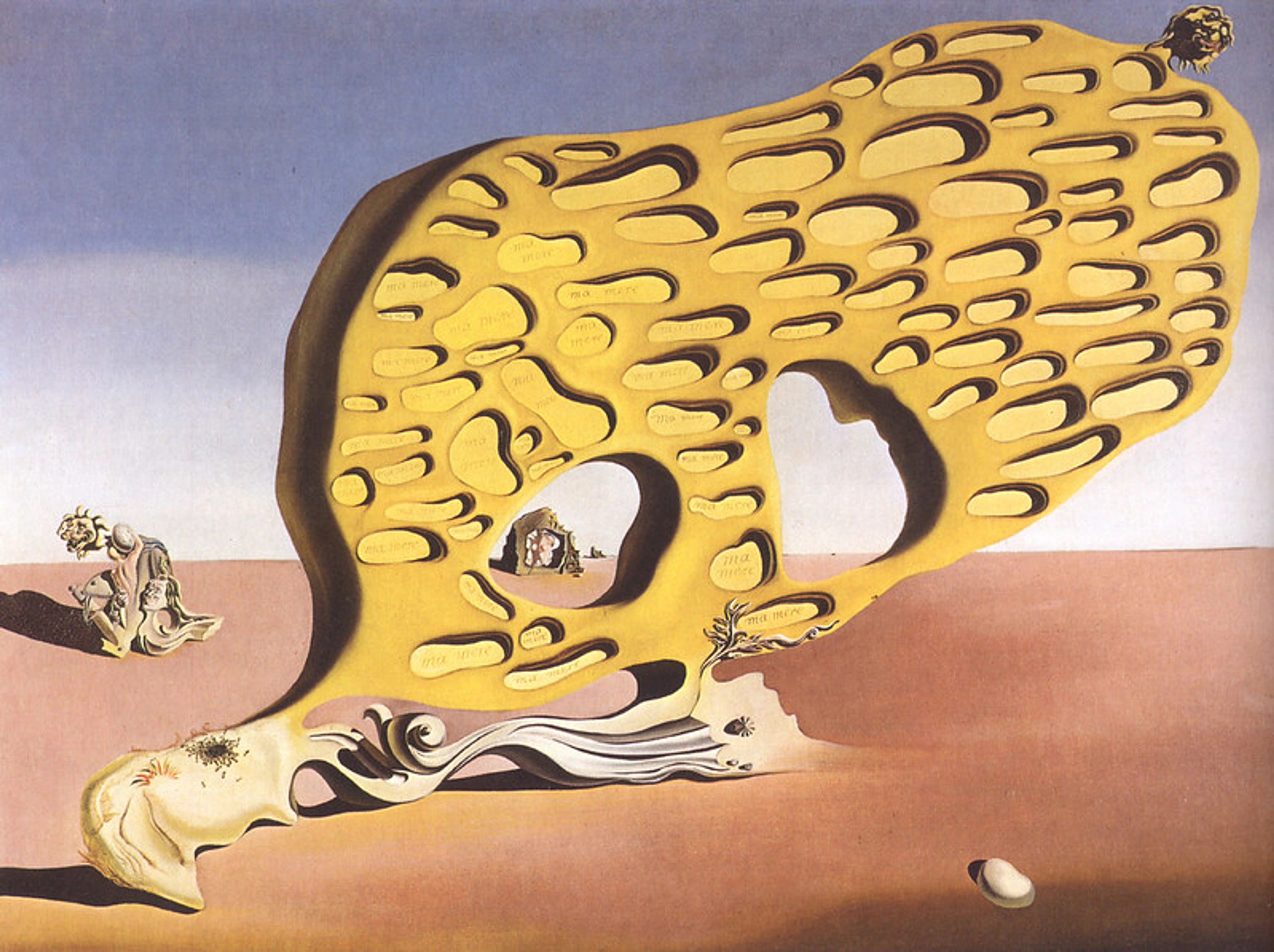
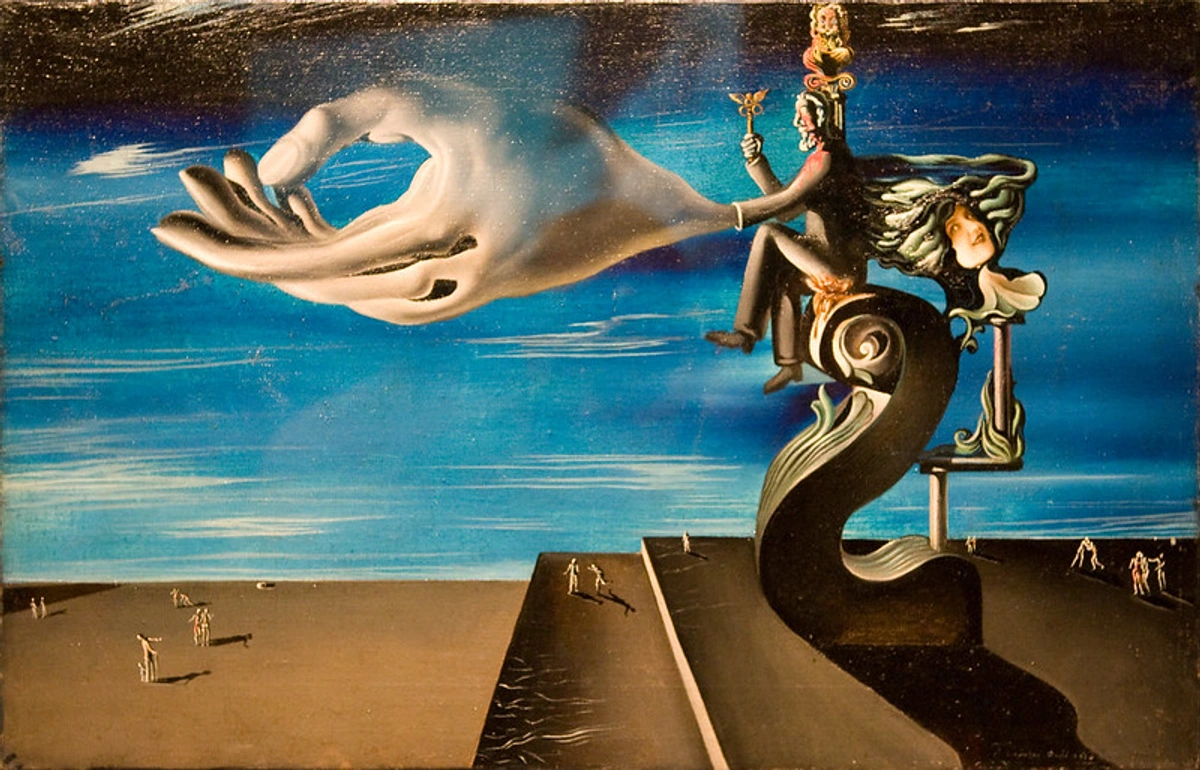
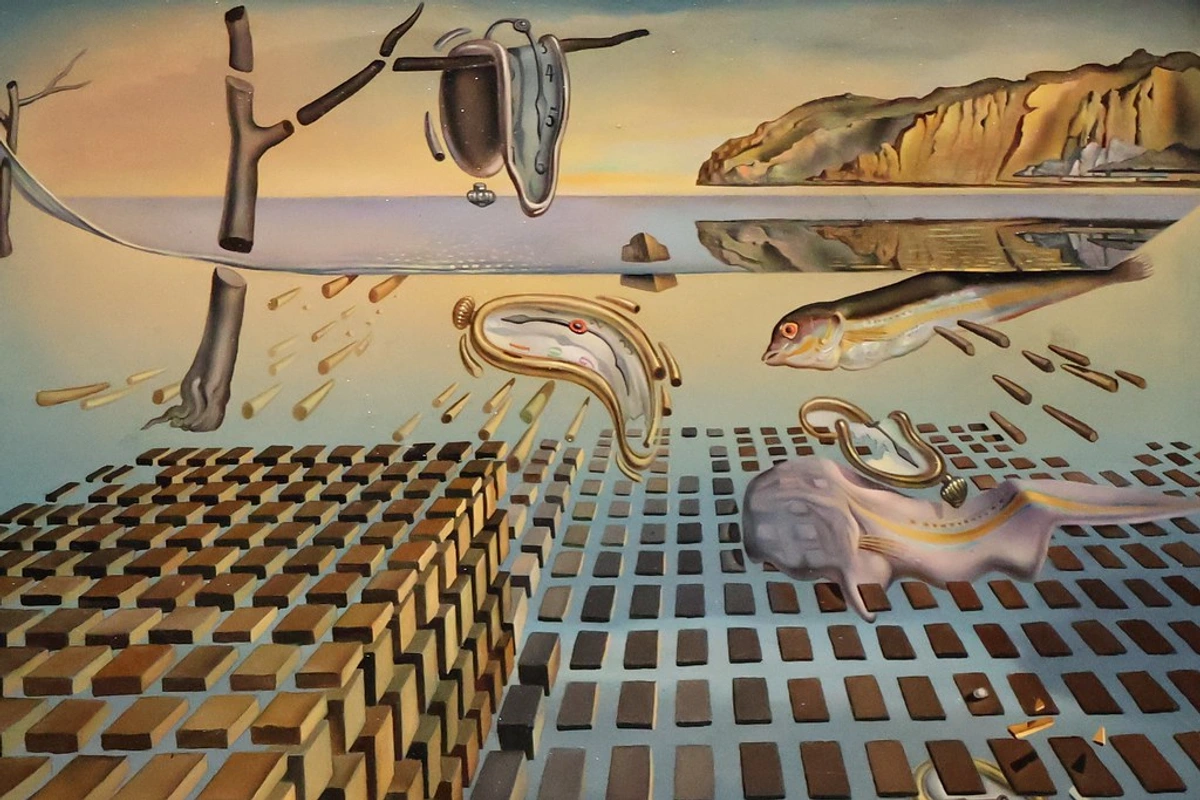
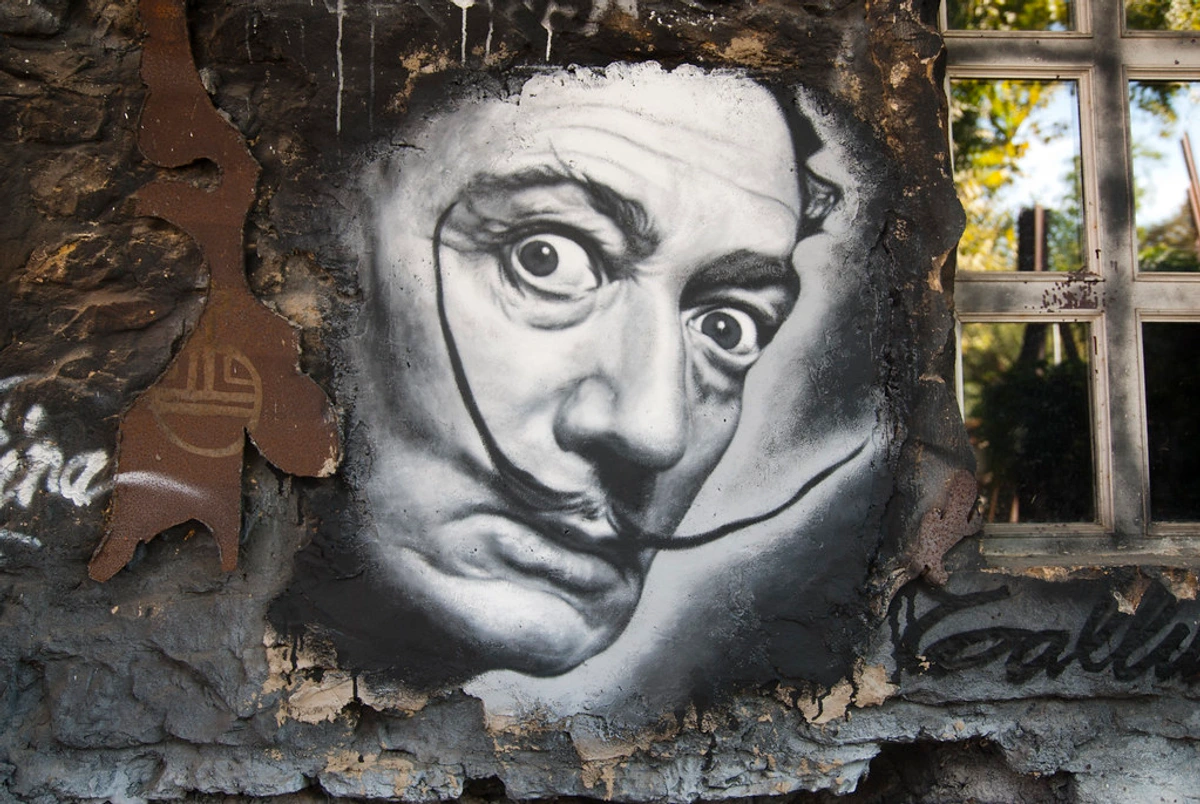
Breton championed artists like Max Ernst, whose collages and frottages epitomized the exploration of the uncanny, and Joan Miró, whose automatic drawings and biomorphic forms perfectly captured psychic automatism. A young Salvador Dalí initially seemed a perfect fit, his 'paranoiac-critical method' (where he deliberately induced delusional states to create art) a brilliant visual counterpart to Breton's theories. However, Dalí's monarchist politics and his increasingly public, shameless self-promotion eventually led to a bitter falling out. Breton, ever the quick wit, famously nicknamed him 'Avida Dollars' (a rather clever anagram for Salvador Dalí, implying he was 'greedy for dollars'), and officially expelled him from the movement in 1934. Breton viewed Dalí's commercialism and political leanings as a fundamental betrayal of the anti-establishment, anti-capitalist spirit he saw as crucial to Surrealism's revolutionary goals. For Breton, Surrealism was a tool for liberation, not a brand for profit. It was, I imagine, a spectacular argument between two formidable egos, one prioritizing ideological purity and the other, personal notoriety.
Other figures like Georges Bataille were also cast out. Bataille, for example, advocated for a more visceral, abject, and anti-rational exploration of human experience (his concept of 'heterology' focused on marginalized, non-functional elements). He criticized Breton's idealism, perceiving his approach as too intellectual and aestheticized, a 'tamed' version of the unconscious that failed to embrace the truly base and chaotic aspects of human nature. These ideological clashes pushed the boundaries of what was considered 'acceptable' Surrealism. It was a rigorous, often ruthless, pursuit of what Breton considered the pure Surrealist ideal.
credit, licence
Surrealism in Action: Exhibitions, Politics, and Global Echoes
Breton understood that a revolution of the mind needed public display, and a revolution of society needed political engagement.

The Theatricality of Surrealist Exhibitions
Surrealist exhibitions were not just art shows; they were theatrical, immersive experiences designed to shock and disorient, to force visitors to confront the illogical and "the marvelous" head-on. The most famous was perhaps the 1938 International Surrealist Exhibition in Paris, co-organized with Marcel Duchamp, which transformed the gallery into a dreamscape complete with glowing coal fires, heaps of leaves, and an artificial pond, even featuring Dalí's "Rainy Taxi" installation. These shows were crucial for demonstrating the movement's principles in a visceral, unforgettable way, blurring the lines between art and reality itself. I imagine walking into one, feeling that delicious disorientation; it must have been truly transformative for visitors.
The Political Heart of Surrealism
Breton's leadership, however, was inextricably linked to his political convictions. A committed Marxist, he believed that the liberation of the mind was not merely an artistic pursuit but a necessary precursor to social and political revolution. He felt that by freeing the individual psyche from rational constraints, Surrealism could contribute to a broader societal upheaval against oppressive systems, exposing the irrationality of capitalism and colonialism. This conviction was central to his call for a psychic revolution, which he saw as a fundamental step towards liberating humanity from both internal and external forms of control. This often created a productive tension with the deeply personal, psychological aims of Surrealism, as artists grappled with reconciling inner freedom with external political responsibility.
His political stances led to frequent conflicts and further excommunications within the movement, particularly as Surrealism navigated the tumultuous rise of fascism and the complexities of Soviet communism. He even attempted to align Surrealism with the Communist Party in the 1930s, though these efforts ultimately failed due to ideological differences, highlighting his unwavering (and sometimes isolating) dedication to his vision of social change. This constant ideological struggle, notably expressed in his Second Surrealist Manifesto (1929), shaped the movement's trajectory, pushing it towards a more politically engaged form of exploration and critique of societal norms. The outbreak of World War II further scattered the group, forcing many, including Breton, into exile, which led to the global dissemination of Surrealist ideas.
Breton, the Writer: Words as Weapons
While we often associate Surrealism with visual art, it's vital to remember that Breton was first and foremost a writer and a poet. His words were the bedrock of the movement, the theoretical scaffolding upon which the dreamscapes were built. Works like Nadja (1928) and L'Amour fou (1937) are quintessential literary embodiments of Surrealist principles, blurring the lines between autobiography, fiction, and psychological exploration. In Nadja, for instance, he documents his chance encounters with a mysterious woman, transforming everyday Parisian reality into a canvas for the unconscious and for the concept of "objective chance"—significant coincidences that reveal the marvelous in daily life, often with a sense of destiny or fate (such as seemingly random encounters echoing his deepest thoughts). This wasn't just happenstance; Breton believed these chance encounters were manifestations of a deeper, hidden order. L'Amour fou similarly explores obsessive love and the seamless integration of the dream world into everyday life, embodying his theories in narrative form. Other writers like Louis Aragon and Robert Desnos also explored automatism and dream logic in their poetry, pushing the boundaries of language itself, often creating evocative, stream-of-consciousness narratives that mirrored dream states and free association. For me, reading these texts is like walking directly into the brain of Surrealism, raw and unfiltered, feeling the pulse of a mind grappling with the edges of reality.
Breton's Influence Across Media
Breton's vision extended far beyond painting. He shaped Surrealist photography, championing Man Ray's experimental techniques like rayographs (photograms created without a camera, visually akin to automatic drawing, capturing the unmediated impression of objects) and solarizations (a photographic effect creating a partial reversal of tones, adding an uncanny, dreamlike quality to portraits and nudes). In sculpture, Alberto Giacometti's early elongated figures and "poetic objects" felt like dream fragments made tangible, embodying the unsettling stillness of the subconscious (their stark, elongated forms and unsettling stillness evoked figures emerging from a profound, internal landscape). And in film, Luis Buñuel's shocking collaborations like Un Chien Andalou (with Dalí) directly applied dream logic and automatism to the cinematic medium, its startling non-sequiturs, like the famous eye-slitting scene, directly mirrored the illogical yet emotionally potent flow of dreams, creating a truly multimedia revolution that continues to echo today. Even artists like Yves Tanguy, with his desolate, abstract landscapes featuring strange biomorphic forms, became quintessential examples of how Surrealist principles could manifest across diverse visual idioms.
Beyond Paris: Global Echoes & Enduring Impact
Although born in Paris, Surrealism didn't stay confined to the city's cafes and salons. Breton himself traveled extensively, notably to Mexico and the Caribbean, spreading the word and finding new adherents. The movement's ideas resonated across continents, tapping into a universal human desire to understand dreams, irrationality, and the hidden depths of the mind. In Mexico, artists like Frida Kahlo and Wolfgang Paalen adapted its tenets to local mythologies and social realities. Paalen, for example, developed fumage, a technique using candle smoke to create images directly inspired by automatism, an organic way to let the subconscious manifest in unpredictable, wispy forms, often evoking ghostly figures or landscapes.
Region/Movement | Key Figures/Artists | Local Adaptation of Surrealism |
|---|---|---|
| Mexico | Frida Kahlo, Wolfgang Paalen | Blending indigenous mythologies, social realism, and dream imagery; 'fumage' technique used to create unpredictable, smoky images. |
| Caribbean (Négritude) | Aimé Césaire, Suzanne Césaire | Used automatism as a tool for anti-colonial expression, reclaiming indigenous voices and challenging European rational thought. |
| United Kingdom | Leonora Carrington, Roland Penrose | Often more literary and intellectual, exploring British folklore and occultism, infusing personal mythologies. |
| Japan | Shuzo Takiguchi, Tetsumi Kudo | Integrated traditional Japanese aesthetics with Surrealist concepts of the absurd and the body, often with a darker, more critical edge. |
| Eastern Europe | Toyen (Czech), Jindřich Štyrský (Czech) | Explored themes of eroticism, liberation, and political dissent through dreamlike imagery, often influenced by their unique cultural and political contexts. |
The Négritude movement in the Caribbean, championed by figures like Aimé Césaire (whose seminal Cahier d'un retour au pays natal published in Breton's Surrealist journals), powerfully used Surrealist automatism as a tool for anti-colonial expression. Césaire famously declared, "My negritude is not a stone, its deafness hurled against the clamour of the day," illustrating how bypassing European rational thought allowed them to reclaim indigenous voices and narratives, letting an unfiltered stream of cultural and political identity challenge oppression. Even the later American Abstract Expressionists, like Jackson Pollock with his iconic drip paintings, carried a torch for automatism, albeit in a different, more abstract form, emphasizing the spontaneous, unmediated act of creation itself.
Each new cultural context adapted Surrealism, bending its tenets to address local histories, mythologies, and political realities, proving that the subconscious speaks in many languages. These radical ideas even laid significant groundwork for later critical theory and post-structuralist thought, questioning fixed meanings and embracing the fluid, multi-layered nature of language and identity. Surrealism continues to remind us that reality is far more complex and malleable than we often assume.

FAQ: André Breton & the Surrealist Universe
Here are some common questions that come up when discussing Breton and his movement. I get asked these a lot, and they're great starting points for deeper exploration into why this movement continues to captivate.
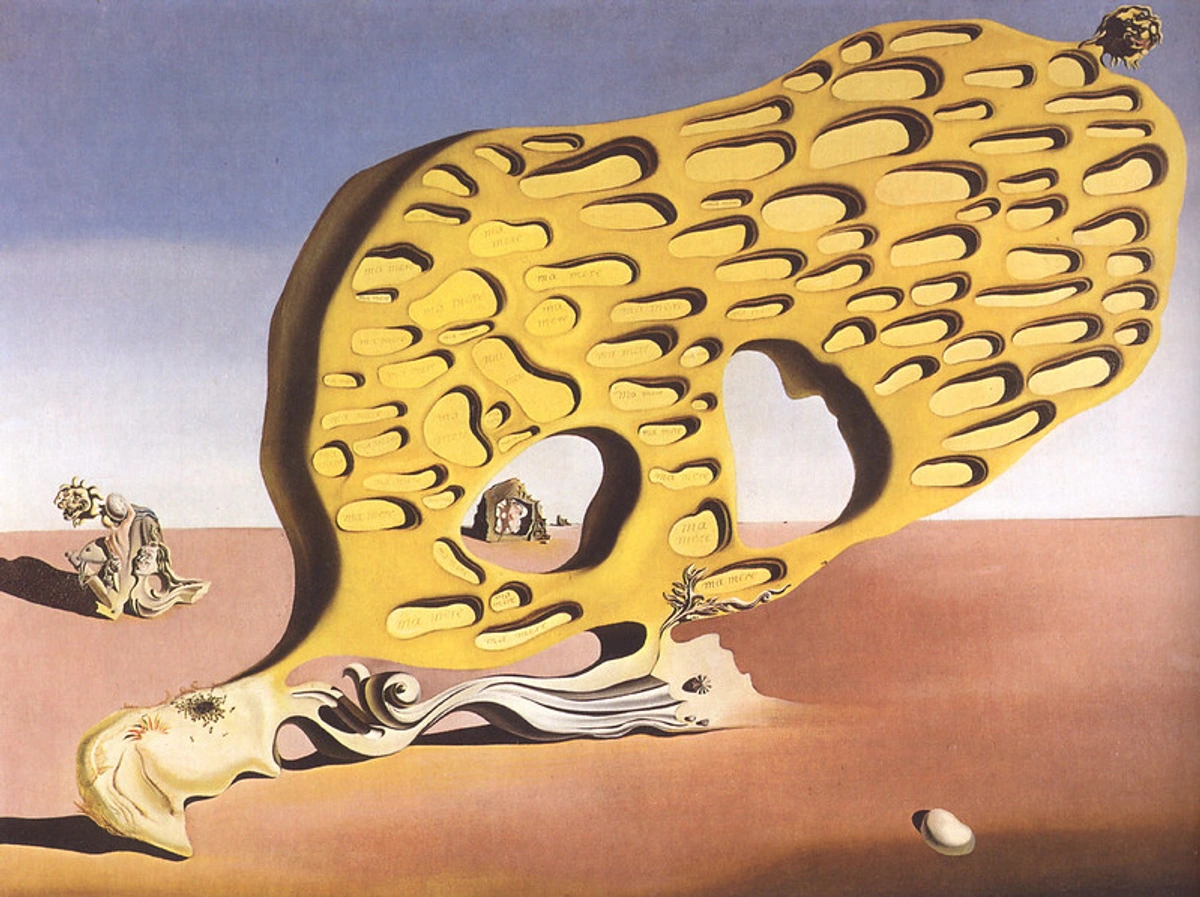
What is the main idea of the Surrealist Manifesto? At its heart, the central idea of André Breton's Surrealist Manifesto is to liberate the mind by tapping into the subconscious. Breton proposed 'psychic automatism'—creating without rational control—to merge the dream world and waking reality into a higher, absolute reality, which he termed 'sur-reality'. This pursuit of finding wonder in the unexpected fusion of the real and the imagined is what he called "the marvelous". It's about letting your inner landscape take over and revealing the hidden magic in everyday life, not just in art, but in all aspects of human experience.
What are the visual characteristics of Surrealist art? Visually, Surrealism is incredibly diverse, but common themes include jarring juxtapositions (like a train emerging from a fireplace), dreamlike or illogical landscapes, distorted figures, a meticulous, almost hyper-realistic rendering of impossible scenes, and the uncanny transformation of ordinary objects. It often evokes a sense of mystery, surprise, or even unease, aiming to disturb, provoke, and challenge the viewer's perception of reality and embrace the irrational. Think melting clocks, floating apples, or figures with drawers in their bodies. The overall effect is often one of a waking dream, where the familiar becomes profoundly strange and unsettlingly real.
How is Surrealism different from Dada? While Surrealism grew directly out of Dada, they differed significantly. Dada was largely nihilistic and destructive, a protest against a world gone mad through absurd, anti-art gestures. It aimed to tear down all norms, embracing chaos. Surrealism, on the other hand, was a constructive rebellion. It used Dada's dismantling as a starting point, but aimed to build something new—a deeper, psychic revolution that sought to liberate the unconscious and find a "sur-reality" that integrated dreams and waking life. Dada said "no" to a corrupt world; Surrealism asked "what if?" by offering a blueprint for a new way of engaging with reality and achieving societal liberation through inner freedom.
Why did Breton and Dalí fall out? Their conflict was multifaceted, a classic clash of both politics and personality. Breton was a committed Marxist and found Dalí's monarchist sympathies and eventual embrace of Catholicism abhorrent, seeing them as betrayals of revolutionary ideals. He famously nicknamed him 'Avida Dollars' (greedy for dollars) due to Dalí's increasing obsession with commercial success, particularly in America, which Breton felt fundamentally betrayed the anti-establishment, anti-capitalist spirit of Surrealism. For Breton, Surrealism was a tool for liberation, not a brand for profit. It was, I imagine, a spectacular argument between two formidable egos, one prioritizing ideological purity and the other, personal notoriety.
What role did photography play in Surrealism? Photography was embraced by Surrealists as a powerful tool to capture the uncanny and access the subconscious, often bypassing the conscious hand of the artist. Figures like Man Ray experimented with techniques like rayographs (images made without a camera) and solarizations to create dreamlike effects, making the familiar strange and revealing hidden realities through light and shadow. Photography, with its ability to objectively record, paradoxically became a means to express subjective, internal worlds and capture moments of "objective chance".
What are some of Breton's most famous literary works? While the Surrealist Manifestos are his most famous theoretical texts, his novel-like works Nadja (1928) and L'Amour fou (1937) are quintessential literary examples of Surrealism. In Nadja, for instance, the narrative blurs autobiography and fiction, documenting chance encounters in Paris that embody "objective chance"—significant coincidences that reveal the marvelous in daily life. L'Amour fou similarly explores obsessive love and the seamless integration of the dream world into everyday life, embodying his theories in narrative form. Reading them feels like stepping directly into a Surrealist painting, where reality is constantly shifting and imbued with poetic significance.
Is Surrealism still relevant today? Absolutely! Its influence is seen everywhere from film (think David Lynch's Mulholland Drive or Eraserhead, Michel Gondry, or the magical realism of Gabriel García Márquez) and advertising to literature, fashion, and philosophy. The core idea of exploring the subconscious, questioning the nature of reality, and embracing the irrational and "the marvelous" remains a powerful force in contemporary art and culture. The movement broke open the doors of perception, and frankly, they've never been closed since. If you're looking to explore the weird and wonderful yourself, I'd suggest checking out contemporary art for sale at the Zen Museum or learning about other movements at the Den Bosch Museum to see how its legacy continues to evolve.
Further Exploration: Diving Deeper into the Surrealist Universe
If André Breton's vision has sparked your own curiosity, here are a few ways to delve even deeper into the world of Surrealism:
- Read the Primary Texts: Pick up a copy of Breton's Surrealist Manifestos (often collected with What Is Surrealism?). These are crucial for understanding his direct, unfiltered theoretical framework. Dive into Nadja or L'Amour fou for a literary experience that embodies his theories, blurring autobiography and fiction to reveal the marvelous in the everyday. They're dense, but endlessly rewarding.
- Explore Key Artists: Seek out the works of artists like Max Ernst, Joan Miró, Leonora Carrington, Yves Tanguy (known for his desolate, dreamlike landscapes), and, of course, Salvador Dalí and René Magritte. Look for online galleries or major museum collections. Don't forget the women Surrealists who pushed boundaries and offered unique perspectives!
- Watch Surrealist Films: Begin with Luis Buñuel's and Salvador Dalí's Un Chien Andalou (1929) for a quintessential, shocking experience – a direct application of dream logic to cinema. Then explore other works by Buñuel (like The Discreet Charm of the Bourgeoisie) or films inspired by Surrealism, such as David Lynch's Mulholland Drive. Film is arguably one of the most direct heirs to Surrealist dream logic.
- Visit a Major Museum: Institutions like the Centre Pompidou in Paris, MoMA in New York, Tate Modern in London, the Philadelphia Museum of Art, or the Art Institute of Chicago often have significant Surrealist collections or host dedicated exhibitions. These are fantastic places to experience the art firsthand and feel the delicious disorientation it was designed to evoke.
- Understanding the Psychology of Surrealism: Delve into books and essays that explore the psychological underpinnings of the movement, connecting Surrealist techniques to Freudian and Jungian theories of the unconscious, dreams, and archetypes. This will deepen your appreciation for the intellectual rigor behind the artistic output.
- Consider Contemporary Connections: How do artists today explore dreams, the subconscious, and alternative realities? Look for contemporary abstract, conceptual, or figurative art that continues this legacy, perhaps even at the Zen Museum itself, where many pieces aim to evoke a similar sense of "the marvelous" through unexpected color and form. Your own art might even be tapping into this without you realizing it!
The Enduring Dream: A Legacy Beyond the Canvas
André Breton died in 1966, the same year the final international Surrealist exhibition took place, signaling the formal end of the movement as he had rigidly defined it. Yet, his revolution continues to unfurl. He provided a language and a framework for the irrational, the bizarre, and the beautiful chaos that churns beneath our polished, conscious selves. He taught us that the most fascinating landscapes aren't necessarily the ones we can visit with a map, but the ones we can dream—the limitless terrain of our own minds. By writing the Surrealist Manifesto and tirelessly championing its ideals, he didn't just start an art movement; he gave us all permission to explore the strange and wonderful territory of our own minds, to seek out "the marvelous" in every corner of existence, and to challenge the very nature of reality. And that, for any artist or curious mind, is a gift that keeps on giving, inspiring new generations to look beyond the obvious, to push the boundaries of perception, and to embrace the enduring legacy of Surrealism. Perhaps you'll even find inspiration for your own creations in the vivid, unexpected juxtapositions that make up your own inner world. Embrace the unexpected, I say, and see where your own sur-reality takes you.