The Ultimate Guide to Choosing the Best Canvas for Oil Painting
Feeling lost choosing canvas for oil painting? This ultimate guide cuts through the confusion, offering actionable advice on cotton vs. linen, weave, weight, primer, rigid panels, and more for every artist's journey.

The Ultimate Guide to Choosing the Best Canvas for Oil Painting: From Beginner to Masterpiece
Let's be honest. Walking into an art supply store to buy a canvas can feel like trying to solve a cryptic puzzle while simultaneously being judged by invisible art gods. You just want a canvas, but suddenly you're drowning in terms like 'cotton duck,' 'linen,' 'gesso,' '12-ounce,' 'triple-primed'... it's enough to make you want to go home and paint on the nearest wall. (Trust me, I've had that urge. Resisted it. Mostly). I've definitely been there, staring blankly at a wall of options, wondering if I'm making a monumental mistake that will haunt my artistic legacy. I once bought a huge canvas on a whim, only to realize later it was a cheap, flimsy 6oz cotton, so thin it would sag under a single thick brushstroke, making my impasto dreams look more like a sad hammock. It 'drank' my expensive paint like a parched desert, dulling my vibrant colors before they even had a chance to sing. Live and learn, right? I've certainly wasted my fair share of money on canvases that just didn't hold up, or worse, fought against my creative flow because they were too absorbent or too slick for proper adhesion. It was a baptism by fire, or rather, by sagging canvas.
I've bought the cheap, floppy canvases that felt like painting on a wet t-shirt, and I've splurged on gorgeous linen that I was too scared to touch for a week (the preciousness was real!). So, let's just cut through the noise together. What is the best canvas for oil painting? The real answer is: it depends entirely on you and what you're trying to achieve with your art. And honestly, that's the beauty of it – you get to decide! My goal here is to share everything I've learned through years of glorious trial and error, a few ruined pieces, and plenty of happy accidents, so this truly becomes the most comprehensive and useful resource you'll find. Consider this your personal map to navigating the canvas jungle, saving you bewildered moments in the art store and, crucially, some money in the long run.
Historically, artists painted on walls, wood panels, or even copper. Canvas emerged as a popular choice in the Renaissance, largely because it was lighter, more portable, and allowed for much larger works. This shift coincided with the rise of oil paints themselves, whose slow drying time and rich pigments were perfectly suited to the flexible, receptive surface of fabric. Imagine the grand narrative paintings of the Venetian masters like Titian or Veronese – colossal works that simply wouldn't have been practical or even feasible on heavy wooden panels. Artists like Jan van Eyck or Hans Holbein the Younger famously created intricate, luminous portraits on rigid wood panels, perfectly suited for meticulous detail and smooth glazes that needed an unyielding surface. But as ambitions grew, canvas offered artists a new kind of freedom – the ability to create vast, dynamic compositions that were also transportable, enabling grander narratives and expanding the scale of art itself. It's been evolving ever since, offering a myriad of choices today.
Understanding Canvas Formats & Rigid Supports
When you hear 'canvas,' you probably picture a stretched rectangular frame. And while that's the most common, it's far from the only format. Artists use various types, each with unique advantages. Understanding these formats is your first step to making an informed choice and avoiding costly mistakes. This also ties directly into the foundational characteristics of weave, weight, and priming – the canvas's very DNA – which we'll dive into next.
Stretched Canvas: The Traditional Choice
This is what most people visualize: canvas fabric tensioned over a wooden frame, called stretcher bars. The inherent flexibility and slight 'give' of a stretched canvas are often preferred for larger works, allowing for a certain responsiveness under the brush – a subtle springiness that many oil painters appreciate, especially for expressive strokes. Think of it like a dance partner that moves with you, rather than standing rigidly. It's also traditionally lighter than a solid panel of comparable size, making it easier to transport and hang, which is a huge bonus for big pieces headed to a gallery.
Canvas Panels/Boards: Robust and Ready
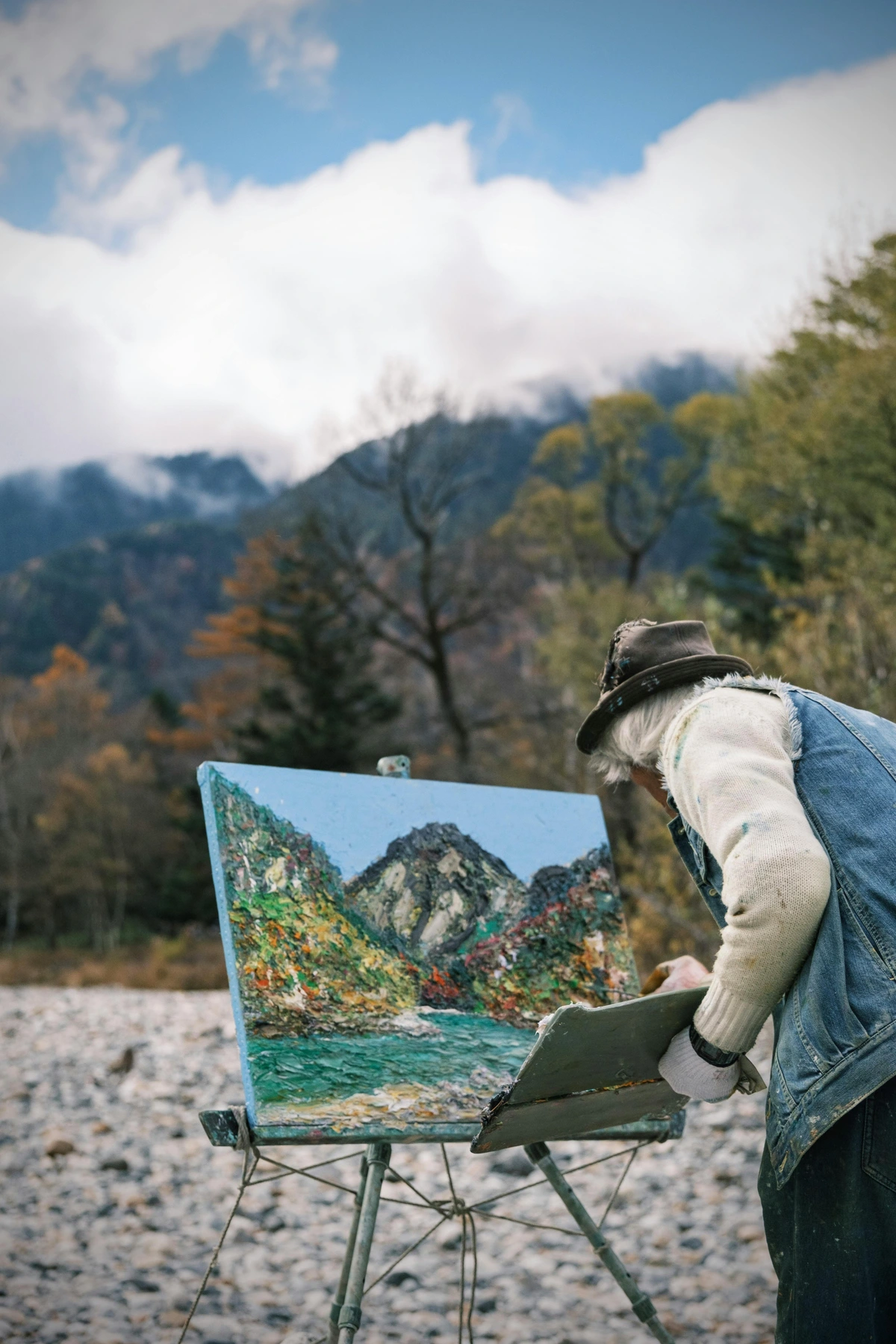
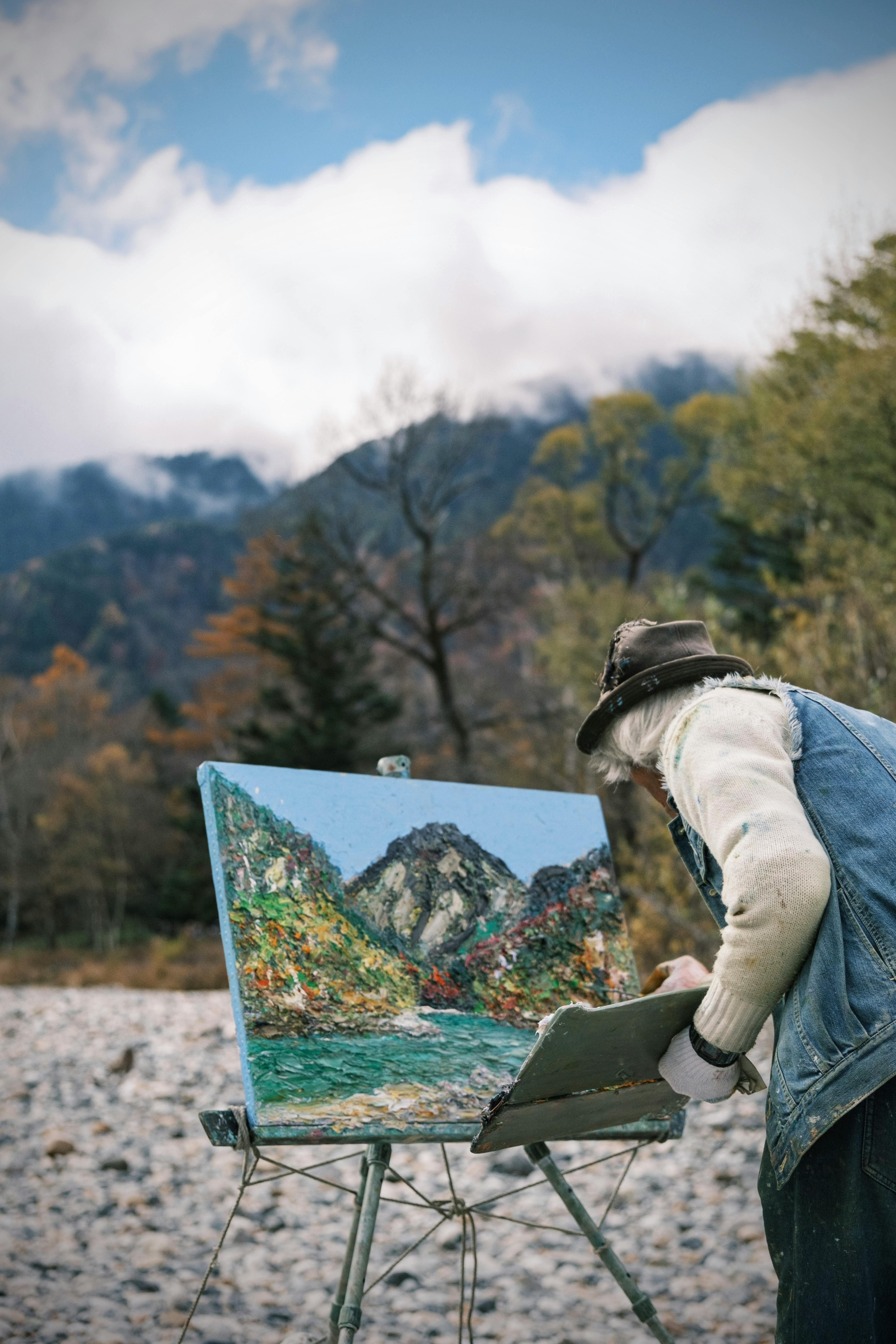
These are usually canvas fabric (often cotton) mounted onto a rigid cardboard, wood, or MDF (medium-density fiberboard) core. They're thin, lightweight, and incredibly robust. I love them for small studies, travel, or anything that needs to be extra durable – like when I'm hauling my gear through the woods for a plein air session. They're much less prone to damage or flexing, making them perfect for outdoor painting where wind can be a significant factor. The absolute stability means your brushstrokes hit a firm, unyielding surface, allowing for precise control. They also fit easily into standard frames, which is a huge plus for finished pieces. If you're looking for a super stable surface that won't give, these are a fantastic option, though their rigidity means they don't offer the springy give of a stretched canvas. I find them particularly useful when I'm experimenting with what is alla prima painting, where a solid, unyielding surface helps keep those wet-on-wet brushstrokes crisp and prevents any 'bounce' from disturbing your direct application.
Canvas on a Roll: Ultimate Control for Large Works
For those of us who work large, or simply want to save money in the long run (and who doesn't?), buying canvas by the roll is a game-changer. You cut it to size and stretch it yourself, giving you ultimate control over tension and dimensions. For instance, if a 30x40 inch pre-stretched canvas costs around $60, buying a roll and stretching five canvases of the same size might bring the material cost down to $30-40 per canvas, not including your time. The savings are particularly significant for very large formats. You'll find heavy cotton duck or even raw linen available by the roll, offering diverse options for custom preparation. It can feel like a big step at first, almost like learning a whole new craft, but trust me, it’s incredibly rewarding once you get the hang of it. You'll need a good heavy-duty staple gun, canvas pliers, and a sturdy set of stretcher bars. Most rolls come in standard widths like 54 or 72 inches, allowing you to cut custom lengths. You can learn exactly how to do it with my guide on how to stretch canvas for painting.

The Science of Surface: Weave, Weight, and Primer – Your Canvas's DNA
You could have the best linen in the world, but if the prep is wrong, it won't matter. This section covers the fundamental characteristics that dictate how your paint behaves, how the artwork will feel, and how long it will last. Learning about these changed my painting process fundamentally, allowing me to be much more intentional with my materials. So, what do these often-overlooked characteristics actually mean for your painting?
Canvas Weave, Texture, and 'Tooth'
The weave refers to the pattern in which the threads are interlaced, and it directly impacts the surface texture of your canvas. A coarser weave, where threads are more visible, can be wonderful for expressive impasto work with a palette knife, creating interesting textures right from the start. It can also add a rustic, organic feel to abstract pieces, almost like a pre-existing landscape for your paint to inhabit. Conversely, a very fine, smooth weave is ideal for detailed portraits, smooth blends, and delicate glazing where you want minimal interference from the surface texture. Think of a hyper-realistic painting that needs to appear seamless, almost photographic. Many Old Masters, like Vermeer, favored such smooth surfaces for their luminous glazes.
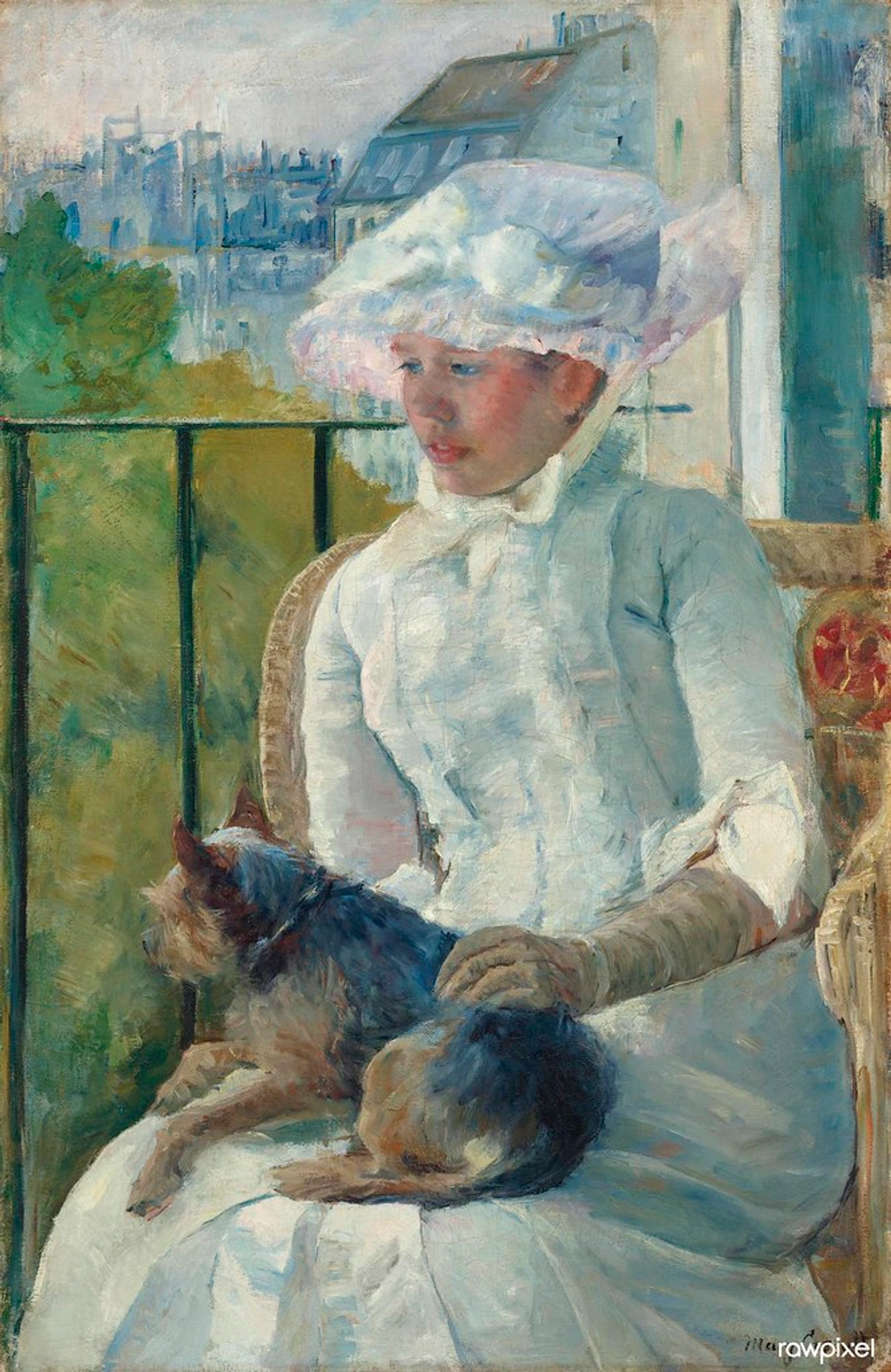
This surface texture, whether from the weave itself or the primer applied over it, creates what artists call 'tooth'. It's the subtle grit or roughness that gives your paint something to 'grab' onto. Think of it like very fine sandpaper for your brush – that resistance creates mechanical adhesion. Imagine rubbing your finger across a pane of polished glass (low tooth) versus a piece of fine-grit sandpaper (high tooth). A canvas with good tooth provides traction, making initial layers easier to apply and offering a subtle resistance under the brush. Painting on a low-tooth surface feels buttery and allows paint to glide effortlessly, ideal for smooth transitions. A high-tooth surface feels more resistive, 'drinking' up pigment and providing a sturdy grip, which can be fantastic for building texture or for techniques where you want the paint to adhere immediately without sliding. Too little tooth, and your paint can feel like it's sliding around uncontrollably; too much, and it can 'drink' up pigment excessively, dulling your colors or requiring more paint. The ideal tooth depends heavily on your style – a smooth tooth for delicate portraits, a more pronounced one for mastering palette knife techniques.
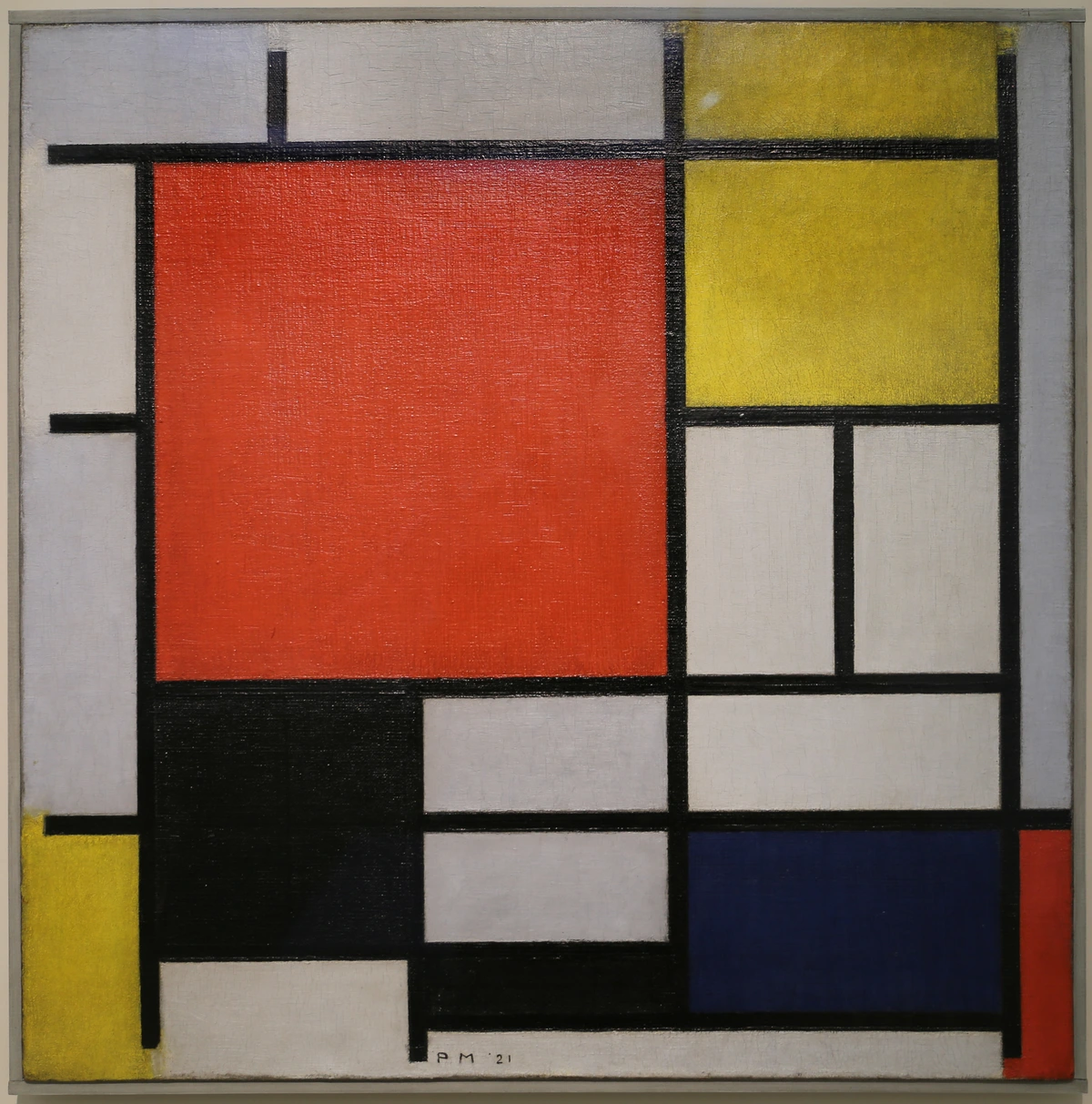
Cotton often has a very uniform, almost mechanical weave (due to modern manufacturing processes and consistent yarn), which can be great for smooth, detailed work. Linen, on the other hand, typically boasts a more irregular, organic, and slightly 'slubby' weave – meaning it has tiny, natural variations in the fiber thickness. Imagine fine, almost silken flax threads interlaced with occasional thicker, naturally occurring bumps or slubs, like subtle ripples on a calm lake. These can add subtle depth and character to a painting, especially when thin layers of paint allow the texture to show through, almost like a subtle watermark. I personally love how the natural texture of linen can give life to an otherwise flat area of color, adding an unexpected richness.
Canvas Weight (The 'GSM' or 'oz' Thing)
You'll see canvases labeled with weights, like '10oz' or '300 GSM' (Grams per Square Meter). This refers to how heavy and dense the raw, unprimed fabric is. Think of it like the difference between a flimsy t-shirt and a heavy sweatshirt. Higher weight generally means more threads per square inch and often thicker yarns, resulting in a tighter, stronger, and more stable surface with fewer gaps between threads. For oil painting, this is crucial for supporting heavy paint applications without warping or sagging over time, and for minimizing the canvas's tendency to flex when you press your brush onto it. It's about providing a robust foundation for your artwork, something I learned the hard way with that 'hammock' canvas I mentioned earlier. I bought a really cheap 6oz canvas once, and even with light paint, it felt like painting on stretched tissue paper. Never again.
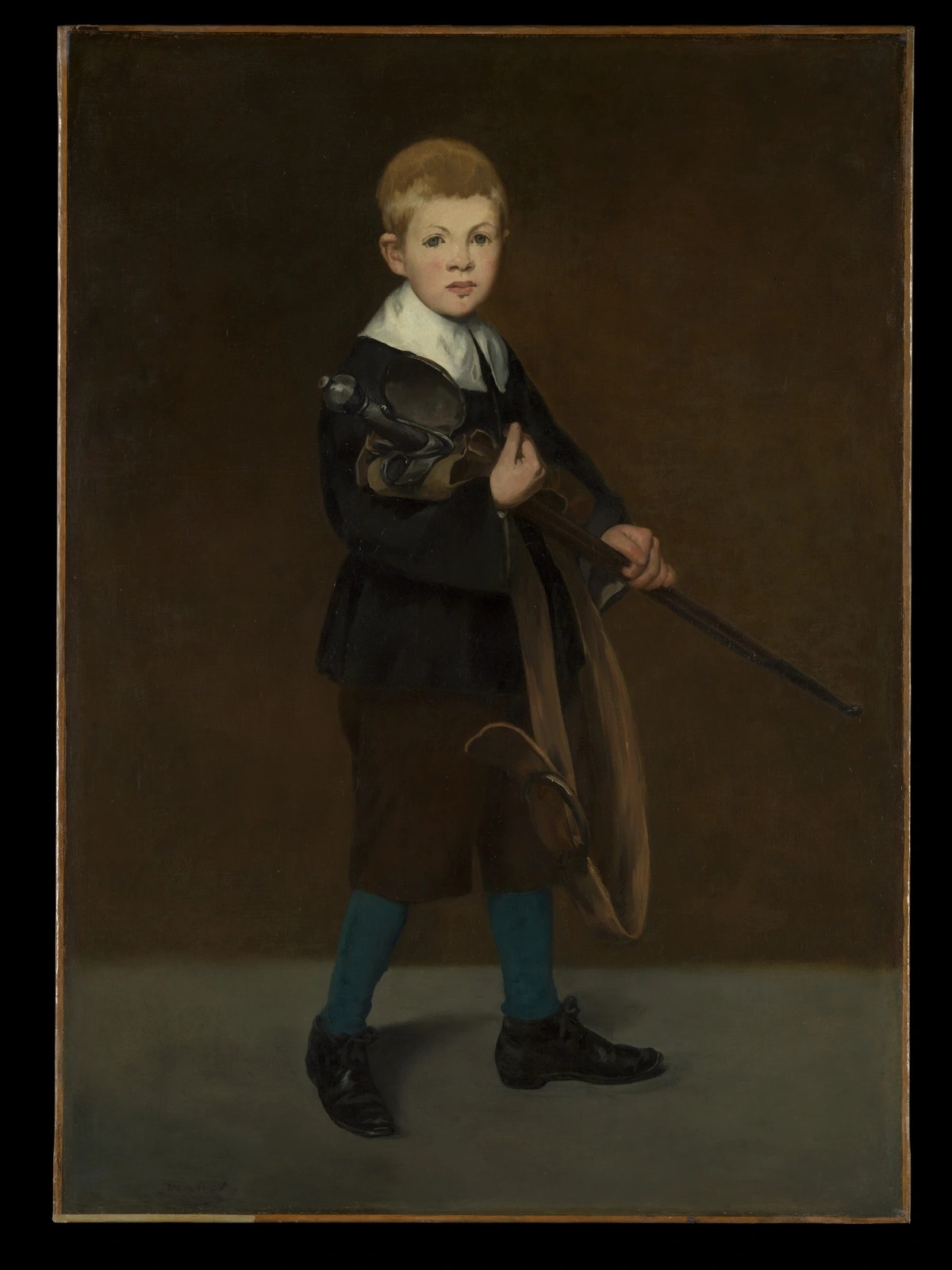
- Light-weight (below 8oz / 270 GSM): Cheaper, but I'd actively avoid it for oils. It's too flimsy and will likely warp, sag (especially if you love impasto!), or even tear under the weight of paint, compromising the longevity of your artwork. Only really useful for quick, super-light studies or practice pieces where permanence isn't a concern. You'll likely spend more time fighting the surface than enjoying the painting process. My advice? Save yourself the frustration.
- Medium-weight (8oz - 10oz / 270-340 GSM): A great all-rounder. Sturdy enough for most applications, offering a good balance of durability and affordability. This is where most student-grade canvases sit, and it's a solid choice for developing artists who are beginning to experiment with more layers of paint or for exploring oil sticks for expressive mark-making.
- Heavy-weight (12oz+ / 400+ GSM): This is where I start to get excited. It can take a beating with heavy paint application, palette knives, and aggressive techniques without flinching. It feels substantial and professional, providing superior support for layers and impasto. For archival works, this is often the minimum I'd consider. A 14oz (approx. 470 GSM) canvas, for instance, offers a noticeably firmer, less yielding surface than a 10oz, allowing for greater control with delicate brushwork while still supporting heavy impasto. Learning about canvas weight genuinely changed how I approached building up paint layers.
The All-Important Primer (Gesso and Sizing)
Primer, usually called gesso, is the barrier between your paint and the raw canvas fibers. For oil painting, it's absolutely, unequivocally, non-negotiably essential. There are no ifs, ands, or buts here. Oil paint will literally rot raw canvas fibers over time through a chemical process called oxidation, causing the cellulose fibers of the canvas to become brittle and disintegrate. It's like leaving your precious artwork exposed to a slow, internal chemical attack, slowly eroding its structure from the inside out. It's a slow, agonizing death for your artwork, something no artist wants.
Traditionally, artists would first 'size' the canvas (often with rabbit skin glue or acrylic medium). This is the invisible shield: sizing physically seals the fibers, preventing the destructive oil from ever touching the canvas threads. After sizing, a primer is applied. This is the working surface: it creates a suitable, consistent ground for paint adhesion, texture (tooth), and manipulating how the paint absorbs. This two-step process offers maximum archival protection, with sizing blocking the oil's destructive path and primer providing the desired surface characteristics. Modern acrylic gesso often combines both sizing and priming in one convenient step, making things much simpler and quicker for most artists. It's flexible, quick-drying, and you can paint oils right on top of it. If you're curious about the specifics, I have a whole article explaining what is gesso in painting.
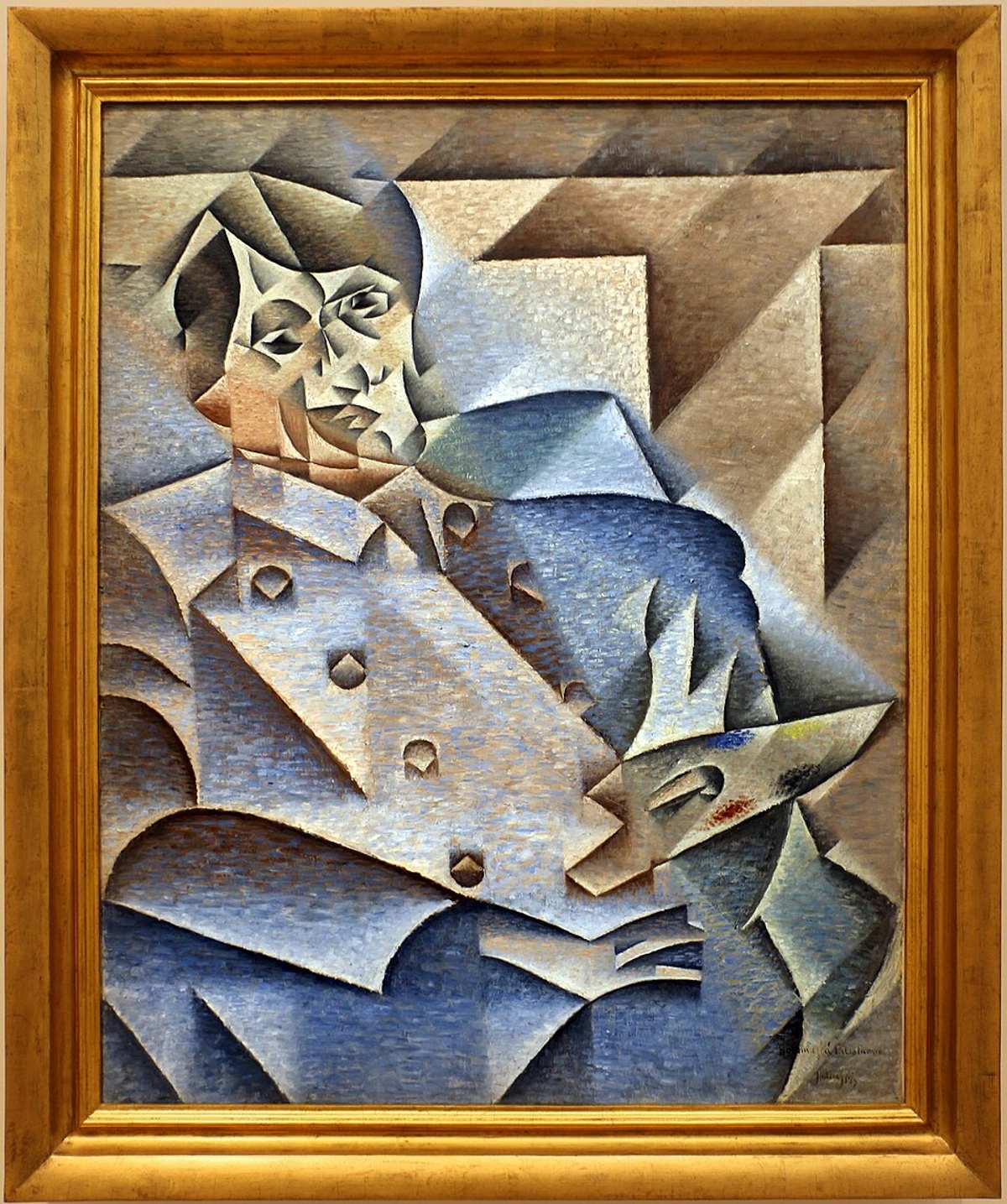
Most pre-made canvases come primed, but you have two main types:
- Acrylic Gesso: This is the modern standard and what you'll find on 99% of canvases you buy today. It's flexible, quick-drying, and you can paint oils right on top of it. It's slightly absorbent, providing that 'tooth'—a mechanical grip for the paint, making initial layers easier to apply and offering a subtle resistance under the brush. The texture of the gesso (how smooth or rough it is) also plays a huge role in how the paint feels under your brush and how much pigment it 'drinks' from your brush. For instance, a gesso with a very fine grit will feel buttery smooth, ideal for detailed portraiture, while a coarser gesso might be preferred for abstract works where surface texture is desired. You can achieve different textures by applying thin, smooth coats (for a low-tooth finish) or using a textured roller or thicker coats (for a more pronounced tooth).
- Oil Primer: The traditional choice, and one I adore for special projects. This primer creates a smoother, less absorbent surface. Your oil paints will feel more buttery and 'slide' more, allowing for effortless transitions, finer blending, and different layering effects. It takes a lot longer to dry (weeks, sometimes months), which is why it's less common on pre-stretched canvases. The benefit, however, is a surface that truly sings with oil paints, allowing colors to appear richer and more vibrant, sitting on top rather than sinking into the canvas fibers. Traditional oil primers often contained lead white, valued for its opacity and unique handling, though modern formulations often use titanium or zinc white. Many traditionalists (myself included, for certain works) swear by its luxurious feel, often finding it enhances the luminosity and open time of their work, allowing more time for blending and subtle adjustments.
I love the feel of an oil-primed linen for its luxurious glide, but for day-to-day work, acrylic gesso is perfectly fine and much more convenient. And of course, you can always learn how to apply gesso to canvas yourself to get the perfect finish and even customize the 'tooth' to your liking. It's a great way to upgrade cheaper canvases and extend their longevity. You can also explore what is the difference between acrylic and oil paint to understand more about these mediums.
Some advanced artists even experiment with priming with oil paint itself, diluted to be very lean, as a base. This creates a surface with incredible luminosity and direct responsiveness to subsequent oil layers. However, it's highly challenging, requires deep understanding of the 'fat over lean' rule, and without proper prior sizing, it can significantly compromise the archival nature of the canvas due to the direct interaction of oil with canvas fibers, or even cause adhesion issues between the oil layer and an underlying acrylic gesso. It's definitely not for the faint of heart or the beginner!
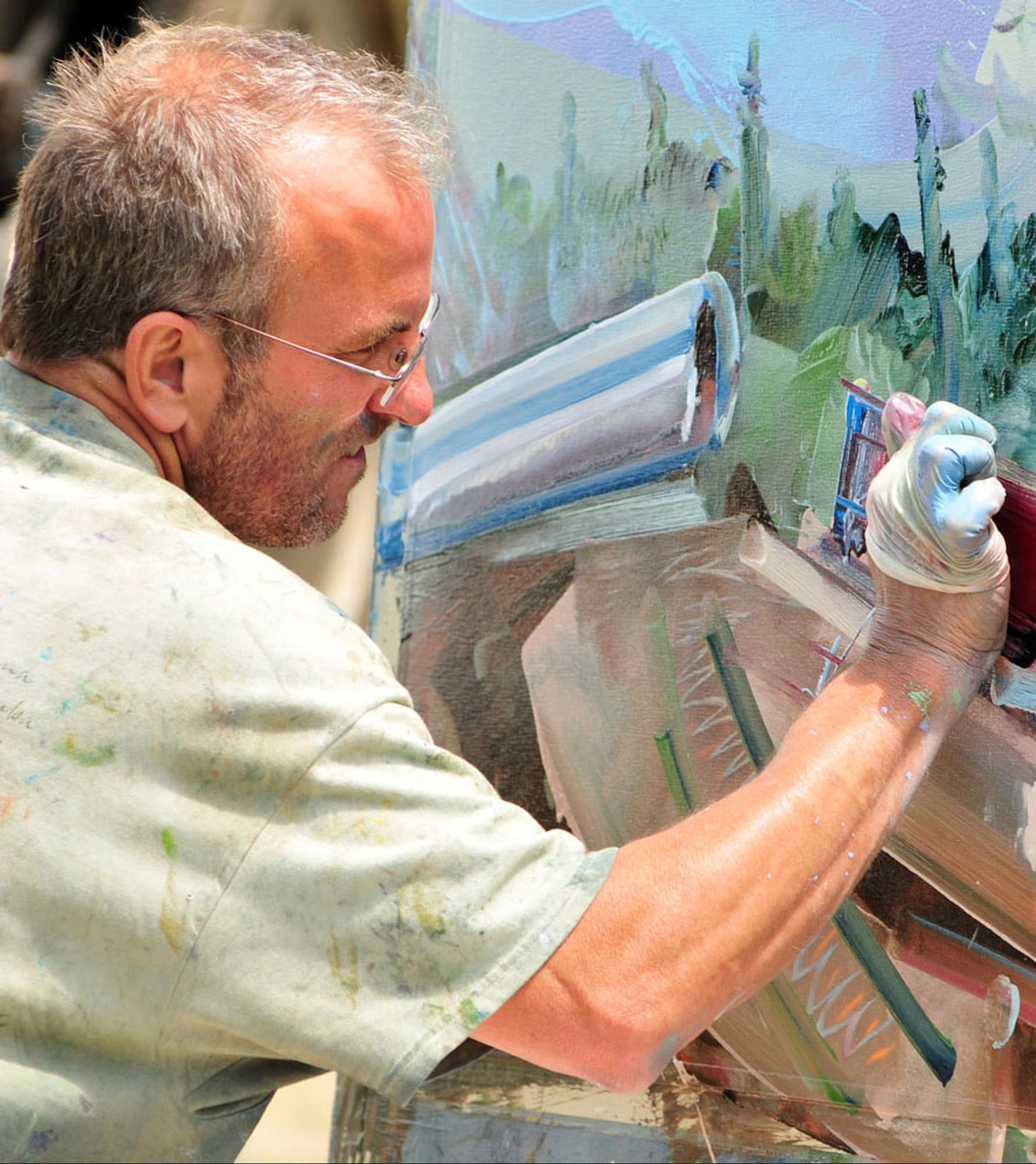
Unprimed Canvas: The Raw Truth
This is raw fabric, straight off the loom. You must prime it before using oils. Painting oil directly on raw canvas is a recipe for a disintegrated painting in a few decades, or even less. Why? Because the linoleic acids in oil paint will chemically react with and eventually degrade the cellulose fibers of the canvas. It's like exposing your internal organs to the elements – a slow, agonizing death for your artwork. Traditionally, artists would 'size' the canvas first (often with rabbit skin glue) to seal it, then apply an oil primer. Today, most people just use a few coats of acrylic gesso for both sizing and priming, which is much simpler and equally effective at protecting the canvas. If you're using raw canvas, I strongly recommend reading my article on how to prepare a canvas for oil painting.
Stretcher Bars: The Unseen Foundation
While often overlooked, the quality of your stretcher bars matters immensely, especially for larger or archival works. These wooden frames are the literal skeleton of your stretched canvas. Cheap, poorly constructed stretcher bars can warp, twist, or not hold tension, leading to saggy canvases, which is heartbreaking after you've poured your soul into a painting. Trust me, I've had a large piece slowly morph into a parallelogram over time because of flimsy bars – it's a gut punch. Look for kiln-dried wood, which is more stable and less prone to warping due to moisture changes; basswood, pine, or fir are common choices, with basswood generally being more warp-resistant due to its tighter grain and lower resin content. Finger-jointed corners are another indicator of quality, as they prevent warping at the joints and offer superior stability. For larger sizes, well-constructed cross braces (horizontal or vertical bars running across the frame) are essential to maintain rigidity and prevent the canvas from bowing inward. Good stretcher bars often include 'keys' (small wooden wedges) that allow you to re-tension the canvas over time if it starts to sag, ensuring it remains taut and flat for decades, safeguarding your artwork. This rigidity also helps to prevent flexing when you apply pressure with your brush or palette knife, providing a solid, responsive surface.
The Big Two: Cotton Duck vs. Linen - A Friendly Showdown
Alright, this is the main event, the Ali vs. Frazier of the canvas world. Almost every canvas you'll encounter is either cotton or linen. They both do the same job, but they do it very differently. Understanding these differences is key to making a choice you won't regret. So, what's the real difference between these two staple fabrics, and how will it impact your painting experience and the longevity of your artwork?
Linen: The Archival Powerhouse
If cotton is denim, linen is like a finely tailored suit – it simply exudes quality. It's made from flax fibers, which are naturally longer, smoother, and incredibly strong. This isn't just a marketing blurb; these longer cellulose fibers contain less lignin than cotton, making them more resistant to chemical degradation and mechanical stress. This means linen resists stretching and sagging like a champion, holds up against abrasion, and offers a beautiful, subtle texture that cotton can't quite replicate. Its unique strength and durability have made it prized by artists for centuries. The texture is often finer and has a more irregular, organic pattern (those lovely 'slubs' I mentioned earlier) which I personally love, as it adds depth and character to the finished piece, especially when thin layers of paint allow the weave to show through. This can be fantastic for mastering glazing techniques in oil painting, where transparency is key to building luminosity and letting that subtle texture shine. For an artist like myself who values longevity and a refined surface, linen is my go-to for significant works. We're talking canvases that can easily last for centuries when properly prepared.
- Pros: Incredibly durable and archival (we're talking centuries here!), significantly less prone to sagging or flexing over time (a true workhorse), beautiful and unique surface texture that adds visual interest. It's also less absorbent than cotton, which means paint tends to sit on top more richly and appear more vibrant, allowing for a luxurious buttery glide. Colors really sing on linen, in my experience, and often retain their luminosity better over time. Environmentally, flax requires less water and fewer pesticides than cotton, making it a more sustainable choice.
- Cons: It's expensive. Sometimes, a lot more expensive. It's also more rigid to begin with, which means stretching it yourself can feel like a wrestling match, requiring more effort to pull taut without tearing. (I'm pretty sure my neighbors have heard me muttering encouragement to the canvas during a particularly stubborn stretch.) But the results are often worth the effort, giving you a surface that truly feels professional and prepared for a significant, lasting work.
When I'm working on a major piece, something I know I want to last for generations and feel truly special, I'll invest in linen. It just has a certain feel under the brush; it's less absorbent, and the paint seems to sit on top in a way that feels richer and more vibrant. Many of the pieces I offer for sale on my site are on linen for this very reason. You can literally see the difference if you browse what's available to buy.
Cotton Duck: The Reliable Workhorse
Think of cotton duck canvas as the sturdy, reliable denim jeans of the art world. It's what most of us start with, and for good reason. It's affordable, widely available, and has a bit of a springy stretch to it, which can be quite forgiving under the brush. The fibers are shorter, and modern manufacturing processes give it a very uniform, almost mechanical weave. When you look at the threads, they tend to be very consistent, which is great if you're aiming for smooth applications without much interference from the surface texture. It's the 'go-to' for everyday painting, studies, or when I just need to get an idea out of my head without overthinking the materials.
- Pros: Price (oh, that glorious affordability!), widespread availability (easy to find anywhere), flexible surface (easy to stretch and forgiving under the brush), generally provides a consistent surface. It also tends to absorb more, which can sometimes aid in faster initial drying of very lean paint layers, though this can also be a con.
- Cons: Can sag over time, especially in humid climates or with heavy paint application. I once had a large cotton canvas sag so badly after a particularly impasto piece that it truly looked like a hammock – an archival nightmare! The shorter fibers and higher lignin content also make it technically less durable over centuries, though for most contemporary art, this isn't a pressing concern. Its absorbency can also be a double-edged sword: your paint might sink in more, requiring extra layers to achieve vibrancy, much like painting on a paper towel if not adequately primed. This is a crucial distinction between how to choose the right canvas for acrylic vs oil, as acrylics are far more forgiving on absorbent surfaces.
I use cotton canvas all the time for studies, experiments, or when an idea just needs to get out of my head right now without me worrying about the cost. It’s perfect for learning, playing, and simply getting paint onto a surface without too much fuss. It allows for a freedom of expression that you might hold back if you were worried about damaging an expensive piece of linen.
Alternative Substrates for Oil Painting: Beyond Fabric
While this guide focuses on canvas, it's worth noting that many oil painters also work on alternative rigid surfaces. These are often chosen for specific effects or archival qualities, and they offer a different tactile experience under the brush. Their unyielding nature provides a completely stable ground, which can be ideal for meticulous detail or certain experimental techniques. However, they'll need their own specific preparation (sizing and priming, just like raw canvas!) to ensure paint adhesion and longevity.
- Specially Prepared Wood Panels: Historically favored by master painters for their extreme rigidity and smooth surface, allowing for meticulous detail and glazing. Many Renaissance and Dutch Golden Age artists, like Jan van Eyck or Hans Holbein the Younger, used wood panels for their hyper-realistic works. Modern versions include birch plywood, cradled panels, or even MDF (medium-density fiberboard) panels. These require careful sealing (e.g., with shellac or an acrylic medium) to prevent 'support induced discoloration' and ensure archival quality, followed by multiple coats of gesso. They offer excellent stability and a completely non-flexible surface. The lack of texture can be ideal for hyper-realistic work or detailed portraiture, where the artist wants complete control over every surface nuance.
- Metal Panels (Copper, Aluminum Composite): Copper panels were famously used by Dutch Golden Age painters like Rembrandt or Vermeer for their incredibly smooth, non-absorbent surface, which made glazes luminous and colors exceptionally vibrant. Today, aluminum composite panels (ACPs, like Dibond) are a cutting-edge, ultra-smooth, lightweight, and incredibly rigid alternative. They require specific bonding primers for paint adhesion and are prized for superior archival stability, as they are completely non-absorbent, dimensionally stable, and won't warp or degrade. This makes them a top choice for artists concerned with ultimate longevity, hyper-realistic work, or mixed media pieces where absolutely no give is desired and a super smooth surface is paramount. The lack of absorbency means paint stays 'open' longer and colors often appear more saturated.
These alternatives are fantastic for achieving specific artistic visions, but they also represent a different investment and a slightly different painting approach. They won't give you the characteristic 'bounce' of a stretched canvas, but that can be precisely what you're looking for.
Canvas Sizes and Their Impact
The size of your canvas isn't just a matter of space; it significantly influences your material choices and artistic approach. For very large-scale works (think anything over 40x40 inches or 100x100 cm), a heavyweight linen canvas becomes almost a necessity. Its superior strength and resistance to sagging provide the crucial stability needed for a substantial piece that might be stretched for exhibition. Trying to use a lightweight cotton for a truly grand statement piece is a recipe for heartbreak; the canvas will inevitably sag, especially under the weight of impasto or in fluctuating humidity. Smaller works, like studies or plein air pieces, are far more forgiving and can thrive on canvas panels or medium-weight cotton. Always consider the scale of your ambition when choosing the type and weight of your canvas.
Let's break down sizes more specifically:
- Small Works (under 20x20 inches / 50x50 cm): Most forgiving. Canvas panels/boards are ideal for portability, quick studies, or detailed work. Medium-weight (8-10oz) cotton or any weight linen are also excellent choices for stretched canvases.
- Medium Works (20x20 to 40x40 inches / 50x50 to 100x100 cm): Start looking for medium to heavyweight (10-12oz) cotton, or student-grade linen. These sizes begin to benefit from the added stability of a slightly heavier canvas.
- Large Works (40x40 inches / 100x100 cm and larger): Heavyweight (12oz+ / 400+ GSM) linen is highly recommended. For very large canvases, ensure the stretcher bars are kiln-dried and include robust cross braces to prevent warping and bowing.
The Invisible Influences: Humidity, Longevity, and Your Artwork's Legacy
Beyond the choice of material, external factors play a significant role in how your canvas performs and ages. Humidity and environmental stability are often overlooked, but they are critical for the longevity and archival quality of your oil paintings.
Humidity and Canvas Stability
Natural fibers like cotton and linen absorb and release moisture, causing them to expand and contract. In highly humid environments, cotton canvases are particularly prone to sagging due to moisture absorption – remember my 'hammock' canvas? It was a humid summer! Conversely, very dry conditions can make fibers brittle. While linen is significantly more stable due to its longer, more consistent fibers, extreme fluctuations can still impact tension over decades. Kiln-dried stretcher bars are less susceptible to warping, but even they can react to prolonged, extreme humidity. Storing your art in a climate-controlled environment, away from direct sunlight or damp walls, is crucial for preventing canvas deformation over time. For minor sagging on a stretched canvas, a light mist of distilled water on the back of the canvas (letting it dry naturally) can sometimes help re-tension the fibers, especially on cotton. For canvases with keys, gently tapping them further in can also restore tension.
Longevity and Archival Quality: Built to Last Centuries
An archival canvas is one prepared to last for centuries without degrading, preserving your artistic legacy for generations. This involves not only the material itself (high-quality linen often outperforms cotton for extreme longevity, offering a lifespan of several hundred years compared to cotton's few decades for critical works) but also proper sizing and priming, robust stretcher bars, and a suitable canvas weight. These elements work in concert to create a stable foundation that resists the ravages of time and environmental changes. Ultimately, investing in quality materials is an investment in the future of your art. And remember, once you've poured your soul onto that canvas, proper post-painting care (avoiding direct sunlight, extreme temps, and not touching the surface until fully cured) is just as important!
Canvas Care and Maintenance
Once your artwork is complete and cured, proper care is paramount. Avoid touching the paint surface, as natural skin oils can degrade it over time. When moving or storing, handle canvases by the stretcher bars, not the canvas fabric. For light dusting, use a soft, clean, dry brush. Never use water or chemical cleaners on an oil painting unless you are a professional conservator. Store canvases vertically, ideally in climate-controlled conditions, and use glassine paper or archival cardboard between stacked paintings to prevent transfer or damage. A museum-quality frame can also offer additional protection from dust and physical impact.
Canvas and Environmental Sustainability
For environmentally conscious artists, the choice between cotton and linen also presents a sustainability angle. Flax, from which linen is made, typically requires significantly less water, pesticides, and fertilizers to grow compared to conventional cotton. It's also a more resource-efficient crop, often requiring less land. While organic cotton offers a more sustainable alternative to conventional cotton, linen generally maintains a lower environmental footprint throughout its lifecycle. This can be an important consideration for artists looking to align their practice with ecological values.
Canvas Mounting and Framing Considerations
The type of canvas you choose will also influence how you present and frame your finished artwork.
- Stretched Canvases: These are typically framed in traditional picture frames, or for a more contemporary look, can be 'gallery wrapped' (where the canvas continues around the sides of the stretcher bars) and hung unframed. If framing, ensure there's a small gap (a 'shadow line' or 'spacer bar') between the canvas and the frame to allow for air circulation and prevent the canvas from pressing directly against the frame, which can lead to warping or damage.
- Canvas Panels/Boards: Their rigid nature makes them incredibly easy to frame, as they fit into standard open-back frames much like a photograph or paper artwork. They don't require the specialized deep-set frames or floating frames that stretched canvases sometimes do.
- Rigid Panels (Wood/Metal): These are often presented in 'float frames,' which create a visible gap around the artwork, emphasizing its dimensionality. Their clean edges and stability also make them suitable for direct mounting without a frame if desired, relying on the quality of the prepared surface itself.
Head-to-Head Comparison: Linen vs. Cotton Duck (and their traits)
To make it simple, here’s a quick breakdown of how these main factors stack up, helping you choose the best canvas for your oil painting. As you can see, linen generally takes the lead for archival quality and professional feel, while cotton remains an incredibly versatile and affordable option.
Feature  | Linen Canvas | Cotton Duck Canvas |
|---|---|---|
| Price | $$$$ - Premium, significant investment | $$ - Affordable, budget-friendly |
| Durability | Excellent (centuries), highly stable and rigid | Good (decades), prone to sagging and flexing |
| Fibre Type | Longer, smoother, stronger flax fibers | Shorter, less strong cotton fibers |
| Texture/Weave | Irregular, organic, often considered more beautiful | Uniform, slightly mechanical weave, consistent |
| Stretchability | Low (stiffer, holds tension, less prone to sagging) | High (stretches easily, can sag later) |
| Absorbency | Less absorbent, paint sits on top more richly | More absorbent, can 'drink' paint |
| Drying Time | Slightly slower, paint stays 'open' longer | Slightly faster due to absorbency |
| Suitability for Impasto | Excellent (supports heavy paint without sagging) | Good (heavyweight needed for thick impasto, can sag) |
| Suitability for Glazing/Detail | Excellent (smooth surface, vibrant colors) | Good (can be more absorbent, dulling glazes) |
| Environmental Impact | Lower water/pesticide use (more sustainable) | Higher water/pesticide use (less sustainable) |
| Best For | Professional work, archival pieces, heirloom quality | Students, studies, large-scale practice, experiments |
Canvas Treatment Comparison: Raw, Primed, and Beyond
Beyond the fiber, the treatment of your canvas dramatically alters its painting characteristics. Here's how different preparations compare for oil painting:
Treatment Type | Absorbency | Adhesion/Tooth | Surface Feel | Drying Time Impact (Oils) | Archival Suitability (Oils) |
|---|---|---|---|---|---|
| Raw (Unprimed) | Very High (unsuitable) | High (but paint degrades fibers) | Rough/Textured | N/A (should not be used) | NONE (will degrade artwork) |
| Acrylic Primed (Standard) | Medium | Good mechanical grip (tooth) | Slightly textured to smooth | Moderate (absorbs some oil) | Good (protects fibers, flexible) |
| Acrylic Primed (Smooth Finish) | Low to Medium | Fine mechanical grip | Very smooth/buttery | Slightly slower (less absorption) | Good (protects fibers, flexible) |
| Oil Primed | Very Low | Excellent (chemical/mechanical) | Very smooth/silky | Slow (paint sits on surface) | Excellent (traditional, stable) |
| Texture Primed (Acrylic) | Medium | High, pronounced | Rough, tactile | Moderate (depends on gesso thickness) | Good (protects fibers, expressive) |
Okay, So What Should You Actually Buy? Actionable Recommendations
Let's distill all this down into some straightforward, actionable recommendations. Remember, the 'best' is always subjective and dependent on your needs, but these guidelines will get you started in the right direction for selecting the best canvas for your oil painting. I've broken it down by common artist scenarios, linking back to the insights we've just covered.
Your Situation | My Recommendation |
|---|---|
| You're an Absolute Beginner | A pre-stretched, medium-weight (around 10oz / 340 GSM) cotton duck canvas with 2-3 coats of acrylic gesso. As discussed, cotton is affordable and forgiving. Don't overspend; focus on learning the basics. This choice allows for experimentation without financial pressure, aligning with the freedom needed in early artistic exploration. I also have a guide for essential oil painting supplies for beginners. |
| You're Getting Serious | A heavyweight (12oz+ / 400+ GSM) cotton canvas or a student-grade linen canvas. Student-grade linen offers many of linen's benefits (stability, less sag, beautiful texture) at a more accessible price point than professional-grade linen, which often has a tighter, more uniform weave and higher quality flax fibers. This is a great step up in quality. You'll feel the difference in stability and durability, allowing for more confident paint application and experimentation. Consider preparing your own surfaces by reading my how to prepare a canvas for oil painting article. |
| You're a Pro (or feeling fancy) | A professional-grade, finely woven linen canvas, ideally 12oz+ (400+ GSM), on high-quality keyable stretcher bars. Try an oil-primed surface to see how you like the buttery glide of paint. This is an investment for pieces meant to last generations, offering unparalleled archival quality and a luxurious painting experience that enhances subtle color shifts and luminous glazes. This choice reflects a deep commitment to the longevity and refined aesthetic of your art. |
| You Work Large or on a Budget | Buy canvas on the roll (heavy cotton is economical, or even raw linen if you're ambitious) and stretch it yourself. It's a bit of a learning curve, but the cost savings and control are immense, especially for large sizes where linen's stability shines. Plus, it's incredibly satisfying to prepare your own surface. Learn how with my how to stretch canvas for painting guide. This option provides maximum control over materials and dimensions, allowing artistic vision to dictate scale rather than cost. |
| You Paint Outdoors (Plein Air) | Canvas panels or boards. They're rigid, portable, and far easier to handle in the wind than a stretched canvas, which can act like a sail. This helps you focus on the landscape, not fighting your easel. Their stability prevents unwanted movement from disturbing fresh brushstrokes in dynamic outdoor conditions. For more on this, check out my article on what is plein air painting. |
| You Paint Portraits or Fine Detail | For hyper-realistic detail, a very smooth, fine-weave linen (12oz+ / 400+ GSM) or a rigid wood/metal panel, precisely primed for minimal tooth. The smooth surface allows for seamless blending and intricate brushwork without the canvas texture interfering. As we discussed, surfaces with minimal 'tooth' allow paint to glide, essential for delicate rendering and the precise control needed for lifelike representations. |

Your Situation | My Recommendation |
|---|---|
| You Paint Abstract/Impasto | A heavyweight (12oz+ / 400+ GSM) cotton or linen canvas with a more pronounced, coarser weave, or even a texture-primed surface. The robust support is crucial for heavy paint layers, and the surface texture can add to the expressive quality of your strokes. A higher 'tooth' allows for greater mechanical adhesion of thick paint, aligning perfectly with the dynamic and layered aesthetic of abstract and impasto work. |

Frequently Asked Questions (The Stuff We All Google)
Can I really use oil paint on an acrylic-primed canvas?
Yes, absolutely! This is the most common method today, and one I use frequently. The fundamental rule for oil painting is 'fat over lean,' which means you can put oil (which is 'fat' due to its oil content and longer drying time) on top of acrylic (which is 'lean' and dries inflexibly), but never the other way around. Applying a lean, rigid layer (like dried acrylic) over a flexible, 'fat' layer (like a thick, still-drying oil layer) would lead to cracking as the underlying layer continues to move and dry. Acrylic gesso creates a stable, non-absorbent, and rigid base for your oils.
Is more expensive canvas actually worth it?
It depends entirely on your goal. If you're learning, practicing, or just having fun, then no. A good quality, medium-weight cotton canvas is fantastic and perfectly sufficient. However, if you're creating a piece you hope will last for generations, or you simply want the absolute best surface feel for your brushstrokes and paint's luminosity, then yes, a high-quality linen is a joy to work with and a worthwhile investment. The paint sits differently on a fine linen, often appearing richer and allowing for more subtle effects than on a more absorbent cotton surface – a difference that truly shines in a professional setting. For an artist whose work relies on subtle color shifts and luminous glazes, the non-absorbent nature of high-quality linen can significantly enhance the outcome, making the investment justifiable.
How many coats of gesso do I need?
Most pre-stretched canvases say 'triple-primed', which is generally adequate. However, remember that the quality and thickness of those layers matter as much as the number. If you're priming it yourself, 2-3 even coats is standard. I sometimes add an extra coat or two to cheaper canvases to make them feel smoother, less absorbent, and add a touch more rigidity. This is a great, economical way to upgrade a budget surface and enhance its longevity, making your paint go further and look richer. For detailed instructions, see my guide on how to apply gesso to canvas.
Does canvas choice affect oil paint drying time?
Yes, absolutely. A more absorbent canvas (like many cotton canvases) can draw some of the oil vehicle from the paint, potentially making it appear to dry slightly faster, or at least feel drier to the touch, as the oil is absorbed into the fibers. Less absorbent surfaces (like well-primed linen or oil-primed panels) will keep the paint sitting on the surface for longer, meaning the paint remains 'open' (workable) for a longer period. This can be a pro or a con depending on your technique: longer open time for blending, but longer overall drying for subsequent layers.
What's the difference between a stretched canvas and a canvas panel/board?
The main difference lies in the support. A stretched canvas consists of fabric stretched over a wooden frame (stretcher bars), offering a characteristic 'give' or bounce. A canvas panel/board has canvas fabric glued onto a rigid support like cardboard, wood, or MDF. Panels are more rigid, less prone to flexing or damage, and often more portable, making them great for studies or plein air. Stretched canvases, especially larger ones, can feel more substantial and are often preferred for larger, gallery-ready pieces due to their traditional presentation and lighter weight relative to a very large panel.
How do I know if my canvas is archival?
An archival canvas is one prepared to last for centuries without degrading. Key indicators include: high-quality linen (flax fibers are more stable than cotton), proper sizing and priming (preventing oil from reaching raw fibers), high-quality stretcher bars (kiln-dried, rigid, keyable), and a decent canvas weight (12oz+ or 400+ GSM) to prevent sagging. If a canvas is acid-free and museum-grade, it usually implies these qualities. Always check product descriptions for these details if longevity is your primary concern. Reputable manufacturers will provide this information, and choosing an established brand can offer peace of mind.








Can I paint on both sides of a canvas?
Technically, you could, but it's strongly advised against for archival oil paintings. Painting on both sides can lead to warping as the paint dries and exerts tension on both surfaces, often unevenly. It also compromises the integrity of the canvas and makes framing or stretching problematic. It's always best to treat the front as your primary working surface and leave the back unpainted to ensure the artwork's long-term stability and ease of future conservation.
How should I store my canvases?
Proper storage is crucial for the longevity of your artwork. Store canvases vertically, preferably in a dry, stable environment away from direct sunlight, extreme humidity, or temperature fluctuations. Avoid leaning them face-first against a wall or stacking them without protection (use glassine paper or archival cardboard in between), as this can lead to warping, sagging, or damage to the paint surface. Think of them like precious artifacts, because they are! If you're using a storage rack, ensure there's good air circulation around each piece.
Your Canvas, Your Art
Choosing the best canvas for oil painting can feel overwhelming, but it's really about aligning your materials with your artistic vision and practical needs. Whether you opt for the robust simplicity of cotton, the archival elegance of linen, a rigid panel, or even a metal substrate, understanding the nuances of weave, weight, and primer will empower you to make informed decisions. Don't be afraid to experiment – that's where the real learning happens! – and remember that every stroke you make is part of your unique artistic journey. Embrace the process, and let your canvas be the confident foundation for your next masterpiece. Happy painting! Have you ever had a canvas fail you spectacularly, or discovered a secret weapon for preparing your own? Share your stories and tips below – let's build this resource together!
Glossary of Canvas Terms
- Acid-Free: Describes materials that have a pH of 7.0 or higher, meaning they are neutral or alkaline. This is crucial for archival quality, as acids can degrade artwork over time.
- Archival: Refers to materials and methods intended to be permanent, durable, and chemically stable, ensuring an artwork's longevity for centuries.
- Gallery Wrap: A method of stretching canvas where the artwork extends around the sides of the stretcher bars, allowing the piece to be hung unframed.
- Gesso: (From Italian for 'gypsum') Traditionally a mixture of animal glue and chalk or gypsum, now commonly an acrylic-based primer applied to a surface to prepare it for painting. It provides 'tooth' and acts as a barrier.
- GSM (Grams per Square Meter): A unit of measurement indicating the density and weight of a fabric (or paper). Higher GSM means a heavier, often more durable fabric.
- Impasto: A painting technique where paint is laid on an area of the surface in very thick layers, usually thick enough that the brushstrokes or palette knife marks are visible.
- Keyable Stretcher Bars: Stretcher bars with small wooden wedges (keys) inserted into the corners, allowing the artist to re-tension a sagging canvas by gently tapping the keys further in.
- Manufacturer's Priming: The layers of primer (typically acrylic gesso) applied by the factory to a pre-stretched or rolled canvas, often advertised as 'double' or 'triple-primed'.
- Oxidation: A chemical process where a substance reacts with oxygen. In oil painting, the linoleic acids in oil paint can cause raw canvas cellulose fibers to oxidize and degrade over time.
- Plein Air: A French expression meaning 'in the open air,' referring to the act of painting outdoors.
- Prime: The act of applying a primer to a surface.
- Primed Canvas: Canvas fabric that has been treated with a primer (e.g., gesso) to prepare it for painting, providing a suitable surface and protecting the fibers.
- Primer: A preparatory coating applied to a surface before painting, designed to improve paint adhesion, provide a uniform surface, and protect the substrate.
- Raw Canvas: Unprocessed canvas fabric that has not been sized or primed, straight off the loom.
- Sizing: A thin layer of material (like rabbit skin glue or acrylic medium) applied to raw canvas before priming. Its primary purpose is to seal the fibers and prevent oil paints from directly contacting and degrading them.
- Slubby: A characteristic texture in fabrics like linen, where threads have slight, natural variations in thickness, creating a subtle, irregular surface.
- Stretched Canvas: Canvas fabric that has been tensioned and stapled over a wooden frame (stretcher bars) to create a firm painting surface.
- Stretcher Bars: The wooden frame over which canvas is stretched and stapled, providing tension and support for the painting surface.
- Substrate: The underlying surface or material on which paint is applied (e.g., canvas, wood panel, metal).
- Tooth: The subtle texture or roughness of a prepared painting surface (from weave or primer) that allows paint to 'grab' on and provides mechanical adhesion. A higher tooth feels rougher, a lower tooth feels smoother.