What is Art Journaling? A Beginner's Guide to Creative Expression
Discover art journaling! This beginner's guide defines the practice, explores its benefits for self-discovery & creativity, and provides tips to start your visual diary today.

What is Art Journaling? A Beginner's Comprehensive Guide
Hey there, fellow explorer! I'm here to spill the beans on something truly magical, something that quite honestly changed how I approach my own creativity and well-being: art journaling. Now, before you roll your eyes and think, "Oh, great, another art thing I'm not good at," let me stop you right there. Because if you're anything like me, you probably had a few preconceived notions about what "art" even is. I certainly did! I used to think art was only for galleries or perfectly skilled hands, and that journals were just for words. Boy, was I wrong! Forget everything you think you know about traditional art or rigid diaries; those ideas just don't apply here. This isn't about perfectly rendered masterpieces destined for a gallery, nor is it just scribbling down your deepest, darkest secrets in plain text. (Though, hey, no judgment if it sometimes is, because that's part of the fun! My journal has seen some things, let me tell you, and some pages are definitely just me rambling!).
Art journaling is this wonderfully messy, utterly liberating blend of both – a vibrant, unfiltered conversation between your inner world and the page, expressed through splashes of paint, snippets of words, and whatever else catches your fancy. For me, it’s where my chaotic thoughts meet color, and suddenly, they make a little more sense, or at least they look pretty! It’s a dynamic space where visuals, written reflections, and personal narratives all get to hang out and tell your story, in whatever way feels most authentic to you. Trust me, it’s a journey that doesn’t demand a degree in fine art or even a steady hand. I certainly don't have one, and my pages are all the richer for embracing that glorious imperfection! I've had pages that started with a coffee spill and ended up being my favorite because of the unexpected textures it created. It just asks you to show up, be curious, and let your creativity run a little wild. It’s a profoundly rewarding dive into self-discovery and mindfulness, and frankly, a much-needed creative escape for anyone looking for something a bit richer than your average scribble. If you're like me, sometimes the world feels a bit much, and the journal becomes that quiet corner where you can just... be. Without expectations. Without judgment. It’s like a secret language you develop with yourself, a visual dialogue that helps you process the world, one glorious, messy page at a time, often revealing insights you didn't even know you had!
Archiving and Reflecting on Your Journal
Why Archiving Matters
So, you're pouring your heart and soul, and probably a fair bit of paint, onto these pages. Why bother keeping them? Well, your art journal isn't just a fleeting creative moment; it's a tangible record of your life, your emotions, and your artistic growth. Think of it as your personal time capsule, a physical representation of your inner world. For me, looking back at old journals is like opening a conversation with my past self, seeing how I’ve changed, what worried me, and what brought me joy. It validates my journey and reminds me of all the creative leaps I've taken, even the tiny ones! Preserving these pages ensures you can revisit those moments, gain new perspectives, and celebrate your unique evolution.
Over time, an art journal becomes a rich tapestry of experiences, emotions, and artistic growth. Proper archiving ensures these valuable records are preserved. Consider dating each entry, making notes about materials used, or jotting down the inspiration behind a page. Documenting the date and context of each entry enhances its value as a personal historical record. Creating simple, decorative covers or binders for completed journals can transform them into a beautiful, organized library of personal history. Periodically revisiting older journals allows for reflection on personal evolution and offers a unique perspective on one's creative journey and inner landscape. I mean, my physical journals are overflowing, so I totally get it! I love flipping through an old journal and being instantly transported back to a specific day – it’s like time travel, but with paint and glue, and sometimes a few questionable fashion choices documented on the pages! It's amazing to see the themes that recur, the colors I was drawn to in different seasons of life, and the sheer amount of growth I’ve experienced without even realizing it. These journals become invaluable mentors, showing me patterns in my own thinking and feeling. If physical space becomes an issue, or if one desires a portable record, digital archiving is an excellent solution. High-resolution photographs or scans of pages can be stored on cloud services, allowing access and reflection on your creative journey anytime, anywhere, preserving those tactile creations in a digital format. I personally love making little videos flipping through my finished journals too – it’s like a mini-movie of my creative year. Consider adding brief written reflections alongside the visual entries to deepen the archiving process. And here’s a little secret: revisiting your journal entries under different lighting or at different times of day can often reveal new details or feelings you hadn't noticed before. It’s like having a dynamic, ever-changing museum of your own thoughts, always offering something new to discover!
Digital Archiving for the Modern Journaler
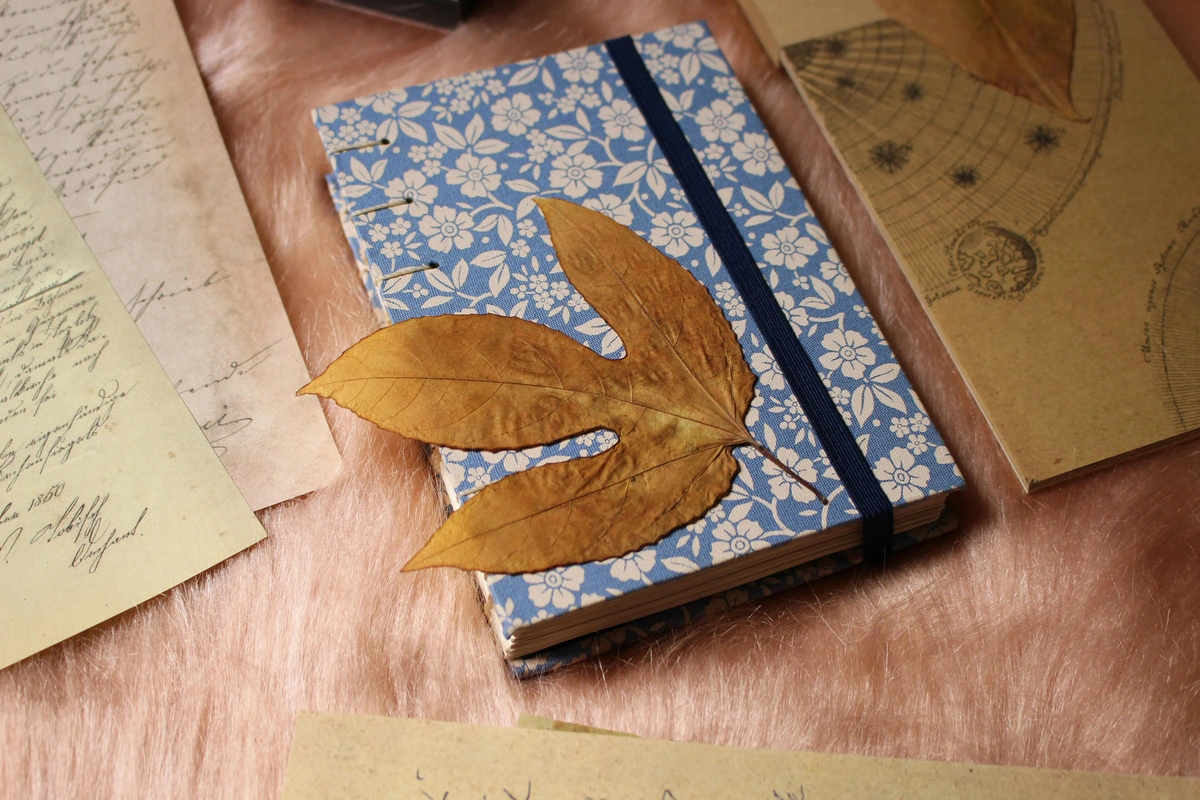
Okay, so I know not everyone has a dedicated "journal library" (though a girl can dream!), and sometimes, physical space just runs out. My own shelves are overflowing, so I totally get it! This is where digital archiving swoops in like a superhero. Taking high-resolution photographs or scans of your pages (aim for at least 300 dpi for good quality!) means you can store them on cloud services like Google Drive or Dropbox, allowing you to access and reflect on your creative journey anytime, anywhere. It's a fantastic way to preserve those tactile creations in a portable, digital format. I personally love making little flip-through videos of my finished journals too – it’s like a mini-movie of my creative year, and it’s surprisingly fun to look back on! Just imagine, all your artistic growth, just a click away. Don't forget to back up your digital files regularly, maybe on an external hard drive, because losing those precious memories would be a real heartbreak. And sometimes, just scrolling through my digital archive sparks ideas for new pages, or reminds me of a technique I wanted to revisit!
Conclusion
Art journaling is a wonderfully accessible and profoundly rewarding practice that invites individuals to blend art and introspection. It offers a unique pathway to self-expression, mindfulness, emotional processing, and creative growth, all within the comforting confines of a personal book. From its rich historical roots and fundamental defining characteristics to its contemporary digital forms, and from basic essential materials to advanced mixed media techniques and strategies for sustained practice, art journaling provides an expansive canvas for the soul. For beginners, the journey starts with an open mind, a willingness to experiment, and a simple journal. Embrace the process, let go of perfectionism, and explore the boundless possibilities. Allow your pages to become a vibrant, evolving testament to your inner world and creative spirit. Remember, this isn't about being an "artist" in the traditional sense; it's about being human, expressing yourself, and finding joy in the messy, beautiful act of creation. So, what are you waiting for? Your journal is calling, and a whole world of self-discovery awaits! Go on, make some glorious messes.
Beyond the Page: Displaying and Sharing Your Art Journal
So, you’ve created these beautiful, messy, deeply personal pages. What now? While an art journal’s primary purpose is often personal exploration, there’s also immense joy and inspiration to be found in sharing your work, if and when you feel ready. It’s not about seeking external validation, but about connecting with others and celebrating the creative journey. Think of it as opening a small window into your world, allowing others to glimpse the unique beauty you’ve created, and perhaps inspiring them to pick up a brush or pen themselves. Remember, every shared page tells a story, not just about the art, but about the artist too.
Defining Art Journaling: Its Essence and Practice
My Journey to Understanding Art Journaling
I remember the first time I truly got what art journaling was. It wasn't in a fancy gallery or a stuffy classroom; it was sitting on my living room floor, surrounded by scraps of paper and a tube of paint, feeling this incredibly freeing sense of no expectations. Before that, I’d dabbled in traditional drawing and even tried a regular written diary, but neither quite clicked. Art journaling felt like the missing piece, a space where my messy inner world could finally merge with my love for color and texture, without the pressure of having to "be good" at art. That's the essence of it, really – it’s about the feeling, the process, and the permission to simply explore.
This is what I discovered as the essence of it, really: this incredible freeing sense of no expectations. It's about letting go and just creating.
A Brief History of Art Journaling
The roots of art journaling can be traced back through various forms of personal record-keeping, from medieval illuminated manuscripts and commonplace books to the intricate sketchbooks of artists like Leonardo da Vinci and Frida Kahlo. These aren't just art historical footnotes; they're the vibrant ancestors of our modern practice. When I first learned about them, I was blown away by how connected we are to these earlier creators! Imagine monks meticulously illustrating texts to make knowledge beautiful and accessible, transforming dry facts into visual feasts. Or naturalists like Maria Sibylla Merian combining incredibly detailed drawings with written observations of insects – they were essentially art journaling before the term even existed, using their pages to document the wonders of the natural world! These early forms combined written observations with visual elements, serving as repositories for ideas, scientific studies, personal reflections, and even proto-scrapbooking. Think of them as the original mixed-media artists, making sense of their world through words and images, often with stunning craftsmanship. While not explicitly termed "art journaling," the underlying principle of integrating visual and textual narratives was clearly present, proving that humans have always sought to combine words and images to make sense of their world and leave their unique mark. The contemporary term itself encompasses a broad spectrum of practices, but the spirit of combining words and visuals for personal understanding is ancient. It's truly amazing to me how this core human drive to make sense of our world through both words and images has persisted through centuries, only now with a wider range of glitter and washi tape! It makes me feel part of a long lineage of creative souls.
The modern concept of art journaling, as a distinct practice, began to emerge more prominently in the late 20th century, popularized by artists and educators seeking a less formal and more process-oriented approach to art-making. I remember stumbling upon some of Teesha Moore's work online and being utterly captivated by the vibrant, fearless pages. Influential figures like Teesha Moore and Lynne Perrella, through their workshops and books, played a significant role in bringing art journaling to a wider audience, emphasizing experimentation and personal narrative. They really championed the idea that the process was more important than the product, which was a huge relief for someone like me who struggled with perfectionism. It gained momentum through workshops, books, and online communities, evolving into the diverse and widely embraced practice seen today, where personal expression and exploration take precedence over technical perfection. It felt like a revolution for creative freedom!
At its heart, an art journal is a visual diary, a personal archive where thoughts, feelings, observations, and experiences are recorded through a combination of drawing, painting, collage, writing, and various mixed media techniques. Unlike a formal art piece intended for display, the art journal prioritizes the process of creation over the final product. It is a sanctuary for experimentation, where mistakes are welcomed as learning opportunities and self-censorship is discarded. For me, it's where I can truly let my hair down creatively, without worrying about what anyone else thinks – or even what I think it should look like. It's the ultimate creative playground. This approach makes it an ideal practice for anyone, regardless of artistic background, seeking a low-stakes environment to cultivate creativity and introspection, often leading to surprising breakthroughs and a deeper understanding of self.
The essence of art journaling lies in its freedom and personal nature. For me, it’s about having an unfiltered space where I can document not just events, but the emotional resonance of those events. This practice encourages a dialogue between the conscious and subconscious mind, allowing for insights that might not emerge through purely verbal expression – because sometimes, a splash of red says more than a thousand words, and a torn piece of paper can speak volumes. The tactile engagement with materials, the intuitive choice of colors, and the integration of text create a holistic record of my inner and outer worlds, making each page a unique reflection of a specific moment in time. This non-linear approach to storytelling can unlock new perspectives and facilitate a deeper understanding of personal experiences and emotions. It’s also a fantastic way to intuitively explore the elements of design in art without even realizing you're doing "art theory." It's like sneaking in learning while having fun, and getting a mini-therapy session at the same time!
Why Start an Art Journal? The Benefits Unveiled

Art Journaling vs. Traditional Journaling: What's the Difference?
If you've kept a written journal before, you might be wondering how art journaling is different. For me, the biggest distinction is the permission to be non-linear and visual. A traditional journal often focuses on words, dates, and a chronological narrative. Art journaling? It's like taking those words and adding a whole symphony of visuals – colors, textures, images, and symbols. It's less about recounting what happened, and more about exploring how it felt. You can collage a whole page about a chaotic day, or use soft watercolors to capture a moment of peace, without writing a single sentence. It engages different parts of your brain and allows for a more holistic expression of your inner world.
The Role of Imperfection
Okay, let's address the elephant in the room: the fear of making a "mistake." I used to be terrified of messing up a page, which often led to me not starting at all! But art journaling fundamentally redefines what a "mistake" is. Here, imperfections aren't errors; they're opportunities. A splatter of paint? That's a background texture. A wonky drawing? That's character. Gesso is your best friend for covering up anything you truly dislike, giving you a fresh start without tearing out a page. Embracing imperfection is not just about your art; it's a powerful lesson in self-compassion that spills over into everyday life. Your journal is a safe space where every mark is a valid part of your unique creative journey.
Engaging in art journaling offers a multitude of benefits that extend beyond artistic skill development.
Boosting Creativity Through Constraints
It might sound counterintuitive, but sometimes, having fewer options can actually spark more creativity. I know, my brain rebels against rules too, but trust me on this one! When you set a constraint for yourself in your art journal – like using only three colors for a page, or only collage elements from one magazine – your brain gets to work finding innovative solutions within those boundaries. It’s like a fun puzzle that forces you to think differently and discover unexpected combinations you might never have tried otherwise. This can be a fantastic way to break through creative blocks and push your artistic boundaries, leading to truly unique pages. I've found that some of my most innovative spreads came from challenging myself with a super limited palette!
Cultivating Creativity and Experimentation
An art journal is the perfect playground for trying new techniques, media, and styles without fear of judgment. Seriously, this is where I've tried everything from finger painting with gesso to stitching paper onto pages. It encourages artists to push boundaries, combine unexpected elements, and discover their unique creative voice. This consistent practice can naturally lead to improved artistic skills and confidence, which might even inspire an artist to explore abstract art concepts in a bigger way. For me, it was the stepping stone to feeling confident enough to try out larger canvases!
Boosting Problem-Solving Skills
The act of constructing a visual narrative within an art journal can significantly enhance problem-solving abilities. When I'm faced with a blank page (or a particularly messy one that needs rescuing!) or a challenging emotion, the journal becomes my workshop for creative problem-solving. I'm deciding on colors, compositions, and materials to convey meaning, often without even realizing I'm engaging in problem-solving. This iterative process of visual ideation, experimentation, and refinement mirrors the steps involved in analytical problem-solving, fostering a more agile and innovative mindset. It's like my brain gets a workout, but instead of numbers, it's playing with paint!
Promoting Mental Well-being and Self-Discovery
For me, art journaling is like a therapist on demand, but way cheaper (and I can do it in my pajamas!). Many practitioners find it to be a powerful tool for stress reduction and emotional processing. The act of visually representing thoughts and feelings can provide incredible clarity, helping us navigate those complex emotions and fostering a deeper understanding of ourselves. For instance, transforming overwhelming feelings into abstract shapes or colors can offer a tangible sense of control and release. I've often found that once I've splashed out a frustrating emotion, it loses some of its power over me. It acts as a visual record of an individual's journey, much like a timeline of personal growth, and I’ve personally found it to be particularly beneficial as a form of art therapy for anxiety and stress relief. It's a space where you can wrestle with your inner dragons and maybe, just maybe, turn them into something beautiful, or at least a really interesting mess.
Developing Self-Compassion
I don’t know about you, but I’ve definitely had moments where I’m my own harshest critic, whispering all sorts of doubts in my ear. Art journaling offers this incredible space to practice self-compassion. When you create without the pressure of perfection, you’re essentially telling yourself, “It’s okay to experiment. It’s okay to make a mess. It’s okay to just be.” This gentle, non-judgmental approach to creation can translate into how you treat yourself in other areas of life. It’s a subtle shift, but profoundly powerful – a reminder that your worth isn’t tied to perfect outcomes, but to the courage of your process. It’s like giving yourself a big, creative hug, acknowledging that simply showing up is enough.
Enhancing Emotional Intelligence
Art journaling provides a unique avenue for exploring and understanding one's emotional landscape. By visually externalizing feelings that might be difficult to articulate verbally, I've found I can gain new perspectives on my emotional responses and triggers. Sometimes, a swirl of angry red paint speaks volumes more than any words I could write. This process of visual introspection cultivates a deeper emotional intelligence, allowing for more nuanced self-awareness and improved empathy towards others. It is a powerful tool for processing complex emotions, from joy and gratitude to grief and frustration, transforming them into tangible forms that can be observed and understood, almost like having a visual dictionary for your feelings.
Enhancing Observation Skills
When you're deeply engaged in art journaling, something interesting happens: your senses perk up. I've started noticing the subtle nuances of color in a wet sidewalk, the texture of an old brick wall, or the intricate pattern on a discarded piece of paper more than ever before. This practice encourages a heightened awareness of your surroundings, training your eye to see the beauty and detail in the mundane. It’s like turning on a superpower for noticing the world, which then, of course, feeds right back into your journal, creating a beautiful cycle of observation and expression. You might even find yourself inspired to explore the very elements of design in art in your everyday environment, seeing them everywhere!
Cultivating Mindfulness
The focused attention required for art journaling serves as a profound form of mindfulness, anchoring the practitioner firmly in the present moment. I often find myself completely lost in the process, and that's a wonderful thing when the world feels chaotic. This deliberate engagement with colors, textures, and words can be an incredibly meditative experience, offering a much-needed respite from the relentless pressures and anxieties of daily life. By directing attention to the sensory experience of creating—the brush against paper, the scent of paint, the visual interplay of elements—art journaling facilitates a state of flow, reducing rumination and fostering a sense of calm. This regular practice helps individuals develop a greater awareness of their internal states and external environment, enhancing their overall capacity for mindfulness and emotional regulation. It's like hitting the reset button on my brain.
Enhancing Focus and Concentration
In a world constantly vying for our attention, maintaining focus can feel like a superpower. Art journaling, for me, acts as a gentle yet powerful workout for my concentration muscles. When I dive into a page, choosing colors, arranging collage elements, or carefully adding details, I find myself completely absorbed. The act of creation demands a singular focus that naturally blocks out distractions. It’s like a quiet meditation where my brain gets to hone in on one beautiful task, strengthening my ability to concentrate in other areas of my life too. I've noticed it helps me quiet the internal chatter and really see what I'm doing, rather than just glance. It's truly amazing how a little bit of focused creative time can sharpen my mental clarity for everything else!
Developing Resilience
Let’s be honest, life throws curveballs, and sometimes they hit you right in the gut. And sometimes, those curveballs feel a bit too much to process just with words. Art journaling offers a unique way to work through challenging emotions and experiences. By visually representing a struggle, or transforming a difficult feeling into an abstract form, you’re not just passively experiencing it; you’re actively engaging with it. This creative processing can build a powerful sense of resilience, helping you navigate difficult times and emerge with a deeper understanding of your inner strength. It’s like having a creative sparring partner that helps you bounce back, often with a more beautiful and profound perspective than before.
Enhancing Storytelling Abilities
Your art journal isn't just a record of events; it's a dynamic visual narrative of your life. By combining images, words, and textures, you're crafting a unique story that goes beyond what either medium could achieve alone. It’s like being the director, writer, and star of your own personal documentary, where every page is a scene, and every brushstroke adds a layer of emotion, a whisper of memory. This practice can sharpen your ability to tell your story in compelling and nuanced ways, both visually and verbally. I've found that sometimes, a single image or a collage of textures can tell a story that would take pages of writing to convey, and that's a superpower worth cultivating! It's truly amazing how a visual element can unlock a whole memory that words alone couldn't reach.
Building a Personal Visual Vocabulary
You know how writers develop a unique voice through words? Art journaling helps you do the same, but with images, symbols, and colors. As you experiment and play, you'll start to notice certain motifs, color palettes, or ways of making marks that feel distinctly you. For me, I found I kept coming back to messy circles and splashes of turquoise – they just feel right, like a visual signature! This isn't about copying anyone else; it's about discovering your own unique language of expression, a visual shorthand that allows you to communicate thoughts and feelings that might be beyond words. It's like building your own secret code, and it's incredibly empowering because it's uniquely yours.
Boosting Memory and Documentation
Let’s be honest, our memories can be a bit…fading, a little blurry around the edges. Art journaling becomes this incredible visual archive, capturing not just dates and facts, but the feelings and textures of moments. I love flipping through old journals and being instantly transported back to a specific day, remembering not just what happened, but what I was thinking, what colors I was drawn to, and the mood I was in. It's like a super-charged scrapbook of your life, offering insights into your growth and journey that mere words might miss. It’s a tangible record of personal history, much like a personal timeline, but with the added richness of visual storytelling that words alone can't quite capture. Each image, each smear of paint, becomes a poignant bookmark in the story of my life, unlocking forgotten details and emotions.
Connecting with Your Inner Child
I don't know about you, but sometimes I feel like I've lost touch with that playful, uninhibited kid I used to be. You know, the one who didn't care if their drawing was "good"? Art journaling is the perfect antidote! It gives you permission to make a mess, to play with colors and textures without a specific goal, and to simply have fun. There's something incredibly joyful and liberating about finger painting as an adult, or gluing down glitter just because it sparkles. It's a direct line to that part of yourself that just wants to create for the sheer joy of it, without judgment or expectation. It's like a playdate with your past self, and it's absolutely magical, reminding you that play isn't just for kids!
Encouraging Playfulness and Experimentation
Remember being a kid and just making art for the sheer joy of it, without worrying if it was "good" enough? Art journaling brings that back in spades. It’s a dedicated space where perfectionism is gently (or sometimes, not so gently!) told to take a hike. You're encouraged to try out weird color combinations, glue down that random button, or splash paint around just to see what happens, even if the outcome is a total surprise! This spirit of play, of trying things just for the sake of curiosity, is incredibly freeing and keeps your creative muscles flexible. I've learned that some of my favorite pages started with a completely wild, unplanned experiment, and the "mistakes" often became the most interesting parts!
Documenting Life and Memories
An art journal serves as a unique archive of one's life, capturing moments, experiences, and emotions in a visual and textual format. It becomes a tangible record of personal history, a snapshot of thoughts and feelings from a particular time. I love flipping through old journals and being instantly transported back to a specific day, remembering not just what happened, but what I was thinking, what colors I was drawn to, and the mood I was in. It's like a super-charged scrapbook of your life, offering insights into your growth and journey that mere words might miss, because sometimes a smear of blue paint says more than a full paragraph. Revisiting old journal entries can offer profound insights into personal growth and change, much like a personal timeline, but with the added richness of visual storytelling that only art can provide.
Developing Personal Style
Through consistent experimentation within the low-stakes environment of an art journal, individuals naturally begin to refine their aesthetic preferences and techniques. This continuous exploration helps in the discovery of a unique artistic voice, leading to a distinct personal style that can be translated into other creative endeavors or simply enjoyed as a form of self-expression. It is a space where one's artistic identity can truly blossom. For me, it's where I figured out that I actually do have a unique style – it just took a lot of messy pages to uncover it! And that feeling of recognizing your own artistic handwriting? Pure magic.
Fostering Connection and Community
Understanding Basic Color Theory
Okay, I know "theory" sounds a bit daunting, but stick with me! A little bit of color knowledge can go a long way in making your art journal pages sing. Understanding concepts like complementary colors (opposites on the color wheel, like red and green, that create high contrast) or analogous colors (neighbors on the color wheel, like blue, blue-green, and green, that create harmony) can help you make more intentional and pleasing color choices. You don't need to memorize a textbook; just play around! Try dedicating a page to exploring a single color family, or intentionally picking two complementary colors and seeing what happens when they interact. It’s all about experimentation and seeing what feels good to you. For a deeper dive, check out the definitive guide to understanding color harmonies in abstract art.
Getting Started: Essential Materials
The beauty of art journaling lies in its flexibility regarding materials. While one can invest in a wide array of supplies, a beginner needs only a few basics to start.
Getting Started: Essential Materials
### The Journal
Choose a journal with paper that can withstand various wet and dry media. Mixed media journals or sketchbooks with heavier paper (150gsm or more) are ideal, as thinner papers tend to buckle and bleed when exposed to wet paints or inks. A good paper weight ensures your pages can handle layers of artistic expression without compromising the integrity of your work. The size and binding are matters of personal preference; some prefer large, spiral-bound books, while others opt for smaller, sewn-bound journals for portability. Spiral-bound journals, for example, lie perfectly flat, which is a godsend when you're working across a spread or gluing in chunky bits of collage. Sewn-bound books, on the other hand, have a more traditional feel and are incredibly durable, though they might require a bit of wrestling to stay open initially. There are also traveler's notebooks with interchangeable inserts, allowing you to mix and match paper types within a single cover. The right binding can really enhance your creative flow, so don't overlook it! I learned that the hard way with a journal that wouldn't stay open while I was trying to paint, leading to more than a few frustrated splatters! Beyond basic considerations, journals can be chosen based on theme or purpose, such as a dedicated travel journal to capture adventures, a gratitude journal to document blessings, or a project-specific journal to track creative endeavors. The right journal can truly inspire the art within, becoming a silent partner in your creative journey. And a little secret? Sometimes I choose a journal just because the cover speaks to me – pure aesthetic joy, and totally valid!
Consider journals with smooth, heavy paper for detailed work, or textured paper for mixed media. Spiral-bound journals offer the advantage of lying perfectly flat, which is particularly beneficial when working across a spread, incorporating large collage elements, or engaging in messy paint applications. For me, the ability to flip a page completely back and work on a flat surface without wrestling with a binding is a total game-changer, especially when I'm getting really messy with paints or glue! Sewn-bound books, conversely, provide exceptional durability and a more traditional, book-like aesthetic, though they may require some effort to keep open initially. I've found that sometimes a few heavy books on top for an hour or so can "train" a new sewn-bound journal to lie flatter. Additionally, various formats exist, such as square journals for balanced compositions, landscape-oriented journals for expansive scenes, or even handmade journals crafted from repurposed materials, offering a truly bespoke and personal creative experience. Further considerations for paper type include cold press, which has a textured surface ideal for watercolors and inks, and hot press, offering a smoother finish for fine detail and pen work. The weight of the paper, often indicated in grams per square meter (gsm), is also critical; 200gsm and above are generally excellent for wet media, resisting buckling and bleed-through. Exploring these different types allows for a tailored experience, ensuring the journal aligns perfectly with one's creative rhythm and artistic intentions. And speaking of specific papers, you might even consider specialized paper types like Bristol board for intricate ink work or watercolor paper blocks for serious wet media exploration. My personal tip? If you're completely new, grab a simple mixed-media sketchbook with at least 180gsm paper, like a Canson XL Mixed Media pad. It’s a great all-rounder that won’t break the bank, and it’ll handle most of your initial experiments with grace! I've had more than one thin-papered journal buckle into a wavy mess, so trust me on this one! Oh, and don't forget the cover! While it might seem like a minor detail, a journal with a cover that inspires you, whether it's plain and ready for your own decoration or already beautifully designed, can truly enhance your motivation to open it and create.
Work Surface Protection
To preserve one's creative space and prevent damage from paints, inks, and adhesives, dedicated work surface protection is highly recommended. Simple solutions include a plastic placemat, a self-healing cutting mat, or even a stack of old newspapers. More durable options can include silicone craft mats, which are easily cleaned and provide a non-stick surface, or large sheets of heavy-duty craft paper. Utilizing such protection allows for uninhibited experimentation without the concern of spills or permanent marks on furniture, fostering a more relaxed and expansive creative process. Seriously, I’ve had more than one “oops” moment (involving permanent ink and a beloved wooden table) that a simple mat saved me from turning my desk into an abstract masterpiece I didn't intend! It is also advisable to ensure adequate ventilation, especially when working with sprays, solvents, or strong-smelling mediums, to maintain a healthy and comfortable creative environment. And honestly, a good old plastic tablecloth from a party store can be your best friend – cheap, cheerful, and completely disposable if things get really wild! Don't let the fear of mess hold you back; embrace the splatter! Your furniture (and your peace of mind) will thank you. I even keep a dedicated "messy towel" nearby for quick clean-ups and brush drying.
Basic Art Supplies
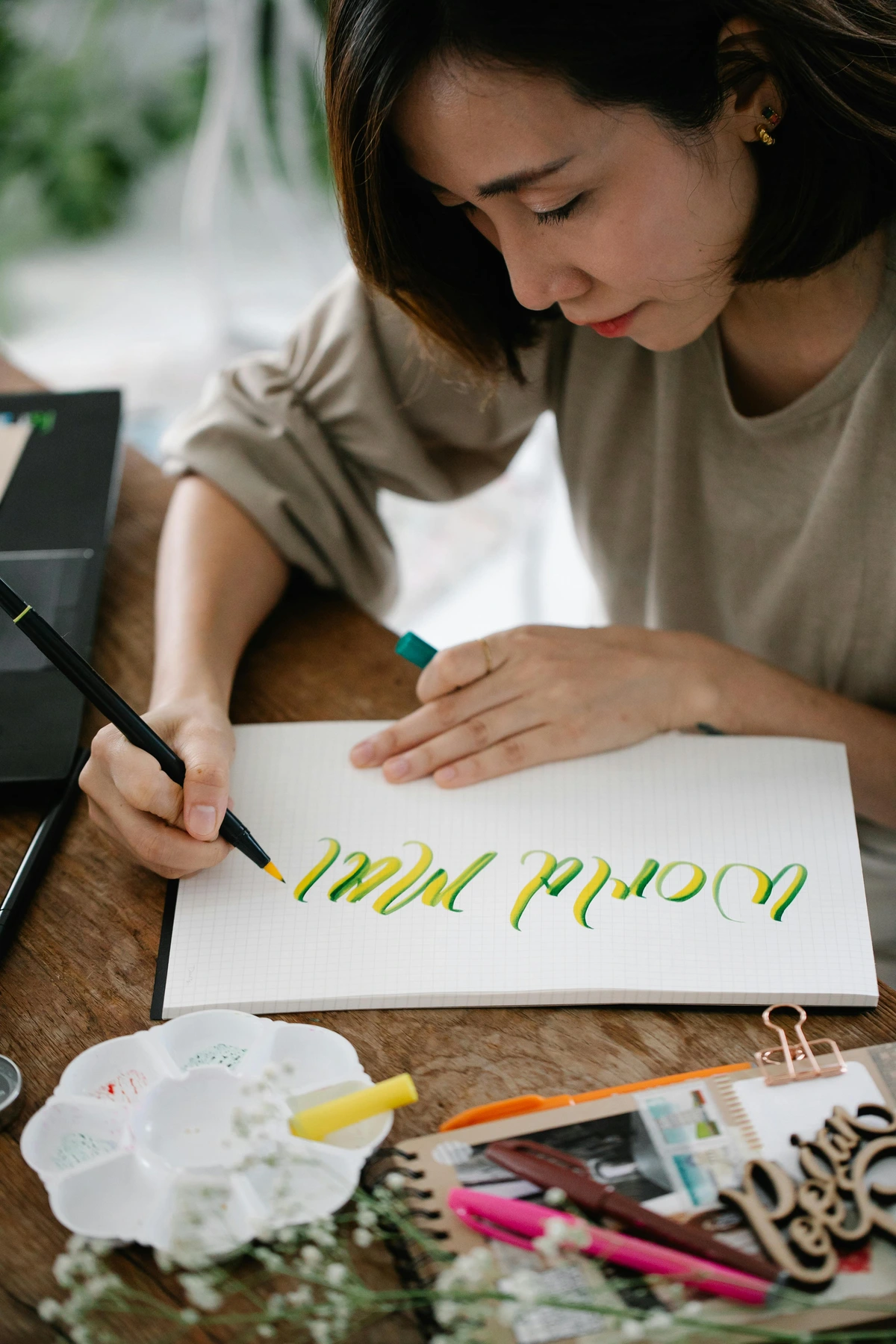
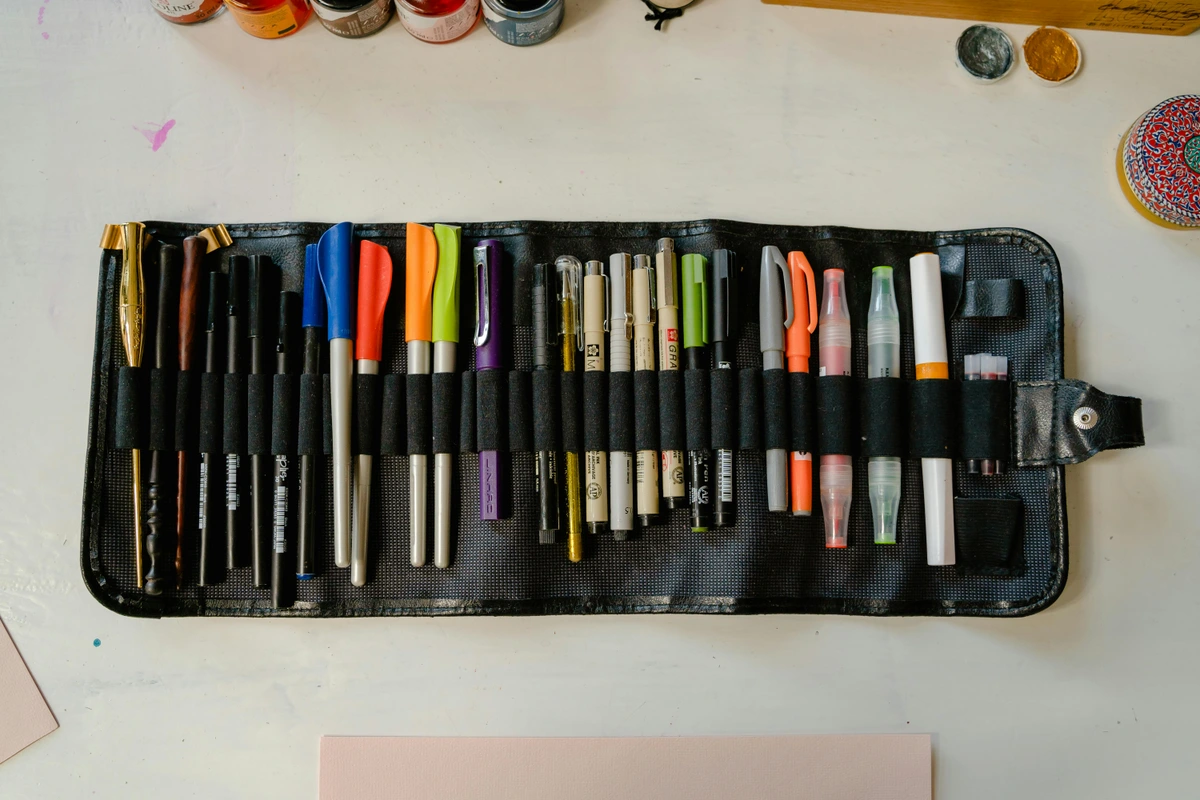
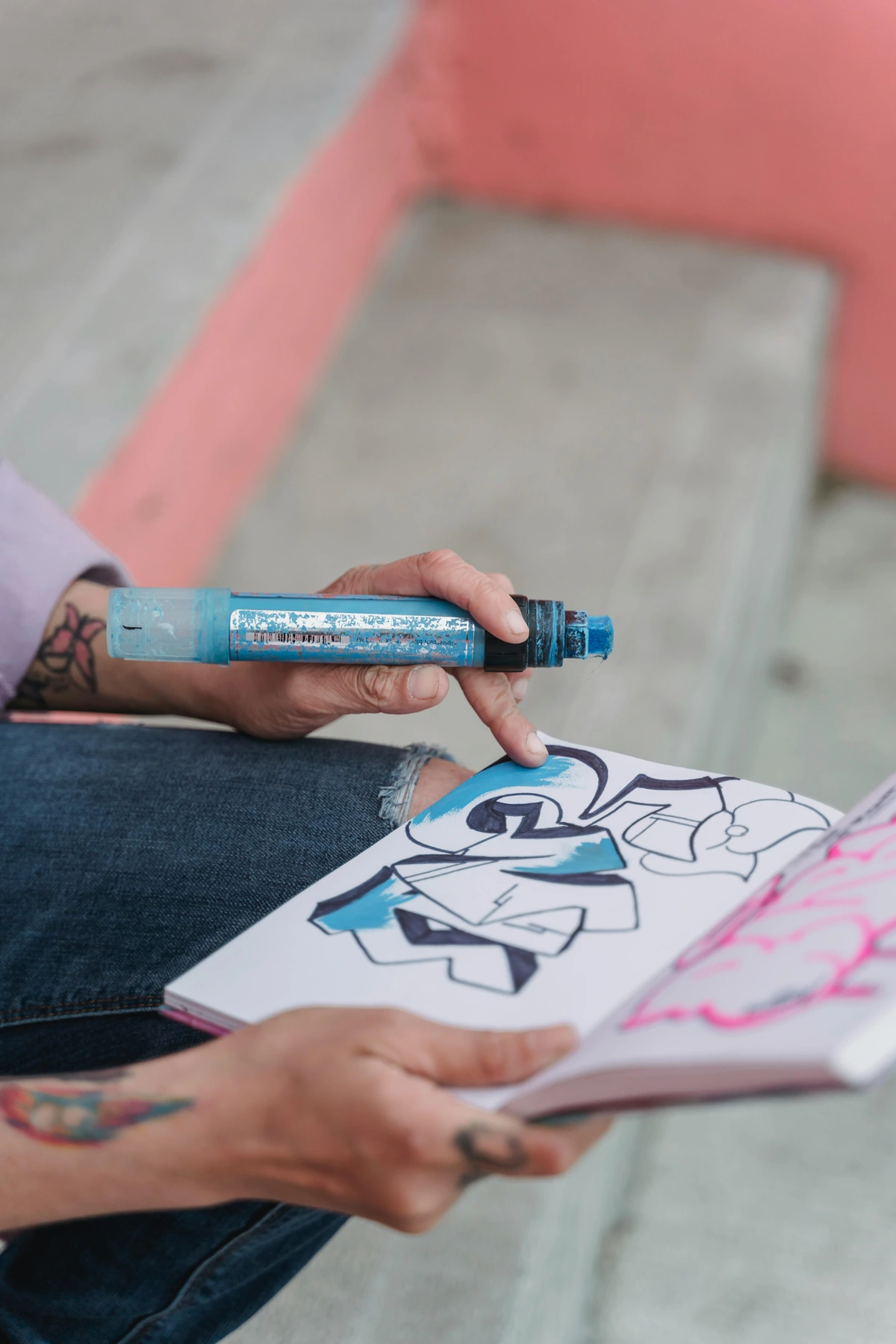
- Pens and Markers: Don't underestimate the power of a good pen! Fine-liners are perfect for detailed drawings, journaling, or adding intricate patterns. Brush pens, with their flexible tips, are fantastic for expressive lettering and adding bold strokes of color – I love using them for quick titles or impactful words, especially if I want a more organic feel than a precise font. And don't forget permanent markers like Sharpies; they can write over almost anything and add a graphic punch to your pages. From simple ballpoints for everyday writing to vibrant paint markers for opaque marks (hello, Posca pens!), these tools are your direct line to putting thoughts and spontaneous drawings onto the page. For me, a black fine-liner (like a Micron or Faber-Castell Pitt Artist Pen) is non-negotiable – it's the workhorse of my journal, and I feel lost without one! I also love to grab a white gel pen for adding highlights and subtle details over darker backgrounds – it's a game-changer for making elements pop!
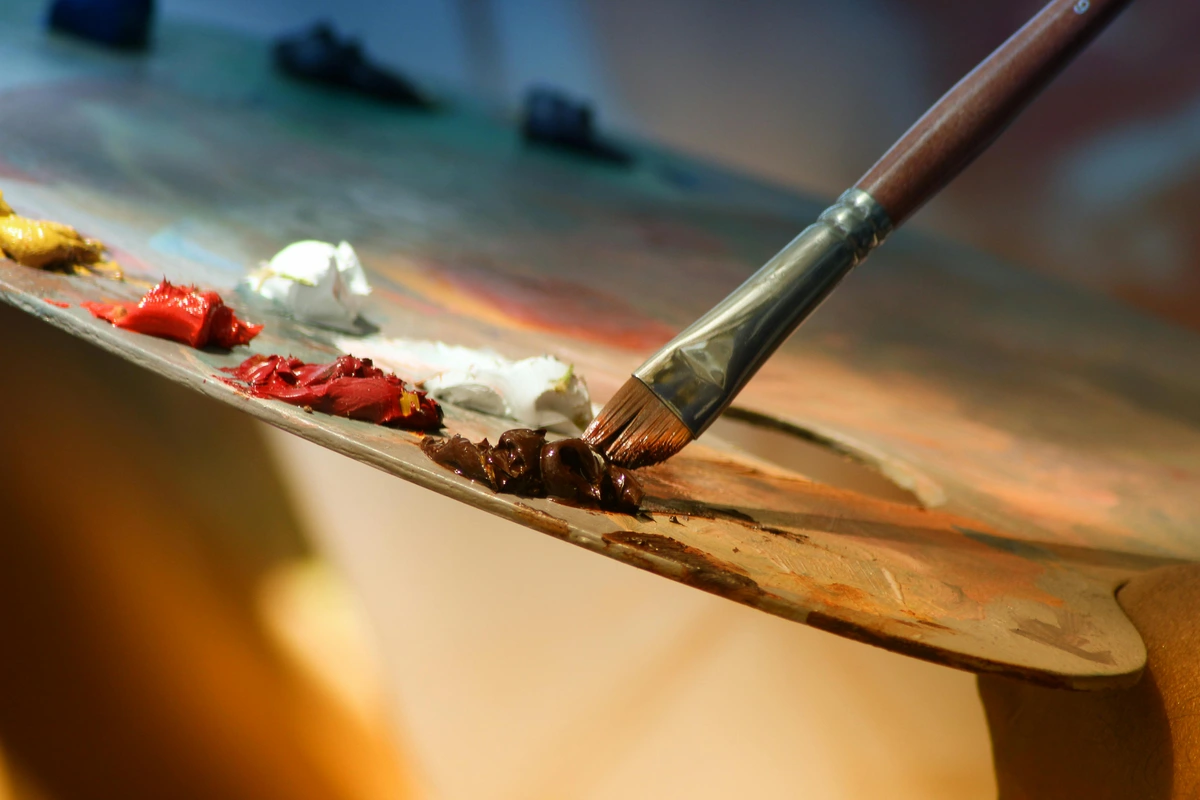
- Paint Brushes and Applicators: You don't need a whole arsenal of fancy brushes, but a few basics will go a long way. A flat brush is great for applying gesso or large washes of color, while a round brush is perfect for details and finer lines. Sponges, whether natural sea sponges or simple kitchen sponges, are fantastic for adding texture and dabbing on paint – I even tear up kitchen sponges to get different edges! And honestly, don't underestimate your fingers! They're the original art tools and can create incredible blends and smudges – I love the direct, tactile connection they offer, even if it means getting a bit messy. I also keep an old credit card handy for scraping paint and creating interesting linear textures, or even applying thick mediums. The key is to have a few versatile tools that you're comfortable experimenting with. Don't forget household items too – an old toothbrush is fantastic for splattering paint, and a crumpled piece of paper can make surprisingly cool textured stamps! Even cotton swabs can be great for small dots or blending.
- Coloring Media: This is where the transformative potential of an art journal truly manifests. Watercolors are celebrated for their ability to create subtle washes, transparent layers, and luminous effects, gradually building depth with delicate hues; techniques such as wet-on-wet or lifting can produce captivating textures. Acrylics, conversely, offer opaque coverage, rapid drying times, and the capacity for fantastic texture, allowing for bold statements, thick impasto effects, and mixed media applications, with mediums like flow improvers or retarders extending their versatility. Pastels, whether oil pastels for rich, blendable color and painterly strokes, or soft pastels for dusty, ethereal touches and vibrant smudges, introduce a unique tactile quality and blendability, often benefiting from fixatives to prevent smudging. Inks, from india ink for deep black lines to colored drawing inks for vibrant transparent layers, offer another dimension of liquid color. Even simple crayons should not be underestimated, as they can introduce vibrant color, diverse textures, and a nostalgic charm, serving as an accessible entry point into color exploration. Experimentation is paramount in this category, encouraging the combination and layering of different media to discover unexpected visual harmonies and expressive possibilities. I mean, who knew that laying down a wash of watercolor and then adding details with colored pencils once it's dry could be so captivating? Or using oil pastels over a thin layer of acrylic for a rich, textured effect? The possibilities are truly endless, and that's where the fun really begins! You might even find yourself naturally gravitating towards oil painting techniques or watercolor painting techniques in your journal, just by playing around. One of my favorite "happy accidents" was discovering how perfectly permanent markers write over dry acrylic paint – suddenly, I had crisp lines on vibrant backgrounds! I always keep an old toothbrush handy for splattering paint – instant texture, no artistic skill required! And speaking of unexpected combinations, try using a simple crayon as a resist under a watercolor wash for some magical effects – it’s like being a kid again, but with more sophisticated results! Don't be afraid to mix and match; that's where the real magic happens, like using watercolors as a base and then adding bold acrylic details, or sketching with colored pencils and then adding an ink wash over the top.
- Adhesives: A reliable adhesive is an indispensable component for successful collage work and the integration of various elements. Glue sticks offer a quick and clean application, making them ideal for paper-based collage, particularly for lighter papers – I find them perfect for quick additions from magazines. Liquid glues, such as matte medium or PVA glue, provide a stronger, more permanent bond and possess the added versatility of being used as a sealant for pages, a transparent layering medium, or even a texture paste when mixed with other materials; these are excellent for heavier papers and found objects. Double-sided tape offers a clean, wrinkle-free application for precise placement, especially useful for photographs or delicate elements. Furthermore, specialty glues designed for fabric, metal, or heavier embellishments can expand the range of materials that can be securely incorporated into the journal, ensuring the longevity and integrity of mixed media compositions. Spray adhesives offer an even application for larger surfaces and intricate cutouts, though they require a well-ventilated space (and probably a designated 'spray zone' if you value your lungs and your furniture!). Oh, and here’s a pro tip: matte medium isn't just for gluing; it's also fantastic for sealing pages, acting as a transparent layer, or even creating a textured surface when applied with a brush. It's a true multi-tasker in my studio – I rarely go a journaling session without it. For quick, small additions, I swear by a good old glue stick, but for anything that needs to really stay put – especially thicker papers or small found objects – liquid glues like PVA are your absolute best friend. I've had more than one collage piece pop off a page because I skimped on the glue, so learn from my past mistakes! And don't forget gel medium, which is not only a fantastic adhesive but also a transparent layering medium and a sealant, adding a lovely, subtle sheen to your pages. It’s a true multitasker in my studio, and I often use a brayer to ensure everything is pressed down firmly, preventing bubbles and lifting.
- Collage Materials: This category offers an unparalleled opportunity for visual storytelling and textural enrichment. Old magazines, newspapers, and discarded books offer a treasure trove of imagery, typography, and unexpected juxtapositions. Fabric scraps, patterned papers, and decorative stickers are excellent for introducing varied textures, patterns, and thematic accents. Expanding beyond conventional sources, one might consider natural elements such as dried leaves, pressed flowers, or small twigs; ephemera like tickets, old stamps, packaging, or receipts; and even personal memorabilia like photographs or handwritten notes. Digital printouts of textures, patterns, or personal images also serve as versatile collage elements. Anything that sparks visual interest and can be securely adhered to a page is suitable, transforming disparate elements into a cohesive and personally resonant visual narrative. The more unexpected and varied the sources, the richer and more intriguing the collage composition becomes. I once used a tea bag wrapper and a dried leaf on a page about quiet contemplation – don't be afraid to think outside the box (or the recycling bin!). Seriously, the most unexpected treasures can become the most poignant collage elements. Look for interesting textures, compelling words, or colors that speak to you everywhere you go – a discarded ticket stub, a piece of patterned tissue paper, even the label from your favorite snack. I've even used snippets from old maps, fabric scraps from clothing I was about to donate, or interesting typography from advertisements. Your art journal is a story, and these found objects are its unique vocabulary. And here’s a tip: sometimes the most mundane things, like a grocery receipt or a torn-up paper bag, can add incredible texture and a sense of realism to your visual narrative. Don't forget to look in your junk drawer too – old keys, buttons, or even broken jewelry can add an unexpected dimension!
- Stamps and Stencils: Stamps and stencils serve as invaluable tools for introducing recurring patterns, precise shapes, and compelling textures with efficiency, particularly beneficial for individuals who may not possess extensive drawing skills. Stamps, available in a vast array of designs from abstract patterns to botanical motifs, can be utilized with various inks—pigment, dye, or archival—to create consistent visual themes, intriguing background textures, or focal points within a composition. Stencils, conversely, enable the creation of clean, repeatable shapes, letters, or intricate patterns, perfect for layering with paints, inks, or texture pastes, thereby constructing complex visual narratives. Furthermore, the creation of custom stencils from cardstock or acetate allows for truly unique designs, fostering a deeper personal connection to the artistic elements employed. These tools significantly expand the expressive potential of an art journal, offering diverse visual vocabulary. And if you're feeling adventurous, why not try making your own stamps from erasers, or carving simple designs into linoleum blocks? It's surprisingly satisfying, I promise, and the sense of ownership over your tools is incredible! Or cut out a shape from an old cereal box for a custom stencil – instant gratification, and it costs next to nothing. I’ve even used the plastic mesh from fruit packaging as a stencil to create unique patterns, or a doily for delicate lace-like effects! It’s all about making your journal uniquely you, leaving your personal mark in every way possible. I love how a custom stencil or a handmade stamp can instantly tie a whole page together with a repeated motif, making it feel perfectly cohesive. You can also layer stencils with different colors or textures to create a really complex and engaging background – it's like building an architectural landscape on your page! Don't forget you can also create a "ghost" print with stamps by pressing them onto a wet page after stamping, or use a baby wipe to partially remove ink for a distressed look.
- Gesso: Gesso, an often-underestimated primer, functions as a remarkably versatile workhorse within art journaling. Its primary utility lies in preparing various surfaces, such as paper or found objects, by providing a "tooth"—a slightly textured surface that allows paints, inks, and other media to adhere effectively and prevents excessive absorption. Beyond its priming function, gesso can be employed as a creative medium in its own right. It can be used to create subtle textures, to partially or fully obscure previous layers (transforming perceived "mistakes" into opportunities for new artistic directions), or to lighten dark pages, providing a fresh and luminous starting point. Clear gesso is also available, offering a transparent base that retains the visibility of the underlying surface while still providing adhesion, which is great if you want to keep some of the original text or imagery showing through. The addition of a small amount of acrylic paint can tint gesso, creating a colored primer, or it can be applied thickly with a palette knife to achieve sculptural, three-dimensional effects within the journal's pages, greatly expanding its artistic potential. It’s my go-to for fixing "oops" moments (and believe me, I have many – like that time I accidentally spilled coffee all over a watercolor wash!), creating new backgrounds when a page isn't working, or just adding a bit of tooth for my pens to grab onto. Think of it as your artistic reset button – a fresh start without having to tear out a page. I sometimes even tint my gesso with a drop of acrylic paint to create a subtle colored ground, which instantly changes the mood of a page and gives me a head start on my color palette. And a little secret: if a page just isn't working, I'll often gesso over it entirely and let the faint ghost of what was there peek through – it adds a cool sense of history and mystery to the new layer, almost like a palimpsest.
- Cutting Tools: Precision cutting tools are invaluable for collage work, intricate detailing, and shaping various materials within an journal. Craft knives, such as X-Acto knives, with their sharp, replaceable blades, allow for precise cuts and intricate shapes in paper, fabric, and other thin media. Scissors, in various sizes, are essential for general cutting tasks, from trimming paper to snipping fabric scraps – I have a small pair for detail work and a larger pair for bigger cuts. A paper trimmer or guillotine can provide clean, straight edges for larger collage pieces or for preparing journal pages. Safety is paramount when using cutting tools; always use a self-healing cutting mat beneath your work surface and keep blades sharp for cleaner cuts and reduced effort. A dull blade is actually more dangerous, as you'll apply more pressure and risk slipping. And please, always cut away from yourself! Craft knives, like a good X-Acto, are incredibly precise, but they demand respect and focus. For those smaller, fiddly bits, a good pair of detail scissors is invaluable, and having a larger, general-purpose pair for bigger cuts is also super helpful. I've learned that lesson the hard way more times than I care to admit, so please, safety first, even in the joyful mess of art journaling! Your fingers will thank you. Another little tip: a metal ruler is your best friend when using a craft knife for straight lines – it saves your plastic rulers (and your fingers) from accidental nicks! And don't forget a pair of tweezers for handling tiny collage bits with precision.
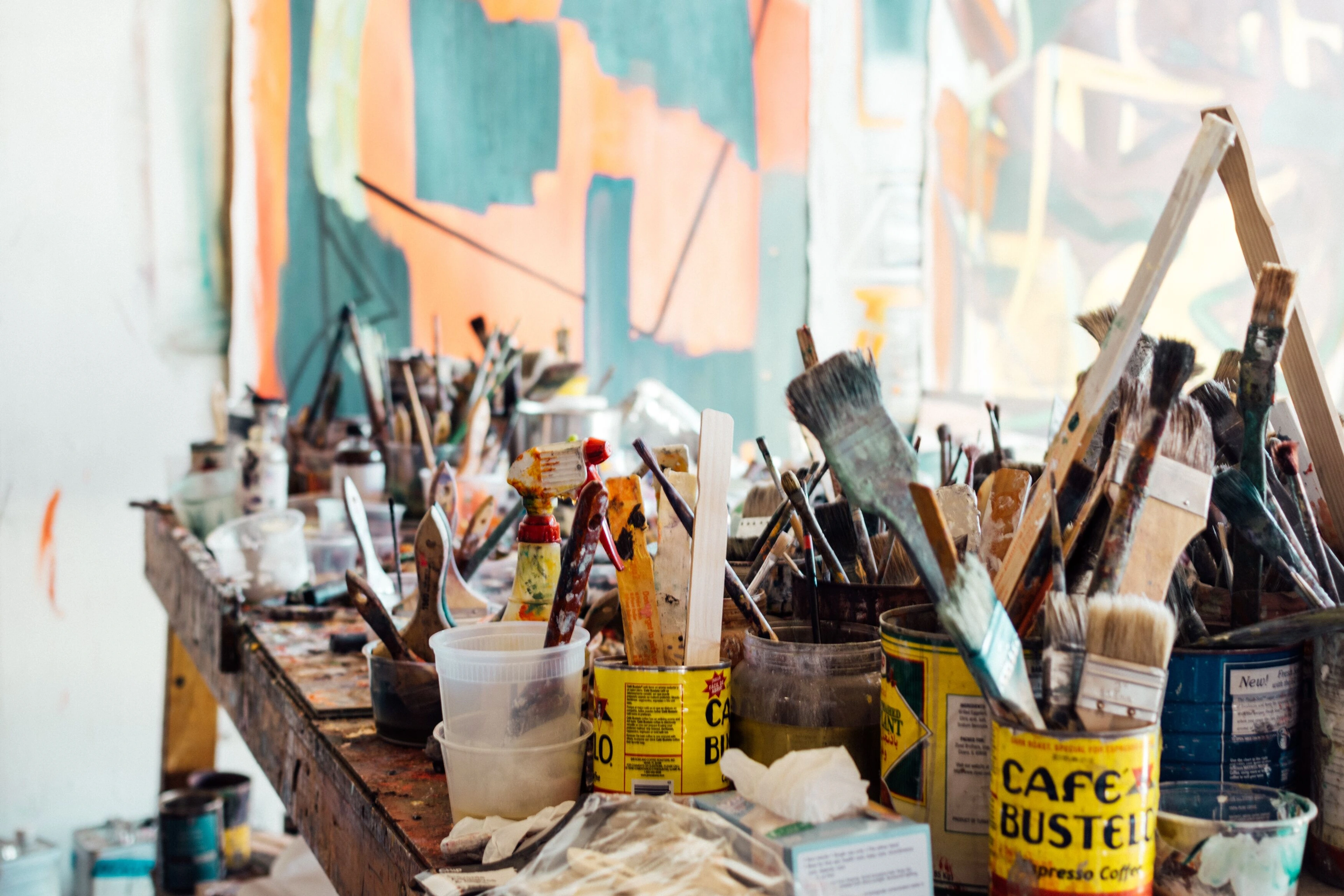
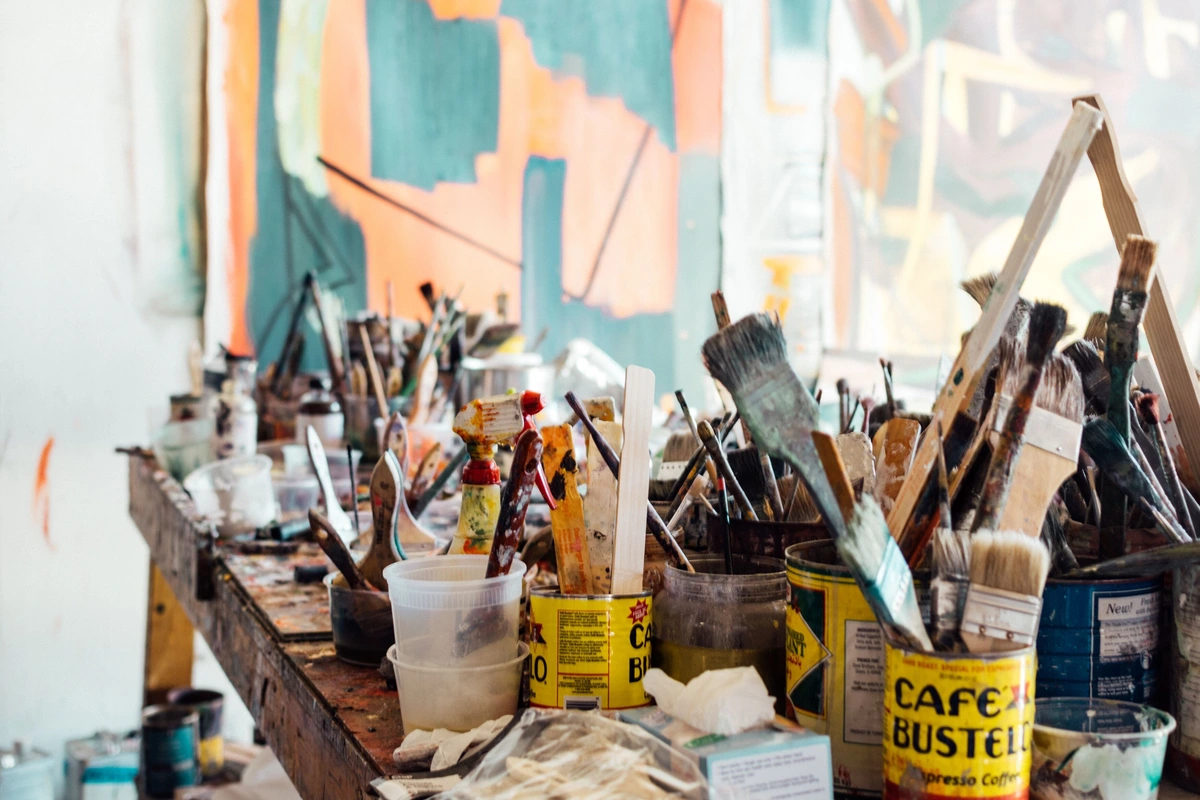
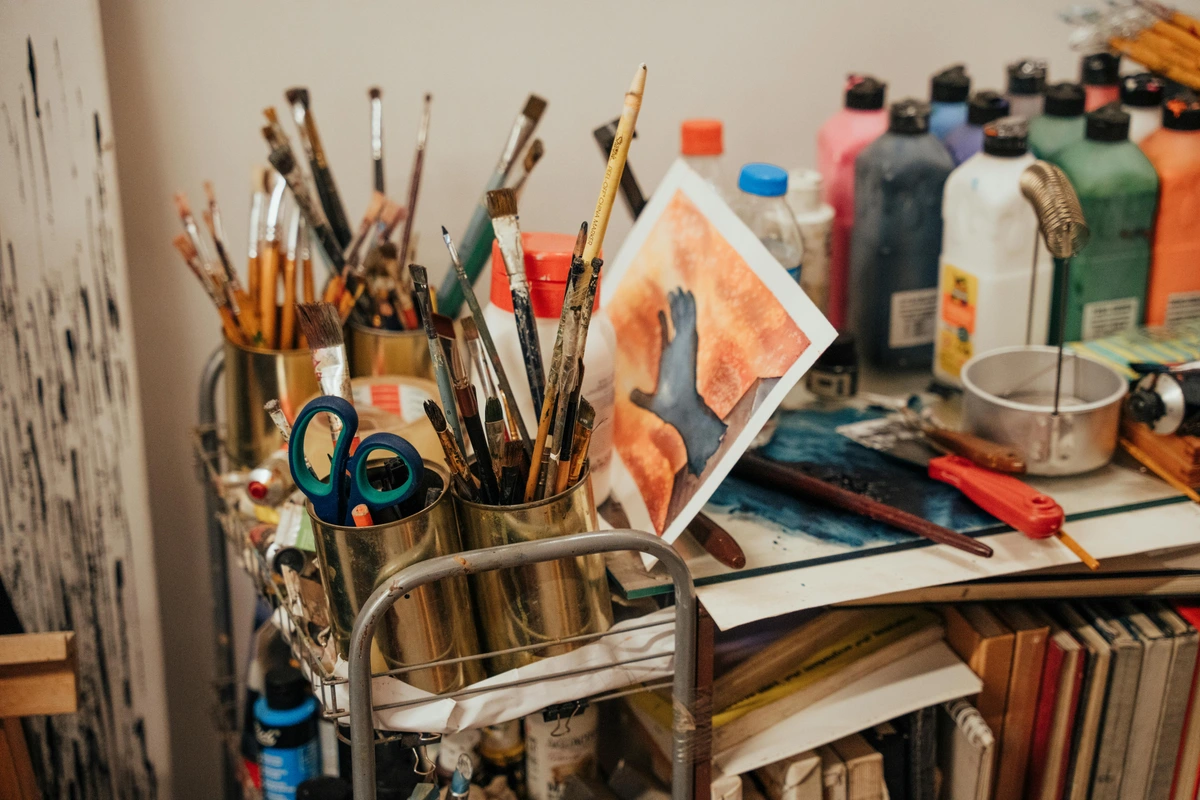 https://www.pexels.com/photo/creative-art-studio-with-brushes-and-paints-29589096/, https://creativecommons.org/public-domain/
Organizing Your Supplies
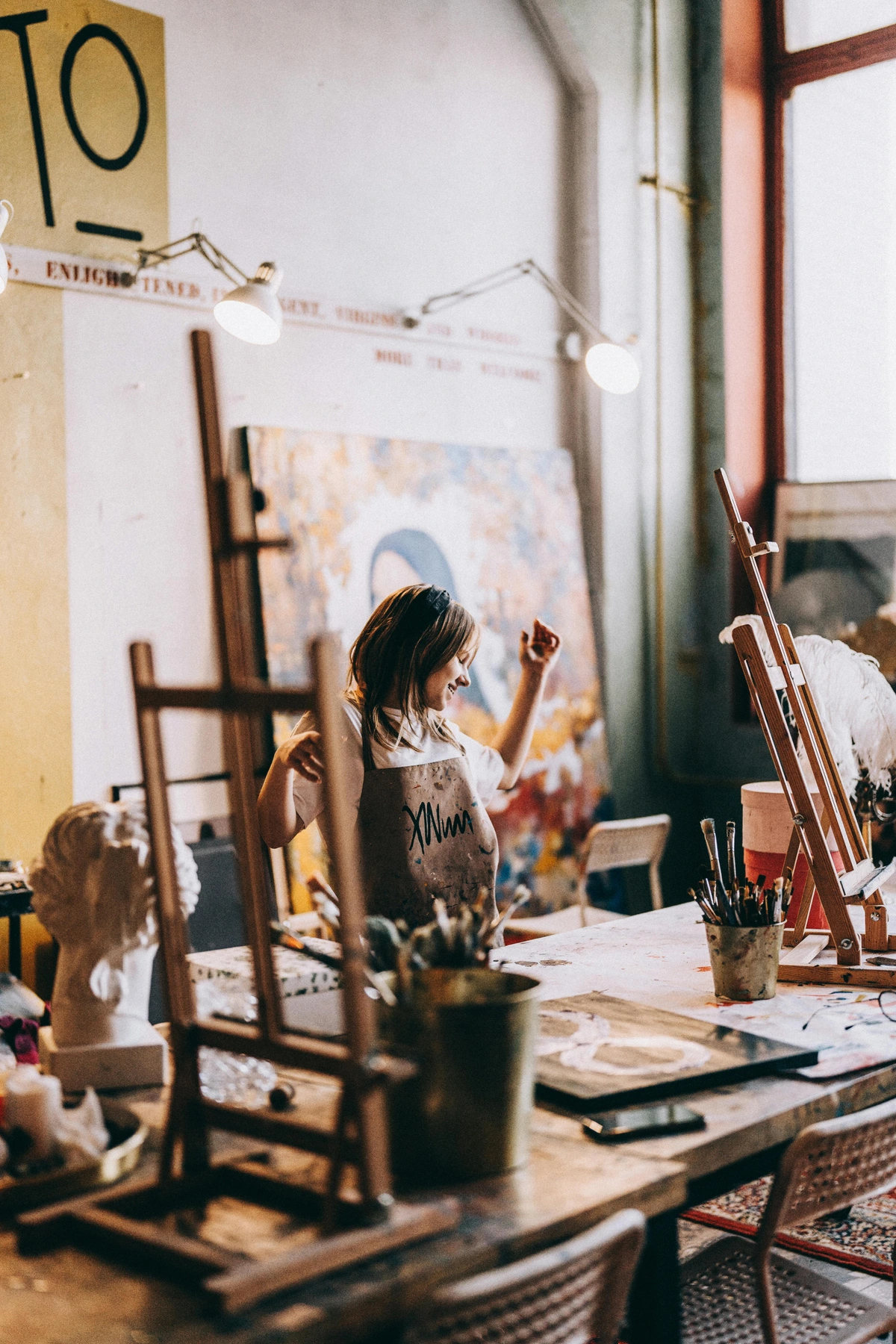
An organized workspace, even a small one, can significantly enhance the art journaling experience by making supplies easily accessible and reducing creative friction. Consider implementing simple storage solutions such as clear containers for visual access, small drawer units for categorizing different media, or vertical organizers like pen cups and caddies to maximize desk space. Labeling containers can further streamline the process of finding and returning materials. A dedicated "ephemera jar" or box for collage bits and inspiring snippets can keep these treasures tidy while readily available. By investing a little time in organization, the creative process becomes more fluid and enjoyable, allowing focus to remain on artistic expression rather than searching for tools. Trust me, I spent far too many early sessions rummaging for a specific pen only to lose my creative flow and end up just staring at the ceiling, wondering where the time went. Even a small system, like clear containers for paints or a designated "ephemera jar" for those inspiring bits and bobs, can make a world of difference. Your future, less frustrated self will absolutely thank you! It's amazing how much a little order can spark more creative chaos (in the best way, of course!). Don't feel like you need fancy storage; repurposed containers like old jars, shoeboxes, or even mug holders can work wonders for keeping your space functional and inspiring.
An organized workspace, even a small one, can significantly enhance the art journaling experience by making supplies easily accessible and reducing creative friction. Consider implementing simple storage solutions such as clear containers for visual access, small drawer units for categorizing different media, or vertical organizers like pen cups and caddies to maximize desk space. Labeling containers can further streamline the process of finding and returning materials. A dedicated "ephemera jar" or box for collage bits and inspiring snippets can keep these treasures tidy while readily available. By investing a little time in organization, the creative process becomes more fluid and enjoyable, allowing focus to remain on artistic expression rather than searching for tools.
Tools for Texture
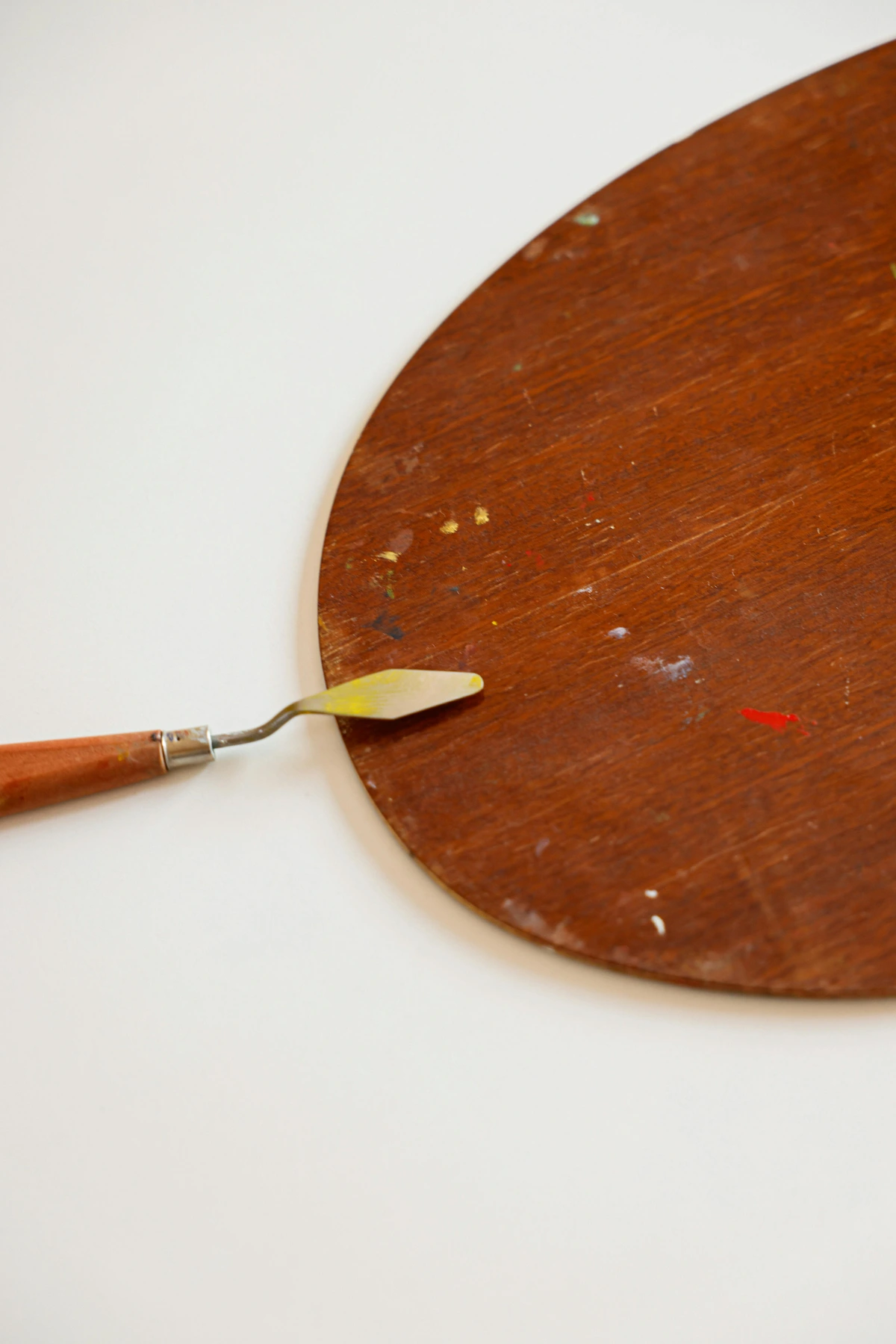
Texture is a vital element in art journaling, adding tactile interest and visual depth to pages. Various tools can be employed to create diverse textural effects. Palette knives, typically used with paints or mediums, can create bold, expressive marks and impasto textures. Household items such as old credit cards, plastic combs, or bubble wrap can be repurposed to create unique patterns and scraped effects. Brayers are useful for applying even layers of paint or ink and for pressing down collage elements. Specialized texture stamps, stencils with dimensional patterns, or even natural materials like leaves and lace can be used to imprint fascinating surface variations. Embracing these tools allows for a rich sensory experience within the art journal, transforming flat surfaces into dynamic landscapes of touch and sight. My absolute favorites for creating unique textures? The edge of an old credit card for scraping lines through wet paint, a crumpled piece of paper for stamping subtle patterns, or even just my fingers to smudge and blend. Seriously, don’t underestimate the power of everyday objects to become extraordinary texture makers! A piece of bubble wrap, a dried leaf, a bottle cap, a fork, or even textured fabric scraps – anything with an interesting surface can be used to create fascinating marks and impressions. It's like finding magic in the mundane, and your journal pages will absolutely thank you for it by coming alive with tactile interest. I've even used the bottom of a glass to make perfect circles and the ridged edge of a bottle cap for unique patterns – your recycling bin is a treasure trove of texture tools! Try pressing textured fabrics, netting, or even a piece of corrugated cardboard into wet paint or gel medium for intriguing relief patterns.
Setting Up Your Art Journaling Space
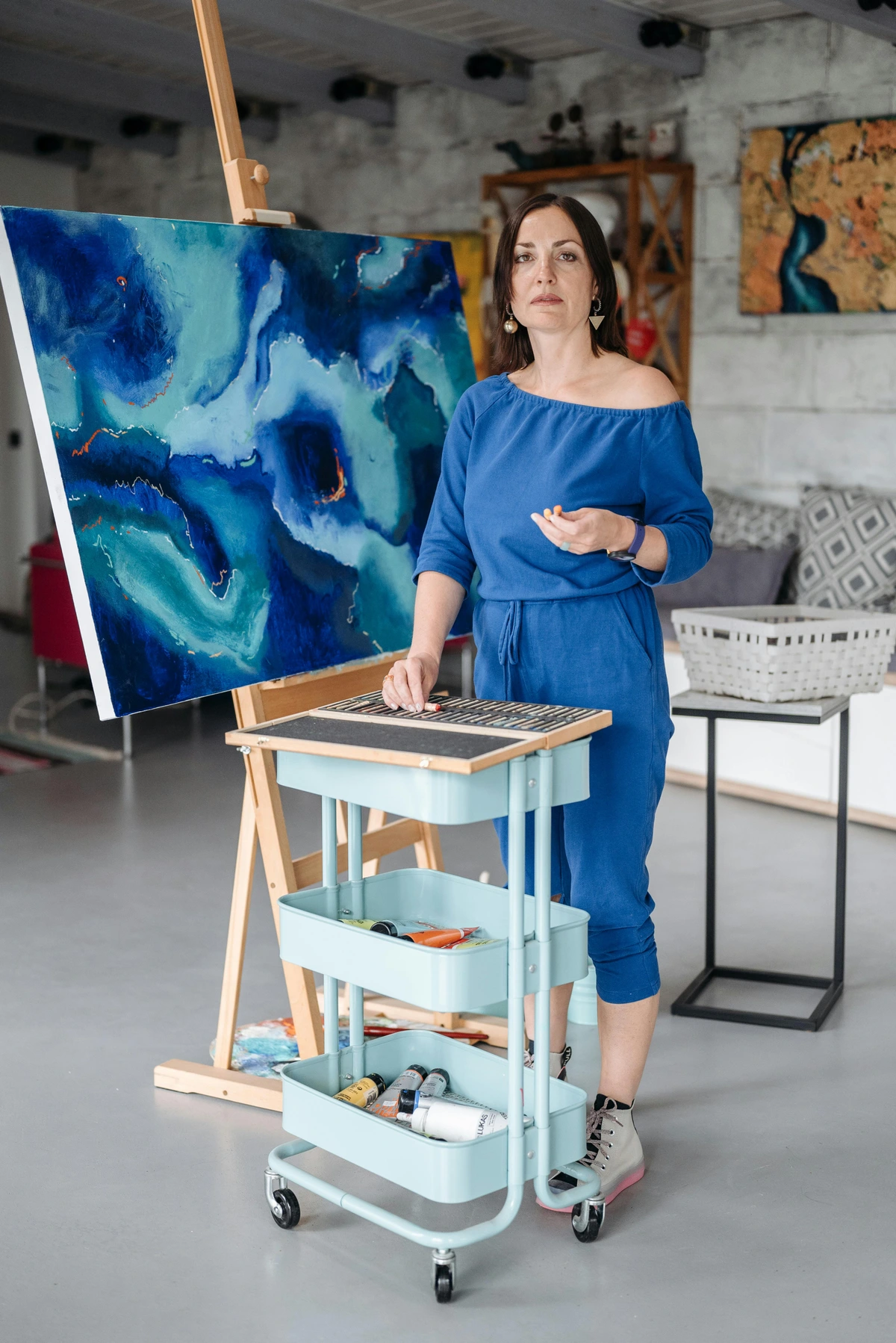
It is a common misconception that a grand, dedicated studio is a prerequisite for creative practice; however, even a modest corner of a desk can be transformed into a personal art journaling sanctuary. The paramount objective is to cultivate an environment that fosters creativity, minimizes distractions, and serves as a wellspring of inspiration. This space need not be elaborate; its primary function is to feel uniquely conducive to individual artistic expression. Optimal lighting is crucial, with natural light often being a preferred choice for accurate color perception and reduced eye strain. Ensuring that frequently utilized supplies are readily accessible minimizes interruption and encourages spontaneous creation. Vertical storage solutions, such as pen cups, small drawer units, and tiered shelving, are highly effective for maintaining tidiness without compromising accessibility. Additionally, curating a small inspiration board or a collection of visually stimulating images nearby can serve as a potent catalyst for ideas during periods of creative inertia. Establishing a dedicated and organized workspace enhances the fluidity and enjoyment of the art journaling process. Even if your "studio" is just a tray you pull out on the kitchen table (which, let's be honest, mine often is!), making it a sacred space for your creative time can make all the difference. It’s about cultivating a mindset, not just a physical location. And don't forget a comfy chair – your back will definitely thank you after a good creative session! A little music that puts you in the right mood, a warm drink, maybe a lit candle or some diffused essential oils – and a clear surface are sometimes all you need to truly sink into the creative flow. It’s about creating an atmosphere that invites you to play, even if it's just for a few precious minutes. Remember, the goal is to make it easy and inviting to start creating, not to create a Pinterest-perfect studio. My "studio" is often just a cleared space on my kitchen counter, but it feels like a magical portal once I lay out my journal and paints!
 https://www.flickr.com/photos/fabola/41351098495/, https://creativecommons.org/licenses/by-sa/2.0/
Techniques to Explore
Advanced Art Journaling Techniques
Once you’ve dipped your toes into the glorious, messy waters of art journaling, you might find yourself itching to dive deeper. This is where advanced techniques come into play, allowing you to build on your foundational skills and truly push the boundaries of your personal expression. These aren't about becoming a master artist overnight, but about expanding your toolkit and discovering new ways to tell your story on the page. Think of it as leveling up your creative game, one exciting experiment at a time. It's about combining methods, exploring complex compositions, and really making the journal a reflection of your evolving artistic voice.
Layering Transparencies
This technique involves building up layers with translucent materials to create incredible depth and subtle visual narratives. Think vellum, tissue paper, sheer fabrics, or even thin washes of translucent paint or ink. By allowing previous layers to peek through, you create a sense of history and mystery on your page, inviting the viewer (and yourself!) to look closer and uncover the story unfolding beneath the surface. I love using old dress patterns or thin deli paper for this, or even just heavily diluted acrylics. It’s like creating a beautiful, subtle conversation between different elements, where each layer whispers a part of the story.
There are no strict rules in art journaling, but exploring various techniques can spark inspiration.
Intuitive Art Making
Intuitive Art Making
Sometimes, when I sit down with my journal, I don't have a plan at all. That's where intuitive art making comes in – it’s about letting go of expectations and allowing your instincts to guide your hands. There's no right or wrong, no predefined outcome. You might start with a color that feels good, make a random mark, or glue down a piece of paper just because it calls to you. It's a deeply meditative and freeing process where you listen to your inner voice and let the art unfold organically. It's a bit like intuitive painting, where you surrender to the moment and trust the creative flow. Trust me, some of my most surprising and meaningful pages have come from simply playing without a plan. It’s like magic, but with paint and paper instead of wands! It’s about listening to the quiet nudges of your creativity, rather than trying to control every single brushstroke, and it can be incredibly revealing about your inner state.
Doodling & Zentangle
Doodling & Zentangle
Sometimes, the brain just needs to wander, and that's where doodling comes in. It's not about creating a masterpiece; it's about the meditative act of making marks. Think simple patterns, repetitive lines, or just letting your pen dance across the page. Zentangle, a specific method of creating structured patterns, takes this a step further, offering a mindful way to create intricate designs, even if you think you can't draw a straight line (I certainly can't, and I've embraced it!). It’s incredibly calming and a fantastic way to fill a page without any pressure, often leading to surprising visual texture and depth that you didn't even know you were capable of creating. I often find myself doodling during phone calls, and then those doodles become fantastic background elements in my journal! It's like turning idle moments into creative fuel, and it's surprisingly effective. Plus, there's something so satisfying about filling a space with tiny, intricate marks, building a whole world on your page.
Mindful Mark Making
Mindful Mark Making
Beyond just doodling, mindful mark making takes the act of putting pen or brush to paper and elevates it into a meditative practice. It’s about paying full attention to the sensation of the tool in your hand, the sound it makes, and the quality of the line or dot appearing on the page. There's no goal beyond the act of making the mark itself – the journey is the destination. You might focus on the rhythm of repetitive strokes, the texture created by a dry brush, or the way a pen glides over gessoed paper. This intentionality helps to quiet the mind, anchor you in the present, and deeply connect you with the physical act of creation. It's a wonderful way to explore the art of mark making without any pressure, just the pure joy of putting pen to paper. I've found it particularly helpful for calming my mind when things feel a bit chaotic, and it often leads to surprisingly beautiful and organic patterns.
Visual Brainstorming & Mind Mapping
Visual Brainstorming & Mind Mapping
If you're like me, sometimes words alone don't quite capture the whirlwind of thoughts in your head. That's where visual brainstorming and mind mapping become invaluable tools in an art journal. Instead of just lists, try connecting ideas with drawings, symbols, colors, and arrows. Map out a new project, explore a complex emotion, or simply gather inspirations visually. It’s a fantastic way to see connections you might otherwise miss, turning your journal into a dynamic thought-canvas where ideas can truly flourish. I often use it when I'm trying to untangle a particularly knotty problem – the visual aspect helps my brain see things from new angles, almost like putting a puzzle together with colorful pieces. I've even used it to plan my grocery list, drawing little pictures of what I need – much more fun than a boring text list! It's truly amazing how much clarity a visual representation can bring to even the most mundane thoughts, helping me to organize my thoughts in a truly creative way.
Nature Journaling
Nature Journaling
For those moments when you need to reconnect with the world around you (and let's be honest, who doesn't, especially after too much screen time?), nature journaling is a beautiful practice. It's about observing, sketching, and writing about the natural world, right there in your journal. You don't need to be a botanist or a perfect artist; just grab your journal and a pen, and sit with a leaf, a flower, a bird, or even just the clouds. Notice the colors, the textures, the light, and try to capture them. It's a deeply mindful practice that enhances observation skills and creates a unique visual record of your connection to nature. Plus, it's a great excuse to get outside! Try drawing the same tree through different seasons, or focusing on the intricate patterns of a single feather or a patch of moss. It really opens your eyes to the subtle beauty that surrounds us, transforming your everyday walks into treasure hunts for inspiration. I've spent an hour just observing the way light hits a single leaf – it’s a tiny, quiet meditation that brings a profound sense of peace.
Storytelling through Symbols
Storytelling through Symbols
Sometimes, words just aren't enough, or they feel too literal, almost restrictive. That's where storytelling through symbols shines in an art journal. Instead of explicitly writing about an emotion or an event, you can use abstract shapes, colors, or simple icons to represent them. A tangled knot might symbolize confusion, a soaring bird might represent freedom, or a specific color might always denote joy for you. This allows for a more nuanced and often more powerful expression of your inner world, creating a visual language that is uniquely yours. It’s a fantastic way to explore those deeper feelings without having to articulate them perfectly, making your journal a rich tapestry of personal meaning. Sometimes, a simple jagged line or a burst of orange can convey more than a paragraph of words ever could, tapping into something much more primal and intuitive within us.
Techniques to Explore
Altered Books
Altered Books
Ever looked at an old, unloved book and thought, "There's a story here, but maybe my story"? That's the essence of altered books, and honestly, it's one of my favorite rebellious acts of creativity! This technique involves transforming an existing book – a dusty novel, a forgotten dictionary, even a child's textbook – into an art journal. You might paint over pages, collage new elements onto them, cut out windows to reveal text beneath, or even add pop-up elements. It’s a wonderful way to honor the past life of a book while breathing new, deeply personal meaning into its pages. I've taken old hardback novels and completely transformed them, painting over text and adding my own stories on top – it's incredibly satisfying to give a forgotten book a new life! There's something incredibly liberating about working on existing text and imagery, letting it spark new ideas rather than starting from a blank slate. Plus, it feels wonderfully subversive, doesn't it? You're literally rewriting history, one page at a time! And the texture of those old pages, sometimes yellowed and worn, adds an incredible sense of history and depth to your new artwork, making the new art feel even more profound.
Photo Transfer Techniques
Photo Transfer Techniques
Photo transfer techniques provide a compelling way to integrate personal photographs, printed imagery, or text into art journal pages, blending photographic realism with artistic embellishment. Various methods exist, each yielding distinct effects, including using gel medium, packing tape, or specialized transfer paper. The gel medium transfer, for instance, involves applying a layer of acrylic gel medium over a printed image (laser prints or photocopies work best), allowing it to dry, and then gently rubbing away the paper fibers to reveal the transferred image embedded in the gel. This method often results in a beautifully distressed, ethereal quality, perfect for adding a nostalgic or dreamlike dimension. Packing tape transfers, conversely, offer a simpler, quicker method for lifting toner from laser prints onto adhesive tape, creating transparent images ideal for layering. These transfers can serve as focal points, background elements, or powerful visual narratives, enhancing the personal and reflective nature of the journal. My go-to for a quick transfer is usually the gel medium method; it's a bit of magic watching the paper rub away to reveal your image embedded in the gel. Seriously, it's like a tiny magic trick every time! Just make sure you're using a laser print, not inkjet, for the best results – I learned that one the hard way with a very smeary, heartbreaking attempt that ruined a perfectly good page. Also, don't rush the drying time of the gel medium; patience is key here for a crisp transfer. If you try to rub too soon, you'll just peel off the image, which, trust me, is not fun! Another little tip: if your image isn't transferring perfectly, try dampening the paper on the back a little more before rubbing – sometimes a little extra moisture makes all the difference, but not too much! You can also try adding a layer of gesso or light paint under the transfer for a more integrated look.
Art Journal Spreads
Art Journal Spreads
Think of an art journal spread not as two separate pages, but as a cohesive canvas that unfolds across two facing pages. This technique encourages you to consider the visual flow and narrative connection between the left and right sides, creating a more expansive and immersive experience. You might create a continuous landscape, a dialogue between two contrasting themes, or a single large composition that spans both pages. It’s a fantastic way to push beyond the confines of a single page and create a more dynamic and impactful visual story within your journal. I often use spreads to capture a single emotion that feels too big for one page, or to create a before-and-after narrative, showing a transformation. Imagine a dramatic landscape stretching across both pages, inviting the eye to travel, or two contrasting ideas conversing across the gutter – perhaps a "before" and "after" visual or two opposing feelings. The possibilities are truly expansive when you think beyond the single page, and it really encourages you to consider the composition across a wider canvas. I love using a central element that spans both pages to really unify the spread. It’s like creating a mini-mural in the middle of your book, drawing the viewer’s eye across the entire visual journey. Don't be afraid to break the "spine" of the book by creating elements that intentionally cross the center fold; it adds continuity and visual interest.
Gelli Printing
Gelli Printing
Gelli printing, utilizing a soft, gelatin-like plate, offers a fascinating and spontaneous method for creating unique monotypes and richly textured papers for collage. This technique involves applying paints or inks to the Gelli plate, then using various tools—stencils, leaves, textured objects, fabric, or even fingers—to create patterns and remove areas of color before pressing paper onto the plate to transfer the design. The process is inherently experimental and yields surprising, often beautiful, results, characterized by unique textures and layered effects. Gelli prints can be layered, cut, torn, and integrated into art journal pages to add complex backgrounds, vibrant focal points, or intriguing textural elements, making each journal entry truly one-of-a-kind. It is a highly satisfying technique for exploring color and composition in an uninhibited manner. Seriously, Gelli printing is like a creative playground where happy accidents are the main event. I've gotten some of my most intriguing collage papers from just playing around with a Gelli plate, some paint, and whatever textures I could find in my recycling bin – leaves, bottle caps, even a bit of crumpled cling film! You can even use bubble wrap, lace, or old stencils to create fascinating patterns. It’s a highly satisfying technique for exploring color and composition in an uninhibited manner, and the best part is, there are no mistakes, just unexpected discoveries that often lead to the most beautiful and unique results. I once used a piece of discarded netting from a bag of oranges to create this incredible, almost fish-scale-like texture – who knew a fruit bag could be so artistic?! Don't be afraid to layer prints, or use different colors on the plate for a multi-faceted effect. The ghost prints (the second pull from the plate) are often my favorites!
Mixed Media Exploration
Mixed Media Exploration
Art journaling thrives on the freedom of combining diverse materials and techniques on a single page. This approach, known as mixed media, encourages unexpected juxtapositions and allows for rich textural and visual narratives. There are no limits to what can be incorporated, from traditional art supplies to found objects and ephemera. It’s a bit like intuitive painting, where you let the materials guide your hand.
Exploring mixed media can involve layering paint with collage elements, adding textured pastes or molding paste for sculptural effects, incorporating fabric scraps, or even embedding small objects like buttons or dried flowers into the journal pages. This process often leads to surprising discoveries and fosters a highly personal artistic language, pushing the boundaries of what a "journal" can be. Common mixed media approaches include creating multi-layered backgrounds with gesso, paint, and stencils, then adding focal images with collage or drawing, and finally unifying the elements with glazes or mark-making. For more in-depth exploration, one might delve into mixed media techniques in abstract art. Don't be afraid to glue down a bit of lace, sprinkle on some glitter, or even stitch a few elements onto your page. The more layers, the richer the story! I often find myself gluing down a bit of lace, sprinkling on some glitter (because, why not?!), or even stitching a few elements onto my page. The beauty is that there are no rules, and that freedom can be truly exhilarating. This process isn't just about sticking things down; you’ll also be naturally experimenting with composition in abstract art as you arrange your elements, creating a harmonious (or delightfully chaotic!) visual dialogue that tells your story. It’s like being a mad scientist, but with art supplies, and the only "failed" experiments are the ones you didn't try! Seriously, my studio floor is a testament to the glorious messes that lead to breakthroughs. Consider adding transparent layers over opaque ones, or using different textures to create a truly multi-sensory experience on your page.
Drawing and Sketching
Drawing and Sketching
Drawing and sketching, ranging from spontaneous doodles to meticulous illustrations, represent a foundational method for direct visual communication within the art journal. Practitioners are encouraged to incorporate observations from daily life—such as a quick sketch of a morning coffee cup, the intricate details of a plant, the view from a window, or an expressive caricature of a beloved pet. Beyond representational art, the exploration of abstract patterns, mandalas, or direct visual representations of emotions can be equally compelling. Experimentation with various drawing tools, including graphite pencils, charcoal, ink pens, and pastels, allows for diverse line qualities and tonal effects. The inherent beauty of this practice lies in its non-judgmental nature; the emphasis is on personal expression and exploration rather than adherence to strict anatomical accuracy or technical perfection. This freedom allows for a genuine and uninhibited development of visual language. I always tell myself, "It's just paper!" when I feel that perfectionism creeping in. Quick, gestural sketches of your morning coffee cup, a detailed rendering of a beloved plant, or even abstract doodles representing your mood – it's all valid and all part of your unique story. You might find yourself naturally exploring the art of mark making and understanding line in abstract art without even realizing it! The journal is a safe space for every scribble, every wonky line, and every "oops" moment. Embrace the wonkiness, I say! It's what makes your journal uniquely yours. I've found that the more I let go of needing it to be perfect, the more authentic and interesting my pages become. Don't be afraid to draw the same object repeatedly, observing how your perception changes, or to fill a page with quick, energetic blind contours.
Painting and Layering
Painting and Layering
Painting and layering techniques offer expansive possibilities for color, texture, and depth within the art journal. Delicate washes of watercolor can be applied to achieve translucent effects, ethereal backgrounds, and luminous color transitions, often enhanced by techniques like salt application or cling film for unique textures. Bold, expressive strokes of acrylic paint create vibrant, opaque layers, allowing for dynamic statements and the building of substantial texture, with impasto techniques using palette knives to add sculptural relief. Thinned paints, whether watercolor or acrylic, can be used to create subtle, atmospheric backgrounds or to tint surfaces. A particularly effective technique is glazing, which involves applying thin, transparent layers of color over dried ones to create new optical hues, enhance luminosity, and add profound visual depth. The interplay of multiple layers of paint, gesso, inks, and even collage elements can create an incredible sense of history and complexity on a page, effectively telling a story through their interactive presence and accumulated visual information. My favorite trick? A thin wash of highly diluted acrylic over a collage to unify the elements, or using a palette knife to scrape back layers of paint to reveal glimpses of what lies beneath – it's like archaeological digging, but for art, and the reveals are always so exciting! Don't be afraid to add unexpected materials to your paint, like sand or coffee grounds, for extra texture, or even a dash of glitter for some unexpected sparkle. And remember, sometimes the 'mistakes' become the most interesting layers – just paint over them, add some collage, or doodle on top, and see what unexpected magic happens! The key is to keep playing and not get too precious about any single layer. I've also found that incorporating translucent layers, like thin tissue paper or vellum, can add incredible depth and mystery, allowing previous layers to peek through in intriguing ways. Experiment with creating a textured base first, perhaps with modeling paste, and then painting over it to see how the paint interacts with the raised surface.
Collage
Collage
Collage, as an art journaling technique, involves the purposeful assembly and adherence of various materials onto a page to create intriguing compositions. This can encompass a wide array of elements, including torn paper from magazines or old books, printed photographs (sourced from personal collections or public domain archives), ephemera such as tickets, stamps, or labels, and fabric scraps or found textures. The integration of digital art printouts or interesting patterns can further expand the visual vocabulary. Beyond simply adhering elements, techniques like layering, tearing, distressing, and incorporating transparent overlays can add depth and complexity. Collage excels at introducing varied textures, embedding narrative elements, and creating an element of surprise through unexpected juxtapositions, ultimately transforming disparate visual information into a cohesive and personally resonant visual story. The process encourages resourcefulness and an attentive eye for overlooked details in the everyday environment. I’ve found some of my most inspiring elements in junk mail, old calendars, or even the packaging from my favorite snacks. It’s all about seeing the artistic potential in everything around you! Seriously, don't underestimate the humble recycling bin – it's a treasure trove! And remember, there's a whole world to explore in the definitive guide to understanding texture in art when you're thinking about your collage choices. The more varied the textures – from smooth magazine cutouts to rough fabric scraps or delicate tissue paper – the more engaging and tactile your page will be. I love how a tiny piece of an old map can instantly transport me, or a faded photograph can evoke a forgotten memory. One of my favorite things to do is to go on a "collage scavenger hunt" in my own home, looking for overlooked patterns, textures, or interesting snippets of text. Try tearing paper instead of cutting it for softer edges and a more organic feel, or using a brayer to press down collage elements for a seamless look.
Creating Texture with Mediums
Creating Texture with Mediums
Beyond the inherent textures of collage elements and thick paint applications, specialized art mediums offer exciting possibilities for creating tactile and visual texture within an art journal. Modeling paste or texture paste can be applied thickly with a palette knife or stencil to create sculptural, three-dimensional surfaces that respond to light and shadow; these can be sanded or carved once dry. Glass bead gel, pumice gel, or sand paste can add granular or crystalline textures, creating gritty or shimmering effects. Crackle paste, when applied and dried, develops a network of fine cracks, adding an aged or distressed aesthetic. Gels and gloss mediums, used for adhesion or as transparent layers, can also create subtle textural variations and shine. These mediums can be painted over or mixed with colors, allowing for a further layer of artistic expression and sensory engagement, transforming the journal page into a rich, multi-dimensional landscape. My secret weapon for quick texture? A bit of sand mixed into gesso, or even coffee grounds – it creates this fantastic, gritty surface that's a joy to work on! The results are always surprisingly tactile and add so much character to a page. Don't be afraid to experiment with unconventional materials like rice, yarn snippets, dryer lint (seriously!), or even a bit of dried glue that you've peeled off something. The possibilities for textural expression are truly endless, and these little additions make your journal uniquely yours, telling a story not just visually, but tangibly too. Try applying texture paste through stencils, or mixing acrylic paint with a bit of gel medium to create luscious, brushstroke-retaining textures.
Stamping and Stenciling
Stamping and Stenciling
Stamping and stenciling are invaluable techniques for introducing repeatable patterns, precise shapes, and compelling textures into an art journal with efficiency and stylistic consistency. Stamps, available in a vast array of designs, from geometric motifs to botanical illustrations, can be utilized with various inks—pigment, dye, or archival—to create consistent background textures, focal points, or decorative borders. Stencils, conversely, allow for the creation of clean, repeatable shapes, letters, or intricate patterns, perfect for layering with paints, inks, or texture pastes, thereby building complex visual compositions. These tools are particularly beneficial for adding visual interest without requiring extensive drawing skills. Experimentation with different inks, paints, and application methods (e.g., dabbing, spraying through stencils, using sponges) can yield a diverse range of effects, enriching the visual vocabulary of the journal. I love using stencils with texture paste to create raised patterns, or combining multiple stamps with different colors of ink for a layered, complex background that has so much depth. Don't forget that even a simple pencil can be used to lightly trace around a stencil for a subtle outline – a quick way to add definition without commitment! And if you're feeling extra playful, try using stamps or stencils with Gesso to create raised, paintable textures, or even to lift paint off a wet background. It's like a secret language embedded in your journal pages, just waiting to be discovered, and it allows for such wonderful repetition and rhythm. I've also found that using baby wipes to partially remove ink from stamps before pressing creates a beautifully distressed, vintage look – it’s a happy accident I embrace! You can also use household items like crumpled foil or bubble wrap to create improvised stamps or textures, expanding your creative possibilities without needing to buy specialty tools.
Digital Art Journaling
Digital Art Journaling
While traditional art journaling is inherently tactile, the advent of digital tools has opened up a new frontier for this practice. Digital art journaling involves using tablets, styluses, and various software applications to create visual diaries. This method offers unparalleled flexibility – think undo buttons, which, let's be real, are a godsend when you're experimenting! You also get access to an endless array of digital brushes, textures, and colors without the mess. The portability of a tablet means your entire art studio can fit into a small bag, making it an increasingly popular choice for many who are always on the go.
Essential tools for digital art journaling typically include a graphic tablet (such as a Wacom or iPad with Apple Pencil), and digital art software (like Procreate, Photoshop, or Clip Studio Paint). Procreate, for example, is beloved for its intuitive interface and vast brush library, perfect for replicating traditional textures digitally, and offers robust layering and blending capabilities – I find its brush engine incredibly satisfying for creating "painterly" effects! Photoshop offers extensive editing capabilities, making it suitable for complex compositions and photo manipulation, while Clip Studio Paint excels in comic and illustration features, providing tools for line art and rendering. These tools allow for seamless blending, layering, and manipulation of digital elements, offering a clean and portable alternative to physical materials. To learn more about the tools, explore essential tools for digital painting beginners and top drawing tablets for digital artists. Seriously, the fact that I can carry my entire art studio in a backpack is a game-changer. It’s a clean, versatile, and incredibly forgiving way to explore art journaling, especially if you’re prone to second-guessing yourself (like I am!), thanks to that magical "undo" button. It's like having a safety net for your creativity, allowing you to experiment freely without the fear of "ruining" a page. This has been a huge boost for my confidence, I must admit! You can also easily incorporate digital photos, manipulate them, and blend them seamlessly with digital paint and text, opening up a whole new world of mixed media possibilities without ever touching glue.
Writing and Lettering
Writing and Lettering
For me, the words in my art journal are just as important as the paint splashes – sometimes even more so! The integration of writing and lettering transcends mere textual record-keeping; it transforms words into dynamic visual elements. Practitioners are encouraged to incorporate journaling entries, personal poetry, inspiring quotes, or even single impactful words and phrases. The objective is to elevate text beyond its literal meaning by engaging with its aesthetic potential. Experimentation with different fonts, sizes, colors, and stylistic variations is highly encouraged.
Here’s a little secret: your handwriting doesn't have to be perfect! I often use simple block letters, or I'll print out text from my computer if I want a more polished look. But if you're keen on exploring, brush lettering can impart a flowing, elegant, and personalized touch, while bold block letters can convey a powerful and assertive statement. Calligraphy pens, fountain pens, and various markers can also be employed to achieve distinct textual aesthetics. The visual presentation of words, whether whispered through delicate scripts or shouted through emphatic typography, amplifies their emotional resonance and thematic significance, making the text an active participant in the visual narrative.
Furthermore, "found poetry," created by arranging cut-out words or phrases from printed materials into new narratives, offers a playful and serendipitous approach to integrating textual elements. It's like a treasure hunt for words, and the accidental juxtapositions can be surprisingly profound! Don’t be afraid to mix and match – I often find myself grabbing a chunky paint marker for a bold title and then switching to a fine-liner for delicate annotations, creating a dynamic contrast. Sometimes a blocky, bold font is exactly what a page needs to make a statement, while other times a delicate, flowing script just whispers its message, inviting a closer look. I've also had great fun experimenting with different writing tools, from old fountain pens to even dipping a twig in ink – the unexpected textures are wonderful! And remember, even a simple scribble or illegible scrawl can convey emotion and add to the overall visual narrative of your page.
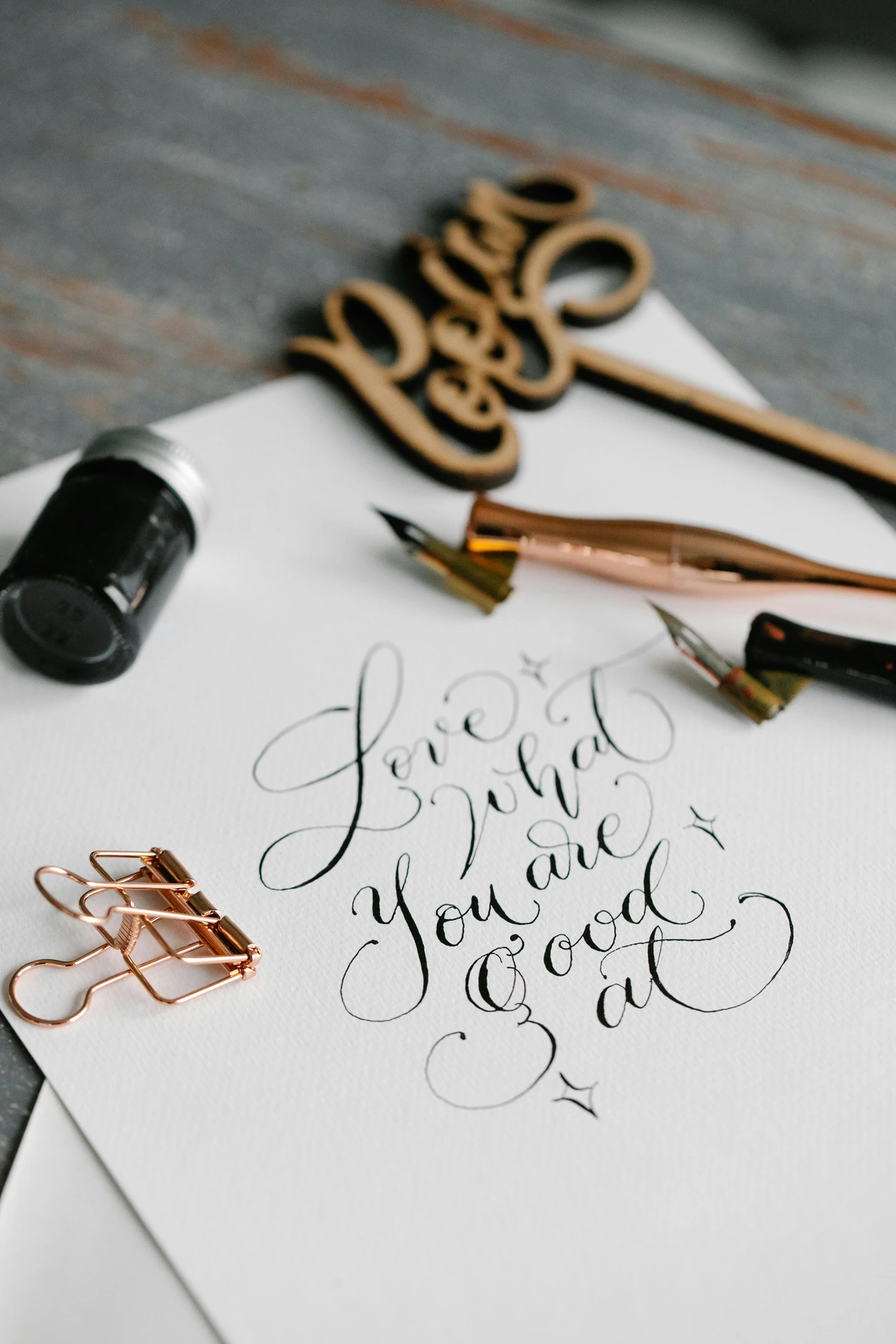
Overcoming the Blank Page: Tips for Beginners
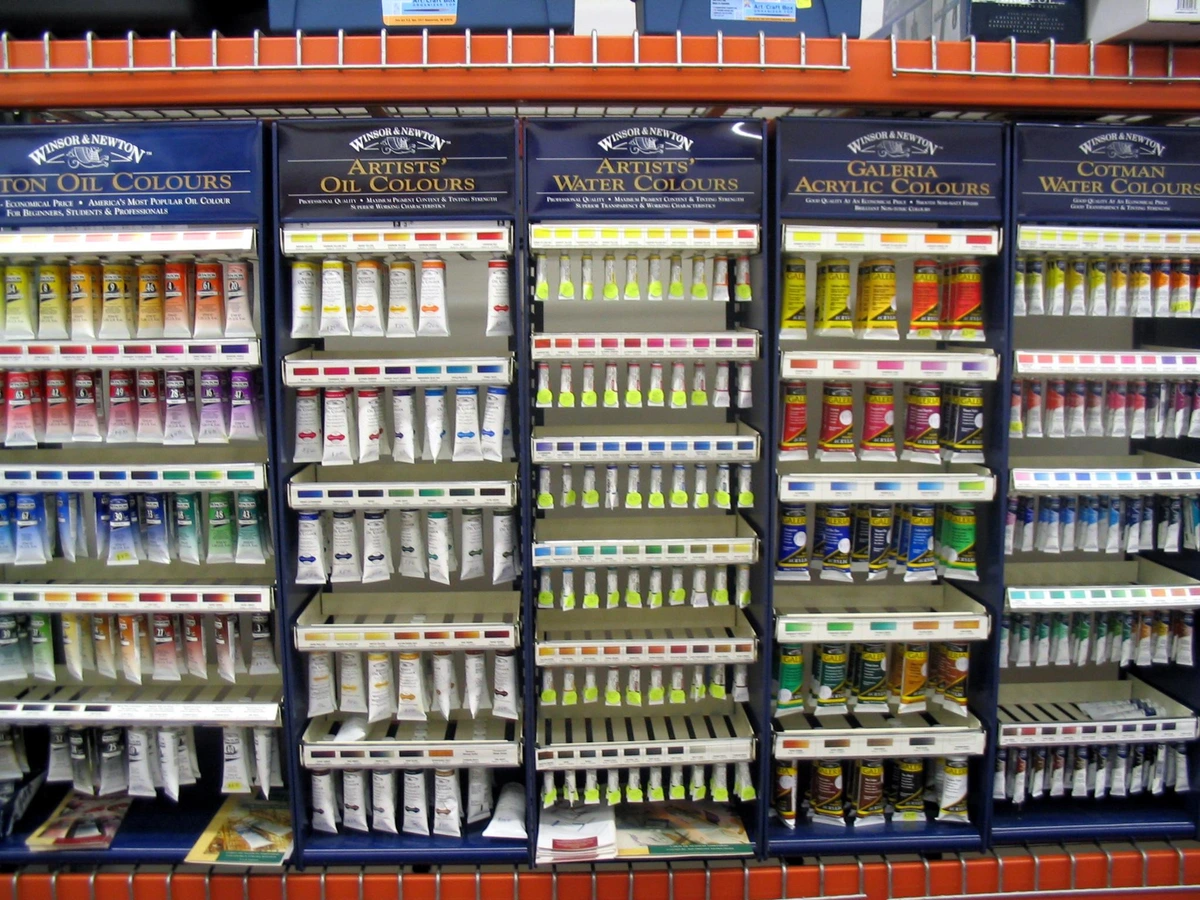
The empty page can sometimes feel like a vast, terrifying desert, right? I've been there, staring at a pristine white surface, completely frozen. But honestly, that's where the real fun begins! Think of the blank page not as an expectation, but as an invitation. Here are a few strategies to get started, especially when that inner critic is being particularly loud:
- Morning Pages / Freewriting (My Secret Weapon!): Before you even think about putting paint to paper, try this: grab a separate pen and paper (or open a digital document) and just write. Don’t censor yourself, don’t think about grammar, just let whatever thoughts are swirling in your head pour out onto the page for 5-10 minutes, or even just three pages, whatever comes first. This isn't for your art journal necessarily, but it's an incredible way to clear your mental clutter, silence that inner critic, and warm up your creative brain before you even touch your art supplies. I find it really helps quiet that pesky voice that tells me I'm not good enough, and sometimes I even discover ideas for my journal in the ramblings! It's like a mental detox, preparing your mind for the creative adventure ahead, and often unearthing unexpected sparks of inspiration.
- Embrace Imperfection (Seriously, It's Liberating!): Look, I get it. The blank page can feel like it's silently judging you, demanding perfection, and that pressure can be paralyzing. But here’s the secret: your art journal is your space. It’s not for Instagram, it’s not for a critique, and it certainly isn't for a gallery. Every "mistake" is just an opportunity for discovery, a chance to cover it up with collage, or paint over it and start anew. This is your personal sandbox to play in, mess up, and explore without an ounce of self-judgment. Let go of the need for everything to be "good" and just create. I promise, the most interesting pages often come from happy accidents and the courage to keep going, even when things look a bit wonky! I've found that some of my favorite, most authentic pages are the ones where I fully surrendered to the mess and let go of trying to control the outcome. It's truly a liberating experience.
- Start Small: Begin with a simple doodle, a single word, or just a dab of paint to break the initial inertia. Sometimes, all it takes is one small mark to unlock a whole page of creativity. Don't overthink it; just make a mark. I often start by just swatching a few colors that appeal to me that day – it's a no-pressure way to get paint on the page and get the creative juices flowing, and often those swatches turn into beautiful backgrounds or color inspiration for the whole spread!
- Use Prompts (Your Creative Nudge!): Prompts can be invaluable in overcoming creative inertia, providing a gentle starting point when the blank page feels daunting. They serve as friendly nudges, guiding you into exploration without dictating the outcome. I find them particularly useful when my brain feels a bit empty, like a gentle kickstart to my imagination. Think of them as jumping-off points, not rigid instructions – your interpretation is what makes it yours.Here are a few varied prompts to spark your imagination:
- "Illustrate a dream you recently experienced, or a recurring dream theme. What colors and shapes dominate?"
- "Create a visual representation of a favorite song or piece of music – what do the lyrics look like? What textures would its rhythm have?"
- "Choose a single color and dedicate a page to exploring its nuances and emotional associations. What feelings does it evoke for you, and how can you express those visually?"
- "Create a visual representation of a daily routine, highlighting moments of joy or challenge. From your morning coffee to your evening wind-down, what unexpected beauty can you find?"
- "Focus on a single object in your environment and draw it from three different perspectives. A coffee cup, a plant, a stapler – really see it, notice every subtle curve and shadow."
- "Respond to a piece of music or a poem by translating its mood and imagery onto the page. Let the rhythm guide your brushstrokes, and the words inspire your palette."
- "Explore the concept of 'growth' or 'transformation' using abstract shapes and colors. How does change feel and look on your page?"
- "Dedicate a page to a feeling you're currently experiencing, using only colors and abstract forms. Don't worry about 'making sense,' just express it, letting the emotions flow freely."
- "Engage in a mindful moment by sketching an object, focusing on its contours and shadows, as described in Mindful Moments: How Abstract Art Can Be a Gateway to Inner Peace and Reflection."
- "Design a 'mood board' for your week using colors, shapes, and snippets that represent your aspirations. What do you want to feel, and how can you visually manifest that energy?"
- "Create a visual narrative of a journey you've taken, real or imagined. From your kitchen to outer space, what would the landscape look like? The key is to pick something that genuinely excites you and offers plenty of room for creative interpretation. I once did a series where each page was dedicated to a different emotion I felt throughout a single day – it was surprisingly revealing! Or maybe a "Color Exploration" series where each page focuses on a different hue, or a "Dream Journal" where you translate your nocturnal adventures into visual narratives. Whatever you choose, let it be something that genuinely sparks your curiosity and makes you want to explore.
- "Visually depict your greatest aspiration or a future dream. What does your happiest future self look like, and what colors surround them? What symbols represent your desires?"
- "Pick a single word – like 'joy,' 'chaos,' or 'serenity' – and dedicate a page to exploring its visual and textual representation. How does that word feel on the page, and what textures come to mind? How can you make the word itself an art element?"
- Listen to Music: Curating a playlist of instrumental music, ambient sounds, or specific genres that evoke desired emotions can significantly influence the creative process. Music can set a mood, inspire imagery, and help silence the inner critic, allowing for a more fluid and intuitive flow of ideas onto the page. I often have a specific playlist for different moods I want to explore, from upbeat indie tunes for energetic collages to calming classical music for reflective painting. It's like having a co-pilot for your creative journey, guiding your hand without giving direct instructions. Sometimes, I even create a page about a piece of music, translating its rhythm and emotion into color and form.
- Use a Limited Color Palette: If overwhelmed by choice (and who isn't by the sheer number of beautiful paints out there?), select a limited color palette of 3-5 colors to work with for a page or a series of pages. This constraint can paradoxically foster creativity, guiding color decisions and promoting harmonious compositions without the paralysis of too many options. Sometimes fewer choices lead to more interesting solutions, trust me! I've found that when I restrict my color choices, I'm forced to be more inventive with how I use them, leading to some truly unexpected (and beautiful!) results and helping me discover new color combinations I might not have tried otherwise. It’s like a mini-challenge that sparks innovation!
- Play and Experiment: Treat each page as an experiment. Mix media, make messes, and discover what feels authentic and enjoyable. There's no right or wrong, only exploration, only discovery. Think of your journal as a laboratory for your imagination – the messier, the better, sometimes! I've had some of my most exciting breakthroughs when I just let go and played without any agenda, allowing happy accidents to lead the way.
- Timed Sessions: If faced with creative block, set a timer for 10 or 15 minutes. The gentle pressure of a time limit often helps silence the inner critic and encourages spontaneous creation. The objective is simply to create something, anything, within the allotted time. I find this especially helpful when I feel overwhelmed – just 10 minutes, and then I can stop, no strings attached. It's amazing how much you can get done, or at least get started on, in that short burst of focused play, and often those 10 minutes will turn into a much longer, fruitful session once the momentum builds.
- No Rules (Seriously, none!): The most important principle of art journaling is the absence of rigid rules. It is a deeply personal practice designed for individual freedom and expression. This is your space, your rules. Break them, invent new ones, or have no rules at all! I once glued an entire piece of toast to a page (don't ask, it was a moment of pure inspiration!), just to see what would happen. That's the kind of glorious freedom I'm talking about! Don't let anyone (especially not your inner critic) tell you what art journaling "should" be. It's whatever you make it.
Inspiration can be found everywhere: in nature, everyday objects, conversations, or even dreams. Keeping an open mind and a curious spirit will continually feed your art journal with fresh ideas and perspectives. Don't wait for inspiration, just show up!
Sustaining Your Practice: Beyond the Basics
Establishing a consistent art journaling practice is key to reaping its full benefits. It's not about spending hours every day, but rather about creating a regular habit, even if it's just for a few minutes. This dedication fosters continuous creative development and deepens the introspective journey. Like any mindful practice, consistency over intensity yields greater rewards.
Sustaining Your Practice: Beyond the Basics
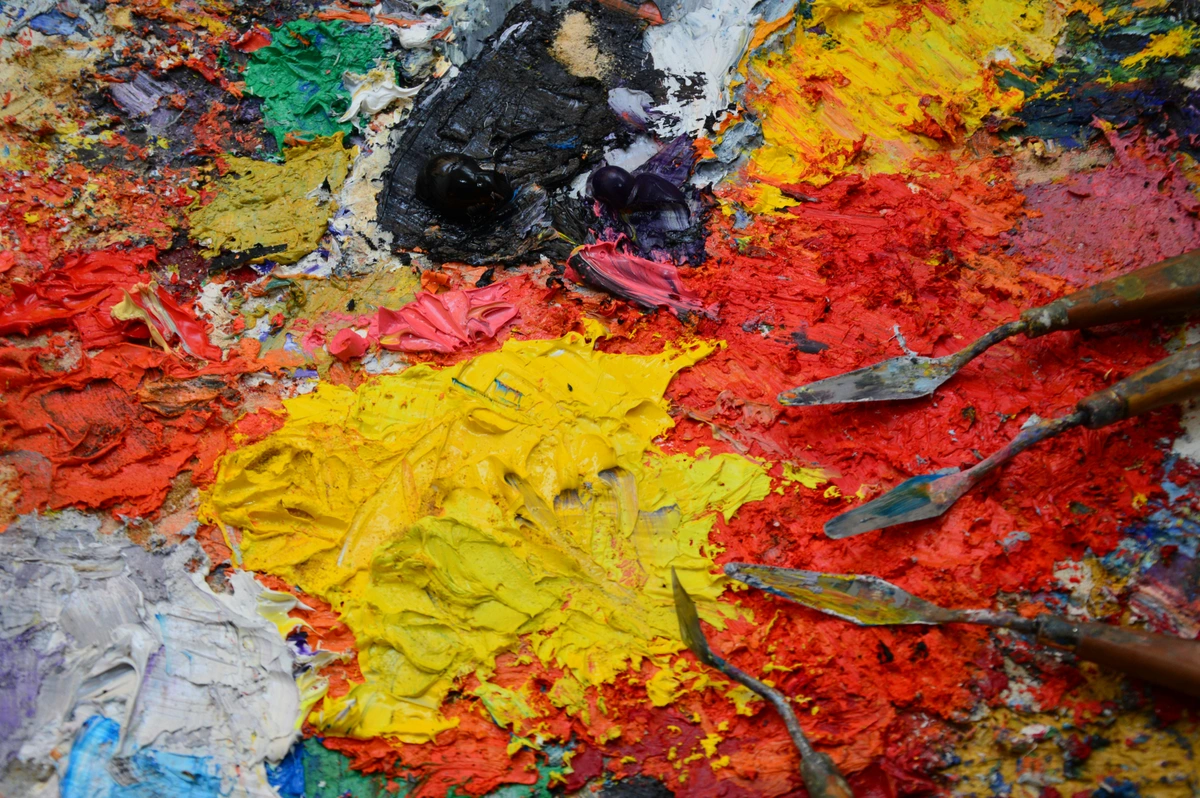

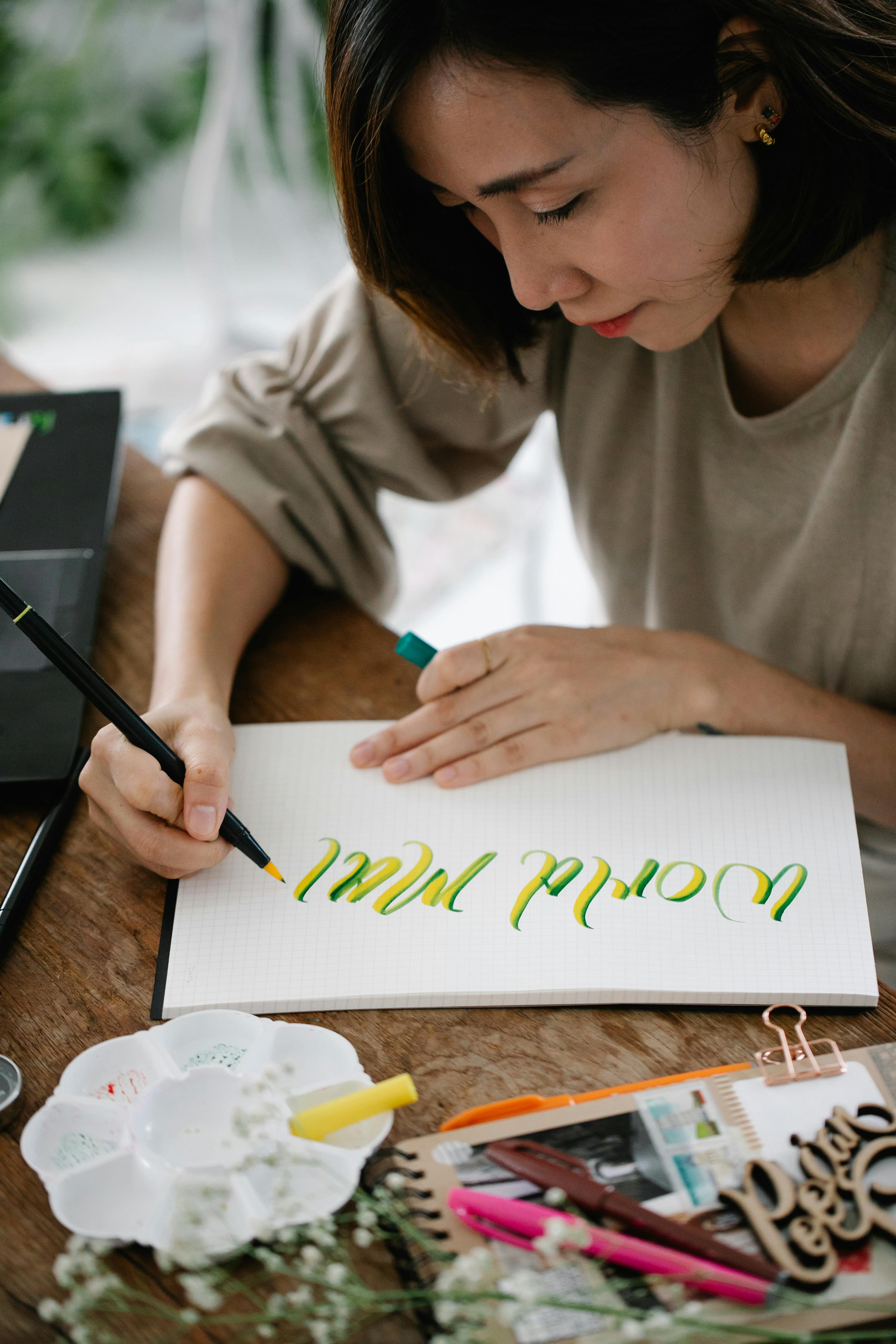
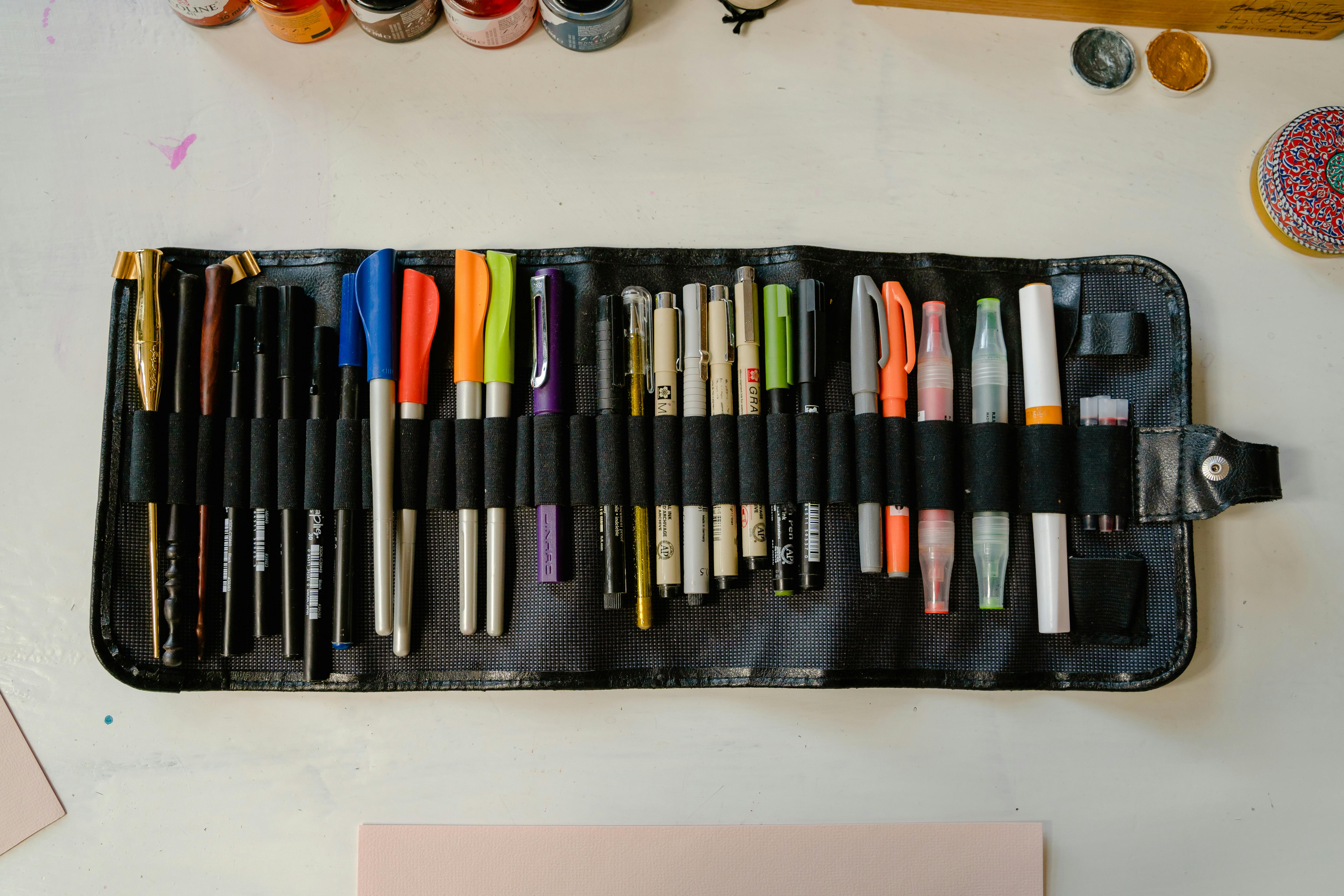

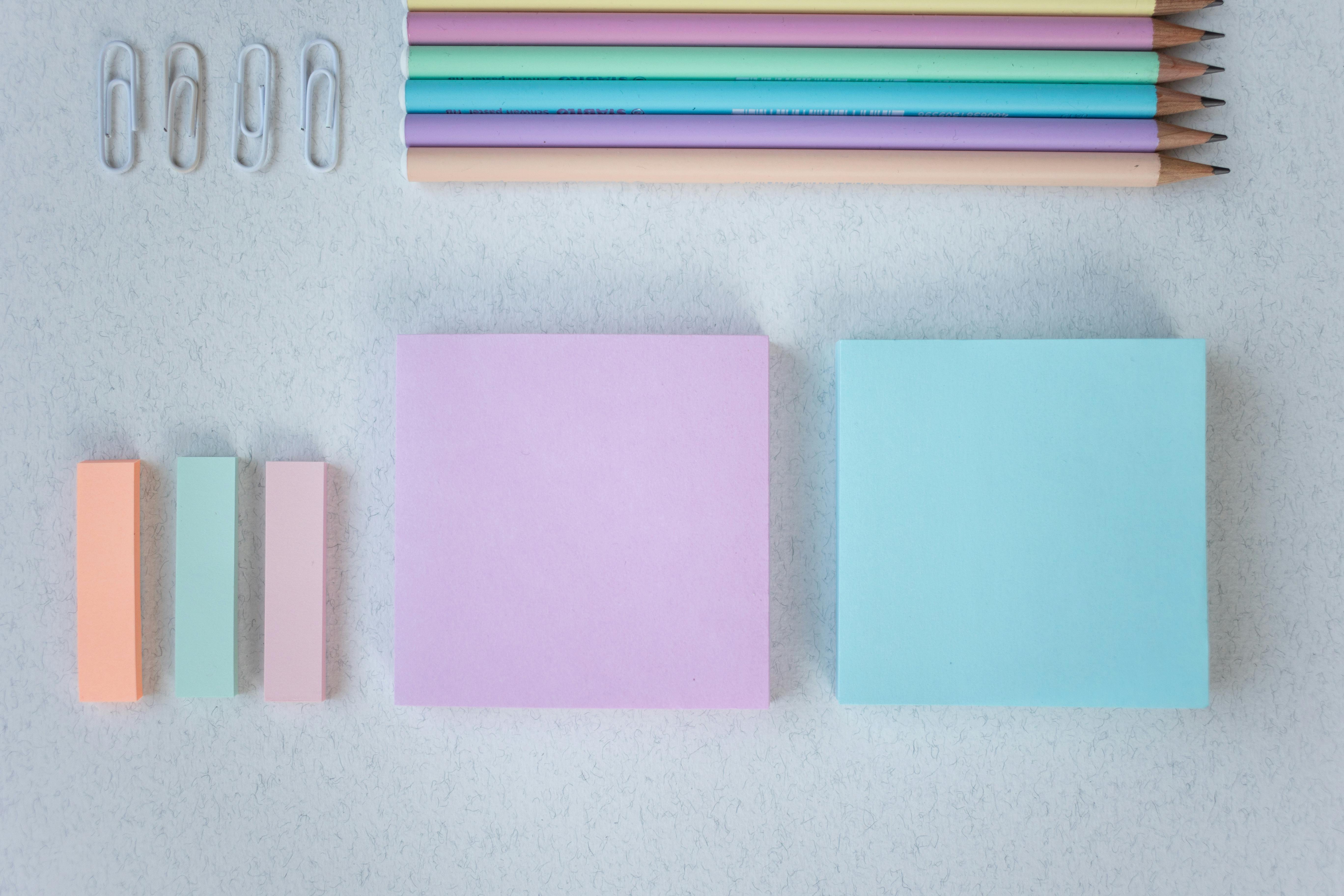
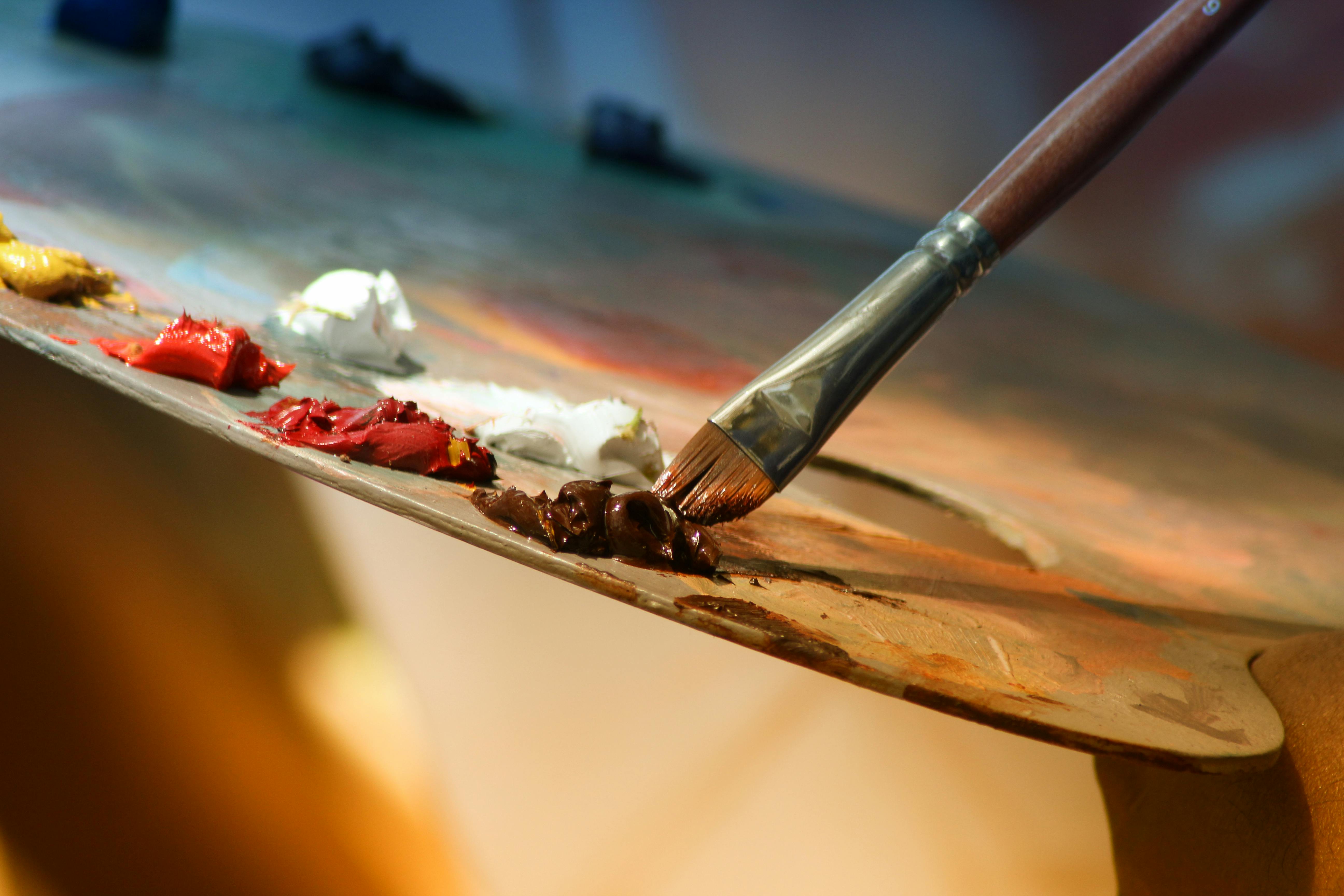
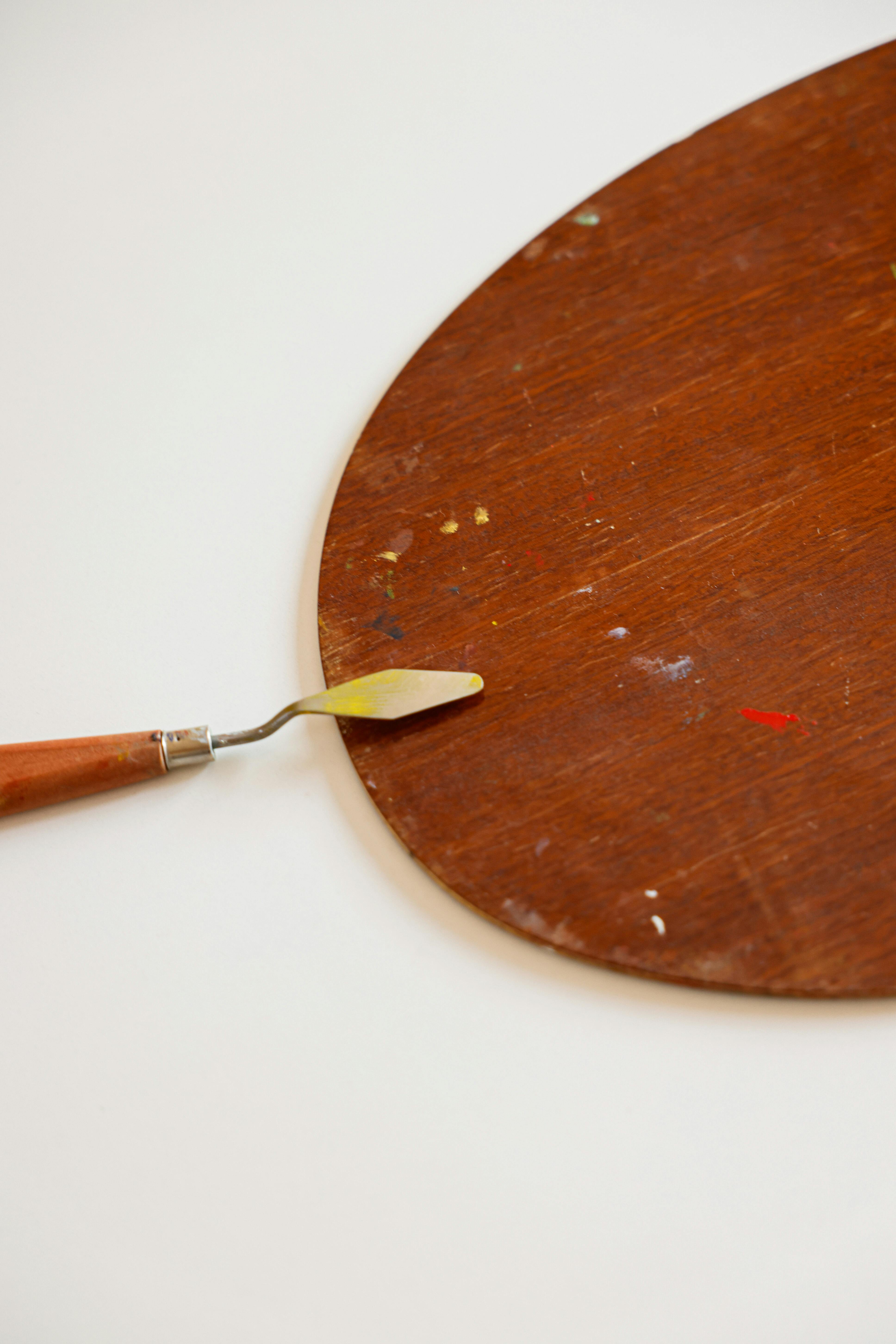


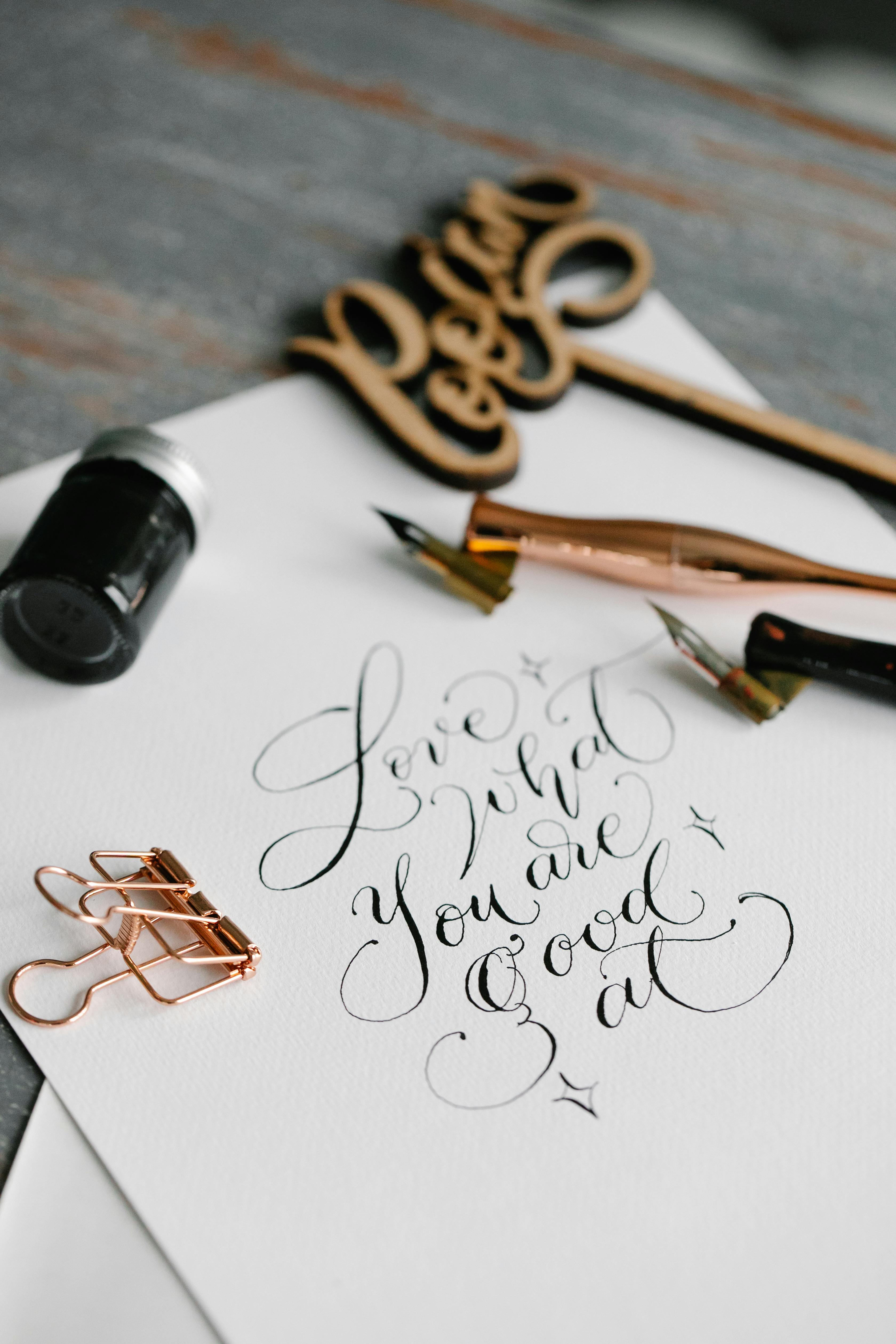


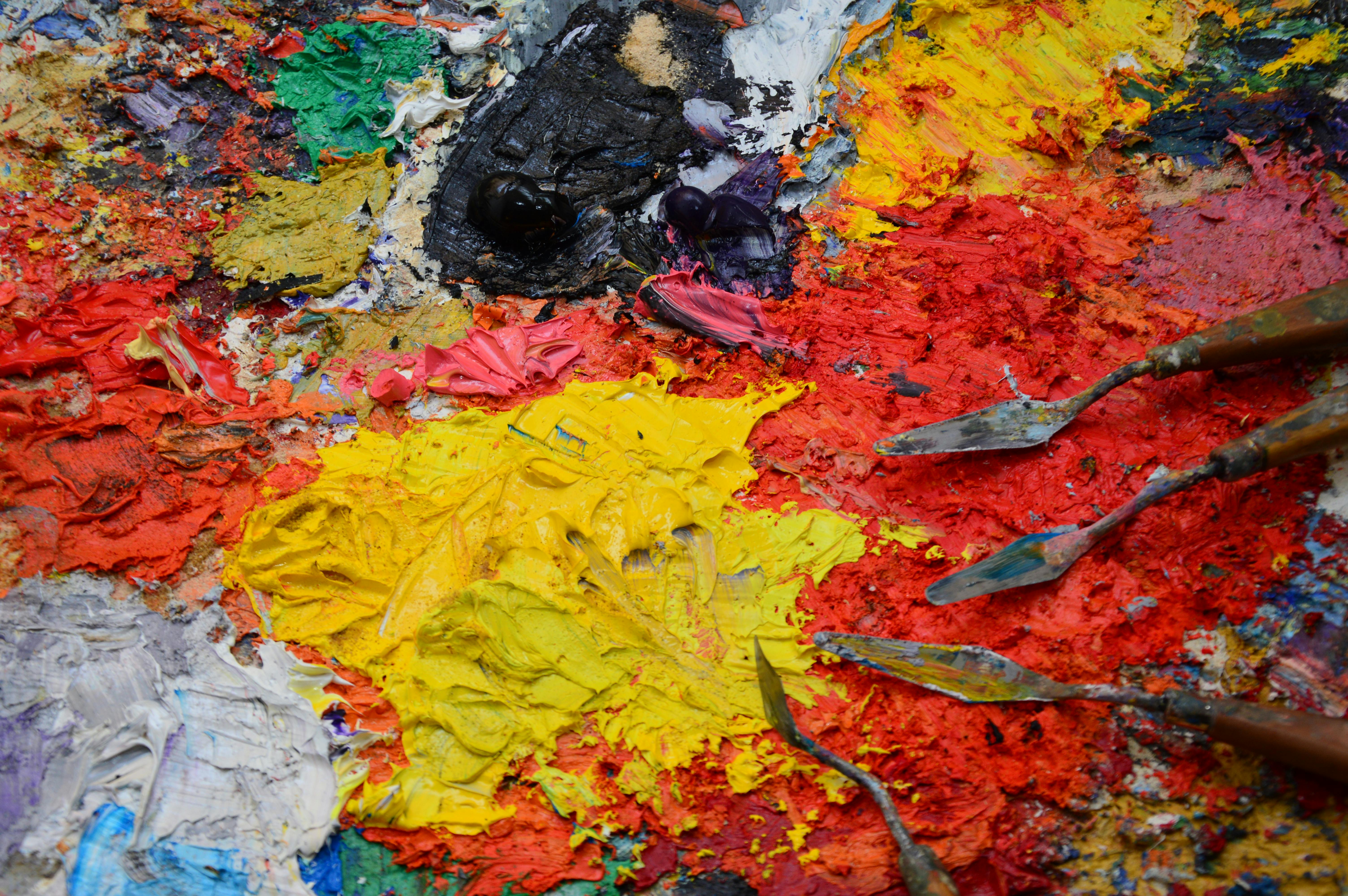
Reflecting on Your Journey
Beyond the act of creation itself, one of the most powerful aspects of art journaling is the opportunity for reflection. I find that periodically flipping through my completed journals is like having a conversation with my past self, seeing all the wild and wonderful things I've experienced. You'll notice patterns, see your artistic growth, and gain incredible insights into your emotional journey. It's a tangible record of where you've been, what you've felt, and how you've evolved. Take time to revisit older pages, read your past entries, and see how far you've come. It’s an amazing way to practice self-compassion and acknowledge your progress, both artistically and personally. I've been genuinely surprised by how much I've grown, not just in my art, but as a person, just by looking back at what I poured onto those pages. It's like having a wise old friend who reminds you of your own resilience.
Journaling Prompts for Continued Inspiration
For moments when inspiration wanes (and trust me, it happens to all of us!), a curated list of journaling prompts can serve as a valuable resource, guiding the creative process without imposing rigid structure. These prompts act as gentle invitations to explore specific themes, emotions, or observations. Examples include: "Visually represent a recent dream – what colors and shapes did you see?", "Create a page dedicated to a significant memory from childhood, focusing on the sensory details,", "Explore the concept of 'change' using abstract forms and colors – how does it feel visually?", or "Dedicate a spread to a person who inspires you, incorporating their qualities visually." Further prompts might include "Illustrate a favorite quote, making the words themselves part of the art," "Create a visual mood board for the week ahead, setting intentions with colors and symbols," "Document a specific sound or scent, translating it into an abstract visual," or "Explore gratitude through abstract shapes and colors, building a visual thank-you note." Regularly engaging with prompts can help diversify artistic approaches, deepen introspection, and ensure a continuous flow of fresh ideas into the art journal, making sure your well of creativity never runs dry.
Developing a Consistent Practice
Establishing a consistent art journaling practice is recognized as a cornerstone for maximizing its benefits. This consistency is not contingent upon prolonged daily sessions but rather on creating regular engagement, even if for only a few minutes. It can be conceptualized as nurturing a creative habit, where small, frequent contributions are more impactful than sporadic, intensive efforts. Integrating art journaling into existing daily routines—such as during a morning coffee ritual, a lunch break, or a quiet period before bedtime—can significantly reduce the friction associated with starting. Maintaining a readily accessible journal and a selection of preferred supplies further streamlines this process. Acknowledging that creative blocks are a universal experience, strategies for overcoming them include reviewing past journal entries for inspiration, experimenting with unfamiliar materials or techniques, dedicating a "messy page" where uninhibited experimentation is encouraged, or engaging in simple warm-up exercises like doodling or color swatching, thereby reactivating the creative flow. Celebrating small accomplishments and focusing on the process rather than a perfect outcome also fosters consistency. Remember, even 10 minutes of playful exploration is a win! I often find that just opening my journal and doing one small thing – a splash of color, a quick sketch, or gluing down a single piece of ephemera – is enough to get the creative juices flowing, and often those 10 minutes turn into 30 or 40. It's about showing up for yourself, even when you don't feel like it. Try linking it to an existing habit, like having your journal open while you drink your morning coffee, or dedicating a few minutes before bed. I've learned that consistency isn't about perfection, it's about presence and building that gentle ritual. And honestly, those little moments of creative freedom can be the best part of a busy day, offering a much-needed pause and a space to simply be.
Engaging with the Art Journaling Community
While art journaling remains a profoundly personal endeavor, its practice is also significantly enriched by engagement with the vibrant global community that surrounds it. Online platforms such as Instagram, Pinterest, and dedicated Facebook groups serve as bustling hubs where art journalers share their completed pages, demonstrate techniques, and offer mutual encouragement. Participating in this community can provide invaluable support, expose individuals to a seemingly endless array of novel techniques and stylistic approaches, and reinforce the universal appeal and accessibility of this creative outlet. Beyond simply sharing work, engaging in online challenges, collaborative projects, or virtual workshops can further deepen one's artistic journey. Contributing to this collective space, even by sharing modest aspects of one's creative journey, can foster significant connections, spark new inspirations, and deepen one's sense of belonging within the broader art journaling ecosystem. I’ve personally learned so many new techniques and found incredible encouragement just by browsing Instagram hashtags like #artjournal or #mixedmediajournal. It’s like having a global art club at your fingertips! Beyond Instagram, platforms like Pinterest are a goldmine for visual inspiration, and dedicated Facebook groups offer a supportive space for sharing and asking questions. Sharing your work (if you're comfortable!) can open you up to a whole world of inspiration and connection, reminding you that you're part of something bigger and that your unique voice is valued. It's a wonderfully diverse and welcoming community. I've even participated in online art journal swaps, which is a fantastic way to connect and get inspired by others' styles.
Journaling Themes and Series
The inherent freedom of an art journal, while liberating, can occasionally lead to a sense of overwhelm – so many possibilities, where do you even start?! In such instances, adopting a specific theme or initiating a series can serve as a guiding compass for creative exploration, providing focus without stifling individual expression. For example, a "Gratitude Journal" could visually document moments and elements for which one is thankful, using specific colors or motifs to represent positive emotions, becoming a beautiful visual reminder of life's blessings. A "Travel Journal" offers a rich platform to capture the essence of journeys through sketches, ephemera, and photographs, perhaps incorporating maps or ticket stubs to tell the story of your adventures. A "Dream Journal" provides a fascinating avenue for exploring the subconscious realm through visual and textual representation, translating abstract imagery into tangible forms, making sense of the mysteries of the night. The thematic possibilities are indeed boundless, encompassing concepts such as "Color Exploration," "Nature Studies," "Self-Portraiture," "Mindful Moments," or even exploring specific emotions like joy, sorrow, or wonder. Engaging with themes or series facilitates in-depth exploration of specific ideas, contributes to the development of a cohesive body of work, and offers a structured starting point when faced with the initial intimidation of a blank page. Think of a "Color Exploration" series where each page focuses on a different hue, or a "Dream Journal" where you translate your nocturnal adventures into visual narratives, using symbols and abstract forms. You could also do a "Daily Gratitude" journal, visually capturing one thing you're thankful for each day, or a "Nature Study" where you focus on drawing and observing elements from the natural world. The key is to pick something that genuinely excites you and offers plenty of room for creative interpretation, giving your practice a delightful sense of direction. I once did a series where each page was dedicated to a different emotion I felt throughout a single day – it was surprisingly revealing and helped me process a lot, becoming a visual diary of my emotional landscape!
Common Misconceptions About Art Journaling
Before we wrap things up, let's tackle a few myths I hear all the time. Trust me, I had some of these misconceptions myself when I started, and they totally held me back!
Myth 1: You Have to Be an "Artist"
This is, hands down, the biggest barrier for most people. I can't tell you how many times I've heard, "Oh, I'm not artistic," or "My drawings look like a five-year-old did them." And guess what? That's okay, and frankly, it's often preferred! Art journaling isn't about producing gallery-worthy masterpieces; it's about the process, the exploration, and the self-discovery. If your five-year-old self would have loved making that page, then you're doing it absolutely right! It's about expression, not perfection. Your journal is a judgment-free zone, a private space where messy lines and childlike scribbles are celebrated, I promise. It's where your inner five-year-old artist can run wild and create without a single worry about what anyone else thinks – and that's pure joy. My own journal often looks like a kindergarten art project, and I wouldn't have it any other way!
Myth 2: It Takes Too Much Time
Oh, the classic time crunch! We're all busy, I get it. But art journaling doesn't demand hours of your day. Even 10-15 minutes a few times a week is incredibly beneficial. Think of it like a micro-meditation or a creative snack – a little moment just for you. I often squeeze in a quick session during my lunch break, while my coffee is brewing, or even just before I go to bed. It’s about consistency over duration. A little bit often is far more effective (and less intimidating!) than waiting for that elusive "perfect" block of time that, let's be honest, rarely appears. Just show up, even for five minutes; you'd be surprised what you can accomplish in that short burst of creative freedom, even if it's just laying down a wash of color!
Myth 3: You Need Expensive Supplies
My wallet initially recoiled at the thought of all the fancy paints and brushes! But here’s the wonderful truth: art journaling can be incredibly budget-friendly. You can start with a simple notebook (even a school exercise book!), a ballpoint pen, and some old magazines or recycled papers for collage. I've made some of my favorite pages using found objects from nature, junk mail, or even old packaging. The most important "investment" is your time and willingness to experiment, not your wallet full of expensive art supplies. So don't let the idea of needing expensive tools hold you back from diving in – your creativity and willingness to play are the only essential supplies you truly need! I've made some of my favorite pages with nothing more than a pen, some old newspaper, and a bit of leftover coffee – yes, coffee can be paint! Seriously, creativity doesn't need a hefty price tag, and often the most unique pages come from using everyday, found objects.
Frequently Asked Questions
How do I choose a theme for my art journal?
Choosing a theme can add focus and depth to one's art journaling practice. Individuals might consider what currently resonates with them: a particular emotion, a concept being explored, a personal goal, or an aspect of daily life. Themes can range from broad concepts like "Growth" or "Transformation" to specific areas such as "Morning Rituals" or "Colors of the Week." Reflection on what sparks curiosity or what one wishes to document or process will guide this choice. The most effective themes are those that genuinely interest the practitioner and offer ample room for both visual and textual interpretation, providing a fertile ground for creative exploration. I often start by simply asking myself, "What's on my mind right now?" or "What emotion is strongest for me today?" – those personal connections almost always lead to the most meaningful themes.
Do I need to be an artist to art journal?
Absolutely not! This is perhaps the biggest misconception, and one that held me back for far too long. Art journaling is accessible to everyone, regardless of prior artistic skill or experience. The practice emphasizes expression, self-discovery, and the creative process itself, rather than the production of technically perfect or museum-worthy pieces. Its value lies in the personal journey and the insights gained, making it an inclusive practice for all. If you can make a mark, you can art journal – it’s that simple. And trust me, your "imperfect" lines and colors are what make your journal uniquely you, telling your story in a way no one else can. Don't let a lack of formal training stop you; your unique perspective is what truly matters.
What if I run out of ideas?
Oh, the dreaded creative slump! We've all been there, staring at a blank page with absolutely nothing coming to mind. When this occurs, several strategies can be employed. Revisit old journal entries or sketchbooks for dormant ideas. Seek inspiration from external sources such as nature, books, music, or online art communities. Engage with journaling prompts, either pre-made or self-generated, as these can provide a gentle starting point. Experiment with a new medium or technique that is outside the usual comfort zone. Sometimes, simply making a "messy page" without any specific intention can re-ignite the creative spark by focusing on process rather than product. Engaging in creative warm-ups, such as blind contour drawing or automatic writing, can also help loosen up and invite new ideas. Consistency in practice often generates its own ideas, building a rich internal wellspring of inspiration. I often find that just starting something, anything, even a single scribble, is enough to break the spell and get the ideas flowing.
Running out of ideas is a common experience for many creatives. When this occurs, several strategies can be employed. Revisit old journal entries or sketchbooks for dormant ideas. Seek inspiration from external sources such as nature, books, music, or online art communities. Engage with journaling prompts, either pre-made or self-generated, as these can provide a gentle starting point. Experiment with a new medium or technique that is outside the usual comfort zone. Sometimes, simply making a "messy page" without any specific intention can re-ignite the creative spark by focusing on process rather than product. Engaging in creative warm-ups, such as blind contour drawing or automatic writing, can also help loosen up and invite new ideas. Consistency in practice often generates its own ideas, building a rich internal wellspring of inspiration.
What kind of journal should I use?
A mixed media sketchbook with sturdy paper, typically 150gsm (grams per square meter) or higher, is recommended as it can withstand various wet and dry materials without buckling or bleeding through. Considerations for paper surface (smooth vs. textured), binding (spiral-bound for flat opening, sewn-bound for durability), and size should align with individual preferences and intended uses, such as a portable journal for travel or a larger one for extensive mixed media work. Ultimately, the "best" journal is the one you actually use and feel comfortable experimenting in. Don't overthink it, just pick one that calls to you and start making marks!
Is there a right or wrong way to art journal?
A fundamental principle of art journaling is that there is no singular "right" or "wrong" way to engage with the practice. It is inherently a personal and intuitive journey, designed to facilitate individual expression and self-discovery. The absence of rigid rules encourages experimentation, embraces imperfections, and prioritizes the process of creation over the attainment of a predefined aesthetic outcome. Each art journal is a unique reflection of its creator, and its value lies in its authenticity and the insights it provides, rather than in adherence to external standards or expectations. This philosophy encourages freedom, spontaneity, and a genuine connection to one's inner creative voice. My journal is a chaotic wonderland of scribbles, paint splatters, and deep thoughts, and it’s perfectly "right" for me!
Is art journaling expensive?
Absolutely not! While you can invest in fancy supplies (and trust me, I've fallen down that rabbit hole a few times!), the beauty of art journaling is that it can be incredibly budget-friendly. You can start with a simple notebook, a ballpoint pen, and some old magazines or recycled papers for collage. Many art journalers thrive on using found objects and repurposed materials – I've made some of my favorite pages with junk mail and packaging! The most important "investment" is your time and willingness to experiment, not your wallet. So don't let the idea of needing expensive tools hold you back from diving in – your creativity is the most valuable supply you own! My favorite "expensive" supply is usually a good cup of coffee while I create, which is a much more worthwhile investment!
How often should I art journal?
Consistency is often considered more important than duration in art journaling. Even dedicating 10-15 minutes a few times a week can be profoundly beneficial. The primary goal is to establish a regular creative habit, allowing for continuous engagement with the practice and fostering ongoing self-discovery and artistic growth. This approach minimizes pressure and maximizes the long-term rewards of art journaling. I often find that those little bursts of creativity, even just five minutes, can be the most potent for clearing my head and sparking new ideas for the rest of my day.
Can I include private thoughts in my art journal?
An art journal serves as a deeply personal space, and its content can be as private or as public as the individual chooses. Many practitioners find it profoundly therapeutic to explore intimate thoughts, complex feelings, and personal narratives within its pages, utilizing visual and textual elements to process experiences in a safe and uninhibited environment. The journal becomes a confidential confidante, allowing for unvarnished self-expression. Think of it as your most trusted friend, one who never judges and always listens through your colors and words. My journal has seen some truly wild and wonderful things, and I wouldn't have it any other way! In fact, some of my most profound insights have come from visually articulating thoughts I couldn't quite put into words.
Can I use found objects in my art journal?
Art journaling thrives on the incorporation of found objects. Elements such as old buttons, fabric scraps, leaves, pressed flowers, tickets, packaging, or anything that captures attention and can be securely adhered to a page are highly suitable. These objects add unique texture, provide a sense of history, and infuse the work with a deeply personal touch, transforming ordinary items into meaningful artistic components. They encourage resourcefulness and an attentive engagement with the everyday environment. I've found some of my most inspiring elements during a simple walk in the park or a trip to the grocery store – keep your eyes open, and you'll be amazed at what treasures you find! My personal favorites include old stamps, pretty packaging, and even dried flowers I've collected on walks. Don't underestimate the artistic potential of everyday discarded items!
How do I deal with "ugly" pages?
Oh, the dreaded "ugly" page! We've all been there, staring at a spread that just doesn't feel right, feeling that little voice whisper, "You've ruined it." The best advice I can give you is to redefine "ugly" as "unfinished" or "an opportunity." Slap some gesso over it and start again, collage over the parts you don't like, or lean into the chaos and see what unexpected beauty emerges. Sometimes, the most interesting pages are born from trying to "fix" something that didn't go as planned, revealing layers of resilience and creativity. Remember, your journal isn't a performance; it's a playground! I've even had pages that I hated for weeks, only to revisit them with fresh eyes and find exactly what they needed to become something beautiful, proving that persistence and a willingness to play can transform anything. Patience and playfulness are key here, and remember that every "ugly" page is a step towards your next beautiful one.
What if I make a "mistake"?
Oh, the dreaded "mistake"! We all make them, and I've certainly had my fair share of unintended splatters and wonky lines – sometimes a whole page feels like one big "oops"! But within the context of art journaling, the concept of a "mistake" is completely reframed as an "opportunity for discovery" and creative redirection. Instead of viewing imperfections as errors, I encourage you to embrace them, cover them up with new layers of paint or collage, or ingeniously integrate them into the existing piece. These unexpected turns are integral to the creative journey, often leading to unforeseen and enriching outcomes that would not have emerged through a rigid pursuit of perfection. Remember, there's no "undo" button in life, but in your art journal, every "oops" is just an invitation to innovate and create something even more interesting! I've often found that some of my most cherished pages started with something I thought was a disaster, only to be transformed into something truly unique and full of character. It's like the page is telling you, "Keep playing, you're on the right track!"
Conclusion
Art journaling is a wonderfully accessible and profoundly rewarding practice that invites individuals to blend art and introspection. It offers a unique pathway to self-expression, mindfulness, emotional processing, and creative growth, all within the comforting confines of a personal book. From its rich historical roots and fundamental defining characteristics to its contemporary digital forms, and from basic essential materials to advanced mixed media techniques and strategies for sustained practice, art journaling provides an expansive canvas for the soul. For beginners, the journey starts with an open mind, a willingness to experiment, and a simple journal. Embrace the process, let go of perfectionism, and explore the boundless possibilities. Allow your pages to become a vibrant, evolving testament to your inner world and creative spirit. Remember, this isn't about being an "artist" in the traditional sense; it's about being human, expressing yourself, and finding joy in the messy, beautiful act of creation. So, what are you waiting for? Your journal is calling, and a whole world of self-discovery awaits! Go on, make some glorious messes.