The Paint Film: Art's Enduring Skin, Chemistry & Conservation - The Ultimate Guide
Unlock the paint film's complex chemistry, historical evolution, and its vital role in art longevity. From pigment load to preservation, this authoritative guide reveals art's resilient, living skin.

The Paint Film: Art's Enduring Skin, Chemistry, and Conservation – Your Ultimate Guide
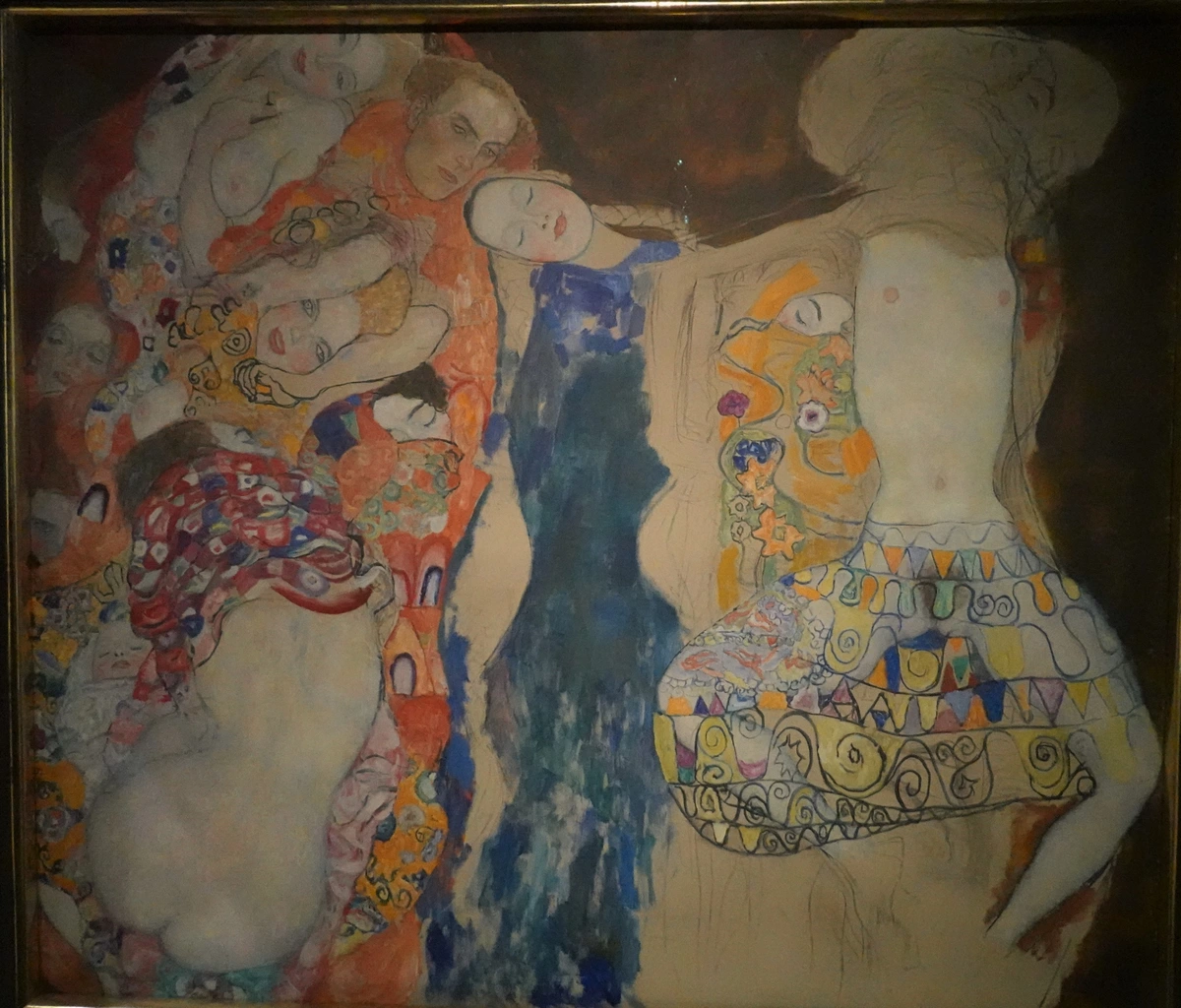
What if I told you that every painting you've ever admired, from a vibrant contemporary abstract to a centuries-old Renaissance portrait, possesses a hidden, living skin? A delicate yet incredibly resilient layer that's constantly battling time, environment, and even its own chemistry? As a curator, when I stand before an artwork, I see more than just colors and shapes; I see a profound dance of chemistry and artistic vision, all held together by the seemingly simple, yet dynamically complex, paint film. It's the artwork's literal epidermis, a continuous layer cradling every pigment, capturing every gesture, and standing as a silent guardian, preserving the artist's intention for generations. And I promise you, once you truly understand this skin – once you start noticing the subtle sheen variations, the micro-textures, or the intricate maps of age-old cracks – you'll never look at a painting the same way again.
For the casual observer, it might seem just color on a surface. But for me, this isn't just paint; it's a hidden universe of molecular ballet and enduring human expression. This realization struck me profoundly years ago when I was studying a cracked Renaissance panel painting under raking light. The intricate network of craquelure, usually seen merely as a sign of age, suddenly spoke to me of the wood's subtle shifts over centuries, the painter's specific oil mixture, and the very air of Florence that had touched it. It was then I truly grasped the paint film not just as a medium, but as a living, breathing historical document—a testament to material science and enduring human expression. It’s a marvel, truly. Understanding this isn't just a technical exercise for conservators; it's a profound journey into the sheer materiality of art. It’s the essential bridge between an artist's fleeting impulse and the enduring object you see before you.
Deconstructing the Paint Film: The Inner Workings of Color and Glue
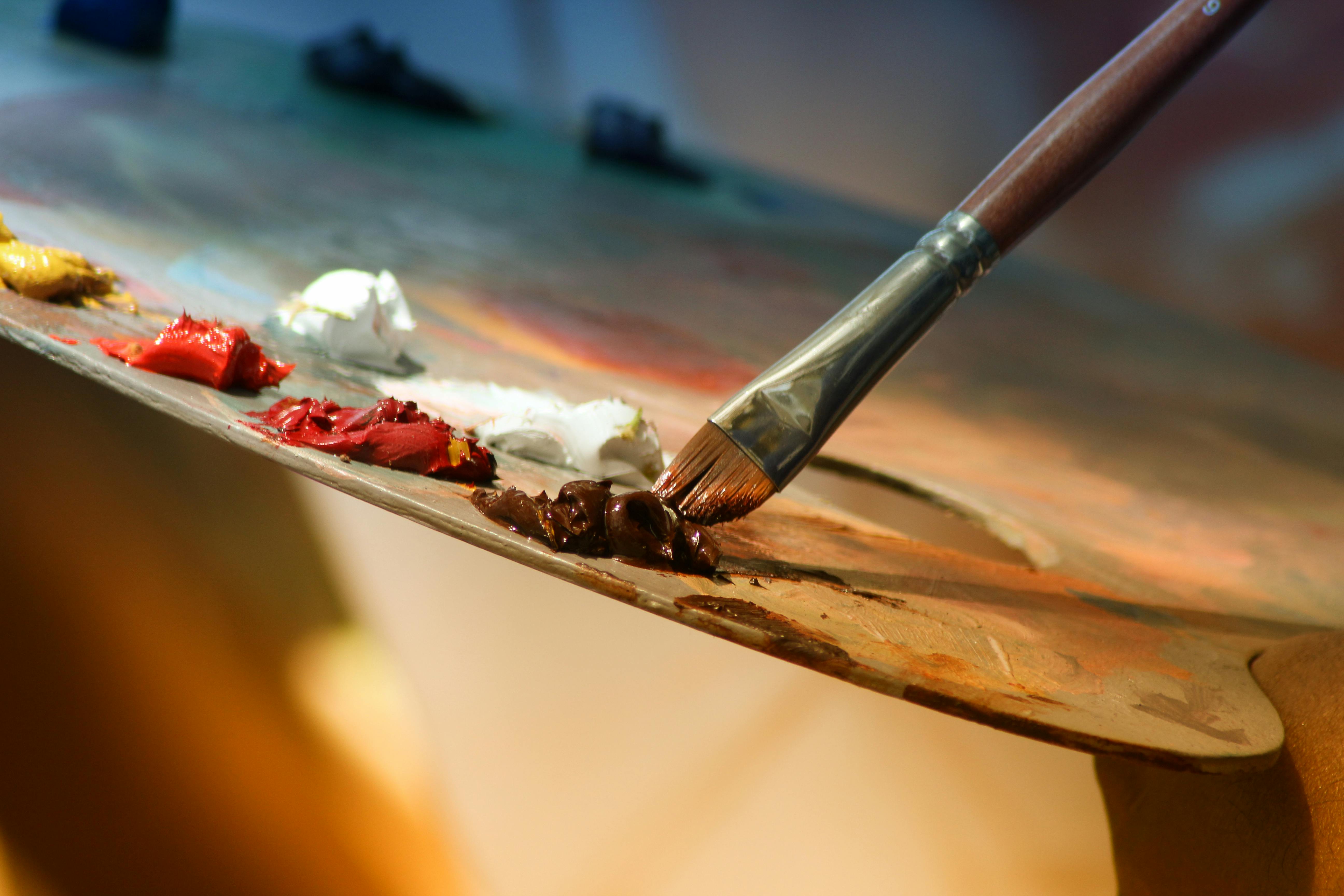
Let's peer beneath the surface to understand what truly makes paint stick. I know what you're probably thinking: "Paint is just paint, right?" Oh, if only it were that simple! A paint film is an astonishingly complex material, a hidden universe where every component plays a vital role in its formation and longevity. To truly appreciate the artistry, we need to understand the building blocks—the very substance that creates the visual magic. At its most basic, paint consists of two main parts: the pigment (the color) and the binder (the glue that holds it all together and to the surface, forming the continuous matrix). Often, a solvent is also involved, acting as a helpful but ultimately fleeting assistant to adjust the paint's consistency during application. This entire delicate system is then applied to a support—the underlying material (canvas, panel, paper, metal) onto which the paint is applied. The choice and preparation of this support are foundational to the paint film's long-term health.
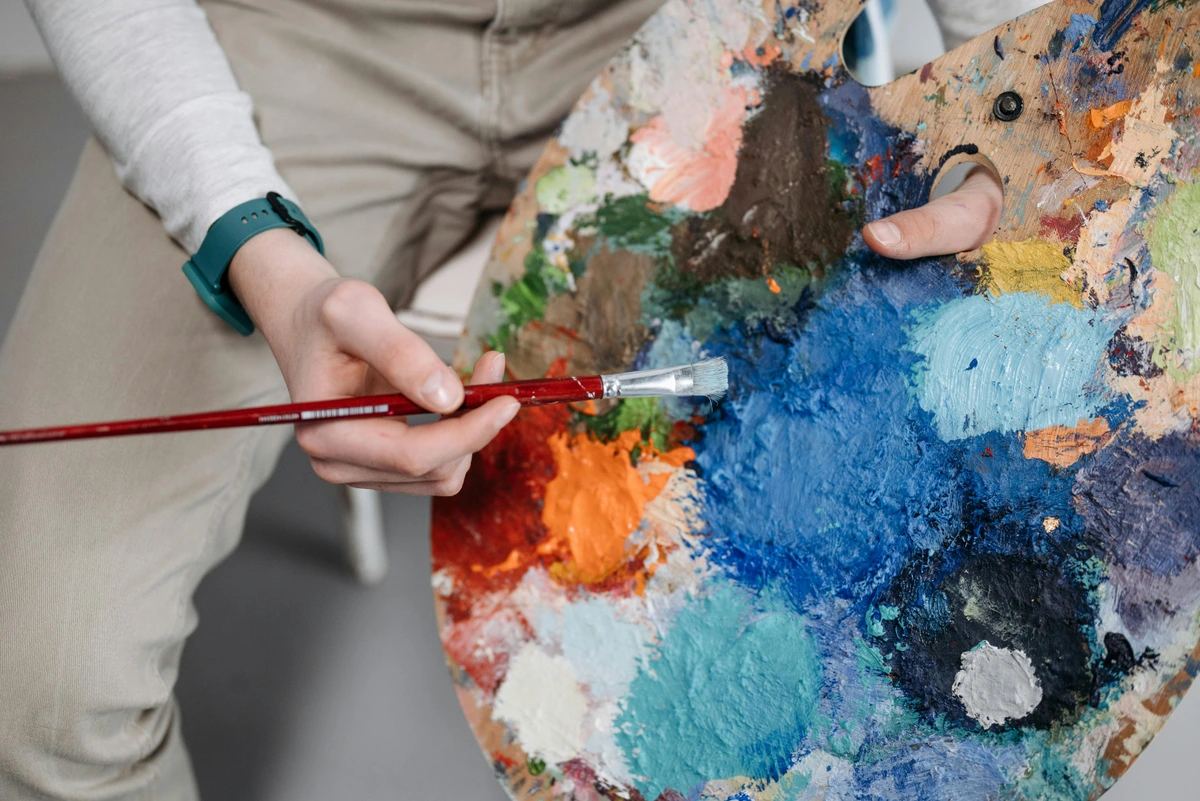
Here’s a breakdown of how these components come together to form the final film, almost like a microscopic architectural project, where each element is crucial for the structure's integrity. The binder achieves its 'glue' effect through physical adhesion (mechanical interlocking with the surface, like microscopic tendrils gripping the fibers of a canvas or the pores of a panel) and chemical cohesion (forming a strong internal network, much like cement solidifying into a solid mass). It's this delicate balance that creates a truly robust paint film.
Component  | Role in Wet Paint | Role in the Cured Paint Film | Impact on Film Characteristics |
|---|---|---|---|
| Pigment | Provides color, opacity, and texture. | Remains as solid particles, giving the film its specific color, visual depth, and physical texture. | Influences color stability, lightfastness, and overall film strength; too much can make a film brittle. Historically, pigments like lead white and vermilion had inherent properties affecting durability and reactivity (e.g., lead white with sulfur, vermilion with light/acid), while earth pigments like ochres and umbers were known for their excellent stability. Some organic pigments, like historical carmine, were beautiful but prone to fading. High surface area pigments can demand more binder, impacting film strength. |
| Binder | A liquid polymer or oil that carries the pigment and allows application. | Dries or cures to form a solid, continuous matrix, essentially encasing and holding the pigment particles together and adhering them to the support. | Determines drying time, flexibility, adhesion, gloss, and long-term chemical stability, including susceptibility to yellowing and degradation. Today, binders include not just oils and acrylics, but also alkyds, vinyls, and polyurethanes, each with unique properties. |
| Solvent | Thins the paint, making it workable and affecting flow. | Evaporates during the drying process and is not part of the final film. | Controls viscosity during application but has no direct structural role in the cured film itself. |
| Additives | Modify paint properties: drying, flow, texture, stability. | May remain as inert components or undergo chemical changes affecting film properties. | Can enhance performance (e.g., faster drying, improved flow) but also introduce long-term risks like embrittlement, discoloration, or reduced film strength. |
For an artist, choosing a paint is really about choosing a binder system. This choice dictates everything from drying time to the final appearance and long-term durability of the paint film. While we often think of oil and acrylic, historically, binders included egg yolk (tempera), natural resins (like gum arabic for watercolors, or mastic and dammar in historical varnishes and some paints), and even casein (a milk protein). Today, new synthetic binders are constantly emerging, offering artists unprecedented control. Trust me, the sheer range of options is why we have a whole definitive guide to paint types for artists that I urge you to explore.
The Subtle Art of Pigment and Binder: Finding the Right Balance (Pigment Load)
And it's not just about the big four components (counting additives now!). The ratio of pigment to binder, often called pigment load, profoundly influences the final texture and sheen. Think of it like trying to build a dense mosaic. If you have too many tiles (pigment) and not enough grout (binder) to hold them all securely, the mosaic can become brittle and sections can easily fall out over time. It’s a bit like trying to bake a cake with too much flour and not enough egg – it just crumbles! A heavy pigment load often means a matte, rich surface, but it can also mean less binder to encapsulate the pigment, potentially making the film more fragile over time. Conversely, more binder can lead to a glossy, more transparent effect, sometimes increasing the risk of yellowing in oils. It's a subtle art of material science! This is why artist-grade paints, which I always recommend, carefully balance these components, offering optimal pigment concentration for both vibrancy and structural integrity.
The Unsung Heroes and Occasional Villains: Understanding Additives
Beyond the core trio, modern paints (and even some historical ones) often contain additives. These are the unsung heroes and occasional villains, subtly influencing the paint film's properties. We're talking about drying accelerators or retarders (like siccatives for oils, such as cobalt or manganese compounds, which catalyze the oxidation process), stabilizers to prevent pigment settling, rheology modifiers to control flow (think thickening agents), or matting agents to reduce gloss. Modern paint manufacturers also employ wetting agents, dispersants, UV stabilizers (to fight photo-degradation), and even biocides to inhibit mold and bacterial growth in water-based paints. Another crucial type are plasticizers, added to some binders to increase flexibility, though they can sometimes migrate out of the film over time, leading to embrittlement or a sticky surface. While designed to enhance performance, these additives can also impact a paint film's long-term stability, sometimes in ways only revealed through decades or centuries of aging. For instance, some early siccatives, intended to speed drying, could inadvertently lead to a less flexible, more brittle film over time, and a conservator's worst nightmare: unexpected discoloration or even a sugary bloom on the surface. It's a constant tightrope walk between immediate workability and enduring longevity.
A Brief History of the Paint Film: Art's Evolving Chemistry
Let's take a journey through time, exploring art's evolving chemistry. It's easy to think of paint as a modern invention, but the concept of a pigmented binder is ancient. The evolution of the paint film reflects humanity's ingenuity, and its history reveals how art has adapted to, and been shaped by, available materials. Consider, too, the evolution of the support itself: from cave walls and rigid wooden panels to stretched canvas, and even metal, glass, or stone, each shift introduced new demands and possibilities for the paint film's adhesion and flexibility.
Prehistoric & Ancient Foundations: Earth, Fat, and Early Binders
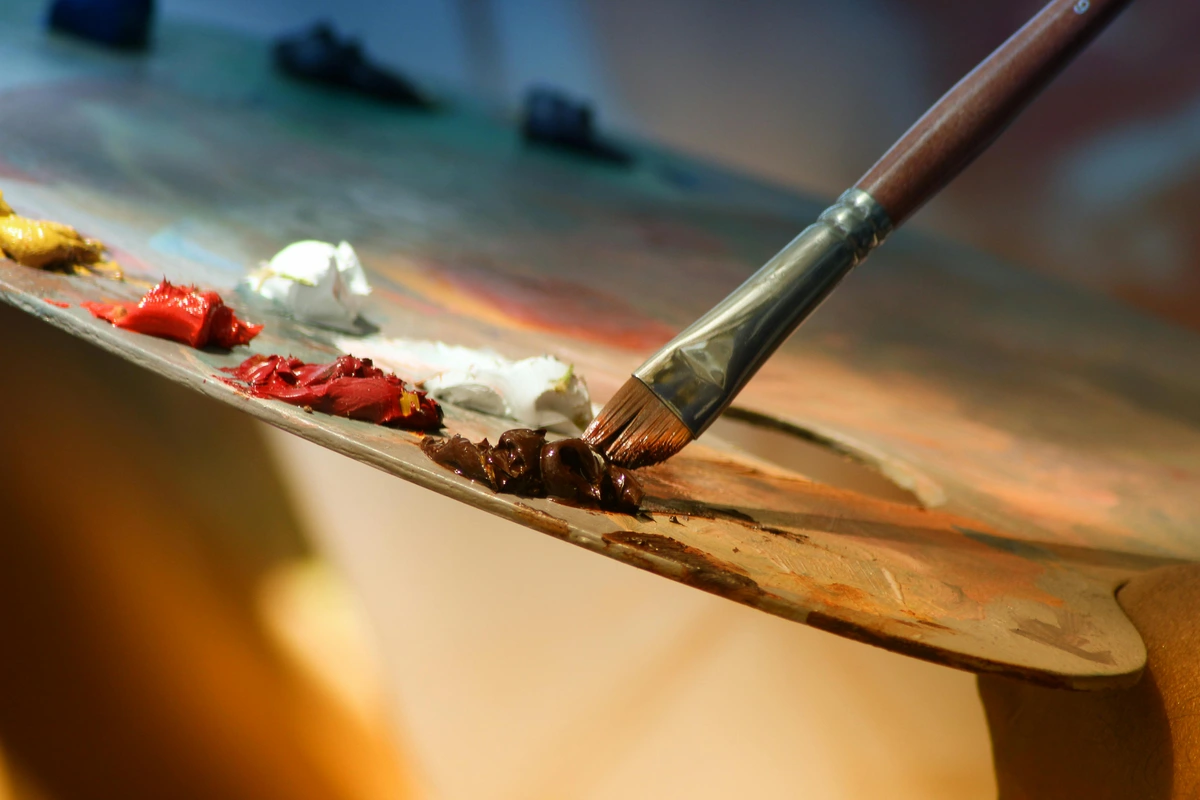
From the natural earth pigments mixed with animal fat in prehistoric cave paintings (like those at Lascaux or Altamira) to the elaborate fresco techniques of ancient civilizations (where pigment was mixed with water and applied to wet plaster), artists have always been chemists. These early binders—animal fats, blood, egg whites, or even plant gums—created surprisingly durable films, often leveraging the stability of natural mineral pigments.
The Renaissance Revolution: Tempera to Oil
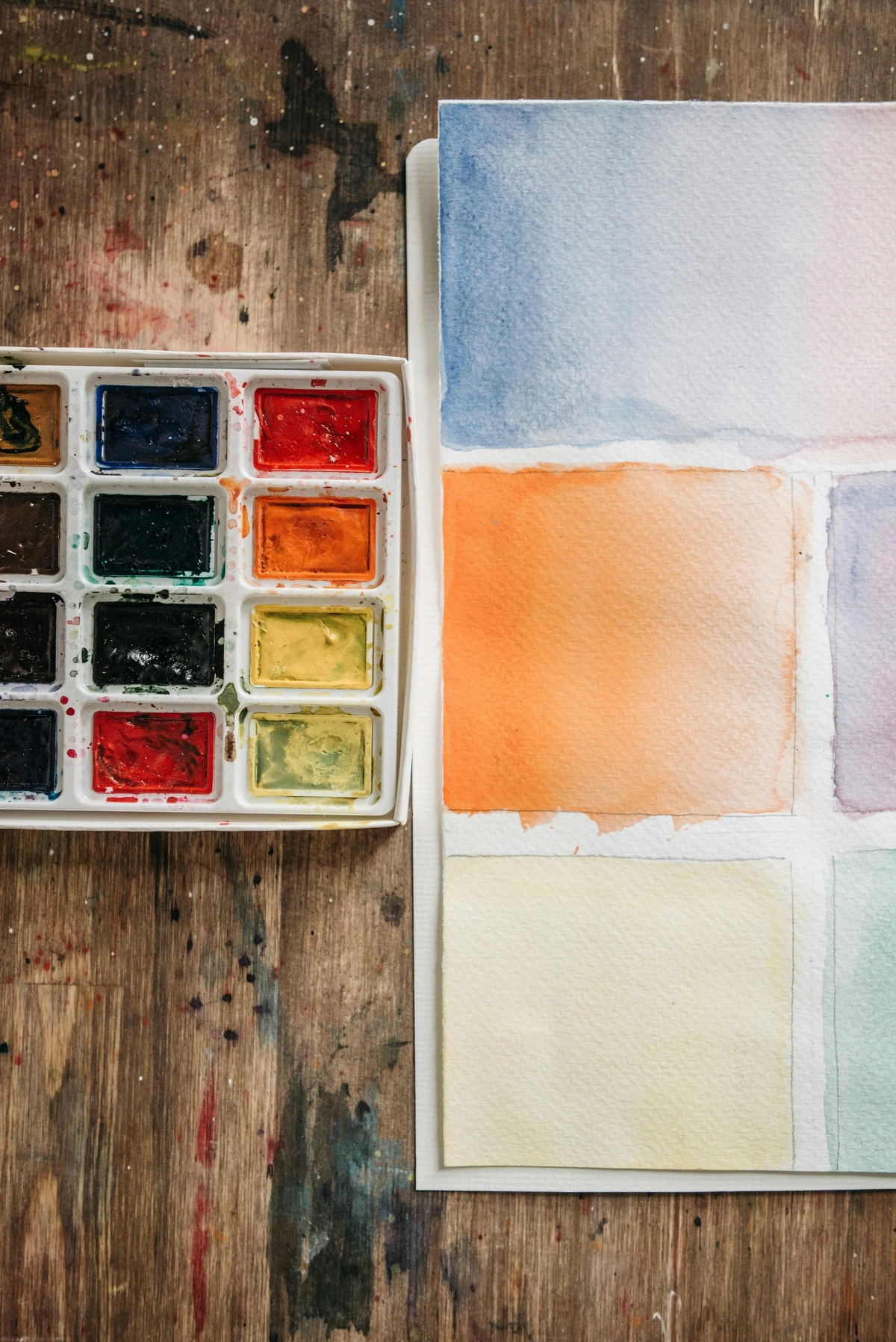
Early masters, like those in the Renaissance, often ground their own pigments, such as rich lapis lazuli or vibrant vermilion, and mixed them with binders like egg yolk (tempera) or slow-drying oils. Other historical binders included natural resins (like gum arabic for watercolors), animal glues, or even hot wax for encaustic painting. They understood the materials intimately because they prepared them. The limitations of these early materials—drying times, availability of pigments, and stability issues—directly influenced artistic styles and techniques. Imagine the patience required to layer glazes with oil paints that took weeks to dry!
The transition from opaque, fast-drying tempera (with its brittle film, seen in works by artists like Botticelli) to luminous, slow-drying oils, perfected by artists like Jan van Eyck and later extended by Titian with his multi-layered glazes, allowed for unprecedented realism, depth, and color saturation, directly shaping the visual language of the Renaissance. This shift also demanded new understandings of paint film properties and drying behaviors.
Historically, the choice of pigment itself carried inherent material properties, some of them quite perilous. Lead white, for instance, offered superb body and quick drying but was highly toxic and prone to darkening over centuries if exposed to sulfur compounds in the air. Vermilion, a vibrant red, could darken or blacken over time under certain conditions (e.g., exposure to chlorides). And some vibrant greens, made with arsenic compounds (like Scheele's Green or Paris Green), posed serious health risks to artists and those living with the artwork. These intrinsic material behaviors directly influenced the paint film's initial properties and long-term stability.
The Industrial Revolution & 19th-Century Innovations: Tubes and Freedom
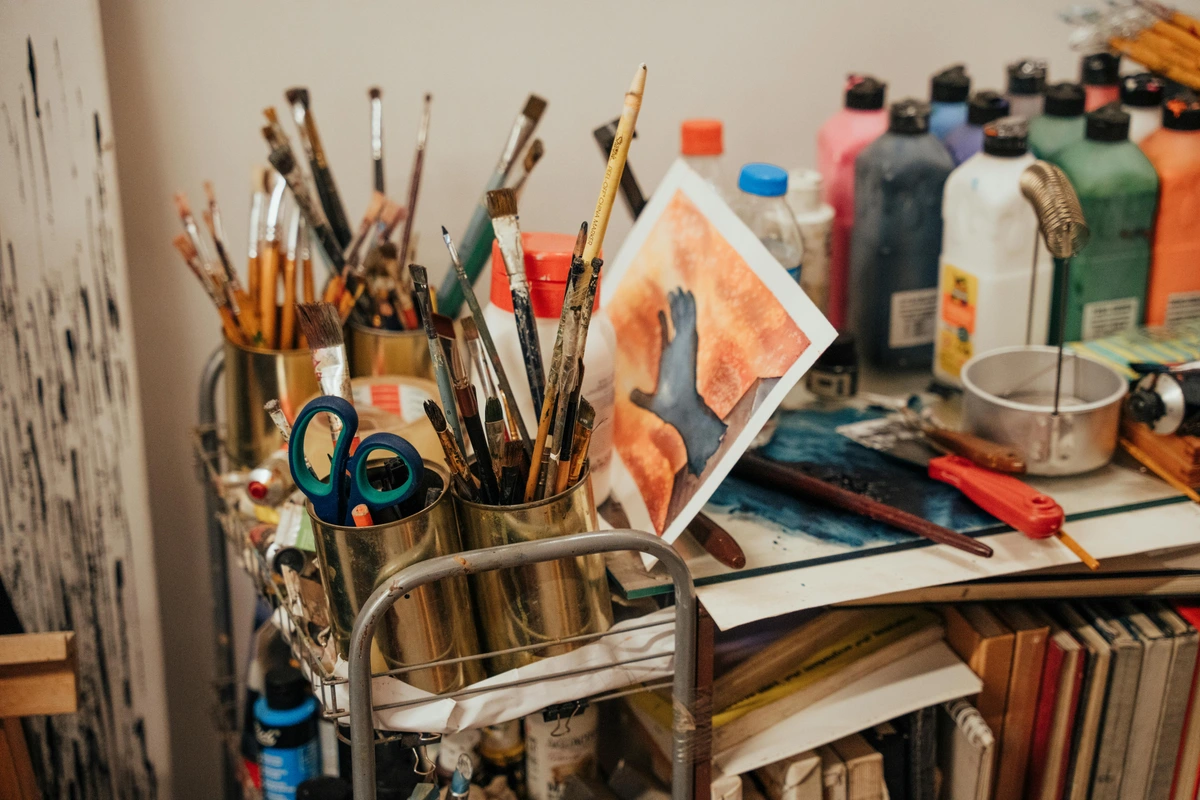
It wasn't until the 19th century that pre-packaged paints in collapsible metal tubes became common, liberating artists from the studio for outdoor painting. This innovation not only enabled artists like Monet and Renoir to capture fleeting light and atmosphere en plein air (a hallmark of Impressionism!), but it also encouraged a looser, more spontaneous application of paint, directly influencing the visible brushstrokes and textures that are hallmarks of the movement. Suddenly, the paint film itself became a more expressive surface.
The 20th Century and Beyond: Acrylics and the Avant-Garde
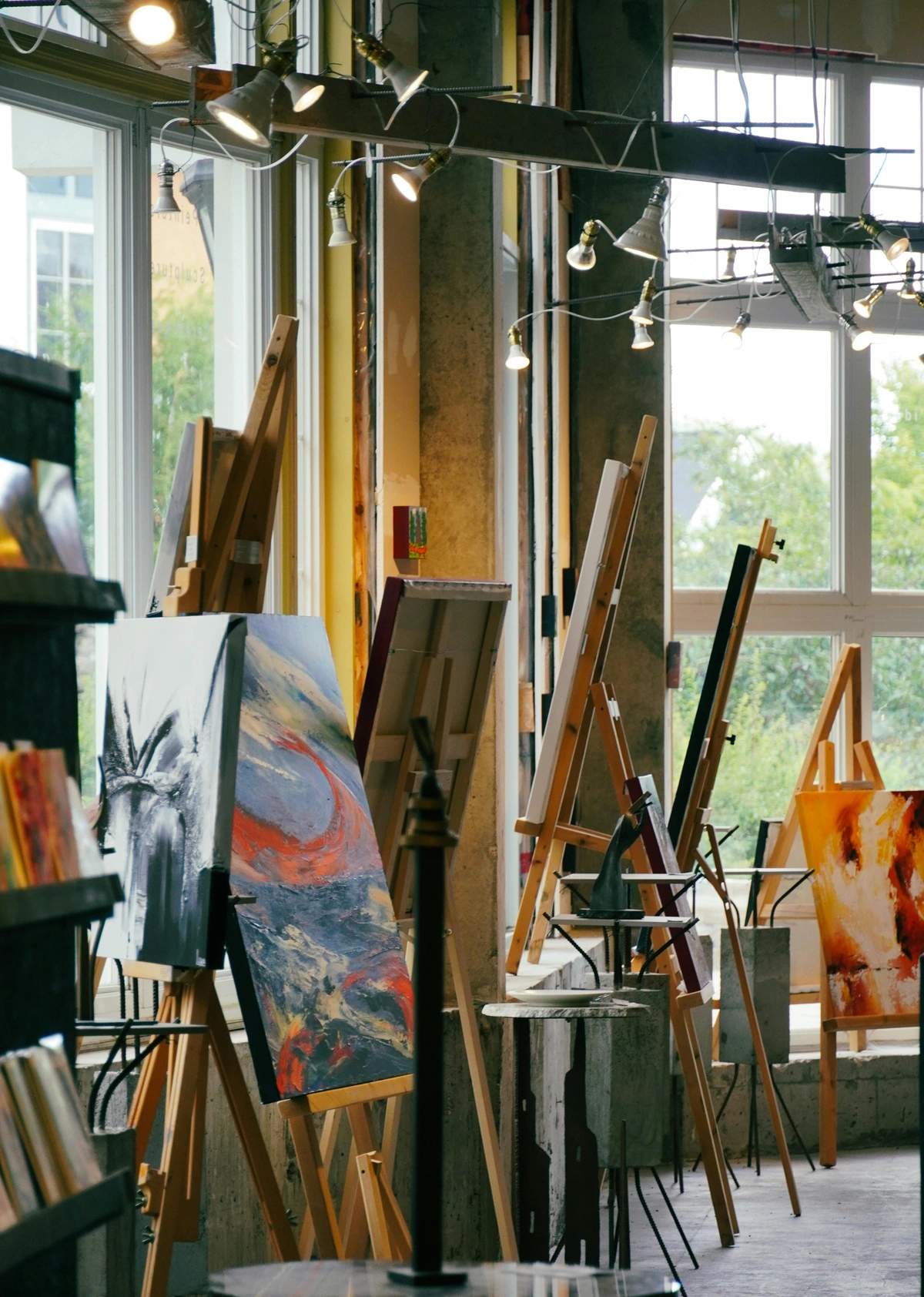
Then, the 20th century brought us acrylics, a revelation with their fast-drying, flexible films and chemical inertness once dry. This significantly expanded artistic possibilities, leading to new forms of abstract expression and large-scale works, as seen in artists like Helen Frankenthaler or Morris Louis. Acrylics, and the continuous development of new synthetic binders, offer artists unprecedented control and durability, though not without their own unique set of challenges. Each innovation changed not only how art looked but also how it endured. Understanding this history makes you appreciate the resilience of, say, a Rembrandt, whose paint film has survived for hundreds of years. The choices made by artists centuries ago, often based on necessity and tradition, continue to impact the condition of masterpieces today.
The Artist's Role: Architect of the Enduring Skin
The artist is truly the first architect of the paint film. While we can't stop time (and believe me, I've tried!), an artist can take crucial steps to ensure the paint film they create is as robust and stable as possible. This is where craftsmanship truly meets art; the artist is, in effect, the paint film's first architect, building its structure layer by careful layer. Every brushstroke, every choice of material, contributes to the final integrity of this delicate skin. It's an investment in the future of the artwork, a dialogue between current creative impulse and future preservation.
Laying a Solid Foundation: Choosing and Preparing the Support
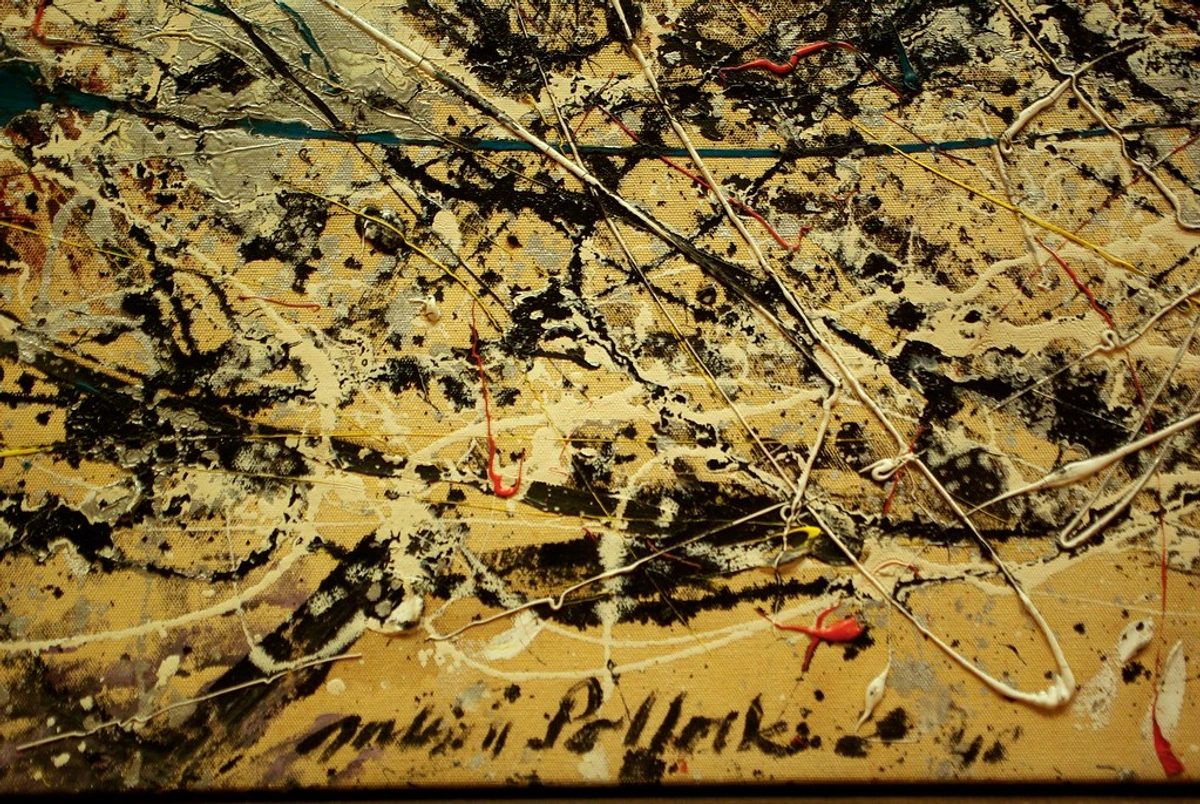
One of the most foundational steps is selecting and preparing the support. Why is this so crucial? Think of it as laying a proper foundation for a house. An unprimed canvas or absorbent wood panel will draw valuable binder from the paint, leaving the pigment vulnerable and the paint film brittle. Before priming, artists often size a raw canvas or paper support with a thin layer of gelatin, animal glue (like rabbit skin glue), or synthetic glues (like PVA). This step helps to seal the fibers, reduce the absorbency, and prevent the binder from the paint from soaking into the support, which would weaken the paint film.
Primers, like traditional gesso (a mix of chalk and animal glue) or oil grounds, create a stable, non-absorbent, and adhesive layer between the support and the paint, ensuring the paint film forms properly and adheres strongly. The type of support also matters significantly; a rigid wood panel provides a stable base, while a flexible canvas requires a primer that can also flex without cracking. This initial decision profoundly influences the paint film's long-term stability. Of course, some artists intentionally choose to paint on raw, unprimed canvas for a specific aesthetic effect, accepting the inherent compromises in longevity for the sake of their artistic vision. It's a deliberate choice, but one with consequences for the paint film's future. Beyond canvas and wood, artists have historically used (and still use) metal (like copper or aluminum), paper, glass, or even stone directly as supports. Each presents unique challenges: metal requires specific primers to prevent corrosion and ensure adhesion; glass is non-absorbent and prone to cracking; stone is heavy and often porous, demanding careful preparation. Each shift introduces new demands and possibilities for the paint film's adhesion and flexibility. For a deeper dive, our guide on what is gesso in painting covers this crucial preparatory layer.
Crafting for Permanence: Quality Materials and Application Techniques
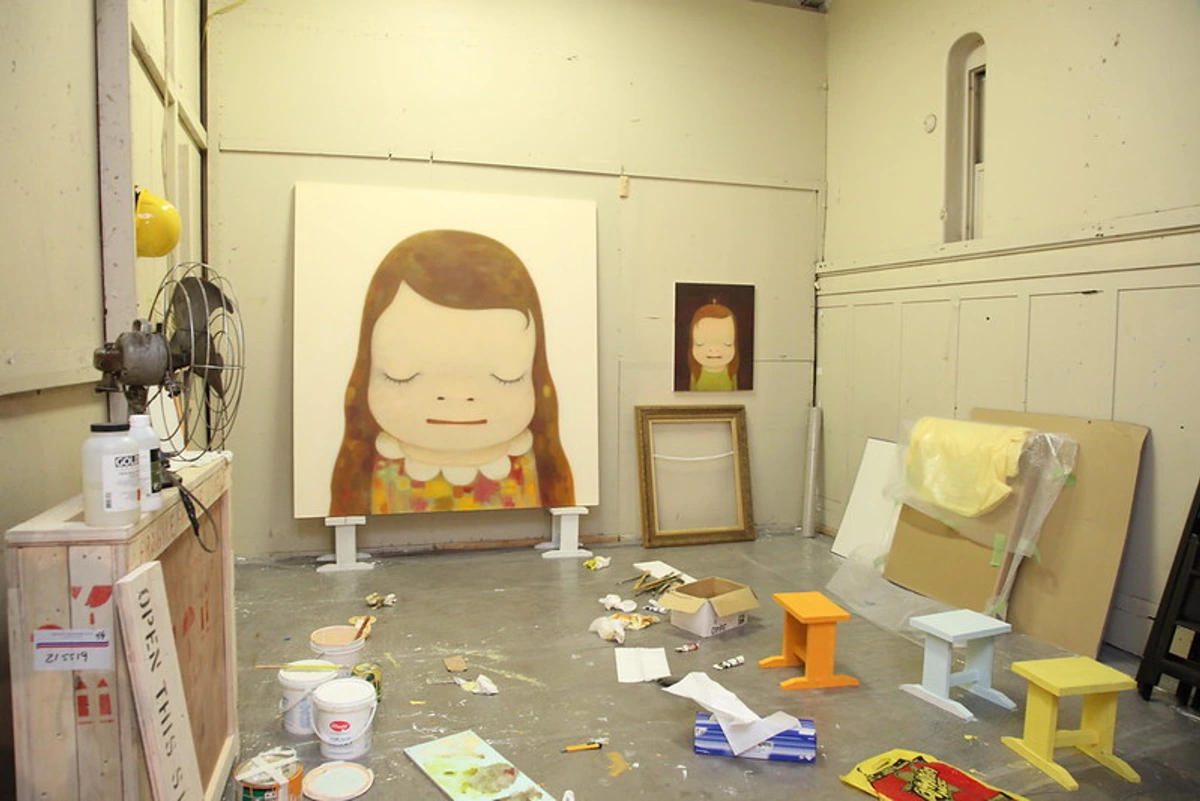
Then there are the application techniques. Beyond the crucial "fat over lean" rule in oils (which we'll discuss in more detail later and cannot stress enough for longevity!), how paint is applied matters immensely. Techniques like impasto (thick application), scumbling (thin, scrubbed layers), and glazing (transparent layers that often require specific mediums) all affect how the film cures and ages. It's also vital to remember the fundamental difference between solvent-based paints (like oils, which cure through oxidation) and water-based paints (like acrylics and watercolors, which dry through evaporation). These distinct drying mechanisms dictate how layers should be built and how the film ultimately ages.
Using quality, artist-grade materials from reliable manufacturers is also non-negotiable. This is where the concept of archival quality comes in—it refers to materials that are stable, durable, and resistant to degradation over time. Student-grade paints, while affordable, often contain lower pigment concentrations, cheaper binders, and more fillers (like calcium carbonate). These fillers can lead to a less cohesive, weaker paint film that is more susceptible to cracking, fading, and environmental degradation over time, compromising the structural integrity and archival permanence. They might look similar initially, but decades down the line, the difference in material stability becomes painfully clear. It's an investment in the artwork's future. Understanding the elements of art: a beginners guide to line, shape, color, and texture is one thing; mastering the materials that create them is an entirely different, and deeper, level of skill. Just as a builder chooses the best materials for a lasting structure, an artist must choose the best paints for an enduring legacy.
The Life of a Paint Film: From Liquid Gesture to Enduring Legacy
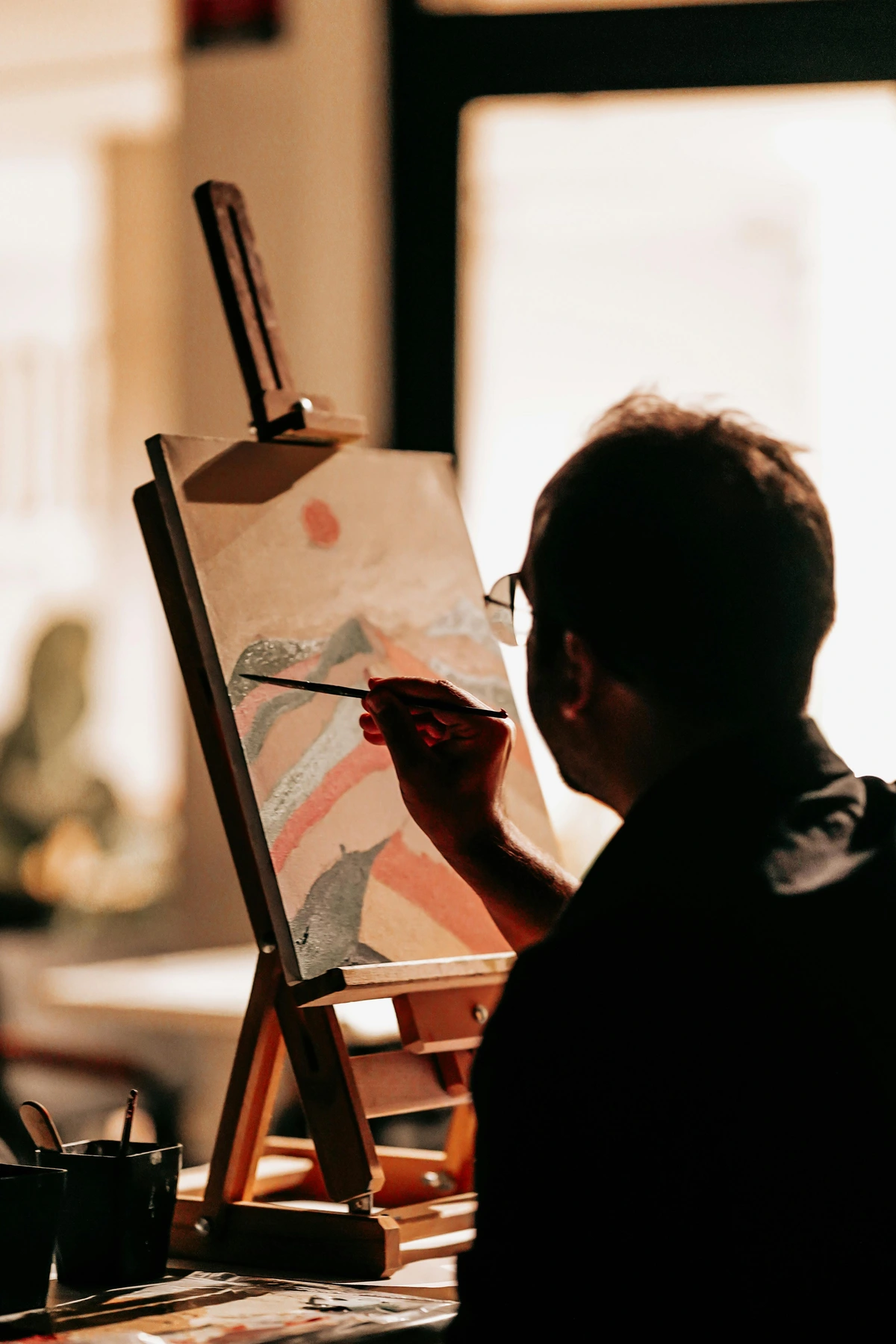
From a wet, fleeting gesture to an enduring legacy, the paint film undergoes a profound transformation. The journey from wet paint to a durable film is a fascinating chemical process, far more complex than simply water evaporating from a puddle. It's a journey, a transformation, if you will, and there are two primary ways a paint film forms, each with its own timeline and characteristics. This process is also profoundly influenced by the support—the underlying material (canvas, wood panel, paper, metal) onto which the paint is applied. A flexible canvas will move differently than a rigid wood panel, directly impacting the stresses on the paint film as it dries and ages. For a deeper dive, our guide on what is impasto painting also touches on how paint thickness impacts drying.
Here's a quick overview of how different paint types dry:
Paint Type | Primary Binder | Drying Mechanism | Time to Touch Dry | Time to Fully Cure | Key Characteristic |
|---|---|---|---|---|---|
| Acrylics | Acrylic Polymer Emulsion | Evaporation (of water) | Minutes to hours | Days to weeks | Flexible, chemically inert once dry, less prone to yellowing. Typical film thickness: 0.1 – 0.5 mm. |
| Oils | Drying Oils (e.g., Linseed, Walnut) | Oxidation (polymerization) | Days to weeks | Years to decades (or centuries) | Slow curing, forms a strong cross-linked network, known for deep luminosity and color saturation. Can yellow over time. Typical film thickness: 0.1 – 2+ mm (impasto). |
| Watercolors/Gouache | Gum Arabic (binder) | Evaporation (of water) | Seconds to minutes | Hours to days | Transparent (watercolor) or opaque (gouache), re-soluble once dry, very thin, fragile film. Typical film thickness: 0.005 – 0.05 mm. |
| Egg Tempera | Egg Yolk | Evaporation & Coagulation | Minutes | Days to weeks | Brittle, fast-drying, matte finish, insoluble once dry. Typical film thickness: 0.05 – 0.2 mm. |
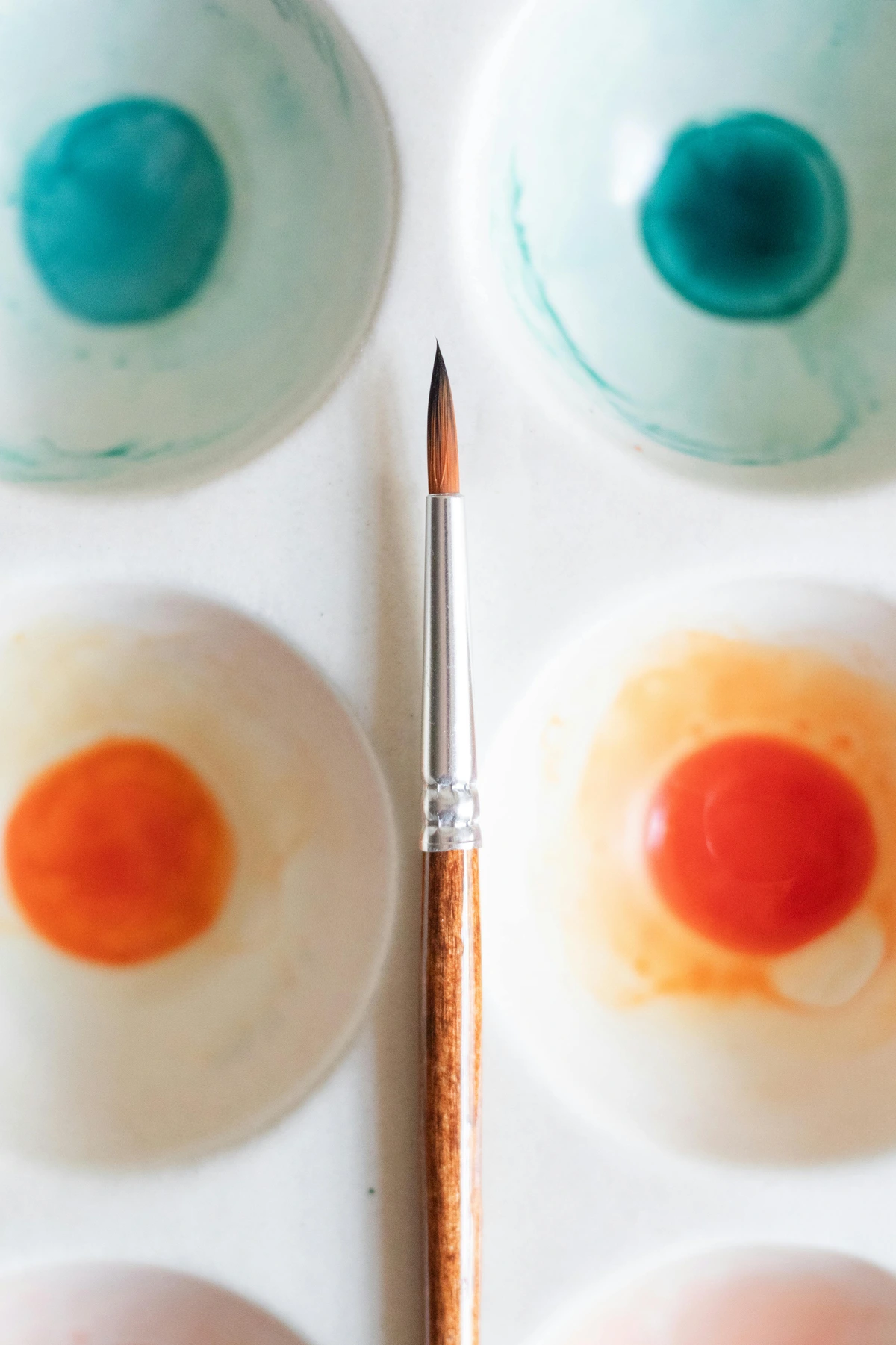
Evaporation: The Quick Set
This is the process we see with paints like acrylics and watercolors. The solvent (usually water) evaporates, and the tiny binder particles (like acrylic polymers) essentially find each other and fuse, locking together into a solid, stable film. It's quick, relatively straightforward, and results in a chemically inert film once dry, meaning it's less prone to ongoing chemical changes. For these paints, the 'fat over lean' rule is less critical for their fundamental film formation compared to oils, because the drying mechanism doesn't involve ongoing oxidative changes.
Oxidation (Curing): The Patient Polymerization of Oils
This is where the real magic, and patience, of oil paints comes in. The binder, typically a drying oil like linseed, walnut, or poppy oil, reacts with oxygen in the air. This chemical reaction, known as polymerization, links the oil molecules together into a tough, resilient, cross-linked network. Think of it like a microscopic molecular welding process: individual oil molecules slowly but surely bond with oxygen and each other, forming an increasingly strong, three-dimensional structure. Historically, artists also incorporated various mediums (mixtures of oils, resins, and solvents) into their paints to control this process, adjusting drying times, transparency, and the final flexibility of the film. This ability to manipulate the drying process directly impacted the paint film's ultimate structure and longevity.
This process is much slower than evaporation, sometimes taking decades, even centuries, to fully complete. That's right, oil paintings can remain chemically active for a lifetime! This slow curing process is why understanding principles like "fat over lean" is absolutely critical in oil painting.
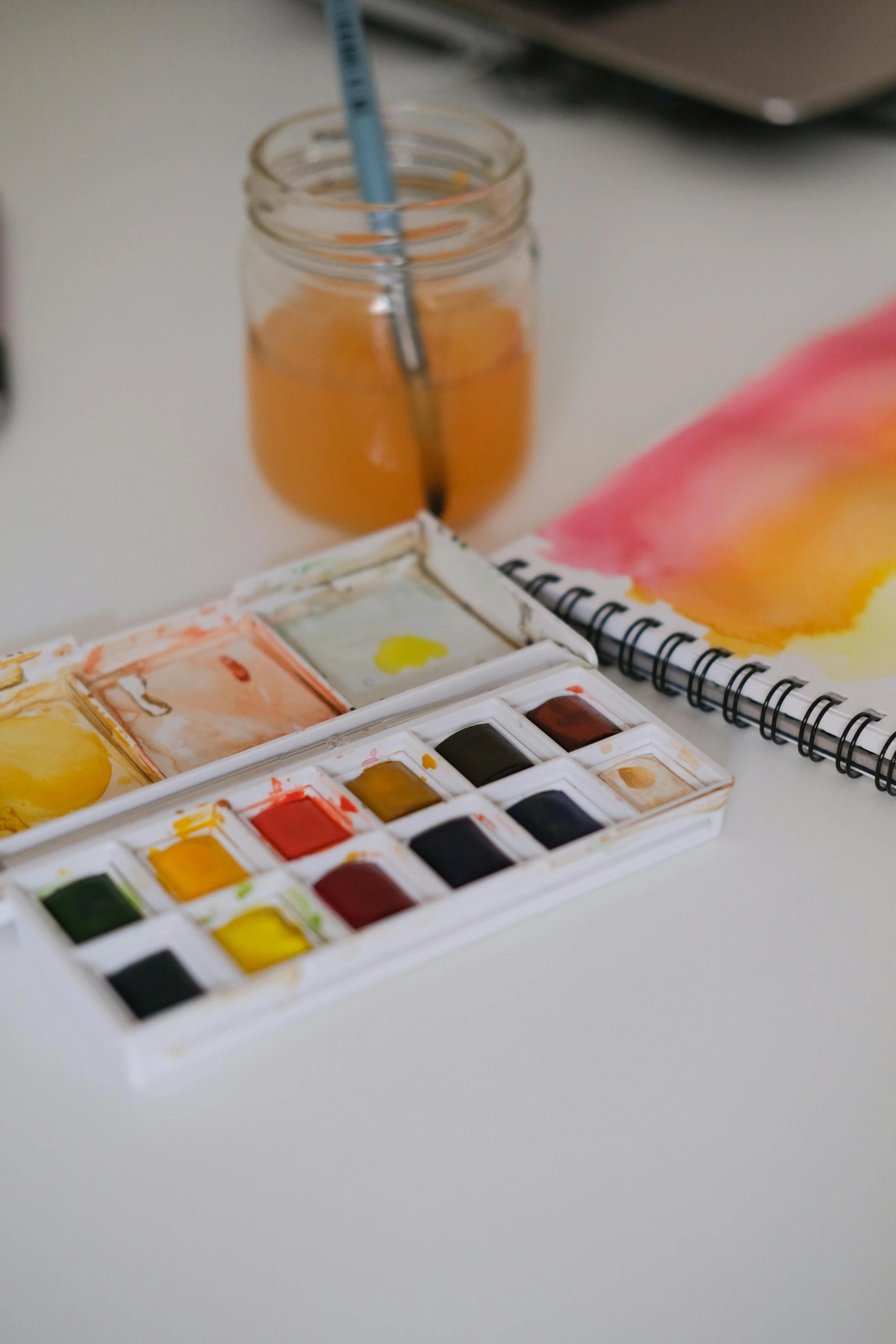
The "Fat Over Lean" Rule Explained
Applying a fast-drying, less flexible (lean) layer over a slow-drying, more flexible (fat) layer is a guaranteed path to cracking, as the top layer will become rigid while the bottom layer continues to shrink and cure. Imagine trying to stretch a stiff, dry cloth over a wet, shrinking one—the dry one will tear. The lean layer has more solvent (like turpentine or mineral spirits) and less oil/binder, drying faster and forming a more brittle film. The fat layer has more oil/binder (often with added linseed oil or painting mediums) and less solvent, drying slower and remaining more flexible. This rule is a structural necessity, a foundational law of oil paint film formation. This distinction is crucial, especially from a conservator's perspective. An acrylic paint might be dry to the touch in an hour, but an oil painting can continue to 'breathe' and mature for a lifetime. This is why centuries-old oil paintings often possess a unique depth and luminosity—the film has had a very long time to settle, harden, and develop its final, stable character. If you're curious about acrylics, check out the history of acrylic painting.
The Unseen Assault: Environmental Factors and Binder Degradation
Even after a paint film has cured, it continues to age. This process, known as binder degradation, is the slow breakdown of the organic materials in the binder over time. It's an unavoidable battle for longevity, primarily due to external and internal factors. Let's look at how different binders respond to the unseen assault:
Light (UV Degradation & Photo-Bleaching)
Prolonged exposure to UV light (from the sun or improper gallery lighting) can cause binders to break down through photo-degradation, where ultraviolet radiation breaks the chemical bonds in the polymer chains. This leads to embrittlement, discoloration, and pigments to fade (especially certain organic colors like reds and blues, which can undergo photo-bleaching). This is why light levels in museums are so meticulously controlled. Even visible light can cause damage over time.
Atmospheric Pollutants
Beyond sulfur compounds, common urban pollutants like nitrogen oxides (NOx) and ozone (O3) can chemically react with pigments and binders over decades. This leads to discoloration, embrittlement, or the formation of unsightly surface residues. For instance, sulfur dioxide (SO2) reacts with lead white to form lead sulfide, darkening the paint. This unseen threat underscores the importance of precise air filtration in conservation environments.
Humidity and Temperature Fluctuations
Fluctuations in relative humidity and temperature are among the most destructive forces for any paint film. Organic materials like wood panels, canvas fibers, and binders all expand and contract in response to these changes, but they do so at different rates. This constant differential movement creates immense stress on the paint film, often leading to cracking, delamination, and eventual loss. High humidity can also promote mold growth on organic binders, while very low humidity can cause excessive drying and embrittlement. Consistent climate control in museums is not just about comfort; it's critical for the physical survival of artworks.
Binder-Specific Degradation
- Oil Binder Degradation: Oils continue to oxidize and cross-link, which can lead to embrittlement, increased yellowing (especially in linseed oil), and eventually, a loss of flexibility. This makes old oil paintings susceptible to intricate patterns of craquelure. Some oil films can also develop a 'sugary' bloom or become opaque due to saponification, where the oil binder reacts with metal ions from certain pigments (like lead white or verdigris), creating soap-like compounds within the paint layer. Think of it like the oil turning into a waxy soap inside the paint, making it cloudy and soft in places.
- Acrylic Binder Degradation: While generally more stable than oils, acrylic films can still undergo photo-degradation from UV light, leading to embrittlement, discoloration, or a loss of gloss over many decades as their polymer chains break down. The loss of gloss can sometimes be due to surface crazing (micro-cracking) or the migration of manufacturing surfactants to the surface. They can also attract and hold dirt due to their thermoplastic nature (meaning they become softer and stickier with heat, making them prone to collecting airborne particulates). This sticky surface is a particular challenge for conservators.
- Natural Resin Binder Degradation: Natural resins (like gum arabic in watercolors) are susceptible to hydrolysis (breakdown by water) and can become brittle or lose adhesion over time, especially if exposed to fluctuating humidity.
Understanding these mechanisms is vital for both artists, in choosing their materials, and conservators, in preserving the artworks.
Why the Paint Film is a Conservator's Obsession: The Battle for Longevity
For conservators, the paint film is a constant, loving obsession. From a museum perspective, the health of the paint film is paramount. A stable film means a stable artwork. When the film fails, the artwork is quite literally at risk of crumbling. It's a constant vigil, a detective's work, to monitor and protect this precious skin. I've often felt a deep sense of responsibility, almost a protectiveness, towards these fragile layers that hold so much history and emotion. What happens when this delicate skin is compromised? Here are some of the common issues we tirelessly look for, and sometimes, heartbreakingly, must intervene to mitigate:

Cracking (Craquelure)
These are the fine, web-like cracks you often see on old paintings. While some craquelure (often called age craquelure) is natural aging, severe cracking can indicate underlying structural stress or improper technique. Let me tell you, there are different types, and each tells a story:
- Age Craquelure: Develops slowly and randomly over centuries as the paint film naturally ages, embrittles, and responds to environmental changes. It's often fine and evenly distributed, part of the artwork's character.
- Drying Craquelure: Occurs within days or months of a painting's creation, typically due to improper layering (e.g., painting a fast-drying 'lean' layer over a slow-drying 'fat' one – a cardinal sin that almost guarantees cracking!) or insufficient drying time between layers. The top layer dries and shrinks before the bottom, leading to immediate stress.
- Mechanical Craquelure: Caused by external physical stress, such as impacts, sudden changes in temperature/humidity, or improper handling/transport. This type can be more erratic, sometimes radiating from a point of impact. Movement of the support due to fluctuations in temperature and humidity is another major culprit. I remember studying a Rembrandt, seeing the intricate map of craquelure—a testament to centuries of subtle movement and the artist's rich impasto. Each crack, a whisper of time. But I've also seen modern abstract works, where an artist's experimental use of different paint layers, drying at incompatible rates, has led to aggressive, disfiguring craquelure within years, not centuries. Artists like Van Gogh, who famously applied paint with thick, expressive impasto, present unique challenges. His bold textures, while iconic, mean that his paint films can take an exceptionally long time to fully cure, sometimes leading to areas that remain physically and chemically vulnerable for decades.
Flaking (Delamination)
This is a critical stage where the paint film loses its adhesion to the support and begins to lift or flake off. It requires immediate, painstaking attention from a conservator, often involving microscopic re-adhesion using specialized resins. Causes can range from poor surface preparation (an insufficiently sized or primed ground – perhaps the artist skipped on what is gesso in painting?), inherent weakness in the binder, or environmental stress that causes the support to expand and contract differently than the paint film.
Yellowing
Over time, the binders in some paints, especially certain drying oils like linseed oil, can yellow as they age, sometimes significantly altering the color balance the artist originally intended. This chemical change is a frustrating battle against time and chemistry, a visual shift that can subtly (or dramatically) distort an artist's original palette. Have you ever tried to imagine the vibrant blues and whites of an old seascape, knowing they're now muted by a yellowed film? It’s a true challenge for preservation.
Blooming or Blistering
These are distinct yet related issues caused primarily by moisture. Blooming appears as a cloudy, whitish haze on the surface of the paint film, often due to moisture or solvent residues trapped within or migrating to the surface of a varnish layer or the paint itself. It typically doesn't involve loss of adhesion. Blistering, however, is where moisture or gases trapped under the paint film cause localized areas to swell and lift away from the support, creating bubble-like formations. This indicates a significant loss of adhesion and is much more structurally severe. Both can result from condensation, high humidity, or improper cleaning attempts.
Texture and Expression: The Paint Film as a Sculptural Medium
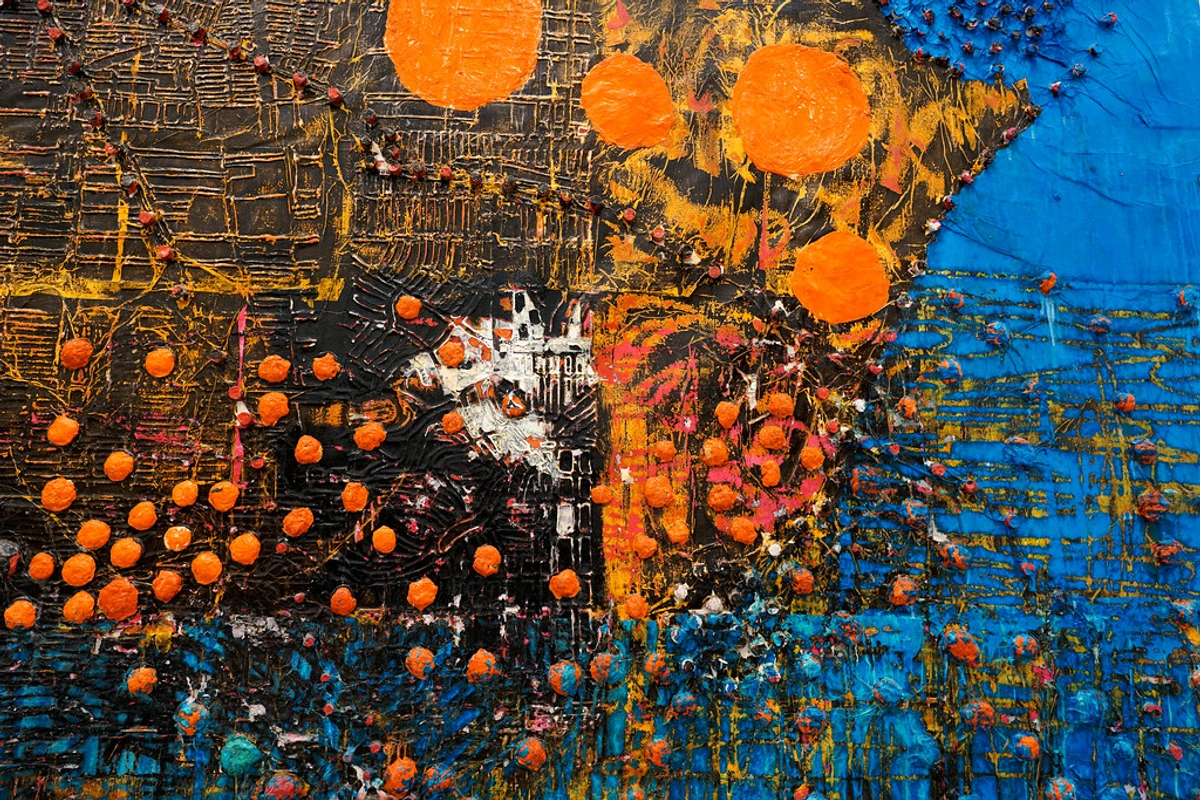
The physical texture of the paint film is also a key part of the artwork's character—it's not just a flat surface! Artists like Vincent van Gogh, Gerhard Richter, Christopher Wool, Anselm Kiefer (with his heavy, material-rich impastos), and Anselm Reyle (who incorporates reflective foils and plastics) meticulously use the material properties of paint to create surfaces that are as important as the colors themselves. Exploring the role of understanding the elements of art: a beginners guide to line, shape, color, and texture and especially elements of art and texture reveals how integral the film is to the final aesthetic effect. Sometimes, the texture itself tells a story. Think of an artist literally sculpting with paint, building up layers to catch the light, create shadow, and convey raw emotion. It's a deliberate manipulation of the paint film as an expressive medium. For example, the thick, swirling brushstrokes of Van Gogh's impasto not only convey intense emotion but also create a physical landscape on the canvas that interacts dramatically with light, giving his works a unique, almost three-dimensional dynamism. However, these thick applications also mean unique conservation challenges, as they take exceptionally long to fully cure and can be more susceptible to cracking.
Why Varnishes Matter: The Paint Film's Shield
Does varnish count as part of the paint film? This is a great question! A varnish is a separate, transparent layer applied on top of the paint film, usually after the paint is thoroughly dry (which, for oils, can mean months or even years). Its primary job is to protect the underlying paint film from dirt, dust, UV light, and abrasion. It can also saturate colors and unify the painting's sheen. So, while it's a critical component of the painting's overall structure and longevity, it's considered an outer protective coating rather than part of the paint film itself.
Varnishes can be natural resins (like dammar or mastic) or modern synthetic polymers (like acrylic resins). They come in various finishes (gloss, satin, matte) and can also contain UV filters to further mitigate light damage. A key aspect for conservation is that varnishes are often designed to be removable, allowing conservators to clean or replace them without disturbing the original paint. This highlights its protective, yet distinct and reversible, role. Think of it as a final, clear topcoat protecting the skin beneath, a shield that can be replaced when it becomes dirty or degrades, without touching the precious artwork itself.

This entire discussion—from the artist's first material choices to the conservator's vigilant care—underscores a profound truth: the paint film is not merely a surface, but a dynamic, vulnerable, and ultimately resilient entity. Its story is the artwork's material story, deeply intertwined with its aesthetic and historical meaning. It’s a battle, yes, but one worth fighting for every brushstroke, every color, every enduring piece of human expression.
FAQ: Unpacking Common Questions About the Paint Film
While we've explored the science and artistry behind the paint film, many practical questions often arise. Let's delve into some common queries I hear regularly from artists, collectors, and curious museum-goers alike.
What is the difference between a paint film and a coat of paint?
Essentially, they are the same thing, but the terms reflect different perspectives and stages. "Coat of paint" is the more common, colloquial term used to describe the act of applying paint or the layer immediately after application, before it has fully dried or cured. "Paint film" is the more technical, scientific term used by conservators and material scientists to describe the solid, continuous layer that remains after the paint has fully dried or cured, emphasizing its material integrity, structure, and long-term properties. A coat of paint is the process; the paint film is the result – the enduring skin of the artwork. It's a crucial distinction for understanding art's material reality and its journey through time.
How thick is a typical paint film?
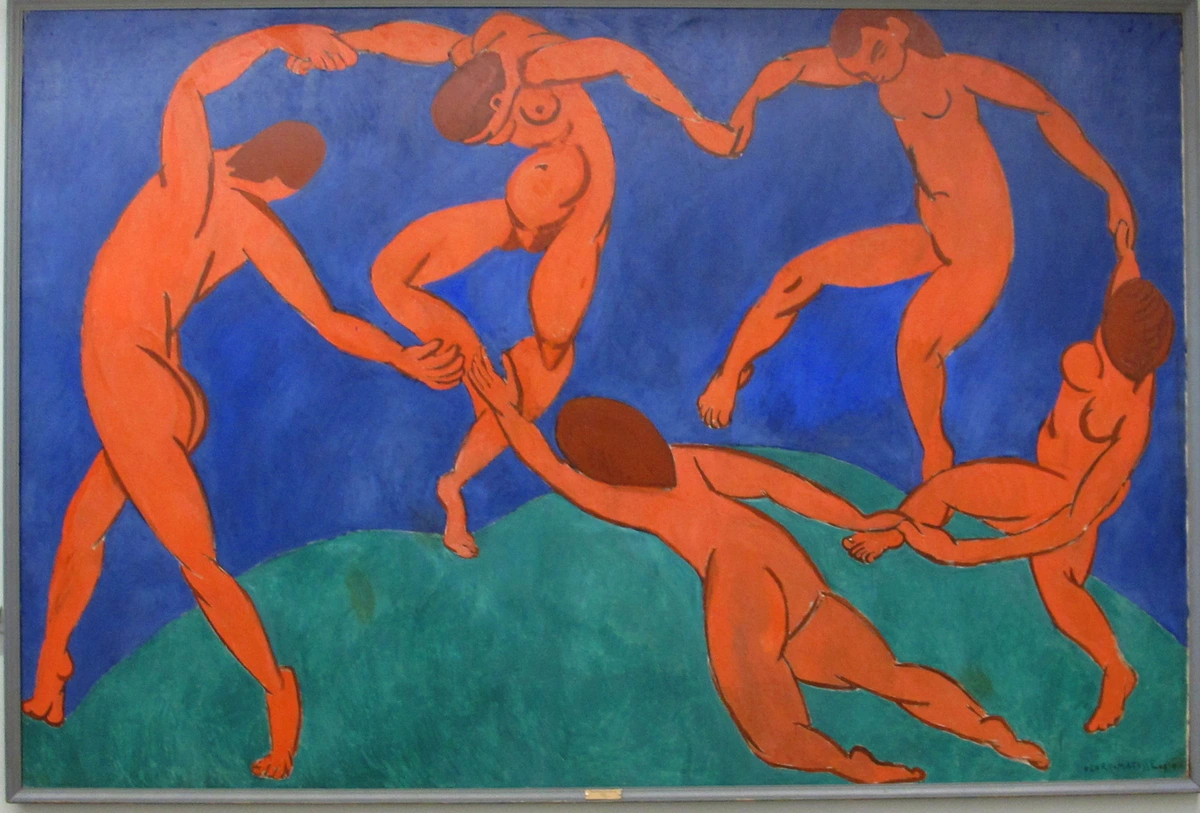
This varies dramatically, and it's truly astounding. A delicate watercolor wash might be incredibly thin, just a few micrometers thick (thinner than a human hair!). In contrast, a heavily textured, impasto oil painting by an artist like Van Gogh could have a paint film that is several millimeters thick in places, almost sculptural. For a typical acrylic painting, the film might range from 0.1 to 0.5 mm, while a smoothly applied oil layer could be around 0.1 to 0.2 mm. The thickness directly impacts the texture, luminosity, visual properties, and crucially, how long it takes to fully cure. A very thick film, especially in oils, can take a very long time to dry through completely, leading to potential structural issues like wrinkling or cracking if not managed properly. This wide range underscores the diversity of artistic expression and material challenges.
Can I mix oil and acrylic paint?
Generally, no. This is a common pitfall and a recipe for irreversible damage! Oil and acrylic paints have fundamentally different binder chemistries and drying mechanisms. Oils dry by oxidation and polymerization, forming a rigid, cross-linked network. Acrylics dry by evaporation, forming a flexible polymer film. Mixing them can lead to adhesion failure, cracking, and poor longevity, as the different layers will expand, contract, and cure at incompatible rates. The rigid oil layer will not move with the flexible acrylic, or vice-versa, causing immense stress and eventual paint failure. It's best to keep them separate to ensure the integrity of your paint film and the artwork's long-term survival. Trust me, a conservator's heart sinks when they see this kind of experimental layering!
What is a 'medium' in oil painting?
A medium in oil painting is a substance added to oil paint to modify its working properties, such as its consistency, transparency, drying time, and flexibility. These are typically composed of oils (like linseed or poppy), resins (like dammar or mastic), and solvents (like turpentine or mineral spirits). Common examples include alkyd mediums (which speed drying) or traditional stand oil mediums (which increase flow and gloss). When mixed with paint, the medium becomes an integral part of the paint film, changing how the binder behaves to alter its final characteristics, allowing artists to achieve specific effects like increased gloss, fluidity for fine details, or thicker impasto that dries more reliably. However, caution is advised: using too much medium, or the wrong type, can weaken the paint film, making it more brittle, prone to yellowing, or less durable over time. It's a careful balance that defines the paint film's ultimate character.
How do I know if my oil paint is fully cured?
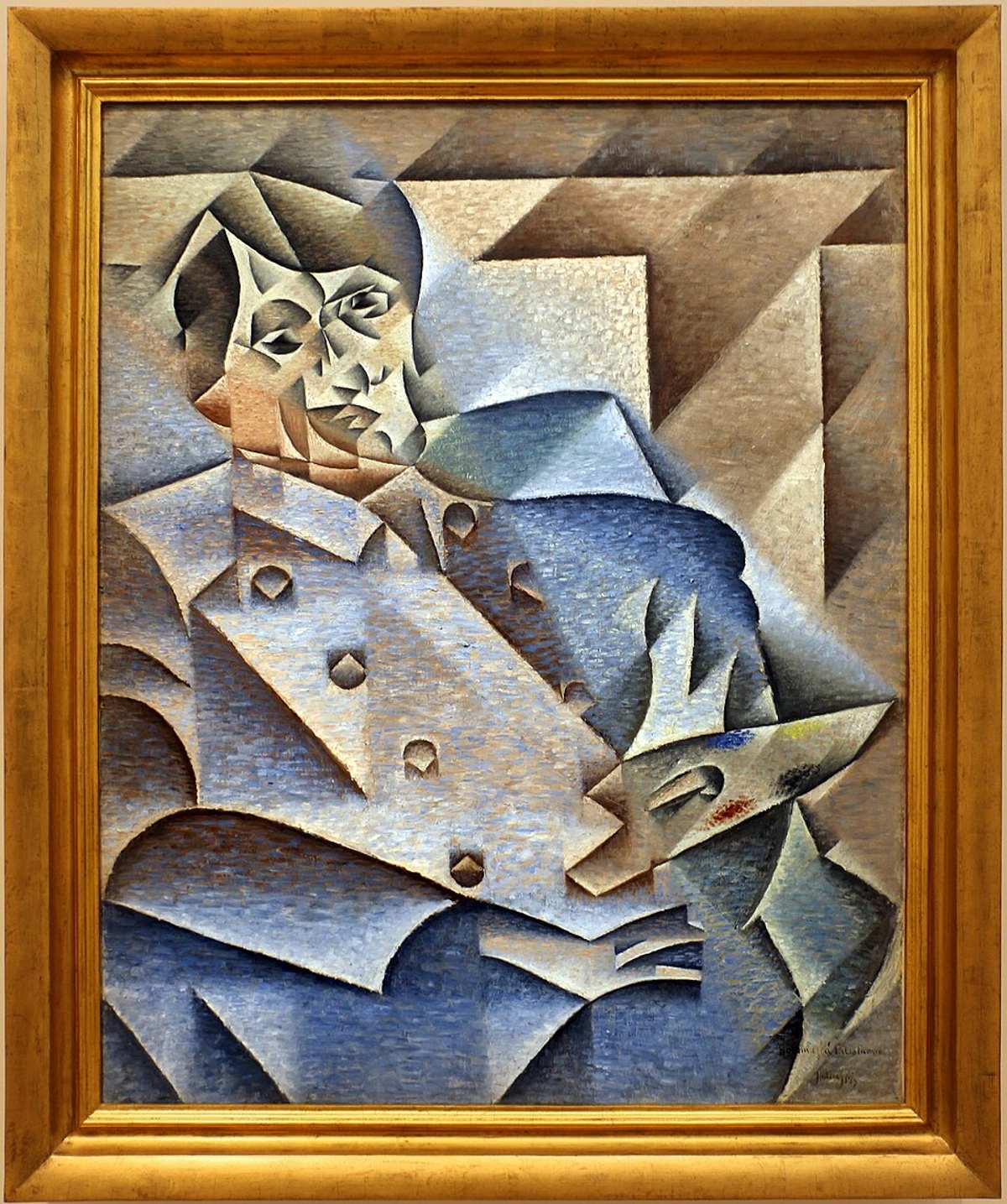
Ah, the age-old question! This is less about knowing and more about understanding the immense timescale. "Dry to the touch" for oil paint can be a matter of days or weeks, but fully cured—meaning the polymerization process is complete throughout the entire film—can take years, decades, or even a century or more for very thick layers. There's no quick home test, but generally, a fully cured oil film will be harder, less flexible, and less susceptible to solvent attack. Conservators often advise waiting at least 6-12 months, and often much longer, before varnishing an oil painting to ensure sufficient curing has taken place. For scientific assessment, conservators sometimes employ techniques like FTIR (Fourier-transform infrared) spectroscopy to analyze the chemical state of the binder and gauge the extent of polymerization, providing a more precise, albeit complex, answer. For us mere mortals, patience is the best indicator.
Can a damaged paint film be repaired?
Yes, to an extent, but it's an incredibly specialized and delicate art form. This is the painstaking work of art conservators, and I've always been in awe of their patience and skill. They use meticulous techniques to stabilize flaking paint through consolidation (re-adhering lifting paint with microscopic precision), clean dirty or discolored surfaces without damaging the original paint, and inpaint (fill in) areas of loss. Stabilizing flaking paint is often a primary concern, whereas filling large losses is a complex ethical decision. The goal is always to integrate repairs seamlessly while remaining reversible and without altering the artist's original work or intent. Importantly, repairs are typically distinguishable under close inspection or specific lighting (e.g., UV light) to maintain transparency and document the artwork's history. It's a testament to patience, scientific knowledge, and a deep respect for the artwork's integrity.

How do I know if humidity affects my acrylics?
Acrylics, being thermoplastic, can become softer and tackier in high humidity or heat. This makes them prone to attracting and embedding airborne dust and pollutants. While generally flexible, extreme and rapid fluctuations in humidity (very dry to very wet, or vice versa) can still induce stress, potentially leading to delamination or cracking, especially in thinly applied or very large works. Keep an eye out for dust accumulation, a slightly sticky surface, or any subtle changes in sheen or adhesion, which can be indicators of environmental stress.
What are the best ways to store paintings to preserve the paint film?
Storing paintings properly is crucial. Aim for a stable environment: consistent temperature (around 18-22°C or 65-72°F) and relative humidity (45-55%). Avoid extreme fluctuations, which cause the support and paint film to expand and contract at different rates, leading to stress, cracking, and flaking. Keep paintings out of direct sunlight and away from heat sources. Absolutely avoid storing them in attics or basements, where temperature and humidity swings are often severe. Store them vertically, ideally in specialized racks, and ensure they are protected from dust and physical damage. Proper framing with archival materials also offers significant protection, acting as another layer of defense for the delicate paint film.
What are the ethical considerations for repairing damaged paint films?
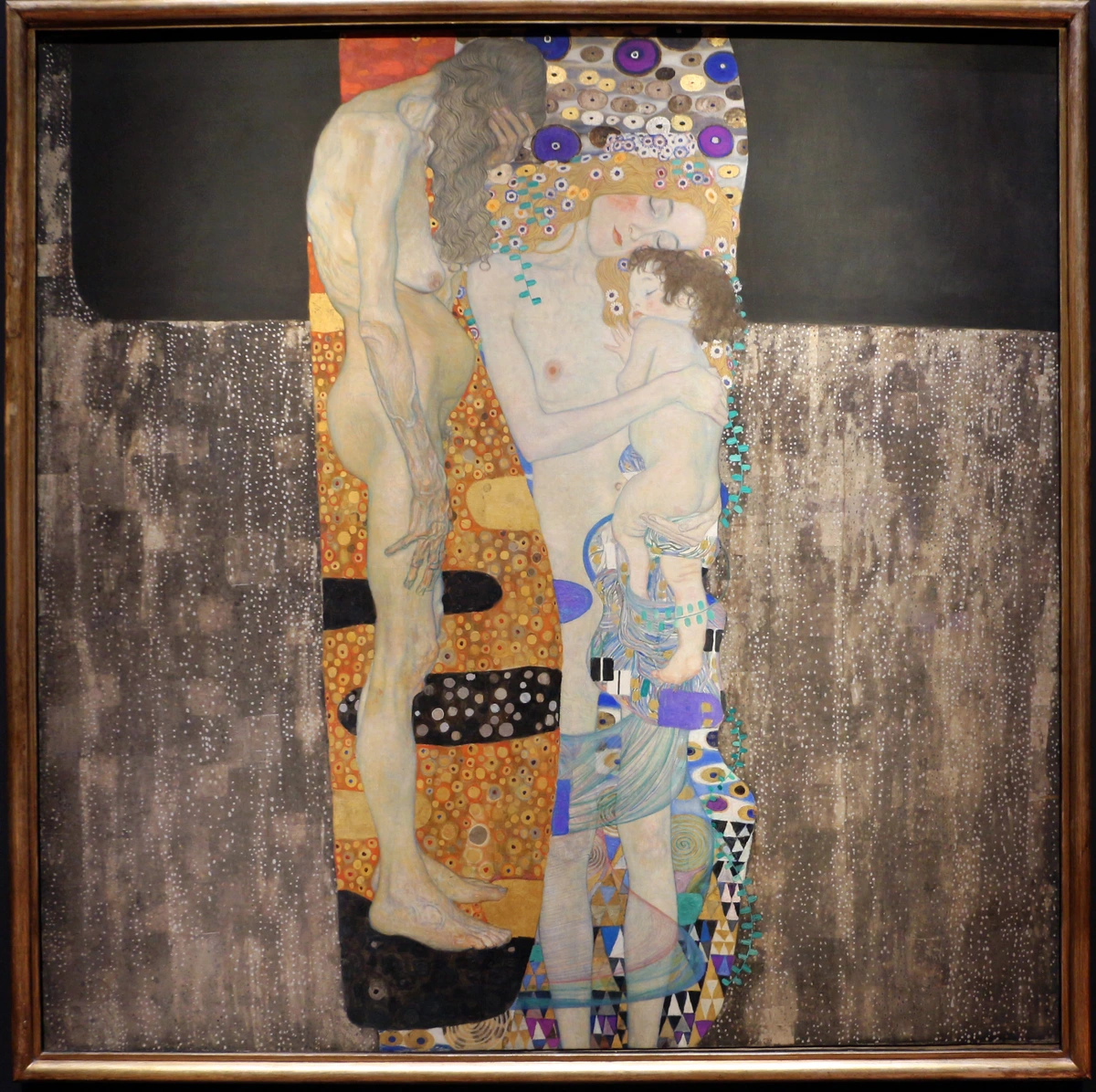
This is a cornerstone of art conservation! The primary ethical principles include: reversibility (any treatment should be able to be undone without harming the original artwork), minimal intervention (only do what's necessary), and respect for the artist's original intent. Conservators strive to integrate repairs seamlessly, making them visually unnoticeable from a normal viewing distance, but the repairs themselves must be distinguishable under close inspection or specific lighting (e.g., UV light). The goal is to stabilize and preserve, not to recreate or alter the original work, acknowledging the passage of time and the artwork's historical journey without erasing its history through overly aggressive restoration. Sometimes, the subtle signs of age are part of the artwork's story, and respecting that history is paramount.
What about digital art's "paint film"?
It's an interesting thought, isn't it? While digital art creates its own 'virtual' paint film through pixels and algorithms, it fundamentally lacks the tangible, chemical history and physical degradation of traditional paint. There's no pigment to fade, no binder to crack from oxidation, no physical support to move. It's a different medium entirely, one that exchanges the material challenges of physical art for the digital ones of file corruption, format obsolescence, data degradation, and hardware failure. While NFTs offer a fascinating new paradigm for digital art ownership and provenance tracking, they don't fundamentally alter the nature of the digital 'paint film' itself, which remains a series of data. This is distinct from the tangible, chemically active layers of traditional paint and its inherent vulnerabilities. For me, the beauty of a physical paint film lies precisely in its tangible vulnerability and its enduring, albeit challenging, battle against time. Indeed, digital art preservation is an emerging field, focusing on strategies like emulation and migration to ensure these ephemeral digital "films" can be accessed and experienced by future generations – a parallel, yet distinct, challenge to conserving physical artworks.
The Enduring Legacy: A Deeper Look at Art's Resilience
So, the next time you visit a museum, perhaps the Den Bosch Museum or even a local gallery, I invite you to look closer. Really look. Look beyond the image and see the substance that makes it all possible. The paint film, this delicate yet resilient skin, is a testament to both chemistry and creativity—a silent narrative of material science and artistic intent. Every crack, every subtle shift in color, every nuanced texture tells a story of time, environment, and the enduring power of art itself. It’s a marvel, truly. My hope is that this comprehensive exploration of the paint film equips you with the deepest understanding, making this your go-to resource for all things art's protective skin. Take this knowledge with you, observe the subtle textures and surfaces in person, and truly appreciate the silent, enduring legacy of the paint film—the true skin of art. Perhaps consider exploring the vibrant materiality in contemporary abstract works you can discover here or delving deeper into art history and conservation at our timeline. This knowledge doesn't just inform; it transforms how you see.
To further your understanding of the intricate world of art materials and their preservation, consider diving into these related topics:
- Definitive Guide to Paint Types for Artists: Explore the various binders and their unique characteristics.
- What is Gesso in Painting: Understand the crucial role of primers in paint film longevity.
- Understanding the Elements of Art: A Beginners Guide to Line, Shape, Color, and Texture: See how material properties contribute to artistic expression.