What is a Paint Film in Art? The Definitive Guide to Its Science, Formation & Longevity
Unravel the science of the paint film: its components, formation, crucial properties for endurance, common challenges, and how it varies across mediums. Your ultimate guide to the unsung hero ensuring an artwork's lasting legacy.

What is a Paint Film in Art? The Definitive Guide to Its Science, Formation & Longevity
I’ve always been captivated by the quiet persistence of art. How does a vibrant burst of pigment, applied with such fleeting energy, stand resilient against the relentless march of time, sometimes for centuries? It’s a question that, for me, bridges the ephemeral magic of creation with the grounding reality of science. This isn't just about admiring a surface; it's about understanding the intricate engineering beneath it—the paint film itself. Often overlooked in the grand narrative of art, this meticulous, continuous layer is the final solid state of paint that binds pigment to support, ensuring an artwork's longevity and visual integrity. Honestly, it’s the unsung hero of every masterpiece, the silent guardian.
In this definitive guide, we’ll strip back the layers to explore its fascinating science, its mysterious transformation from liquid to lasting solid, the crucial properties that make it an enduring guardian, and the common challenges it faces across various artistic mediums. My goal here is to make this the most comprehensive and engaging resource you'll find, demystifying the physical structure that gives art its staying power, from a chemical whisper to a durable, visual shout. Let's dig in and uncover the secrets holding our artistic heritage together, understanding how these microscopic marvels influence everything from my personal studio choices to the preservation of ancient masterpieces.
Anatomy of a Brushstroke: What Makes Up a Paint Film?
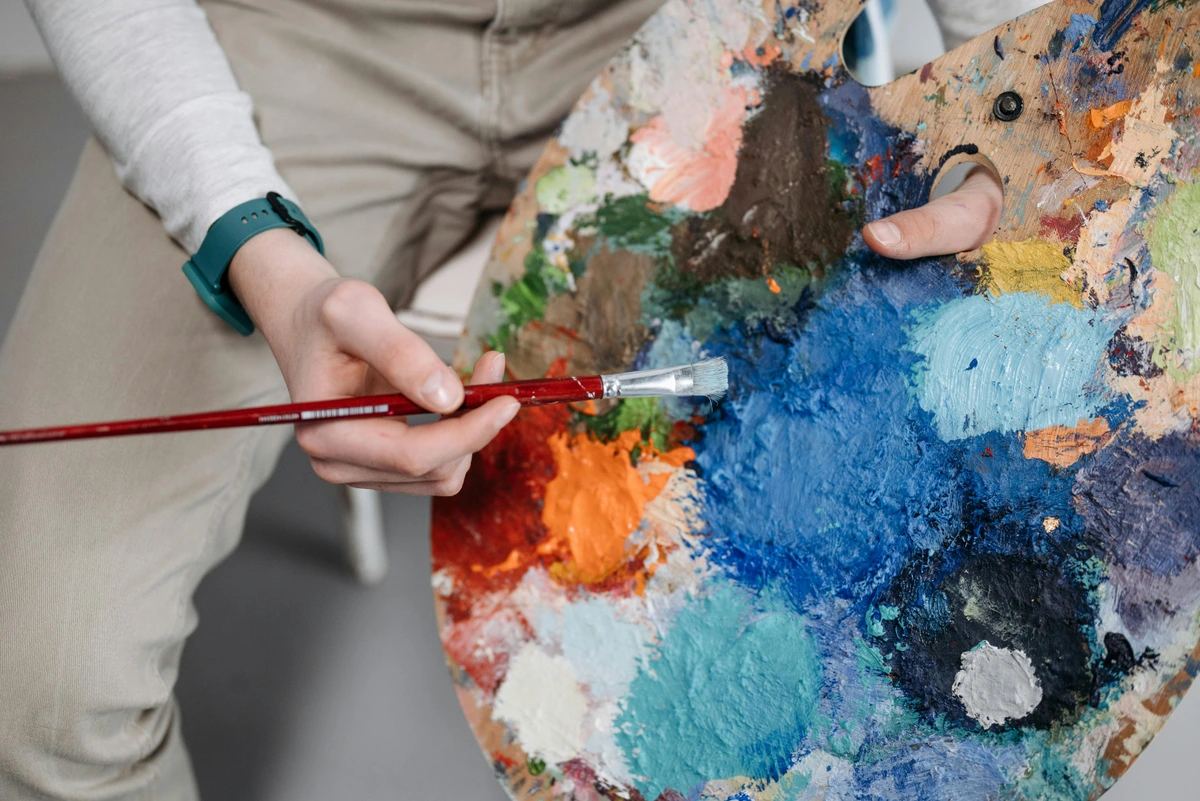
Imagine you're an artist, mixing colors on your palette. What you're doing, whether you realize it or not, is setting the stage for a complex chemical dance. A paint film, once settled, is a true composite material – a blend of distinct substances working in concert. When we talk about the 'support' – that's your canvas, wood panel, paper, or even metal – and the 'ground layer' or primer, we're talking about the crucial foundation that the paint film adheres to. Without a good bond there, all bets are off. It's like a perfectly balanced composition in art explained, only with molecules instead of masses.
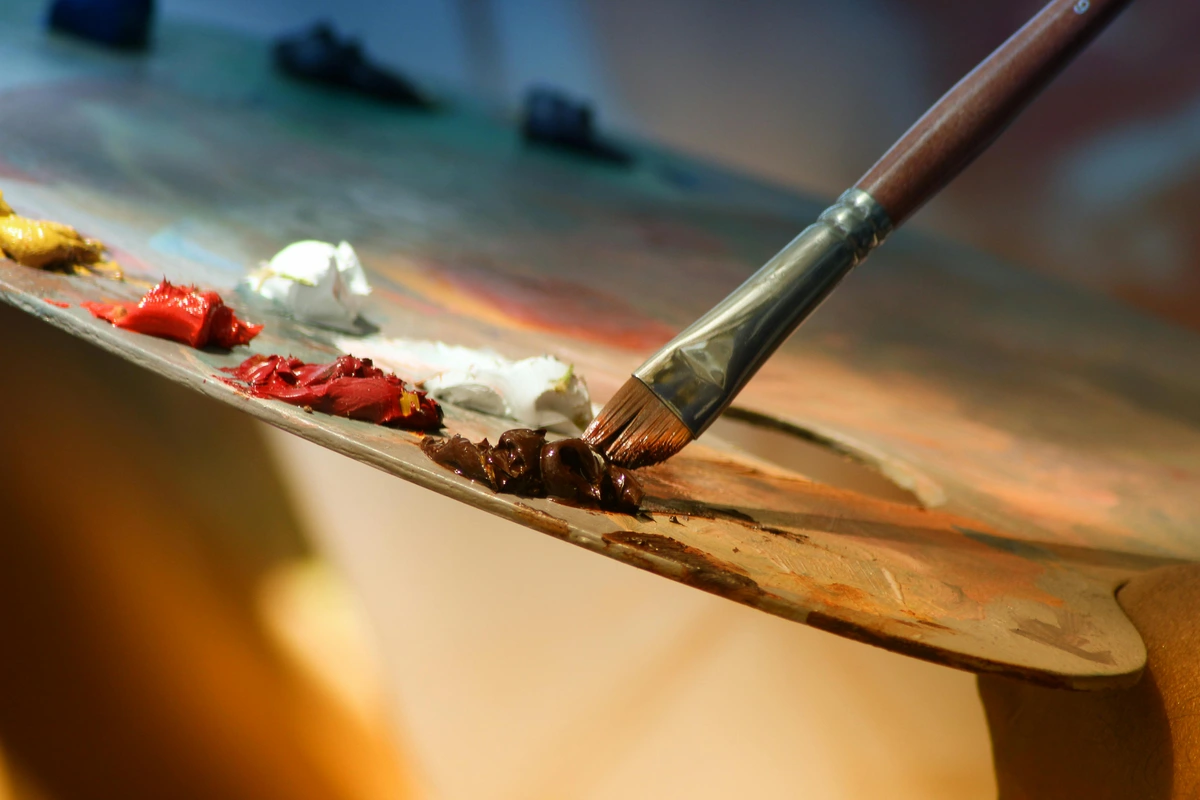
Let's break down the essential components that give paint its magic:
Component  | Role in the Paint Film | Examples & My Artistic Takeaway (and why it matters!) |
|---|---|---|
| Pigment | Provides color, texture, and opacity. The 'soul' of the color, defining its visual identity and lightfastness. | Titanium White (brilliant, opaque), Cadmium Red (vibrant, often toxic), Ultramarine Blue (deep, semi-transparent). For me, pigments are where the magic truly starts. Certain pigments, whether mineral-based (inorganic, like the earthy ochres and umbers, or historical lead white and toxic vermilion) or synthetic (organic, like modern quinacridones), have distinct particle sizes and shapes affecting how light scatters – and thus, their 'personality' on canvas. Think of how finely ground pigments create smoother glazes, while coarser ones offer more texture. But it's more than that: particle shape and surface chemistry dictate how well they integrate with the binder, profoundly impacting the film's strength and stability. This integration often involves surface treatment of pigment particles to improve their compatibility with the binder, through processes like electrostatic or steric stabilization, preventing them from clumping and ensuring uniform dispersion. I've always found it fascinating how some pigments truly seem to sing! I often choose Quinacridone Magenta for its exceptional vibrancy and transparency in glazes, knowing its finely ground particles will create a luminous depth that’s hard to achieve otherwise. But I also respect the dense opacity of a good Titanium White, which brings a completely different energy, providing maximum covering power due to its fine, regular particle shape and high refractive index. |
| Binder (or Vehicle) | Surrounds pigment particles, binding them to each other and to the support. This is the primary film-former, the molecular architect. | Linseed oil (for oils, polymerizes), acrylic polymer emulsion (for acrylics, coalesces), gum arabic (for watercolors, a simple film). This is the glue, the unsung workhorse, and the very DNA of your paint film. Its molecular structure dictates everything from drying time to flexibility, and ultimately, its lifespan. Without a strong binder, your glorious colors would just turn to dust. It’s the silent promise of endurance. For oils, this involves complex cross-linking of unsaturated fatty acids, forming long, stable polymer chains from smaller monomer units—a process akin to molecular architects building a sturdy, interconnected brick wall. Acrylics, on the other hand, rely on the physical fusion or merging of polymer spheres (coalescence) as water evaporates, like tiny water droplets merging to form a solid sheet of ice. The specific acrylic polymers used (e.g., poly(methyl methacrylate), poly(butyl acrylate), or styrene-acrylic copolymers) determine key properties like glass transition temperature (Tg), which is the temperature at which the polymer shifts from a hard, glassy state to a softer, rubbery state. A lower Tg means more flexibility, crucial for a stable film on canvas. The initial stability of acrylic emulsions is also thanks to emulsifiers and surfactants, which must eventually migrate or integrate into the film for optimal water resistance and clarity. The term 'vehicle' often encompasses both the binder and solvent in the wet state, carrying the pigment, but it's the binder that ultimately forms the lasting film. |
| Solvent (or Diluent) | Adjusts paint viscosity for application, allowing it to flow and spread; evaporates during drying, leaving the binder and pigment behind. | Turpentine (oils), water (acrylics, watercolors), mineral spirits. My personal nemesis when I want paint to dry faster, or my best friend when I need to make a wash. It's a vanishing act, but a crucial one for workability, ensuring a smooth, even application before the magic of curing begins. It's the temporary carrier, allowing the permanent elements to find their place. While water is largely harmless, be mindful that traditional solvents like turpentine and mineral spirits can pose health risks if not used in well-ventilated areas. Many artists are now exploring more eco-friendly, less toxic alternatives, such as water-miscible oils, citrus-based solvents, or bio-solvents derived from natural sources. These often present new challenges, like potentially slower drying times or different smells, but they're a welcome development reflecting a growing awareness of both personal and planetary health. |
| Additives | Minor components that modify properties like drying time, flow, film stability, or resistance to mold. | Driers (for oils, speed up oxidation), dispersants (keep pigments suspended), rheology modifiers (thickeners or thinners), wetting agents (improve surface contact), UV absorbers (slow degradation), anti-foaming agents, preservatives, biocides. These are the hidden helpers that make paints behave consistently. I often think of them as the paint's secret weapon, ensuring consistent performance, extending shelf life, and preventing premature degradation. For instance, driers contain metal salts (like cobalt, manganese, or zirconium) that act as catalysts, promoting the absorption of oxygen from the air to accelerate the oil's polymerization through the formation of hydroperoxides. Dispersants work by coating pigment particles to prevent them from clumping together, ensuring an even distribution within the binder through electrostatic or steric stabilization, creating a uniform pigment-binder ratio. UV absorbers are compounds (often organic molecules like benzotriazoles or hindered amine light stabilizers, HALS) that sacrifice themselves, absorbing harmful ultraviolet radiation and converting it into harmless heat, thereby protecting the delicate pigment and binder molecules from photodegradation. And then you have anti-foaming agents to prevent bubbles during manufacturing and application, or preservatives and biocides to stop microbial growth in water-based paints, especially in humid conditions. They literally act as the paint film's internal sunscreen and bodyguard! |
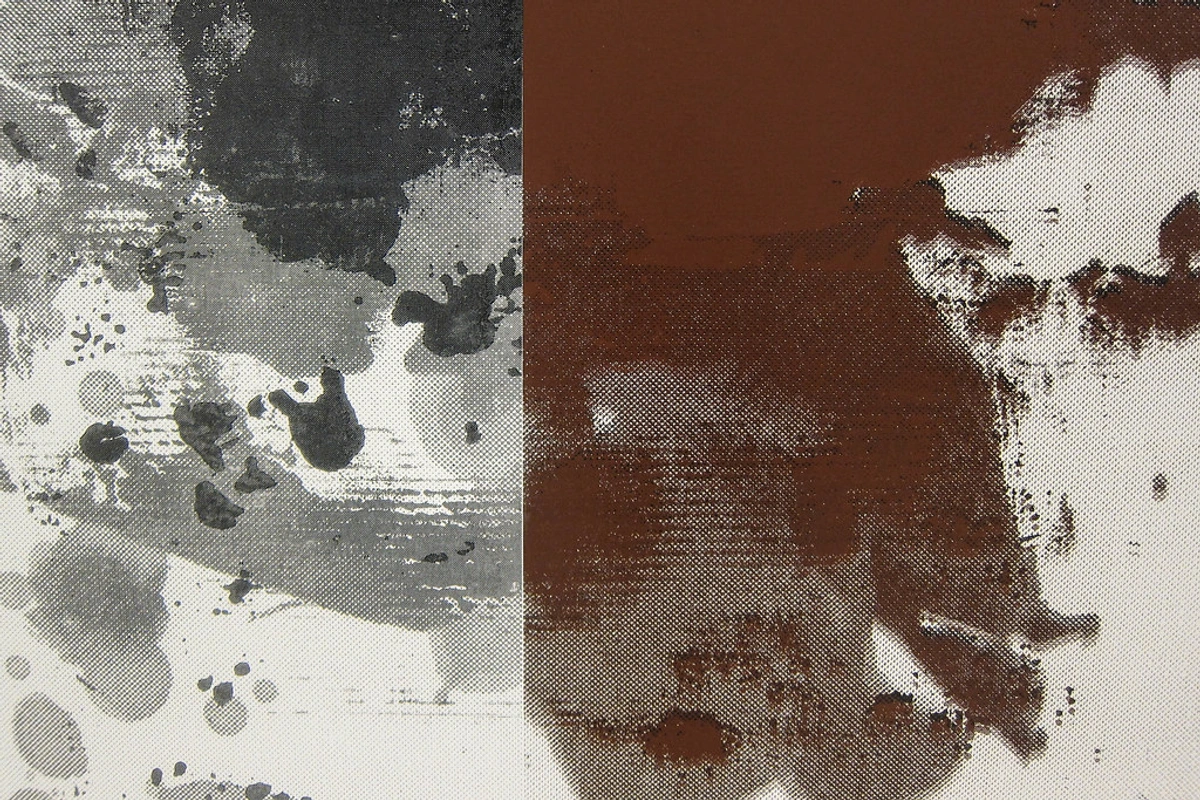
Once the solvent has done its vanishing act – or rather, once it has evaporated – and the binder solidifies, these components coalesce into that stable, cohesive film. The characteristics, the very DNA of this film, are largely dictated by the binder's type and its ratio to the pigment. I've often seen how different pigment-binder ratios affect the final sheen or texture; a high pigment load can lead to a more matte finish and a more brittle, under-bound film if the binder isn't sufficient to encapsulate every particle, while a low pigment load (or higher binder content) often results in a glossier, more flexible film with increased transparency. It's a delicate balance that an artist must learn to master. And let's not forget rheology – the study of how paint flows and deforms. The viscosity, or thickness, of the wet paint significantly impacts how the film forms, from a smooth glaze to a textured impasto. You see this vividly with thixotropy, where paint thins when stirred or brushed, then thickens again at rest – crucial for maintaining brushstrokes without sagging. Think of how ketchup seems thick in the bottle but flows easily once shaken; that's thixotropy at play, ensuring your bold impasto strokes stand tall rather than slumping down the canvas. It's absolutely critical for capturing the dynamism of a painter's hand. And then there's surface tension, the cohesive forces acting on the surface of a liquid, which dictates how well paint wets and spreads over a support. High surface tension can lead to beading or poor leveling, while low surface tension (often achieved with wetting agents in modern paints) ensures smooth, even glazes and consistent film formation. It’s a silent force ensuring every drop of paint behaves as it should.
Ground Layers: The Unseen Foundation
Before the paint even touches the surface, there's the ground layer, often called a primer or gesso. This isn't just about preparing a surface; it's about building a stable foundation. The ground layer provides the crucial interface between your artwork and its support (which, as we've established, can be anything from canvas to wood, paper, or even metal). Its absorbency, texture, and flexibility directly influence how the paint film adheres, forms, and ages. Adhesion isn't just chemical; it's also about mechanical interlock, where the paint physically keys into the microscopic texture of the ground, much like a tiny, intricate Velcro system, or the way fine sand grains interlock on sandpaper, giving it grip.
Historically, artists have experimented with various grounds. Early practices often involved applying multiple layers of gesso sottile (a mix of chalk or gypsum with animal glue, usually rabbit-skin glue) to rigid wood panels. This traditional gesso offered a wonderfully smooth, luminous surface for egg tempera or early oil painting, but it was incredibly brittle and highly absorbent. A too-absorbent ground, like this traditional gesso, can prematurely suck the binder out of oil paint, leading to a brittle, under-bound film that appears dull or 'sunken-in'—a conservator's headache! On the other hand, a too-smooth or non-absorbent ground (sometimes an improperly applied acrylic primer with too much film-former) can compromise adhesion, leading to delamination or flaking over time. You also had historical oil-based grounds, sometimes lead-primed, which offered different levels of adhesion and oil retention, each with their own set of long-term implications for the paint film.
Modern acrylic gessos, typically composed of an acrylic polymer emulsion with titanium dioxide (for whiteness) and calcium carbonate (for tooth/absorbency), offer greater flexibility and are suitable for flexible supports like canvas. However, even with modern primers, understanding the handshake between your paint and its ground is non-negotiable for longevity. Just as Frank Lloyd Wright meticulously designed every detail of his buildings, from foundation to roof, the paint film's structural integrity depends on a similar level of material understanding, beginning with its base. A well-chosen and prepared ground is the silent guardian of the layers that follow. You can learn more about preparing your surfaces in my guides on what is raw canvas: a guide for artists and what is gesso in painting.
From Liquid to Lasting: The Formation of a Paint Film
This isn't just about paint drying. Oh no, it's far more fascinating, a chemical metamorphosis I find endlessly compelling. It's the moment when the fleeting gesture of the artist solidifies into enduring matter. This transformation, often called curing, is a nuanced dance of molecules, and it varies wildly depending on your chosen medium. It's why an acrylic piece feels solid in minutes, but an oil painting can be decades in the making. It's truly a testament to patience, both for the artist and for the artwork itself. So, how does this magic happen?
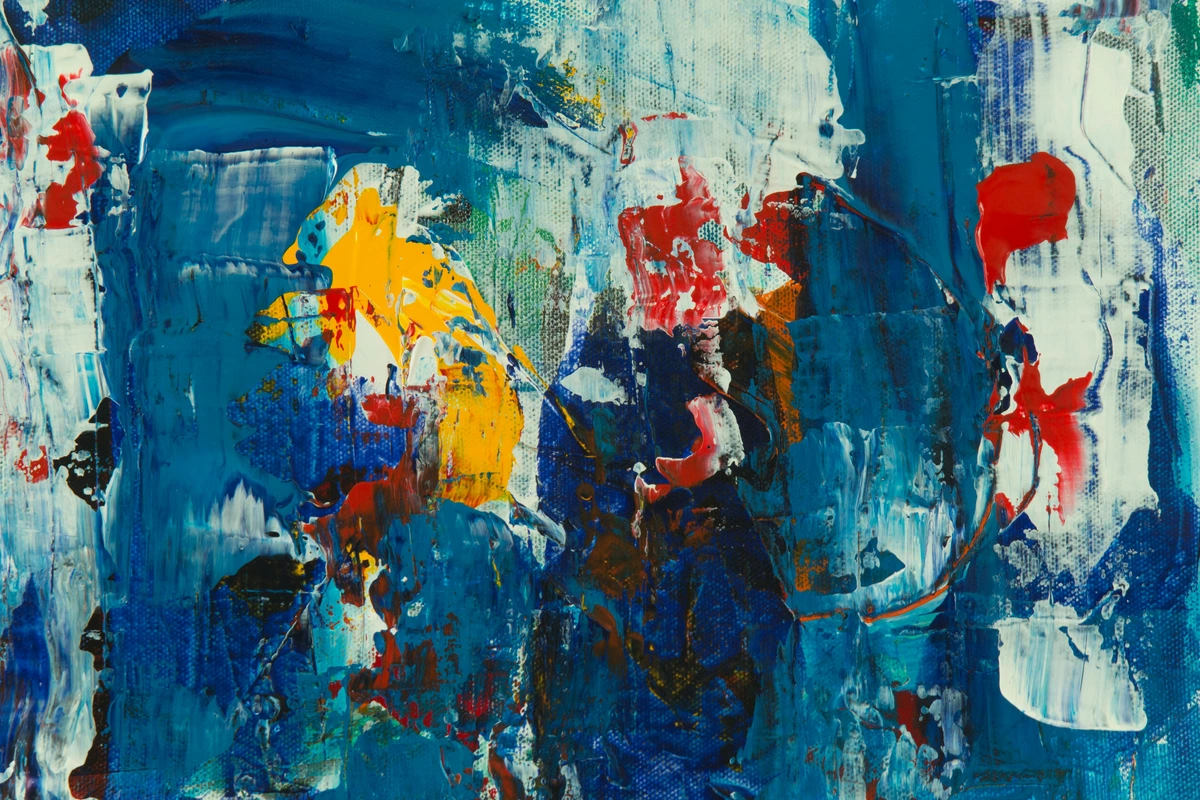
Here's how it generally shakes out:
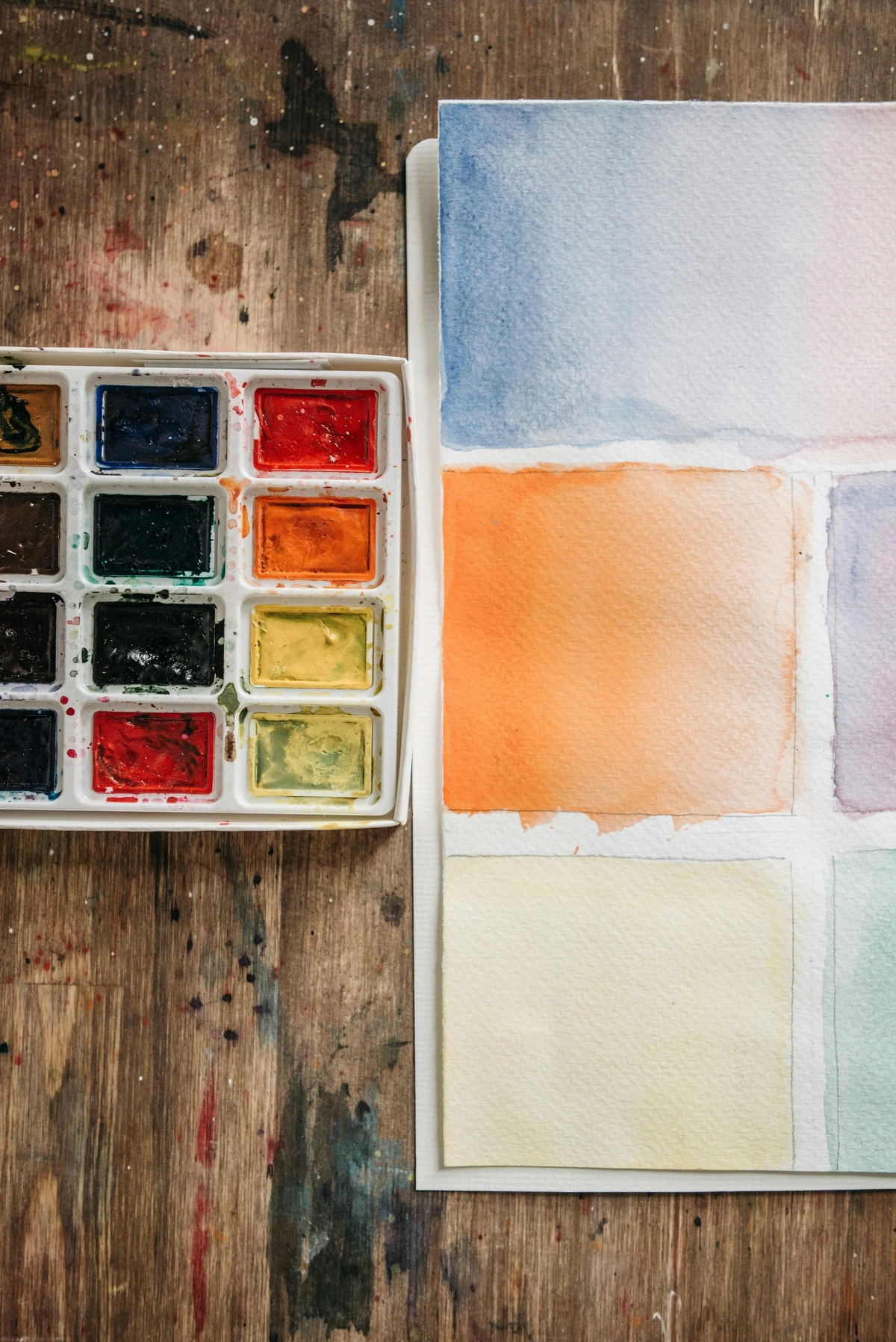
- Evaporation: This is the quickest, most straightforward act. The solvent (like water or mineral spirits) simply leaves the building, making the paint solid to the touch. This is the primary process for watercolors, gouache (which you can learn more about in reviewing the best gouache sets for beginners), and many acrylics. Dry to the touch, but not necessarily 'done.' It's like a damp cloth feeling dry, but still holding onto latent moisture within. The polymer particles or gum arabic are left behind to form a film.
- Oxidation (Polymerization): Now, this is where oil paints get interesting, and why 'how long does oil paint take to dry?' is a loaded question. The binder (linseed, poppy, or walnut oil, with specific variations like heat-bodied stand oil affecting viscosity and flexibility) isn't just evaporating; it's actively reacting with oxygen in the air through a process called auto-oxidation. This causes its molecules, specifically unsaturated fatty acids, to polymerize—imagine tiny building blocks linking up into long, stable, cross-linked chains, creating a strong, interconnected polymer matrix. The process begins with the formation of hydroperoxides and subsequent free radical reactions, gradually transforming the liquid oil into a solid, durable film. This is a gloriously slow process, taking months, even years, to fully complete. It's why we say oil paintings cure, like a fine cheese, rather than just dry. This continuous strengthening is what gives old master paintings their incredible durability. (For another historical binder, check out the history of encaustic painting).
- Coalescence: Acrylic paints, my old friends, rely on this. Their binder is an acrylic polymer emulsion—essentially, microscopic polymer particles suspended in water. As the water evaporates, these little particles are forced closer and closer until their boundaries break down and they fuse or merge (coalesce) into a continuous, water-resistant film. This process is often aided by the polymer's glass transition temperature (Tg), where the particles become soft enough to merge, and sometimes by the presence of surfactants and emulsifiers which initially stabilize the emulsion but must eventually migrate or integrate into the film for optimal water resistance and clarity. Manufacturers can manipulate the specific acrylic polymers used (e.g., styrene-acrylics, pure acrylics like methacrylate polymers) and additives to control this Tg, impacting the film's flexibility and hardness. It's like a microscopic crowd coming together to form a solid wall, permanently locking the pigment in place with a uniform, stable structure. Or, think of a tray of ice cubes left out: as they melt, they merge into one solid block of water. If applied too thickly or dried too quickly, especially in humid conditions, this process can be hindered, leading to issues like 'mud cracking' where the film forms unevenly. This is also a form of polymerization, but initiated by physical contact rather than a chemical reaction with oxygen.
I've found that ambient factors like temperature, humidity, air circulation, and especially the thickness of my application, all play a crucial role in the speed and quality of this film formation. Ever tried to dry a thick blob of oil paint in a cold, damp studio? It's an exercise in extreme patience, and often, a recipe for trouble like incomplete curing or wrinkling. Artists can also manipulate this by choosing specific mediums and solvents to accelerate or decelerate these processes, finely tuning the properties of their ultimate paint film. Understanding these fundamental transformations allows me, and hopefully you, to make more informed choices about materials, anticipating how they will behave not just today, but for decades to come, ensuring my aesthetic vision has the physical resilience to endure.
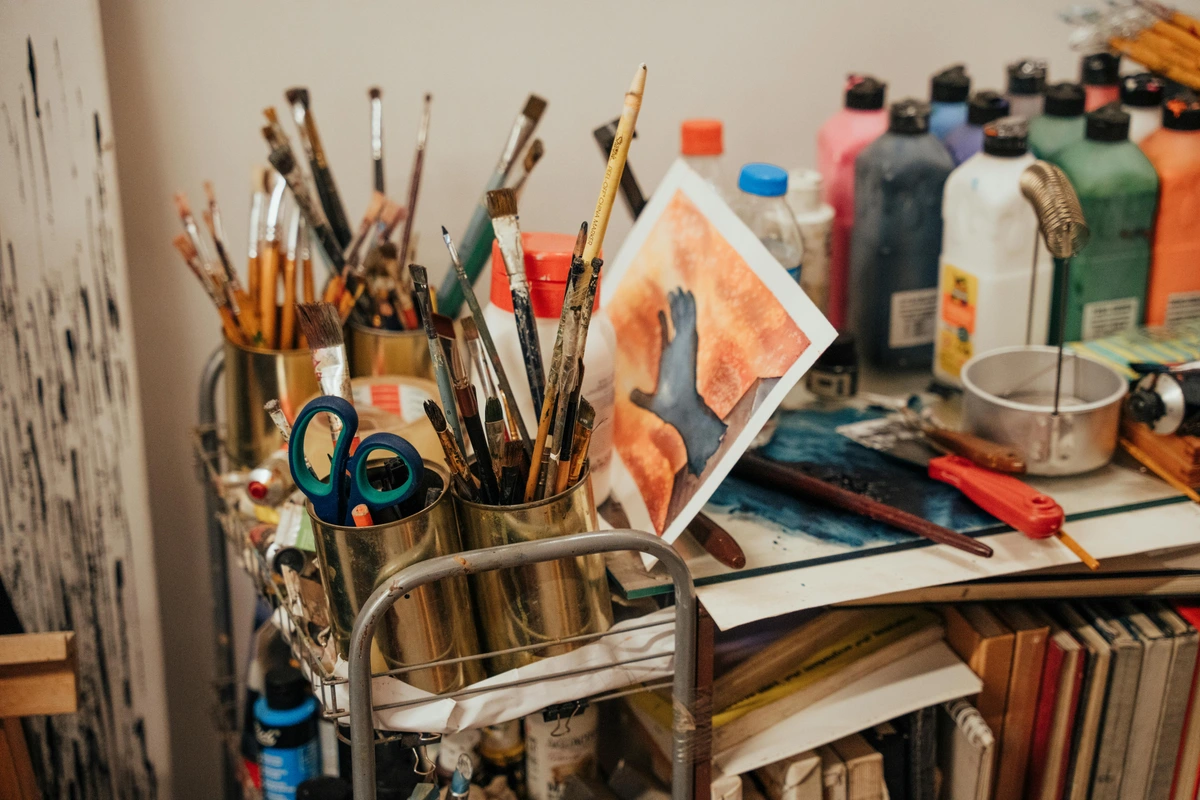
Much like shaping clay on a wheel, the initial liquid state of paint is actively molded and transformed, though through chemical rather than solely physical forces, into its enduring form. This transformation is the core of paint film formation.
The Unsung Hero: Essential Properties of a Strong Paint Film
A truly great paint film isn't just a pretty face; it's a tiny architectural marvel, engineered for endurance. To truly stand the test of time, and to fulfill its aesthetic purpose, it needs specific physical properties – it's where science literally supports art, ensuring both stability and visual consistency. As an artist, knowing these properties fundamentally changes how I approach my materials – it’s the difference between a fleeting moment and an enduring legacy. So, what exactly are we asking of this invisible protector?
Property | What it Means for the Art | Why it Matters to Me (and You!) |
|---|---|---|
| Adhesion | The film's ability to stick firmly to the underlying surface (the ground, primer, or previous layers). | Without it, paint literally falls off – a conservator's nightmare! I've seen flaking ruins where poor adhesion was the culprit. A good ground layer and proper surface preparation (like applying gesso) is absolutely vital here. It's the handshake between the art and its support, and it better be firm, or your masterpiece will be a pile of dust! |
| Cohesion | The internal strength; how well the film's own components (pigment and binder) hold together. | Prevents crumbling or powdering. Think of a weak, crumbly cake vs. a sturdy, resilient loaf. If the binder doesn't create a strong enough internal matrix, your carefully applied colors will just turn to dust. It's the structural integrity of the paint itself—the internal glue that keeps everything in its place, providing the bulk of the film's mechanical strength. |
| Flexibility | The film's ability to move with the support (canvas, wood) as it expands and contracts due to environmental changes in temperature and humidity. | Crucial for preventing cracking, especially on flexible canvases. A stiff film on a flexible support is a recipe for disaster. I aim for a balance, understanding that my canvas breathes with the ambient air, and my paint needs to breathe with it too, stretching and contracting in harmony to avoid a tragic fracture. This is often enhanced by plasticizers in modern paints, which are small molecules that get between the larger polymer chains of the binder, allowing them to slide past each other more easily and increasing elasticity. This is especially vital in flexible acrylic films. |
| Hardness | Resistance to scratching, abrasion, and physical damage. | Protects the artwork during handling, transport, and even careful cleaning. I want my art to be resilient, not fragile – something that can withstand the tests of time and travel, allowing future generations to enjoy it without being marred by everyday bumps and scrapes. Hardness often increases as the paint film fully cures. |
| Permeability | How much the film allows gases (like oxygen) and liquids (like water vapor) to pass through. | Impacts long-term curing (especially for oils, which need oxygen for auto-oxidation) and vulnerability to moisture-related damage or pollutants. It's a delicate balance; too open, and it's vulnerable to environmental aggressors and can lead to rapid drying and embrittlement; too closed, and it chokes the ongoing oxidative curing process by trapping moisture and hindering oxygen access for oil paints, potentially leading to issues like yellowing or insufficient curing. For example, a less permeable oil paint film might yellow more if stored in darkness, as trapped degradation products cannot escape and fresh oxygen cannot aid in bleaching. You want it to be breathable, but not porous—a careful filter for its environment, allowing for essential chemical reactions while protecting from harm. |
| Surface Tension | The cohesive force on the surface of a liquid paint that affects its wetting and spreading properties. | Crucial for smooth, even application and proper film formation. High surface tension can cause paint to bead or pull away, especially on less absorbent surfaces, leading to uneven coverage or poor detail. Conversely, low surface tension, often enhanced by wetting agents, allows paint to spread uniformly, creating luminous glazes and sharp details without skipping. It’s the invisible hand ensuring your brushstrokes flow where you intend them to go. |
| Chemical Resistance | The film's ability to withstand chemical degradation from solvents, acids, bases, or atmospheric pollutants. | Crucial for cleaning, conservation, and protecting against environmental aggressors. A robust film will not easily dissolve or degrade when exposed to cleaning agents during restoration, nor will it be severely affected by airborne pollutants over time. It ensures the integrity of your colors and binder in the face of chemical challenges. |
| Appearance | Visual characteristics: gloss, sheen, color retention, transparency, texture, optical effects. | This is the aesthetic payoff! It dictates the final look and feel of the painting. Beyond gloss and sheen (which can be heavily influenced by the binder choice, e.g., oils generally have higher gloss than gouache), this includes the subtle undertones, iridescence, or even metallic effects that can truly make a color sing. I often consider the 'story' the surface tells – is it a rich, glossy jewel-tone or a muted, matte whisper? These aren't just accidents; they're often intentional choices dictated by the paint film's inherent properties and how I choose to manipulate them through mediums and application. |
And let's not forget the silent, relentless enemies: UV light and atmospheric pollutants. A durable paint film needs to offer some resistance here too, lest your vibrant cadmium reds fade to dull browns or your pristine whites yellow prematurely. UV radiation can cause chain scission (the breaking of polymer chains) in polymer binders, weakening the film, and lead to photochemical reactions in pigments that alter their color (e.g., the oxidation or reduction of metal ions within certain inorganic pigments). It’s a constant battle against the environment, and the paint film is your art's frontline defense, often augmented by protective varnishes that serve as its 'sunscreen.'
Beyond these inherent properties, the pigment-binder ratio mentioned earlier profoundly influences the mechanical properties and durability of the film. Too much pigment and not enough binder can result in an under-bound, brittle, and chalky film. Too much binder, and the film might become overly flexible, potentially leading to solvent retention issues or a tendency to collect dust, not to mention altering the color's inherent character. Striking the right balance is an art in itself, and it’s why understanding these properties is not just academic; it empowers you to achieve your specific aesthetic goals, whether it’s creating luminous glazes, achieving bold impasto textures, or ensuring long-term color vibrancy. Your artistic intent, backed by scientific knowledge, becomes a powerful force. How do these properties shape your own approach to materials?
When Things Go Wrong: Common Issues and Defects in Paint Films
Even with the best intentions and the most meticulous application, paint films, like all material things, can develop issues. Usually, it's a symptom of improper formulation, application, or environmental stress, or simply the relentless march of time. As an artist, these are the heartbreaks, the silent screams from a paint film that just couldn't take the strain, often manifesting despite the very properties we've just discussed that are meant to protect it. Knowing them helps us avoid them and, crucially, understand why long-term preservation of artwork is so vital. I've stared at a canvas, only to find a network of cracks, a humbling reminder of the material realities of art.
Here are some of the most common issues:
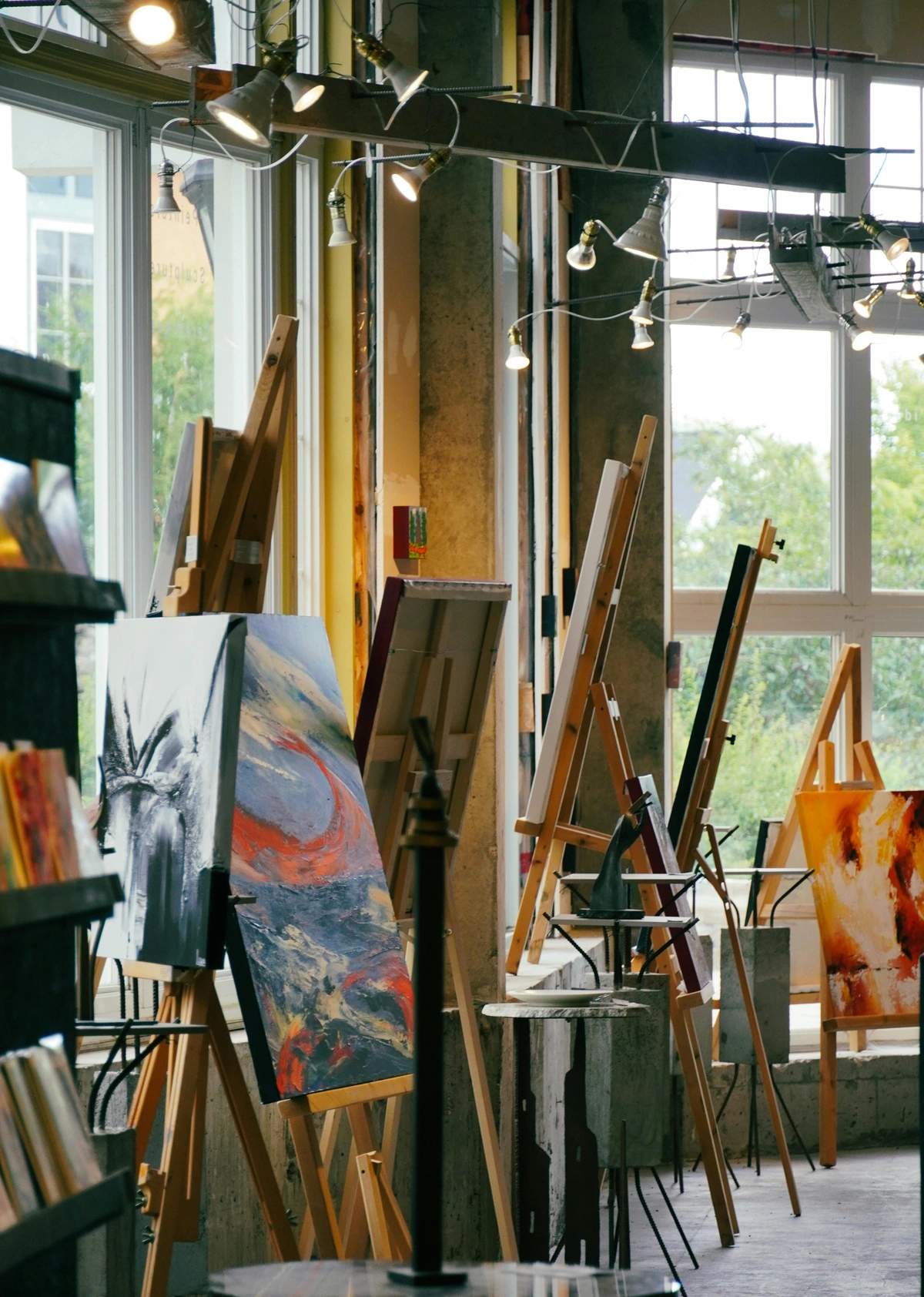
- Cracking (Craquelure): This network of fine cracks is often beautiful in old masters, but a pain in new work. It typically happens when a fast-drying, inflexible layer is applied over a slower-drying, more flexible one (the classic 'fat over lean' rule for oils is key here, which you can explore in mastering glazing techniques in oil painting). Why does oil paint crack? It's usually a struggle for flexibility. If a rigid upper layer dries over a still-flexible (or not fully cured) lower layer, the mechanical stress as the bottom layer continues to dry and shrink causes the top to fracture. This often results from an inability of the paint film to undergo stress relaxation to accommodate dimensional changes; if the material can't 'give' or redistribute internal forces, it breaks. Other culprits can include applying very thick layers that dry unevenly (the surface dries faster than the interior), or significant temperature and humidity fluctuations causing the support and paint film to expand and contract at different rates. To prevent this, ensure consistency in flexibility between layers and allow sufficient drying time, especially in oils. Avoid applying an acrylic layer directly over a thick oil layer, or vice versa, unless fully cured and compatible.
- Blistering: Bubbles forming on the surface. Usually, moisture or contaminants got trapped beneath the film during application, or excessive humidity caused trapped solvents to expand, pushing the film outwards. Ever seen a painting after a flood? Not good. It's the paint film crying out for help, often from humidity or a poorly prepared surface. Proper surface cleaning and ensuring a dry environment are key preventative measures.
- Yellowing: Most notorious in oil paints, particularly with linseed oil binders. This discoloration happens over time as the binder continues to oxidize, often accelerated by darkness or lack of light, as trapped degradation products cannot escape and fresh oxygen cannot aid in bleaching. The process primarily involves the oxidation of unsaturated fatty acids in the oil, leading to the formation of colored chromophores (conjugated double bonds) and, in some cases, the production of dicarboxylic acids that can contribute to ester-induced yellowing by reacting with the glycerol backbone of the oil. Think of old white canvases turning creamy. Pure genius, the artist thought, only for it to slowly shift. Ah, the unpredictability! My advice? Be mindful of your chosen oils (poppy or safflower oil yellow less than linseed), use quality pigments, ensure adequate light exposure for oil works, and select non-yellowing varnishes. Giving your oils some light and space to breathe really helps!
- Chalking: The pigment becoming loose and powdery on the surface. This happens when the binder deteriorates, often from excessive UV exposure (photodegradation leading to chain scission of polymer binders) or insufficient binder from the start. The paint essentially loses its grip, and the pigment particles are no longer properly bound. It's like the skeleton of the paint film crumbling away, leading to a dull, faded appearance and vulnerability. This is distinct from pigment degradation, where the pigment itself changes color or breaks down, though both can contribute to a loss of vibrancy. Protection from direct, strong UV light, which causes the breaking of polymer chains or hydrolysis (breakdown by water), is the primary defense.
- Wrinkling (Crazing or Alligatoring): A very specific frustration for oil painters. It's when a thick layer of oil paint dries on the surface, forming a skin, before the underlying paint can access oxygen to cure properly. The trapped paint shrinks as it tries to cure, pulling the dry surface into wrinkles, much like an alligator's hide. This phenomenon is often attributed to a rapid surface-drying rate combined with a slower through-drying rate, creating differential shrinkage stresses. The thermodynamics of this process involve the diffusion of oxygen and the subsequent polymerization, where a lack of oxygen in the inner layers leads to incomplete cross-linking, resulting in a softer, more fluid core beneath a rigid surface. My advice? Don't be too eager with those thick impasto strokes without thinking it through! Use alkyd mediums to speed through-drying (drying throughout the layer, not just on the surface), or apply thick layers in stages, allowing each to firm up adequately before adding more. Cross-hatching a thick layer can also help oxygen penetrate. Also, be wary of oil paints formulated with an excessive amount of oil, which are more prone to wrinkling.
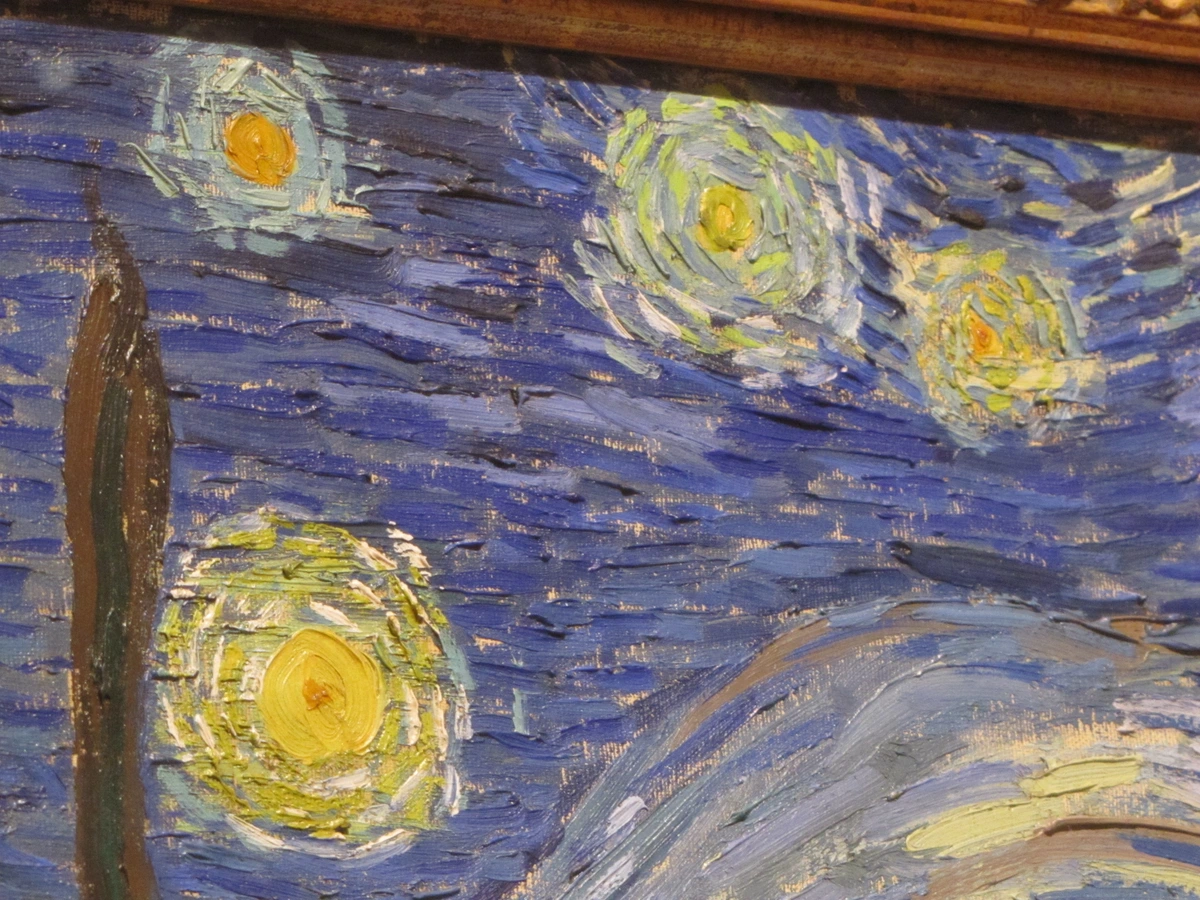
The Protective Layer: Varnish
Once a paint film is fully cured, especially for oil and acrylic paintings, applying a varnish is a crucial step for long-term protection. Varnish isn't just for aesthetics (though it can certainly enhance gloss and saturation); it acts as a sacrificial, removable layer that shields the delicate paint film from dust, grime, atmospheric pollutants, and, most importantly, harmful UV radiation. Modern varnishes often contain UV stabilizers that absorb or scatter ultraviolet light, preventing it from reaching the underlying pigments and binders and thus slowing down fading and degradation. Different types of varnishes, such as natural resin varnishes (like dammar) or synthetic resin varnishes (like acrylic resins), offer varying degrees of protection, clarity, and removability. Choosing the right varnish is another informed decision an artist makes to ensure their work stands the test of time.
Paint Film Aging: The Inevitable March of Time
It's important to understand that all paint films, even those perfectly formed and maintained, will age. It's the inevitable march of time, a slow but relentless process of degradation. Binders can become brittle, pigments can undergo subtle chemical changes (oxidation, reduction, or photochemical reactions that alter their molecular structure), and the entire film can lose its initial flexibility, leading to the natural craquelure seen in ancient masterpieces. Historically, some early oil paintings faced significant challenges with binder formulation, leading to premature deterioration. Conservation efforts don't stop aging, but rather slow it down and stabilize the artwork, allowing future generations to marvel at these enduring creations.
Beyond the Brushstroke: Scientific Analysis & Conservation
Sometimes, understanding the paint film goes beyond the artist's studio. In the world of art conservation, scientists employ a fascinating array of techniques to analyze paint films without damaging the artwork. Think of it as forensic art investigation, unlocking secrets from the past! These analyses provide crucial insights, not just for preservation but also for authentication and understanding historical art practices. Artists, in turn, can contribute to future conservation efforts by meticulously documenting their materials and techniques.
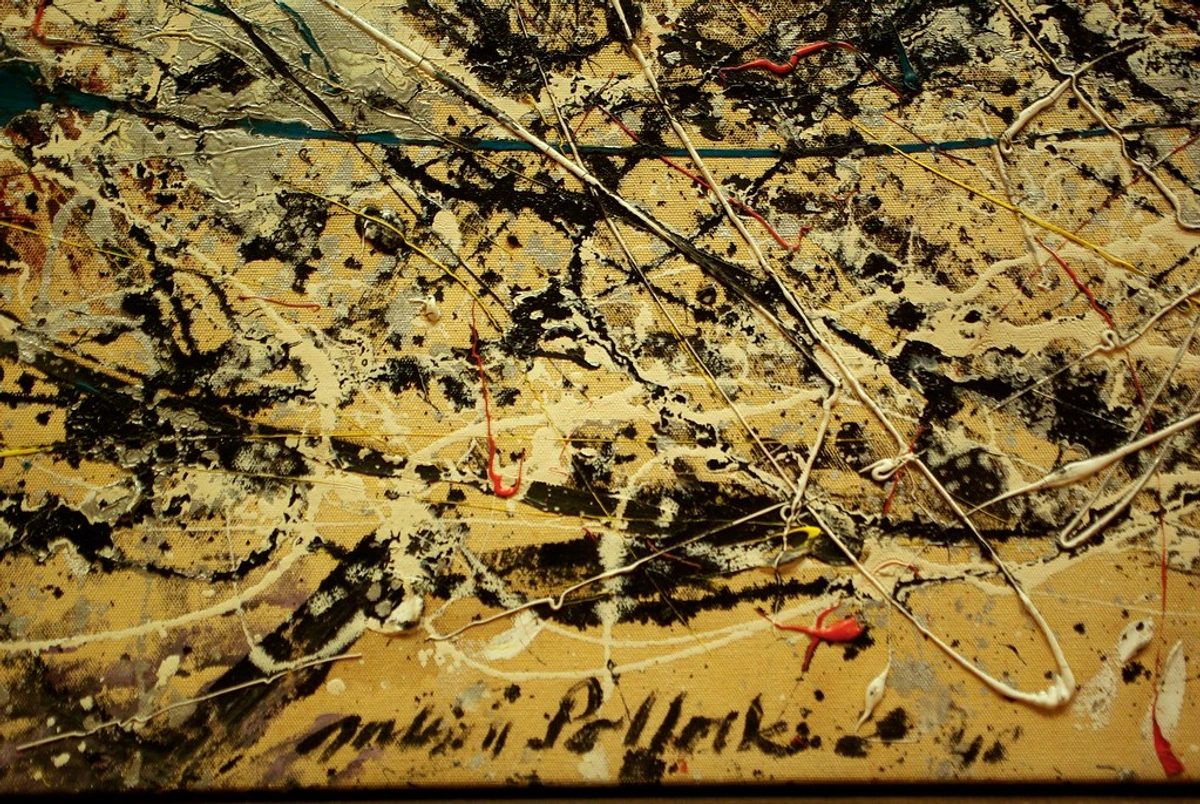
credit, licence
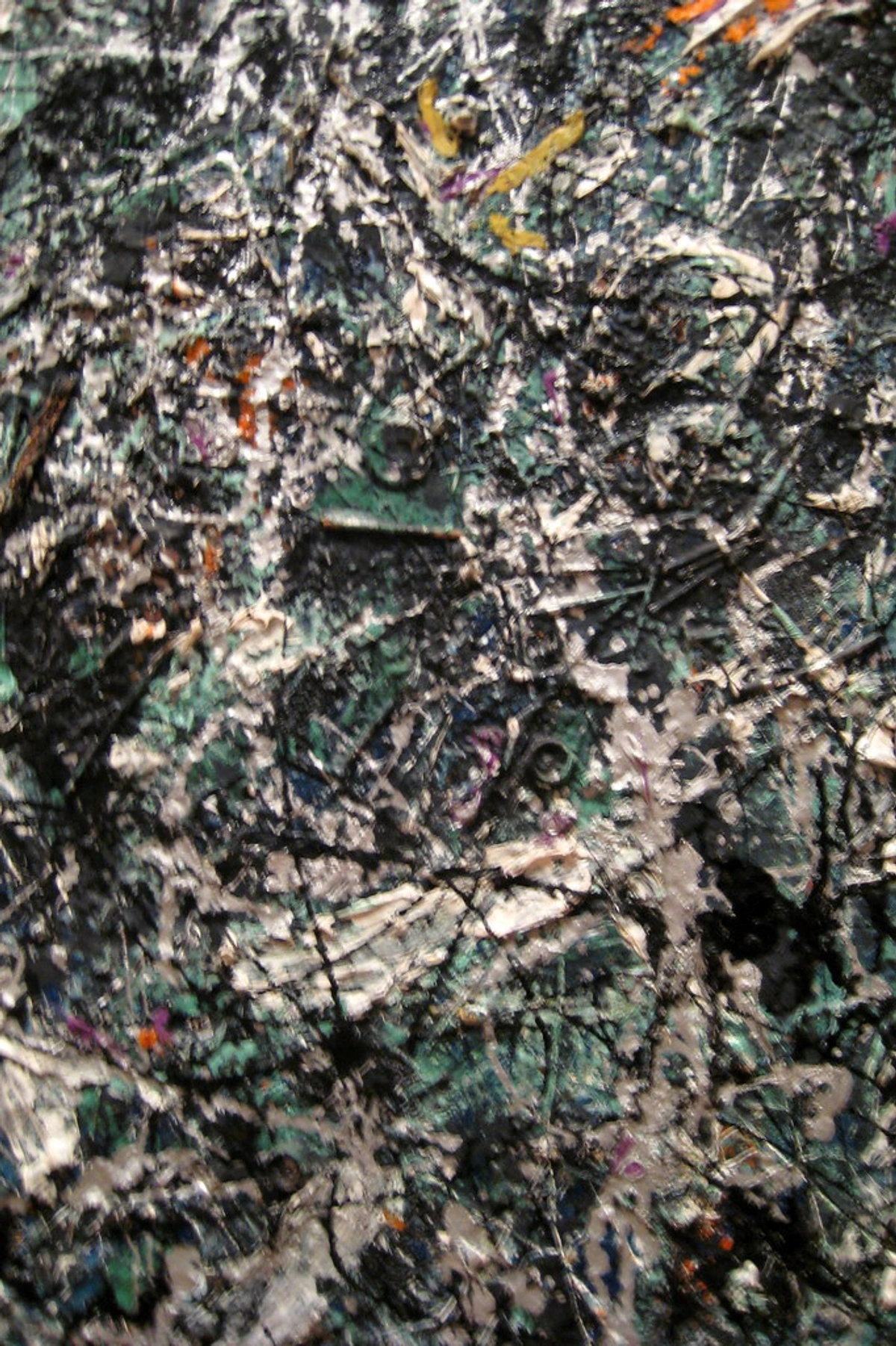
- Microscopy: Allows conservators to examine the intricate layering, pigment distribution, and surface topography in minute detail, revealing secrets of application and degradation at a micro-scale.
- Spectroscopy (e.g., FTIR, Raman, XRF): These techniques use light and X-rays to identify the chemical composition of pigments, binders, and additives by analyzing their unique spectral fingerprints. For example, X-ray Fluorescence (XRF) is non-destructive and excellent for identifying the elemental composition of inorganic pigments (like lead, iron, copper). Fourier-Transform Infrared Spectroscopy (FTIR) identifies organic compounds (binders) and some inorganic pigments by analyzing how molecules absorb infrared light. This can help pinpoint specific materials used, detect forgeries, or understand degradation products.
- Chromatography (e.g., GC-MS): This separates complex mixtures into individual components, allowing for precise identification of organic materials like binders (e.g., specific oils, resins, plasticizers) and certain additives, even in tiny samples. Gas Chromatography-Mass Spectrometry (GC-MS) is a particularly powerful tool for understanding the original formulation of the paint.
These methods are a crucial aspect of authenticating art, understanding its degradation, and planning for its preservation for future generations – a true meeting of art and cutting-edge science. This is vital to ensuring a long-term preservation of artwork.
The Paint Film Across Different Mediums: A Tailored Experience
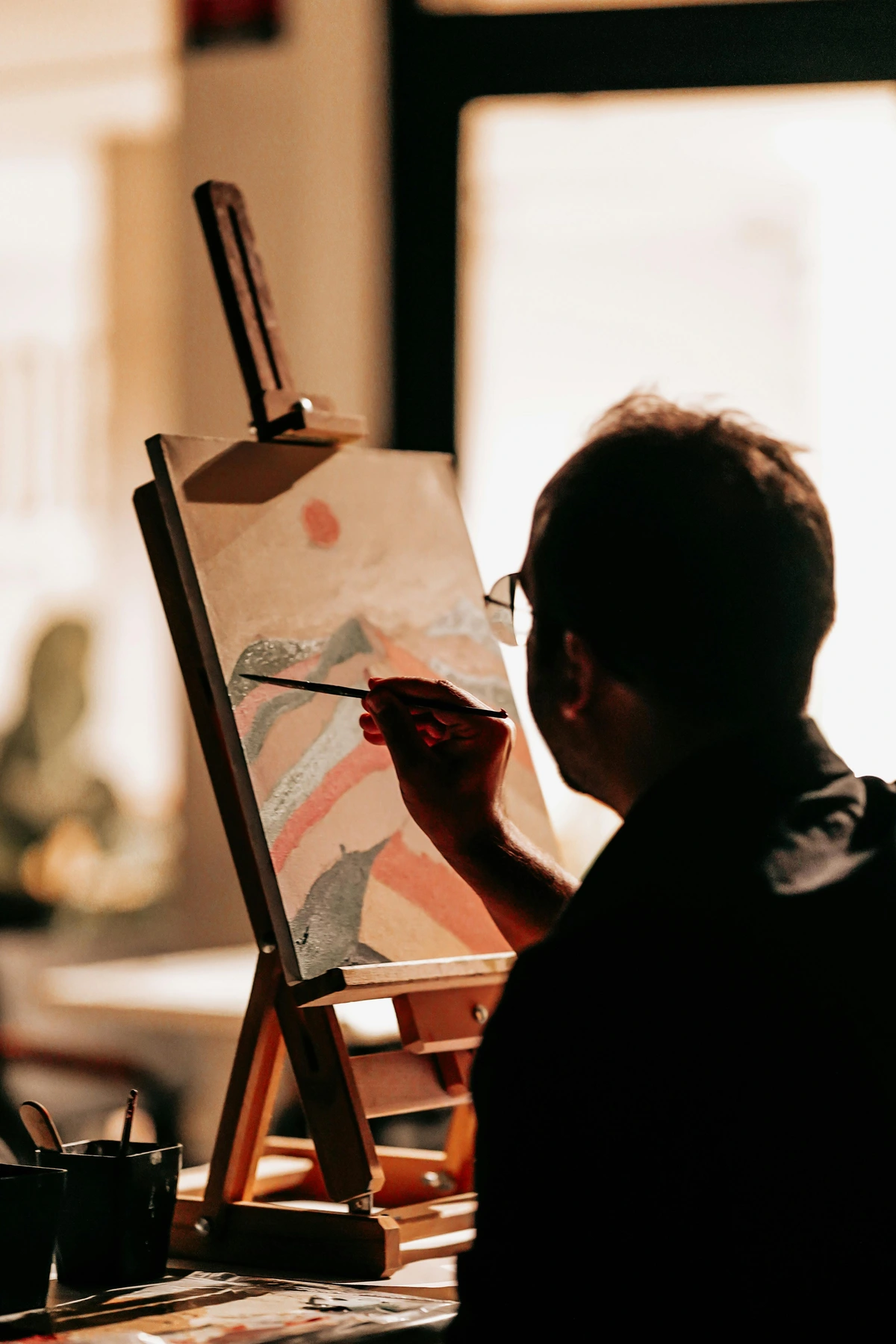
The paint film isn't a one-size-fits-all phenomenon; it's a tailored experience, specifically adapted to the unique demands of each artistic medium. The choice of binder dictates not only the handling properties but also the long-term behavior and conservation needs of the artwork. Understanding these differences is absolutely paramount for any artist hoping their work endures, or for any art lover appreciating its journey through time.
Medium | Primary Binder | Curing Process | Key Film Properties | Support Considerations & My Artistic Takeaway (and why it matters!) |
|---|---|---|---|---|
| Oil Paint | Drying oils (linseed, poppy, walnut) | Slow oxidation (polymerization, cross-linking) | Excellent flexibility (initially), high hardness (fully cured), semi-permeable, rich color saturation, tendency to yellow (linseed). | Supports: Stretched canvas (flexible, requires paint film to flex), rigid panels (stable, less movement). Ah, the grand old master! Requires patience and strict adherence to 'fat over lean' within layers to prevent cracking, ensuring consistent flexibility. The richness of color and depth is unparalleled, but its slow, continuous curing is a profound commitment, requiring foresight and a deep respect for time. For instance, early oil painters using dense pigments like lead white often created films with distinct handling properties and aging characteristics. For variations in oil-based mediums, explore exploring oil sticks for expressive mark-making. |
| Acrylic Paint | Acrylic polymer emulsion | Fast water evaporation and coalescence | Excellent flexibility, good hardness, water-resistant once dry, non-yellowing, stable, some shrinkage in thick layers. | Supports: Highly versatile (canvas, paper, wood, fabric, even metal). My go-to for speed and versatility! It's forgiving, dries fast, and its flexibility is a dream for modern supports. However, the absorbency of your substrate greatly impacts the film: a very absorbent surface can pull water out too quickly, affecting proper coalescence and potentially creating a weak, chalky film. Thick layers can shrink as they dry, sometimes altering texture. You also lose some of the deep optical effects of oils. For more on specific brands, check my Liquitex Basics acrylic paint review. |
| Watercolor | Gum arabic (water-soluble) | Water evaporation | Brittle, highly permeable, easily re-soluble, transparent, delicate, lightfastness highly dependent on pigment. Often more of a surface stain than a cohesive film. | Supports: Paper (absorbent, allows pigment to soak). Ephemeral beauty! The film is delicate; it’s about stain and light, not heavy substance. You can reactivate it, which is both a blessing and a curse – a blessing for reworking, a curse for accidental splashes. The quality of the paper – especially its sizing (which controls absorbency and spread) and surface grain – is critical, as it directly controls how the paint interacts with the fibers and how the pigment particles are held. It teaches precision and restraint, celebrating light and nuance. Requires careful handling and framing behind glass. |
| Gouache | Gum arabic + opacifying agent (e.g., chalk, titanium white) | Water evaporation | Matte, opaque, brittle, re-soluble (less than watercolor), velvety texture, susceptible to cracking in thick applications. | Supports: Paper, illustration board. The matte darling! It's like watercolor's bolder cousin. You get opacity but still the re-workability. Lovely for graphic work and flat color, but be gentle with the finished piece; its film is still quite delicate and susceptible to moisture. Learn more in reviewing the best gouache sets for beginners. |
| Egg Tempera | Egg yolk emulsion | Fast water evaporation, then slow protein denaturation/cross-linking | Very hard, brittle, extremely durable (if applied correctly), matte to satin finish, non-yellowing, fine detail possible, poor flexibility. | Supports: Rigid panels (wood, MDF) with traditional gesso. The ancient powerhouse! Fussy to work with in thin, precise layers, but once cured (a process involving the denaturation and slow cross-linking of egg proteins, which makes it less susceptible to chemical degradation and extremely archival), it's incredibly archival, known for its longevity in Renaissance masterpieces. The detail you can achieve is sublime, but don't expect flexibility; it demands rigid supports to prevent cracking. This is one of those mediums that truly tests your patience and precision! Many women artists of the Renaissance utilized this medium with stunning effect, a testament to their skill and endurance. |
| Alkyd Paint | Alkyd resin | Oxidation (faster than oils) | Dries faster than oils, good hardness, less prone to yellowing, often more uniform sheen, good flexibility. | Supports: Similar to oils (canvas, panels). The best of both worlds? Many artists use it for underpaintings or when they need oil-like qualities with acrylic-like speed. A great bridge if you're impatient with traditional oils, offering a more predictable and faster curing film. |
| Casein Paint | Casein (milk protein) | Water evaporation & protein cross-linking | Matte, opaque, very fast drying, water-resistant once dry, brittle when thick, good for opaque layering. | Supports: Rigid panels, paper. Historically used before acrylics, casein offers a beautiful matte finish and incredible speed. It’s wonderfully versatile for textural build-up but can be brittle if applied too thickly. Its protein-based binder undergoes a degree of cross-linking, making it durable once cured, but like tempera, it prefers a rigid support. |
Choosing the Right Medium and Solvents for Longevity
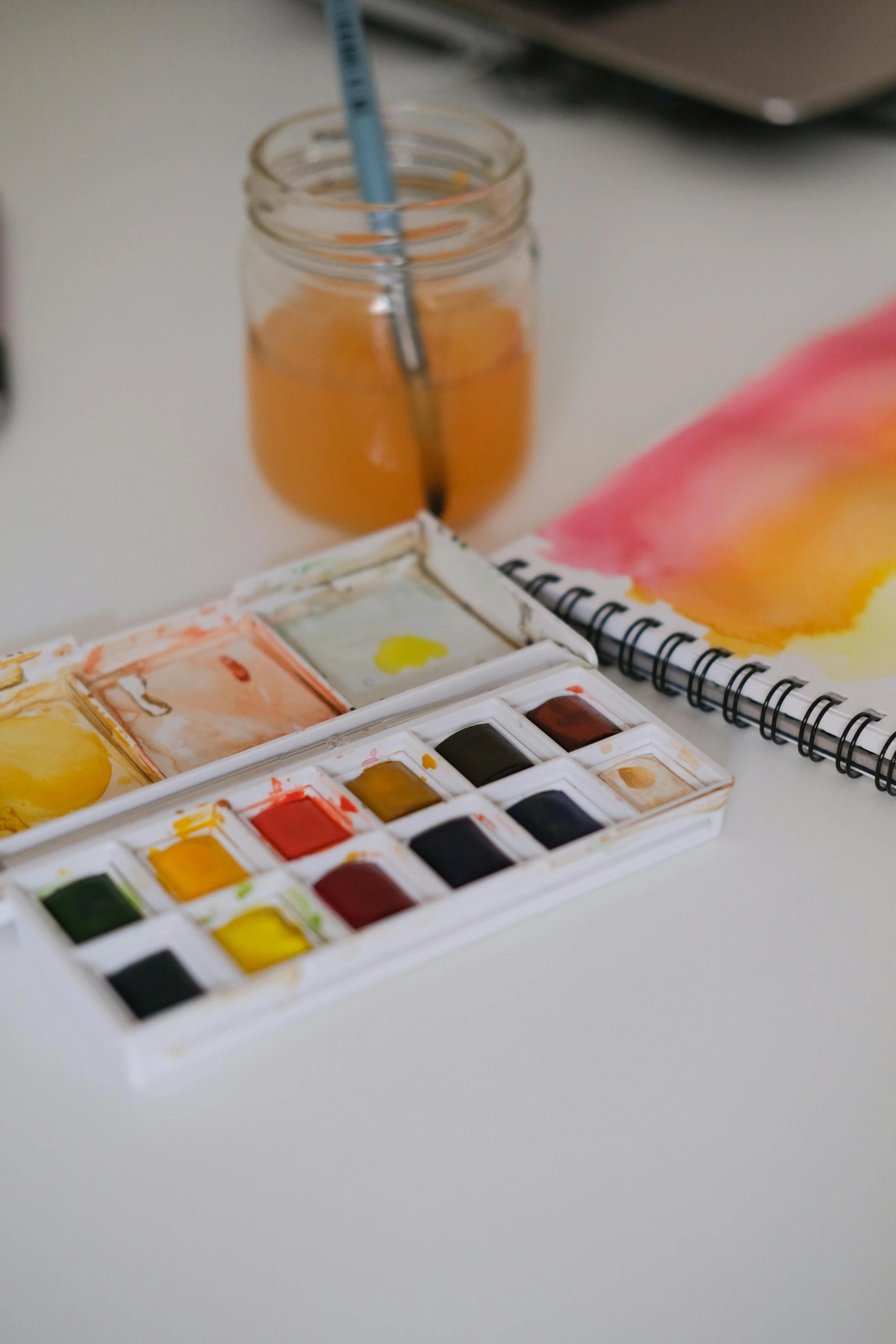
Beyond the primary binder, the specific mediums (like stand oil, gel mediums, impasto gels) and solvents an artist chooses profoundly influence the final paint film. Different choices can affect gloss, flexibility, transparency, and drying rates, all of which directly impact the film's long-term stability and appearance. For instance, using too much solvent with oil paint can strip the binder from the pigment, leading to a lean, brittle film, while certain mediums can enhance flexibility and reduce yellowing. Understanding the nuanced interplay between these materials is crucial for mastering the ultimate durability and aesthetic impact of your artwork. For a deeper dive into materials, consider exploring a definitive guide to paint types for artists.
Modern developments also introduce new considerations: the rise of eco-friendly, less toxic solvents and binders. These innovations aim to offer sustainable alternatives while still striving for the same film integrity and longevity as their traditional counterparts, a fascinating challenge for material scientists and artists alike.
Frequently Asked Questions About Paint Films
Curious about the nitty-gritty? Here are some common questions artists and art lovers often ask about paint films:
Q: How long does it take for an oil paint film to fully cure?
A: Oh, that's the million-dollar question! While oil paint can be dry to the touch in days or weeks (depending on pigment, binder, and thickness), it takes months, even years, to fully cure and achieve its maximum hardness and stability through the ongoing process of oxidation and cross-linking. Thicker applications will, of course, extend this process significantly. During this prolonged curing, the film continues to undergo subtle chemical changes, which can lead to increased brittleness over time if not managed properly with appropriate mediums and careful environmental control (temperature, humidity). Patience, my friend, is truly a virtue here – consider it a marathon, not a sprint. This lengthy curing process is why proper art storage solutions for collectors are so important, even for seemingly 'dry' paintings. It's tested my own patience more times than I care to admit, but the result is usually worth the wait!
Q: What is the difference between "drying" and "curing" in paint?
A: A great distinction to make! "Drying" typically refers to the initial process of solvent evaporation (like water in acrylics) or the initial surface solidification through oxidation, making the paint feel dry to the touch. At this stage, the paint may still be pliable, and internal molecular changes are ongoing. "Curing," on the other hand, describes a complete chemical or physical process (like full oxidation and cross-linking in oils, or thorough coalescence in acrylics) where the binder undergoes a profound molecular change, leading to a complete, stable, and durable film with maximum strength, hardness, and chemical resistance. Curing often continues long after the paint feels dry, building the internal strength and resilience of the film – it's the process of the film reaching its ultimate, stable state.
Q: Why is the "fat over lean" rule so important for oil painting?
A: This rule is crucial for preventing cracking and ensuring the long-term integrity of your oil painting. It means applying layers of paint with more oil (fat) over layers with less oil (lean). Leaner layers contain more solvent, dry faster, and are more brittle. Fatter layers contain more binder, are more flexible, and dry slower. If a fast-drying, rigid layer is applied over a slow-drying, flexible one, the underlying layer's continued movement and shrinkage will cause the top layer to crack, as it lacks the stress relaxation capacity to adapt. It's all about ensuring consistent flexibility and drying rates throughout the paint film, allowing it to move and age gracefully. Ignoring this rule is a common cause of premature craquelure. It’s a fundamental principle I learned early on, and it’s saved me many headaches.
Q: Can you paint acrylics over oils, or vice-versa?
A: This is a classic question with a firm answer: never paint acrylics directly over oils. Oil paints dry by oxidation and remain flexible and somewhat permeable for a long time. If you apply a fast-drying, often less permeable acrylic layer over it, the oils beneath will be hindered in their curing, and the differing flexibility will almost certainly lead to cracking, delamination, and adhesion failure. However, you can paint oils over acrylics, provided the acrylic layer is fully dry and cured, offers sufficient absorbency (an acrylic gesso is ideal), and is not too thick. The acrylic acts as a stable, flexible ground. But always remember: oils over acrylics, never the other way around, to respect the distinct chemical properties of each paint film.
Q: How does paint film thickness affect drying, curing, and longevity?
A: Thickness is a huge factor! Generally, thinner paint films dry and cure faster because oxygen (for oils) or water (for acrylics) can escape more easily, and the internal stresses are lower. Thicker films, especially in oils, require significantly longer curing times, as oxygen penetration is limited to the surface layers. This can lead to issues like wrinkling (as the surface dries faster than the interior) or incomplete curing deep within the layer, which compromises long-term stability and increases brittleness. For acrylics, very thick applications can sometimes lead to 'mud cracking' or uneven coalescence if the water evaporates too quickly from the surface. Balancing artistic effect with the practicalities of film thickness is a constant challenge I face in the studio.
Q: Can a paint film protect a painting from fading due to UV light?
A: A paint film itself offers some inherent protection, as the binder and pigment can absorb or reflect UV radiation. However, no paint film is completely impervious. Over time, prolonged exposure to strong UV light will inevitably cause pigments to fade and binders to degrade (like chalking or yellowing due to chain scission and photochemical reactions). This is why good art preservation includes controlling light exposure and, ideally, using UV-filtering glass or varnishes with UV stabilizers. Think of it as a sunscreen for your art – it helps, but it’s not a magic shield against time and light! High-quality, lightfast pigments offer significantly better UV resistance, but they are most effective when combined with environmental control and protective coatings. What steps do you take to protect your own art from fading?
Q: What is the role of lightfastness in pigments and how does it relate to the paint film's longevity?
A: Lightfastness refers to a pigment's resistance to fading or color change when exposed to light, especially UV radiation. It's absolutely critical for the longevity of a paint film. A highly lightfast pigment will maintain its color for decades or centuries, becoming an enduring part of the film's visual identity. Conversely, a fugitive (non-lightfast) pigment will fade, dull, or shift color over time, regardless of how robust the binder film is. The paint film's binder protects the pigment somewhat, but ultimately, a pigment's inherent chemical stability to light is paramount. Choosing pigments with high lightfastness ratings (like ASTM D4302 I or II) is one of the most important decisions an artist can make to ensure their work retains its intended visual impact and color integrity for future generations. It's a fundamental aspect of material selection that directly impacts the paint film's long-term aesthetic performance.
Q: How does the ground layer affect the paint film?
A: The ground layer, or primer, creates the foundational surface for the paint film. Its type, absorbency, and flexibility profoundly influence the paint film's adhesion, structure, and overall stability. A poorly prepared or incompatible ground – for instance, one that's too absorbent and 'sucks' the binder from the paint, or one that's too slick and prevents mechanical interlocking – can lead to issues like cracking, flaking, or delamination, even if the paint film itself is well-formulated. It's the crucial handshake between your artwork and its support, dictating how well the entire structure endures. A reliable ground ensures your paint film has a solid base to bond to, preventing premature degradation. You can learn more in my guide on how to apply gesso to canvas: a beginner's guide.

The Enduring Legacy of the Paint Film
So, there you have it. The humble paint film, often just seen as 'dried paint,' is in fact a marvel of material science, a complex composite that silently works to preserve the artist's vision. From the meticulous choice of pigment and the profound chemical dance of the binder to the subtle nuances of environmental factors and the thickness of application, every element plays a critical role in how a work of art endures through centuries. It's the physical manifestation of an artist's skill and understanding of their materials, a testament to how even the most vibrant, expressive works are grounded in scientific reality.
This understanding, I believe, deepens our connection to every brushstroke, every layer, every enduring masterpiece. While digital art and blockchain technologies present new frontiers for artistic expression and ownership, the enduring physical integrity of the paint film remains the bedrock of traditional artistic creation and preservation. It's a tangible legacy that can be held, felt, and passed down through generations.
The next time you stand before a painting, take a moment to appreciate not just the image, but the silent, enduring strength of the film that holds it all together—the invisible guardian that makes art, quite literally, last. And who knows, perhaps this newfound understanding will even inspire your own artistic experiments, pushing the boundaries of what your materials can do. What discoveries will you make about your own materials, and how will they shape your lasting legacy?
And if you're ever curious about the processes behind my own vibrant, abstract creations, you can always explore my timeline or find out more about where I exhibit at the Den Bosch Museum. Or, if a particular piece speaks to you, consider taking home a bit of that enduring artistic magic yourself at my shop.