The Ultimate Guide to Sustainable Art & Ethical Patronage for the Mindful Collector
Navigate the art world sustainably. This ultimate guide for mindful collectors delves into eco-materials, circularity, greenwashing, climate resilience, and practical tips, from studio to digital, alongside FAQs and a glossary.

The Mindful Collector's Ultimate Guide to Sustainable Art and Ethical Patronage
I've always been drawn to the vibrant and the tactile – a bit of a maximalist, both in my art and in my life. More color, more texture, more presence. But lately, a persistent question has been swirling in my mind, much like a stubborn pigment refusing to blend evenly on the palette: what about the impact of all this beauty? Not just on my walls, but on the delicate canvas of the planet we call home? This isn't a fleeting thought; it’s a profound shift in perspective that I believe every collector, myself included, is grappling with in some form. The journey towards truly sustainable art, both as a creator and a patron, is messy and imperfect, a continuous learning curve where I often stumble (like that time I painstakingly created a series of beautiful 'eco-friendly' sculptures from reclaimed wood, only to realize the industrial glue I used was anything but!). But it’s a journey brimming with purpose, and frankly, it feels like the only one worth taking. And that’s what this ultimate guide is all about: navigating the often-complex, sometimes-frustrating, but ultimately rewarding path to building a truly mindful and sustainable art collection, equipping you with the questions to ask and the knowledge to act.
Deconstructing 'Sustainable Art': Beyond Just a Green Label
For a long time, the phrase 'sustainable art' felt a bit abstract, a marketing buzzword almost. But as I've immersed myself deeper into the creative process – thinking about the journey from a raw idea to a finished piece – I've realized it's anything but. To me, sustainable art isn't just about slapping an 'eco-friendly' label on a piece; it's a holistic approach that considers the entire lifecycle of an artwork. Imagine the art as a grand narrative: it begins with the very first spark of inspiration and the materials chosen, moves through the energy consumed in the studio (my abstract expressionist phases can make my energy bill blush, I confess!), considers the ethical treatment of every hand in the supply chain, follows the artwork's journey into a collection, accounts for its longevity, and finally, embraces its potential for reuse or gentle return to the earth. It's an intricate dance, and honestly, sometimes it feels like trying to paint a masterpiece with a single, perfectly sustainable brushstroke – an impossible ideal, perhaps, but one profoundly worth striving for.
This holistic view means looking beyond the obvious. It encompasses every stage:
- Material Sourcing: Where do the raw materials come from, and what is their environmental and social footprint?
- Production & Studio Practices: How much energy, water, and waste are generated during creation, and how are ethical labor practices maintained?
- Durability & Longevity: Is the artwork built to last, ensuring its value and minimizing the need for replacement?
- Circularity & End-of-Life: Can the piece be reused, recycled, or biodegraded, keeping resources in play?
- Social & Cultural Impact: Does the art support communities, promote ethical practices, and avoid cultural appropriation?
- Transparency & Verification: Are claims of sustainability genuine and verifiable, or merely greenwashing (deceptive green marketing)?
- Climate Resilience: How prepared is the artwork and collection for the impacts of a changing climate?
Let's unpack some of these elements. For instance, traditional oil paints often use heavy metal pigments like cadmium or lead, and solvents like turpentine, which are highly toxic and contribute to both artist health risks and environmental pollution. Acrylics, while water-soluble initially, are essentially plastic and can contain phthalates – chemicals known to have endocrine-disrupting effects. Many adhesives and varnishes also contain volatile organic compounds (VOCs), which off-gas harmful fumes, impacting indoor air quality. Sustainable alternatives involve natural mineral pigments, plant-based binders, or even innovating with materials like algae-based paints. The mining for certain pigments can also lead to significant land degradation and social issues in developing countries, making transparent, certified supply chains crucial.
Art movements like Land Art or Environmental Art inherently embrace a form of sustainability by using natural, biodegradable materials and engaging directly with ecosystems. Beyond these, artists like El Anatsui craft intricate tapestries from discarded aluminum bottle tops, transforming waste into revered art, and Subodh Gupta creates striking installations from everyday stainless steel utensils, highlighting consumer culture and resourcefulness. But the world of sustainable art is much richer! Consider Diana Scherer, who coaxes plant roots to grow into intricate textiles and patterns, creating bio-art that is literally alive. Or artists like Gabriel Dishaw, who sculpts incredible figures from discarded electronics, giving new life to e-waste. These practices, though varied, share a common thread: a deep consideration for their footprint and a challenge to our perceptions of value.

The Pillars of Mindful Patronage: My Framework for Sustainable Art Collecting
As I've navigated my own path, both as an artist and a collector, certain key elements have emerged as crucial for truly mindful patronage. This isn't a rigid checklist for perfection – heaven knows my own practice is still evolving! – but rather a guiding framework for informed intention. It's about empowering you, the collector, to ask the right questions and make choices that resonate with your values.
Pillar of Sustainability  | My Personal Consideration (and yours too!) | Actionable Tips for Collectors |
|---|---|---|
| Ethical Sourcing & Materials | Where do the raw materials come from? Was their extraction or production harmful to people or the planet? Are toxic chemicals like heavy metals, phthalates, or volatile organic compounds (VOCs) involved? I'm always looking for transparent supply chains and certified materials, even if it means trying new things (remember those berries? Or that time I found a natural resin medium that transformed my painting process!). A truly 'perfectly' sustainable material is often an illusion; it's about making the best possible choices within current availability, understanding trade-offs, and supporting innovative, plant-based or mineral pigment options where possible. | Inquire: Ask artists about their materials. Look for certifications (e.g., FSC for paper and wood, GOTS for textiles, Cradle to Cradle Certified® for products, non-toxic labels like the ACMI AP Seal for paints). Support artists using reclaimed, recycled, or natural pigments/dyes (like earth pigments or plant-based options). Explore deeper insights on The Rise of Sustainable Art Materials: What Collectors and Artists Need to Know. |
| Low-Impact Studio Practices | How much energy, water, and waste does the creation process generate? Am I mindful of my studio's footprint, from lighting to solvent disposal? Sometimes my intense phases lead to a lot of experimentation and, well, 'failed' canvases, which is something I'm trying to mitigate by reusing and repurposing. I've switched to collecting rainwater for cleaning brushes, which feels like a small but meaningful step. | Support: Choose artists who demonstrate eco-conscious practices. Look for studios that use renewable energy sources (solar panels, green energy providers), minimize water usage (e.g., filtering rinse water, rain harvesting, closed-loop systems for certain processes), and properly dispose of hazardous waste (e.g., separating acrylic sludge, using non-toxic solvents where possible, or even composting organic waste materials). For inspiration, check out Best Eco-Friendly Art Supplies for Conscious Artists. |
| Durability & Longevity | Is the artwork made to last? What's its expected lifespan? Disposable art, no matter how 'eco-friendly' its initial materials, isn't truly sustainable. I aim to create pieces that can endure, that can be passed down and perhaps even conserved. This means prioritizing materials known for their archival quality and stability, such as lightfast pigments (with high permanence ratings) and acid-free papers (like cotton rag paper), over fugitive dyes or unstable mediums that quickly degrade (like some early synthetic plastics or unstable inks). | Invest: Prioritize quality and archival materials that resist degradation over time. Understand that true longevity comes from using pigments with high lightfastness ratings and supports (canvas, paper) that are acid-free and pH neutral. Proper Art Storage Solutions for Collectors, meticulous care, and engaging professional conservation or restoration services are crucial to extending an artwork's life, preserving its value, and reducing the need for new production. Choose timeless pieces rather than fleeting trends to ensure long-term appreciation. |
| Circularity & End-of-Life | Can the piece be reused, recycled, or biodegraded? What happens when an artwork is no longer wanted or reaches the end of its life? I'm fascinated by materials that can return to the earth without harm, or be reimagined into something new. Think about biodegradable sculptures that naturally decompose, or installations designed to be disassembled and their components reused in new forms, keeping resources in use for as long as possible. I've seen artists create incredible new works from discarded frames or even old exhibition signage. | Consider: Explore art rental or leasing models as alternatives to permanent ownership. Support artists who use biodegradable or recyclable components (like mushroom mycelium for structural elements, or PLA plastics for 3D prints), or who offer repair/refurbishment services for their works. If parting with art, look into responsible resale through galleries or secondary markets, donation to institutions, or creative repurposing options. Support initiatives like art swaps or sharing platforms. |
| Social & Cultural Impact | Does the art support ethical labor practices? Does it contribute positively to a community or provoke meaningful dialogue? Art's impact isn't just environmental; it's also about human flourishing and cultural preservation, including supporting indigenous art practices with their often-inherent sustainability. When engaging with cultural art, it's vital to research the artist's connection to the tradition, ensure fair compensation, and understand the cultural context to avoid commodification or cultural appropriation – taking elements from a culture without understanding or respecting their original meaning, often by a dominant culture. This also extends to fair wages for artists and supporting equitable market practices, perhaps by seeking out artist collectives or co-operatives that prioritize fair trade. | Research: Look into the artist's background, their ethical stance, and their commitment to fair labor practices, especially for collaborative or community projects. Support art that addresses social issues, empowers marginalized communities, or comes from equitable and respectful cultural practices. Educate yourself on Ethical Considerations When Buying Cultural Art and Art as Catalyst for Social Change. |
| Transparency & Greenwashing | Is the artist (or gallery) genuinely committed to sustainability, or are they just using buzzwords? It’s crucial to look past the superficial claims and dig deeper. This can be the trickiest part, honestly. For example, a gallery might proudly highlight that an artist uses 'recycled paper' but fail to mention that the paint contains highly toxic chemicals, or that the packaging for shipping is excessive and non-recyclable. True transparency looks at the whole picture, not just one 'green' facet. Be wary of greenwashing – the deceptive use of green marketing to persuade the public that an organization's products, aims or policies are environmentally friendly, often by highlighting a minor 'green' attribute while ignoring significant environmental harms. | Verify: Don't just take claims at face value. Ask for specifics, request documentation for certifications, and look for a consistent, holistic commitment rather than one-off 'green' projects. Be wary of vague terms like 'eco-friendly' or 'sustainable' without concrete details, or a disproportionate focus on one minor 'green' aspect while ignoring larger environmental or social impacts. For example, is recycled material used, but sourced from exploitative labor? A genuine journey is often acknowledged as imperfect, unlike a polished greenwashed façade. |
| Climate Resilience & Collection Preparedness | Is my collection prepared for the impacts of climate change, such as extreme weather events? This might sound futuristic, but with rising global temperatures and increased unpredictability, considering how artworks will endure is becoming essential. How would a sudden flood impact my pieces? What about prolonged periods of high humidity and the risk of mold or insect infestations? | Plan: Research flood-resistant framing or display options for artworks in vulnerable locations. Consider the stability of materials under fluctuating temperatures and humidity (e.g., wood panels can crack, canvases can slacken), especially for collections in regions experiencing more extreme weather. Invest in museum-grade environmental controls or archival storage that can better protect against these changes. Consult with conservators on long-term preparedness strategies for your specific geographic location and collection, considering risks like mold, pest infestations, and extreme temperatures. |
My Journey with Materials and Process: Small Choices, Big Impact
When it comes to my own work, I often agonize over material choices. For instance, I've shifted dramatically towards water-based, non-toxic mediums wherever possible. Acrylics can be great for vibrancy and longevity, but I'm constantly researching newer, more eco-conscious formulations. My current obsession is with plant-based binders and sustainably harvested papers. It's not always easy to find, and sometimes it's pricier, but the peace of mind is worth it. I even try to repurpose 'failed' paintings – that large abstract I once thought was a complete disaster and almost threw out became the vibrant, textured base for a series of mixed-media collages. It’s a small step towards circularity in my own studio, and a great way to combat artist burnout by finding new life in unexpected places. This kind of material experimentation and transformation is something I often explore in my own work, drawing from concepts like those in My Journey with Mixed Media: Blending Materials for Abstract Expression. Recently, I've been experimenting with making my own earth pigments from local soil samples; the colors are subtly different, but the connection to the land feels profound.
Understanding Art Certifications and Labels
Navigating the world of sustainable materials can feel like learning a new language. But thankfully, a growing number of certifications and labels exist to help both artists and collectors make informed choices. While a universal 'sustainable art' certification for the creation of an artwork is still aspirational – it's a complex beast to certify a whole creative process! – these specific labels offer valuable insights into parts of the artwork's lifecycle and the commitment behind them. Think of them as helpful tools or cheat sheets in your mindful patronage journey:
- FSC (Forest Stewardship Council) Certification: This applies to paper and wood products, ensuring they come from responsibly managed forests that provide environmental, social, and economic benefits. For collectors, an FSC label assures that the wood in a frame or the paper in a print supports sustainable forestry practices, preventing deforestation and protecting biodiversity.
- GOTS (Global Organic Textile Standard) Certification: For textiles (like certain canvases or fabric-based art), this guarantees organic status from the harvesting of raw materials, through environmentally and socially responsible manufacturing, up to labeling. It covers ecological and social criteria, meaning the textile art you collect adheres to stringent environmental and fair labor standards.
- OEKO-TEX Standard 100: Primarily for textiles, this certifies that every component of the product, from the fabric to the thread and accessories, has been tested for harmful substances and is therefore harmless for human health. For art, this can provide assurance against irritants or toxins in fabric-based works.
- Cradle to Cradle Certified®: This is a comprehensive product certification assessing material health, material circularity (designing for reuse/recycling), clean air and climate protection, water and soil stewardship, and social fairness. It pushes manufacturers to create products that are safe for people and planet, and can be endlessly cycled. Collecting Cradle to Cradle certified art means supporting a revolutionary approach to product design that eliminates waste entirely.
- Non-Toxic / ACMI AP Seal: The Art & Creative Materials Institute (ACMI) awards its AP (Approved Product) Seal to art materials that are certified by a toxicologist to be safe for educational or home use and contain no materials in sufficient quantities to be toxic or injurious to humans, including children. This is a crucial label for paints, mediums, and other art supplies, ensuring safer materials for both artists and collectors handling the works.
- ISO 14001: While not product-specific, this international standard provides a framework for organizations to design and implement an effective environmental management system. If a gallery or art materials manufacturer is ISO 14001 certified, it indicates a consistent, systemic commitment to reducing their environmental footprint, offering a broader assurance of their operational sustainability.
Always look for these labels and ask artists or galleries for documentation when in doubt. They are tangible proofs of commitment to sustainability, offering a level of assurance beyond vague claims. Remember, while not every artwork will carry all these labels (especially for unique, handcrafted pieces), an artist's awareness and integration of these principles into their practice speaks volumes.
Beyond the Brushstroke: What Collectors Can Actively Do
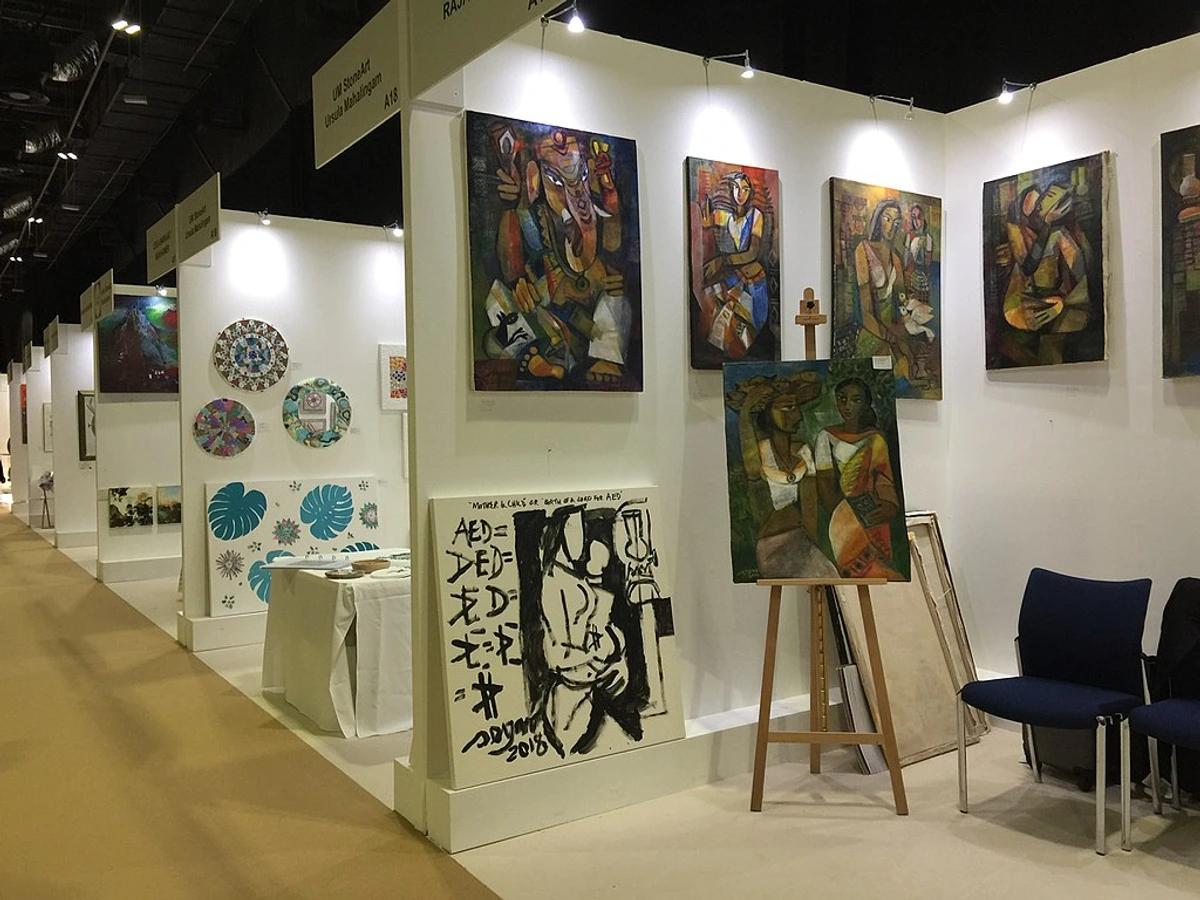
Your role as a collector extends far beyond simply acquiring art. It's a powerful position that can drive significant change in the art market, encouraging artists, galleries, and institutions to adopt more sustainable practices. As mindful patrons, we have the unique ability to shape demand and cultivate a more conscious art world. So, what steps can you actively take?
1. Ask the Right Questions
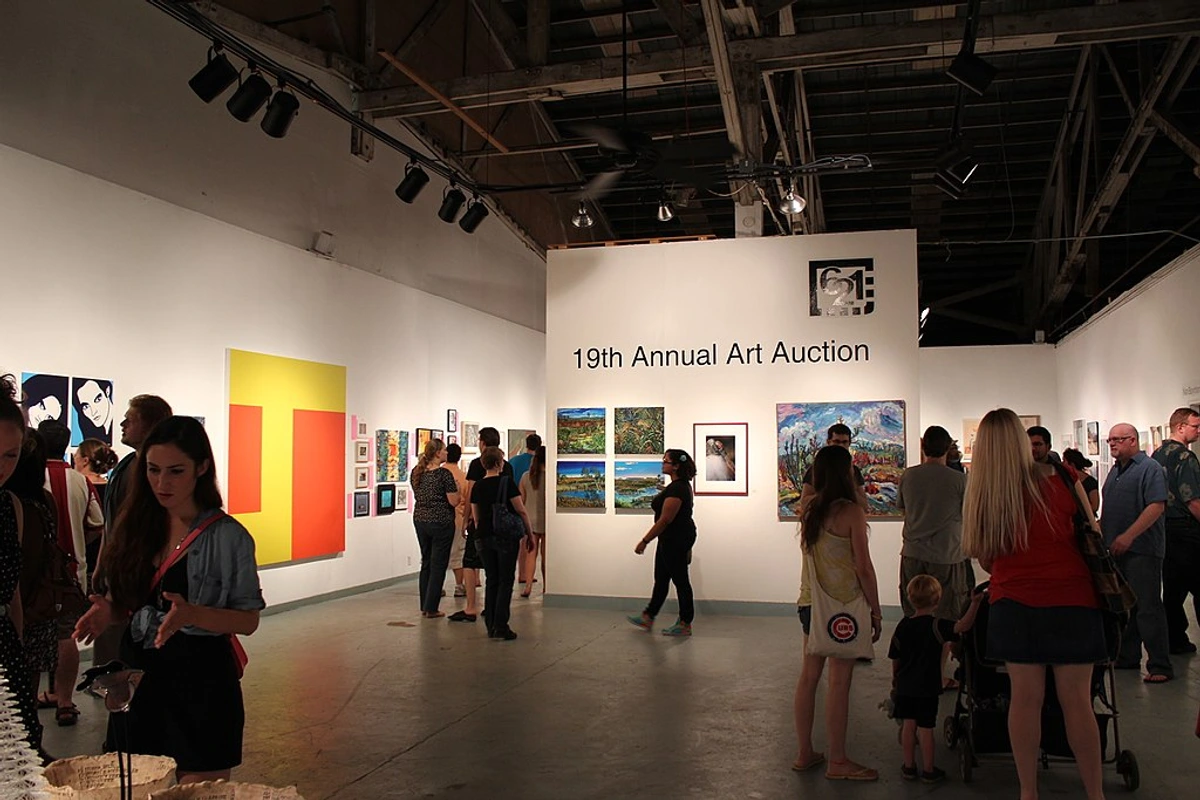
Don't be shy! Engaging with artists and galleries about their sustainability practices is perhaps the most impactful thing you can do. Your curiosity signals demand and helps shift the market. What do you ask? Focus on transparency and specifics:
- Material sourcing: Where do the pigments, canvas, paper, or sculptural components come from? Are they certified, recycled, or locally sourced? What are the alternatives if certain materials are problematic? For instance, if traditional oil paints are used, does the artist explore natural resin mediums, or alternative pigments like earth colors instead of heavy metals? Do they use sustainably harvested wood for frames or stretcher bars, perhaps FSC-certified? Inquire about the full chain of custody – is it transparent?
- Studio energy: What steps are taken to minimize energy consumption (e.g., efficient LED lighting, maximizing natural light use, smart thermostats) or use renewables (solar panels, green energy providers)? Is water usage minimized and treated responsibly, perhaps through rainwater harvesting or closed-loop systems for cleaning tools?
- Waste management: How are waste materials handled, especially hazardous ones like solvents, paint sludge, or packaging? Are materials repurposed or recycled, or are there closed-loop systems in place where waste from one process becomes input for another? Do they compost organic materials or properly neutralize toxic waste?
- Ethical labor: For larger productions, collaborative projects, or cultural art, what are the labor conditions like? Are artists, artisans, and workers fairly compensated and treated? Are there fair trade certifications? (This is especially vital when considering Ethical Considerations When Buying Cultural Art).
2. Prioritize Longevity and Care
A truly sustainable collection is one that lasts. This means choosing art made with archival quality materials and committing to its proper care, reducing the need for replacement and honoring the resources already invested. Think about appropriate framing using FSC-certified sustainable wood, acid-free mats made from cotton rag or alpha-cellulose, and UV-protective glass to prevent fading and degradation from light exposure (which can quickly ruin pieces made with fugitive dyes or unstable pigments). Maintain ideal display conditions – stable temperature and humidity, away from direct sunlight – to extend the artwork's life and prevent common issues like cracking, mold, or insect damage. And when it comes to storing pieces not currently on display, make sure you're using proper Art Storage Solutions for Collectors to prevent degradation from environmental factors. Engaging professional conservators or restorers for valuable pieces also contributes significantly to their long-term sustainability, extending their life and preserving their cultural value.
3. Embrace the Circular Economy
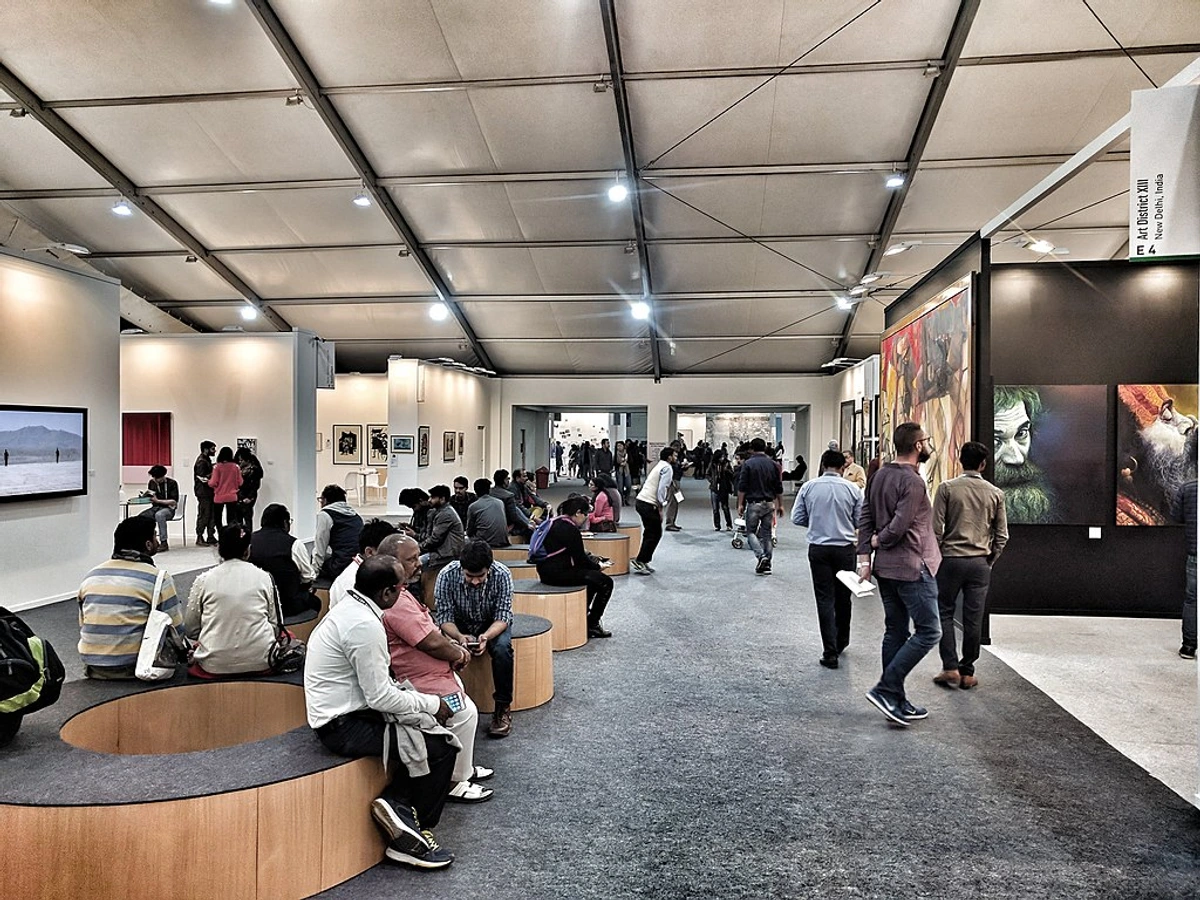
The idea of a circular economy – where resources are kept in use for as long as possible, extracting the maximum value from them whilst in use, then recovering and regenerating products and materials at the end of each service life – is vital for art. It moves beyond the linear 'take-make-dispose' model. How can we apply this to art?
- Resale & Secondary Market: Giving artworks new homes through auction houses, galleries, or online platforms prevents them from ending up in landfills and ensures their cultural and aesthetic value continues to circulate. This is a powerful form of recycling for art, honoring its inherent value.
- Art Rental/Leasing: A fantastic and growing way to enjoy art without long-term ownership, reducing the pressure for new production, making art more accessible, and allowing art to reach more people over its lifespan. It keeps artworks in active circulation.
- Repurposing & Reimagination: Could an artwork that no longer fits your space find a new life elsewhere, perhaps even transformed by another artist or used in a community project? Supporting artists who offer repair or refurbishment services also falls under this, just as much as supporting initiatives like art swaps or sharing platforms. It's about seeing art not as a disposable commodity, but as a resource with an extended lifecycle. Consider art designed for disassembly, where components can be separated and reused.
4. Support Local and Community Art
Reducing the carbon footprint of shipping and transportation is a tangible step you can take. Supporting local artists not only often means a smaller environmental impact due to reduced travel distances for materials and finished works, but also strengthens your community and fosters cultural resilience. I love seeing the vibrant local art scene in places like my home city, Den Bosch – you can explore more about our local cultural institutions at [/den-bosch-museum]. There's so much talent right on our doorstep, and often a reduced need for extensive logistics. And when considering larger pieces or artists from further afield, think about consolidating shipments, exploring slow freight options (like sea or rail over air), or asking about carbon offsetting for art transport.


Common Challenges and My Imperfect Solutions
Let's be real, embarking on a sustainable art journey isn't always smooth sailing. I've faced my fair share of roadblocks, and I know collectors do too. It's often about making the best choices within available options, and that can be tricky! I remember trying to find eco-friendly framing for a large piece once, and the only 'sustainable' option was twice the price, made of driftwood, and clashed horribly with the artwork! These things happen. It's easy to feel overwhelmed, but consistent, imperfect effort is far better than paralysis from striving for unattainable perfection.
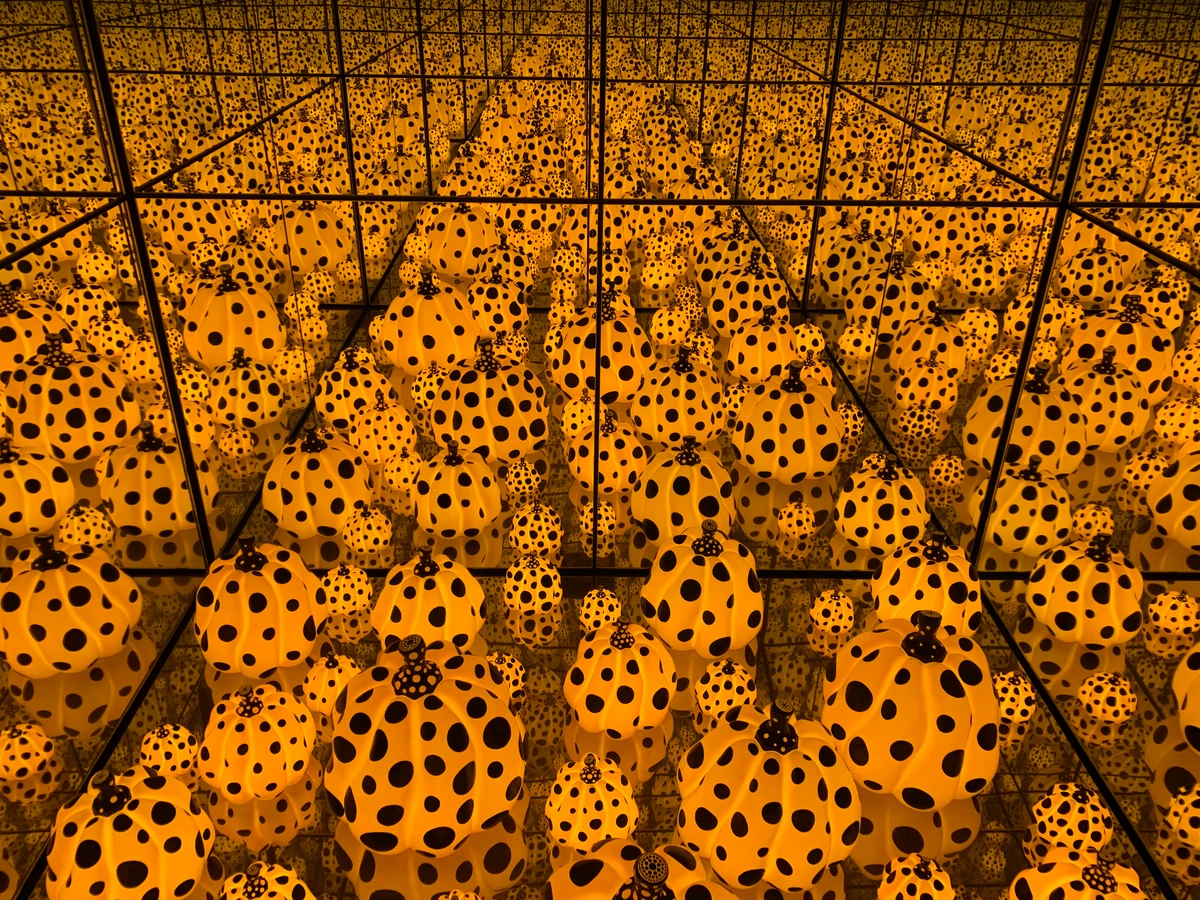
Here are some common challenges and how I try to navigate them:
- Cost: Sustainable materials or ethically produced art can sometimes be more expensive initially. For example, an FSC-certified wood frame might cost slightly more than a conventional one, or a pigment derived from natural earth could be pricier than a mass-produced synthetic. My solution? Start small. Make one conscious choice this month. A single print from an eco-conscious artist is a great start. Or perhaps focus on improving your Art Storage Solutions for Collectors rather than buying new art, extending the life of what you already own. Consider it an investment in quality and ethics, which often saves money long-term by reducing the need for replacements or expensive restorations.
- Availability: Finding truly sustainable options, especially for niche materials or specific art forms, can be a hunt. My solution? Patience and research. Connect with other artists and collectors; share resources and discoveries. The community is growing, and with it, the options. Don't be afraid to ask artists directly – your questions create demand and encourage them to seek out greener alternatives.
- Greenwashing Fatigue: It's easy to become jaded by misleading 'green' claims. When every brand claims to be 'eco-friendly' without substance, skepticism is natural. My solution? Educate myself constantly, digging deeper than the marketing hype. The more I learn about certifications and true lifecycle impacts, the better I can discern genuine effort from marketing fluff. And I try to forgive myself for not always getting it right – it’s a marathon, not a sprint. Remember, true transparency often involves acknowledging imperfections.
- Overcoming Habits: We're all creatures of habit. Switching to new practices or seeking out different types of art requires conscious effort and a shift in mindset. My solution? Make it an adventure! Discovering a new eco-friendly brand, an artist working with salvaged materials, or an innovative art rental service can be incredibly thrilling. It's a journey of continuous discovery and a chance to expand your artistic horizons.
- Artist Burnout/Pressure: As an artist, there's pressure to constantly innovate and also be 'perfectly sustainable.' It can lead to paralysis by analysis! My solution is self-compassion. Recognize that sustainability is a journey, not a destination. Celebrate small wins, learn from mistakes, and remember that consistent, imperfect effort is far better than paralysis from striving for unattainable perfection. Lean on communities, share resources, and understand that collective progress often outpaces individual perfection.
A Legacy of Resourcefulness: Art Throughout History
While modern environmental movements have brought sustainability to the forefront, it's worth remembering that the concept of resourcefulness in art is not new, nor is it exclusive to contemporary thought. Throughout history, artists have often used found objects or natural, local materials out of necessity, tradition, or artistic choice. This often-overlooked history reminds us that mindful creation has always been part of the artistic spirit, particularly in regions where resources were traditionally scarce or highly valued.
From indigenous art forms deeply connected to their land and local resources – think of intricate woven baskets from sustainably harvested plants, natural mineral and plant dyes, or earth and living sculptures integrated into the landscape – to movements like Dada and Fluxus which embraced 'found art' (objet trouvé) and repurposed everyday items, artists have always challenged conventions of value and materials. The artists of the Global South, in particular, often embody sustainability out of necessity and a deep cultural connection to their environment, turning discarded materials into powerful statements long before it became a Western 'trend.'
Even earlier, movements like Art Nouveau, while often opulent, frequently drew inspiration from natural forms and integrated locally sourced materials where possible. The Bauhaus school, with its emphasis on functionality, material efficiency, and accessible design, also indirectly championed principles that align with modern sustainability. And let's not forget the Arts and Crafts Movement of the late 19th and early 20th centuries, which championed traditional craftsmanship, local materials, and a rejection of industrial mass production – a clear precursor to many contemporary sustainable and ethical art practices. This rich history reminds us that creativity and sustainability have long been intertwined, offering a powerful precedent for contemporary practices and demonstrating that resourcefulness can lead to profound artistic innovation.

The Indispensable Role of Art Conservation
Beyond creating new art sustainably, one of the most impactful forms of sustainability is simply preserving what already exists. Art conservation and restoration play a vital, often overlooked, role in the sustainable art ecosystem. By expertly repairing, stabilizing, and caring for artworks, conservators significantly extend their lifespan, ensuring their cultural and aesthetic value endures for generations. This practice is inherently sustainable because it reduces the demand for constant new production, honors the resources, time, and creativity already invested in a piece, and mitigates waste. Effective conservation involves not only direct intervention on the artwork but also advising on proper environmental controls – stable temperature, humidity, and appropriate lighting – to prevent future damage and ensure archival quality conditions.
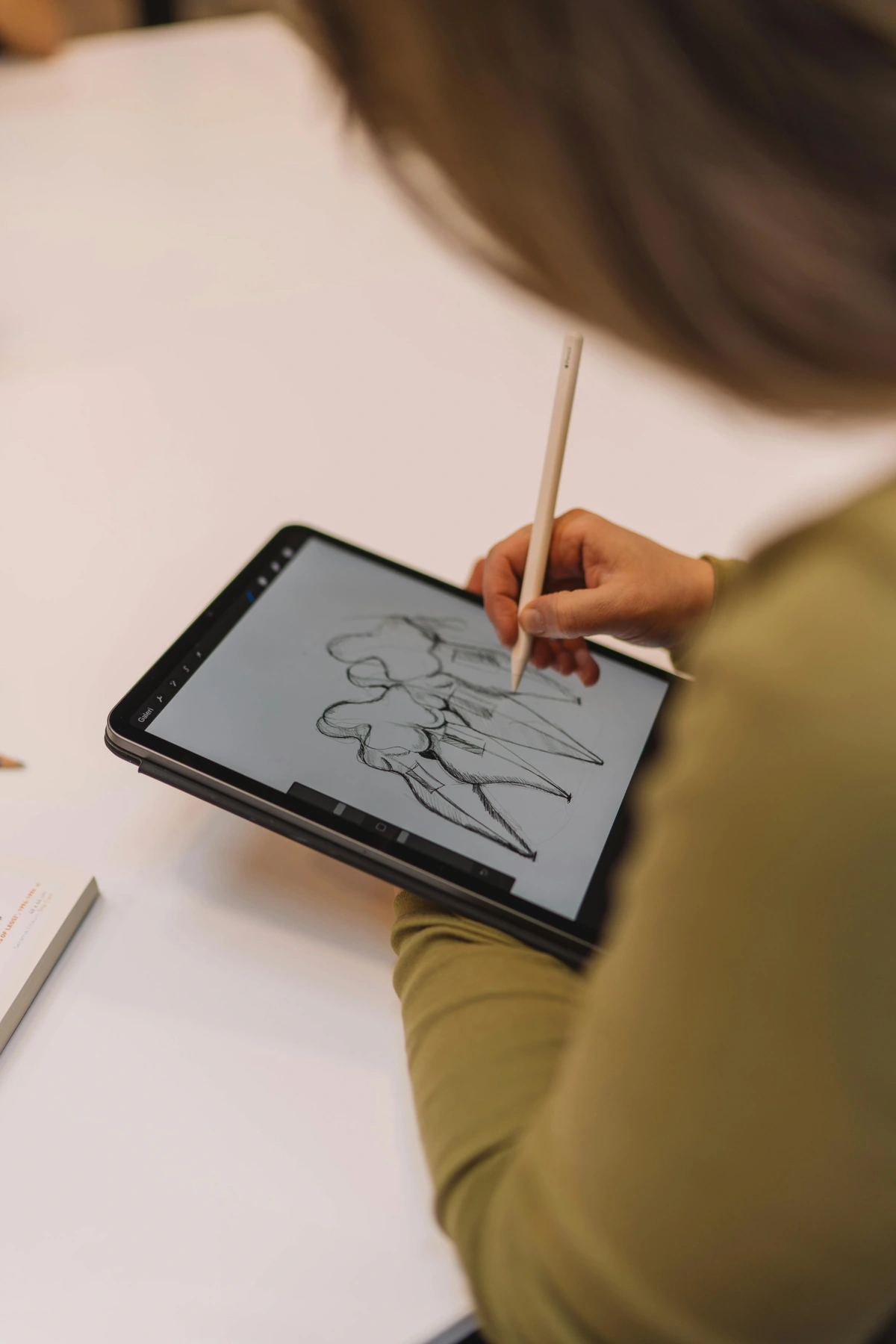
As a mindful collector, understanding the basics of Art Storage Solutions for Collectors and knowing when to call a professional conservator are crucial contributions to the long-term sustainability of your collection. Investing in conservation is investing in the longevity of art and the planet.
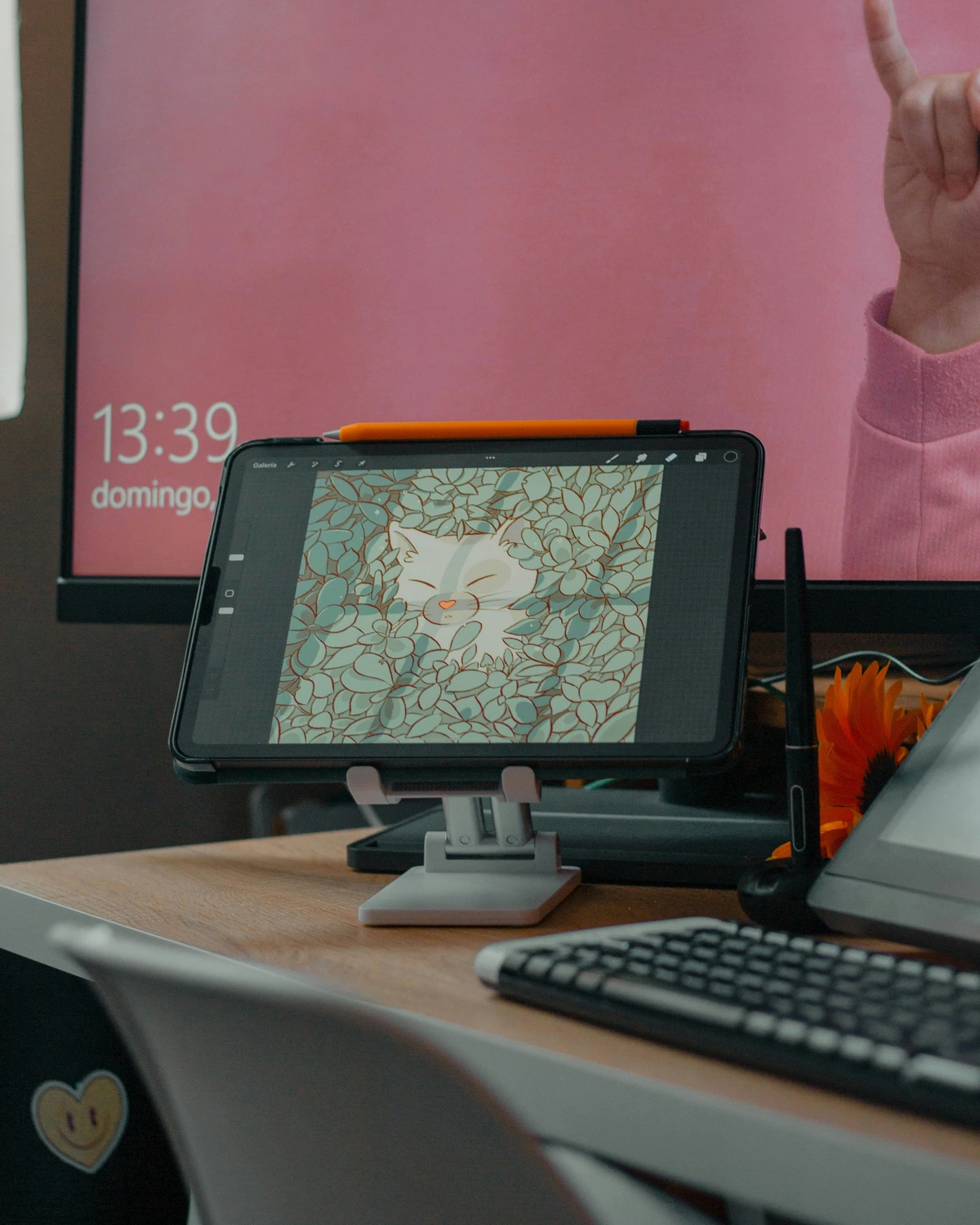
Beyond the Walls: Sustainable Exhibition and Display
Sustainability in art extends beyond the studio and the artwork itself; it encompasses how art is presented, experienced, and preserved. Consider the impact of framing: using reclaimed or sustainably sourced wood, acid-free archival mats, and UV-protective glass not only protects the artwork but also minimizes environmental impact by ensuring its longevity. Galleries and museums can contribute significantly by implementing robust environmental management systems.
This includes using energy-efficient LED lighting, minimizing single-use exhibition materials (like vinyl banners, preferring reusable or recyclable alternatives such as fabric banners or digital displays), and prioritizing local or low-carbon transportation for artworks, opting for slow freight or consolidating shipments. For digital art and photography, sustainable printing methods are key, involving recycled paper, eco-friendly, VOC-free inks, and durable archival pigment prints that last for decades, reducing the need for reprinting. My hope is that the entire ecosystem of art will eventually embrace these considerations, creating spaces that are as mindful as the art they house. For tips on showcasing your pieces beautifully and thoughtfully, you might also find insights in The Art of Display: How to Light and Position Abstract Art for Maximum Impact.
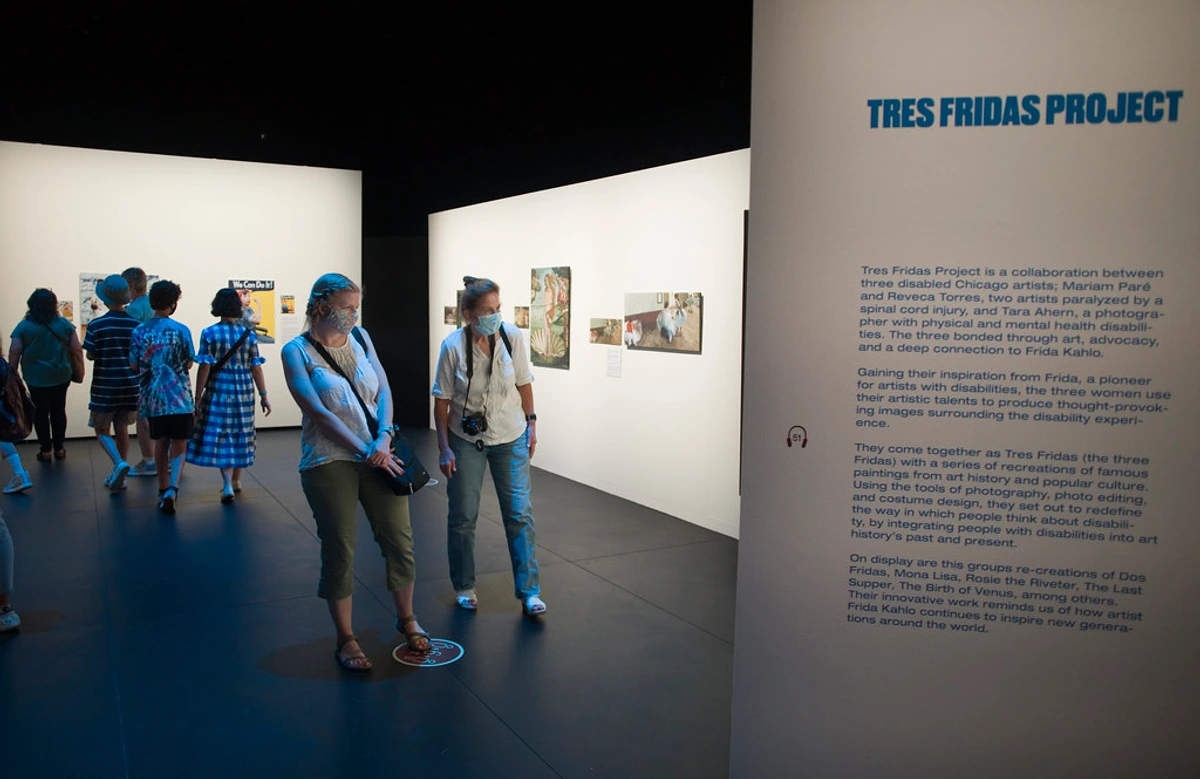
The Digital Dilemma: NFTs, Blockchain, and the (Un)Sustainable Frontier
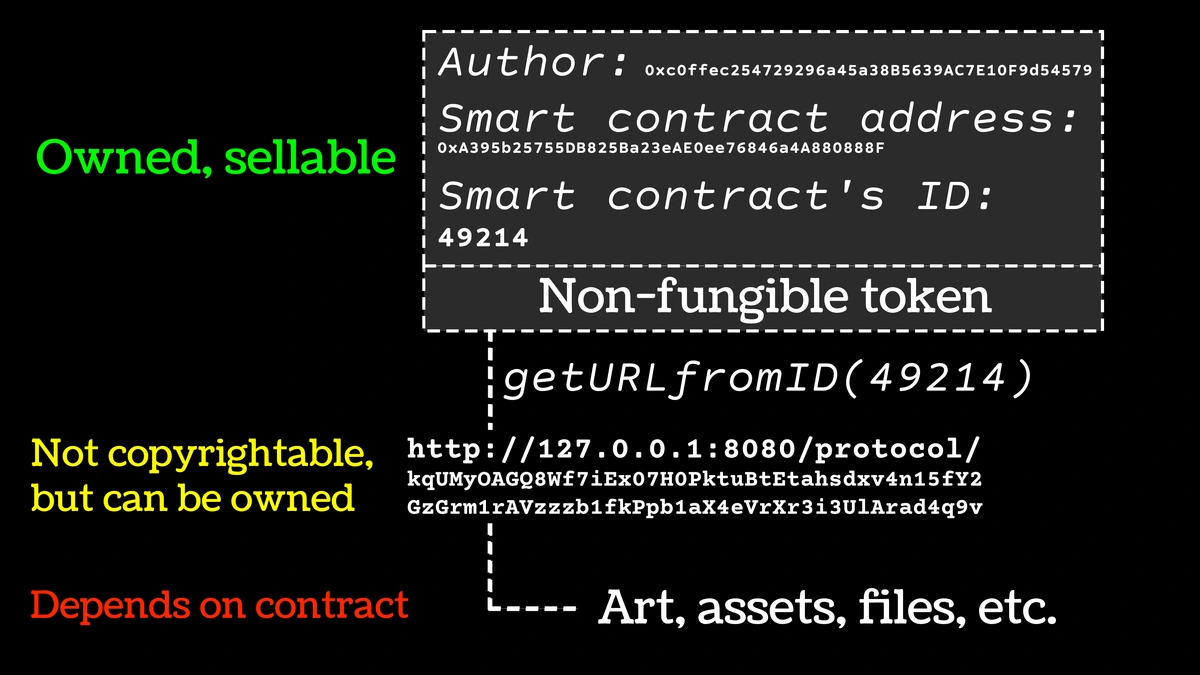
Ah, the digital art realm! It feels like a space of infinite possibilities, and on the surface, maybe even inherently sustainable – no physical materials, no shipping, right? Well, it's a bit more complicated, and I'm honestly still quite skeptical, especially when it comes to NFTs (Non-Fungible Tokens) and the blockchain technology that underpins them. While the conversation around digital art and AI is evolving rapidly (and I touch on some aspects in Understanding the AI Art Market: Trends, Opportunities, and Ethical Considerations for Collectors and AI as Co-Creator: Exploring Collaborative Art Projects with Artificial Intelligence), the environmental footprint of many blockchain networks is significant. It's like commissioning a beautiful, ephemeral light sculpture, only to find it's powered by a small coal-fired plant in your backyard.
Blockchain, particularly the 'Proof of Work' (PoW) systems (like early Bitcoin and Ethereum before its upgrade to 2.0), consumes vast amounts of energy. To 'mine' in this context means solving complex computational puzzles to verify and add new blocks of transactions to the blockchain, a process that requires immense computing power and, consequently, electricity. This often translates to a substantial carbon footprint, making many NFTs far from environmentally neutral. While some platforms are actively moving towards more energy-efficient 'Proof of Stake' (PoS) models (like the current Ethereum 2.0, Tezos, or Cardano), or exploring alternatives like Filecoin (using Proof of Spacetime), Chia (using Proof of Space and Time), or even novel consensus mechanisms like Proof of History (Solana) or Directed Acyclic Graphs (DAGs), the overall energy consumption of the crypto art market has been a major sticking point for me. It's a paradox: digital art, seemingly ethereal, can have a very real, very heavy physical impact.
Beyond NFTs, the broader concept of digital sustainability for art involves efficient file formats (minimizing storage requirements), energy-efficient data storage solutions (considering the vast energy use of cloud servers), and ensuring long-term accessibility of digital artworks without relying on rapidly obsolete technologies or software. Ethical AI considerations also play a role, as the training of large AI models for art generation can be incredibly energy-intensive, sometimes consuming as much energy as several homes for a year to train a single complex model.
So, while I appreciate the innovation and the potential for new artistic expressions, I approach the 'sustainability' claims of many digital art forms with a healthy dose of skepticism. It’s a space that needs significant technological evolution and ethical consideration before it can truly claim an eco-conscious crown. It's a journey, much like physical art, but with its own unique set of challenges and opportunities for improvement. Until then, you really have to dig into the specifics of how a digital artwork is minted and maintained before celebrating its 'green' credentials.
Looking Ahead: The Evolving Canvas of Sustainable Art
The landscape of sustainable art is constantly shifting and evolving, which I find incredibly exciting. It's not a static concept but a dynamic conversation, driven by innovative artists, materials scientists, and conscious collectors. Here are a few trends that give me hope for an even greener future:

1. Innovative Eco-Materials: The Science of Sustainable Creation
From paints made with algae (like Living Ink) for pigments and mushroom mycelium sculptures (pioneered by companies like Ecovative Design) used for structural elements or packaging, to textiles spun from recycled plastic and even biodegradable glitter (yes, it exists!), the ingenuity in material science is astounding. Companies like Paptic are innovating with wood-fiber-based materials to replace plastics in packaging and art applications. There are exciting developments in bio-based solvents, natural resin mediums, and advanced composites that reduce environmental impact while maintaining archival quality. Even biodegradable plastics like PLA (polylactic acid, derived from corn starch, often used in 3D printing) and PHA (polyhydroxyalkanoates, derived from bacterial fermentation, for flexible and durable art elements) are finding their way into art forms, offering alternatives to traditional plastics that can return to the earth without harm. Furthermore, some art supply manufacturers are exploring closed-loop systems, taking back empty tubes or specific waste materials for recycling or repurposing. While scaling these innovations and making them widely accessible remains a challenge, the industry is responding to the demand for greener alternatives, making it easier for artists (and by extension, collectors) to make better choices. Keep an eye on new developments in The Rise of Sustainable Art Materials: What Collectors and Artists Need to Know.
2. Upcycling and Repurposing as Art Forms: Transforming Waste
Artists are increasingly turning to waste as a raw material, transforming discarded objects into powerful statements. This isn't just about reducing landfill; it's about challenging our perceptions of value and beauty. A broken appliance becomes a sculpture; old newspapers become intricate collages. Think of artists like El Anatsui with his awe-inspiring bottle-cap tapestries or Subodh Gupta's monumental installations made from stainless steel utensils – powerful examples of transforming the discarded into the revered. This movement not only diverts waste but also imbues materials with new narratives, inviting us to see beauty in the unexpected.
3. Art as Activism and Awareness: Catalyzing Change
Art has always had the power to reflect and shape society. Now, more than ever, artists are using their platforms to raise awareness about critical environmental issues, climate change, and social justice. Collecting such art isn't just about ownership; it's about supporting a message, provoking dialogue, and being part of a larger movement towards a more conscious world. Examples include artworks addressing ocean plastic pollution (like pieces by Mandy Barker), climate change denial (Olafur Eliasson's Ice Watch installations), or promoting biodiversity. These often emerge in collaborations with organizations like Extinction Rebellion or Greenpeace, creating powerful visual narratives that demand attention and inspire action. You can learn more about this intersection of art and impact in Art as Catalyst for Social Change.
4. Sustainable Art Education: Nurturing Conscious Creators
Beyond individual artists and collectors, the entire ecosystem benefits when sustainability is woven into the very fabric of art education. Art schools and universities are increasingly integrating sustainable practices into their facilities and curricula. This means teaching emerging artists about ethical material sourcing, low-impact studio practices, waste reduction, and the broader environmental and social impact of various art forms. By fostering this mindset from the ground up, education can cultivate a generation of creators inherently mindful of their ecological and social footprint, leading to a more sustainable art world for the future.
5. The Role of Art Historians and Critics: Shaping the Narrative
Art historians and critics play a crucial, albeit often indirect, role in fostering sustainable art. By researching, documenting, and championing artists who prioritize ethical and eco-conscious practices, they elevate the discourse around sustainability within the art world. Their analyses can influence critical reception, shape market value, and ensure that these important artistic contributions are recognized and preserved in the broader art historical narrative. They help ensure that sustainability is not just a trend but a fundamental criterion for evaluating artistic merit and impact.
Glossary of Key Terms in Sustainable Art
Navigating the world of sustainable art often means encountering specific terminology. Here's a quick reference to some of the key terms discussed in this guide:
- ACMI AP Seal: A certification from the Art & Creative Materials Institute indicating that art materials are non-toxic and safe for use, including by children.
- Archival Quality: Refers to materials and works of art that are manufactured or created to be durable, chemically stable, and resistant to degradation over long periods, ensuring longevity and preservation.
- Circular Economy: An economic system designed to keep resources in use for as long as possible, extracting the maximum value from them while in use, then recovering and regenerating products and materials at the end of each service life. It contrasts with a linear 'take-make-dispose' model.
- Closed-Loop System: A production or process system in which waste materials or by-products are collected, reprocessed, and reintroduced into the manufacturing cycle, minimizing waste and maximizing resource efficiency.
- Cultural Appropriation: The unacknowledged or inappropriate adoption of the customs, practices, ideas, etc., of one people or society by members of another and typically more dominant people or society, often leading to commodification or misrepresentation of cultural elements.
- Digital Sustainability: The practice of designing, creating, and managing digital systems, products, and services in a way that minimizes their environmental impact (e.g., energy consumption of data centers, e-waste) and ensures their long-term viability and accessibility.
- FSC (Forest Stewardship Council) Certification: A certification system that ensures forest products (like wood or paper) come from responsibly managed forests that provide environmental, social, and economic benefits.
- GOTS (Global Organic Textile Standard) Certification: A processing standard for organic fibers, ensuring organic status from harvesting of raw materials through environmentally and socially responsible manufacturing.
- Greenwashing: A form of marketing spin in which green PR and green marketing are deceptively used to persuade the public that an organization's products, aims or policies are environmentally friendly.
- Holistic Approach (to Sustainable Art): A comprehensive method that considers the environmental, social, and ethical impact of an artwork throughout its entire lifecycle, from material sourcing and production to display, longevity, and end-of-life.
- Lightfastness: A property of a pigment or dye that describes its resistance to fading or discoloration when exposed to light, crucial for the longevity and archival quality of artworks.
- Mycelium: The vegetative part of a fungus, consisting of a network of fine white filaments. It can be cultivated to create strong, biodegradable materials for sculpture or packaging.
- NFT (Non-Fungible Token): A unique digital identifier recorded on a blockchain and used to certify ownership of a digital asset or item. While innovative, many have a significant energy footprint depending on the underlying blockchain technology.
- Phthalates: A group of chemicals used to make plastics more flexible and durable. Some phthalates have been linked to endocrine disruption and other health concerns, making their presence in acrylic paints and other art materials a concern.
- PLA (Polylactic Acid): A biodegradable and bioactive thermoplastic polyester derived from renewable resources, such as corn starch, often used in 3D printing for art.
- PHA (Polyhydroxyalkanoates): Biodegradable polymers produced by bacteria, offering a range of properties similar to conventional plastics, with applications in flexible art elements or packaging.
- Proof of History (PoH): A consensus mechanism used by some blockchains (like Solana) that creates a verifiable order of events, improving transaction speed and energy efficiency by removing the need for miners to solve complex puzzles.
- Proof of Space and Time (PoST): A consensus mechanism used by some blockchains (like Chia) where participants allocate disk space to 'mine' blocks, linking storage to a proof of time, aiming for more energy-efficient validation than PoW.
- Proof of Stake (PoS): A consensus mechanism that allows participants with a 'stake' (ownership) in the cryptocurrency to validate transactions and create new blocks, generally consuming significantly less energy than Proof of Work.
- Proof of Work (PoW): A consensus mechanism requiring participants to expend computational effort to solve arbitrary difficult puzzles, typically to deter malicious attacks and validate new transactions and blocks on a blockchain. It is highly energy-intensive.
- Sustainable Art: Art created and collected with a comprehensive consideration of its environmental, social, and ethical impact throughout its entire lifecycle, aiming to minimize harm and maximize positive impact.
- Volatile Organic Compounds (VOCs): Organic chemicals that have a high vapor pressure at ordinary room temperature. They off-gas from many conventional paints, varnishes, and adhesives, contributing to indoor air pollution and health issues.
Frequently Asked Questions About Sustainable Art Collecting
To ensure this guide provides the most comprehensive insights, let's address some of the most pressing and commonly asked questions about building a mindful art collection. Consider this your quick-reference sheet for tackling common queries and solidifying your sustainable choices.
Q: What exactly defines 'sustainable art'?
A: In my view, sustainable art is art created and collected with a holistic consideration of its environmental, social, and ethical impact throughout its entire lifecycle – from the extraction of raw materials to its eventual end-of-life. This includes mindful material sourcing, energy-efficient production methods, durability and longevity, fair labor practices, social responsibility, and thoughtful end-of-life options. It's about minimizing harm and maximizing positive impact across the board, moving towards a truly circular economy for art, where resources are kept in use for as long as possible. Remember, sustainability is a spectrum, not an absolute, and the goal is continuous improvement.
Q: How can I tell if an artwork is truly sustainable?
A: It requires asking questions and doing a little research! Inquire about the artist's materials (e.g., origin, composition), studio practices (energy, water, waste), and ethical considerations for their supply chain (labor, community impact). Look for transparency in their process – a genuine commitment often involves openly discussing challenges and progress. While there isn't one universal certification for 'sustainable art' (as it's a broad concept), consistent eco-conscious and ethical practices, coupled with relevant material certifications (like FSC for wood/paper or ACMI AP Seal for paints), are good indicators. Be wary of vague 'green' claims without specific details or third-party verification, as these can be signs of greenwashing. If you're serious about ethical art collecting, you might also find insights in Ethics of Art Collecting.
Q: Are digital artworks and NFTs truly sustainable?
A: This is a complex and evolving area. While digital art has no physical footprint in creation, many NFTs and blockchain technologies, particularly those using older 'Proof of Work' (PoW) systems (like early Bitcoin and Ethereum before its recent upgrade), have a significant energy consumption. This often leads to a high carbon footprint, comparable to small countries for some networks. While the technology is rapidly evolving, with some platforms moving to more energy-efficient 'Proof of Stake' (PoS) models (like the current Ethereum 2.0, Tezos, Cardano) or alternative blockchains (like Filecoin or Chia), I maintain a healthy skepticism about their current environmental claims. It's essential to understand the underlying technology and its energy demands. Additionally, broader digital sustainability involves efficient file formats, long-term, energy-conscious data storage solutions, and considering the energy used to train AI art generation models. You can dive deeper into these trends and opportunities in The Rise of Digital Abstract Art: A New Frontier for Collectors.
Q: What role do galleries play in promoting sustainable art?
A: Galleries are crucial! They act as a vital bridge between artists and collectors, influencing both supply and demand. Forward-thinking galleries are curating exhibitions of sustainable art, actively promoting artists with eco-conscious practices, and educating collectors on the importance of mindful patronage. They can also influence artists to adopt more sustainable methods by demonstrating market demand and by implementing their own green practices, such as using energy-efficient LED lighting, recycled exhibition materials, and sustainable packaging for transport and display. They can be powerful agents for change.
Q: Is sustainable art more expensive?
A: Not necessarily. While some innovative eco-materials or small-batch ethical productions might have a higher initial cost, the long-term value often outweighs this. This value comes from their enhanced durability (reducing replacement needs), ethical integrity, and often, their unique story and quality. Moreover, sustainable art collecting isn't just about buying new; it's about mindful engagement, which can include supporting local artists (often more affordable), investing in timeless pieces, engaging with the secondary market (resale), or even art rental, all of which can be very cost-effective and sustainable approaches. It's about a shift in value perception.
Q: What are the environmental impacts of art transport?
A: Art transport can have a significant carbon footprint, depending on the method and distance. Air freight is the most carbon-intensive, while sea freight and road transport are generally less so. Emissions come from fuel consumption, but also from packaging (often extensive and non-recyclable) and energy-intensive climate control during transit. Mindful solutions include consolidating shipments, choosing slower, lower-emission transport (like sea or rail for international, road for national), opting for reusable or recyclable packaging, and exploring carbon offsetting programs for unavoidable emissions. Supporting local artists also significantly reduces transport impact.









Q: Are there common misconceptions about sustainable art?
A: Absolutely! One common misconception is that 'sustainable art' must always look 'earthy' or be made exclusively from natural, raw materials. While those are certainly valid approaches, sustainable art can take any form, medium, or aesthetic. It's more about the process, impact, and lifecycle considerations than a specific look. Another misconception is that it's all about recycling; while crucial, sustainability in art is much broader, encompassing social equity, longevity, and responsible energy use, not just material repurposing. And finally, some believe it has to be more expensive, which isn't always true, especially when considering the long-term value and reduced environmental costs through conscious consumption.
Q: How can I support artists who are transitioning to more sustainable practices?
A: Your support is invaluable! First, simply ask questions about their journey and show genuine interest – your curiosity can be a huge motivator and helps artists feel seen in their efforts. Second, be open to new materials and processes they're experimenting with, and appreciate the research and effort involved. Third, understand that initial investments in sustainable materials or ethical labor might sometimes translate to slightly higher prices, but this reflects the true cost and value of their work. Finally, spread the word! Share their work and efforts with your network. Your patronage helps create the demand that drives the entire art market towards a more sustainable future.
Q: How can art education foster sustainable practices in emerging artists?
A: Art education plays a vital role by integrating sustainability into curricula from the ground up. This means teaching about ethical material sourcing, low-impact studio practices, waste reduction techniques, and the environmental and social impact of various art forms – from traditional painting to digital media. By exposing emerging artists to these considerations early on, educators can foster a generation of creators who are inherently mindful of their ecological and social footprint, leading to a more sustainable art world for the future. It’s about instilling a lifelong habit of conscious creation.
The Mindful Canvas: My Hope for a Sustainable Art World
This journey into sustainable art collecting has been, and continues to be, deeply personal and incredibly enlightening. It's taught me that true beauty isn't just in what we see, but in how it came to be, and how it continues to exist in the world. It’s about cultivating a collection that tells a story of passion, beauty, and responsibility. It's about being an active participant in shaping a more conscious art world, one mindful brushstroke and one thoughtful acquisition at a time. My canvas, both literal and metaphorical, is forever changed by this perspective. I hope yours will be too. If you're ready to start or expand your mindful collection, I invite you to explore my own collection of abstract, colorful art, created with these principles in mind. You can find my latest works here. And I'd love to hear your thoughts and experiences – what challenges have you faced? What triumphs have you celebrated on your own sustainable art journey? Let's keep this conversation going, one mindful brushstroke and one thoughtful acquisition at a time.