
Odilon Redon: Biography and Art
Explore the life, artistic evolution, and major works of Odilon Redon, a master of Symbolism and precursor to Surrealism.

Odilon Redon: Biography and Art
I remember the first time I encountered Odilon Redon's work. It was in a small, dimly lit gallery, and there it was—a hauntingly beautiful lithograph that seemed to pull me into another world. That moment sparked a lifelong fascination with Redon, an artist who defies easy categorization and whose work continues to inspire and mystify.
Redon's art is not just a visual experience; it's an emotional journey. His ability to blend the real with the surreal creates a unique narrative that resonates deeply with viewers. As I delved deeper into his work, I realized that Redon's art is a testament to the power of imagination and the transformative potential of creativity.
Introduction
Odilon Redon (1840–1916) was a French artist whose work bridged the gap between the tangible and the imaginary. Known primarily as a Symbolist, Redon's oeuvre is a rich tapestry of dreams, myths, and personal visions. His unique style and innovative techniques have left an indelible mark on the art world, influencing movements like Surrealism and even contemporary abstract art.
Redon's art is often described as a bridge between the visible and the invisible. His ability to evoke emotions and provoke thought through his work has made him a pivotal figure in the history of art. His influence extends beyond his lifetime, inspiring artists and art lovers alike to explore the depths of their imagination.
Early Life and Influences
Childhood and Education
Born in Bordeaux, France, Redon's early life was marked by a deep connection to nature and a vivid imagination. His childhood was spent in the French countryside, where he developed a love for the natural world that would later permeate his art. Redon's formal education began at the École des Beaux-Arts in Paris, but he quickly found the academic environment stifling.
Redon's early experiences in nature shaped his artistic vision. The landscapes and flora of the French countryside became recurring themes in his work, reflecting his deep appreciation for the natural world. His time at the École des Beaux-Arts, although brief, provided him with the technical skills that would later define his unique style.

Influences and Inspirations
Redon was deeply influenced by the literary works of Edgar Allan Poe and Charles Baudelaire, as well as the music of Richard Wagner. These influences shaped his artistic vision, imbuing his work with a sense of mystery and emotional depth. He was also drawn to the scientific theories of his time, particularly those related to evolution and the subconscious mind.
The works of Poe and Baudelaire introduced Redon to the darker, more enigmatic aspects of the human psyche. Their exploration of the macabre and the mysterious resonated with Redon, inspiring him to delve into similar themes in his art. Wagner's music, with its dramatic and emotional intensity, further fueled Redon's creative imagination, leading him to experiment with new forms and techniques.
Scientific and Philosophical Influences
Redon's interest in science and philosophy also played a crucial role in shaping his artistic vision. He was particularly fascinated by the theories of Charles Darwin and the emerging field of psychology. These influences are evident in his exploration of the subconscious mind and the natural world, which became central themes in his work.
Artistic Evolution
Early Works: The Noirs
Redon's early works, known as the "Noirs," were a series of charcoal drawings and lithographs that explored the darker, more enigmatic aspects of the human psyche. These pieces often featured fantastical creatures, grotesque figures, and dreamlike landscapes. The Noirs were a departure from the academic art of the time and established Redon as a unique voice in the art world.
The Noirs are a testament to Redon's ability to capture the complexities of the human mind. His use of charcoal allowed him to create intricate details and textures, bringing his fantastical creatures to life. These works are often seen as a precursor to the Surrealist movement, as they explore themes of the subconscious and the dream world.
Notable Works from the Noirs Period
Some of the most notable works from this period include:
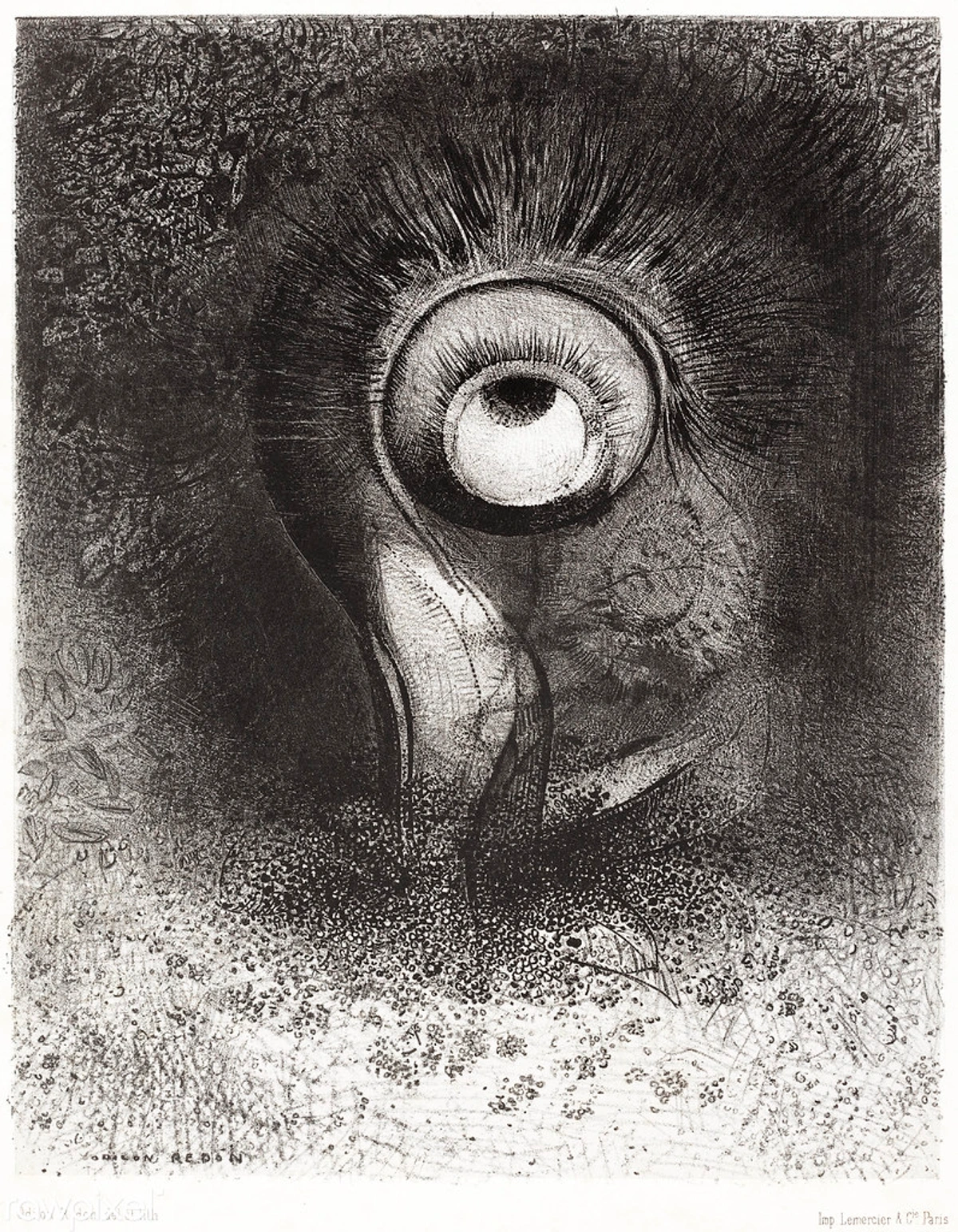
- "The Eye Like a Strange Balloon Mounts Toward Infinity": This lithograph is a quintessential example of Redon's ability to evoke a sense of mystery and wonder.
- "The Crying Spider": A haunting exploration of the darker aspects of the human psyche.
- "The Temptation of St. Anthony": A series of works that delve into the struggles of the human soul.
credit, licence
Transition to Color
In the late 1890s, Redon began to experiment with color, creating vibrant pastels and oils that were a stark contrast to his earlier monochromatic works. This period marked a significant shift in his artistic style, as he embraced the use of bright, luminous colors to convey his visions. His color works often depicted floral motifs, mythological scenes, and celestial bodies.
Redon's transition to color was a turning point in his career. His use of vibrant hues and luminous tones brought a new dimension to his art, allowing him to explore themes of beauty and transcendence. This period is often seen as a celebration of life and nature, reflecting Redon's evolving artistic vision.
credit, licence
Major Works and Themes
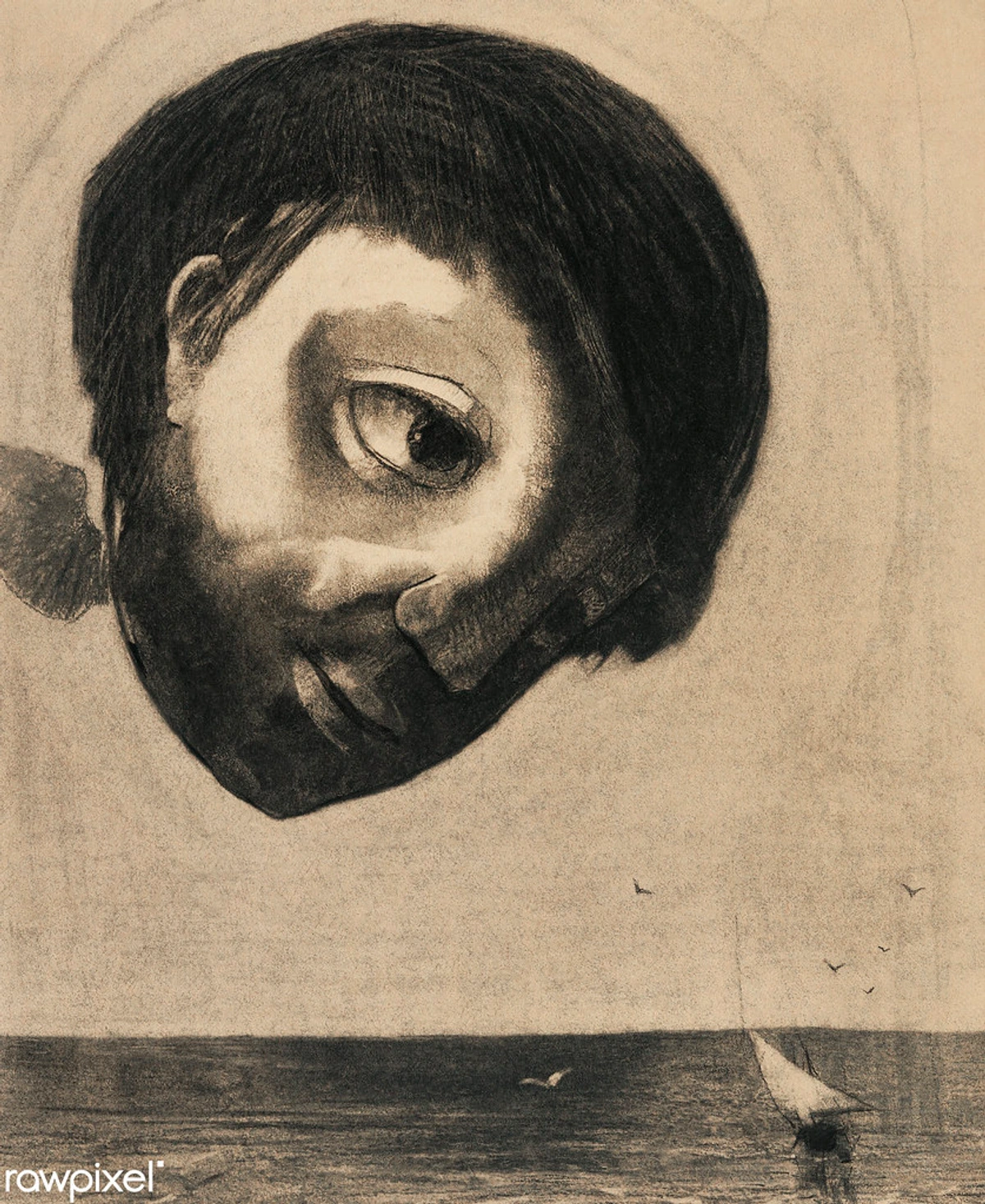
Redon's major works include "The Cyclops," "The Smiling Spider," and "The Chariot of Apollo." These pieces exemplify his ability to blend the real and the imaginary, creating a world that is both familiar and alien. His themes often revolved around the subconscious, the mystical, and the transformative power of nature.
"The Cyclops" is a striking example of Redon's ability to merge myth and reality. The piece depicts a mythological creature in a dreamlike landscape, evoking a sense of mystery and wonder. "The Smiling Spider" explores the darker aspects of the human psyche, while "The Chariot of Apollo" celebrates the transformative power of nature and the divine.
Symbolism in Redon's Work
Redon's use of symbolism is a defining feature of his art. His works are filled with symbolic imagery, from eyes and spiders to mythological creatures and celestial bodies. These symbols often carry multiple layers of meaning, inviting viewers to interpret them in their own way. For example, the eye is a recurring motif in Redon's work, symbolizing perception, insight, and the subconscious mind.
Legacy and Influence
Impact on Symbolism and Surrealism
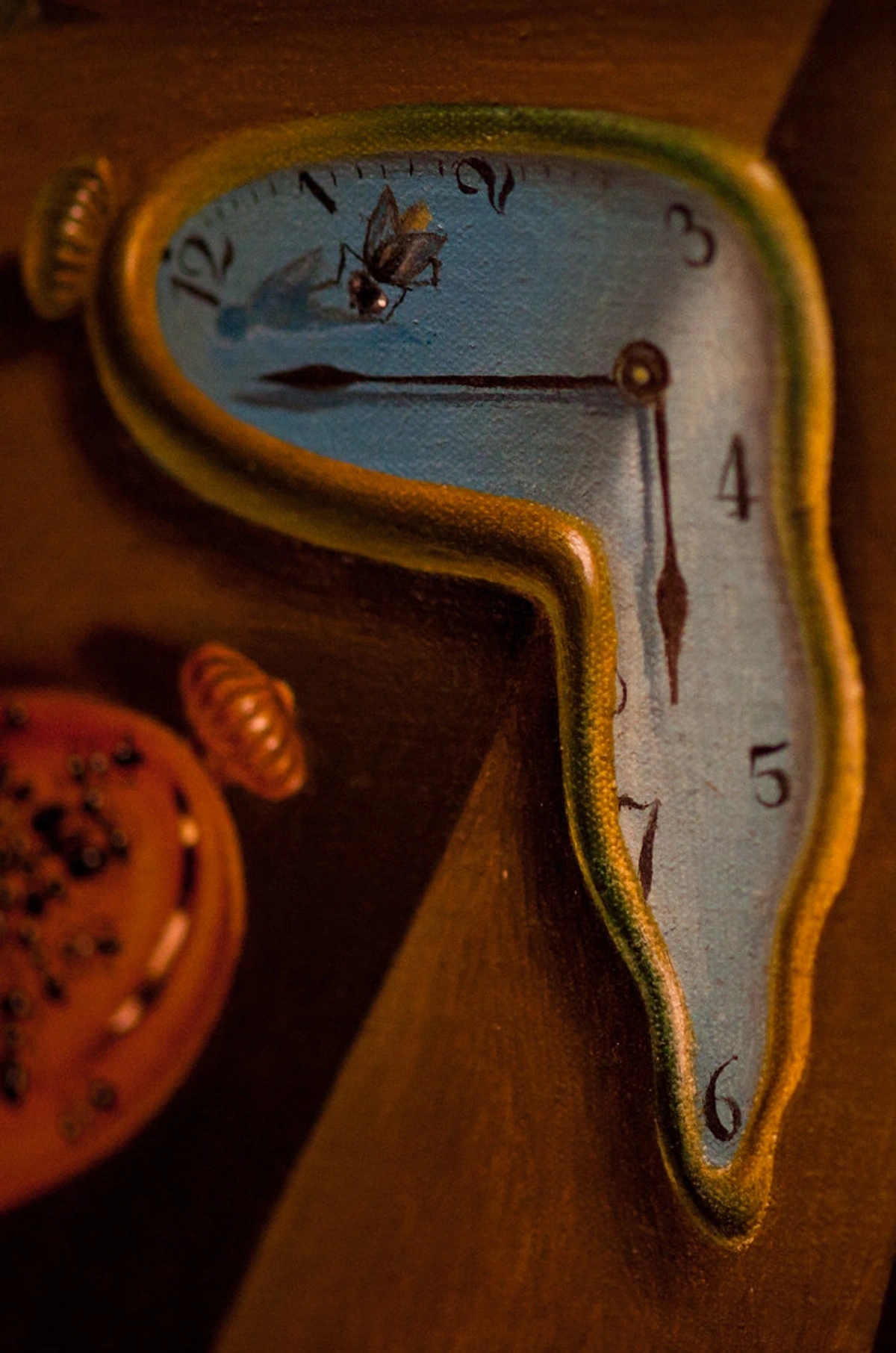
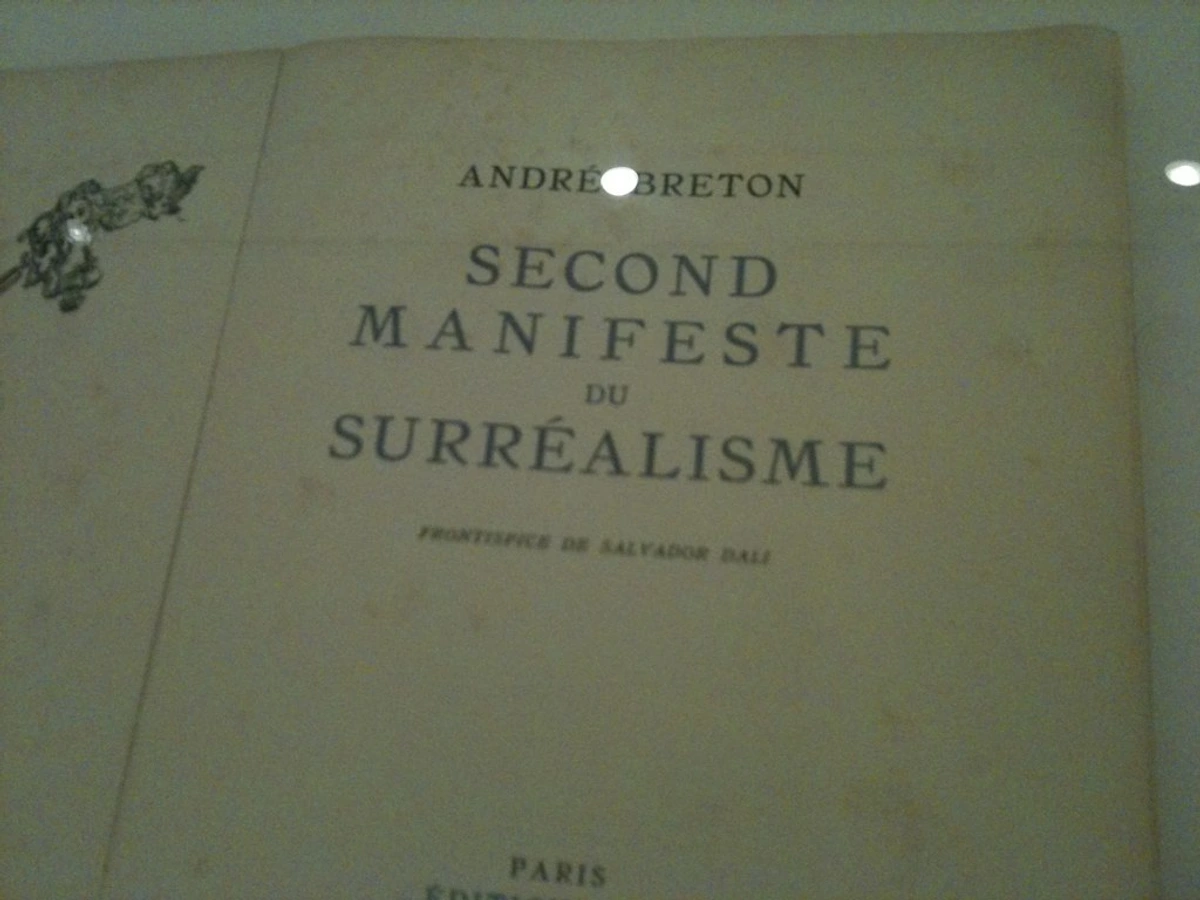
Redon's work had a profound impact on the Symbolist movement, which sought to express the ineffable and the mysterious through art. His exploration of the subconscious and the dream world also made him a precursor to the Surrealist movement, influencing artists like Salvador Dalí and René Magritte.
Redon's influence on Symbolism is evident in the movement's emphasis on the mystical and the dreamlike. His work inspired a generation of artists to explore the depths of the human psyche, paving the way for the Surrealist movement. Artists like Dalí and Magritte drew inspiration from Redon's ability to blend reality and fantasy, creating a new visual language that continues to captivate audiences today.
Influence on Contemporary Art
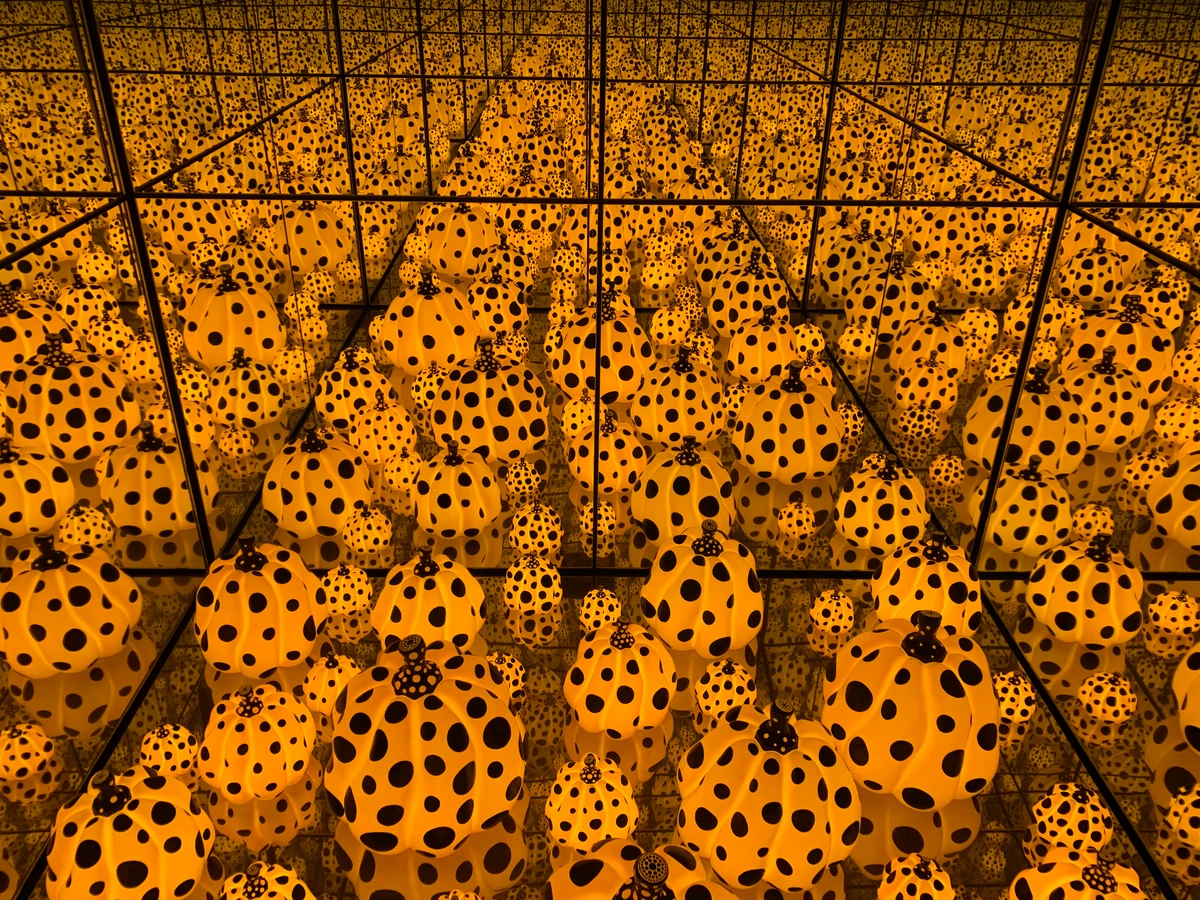
Redon's innovative techniques and unique vision continue to inspire contemporary artists. His ability to blend the real and the imaginary, the tangible and the intangible, resonates with artists who seek to push the boundaries of traditional art forms. For those interested in exploring contemporary abstract art, you might find inspiration in the works available at Zen Museum.
Contemporary artists often cite Redon as a source of inspiration for his bold experimentation and unique perspective. His work encourages artists to explore new forms and techniques, pushing the boundaries of what is possible in art. The legacy of Redon's vision continues to shape the art world, inspiring artists to create works that challenge and captivate audiences.
FAQ
What is Odilon Redon known for?
Odilon Redon is known for his unique blend of Symbolism and Surrealism, characterized by his exploration of the subconscious and the dream world. His works often feature fantastical creatures, mythological scenes, and vibrant colors.
Redon's art is celebrated for its ability to evoke emotions and provoke thought. His unique style and innovative techniques have made him a pivotal figure in the history of art, inspiring generations of artists to explore the depths of their imagination.
What are some of Redon's major works?
Some of Redon's major works include "The Cyclops," "The Smiling Spider," and "The Chariot of Apollo." These pieces exemplify his ability to blend the real and the imaginary.

How did Redon's work influence later art movements?
Redon's exploration of the subconscious and the dream world made him a precursor to the Surrealist movement. His innovative techniques and unique vision continue to inspire contemporary artists.
Redon's influence on the Surrealist movement is evident in the movement's emphasis on the mystical and the dreamlike. His work inspired a generation of artists to explore the depths of the human psyche, paving the way for new forms of artistic expression. His legacy continues to shape the art world, inspiring artists to create works that challenge and captivate audiences.

Where can I see Redon's works?
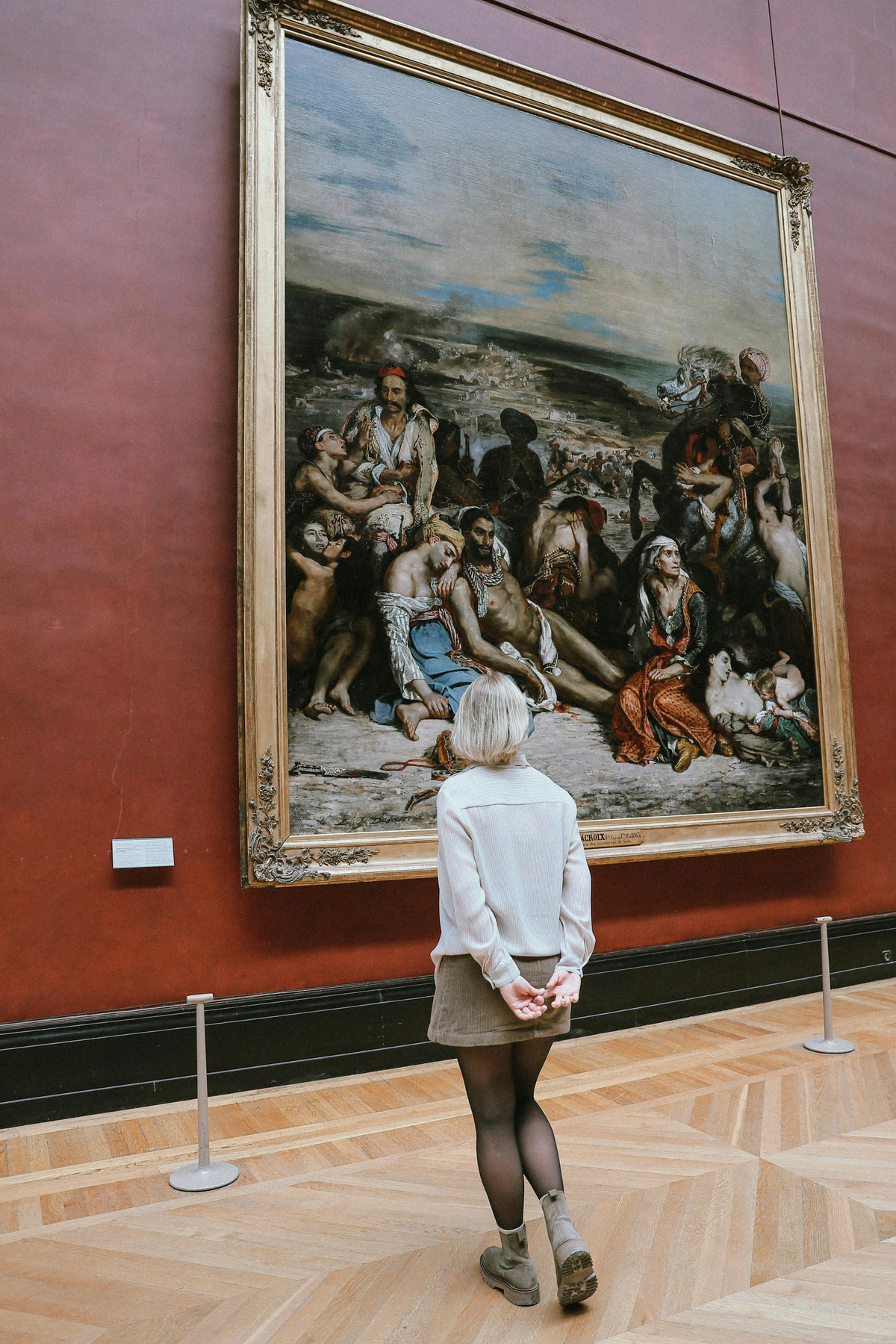
Redon's works are housed in major museums around the world, including the Musée d'Orsay in Paris and the Museum of Modern Art in New York. For those interested in exploring contemporary art inspired by Redon, the Den Bosch Museum offers a rich collection.
In addition to these museums, Redon's works can also be found in private collections and galleries around the world. His influence on contemporary art is evident in the works of many artists, making his legacy a vital part of the art world today.
Conclusion
Odilon Redon's life and work are a testament to the power of imagination and the transformative potential of art. His ability to blend the real and the imaginary, the tangible and the intangible, continues to inspire and mystify. As I reflect on my own journey as an artist, I find myself drawn to Redon's unique vision and his unwavering commitment to exploring the depths of the human psyche.
Redon's legacy is a reminder of the power of art to transcend boundaries and evoke emotions. His work continues to inspire artists and art lovers alike, encouraging them to explore the depths of their imagination and push the boundaries of what is possible in art.
Further Exploration
For those interested in delving deeper into the world of art and its evolution, the Timeline offers a comprehensive overview of key movements and artists. Additionally, exploring the works of contemporary artists at Zen Museum can provide further inspiration and insight into the enduring influence of Redon's vision.










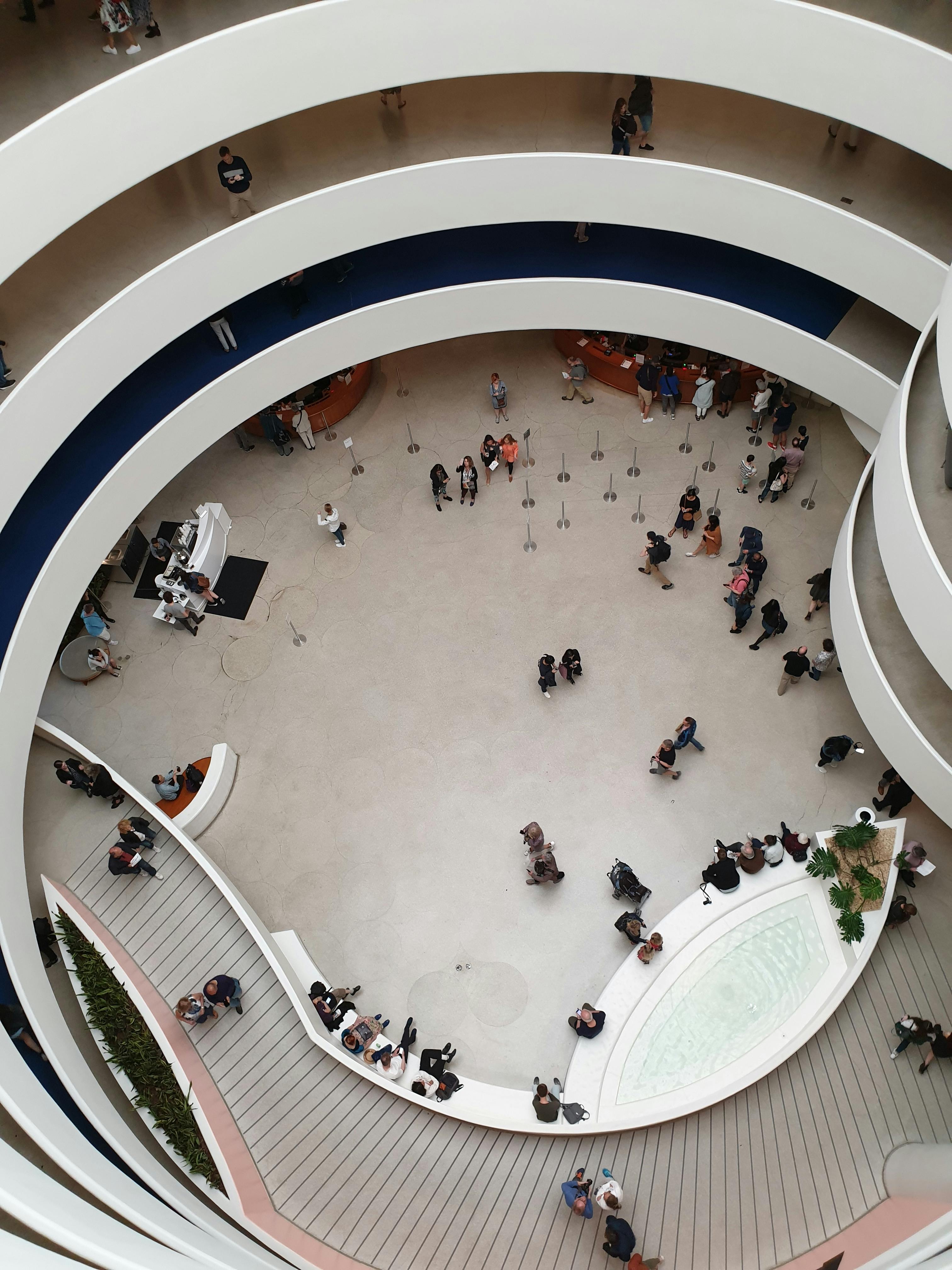

For those interested in delving deeper into the world of art and its evolution, the Timeline offers a comprehensive overview of key movements and artists.