Odilon Redon's Art Style: A Journey Through Symbolism and Imagination
Explore the unique artistic style of Odilon Redon, from his early charcoal drawings to his vibrant Symbolist paintings and their influence on modern art.

Odilon Redon's Art Style: A Journey Through Symbolism and Imagination
I remember the first time I encountered Odilon Redon's work. It was in a small, dimly lit gallery, and there it was—a charcoal drawing that seemed to whisper secrets from another world. That moment sparked a fascination with Redon's art style, a journey through symbolism and imagination that I'm excited to share with you.
Redon's art is not just a visual experience; it's an emotional and intellectual journey. His ability to blend the mystical with the tangible makes his work timeless and universally appealing. Whether you're an art enthusiast or a casual observer, Redon's creations invite you to explore the depths of your own imagination.
Introduction to Odilon Redon
Odilon Redon (1840–1916) was a French artist whose work bridged the gap between the 19th and 20th centuries. His art is often associated with Symbolism, a movement that sought to express ideas and emotions through symbolic images rather than realistic representations. Redon's unique style evolved significantly over his career, from his early, somber charcoal drawings to his later, vibrant pastels and oils.
Born in Bordeaux, France, Redon's early life was marked by a deep connection to nature and a fascination with the mystical. His artistic journey began with formal training in etching and lithography, but it was his exploration of the subconscious and the dreamlike that truly defined his legacy. Redon's work is a testament to the power of imagination and the enduring allure of the unseen.
Early Influences
Redon's fascination with the mystical and the unseen was deeply influenced by his upbringing in Bordeaux. The lush landscapes and the rich cultural heritage of the region played a significant role in shaping his artistic vision. His early exposure to literature, particularly the works of Edgar Allan Poe and Charles Baudelaire, further fueled his imagination and inspired his unique approach to art.
Key Concepts in Redon's Art Style
Symbolism
Redon was a key figure in the Symbolist movement. Symbolism in art is about conveying ideas and emotions through symbolic images. For Redon, this meant creating works that were rich in personal and universal symbolism. His art often explored themes of dreams, the subconscious, and the mystical.
Symbolism, as a movement, emerged as a reaction against the naturalism and realism that dominated the art world in the late 19th century. Artists like Redon sought to delve into the deeper, often hidden layers of human experience. His use of symbols—such as eyes, wings, and flowers—was not merely decorative but served as a gateway to the soul and the unseen realms of existence.
The Role of Symbols in Redon's Work
Redon's symbols were deeply personal yet universally resonant. They were not just visual elements but gateways to deeper meanings. Each symbol carried a weight of significance, inviting the viewer to explore the layers of meaning beneath the surface. Understanding these symbols can enrich your experience of Redon's art, allowing you to connect with the emotional and intellectual depths of his work.
Evolution of Style
Redon's artistic journey can be divided into two main periods:
- Early Period (1860s–1890s): Characterized by his "Noirs" (blacks), a series of charcoal drawings and lithographs. These works were dark, mysterious, and often featured fantastical creatures and dreamlike landscapes.
- Later Period (1890s–1916): Marked by a shift to color. Redon began using pastels and oils, creating vibrant, luminous works that were equally rich in symbolism but more uplifting and optimistic.
The transition from the "Noirs" to his colorful works was not just a change in medium but a reflection of Redon's evolving perspective on life and art. His later works are often seen as a celebration of beauty and the transcendent power of color. This shift also coincided with his growing recognition in the art world, as his unique vision began to resonate with a broader audience.
The Influence of Literature and Music
Redon's artistic evolution was also influenced by his deep appreciation for literature and music. His works often reflect the themes and emotions found in the writings of Edgar Allan Poe and the music of composers like Richard Wagner. These influences added layers of complexity to his art, making it a multi-sensory experience that transcended the visual realm.
Examples of Redon's Art Style
Early Period: The Noirs
Credit, License
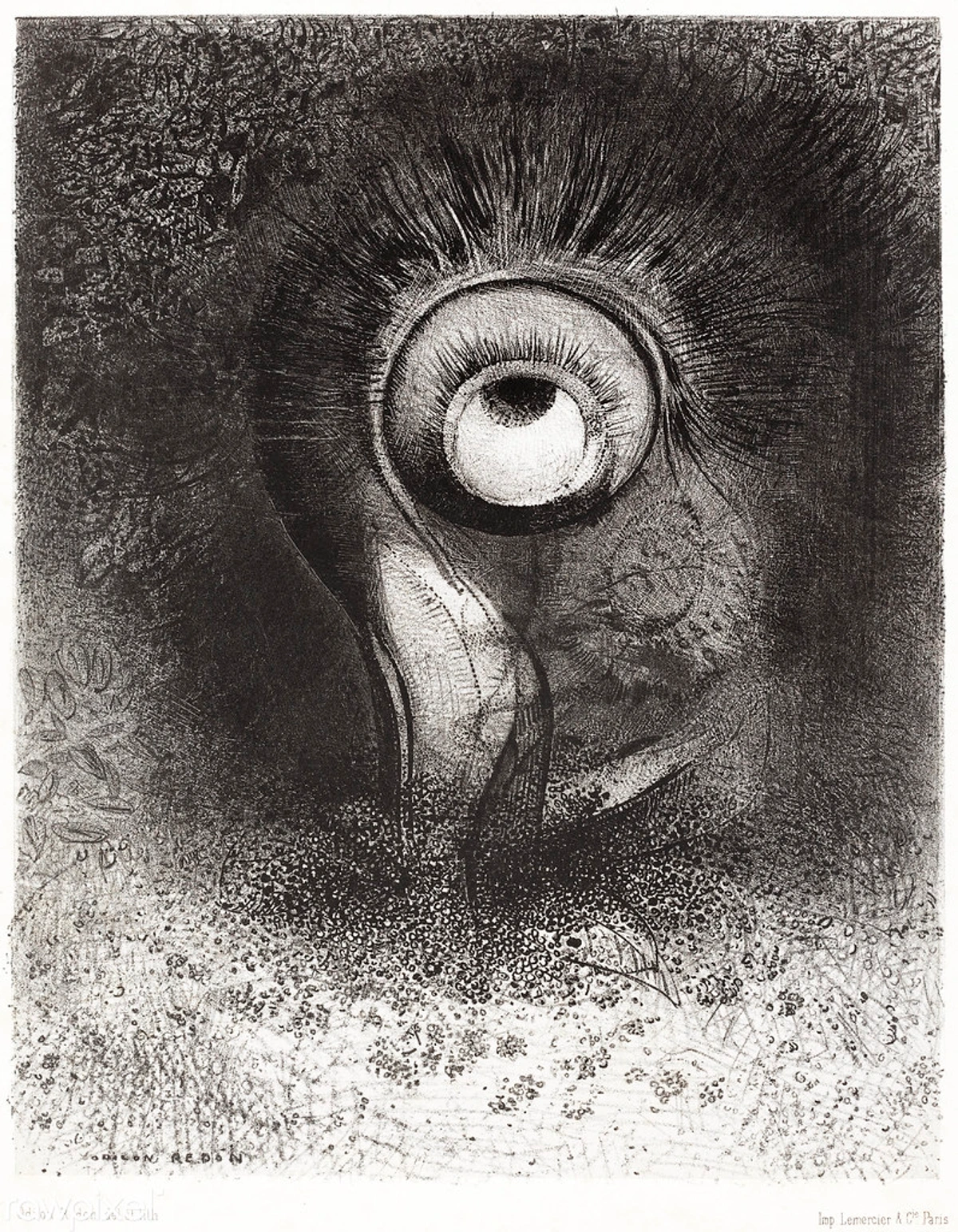
Redon's early works, known as the "Noirs," are a testament to his mastery of charcoal. These drawings often depicted strange, hybrid creatures and eerie landscapes. One of his most famous works from this period is "The Eye Like a Strange Balloon Mounts Toward Infinity" (1882).
The "Noirs" are characterized by their haunting beauty and the sense of mystery they evoke. These works are not just drawings; they are windows into Redon's subconscious, offering glimpses of a world that is both familiar and alien. The use of charcoal allowed Redon to explore the interplay of light and shadow, creating a sense of depth and dimension that is both striking and unsettling.
Later Period: The Color Works
Credit, License
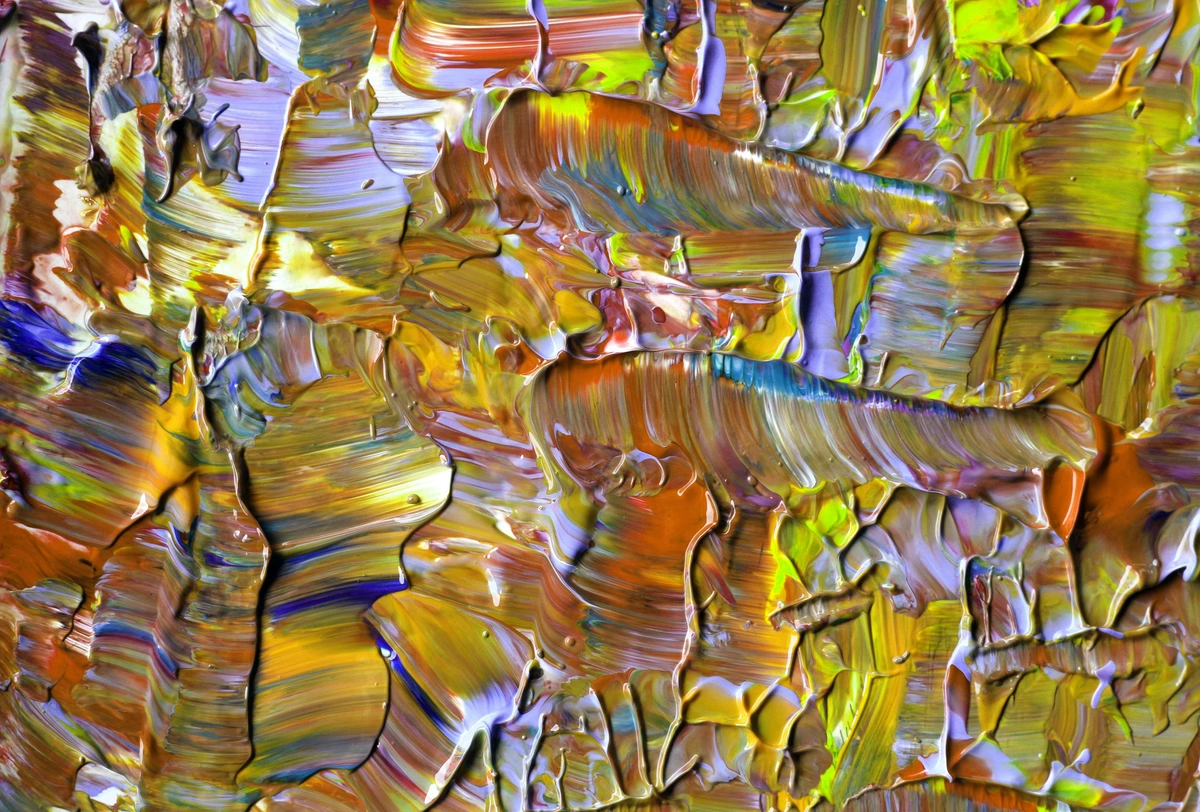
In his later years, Redon embraced color with a fervor that surprised many. His pastels and oils from this period are known for their luminosity and vibrancy. Works like "The Cyclops" (1914) and "The Chariot of Apollo" (1905–1910) showcase his ability to convey deep symbolism through bright, uplifting hues.
Redon's use of color was not just a technical shift but a philosophical one. His later works are imbued with a sense of joy and optimism, reflecting his belief in the transformative power of art. The vibrant hues and luminous textures of his pastels and oils create a sense of movement and life, drawing the viewer into a world of beauty and wonder.
How to Appreciate Redon's Art Style
Understanding the Symbols
To truly appreciate Redon's work, it's helpful to understand the symbols he used. Here are a few common ones:

- Eyes: Often symbolizing vision, perception, and the soul.
- Wings: Representing freedom, spirituality, and transcendence.
- Flowers: Symbolizing beauty, growth, and the ephemeral nature of life.
Redon's symbols are not just visual elements; they are gateways to deeper meanings. Each symbol carries a weight of significance, inviting the viewer to explore the layers of meaning beneath the surface. Understanding these symbols can enrich your experience of Redon's art, allowing you to connect with the emotional and intellectual depths of his work.

Exploring the Emotions
Redon's art is deeply emotional. Take a moment to reflect on how his works make you feel. Do they evoke a sense of mystery, wonder, or perhaps even unease? Understanding your emotional response can deepen your appreciation of his art.
Art, at its core, is about evoking emotions and provoking thought. Redon's ability to tap into the subconscious and the mystical makes his work particularly powerful in this regard. Whether it's the haunting beauty of his "Noirs" or the vibrant joy of his later works, each piece invites you to explore your own emotional landscape. Allow yourself to be drawn into the world Redon creates, and you may find that his art resonates with you in ways you never expected.
Considerations for Collectors
If you're considering adding a piece of Redon's work to your collection, here are a few things to keep in mind:
- Authenticity: Ensure the piece is authenticated by a reputable source.
- Condition: Check the condition of the artwork, especially for works on paper.
- Provenance: Research the history of the piece to ensure it has been legally and ethically acquired.
Collecting art is not just about acquiring beautiful objects; it's about preserving a piece of history and culture. Redon's works, in particular, offer a unique glimpse into the world of Symbolism and the evolution of modern art. Whether you're a seasoned collector or a newcomer, taking the time to understand the significance of each piece can enhance your appreciation and enjoyment of your collection.
Preservation and Display
Redon's works, especially those on paper, require careful preservation. Consider consulting with art conservation experts to ensure the longevity of your collection. Displaying these works in a controlled environment, away from direct sunlight and humidity, can help maintain their condition for future generations to appreciate.
FAQ
What is Odilon Redon known for?
Odilon Redon is known for his unique artistic style that bridged the gap between the 19th and 20th centuries. He is particularly famous for his Symbolist works, which include both his early charcoal drawings (the "Noirs") and his later, vibrant pastels and oils.
How did Redon's art style evolve over time?
Redon's art style evolved significantly over his career. His early works were dark and mysterious, often featuring fantastical creatures and dreamlike landscapes. In his later years, he shifted to using bright, vibrant colors, creating works that were more uplifting and optimistic.
What are some common symbols in Redon's art?
Common symbols in Redon's art include eyes (symbolizing vision and the soul), wings (representing freedom and spirituality), and flowers (symbolizing beauty and the ephemeral nature of life).
How can I appreciate Redon's art more deeply?
To appreciate Redon's art more deeply, take the time to understand the symbols he used and reflect on the emotions his works evoke. Visiting exhibitions or reading about his life and influences can also enhance your appreciation.
Where can I see Redon's artwork?
Redon's artwork can be seen in many major museums around the world, including the Musée d'Orsay in Paris, the Museum of Modern Art in New York, and the Van Gogh Museum in Amsterdam. Additionally, you can explore more about his life and works at /timeline.
What influenced Redon's art?
Redon's art was influenced by a variety of sources, including literature, music, and the natural world. His deep connection to nature and his fascination with the mystical and the subconscious played a significant role in shaping his unique artistic vision.
How did Redon's work influence modern art?
Redon's innovative use of symbolism and his exploration of the subconscious had a profound impact on modern art. His work paved the way for movements like Surrealism and Abstract Expressionism, inspiring artists to delve into the deeper layers of human experience.
What is the significance of Redon's "Noirs"?
The "Noirs" represent a pivotal period in Redon's career, showcasing his mastery of charcoal and his ability to evoke a sense of mystery and depth. These works are celebrated for their haunting beauty and their exploration of the unseen realms of existence.

How did Redon's use of color evolve?
Redon's transition to color marked a significant shift in his artistic vision. His later works are characterized by their luminosity and vibrancy, reflecting his belief in the transformative power of art and the beauty of the natural world.
What themes did Redon explore in his art?
Redon's art explored a wide range of themes, including dreams, the subconscious, the mystical, and the ephemeral nature of life. His work is a testament to the power of imagination and the enduring allure of the unseen.
How can I learn more about Redon's life and influences?
To learn more about Redon's life and influences, consider visiting museums that house his works, reading biographies and critical analyses of his art, and exploring online resources dedicated to his legacy.
What is the legacy of Odilon Redon?
Odilon Redon's legacy lies in his ability to bridge the gap between the tangible and the mystical. His exploration of the subconscious and the unseen has inspired generations of artists to push the boundaries of their creativity. His influence can be seen in movements like Surrealism and Abstract Expressionism, which continue to shape the art world today.
How can I incorporate Redon's artistic style into my own work?
To incorporate Redon's artistic style into your own work, focus on exploring the subconscious and the mystical. Experiment with symbolism and dreamlike imagery, and don't be afraid to blend the familiar with the fantastical. Redon's ability to evoke emotion through his art is a testament to the power of imagination and the enduring allure of the unseen.
Conclusion
Odilon Redon's art style is a fascinating journey through symbolism and imagination. From his early, mysterious "Noirs" to his later, vibrant color works, Redon's art continues to captivate and inspire. Whether you're a seasoned art collector or simply someone who appreciates beauty and symbolism, Redon's work offers a rich, emotional experience that is well worth exploring.
Redon's legacy is not just about the art he created but the doors he opened for future generations of artists. His exploration of the subconscious and the mystical has left an indelible mark on the art world, inspiring countless artists to push the boundaries of their own creativity.









And if you're feeling inspired, why not explore some contemporary art that carries on the tradition of symbolism and imagination? Check out our collection at /buy or visit our museum in Den Bosch at /den-bosch-museum.
Final Thoughts
Odilon Redon's art is a testament to the power of imagination and the enduring allure of the unseen. His ability to blend the mystical with the tangible makes his work timeless and universally appealing. Whether you're an art enthusiast or a casual observer, Redon's creations invite you to explore the depths of your own imagination and connect with the emotional and intellectual depths of his work.