The Art of Copying: From Printmaking Looms to Digital Pixels
An article about how mechanical and digital reproduction has transformed art, from printmaking to social media.

The Art of Copying: From Printmaking Looms to Digital Pixels
Art has always been about more than just the object itself. It’s about the emotions it evokes, the stories it tells, and the connections it forges. Whether it’s a painting hanging in a museum or a print adorning a living room wall, art has the power to transcend its physical form and resonate with us on a deeply personal level. But what happens when that art is reproduced, copied, and shared across the globe? How does its meaning change, and what does it say about our relationship with creativity and ownership?
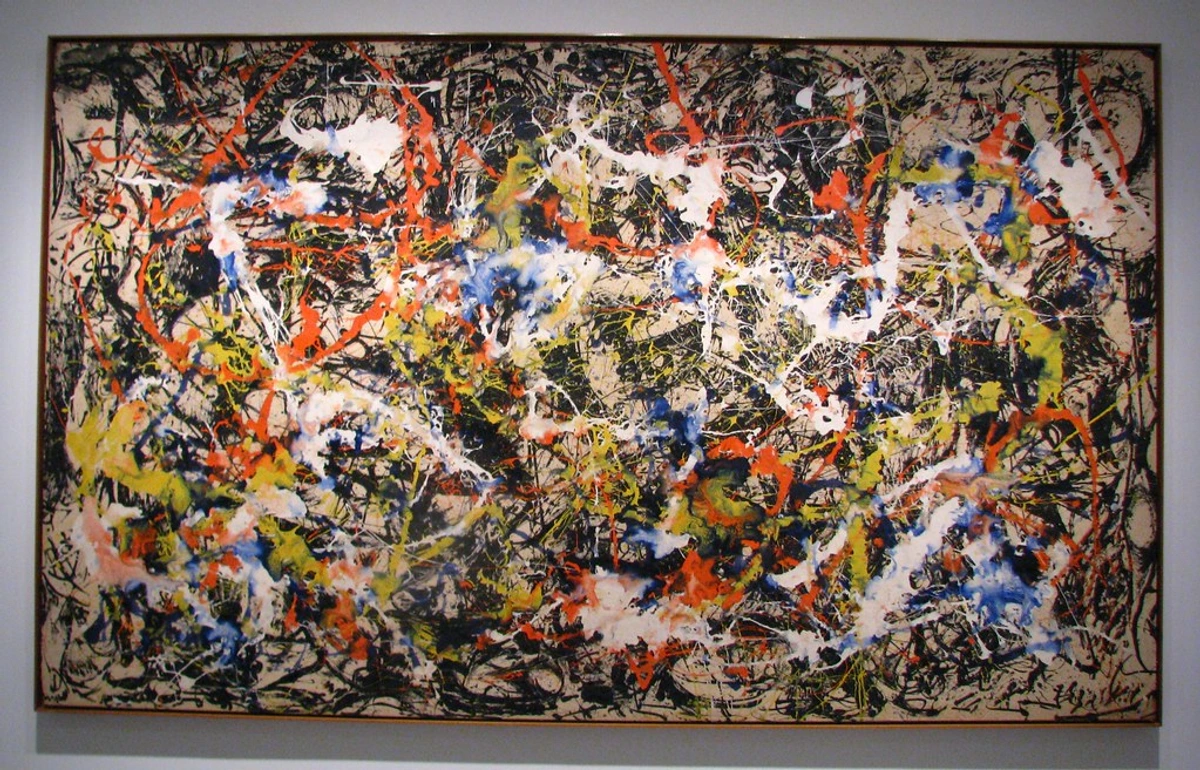
I remember the first art print I ever bought. It was a vibrant, abstract piece, full of colors that seemed to hum against the sterile white walls of my apartment. I’d stare at it for ages, but a small, persistent thought always wiggled its way in: "There are probably a hundred others with this exact same image on their wall." It felt special to me, but was it, in fact, special? This quirky little tension, between the personal connection we feel to a reproduced image and its inherent multiplicity, is a story that long predates the digital age. It's a story that gets to the very core of what art even is.
Art has always been about more than just the object itself. It’s about the emotions it evokes, the stories it tells, and the connections it forges. Whether it’s a painting hanging in a museum or a print adorning a living room wall, art has the power to transcend its physical form and resonate with us on a deeply personal level. But what happens when that art is reproduced, copied, and shared across the globe? How does its meaning change, and what does it say about our relationship with creativity and ownership?
This tension between the original and the copy is not just a modern phenomenon. It’s a dialogue that has evolved alongside human creativity itself. From the earliest cave paintings to the most cutting-edge digital creations, artists have sought ways to share their work with a wider audience. But with each new method of reproduction, from the printing press to the digital scanner, comes a new set of questions about authenticity, value, and the very nature of art itself.
This isn't just a modern dilemma. For centuries, artists have wrestled with the implications of creating multiple copies of their work. The invention of the printing press, for instance, didn't just spread ideas; it fundamentally altered the relationship between an original manuscript and its readers. Art has always danced this strange dance between singularity and scale.
The history of art is, in many ways, a history of reproduction. From the earliest cave paintings to the most cutting-edge digital creations, artists have sought ways to share their work with a wider audience. But with each new method of reproduction, from the printing press to the digital scanner, comes a new set of questions about authenticity, value, and the very nature of art itself.
From the Printing Press to the Pixel: A Short History of Copying Art
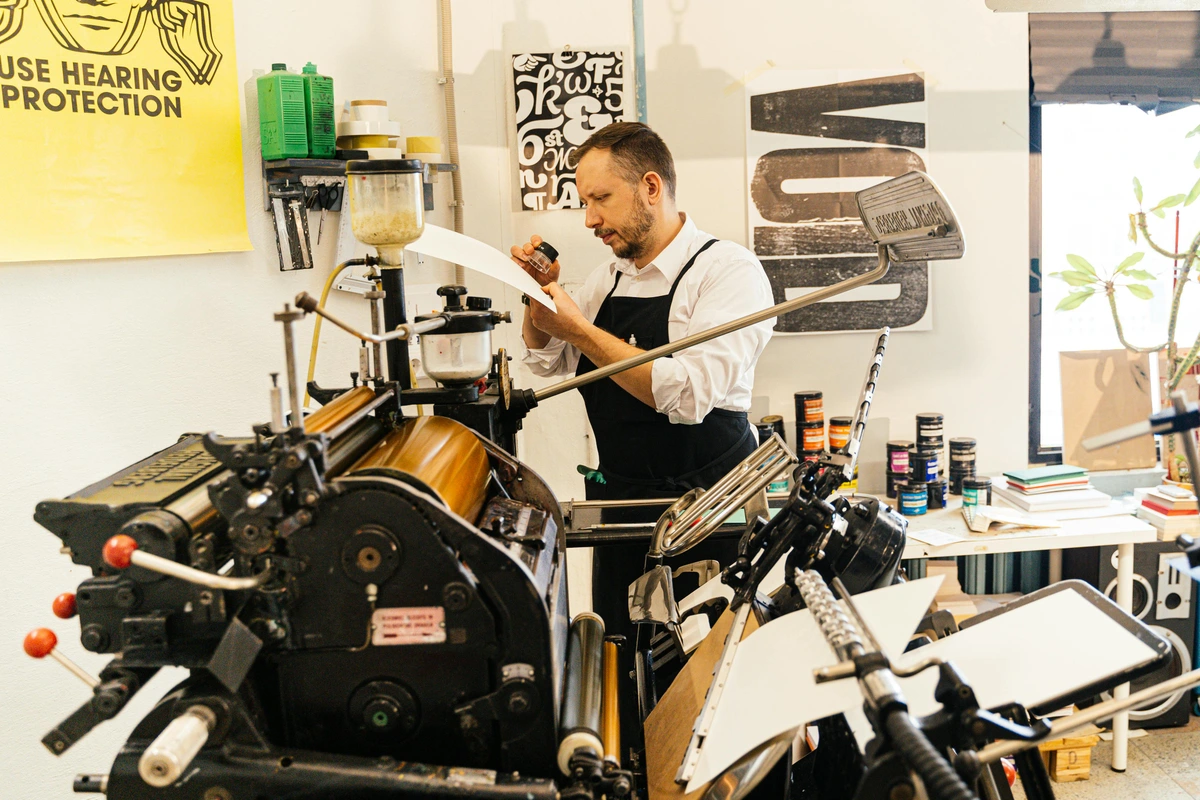
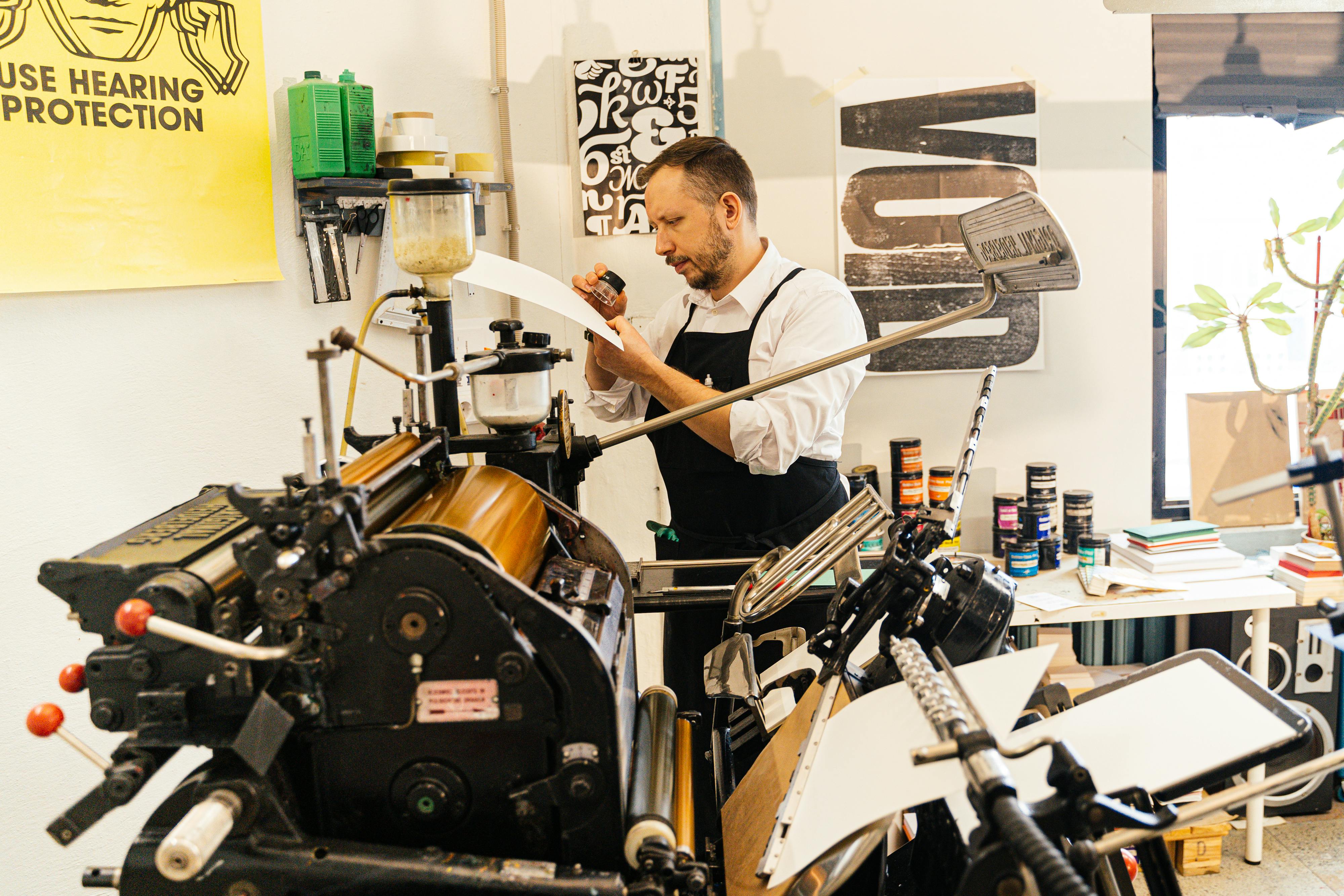
Long before we worried about right-clicking and saving a JPEG, artists were masters of reproduction. Think about traditional printmaking techniques like woodcuts or lithographs. Each of these methods is, by its very nature, a process of creating multiple originals. The artist carves the block or draws on the stone not to make a single, unique work, but to produce a limited run—an edition—of perhaps 20 or 200 prints. Each print in that edition is considered an original work of art because it was pulled directly from the artist's hand-prepared matrix. None is the "first" in the way we think of a painting; they are a family of equals.
The Role of Printmaking in Art History
Printmaking has played a pivotal role in the dissemination of art and ideas. It allowed artists to reach a broader audience and democratize access to visual culture. The ability to produce multiple copies of a single image also enabled artists to experiment with new styles and techniques, pushing the boundaries of creativity.
The Evolution of Printmaking
Printmaking has a rich history that spans centuries and cultures. From the intricate woodblock prints of Japan to the bold lithographs of Europe, each technique offers a unique way of creating and sharing art. Below is a table summarizing some of the most influential printmaking techniques:
Technique  | Description | Origin |
|---|---|---|
| Woodcut | A relief printing technique where an image is carved into the surface of a wooden block. | China |
| Lithography | A method of printing using a stone or metal plate with a smooth surface. | Germany |
| Etching | A process where an image is incised into a metal plate using acid. | Europe |
| Screen Printing | A technique where ink is pushed through a stencil onto a surface. | China |
Each of these techniques has its own unique characteristics and has played a significant role in the history of art reproduction.
Then came photographic reproduction. This was a game-changer. Suddenly, you could take a high-quality photograph of a famous painting like the Mona Lisa and print it in a book or on a postcard. This is the moment Walter Benjamin was getting at in his influential essay, "The Work of Art in the Age of Mechanical Reproduction." He argued that this process strips the original of its "aura"—that unique presence, its history, its sacredness that you can only experience by standing in front of the actual artifact in the Louvre. A postcard of the Mona Lisa lacks that aura. It's a copy. But in stripping that aura, it also makes art accessible. It democratizes it. Not everyone can fly to Paris, but everyone can own a postcard. This is the central trade-off that has defined reproduced art for over a century.
The Role of Photography in Art Reproduction
Photography revolutionized the way we reproduce and perceive art. It allowed for the mass production of high-quality images, making art accessible to a global audience. However, it also raised questions about the value and authenticity of the original artwork. The ability to reproduce art photographically challenged traditional notions of uniqueness and ownership, sparking debates that continue to this day.
The Impact of Photography on Art
Photography didn't just change how we reproduce art; it changed how we perceive it. For the first time, people could see detailed reproductions of famous works without traveling to museums. This accessibility sparked a new appreciation for art but also raised questions about the value of the original. If a photograph can capture the essence of a painting, what makes the original so special?
Aspect | Original Artwork | Photographic Reproduction |
|---|---|---|
| Aura | Unique presence, history, and sacredness. | Lacks the aura of the original. |
| Accessibility | Limited to physical location. | Widely accessible. |
| Value | High due to uniqueness and authenticity. | Lower, as it is a copy. |
| Experience | Personal and immersive. | Convenient but less immersive. |
I find it fascinating, and a little amusing, how this dynamic has simply evolved with technology. The digital revolution turned the printing press into a photocopier and then into a server farm. The principle remains the same: making the inaccessible accessible by creating copies. But the scale and speed are now almost comically infinite.
The Digital Revolution
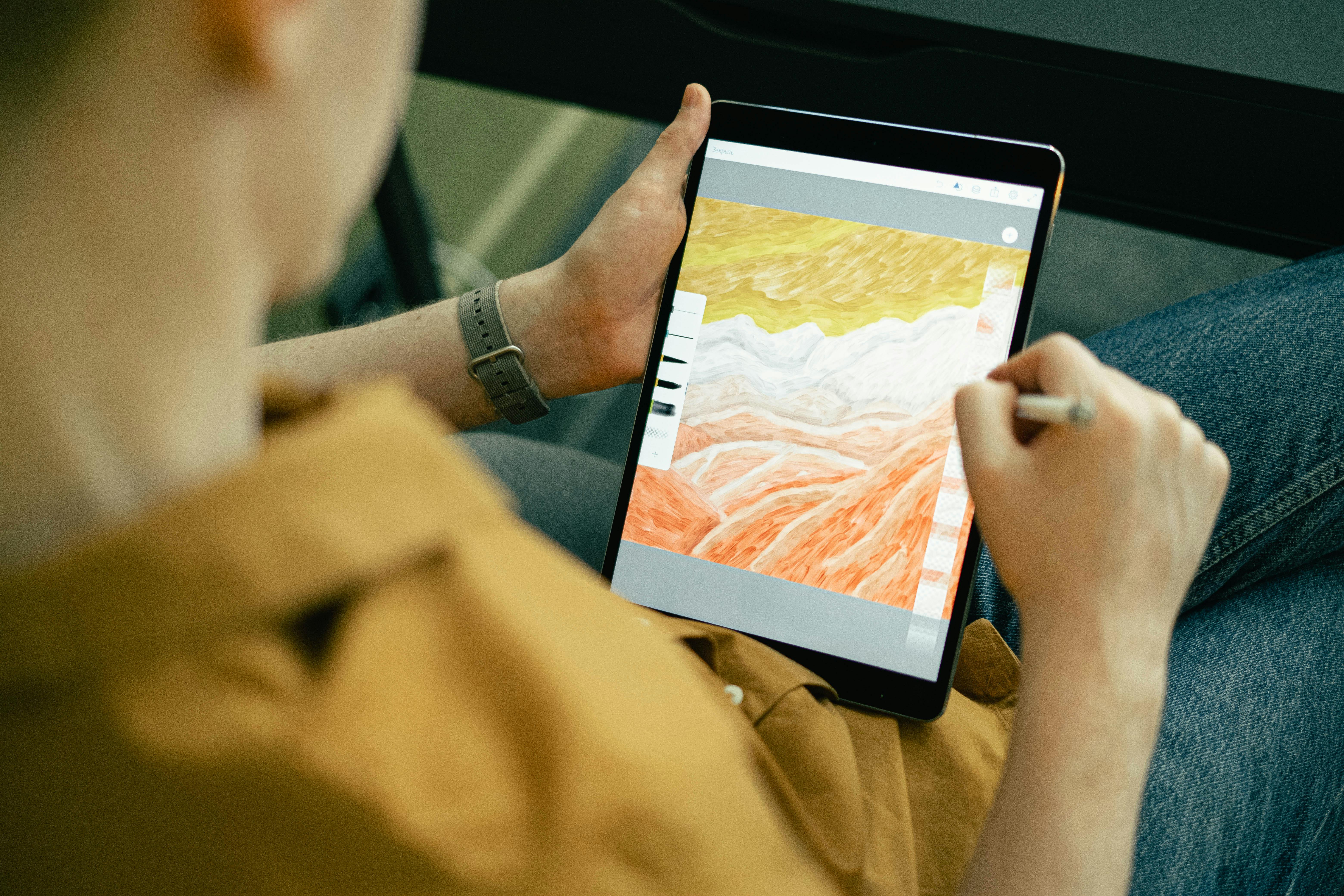
The advent of digital technology has transformed the way we create, share, and consume art. With the click of a button, we can now access millions of images, videos, and other forms of digital art. This has democratized art in ways that were previously unimaginable, allowing artists to reach global audiences and viewers to explore a vast array of creative expressions.
However, this newfound accessibility also comes with its own set of challenges. The ease of copying and sharing digital files has raised questions about copyright, ownership, and the value of digital art. How do we protect the rights of artists in a world where their work can be instantly replicated and distributed?
The Double-Edged Sword of the Digital Age
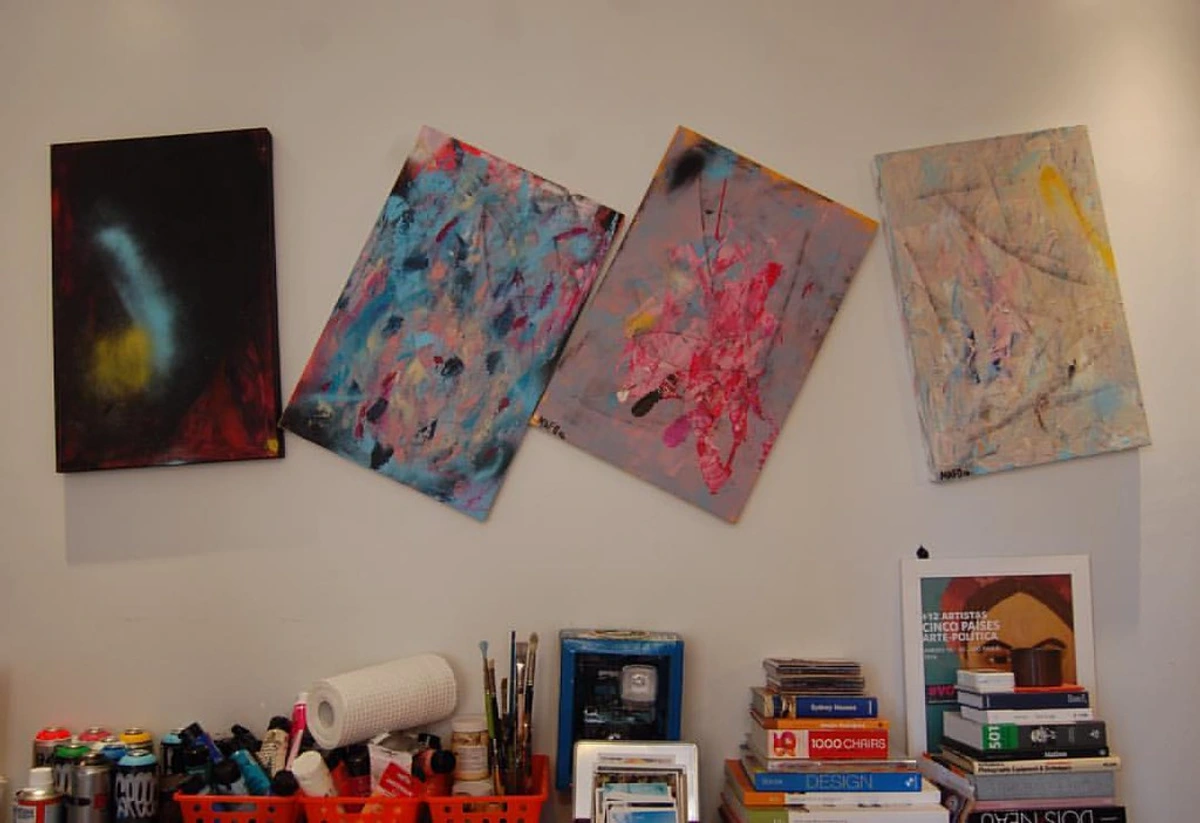
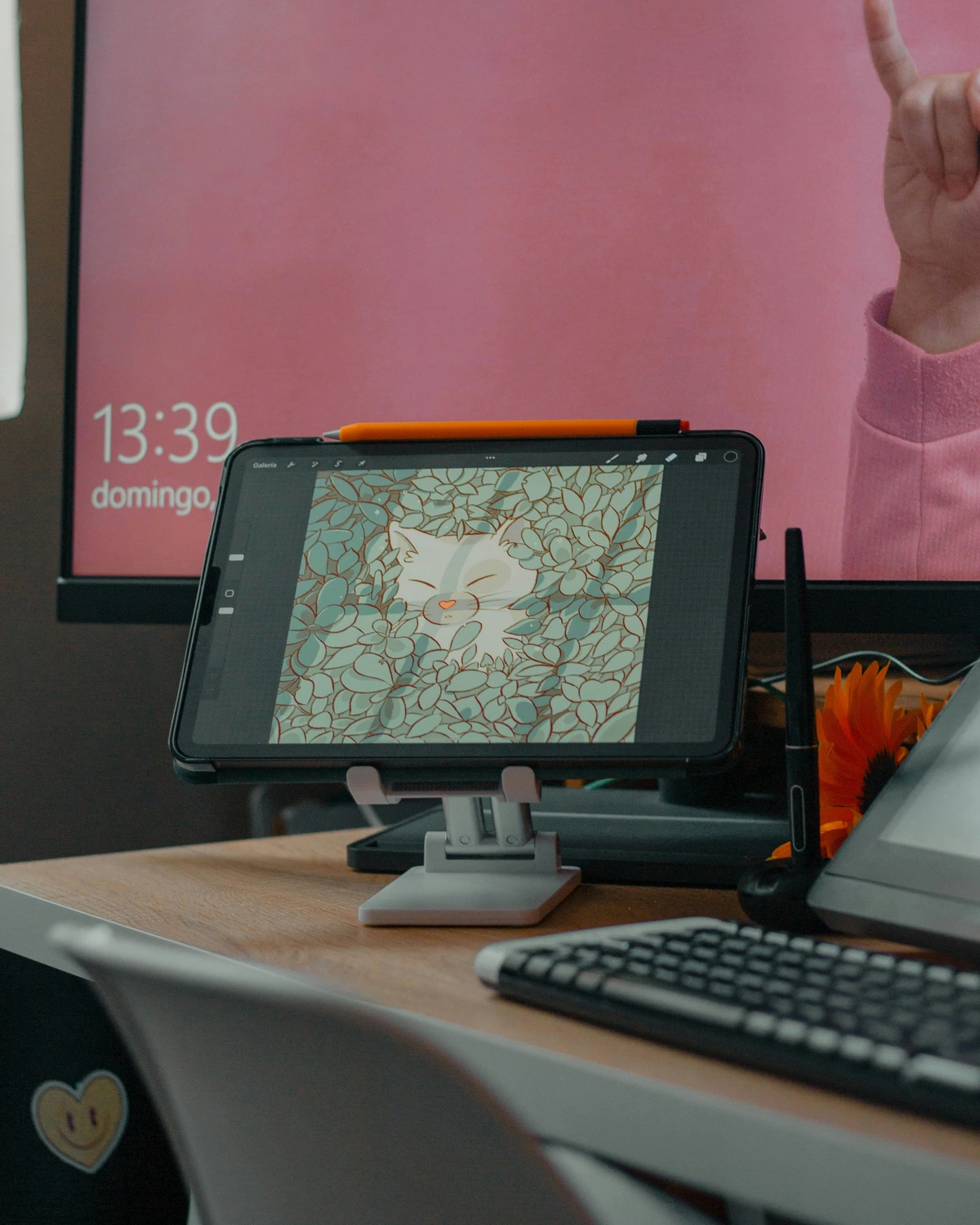
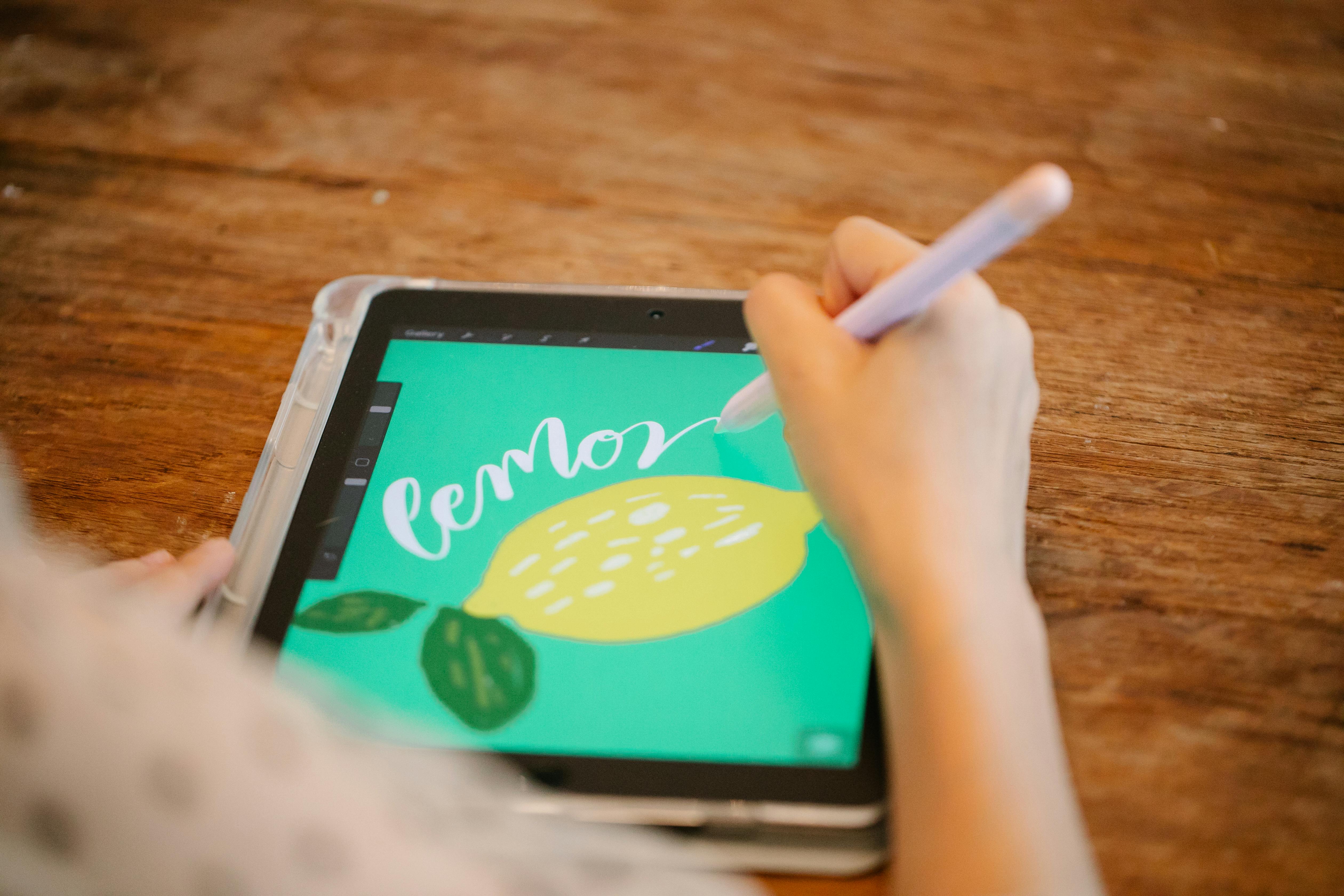
When digital art and the internet arrived, they didn't just continue this story; they exploded it. On one hand, we've seen an unprecedented democratization of art. You can browse the collections of the world’s greatest museums from your couch, zooming in on Van Gogh’s brushstrokes with more detail than you’d ever get through the protective glass. Aspiring artists can share their work globally in seconds, and platforms like Instagram have become the world's largest, most eclectic art galleries. It's an explosion of creativity and access that is, by any objective measure, incredible.
The Rise of Digital Art Platforms
Platforms like Instagram, DeviantArt, and Behance have revolutionized the way artists share their work. These platforms provide a space for artists to showcase their creativity, connect with other artists, and build a following. However, they also present challenges, such as the oversaturation of content and the difficulty of standing out in a crowded digital landscape.
Platform | Description | Benefits | Challenges |
|---|---|---|---|
| A social media platform focused on visual content. | Wide reach, easy to use, and highly visual. | Algorithm changes, competition for visibility. | |
| DeviantArt | An online community for artists to share and discuss their work. | Strong community, diverse range of art styles. | Less mainstream visibility. |
| Behance | A platform for showcasing and discovering creative work. | Professional network, portfolio-building tools. | Requires a more polished presentation. |
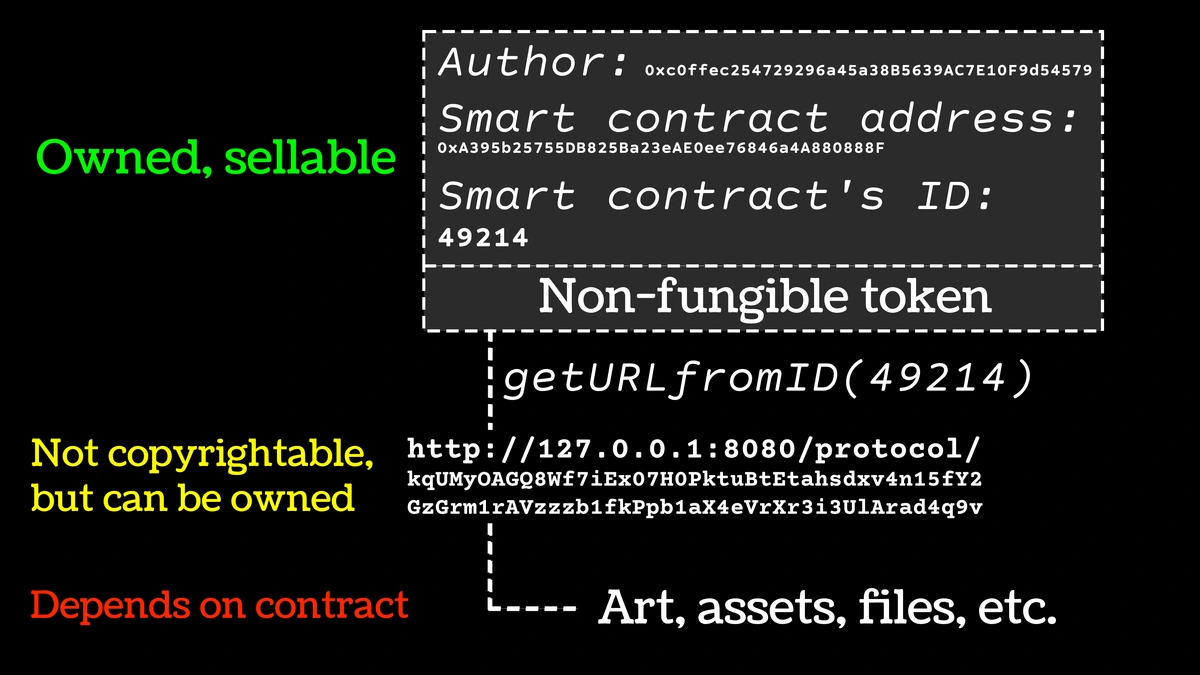
But on the other hand, this infinite reproducibility poses an existential question for the digital artist. If a work of art can be perfectly copied with a few keystrokes, what gives it value? If you can see it on your screen for free, why would you ever pay for it? This question forms the backdrop for all sorts of modern art movements, from the rise and fall of various digital art trends to the recent, chaotic explosion of NFTs. The core challenge remains: how do you create scarcity, and therefore value, in a medium defined by its limitless and perfect reproducibility?
The Challenge of Digital Art Valuation
The digital age has forced us to rethink the concept of value in art. Traditional models of valuation, which rely on scarcity and physical presence, no longer apply in the same way. Instead, digital artists and collectors are exploring new ways to create and maintain value, such as:
- Limited Editions: Offering a limited number of high-quality prints or digital files.
- Exclusive Access: Providing access to exclusive content or experiences for collectors.
- Community Building: Creating a strong community around the artist's work to foster a sense of belonging and support.
These strategies aim to address the unique challenges posed by the digital medium while preserving the intrinsic value of the art.
I'm skeptical of NFTs, to be honest. They feel like a technological solution to a very human problem—the desire for ownership and authenticity. The idea of using a blockchain to prove you own a specific digital token associated with an image is clever, but it feels like it’s solving the financial puzzle while side-stepping the aesthetic one. I can still right-click and save the image, and it will be identical to the one owned by the NFT holder. The art itself remains infinitely copyable. The NFT creates a new kind of scarce collectible—the token—but it doesn’t solve the reproducibility of the art object itself. It shifts the value from the image to the receipt, which is a fascinating, if slightly dystopian, twist on Benjamin's "aura."
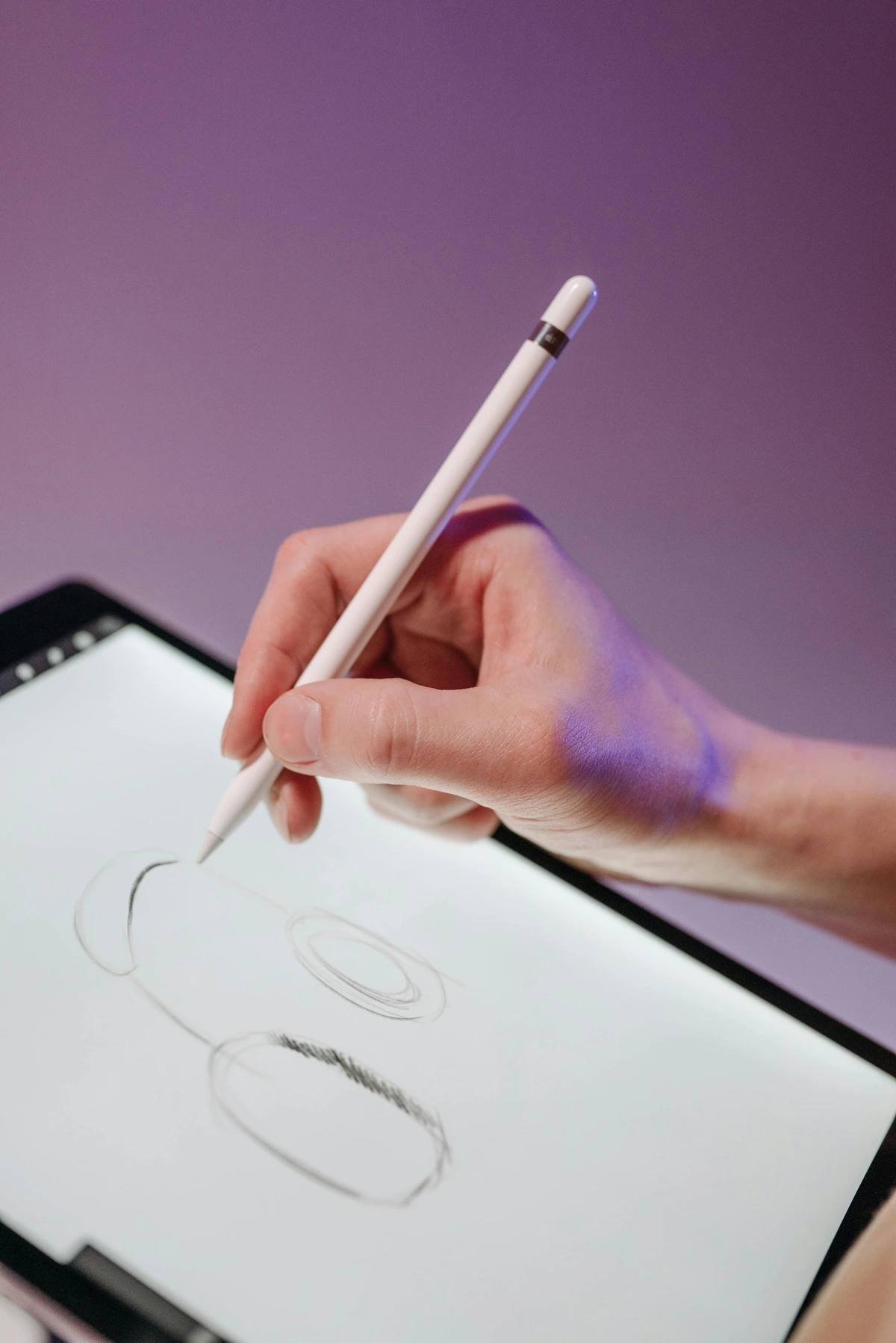
The Role of NFTs in Digital Art
While NFTs have generated significant buzz, their long-term impact on the art world remains uncertain. Proponents argue that NFTs provide a way to authenticate and monetize digital art, while critics question their environmental impact and the speculative nature of the market. Regardless of where you stand on the issue, it's clear that NFTs have sparked important conversations about the future of art and ownership in the digital age.
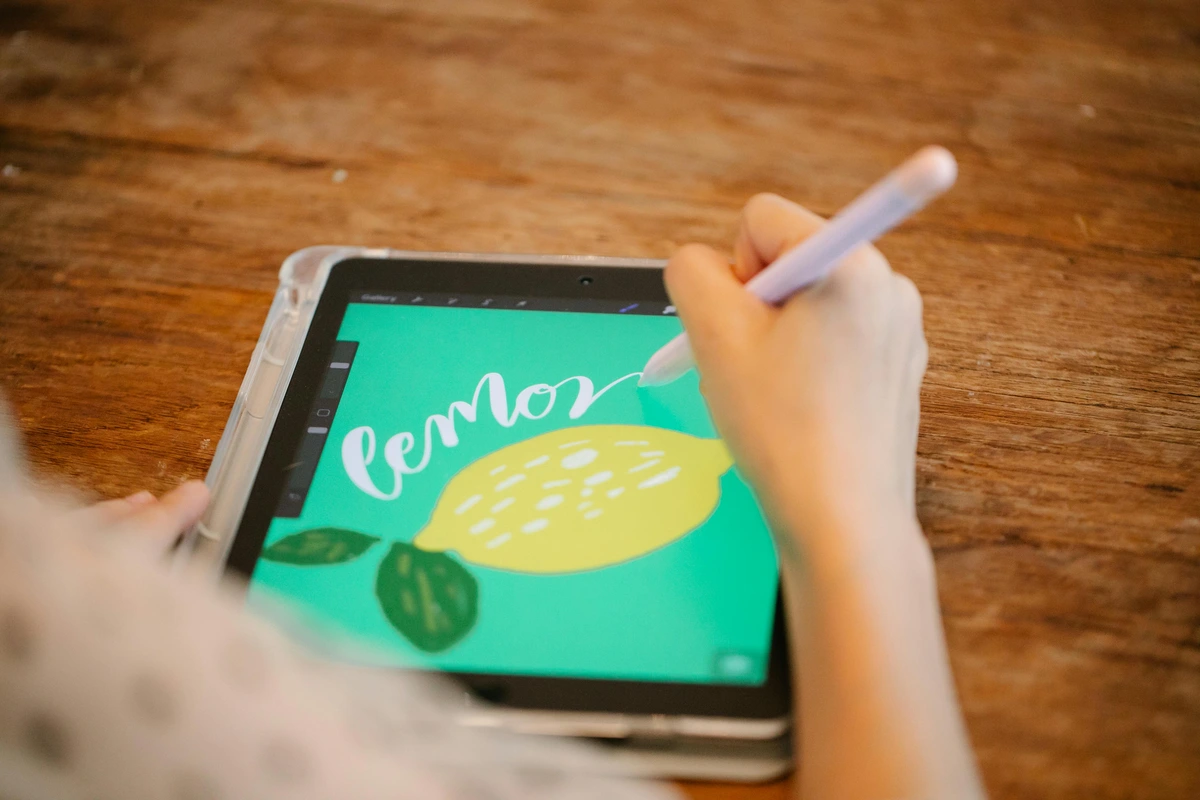
Finding Value in a World of Perfect Copies
So where does this leave us? If anything can be copied, what makes art valuable?
I believe the answer lies in shifting our focus away from the object's scarcity and towards its intentionality and materiality. As a collector of art prints, I’ve learned that the value for me is not in the fact that my print is one of only 100. It's in knowing that the artist made a conscious decision. They chose to limit the edition to 100. They signed and numbered each one. They selected a specific paper that complements the ink. They were involved in the process. The value is in that human touch, that specific chain of intentional decisions that bridges the gap between the artist's mind and my wall.
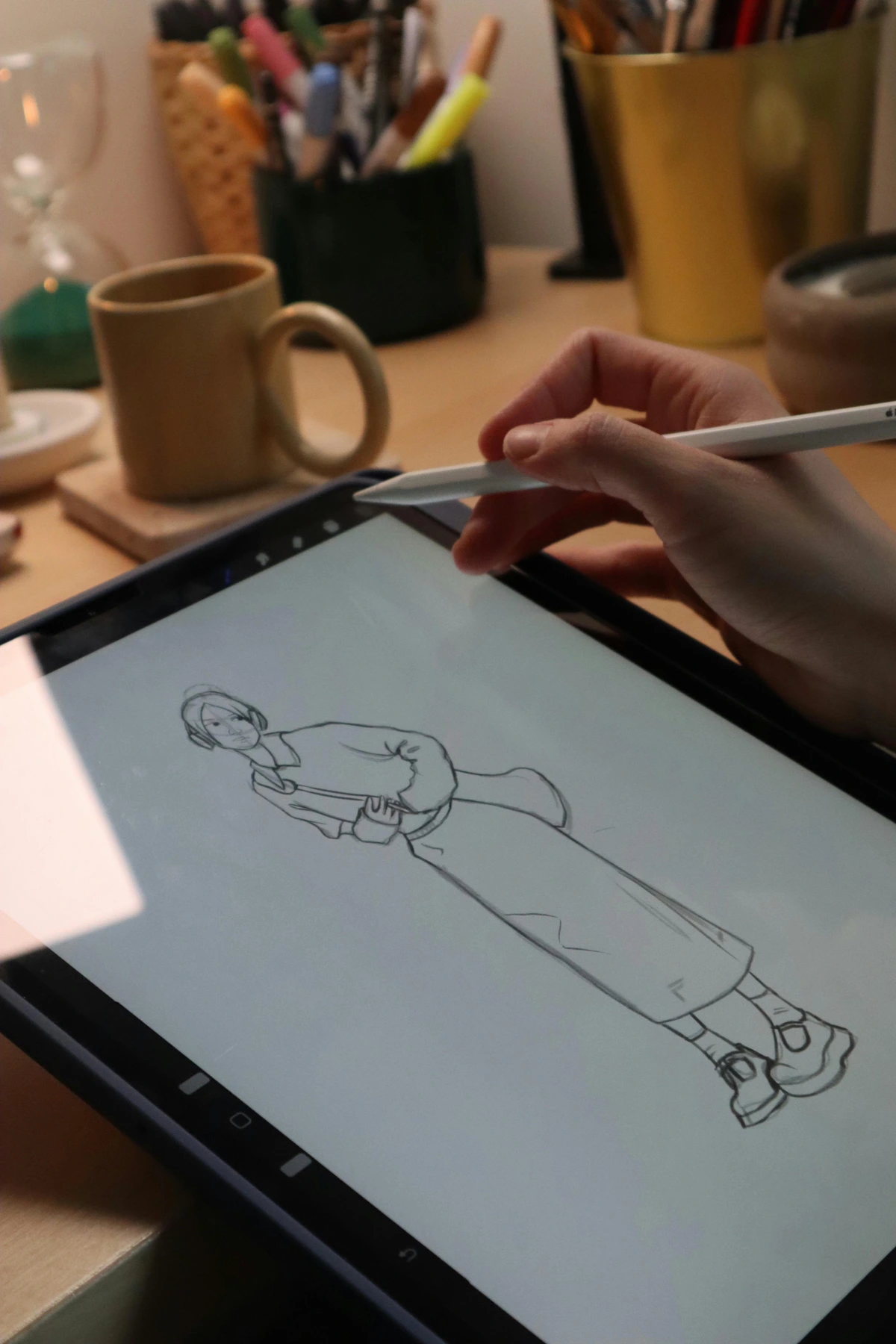
This is the reason original paintings and hand-pulled prints continue to hold such power. A painting is a unique record of a moment in time, a physical artifact of the artist's process. You can see the layers of paint, the brushstrokes, the corrections. A high-quality print, made with care, carries a similar spirit of intention. It's a tangible object, not just a pattern of pixels. It has weight, texture, and a physical presence. You can't Ctrl+P that.
The Tangible vs. the Digital
While digital art offers unparalleled accessibility and convenience, there's something inherently special about tangible art. The physicality of a painting or print adds a layer of depth and meaning that digital reproductions often lack. This tangible quality is what makes original artworks and high-quality prints so valuable and cherished.
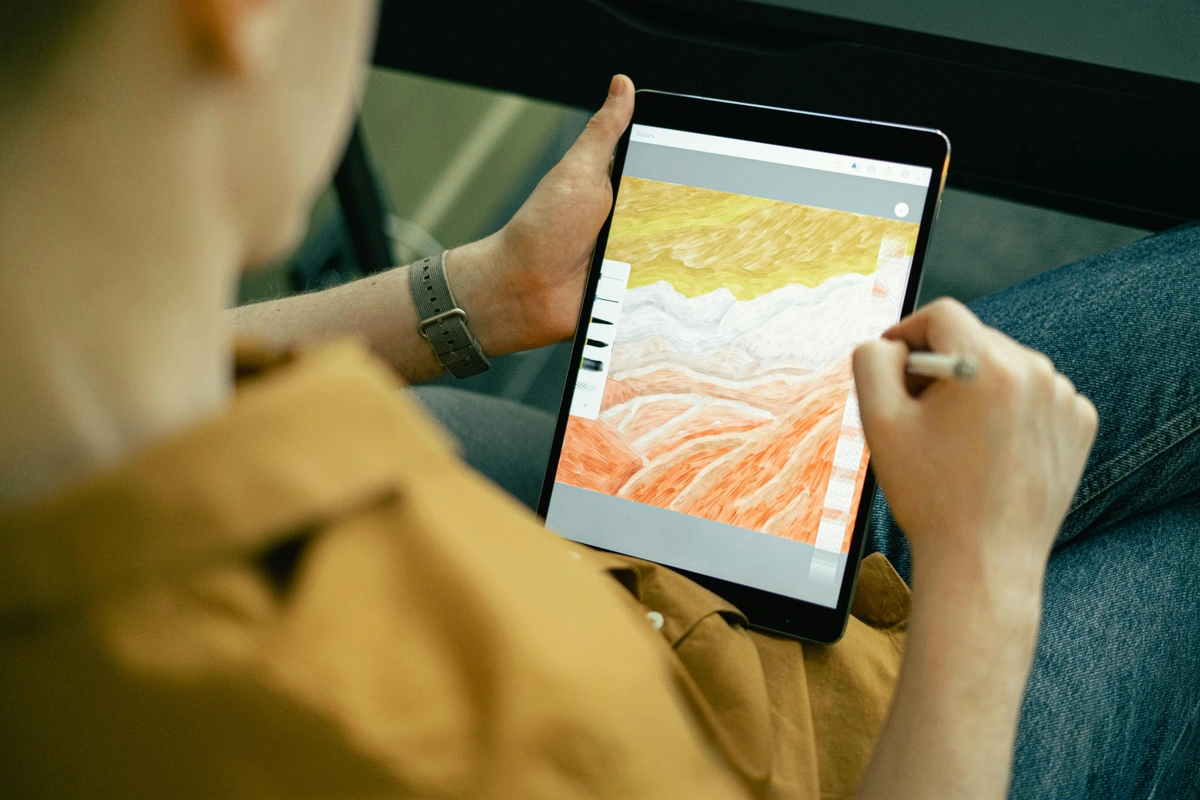
The Modern Artist in a Copy-Paste World
For contemporary artists today, navigating this landscape is a central part of the work itself. Reproducibility isn't a problem to be solved; it's a condition to be acknowledged, played with, and sometimes, subverted.
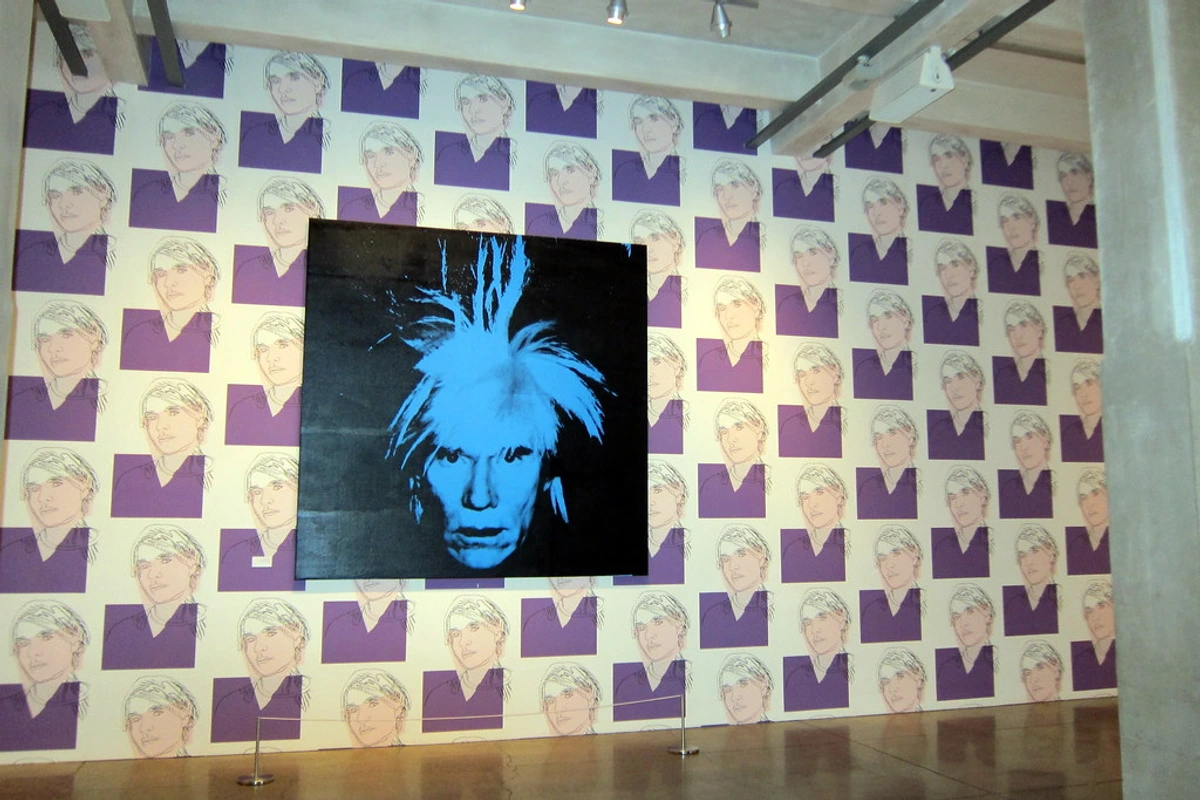
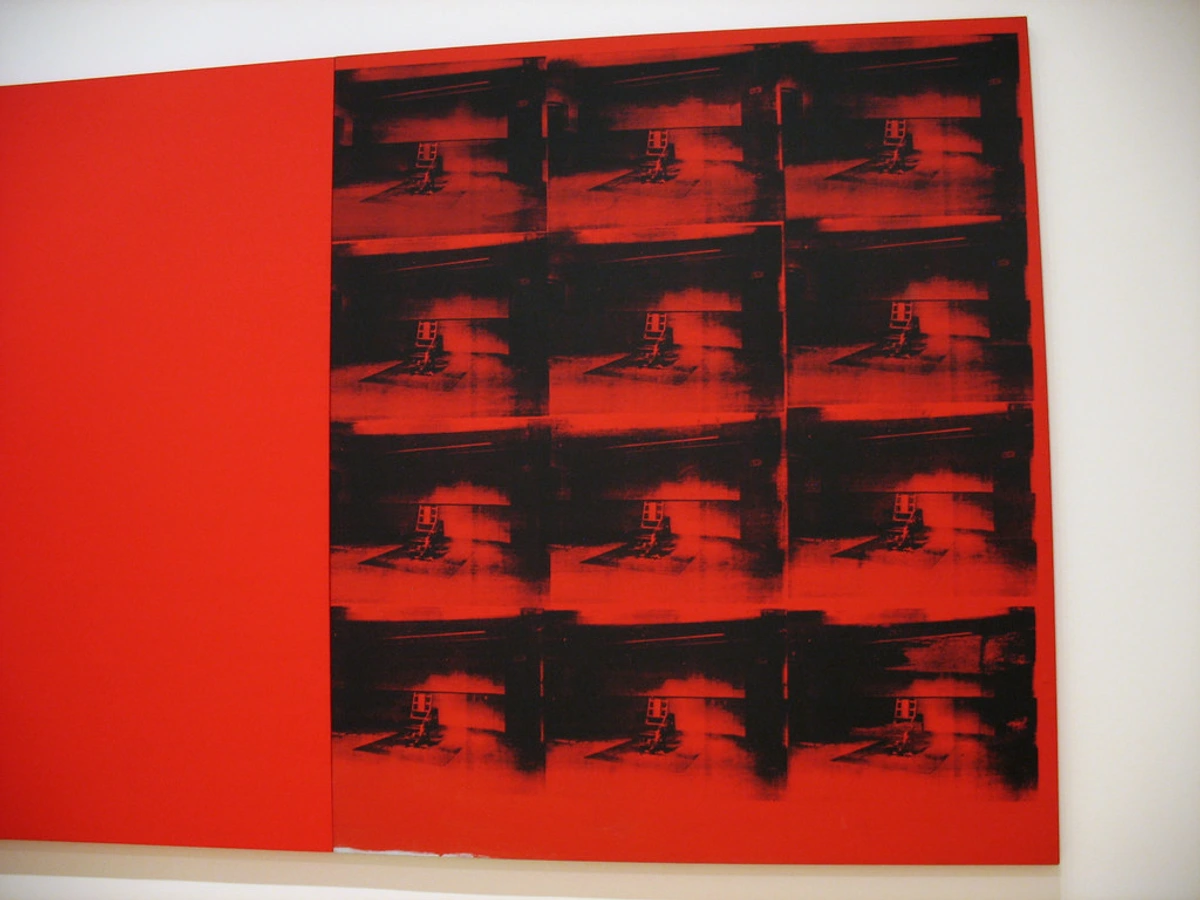
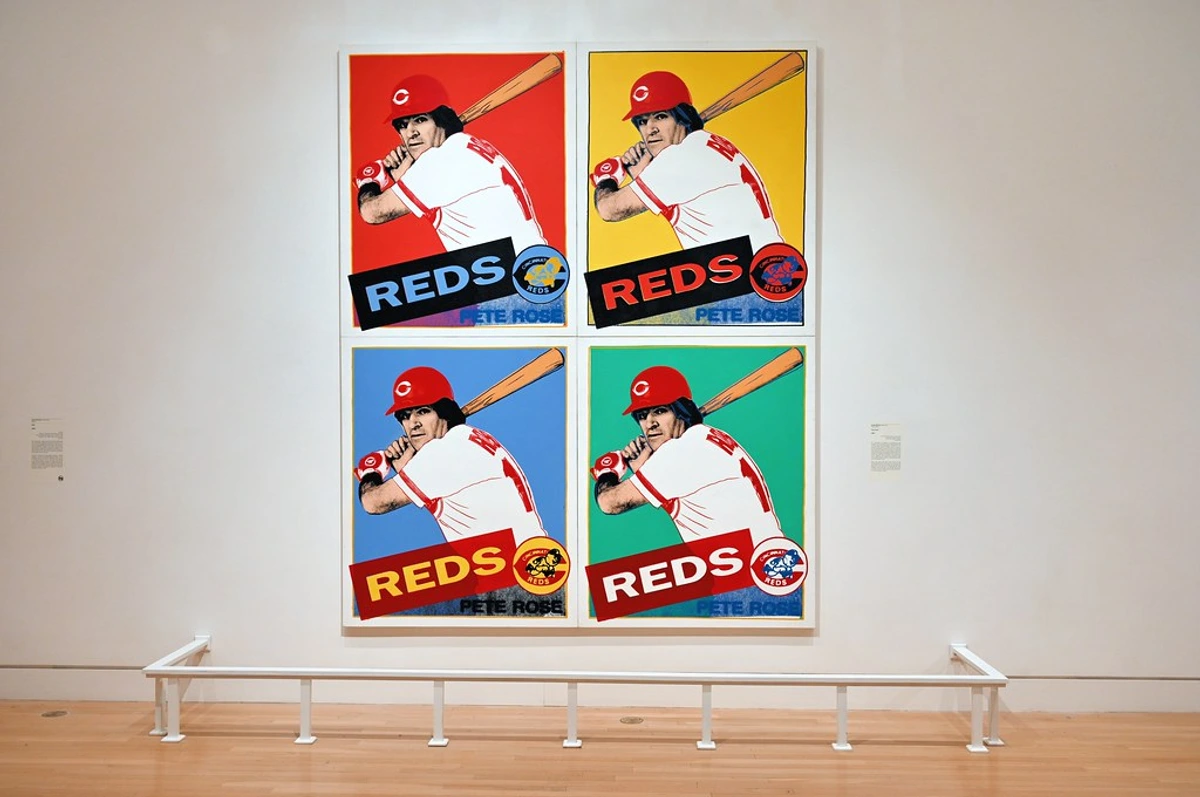
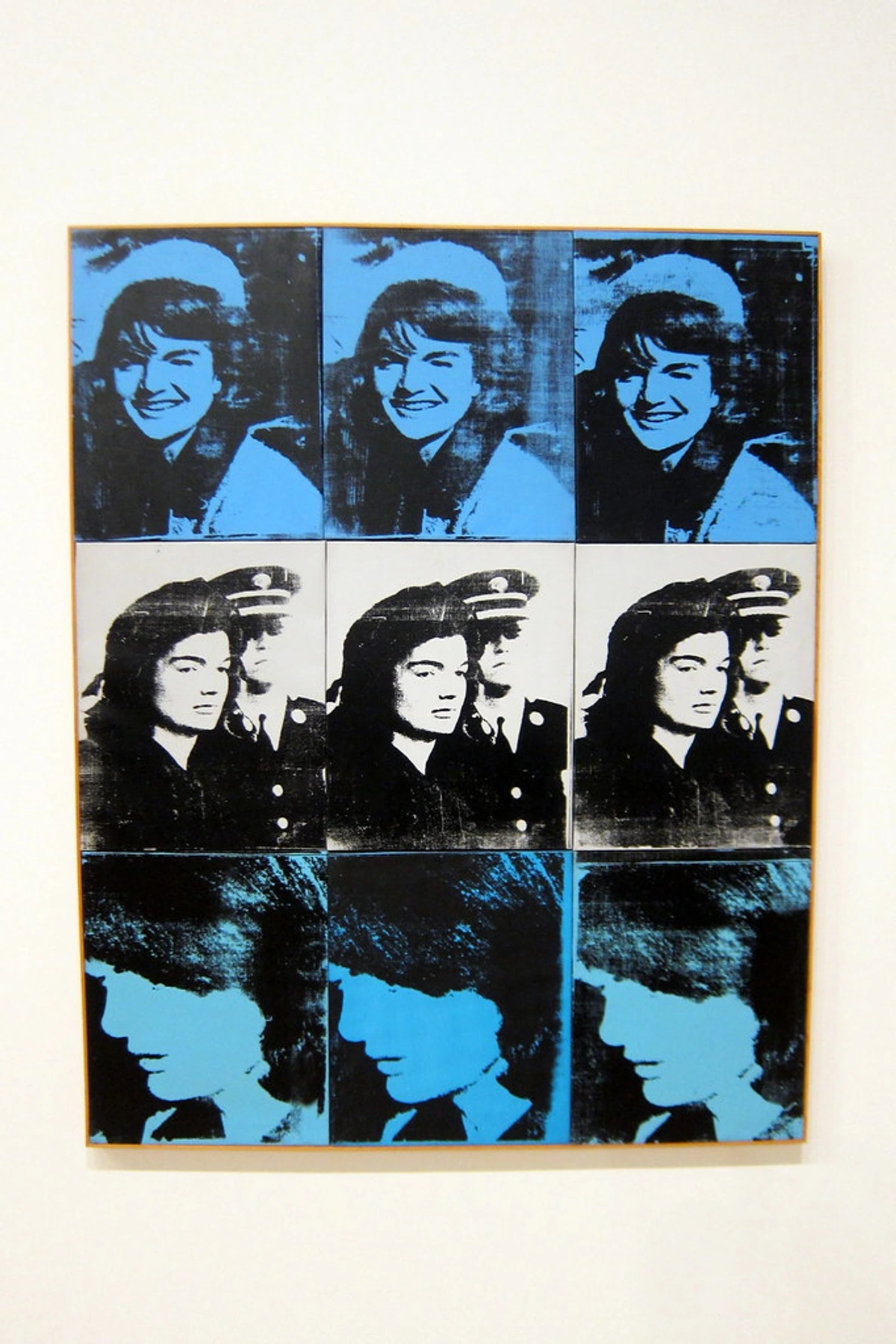
Some artists, for instance, might release their work digitally for free, building an audience and a community, and then create valuable physical artifacts—like a special edition print, a unique painting, or a beautifully crafted artist’s book—for those who want to own a piece in a more tangible way. Others use the tools of reproduction as their medium, like Andy Warhol did with screen printing, but in a digital context, creating art that is explicitly about the culture of copying and sharing. As an artist myself, I know that sometimes the best way to deal with a system is to work within its rules, turning its own logic into the subject of the art.
Strategies for Modern Artists
Modern artists are finding innovative ways to navigate the challenges and opportunities of the digital age. Some strategies include:
- Hybrid Models: Combining digital and physical art to create unique experiences for collectors.
- Community Engagement: Building a strong online presence and engaging with fans to foster a sense of community.
- Experimentation: Exploring new mediums and techniques to push the boundaries of traditional art forms.
These strategies allow artists to leverage the power of digital technology while maintaining the integrity and value of their work.
The Human Connection Endures
At the end of the day, I keep coming back to that first print I bought. It wasn't special because it was rare. It was special because of the connection I felt to it. The colors spoke to me. The composition made me pause. The fact that the artist conceived of it and brought it into the world gave it a meaning that transcended its status as one of many.
Mechanical and digital reproduction hasn't killed the value of art. Instead, it has filtered it. It has forced us to ask more profound questions about why we value art in the first place. Is it because it's rare? Or is it because it moves us, challenges us, and makes us feel a little less alone? I know what my answer is. If you're reading this, you probably have your own.
The story of art and reproduction isn't a story of loss; it's a story of evolution. The "aura" that Benjamin spoke of has simply moved. It's no longer just in the physical object, protected by glass and security guards. It's in the intention behind the work, in the unique story it tells, and in the singular, irreproducible connection that forms between the art and the person who experiences it.
The Future of Art and Reproduction
As technology continues to evolve, so too will the ways in which we create, share, and experience art. The future of art and reproduction is likely to be shaped by advancements in digital technology, changes in consumer behavior, and the ongoing dialogue between artists and their audiences. Whatever the future holds, one thing is certain: the human connection to art will endure, transcending the boundaries of time, space, and medium.
Frequently Asked Questions (FAQ)
Q: Is a print the same as a poster?
A: This is a great question, and the confusion is understandable since they both hang on a wall! The critical difference is intention and process. A fine art print is a work created by the artist (or in close collaboration with a master printer) using a specific technique like a linocut, etching, or lithograph. The artist is involved in the creation of the matrix (the block, plate, or stone) and the final selection of the print itself. It's often part of a limited, signed edition.
A poster, on the other hand, is typically a commercial reproduction, often a photograph of an existing artwork printed on a large scale for mass distribution. It's a copy of an image, not a part of the original creative process. Think of it this way: a print is a piece of art made by printing; a poster is a copy of a piece of art.

Q: What are the different types of fine art prints?
A: Fine art prints come in various forms, each with its own unique characteristics and techniques. Some of the most common types include:
- Linocut: A relief printing technique where the image is carved into a linoleum block.
- Etching: A process where the image is incised into a metal plate using acid.
- Lithography: A method of printing using a stone or metal plate with a smooth surface.
- Screen Printing: A technique where ink is pushed through a stencil onto a surface.
Each of these techniques offers a distinct aesthetic and requires a different set of skills and tools.
Q: Doesn't making digital art easy to copy make it worthless?
A: Not necessarily, but it fundamentally changes the nature of its value. A digital file's inherent worth isn't in its scarcity (since it's infinitely copyable) but in other factors: the skill and time invested by the artist, the uniqueness of the concept or aesthetic, the cultural impact it has, and the connection it forms with an audience. Artists and collectors create value in this space by limiting access to high-resolution files, creating unique physical manifestations (prints, installations), or by building a brand and community around the digital work. The value proposition shifts from owning a unique object to supporting an artist and gaining access to their unique vision.
Q: How can artists protect their digital work from being copied?
A: Protecting digital art from being copied is a complex issue, but there are several strategies artists can use:
- Watermarking: Adding a visible or invisible watermark to the image to deter unauthorized use.
- Low-Resolution Previews: Sharing low-resolution versions of the artwork online to prevent high-quality copies.
- Copyright Notices: Clearly stating the copyright terms and conditions for the use of the artwork.
- Digital Rights Management (DRM): Using technology to control access to and usage of digital files.
While these methods can help deter unauthorized copying, they are not foolproof. The best approach is often a combination of legal protection, technological measures, and community engagement.
Q: What is "the aura" of an artwork?
A: It's a concept from philosopher Walter Benjamin. Think of it as the artwork's mojo. It's that special, almost magical quality you feel when you're in the presence of the real thing. It’s composed of its history, its uniqueness, its physical presence—all the things that can't be copied. A postcard of the Sistine Chapel ceiling is a pale imitation; standing under the real thing, craning your neck, you feel its aura—the sheer weight of Michelangelo's achievement. Digital reproduction, in Benjamin's view, shatters this aura, replacing it with accessibility.
Q: How does the concept of aura apply to digital art?
A: The concept of aura is traditionally associated with physical artworks, but it can also be applied to digital art in a metaphorical sense. While digital art lacks the physical presence of traditional art, it can still evoke a sense of uniqueness and authenticity through the artist's intentionality and the context in which it is experienced. For example, a digital artwork displayed in a virtual gallery or as part of an interactive installation can create a unique and immersive experience that resonates with viewers.
Q: If I buy a print, what does the edition number (e.g., 3/50) mean?
A: That little number is a promise. The first number is the specific serial number of your print. The second number is the total size of the edition. So, "3/50" means you have the third print pulled from an edition that will only ever have 50 prints in total (plus sometimes a few artist's proofs marked "AP"). Once the edition is sold out, the artist agrees not to make any more, creating a form of intentional scarcity. It’s a core part of the value and collectibility of fine art prints.
Q: What are artist's proofs?
A: Artist's proofs (APs) are a small number of prints that are set aside for the artist's personal use. These prints are typically identical to the regular edition but are marked as "AP" instead of being numbered. Artist's proofs are often highly sought after by collectors due to their rarity and the personal connection to the artist.
Q: How can I support digital artists if I can just screenshot their work?
A: This is the million-dollar question for the digital age. The best way to support digital artists is to find and use their official channels. Buy high-resolution files directly from them if they offer them. Commission them for custom work. Share their posts, tag them, and engage with their content in a way that builds their audience. Most importantly, if they sell physical products like prints or merchandise, buy them! The physical object is often how digital artists translate their online presence into a sustainable income. It's about valuing the work enough to pay for it, even when you could technically get it for free.

Q: What are some ways to discover new digital artists?
A: Discovering new digital artists can be an exciting and rewarding experience. Here are some ways to find and support emerging talent:
- Social Media Platforms: Follow art-related hashtags and accounts on platforms like Instagram, Twitter, and TikTok.
- Online Art Communities: Join communities like DeviantArt, Behance, and ArtStation to explore a wide range of digital art.
- Art Fairs and Exhibitions: Attend virtual and physical art fairs and exhibitions to discover new artists and trends.
- Art Blogs and Magazines: Read art blogs and magazines to stay updated on the latest developments in the digital art world.
By engaging with these platforms and communities, you can discover new artists, support their work, and become part of a vibrant and dynamic creative ecosystem.
Q: What's the difference between "mechanical reproduction" and "digital reproduction"?
A: Think of it as the difference between a vinyl record and an MP3. Mechanical reproduction refers to analog processes that create physical copies, like making prints from a carved woodblock, casting a sculpture from a mold, or pressing a record. Each copy can have slight, often microscopic, variations. Digital reproduction is the process of creating copies of a digital file. The copy is, for all practical purposes, a perfect clone of the original file. The key difference is fidelity and degradation. Mechanical copies can wear out their source; digital copies do not. They are identical, which is precisely what makes their economics so challenging.










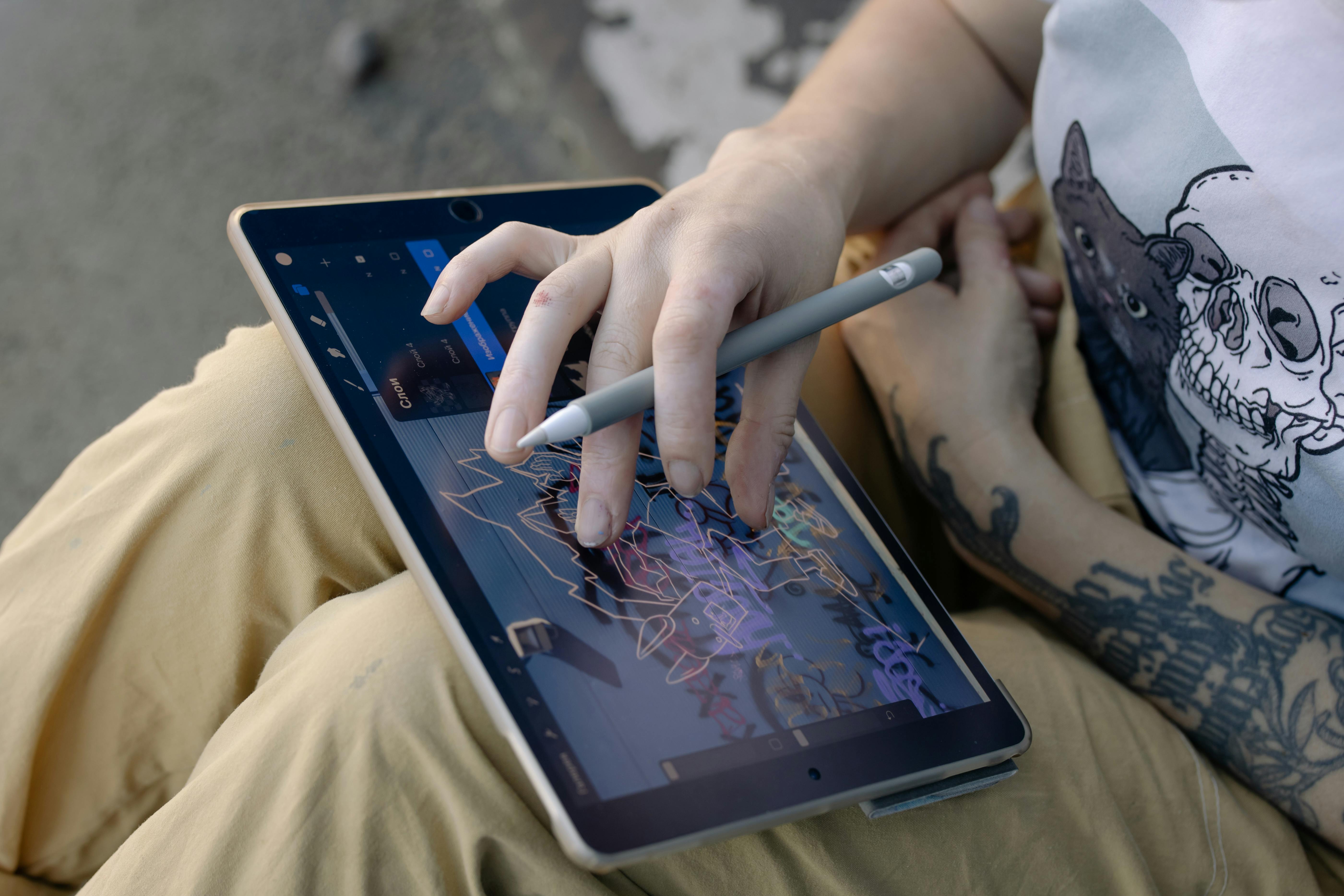



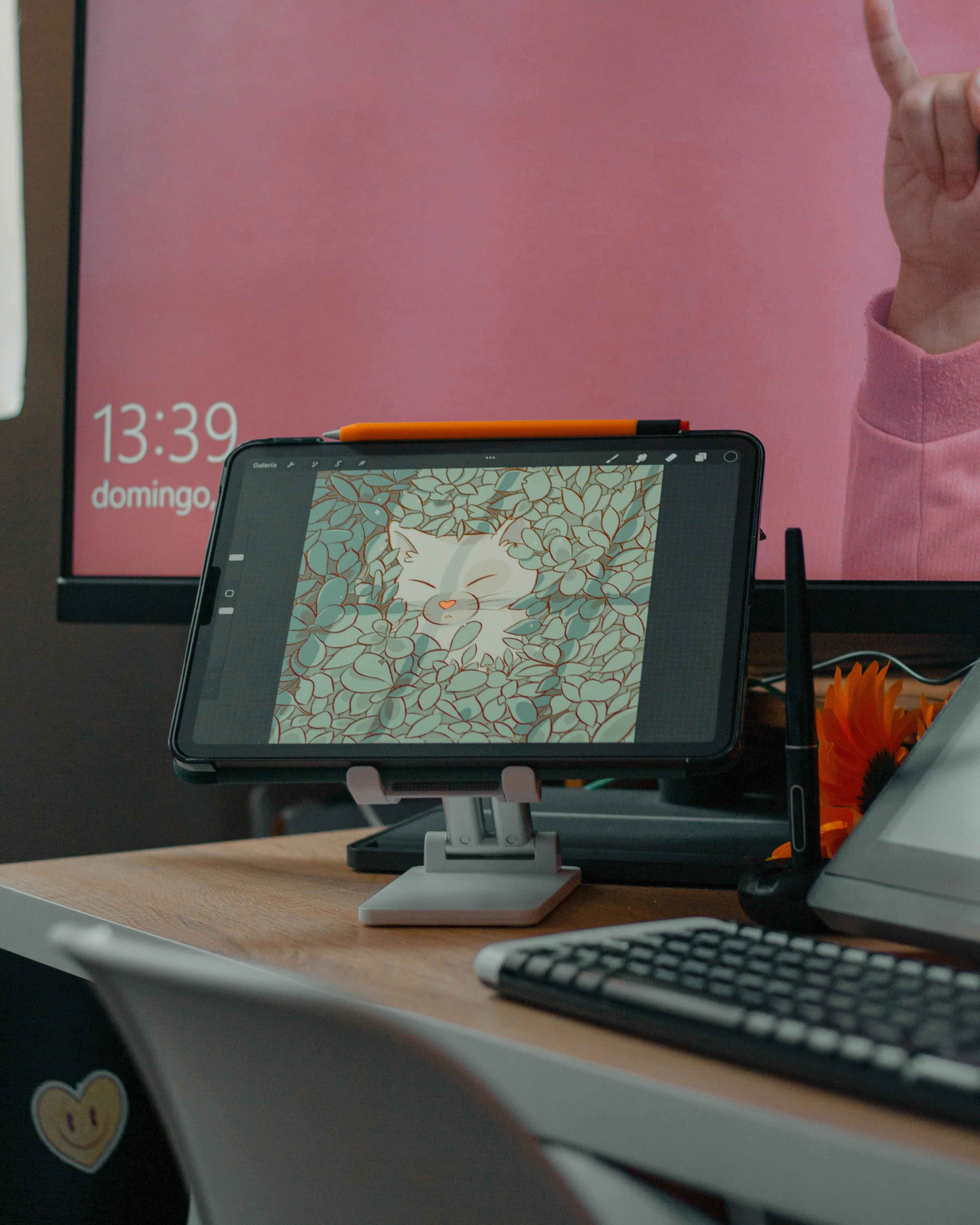
Q: How has digital reproduction impacted traditional art forms?
A: Digital reproduction has had a profound impact on traditional art forms, both positive and negative. On the one hand, it has made art more accessible and allowed for new forms of creative expression. On the other hand, it has raised questions about the value and authenticity of traditional art forms. For example, the ease of copying and sharing digital files has led to concerns about copyright infringement and the devaluation of original artworks. However, it has also opened up new opportunities for artists to experiment with digital techniques and reach global audiences.