How to Spot a Mass-Produced Art Print (and Not Get Duped)
Think you found a masterpiece at a flea market? Learn the telltale signs of mass-produced art prints versus valuable originals. A personal guide for new collectors.

So, You Found a 'Masterpiece' at a Flea Market? Let's Talk. The Definitive Guide to Spotting Valuable Prints.
I have this vivid memory of being at a huge antique fair years ago. My heart did a little pitter-patter when I saw it: a gorgeous, moody abstract piece, tucked behind a stack of dusty frames. The signature looked vaguely familiar, the colors were perfect, and the price was… suspiciously good. I was already mentally rearranging my living room, picturing it perfectly above my fireplace. I bought it, got it home, and under better light, my detective instincts kicked in. A quick search confirmed it: a beautifully framed, high-quality poster from a museum gift shop, probably from the 90s. My "masterpiece" was, well, a very nice reproduction. And that's okay! But the experience cemented a truth I'd long suspected: the world of art prints is vast and nuanced, a treasure trove for the informed. This guide? It's my attempt to distill years of looking, learning, and occasionally getting it wrong, into the most comprehensive toolkit you'll find for navigating that world. Consider it your definitive roadmap to spotting not just something you like, but something genuinely valuable, something with a story that extends far beyond a gift shop shelf. Because, let's be honest, few things are as satisfying as knowing you've made an informed choice, a true connection, rather than just a quick purchase.
Was I crushed? A little, I won't lie. But did I still hang it? Absolutely. That particular abstract still brings me joy, and sometimes, that's the only metric that truly matters. Yet, the experience taught me a crucial lesson, one that applies to all collectors, from the seasoned expert to the casual browser: the thrill of art collecting isn't just in finding something you love, but in knowing what you're actually buying. This isn't about being an art snob or gatekeeping the art world. It's about empowering yourself as an informed enthusiast, making intentional choices, and understanding the subtle but profound nuances that separate a purely decorative piece from a potentially valuable, limited-edition fine art print that could become a cornerstone of your collection. It’s about more than just aesthetics; it's about the narrative, the craftsmanship, and the journey of the art itself. And if you’re curious about the kind of art I create, work that often blurs the lines between abstraction and emotion, you can always explore my collection to buy.
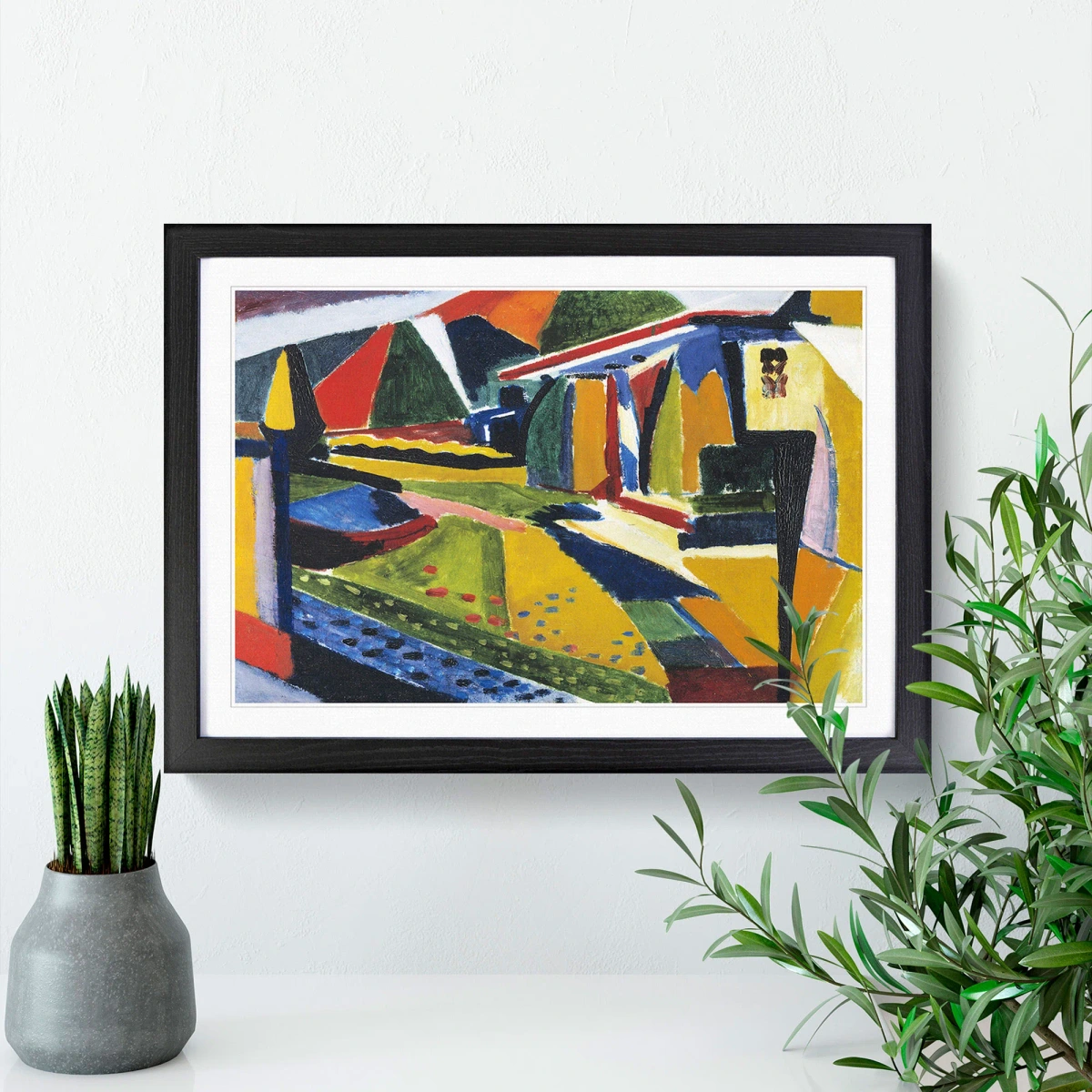
Sometimes the magic is just in the vibrant splash of color that speaks to your soul, transforming a simple wall into a statement.
credit, licence
So, let's pull out our magnifying glasses, dive deep into the fascinating world of prints, and talk about how you can confidently tell the difference. This guide is designed to equip you with the knowledge and keen eye needed to navigate flea markets, online auctions, and even high-end galleries. Consider this your ultimate toolkit for discerning genuine artistry and appreciating the craft behind every truly valuable print.
First Things First: What Are We Even Talking About? Demystifying the Print World
The print world, as I've come to know it, is a fascinating intersection of art, craft, and history—a realm where artistic vision meets technical mastery. Before diving into the nitty-gritty of spotting value, it helps to zoom out and understand the fundamental categories. Historically, printmaking was a revolutionary way to disseminate images, from religious texts to political caricatures, long before photography existed, fundamentally shifting how knowledge and art were shared across vast populations. It was, in many ways, the first form of mass media, democratizing access to images and ideas in a way that hand-copied manuscripts or singular paintings simply couldn't. This rich legacy shapes how we view prints today, distinguishing between works created as original art forms, imbued with an artist's direct hand and intent, and those intended merely as reproductions, however beautiful. Understanding this deep historical context isn't just academic; it helps us appreciate the craft, the innovation, and the artistic choices that go into every valuable print. It's a journey that takes us from ancient scrolls to modern galleries, reminding us that the impulse to share and multiply art is as old as art itself.
When we say "mass-produced art print," we're usually talking about posters or reproductions made using a commercial process called offset lithography. Think of it like a super-sophisticated newspaper printer – fast, efficient, and designed to churn out thousands, even millions, of identical images quickly and cheaply. These are designed for wide distribution, affordability, and often serve a purely decorative purpose. They're great for filling a wall with something you like, but it’s crucial to understand they aren't created with the intent of becoming a collectible, nor do they typically hold investment value in the art market. For a deeper dive into this distinction, I've explored the differences between mass production vs original art in the art market.
On the other hand, a fine art print (like a giclée, etching, screenprint, or woodcut) is an entirely different beast. It's an original work of art in its own right, created with a much greater degree of artist involvement, in a limited number, and using high-quality, archival materials intended to last for generations. This isn't just about reproduction; it's an art form in itself, often requiring specialized skills, a deep understanding of the medium, and significant time investment. The artist is typically involved in every stage of its creation, from the initial concept and development of the matrix (the plate, screen, or block) to the final proofing and signing of each individual impression. If you're curious about the specifics of high-quality digital prints, you might find my guide to understanding giclee prints for collectors particularly insightful.
It’s the difference between a beautifully crafted leather jacket, meticulously stitched and tanned for longevity, made in a limited run by a skilled artisan, and a fast-fashion pleather one that might look good for a season. Both can serve a purpose and look appealing, but one has a fundamentally different level of artistry, material quality, longevity, and soul. Understanding this fundamental distinction is your first step towards becoming a more discerning, and ultimately, more satisfied collector. It's about knowing the story behind the object.
The Psychology of Value: Beyond Material Worth
Beyond the tangible distinctions, there's a fascinating psychological element to the value of a fine art print. It's not just the materials or the limited numbers; it's the artist's unique vision, their narrative, and the intellectual and emotional labor imbued in each piece. When you acquire a fine art print, you're not just decorating a wall; you're investing in a piece of an artist's journey, a fragment of their soul made manifest. This intangible connection, this sense of owning something truly original and personal, often far outweighs the mere cost of materials and labor. It's a dialogue between creator and collector, a shared appreciation for beauty, skill, and narrative. It's that feeling of knowing the story behind the art, the hours of meticulous work, the moments of creative breakthrough, and the artist's deep connection to their medium that truly elevates a print from a mere object to a profound cultural artifact. This emotional resonance is, for many, the ultimate metric of true value. What greater joy is there, really, than a piece that whispers its history to you?
The Core Differences at a Glance
Feature  | Fine Art Print (e.g., Giclée, Serigraph, Etching) | Mass-Produced Print (Offset Lithograph, Poster) |
|---|---|---|
| Purpose | Original artwork, collectible, investment | Decoration, reproduction, wide distribution |
| Artist Involvement | High – direct creation of matrix, proofing, signing | Low to none – image provided for commercial reproduction |
| Printing Method | Specialist techniques (inkjet, screen printing, woodcut, etching, lithography, etc.) | Industrial offset printing press, digital reproduction |
| Dots/Pattern | No visible dot pattern; continuous tones or hand-applied textures specific to the technique | A uniform grid of tiny dots (CMYK Rosette pattern) visible under magnification |
| Signature | Almost always hand-signed in pencil by the artist; may include a "chop mark" | Often printed as part of the image, sometimes signed by hand after printing (adds sentimental, not monetary, value) |
| Edition Number | Limited edition (e.g., 15/100, A.P., P.P., B.A.T.); strictly controlled quantities | Open edition or no edition number, often with a copyright notice, unlimited quantity |
| Paper Quality | Heavy, archival, acid-free paper, often with a visible texture, deckle edges, or watermark; intended for longevity | Thinner, often glossy or semi-gloss paper, prone to yellowing, deterioration over time |
| Tactile Evidence | Plate marks, raised ink, burrs, distinct paper texture | Smooth, flat, no discernible physical interaction from printing |
| Historical Context | Part of a lineage of artisanal printmaking, often centuries old | Product of modern industrial printing, largely 20th century onwards |
| Value | Can appreciate in value, collectible, cultural significance | Primarily decorative; little to no resale or investment value |
| Longevity | Designed to last for centuries with proper care | Prone to fading, discoloration, and material degradation over decades |
Your Art Detective Toolkit: 8+ Telltale Signs for the Astute Collector
Alright, let's get practical. You've got a piece in front of you, maybe your heart's doing a little flutter, and you want to investigate its origins and potential value. This is where the detective work truly begins, and frankly, it's one of my favorite parts of the collecting journey. Here are the things I always look for, expanded with a few more crucial checks that have saved me from a few 'museum gift shop' moments over the years.
Essential Tools for Your Art Detective Kit
Before we dive into the specific signs, let's talk about your toolkit. You don't need fancy equipment, but a few simple items can dramatically enhance your detective work:
- Magnifying Glass or Jeweler's Loupe: Absolutely indispensable for checking dot patterns, ink quality, and paper fibers. I mean, this is your secret weapon. Even your smartphone camera's zoom can work in a pinch, but a good loupe makes you feel like a real Sherlock Holmes, revealing a microscopic world hidden to the naked eye.
- A Small LED Flashlight: Absolutely essential. Use it to cast light at an angle (often called "raking light") across the print's surface. This technique is incredibly revealing, highlighting subtle indentations from plate marks, the raised texture of ink, the presence of burrs from drypoint, or even the distinct texture of a hand-applied pencil signature, which might otherwise be invisible. It's like turning on a spotlight for tiny secrets.
- Clean White Cotton Gloves: To protect delicate paper from the oils and acids on your skin. Believe me, even the cleanest hands leave traces over time, and you don't want your fingerprints becoming a permanent part of the artwork's history.
- A Ruler or Measuring Tape: For checking dimensions, especially against documented sizes. Discrepancies can sometimes be a subtle red flag, or simply help you confirm a listed piece.
- A High-Resolution Camera (your phone is often fine): For documenting details, signatures, and any suspicious areas. Good photographic evidence is crucial if you ever need to consult an expert or, heaven forbid, dispute authenticity.
- Access to Online Databases: Artnet, Artsy, or even reputable museum collections can help you research artists, compare signatures, and verify editions. This is your digital library, a trove of information that can confirm or deny your suspicions quickly.
With these simple tools at hand, you're ready to confidently examine almost any print that comes your way. It's about being prepared, a bit like a seasoned treasure hunter.
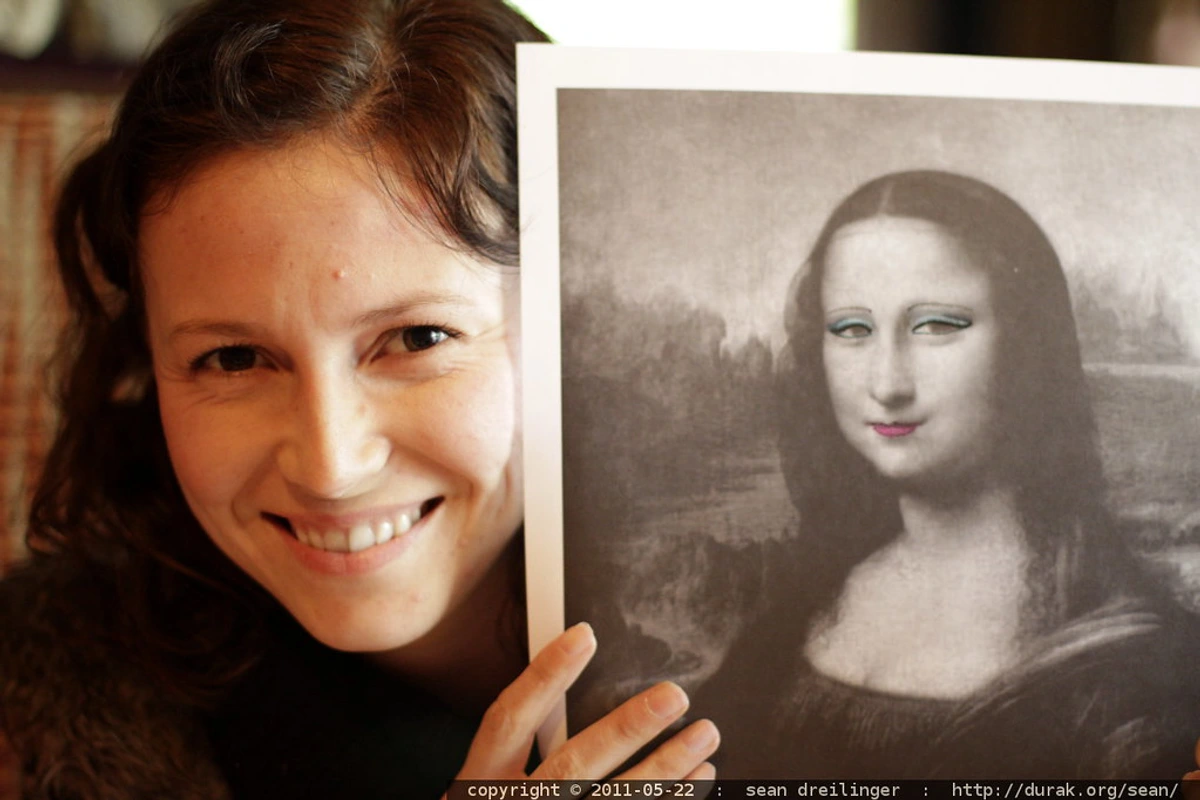
1. The Signature Sleuthing
The signature is your first and often best clue. An artist will almost always sign a limited-edition print by hand, typically in pencil, in the lower right margin. Why pencil? Because it's harder to forge than ink, and it won't bleed or fade into the paper over time, ensuring its longevity. This isn't a casual scribble; it's a deliberate act of endorsement. Look closely at the signature. Does it look like it's part of the image, with the same texture and sheen as the rest of the print? If so, it was likely printed—a big red flag for collectible value. A real pencil signature will have a slight sheen of its own, and you might even see a faint indentation in the paper if you hold it at an angle to the light, indicating the pressure of a hand-applied mark. This physical interaction with the paper is a strong indicator of authenticity. Also, be aware that historical prints might bear signatures in ink, or even an artist's embossed seal (often called a chop mark), which is another sign of authenticity. The context matters hugely. Always compare the signature to known examples of the artist's handwriting (available in artist monographs or online databases) to spot discrepancies. This crucial step can be the difference between a genuine treasure and a cleverly disguised forgery.
The artist's hand, leaving its indelible mark.
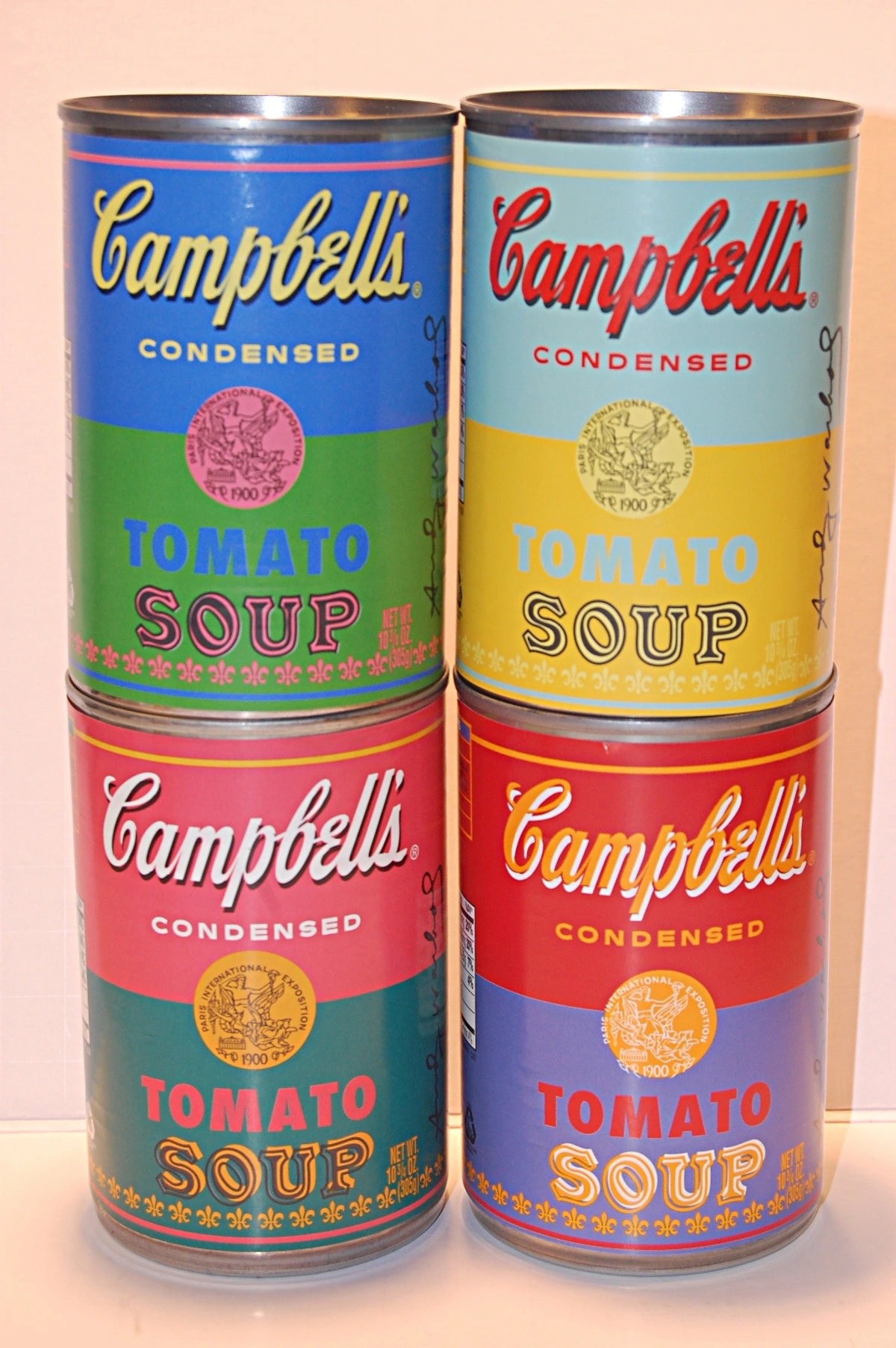
2. The Dot Matrix Giveaway
Get ready to feel like a crime scene investigator, because this is where a magnifying glass (or a jeweler's loupe, or even just the zoom function on your phone's camera) becomes your best friend. This isn't just a casual glance; it's a deep dive into the microscopic world of printmaking. Look at an area of solid color on the print, or even a nuanced gradient. On a mass-produced offset lithograph, you will inevitably see a distinct, uniform pattern of tiny dots, usually in cyan, magenta, yellow, and black (CMYK). This is called a Rosette pattern, and it's the undeniable hallmark of commercial printing. These dots create the illusion of continuous tone from a distance, but up close, they betray the mechanical process, a dead giveaway of industrial production. It's like finding a barcode hidden in plain sight, a clear signal of industrial reproduction.
A true fine art print, whether it's an etching or a giclée, will not have this discernible pattern. The colors will appear as continuous, rich tones, blending seamlessly into one another, much like traditional painting. For other printmaking techniques like etchings or screenprints, you might see evidence of the plate or screen texture, but never the uniform CMYK rosette. It's the difference between a digital photo on a screen and the actual photographic film, or the tactile presence of paint on canvas. Once you know what to look for, that Rosette pattern becomes an immediate, almost undeniable giveaway. This is one of the most definitive tests in your toolkit.
The chaotic beauty of dots, but not the predictable grid of commercial printing.

3. Feel the Paper, Trust Your Gut
Don't be afraid to (gently and with clean hands!) touch the art. Seriously, your fingertips are a powerful diagnostic tool here. Mass-produced posters are often printed on thin, shiny, almost plasticky paper that feels slick and insubstantial. It’s designed to be cheap, durable enough for shipping, and good for vibrant but superficial color reproduction. It generally lacks character, feeling more like packaging than a true artistic substrate. Conversely, if the paper feels thin and fibrous like tissue paper, it might be a delicate Japanese paper, indicating an authentic and often valuable printmaking technique like woodblock printing.
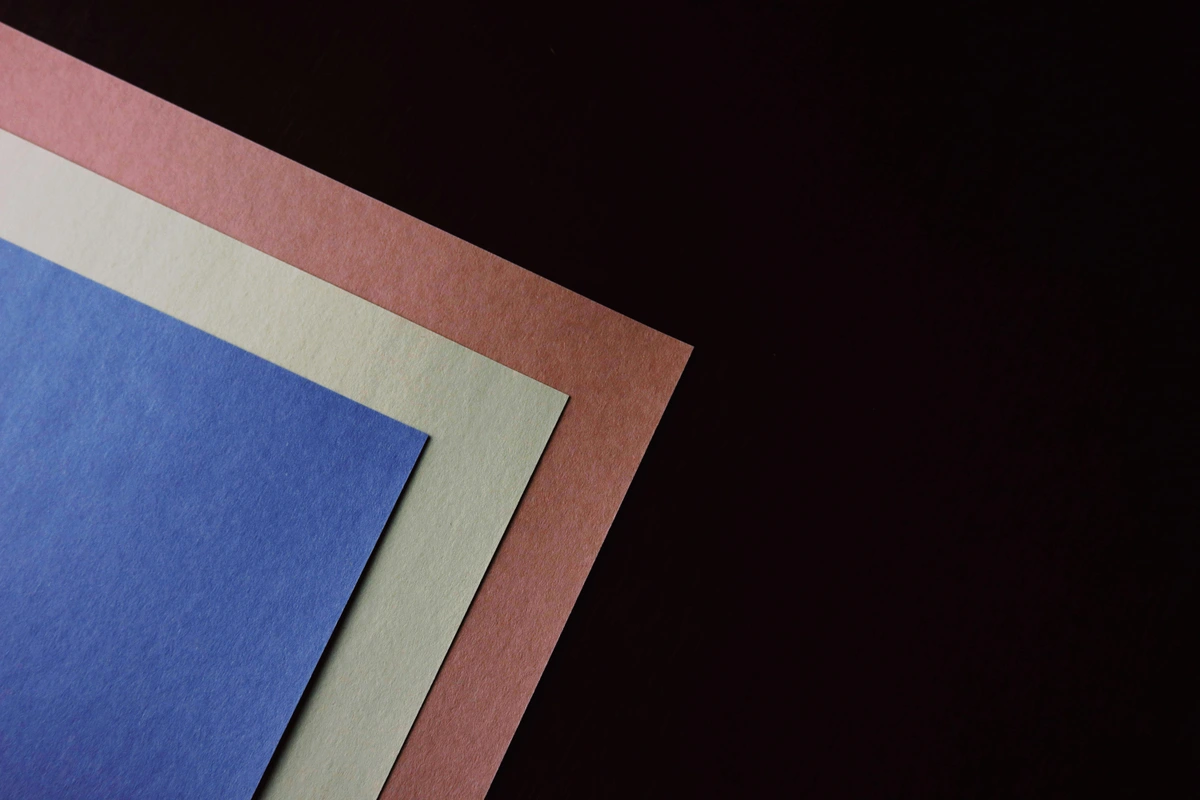
A fine art print, on the other hand, is typically on thick, archival, acid-free paper. This isn't just any paper; it's paper manufactured to last for centuries without degrading or yellowing, a conscious choice by the artist to ensure the work's longevity. It might be textured, like watercolor paper or handmade rag paper, and it will have a certain heft and substance to it that immediately conveys quality. You might even feel the subtle impression of a printing plate (a plate mark) if it's an intaglio print like an etching, or a slightly raised ink surface with a screenprint. The paper itself feels like a quality object, an integral part of the artwork, carefully selected to complement the image. Sometimes, holding it up to the light will even reveal a watermark, a subtle design embedded in the paper during its creation, which can be another sign of high-quality, specialty paper. This watermark often indicates the mill where the paper was produced, and experienced collectors can sometimes use these to further date or authenticate a print, adding another layer to the print's unique narrative. For a more detailed exploration of these materials, hop down to my section on "Understanding Different Paper Types in Printmaking."
4. Decoding the Numbers Game (Edition Marks)
On a limited-edition print, you'll often see a fraction written in pencil, usually in the lower left margin, like 25/200. This means it's the 25th print out of a total edition of 200. The smaller the second number (the edition size), the rarer the print, which can significantly contribute to its value and collectibility. This number confirms the artist's intention to limit the production.
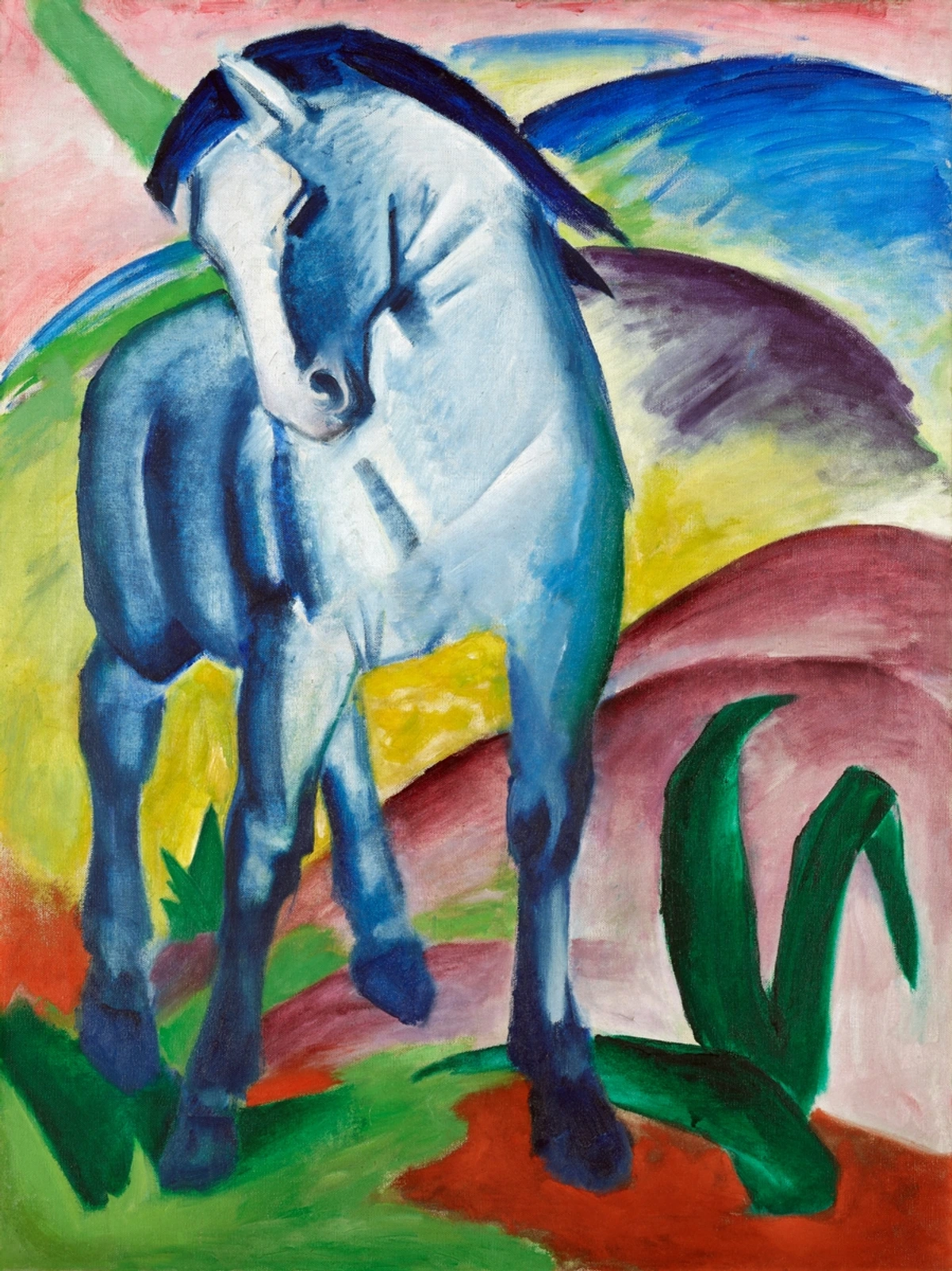
Beyond the standard edition number, you might encounter other markings. It’s important to remember that printmaking, particularly intaglio processes, often involves the artist making adjustments to the matrix (the plate, block, or screen) between printing runs. Each of these distinct runs or modifications can result in a different "state" of a print, with subtle or even significant variations. Collectors often prize these different states for their rarity and insight into the artist's creative process, offering a unique glimpse into the evolution of an artwork. Think of it as witnessing the artist's thought process unfold on paper, each state a distinct chapter.

Alright, so you've grasped the basic edition number. Now, for those other cryptic markings you'll often see, which are just as vital to understand:
- A.P. or E.A. (Artist's Proof / Épreuve d'Artiste): These are prints reserved for the artist, usually making up 10-15% of the total edition. They are considered equivalent in value to the numbered edition.
- P.P. (Printer's Proof): A few prints given to the master printer as their compensation. Also valuable.
- H.C. (Hors Commerce): "Not for sale" prints, often used for exhibitions or given to collaborators, typically similar to APs.
- Trial Proof (T.P.) or Bon à Tirer (B.A.T.): Proofs made during the printing process to get the image just right. The B.A.T. (meaning "good to pull") is the final proof approved by the artist, against which the entire edition is compared. These are often highly sought after.
Be wary of terms like "Open Edition," which basically means they can print as many as they want, forever, often diminishing individual print value. For a deeper understanding of how edition size impacts value, I've written more about understanding limited edition prints. Also, be suspicious of edition numbers or signatures that are printed as part of the image rather than written by hand; this usually indicates a mass-produced item.
Remarques and Unique State Prints
Beyond the primary edition and artist's proofs, there are even more specialized categories. A remarque is a small, hand-drawn sketch or inscription made by the artist in the margin of a print, often specific to a particular impression within the edition. These are highly prized by collectors as they make that individual print truly unique, adding a personal touch directly from the artist's hand. Similarly, a unique state print refers to an impression that stands apart from the rest of an edition due to intentional alterations or hand-coloring by the artist, making it a one-of-a-kind artwork born from a printmaking process. These unique elements can dramatically increase a print's desirability and value, as they offer something truly individual within an edition.
5. Judge a Print by Its Cover (The Framing and Matting)
Sometimes the packaging tells you everything you need to know, or at least raises a significant red flag. Is the print nestled in a cheap, lightweight frame from a big-box store? Is the back sealed with flimsy brown paper or, worse, a piece of acidic cardboard? Cardboard, much like wood pulp paper, is highly acidic and will slowly but surely damage the art over time, causing irreversible acid burn (yellowing, foxing, and brittleness) – a huge red flag that whoever framed it wasn't concerned with long-term preservation. This is a silent killer of artworks, slowly but inevitably degrading the paper and pigments, a process that is, tragically, almost impossible to fully reverse. If you spot these issues, it tells you immediately that the piece was not intended to be a long-term collectible, regardless of its original artistic merit.
Instead, look for archival framing materials: acid-free matting (often labeled "conservation grade" or "museum board"), UV-protective glass or acrylic, and proper backing boards (like foam core or rag board that is acid-free). The mat should create a space between the print and the glass, preventing it from sticking or molding. When it comes to UV-protective glass, you have options: from basic UV-filtering acrylic to "museum glass" which not only blocks nearly 99% of UV rays but also boasts anti-reflective properties that make the glass virtually disappear, truly allowing the artwork to shine. While a beautiful, museum-quality frame doesn't guarantee an authentic or valuable print, a cheap, non-archival one is almost always a sign that the art within is also mass-produced and not intended for long-term preservation or value retention. It's a clear indicator of intent (or lack thereof) for the artwork's future.
The Importance of Spacers and Hinges
Often overlooked but critically important are the small details that create a protective micro-environment around your print within the frame. Spacers (or fillets) create a crucial air gap between the surface of the print and the glazing (glass or acrylic), preventing the print from sticking to the glass, especially in humid conditions, which can lead to permanent damage and mold growth. And then there are hinges. For fine art prints, the artwork should always be affixed to the archival mat board using only Japanese paper (rice paper) hinges and a reversible, archival adhesive like wheat paste or methyl cellulose. This allows the print to expand and contract naturally with changes in humidity and, crucially, ensures the print can be safely removed without damage should re-framing or conservation become necessary. Never, ever allow tape, especially pressure-sensitive or self-adhesive tapes, to be directly applied to the artwork itself. That's a huge red flag and a conservation nightmare, creating irreversible stains and damage over time. These seemingly minor details are the bedrock of proper art preservation, ensuring your print can breathe, flex, and endure without adhering to glass or suffering from irreversible adhesive damage. It's a meticulous ballet of materials, all designed for longevity.
6. The Certificate of Authenticity (COA) Check
For many contemporary and limited-edition prints, a Certificate of Authenticity (COA) is standard practice. This is a document signed by the artist, publisher, or gallery that verifies the artwork's details: title, artist, medium, dimensions, edition size, and often the date it was created. A reputable COA adds a layer of confidence and is an important part of the artwork's documentation. Always ask if one is available. A good COA should clearly state the artist's name, the title of the work, the medium (e.g., "etching on paper"), the dimensions, the edition number (e.g., 12/100), the date of creation, and ideally, the signature of the artist, publisher, or a representative of their estate. Look for a COA with a matching chop mark if the print has one, and verify the issuer (e.g., a known gallery, a reputable print workshop, or the artist's official estate). While a COA can be faked, its presence from a known, established gallery or artist is a strong positive indicator. Absence of a COA, especially for a contemporary print, should raise a question, but it's not always a deal-breaker if other provenance (like exhibition history or previous ownership records) is strong. Always remember, the COA is only as credible as its issuer, so verifying the reputation of the entity issuing it is as important as the document itself.
7. Examining the Reverse Side (Verso)
Don't neglect the back of the print! While less commonly adorned, the verso (the back) of a print can hold incredibly valuable clues, offering a hidden history that corroborates its journey. You might find gallery labels, exhibition stickers with dates and venues, previous owner's marks, inventory numbers, or even the artist's own notations, working sketches, or studio stamps. CRITICALLY, always handle the verso with extreme care and clean gloves, as this side of the paper is often most vulnerable. These annotations, when verifiable, can help establish the artwork's provenance and exhibition history, adding layers to its story. A pristine, unblemished verso with proper archival hinges can tell you a lot about careful ownership, while signs of old, non-archival repairs might indicate past neglect and potential damage, instantly devaluing the piece in the eyes of a serious collector.
8. Provenance and History: The Artwork's Biography
This is where your detective work truly deepens. Provenance refers to the documented history of an artwork's ownership, essentially its entire biography from the moment it left the artist's studio. A strong provenance, showing a clear, unbroken chain of custody from the artist or original publisher to the current owner, significantly enhances an artwork's value, authenticity, and market desirability. If a piece comes with a detailed, verifiable history of where it's been and who has owned it, that's a huge positive, making it much harder to forge a print with a robust, verifiable paper trail. Think of it like a family tree for your art, a record that speaks volumes about its journey and authenticity. It’s also a crucial safeguard against purchasing stolen or illicitly traded art, an unfortunate reality in the art world.
While often more relevant for very high-value pieces, even a simple gallery receipt, an old exhibition catalog, or a family history (carefully documented, of course) can add significant weight. In recent years, there's been discussion about using blockchain technology to record provenance, offering a theoretically immutable digital ledger of ownership. However, while interesting, the current landscape of digital art and blockchain remains complex and requires careful scrutiny; my personal skepticism here means that the inherent value of the artwork still rests on its physical authenticity and artistic merit, not just its digital record. The technology is still evolving, and its long-term impact on the traditional art market's understanding of provenance is yet to be fully determined. For a deeper understanding of provenance and its importance, I highly recommend checking out understanding art provenance: tracing the history of your abstract art collection and understanding art documentation: a collectors guide to provenance and condition reports. These resources provide invaluable insights into establishing and verifying an artwork's history. Trust your gut, but back it up with rigorous research! Knowing the journey of a print adds immensely to its story and often, its value.

Diving Deeper: The World of Fine Art Printmaking Techniques – A Legacy of Craft
Beyond the broad strokes of "fine art print" versus "mass-produced reproduction," lies a rich and intricate tapestry of printmaking techniques. I've always found this part endlessly fascinating, like peeling back the layers of a particularly complex story. Each method, with its own history, distinct characteristics, and demands unique skills and artistic vision from the artist, contributes to the unparalleled diversity of the print world. Understanding these methods isn't just academic; it's key to truly appreciating the work you're buying, recognizing the sheer craftsmanship involved, and forming a deeper connection with the artist's process and intent. It's where the magic truly unfolds, from carving wood to pushing ink through a screen.
The Historical Journey of Printmaking: A Quick Overview
Before we deep-dive into individual techniques, it’s worth noting that printmaking isn’t a modern invention; it boasts a fascinating, millennia-old history that parallels human communication itself. From early woodblock prints in ancient China, used not just for images but also for reproducing entire texts, to Gutenberg's revolutionary movable type in the 15th century, and the subsequent explosion of engravings and etchings during the European Renaissance (think Dürer and Rembrandt, making art accessible like never before), printmaking has always been a powerful tool for artistic expression, social commentary, and mass communication. Each era brought new innovations, expanding the possibilities for artists to create, disseminate, and even revolutionize art. This unbroken lineage of craft and innovation is what gives fine art prints their enduring appeal and unique place in art history, connecting us directly to centuries of artistic endeavor. From the intricate woodcuts of the Edo period to the bold serigraphs of Pop Art, each technique tells a story of human ingenuity and creative drive.
Intaglio Prints: Carving and Incising into the Surface
To truly understand the depth of intaglio, sometimes you need to feel the subtle presence of the artwork, almost hearing its silent melody.
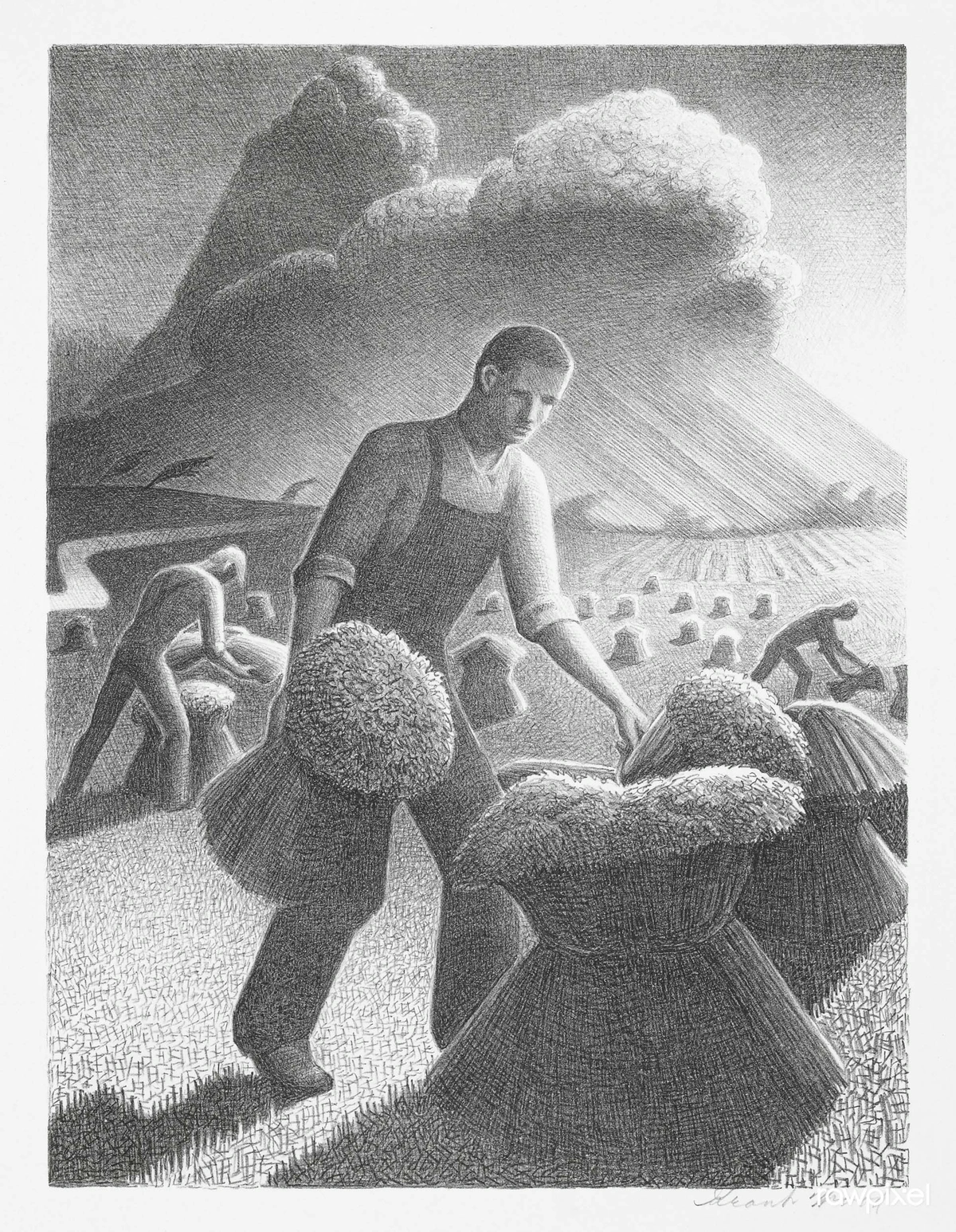
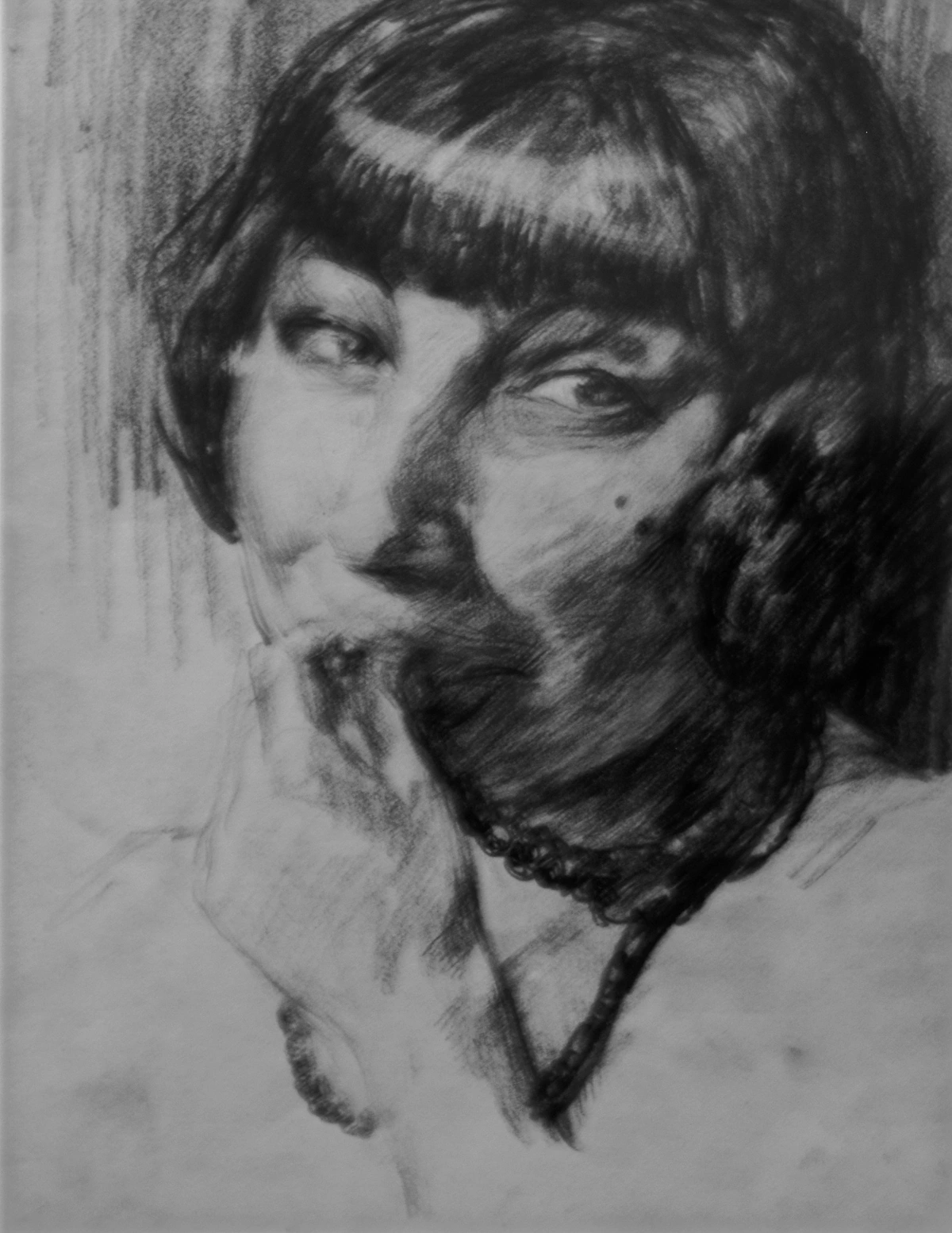
Intaglio (pronounced in-TAL-yoh) printing is a family of techniques that involve incising or etching an image into a surface, typically a metal plate (most commonly copper, zinc, or sometimes steel). Unlike relief printing where the raised parts print, here the ink is held in the recessed lines and areas. When printed, the plate is inked, meticulously wiped clean so ink only remains in the grooves, and then transferred to dampened paper under immense pressure from a roller press. You can often feel the subtly raised ink lines on the surface of the paper and a distinct plate mark – an indentation from the edge of the plate – around the printed image, which is a tell-tale sign of these methods. This physical evidence, the tactile presence of the plate mark, is a definitive characteristic that separates these artisanal prints from mere reproductions. Artists like Rembrandt and Goya were masters of intaglio, creating works of incredible depth and detail that still captivate us today.
- Etching: Perhaps the most widely known intaglio technique. The artist coats a metal plate with an acid-resistant, waxy ground, then draws into it with a needle, exposing the bare metal beneath. The plate is then submerged in an acid bath, which "bites" (etches) into the exposed lines. The longer a line is exposed to the acid, the deeper and wider it becomes, holding more ink and thus printing darker. This allows for spontaneous, flowing lines that can feel very painterly, and a great range of tonal values. It's like drawing with acid, giving a unique freedom of line and a remarkable ability to capture delicate textures and atmospheric effects. Notable etchers include the incomparable Rembrandt van Rijn and the satirical master Francisco Goya.
- Engraving: This technique is more direct and physically demanding than etching, as it involves no acid. The artist uses a sharp, V-shaped tool called a burin to cut directly into the bare metal plate, pushing away small slivers of metal. This creates very crisp, precise lines with tapered ends and a formal quality, often characterized by clean, controlled strokes. Engraving demands immense skill, steady hands, and precision, as every line must be deliberately carved with unwavering certainty. It was historically used for reproducing paintings, maps, and for currency due to its fine detail and inherent difficulty to forge. The German Renaissance artist Albrecht Dürer is a renowned master of engraving, whose intricate works are still admired for their technical brilliance.
- Drypoint: In drypoint, the artist draws directly onto the bare metal plate with a sharp, pointed tool, much like drawing with a pencil. However, this process pushes up a tiny ridge of displaced metal along the line, called a burr. When inked, this burr catches extra ink, resulting in soft, velvety, slightly blurred lines that are unique to drypoint, giving a delicate, atmospheric effect. Because the burr is delicate and wears down quickly under printing pressure, drypoint editions are typically very small, making them rarer and often highly sought after for their intimate quality and expressive freedom. Artists like Mary Cassatt frequently utilized drypoint for its intimate, soft quality, perfectly capturing tender domestic scenes.
- Mezzotint: This is a particularly laborious and unique non-linear intaglio technique, renowned for its incredible tonal range and deep, velvety blacks. The entire surface of the metal plate is systematically roughened with a specialized tool called a rocker, creating a field of tiny burrs that, if inked and printed, would produce a rich, solid black. The artist then works from dark to light, gradually smoothing down (burnishing) or scraping away areas of the burr to create mid-tones and highlights. The technique allows for unparalleled subtle gradations of light and shadow, giving mezzotints a distinct, luminous, and often dreamlike quality, reminiscent of rich, painterly chiaroscuro. Prince Rupert of the Rhine is credited with its invention, and it quickly became popular for its ability to reproduce the nuances of oil paintings.
- Aquatint: Often combined with etching, aquatint is an intaglio method primarily used to create broad tonal areas rather than distinct lines, mimicking washes of watercolor or ink. Fine powdered rosin (or a similar acid-resistant material) is dusted onto the plate and heated, adhering it in tiny, acid-resistant particles. When the plate is then submerged in acid, the acid bites around these particles, creating a granular, porous surface that holds ink. Different etching times produce varying shades, from light grey to deep black, allowing for subtle tonal transitions and atmospheric effects, making it ideal for landscapes and expressive works. Francisco Goya extensively used aquatint in his powerful print series, like "Los Caprichos," to achieve dramatic and shadowy moods."
Relief Prints: Printing from the Raised Surface
In relief printing, the parts of the matrix (the block or plate) that are not to be printed are painstakingly cut away, leaving the image areas raised or in relief. The raised surface is then inked with a roller, and pressed onto paper, either by hand or with a press. This is one of the oldest printmaking methods, with a directness and often a bold, graphic aesthetic. The texture of the block or tool marks are often visible, adding to the unique character and tactile quality of the print. Think of a rubber stamp, but with far greater artistry and complexity.
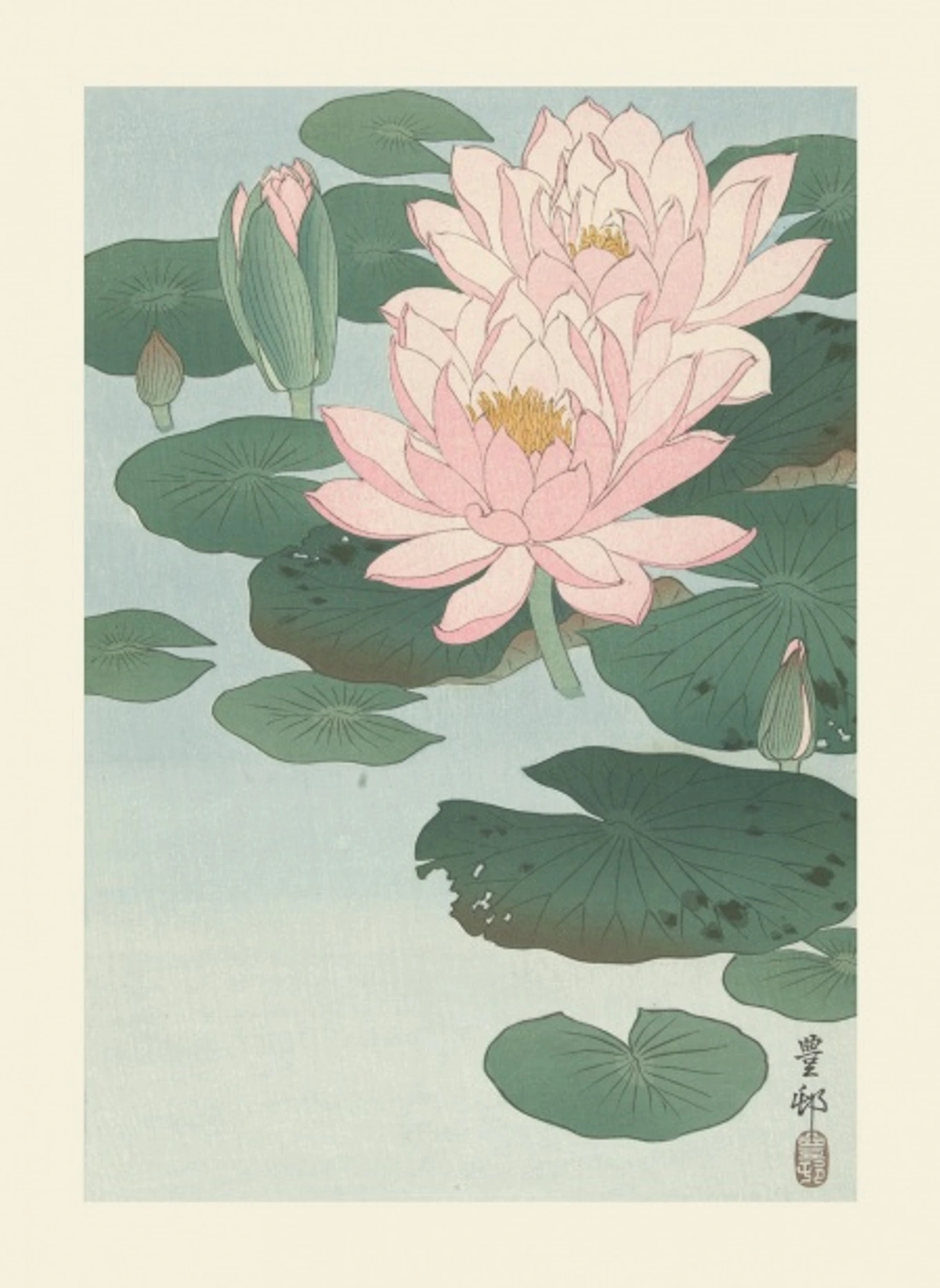
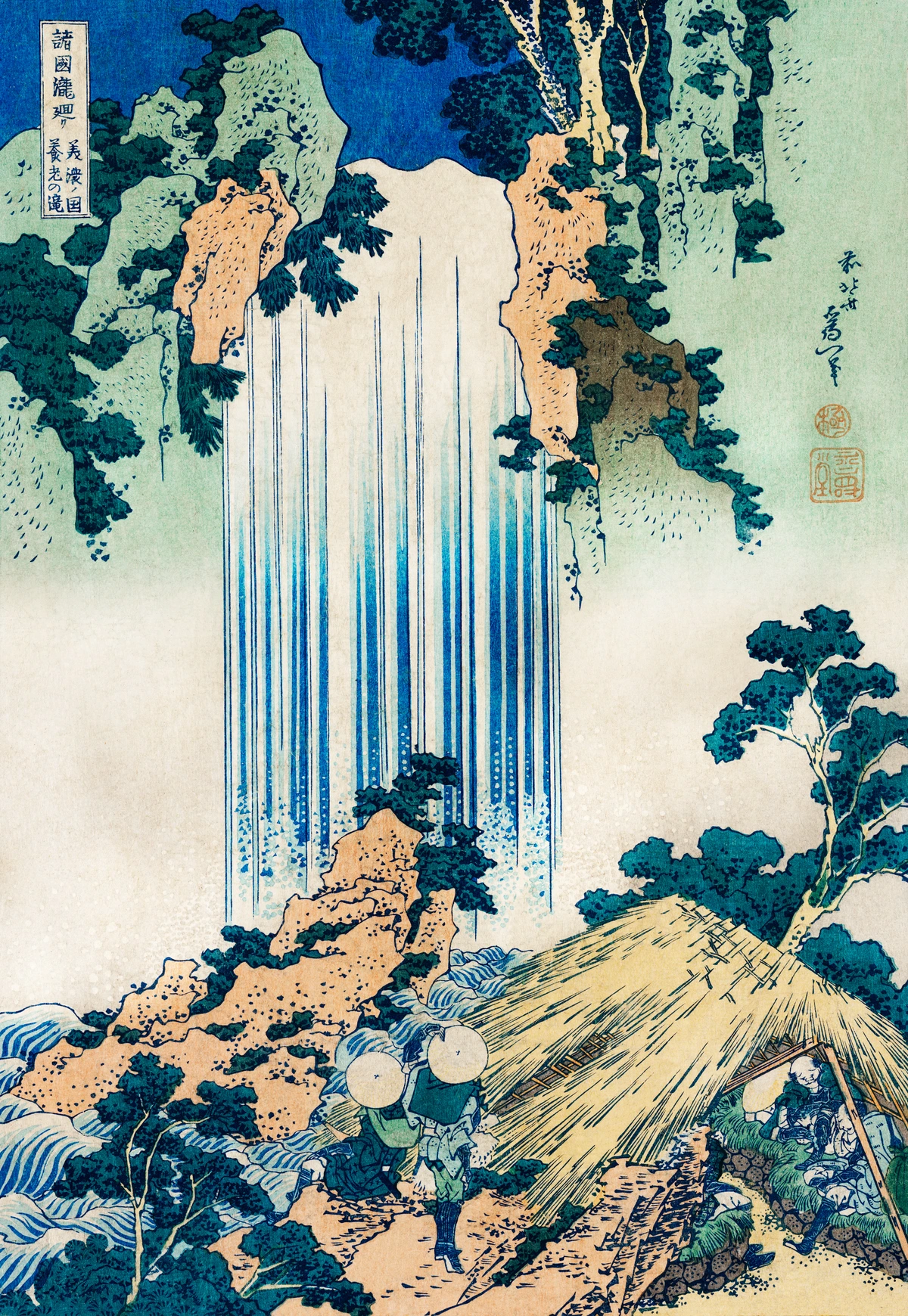
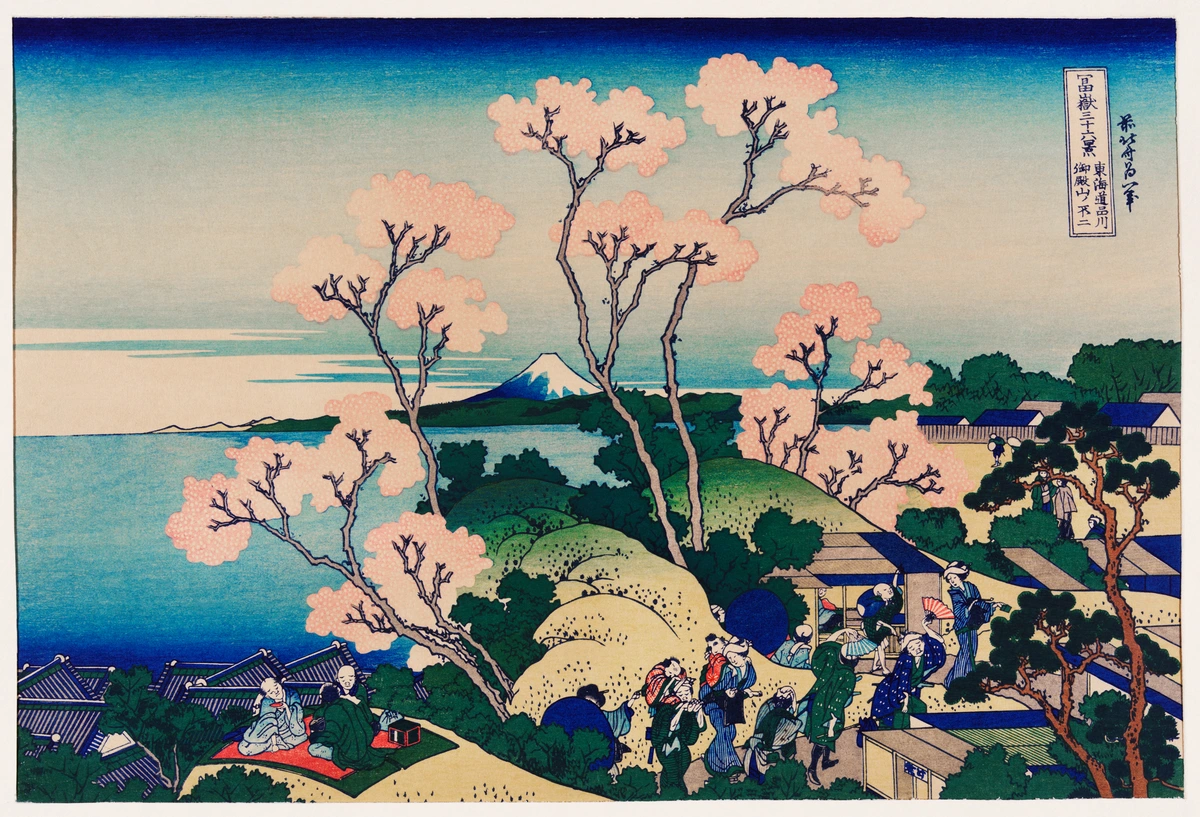
- Woodcut: One of the oldest and most fundamental printmaking techniques, dating back centuries (prominently in East Asia and medieval Europe). The artist carves an image into a plank of wood (typically along the grain). The areas carved away will remain white (or the color of the paper), while the raised areas transfer the ink. Woodcuts often have a bold, graphic quality with strong lines, robust shapes, and a visible wood grain texture, reflecting the natural resistance of the material and giving each print a unique, organic feel. Japanese ukiyo-e masters like Hokusai and German Expressionists like Ernst Ludwig Kirchner are famous for their woodcuts, using them to capture everything from landscapes to raw human emotion.
- Linocut: Similar in principle to a woodcut, but using linoleum (a softer, synthetic material) instead of wood. Linoleum's lack of grain and uniform density makes it easier to carve in any direction with less resistance than wood. This allows for smoother lines, broader areas of unmodulated color, and often a more fluid, expressive graphic quality, offering a softer edge than woodcuts. Linocuts were popularized in the early 20th century, notably by artists like Pablo Picasso and Henri Matisse, for their graphic simplicity and directness, making them accessible for bold, modern compositions and poster design.
Planographic Prints: Printing from a Flat, Chemically Treated Surface
Planographic techniques print from a flat surface (planos is Greek for 'flat') where the image area is chemically treated to attract ink, while the non-image area is treated to repel it. There are no raised or incised lines; the distinction is purely chemical, relying on the fundamental immiscibility of oil and water. This allows for incredibly subtle tonal gradations and painterly effects that are difficult to achieve with other methods, giving these prints a unique softness and fluidity.
- Lithography (Hand-Pulled): Invented in the late 18th century by Alois Senefelder, traditional lithography uses the fundamental principle that oil and water don't mix. The artist draws an image directly onto a flat slab of limestone (or a specially prepared metal plate) with an oil-based crayon or liquid tusche. The stone is then chemically treated so that the drawn areas attract oil-based ink, and the undrawn areas attract water (and thus repel the ink). When printed, typically on a flatbed press, the resulting prints can capture painterly brushstrokes, delicate tonal gradations, and intricate details, often resembling drawings or paintings. This artistic, hand-pulled method is a world apart from the mass-produced "offset lithography" used for posters. It’s a medium that truly embraces the artist's hand, offering a directness not found in other techniques. Artists like Honoré Daumier, Edgar Degas, and Henri de Toulouse-Lautrec were lithography pioneers, creating some of the most iconic posters and social commentary of their time.
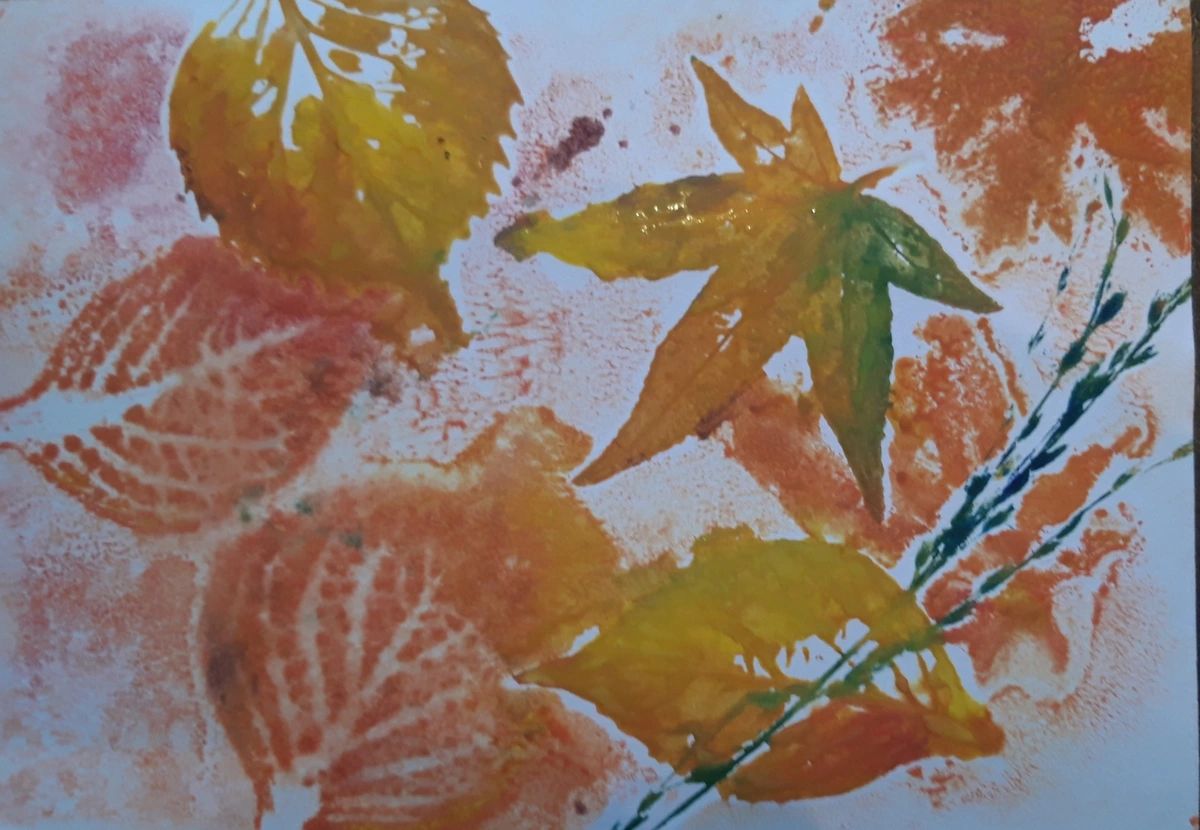
- Monotype/Monoprint: These are exciting and spontaneous techniques that yield unique prints. A monotype means only one impression can be made. The artist creates an image on a smooth, non-absorbent surface (like glass, metal, or plexiglass) with ink or paint, and then transfers it to paper, usually by hand-pressing or with an etching press. The beauty lies in their spontaneity, painterly qualities, and individuality; each impression is inherently unique, a singular moment captured on paper. A monoprint is similar but involves a repeatable element, such as an etched plate that provides a ghost image, which is then uniquely re-worked for each impression, allowing for variations within a theme. Both celebrate artistic freedom and immediate expression, standing apart from traditional editioned prints by embracing uniqueness over multiplicity.
Stencil Prints: Pushing Ink Through a Screen or Cutout
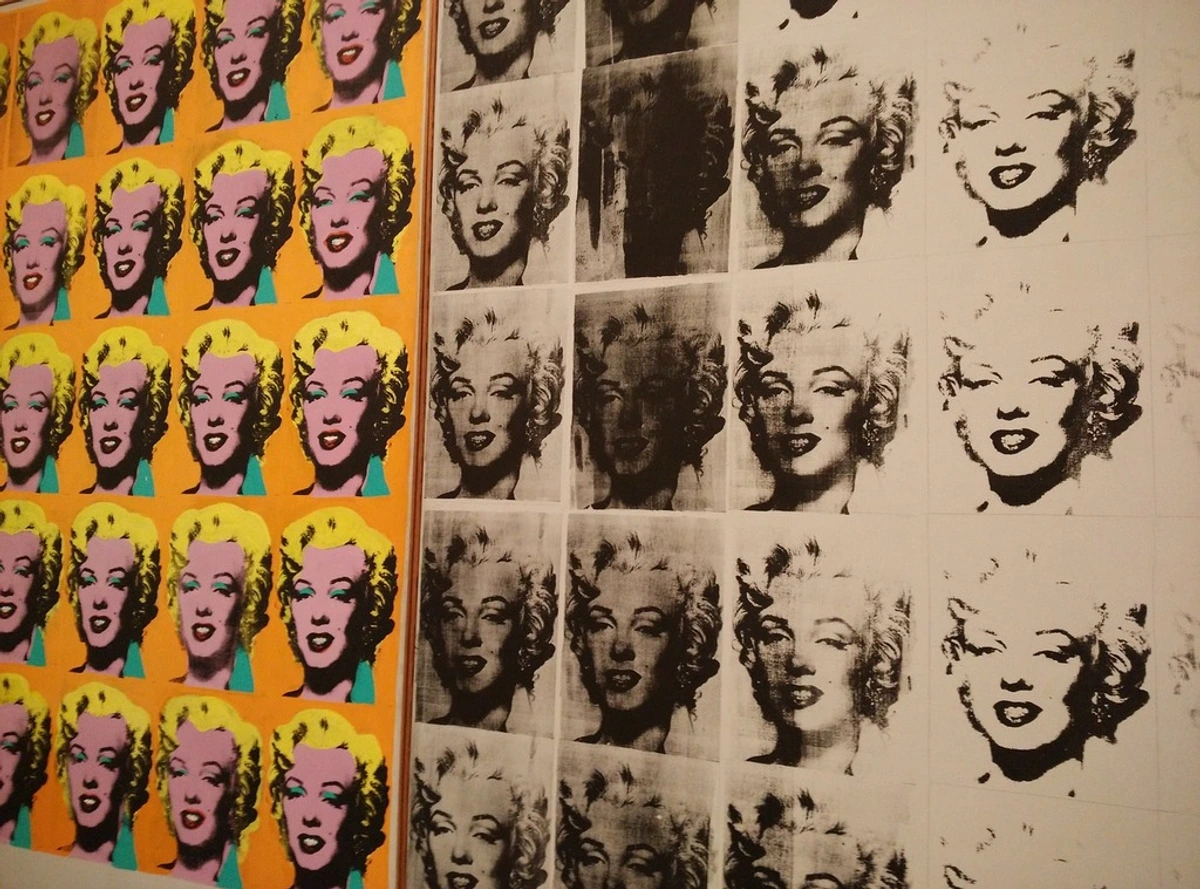
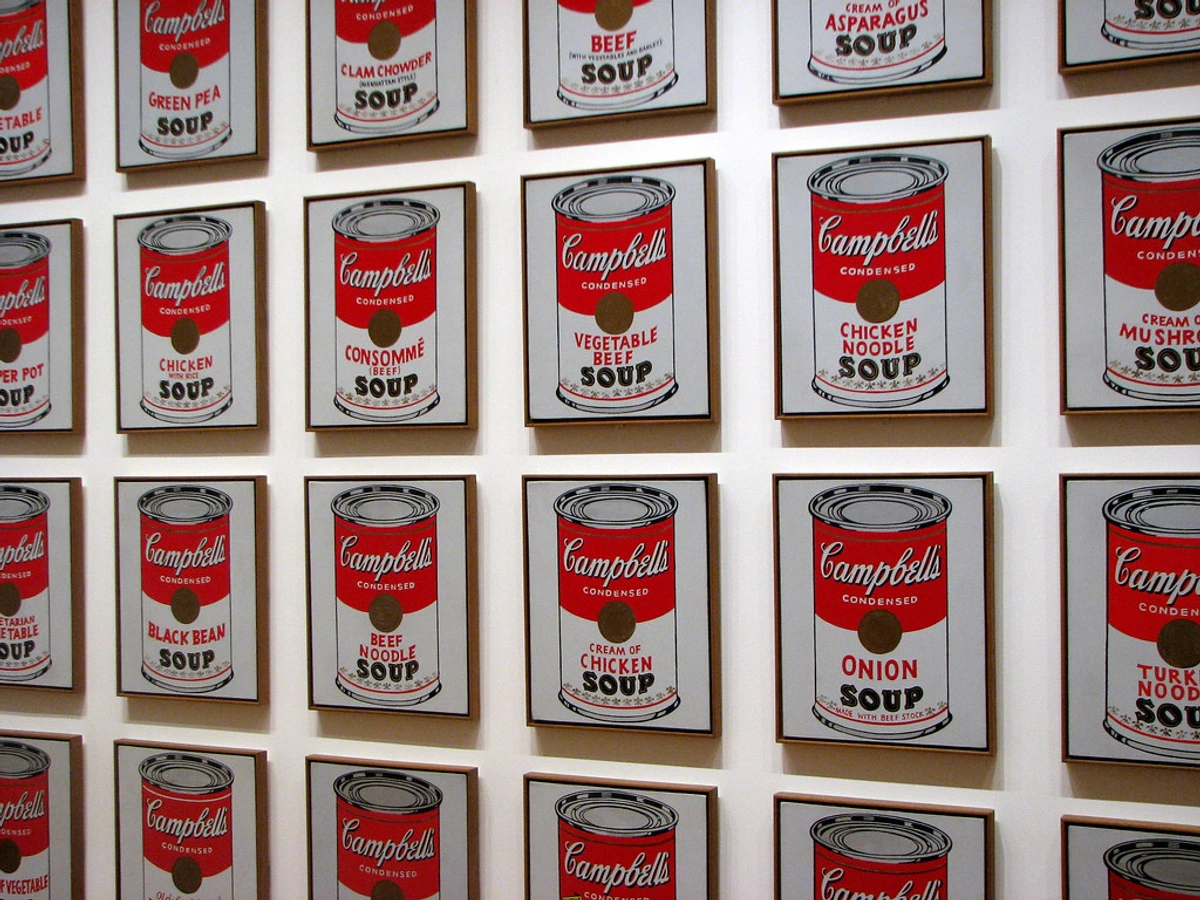
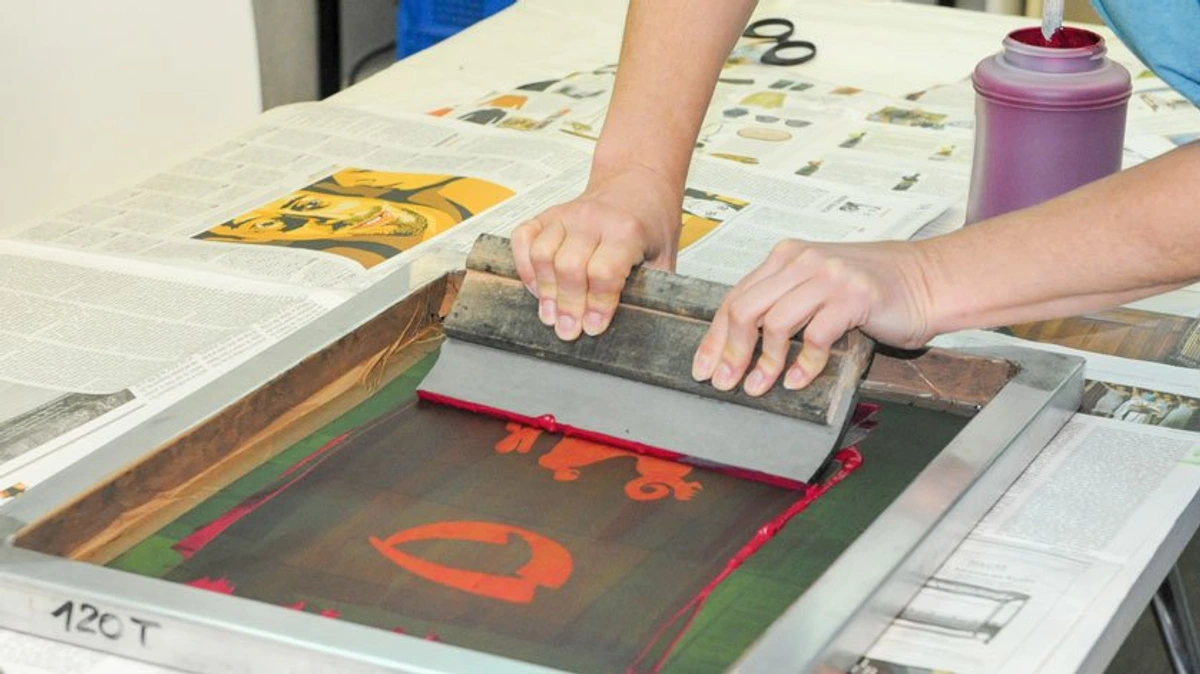
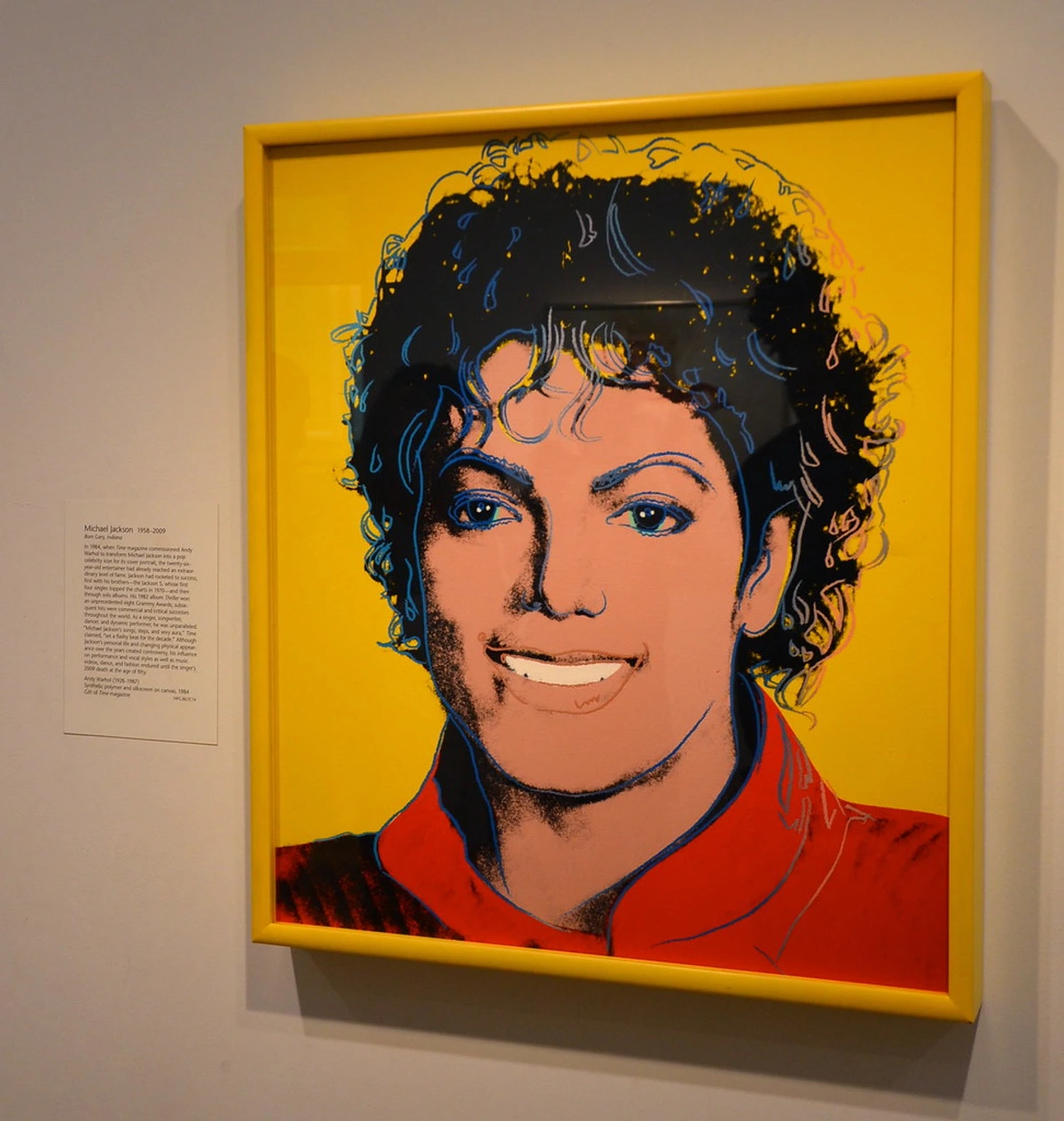
- Screenprinting (Serigraphy): Also widely known as serigraphy, screenprinting involves pushing ink through a fine mesh screen onto a substrate (paper, fabric, etc.). Areas not to be printed are blocked out on the screen, either by using physical stencils or a light-sensitive photographic emulsion. This technique is incredibly versatile, allowing for bold, flat areas of color, sharp edges, and the layering of multiple colors – making it a favorite for graphic artists and fine artists alike. It was popularized by commercial artists but elevated to fine art by masters like Andy Warhol, who used it for his iconic Pop Art imagery, demonstrating its power for both precision and expressive impact. If you're looking to delve deeper into a master of this technique, you can explore the ultimate guide to Andy Warhol.
Other Notable Printmaking Techniques
Beyond these major categories, the world of printmaking is rich with innovative and specialized methods, often pushing the boundaries of what a "print" can be:
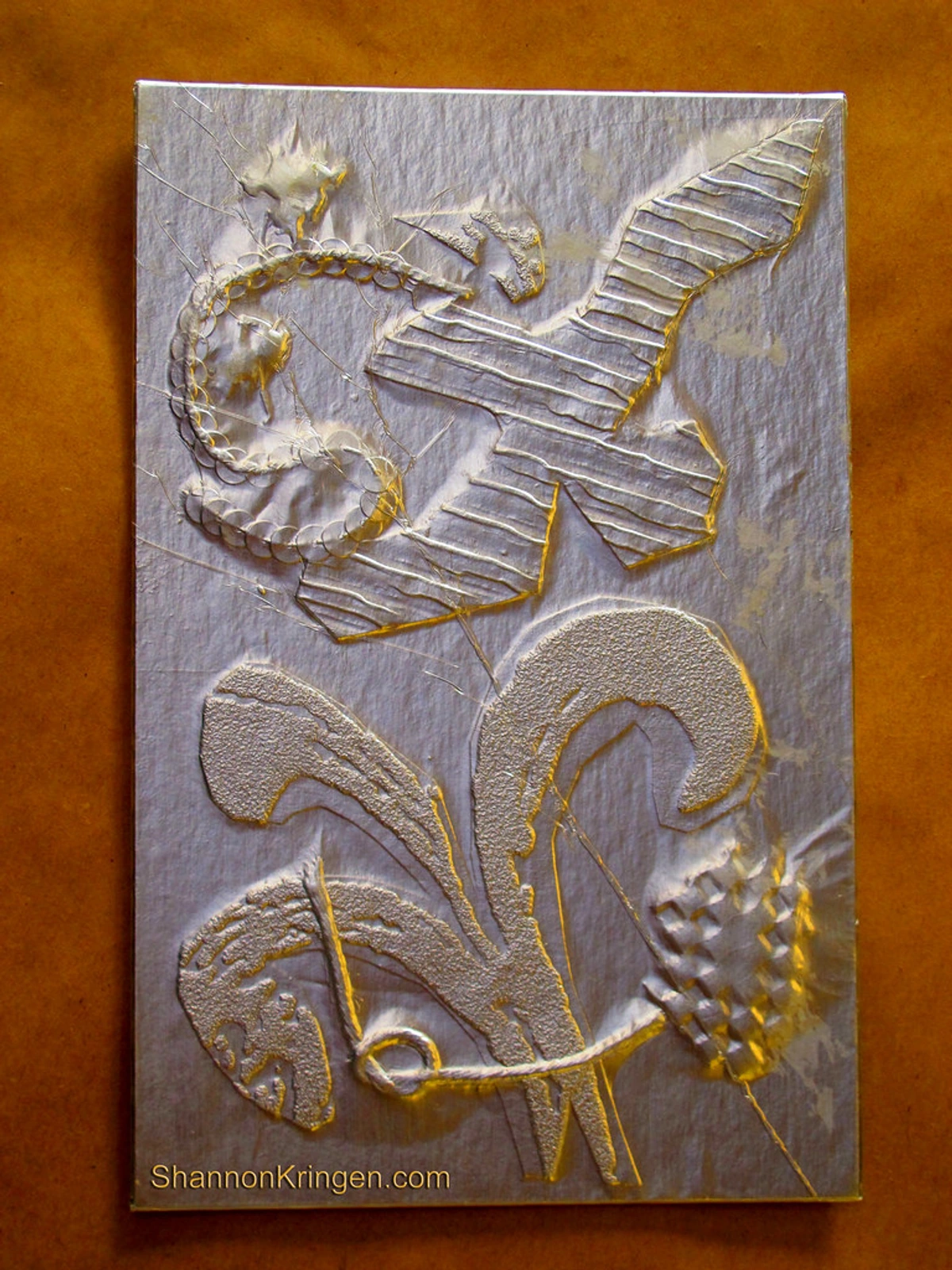
- Collagraph: This versatile technique involves building a 'plate' by collaging various materials with different textures (fabric, cardboard, string, carborundum, etc.) onto a rigid base. The plate is then sealed and can be inked in either intaglio-style (ink in the crevices), relief-style (ink on the raised surfaces), or a combination of both, then printed. Collagraphs are renowned for their incredible textural richness, deep embossments, and unique surface qualities that are often painterly and highly sculptural, making each impression a miniature bas-relief.
- Carborundum Print: While often integrated into collagraphy, carborundum printing can also be a standalone method. It involves applying a paste of carborundum grit (silicon carbide, a very hard abrasive material) and adhesive to a plate. The varying coarseness and thickness of the carborundum create a highly textured surface that holds large amounts of ink. This results in incredibly dense, velvety, and often very dark areas in the print, reminiscent of mezzotint but with a more expressive, almost painterly freedom. It allows for rich tonal effects and deep embossment, creating a profound sense of physical presence on the paper, giving the print a tangible weight and depth.
Digital Printmaking (Giclée): The Modern Evolution
For a long time, there was a clear divide: traditional printmaking (etchings, lithographs, etc.) and commercial reproductions. However, with the advent of sophisticated digital technology, a new category emerged: digital fine art prints, most commonly known as giclée (pronounced zhee-clay, from the French for "to spray"). These are high-quality inkjet prints produced from a digital file using professional-grade, large-format printers with archival pigment-based inks on acid-free, museum-grade papers or canvases. What elevates a giclée to fine art isn't just the technology, but the artist's direct involvement, creative intent, and the commitment to producing a limited, signed, and numbered edition. It allows artists incredible control over color, detail, and surface, making it a legitimate and increasingly respected contemporary printmaking technique, blurring the lines between traditional craft and digital innovation. For a full breakdown, I've detailed understanding giclee prints for collectors elsewhere.
The Business Behind the Beauty: Publishers, Editions, and the Art Market
Understanding the various printmaking techniques is one layer of the puzzle. Another crucial element is understanding the ecosystem surrounding the production and distribution of fine art prints. This includes the roles of publishers, the intricacies of editioning, and the unfortunate reality of forgeries.
The Role of the Print Publisher and Master Printer
Many fine art prints, especially those by established artists, are produced in collaboration with a publisher. A print publisher often serves as a crucial intermediary, working with an artist to produce an edition. They handle the complex technical aspects of printing, provide access to specialized equipment, manage distribution, and oversee marketing. Publishers bring expertise, financial backing, and often access to highly skilled master printers – artisans who possess deep knowledge of various printmaking techniques and can translate an artist's vision onto paper with precision. The publisher's and master printer's reputations can add significant credibility and value to an edition. A good publisher ensures meticulous quality control and proper documentation, making their involvement a profoundly positive sign of a well-executed and authentic edition. They are, in essence, the guardians of the print's integrity, ensuring that the artist's vision is translated perfectly and that the edition adheres to the highest standards of the craft. Their reputation within the art world is often a direct reflection of the quality and ethical standards they uphold, adding another layer of confidence for collectors. Knowing who published a print can be as important as knowing the artist, as their commitment to meticulous quality control and ethical practices is paramount.
Deeper Dive into Editioning
We touched on edition numbers, but there's more to unpack, because the world of editioning can sometimes feel like a labyrinth! An edition is the total number of identical prints pulled from a single matrix (plate, screen, block) and approved by the artist. The small number in the fraction (e.g., 25 in 25/200) indicates the print's number within that edition. The second number (200) is the total size of the edition. Once that number is reached, no more prints are supposed to be made from that matrix, ensuring its scarcity and therefore, its potential value. This controlled scarcity is what fundamentally distinguishes a fine art print from an open-edition poster.
Beyond the numbered edition, we discussed Artist's Proofs (A.P.), Printer's Proofs (P.P.), and Hors Commerce (H.C.). These are all considered legitimate parts of an edition, though they are not included in the main numbered run. Their presence signifies a controlled and professional approach to print production, ensuring the artist and printer are appropriately acknowledged for their efforts. The smaller the overall edition size, the rarer each individual print, which can significantly contribute to its value and collectibility. This is a fundamental rule of the art market: scarcity drives demand and value. For a more comprehensive look at how editioning impacts value, check out my guide to understanding limited edition prints.
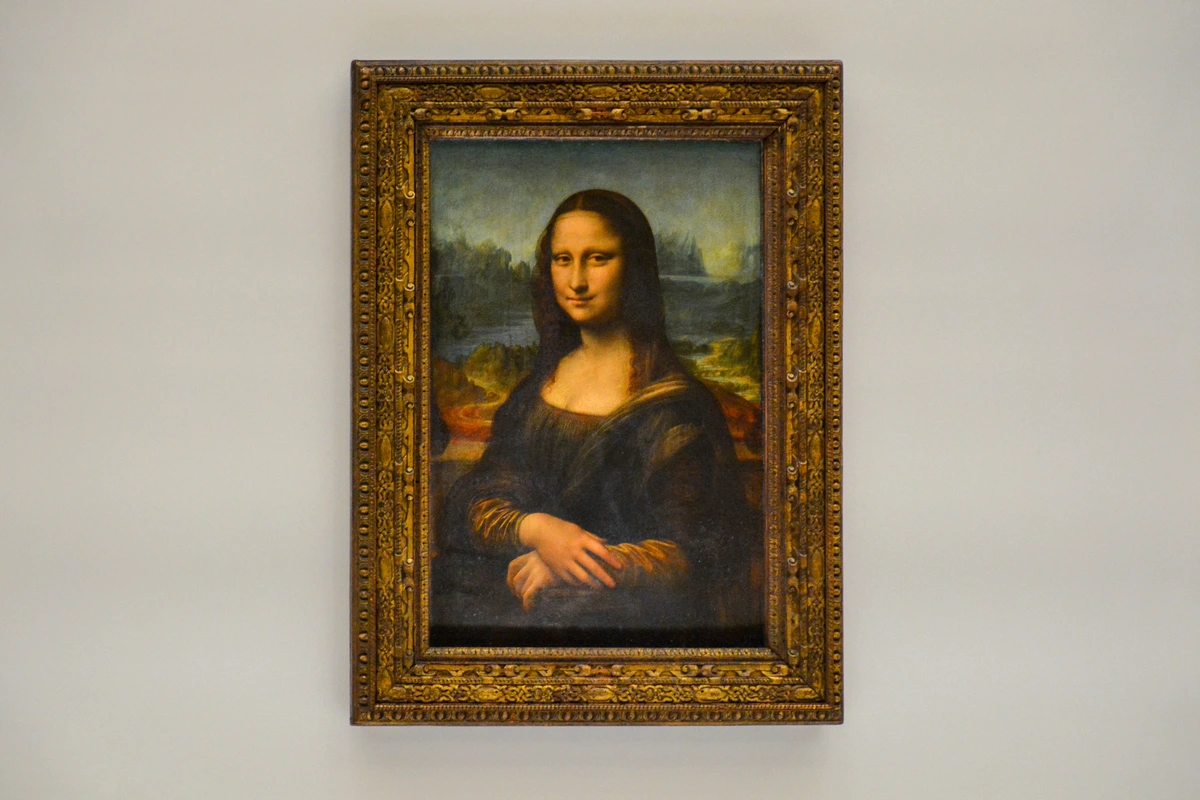
When Editions Get Tricky: Restrikes, Posthumous Prints, and Open-Ended Reproductions
Not all editions are created equal, and discerning collectors need to be aware of practices that can affect value and authenticity. This is where things can get complicated, so let's break it down:
- Restrikes: These are prints made from the original plate, block, or screen after the initial, authorized edition has been completed. They are sometimes pulled without the artist's direct involvement or even posthumously without strict oversight. While technically from the original matrix, they generally hold significantly less value than prints from the original, authorized, and limited edition, as they betray the artist's original intent for scarcity. Think of it as a re-release of a classic album, but without the original artist's input or approval.
- Posthumous Prints: Prints made after the artist's death. These can be legitimate if authorized by the artist's estate and clearly marked as such (e.g., "Estate Print"). However, if they are not clearly identified, are produced from a matrix not intended for such use, or are printed in unlimited quantities, their value can be significantly diminished. Transparency about their origin and authorization is key here; always look for clear documentation from the artist's estate, clearly identifying them as estate prints and providing detailed information about their production.
- Open-Ended Reproductions: These are technically editions, but without any numerical limit. Publishers can print as many as they like, forever. While often high-quality reproductions, they lack the inherent scarcity and artistic intent of a limited-edition fine art print, and thus hold virtually no secondary market value beyond their decorative appeal. This is the realm where art becomes pure commodity, distinct from collectible prints, and it's important to understand this fundamental difference when making a purchase.
The Secondary Art Market for Prints: Where Value is Realized
Once a print leaves the primary market (purchased directly from the artist or publisher), it enters the secondary market, where its value can fluctuate based on a multitude of factors, including artist popularity, rarity, condition, and current market trends. This is where the true investment potential of a fine art print is realized, where pieces gain a history of their own through resale. Auctions, reputable galleries specializing in prints, and online art platforms all play a role in this ecosystem, providing avenues for both buying and selling. Understanding this market can be complex, but it's essential for any serious collector looking to build a valuable collection. This dynamic ecosystem, spanning global auction houses to specialized online platforms, provides both challenges and incredible opportunities. To help you navigate this, I've covered topics like understanding the resale market for contemporary abstract art a collectors guide, how do art auctions work, and understanding art market trends a guide for emerging collectors.
The Shadow of Forgery: How to Protect Your Collection
Unfortunately, where there's value, there's always the risk of forgery. It's a shadowy corner of the art world that no collector wants to encounter, and knowing the characteristics of genuine fine art prints is your absolute best defense. Forgers often target popular artists and techniques, meticulously trying to mimic details. Look for inconsistencies in the signature, paper quality (does it match the period?), edition numbering, or the print quality itself. Comparing a suspicious print to known authentic examples (via reputable catalogs raisonnés or museum databases) is crucial. And remember, if something feels too good to be true, it probably is. Always apply a healthy dose of skepticism, especially when confronted with an unbelievable deal. For a more comprehensive look at safeguarding your collection, I've previously explored a collector's guide to identifying and avoiding art forgeries.
Preserving Your Precious Prints: A Collector's Responsibility for Longevity
Once you've identified, acquired, and brought home a fine art print, your role as a collector shifts fundamentally to one of responsible stewardship and preservation. Prints, especially those made with archival materials, are designed to last for centuries, but they aren't indestructible. Proper, informed care ensures their longevity, helps maintain their value, and protects your investment. Think of it as providing a safe, comfortable, and stable home for your artwork, shielding it from the elements that can slowly but surely degrade it, a silent battle against time and environment. This isn't just about protecting an object; it's about honoring the artist's intent for their work to endure.
The Enemies of Art: Light, Humidity, Temperature, and Acidity
Understanding the primary threats to your prints is the first step in protecting them:
- Light: This is perhaps the most insidious enemy. Direct sunlight, and even prolonged exposure to strong artificial light (especially fluorescents, which emit high levels of UV radiation), can cause irreversible fading of inks, pigments, and discoloration (yellowing or browning) of paper. UV light is particularly damaging because it breaks down the chemical bonds in pigments and paper fibers. Always frame prints with UV-protective glass or acrylic (often labeled "conservation clear" or "museum glass," aiming for at least 98% UV block), and critically, avoid hanging them in brightly lit areas, especially walls that receive direct sunlight. Think indirect, diffused light, and consider rotating your display to give prints a break from light exposure, a practice museums often employ. For very delicate works, museum standards suggest limiting light exposure to a very low 50 lux (about 5 foot-candles), so be mindful of your home lighting. Even seemingly benign ambient light, over decades, can cause cumulative, irreversible damage. Think of it as a slow, silent fade.
- Humidity and Temperature: Extreme fluctuations in humidity and temperature are disastrous. They cause paper to expand and contract, leading to buckling, warping, cockling (wavy distortions), or even the dreaded mold and mildew growth, which can irreversibly stain and damage paper. Aim for a stable environment, ideally around 50-55% relative humidity (RH) and a consistent temperature, typically between 68-72°F (20-22°C). Avoid hanging art in bathrooms, kitchens, basements, or near vents/radiators where conditions fluctuate wildly. A small hygrometer (a humidity monitor) can help you monitor your environment, giving you a tangible sense of your artwork's comfort zone and allowing you to take proactive measures. Better yet, consider a small data logger that can record conditions over time, giving you a clearer picture of stability and helping you identify any problematic fluctuations.
- Acidity: This is a silent killer for paper, relentlessly working to degrade your artwork from within. As we mentioned with framing, acidic materials (like cheap cardboard backing, non-archival mats, or even acidic tapes) will slowly break down the cellulose fibers of the paper, causing it to yellow, become brittle, and develop unsightly "acid burn" marks that are nearly impossible to fully reverse. Always ensure that any materials touching your print – mats, backing boards, hinges, storage folders – are explicitly labeled as acid-free and archival quality (often made from 100% cotton rag or alpha cellulose). Look for products certified with a neutral pH (around 7.0 or slightly higher) to ensure maximum longevity. This seemingly small detail is paramount for preservation, as acidity works relentlessly and silently to degrade your artwork from the inside out.
- Pests and Pollutants: Don't underestimate the tiny invaders! Insects like silverfish, booklice, and dust mites can feast on paper and adhesives, leaving irreversible damage in the form of tunnels, stains, and missing material. Environmental pollutants, like airborne dust, smoke (especially from fireplaces or cigarettes), and even cooking fumes, can slowly accumulate on the surface of your prints, leading to discoloration and degradation over time. A well-sealed frame and a clean, regularly dusted environment are your best defenses against these often-invisible threats. Prevention is always easier than remediation when it comes to pests. Environmental pollutants, like airborne dust, smoke (especially from fireplaces or cigarettes), and even cooking fumes, can slowly accumulate on the surface of your prints, leading to discoloration and degradation over time. A well-sealed frame and a clean, regularly dusted environment are your best defenses against these often-invisible threats.
Archival Framing: Your Print's First and Most Critical Line of Defense
Proper framing is not just about aesthetics; it's the single most important protective measure you can take for your prints. A professional framer specializing in archival methods is not an expense, but an essential investment for the longevity of your artwork. They understand the science of preservation and will use only the highest quality, acid-free materials, ensuring your artwork is protected for generations. They will meticulously select and implement:
- Acid-free (conservation grade) mat boards and backing boards: These are absolutely crucial to prevent acid migration and subsequent irreversible damage to your print. They should be at least 4-ply for rigidity and protection, acting as a buffer between the print and the frame, preventing direct contact with the glass and frame materials.
- UV-filtering glass or acrylic: This is non-negotiable for any valuable print. It blocks a significant percentage (ideally 98-99%) of harmful ultraviolet rays, drastically reducing fading and discoloration. Options range from basic UV protection to museum-grade glass that also offers anti-reflective properties and enhanced clarity, making your artwork truly pop without distracting glare. This is your first line of defense against light damage.
- Reversible hinging techniques: Typically using Japanese paper (rice paper) and archival wheat paste or methyl cellulose, these hinges allow the artwork to be removed from the mat without causing any damage, should re-framing or conservation become necessary. Never, ever allow tape (especially pressure-sensitive tapes or Scotch tape) to be directly applied to the artwork itself – this is a cardinal sin of art preservation, leaving permanent stains and tears!
- A sealed frame package: This protects against dust, insects, and environmental pollutants, creating a mini-microclimate around your print and adding another layer of defense against environmental damage. This usually involves a dust cover paper adhered neatly to the back of the frame, creating a tight seal.
Investing in archival framing is a testament to your commitment to the artwork, safeguarding its beauty and value for generations. It’s not just an expense; it's a foundational investment in the long-term health and value of your collection. It’s peace of mind, really, knowing you've taken every possible step to protect your investment. This is also where considering understanding art insurance protecting your valuable collection becomes critical, as proper framing often impacts insurability.
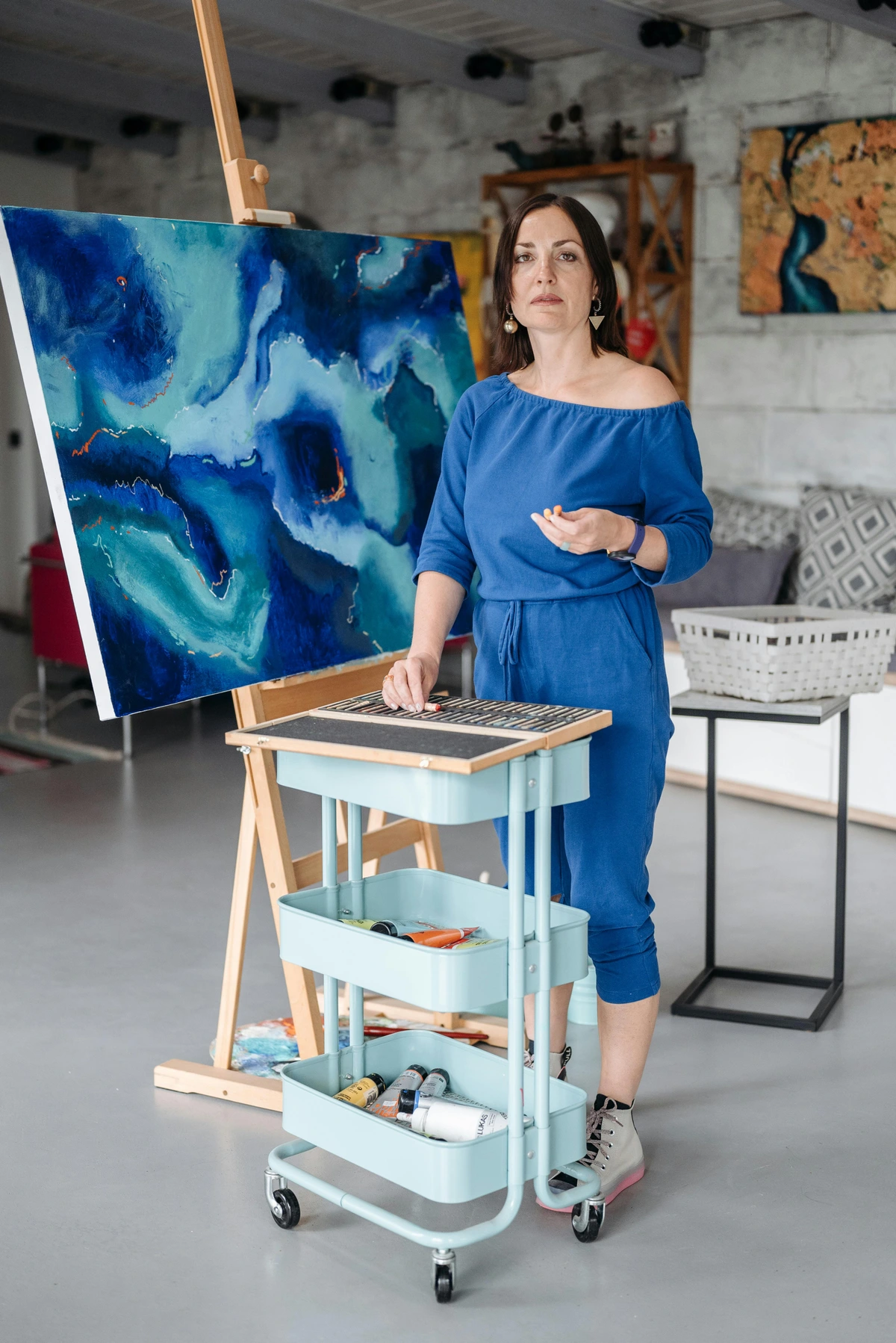
Handling and Storage: Best Practices for Unframed Works
Even before framing, proper handling and storage are paramount. When handling unframed prints, always use clean, white cotton gloves. The natural oils and acids from your skin can leave invisible but permanent marks or damage the paper over time, especially on delicate or uncoated surfaces, creating irreparable blemishes. Always hold prints by the edges, or better yet, support them with a clean, rigid archival board, minimizing any direct contact with the artwork's surface.
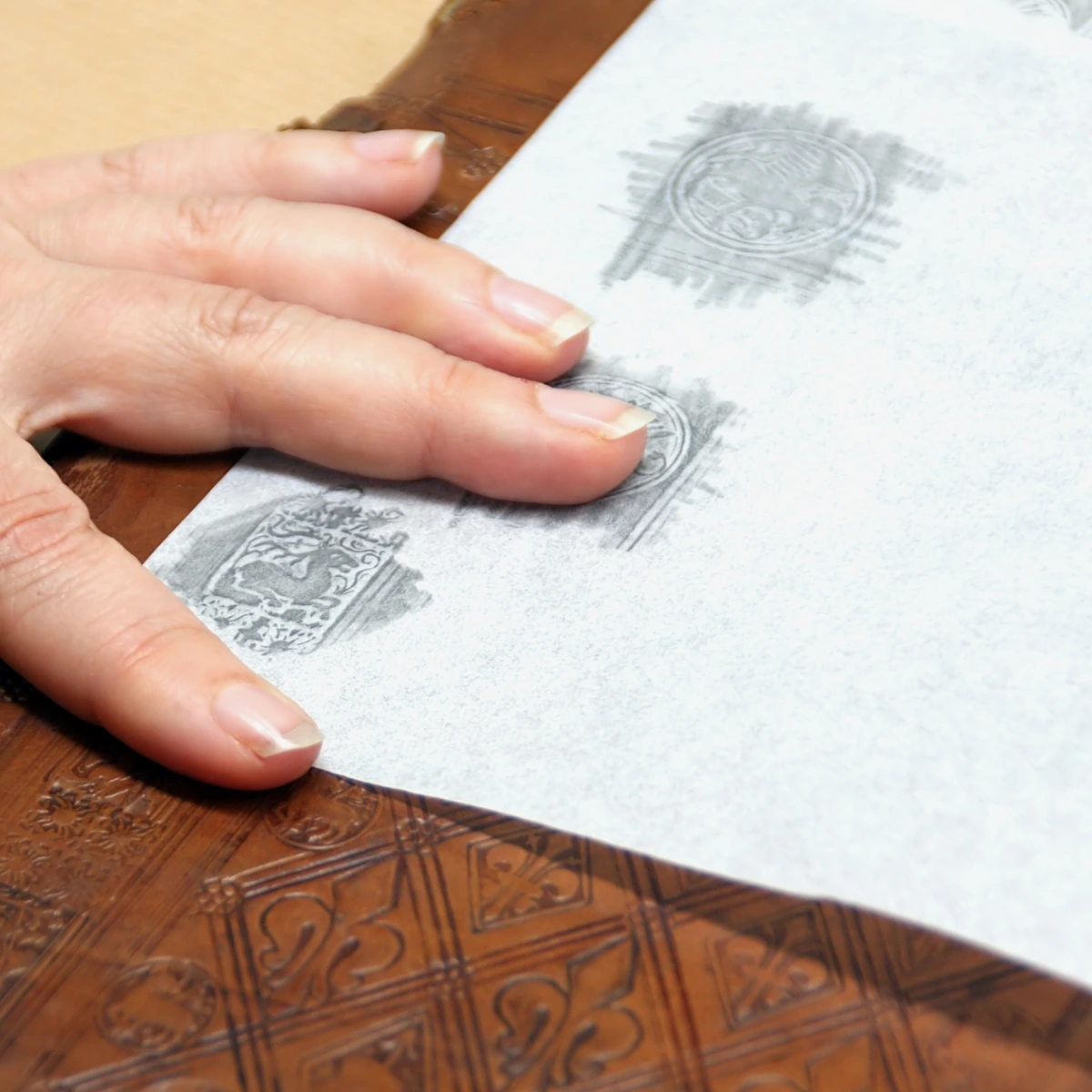
For storage, unframed prints should always be stored flat in acid-free portfolios, archival flat files, or museum-quality storage boxes. Each print should be individually interleafed with acid-free tissue paper or polyester film (Mylar) to prevent abrasion and ink transfer, creating a protective layer between prints. Never roll prints for long-term storage, as this can cause irreversible damage and creasing, permanently altering the paper's memory and making it almost impossible to flatten without professional intervention. If you have a growing collection, proper art storage solutions become essential, ensuring your investment is protected. For more on keeping your art safe and sound, I've looked at various art storage solutions for collectors previously, detailing options from custom shelving to climate-controlled facilities. The goal is to minimize physical stress and environmental exposure, providing a stable sanctuary for your collection.
When to Call in the Pros: Appraisals, Authentication, and Expert Opinions
Sometimes, your own meticulous detective skills reach their limit, or you simply need a legally defensible or definitive professional opinion. This is where art appraisers and authenticators become indispensable allies, a bit like calling in the art world's top detectives. They are the specialists who can provide formal monetary valuations or definitively verify the genuine nature of a print, offering crucial peace of mind, protecting your investments, or providing vital information for insurance, sales, or estate planning. Knowing when to engage these experts is part of being a truly informed and responsible collector. Think of them as the high-level consultants for your art journey, providing a depth of knowledge and a professional assessment that even the most diligent DIY research simply can't match. It’s about leveraging specialized expertise for critical decisions.
Art Conservators: When to Seek Professional Help
While your diligent care can prevent most damage, accidents happen, and prints can suffer from age, environmental factors, or unfortunate mishaps. This is where art conservators become indispensable. A conservator is a highly specialized professional trained in the scientific principles and ethical practices of preserving and restoring artworks. They are not framers or casual repair persons; they possess advanced degrees and expertise in material science, art history, and restoration techniques for various mediums, particularly paper. If your print is torn, has mold growth, acid burn, severe discoloration, or any significant damage, a conservator is the only person you should ever consult. I cannot emphasize this enough: attempting DIY repairs, no matter how well-intentioned, almost always causes irreversible damage, permanently devaluing the print and making professional restoration more difficult and expensive later. Their goal is to stabilize the artwork, mitigate further degradation, and, if appropriate, reverse damage using reversible, museum-standard methods, always prioritizing the long-term integrity of the piece. It’s an investment, yes, but for a truly valuable piece, it’s the only path to long-term preservation and maintaining its historical authenticity.
What is an Art Appraisal? Beyond a Simple Valuation
So, what exactly is an art appraisal? An art appraisal is a formal, meticulously researched assessment of an artwork's monetary value, presented in a structured, legally defensible document. This isn't just an educated guess; it's a professional determination based on a comprehensive analysis of current market conditions, verified provenance, the artwork's physical condition, its rarity, the specific printmaking technique, and the artist's standing and market history. Reputable appraisers adhere to strict ethical guidelines and professional standards established by organizations in the field, ensuring impartiality and expertise, much like any other highly specialized profession. For a deeper dive, I've previously explored understanding art appraisals: what every collector needs to know.
You might need an appraisal for several critical reasons, and understanding when to get one can save you significant headaches (and potentially money!). For a comprehensive look, I've previously written about understanding art appraisals: what every collector needs to know.
Here are some of the most common scenarios where a formal appraisal is indispensable:
- Insurance: To ensure your collection is adequately covered against loss, damage, or theft. An up-to-date appraisal is vital for proper coverage, as market values fluctuate.
- Sales: To determine a fair market value if you plan to sell a piece, ensuring you are neither underselling nor overpricing in a complex market.
- Donation: For tax purposes if you donate art to a non-profit institution, requiring a qualified appraisal for IRS substantiation.
- Estate Planning: To accurately value art as part of an inheritance, facilitating equitable distribution among heirs and minimizing disputes.
- Gifting: For tax implications when gifting art during your lifetime, ensuring compliance and accurate reporting.
- Damage Claim: To assess the loss in value due to damage, for insurance claims or legal disputes, providing objective evidence.
An appraisal provides a clear, defensible statement of value for a specific purpose and date, making it an indispensable tool for serious collectors and a critical part of art asset management.
How to Find a Reputable Appraiser
Finding the right appraiser is crucial. Look for professionals who are members of recognized professional organizations, such as the Appraisers Association of America (AAA), the American Society of Appraisers (ASA), or the International Society of Appraisers (ISA). These affiliations indicate they meet specific educational, experience, and rigorous ethical standards, signifying a commitment to the profession. Always ask for references, review their professional certifications, and ensure they specialize in prints or the specific era/style of your artwork, as expertise in this niche is vital for an accurate valuation. A generalist might miss crucial details that a print specialist would catch, potentially leading to an inaccurate or undervalued appraisal. When you're interviewing potential appraisers, here are a few key questions I always recommend asking to ensure you find the perfect fit for your collection:
- "What is your experience with print appraisals, specifically for [artist/era/technique]?"
- "Are you a member of a recognized professional appraisal organization (e.g., AAA, ASA, ISA)?"
- "Can you provide examples of appraisals you've conducted for similar works?" (Client names redacted, of course).
- "What is your fee structure, and what is included in the appraisal report?"
- "How do you stay current with market values for prints?"
Asking these questions upfront will help you find the right expert and ensure you receive a thorough, defensible valuation.
Authentication vs. Appraisal: Confirming Identity vs. Confirming Value
While seemingly related, authentication is distinct from, and often a prerequisite for, an appraisal. An authenticator's job is to definitively confirm whether an artwork is genuine – created by the artist it is attributed to – or if it is a forgery, a misattribution, or a reproduction. This often involves intensive forensic analysis of materials (paper, ink, pigments), deep knowledge of an artist's oeuvre, signature analysis, and stylistic nuances, sometimes even involving scientific dating methods. For instance, they might use spectroscopy to analyze ink composition, revealing if the pigments used were even available during the artist's lifetime, or examine paper fibers under a microscope to confirm its age and origin. Authentication is a crucial and often costly step if there's any doubt about a print's originality, especially for higher-value pieces or works by frequently faked artists. Think of it as proving paternity before discussing inheritance – you need to know who created it before you can discuss how much it's worth. Only once an artwork's authenticity is confirmed can a meaningful appraisal of its monetary value be conducted. This step, while often resource-intensive, is indispensable for works where the artist's identity or the work's origin is in question, and forms the bedrock upon which any subsequent valuation rests. It's the ultimate due diligence, protecting your investment from costly errors.
The Art of Maintenance: Cleaning and Minor Repair Considerations
While serious restoration should always be left to professional conservators (and I mean always, please refer to the "Art Conservators" section above – don't try to be a hero with a damaged print, you'll almost certainly regret it!), understanding basic, safe maintenance can prevent further damage and keep your prints looking their best. A little proactive care goes a long way in preserving their beauty and value, much like a regular check-up for your own health.
- Dusting: Gently dust framed prints with a soft, clean, dry cloth. Never use harsh cleaners directly on the glass, as liquids can seep under the frame and damage the artwork. Spray cleaner onto a cloth first, away from the frame edge, to avoid seepage, protecting the delicate print within. Regular, gentle dusting is a simple yet effective preventative measure.
- Avoid DIY Repairs: Seriously, resist the urge. I know it's tempting, but do not tape tears, flatten creases with an iron, or attempt to clean mold yourself. These well-intentioned actions almost always cause irreversible damage, permanently devaluing the print, and making professional restoration more difficult and expensive later. Always consult a professional paper conservator for any repairs, no matter how minor they seem. Their specialized knowledge and tools are indispensable, and attempting to 'fix' it yourself is almost always a path to greater damage.
- Environmental Monitoring: Consider investing in a simple humidity and temperature monitor (a hygrometer/thermometer) for your primary display and storage areas. Better yet, consider a small data logger that can record conditions over time, giving you a clearer picture of stability. Knowing your environment's conditions (aim for 50-55% RH and 68-72°F) can help you proactively prevent damage before it becomes visible, giving you early warning signs of potential problems. Consistent conditions are crucial, as I discussed in my guide to art storage solutions for collectors, creating an optimal microclimate for your art.
Understanding Different Paper Types in Printmaking
The paper itself is an integral part of the print and its value, often chosen by the artist or master printer to complement the image. It's not just a surface; it's a component of the artwork. Here are some common types you'll encounter, each with its own characteristics and history:
- Rag Paper: Made from 100% cotton fibers (or sometimes linen), these are inherently archival, acid-free, and incredibly durable, designed to last for centuries without degradation. They are highly prized for fine art prints due to their longevity, beautiful texture, and ability to hold intricate details. If you see "100% cotton rag" on documentation, you know you're dealing with a premium, museum-grade material.
- Wove Paper: A smooth, untextured paper, often used for etchings and engravings where fine detail is paramount. It lacks the distinctive laid lines of other papers, offering a uniform surface that doesn't interfere with the image, allowing the artwork itself to be the sole focus.
- Laid Paper: Characterized by faint parallel lines (wire lines) and perpendicular lines (chain lines) visible when held to light. This texture is a result of the historic papermaking process using a wire mesh mold and is common in older prints, giving them a distinct historical feel and often aiding in dating the artwork.
- Japanese Paper (Washi): These are exquisite, hand-made papers known for their exceptional strength, surprising thinness, and often subtle translucency. Made from various plant fibers (kozo, gampi, mitsumata), they are excellent for delicate prints and conservation work, offering a unique tactile and visual quality that can be incredibly beautiful.
- Vellum: Traditionally made from treated animal skin, modern "plant-based" vellum is often a heavy, translucent paper. While not a common substrate for contemporary prints, historical prints on vellum can be found and are prized for their unique surface and exceptional durability, often giving a parchment-like feel.
- Chine-collé: This isn't a paper type itself, but a technique where a thin sheet of delicate paper (often Japanese paper) is adhered to a heavier, more stable backing paper during the printing process. This allows the artist to print on a surface that accepts fine detail while providing the structural integrity of a thicker paper, often creating beautiful tonal and textural contrasts. It's a testament to the subtleties and artistry of printmaking, adding a layer of visual and tactile complexity.
- Photo Rag: A popular choice for modern digital fine art prints (giclées). Photo rag papers are 100% cotton, acid-free, and designed to offer exceptional color reproduction, deep blacks, and a wide tonal range. They often have a smooth, matte surface that perfectly absorbs pigment inks, creating stunning, vibrant images with a luxurious, tactile feel, very different from the glossy surfaces of mass-produced photo prints. They represent the pinnacle of digital print media.
Frequently Asked Questions (The Stuff You're Googling at 2 AM) – And What I've Learned
I get it. Collecting art, especially prints, can bring up a lot of questions. Here are some of the things I've learned, and the questions I often hear (or Google myself!).
What's the difference between a fine art print and a poster?
This is a fundamental question, and one I get asked all the time! In short: a fine art print is an original work of art, created by the artist in a limited edition using specialized printmaking techniques (like an etching, woodcut, or giclée) and archival materials. It’s about direct artistic involvement and intentional scarcity. A poster, on the other hand, is a mass-produced reproduction of an image, typically made with commercial offset lithography. The key differences lie in artist involvement, intent, scarcity, and material quality, all of which directly impact its value and longevity. For a full breakdown, and a handy comparison table, check out the "First Things First: What Are We Even Talking About? Demystifying the Print World" section above.
What is an Open Edition vs. Limited Edition Print?
This is a critical distinction for collectors that can significantly impact a print's value! A limited edition print is produced in a fixed, predetermined number of impressions, decided by the artist or publisher before printing begins. Once that number is reached, no more prints are made from that matrix, ensuring scarcity and contributing to its value. A open edition print, conversely, has no predetermined limit on the number of impressions that can be made. They can be printed indefinitely, which means they lack the inherent scarcity of a limited edition and, consequently, hold little to no investment or resale value in the fine art market. They are primarily decorative. I dive deeper into this in my section on "Decoding the Numbers Game (Edition Marks)."
Is art from stores like IKEA or HomeGoods worthless in terms of investment?
In terms of monetary value and investment potential on the secondary art market, yes, it's generally considered to have no resale value. Its value is purely decorative and personal. And look, there's absolutely nothing wrong with buying art you genuinely love for your home from these stores; I've done it myself for pieces that just felt right. Just understand you're buying decor, not an investment. The joy it brings you, how it makes your space feel, and the connection you have to it – that is its real, immeasurable value, and sometimes that's all that matters. But don't expect it to fund your retirement, or to appreciate over time like a limited-edition fine art print might. It's simply a different category of acquisition.
How Does the Size of an Edition Impact Value?
Generally speaking, the smaller the edition size (the second number in the fraction, like 100 in "25/100"), the more valuable and collectible each individual print tends to be. Rarity is a key driver of value in the art market, it's a simple economic principle of supply and demand. An edition of 25 will almost always command a higher price per print than an edition of 500 by the same artist and subject, assuming all other factors (condition, quality, demand) are equal. This is why you see smaller editions for highly sought-after artists or for printmaking techniques where the matrix degrades quickly (like drypoint), making those editions inherently limited by the process itself.
Can a mass-produced print be signed by the artist?
Yes, sometimes, but it’s crucial to understand the distinction. An artist might sign a poster or a mass-produced reproduction at an event, like a book signing or exhibition opening. This is often called "signed in person." It certainly adds a little bit of sentimental value to that specific poster and makes it a unique souvenir for the owner. However, it doesn't fundamentally change the fact that the print itself is a mass-produced reproduction, and typically, it doesn't add significant monetary value in the fine art market. The method of original production – limited edition, artist's direct involvement in the printing, and archival materials – remains the key differentiator for collectible value, not just a signature on a mass-produced item. Always refer to "The Signature Sleuthing" section for more detail on what constitutes a truly authentic artist's signature on a fine art print.
What is a 'State' of a Print?
In printmaking, a "state" refers to a different stage in the development of a print. Artists often make changes to the matrix (the plate, block, or screen) during the creative process, and each distinct modification results in a new "state" of the print. These changes can be minor, like adding a few lines or a touch of texture, or quite significant, such as a complete re-working of an area. Each state can offer unique insights into the artist's working method and evolution of an image, almost like a visual diary of their creative process. Collectors sometimes seek out different states for their rarity and the story they tell about the artwork's creation, often valuing earlier states or states with significant artistic changes as they provide a deeper connection to the artist's hand.
What exactly does "offset lithograph" mean in simple terms?
In simple terms, an offset lithograph is a commercial printing technique where the inked image is transferred (or "offset") from a metal plate to a rubber blanket, and then from the blanket to the paper. This indirect transfer method is highly efficient for high-volume, large-scale production, making it incredibly cost-effective. It's the standard for printing magazines, books, and mass-market posters. Its defining characteristic, as discussed in "The Dot Matrix Giveaway" section, is the tiny CMYK (cyan, magenta, yellow, black) dot pattern – the Rosette pattern – visible under magnification, revealing its mechanical, industrial origins. This is the key visual cue that distinguishes it from a true fine art print.
What is an Artist's Proof (AP or E.A.) and why is it special?
An Artist's Proof (marked "A.P." or "E.A." for Épreuve d'Artiste) is a print that is identical in quality to the numbered edition but is retained by the artist for their personal use, records, or to gift. These typically make up a small percentage (10-15%) of the total edition size. They are signed and marked distinctly from the main numbered run and are generally considered as valuable as – and sometimes even more desirable than – the prints in the main numbered edition because of their direct connection to the artist's personal collection. It's a stamp of the artist's personal approval and ownership, often carrying a unique cachet. See "Decoding the Numbers Game" for more on edition marks.
How do I best protect my fine art print from fading and damage?
Protecting your print involves a multi-pronged approach, a vigilant defense against environmental aggressors: mitigate light exposure (especially UV light) with UV-filtering glass and avoid direct sunlight; maintain stable humidity and temperature (ideally 50-55% RH and 68-72°F) to prevent warping and mold; and use only acid-free archival materials for all framing and storage components to prevent acid burn and brittleness. For comprehensive guidelines, refer to the entire "Preserving Your Precious Prints" section above, as this is critical for long-term preservation and value retention.
Can digital prints be considered fine art, or are they just glorified posters?
Absolutely, but with a critical distinction that I cannot stress enough. A mass-produced digital print on standard paper is, without question, a poster. However, a fine art digital print, commonly known as a giclée, is a legitimate contemporary printmaking technique. These are produced using sophisticated, high-quality inkjet printers, archival pigment-based inks, and acid-free, museum-grade papers or canvases, under the direct supervision and artistic intent of the artist, often in limited, signed, and numbered editions. The artist's deliberate involvement, archival quality, and limited edition status are what elevate a giclée to fine art, making it a valuable addition to any collection. You can find more details in the "Digital Printmaking (Giclée): The Modern Evolution" section.
Can Prints Be Restored?
Yes, prints can often be restored, but this is absolutely a job for a qualified professional art conservator, not a DIY project! I cannot emphasize this enough: do not attempt to repair a valuable print yourself. Conservators specialize in the delicate art of paper restoration, using reversible, museum-standard techniques to address issues like tears, creases, foxing (mold spots), acid burn, and discoloration. They can carefully clean, repair, and stabilize a damaged print, often dramatically improving its appearance and prolonging its life while maintaining its historical integrity. However, restoration can be costly, and the extent of repairable damage varies. It's an investment, but for valuable prints, it's often essential to maintain their integrity and value. Please refer to my "Art Conservators" section for more details on when and how to seek professional help.
What is provenance in art, and why is it so important?
Provenance is the documented history of an artwork's ownership, its "biography" from the moment it left the artist's studio. A strong, verifiable provenance is absolutely crucial for establishing authenticity, confirming legal ownership, and significantly increasing its monetary value and desirability. It helps confirm an artwork isn't stolen, faked, or subject to ownership disputes, providing a transparent and verifiable lineage. For serious collectors, clear provenance is non-negotiable, acting as a historical roadmap and a safeguard for their investment, offering peace of mind and protecting against illicit trade. You can delve deeper into this in "Provenance and History: The Artwork's Biography" above.
Where can I get my print professionally appraised?
You should always seek a professional art appraiser accredited by recognized organizations like the Appraisers Association of America (AAA), the American Society of Appraisers (ASA), or the International Society of Appraisers (ISA). These bodies ensure rigorous standards of education, experience, and ethics. Crucially, ensure your appraiser specializes in prints or your artwork's specific era/style for an accurate valuation, as printmaking is a complex field. Always ask for credentials, references, and a clear fee structure before engaging their services. For a more detailed guide, see "How to Find a Reputable Appraiser" in the "When to Call in the Pros" section.
What's the Difference Between Original Fine Art and Fine Art Prints?
This is a nuanced but important distinction that often causes confusion! Original fine art typically refers to a unique, one-of-a-kind artwork (like a painting, a unique sculpture, or a singular drawing) where the artist's hand is directly responsible for the singular creation, making it inherently unique. A fine art print, while also an original work of art, is inherently designed to be produced in multiples (an edition) from a single matrix (e.g., an etching plate, a lithography stone, or a screen). The artist is still deeply involved in its creation and approves each impression, making it an original artwork within the medium of printmaking. So, while a print isn't a unique drawing or painting, it is an original work of art within its specific medium, possessing its own unique artistic and market value, distinct from a mass-produced reproduction. Think of a musical composition: the score is the original, but each performance by a skilled musician is also an original interpretation. The fine art print is an original 'performance' of the matrix, approved by the artist themselves.
What is a "chop mark" on a print?
A chop mark is an embossed (blind, un-inked) or ink-stamped impression on a print that serves as a unique identifier for the artist, publisher, or print studio. It's a hallmark of quality and authenticity, often used in addition to or instead of a signature, especially in historical printmaking or certain cultural traditions where it functions as a seal of approval. It's a tactile signature of the maker, confirming the print's origin and often its quality.
How do I care for unframed prints?
Unframed prints should always be handled with clean, white cotton gloves, stored flat in acid-free portfolios or archival flat files, and individually interleafed with acid-free tissue or Mylar to prevent abrasion and ink transfer. Avoid rolling them for long-term storage, as this can cause permanent damage, creasing, and distortion. Keep them in a dark, stable environment away from light, humidity, and temperature fluctuations, effectively creating a controlled microclimate. For more details, refer to "Handling and Storage: Best Practices for Unframed Works."
What are the most common causes of damage to prints?
The most common causes of damage to prints are prolonged exposure to light (especially UV, leading to irreversible fading and discoloration), fluctuating humidity and temperature (causing warping, buckling, cockling, and unsightly mold), and contact with acidic materials (leading to yellowing, embrittlement, and the tell-tale "acid burn" marks). Improper handling (e.g., touching with bare hands, folding, rolling, creasing) and pest infestations (like silverfish or booklice) are also significant threats. Prevention through meticulous proper framing and storage is not just recommended, it's absolutely crucial for safeguarding your collection.
Your Eye is Your Best Tool, Always.
Ultimately, after all the magnifying glasses, paper-touching, and detailed research, the best tool you have is your own eye and your own intuition. The more art you look at—in museums, in galleries, at art fairs, and yes, even online—the more you'll start to develop a feel for quality, for the subtle nuances of technique, and for the genuine article. You'll begin to recognize the deep, rich colors of archival inks, the tangible texture of good paper, and the deliberate hand of an artist. It’s an ongoing education, a muscle you build with experience, much like any craft. This is your personal journey of connoisseurship, and it only gets richer with time.
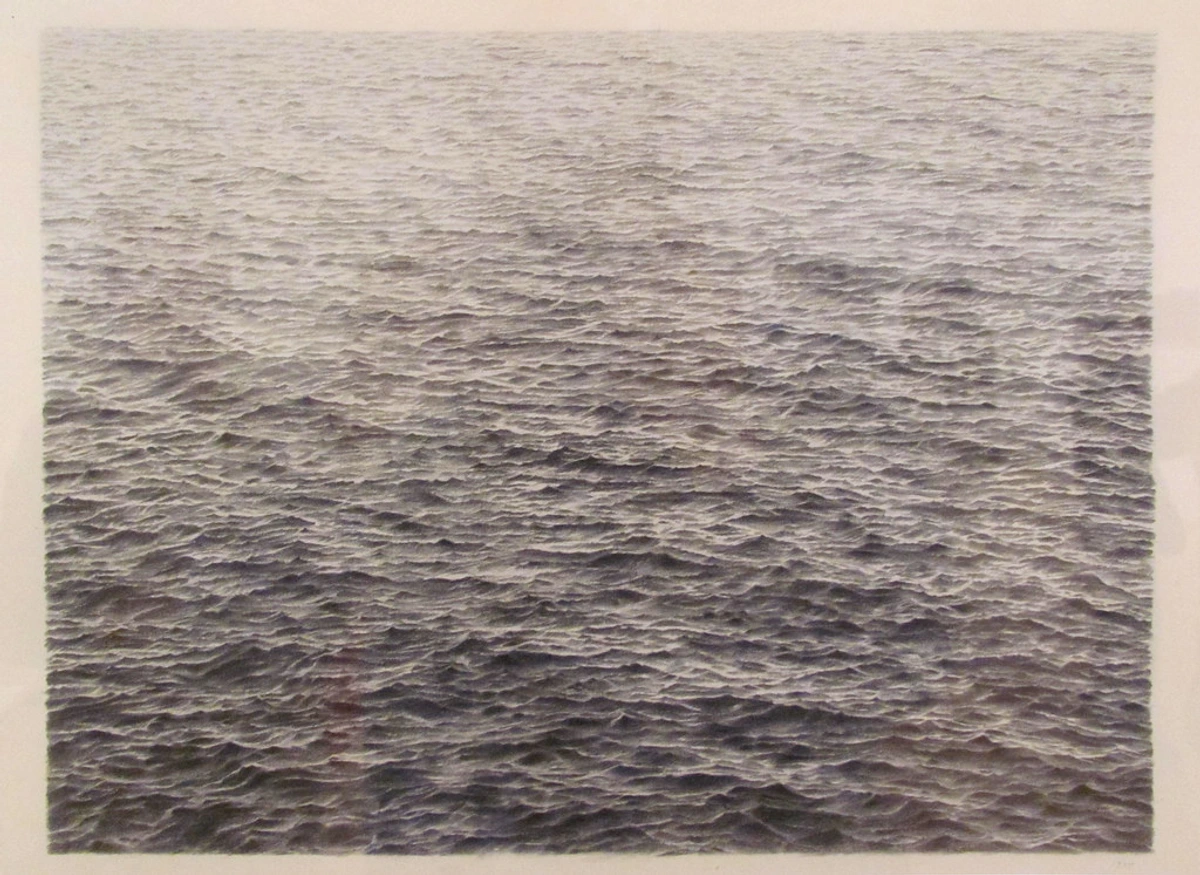







Don't be afraid to ask questions. A reputable gallery, artist, or dealer will always be happy to talk about their process, the provenance of a piece, and the techniques used. If they hesitate or can't provide clear answers, that's your cue to be cautious – it's often a sign that something isn't quite right. The journey of collecting art is a lifelong learning process, and every piece you examine, whether it’s a priceless original, a limited-edition fine art print, or a humble museum poster that just makes you smile, teaches you something new. And that, in itself, is incredibly valuable. It’s about building a collection that resonates with you, one informed by knowledge and passion, a collection that tells your story as much as the art's. If you're looking to start your own collection with authentic, artist-made work that speaks to you, you can always see what I have available to buy – pieces created with intent, passion, and the very principles we've discussed in mind.