
Your First Museum Visit: The Ultimate Stress-Free Guide to Art & Culture
Overcome museum jitters with our ultimate guide! Learn to pick your adventure, master etiquette, truly 'see' art, navigate contemporary spaces, and beat fatigue for a fun, accessible, and deeply personal cultural experience. Includes expert tips, comprehensive FAQs, and a focus on making art appreciation accessible to all.

Your First Museum Visit: The Ultimate Stress-Free Guide to Art and Culture Experiences
Let's be honest: the idea of stepping into a museum or an art gallery for the first time can feel incredibly daunting, can't it? I remember my first solo museum trip – the hushed whispers, the echoing grand halls, the subtle scent of old wood and polish – and I was absolutely terrified. My brain felt suddenly only capable of registering 'Do Not Touch' signs and the hushed 'shush' sounds of others. This quiet, magnificent place, filled with "Important Things," felt like a test you were somehow supposed to understand. I spent an hour wandering around feeling like I'd forgotten how to read in a library, the reverence of others only amplifying my self-consciousness. I was so worried about doing it 'wrong' that I barely looked at the art. If you've ever found yourself searching for 'how to visit a museum without feeling awkward' or 'tips for your first art gallery visit,' take a deep breath; you're definitely not alone. I've been there, thinking everyone else knew some secret handshake I'd missed.
So, if that's where you are right now, let me tell you a big, liberating secret: there is no 'wrong' way to visit a museum. It's not a test you can fail. It's an experience, and ultimately, it's supposed to be for you. That personal connection, that spark of curiosity, that moment of wonder – that's the whole point. Engaging with art and culture isn't just about knowledge; it's a powerful tool for stress reduction, enhanced creativity, and broadening your perspective on the world. By stepping into these spaces, you're not just observing; you're actively engaging different parts of your brain, fostering mindfulness, and encountering novel stimuli that spark new ideas and connections. This guide is designed to demystify the entire process, making it not just bearable, but genuinely fun and accessible for everyone. Whether you're exploring ancient artifacts, getting lost in grand paintings, or puzzling over mind-bending contemporary installations, I'll walk you through how to enjoy a museum or gallery for the first time without feeling dumb, overwhelmed, or out of place. This isn't just emotional reassurance; it's a practical roadmap to unlocking an incredible experience, a celebration of human creativity, and a journey of discovery that can enrich your life in profound ways.
The "Before You Go" Checklist That Actually Helps
Good experiences rarely happen by accident. A little bit of prep – and I mean a little bit, we're not planning a military operation here – can make all the difference between a stressful ordeal and a truly enjoyable outing. Trust me on this one; a few minutes now can save you an hour of frantic Googling later, and that preparation is key to unlocking genuine enjoyment.
Getting Your Bearings: Museums vs. Galleries (A Quick Clarification)
Before we dive into picking your adventure, let's quickly clarify a common distinction that might matter for getting a feel for the atmosphere.
A museum typically houses extensive, often permanent, collections. These are usually non-profit institutions focused on preservation, research, and public education, spanning historical periods, cultures, or scientific disciplines. Think grand institutions preserving heritage, like the Rijksmuseum in Amsterdam. You're mostly a visitor and learner here, and the collections often emphasize historical or cultural significance with a broader curatorial vision. Museums acquire art through donations, purchases, and bequests, focusing on long-term stewardship and comprehensive storytelling. Their exhibition pedagogy often aims to educate a broad public audience, and they hold invaluable cultural artifacts that require strict environmental control for art conservation.

An art gallery, especially a commercial one, often focuses on showcasing and selling art from living artists or specific movements. They tend to have a more fluid, frequently changing roster of exhibitions. While both offer incredible experiences, galleries can sometimes feel more intimate and contemporary. They focus on representing specific artists and managing their careers, influencing the atmosphere and the types of artists represented. Their exhibition cycles are often faster, offering a constant stream of new art, and their curatorial approach might focus more on artistic trends, market viability, or the artist's progression. There’s no pressure to buy, of course, but it’s part of the environment.
Picking Your Adventure: More Than Just Art
First things first: not all museums are giant, echoing halls of Renaissance paintings (though those are great too!). The world of cultural institutions is incredibly diverse. Historically, museums evolved from private collections of curiosities, often known as "cabinets of wonder" during the Renaissance, into public institutions during the Enlightenment era. This shift democratized access to knowledge and art, transforming them into centers for education and preservation. Today, you might be surprised by what's out there! Start with something you're already curious about or that aligns with an existing interest. You don't need a PhD in art history to appreciate a splash of color or a compelling story. If you feel like a giant stapler looks like a giant stapler, then congratulations, you're already an art critic!
Here are some common types to consider for your first visit:
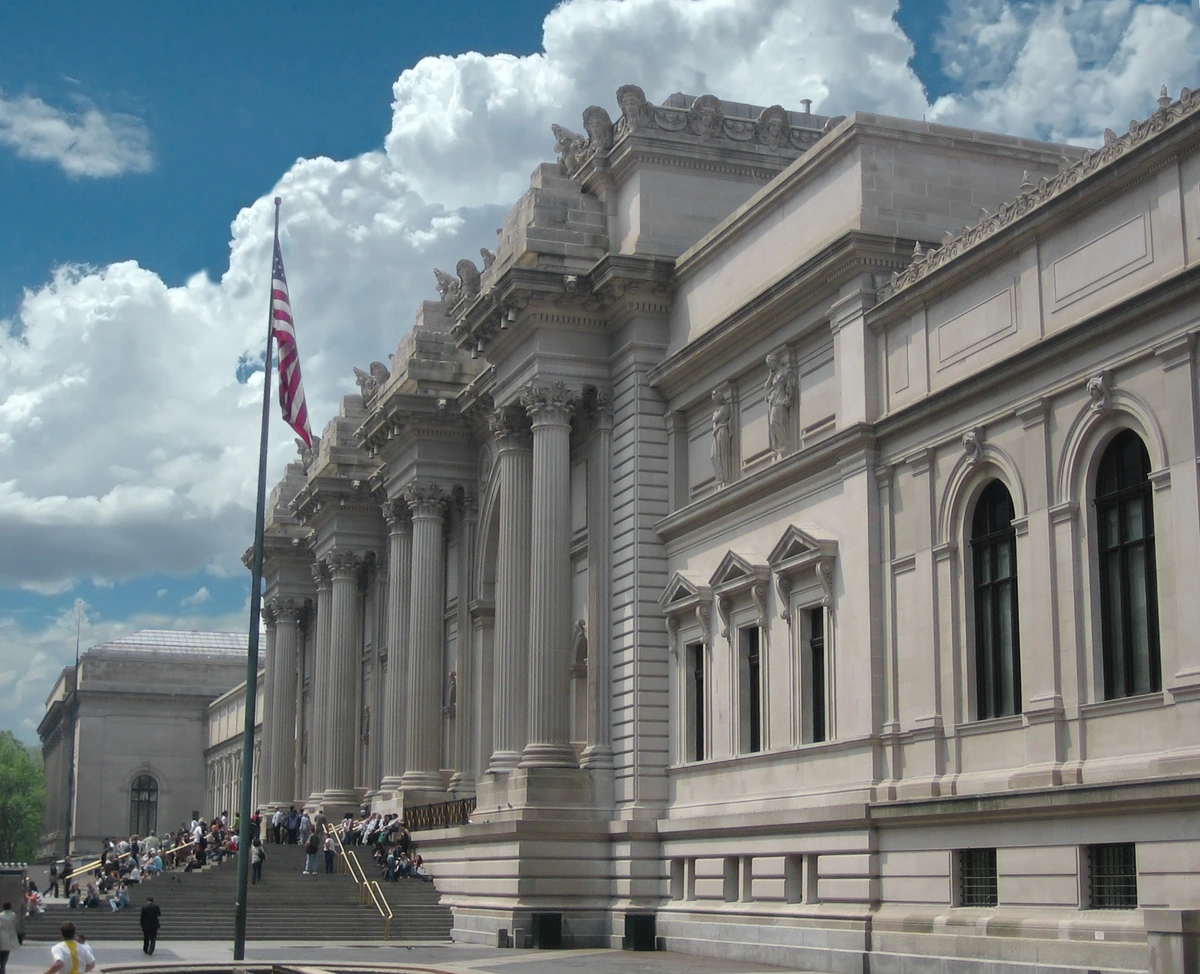
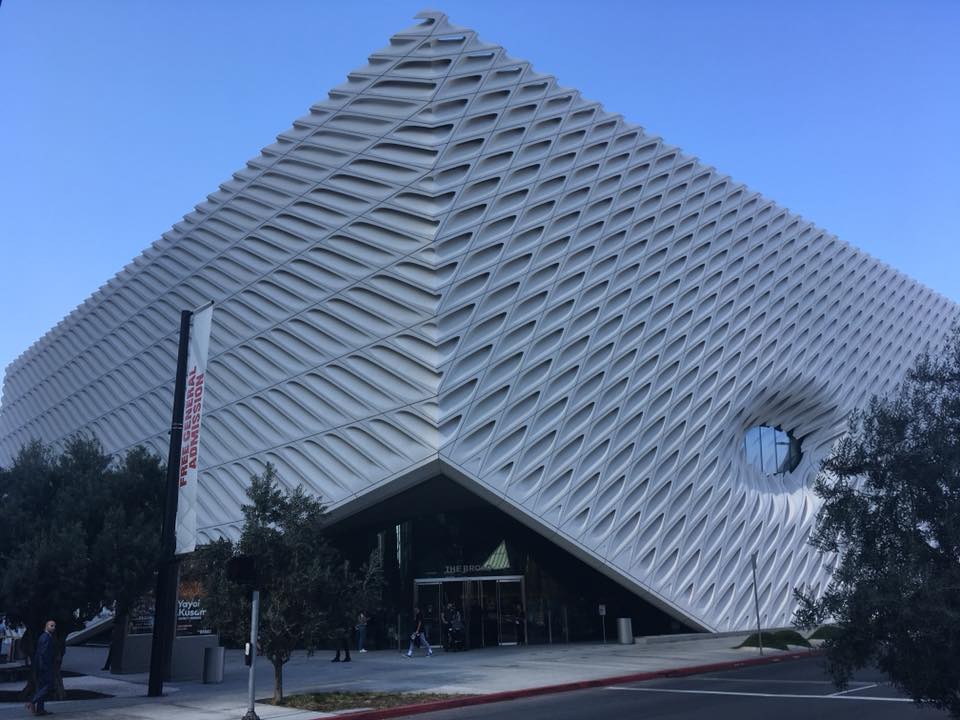
- Art Museums & Galleries: These are often what people picture first. They house painting, sculpture, photography, and other visual arts. From encyclopedic collections spanning millennia to focused contemporary showcases, there's an immense range. Think The Met in New York for vast historical sweeps and diverse collections, a single-artist institution like the Van Gogh Museum for an intimate deep dive, or the Guggenheim Museum New York for groundbreaking architecture and modern marvels. Don't feel pressured to start with the Louvre just because it's famous. Find what sparks your interest.
- Natural History Museums: These are fantastic for science lovers, featuring colossal dinosaur skeletons (the awe of seeing a T-Rex is unforgettable!), geological wonders, and exhibits on biodiversity. They're often very interactive and engaging.
- Science & Technology Museums: Expect hands-on exhibits, planetariums, and displays explaining scientific principles and technological advancements. Great for curious minds of all ages.
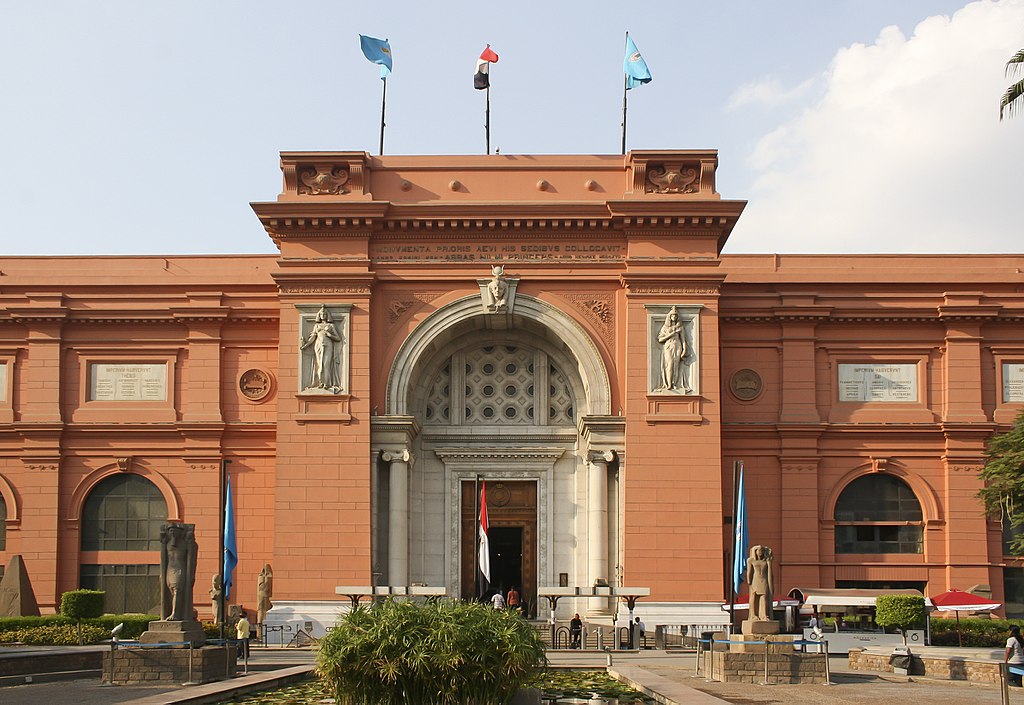
- History & Cultural Museums: These focus on specific periods, civilizations, or cultural groups, often using artifacts, documents, and interactive displays to tell a story. Artifacts here are not just objects but direct links to past lives, beliefs, and societies, offering a unique form of storytelling. The Egyptian Museum in Cairo is a prime example of a deep dive into ancient civilization, while the Edo-Tokyo Museum (Japan) offers a fascinating look at urban history and traditional life.
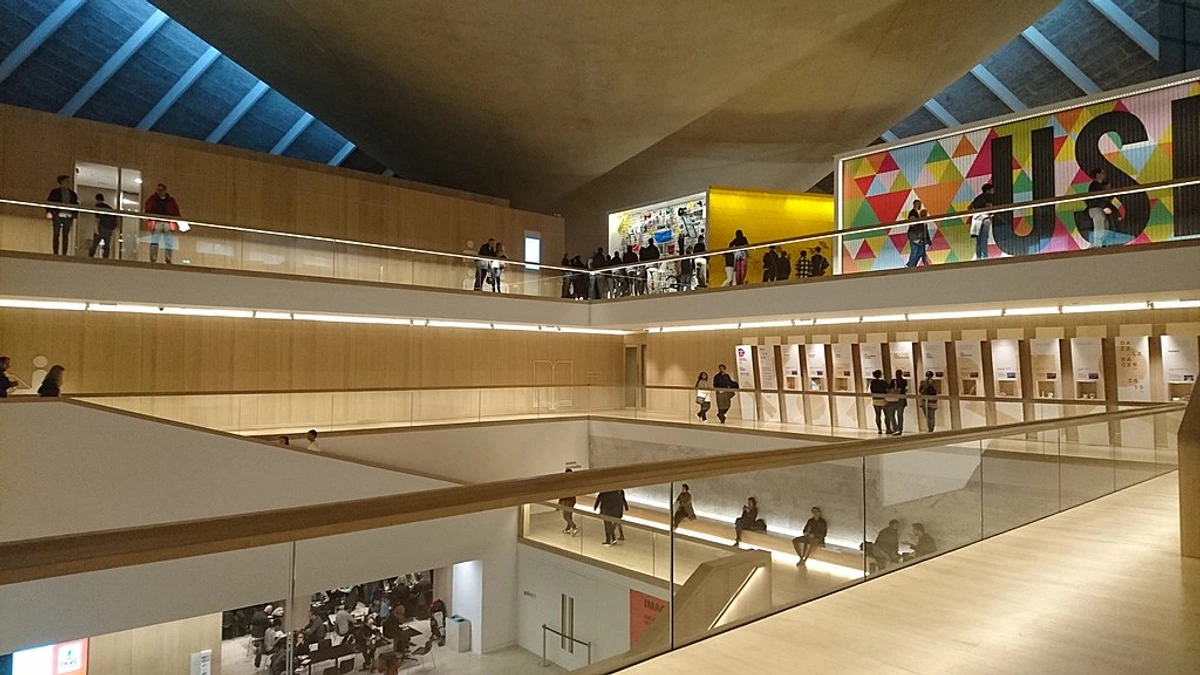
- Specialized Museums: These narrow their focus considerably – a single artist, a specific craft, a mode of transport (like an aviation museum), or even a particular historical event. You can find everything from maritime museums to quirkier ones dedicated to things like salt and pepper shakers or even the Museum of Bad Art (MOBA)! The Prado Museum for Spanish masters offers an unparalleled dive into a specific national artistic heritage, while the Cooper Hewitt, Smithsonian Design Museum, offers a deep look into design.
- House Museums: Offering a glimpse into a historical figure's life or a specific period, such as a preserved artist's home.
- Outdoor Sculpture Parks: Like Storm King Art Center, these blend art with nature, offering a unique, often expansive, and different sensory viewing experience. I find these particularly refreshing!
- Open-Air / Living History Museums: These immerse you in a historical setting, often with reconstructed buildings and costumed interpreters, giving a tangible sense of the past.
Start with something that genuinely sparks your interest. Maybe it's a small local museum with quirky exhibits, or a science center that lets you press buttons. There's no wrong starting point.
The Ticket Situation: Your Gateway to Art (and Avoiding Lines)
Once you've chosen your destination, let's tackle the practicalities of getting in. Gone are the days of always waiting in a massive line, often for nothing. Now, you have options, and knowing them can save you a huge headache. This is key for what to expect on your first museum visit. Timed entry, for instance, has become more prevalent not just for crowd management but also to enhance the visitor experience, reduce wear-and-tear on historical sites, and even aid in art conservation efforts by controlling environmental factors.
Ticket Method  | Pros | Cons | Best For |
|---|---|---|---|
| Buy Online Ahead | Skip the line, guaranteed entry, sometimes cheaper | Limits on spontaneous visits or flexibility, often timed entry, you're locked in | Planned visits, avoiding queues, guaranteed entry |
| Buy at the Door | Maximum flexibility, can decide last minute | Potential for long lines, risk of sell-outs, can be more expensive | Spontaneous decisions, last-minute changes |
| Look for Free Days/Hours | It's free! Great for budget-conscious explorers | Often incredibly crowded, can diminish the contemplative experience, specific availability | Budget-conscious individuals, but prepare for crowds |
| City Passes/Art Passes | Good value if visiting many sites, streamlines entry across venues | Only worth it if you're actively museum-hopping (check if you'll use it enough), initial high cost | Extensive museum-hopping, multi-attraction travel |
| Membership/Pass | Free entry, discounts, special access, often brings social perks | Initial cost, only worth it for frequent visits to that specific institution | Frequent visits to a specific institution, community involvement |
| Student/Senior/Family Discounts | Significant savings for eligible groups | Requires valid ID, not always available for all exhibits | Eligible individuals/groups, cost savings |
| Membership Reciprocal Programs | Access to multiple museums with one membership, often free entry | May have restrictions, requires active engagement/travel | Frequent visitors to multiple institutions (e.g., across cities) |
| Library/Community Passes | Often free or discounted entry through local institutions | Limited availability, may require booking in advance, residency proof | Local residents, budget-friendly cultural access |
| Donation-Based Entry | Pay what you can, supports the institution | May require specific days/times, can still be crowded | Accessible entry for all, supporting arts & culture |
| First Thursdays/Late Nights | Often special events, fewer crowds during the day | Can still be busy, specific hours, limited access to all exhibits | Evening visits, special programs, unique atmosphere |
| Timed Entry Tickets | Guarantees entry at a specific time, manages crowd flow | Requires advance planning, less flexibility, strict entry times | Planning ahead, avoiding peak crowds, popular exhibits |
| Special Exhibit Tickets | Access to unique, temporary displays | Often higher cost, timed entry, sell out quickly | Seeing specific, high-demand temporary shows |
| Early Bird Specials | Discounted tickets for advance purchase | Requires commitment, specific purchase window | Budget-conscious planners, guaranteed savings |
| Local Resident Discounts | Affordable access for community members | May require proof of address, limited to specific days/times | Community engagement, local exploration |
| Birthday Discounts/Free Entry | Special occasion access | Often requires proof of age, specific to the birthday, not widely offered | Celebrating special occasions |
| Community Day Passes | Offers free or reduced entry through local partnerships | Often requires proof of residency, limited availability | Local engagement, community access to culture |
| Student Volunteer Programs | Free entry for participating students, valuable experience | Requires commitment and time, competitive | Students seeking experience and access |
My advice for your first time? If possible, buy a ticket online for a specific day and time. It removes one major piece of stress right off the bat, letting you focus on the art itself rather than the logistics of getting through the door. I once winged it at a major museum and spent 45 minutes in line, completely draining my energy before I even saw a single painting. Never again!
What to Wear (Spoiler: It's Not a Tuxedo)
Comfort. That's it. That's the entire dress code. You're going to be on your feet for a while, potentially doing a lot of walking, so wear your absolute most comfortable shoes. Seriously, nobody is looking at your clothes; they're all busy looking at the art (or trying to look at the art over someone else's shoulder). Also, it's wise to check the museum's bag policy online – many larger museums have restrictions on backpack size and will require you to check them or store them in lockers. Ditching your heavy coat and bag at the coat check (most museums have one, and it's usually cheap!) will make your visit infinitely more comfortable, a small tip that pays huge dividends for avoiding museum fatigue. I learned this the hard way after carrying a massive tote bag through three floors, my shoulder aching by the end. Oh, and one more thing: remember to check for specific museum rules regarding food and drink; many prohibit them outside designated areas to protect the artworks. Lastly, be aware that museums often maintain strict climate control to preserve the artworks; wearing layers is a smart move, especially if you're visiting during seasonal temperature extremes outside or even if you just know you run hot or cold!
Have a Vague Plan, Not a Rigid Itinerary
This is arguably the most important piece of pre-visit advice. Don't go in planning to see all 35,000 objects on display. That's a recipe for burnout and disappointment. Instead, look at the museum map or website online and pick three things you absolutely, non-negotiably want to see. Maybe it's Van Gogh's Starry Night, the dinosaur skeletons, or a specific ancient Egyptian sarcophagus. Make those your anchors. Everything else you see is a bonus, a delightful serendipitous discovery. You might stumble upon a hidden gem, an artist's personal timeline you never knew existed, or a piece that simply catches your eye and sparks unexpected joy. It's like building a mental storyboard for your visit, with a few key scenes you want to capture, but leaving plenty of room for improvisation. For pacing, try this: aim to see one of your 'must-see' items, then spend about 15-20 minutes exploring the immediate surrounding area at a relaxed pace, then take a short break before moving on to your next anchor. This helps manage the mental load and physical exertion. You might also try focusing your exploration in a few key ways:
- Thematic Exploration:
- Dedicate a portion of time for aimless wandering: Frame this as "the joy of serendipity." Dedicate the last 20-30 minutes solely to exploring without a goal, allowing the museum to surprise you.
- Theme-based approach: If the museum has multiple wings or themes, pick one or two to focus on for a more cohesive experience.
- Narrative focus: Select artworks that seem to tell a story or depict a scene.
- Cultural significance focus: Pick artworks that seem to represent a particular culture, historical period, or social movement.
- Exhibition theme focus: If it's a special exhibition, select pieces that clearly relate to the overarching theme.
- Artistic Elements Focus:
- Material focus: Select artworks that prominently feature a particular material (e.g., wood, metal, glass, textiles).
- Compositional element focus: Pick artworks that strongly feature lines, shapes, or balance in an interesting way.
- Color palette focus: Suggest choosing artworks that strongly feature a particular color or color scheme that appeals to them.
- Light and shadow focus: Select artworks that utilize light and shadow in a particularly striking or narrative way.
- Technique focus: Choose artworks that showcase a specific artistic technique (e.g., impasto, chiaroscuro, pointillism).
- Personal Connection Focus:
- Time period focus: Choose artworks from a specific historical era or art movement that interests you.
- Artist biography focus: Choose artworks by artists whose life stories or backgrounds seem particularly interesting.
- Emotional resonance focus: Choose artworks that evoke a specific feeling, whether joy, melancholy, awe, or curiosity.
- Personal connection focus: Encourage selecting artworks that resonate with a personal experience, memory, or feeling.
- Symbolism focus: Look for artworks that seem to use symbols or allegories to convey deeper meanings.
Okay, You're Inside. Don't Panic.
With your preparation complete, it's time to step inside and embark on your museum adventure. You made it! You're through the doors. It might be loud and chaotic in the lobby, or it might be serenely quiet. Either way, here’s how to navigate the actual experience with grace and genuine enjoyment.
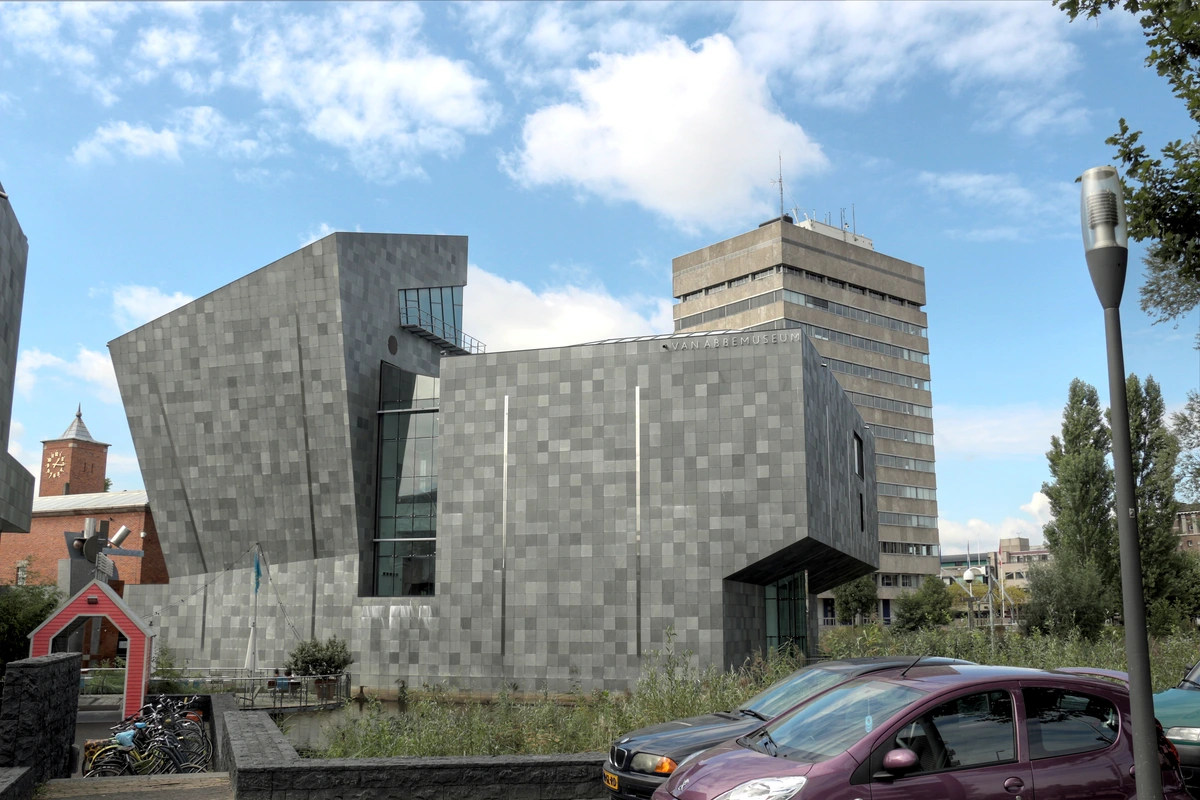
The Unspoken Rules of Engagement: Museum Etiquette 101
There are a few basic etiquette points, but they all boil down to one simple principle: be considerate of the art, the space, and the people around you. It's mostly common sense, but a quick reminder never hurts.
- Maintain a respectful distance:
- Don't touch the art. Ever. I know, it's tempting, especially with a beautiful sculpture, but the oils and dirt from your fingers can cause irreversible damage to surfaces over time. This is a crucial aspect of art conservation, a dedicated scientific and technical field where experts carefully control environmental factors like light, temperature, and humidity to preserve these invaluable pieces for centuries. Even a slight bump can cause damage, and believe me, it takes conservators years to undo such mistakes. The high value and historical significance of these objects also necessitate strict security and care to prevent art theft or vandalism.
- This also applies to installation art or sculptures without protective barriers; if there's no explicit sign inviting interaction, assume hands-off.
- Explicitly advise against leaning on or touching display cases or walls, as they can be fragile or contain sensitive art.
- Do not climb or sit on artworks or displays.
- Finding your comfortable volume: You don't have to whisper like you're in a library (unless it's a very small, quiet gallery), but it's generally best to keep conversations at a moderate level. Respect the contemplative atmosphere many visitors seek. Think of it as a shared space for reflection; some are there for quiet introspection. If you're listening to an audio guide or music, headphones are highly recommended to maintain this shared peace. If using a museum-provided audio guide, adjust the volume so it doesn't disturb others. Running or shouting is inappropriate and disruptive. If taking calls, keep them brief and discreet, ideally outside the galleries.
- Photos are usually fine, but no flash: Most museums allow photography for personal use, but almost universally prohibit flash. The bright, intense light from a flash can degrade pigments and materials over time, contributing to irreversible damage. Always check for signs that say no photography, as some special exhibits or pieces of digital art (which might involve sensitive projections or screens) or performance art (live events that demand full audience attention) may have different, stricter guidelines. If a live performer is involved, flash photography is almost certainly forbidden. Also, explicitly advise against using selfie sticks, tripods, or monopods, as they can be obtrusive and potentially damaging. Never take photos of other visitors without their explicit permission to respect their privacy.
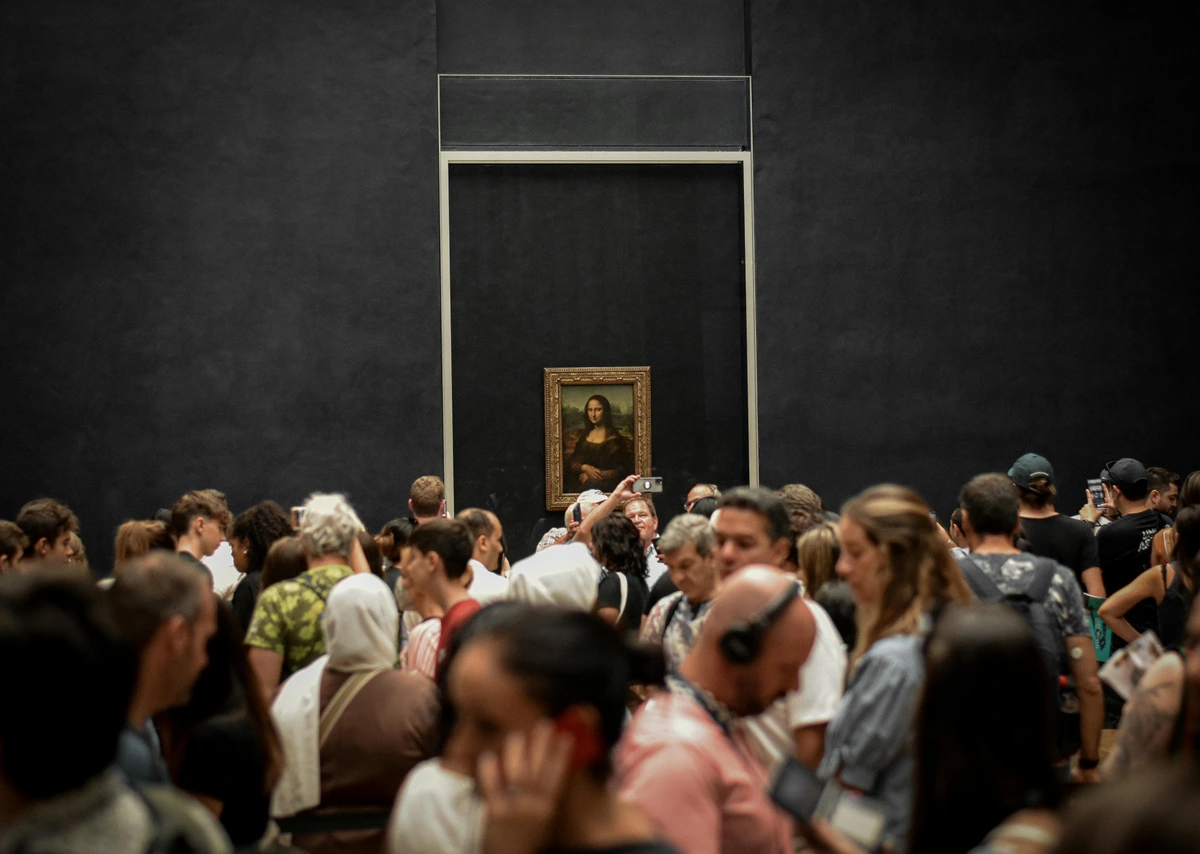
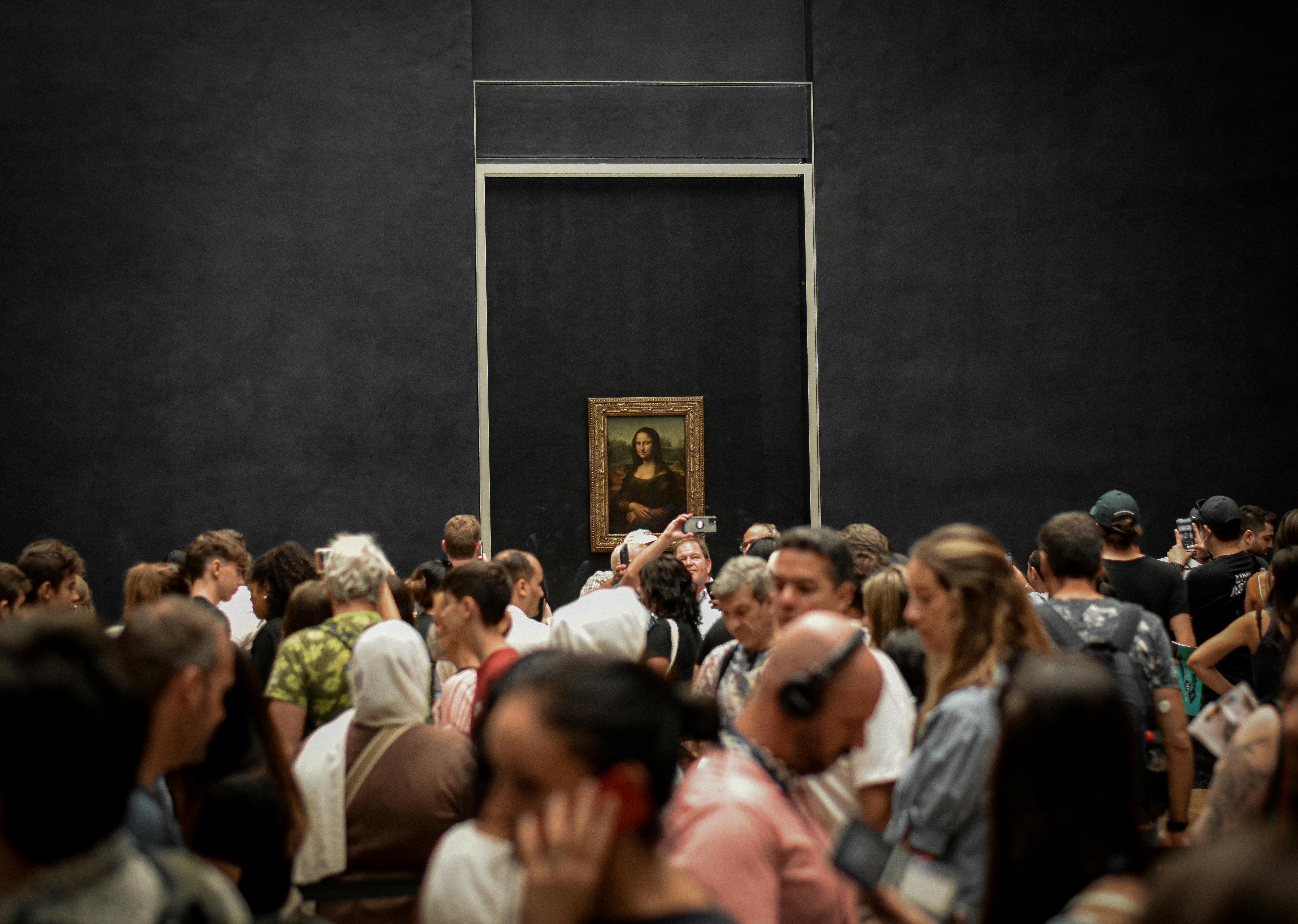
- Don't be a roadblock: Look at the art, absorb it, but be mindful of not standing directly in front of it for twenty minutes if there's a crowd trying to see. Step back, let others see, and then step forward again if you wish. Be aware of your surroundings and fellow visitors. Think of it as a gentle dance around the artworks. When viewing art behind glass, try to stand at an angle to minimize glare and improve visibility. If visiting with young children or strollers, be mindful of their size and movement, and utilize designated family areas if available. Guide children's behavior respectfully, explaining rules positively. Always prioritize respecting other visitors' experience.
- Food and Drink: Unless specifically designated, food and drink are strictly prohibited in galleries and exhibit areas to protect the art. This extends to even small snacks. Always report any spills or accidents immediately to staff to prevent damage or injury.
- Respecting Staff and Belongings: Be polite and understanding when interacting with museum staff; they are there to assist and enforce rules. Keep track of your personal items, especially in crowded areas. If you see something that seems like a fire exit or emergency equipment, do not touch or interfere with it; always ask staff if unsure. Keep restrooms clean and tidy, and report any issues immediately.
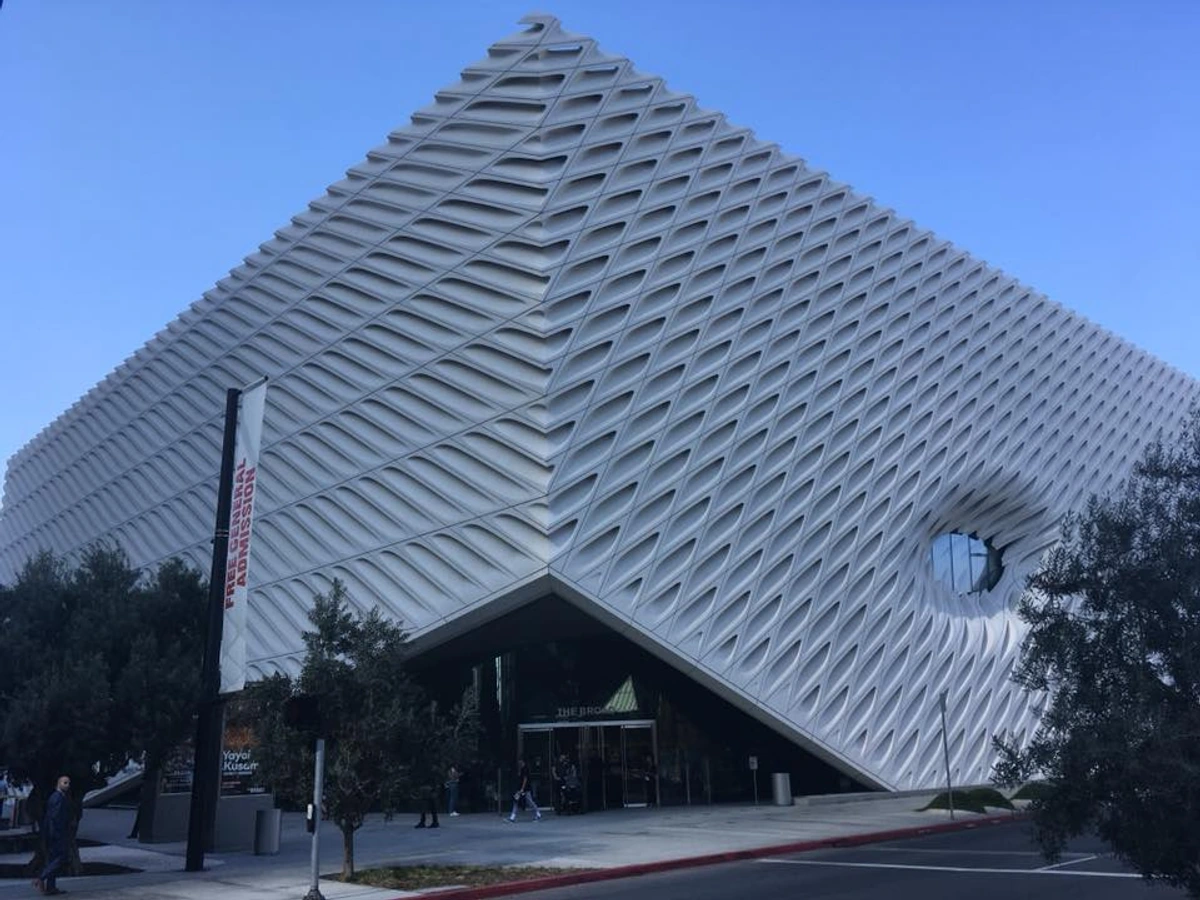
How to Actually Look at Art (Without Feeling Dumb)
This is the big one, isn't it? Staring at a canvas and feeling nothing but confusion, or worse, inadequacy. Forget trying to find some deep, hidden meaning or immediately understanding the artist's message. Start with two simple questions and try what I call the "look without, then with" method:
- Look without the label first: Walk up to a piece that catches your eye, but resist reading the wall plaque immediately. Give yourself permission to have an unfiltered reaction.
- What do I see? Literally, what is in front of you? Don't interpret yet, just observe. Focus on the raw visual elements: "I see a woman in a blue dress, a lot of yellow swirly things, and a dark building." (Or, if it's an abstract painting, "I see bold red lines, splashes of blue, and a texture that feels rough and energetic.") Describe its composition – the lines, shapes, colors, and balance within the frame. Describe it to yourself, or even quietly to a friend or family member, or imagine explaining it to a curious child. Consider the scale of the artwork: Is it monumental and overwhelming, or intimate and inviting? What emotions does the color palette evoke? Does the artwork convey a sense of movement or stillness? What does the texture and medium (paint, clay, digital) communicate? Try to see the art as a mirror: how might the artwork reflect your personal experiences, societal issues, or universal human emotions?
- How does it make me feel? Calm? Anxious? Confused? Happy? Amused? There is no wrong answer. Your gut reaction is valid. Don't censor yourself. I once stood in front of a piece of contemporary art for a solid five minutes, and my only reaction was, "This reminds me of a giant stapler." And you know what? That was a perfectly valid, and quite amusing, experience for me! It's okay for art to be weird or to just not click.
- Now, look with the label: Lean in and read the little plaque on the wall. Sometimes, learning the context—who the artist was, what was happening in the world when it was made, or the artistic intent—can completely change or deepen your perspective. Artistic intent often involves exploring a process, an idea, or a question rather than just creating a purely visual experience. It's a journey of discovery, a bit like seeing an artist's personal timeline unfold on the wall. For contemporary pieces, the artist's statement (often on the label or a nearby panel) can be incredibly helpful, explaining the concept or process rather than just the visual elements. It's like getting a peek into the artist's mind. Did the information validate your initial feelings, or did it make you reconsider? Both outcomes are equally valuable. Remember, while an artist has an intent, your own interpretation is also valid and contributes to the artwork's meaning. You are empowered to form your own interpretations, even if they differ from the artist's stated intent. You don't have to 'get' every piece, or even like every piece. Sometimes art is just weird, challenging, or simply not for you, and that's perfectly okay! Many museums also offer audio guides or guided tours (often pre-bookable online) if you're looking for more structured information and insights into the artworks. This can be a great way to appreciate art without knowing much, as an expert guides you through. Before you go, it can be helpful to do a quick search on the exhibiting artists or the theme of the show. A little background can unlock new layers of appreciation. You might also find reviews from art critics or curators that offer different perspectives, which can enrich your own viewing experience, or at least give you a starting point for your own interpretations.
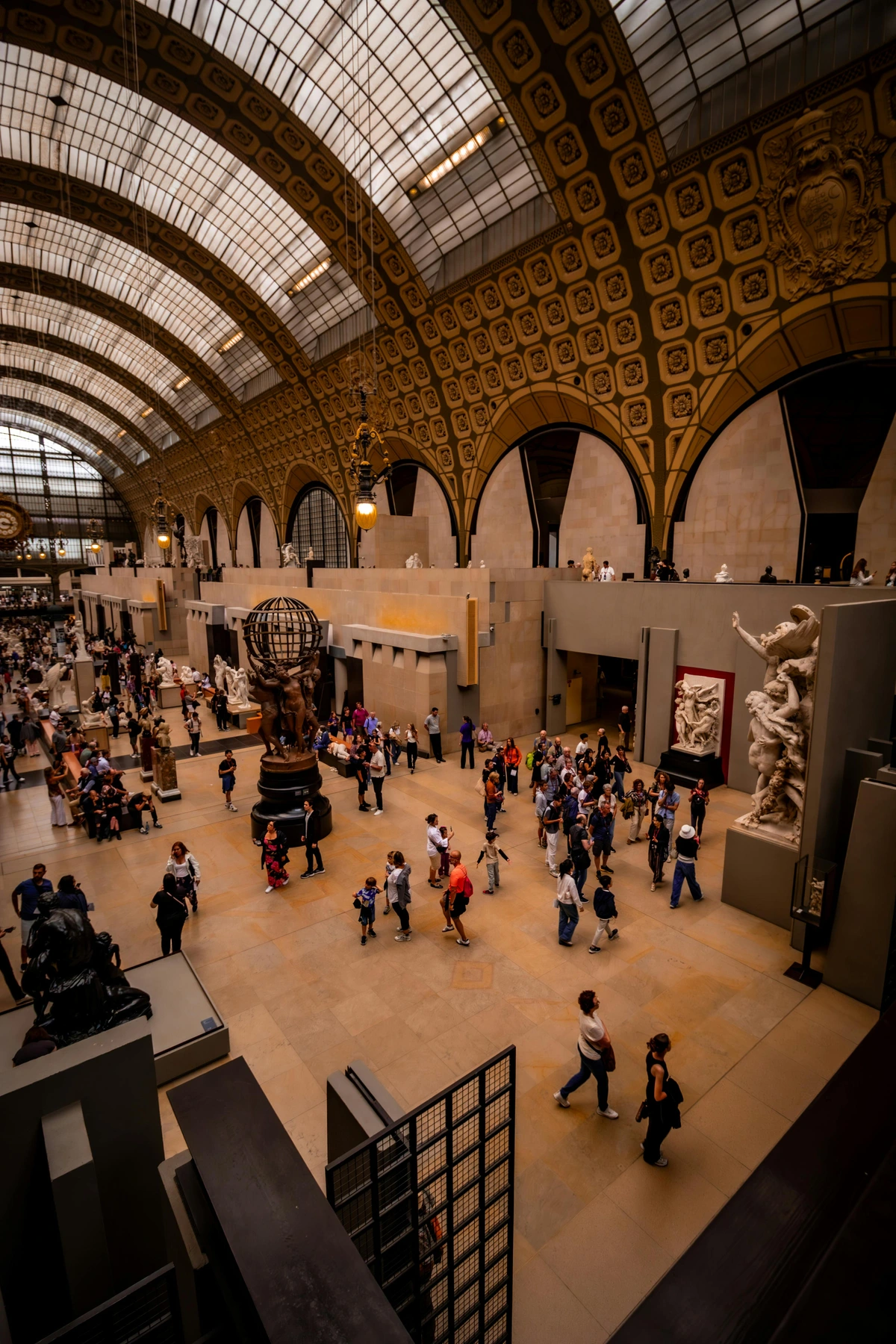
Beyond the Traditional: Navigating Contemporary Art Spaces
If you're stepping into a contemporary art gallery or a modern art museum, the experience can be quite different from a grand historical museum, and in some ways, even more accessible or, perhaps, more puzzling. Modern art is incredibly varied, from abstract bursts of color to intricate figurative works, so don't expect a single 'look' or a clear narrative. The evolution from Post-Modernism to Contemporary Art brought forth new approaches, often blurring traditional boundaries and embracing diverse forms.
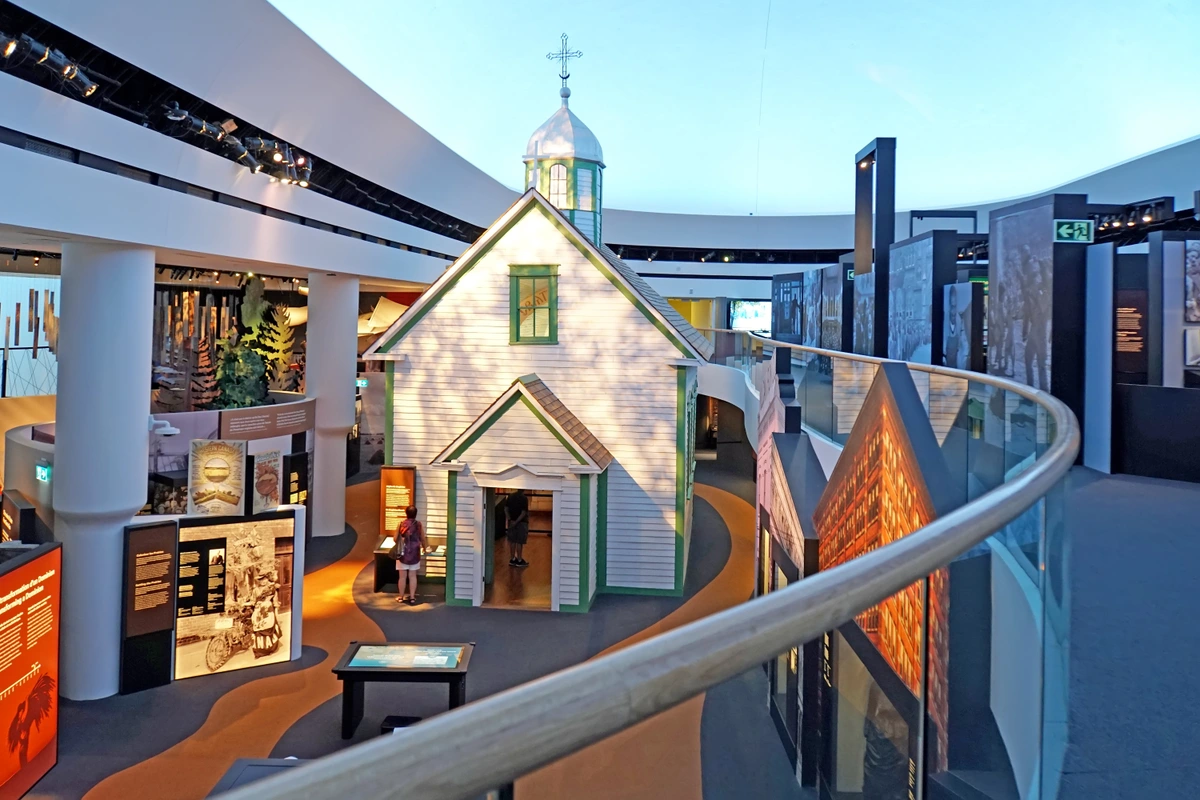
What to Expect at Contemporary Art Galleries (and how not to feel lost)
- More Interactive & Experiential Exhibits: Contemporary art often invites you to participate directly. You might find installations you can walk through (designed to transform the entire space), digital art that reacts to your presence, soundscapes, scent-based experiences, or even bio-art experiments involving living organisms. Performance art or video art are distinct forms that demand different viewing approaches. Don't be shy; if it looks like you can touch, sit on, or interact with something, check for signs or simply ask a gallery attendant. They're there to help, not judge. For instance, I once saw Paul Vanouse demonstrating his fascinating bio-art installation using microscopes and petri dishes – it was an incredibly interactive experience! Bio-art, which merges biology and art, often raises fascinating ethical questions about life, creation, and technology. Interactive art isn't complete until the viewer participates.

- Less Formal Atmosphere: While still respectful, contemporary galleries often feel more relaxed. Conversations might be livelier, and you might even see artists themselves discussing their work. I once stumbled into a small gallery in Den Bosch where the artist was casually chatting with visitors about their process – it was really cool and broke down all my preconceived notions of art being untouchable. I'm pretty sure that's where I first saw some fascinating light installations, quite unlike anything you'd expect in a grand, quiet hall.
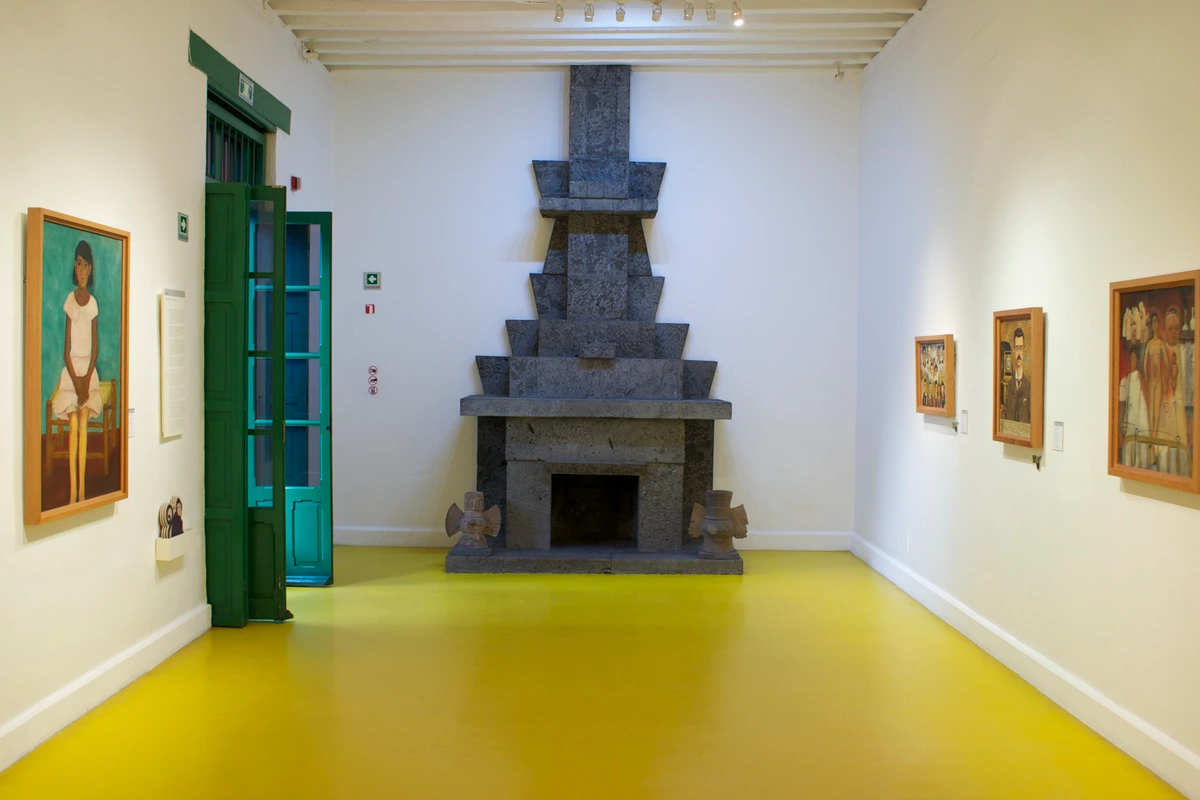
- Conceptual Depth Over Pure Aesthetics: Many contemporary pieces, especially conceptual art, are less about visual perfection or traditional beauty and more about the idea, the message, or the question behind them. Don't worry if it doesn't immediately 'look' like art as you might understand it. Try to engage with the concept first. The wall text or artist's statement here is your absolute best friend. It’s like a puzzle, and the artist gives you clues. Kara Walker's incredible silhouette installations, for example, often use historical imagery to explore complex themes of race, gender, and power, and understanding the context makes them incredibly powerful. Mixed media (combining various materials) and the use of found objects or everyday materials are common, elevating the mundane into art. Some contemporary art is also ephemeral, designed to be temporary or change over time, making the experience of viewing it unique. Generative art uses algorithms to create dynamic, evolving artworks, while sound art uses sound as its primary medium. You might also encounter Land Art or Environmental Art in outdoor contexts, or see Street Art migrating into galleries. Video art offers a distinct, often immersive, viewing experience.
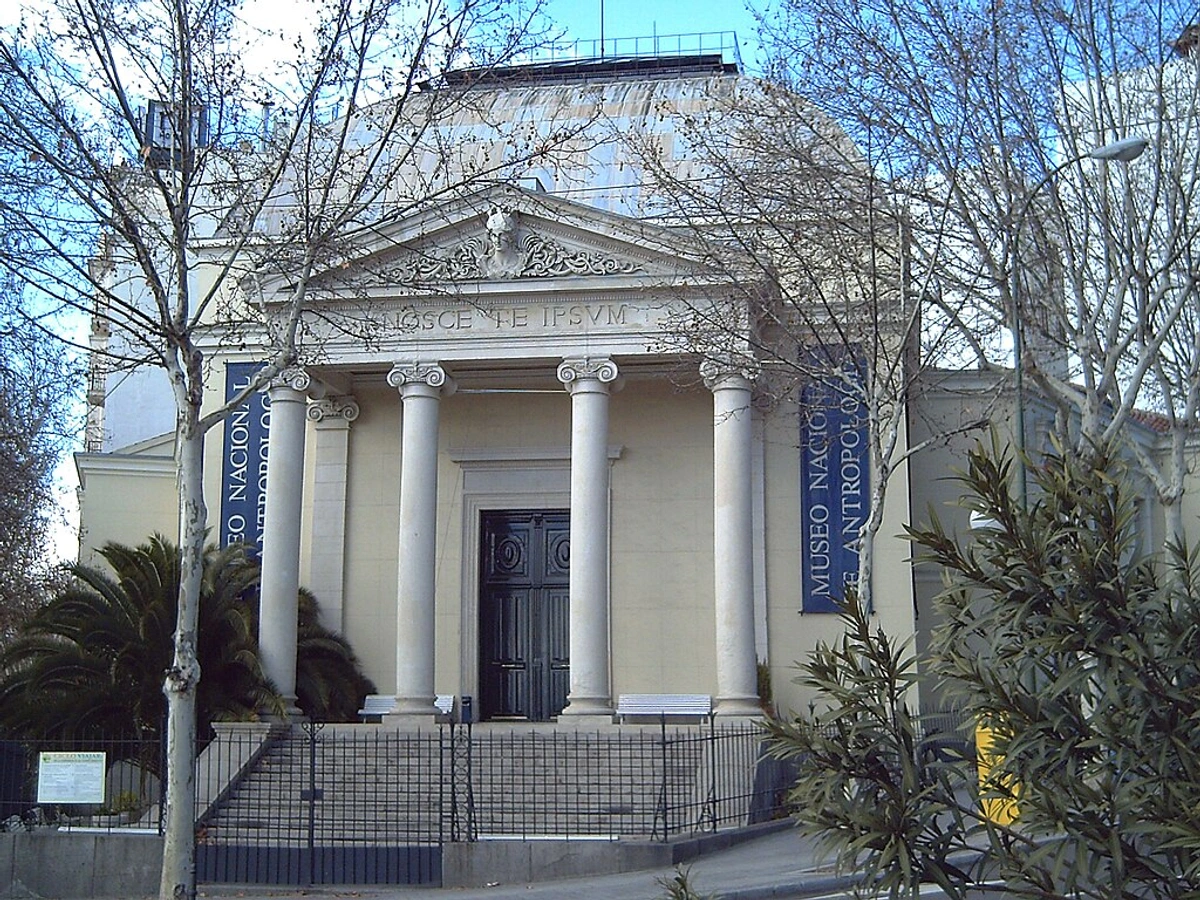
- Art for Sale: Especially in commercial galleries, much of the art is available for purchase. This creates a different dynamic; you're not just a viewer, but potentially a patron. No pressure to buy, of course, but it's part of the environment. Feel free to ask about pricing if you're genuinely curious (it's often much less intimidating than it seems!).
Hitting the Wall: How to Avoid Museum Fatigue
Museum fatigue is a very real phenomenon. Your brain gets overloaded with new information and visual stimuli, your feet start to hurt, and suddenly everything just looks like... stuff. I remember one time, I was so determined to see 'everything' in a huge museum that by the third hour, I was practically dragging my feet, nodding vaguely at masterpieces I'd traveled across continents to see. It completely ruined the last hour for me. This isn't a sign of failure; it's your body and brain telling you to change pace or take a break. Trust me on this one. I am notoriously bad at resting when I'm excited, so I've developed these strategies out of sheer self-preservation!
Here's my personal strategy:
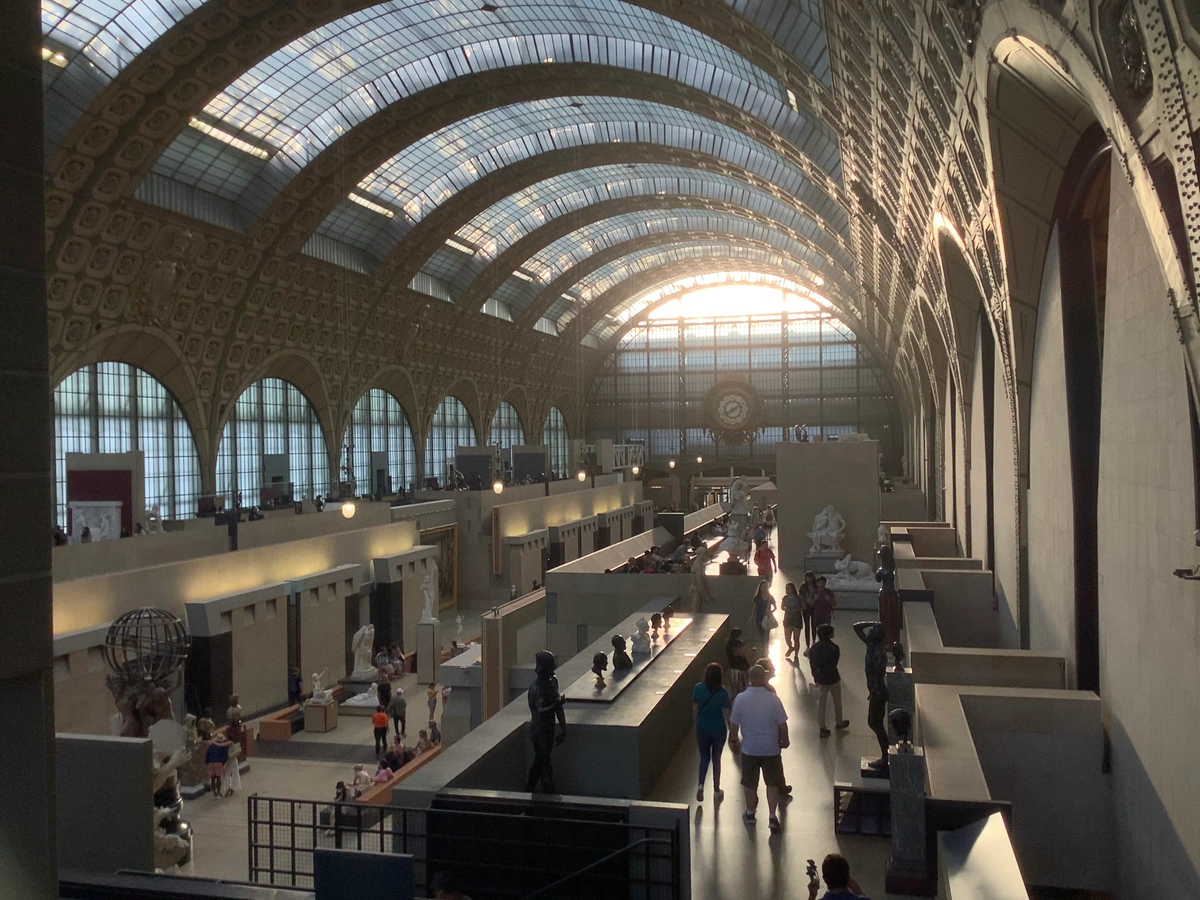
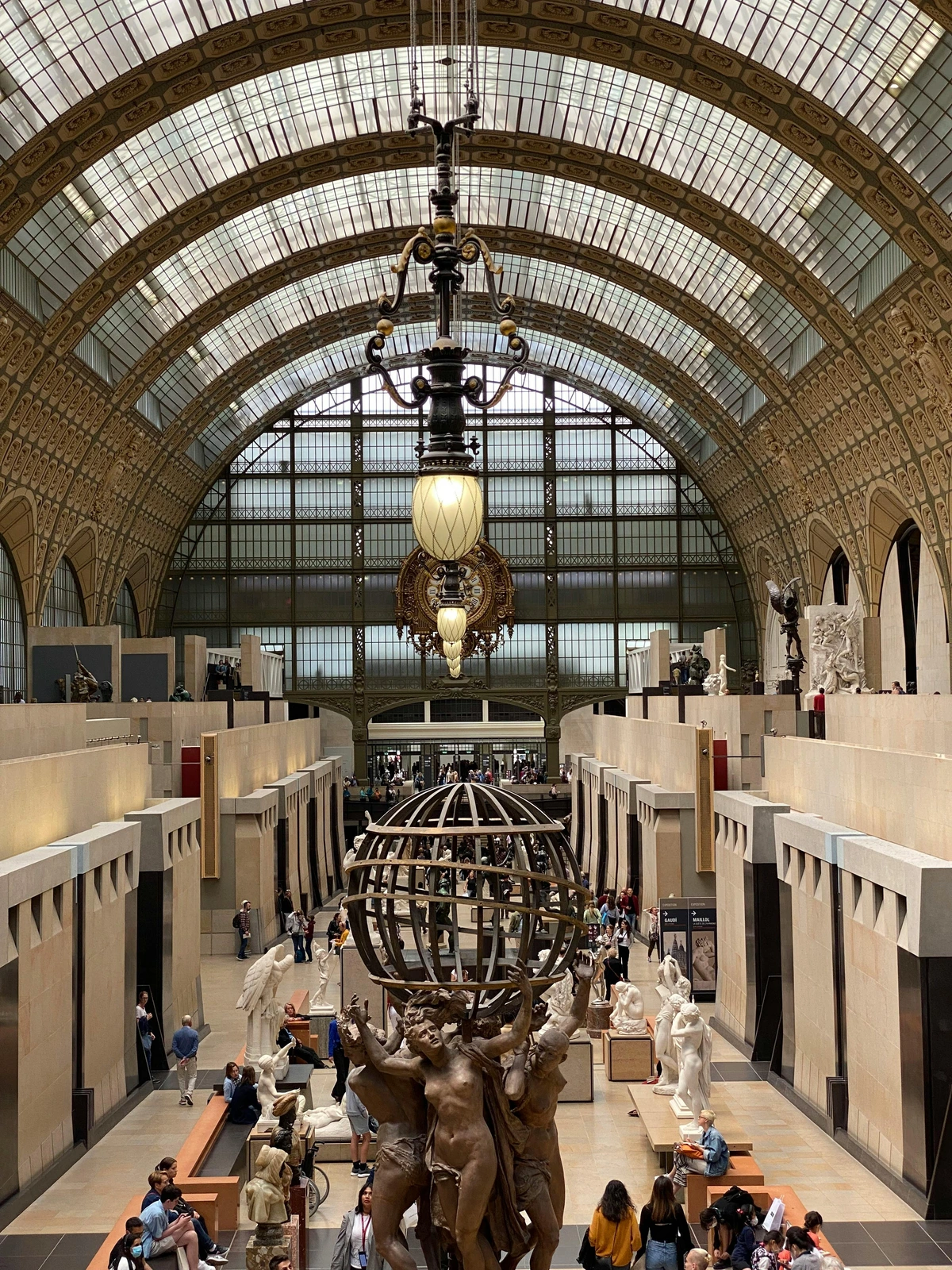
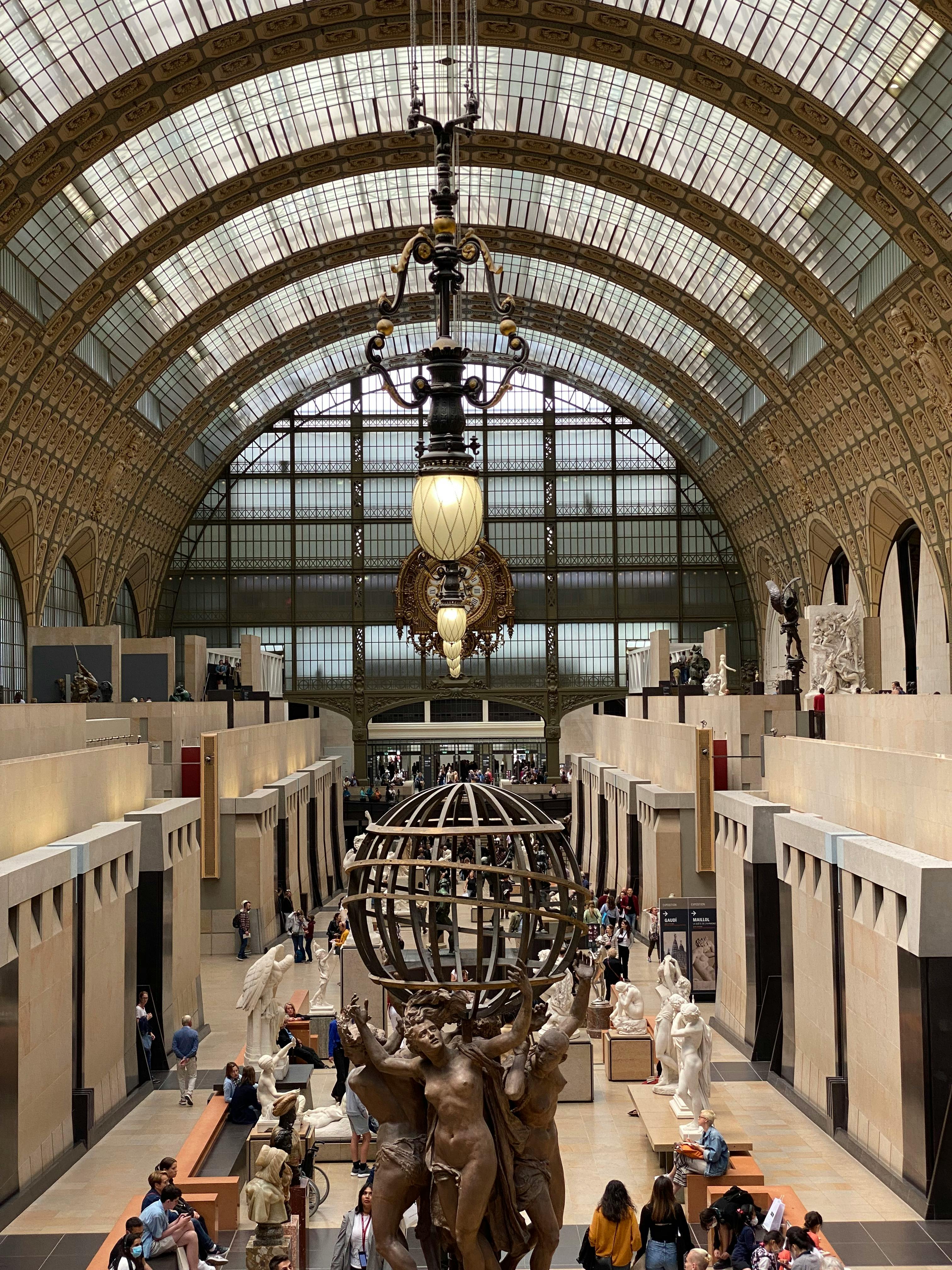
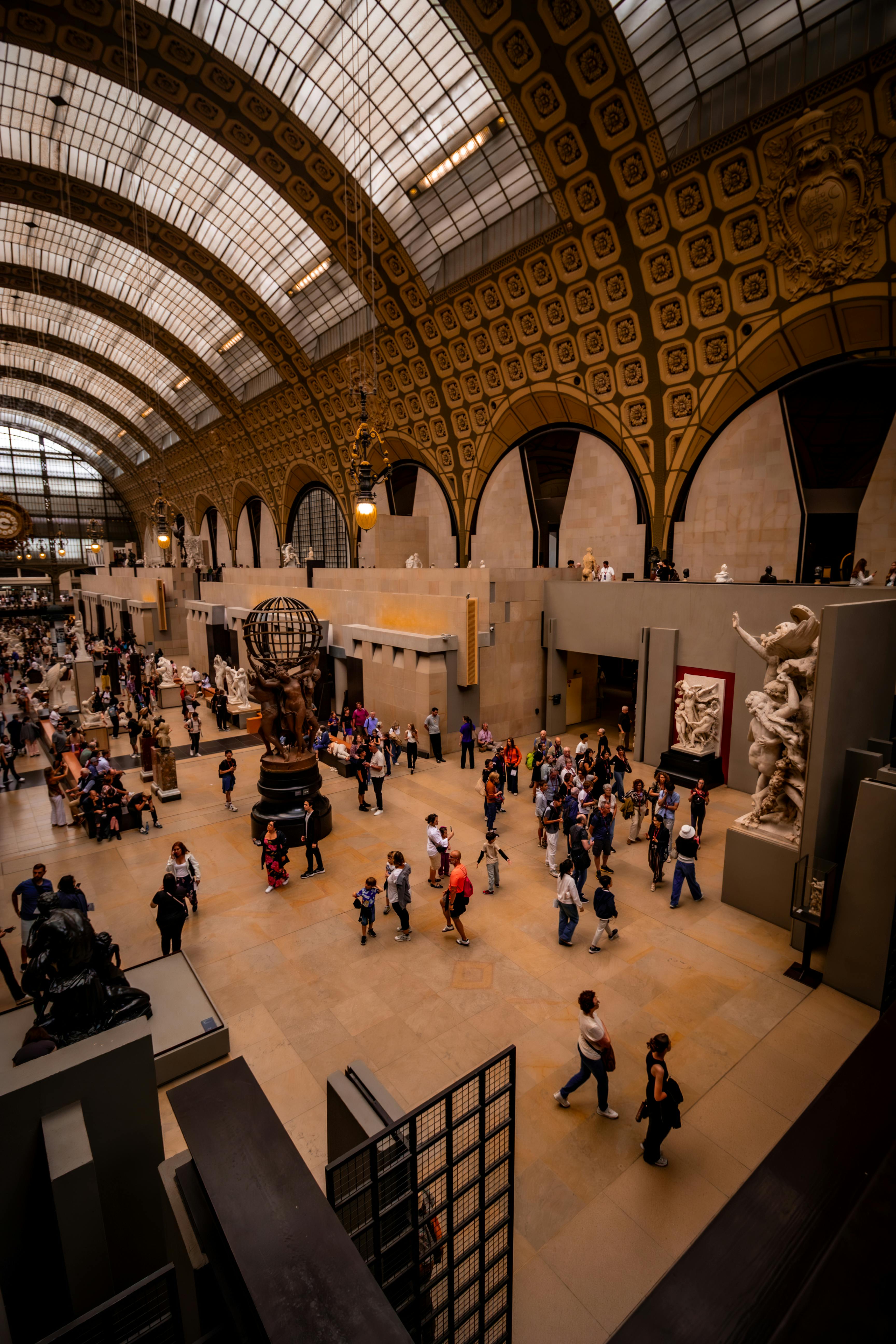
- Find a Bench (or a quiet corner): Sit down for ten minutes. Don't look at your phone. Instead, people-watch. Look at the architecture of the building itself, like the grand hall in the Musée d'Orsay or the intricate painted ceilings of the Vatican Museums. You don't have to be actively consuming art every single second. Just give your brain a pause, let your eyes rest, and refocus. It's like hitting a mental reset button. Actively seeking out grand architectural features or historical elements of the building can be a great way to shift your focus and reduce cognitive load, especially if you're feeling overwhelmed by the art itself.


- Visit the Cafe: A coffee, a cold drink, or a quick snack can work wonders. It's a perfect reset button for your brain and a good way to avoid feeling overwhelmed. Plus, museum cafes are often surprisingly charming (and good for more people-watching).
- Quit While You're Ahead: This is probably the hardest advice to follow, but it is 100% better to leave after an hour or two of genuine enjoyment than to force yourself to stay for three hours of misery, grumpiness, and aching feet. End on a high note. The museum will be there another day. There's no medal for seeing 'everything.' My mantra is usually "better to leave wanting more than leave wanting to lie down for a week."
- Sensory Breaks: Actively seek out areas with different lighting or sound profiles – a dimly lit gallery, a bright atrium, or even a garden/courtyard if available. This change of environment can offer a true mental palate cleanser.
- "Artful Observation" Exercise: During a break, try this: Choose one object in your peripheral vision – perhaps a detail on a wall, a ceiling fixture, or even a specific texture – and really look at it for 30 seconds without judgment. What details emerge that you hadn't noticed before? It’s a subtle way to re-engage your observation skills without the pressure of interpreting a masterpiece.
Making it Accessible: Museums for Everyone
Modern museums are increasingly striving to be welcoming spaces for all, understanding that a truly enriching cultural experience should be inclusive. If you or someone you're visiting with has specific accessibility needs, don't hesitate to check the museum's website or call ahead. Most major institutions offer:
- Physical Accessibility: Ramps, elevators, accessible restrooms, and sometimes wheelchairs for loan. Look for accessible websites with detailed information, including virtual tours.
- Sensory Accessibility: Audio descriptions, tactile exhibits, quiet hours, or sensory maps for visitors with autism or sensory sensitivities. Some even offer sign language interpretation for tours or special events, and audio guides in multiple languages. Look for sensory kits or comfort bags (often containing fidget toys, noise-canceling headphones, or weighted lap pads) to provide tools for visitors who experience sensory overload. Consider low-sensory tours or dedicated quiet spaces/rooms.
- Cognitive Accessibility: Simplified guides, visual schedules, social stories (narratives that explain social situations and expected behaviors), or programs designed for visitors with cognitive disabilities. Look for family guides or activity sheets to make visits more engaging for younger audiences.
- Service Animals: Most institutions accommodate trained service animals. It’s crucial to understand that emotional support animals typically do not have the same access rights as trained service animals in most public institutions, so always confirm their specific policy beforehand.
- Guided Tours for Specific Needs: Many museums offer tours tailored to visually impaired visitors, those with dementia, or other groups.
- Community Partnerships: Many museums collaborate with local community groups to bring art to underserved communities or specific demographics.
- Mindful Engagement: Look for guided meditation or mindful viewing sessions, which can offer a different, calming way to engage with art.
It’s always best to plan a little in advance for specific needs to ensure the most comfortable and enjoyable visit for everyone.
Your Museum Visit Questions Answered (FAQ)
This section addresses common queries that often pop up for first-time visitors, crucial for a truly stress-free experience.
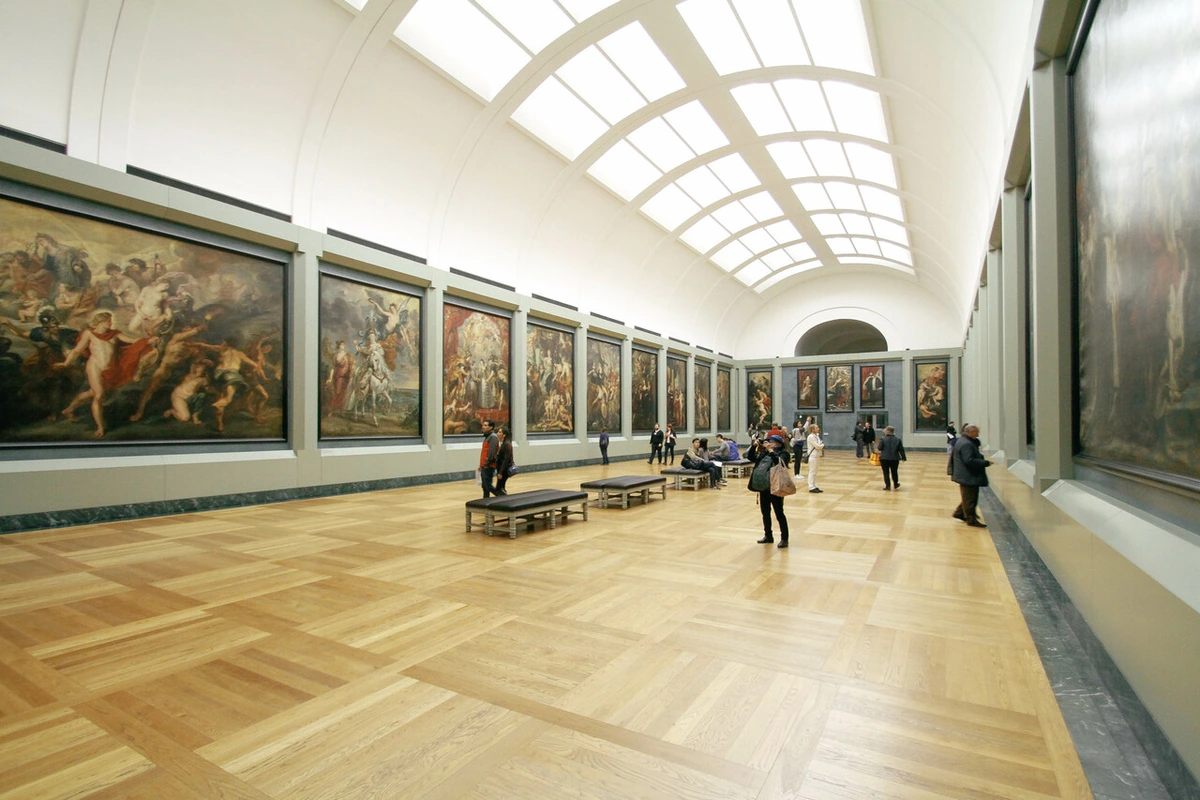
What's the difference between an art museum and an art gallery?
Generally, an art museum is a non-profit institution with a permanent collection, often historical or encyclopedic, focused on preservation, research, and education. Museums typically have a broader curatorial vision, aiming to tell comprehensive stories and educate the public about art history and culture. They acquire art through donations, purchases, and bequests, focusing on long-term stewardship. An art gallery, especially a commercial one, often focuses on showcasing and selling art by living artists, with frequently changing exhibitions. Galleries focus on representing and promoting specific artists, managing their careers and market viability. Both offer art experiences, but galleries can feel more intimate and are often where you might encounter an artist directly or even consider purchasing art. The provenance (history of ownership) is often more emphasized in museum contexts for historical significance.
Can I take photos in a museum or gallery?
Generally, yes, but almost always without flash. The flash can degrade pigments and materials over time, directly impacting art conservation efforts. Always be respectful of other visitors and the artworks. Look for specific signs in individual galleries or temporary exhibitions, as shows involving sensitive digital art or certain performance pieces may have stricter photography restrictions. When in doubt, just ask a staff member. Remember, no selfie sticks, tripods, or monopods, and never photograph other visitors without their permission.

What should I do with my coat and bag?
Most museums and larger galleries have a coat check or lockers near the entrance. It's always a great idea to use them! Ditching your heavy coat and bag will make your visit infinitely more comfortable and reduce the risk of accidentally bumping into something (or someone!). Trust me, your shoulders (and the priceless vase) will thank you. Many places restrict larger bags, so it's a good idea to check their specific policy online beforehand. Also, be aware of your belongings, especially in crowded areas.
Is it okay to go to a museum alone?
Absolutely! Going alone is one of the best ways to experience a museum. You can move at your own pace, look at whatever you want for as long as you want, and not worry about anyone else's interests, energy levels, or schedule. It’s a truly personal journey of discovery and often leads to deeper contemplation. I highly recommend trying it at least once. It's my preferred way to experience a really grand collection.
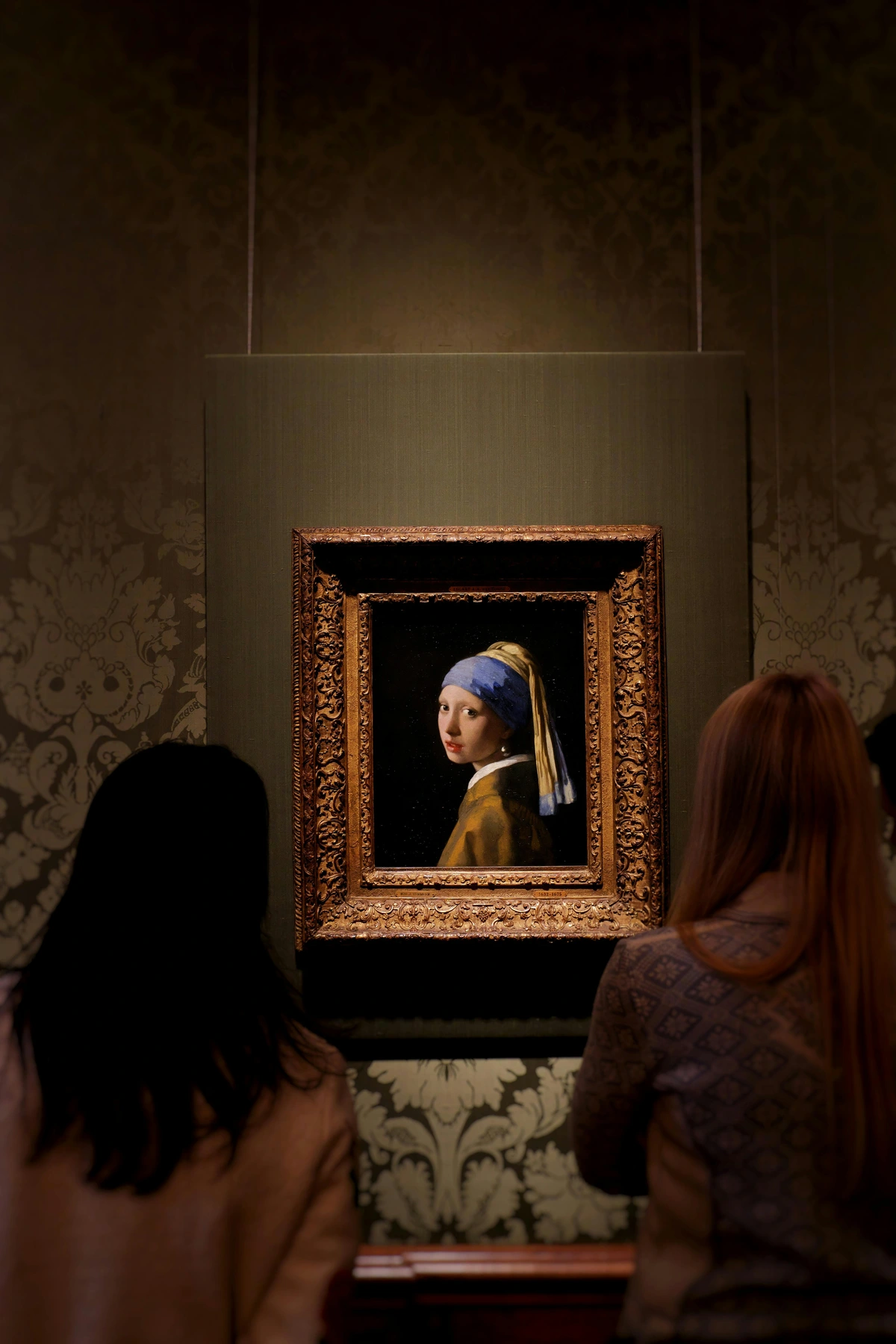
How long should a first museum visit be?
For a large, encyclopedic museum, aim for 90 minutes to two hours. That's usually the sweet spot before museum fatigue sets in, allowing you to enjoy your chosen highlights without feeling rushed or overwhelmed. For smaller, specialized galleries, an hour or even less can be perfectly sufficient and deeply enjoyable. You can see your handful of must-see items and still have time to wander a bit, truly enjoying the experience without feeling exhausted.
What if I get lost inside the museum?
Don't worry, it happens even to seasoned museum-goers! Most museums have clear signage pointing to exits, restrooms, and major galleries. If you're truly disoriented, look for a staff member (often identifiable by a uniform or badge) or head towards the nearest exit signs. Most lobbies have information desks where you can re-orient yourself with a map. If you're feeling overwhelmed and just want to be guided to something engaging, don't hesitate to ask a staff member for their personal recommendations! It's part of the adventure! If you need to find a specific artwork, use a museum map, app, or ask staff. For a medical emergency, notify staff immediately. If you need to leave and re-enter, check the museum's re-entry policy. Do not leave a child unattended.







What if I don't 'get' the art, especially contemporary pieces?
That's perfectly okay, and quite common! You absolutely don't have to 'get' every piece, and that's the beauty of it. Sometimes art is just weird, challenging, or simply not aligned with your personal taste, and that's fine! Especially with contemporary or abstract art, it might be more about provoking a feeling or an idea than depicting something recognizable. Don't force a connection. Just acknowledge it, reflect on your reaction (or lack thereof), and then move on to something that does catch your eye. You might also try considering the materials and techniques used – is it paint on canvas, found objects, digital media, or something else entirely? This can offer a concrete starting point for engagement. The goal isn't to understand everything, but to find something that sparks your curiosity and makes the experience meaningful for you. It's okay to have a strong negative reaction; art is subjective, and a visceral response can be just as valid as a positive one. You can always research the artist or artwork later to deepen your understanding. Discussing art with companions, even if you disagree, can also enrich the experience. It's perfectly fine to just enjoy the aesthetics, or to spend a lot of time with just one piece. Some art is intentionally provocative, uncomfortable, or designed to ask questions rather than provide answers. It's also okay to just look at the most famous pieces, but venturing beyond can lead to unexpected discoveries. You can absolutely sketch the art if allowed, as it's a fantastic way to engage deeply. Consider how art might reflect personal experiences, societal issues, or universal human emotions.
What is an artist's statement or wall text, and how should I approach it?
An artist's statement is usually a brief text written by the artist (or a curator) that provides context, background, or conceptual insight into the artwork or exhibition. It can explain the artist's motivations, the materials used, or the ideas they're exploring. I recommend reading it after your initial, unfiltered reaction to the art. It's not there to tell you what to feel, but to offer a lens through which you can deepen your understanding or reconsider your initial impressions. Think of it as a conversation starter, an invitation to a deeper dialogue with the artwork, not a definitive answer. If the text seems overly academic or jargon-filled, try to identify just one or two keywords or phrases that resonate or seem important; often, that's enough to unlock a new perspective. You are not obligated to agree with the artist's statement. Look for recurring themes, keywords, or emotional tones within the statement. If it's very short, even a few words can offer a significant clue. If it contradicts what you see or feel, that's a rich opportunity for interpretation. Many museums provide translations if the statement is in a different language. If it's too long, scan for key phrases. If it's abstract or poetic, look for emotional resonance. If it uses humor or irony, appreciate the artist's voice. If it's very technical, pick out concepts that resonate. If it's personal, it offers a direct glimpse into the artist's life. If it seems nonsensical, it might be an invitation for your own meaning. You can even form your own 'artist's statement' about a piece you like. You don't have to read it; if you prefer an unfiltered impression first, that's fine.
Can I ask questions?
Absolutely! Museum staff (docents, gallery attendants, educators) are usually delighted to answer questions and can offer valuable insights. Don't be afraid to ask "basic" questions – they're there to help you engage with the art. A docent is a trained guide, often a volunteer, with a passion for art and sharing knowledge.
What about food and drink?
Unless specifically designated, food and drink are strictly prohibited in galleries and exhibit areas to protect the art. This rule extends to even small snacks. Most museums have cafes or designated eating areas where you can refuel.
Are there any etiquette rules about noise levels with children?
While museums are generally welcoming to families, it's respectful to manage children's noise levels. Engage them positively, explain the rules respectfully, and if they become particularly boisterous, consider taking a break in a less crowded area, a family room, or even stepping outside for a few minutes. Many museums offer activity sheets or family guides to keep younger visitors engaged.
What about security?
Museums have comprehensive security measures in place to protect invaluable artworks from art theft and damage. Cooperate with staff if they ask you to adjust your bag, step back from an artwork, or follow specific instructions. They are there to ensure a safe and enjoyable environment for everyone and to protect the cultural heritage within.
What is 'art conservation'?
Art conservation is a dedicated scientific and technical field focused on preserving artworks for future generations. It involves detailed analysis, cleaning, repair, and environmental control (light, temperature, humidity) to prevent degradation and restore damaged pieces. This meticulous work is why visitors are asked not to touch artworks or use flash photography.
What is the purpose of museum lighting?
Museum lighting is carefully designed for two primary purposes: to protect artworks from light damage (especially sensitive pigments or textiles) and to enhance the viewing experience. Different lighting techniques can highlight details, create atmosphere, and draw attention to specific features, impacting the mood of a gallery or the perception of a sculpture.
What is the role of the curator?
A curator plays a vital role in selecting, organizing, and interpreting artworks for exhibitions. They research, conceptualize themes, write wall texts and catalog essays, and shape the narrative and context of the art presented. Their vision helps tell the stories within the museum's collection or temporary shows. An exhibition is a curated display of artworks, often with a specific theme or focus.
What is 'art appreciation'?
Art appreciation is the process of understanding, valuing, and enjoying art. It's about developing an informed and empathetic response to artworks, considering their context, techniques, and the feelings they evoke. It's a skill that can be developed through observation, learning, and open-minded engagement, emphasizing that it's a personal journey rather than a pursuit of definitive answers.
What is 'provenance'?
Provenance refers to the history of ownership and exhibition of an artwork. It's a crucial aspect for art historians and collectors, as it helps establish authenticity, track an artwork's journey, and understand its historical and cultural significance. For museums, provenance helps ensure ethical acquisition and build comprehensive records of their collections.
What is 'iconography'?
Iconography is the study of visual images, symbols, and themes in artworks, especially those used to convey particular meanings. Understanding iconography can be incredibly helpful in interpreting older or more complex works of art, as it deciphers the visual language and narratives embedded within the piece.
What is 'art restoration'?
Art restoration is the process of repairing and preserving damaged artworks to bring them back to a state that is as close as possible to their original condition. This meticulous work, often undertaken by highly skilled conservators, addresses deterioration caused by age, environment, or past damage, highlighting the precision and expertise involved.
What is 'art forgery'?
Art forgery involves creating or selling artworks falsely attributed to famous artists with the intent to deceive. Experts use scientific analysis, stylistic knowledge, and provenance research to authenticate artworks and detect forgeries. The existence of forgeries underscores the value and allure of genuine masterpieces.
What is 'patronage'?
Patronage refers to the support (financial or otherwise) that individuals, institutions, or governments provide to artists or art organizations. Historically, patrons commissioned works and funded artists' careers; today, it continues through donations, grants, and memberships, playing a vital role in sustaining the arts and cultural institutions.
What is an 'artwork'?
An artwork is a piece of art created by an artist. This broad term encompasses a vast range of forms and mediums, including paintings, sculptures, drawings, photographs, installations, digital art, performance art, and even ephemeral art designed to be temporary. It reflects the diverse and evolving expressions of human creativity.
What is 'art criticism'?
Art criticism is the evaluation, analysis, and interpretation of art. Critics offer informed opinions, placing artworks within broader artistic, historical, or cultural contexts. While this guide offers practical viewing tips, professional criticism provides deeper insights and often sparks public dialogue about art.
The Final Word
A museum or gallery is not a hallowed tomb of dusty relics; it's a living collection of stories, ideas, and human creativity, constantly evolving. Your first visit is just that—a first. It's an introduction to a vast, exciting world, and you hold all the keys to unlocking it. Don't put pressure on it to be a life-changing event (though it might be!). Just go, be curious, wear your comfiest shoes, and allow yourself to be surprised. You might just find you love it, and that a whole new world of art and culture awaits you, ready to offer quiet contemplation, unexpected connections, or even a good laugh. Perhaps you'll even discover an abstract piece that speaks to your soul, or a digital installation that makes you question everything. Happy exploring! The world of art is more accessible than ever, even through digital platforms, inviting you to discover new pieces and artists from anywhere. And if you have a great first museum story, or tips of your own, I'd love to hear them.