How to Gain Valuable Insight from Art
Discover techniques to extract meaningful insights from artworks and enhance your art appreciation skills.

How to Gain Valuable Insight from Art
Art has always been a mirror to the soul, a window into the artist's mind, and a bridge connecting diverse cultures and eras. But how do we move beyond mere observation to truly gain valuable insight from art? Let's embark on this journey together, exploring techniques and perspectives that can deepen our appreciation and understanding of art.
Art is not just about aesthetics; it is a language that communicates emotions, ideas, and stories. Whether you are a seasoned art enthusiast or a curious beginner, this guide will help you unlock the deeper layers of meaning hidden within artworks.
Why Art Matters in Modern Society
In today's fast-paced world, art serves as a sanctuary for reflection and introspection. It offers a space to pause, contemplate, and connect with our inner selves. Art challenges us to see the world from new perspectives and invites us into the experiences of others, fostering empathy and understanding.
The Importance of Art in Human History
Art has played a pivotal role in human history, serving as a medium for storytelling, cultural preservation, and social commentary. From cave paintings to digital art, the evolution of artistic expression reflects the progression of human thought and society. Understanding this historical context can enrich your appreciation of art and its significance.
Art as a Historical Record
Art serves as a visual record of historical events, societal changes, and cultural shifts. By examining artworks from different periods, we can gain insights into the values, struggles, and aspirations of past societies. This historical perspective allows us to connect with the past and understand the present more deeply.
Art has played a pivotal role in human history, serving as a medium for storytelling, cultural preservation, and social commentary. From cave paintings to digital art, the evolution of artistic expression reflects the progression of human thought and society. Understanding this historical context can enrich your appreciation of art and its significance.

Why Art Matters
Art is more than just a visual experience; it is a form of communication that transcends language and cultural barriers. It allows us to connect with the thoughts and emotions of artists from different eras and cultures, fostering empathy and understanding. Art challenges us to see the world from new perspectives and invites us into the experiences of others.
Art as a Universal Language
Art serves as a universal language that bridges gaps between cultures and generations. It enables us to communicate complex emotions and ideas without the need for words, making it accessible to everyone regardless of their background or language.
Art as a Tool for Empathy
Engaging with art can foster empathy by allowing us to step into the shoes of others and experience their emotions and perspectives. This empathetic connection can lead to greater understanding and compassion for people from diverse backgrounds.
Art is more than just a visual experience; it is a form of communication that transcends language and cultural barriers. It allows us to connect with the thoughts and emotions of artists from different eras and cultures, fostering empathy and understanding. Art challenges us to see the world from new perspectives and invites us into the experiences of others.
Art as a Universal Language
Art serves as a universal language that bridges gaps between cultures and generations. It enables us to communicate complex emotions and ideas without the need for words, making it accessible to everyone regardless of their background or language.
Why Seek Insight from Art?
I remember the first time I stood in front of a painting that seemed to speak to me. It wasn't just the colors or the composition; it was something deeper, something ineffable. That moment changed my perception of art forever. Art isn't just about aesthetics; it's about connection, emotion, and insight.
The Emotional Impact of Art
Art has the power to evoke a wide range of emotions, from joy and awe to sadness and contemplation. These emotional responses can provide valuable insights into our own thoughts and feelings, helping us understand ourselves better.
The Role of Art in Society
Art has the power to transcend time and space, allowing us to connect with the thoughts and emotions of artists from different eras and cultures. It challenges us to see the world from new perspectives and fosters empathy by inviting us into the experiences of others. Art can also serve as a mirror to society, reflecting its values, struggles, and aspirations.

Art as a Reflection of Society
Throughout history, art has been used to document societal changes, challenge norms, and inspire movements. By examining art, we can gain insights into the social, political, and cultural contexts of different periods.
The Power of Art
Art has the power to evoke emotions, challenge perceptions, and inspire change. It can be a source of comfort, a catalyst for reflection, and a tool for understanding the world around us. By engaging with art, we open ourselves up to new experiences and perspectives.
Art as a Catalyst for Social Change
Art has the ability to provoke thought, spark conversations, and even drive social change. Whether through a poignant painting or a powerful sculpture, art has the capacity to leave a lasting impact on individuals and communities alike.
Historical Examples of Art Driving Change
From Picasso's "Guernica" to Banksy's street art, numerous artworks have played a significant role in raising awareness and inspiring action on social issues. These works serve as powerful reminders of art's potential to influence society.
Personal Growth Through Art
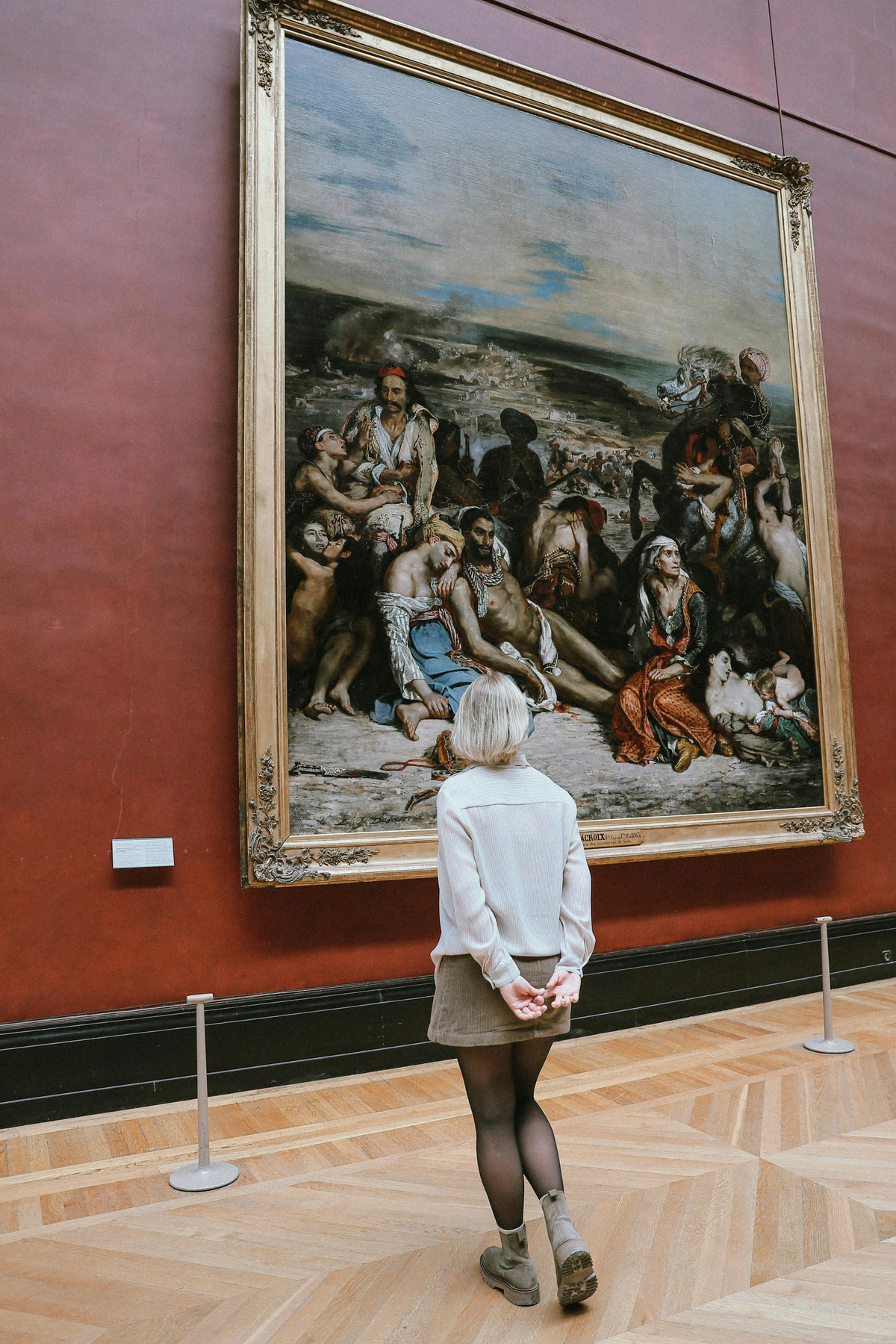
Engaging with art can be a transformative experience. It can help us understand ourselves better, foster empathy, and even improve our mental well-being. Art can be a form of therapy, a way to process complex emotions, and a means to find solace in turbulent times.
Art and Self-Discovery
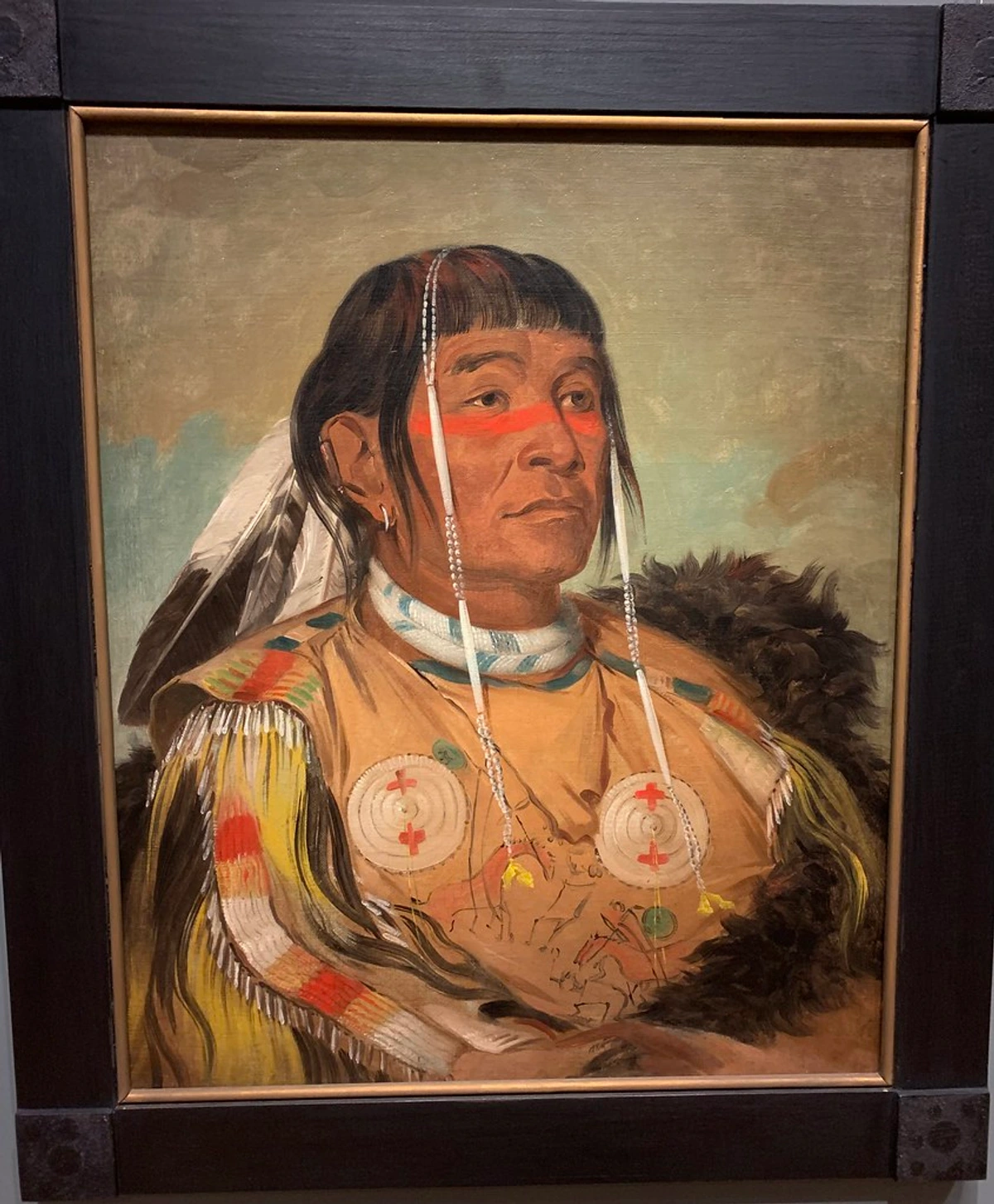
Art provides a unique opportunity for self-discovery. By engaging with different artworks, we can explore our own emotions, beliefs, and experiences, leading to a deeper understanding of ourselves.
Art Therapy and Mental Well-being
Art therapy is a recognized form of treatment that uses creative expression to help individuals explore their emotions, reduce stress, and improve self-esteem. By creating or engaging with art, individuals can gain insights into their own thoughts and feelings, leading to personal growth and healing.
Techniques in Art Therapy
Art therapy employs various techniques such as drawing, painting, and sculpting to help individuals express themselves. These creative processes can be particularly beneficial for those who struggle to articulate their emotions verbally.
Techniques for Gaining Insight from Art
Observational Techniques
1. Slow Looking
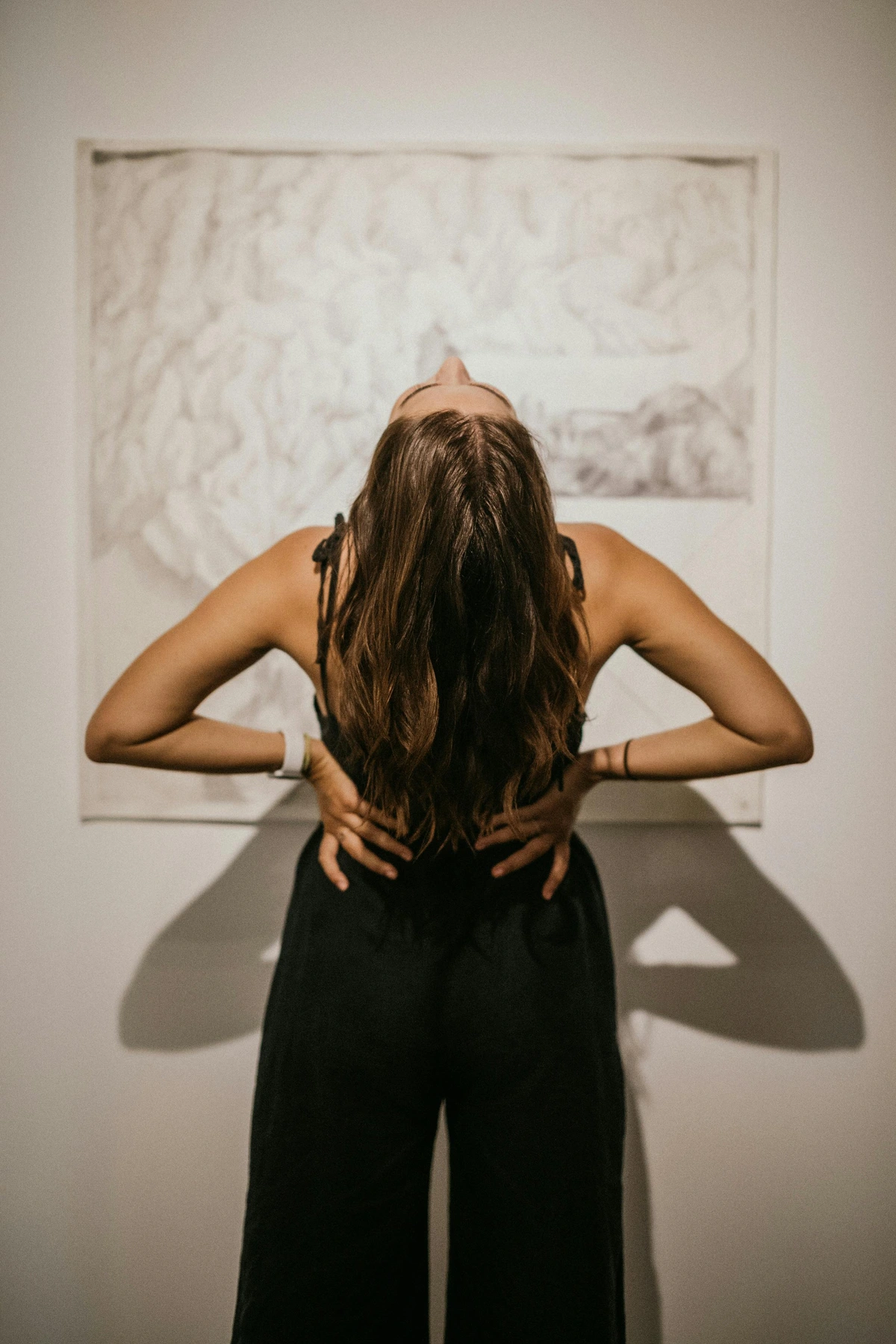
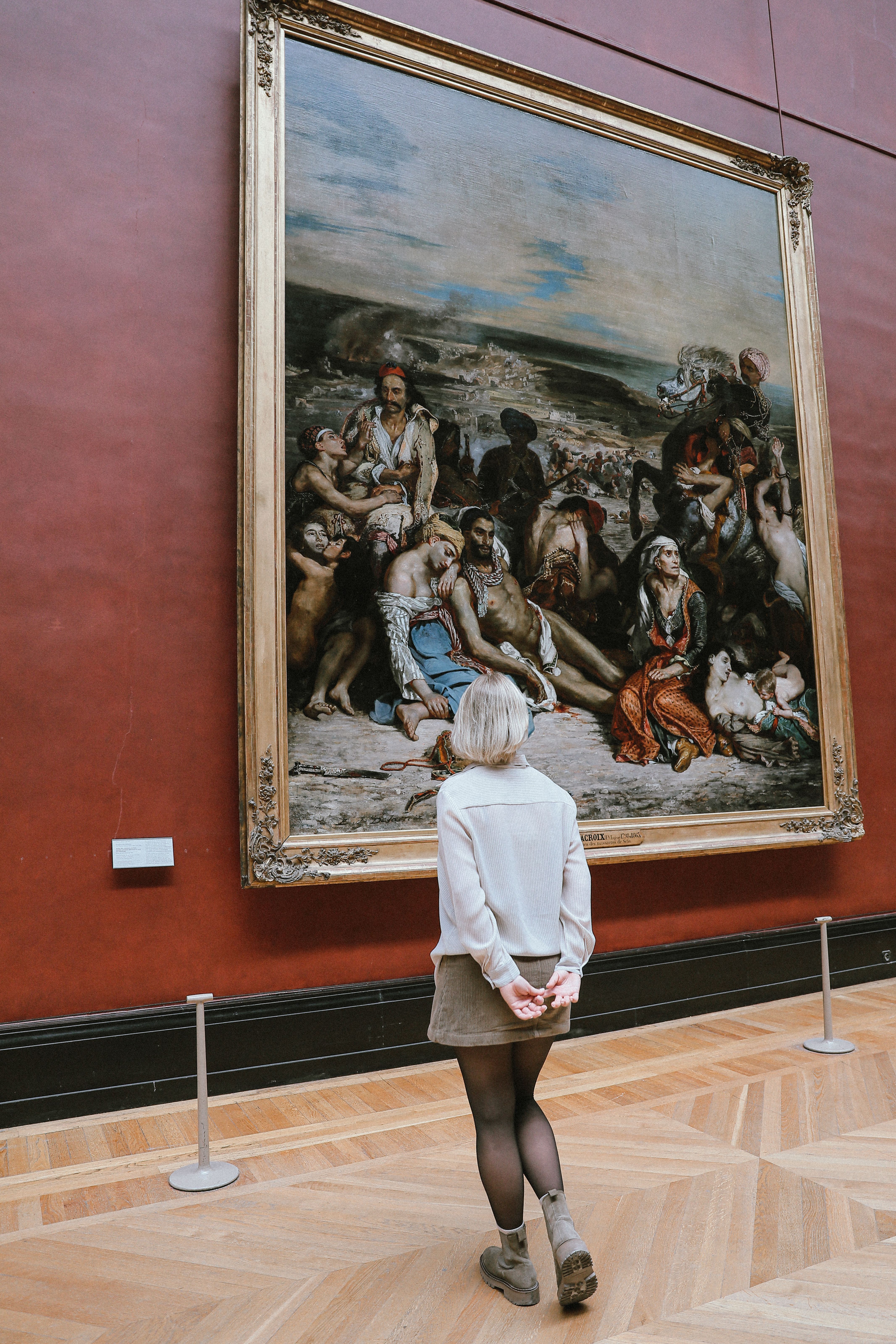
Take your time to observe the artwork. Don't rush. Notice the details, the brushstrokes, the colors, and the composition. The more you look, the more you see.
Slow looking is not just about observing; it's about immersing yourself in the artwork. Allow yourself to be drawn into the details, and let the artwork reveal its layers to you over time.
2. Mindful Observation
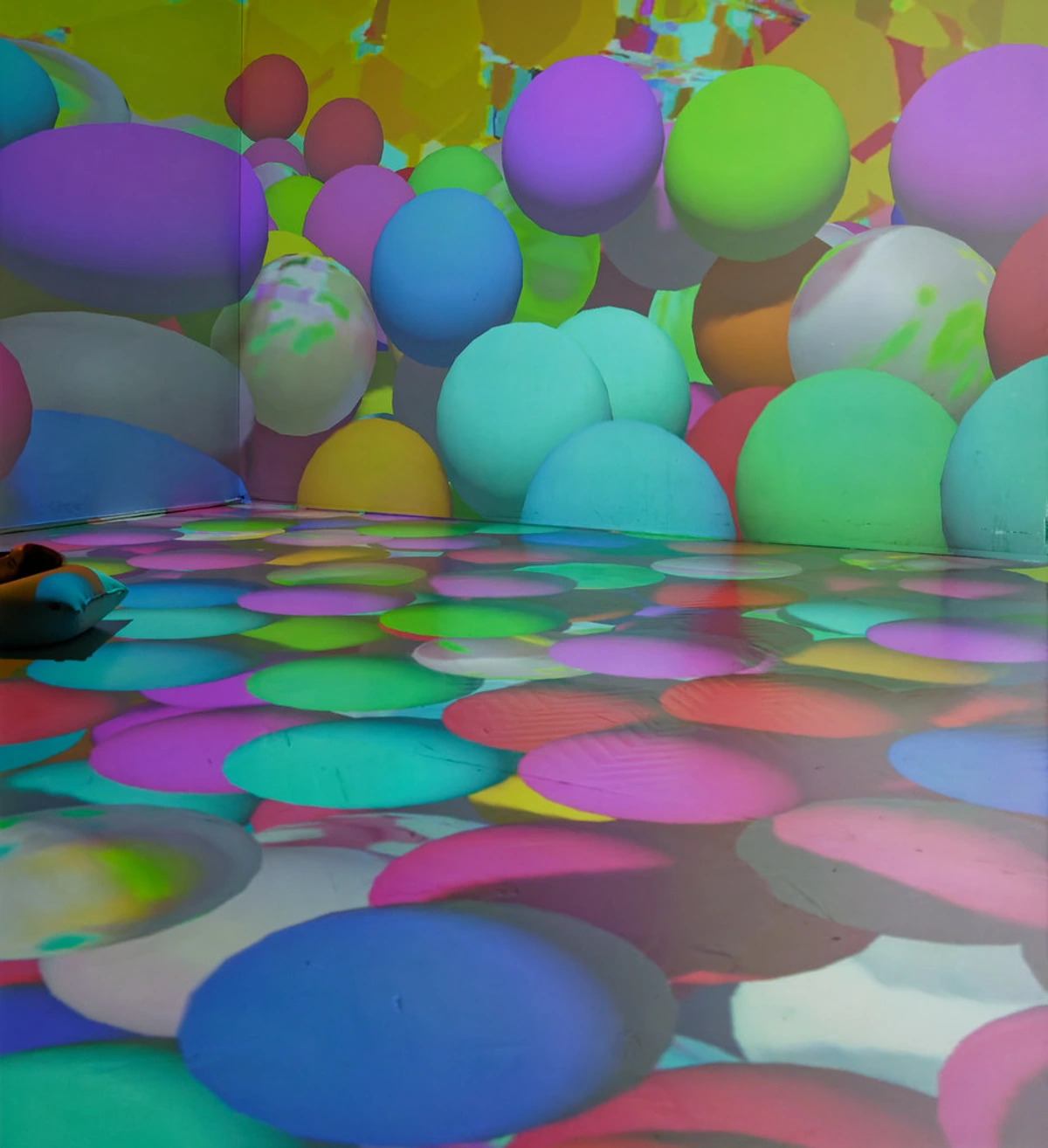
Mindful observation involves being fully present with the artwork. Focus on the sensations and emotions it evokes, and allow yourself to experience the artwork without judgment or distraction.
2. Contextual Analysis
Understand the context in which the artwork was created. Learn about the artist, their life, their influences, and the historical period. This can provide valuable insights into the artwork's meaning.
Contextual analysis can also involve understanding the cultural and societal influences that shaped the artist's work. This broader perspective can enrich your appreciation of the artwork.
3. Cultural Context
Exploring the cultural context of an artwork can provide deeper insights into its significance. This includes understanding the traditions, beliefs, and values of the society in which the artwork was created.
3. Emotional Response
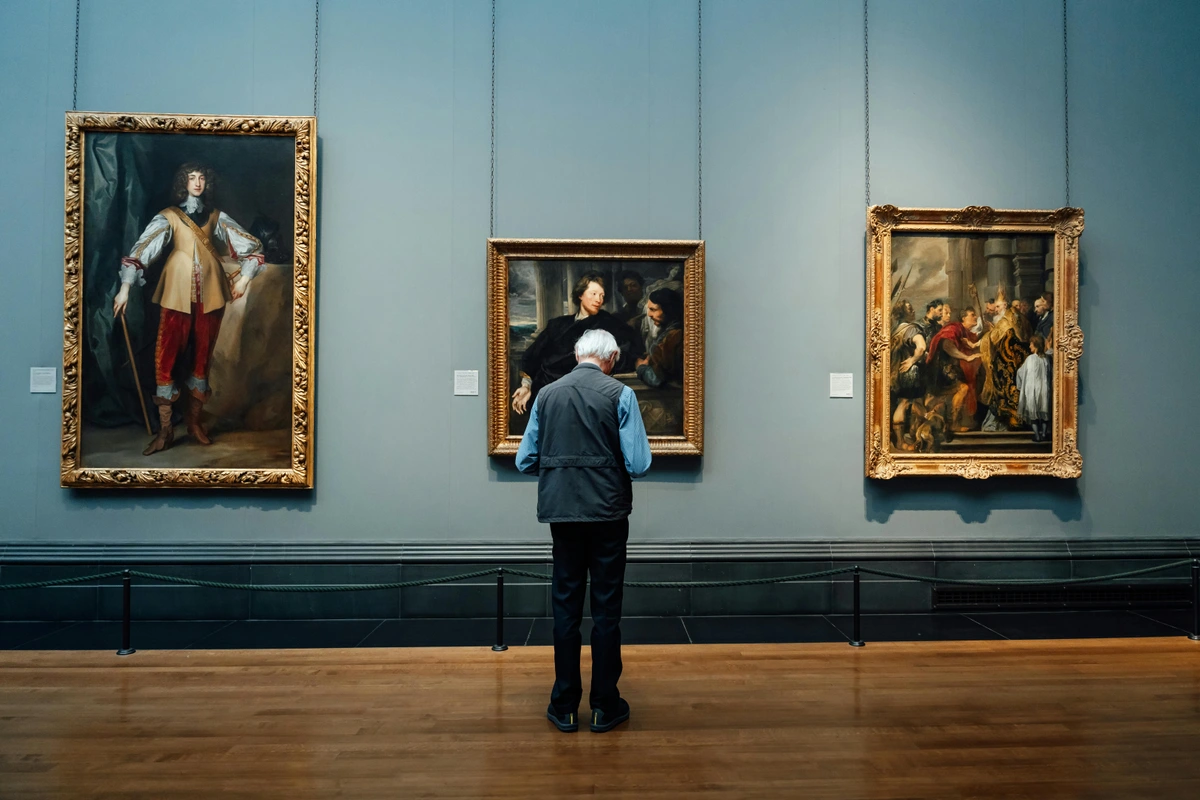
Pay attention to your emotional response. What feelings does the artwork evoke? Why do you think it affects you this way? Emotions can be a powerful tool for understanding art.
Emotions are a gateway to deeper insights. They can reveal personal connections to the artwork and help you understand why certain pieces resonate with you more than others.
4. Journaling Your Emotions
Keeping a journal of your emotional responses to art can help you track your personal growth and deepen your understanding of the artworks you engage with.

Analytical Techniques
1. Formal Analysis
Analyze the formal elements of the artwork: line, shape, color, texture, and space. How do these elements work together to create the overall effect?
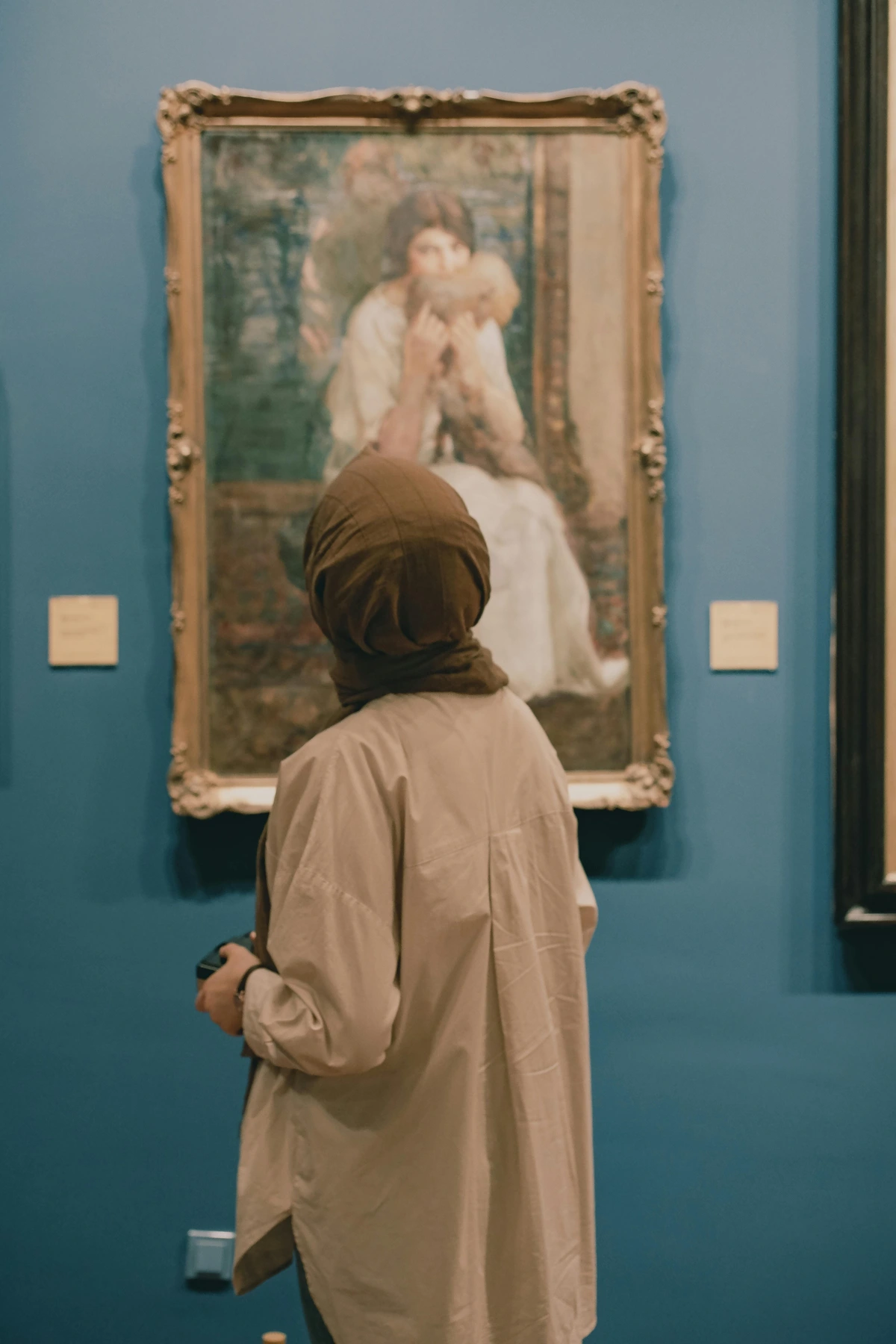
Formal analysis involves breaking down the artwork into its basic components and examining how they interact. This can reveal the artist's intentions and the techniques used to convey their message.
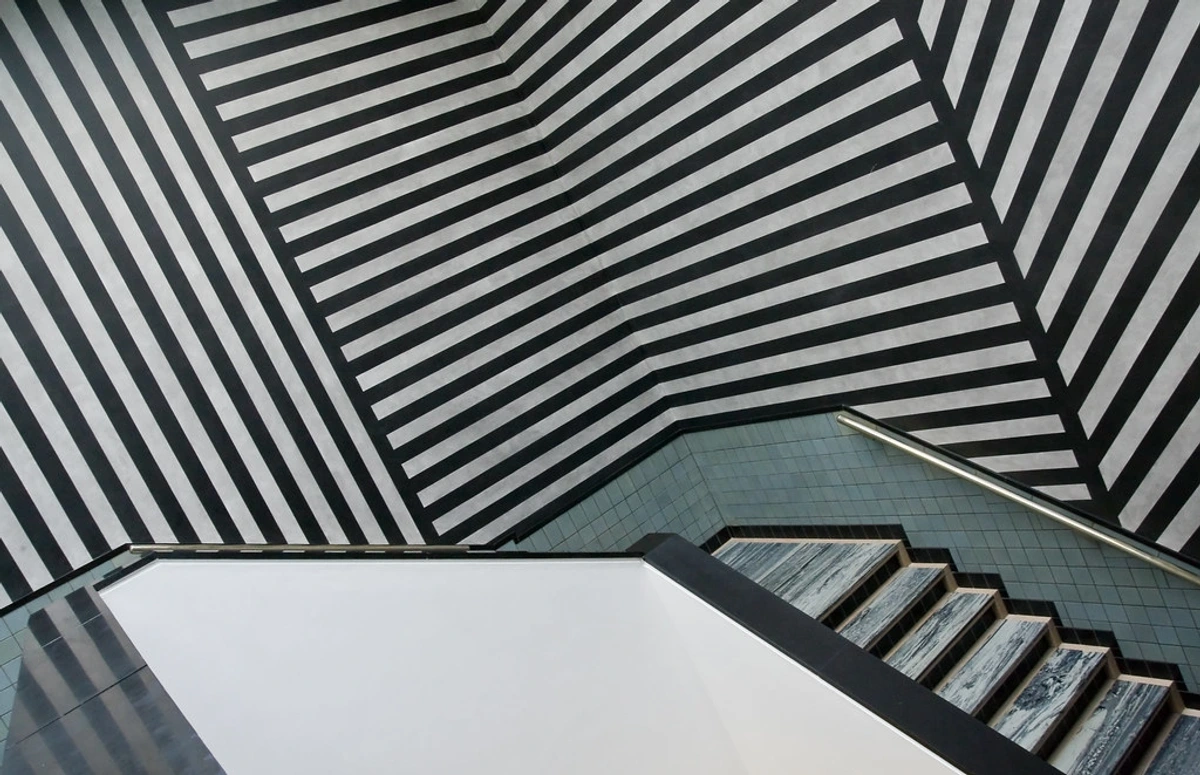
2. Color Theory in Art
Understanding color theory can enhance your appreciation of an artwork. Colors can evoke emotions, convey messages, and create visual harmony or tension within a piece.
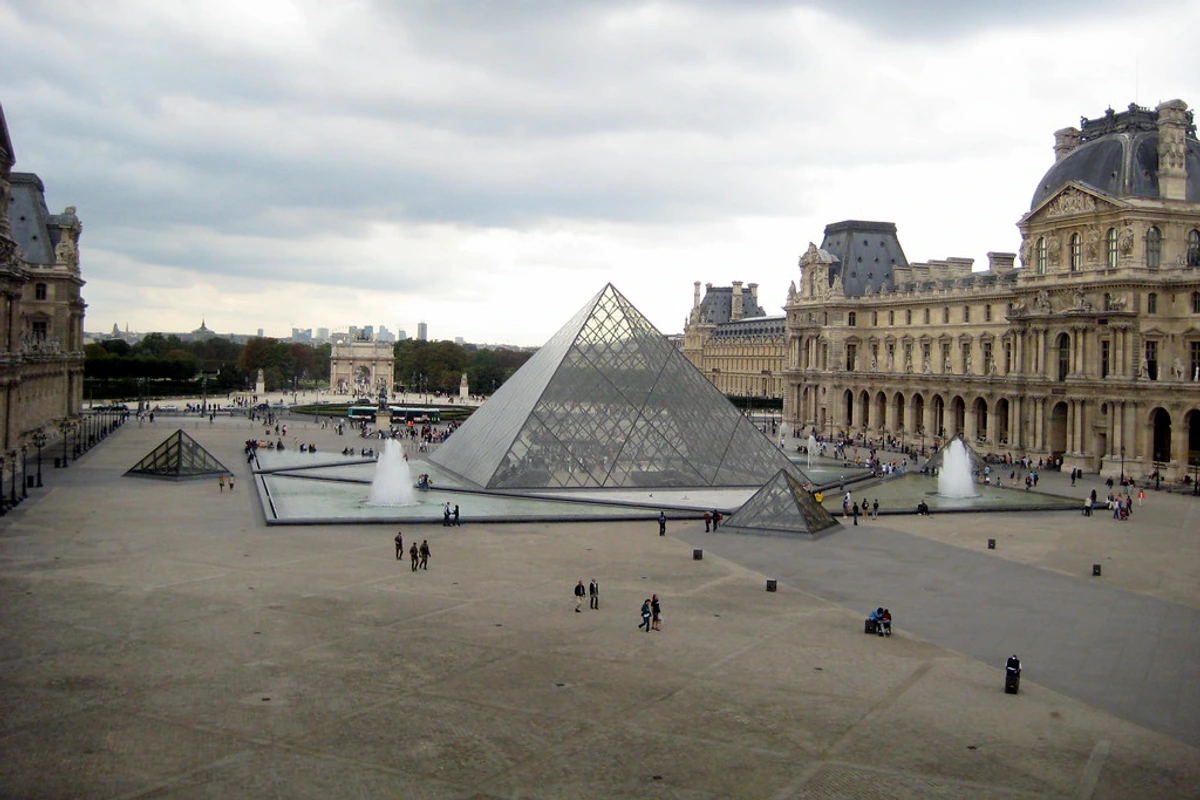
2. Iconographic Analysis
Look for symbols and icons within the artwork. What do they represent? How do they contribute to the artwork's meaning?
Iconographic analysis delves into the symbolic language of art. By understanding the symbols and their meanings, you can uncover hidden layers of significance in the artwork.
3. Symbolism in Different Cultures
Symbols can have different meanings across cultures. Exploring these variations can provide a richer understanding of the artwork and its cultural context.
3. Comparative Analysis
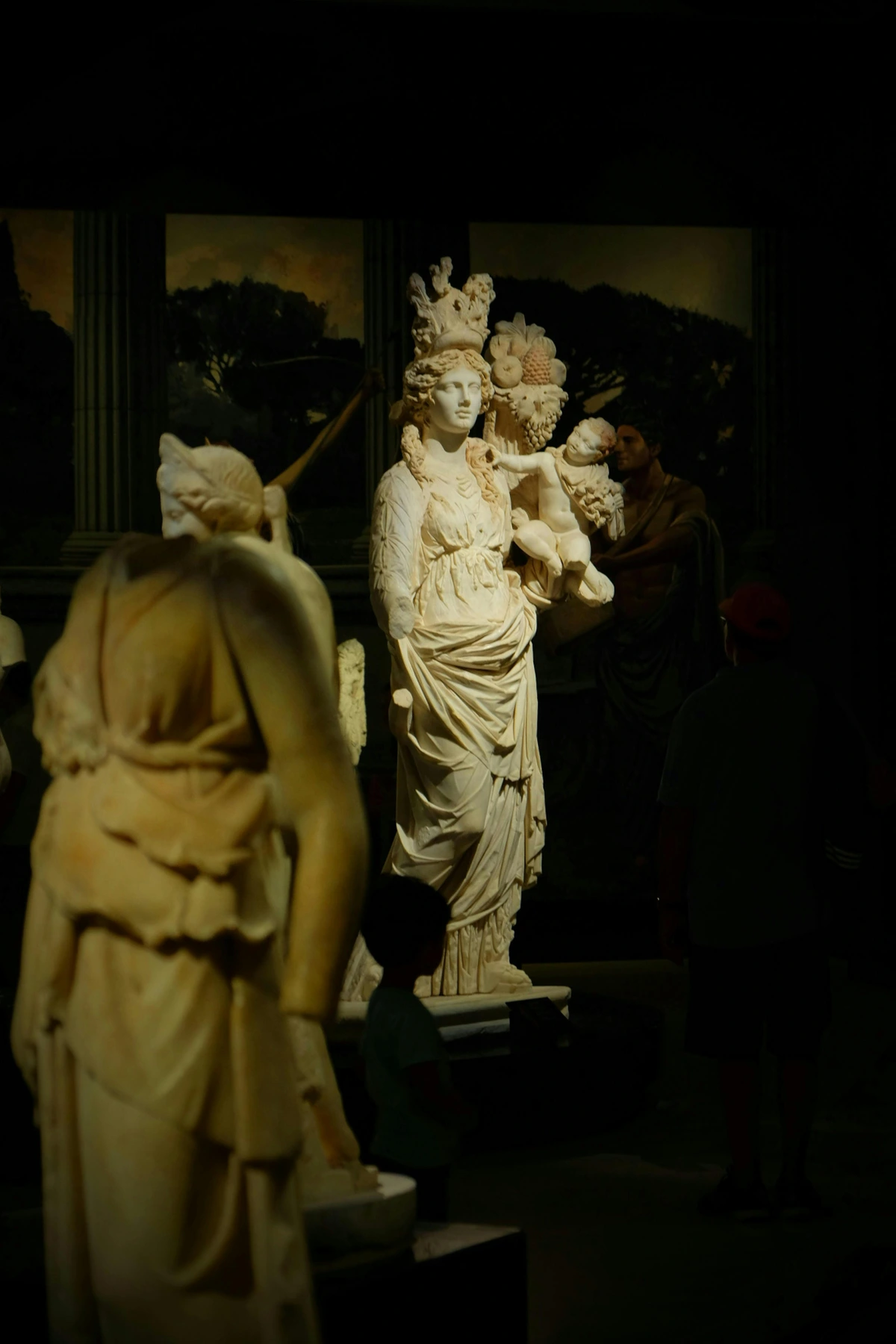
Compare the artwork to others by the same artist or from the same period. How does it fit into the broader context of art history?
Comparative analysis helps you see the artwork in relation to others, highlighting its unique qualities and its place within the broader artistic tradition.
4. Art Movements and Their Influence
Understanding the characteristics and influences of different art movements can provide insights into the artwork's style and the artist's intentions.
Practical Steps to Deepen Your Art Appreciation
Step 1: Choose an Artwork
Select an artwork that resonates with you. It could be a painting, a sculpture, a photograph, or any other form of art.

Choosing an artwork that speaks to you personally can make the process of analysis and reflection more meaningful and enjoyable.
Step 2: Observe and Describe
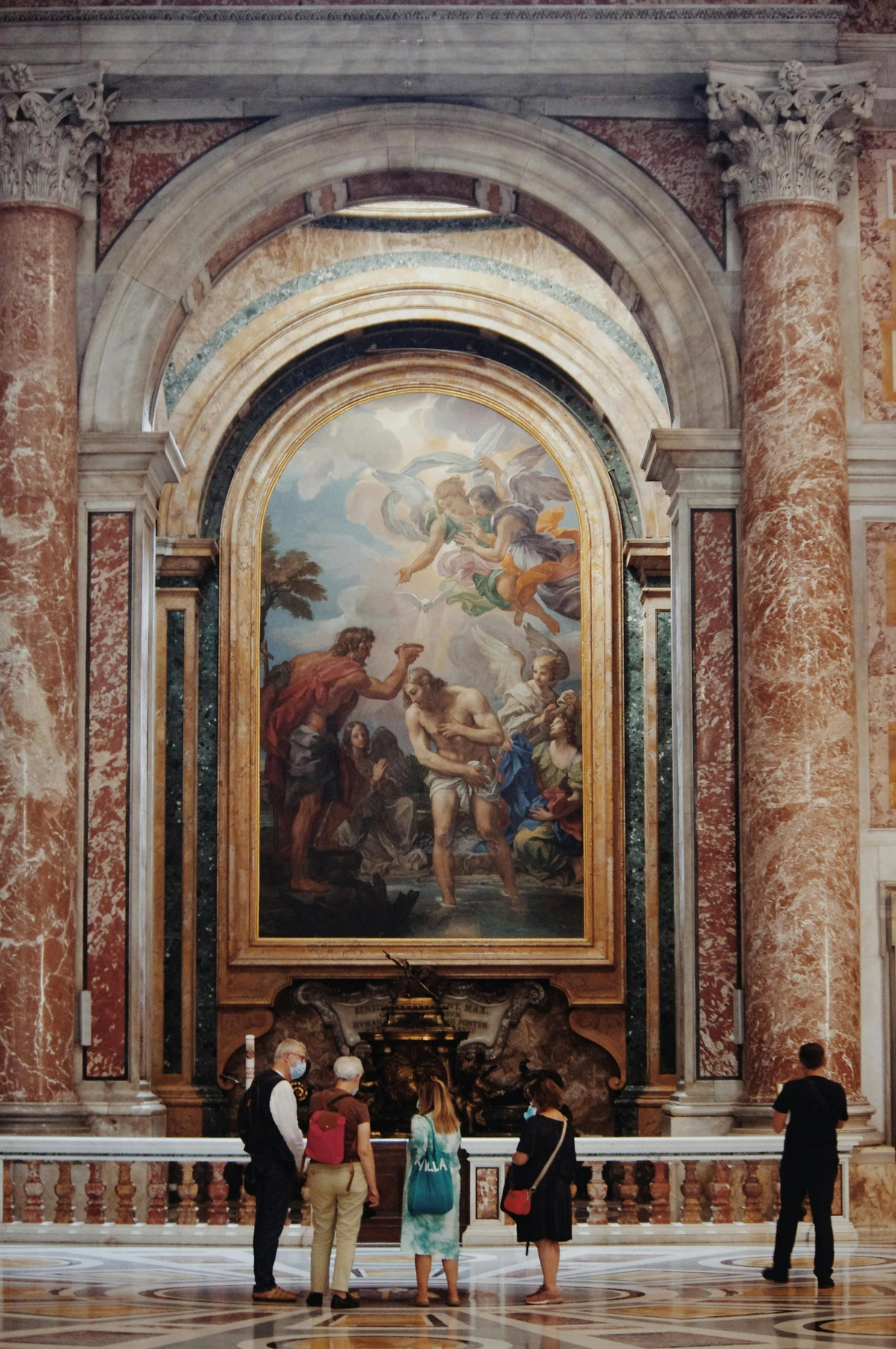
Spend time observing the artwork. Describe what you see in detail. Note the colors, shapes, textures, and any other elements that stand out.
Observation is the foundation of art appreciation. The more you observe, the more you will discover about the artwork and yourself.

Step 3: Engage with the Artwork
Engaging with the artwork on a personal level can enhance your understanding and appreciation. Consider how the artwork makes you feel and what thoughts it inspires.
Step 3: Analyze and Interpret
Analyze the artwork using the techniques mentioned above. Interpret its meaning based on your observations and analysis.
Interpretation is a personal journey. There is no right or wrong way to interpret an artwork, as long as you are open to exploring its possibilities.
Step 4: Share Your Insights
Discussing your interpretations and insights with others can provide new perspectives and deepen your understanding of the artwork.
Step 4: Reflect and Connect
Reflect on your experience. How does the artwork make you feel? What thoughts does it inspire? Connect your personal experiences to the artwork.
Reflection is where the true insights come from. It allows you to connect the artwork to your own life and experiences, making the experience of engaging with art deeply personal and enriching.
Step 5: Create Your Own Art
Creating your own art can provide a deeper understanding of the artistic process and enhance your appreciation of other artworks.
Common Misconceptions About Art
Misconception 1: Art is Only for Experts
Art is for everyone. You don't need to be an expert to appreciate and gain insight from art. Trust your instincts and your emotions.
Art appreciation is a personal journey, and everyone's perspective is unique and valuable. Whether you are a seasoned art lover or a beginner, your insights matter.
Misconception 2: Art is Only for the Wealthy
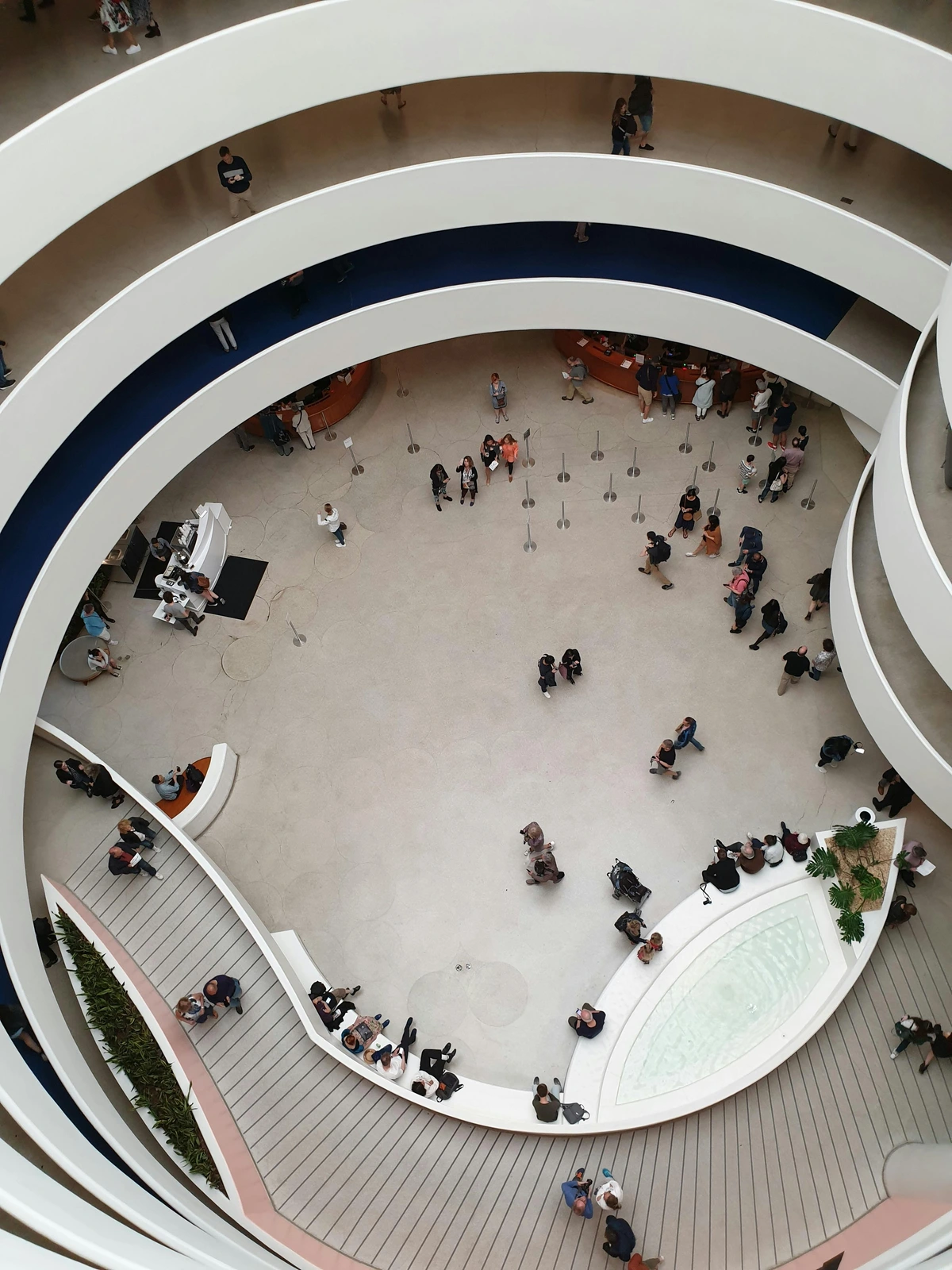
Art is not reserved for the wealthy or elite. It is accessible to everyone through museums, galleries, public art installations, and digital platforms.

Misconception 2: Art Has a Single Meaning
Art is open to interpretation. There is no single "correct" meaning. Each person's interpretation is valid and meaningful.
The beauty of art lies in its ability to evoke different emotions and thoughts in different people. This diversity of interpretation is what makes art so powerful and universal.
Misconception 3: Art is Only for the Educated
Art appreciation does not require formal education. It is about personal connection and emotional response, which are accessible to everyone.

Misconception 3: Art Must Be Beautiful
Art can be beautiful, but it can also be challenging, provocative, and even unsettling. Beauty is just one aspect of art.
Art can evoke a wide range of emotions, from joy and awe to discomfort and unease. These varied responses are all part of the rich tapestry of human experience that art seeks to explore.
Misconception 4: Art is Only for the Elite
Art is not reserved for the elite or the wealthy. It is a universal language that belongs to everyone. Museums, galleries, and public art installations are accessible to all, and art can be found in everyday life, from street murals to digital creations.

FAQ
How can I start appreciating art if I have no prior knowledge?
Start by visiting museums or galleries. Spend time observing different artworks and see what resonates with you. Read about the artists and their works. The more you engage with art, the more you will appreciate it.
You can also explore online resources, join art communities, or attend workshops to deepen your understanding and appreciation of art.
What are some beginner-friendly art forms to explore?
Beginner-friendly art forms include photography, watercolor painting, and digital art. These forms are accessible and offer a great starting point for exploring your artistic interests.
What should I do if I don't understand an artwork?
Don't worry if you don't understand an artwork immediately. Take your time to observe and analyze it. Read about the artist and the context in which the artwork was created. Sometimes, understanding comes with time and repeated exposure.
Engaging with others who appreciate art can also provide new insights and perspectives that enhance your understanding.
How can I learn more about art history?
You can learn more about art history by reading books, taking online courses, or visiting museums with historical collections. Many museums also offer guided tours and educational programs.

Can art really improve my mental well-being?
Yes, engaging with art can have a positive impact on your mental well-being. It can be a form of therapy, a way to process emotions, and a means to find solace and inspiration.
Art therapy is a recognized field that uses creative expression to promote healing and mental health. Whether through creating art or simply appreciating it, art can be a powerful tool for emotional well-being.
What are some techniques for using art as therapy?
Techniques for using art as therapy include drawing, painting, sculpting, and journaling. These activities can help individuals express their emotions and process their experiences.
How can I incorporate art into my daily life?
You can incorporate art into your daily life by surrounding yourself with artworks that inspire you, visiting local galleries, or even creating your own art. Engaging with art regularly can enhance your creativity, reduce stress, and bring joy to your everyday experiences.
What are some ways to support local artists?
You can support local artists by purchasing their artwork, attending their exhibitions, and sharing their work on social media. Supporting local artists helps foster a vibrant and diverse artistic community.
Conclusion
Gaining valuable insight from art is a journey of discovery and self-reflection. It's about connecting with the artwork on a personal level, understanding its context, and allowing it to evoke emotions and thoughts. Art is a powerful tool for personal growth and understanding the world around us. So, take your time, observe, analyze, and reflect. The insights you gain will be invaluable.
Remember, art is for everyone. You don't need to be an expert to appreciate it. Trust your instincts, follow your emotions, and let the artwork speak to you.

Final Thoughts
Art is not just about what you see; it's about what you feel and how it changes you. Embrace the journey, and let art enrich your life in ways you never imagined. Whether you're visiting a museum, creating your own art, or simply admiring a piece in your home, art has the power to inspire, heal, and transform.

And if you're inspired to bring some art into your life, consider exploring our collection at Zen Museum. Who knows, you might find a piece that resonates with you and starts your own journey of insight and appreciation.
Art is not just about what you see; it's about what you feel and how it changes you. Embrace the journey, and let art enrich your life in ways you never imagined.














Credit, License