Artist Income: The Unvarnished Truth About Forging a Sustainable Living from Art
Demystify artist income with this deep dive into real earnings. Discover hidden costs, diverse revenue streams, pricing strategies, and crucial business acumen for a sustainable creative career.

How Much Do Artists Really Make? The Unvarnished Truth About Forging a Sustainable Living from Art
Let's just get this out there, right at the start: asking an artist how much they make is a bit like asking someone their weight after the holidays. It's awkward, the answer is probably complicated, fluctuating, and almost certainly not what you think. I've been there, on both sides of that question. The enduring image of the starving artist toiling in a freezing garret is a powerful cliché, a romanticized notion that often overshadows the very real struggles, but also the strategic ingenuity, required to build a career in the arts. This trope, deeply ingrained since the Romantic era with its literary figures like Henri Murger's 'Scènes de la Vie de Bohème,' often ignores that even historical greats like Michelangelo or Rubens were astute businesspeople, adapting their output to patrons and markets. The truth, for almost everyone, is somewhere in the vast, messy middle between that cliché and the tantalizing fantasy of artists like Zeng Fanzhi selling a painting for millions. And that middle? It's a fascinating, complex ecosystem, I promise.
I've had years where my income from art was barely enough to cover my paint and coffee budget, and other years that were surprisingly good. It's rarely a steady paycheck, trust me. It's more like an intricate web of different streams, some trickling, some flowing, all demanding a bit of strategic navigation. So, if you're genuinely curious about what it means to forge a living from art – and I mean a real, sustainable living, one where you can cover your bills, save a little, and keep creating – let's pull back the curtain. This isn't about finding a simple number; it's about understanding a whole strategy for survival and, hopefully, thriving. In this comprehensive guide, we'll peel back the layers of the art world, moving beyond the myths to explore the practical strategies, diverse income streams, and often-hidden realities that truly fuel a creative career. Consider this your curated journey into the financial heart of being an artist.
The Artist's Financial Landscape: Beyond a Paycheck
The first, and perhaps most crucial, thing to grasp is that 'artist' isn't a single job title with a neat salary band you can look up. Most full-time artists I know, myself included, are more like small business owners or tenacious freelancers. Their income isn't a wage; it's revenue. And from that revenue, they have to deduct the often-staggering costs of running the business – and boy, are there costs. It’s like operating a tiny factory that also has to do all its own PR, manage inventory, and handle customer service, all without the safety net of a traditional employer. This distinction between what comes in and what you actually get to keep is often where the biggest surprises lie.
From Gross to Net: A Freelancer's Reality
When you think about a traditional salary, it often comes with a whole suite of benefits: paid time off, health insurance contributions, retirement plans, unemployment benefits, and an employer handling half your payroll taxes. For an artist, almost none of this is automatic. You are responsible for every single aspect. If I don't work, I don't get paid for that time. If I need health insurance, I pay the full premium myself. This distinction between a gross salary (what you earn) and net income (what you keep after everything is deducted) is far more pronounced for a self-employed artist. Your gross income is just the starting point; what truly matters is your net income after factoring in all the necessary business expenses and, of course, taxes. Trust me, the journey from gross to net is filled with receipts, invoices, and often, a hefty dose of existential dread about spreadsheets. But it's essential.
The Hidden Costs of Creation and Business
Let's tick off some of these financial realities that often surprise those outside the art world. This is where your hard-earned revenue vanishes before it even hits your personal bank account. As a rough guide, expenses can easily consume 30-50% of an artist's gross income.
Direct Production Costs
- Materials & Supplies: Paint (a gallon of professional oil paint can be $100-$300+, student grade might be $30-$80), canvas (a large, high-quality stretched canvas can be $50-$200+), clay, bronze, wood, digital software licenses (Adobe Creative Suite $600/year, Procreate $13 one-time, ZBrush $900 one-time), specialized tools, framing, printing supplies – the raw ingredients of creation aren't cheap and are constantly consumed. For digital artists, this also includes high-end computers, drawing tablets, and potentially even VR equipment. These are recurring investments that directly impact the quality and quantity of your output.
- Studio & Overhead: Rent for a dedicated workspace (a big one for many!), utilities, internet, security, and sometimes even specialized equipment like kilns, printing presses, or large-format printers. If you're working from home, a portion of these costs can still be allocated to your studio space as a tax deduction.
Business Operations & Marketing
- Marketing & Sales: Website hosting, domain fees, e-commerce platform subscriptions (Shopify, Squarespace, Etsy, Big Cartel – pick your poison!), professional photography of your work (essential for online sales), advertising campaigns (social media ads, print), art fair booth fees, travel to exhibitions, and even the cost of developing a strong artist brand and personal narrative. This includes crafting a compelling artist's statement (what your art is about) and a professional biography (your artistic journey and achievements), which are vital marketing tools that tell your story. Don't forget the power of an email marketing list and consistent visual storytelling on platforms like Instagram or Pinterest, which demand time and sometimes ad spend.
- Logistics & Administration: Shipping and crating for artwork (especially large pieces), legal fees (for contracts, intellectual property issues, or copyright protection), accounting software, administrative assistant help (if you're lucky!), and the sheer time spent on emails, invoicing, and client management. Protecting your work from IP theft (unauthorized reproductions, knock-offs, plagiarism of unique designs) is an ongoing, often costly, battle, often involving cease-and-desist letters or Digital Millennium Copyright Act (DMCA) takedowns. Proactive steps like copyright registration in relevant jurisdictions can strengthen your legal standing.
- Insurance: Protecting your studio, your art (while in transit or on exhibition), and yourself (liability, health, disability) is often overlooked until it's too late. It's a non-negotiable expense for a professional.
Professional Development & Taxes
- Professional Development: Courses, workshops, conferences, gallery visits, and networking events – continuous learning isn't just for corporate drones; it's essential for artistic growth and market relevance. Investing in your skills and knowledge directly impacts your long-term earning potential. I find that learning new composition in art explained courses or exploring elements of art line can open up new avenues of expression.
- Taxes: Ah, the grand finale. As a freelancer, you're responsible for estimated quarterly taxes, self-employment taxes (which cover both employer and employee portions of Social Security and Medicare), and often navigating complex deductions. Many artists find a good accountant to be their most valuable collaborator. This isn't just a challenge; it's a steep learning curve for many creative minds.

So, thinking about it as a single salary is the fastest way to get it wrong. It's about building a patchwork of income sources that, together, form a living. It's less about finding one golden goose and more about nurturing a whole flock of different birds, some offering a feather, others laying an occasional egg. It’s less existential dread and more strategic resource allocation. But definitely still some dread.
Weaving the Financial Tapestry: Core Income Streams for Artists
Where does the money actually come from? It's rarely just one place. Most artists weave together a mix of the following, with the balance shifting over time depending on their career stage, genre, market, and even sheer luck. Think of it as a financial tapestry, woven with many different, often vibrant, threads. Understanding these diverse income streams is key to building a resilient and sustainable art career.
Direct Sales of Original Art: The Dream and the Hustle
This is often the dream, right? Selling your original paintings, sculptures, or drawings. This happens through a few main channels, each with its own pros, cons, and complexities:
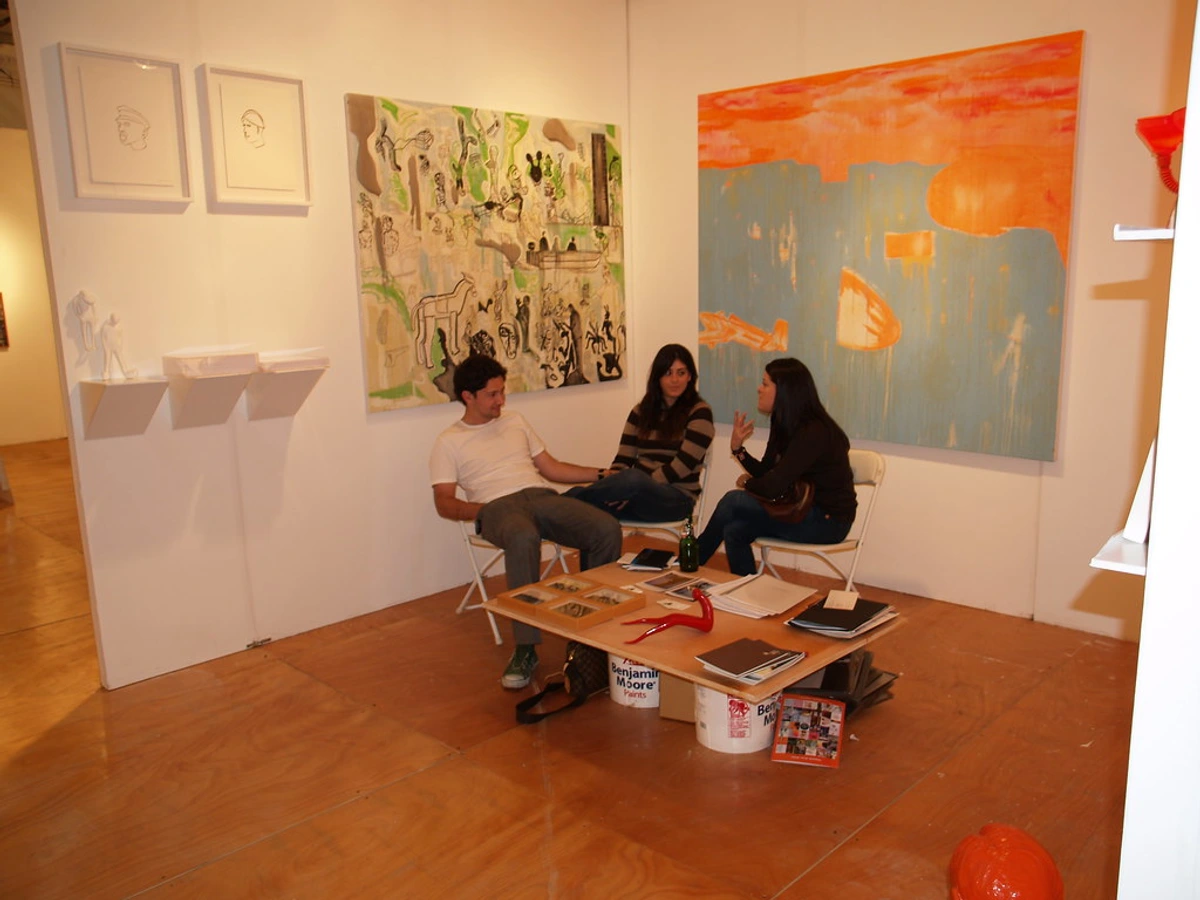
- Galleries: The Gatekeepers and Partners A gallery represents you, exhibits your work, and takes a commission on sales, typically 50%. This sounds like a lot, but consider what they cover: prime real estate rent, staff salaries, marketing, PR, art fair participation, shipping, insurance, and extensive collector outreach. A good gallerist isn't just a salesperson; they're a career partner, helping you develop, gain press, and reach specific types of collectors (private, corporate, institutional). They manage primary market sales (first-time sales from the artist) and, sometimes, facilitate secondary market sales (resales, often at auction, which can impact your long-term value). For instance, if a gallery sells your painting for $10,000 (primary market), you get $5,000. If that painting is later resold by a collector at auction for $50,000 (secondary market), you typically don't see any of that profit directly, unless your consignment agreement with the gallery stipulates a resale royalty. A resale royalty, or artist's resale right, means the artist receives a percentage of the sale price each time their work is resold in the secondary market. Consignment agreements are crucial legal documents outlining terms like commission, exhibition periods, insurance, and payment schedules. Getting gallery representation often involves years of consistent exhibition history, a strong portfolio, and extensive networking. The major downside? Exclusivity agreements often mean you can't sell your own work directly in that region, to avoid channel conflict (when different sales channels compete for the same customers, potentially underselling each other).
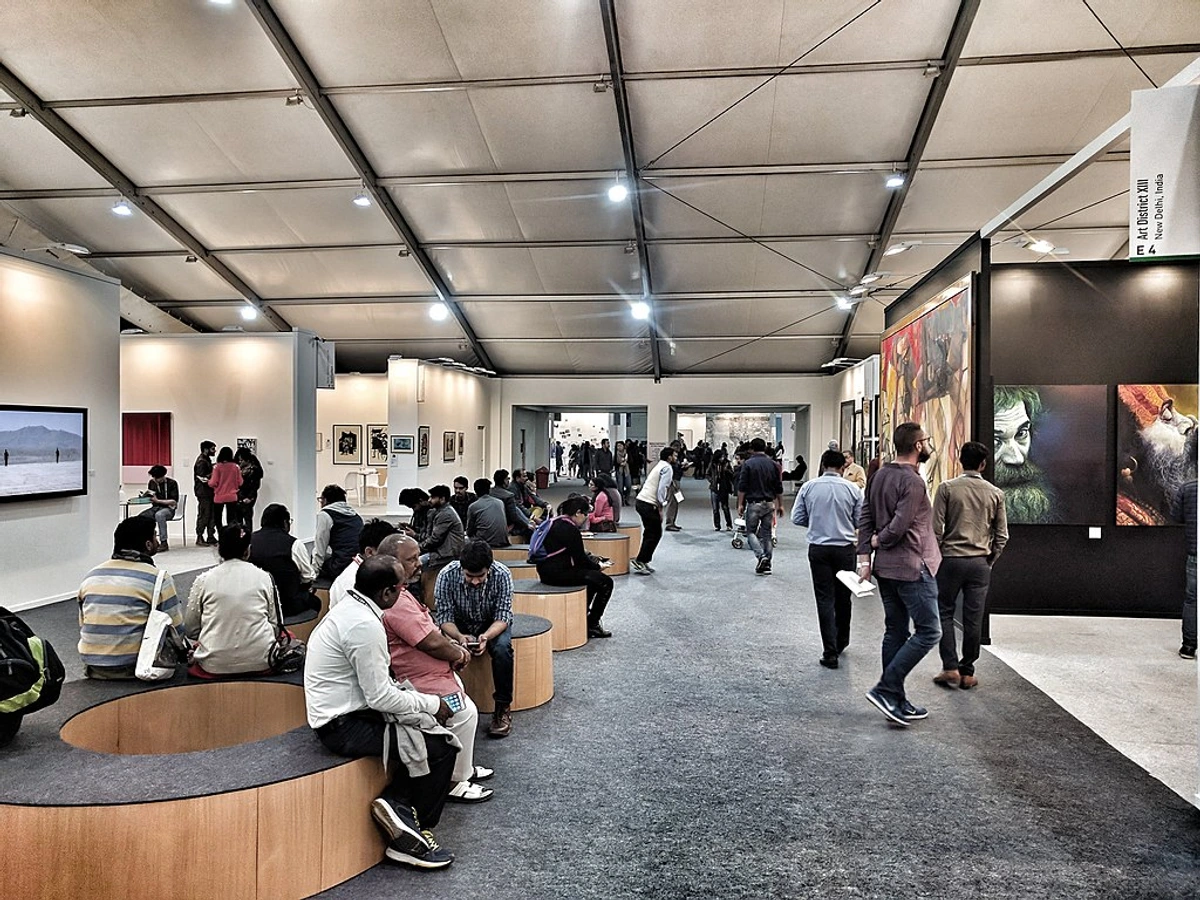
- Art Fairs: High Stakes, High Reward These are huge, high-energy events where galleries and independent artists rent booths to sell directly to collectors. It's a massive upfront expense (booth fees can range from a few hundred for a local fair to tens of thousands for major international events like Art Basel, plus travel, shipping, setup, staffing) but offers incredible exposure and direct connection with buyers. I've seen artists make a year's income in a single weekend, and others barely break even after all the costs. It's a calculated gamble, which can be mitigated by sharing booths, targeting specific fairs, or having a very clear sales strategy and a large mailing list. A successful art fair typically requires an ROI (Return on Investment) of at least 3:1 to be profitable after all expenses (meaning, for every $1 invested, you should aim for $3 in sales to cover costs and make a profit).
- Studio Sales & Online: Maximize Control, Maximize Effort Selling directly from your studio or your own website (like what you'd find at /buy) means you keep 100% of the sale. However, you're also responsible for 100% of the marketing, sales, logistics, and customer service. High-quality product photography, a robust e-commerce platform, good CRM (Customer Relationship Management) tools, and meticulous inventory management become crucial here. It offers maximum control but demands significant time, business acumen, and an understanding of online sales legalities (terms and conditions, return policies). For many artists, especially those early in their careers or working in accessible price points, this is a primary income source. I often find this to be the most satisfying, as it’s a direct connection with someone who genuinely loves your work.
Prints and Reproductions: Making Art Accessible
Not everyone can afford an original piece, or perhaps they're not ready for that level of investment. Selling high-quality prints is a fantastic way to make your art accessible to a wider audience and create a more scalable income stream. This could be anything from limited edition fine art prints (numbered, signed, and often accompanied by a certificate of authenticity, which increases their perceived value and price, like a giclée, lithograph, or screen print) to more affordable digital posters or open edition reproductions (unlimited quantities, lower price point).
- Giclée prints are high-quality inkjet prints on archival paper or canvas, known for their longevity and color fidelity.
- Lithographs use a stone or metal plate for printing, allowing for rich tonal variations.
- Screen prints (or serigraphs) involve pushing ink through a stenciled mesh screen, often resulting in bold, flat areas of color.
The key here is understanding the different production methods (each with its own cost and aesthetic implications), how limited versus open editions affect perceived value and pricing, and how to protect your copyright and intellectual property rights. Archival papers, such as cotton rag or alpha-cellulose, offer different textures, weights, and longevity, impacting both cost and perceived value. Many artists collaborate with skilled printmakers, who are artisans in their own right, to ensure the highest quality reproductions. When considering print-on-demand (POD) services, weigh the convenience and low upfront cost against potential quality control issues and lower profit margins. I always recommend clearly defining your print editions and communicating their value to collectors.
Commissions: Creating for a Specific Vision
A client hires you to create a specific piece of art for them. This can be lucrative and provides guaranteed income – a rare treat in the art world! However, it requires careful client management. Clear contracts are essential, detailing the scope of work, a 50% non-refundable deposit upfront, a payment schedule, usage rights (e.g., is it for personal display only, or can the client use the image for commercial branding or advertising?), clear revision limits (e.g., two rounds of minor revisions), and a cancellation policy. Pricing needs to factor in your time, materials, and the client's budget. Common strategies include:
- Cost-Plus Pricing: (Materials + Hourly Rate x Hours) – This is straightforward, calculating your direct costs and adding a margin for your time and profit. For example, if materials cost $200 and you estimate 10 hours at $50/hour, the base price is $700.
- Value-Based Pricing: What the market will bear, considering your reputation, the perceived value of the work to the client, the complexity of the concept, and the client's intended use (e.g., personal collection vs. commercial branding). A highly sought-after artist will command a higher price for the same amount of time and materials.
- Tiered Pricing: Offering different levels of complexity/size at varying price points to cater to different budgets. Managing client expectations is an art in itself, and I’ve learned the hard way that a solid contract is your best friend here. Without it, a project can spiral into endless changes and creative frustration, impacting your profit and time.
Intellectual Property (IP) & Licensing: Your Art Working for You
This is an often-overlooked but potentially significant income stream. Beyond selling the physical artwork, you can license the rights to reproduce your images for commercial purposes. Intellectual Property (IP) refers to creations of the mind – your unique art, designs, or literary works. Licensing involves granting permission to use your artwork for a specific period, in a specific medium, for a specific fee or royalty. Think home decor (prints, textiles), stationery, apparel, book covers, or even advertising campaigns. For example, you might license an artwork for use on a greeting card for a flat fee or a small percentage of each card sold, or for a major advertising campaign, which would command a much higher fee or royalty rate. I once licensed a series of abstract patterns for a line of home textiles; the initial flat fee combined with a small royalty on each unit sold provided a consistent, passive income for years. Understanding copyright law, negotiation skills, and having robust licensing agreements in place are absolutely vital here. It's a way to leverage your existing creative output into new revenue streams without creating entirely new physical pieces, making your work work harder for you. It’s like getting paid for something you’ve already done – a true win-win, if managed well.
Beyond the Studio: Supplementary Income Streams for Creative Living
This is the part that often gets left out of the glamorous art world stories. For most artists, especially early and mid-career, a multi-faceted approach is survival. My own career has seen plenty of these supplementary roles, sometimes out of necessity, sometimes out of a genuine desire to share knowledge or stay connected to the broader creative ecosystem. These streams often provide the financial resilience that keeps the dream alive.
Teaching & Workshops: Sharing Your Expertise
Many artists share their skills by teaching at universities, community centers, or running private workshops (in-person or online). This can be a steady and rewarding way to supplement income, requiring not only artistic skill but also strong communication and pedagogical abilities (the art and science of teaching). You might develop your own curriculum, market your classes directly, or teach through established institutions. Online platforms like Skillshare or Teachable have also created new avenues for artists to reach a global audience with their instructional content. I find immense satisfaction in seeing students grasp a new concept, and it often sharpens my own understanding of my practice. A mentor once told me, "If you want to truly understand something, teach it." I've found that to be profoundly true. Consider different financial models: per-student fees, workshop packages, or even subscription models for ongoing online courses.

Grants and Residencies: Funding Your Vision
These are competitive awards that provide funding for artists to create work, research a project, or attend a residency. Grants can be specific (e.g., a project grant for a new body of work) or provide general operating support. Residencies offer invaluable time, space, and sometimes access to specialized equipment (like a ceramics kiln or printmaking press), community, and networking opportunities. They're prestigious and can offer invaluable time and resources, but they are not a reliable source of continuous income. Finding them (through databases like NYFA, Artist Communities Alliance, TransCultural Exchange, or local arts councils) and writing compelling applications is an art in itself. Be prepared for a high rejection rate, but the rewards – focused creative time, a stipend, and a boost to your CV – can be significant. I once spent months on a grant application, only to be rejected. It stung, but the process of articulating my vision actually clarified my direction, which was its own reward. Tips for compelling proposals include a clear project statement, a detailed budget, and strong work samples.

Art-Adjacent Work: Leveraging Creative Skills
The 'day job' doesn't have to be totally unrelated. Many artists work as graphic designers, illustrators, museum preparators, art handlers, art conservators, exhibition designers, set designers, prop makers, visual merchandisers, storyboard artists, or even UX/UI designers. It keeps them in the creative ecosystem, often leveraging similar skills (color theory, understanding balance in art composition, visual communication, project management, attention to detail), while consistently paying the bills. For instance, an artist with strong color theory skills is invaluable as a graphic designer, or a sculptor might excel as a prop maker due to their understanding of form and material. I've known artists who find this work surprisingly fulfilling, even if it's not their primary creative outlet, as it often provides direct insights and connections that can feed back into their personal practice. Plus, it means you can buy good coffee and good paint, which, let's be honest, is half the battle.
Deciphering Artist Earnings: Factors Beyond Talent
So, why do some artists make more than others? It's not just about raw talent (though that certainly helps, and is often the spark). A whole host of interconnected factors come into play, shaping an artist's financial trajectory, and often, their sanity. It's a complex equation with many variables. It's also worth noting that the art market experiences cycles, much like the broader economy. Understanding these ebbs and flows, and maintaining consistent output and diversified income, can help artists weather downturns.
Here’s a breakdown of factors, categorized by how much an artist can typically influence them:
Factor  | Artist Control Level | Impact on Earnings |
|---|---|---|
| Reputation & Career Stage | Moderate | Emerging artists command lower prices; established artists with consistent exhibition history, critical acclaim, and loyal collectors earn significantly more. Building this takes time and strategic effort. |
| Business Acumen | High | Essential for marketing, financial management, pricing, negotiation, and client relations. Directly impacts ability to monetize talent. Lack of it is a common pitfall. |
| Brand Development | High | A strong, consistent artist brand and compelling personal narrative (how collectors buy into the story) differentiates an artist and attracts buyers. |
| Medium & Production Costs | High | Certain mediums (e.g., large-scale bronze sculpture vs. watercolor sketches) have inherently higher material and production costs, which must be reflected in pricing. Digital art offers lower production costs for scalability. |
| Market Niche & Style | Moderate | While chasing trends is ill-advised, understanding market demand for certain styles (e.g., decorative abstract art for homes vs. highly conceptual installation art) influences commercial viability. |
| Location | Low/Moderate | Major art cities (NY, London) offer more opportunities but higher costs. Digital platforms mitigate this but physical presence still matters for high-end markets and networking. |
| Luck & Timing | Low | Unpredictable factors like being in the right place at the right time, a sudden celebrity endorsement, or a serendipitous connection can significantly boost a career. Often, preparedness meets opportunity. |
Reputation & Career Stage: The Long Climb
An emerging artist, perhaps fresh out of art school or still finding their voice, will command lower prices than an established, mid-career artist with a long exhibition history, critical acclaim, and a loyal collector base. Building a reputation takes years – often decades – and is a slow-burn process. It involves consistent exhibition history (group shows, solo shows), positive critical reviews and press mentions, inclusion in significant permanent collections, and endorsements from respected curators or art critics. This journey is reflected in an artist's personal timeline, marked by hard-won milestones. Think of it as climbing a very tall, often slippery, ladder where every step is arduous and every handhold earned.

Business Acumen: The Unsung Hero of Artistic Success
This is the big one, and it's often overlooked, even undervalued, in art education. You can be the most talented artist in the world, but if you don't know how to market yourself, network effectively, manage your finances (budgeting, invoicing, taxes, understanding profit margins), price your work appropriately, negotiate effectively, and build strong client relationships, you will struggle. I've seen incredibly gifted artists flounder because the business side felt like a distraction, or worse, a betrayal of their creative purity. Look, my discipline on the business front is often a mess on most days, but the moments I dedicate to strategic planning, financial literacy, and marketing are always the most impactful for my career trajectory. It’s the engine to the creative car, however unglamorous it might seem. This is why investing in business skills, even basic ones, is paramount.

Artist Brand Development & Narrative: The Story Sells
Beyond the art itself, a compelling artist brand and personal narrative are crucial. Collectors don't just buy paint on canvas; they buy into a vision, a story, an artist's journey. What drives you? What themes do you explore? How do you articulate your unique perspective? Developing a consistent visual identity, a clear voice in your communications, and a strong narrative around your work helps differentiate you in a crowded market and builds a loyal following. It's about presenting your authentic self in a way that resonates with your audience. This can be as subtle as a consistent color palette in your abstract art or as explicit as a powerful artist's statement.
The Artist's Ecosystem: Building a Support System
Making a living as an artist isn't a solo sport, even if the act of creation often is. A robust support system can be as crucial as a steady hand or a good brush. This network provides not just emotional ballast, but also practical guidance and opportunities that you simply can't generate alone. It's about building a community around your creative practice.
- Mentors and Peers: Learning from those ahead of you, and sharing experiences with fellow artists, can provide invaluable guidance, motivation, and insights into navigating the art world's complexities. These relationships offer critical feedback, open doors to opportunities, and provide emotional support during challenging times (and there will be challenging times). I’ve found some of my most insightful feedback comes from peers who truly understand the artistic journey. I remember a peer suggesting a different art fair approach that completely changed my perspective and led to some significant sales.
- Collectors as Advocates: Beyond buying, some collectors become true patrons and advocates, championing your work to their networks, offering exhibition opportunities, or even providing financial support for projects. They become genuine ambassadors for your artistic vision and often your most enthusiastic cheerleaders. Nurturing these relationships is invaluable.
- Art Consultants: Often working with private collectors or corporations, art consultants can connect artists with buyers looking for specific types of work. While they take a commission, they open doors to a market segment that might otherwise be inaccessible.
- Family and Friends: The emotional and, sometimes, financial support from loved ones during lean times can be the bedrock that allows an artist to persist. It's not glamorous, but it's real, and its importance cannot be overstated in sustaining a long-term creative career. A supportive partner or family can make all the difference between giving up and pushing through.
The Extreme Outliers: Superstar Artists and the Speculative Market
Of course, we have to talk about the headlines. The multi-million dollar auctions for works by artists like Jean-Michel Basquiat, Gerhard Richter, Damien Hirst, Jeff Koons, Yayoi Kusama, or Ai Weiwei. This is the fine art equivalent of professional sports or the tech industry's unicorn startups – an absolute, tiny fraction of the field, operating in a completely different economic reality driven by investment, speculation, and status. It's a world most working artists will never enter, and frankly, might not even want to.
Why is this segment of the market so speculative? It's a confluence of ultra-high net worth individuals seeking alternative asset classes, status symbols, and the savvy marketing of auction houses and top-tier galleries. These artists' careers are often meticulously managed, their scarcity engineered, and their prices driven by global wealth flows, not just intrinsic artistic merit or craftsmanship. Art advisors play a significant role here, guiding collectors on what to invest in, sometimes creating a self-fulfilling prophecy of rising prices. For a brief moment, we also heard a lot about NFTs (Non-Fungible Tokens) within this speculative realm. While some artists certainly made life-changing money, the NFT market has proven to be incredibly volatile, opaque, and largely unsustainable for most. While blockchain technology does offer interesting possibilities for digital art provenance (the record of ownership for a work of art) and new forms of ownership or royalty distribution, for most working artists, the NFT market, as it was popularized, was more of a speculative sideshow than a sustainable career path, though the broader digital art market does offer some artists alternative avenues for income, often at lower price points and with direct-to-consumer models. So, while you might dream of being the next Peter Doig, it’s more productive to focus on building a resilient career in the real, messy middle.
What Are the Actual Numbers? A Realistic Income Ballpark
Alright, you're saying, stop hedging and give me some numbers. It’s tricky because self-reported income for freelancers is notoriously unreliable, and the definition of 'artist' is so broad. However, data from sources like the US Bureau of Labor Statistics and various artist surveys can give us a ballpark. Remember: these are gross estimates (before expenses and taxes) and vary dramatically by discipline (e.g., a commercial illustrator's income will differ vastly from a conceptual sculptor's, and neither is the same as a fine art painter). Regional differences in cost of living and the local art market activity can also significantly impact these numbers. These averages also mask the extreme variations within each category.
Career Stage | Gross Income Range (Annual) | Net Income (After 30-50% Expenses/Taxes) | Key Characteristics |
|---|---|---|---|
| Emerging Artists (1-5 years) | $0 to $15,000 | ~$0 to $7,500 | Heavy reliance on other jobs. Focus on portfolio building, networking, finding voice and niche. Often learning business basics. |
| Mid-Career Artists (5-15 years) | $25,000 to $80,000 | ~$12,500 to $56,000 | Sustainable living begins, often with diverse income streams (sales, commissions, teaching, prints, art-adjacent work). Building recognition and collector base. |
| Established Artists (15+ years) | $80,000+ | ~$40,000+ | Strong reputation, consistent gallery representation, loyal collectors. Benefit from secondary market sales, institutional interest. Still subject to market cycles. |
It's important to remember that while the top tier can earn exceptionally well, the vast majority of artists build their careers in a more moderate financial landscape. For every artist earning $100,000 from their art, there are hundreds, if not thousands, earning less than $10,000. It's a marathon, not a sprint, and perseverance is often the most valuable asset.
The Psychological Toll: Managing Financial Uncertainty
Beyond the numbers, the financial uncertainty inherent in an artistic career can take a significant psychological toll. Artists often grapple with imposter syndrome (doubting one's accomplishments and fearing being exposed as a fraud), anxiety around inconsistent income, and the pressure to constantly create and market. Strategies for maintaining mental well-being include building a strong support network (as discussed above), setting clear financial boundaries, celebrating small victories, and recognizing that dips in income are part of the cycle, not a reflection of your worth or talent. Remember, true success isn't just about monetary gain, but also about creative fulfillment and resilience.
Navigating the Minefield: Common Financial Pitfalls for Artists
Making a living as an artist is fraught with challenges, and many creatives, myself included at times, stumble into predictable traps. Recognizing these can be the first step to avoiding them. It’s like spotting quicksand before you step in it – always a good idea.
- Underpricing Your Work: This is perhaps the most common mistake. Artists often don't factor in their time, material costs, overhead (studio rent, marketing), or their own skill and experience. Undervaluing your work devalues it in the eyes of buyers and can prevent you from making a sustainable living. I remember early in my career, I'd price based on what I thought someone would pay, not what my time and materials were actually worth. Big mistake. I sold a piece for what I thought was a good price, only to realize I'd barely covered my materials once the gallery commission and framing were deducted. Never again!
- Poor Record-Keeping: Neglecting meticulous records of income, expenses, inventory, and sales makes tax season a nightmare and hinders effective business analysis. A shoebox full of receipts is a recipe for stress and lost deductions.
- Over-Reliance on a Single, Unstable Income Stream: Putting all your eggs in one basket – say, just gallery sales – leaves you vulnerable to market shifts or changes in gallery representation. Diversification is key to financial resilience.
- Neglecting the Business Side Entirely: Believing that creativity should be untainted by commerce is a romantic, but ultimately career-limiting, notion. The business side – marketing, finance, client management – is not a distraction; it's the infrastructure that allows your creativity to flourish and reach an audience. Treat your art like a business, even if it's a passion project.
- Lack of Financial Literacy: Many artists avoid learning about budgeting, tax planning, or understanding profit margins. This can lead to impulsive spending, unexpected tax bills, and a general lack of control over their financial future. Even basic financial planning can make a huge difference.
Essential Tax Planning for Artists
Given the complexity, here are some non-negotiables for tax planning:
- Separate Bank Accounts: Keep personal and business finances strictly separate. This simplifies record-keeping immensely.
- Track Everything: Use accounting software (e.g., QuickBooks, Wave) or a detailed spreadsheet to log every income and expense. Keep all receipts!
- Estimated Quarterly Taxes: As a self-employed individual, you'll likely need to pay estimated taxes four times a year to avoid penalties. Consult with an accountant to determine your obligations.
- Deductible Expenses: Understand what you can deduct (studio rent, materials, marketing, professional development, insurance, travel to art fairs, etc.). A good accountant specializing in creatives can save you a lot.
Frequently Asked Questions (FAQ) About Artist Income
How much money can a beginner artist realistically earn in their first few years?
A beginner artist (typically in their first 1-5 years) often makes very little from their art alone, ranging from $0 to $15,000 per year (gross). Most beginner artists rely heavily on other jobs or supplementary income streams to cover their living expenses as they build their portfolio, network, and develop their artistic voice and market presence. After business expenses and self-employment taxes, their net income can be significantly lower, often in the range of $0-$7,500.

Can you make a full-time, sustainable living as an artist?
Yes, it is absolutely possible to make a full-time, sustainable living as an artist, but it requires significant dedication, continuous learning of business acumen, and a highly diversified approach to income. It's rarely a single, steady salary, but rather a strategic combination of direct sales, prints, commissions, licensing, teaching, and potentially art-adjacent work. It's a marathon, not a sprint, and financial stability often takes years, if not decades, to build, requiring both artistic vision and entrepreneurial spirit.
What is the average salary of a successful artist after expenses?
The term "successful artist" is subjective and varies widely. For established, mid-career artists (5-15+ years experience) with consistent gallery representation and a loyal collector base, gross incomes can range from $80,000 to well over six figures annually. However, these are gross figures. After significant expenses (materials, studio, marketing, insurance, legal fees, etc., which can be 30-50% of gross) and self-employment taxes, a successful artist's net income could realistically be in the range of $40,000 to $70,000+, with top-tier artists earning considerably more. A truly successful artist builds a sustainable and resilient career, not just high sales figures.
How do famous artists get paid, and how does art valuation work for them?
Famous artists typically earn income through a combination of very high-value direct sales of original artworks through top-tier galleries and auction houses (often with significant primary and secondary market activity), extensive licensing of their intellectual property, and sometimes large-scale commissions for public or private installations. Art valuation for these artists is a complex interplay of reputation, rarity, provenance (history of ownership), market demand, critical acclaim, and global wealth flows, with art often treated as an investment asset rather than purely an aesthetic one. Their careers are often managed by sophisticated business operations, including dedicated studios, staff, art advisors, and legal teams, who strategically cultivate their brand and market position.
What are generally considered the most profitable art forms or approaches for artists?
Profitability can vary wildly and often depends more on the artist's business acumen and market demand than the art form itself. However, generally, art forms that can be easily reproduced or scaled tend to offer higher profit potential for a broader base of artists (e.g., digital art for prints, photography, graphic design, illustration, accessible small-scale paintings for online sales). For the top tier, unique, large-scale paintings and sculptures by highly reputable artists command the highest prices due to their investment potential and exclusivity. Public art commissions can also be very lucrative. Ultimately, finding a unique niche, building a strong artist brand, and diversifying income streams, regardless of the medium, are key to maximizing profitability and building a sustainable art career.
How does artist income fluctuate over a typical career lifespan?
Artist income typically follows a trajectory: very low and inconsistent in emerging years (often reliant on other jobs), gradually increasing to a more sustainable but still fluctuating level in mid-career (through diversification and growing reputation), and potentially reaching high, consistent levels in established years (with strong market demand and institutional interest). However, external factors like economic recessions, shifts in art trends, and personal life events can cause significant fluctuations at any stage. Resilience, continuous adaptation, and prudent financial planning are essential to navigate these cycles.







The Enduring Pursuit: Resilience in a Creative Career
So, there you have it: the unvarnished truth about how artists make money. It’s a messy, complex, and often unpredictable journey. The romance of the "starving artist" gives way to the gritty reality of the entrepreneurial creative, constantly innovating, adapting, and hustling to sustain their passion. From negotiating gallery commissions and understanding consignment agreements to navigating the labyrinth of taxes, from the high stakes of art fairs to the quiet dedication of studio sales, every income stream is a thread in a larger tapestry.
Ultimately, making a living from art is a testament to resilience, strategic thinking, and an unwavering commitment to one's craft. It demands not only artistic talent but also a robust business mindset and a willingness to continuously learn and adapt. It's not for the faint of heart, but for those of us who feel the irresistible pull of creation, it is an endlessly rewarding pursuit. So, keep creating, keep learning, and start building that basic budget or researching a potential supplementary income stream today. The world needs your vision, and with a bit of smarts, you can keep sharing it, sustainably. Keep going, the work is worth it.