Art Deco Architecture: Glamour, Geometry, & Lasting Legacy – Your Ultimate Guide
Uncover Art Deco architecture's soul: glamorous origins, defining geometric principles, luxurious materials, global icons, and enduring legacy. Your authoritative guide to this transformative style.

Art Deco Architecture: The Ultimate Guide to Glamour, Geometry, and an Enduring Vision of the Future
There's a specific kind of architectural magic that always stops me dead in my tracks. You know the feeling, right? You're walking through a bustling city, glance upwards, and suddenly, everything else fades away. There, towering above, is a building that feels undeniably modern, even a century later. It's grand, yes, but not in a fussy, old-world way. It's sleek, unapologetically geometric, and seems to be reaching for the sky with an almost impossible sense of optimism. If you've ever stopped dead in your tracks, captivated by a structure that whispers tales of jazz, speed, and boundless ambition, chances are you've just encountered an Art Deco masterpiece. For me, it's a truly captivating experience every single time; it transports you. More than just a style, Art Deco is a feeling, a vibrant echo of a transformative era. This guide will be your definitive exploration into the soul of Art Deco architecture, uncovering its glamorous origins, defining principles, and enduring impact on our world.
It's the Roaring Twenties and the ambitious Thirties cast in steel, stone, and glittering terracotta. It's the visual soundtrack of the Jazz Age, a monument to a time when the world was speeding up, looking forward, and ready to shed the scars of the past. So, let's take a walk through this dazzling world together, shall we? This isn't just an article; it's your definitive guide to understanding Art Deco architecture in all its audacious glory, exploring its very essence from foundation to gleaming spire.
The Genesis of Art Deco: A Roaring Rebirth and Technological Embrace
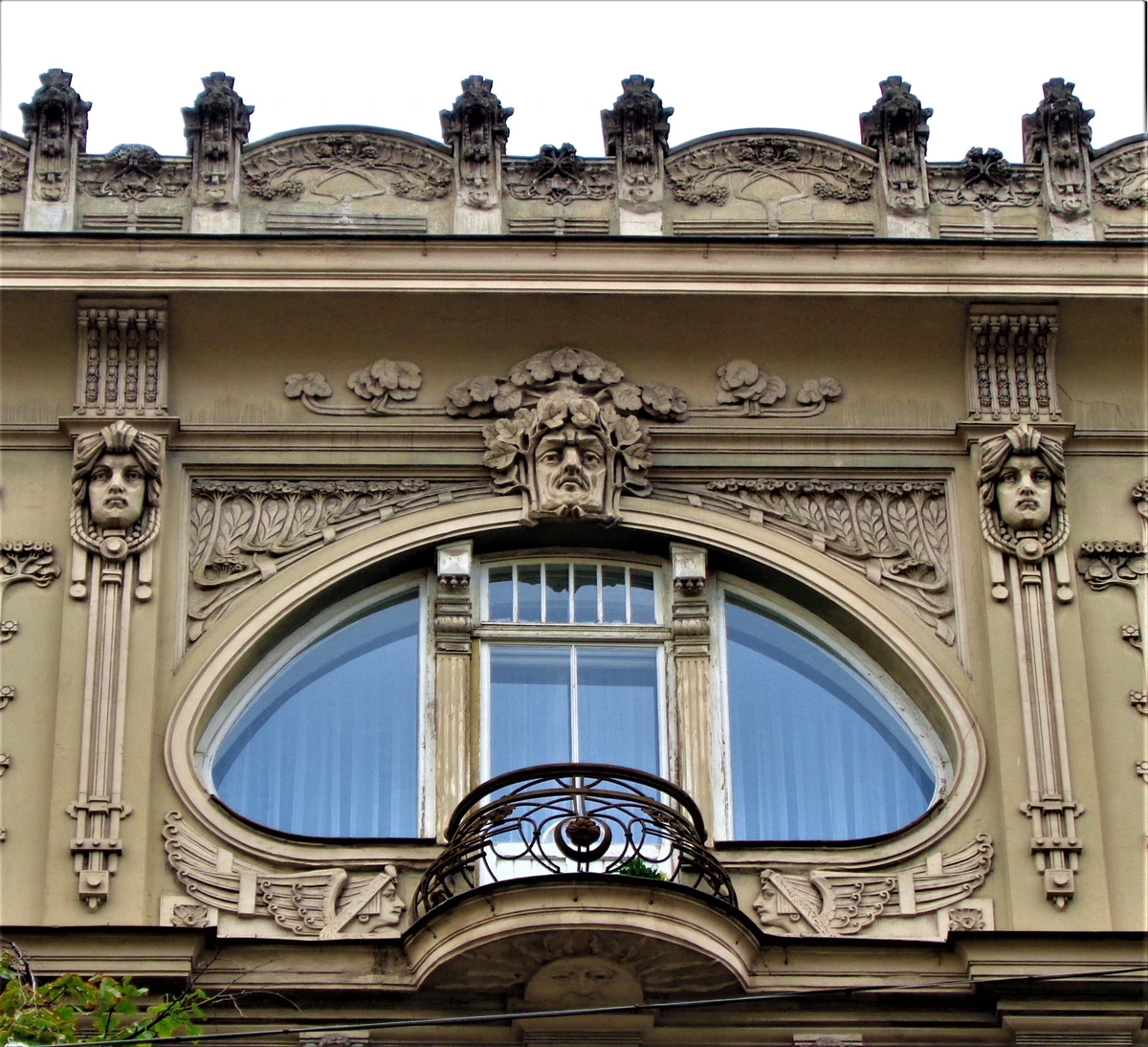
To truly understand Art Deco architecture, you can't separate the buildings from the turbulent, yet exhilarating, era that spawned them. It exploded onto the scene after the devastation of World War I, a full-throated rejection of the austerity and sorrow of the war years. I remember being struck by how that shift from the organic, flowing lines of its predecessor, the Art Nouveau movement (which now felt decidedly old-fashioned – a little too fussy and naturalistic for a world ready for sharp edges and bold statements), perfectly captured a change in human ambition itself. Suddenly, there was a profound desire for escapism, luxury, and a gleaming new future built on rapid technological progress. This wasn't just a quiet shift; it was a cultural roar, echoing with nationalistic pride and the thrill of interconnectedness through burgeoning international trade and communication.
Think of the sheer excitement around electrification, the voice from the radio filling homes, the silver screen of cinema captivating millions, and the burgeoning automotive and aviation industries – these were the powerful catalysts for a style that embraced the machine age (a period of awe-inspiring industrialization where precision, power, and mass production became symbols of progress) with open arms and unapologetic flair. Imagine the tangible thrill of an assembly line humming with precision, or an early airplane slicing through the sky; that's the spirit Art Deco sought to capture. The very precision and power of industrial production influenced the clean lines and geometric order that defined Art Deco, making it a celebration of human ingenuity. New building techniques, like the widespread use of steel frames and reinforced concrete, allowed for taller, more ambitious structures, enabling the verticality that would become a hallmark of the style. These innovations allowed architects to push boundaries, creating lighter, stronger buildings that could soar to unprecedented heights and incorporate daring cantilevered elements, perfectly reflecting the era's forward-thinking ethos. The rise of a burgeoning middle class with disposable income and increased leisure time fueled a demand for new forms of entertainment and glamorous surroundings. Art Deco didn't just meet this demand; it defined it, providing a sense of opulence and escapism amidst social and economic shifts.
Art Deco was officially christened at the 1925 Exposition Internationale des Arts Décoratifs et Industriels Modernes in Paris, an event that showcased its comprehensive reach across all applied arts. This grand exhibition, with its dazzling pavilions and integrated designs, served as a global launching pad, demonstrating how this modern style could permeate every aspect of life. From there, it swiftly captivated the world. Mass media, from elaborate magazine advertisements and bold graphic design to cinematic sets and fashion photography, amplified this aesthetic, making it a universal language of modernity and aspiration. This wasn't a style for quiet contemplation; it was for cocktail parties, fast cars, and towering ambition. I've written before about the wider Art Deco movement, which covered everything from furniture to jewelry and fashion, even influencing the graphic design of advertisements and film sets. But the buildings... the buildings are where the style truly touches the heavens. They were designed to impress, to make an undeniable statement, to declare that the future had arrived, and it was going to be spectacular.

Understanding Art Deco Architecture: Principles, Pioneers, and Global Influences
More than just a style, Art Deco was a declaration. It burst forth after the grimness of World War I, a dazzling rejection of austerity and a full-throated embrace of luxury, glamour, and an unshakeable faith in technological progress. This wasn't a style for quiet contemplation; it was for the dynamic rhythm of jazz, the gleam of fast cars, and towering ambition. So, what exactly is Art Deco architecture? Let's break it down.
Defining Principles: Glamour, Speed, and Order
At its core, Art Deco architecture is characterized by:
- Modernity: A forward-looking aesthetic that celebrated the present and future, consciously embracing the industrial age and rejecting fussy historical ornamentation in favor of sleek, contemporary forms and bold, graphic lines. It was a definite break from the past, declaring a new era. Crucially, Art Deco should be understood as a decorative style within the broader modernist movement, distinct from the later, more austere International Style that rejected ornament entirely.
- Luxury and Opulence: An unabashed use of rich, often exotic materials and elaborate (but geometric) decoration, signifying wealth, sophistication, and a desired escapism from past hardships. This glamour was both aspirational and an expression of a new economic boom.
- Geometric Precision: A strong emphasis on symmetry, repetition, and streamlined shapes like zigzags, chevrons, sunbursts, stepped forms (ziggurats), and sweeping curves. This order reflected the perceived efficiency and beauty of the machine age, and for me, it's these sharp, dynamic patterns that capture a vibrant, almost electrical energy.
- Verticality: Especially in skyscrapers, a powerful sense of upward movement and aspiration, often enhanced by decorative fins, ribs, and prominent setbacks that draw the eye heavenward. It’s a literal reaching for the sky, a symbol of urban ambition.
- Symbolism: Designs often incorporated motifs representing speed (lightning bolts, streamlined forms), power (muscular figures, heroic poses), progress (winged figures, gears), the dawning of a new era (sunbursts), and sometimes mythological or heroic figures, all stylized and abstracted. These weren't just pretty patterns; they told a story of the era's grand ambitions, often celebrating human strength and industrial might.
Key Architects: The Orchestrators of the Modern City
These were the rockstars of their era, shaping skylines and urban dreams. Architects like William Van Alen, the mastermind behind New York's iconic Chrysler Building with its gleaming, terraced spire and audacious radiator-cap gargoyles, created pure, unabashed theater in steel – almost as if he decided buildings should have as much personality as a jazz singer. Raymond Hood, known for his significant contributions to Rockefeller Center and the Daily News Building (with its distinctive globe in the lobby), mastered the blend of commercial function and aesthetic grandeur. Ely Jacques Kahn, whose prolific work shaped many of New York's commercial buildings, including the elegant Squibb Building and the distinctive Film Center Building, brought a sophisticated elegance to urban structures, often incorporating subtle yet powerful geometric patterns. Other notable figures include George Howe, who co-designed the Philadelphia Savings Fund Society (PSFS) Building, an early International Style skyscraper with prominent Art Deco elements, and Walter Dorwin Teague, a pioneering industrial designer. Teague significantly influenced the streamlined aesthetic seen in later Art Deco structures, extending the style from buildings to everyday objects, with his minimalist approach to form and emphasis on aerodynamic curves finding expression in architectural details like entrances and facades. My favorite thing about these pioneers? Their designs, often colossal in scale, were meant to evoke a sense of modern power and elegance, changing the very fabric of urban identity, demonstrating a bold vision for the future, not just a building.
Global Influences and Inspirations: A Dialogue Across Time and Cultures
Art Deco was a stark contrast to the organic, flowing lines of Art Nouveau which preceded it. Where Art Nouveau looked to nature for inspiration, Art Deco celebrated the man-made, the geometric, and the industrial. Yet, it wasn't a complete rejection of history. Art Deco architects selectively drew influences from ancient cultures, filtering them through a lens of sleek stylization, often seeking out motifs that conveyed monumental power or exotic allure, ensuring these historical references felt timeless rather than archaic:

- Ancient Egyptian Art: The rediscovery of Tutankhamun's tomb in 1922 sparked a global fascination. Art Deco translated this into motifs like stylized lotus flowers (simplified into angular forms), winged scarabs (symbolizing rebirth and progress), and the monumental presence of obelisks and hieroglyph-inspired friezes, all imbued with a sense of exotic mystery. This ancient grandeur, once hidden in tombs, was now reimagined for modern skyscrapers, lending a timeless power to contemporary ambition.
- Mesoamerican Motifs: The stepped pyramid forms of Mayan and Aztec temples, often called ziggurats, directly inspired the iconic setbacks and cascading profiles of Art Deco skyscrapers and decorative elements. These monumental structures resonated with the era's urban ambitions, symbolizing ancient power reinterpreted for the modern cityscape and demonstrating how architects transformed zoning law constraints into stylistic triumphs.
- African Tribal Art: The bold, angular patterns and simplified human figures found in African sculpture, often inspired by specific regional arts like Kuba textiles or Ndebele patterns, were abstracted further, influencing geometric ornamentation in metalwork, textiles, and architectural details, lending a primal, raw power to the sleek forms. Think of the dynamic, rhythmic patterns on radiator grilles or decorative panels. The interplay of strong lines and abstracted forms was particularly captivating to designers seeking a fresh, modern aesthetic.
- Viennese Secession & Russian Avant-garde: While often contrasted, earlier movements like the Vienna Secession (with its emphasis on geometric abstraction and integrated design) and the Russian Avant-garde (with its constructivist forms and celebration of the machine) also paved the way, introducing a modernist vocabulary of sharp angles and bold planes that Art Deco designers would further refine and imbue with luxury.
These were buildings meant to awe, to inspire, and to convey the very essence of modernity and a globally-inspired future.

The Telltale Signs: How to Spot an Art Deco Building
Once you know what to look for, you'll start seeing Art Deco everywhere. It's like unlocking a secret visual language. The details pop out, and suddenly, you can read the story the building is trying to tell. Here are the key ingredients I always keep an eye out for – a kind of mental checklist for spotting these urban treasures. Challenge yourself to identify at least three of these features on your next walk, and you might surprise yourself!
Architectural Features: Soaring Aspirations and Elegant Forms
- Verticality and Symmetry: Art Deco buildings are almost always intensely symmetrical, with powerful vertical lines that draw your eye irresistibly upward. It’s no coincidence that this style defined the great age of the skyscraper. The ambition felt palpable, a clear statement: to soar, to dominate the skyline, and to embody the very essence of urban aspiration. Think of the pronounced ribs on the Empire State Building or the majestic spire of the Chrysler Building – they're all pulling you towards the sky. This strong verticality often culminates in striking setbacks. These stepped-back forms, where the building narrows as it ascends (like a majestic wedding cake, or ancient ziggurats), were initially influenced by early zoning laws (regulations governing building height, setbacks, and other aspects of urban development, like New York's 1916 zoning resolution) requiring buildings to allow light and air to reach the streets below. Art Deco architects, however, didn't just comply; they brilliantly incorporated these legal requirements into the very aesthetic, transforming a constraint into a defining stylistic triumph that echoed ancient Mesoamerican and Mesopotamian stepped pyramids. This perfect marriage of style and circumstance is precisely why so many skyscrapers from that era are Art Deco masterpieces, serving both commercial function and aesthetic grandeur.
- Grand Entrances: The main entryways were often focal points, designed to impress and invite. Look for elaborate metalwork in doors and transoms, often featuring stylized sunbursts or geometric patterns. Bold, angular typography in signage above the entrance is also a strong indicator, often announcing the building's purpose with elegant confidence.
- Distinctive Crowns and Spires: The top of an Art Deco skyscraper is rarely a flat roof. Instead, it's often a dazzling, multi-tiered crown, an elaborate spire, or a series of setbacks, frequently clad in gleaming metal or vibrant terracotta, serving as a signature flourish visible across the city. These crowns were meant to be seen, to sparkle, and to act as a beacon of modernity.
- Window Patterns: Window frames and mullions (the vertical or horizontal bars dividing a window) often echo the geometric precision of the overall design, creating rhythmic patterns across the facade. Look for the way they integrate into the overall linear structure, reinforcing the building's upward momentum.
Geometric Ornamentation: The Dazzling Details
This is truly the fun part, where the flair of Art Deco shines through. It's covered in decoration, but it's not the swirling, naturalistic flowers and tendrils of Art Nouveau. This is sharp, crisp, and boldly geometric, a celebration of order and dynamic energy. These patterns weren't just decorative; they were designed to convey specific ideas of speed, power, and optimism, perfectly reflecting the era's fascination with modernity and the machine. It’s like the building is wearing a meticulously tailored, dazzling suit of geometric patterns. These are the elements that often find their way into my own abstract art, transforming complex forms into impactful shapes and lines.
- Chevrons and Zigzags: These are perhaps the most iconic patterns, immediately suggesting energy, movement, and speed, like a bolt of lightning or a speeding arrow. They are often layered or repeated to create a sense of dynamic rhythm, almost vibrating with energy. You'll see them on friezes, elevator doors, and even entire facade sections, like on the Eastern Columbia Building in Los Angeles.
- Sunbursts: Often found radiating over doorways, elevator doors, or as decorative panels, they represent the dawn of a new, optimistic age and the energy of discovery and enlightenment. Think of the dazzling crown of the Chrysler Building; it's a monumental sunrise, eternally optimistic.
- Stylized Flora and Fauna: You'll see flowers, animals (like gazelles, peacocks, or leaping stags), and human figures, but abstracted and simplified into sleek, geometric forms, often with a sense of elongated elegance. Think of a peacock feather reduced to a series of repeating V-shapes, or a leaping gazelle captured in smooth, streamlined curves on a frieze. It's about capturing the essence, not every detail, and conveying dynamism through simplification.
- Stepped Forms (Ziggurats): Beyond the overall building structure, these cascading, pyramid-like motifs appear in smaller decorative elements, recalling ancient Mesopotamian or Mesoamerican architecture and adding a sense of monumental grandeur, even in a small detail.
- Key Patterns: Look for repetitive, angular patterns, often resembling gears, lightning bolts, interlocking shapes, or even stylized waves. Even typography from the era, with its bold, angular, and streamlined letterforms found in posters and signage, contributes to this aesthetic. For me, exploring the symbolism of geometric shapes in abstract art is deeply influenced by this period's powerful visual language – it's a vocabulary of aspiration and dynamism.
Luxurious and Modern Materials: A Symphony of Texture and Shine
Architects of the era embraced new and often expensive materials to create a palpable sense of opulence, modernity, and durability. For me, this is where the sensory experience of Art Deco truly comes alive – the cool, smooth touch of polished stone, the gleaming, almost futuristic shine of chrome, the vibrant, sometimes unexpected colors of glazed terracotta. It's a testament to both skilled craftsmanship and industrial innovation, showcasing how industrial materials could be elevated to high art and how traditional ones could be given a modern edge, perfectly aligning with the era's forward-thinking ethos. These materials were chosen not just for their beauty, but for their ability to convey a sense of permanence, progress, and a slightly exotic flair, reflecting the economic boom and global trade of the era. This blend allowed Art Deco to be applied across diverse building types, from grand commercial skyscrapers to stylish residential apartment blocks and bustling theaters, each imbued with its distinctive sheen.
Material  | Use & Effect | Why it was chosen | Sensory/Visual Effect | ||||
|---|---|---|---|---|---|---|---|
| Chrome & Steel | Used for railings, window frames, elevator doors, and decorative grilles, providing a sleek, machine-age shine and sense of precision. | Durability, modern appeal, industrial precision, and a futuristic, highly reflective gleam that symbolized technological advancement. | A cold, hard, almost liquid gleam; a mirror-like finish that catches and reflects light, evoking precision and high-tech sophistication. I always feel a hint of space-age chic. | Use for railings, window frames, elevator doors, and decorative grilles, providing a sleek, machine-age shine and sense of precision. | Durability, modern appeal, industrial precision, and a futuristic, highly reflective gleam that symbolized technological advancement. | A cold, hard, almost liquid gleam; a mirror-like finish that catches and reflects light, evoking precision and high-tech sophistication. I always feel a hint of space-age chic. | |
| Terracotta | (Glazed baked clay, fired to be waterproof and colored) Glazed and colored in vibrant hues (blues, greens, golds, reds), used for intricate decorative panels, spires, and entire building facings. | Versatility for complex, weather-resistant detailing, dazzling patterns, and a wide, often bold, palette of colors that could withstand urban pollution, a material that felt both ancient and utterly new. | Warm, earthy tones that become dazzling and jewel-like when glazed; a textured, detailed surface that can pop with vibrant, often surprising, color against the urban gray, feeling simultaneously ancient and utterly modern. | ||||
| Terrazzo | (Composite flooring made of chips of marble, quartz, granite, or glass set in cement) Polished floors and walls, creating durable and beautiful patterned surfaces. | Durability, ease of maintenance, and the ability to create vibrant, geometric, often abstract patterns and integrated artistic statements on a large scale. | A smooth, seamless, almost mosaic-like surface underfoot; an intricate tapestry of embedded colors and textures that feels both luxurious and incredibly robust, suggesting permanence and art integrated into daily life. | ||||
| Exotic Woods | Employed in interiors for lavish paneling, furniture, and decorative accents, adding warmth and a touch of global luxury. Think macassar ebony, zebrawood, and rosewood. | Their rich grains, unique patterns, and association with luxury and distant lands added an opulent, sophisticated, and rare feel to interiors. | A deep, rich warmth and distinct, often bold, grain patterns; smooth to the touch, evoking a sense of faraway lands and understated, yet undeniable, opulence, a quiet luxury that speaks of craft and global reach. | ||||
| Polished Stone | Marble, granite, and limestone were used extensively for imposing facades, grand lobbies, and interior surfaces to convey permanence, wealth, and elegance, often in contrasting colors. | Durability, natural beauty, ability to be polished to a high sheen, and association with classical grandeur, but with a modern, clean, geometric finish. | A cool, weighty, smooth surface; a sense of ancient, solid permanence polished to a mirror shine, contrasting with the light, reflecting depth and conveying an impression of unshakeable wealth and timeless style. | ||||
| Glass & Mirrors | Often used in geometric patterns, stained glass, and large windows to enhance light, create dazzling visual effects, and suggest spaciousness and modern transparency. | To maximize natural light, create visual drama, and reflect the era's fascination with light and illusion, contributing to overall glamour and openness. | The play of light and shadow, refracting colors in stained glass, or the infinite reflections in mirrors that create an illusion of boundless space and dazzling spectacle, lending an ethereal, yet sophisticated, luminosity. | ||||
| Glass Blocks | Used for interior walls or facade elements, diffusing light and creating a soft, luminous quality, signaling modernity and hygienic design. | Offered privacy while allowing light, creating unique visual textures and contributing to a sleek, industrial aesthetic, a subtle nod to progress and cleanliness. | A soft, diffused glow that filters light beautifully, creating a sense of privacy without darkness; a modular, geometric pattern that feels industrial yet elegant, signaling modern efficiency and clean design. |
The Indoor Experience: Art Deco from the Inside Out – A Total Work of Art
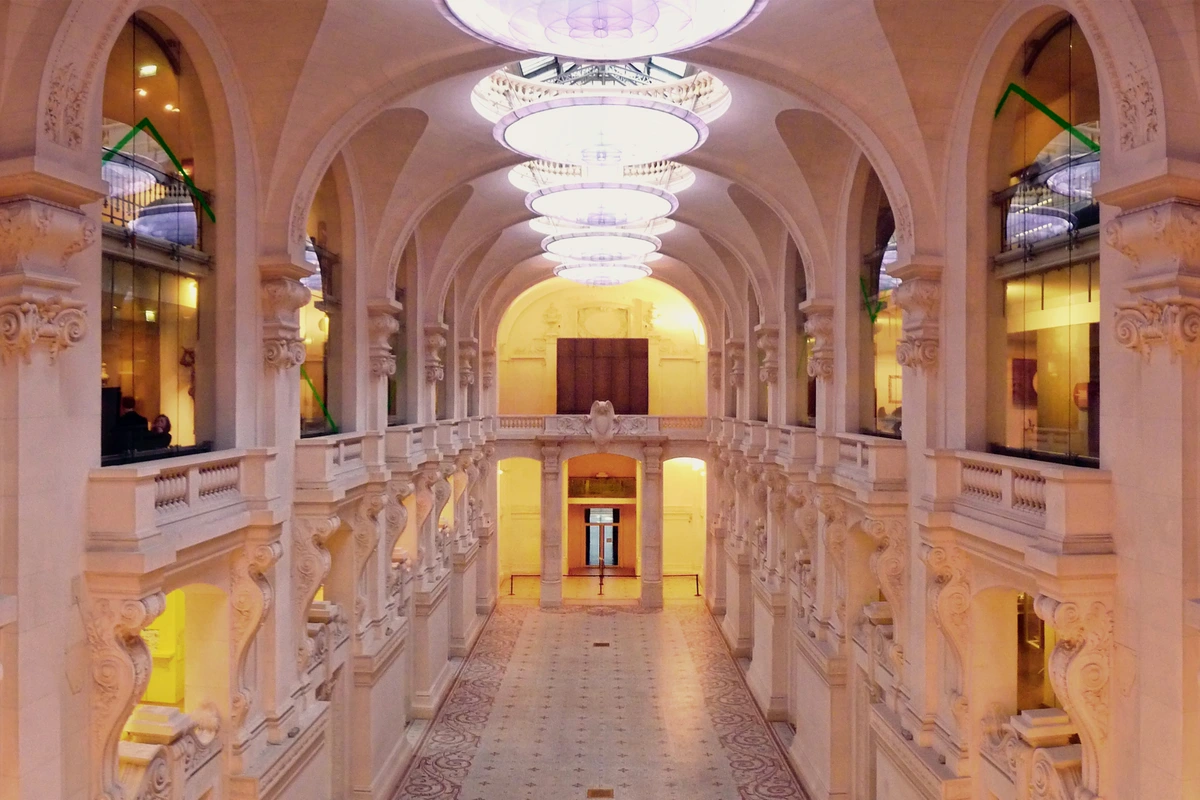
Art Deco's embrace of luxury and modernity didn't stop at the facade; it truly blossomed within, creating integrated, glamorous environments where every detail contributed to a cohesive artistic vision – what we might call a "total work of art." Interiors were just as carefully considered as the exteriors, often designed in a cohesive style that extended to furniture, lighting, and even everyday objects like radiator grilles and doorknobs. This holistic approach was vital to the Art Deco ethos; it was about creating a complete, immersive escape from the mundane, a fully realized environment of modernity and luxury. Imagine walking into a grand lobby – the experience is seamless. It’s not just an entrance; it’s a complete sensory immersion, a performance of integrated design that aims to transport you. From the commercial grandeur of department stores and theaters to the sleek comfort of ocean liner cabins and residential apartment lobbies, the Art Deco interior was a testament to the era's desire for all-encompassing beauty.
Unlike the historical grandeur of, say, a Baroque palace with its distinct art and architectural styles, Art Deco interiors sought a seamless narrative. Inside, you'd find:
- Streamlined Furniture: Sleek, often curvilinear forms, upholstered in rich fabrics like leather or velvet, with chrome or lacquered wood accents. The emphasis was on comfort, functionality, and clean, elegant lines that often mirrored the building's exterior. Think of the inviting sweep of a plush club chair, the gleaming surface of a bar, or the distinctive cabinetry and fixtures in kitchens and bathrooms, all designed with bold geometry and a sense of effortless modernity. Key interior designers like Émile-Jacques Ruhlmann elevated furniture to sculptural art, while Jean-Michel Frank brought a minimalist luxury to the style, focusing on exquisite materials and refined forms.
- Dramatic Lighting: Elaborate chandeliers, wall sconces, and floor lamps in geometric forms, often made of frosted glass, chrome, or polished brass, casting alluring shadows and highlighting architectural features. Lighting wasn't just functional; it was part of the spectacle, designed to create mood, emphasize the building's contours, and illuminate its luxurious materials, often with a theatrical flair.
- Opulent Wall Treatments: Lacquered panels, vibrant murals (often depicting industrial scenes, cityscapes, or stylized figures), wallpaper with geometric patterns, and highly polished exotic wood veneers created a sense of warmth and unparalleled luxury. This is where Art Deco artists truly integrated their vision into the structure, extending the aesthetic to everything from elevator doors to doorknobs and radiator grilles, turning every surface into a canvas for modern design.
- Integrated Art and Sculpture: Relief panels, sculptures, and even elevators themselves were designed as part of the overall artistic vision, often featuring the same stylized motifs found on the exterior. This holistic approach ensured a seamless, immersive aesthetic experience, where art and architecture became indistinguishable, telling a cohesive narrative of progress and glamour.
Global Icons: Art Deco's Worldwide Reach and Varied Manifestations
Having explored the defining features of Art Deco, it's fascinating to see how this dynamic style transcended borders, adapting to local tastes and materials while retaining its core glamour. You can find Art Deco architecture all over the world, a testament to its widespread appeal and adaptability, truly shaping urban identities globally. What a legacy to leave, right?
- The Chrysler Building (New York City, USA): To me, this is the undisputed king. William Van Alen’s masterpiece, its terraced crown, with those iconic triangular windows, the gleaming sunburst motif, and the eagle-head gargoyles (mimicking radiator caps!), is pure, unabashed theater. It’s a monument to the automobile and a perfect example of architecture as a corporate symbol, a true skyscraper symphony in stainless steel. Its spire feels like a jewel against the Manhattan skyline, a powerful emblem of American ingenuity and ambition – truly breathtaking to behold.
- The Eastern Columbia Building (Los Angeles, USA): A true jewel box of turquoise terracotta and striking gold accents. It's less about soaring height and more about glorious, detailed surface decoration and vibrant color. Note the intricate clock tower, the zigzags, and the animal friezes – it proves that Art Deco could be colorful, playful, and incredibly ornate, even when not reaching for the clouds. This building is a personal favorite, a vibrant splash against the LA cityscape.
- Miami's Historic District (Miami Beach, USA): Here you'll find a distinctive sub-style called Streamline Moderne. Emerging in the 1930s, especially during the Great Depression, it's Art Deco that embraced aerodynamics and the sleek lines of ships, planes, and cars. This phase often represented a slightly more restrained opulence, focusing on efficiency, fluidity, and speed. The buildings have rounded corners, long horizontal lines, nautical themes (like porthole windows and deck-like railings), and a signature pastel color palette – a perfect reflection of its sun-drenched coastal setting. It’s like a permanent holiday postcard, a gentle, flowing counterpoint to the sharp verticality of earlier Art Deco.
- The Bund (Shanghai, China): In the 1920s and 30s, Shanghai was a global hub, and its waterfront became a stunning showcase of Art Deco skyscrapers. Buildings like the Sassoon House (now part of the Fairmont Peace Hotel) or the Bank of China Building exemplify a fascinating blend of Western style with subtle Eastern influences and local materials, creating a unique and breathtaking skyline, a true fusion of international ambitions. It's proof that Art Deco wasn't just an American or European phenomenon; it was truly global, adapted to local contexts.
- Chhatrapati Shivaji Maharaj Terminus (Mumbai, India): Formerly Victoria Terminus, this UNESCO World Heritage site is a magnificent example of Victorian Gothic Revival architecture blended with traditional Indian influences. However, its interiors, particularly the booking hall and certain administrative sections, feature stunning Art Deco elements added during later renovations. Look for the ornate ironwork, intricate glass designs, bold geometric patterns, and stylized relief sculptures that speak to a global embrace of the style, even within older structures, creating a compelling dialogue between eras. This blending of styles is a masterclass in architectural adaptation, integrating modern dynamism into a historic shell.
- Napier, New Zealand: After being almost completely destroyed by an earthquake in 1931, the entire city center of Napier was rebuilt in the prevailing styles of the time, resulting in one of the world's most concentrated collections of Art Deco and Streamline Moderne architecture. It's a living time capsule, a testament to resilience and the optimistic spirit of rebuilding, a truly unique urban landscape where it feels like you've stepped directly into the 1930s.
- Paris, France: While Art Deco was formally born here, it manifested in a more refined and often intimate scale compared to New York's towering giants, subtly infusing the city's inherent elegance. The Palais de Chaillot and the Folies Bergère offer exquisite examples of Parisian Art Deco, emphasizing luxurious materials, intricate reliefs, and a sophisticated elegance that I just adore. You might also spot subtle influences in the elegant and often integrated designs of the Théâtre des Champs-Élysées or the Palais de la Porte Dorée, where every detail speaks of considered design rather than mere utility, blending functionality with flair.
Art Deco's Enduring Legacy: From Metropolis to Modern Art
Though the golden age of Art Deco was relatively short-lived, largely fading with the onset of World War II, its influence is undeniably profound and remarkably persistent. After the stark realities of war and the subsequent Great Depression, the very opulence and intricate ornamentation that Art Deco celebrated suddenly felt a bit out of step with a new global focus on austerity, function, and universal design. Critics of the time, often associated with emerging Modernist schools, found it ostentatious, superficial, or even anachronistic, labeling its decorative nature as a distraction from pure form and function. This economic shift and philosophical turn led to the rise of more minimalist modernist movements like the International Style (prioritizing unadorned surfaces, open-plan spaces, and a rejection of applied ornament for a universal, functional aesthetic) and Bauhaus (emphasizing functionality, industrial materials, and a rational aesthetic, famously declaring "form follows function") – essentially the philosophical opposite of Art Deco's theatricality. But that brilliant spirit? Oh, it never truly left.

Its DNA is clearly visible in the sleek futurism of Gotham City in the Batman comics and films, a timeless aesthetic for urban grandeur that continues to inspire. You see its love for bold geometry and dynamic energy in many contemporary designs, from luxury car details to product branding and even the resurgence of geometric patterns in interior design. The geometric precision and vibrant, often optimistic, color palettes of Art Deco deeply resonate with me in my own work – the way powerful lines and engaging colors can create a sense of movement and depth. It's a constant source of inspiration, proving that a strong aesthetic vision can transcend its era. You can explore this connection on my /buy page, where I delve into how I translate such influences into abstract art, and further on [/finder/page/the-enduring-influence-of-art-deco-on-modern-abstract-design-and-architecture].
Architectural photography and illustration of the era played a crucial role in disseminating the Art Deco aesthetic. Striking images of newly built skyscrapers and lavish interiors adorned magazines and advertisements, popularizing the style and fueling public aspiration for a modern, glamorous world. Even today, the visual impact of Art Deco is often best appreciated through these powerful, stylized representations, much like the sleek graphic design from the period still captures our imagination. Moreover, we're currently experiencing a subtle but significant Art Deco revival in contemporary design. This isn't about direct imitation, but a reinterpretation of its core principles – the love for geometric patterns, luxurious materials, and a sense of optimistic futurism – often seen in modern furniture, lighting, and even branding. It's a testament to Art Deco's timeless appeal and its ability to continually inspire new generations of designers and artists looking for elegance and dynamism.
Preservation and Modern Appreciation
Today, the value of Art Deco architecture is widely recognized, and significant efforts are made globally to preserve and restore these magnificent structures. Organizations like the Art Deco Society of Miami and the Art Deco Trust in Napier work tirelessly to protect these unique historical assets. Restoration often involves meticulous work on intricate terracotta facades (which are prone to weather damage), specialized metalwork, and the careful sourcing of original or matching interior details to bring buildings back to their original splendor, ensuring their vibrant history endures for future generations. For example, the transformation of old Art Deco theaters into modern entertainment venues or apartments is a fascinating study in adaptation, showcasing how these buildings can continue to serve new purposes while retaining their historical charm. While modern reproductions and stylistic homages exist, the focus remains on appreciating the original craftsmanship and the unique historical context that gave birth to this enduring style.

Art Deco represents a unique moment in our shared history, a time of immense social change, technological leaps, and a defiant belief in a better, more glamorous future. And that, I believe, is something that never, ever goes out of style. It's a reminder that even after hardship, humanity's desire for beauty, progress, and a touch of the spectacular will always find a way to manifest. It’s a vision of the future that remains powerfully relevant, urging us to look up, aspire, and create something truly magnificent. What Art Deco masterpiece in your city do you think tells the most compelling story of aspiration and progress? Share your favorite Art Deco landmark and why it resonates with you in the comments below, or even a photo of a hidden gem you've discovered!
FAQ: Your Art Deco Architecture Questions Answered
Still have questions swirling in your mind? I get asked about these things all the time, and I'm happy to shed some light. I bet you're curious about a few of these, right?
Art Deco vs. Art Nouveau: What are the key differences?
Think of it this way: Art Nouveau movement (roughly 1890-1910) is all about nature, with flowing, organic, curvy lines (think twisting vines, delicate flowers, and whiplash curves). It sought to reject historical styles through natural forms. Art Deco (roughly 1920-1940), on the other hand, is about the machine age and modernism, with sharp, symmetrical, geometric lines (think gears, lightning bolts, and sleek skyscrapers). It rejected the past through industrial-inspired forms. They are almost perfect stylistic opposites, each reflecting the dominant philosophies and aspirations of their respective times. You can dive deeper into these distinctions with our guide on Art Nouveau vs. Art Deco: Key Differences.
Is Art Deco only found in America?
Not at all! While the US certainly boasts some of the most famous examples (especially its colossal skyscrapers), Art Deco was a truly international movement that originated in Paris, France. You'll find incredible, distinctive examples in Shanghai (China), Mumbai (India), London (UK), Napier (New Zealand), Buenos Aires (Argentina), and across Brazil, each adapting the core principles to local tastes, materials, and climates. Its global spread demonstrates its universal appeal and adaptability, truly becoming a worldwide language of modernity.
What is Streamline Moderne, and how is it related to Art Deco?
Streamline Moderne is a later, distinct phase of Art Deco, primarily from the 1930s. It was heavily inspired by the aerodynamic designs of ships, planes, and cars of the era, reflecting a shift towards more functional and efficient aesthetics, partly influenced by the Great Depression's call for more economical designs. You'll recognize it by its emphasis on curves, long horizontal lines, rounded corners, and often nautical elements like porthole windows and deck-like railings. While earlier Art Deco emphasized verticality and sharp geometry, Streamline Moderne focused on fluidity, speed, and a more understated glamour, aiming for a sense of effortless motion and modern efficiency. Think of the iconic hotels and apartment buildings of Miami Beach for prime examples of its graceful, flowing forms.
Did Art Deco buildings feature a lot of sculpture?
Absolutely! Many Art Deco buildings are adorned with remarkable sculpture and relief work. These weren't classical allegories in the traditional sense, but rather stylized figures, often heroic or mythological (like Prometheus), geometric patterns, or representations of modern industry and progress (e.g., workers, machines, transportation). Artists often collaborated closely with architects to create a cohesive artistic vision, integrating these elements directly into the facades and interiors to tell a story or symbolize a building's purpose, enhancing the overall sense of grandeur and narrative. It's a fantastic example of the integration of art and architecture, a true total artwork where sculpture is an intrinsic part of the structure.
A Final Thought and Further Exploration
The next time you're out walking, I challenge you to look up. Really look. Look past the modern glass boxes and the old brick buildings. Look for the zigzags, the sunbursts, the sheer, unapologetic confidence of a building that believed in the future. Art Deco isn't just in a museum; it's living history, right there on the street corner, waiting for you to notice. It's a grand story told in stone and steel, and once you start reading it, I promise you, you'll never see your city quite the same way again. I’d love to hear about the Art Deco treasures you discover in your own hometown, or perhaps what specific detail sparked your initial fascination with this incredible style! Share your favorite Art Deco landmark and why it resonates with you in the comments below – perhaps with a photo of its most captivating details.







Further Reading & Resources:
For those eager to dive even deeper into the dazzling world of Art Deco architecture, here are a few recommendations to expand your knowledge:
- Books: Consider Art Deco Architecture: Design, Decoration and Detail from the Twenties and Thirties by Patricia Bayer, or The Art Deco Style by Theodore Menten for comprehensive visual guides.
- Documentaries: Explore films on the history of skyscrapers or specific Art Deco landmarks like the Chrysler Building to see the vision come to life.
- Online Archives: Websites of organizations like the Art Deco Society of New York or the National Register of Historic Places often offer detailed histories and photographic collections of significant buildings.
- Local Exploration: Many cities with a rich Art Deco heritage offer walking tours, providing expert insights into the unique features of their local masterpieces. Don't be afraid to be a tourist in your own town!