My Personal Journey Through Contemporary Art in Paris
Explore the vibrant contemporary art scene in Paris, from hidden galleries in Le Marais to cutting-edge institutions like the Centre Pompidou. Discover tips for navigating galleries and finding your personal connection with art.

Paris' Contemporary Art Scene: From Avant-Garde Legacy to Today's Vibrant Pulse
Ah, Paris. Let's be honest, the name usually conjures the Louvre and the ghosts of Monet, not exactly a hotbed for algorithms and bio-art. I get it. For centuries, it was the undisputed heart of the art world, a city where art history as we know it was written. But the question that keeps pulling me back is, what happens when the grand narrative pauses? What does the city that birthed the avant-garde do for an encore?
The answer, I've discovered, is not an encore at all. It's a riotous, multi-layered conversation happening in the streets, in repurposed industrial yards, and in tiny, defiantly un-polished galleries. It's an ecosystem that's learned to live with its own glorious past without being suffocated by it. This isn't a museum; it's a living, breathing laboratory. It's a place where the friction between the classical past and the experimental present sparks something entirely new. My first real taste of this wasn't at the Pompidou, but in a tiny Marais gallery with a misted-over window, tucked away on a side street I'd never walked down before. Inside, a piece of twisted metal and frayed rope hovered an inch off the floor, held aloft by a mechanism I couldn't see. It wasn't "pretty," but it communicated a sharp, sudden recognition of how precariously we all cling to order. That feeling has stayed with me for years. That's the alchemy of Paris today—finding that shock of the new, that crucial, urgent connection, where you least expect it.
How Paris Shapes Its Art: The Invisible Forces at Play
You can't just plop a vibrant art scene anywhere. It needs a specific, potent petri dish. For Paris, the recipe is a unique blend of history, infrastructure, and a certain intellectual friction that you can feel in the air. Understanding these forces is the key to understanding what you're actually looking at.
1. The Weight, and Freedom, of History: This is the most obvious ingredient. The city's legacy isn't just in its museums; it's a physical, constant presence. Contemporary artists here aren't just creating in the shadow of history; they're in a daily argument with it. This proximity forces a certain rigor. It's not enough to make something that looks appealing; there's an unspoken pressure to contribute to a conversation that's been going on for over a century. This pressure breeds a fascinating mix of reverence and rebellion—art that might subtly deconstruct a classical painting or brutally reject it altogether.
2. The French Model of Arts Funding: Unlike the more market-driven scenes in places like London or New York, the French government plays a massive role. Institutions like the Palais de Tokyo and the Fondation Lafayette Anticipations are publicly supported, giving them the freedom to take risks on experimental, non-commercial work that might struggle elsewhere. This creates a buffer from the art market, allowing more radical ideas to flourish. It's a reality that means the art you see here can feel more philosophical, and less like a product, than in other major art capitals.
3. The Parisian Flâneur Reimagined: The very act of walking the city, the flânerie of old, has taken on a new meaning in the art scene. Curators aren't just looking within gallery walls; they're plotting "parcours"—curated art walks that scatter installations across the city. Think about FIAC week, when you can turn a corner near the Place Vendôme and stumble upon a massive Koons sculpture, or find a delicate video installation tucked into a forgotten chapel. This tradition encourages discovery at a human pace, forcing a direct, physical engagement with art that a white cube gallery could never replicate.
4. A City as an Open-Air Classroom: Simply moving through Paris is a masterclass in art history and architecture. This fosters a visually literate public—people who are, on the whole, curious and critically engaged. Artists aren't creating in a vacuum. They're creating for an audience that brings a rich historical and cultural context to every encounter. This intellectual energy, the tradition of the salon reincarnated as gallery talks and café debates, creates a feedback loop of discourse, critique, and refinement that keeps the entire ecosystem dynamic and alive.
5. An International Crossroads with a French Accent: While fiercely proud of its heritage, Paris is also an undeniable international hub. You’ll find a constant influx of artists from former French colonies, from across the EU, and from art schools in New York or Tokyo. This creates a fascinating friction. You might see a Senegalese artist using distinctly Parisian art theory to deconstruct colonial history, or a Japanese sculptor interpreting Rodin through the lens of digital minimalism. It's this conversation between the local and the global that keeps the scene from becoming an echo chamber.
Why Paris Still Matters for Contemporary Art
So why, with the global art market so heavily skewed toward New York, does Paris still command attention? It's precisely because it exists outside the market's top tier. Its perfect storm of public funding, historical weight, and intellectual rigor creates a space for art that is slower, more contemplative, and often more conceptually daring. In a world obsessed with price tags and fleeting trends, Paris offers a sanctuary where ideas can still be the primary currency. This doesn't mean it’s anemic—far from it. It means the energy is focused differently. It's a city that incubates careers rather than just launching auction stars. It has the luxury of taking the long view.
Essential Parisian Art Terms You'll Actually Hear
To navigate this world, you don't need to be an expert, but a few keywords will help you decode what's happening around you. Think of these as your cultural decoder ring.
- Vernissage: Literally "varnishing," it's the term for an exhibition opening. This is when the gallery is at its most crowded and energetic. You'll find collectors, critics, friends of the artist, and curious members of the public all mingling, often with a glass of wine in hand. It's a great (and free) way to feel the pulse of the scene.
- Hôtel Particulier: You'll hear this constantly in the Marais. It refers to the grand, historic private mansions that now house many of the city's chicest galleries. Much of the pleasure of gallery-hopping there comes from stepping into these stunning, centuries-old spaces.
- White Cube: This term describes the classic, neutral gallery aesthetic—white walls, polished concrete floors, and artificial light. It's designed to be a "neutral" backdrop so the art can speak for itself, but many artists enjoy subverting this sterile environment.
- Parcours: Means "route" or "course." During events like the FIAC art fair, a "parcours" is a curated trail of art installations and sculptures scattered throughout the city, turning Paris itself into a temporary exhibition space.
Navigating the Districts: Where to Find the Art
Paris isn't just one big art hub; it's a collection of villages, each with its own flavor. For contemporary art, a few areas really stand out, each with its own rhythm and reason for being.
Le Marais: The Established Heartland
This is the most well-known contemporary art district. It's packed with galleries, from established names to smaller, edgier spaces. It's walkable, charming, and you can easily spend a day just hopping from one exhibition to the next. It can feel a bit overwhelming, but just wander! Get lost. That's where the best discoveries happen. The Marais is where you go to see the blue-chip artists and those on the cusp of being discovered. The atmosphere is one of polished professionalism.
- The Vibe: Chic, historic, and competitive. Galleries here are often beautifully renovated hôtels particuliers.
- What to look for: Major international artists, established French talents, and high-quality secondary market works.
- Galleries to start with: Perrotin, Galerie Chantal Crousel, Galerie Thaddaeus Ropac, and Air de Paris. A favorite tactic of mine is to simply pick a street, like Rue de Turenne, and wander in and out of any open door that looks intriguing. The density rewards curiosity.
A Sample Cross-Section of Marais Galleries  | |
|---|---|
| Perrotin | Global mega-gallery, blue-chip artists, impeccably produced shows. |
| Galerie Chantal Crousel | A legend, known for spotting intellectual, conceptual talent early. |
| Galerie Thaddaeus Ropac | Powerful gallery with a focus on post-war and major living artists. |
| Air de Paris | A more intimate, conceptual program, often showing work that feels like an essay. |
Belleville & Ménilmontant: The Experimental Edge
Head east for a grittier, more experimental vibe. This is where the city's pulse feels most urgent and alive. Here, in former workshops and repurposed spaces, you'll find artist studios, cooperatives, and galleries showcasing emerging talent. It feels raw and exciting, a real contrast to the polished Marais. The Biannual Belleville Artists' Open Studios is a highlight, a chaotic, exhilarating, and deeply authentic peek into the creative process.
- The Vibe: Unpretentious, energetic, and community-driven.
- What to look for: Fresh graduates, artist-run spaces, and installations that might not last the month.
- Galleries & Spaces to start with: Galerie Italienne, Millefeuille Gallery, and the independent artist studios around Rue de Belleville.
To truly feel the energy here, time your visit during the Belleville Open Studios (usually a weekend in late spring). It's a chaotic, wonderful free-for-all where you can walk directly into artists' live/work spaces, have a glass of wine, and talk to them about their process. It's the absolute antithesis of the polished Marais, and just as essential.
Saint-Germain-des-Prés & The Left Bank: Classic Intellectualism
While historically associated with literature and older art, this area still has some significant contemporary galleries, often focusing on photography or established international artists. It's a bit more upscale, but worth exploring. The big draw here is the quality of the programming; galleries in Saint-Germain tend to be cerebral and rigorously curated. You're less likely to find wild experimentation here and more likely to encounter artists who are mid-to-late career.
- The Vibe: Refined, scholarly, and a touch formal.
- What to look for: Masterful photography, post-war classics, and conceptually tight painting.
- Galleries to start with: Galerie Daniel Templon, Galerie Lelong & Co., and Polka Galerie. For a quick cultural detour, pop into the historic Café de Flore. It feels a bit touristy now, but just imagine the generations of writers, philosophers, and artists who thrashed out ideas on these very premises. The intellectual energy is still palpable.
On the Periphery: Where Art Gets Grand (and Gritty)
Some of the city's most powerful art experiences happen when you leave the historic center. The periphery offers a different kind of space—for grand architectural statements, sprawling urban interventions, and the raw energy of a scene that's still defining itself.
- Fondation Louis Vuitton (Bois de Boulogne): Frank Gehry's sailboat-shaped masterpiece is a pilgrimage site. More than just a museum, it's a statement about the role of cultural philanthropy in the 21st century, funded by the LVMH luxury group. The exhibitions are blockbusters, often drawn from their own immense collection.
- La Défense: This sprawling business district doubles as one of the world's largest open-air sculpture parks. By simply wandering between the skyscrapers, you'll encounter monumental works by modernist titans like Joan Miró and Alexander Calder. Within this landscape, Fondation Lafayette Anticipations stands out as a dynamic hub for production and performance, consistently pushing the boundaries of what an art institution can be.
- 13th Arrondissement & Tolbiac Zone: Years ago, Parisians in this neighborhood painted the pillars of an elevated metro line to brighten their daily commute. Today, that same area has metastasized into a chaotic, vibrant micro-hub for urban art and a new generation of scrappy galleries. It’s an unpolished, vital frontier that offers a stark and exciting contrast to the established elegance of the Marais.
The Ever-Present Streets: A Democratic Canvas
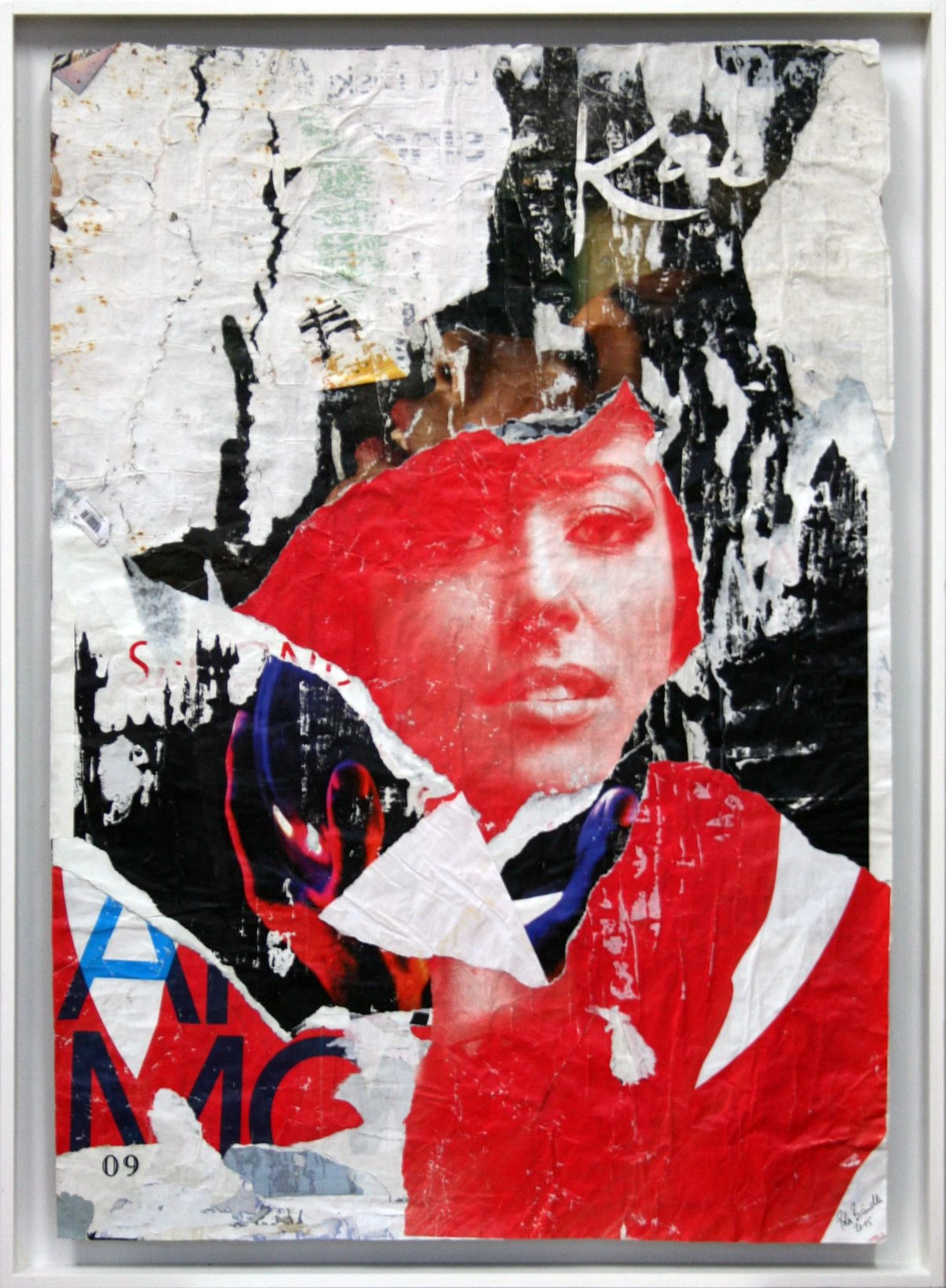
Beyond the districts, art is a constant urban companion. Street art is huge in Paris, especially in the eastern districts of Belleville, Ménilmontant, and Butte-aux-Cailles. You'll find everything from large-scale murals by international names (often as part of official festivals) to clever, tiny paste-ups and stencils by anonymous locals. It's a constantly changing, democratic gallery right on the walls of the city that you don't need a ticket to see.
Must-Visit Institutions & Museums
Paris has some heavy hitters when it comes to contemporary art museums. These are the pillars of the scene—the places that house major collections, host blockbuster exhibitions, and shape the global conversation.
The Powerhouses: Pompidou, Palais de Tokyo & Fondation LV
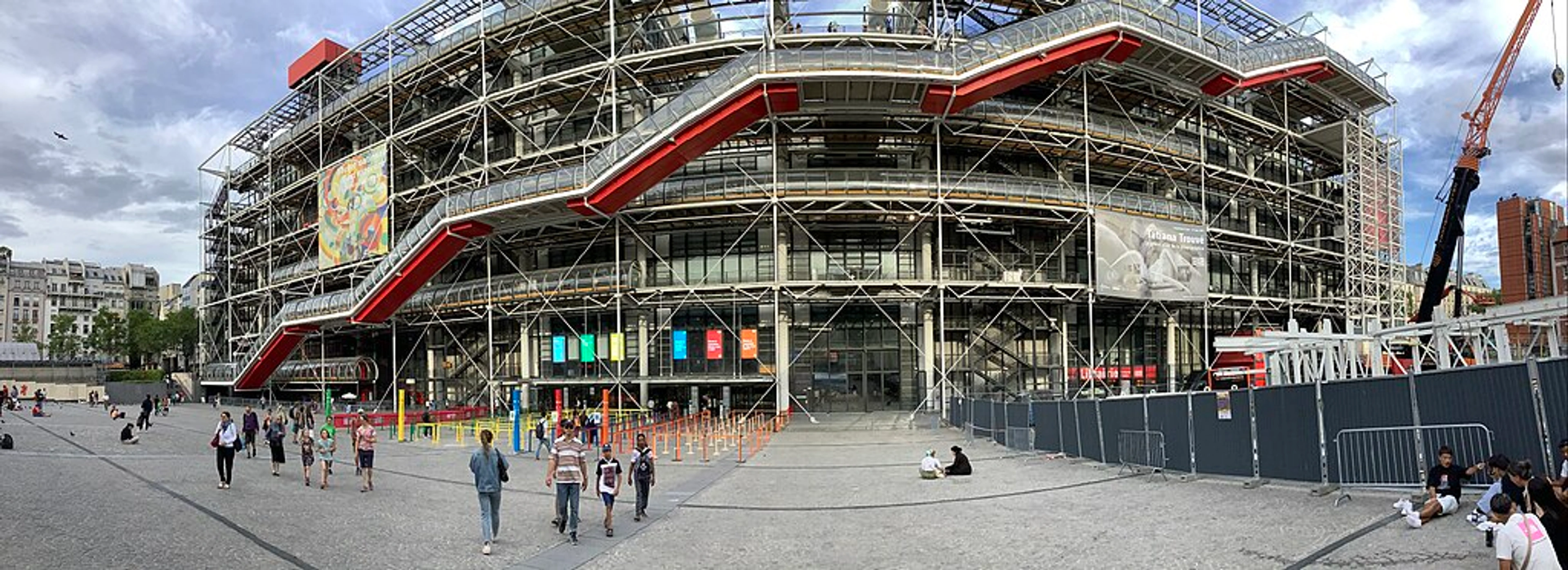
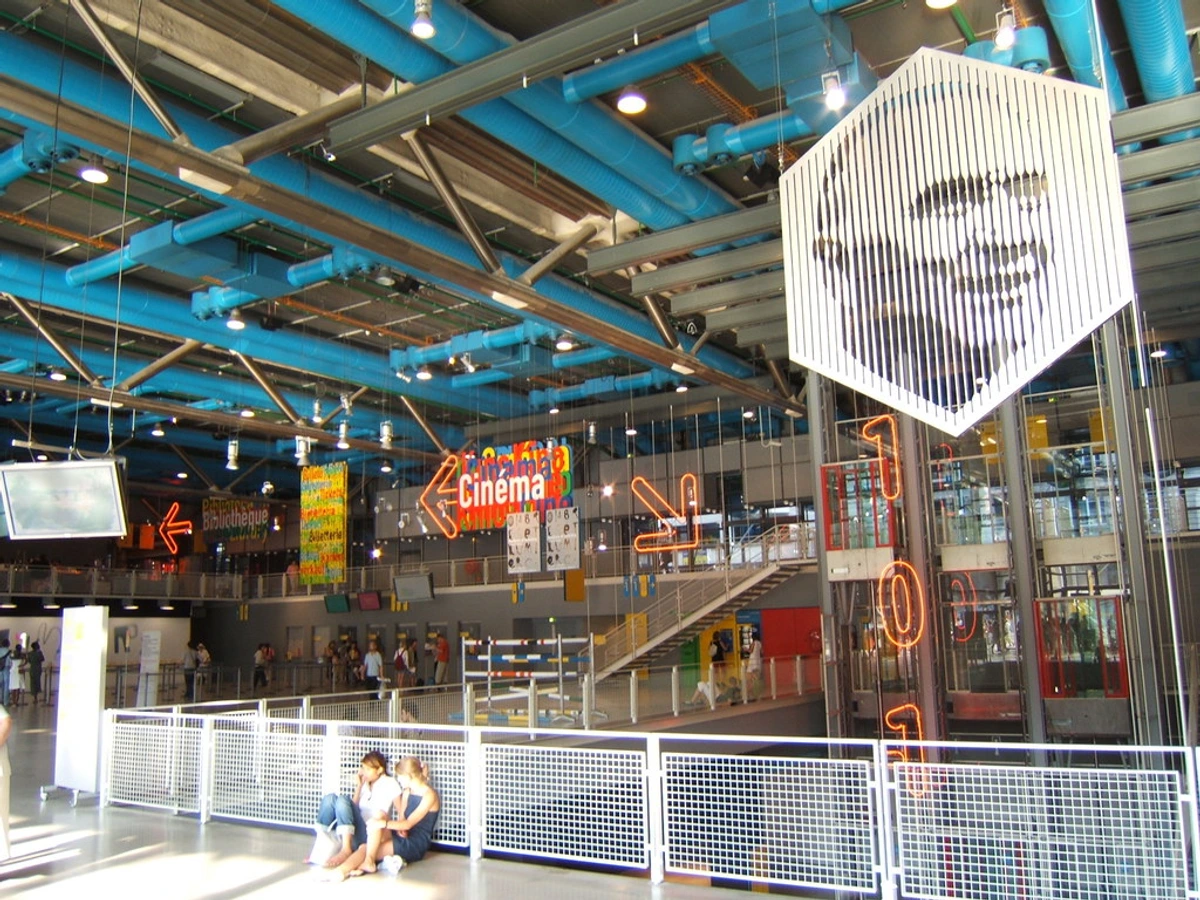
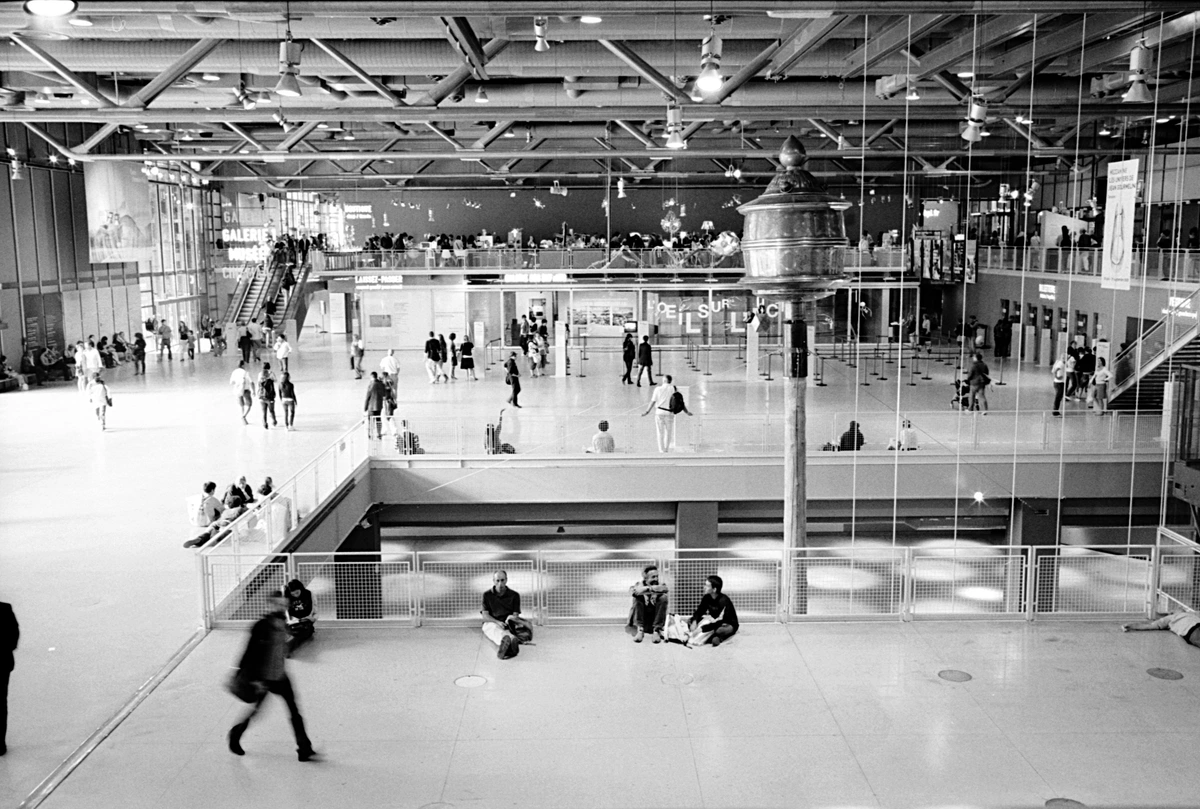
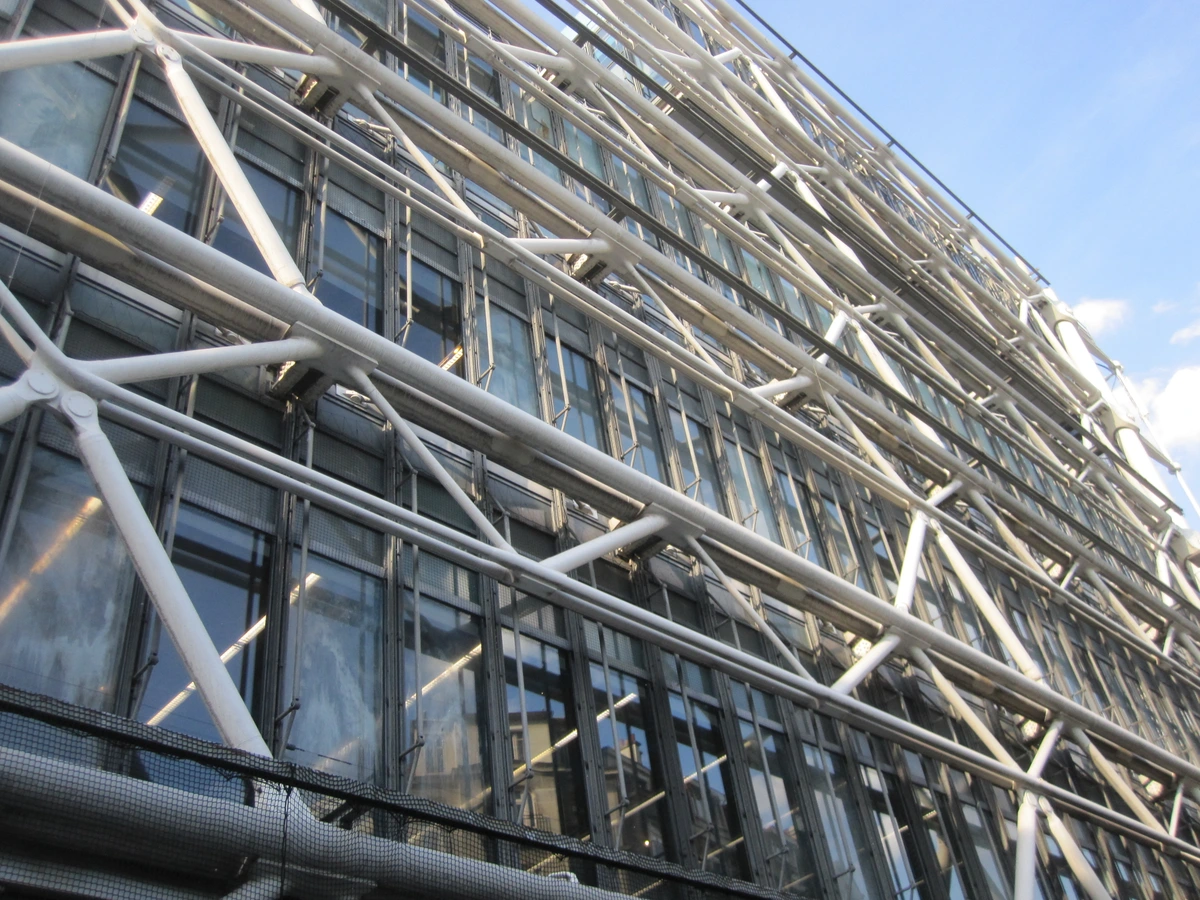
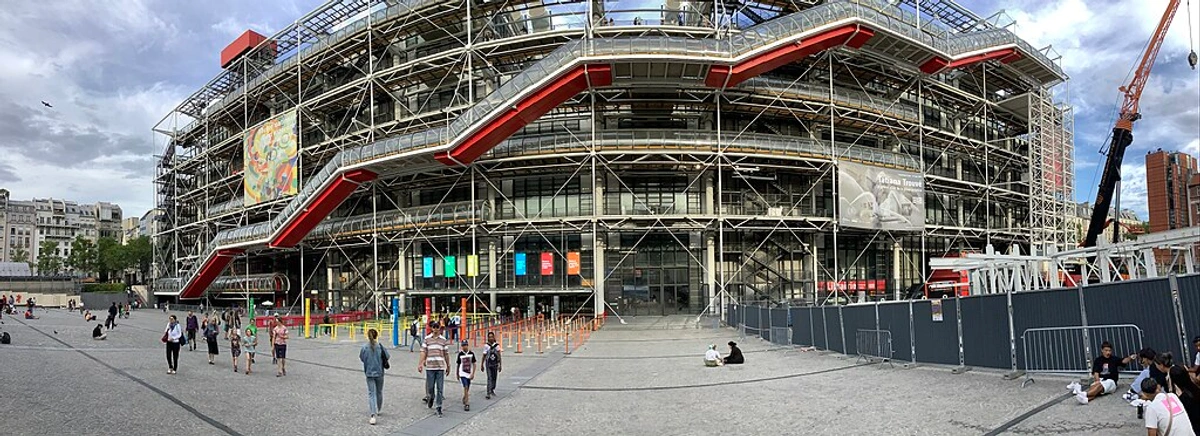
Centre Pompidou: You can't talk about modern and contemporary art in Paris without mentioning the Pompidou. Its architecture is iconic, and its collection is vast, covering everything from the early 20th century right up to today. With free entry for those under 26 (from the EU), it serves as a crucial, accessible hub.
Palais de Tokyo: This is the city's raw nerve of contemporary creation. It's huge, experimental, and often challenging, with a focus on performance, installation, and new media. They run their own artist residency program, bringing international talent directly into their cavernous spaces. It's where you go to see what's next.
Fondation Louis Vuitton: Housed in a stunning Frank Gehry building in the Bois de Boulogne, this foundation hosts incredible temporary exhibitions and showcases works from the LVMH collection. The context—a "corporate foundation"—is also worth pondering as you explore how modern art is funded. That short walk from the bustling Rue de Rivoli, through a quiet garden, and into a hushed, sacred space is a journey in itself. It's a designed transition, forcing a mental shift. It thematically links the commercial heart of the city with its patronage of high art. It makes you, the visitor, a conscious participant in that ritual, rather than just a passive consumer of culture.
The City Museums: MAM Paris & Bourse de Commerce
The City Museums & Private Collections
Musée d'Art Moderne de Paris (MAM): Located near the Palais de Tokyo, this museum has a strong collection of 20th-century art and often features significant contemporary works. The best part? Entry to the permanent collection is usually free, providing essential context for what came before.
Bourse de Commerce – Pinault Collection: This relatively new player is unmissable. Housed in a magnificently restored historic stock exchange, it holds the jaw-droppingly good contemporary art collection of François Pinault. Visiting it raises fascinating questions about the role of the individual collector in shaping a city's art landscape.
Bourse de Commerce – Pinault Collection: This is a relatively new, unmissable player. Housed in a magnificently restored historic stock exchange, it holds the jaw-droppingly good contemporary art collection of billionaire François Pinault. Artists like Maurizio Cattelan, Cindy Sherman, and Damien Hirst are presented here in a grand architectural setting designed by Tadao Ando. It's a collision of old-world Parisian grandeur and audacious contemporary practice. The genius of the renovation is that Ando didn't try to compete with the ornate 19th-century dome. Instead, he inserted a perfect, minimalist concrete cylinder inside the rotunda, creating a new spatial relationship that feels both confrontational and harmonious. Visiting it raises fascinating questions about the role of the individual collector in shaping a city's art landscape.
Curator's Insight: The Market & The Scene
But how does one actually navigate this world? It's one thing to see art in a museum, and another to understand the living, breathing system that supports it.
A gallery isn't just a shop; it's the primary engine of an artist's career. They represent artists, fund their productions, and present their work to collectors, critics, and curators. When you walk into a gallery, you're seeing one argument in a long conversation. The sequence of shows is a curated argument about art and taste. As you visit more, you'll start to "read" the galleries—their programs tell the story of the contemporary art world.
Paris's unique position in the art world is partly defined by its relationship with the market. It's a city of passion projects and collector-driven foundations as much as it is a city of commercial galleries. While a handful of mega-galleries operate here, much of the vitality comes from a robust scene of mid-sized and small galleries taking risks that might not be viable in more aggressively commercial cities. This healthier distance from the auction block allows for careers to develop more idiosyncratically.
The Unwritten Rules: How to Navigate a Gallery Like a Pro
Let's be real: that quiet, white-walled space can feel like an exclusive club where everyone but you knows the secret password. I've felt that pang of intimidation a hundred times. But here's the truth: that feeling is an illusion. Galleries are businesses built on discovery, and you are the most important part of that equation. Shifting your mindset from passive observer to active participant is everything.
Think of the gallerist not as a gatekeeper, but as a supremely knowledgeable librarian. Their entire job is to know the collection (the art on the walls) inside and out. They've often spent months working with the artist to bring this specific presentation to life. You don't need to be an expert to have a conversation. If a piece stops you, don't just nod sagely and move on. Ask the simplest question you can think of: "Can you tell me more about this artist?" or "I'm really drawn to the colors in this one." That's it. You've just opened the door. Remember, the art is there precisely because it is meant to be seen and discussed. Your curiosity is the validation of their work.
Cracking the Code: Understanding the Business of Art
So what is this place, really? A gallery is the primary engine of an artist's career. They represent the artist, often fund their production, and build their reputation by placing their work in important collections. This is the market in action, but don't let that word scare you. It simply means the gallery is the crucial link between the artist's studio and the rest of the world.
It's also your chance to see tomorrow's museum pieces today, often before they're famous. And if you're thinking about buying art, this is the ground floor. A common misconception is that everything is priced for billionaires, but that's a myth, especially in smaller galleries. You can find stunning prints vs paintings or works by emerging artists for far less than you might imagine. The key is to look and ask. Editions—photographs, lithographs, and screenprints—are the unsung heroes of art collecting. They are a democratic way to own a piece by a major artist without taking out a second mortgage. Don't overlook them. When an artist I admire makes an edition, it feels like they're creating a small key for a wider audience to unlock their world.
But there's another layer to it. Galleries operate on a "program." The sequence of shows isn't random; it's a curated argument about art and taste. A gallery that shows minimalist painting, conceptual video art, and performative sculpture is telling a very different story than one dedicated to figuration or abstract expressionism. As you visit more, you'll start to "read" the galleries themselves—their programs tell the story of the contemporary art world, one that is constantly evolving.
The Art of the Art Hunt: Practical Tips for Your Trip
Navigating a foreign city's art scene can feel like a puzzle, but with a few tactical adjustments, you can go from feeling like a lost tourist to an insider on a mission.
- Timing is Everything: The Parisian gallery week runs from roughly Tuesday to Saturday, peaking around midday. Most serious collectors and curators do their rounds on Saturday afternoons. For a quieter experience, aim for a weekday. Tuesday or Wednesday afternoons are my sweet spot. The weekend's openings are over, the serious collectors have done their rounds, and the space feels less like a social event and more like a conversation between you and the art.
- Embrace the Digital Flâneur: Before you even land, become an expert. Follow your "must-see" galleries on Instagram. The algorithm will start feeding you a stream of exhibition announcements and events, giving you a real-time look at what's opening and who is being talked about. It's the single best way to build a personalized schedule. I keep a dedicated "Paris Art" list on the app, and a few weeks before a trip, I just let it run in the background of my day. It's surprising how much you can absorb without even really trying.
- The "Why" Behind the Tourist Card: Paris offers the Paris Museum Pass, which covers big institutions like the Pompidou and the Arc de Triomphe. It seems like a no-brainer, but if your main goal is to spend days in private galleries, it might not be worth it. Be honest about your itinerary. Most of the best experiences won't cost you a dime to enter. The real "pass" you need is a comfortable pair of walking shoes and the willingness to get a little bit lost. That's how you find the unlisted, unforgettable things.
- When to Go: The city lives and breathes by the annual art calendar. The absolute peak is during FIAC (Foire Internationale d'Art Contemporain) in mid-October. The entire city transforms into a massive art fair, with satellite shows and parties popping up everywhere. It's thrilling, but also insanely crowded—like trying to have a quiet conversation at the best party in the world. For a more local, relaxed vibe, consider a visit in late spring or early fall. Paris in September is magical; the city is back from summer holiday, the light is perfect, and there's a sense of renewed energy before the full frenzy of the art season begins.
- Read the Signs: A gallery's price list is your best-kept secret. Often a discreet laminated sheet on the desk, it tells you the price of each work. Don't be afraid to ask for it! It demystifies the whole process and helps you understand the market for emergent versus established artists.
FAQ: Your Burning Questions About Contemporary Art in Paris
Here are answers to the most common questions I get asked about navigating the Paris art world. Consider this your quick cultural survival guide.
- Is contemporary art in Paris expensive to see? Actually, it's one of the most accessible scenes in the world. Most major museums have at least one free day a month, and permanent collections like at the Musée d'Art Moderne de Paris (MAM) are often always free. The best part? Every single commercial gallery is free to enter. You can wander through multi-million dollar exhibitions without paying a cent. The real currency here isn't money; it's time and attention. Spend those freely.
- How do I find out what's on? The paper guides Pariscope or L'Officiel des Spectacles are fantastic for locals. For visitors, the best tools are digital. Follow galleries and museums on Instagram for the most current news. Websites like Artforum and Artsy are also great for building a list of what to see.
- Do I need to speak French? For the art itself, absolutely not. The international art world operates in English, and it's widely spoken by gallery staff and at all major institutions. However, learning a few key phrases like Bonjour Madame/Monsieur and Merci is a sign of respect that goes a long way.
- What's the deal with galleries being closed in August? Paris, especially its smaller galleries, largely shuts down in August. Many gallerists take their vacations then, using the downtime to prepare for the frantic autumn season which kicks off in September. If you're visiting in summer, plan to focus on the large institutions, which remain open.
- What should I wear to a gallery? There is no dress code. Seriously. I've seen billionaires in jeans and artists in suits. Wear whatever makes you feel comfortable and confident. The art is the only thing that's supposed to be on display. The only practical tip is to consider comfortable shoes—a proper gallery crawl in the Marais can be a surprisingly athletic endeavour. The most stylish thing you can wear is your curiosity.
- Who is the most famous living artist in France? While limiting, the most internationally recognized name is often Pierre Huyghe, whose conceptual and bio-art installations are shown in museums worldwide. However, the real answer is that Paris is home to a diverse community, and 'fame' is less important than influence. The city has a knack for producing artists who are influential—meaning other artists, critics, and curators know their work— rather than just household names or market juggernauts.
- Can I take photos in galleries? This is a crucial and often unspoken rule. While museums usually allow non-flash photography of their permanent collections, commercial galleries are a different story. The primary rule is: always ask. The art may be on loan, the artist may have requested no photos, or the gallerist may simply be trying to protect their artists' work from being disseminated before a proper unveiling. A simple, silent gesture toward your camera and a questioning look is usually enough to get a nod or a shake of the head. When in doubt, put the phone away and just look.
Conclusion
Paris's contemporary art scene is as layered and complex as the city itself, and that's what makes it so endlessly compelling. It's not just about the big names or the famous museums (though they're a fantastic starting point); it's about the energy in the smaller galleries, the unexpected street art, the conversations happening in studios, and the deeply personal connections you make with the work. This city offers a rare gift: the chance to see the historical arc of art, from the great masters to the most cutting-edge contemporary practices, all within a few square miles. It's a living lesson in how art evolves.
So, next time you find yourself in the City of Light, take a detour from the historical masterpieces. Dive into the vibrant, challenging, and utterly captivating world of contemporary art that hums just beneath the surface. You might just find something that speaks directly to you, and that's a moment worth traveling for.
Remember, the goal is not to see everything. The goal is to let yourself be seen by something. To find that one piece, in that one quiet corner of a gallery, that you can't stop thinking about. That's where the real journey begins.
A 3-Day Itinerary for the Avid Art Explorer (A Suggestion)
To help you put all this theory into practice, here's a sample plan that balances the must-see institutions with the spontaneity of gallery hopping. Feel free to tear it up and make it your own. Remember, the goal isn’t to check boxes; it’s to stumble upon that one unexpected moment of connection. Some of my most memorable finds happened when I abandoned the plan entirely.
The Artists: Faces of the Parisian Scene
A city is nothing without its people. The Parisian scene is animated by a diverse cast of artists, both homegrown and international transplants, who find fuel in the city's unique atmosphere. While countless names deserve mention, here are a few key figures who help define the conversation.
A Deeper Dive: Key Themes in the Parisian Scene
Beyond individual names, certain themes seem to percolate through the studios and galleries, defining the city's particular flavor of contemporary art.
- The Narrative and the Conceptual: Artists like Sophie Calle thrive here because the French intellectual tradition has always prized literature and systems of meaning. You'll see a lot of art that feels like it has a story to tell or a philosophical puzzle to unravel. It's rarely just about aesthetics.
- The Literary and Text-Based: Unlike the more image-saturated scenes of New York or Tokyo, there's a deep comfort with text as a primary medium in Parisian art. You're just as likely to walk into a gallery and find a wall of text as you are a painting. I'm not talking about a long title on a wall label; I mean entire poems scrawled across a canvas, or conceptual pieces where the text is the art. This connects back to the city's cafe culture of debate and its philosophical heritage. It's a tradition that runs from Mallarmé straight through to the Situationists, where the line between a manifesto and an artwork is deliberately blurred.
- Urban Intervention and Performance: From the Situationists to JR, the city itself has always been a canvas. This continues today with artists who see Paris not just as a backdrop, but as an active collaborator. You might encounter a performance piece in a metro station or a subtle intervention that alters your perception of a historic monument.
Artist | Why They Resonate (The Personal Take) | Where Their Work Lives in Paris |
|---|---|---|
| Pierre Huyghe | Huyghe's work feels like a glimpse into a parallel, more complicated world. He creates environments where living organisms, AI, and decaying objects coexist, forcing you to confront how fluid the definitions of "life" and "art" really are. It's as much philosophy as it is aesthetics, a world built on contingency rather than a fixed idea. | Centre Pompidou, Galerie Chantal Crousel |
| Sophie Calle | Calle is the master of turning life into a narrative. She famously followed strangers, hired a detective to follow her, and turned heartbreak into an exhibition. Her work is a profound exploration of distance, intimacy, and the stories we tell about ourselves, making you question the very nature of privacy and the line between observer and participant. | Musée d'Art Moderne de Paris, Perrotin Gallery |
| Bertrand Lavier | Ever seen a refrigerator sitting on top of a safe? That's Lavier. His seemingly simple act of juxtaposing two functional objects short-circuits our brain, stripping them of their usefulness and forcing us to see them as pure form and color in a way that's both jarring and funny. He's asking what an object becomes when its function is removed. | Centre Pompidou, Galerie Daniel Templon |
| JR | JR gives a face, quite literally, to the voiceless. His monumental black-and-white photo paste-ups on the sides of buildings across the globe turn entire communities into living, breathing works of art. He proves that street art can be as powerful and emotionally resonant as anything in a museum, turning public space into a forum for empathy. | All over the city as public projects, Perrotin Gallery |
| Claude Closky | Closky is a wizard of the everyday. He takes the mundane flotsam of modern life—advertisements, corporate logos, user agreements—and reconfigures them to reveal their hidden absurdities and manipulative logics. His work is like a friendly virus in the operating system of consumer culture. | Air de Paris, Galerie Nathalie Obadia |
| Laure Prouvost | Prouvost creates immersive, chaotic installations that feel like you've stepped into someone else's synapse. She combines video, sculpture, and text in a torrent of multilingual, multi-sensory information. It's a deeply human and often hilarious exploration of how language both connects and fails us. | Palais de Tokyo, Galerie Nathalie Obadia |
| Kader Attia | Attia's work is intellectually rigorous and deeply poetic, often exploring the concept of "repair." He investigates how cultures heal from trauma—be it colonialism or war—not by erasing scars, but by acknowledging them as part of a new identity. His art is a powerful meditation on history, memory, and the body. | Galerie Nagel Draxler, Galerie Krinzinger |
| Julien Creuzet | A rising star of the scene, Creuzet creates sprawling, multimedia installations that feel like a Caribbean archipelago transplanted into the gallery. He weaves together sculpture, poetry, and sound, creating hallucinatory environments that speak to the fragmented, diasporic experience of the post-colonial world. Keep an eye on this one. | Palais de Tokyo, various project spaces |
This is just a tiny starting point. The real joy is in discovering someone whose name you've never heard, whose work feels like a secret shared just with you. The artists listed are the pillars, the ones who shape the conversation. But the young artist showing in a found space in Belleville for the first time is just as essential to the lifeblood of the city. And remember, Paris is also where you can see the foundational artists who paved the way. A visit isn't complete without diving into the past to see works by titans like Pablo Picasso or Henri Matisse. It's all one long, continuous, and wonderfully messy conversation.
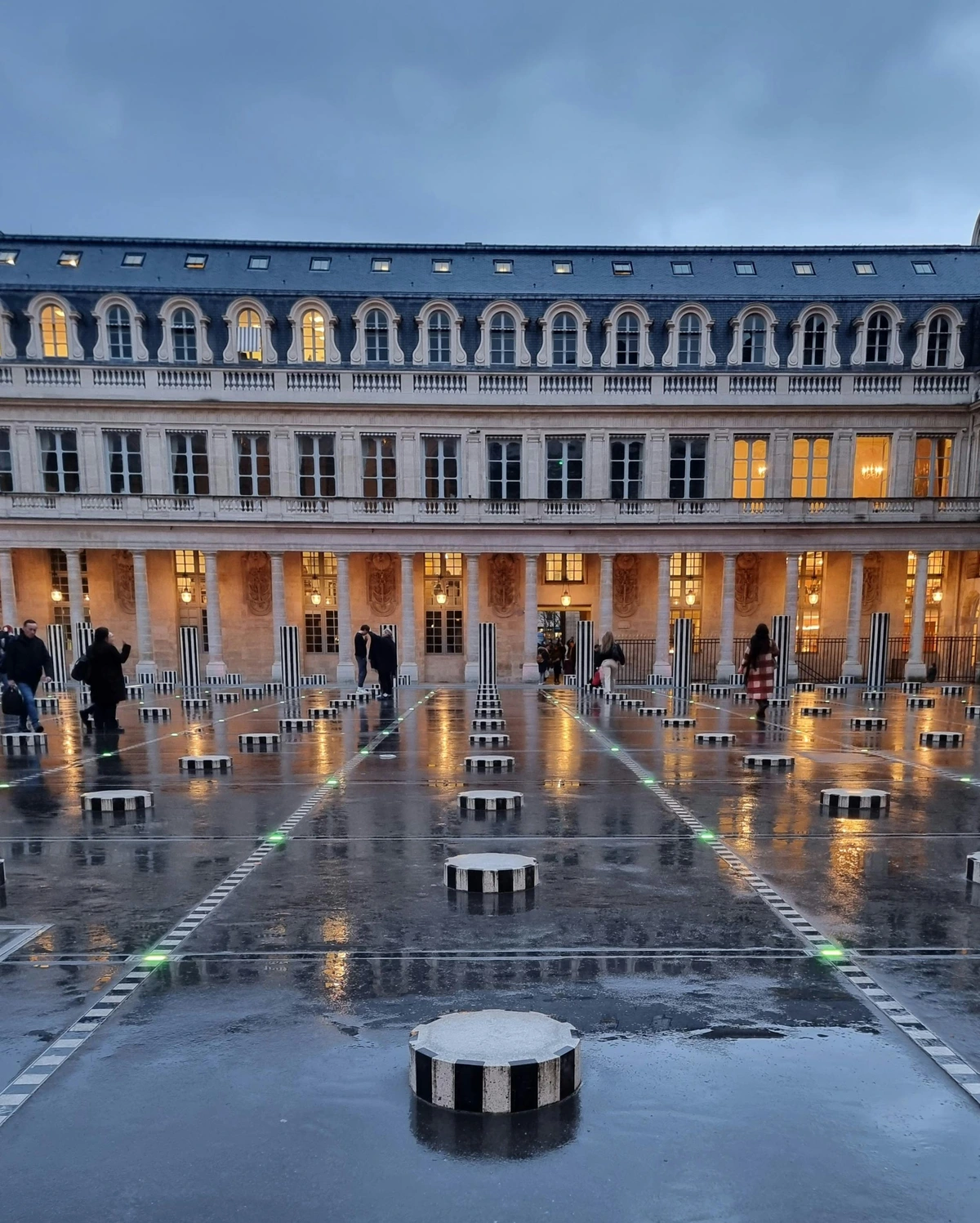


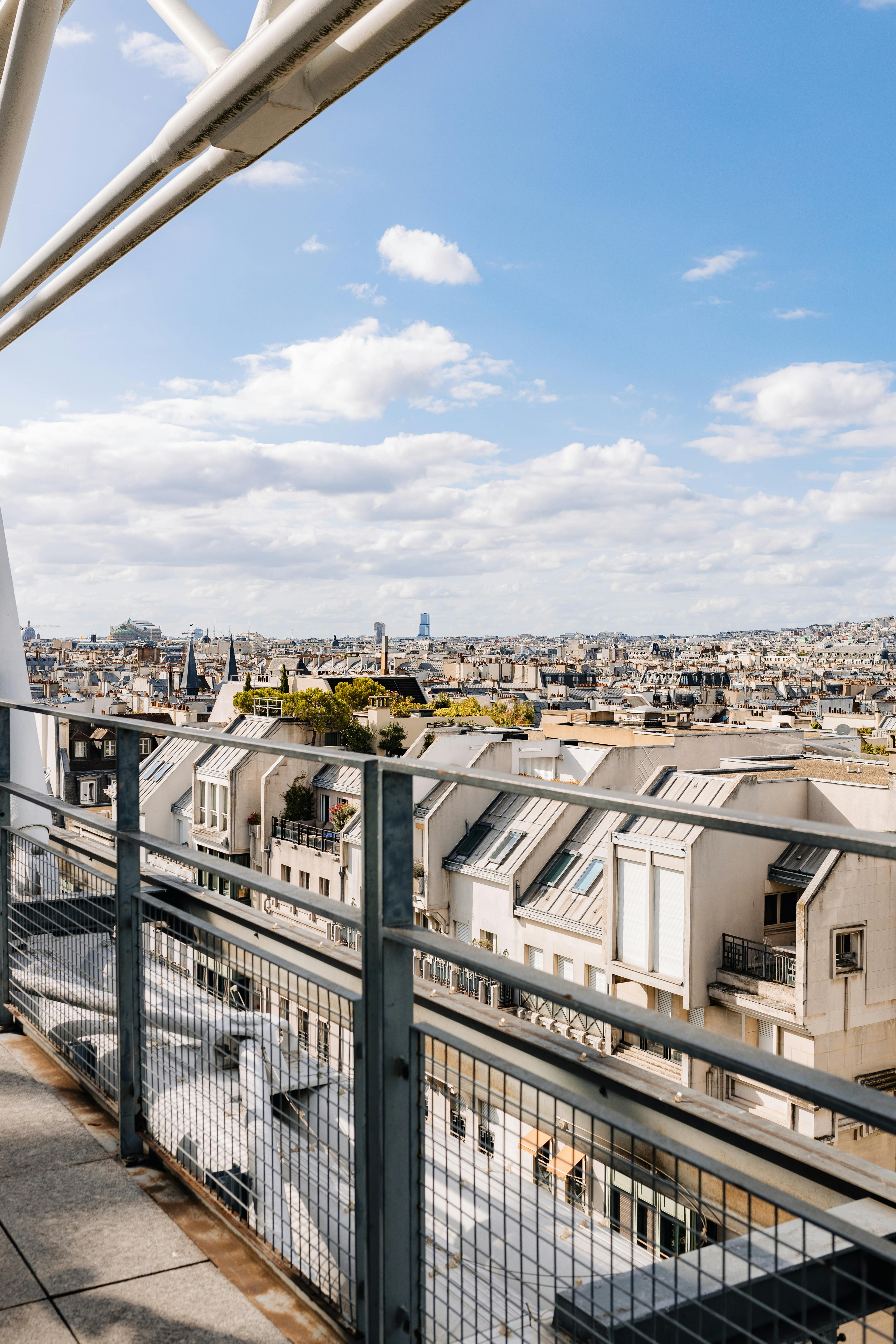


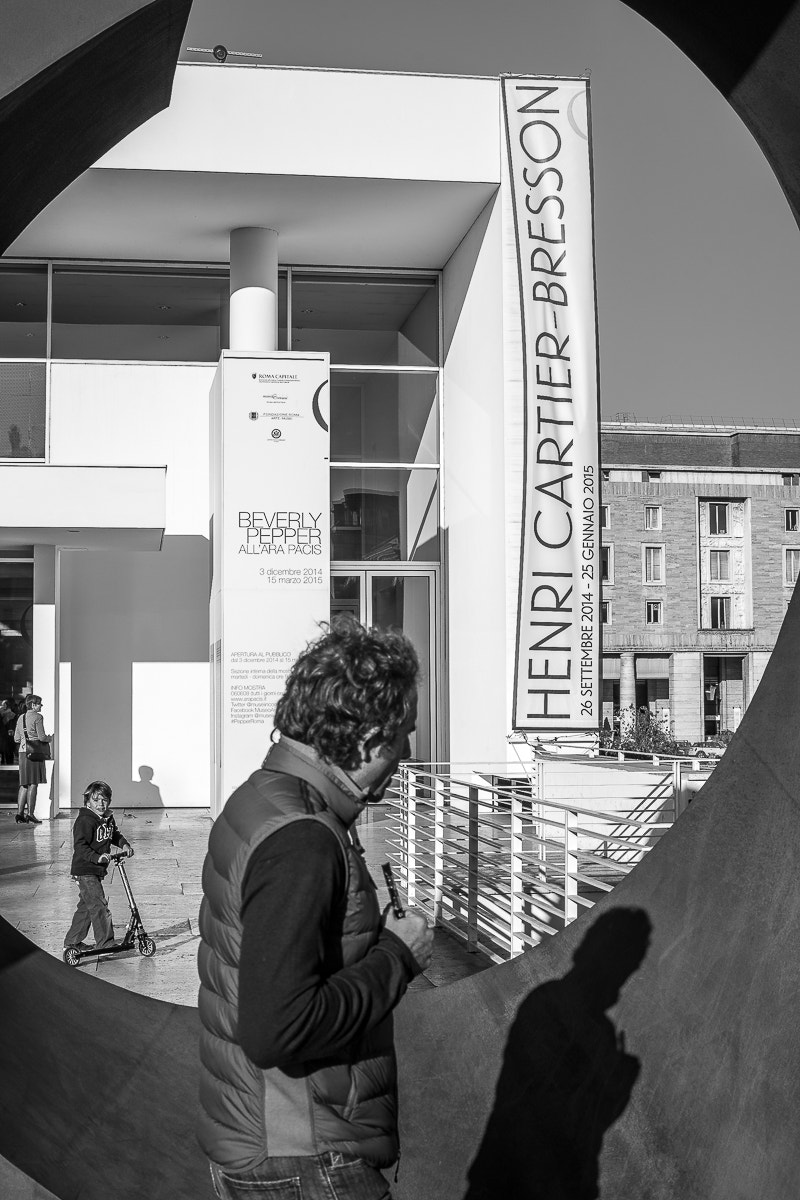
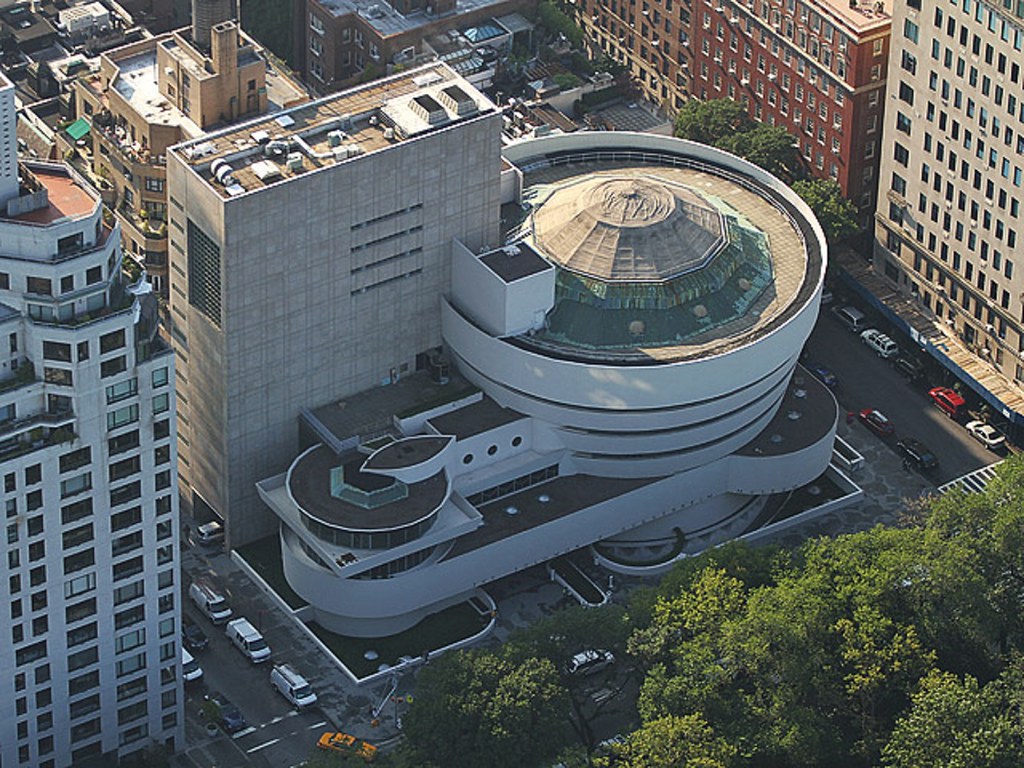
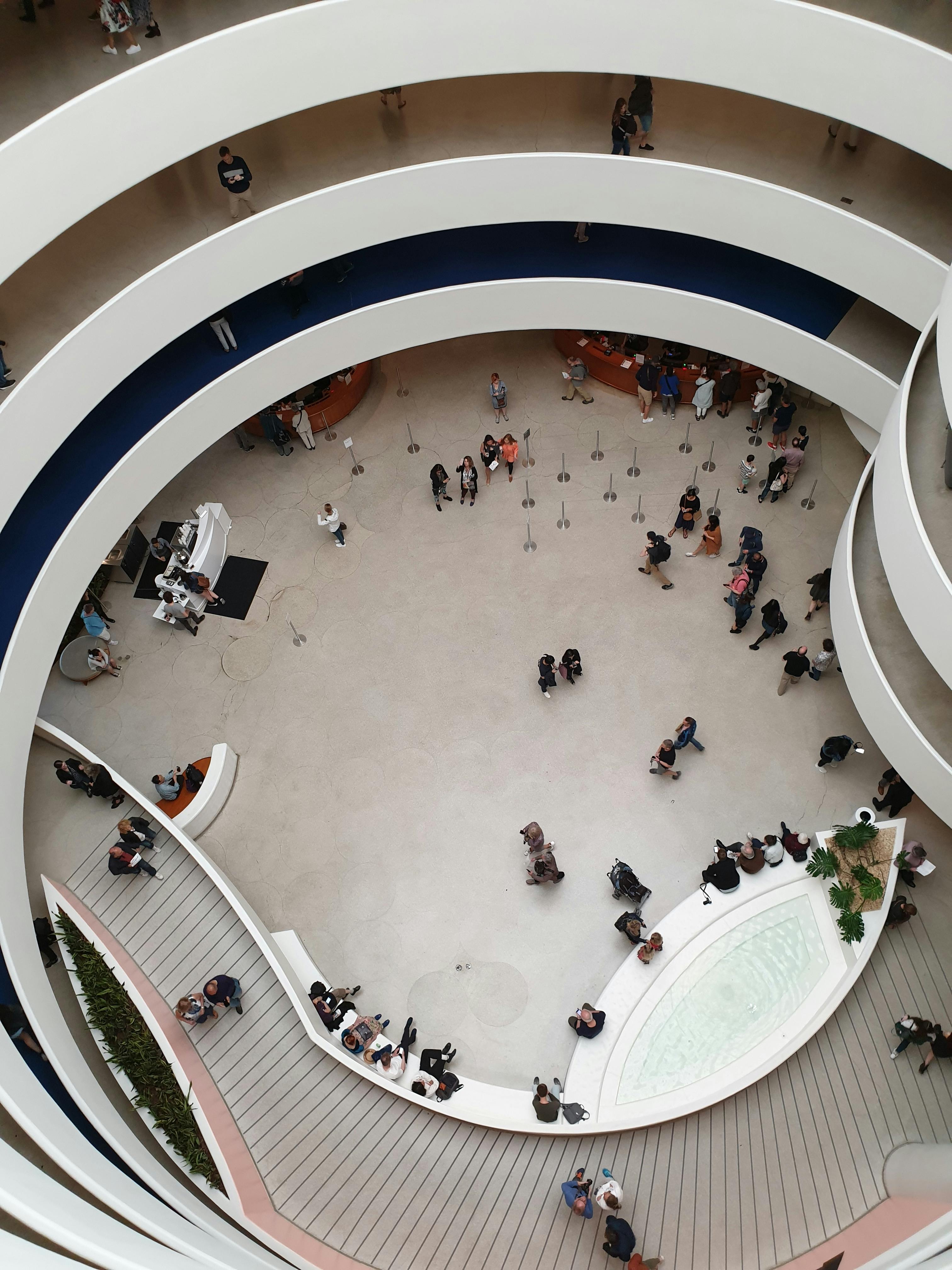


And remember, Paris is also an incredible place to discover the foundational artists of modernism. Don't miss your chance to see works by the titans of the 20th century, many of whom worked in the city, like Pablo Picasso, Henri Matisse, or the brilliant, often overlooked Hilma af Klint. Seeing their work provides the essential context for the contemporary art being made today.
The Architects of the Scene: Curators and Critics
A scene is nothing without its interpreters. In Paris, the role of the curator is particularly intellectual and powerful. Figures like Nicolas Bourriaud (who coined the term "Relational Aesthetics") and Caroline Bourgeois have shaped global art discourse from their Parisian perches. When you visit an exhibition at the Palais de Tokyo or Bourse de Commerce, you're not just seeing a collection of objects; you're walking through a physical essay, an argument constructed by a curator. The choice to place a quiet, contemplative drawing next to a violent, large-scale installation isn't arbitrary; it's a thesis. Understanding this helps you appreciate why certain works are placed in conversation with each other. It's a practice of deep contextualization that feels very French.
Day 2: The Left Bank & the Periphery
- Morning: Begin at Musée d'Art Moderne de Paris (MAM) to connect the dots between modern and contemporary.
- Afternoon: Head to Bourse de Commerce – Pinault Collection. It's a bit of a walk from MAM, but it's through some beautiful Parisian streets. Take your time there; the building is as much a part of the experience as the art.
- Late Afternoon/Evening: Return to the Left Bank and explore the galleries in and around Saint-Germain-des-Prés. The spaces here are often more intimate and scholarly. End your day with a walk along the Seine.
Day 3: The Experimental East
- Morning: Take the metro up to Belleville. This is your day for a grittier, more local scene. Start with a coffee at a local café—watch the neighborhood slowly wake up. Then, just wander. Look for the colorful, large-scale murals that dot the neighborhood. One of my secrets is to look for the work of Jérôme Mesnager (the white figures) or Miss.Tic (the stenciled women with poetic text). They are part of the neighborhood's visual DNA. If the timing is right (usually late May or early June), you might stumble upon the Belleville Open Studios, an unparalleled chance to walk directly into artists' spaces.
- Afternoon: Simply explore the side streets around Rue de Belleville and Parc de Belleville for smaller artist-run initiatives. Pop into Galerie Italienne if you want a dose of high-quality contemporary photography. Don't be afraid to walk into a doorway with a small sign—some of the best studios are hidden behind unassuming facades.
- Late Afternoon: Head south to the 13th arrondissement, to the Tolbiac zone beneath the metro line to see its collection of galleries. The contrast between the raw street art on the pillars and the chic white cubes tucked into the arches is a perfect microcosm of the Parisian art world.