Gemeentemuseum Den Haag: Your Ultimate Art Journey Guide
Discover the vibrant world of Gemeentemuseum Den Haag – from Mondrian's masterpieces to Escher's illusions. Your personal guide to history, art, and practical tips for an unforgettable visit.

Gemeentemuseum Den Haag: Your Ultimate Art Journey Guide
I remember wandering into this museum years ago, expecting just another art collection. What I found? A universe of color, geometry, and pure imagination. It completely rewired how I see contemporary art.
Welcome to the Gemeentemuseum Den Haag – not just a museum, but a living, breathing space where art history dances with modern creativity. If you're looking for more than just a stroll past paintings, you've landed in the right place. Let's embark on this artistic adventure together.
Why Gemeentemuseum Den Haag Should Be Your Next Cultural Adventure
In an art world saturated with big names and predictable experiences, Gemeentemuseum Den Haag stands as a beacon of genuine discovery. This isn't your typical "walk past famous paintings" museum. Here, you'll find yourself actually engaging with art – questioning it, losing yourself in it, and seeing the world differently because of it. What makes this place truly special is how it bridges the gap between historical significance and contemporary relevance while maintaining an intimate, accessible atmosphere.
Imagine standing before Mondrian's unfinished masterpiece "Victory Boogie Woogie," not as a distant admirer, but as someone who can almost feel the creative energy still emanating from the canvas. Picture yourself tracing the impossible architecture of an Escher print, your mind momentarily breaking free from conventional logic. Then, just around the corner, you're stepping into a avant-garde fashion installation that makes you reconsider how clothing becomes art. That's the magic here – the seamless transitions between different artistic languages that create a truly immersive experience.
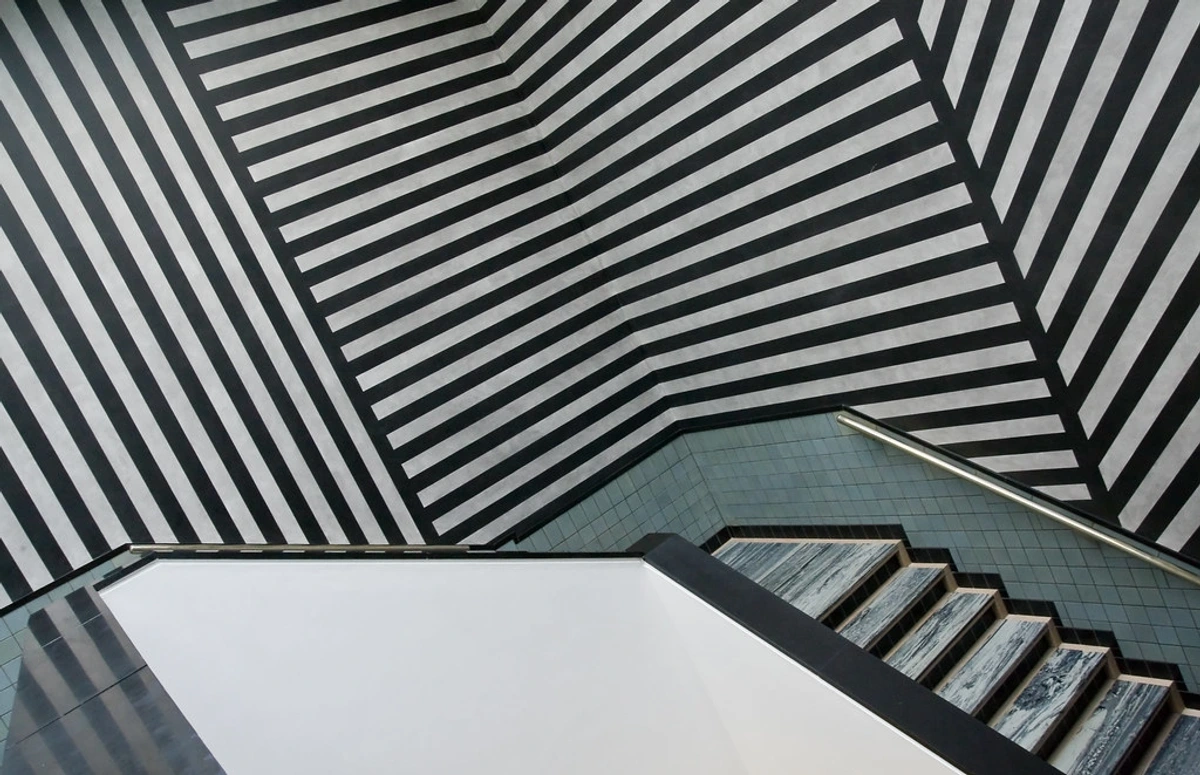
The museum doesn't just house collections; it cultivates connections between seemingly disparate art forms, between past and present, between the artwork and your own life. Whether you're an art historian, a casual visitor, or someone who thinks "modern art isn't for me," this museum has something that will surprise and delight you. It's the kind of place where you might walk in expecting to kill an hour and find yourself staying for the entire day, with each gallery revealing new layers of meaning and beauty.
A Journey Through Time: The Museum's Legacy
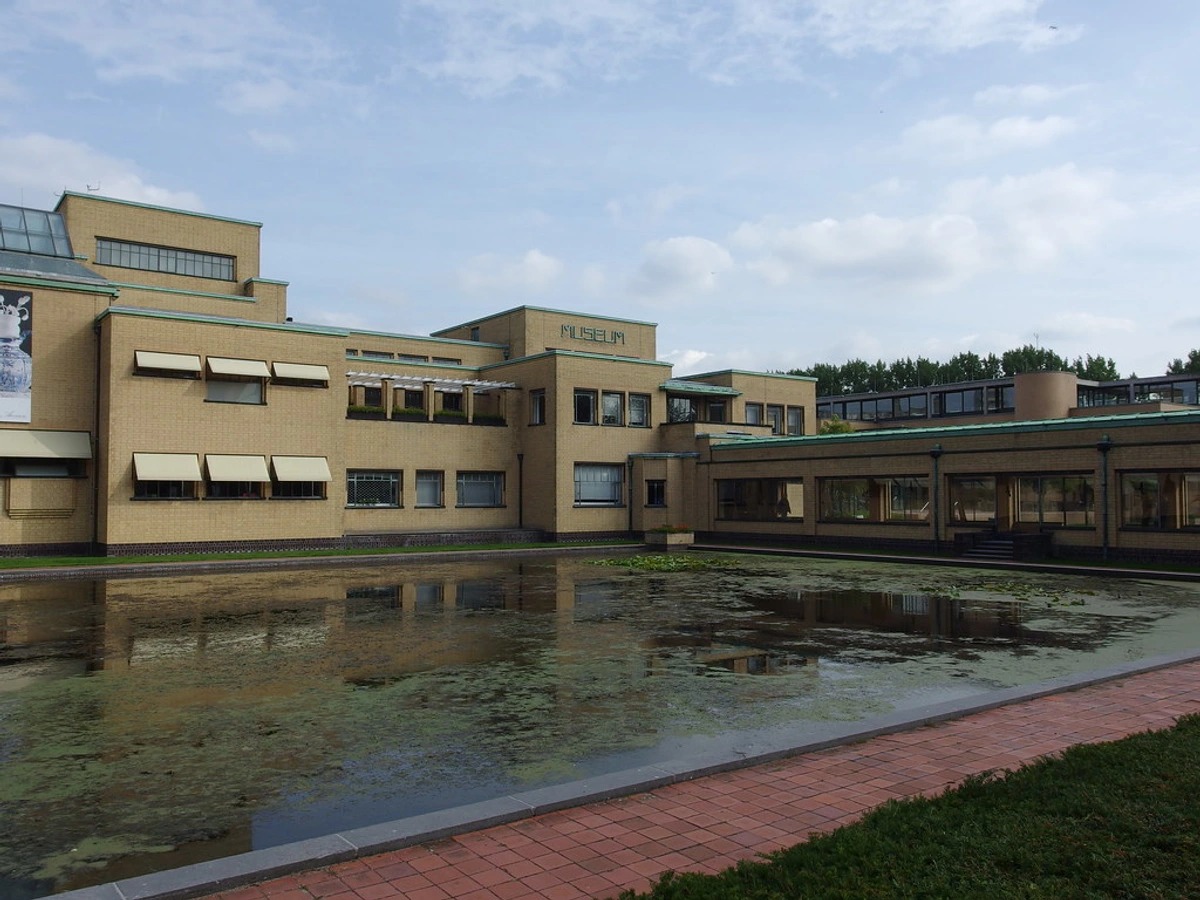
Founded in 1935 as the Gemeentemuseum, this institution has evolved from Berlage's architectural masterpiece into one of the Netherlands' most significant cultural destinations. The museum's story mirrors the very artistic movements it houses – from traditional Dutch roots to radical abstraction and back again through contemporary fashion and design.
The Berlage Vision: Architecture as Artistic Foundation
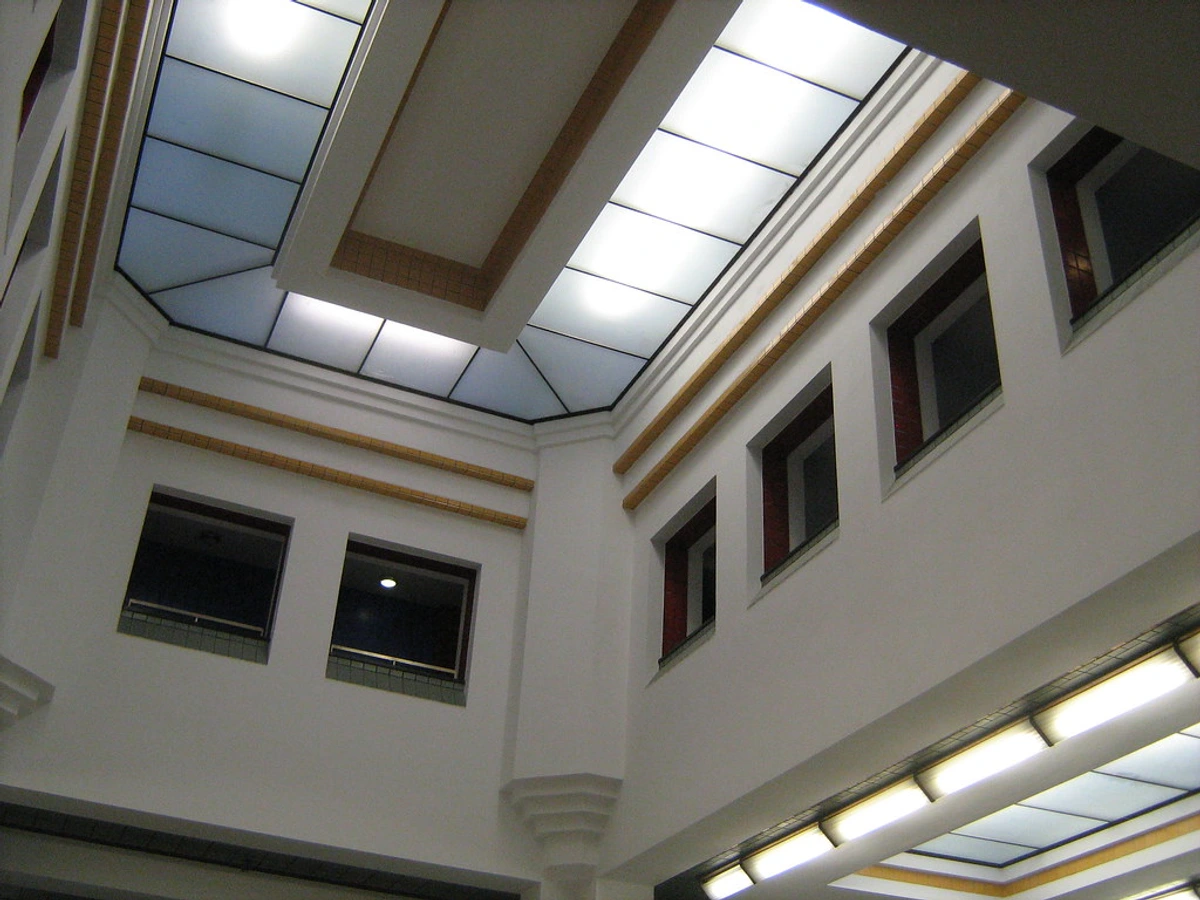
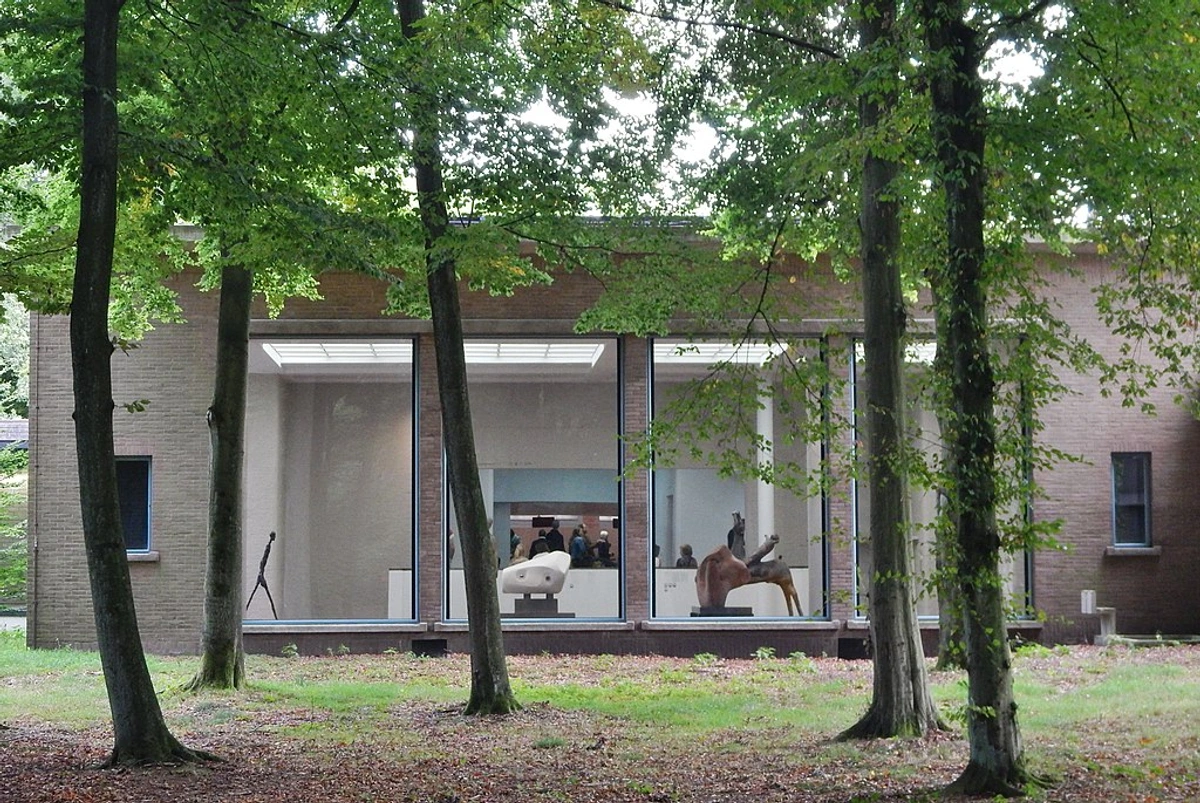
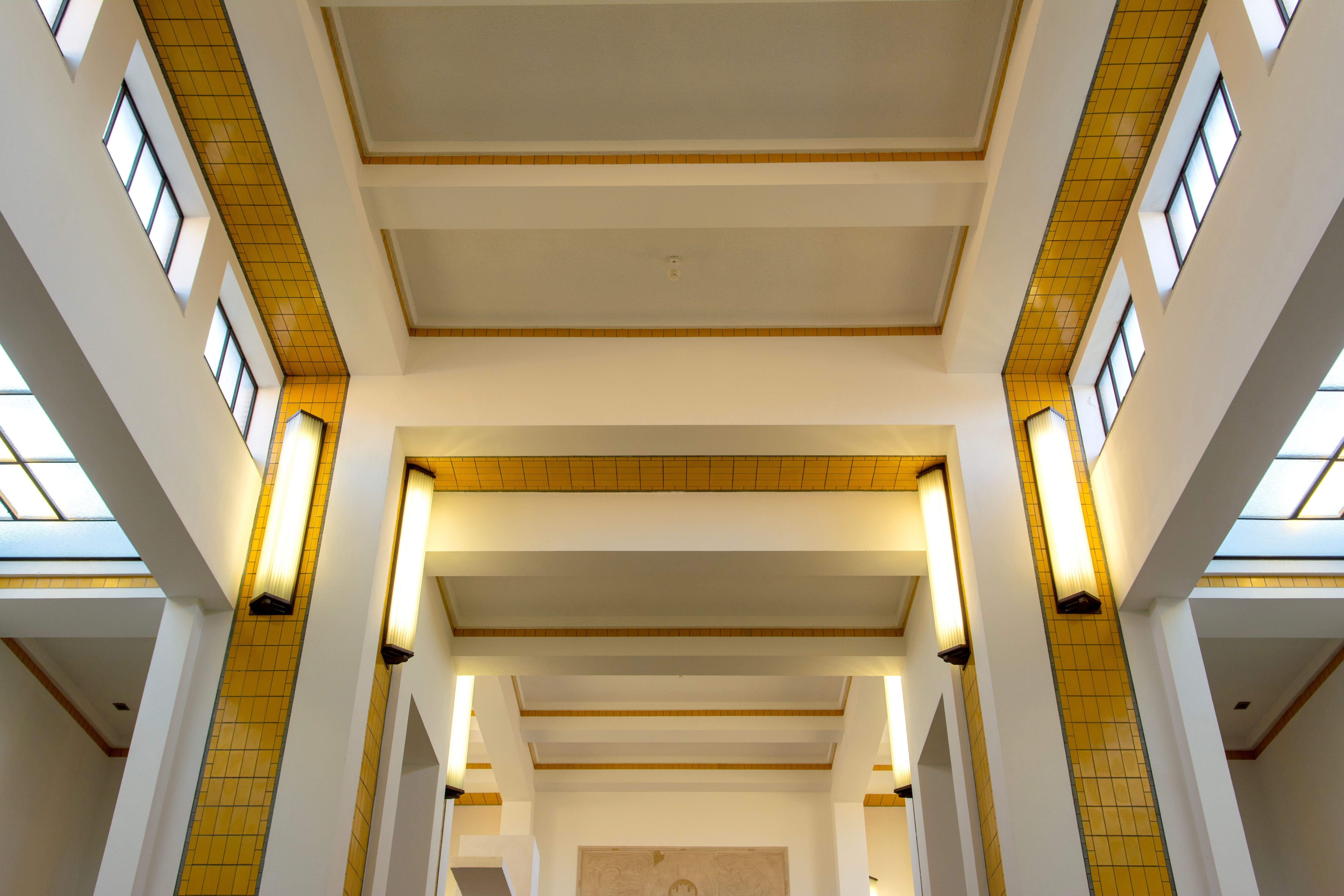
The museum's journey begins with its very architecture. Designed by the legendary Dutch architect Hendrik Petrus Berlage, the building itself was conceived as a work of art that would house other works of art. Berlage, often called the "father of modern Dutch architecture," approached this commission with revolutionary ideas about how a building could enhance rather than merely contain the art within it.
What makes the architectural design so fascinating is how Berlage integrated principles of modernist design with Dutch traditions. The building's clean lines, thoughtful proportions, and masterful use of natural light weren't just aesthetic choices – they were deliberate decisions to create an environment where art could be experienced at its best. The original wing's symmetry and balance reflect the very artistic principles that would later be explored by the museum's most famous residents, like Mondrian.
War Years and Resilience
The museum's history wasn't without challenges. During World War II, like many cultural institutions, it faced significant difficulties. Collections were dispersed, and the building served various purposes during the occupation period. Yet, the museum's commitment to its artistic mission never wavered. The post-war period saw a remarkable resurgence, with the museum playing a crucial role in rebuilding The Hague's cultural identity and positioning itself as a forward-thinking institution.
The Modern Evolution: Expanding Horizons
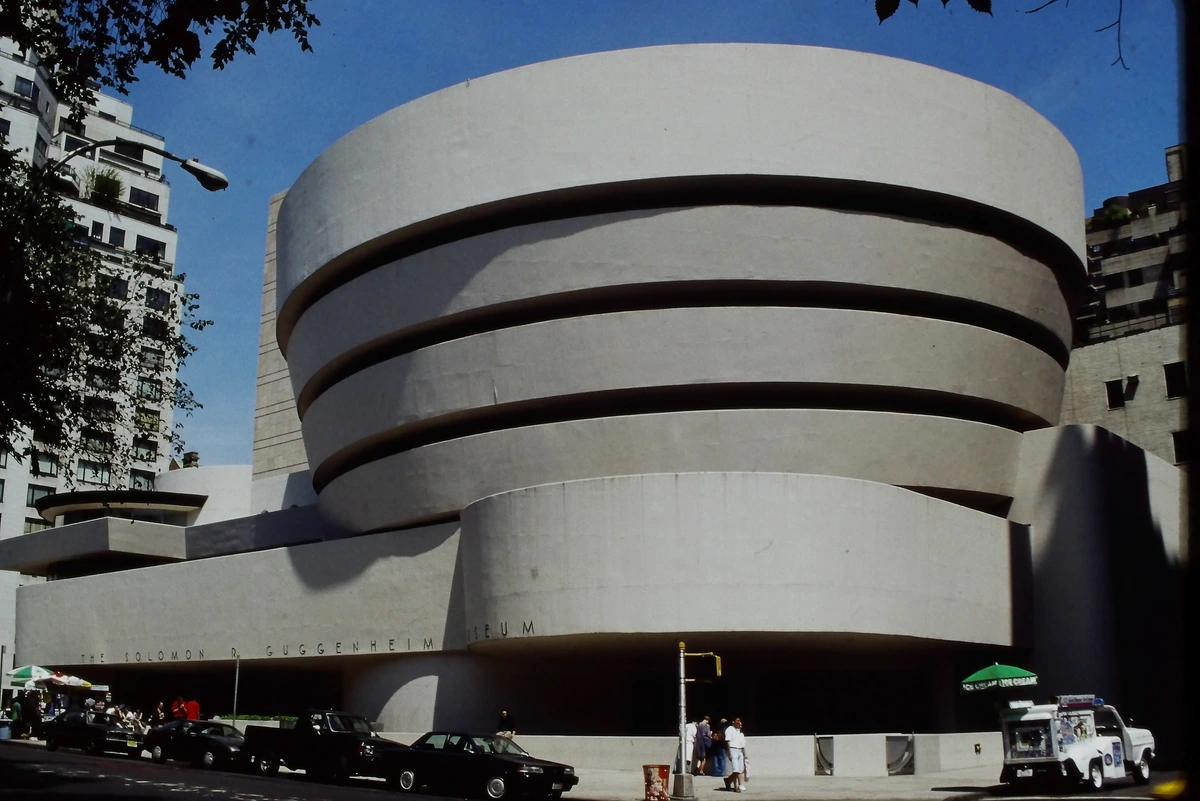
The latter half of the 20th century brought significant changes. The museum underwent major expansions that respectfully engaged with Berlage's original vision while introducing contemporary architectural elements. These weren't just additions – they were thoughtful dialogues between different eras of design philosophy. The tower, with its distinctive verticality, became both a functional element and a symbolic statement about the museum's aspirations toward innovation.
Recent decades have seen the museum embracing digital technology and interactive experiences while maintaining its commitment to traditional artistic excellence. This evolution reflects the broader journey of art itself – constantly reinventing itself while honoring its roots. Today, the museum stands as a testament to how cultural institutions can adapt, grow, and remain relevant across generations.
Why This Museum Captivates Art Lovers Worldwide
People often ask me: "Is it worth visiting when I've seen big museums in Paris or Amsterdam?" Every time, I give a resounding yes. Here's why:
Beyond the Tourist Trail: Hidden Dutch Treasures
The Gemeentemuseum offers something increasingly rare in the art world: authentic, meaningful experiences without the crushing crowds of major tourist destinations. While Amsterdam's Rijksmuseum and Paris's Louvre draw millions, this museum provides space to actually engage with art – to stand before a Mondrian and not feel someone's shoulder pressing into yours. The intimate scale creates a contemplative atmosphere where you can form genuine connections with the artworks.
What truly sets it apart is the depth and quality of its collections. Many museums have one or two Mondrians; this museum has an entire narrative arc through his career. Same with Escher – most institutions might show a print or two, but here you get to walk through a comprehensive exploration of his entire artistic journey. This isn't just about having famous names; it's about telling complete stories that help you understand how art evolves and transforms over time.
- Hidden Dutch Treasures: Houses the world's largest Piet Mondrian collection – we're talking foundational pieces that shaped modern art. Not just one or two, but entire rooms dedicated to his journey from figurative to abstract brilliance. This collection is so comprehensive that art historians and students regularly visit specifically to study Mondrian's development in context, making it an unparalleled resource for understanding the birth of abstract art.
- Escher's Mind-Bending Realm: The M.C. Escher galleries transport you into worlds of impossible architecture and infinite recursion. You'll leave questioning reality itself. What makes this collection particularly special is how it traces Escher's evolution from traditional landscape painting to his later mathematical masterpieces, allowing visitors to witness the exact moment when his technical perfection met his revolutionary imagination.
- Fashion as Art: This isn't just historical costumes. It's avant-garde fashion installations woven into the museum's fabric – proving style is indeed a powerful form of expression. The collection regularly rotates and often features contemporary designers who push boundaries, making each visit feel fresh and relevant to current cultural conversations.
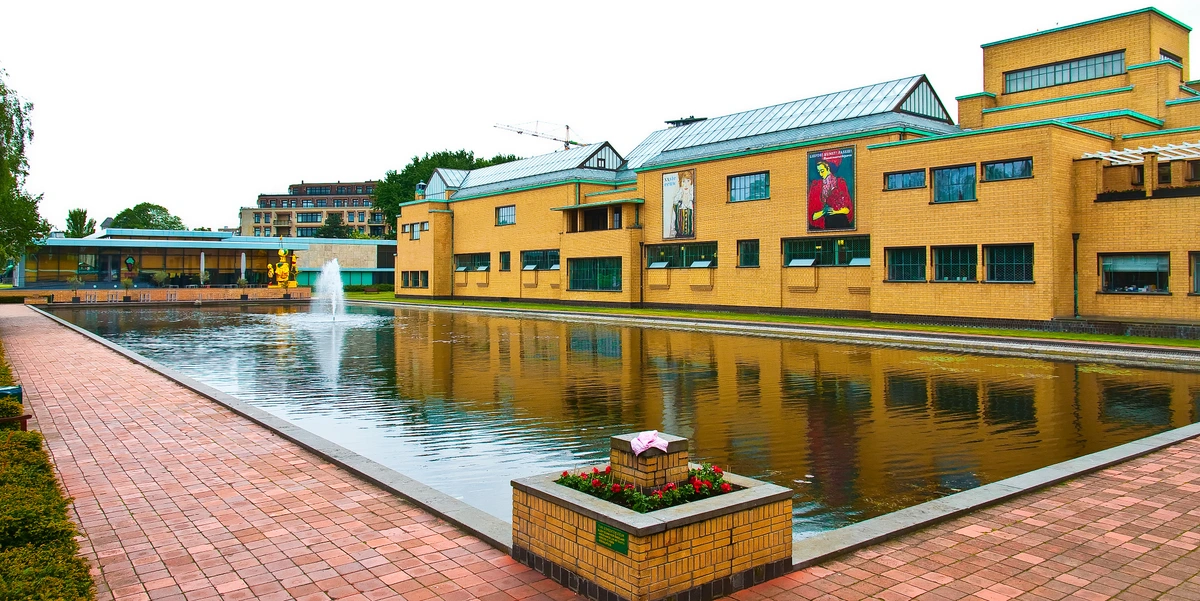
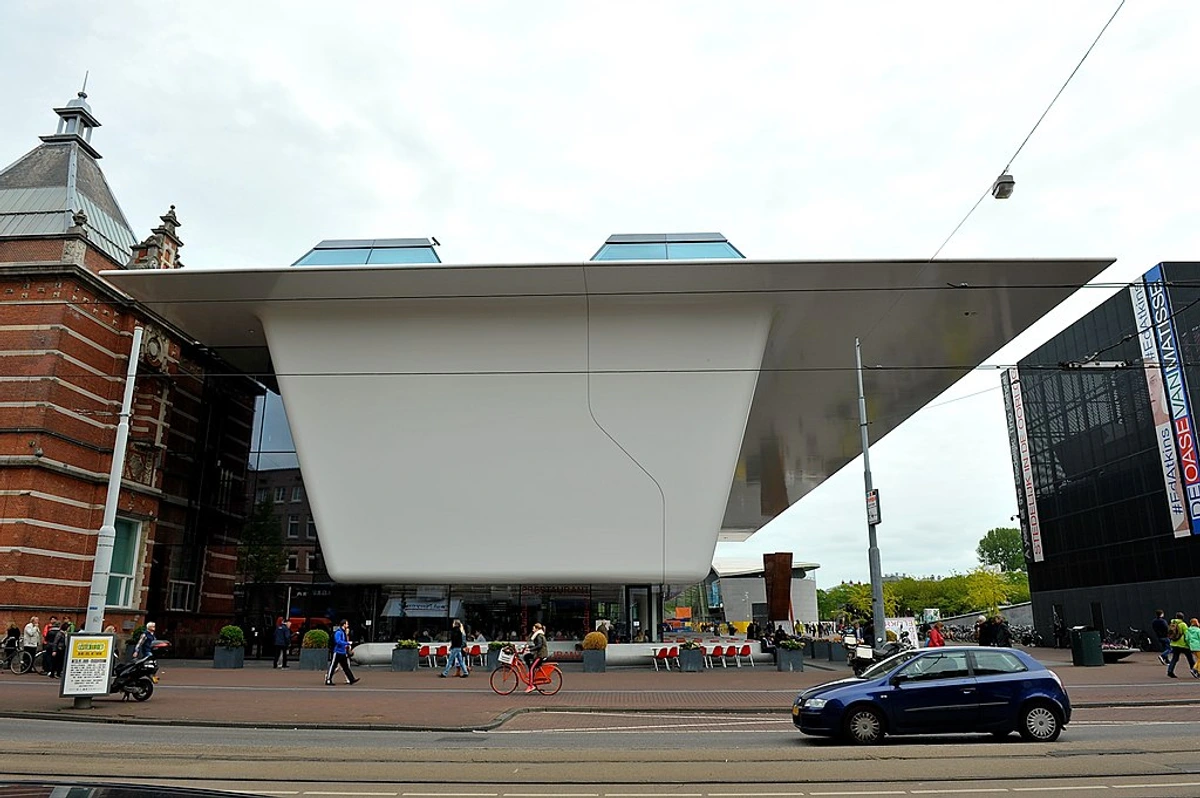
- Architectural Beauty: You'll walk through history – from H.P. Berlage's stunning 1930s Art Deco core to modern expansions. The building itself is an art lover's dream.
- Photographic Excellence: An often-overlooked gem – the museum's photography collection captures Dutch and international masters, from documentary work to avant-garde experimentation. This collection spans the entire history of photography, from early Daguerreotypes to contemporary digital art, making it a comprehensive journey through how this medium has evolved and transformed our visual world.
- Graphic Arts Revolution: Explore the world of prints, posters, and graphic design that shaped visual communication throughout the 20th century.
- Interactive Digital Experiences: Modern installations and digital displays that bring historical art into conversation with contemporary technology. The museum has been surprisingly innovative in this area, creating AR experiences that overlay historical context onto artworks, interactive touchscreens that allow deep dives into artistic techniques, and digital recreations of lost or damaged pieces that otherwise couldn't be experienced.
I've seen jaws drop in the Mondrian rooms and heard gasps in the Escher halls. It's that transformative. But don't just take my word for it – let's explore deeper into the museum's extraordinary collections and architectural marvels.
The Building: Where Art Meets Architecture
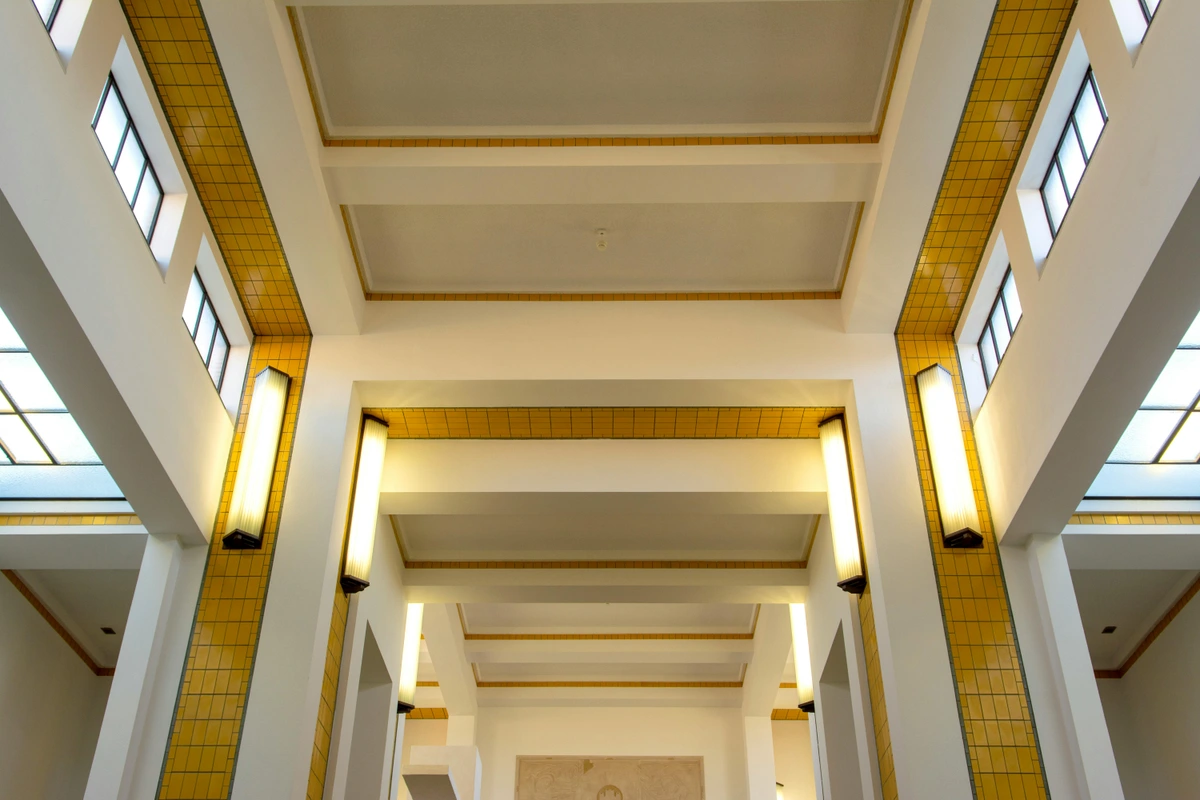
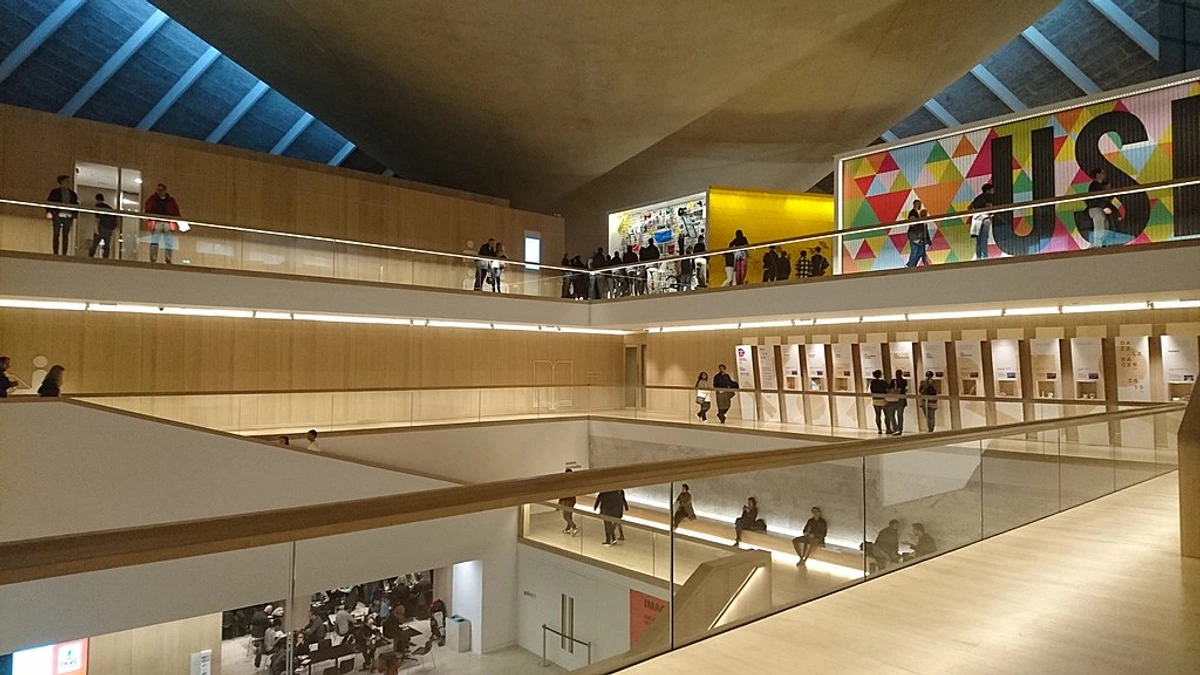
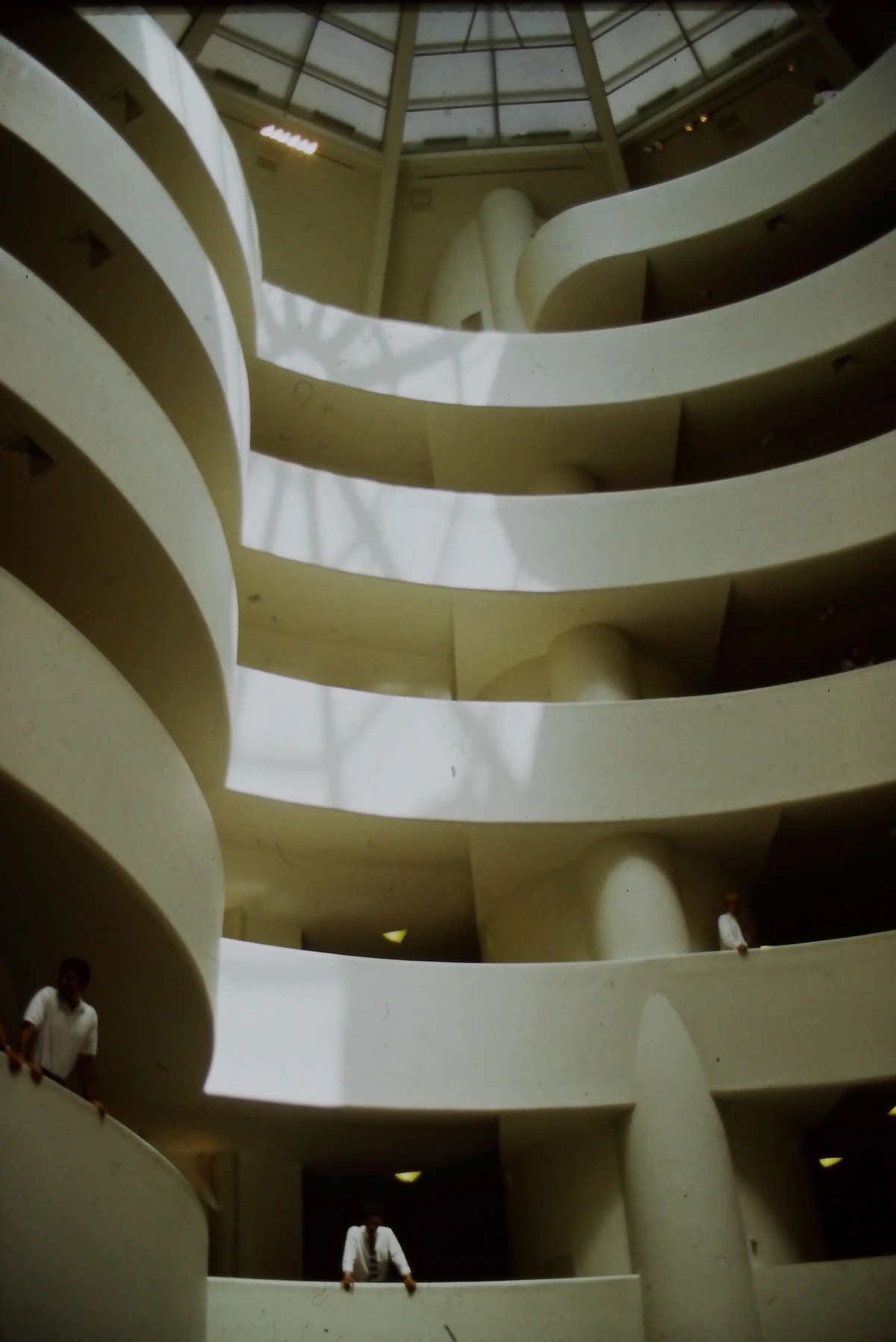
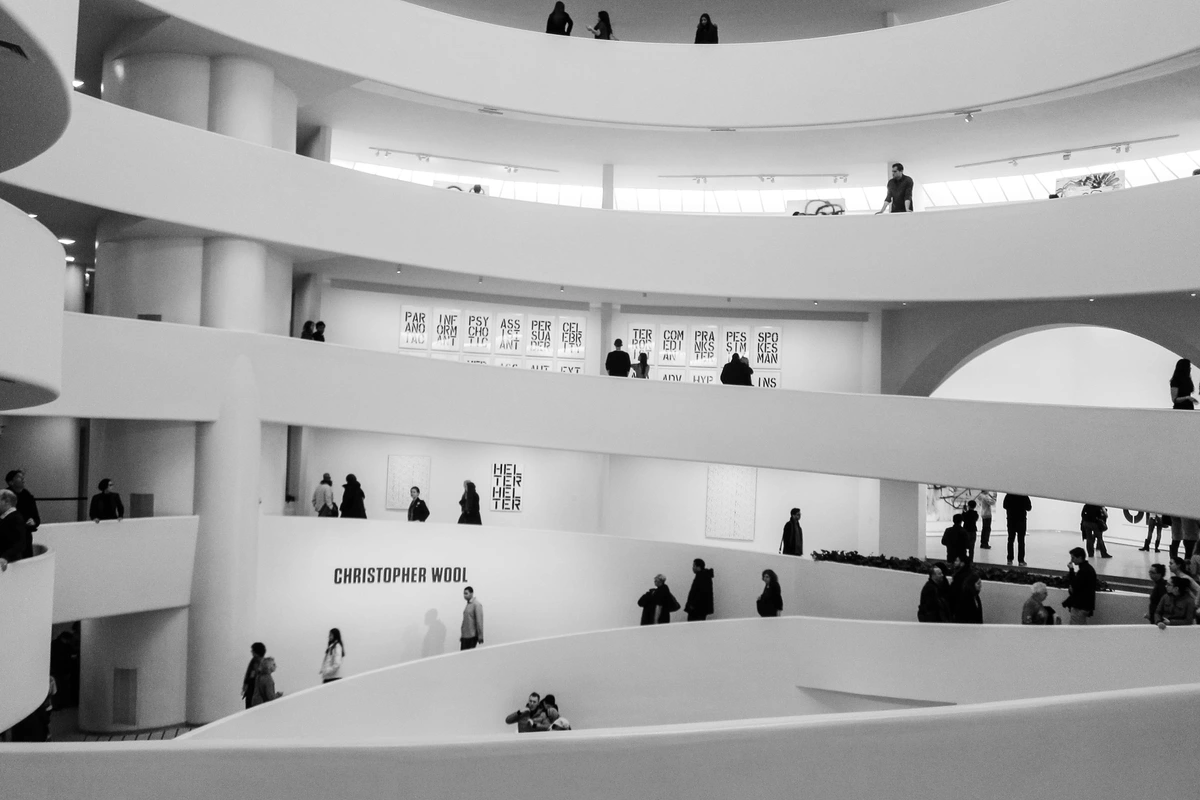
Walking up to the Gemeentemuseum feels like approaching a masterpiece itself. Its Art Deco facade and sleek lines whisper of a golden age, while the interior flows like a meticulously curated exhibition. What makes the architectural experience so profound is how Berlage's design principles actually enhance the viewing experience – the way light falls across canvases, the sightlines that guide your attention, the spatial relationships between different collections.
The Sensory Experience: Architecture That Engages
Unlike many museums where the building is merely a container, here the architecture actively participates in the artistic experience. You'll notice how the natural light changes throughout the day, creating different moods in the galleries. The way spaces flow from one to another creates a rhythmic journey that mirrors the emotional arc of exploring art. Even the materials – the specific tones of the walls, the textures of the floors, the acoustics of the spaces – are carefully chosen to enhance rather than distract from the artworks.

Conservation and Environmental Excellence
Modern museums face the challenge of preserving delicate artworks while providing accessible environments for visitors. The Gemeentemuseum has invested heavily in state-of-the-art climate control systems that maintain perfect conditions for everything from fragile paper works to sensitive paintings. What visitors might not notice is the sophisticated engineering that allows the historic building to accommodate these modern needs without compromising Berlage's original vision. It's a delicate balance of preserving the past while embracing the present.
The museum is a fascinating journey through architectural time:
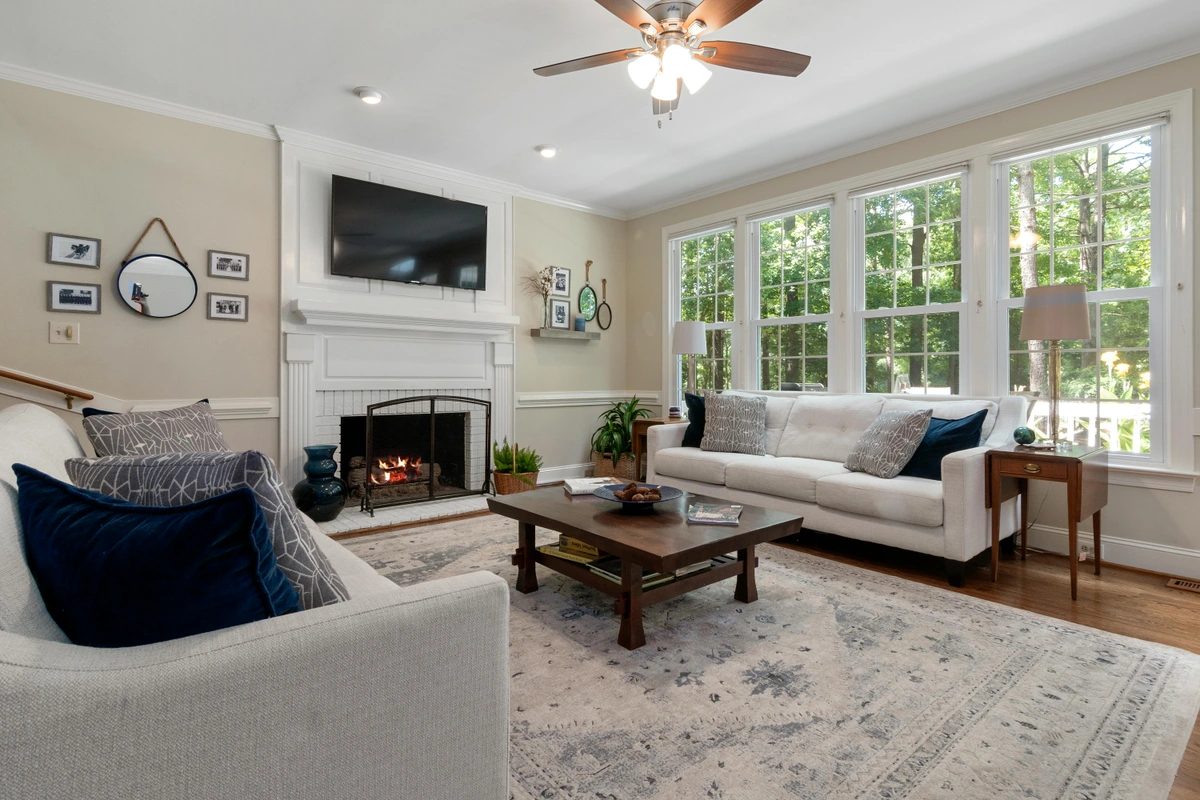
- Original Berlage Wing (1935): This is where it all began. Designed by Dutch master Hendrik Petrus Berlage, this section embodies symmetry, clean lines, and grand spaces. You'll notice how the natural light feeds the artworks – it was revolutionary in its time.
- Modern Expansions: Later additions respectfully engage with Berlage's vision while introducing contemporary elements, creating a seamless dialogue between old and new.
- The Tower: Eye-catching and functional, the tower's verticality defines the skyline and offers unique perspectives of the city and park below.
Pro Tip: Don't rush. Pause in the central hall. Notice how the interplay of light, space, and geometry changes as the day progresses. It’s a constantly shifting installation in its own right.
Masterpieces That Define 20th-Century Art
Let's get to the good stuff – the art that makes this place legendary. You're not just viewing paintings; you're witnessing pivotal moments in cultural evolution. The Gemeentemuseum's collections aren't just assembled – they're curated to show the dramatic evolution of artistic thought from early modernism to contemporary expressions.
The Curatorial Philosophy: Context and Connection
What makes these collections truly special is how they're presented. Rather than simply displaying "greatest hits" in isolation, the curators have thoughtfully arranged works to show conversations between different artists, movements, and time periods. You'll see how Mondrian's geometric precision relates to earlier Dutch traditions, how Escher's mathematical explorations connect to contemporary digital art, and how fashion collections interact with painting and sculpture.
This contextual approach helps visitors understand that art doesn't exist in a vacuum – it's part of an ongoing dialogue across centuries and disciplines. The museum excels at showing these connections, making complex art historical developments accessible and engaging even for those without specialized knowledge.
Piet Mondrian: From Nature to Neoplasticism
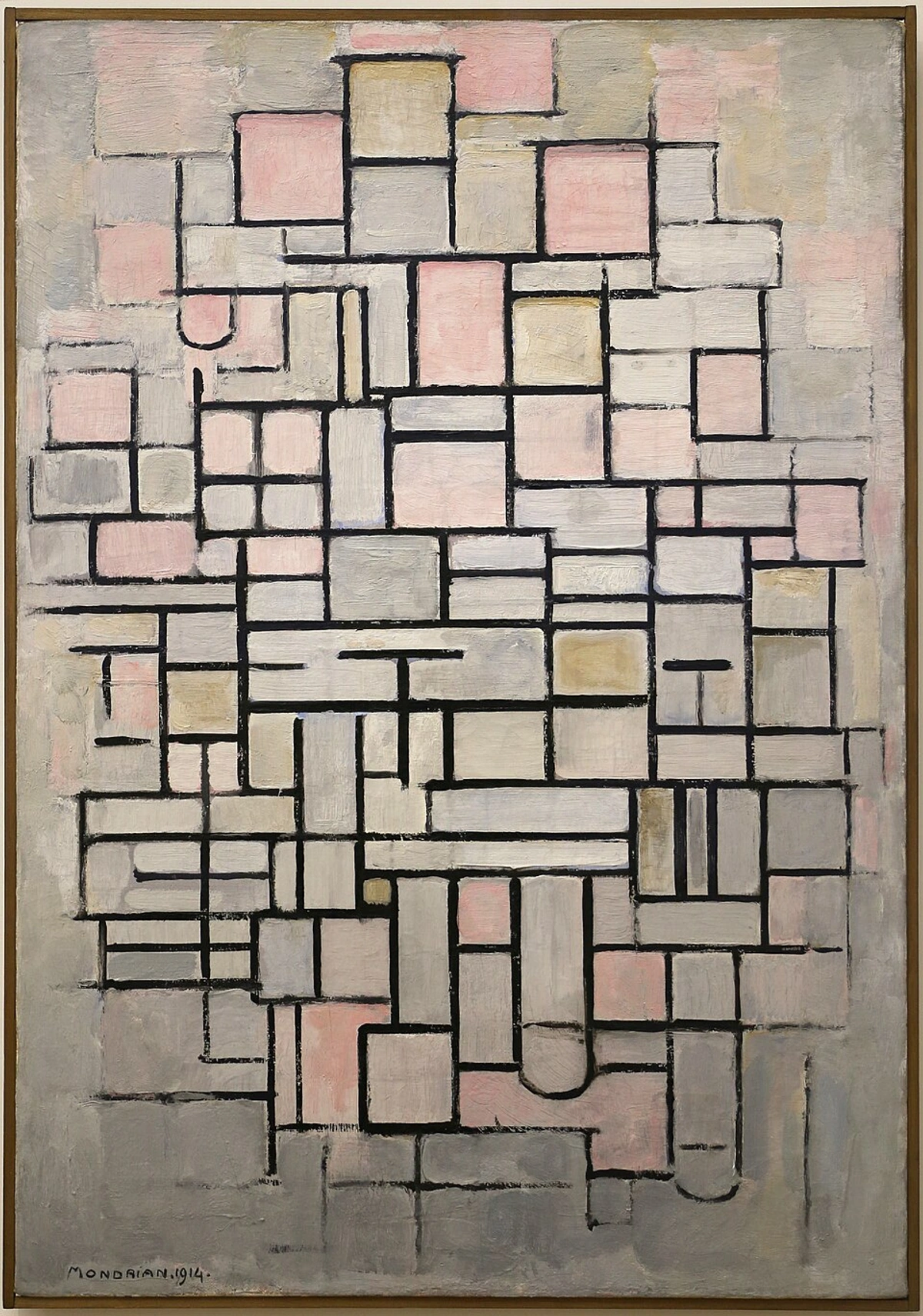
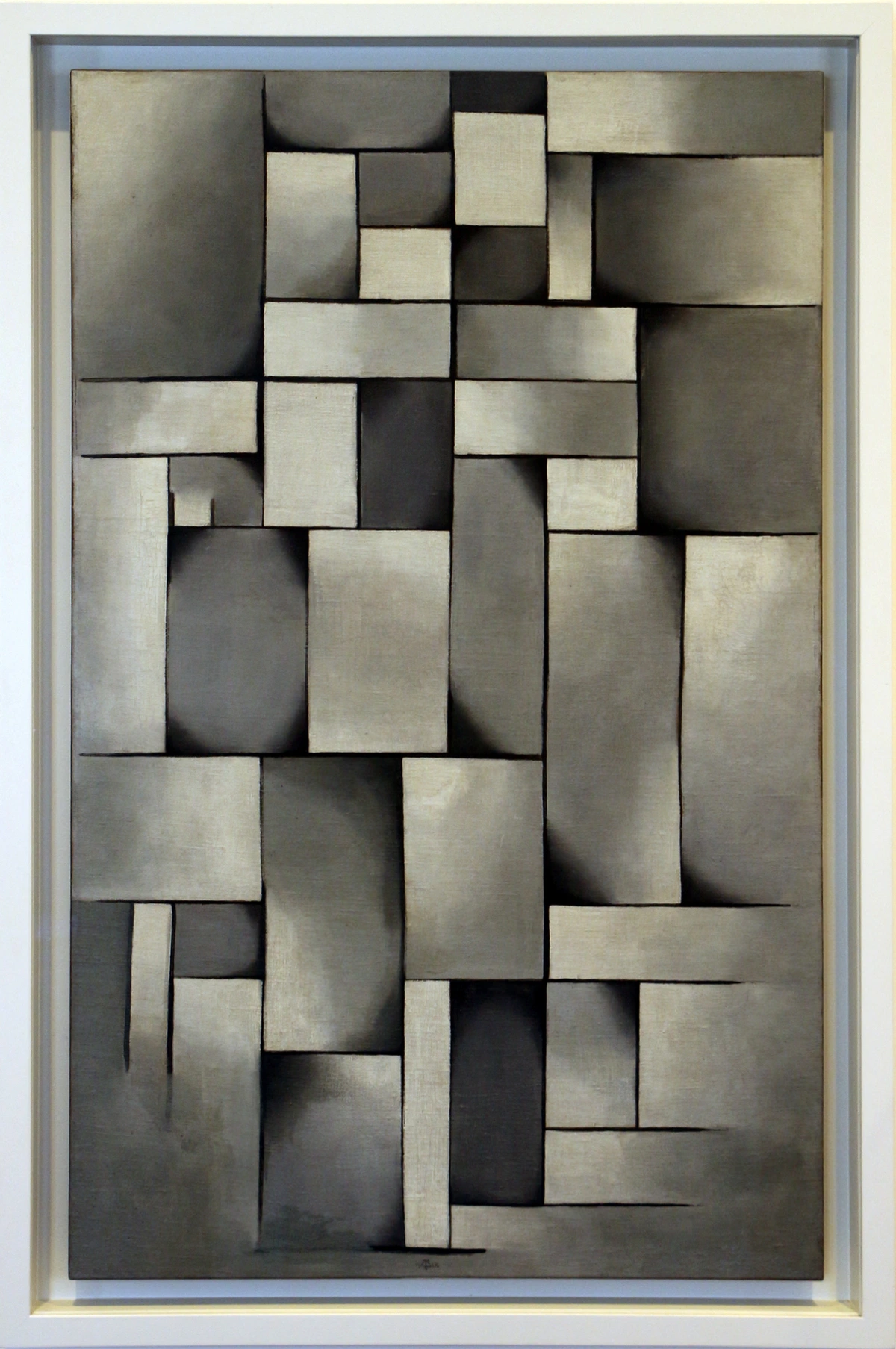
You can't overstate Mondrian's significance here. His journey is visualized through entire galleries that trace his radical transformation. What makes this collection extraordinary is how it allows you to literally walk through the evolution of one of art history's most important revolutions – from traditional landscape painting to the pure abstraction that would influence everything from graphic design to architecture to popular culture.
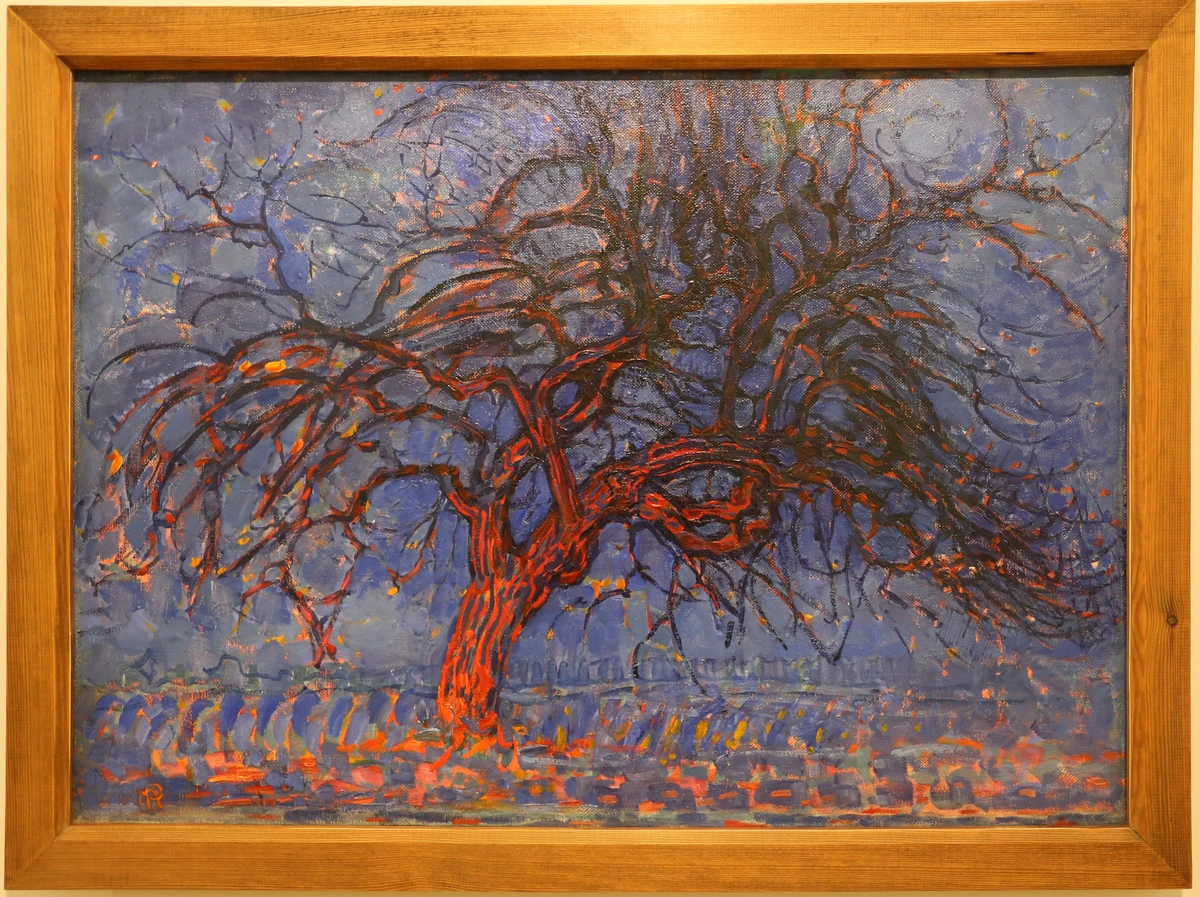
- Early Landscapes (c.1892-1907): Evocative, soft-focus scenes of Dutch dunes and trees – a stark contrast to what comes next. These early works show Mondrian's deep connection to Dutch landscape painting traditions before his revolutionary departure.
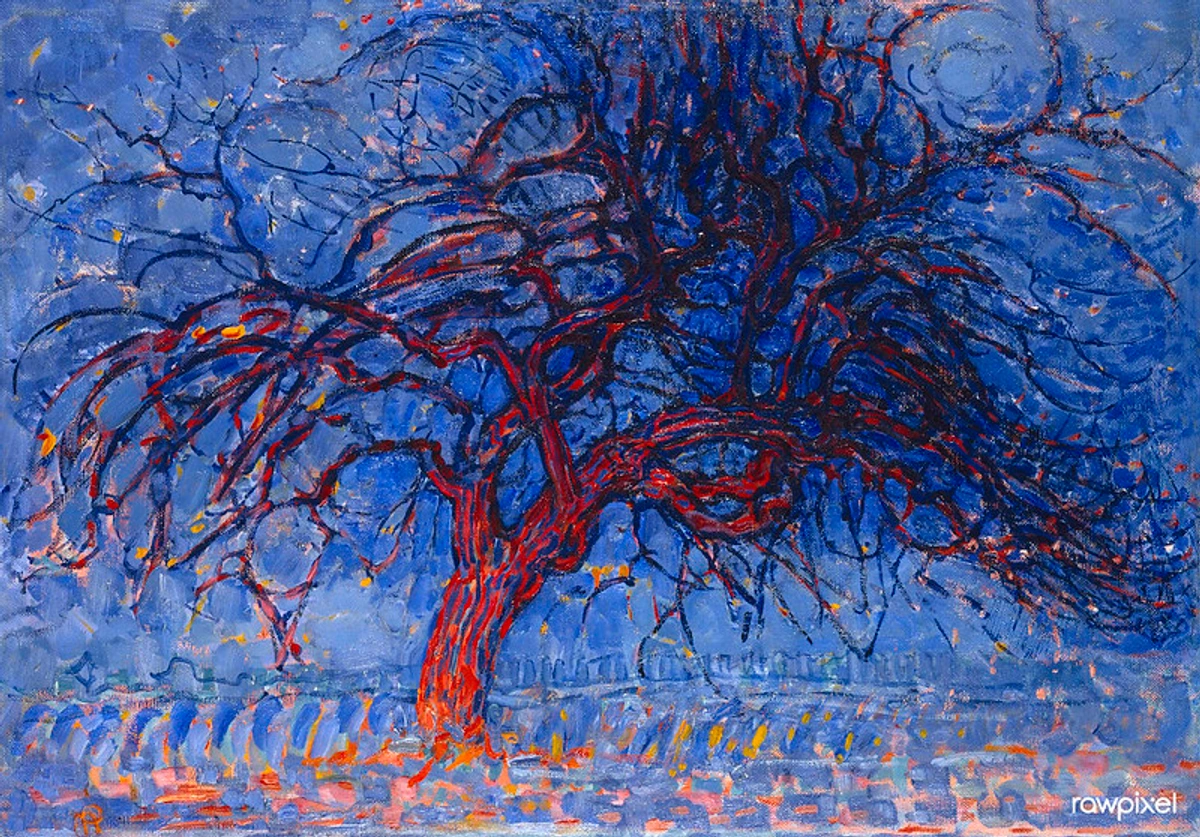
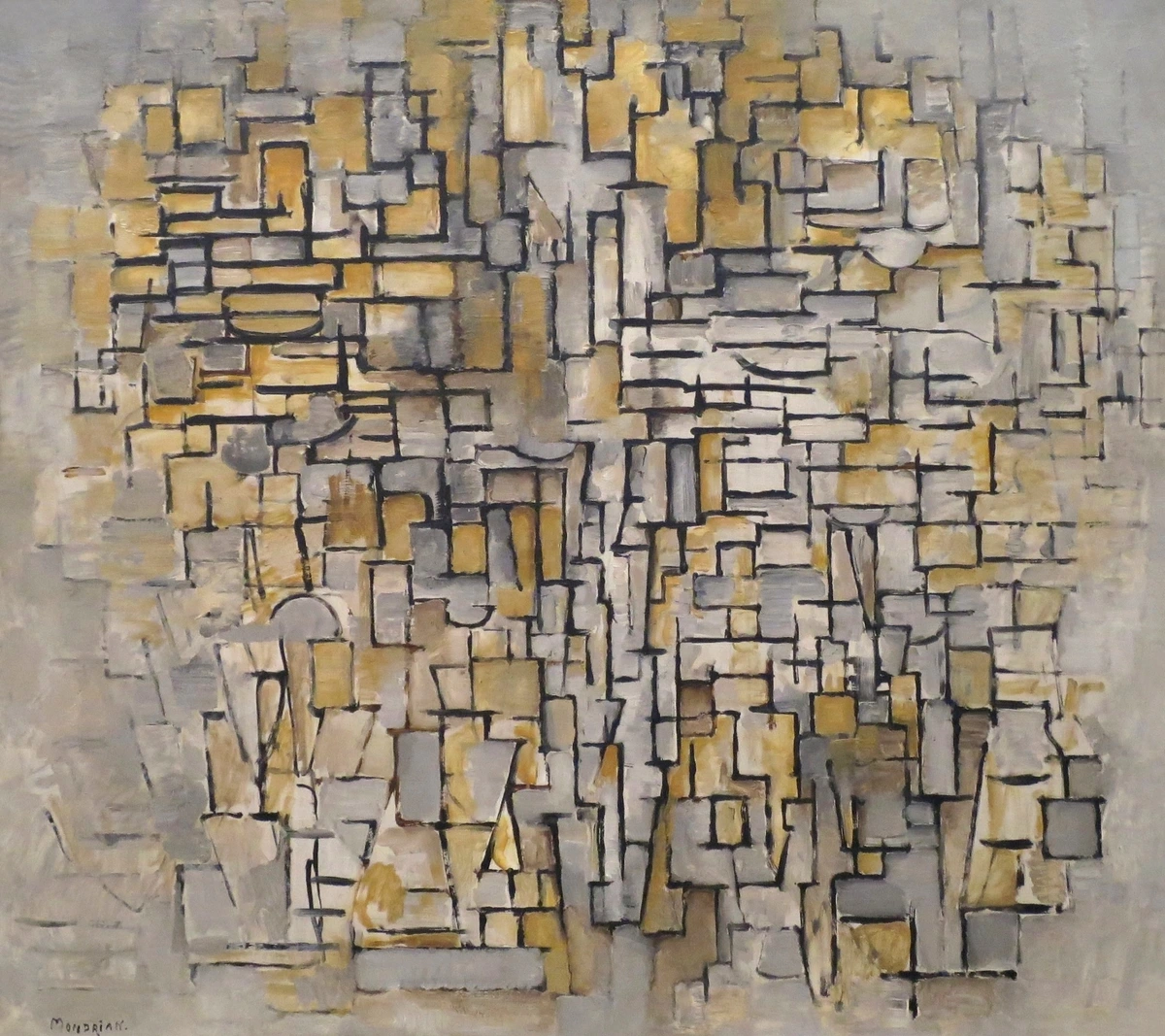
- The Cubist Breakthrough (1911-1914): Think "Evolution" and "Gray Tree." Luminous, complex structures where nature dissolves into geometric forms. It's thrilling to see the birth of analytical Cubism through Dutch eyes. During this period, Mondrian moved beyond mere representation to explore the underlying structure of reality.
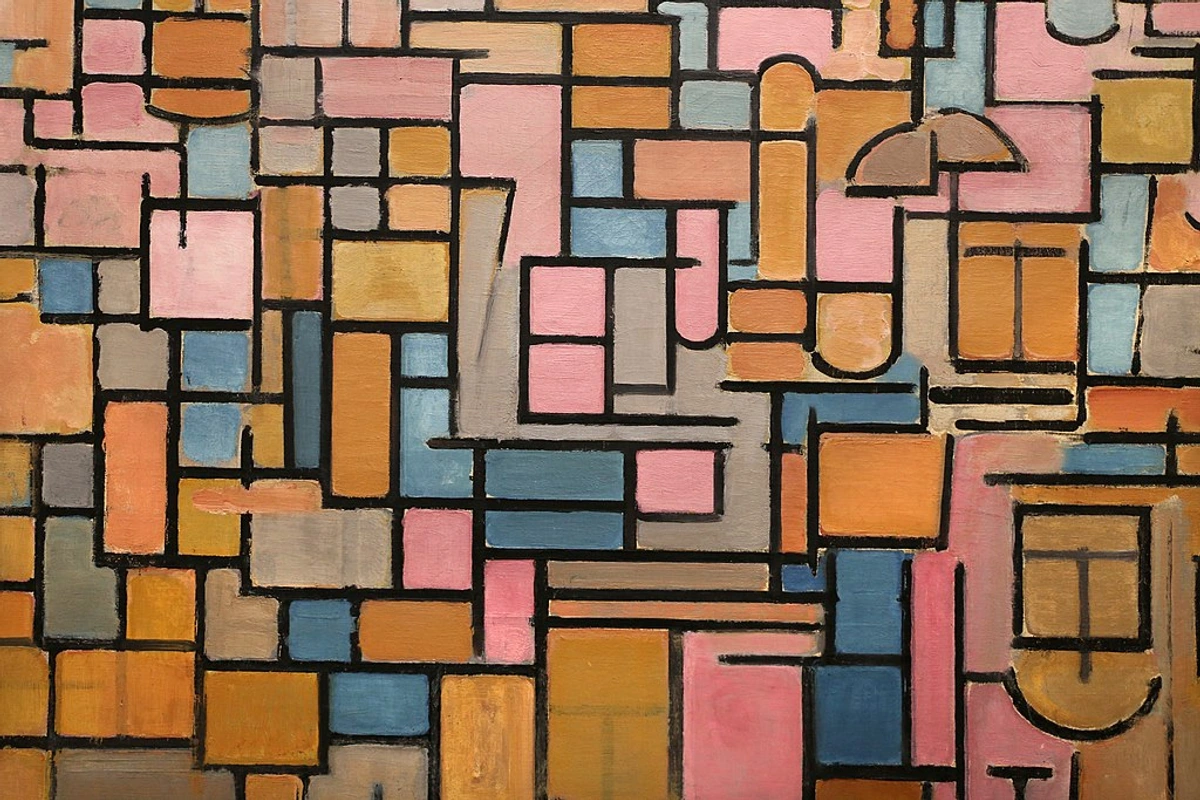
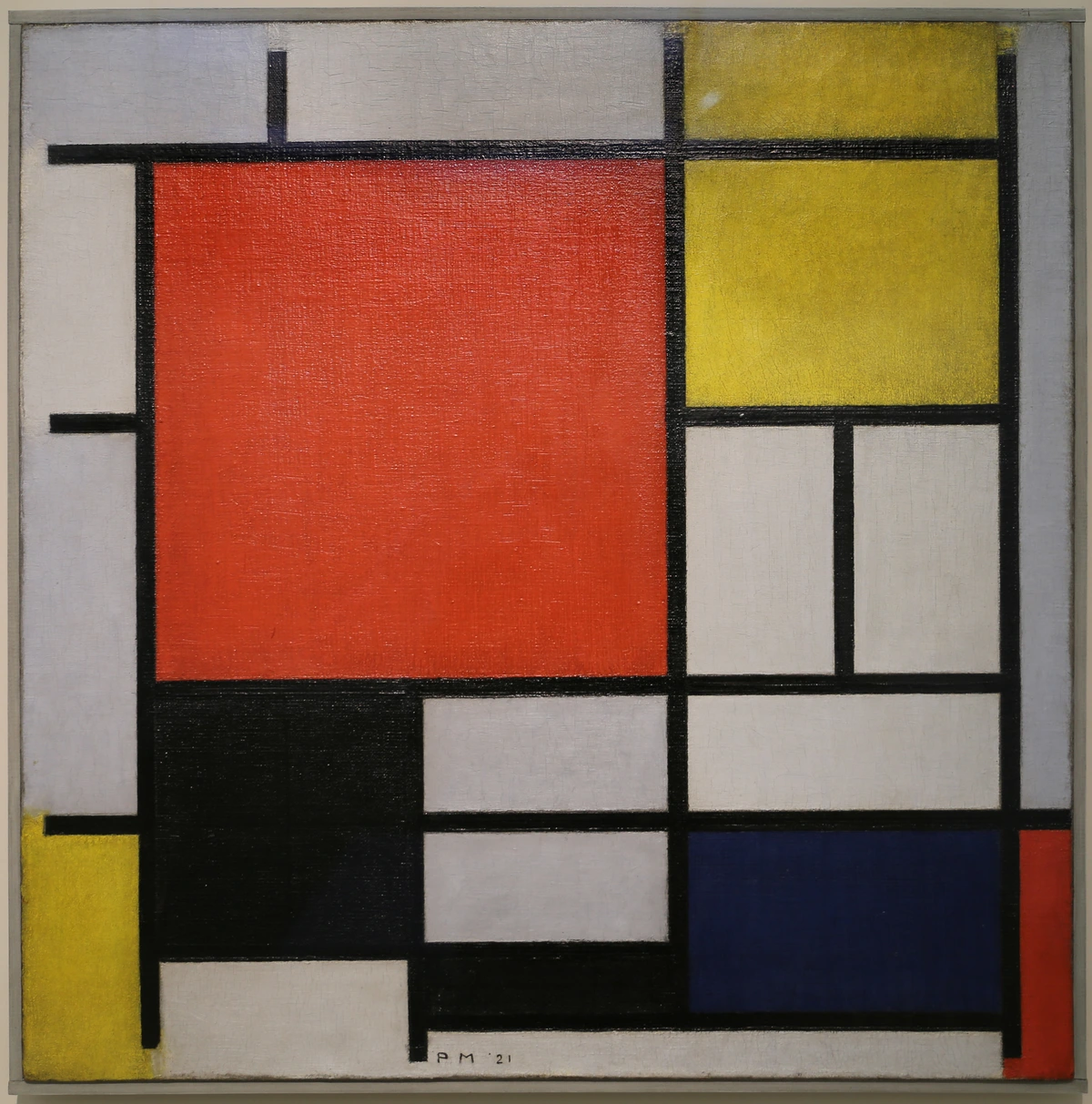
- Pure Abstraction (Neoplasticism, late 1920s+): "Composition with Red, Blue, and Yellow" and "Victory Boogie Woogie" (unfinished, on display!). Pure primary colors, bold black lines, and rectangular planes on a white canvas. This isn't decoration; it's the visual grammar of the modern world. You can almost feel the intellectual energy – these works represent the search for universal harmony through abstraction.
- Theosophical Influences: Discover how Mondrian's interests in theosophy and spiritualism influenced his quest for universal balance and harmony in his compositions.
- "Victory Boogie Woogie" - The Unfinished Masterpiece: Get up close to Mondrian's final work, which incorporates jazz-inspired colors and unfinished elements that reveal his creative process. This piece represents his attempt to create art that could evolve and change, much like music.
M.C. Escher: Master of Visual Paradox
Adjacent to Mondrian's order, Escher's world embraces delightful chaos and impossible logic. While Mondrian sought to eliminate all reference to the natural world in favor of pure abstraction, Escher did something equally radical – he used mathematical precision to create visual illusions that challenge our very perception of reality. The contrast between these two giants of 20th-century art couldn't be more profound, yet both were exploring fundamental questions about the nature of visual experience.
- Early Italian Landscapes: Beautiful, technically precise scenes before his transformation. These works demonstrate Escher's exceptional technical skill and his deep appreciation for mathematical precision in art.
- Impossible Structures: "Belvedere", "Ascending and Descending", "Waterfall" – defy physics and logic in the most captivating way possible. These pieces explore mathematical concepts of perspective and impossible geometries.
- Metamorphosis & Infinity: "Metamorphosis III" (though often rotated) shows seamless transformations across vast spaces. Prepare to be mesmerized by patterns that seem to go on forever. This work represents Escher's fascination with infinity and transformation.
- Relativity: Explore multiple gravity planes in one perspective. You'll walk away seeing the world differently. This masterpiece challenges our fundamental understanding of space and gravity.
- Symmetry and Tessellation: Discover Escher's mathematical approach to creating repeating patterns and symmetrical designs that seem to defy traditional rules of geometry.
- Mathematical Precision: Learn how Escher collaborated with mathematicians and scientists to develop his understanding of complex geometric concepts that became the foundation of his most famous works.
Key Difference: While Mondrian sought pure, eternal harmony, Escher reveled in playful paradoxes and visual puzzles. Together, they represent two fundamental, contrasting responses to modernity – one searching for universal order, the other exploring the playful possibilities of visual contradiction.
Beyond the Big Names: Exploring Fashion and Design
Don't miss the striking Fashion collection. It’s not just period costumes; it’s an exploration of clothing as art, identity, and social commentary. Expect to see:
- Avant-Garde Masterpieces: Iconic pieces from revolutionary designers like Coco Chanel, Yves Saint Laurent, Iris van Herpen, and Hussein Chalayan.
- Contextual Exhibits: Fashion presented alongside paintings and sculptures that show how style intersects with broader cultural movements.
- Interactive Elements: Often featuring rotating displays that keep the experience fresh and relevant.
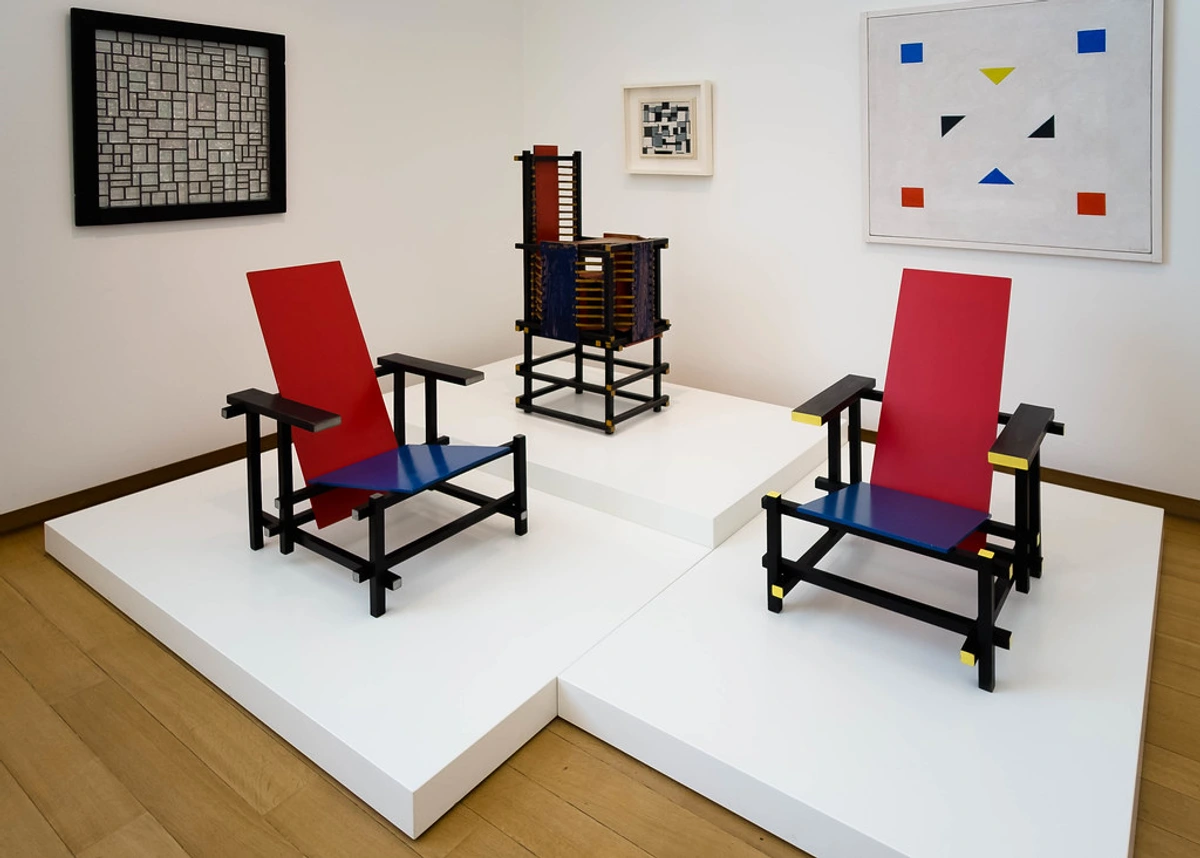
The Applied Arts section brings exquisite glassware, ceramics, and furniture to the forefront, proving beauty saturates every object when intentional.
Your Perfect Visit: Planning & Practicalities
Alright, let's get practical. A visit here should feel effortless and immersive. Here’s your roadmap:
At a Glance: Key Visitor Info
Aspect  | Details |
|---|---|
| Location | Stadhouderslaan 41, 2517 HV Den Haag (Westbroekpark, easy to find and reach). |
| Opening Hours | Tue-Sun: 10:00 - 17:00. Closed Mondays. Always check their website for last-minute changes. |
| Admission | Adults: €20. Students (18+): €10. Under 18: Free. Consider a Museumkaart (€65/year) if visiting multiple Dutch museums – it pays off fast! |
| Best Time to Visit | Weekday mornings (right at 10:00am) or later Friday afternoons (3:00pm+). Avoid weekends and holidays if you can; it gets busy. |
| Audio Guides | Excellent multimedia guides (€3) are highly recommended for deep dives into key works, especially Mondrian. |
| Dining | Museum Restaurant G offers modern Dutch cuisine with a view. Great for coffee, lunch, or a relaxed dinner. |
| Accessibility | Fully wheelchair accessible with lifts and adapted rest rooms. Wheelchairs available free on request. |
| Photo Policy | Flash photography is strictly forbidden in the galleries. But feel free (and encouraged!) to take non-flash photos in Mondrian's spaces – they're designed to be shared! |
| Length of Visit | Minimum: 2.5 hours. Ideal: 4+ hours. Wear comfortable shoes – you'll be walking (and thinking!) a lot. |
| Group Visits | Advance booking required for groups of 10+ people. Special guided tours available for groups. |
| Membership | Become a museum friend for unlimited access, special events, and behind-the-scenes experiences. |
| Family Programs | Regular family workshops, treasure hunts, and special activities designed for different age groups. |
| Language Support | Multilingual staff, audio guides available in multiple languages, and English labels throughout. |
Navigating the Like a Pro
- Route Strategy: If Escher or Mondrian is your priority, head there first. Major crowds gather later in the day. The layout is logical: Fashion is often near the entrance, Escher is usually upstairs, and Mondrian has a dedicated wing. Ask at the desk for a map or current guide.
- Take Your Time with Mondrian: Don't just glance and run. Study the progression room by room. Look at "Victory Boogie Woogie" up close if possible – it’s unfinished, revealing his process. Sit. Let the colors and shapes sink in.
- Engage with Escher: Actively look for the "tricks". Trace the lines in "Belvedere". Peer into the "Relativity" print. Try to orient yourself logically in the impossible structures. Be playful!
- Don't Skip Fashion: It’s refreshingly different. Look for the connections – how a 1920s dress might echo a painting, or how a modern design breaks new ground. It’s the living history of style.
- Check Temporary Exhibits: The museum hosts rotating shows on modern art, photography, design, and even music. These often complement the permanent collections beautifully and are worth investigating.
My Personal Routine: I grab coffee outside if it's nice, then start in the Mondrian wing early. After soaking that in, I hit the Escher galleries for a dose of awe. Then, I relax in the Fashion section before ending in the applied arts. I never skip sitting in the central courtyard when I need a reset.
Alternative Routes for Different Interests:
- Design Enthusiast Route: Start with Fashion/Design, then Applied Arts, then finish with the architectural highlights.
- Family-Friendly Route: Begin with Escher (kids love the illusions), then Fashion Interactive displays, then Applied Arts.
- Art History Buff Route: Mondrian progression → Escher → Photography → Graphic Arts, following chronological development.
- Quick Visit Route: Focus only on Mondrian and Escher highlights (2-3 hours maximum).
Frequently Asked Questions (FAQ)
Q1: Is Gemeentemuseum Den Haag suitable for children?
A: Absolutely! The Escher rooms are a huge hit with kids who love puzzles and illusions. The fashion section often has engaging displays applied arts wing offers beautiful and sometimes quirky objects. Note: Some younger children might find Mondrian's very abstract pieces less immediately engaging, but the overall experience is very accessible. The museum regularly offers family-friendly workshops and treasure hunts designed specifically for different age groups. For families with young children (under 6), I recommend focusing on the Escher galleries and the applied arts section, which offer more immediate visual engagement. The museum provides special family backpacks with activities and discovery tools to make the experience more interactive for kids.
Q2: How long should I realistically spend here?
A: Plan for at least 2.5 hours for a solid overview hitting the highlights. To truly savor the collections, dive into the temporary exhibitions, and maybe grab a coffee, 4 hours is much more comfortable and rewarding. Don't rush this place. If you're planning to attend a special event, lecture, or workshop, add at least another hour to your schedule.
For the optimal experience, I'd recommend splitting your visit into two separate occasions if possible. Use the first visit to get oriented and focus on your absolute must-see pieces (likely Mondrian and Escher), then return later to explore more deeply. This approach prevents art fatigue and allows you to notice details and connections you might miss in a single, rushed visit.
Q3: Can I see real Mondrian originals? Or are they reproductions?
A: These are irreplaceable original artworks. The Gemeentemuseum houses one of the world's most significant public collections of Mondrian's work, including key pieces from different phases of his career and his unfinished final masterpiece, "Victory Boogie Woogie." Seeing these originals is a rare privilege. The conservation team works tirelessly to preserve these delicate works for future generations.
What makes this collection particularly special is how it traces Mondrian's entire artistic evolution in one place. You can literally walk from his early, almost impressionistic landscapes through his cubist experiments to his completely abstract neoplasticism. This comprehensive progression is incredibly valuable for understanding how one of art history's most important developments actually unfolded in real time.
Q4: Should I buy tickets in advance?
A: Highly recommended, especially during weekends, holidays, or for major temporary exhibitions. You can book online via their official website. It saves considerable queue time and guarantees entry, particularly during peak tourist season. The museum also offers combination tickets with other Hague museums for better value.
The museum's website also allows you to select specific time slots, which can be incredibly helpful for planning your visit more precisely. During busy periods, they sometimes implement timed entry to prevent overcrowding, so booking in advance ensures you get your preferred time. I'd also recommend checking their social media or website before your visit, as they occasionally have special events or closures that might affect your plans.
Q5: What is the best way to get there from The Hague Central Station (HS)?
A: The Tram 17 is your best bet. Board towards Loosduinen and get off at the Museumkwartier stop. It's a short, scenic 15-minute ride. Alternatively, a taxi or Uber costs roughly €15-20 and takes 10-15 minutes, depending on traffic. Walking is possible but takes about 30-40 minutes along pleasant streets. For accessibility needs, the museum is well-connected by public transport with priority seating available on trams.
Pro tip: If you're arriving by car, the museum has limited parking spaces that can be reserved in advance, though public transport is generally recommended. The tram ride itself is quite pleasant, passing through some nice neighborhoods of The Hague and giving you a sense of the city's character before you even arrive at the museum.
Q6: Are there guided tours available?
A: Yes, the museum offers guided tours in Dutch and English. Check their website for schedules and booking, as these often require advance reservation, especially for English-language tours during busy periods. Special thematic tours are also offered periodically. Self-guided multimedia tours are included with admission (often at no extra cost). Private tours can be arranged for special occasions and corporate groups.
I particularly recommend the "Mondrian and Escher: Contrasting Visions" tour, which provides fascinating context about how these two artists, despite their very different styles, were both responding to the same cultural moment. The guides are usually art historians or curators who can answer detailed questions and provide insights you might miss on your own. They also offer specialized tours focusing on fashion, architecture, or specific time periods, so check what's available based on your interests.
Q7: What are the photography rules? Can I take photos without flash?
A: Flash photography is strictly forbidden in all galleries to protect artworks. However, non-flash photography is generally permitted in permanent collection areas, especially in the Mondrian galleries where the works are designed to be shared. Always check for specific signage, and be respectful of other visitors by not using tripods or selfie sticks that might obstruct others' views.
The museum actually encourages sharing Mondrian's work on social media, as they recognize how these iconic pieces have become part of our visual culture. They've even created specific "Instagrammable" spots within the Mondrian galleries where the lighting and composition work particularly well for photos. Just be sure to check for any temporary restrictions, especially during special exhibitions where loaned artworks might have different photography policies.
Q8: Is there parking available at or near the museum?
A: The museum has a limited number of parking spaces available for visitors with disabilities (requires prior arrangement). For most visitors, the recommended approach is to use public transport. Street parking is available in the surrounding area but can be limited and expensive during peak hours. The nearest paid parking garage is about a 5-minute walk from the museum.
If you do need to drive, I'd recommend arriving early (before 10 AM) to secure street parking, as the museum neighborhood is primarily residential and parking becomes more difficult as the day progresses. The paid parking garage near the museum is your most reliable option, though it does involve an additional cost. Many visitors find that the convenience of public transport actually enhances the museum experience, allowing them to relax and not worry about parking logistics.
Q9: Can I bring food and drinks into the museum?
A: Outside food and drinks are not allowed in the exhibition spaces to protect the artworks and maintain a clean environment. However, you're welcome to enjoy your own refreshments in the designated areas, including the central courtyard and outdoor spaces when weather permits. The museum restaurant and coffee shop offer excellent options for dining during your visit.
Q10: Does the museum have gift shops? What kind of items do they sell?
A: Yes, the museum has well-stocked gift shops offering a carefully curated selection of art books, design objects, jewelry inspired by the collections, children's educational materials, and unique souvenirs. You'll find items ranging from Mondrian-inspired home décor to Escher puzzles and fashion-related accessories. The proceeds support the museum's acquisition and conservation programs.
Beyond the Walls: Connecting with Art
Leaving Gemeentemuseum Den Haag, you don't just carry photos; you carry a shift in perception. That Mondrian grid might make you see cityscapes differently. An Escher print might spark a new way of solving a problem. This museum isn't just a container for art; it’s a catalyst for thought.
I know what you might be thinking: "Okay, it's got famous art, but what does it mean for me?" Here’s the personal truth I’ve taken away over years of visits:
Art isn't separate from life. It's a mirror of human ingenuity, a tool for questioning assumptions, and a wellspring of pure, unadulterated joy. The Gemeentemuseum doesn't just hang paintings; it cultivates an environment where observation becomes active engagement. Where a glance lingers into a gaze. Where the space itself encourages reflection.
So, when you go, don't just look. Ask: Why does that line make me feel peaceful? How did Escher bend my mind? What story does that fabric weave? Let yourself be surprised. Let yourself be challenged. Let yourself lose track of time among the colors and shapes.
Making It Personal: Your Art Journey
Everyone connects with art differently, and that's what makes each visit unique. Some people find mathematical precision in Mondrian's grids, others see emotional resonance in the color relationships. Some visitors get lost in the playful storytelling of Escher's prints, while others appreciate the technical mastery required to create such complex illusions. The beauty is that there's no "right" way to experience these works – only your authentic response.
Developing Your Artistic Voice
Over time, as you visit museums regularly, you'll notice your own preferences and responses evolving. What once seemed abstract or intimidating might begin to reveal layers of meaning. Works that initially left you cold might suddenly speak to you in powerful ways. This evolution is part of developing your own artistic literacy and voice.
The Gemeentemuseum is particularly good at supporting this development because it presents art in context, showing how different movements and artists influenced each other. This helps you build a framework for understanding that you can then apply to any art you encounter, whether in museums, galleries, or everyday life.
The Museum as Living Experience
Remember that art is meant to be lived, not just observed. The Gemeentemuseum understands this well. Through its rotating exhibitions, educational programs, and community events, the museum remains a living, breathing organism that responds to contemporary culture while honoring its rich heritage. Your visit becomes part of this ongoing conversation between past and present, tradition and innovation.
You might not find one definitive answer in these walls. But you'll find questions worth asking, beauty worth savoring, and connections worth making – both with the art and with yourself. And honestly, in our fast-paced world, is there anything more valuable than that?
Planning Your Return Visit
Here's a secret: most serious museum-goers plan their second visit before they've even finished their first. The Gemeentemuseum is that rich and rewarding. On your first visit, you'll undoubtedly have favorites – maybe the Mondrian room calls to you, or perhaps the Escher illusions capture your imagination. But on a return visit, you'll discover nuances you missed the first time around, notice details that previously escaped your attention, and perhaps even find new artworks that speak to you in unexpected ways.
The Museum's Rotating Exhibitions: Always Something New
One of the reasons the Gemeentemuseum remains so compelling is its commitment to rotating exhibitions that complement and expand upon the permanent collections. While the Mondrian and Escher collections remain the anchors, the museum regularly brings in new shows that explore different aspects of art, design, and culture.
These temporary exhibitions might focus on specific artists, movements, themes, or even interdisciplinary topics that connect art to science, technology, or social issues. What makes them particularly valuable is how they often provide fresh perspectives on the permanent collections. An exhibition about contemporary digital art might make you see Mondrian's geometric grids in a new light, while a show about fashion history could deepen your appreciation of the museum's costume collection.
I always check the museum's exhibition schedule before planning my visits, as these shows can dramatically change the experience and provide compelling reasons to return regularly. The quality of these temporary exhibitions is consistently high, often featuring loans from major international institutions that you might otherwise have to travel to see.
Pro Tip: Keep a museum journal. Note which pieces resonate with you most, which questions arise as you explore, and what emotions different works evoke. This not only enriches your current visit but also helps you plan a more meaningful return experience. You might be surprised to find how your artistic tastes evolve over time.
Building Your Personal Art Collection (Even on a Budget)
One of the wonderful things about the Gemeentemuseum is how it makes high-quality art accessible to everyone, regardless of budget. While you might not be able to purchase original Mondrians or Eschers, the museum's gift shop and online store offer excellent alternatives for building your own art collection.
Look for prints, posters, and art books that capture the essence of works that speak to you. These can be surprisingly affordable ways to bring museum-quality art into your daily life. The museum also regularly collaborates with contemporary artists and designers to create exclusive merchandise that reflects their collections.
Even better, consider joining the museum's "friends" program. For a modest annual fee, you get unlimited admission, invitations to special events, and sometimes even opportunities to meet artists and curators. It's a great way to deepen your connection to the museum and continue learning about art throughout the year.
Special Programs and Events: Beyond Regular Visits
The Gemeentemuseum offers a rich calendar of special programs that can transform your visit from a simple viewing experience into a deeper engagement with art and ideas. These events cater to different interests and learning styles, making the museum accessible to a wide range of visitors.

Art Workshops and Hands-On Learning
For those who want to move beyond passive observation, the museum offers various workshops where you can explore artistic techniques firsthand. These might include printmaking sessions inspired by the graphic arts collection, fashion design workshops connected to the costume exhibits, or even abstract painting classes that reference Mondrian's techniques. What makes these workshops special is how they're taught by working artists who can provide authentic insights into creative processes.
The museum also offers sketching sessions in the galleries, allowing you to develop your observational skills while surrounded by masterworks. These sessions are led by experienced instructors who can help you see details you might otherwise miss. It's a wonderful way to slow down and really engage with the art in a more active, participatory way.
Lectures, Talks, and Panel Discussions
Throughout the year, the museum hosts a series of lectures and talks by art historians, curators, artists, and cultural commentators. These events provide deeper context for the collections and exhibitions, offering insights that can significantly enhance your understanding and appreciation of what you're seeing.
Recent topics have included "The Mathematical Mind of M.C. Escher," "Mondrian and the Birth of Abstract Art," and "Fashion as Social Commentary." These events often include Q&A sessions where you can ask specific questions and engage in dialogue with experts. Check the museum's calendar when planning your visit, as these talks can provide an intellectual framework that makes your gallery time even more meaningful.
Special Events and Evening Programs
nThe museum occasionally hosts special evening events that offer a different perspective on the collections. These might include exclusive "after hours" viewing sessions with curators, themed parties inspired by specific exhibitions, or intimate performances in the galleries. These events create a more relaxed, social atmosphere where you can experience the museum in a completely different context.
During the holiday season, they often have special festive events, and in the summer, they might host outdoor concerts or film screenings in their courtyard. These events are a great way to experience the museum's architecture and collections in a more casual, celebratory setting.
Your Artistic Journey Continues
The Gemeentemuseum Den Haag isn't just a destination – it's the beginning of your own artistic journey. Whether you're drawn to Mondrian's mathematical precision, Escher's playful paradoxes, or the evolving story of fashion as art, this museum offers countless pathways to explore your creative interests.
Remember that art viewing is a skill that develops over time. Each visit builds upon the last, deepening your understanding and enriching your experience. The connections you make here – between different art movements, between historical context and contemporary relevance, between the artwork and your own life – continue to resonate long after you've left the museum walls.






So plan your visit, come with an open mind, and let the art speak to you in its own time. You might discover that the most important artwork you encounter during your visit is the new way of seeing that takes root within you. And in a world that often moves too quickly, that might just be the most valuable discovery of all.