Max Ernst, Frottage & Grattage: Unlocking the Subconscious Through Texture
Explore Max Ernst's revolutionary frottage & grattage techniques. Discover how these Surrealist methods harness chance and the subconscious to create art, transforming ordinary textures into extraordinary visions, and learn to apply them yourself.

Max Ernst, Frottage, and Grattage: Unlocking the Subconscious Through Texture
I bet you’ve done this before. You're a kid, you've got a crayon (probably a stubby, paperless one) and a leaf. You put the paper over the leaf and rub the crayon over it, and like pure magic, the ghost of the leaf appears—veins and all. That simple act? You just performed frottage. And in that exact moment, you and the great Surrealist master Max Ernst were on the exact same wavelength, tapping into a hidden language of the world—the subconscious world, in fact. He wasn't just making copies of textures; he was using them as a powerful springboard into the subconscious mind, a revolutionary way to collaborate with the random patterns of existence. What I want to explore in this article isn't just how he did it, but why it mattered so profoundly, and how you can tap into that same creative wellspring yourself.
For Ernst, who had lived through the mechanized slaughter and utter chaos of World War I, the traditional, rational control of art felt insufficient, even meaningless. He, like many of his peers in the nascent Surrealism movement, was deeply influenced by Sigmund Freud's groundbreaking theories of the subconscious mind and sought ways to access this hidden realm. A rough-hewn floorboard wasn't just wood; it was a cryptic landscape waiting to be unveiled, a whispered suggestion from the universe, a fragment of a forgotten dream. This idea, that profound art could emerge from accident, chance, and deep interpretation, is something I constantly reflect on in my own abstract work, a constant reminder of the raw power of imperfection and the unseen. It’s about letting the world surprise you, allowing its innate textures to spark visions you never knew were there.
More than just a guide to the techniques he pioneered—frottage (the rubbing) and its more visceral, painterly cousin, grattage (the scraping)—this article is about a profound way of seeing the world as your primary collaborator, a vast canvas perpetually whispering new possibilities. It’s about how limitations, accidents, and the embrace of the irrational can become the most fertile ground for truly profound creative discovery, echoing the core tenets of Surrealism itself. We’ll also touch on other related automatist techniques like decalcomania, where chance plays an equally central role.
Frottage: The Gentle Unveiling of Hidden Forms
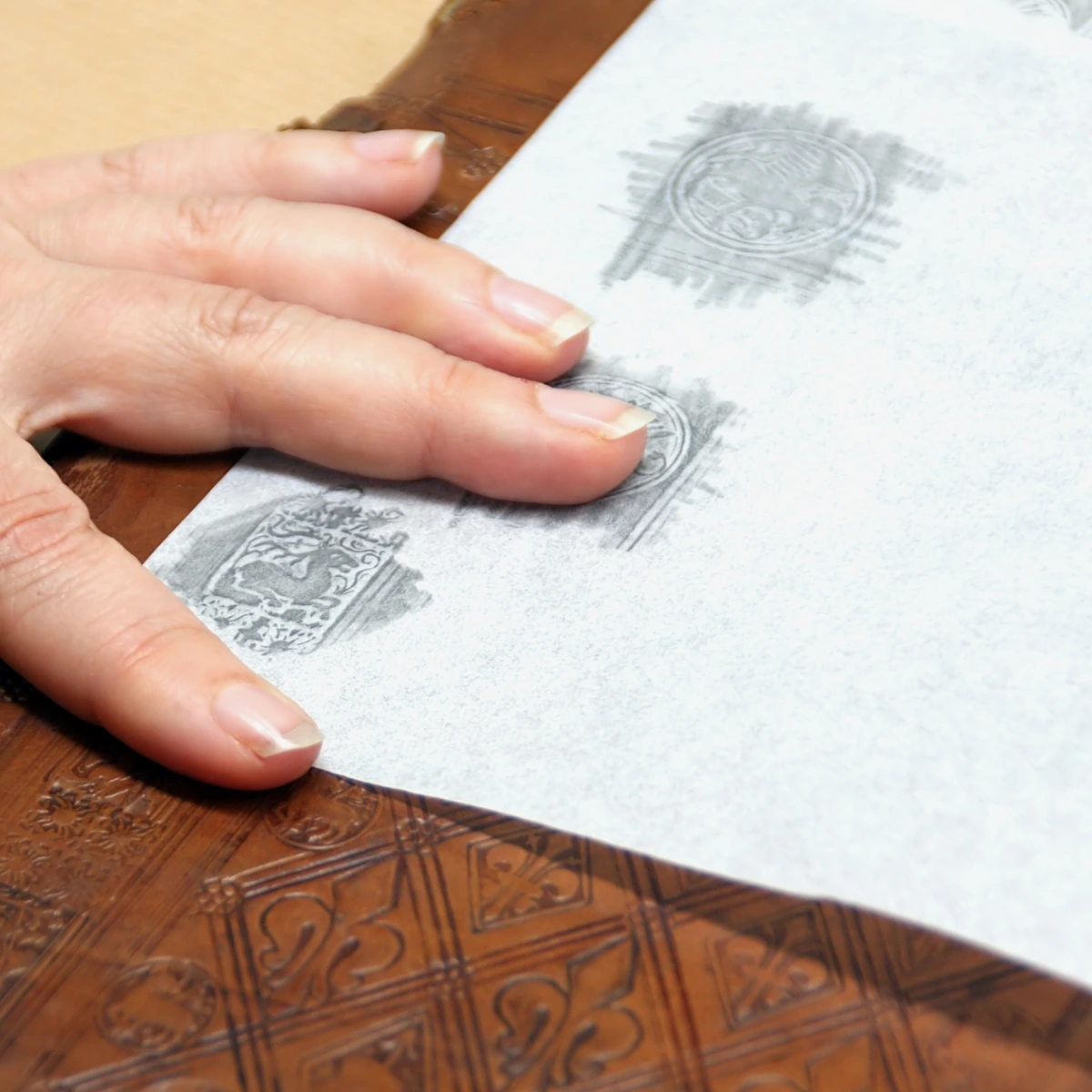
Let's begin by delving into the foundational technique itself: frottage (from the French frotter, 'to rub'). At its core, it's a Surrealist technique that involves obtaining textures by placing paper over a textured surface and rubbing it with a drawing tool—be it a soft pencil, charcoal, or crayon. It's an act of direct transfer, capturing an impression of reality without consciously trying to illustrate it. While humans have been making rubbings for centuries—think gravestone rubbings or ancient relief stencils—what Max Ernst did was reinvent it. He elevated it from a utilitarian method to a fine art technique, imbuing it with deep philosophical purpose as a conduit to the subconscious.

Ernst famously claimed to have discovered the technique in 1925 while staring at the worn floorboards of a hotel room. He described how the very fibers of the wood, its imperfections and grains, seemed to morph into forgotten tales, strange forests, cities, and mythical beasts right before his eyes. It's almost a form of pareidolia, that human tendency to see patterns or faces in random stimuli, but with a conscious artistic twist. He threw some paper down, rubbed it with a pencil, and captured these emerging visions. He wasn't drawing a forest in the traditional sense; the floorboards were suggesting a forest, and he simply became the medium, an interpreter of chance. This process of unlocking images from the subconscious, often by letting the hand move without conscious control—a concept known as automatism within Surrealism, where the artist essentially lets their intuition or hand lead, rather than consciously planning every detail—is absolutely central to Ernst's artistic output and the movement's fascination with Sigmund Freud's theories of the subconscious mind. Freud’s ideas, particularly the interpretation of dreams and the revelation of repressed desires, provided a powerful framework for Ernst to see these chance-generated images as direct pathways to the psyche.
For instance, if a wood grain suggested a shadowy figure, Ernst wouldn't try to 'draw' the figure from scratch; he might add a single, piercing eye with a charcoal pencil, or use a fine brush to delineate a menacing gesture, allowing the accident to guide the narrative. Frottage was the perfect tool for this Surrealist exploration. It bypassed the rational, controlling brain, turning the artist into a direct collaborator with randomness, an excavator of hidden images. You're not inventing, you're discovering what the world, and your mind, are already whispering. He would meticulously work with materials as varied as the rough weave of a burlap sack, the delicate patterns of an old lace curtain, the distinctive grain of different types of timber, or the geometric rigidity of a metal grating, transforming their mundane textures into fantastical landscapes and creatures in works like his iconic Histoire Naturelle series (1926), revealing haunting forests, petrified cities, and primordial creatures lurking within the mundane. Frottage, for Ernst and the Surrealists, was a profound act of collaboration with the world, a gentle invitation to the subconscious to speak through texture.
Grattage: The Raw Scrape of Painterly Discovery
If frottage is the gentle ghost-hunter, grattage is its more aggressive, hands-on sibling. Grattage takes the same core principle—using a textured object as a guide—but applies it to painting, creating a much rawer, often more sculptural effect. Instead of rubbing onto paper, you scrape off paint from a canvas. This technique allowed for the creation of intensely tactile surfaces, where the very act of removal became a form of painterly creation.
Here's how it generally works: an artist would lay a canvas, coated with one or more layers of still-wet paint (often a darker base and a lighter top coat for dramatic contrast and revealing effects, sometimes with varying consistencies for different effects like impasto or thin washes), over a textured object. This could be anything from a wire mesh, a piece of deeply grained wood, corrugated cardboard, the caning from a chair, or even the subtle imprints from textured wallpaper, rough concrete, or the intricate patterns of industrial tools.
Then, using a palette knife or another sharp, rigid tool, they would scrape away the top layer(s) of paint. The paint would come off in ridges and patterns dictated by the object underneath, creating incredible, often stark and unpredictable textures that would be almost impossible to paint deliberately. These are not merely painted images; they are tactile landscapes, visceral expressions of buried forms. This physical act of scraping is what makes grattage feel "scrappy" and "aggressive"; it’s about carving out an image, revealing what lies beneath, akin to an archaeological excavation. The thickness, consistency, and drying time of your paint layers can drastically alter the outcome, from subtle revelations to stark, almost three-dimensional surfaces with beautiful impasto effects. It's a method that fully embraces the physicality of paint and canvas.
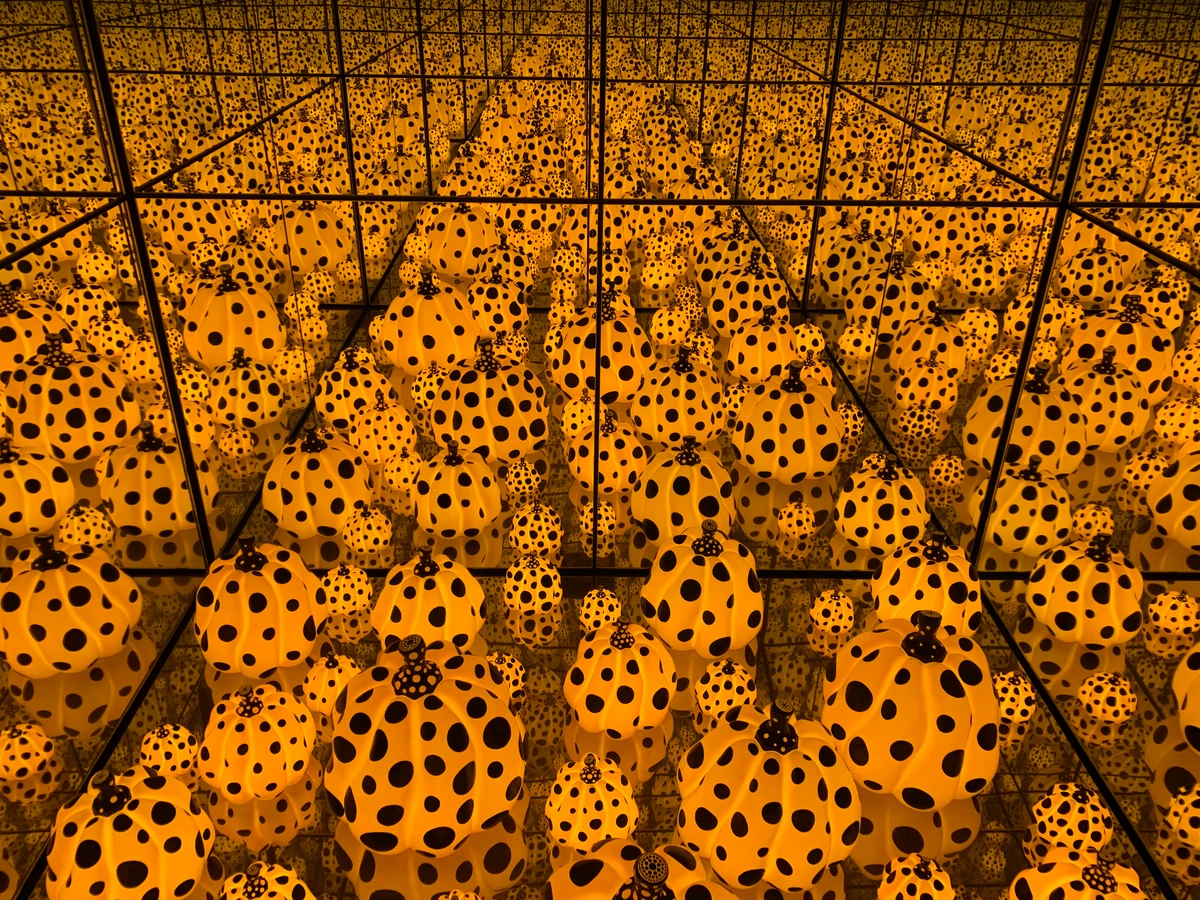
credit, licence
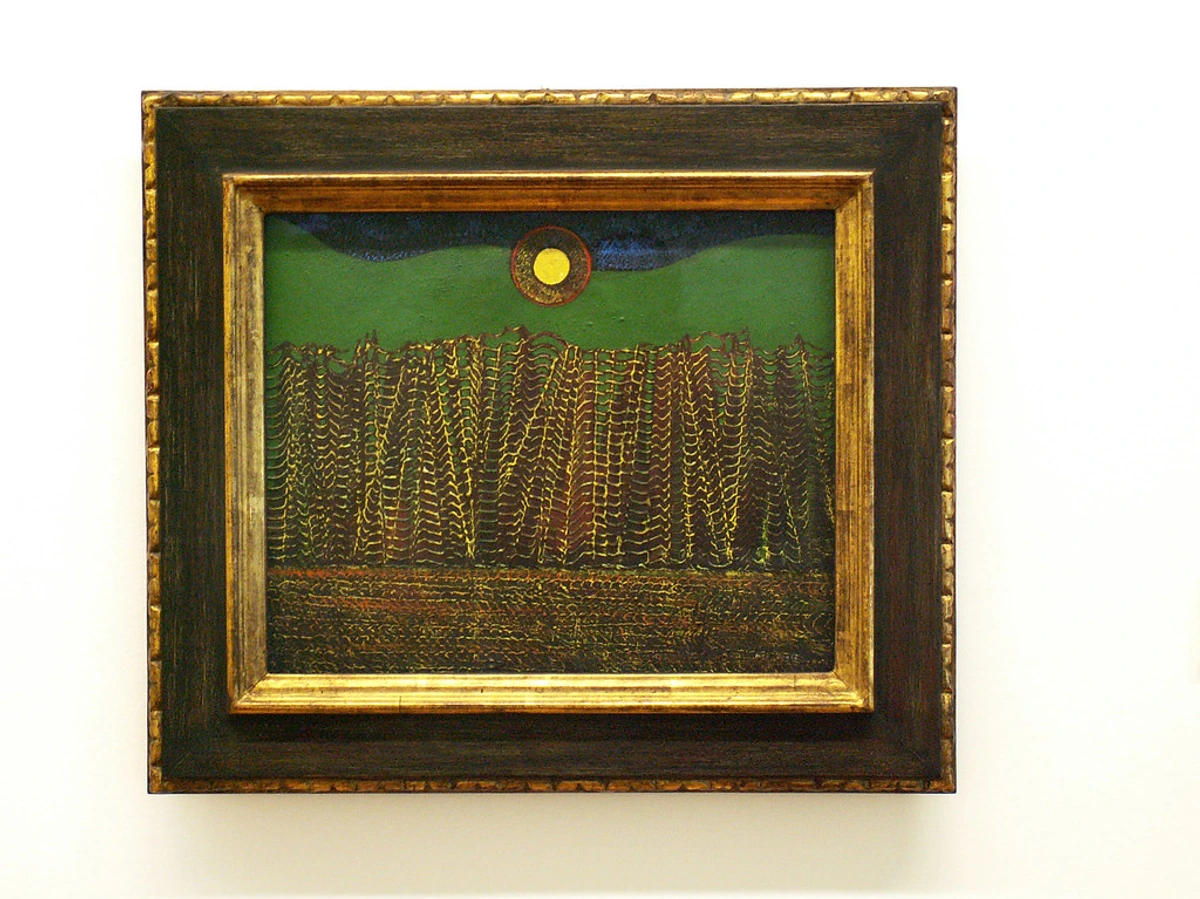
When I look at Ernst's famous forest paintings, like Grätenwald (Fish-bone Forest), or his later 'Horde' series, and even his haunting Europe After the Rain II (1940-42), you can almost feel the process. Grätenwald primarily uses grattage, with its scraped, skeletal trees looking both alien and organically primal, like the fossilized remains of an ancient forest. The figures in his 'Horde' series emerge as monstrous, primal entities, seemingly carved from the canvas itself through the aggressive scraping. Europe After the Rain II, a masterpiece often employing both frottage and grattage for its desolate, scarred landscape, vividly demonstrates grattage's power to evoke a post-apocalyptic world. This isn't just a picture of a forest; it's an artifact of a violent, yet creative, process, a fossil of a unique artistic act. It’s a technique that’s all about exploring texture in its rawest, most unpredictable form, often leading to haunting or fantastical imagery that resonates deeply with the Surrealist pursuit of the 'marvellous' (le merveilleux), the uncanny beauty found in the everyday. Grattage is a powerful reminder that sometimes, creation isn't about adding, but about revealing, about scraping away the superficial to expose the raw, hidden beauty beneath, a truly visceral collaboration with chance.
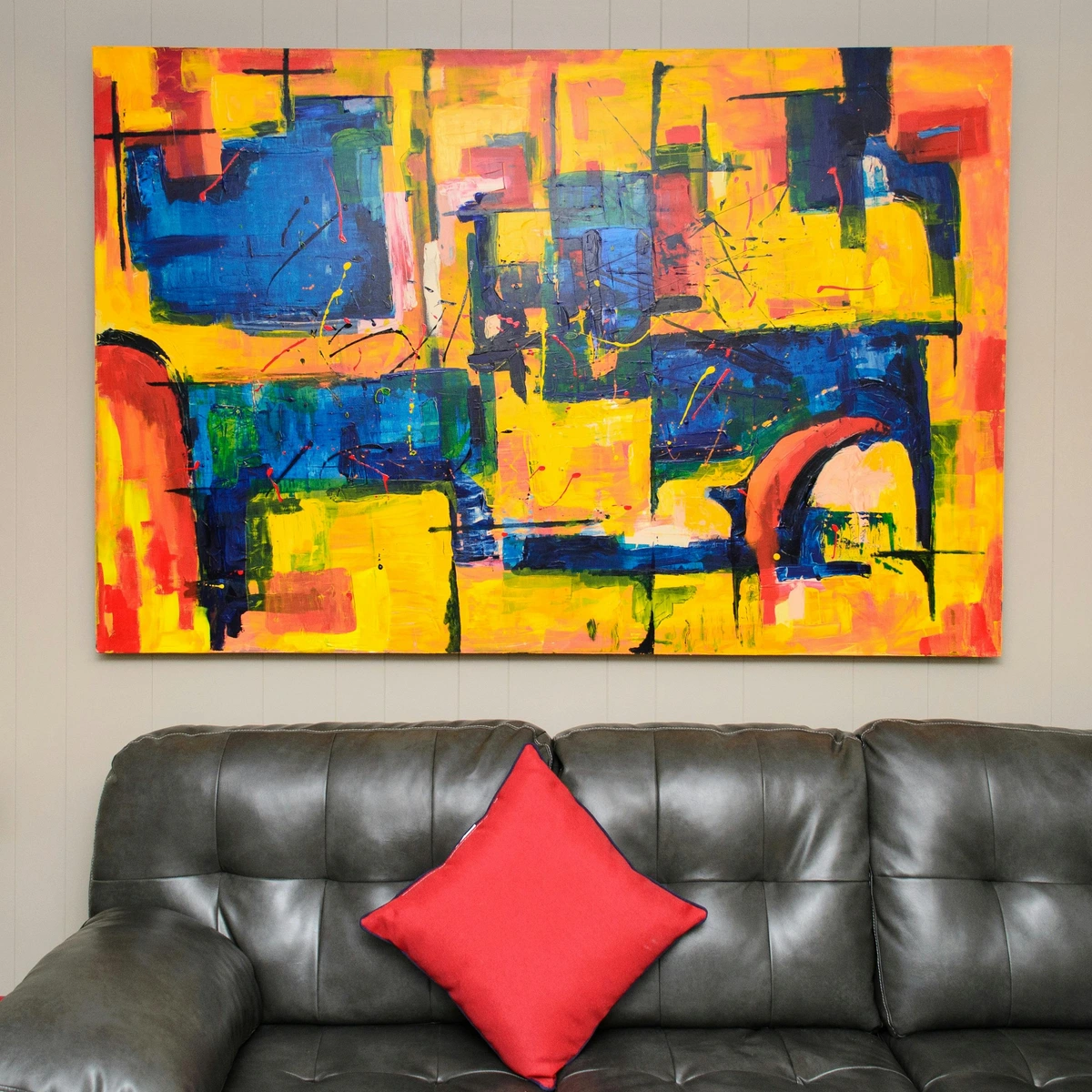
Frottage vs. Grattage: A Side-by-Side View
It can sometimes be hard to keep these fascinating techniques straight, especially as they share a common philosophical root. Here’s a simple table to clarify the key distinctions between frottage and grattage, offering a quick guide to their differences and shared spirit.
Feature  | Frottage | Grattage |
|---|---|---|
| Medium | Primarily drawing (pencil, charcoal, crayon) | Primarily painting (oil, acrylic, often layered) |
| Action | Rubbing a tool over paper to transfer texture | Scraping wet paint off a canvas to reveal texture |
| Surface Interaction | Paper is placed on top of the textured object | Canvas is placed on top of the textured object |
| Resulting Impression | A positive impression: texture is directly lifted onto the paper, creating a relief-like effect of the raised parts of the object. | A negative impression: paint is removed from the canvas, exposing the underlying surface or paint layers, creating a recessed, carved, etched, or incised effect. |
| Feel / Energy | Exploratory, gentle, receptive, discovery-oriented | Subtractive, aggressive, active, excavation-oriented |
| Potential for Accidental Discovery | High – unexpected images and forms emerge from random textures. | High – unpredictable paint removal creates unforeseen patterns and shapes. |
| Level of Control by Artist | Lower initial control over the base texture, higher interpretative control during refinement and elaboration. | Lower initial control over the scraping pattern, higher interpretative control during refinement and elaboration. |
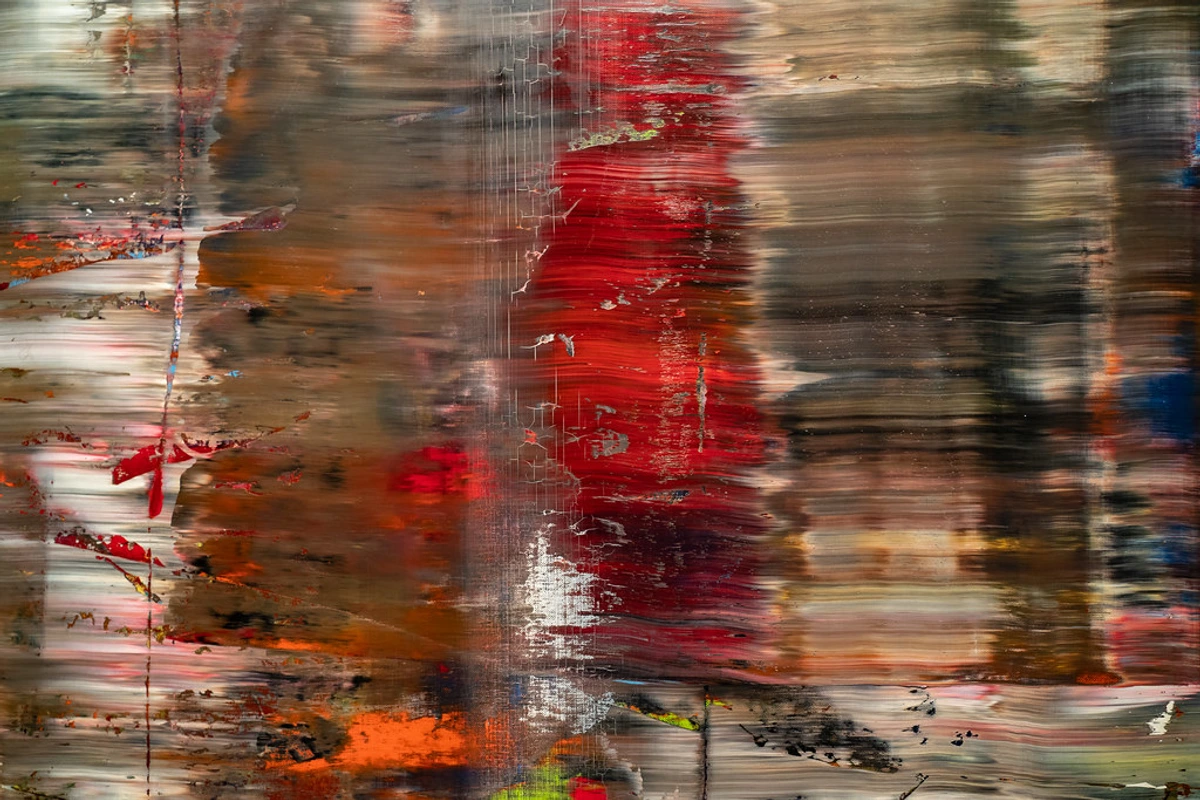
The Philosophical Core: Chance, the Subconscious, and Rebellion
Beyond the mechanics of these techniques, their true power lies in the profound philosophical underpinnings that Max Ernst, and Surrealism at large, brought to them. It's tempting to view these techniques as mere artistic novelties, perhaps even gimmicks. I confess, I've had moments of that perspective myself, especially when feeling cynical about the art world's constant search for the 'next big thing'. But for artists like Max Ernst, who had lived through the mechanized slaughter and utter chaos of World War I, this wasn't just a stylistic choice—it was a profound, existential rebellion. The world felt chaotic, irrational, and out of control, and so art, too, needed to embrace the unpredictable, the accidental, and the unconscious. This was a direct assault on the prevailing idea of the artist as a lone genius, rationally controlling every meticulous mark on the canvas—a core tenet that the preceding Dadaism, with figures like Tristan Tzara and Marcel Duchamp, had already begun to dismantle. This marked a stark departure from the Impressionist focus on capturing fleeting visual sensations, instead delving deep into the psychological landscape, heavily influenced by Sigmund Freud's groundbreaking theories of the subconscious mind, particularly his ideas on dream analysis and free association as pathways to repressed thoughts and desires.
By embracing frottage and grattage, Ernst was doing a few truly radical things, pushing the boundaries of what art could be:
A Post-War Rebellion Against Logic
The immediate aftermath of World War I plunged Europe into a profound crisis of reason. The logical, ordered society that supposedly led to such widespread devastation was utterly discredited. Dadaists first, and then Surrealists, reacted by deliberately embracing the irrational, the absurd, and the chaotic. Frottage and grattage were perfect artistic manifestations of this rebellion, asserting that beauty and meaning could be found outside of conscious control, even in the random textures of a war-torn world. They offered a way to make art that mirrored the unpredictable and often horrific nature of modern existence, without resorting to traditional, literal representation.
Embracing Chance as a Collaborator
Ernst effectively let the world—a plank of wood, a coil of string, a leaf—actively have a say in the final artwork. It was a genuine collaboration with randomness, a surrender to the unpredictable forces around us, moving beyond mere imitation. He created a dialogue with the environment, allowing its inherent patterns to guide his hand. This wasn't about finding a picture in the clouds, but creating one with the clouds, so to speak.
Automatism: "Killing the Ego" Through Unconscious Creation
These techniques are pure forms of automatism, a key Surrealist concept. The artist deliberately removed their conscious hand and traditional skill from the primary image-making equation. The patterns generated were not "drawn" but found. The artist becomes a facilitator, a medium through which the world and the subconscious speak, rather than a creator-god imposing their singular will. Imagine seeing a pattern emerge from a rubbing that looks like a grotesque face. Your first instinct might be to 'fix' it, to make it 'right' or recognizable. But with automatism, you lean into that initial, raw suggestion, allowing the accident to guide the narrative, rather than imposing your conscious will. For me, there's a beautiful humility in this approach to art-making; it's a profound surrender to the unforeseen.
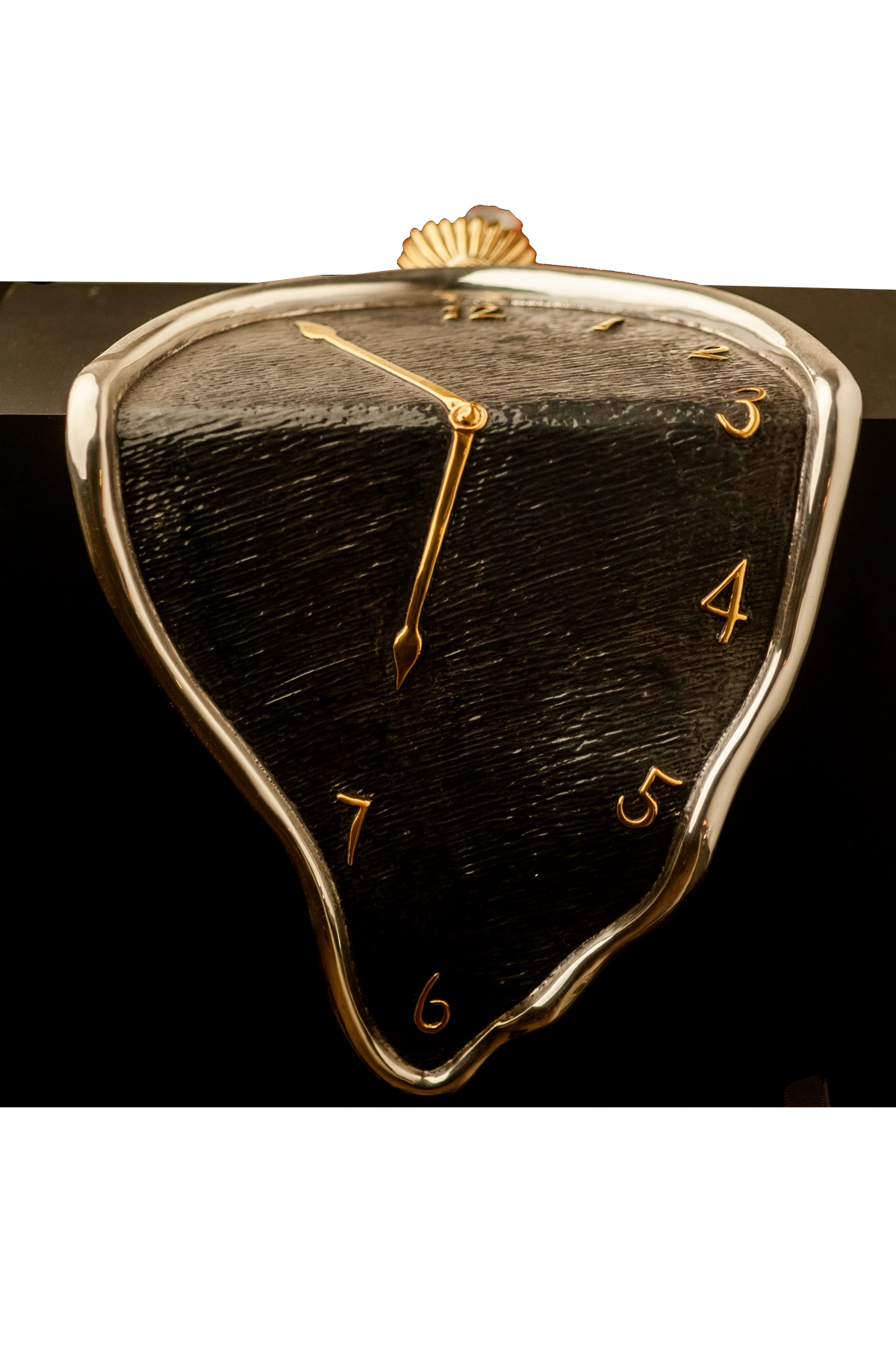
Mining the Subconscious: Visual Rorschach Tests
The intricate, unexpected patterns generated by these techniques were seen as visual Rorschach tests for the artist. Just as a psychologist might interpret responses to inkblots, Ernst would then consciously "see" images in them—faces, landscapes, creatures—and elaborate upon them, pulling visions from his own mind that he didn't even know were there. It wasn't about simply copying; it was about interpreting the accident, a direct line to the hidden depths of the psyche, a visual form of free association where buried thoughts and desires could emerge onto the canvas. This aligns perfectly with Surrealism's deep fascination with Freudian psychoanalysis and the exploration of dreams and the irrational, seeking to make the invisible visible.
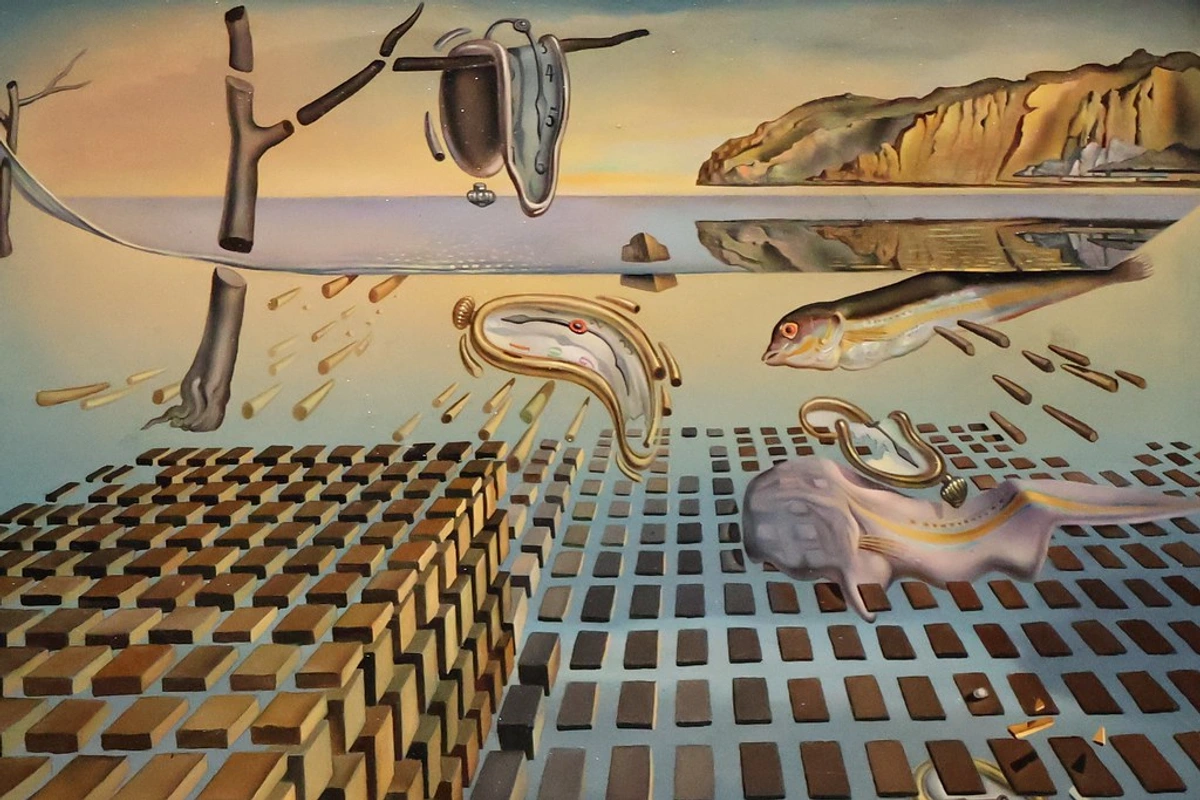
This approach has been a massive, often uncredited, influence, trickling down through movements like Abstract Expressionism. You can certainly see its spirit in the raw, textural improvisations of artists like Jackson Pollock, who famously explored chance and gravity in his drip paintings, creating "all-over" compositions that often feel less "painted" and more "found," a direct echo of the Surrealist embrace of accident. This also inspired countless contemporary artists who seek ways to translate emotion into abstract art or explore pure material qualities. The Surrealists and their automatist techniques, including frottage and grattage, truly paved the way for artists to see the unexpected as a potent starting point, to let intuition and chance lead the creative process, shaping the definitive guide to understanding abstract art styles.
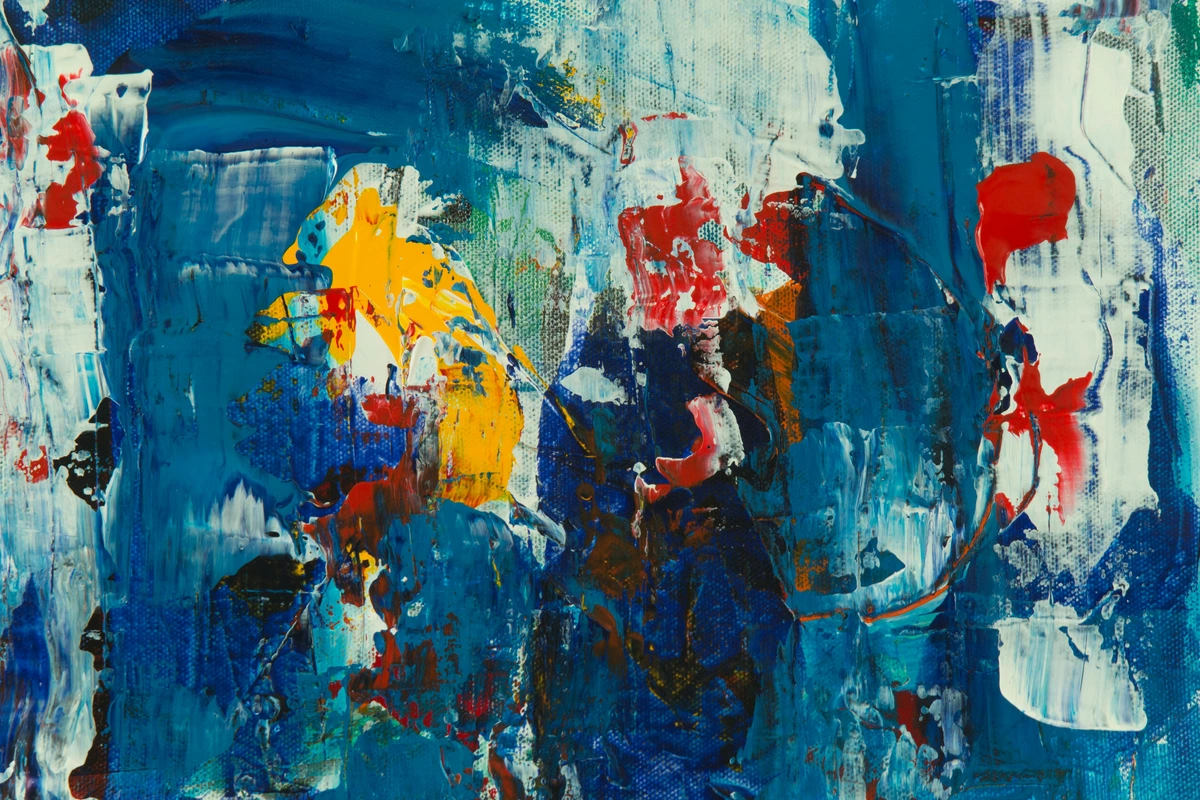
The philosophy of chance, embedded in frottage and grattage, wasn't just a creative trick; it was a profound declaration that true art could be found not just in meticulous planning, but in the glorious, unpredictable embrace of the unknown. It challenged the very definition of artistic skill and authorship, redefining the artist's role from master creator to intuitive interpreter.
Your Turn: Practical Explorations of Texture and Chance
Seriously, the absolute best way to truly grasp these concepts isn't just to read about them, it's to do them. I know, I know, I can be a bit lazy sometimes, but this is one artistic exploration I genuinely encourage, because the results are always surprising. You don't need a fancy studio, years of training, or expensive materials. You just need curiosity, a willingness to play, and a readiness to let go of conscious control. You're already an expert, remember that crayon and leaf?
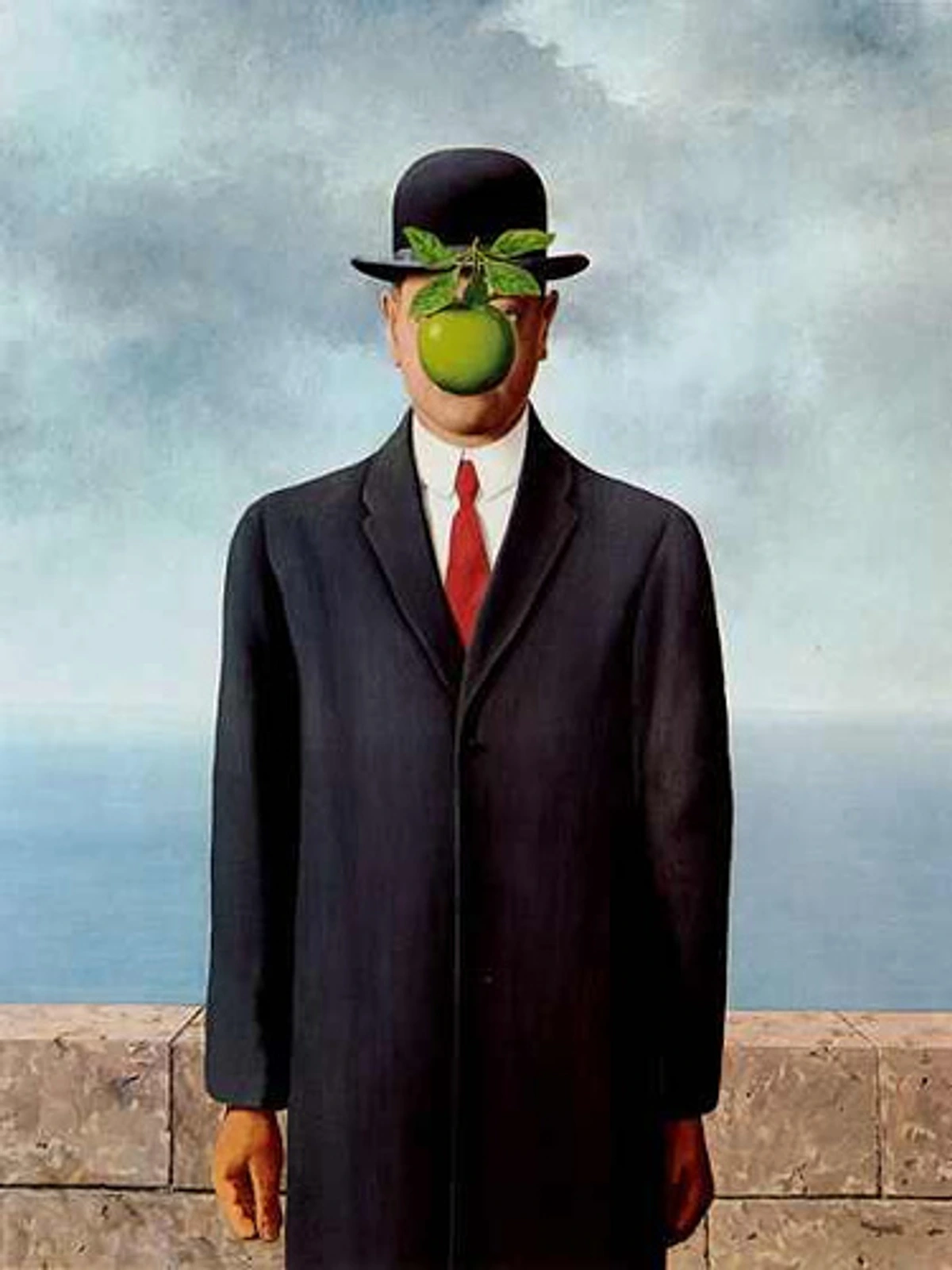
Frottage at Home: Unlocking the Mundane
Grab a piece of thin paper (newsprint, tracing paper, or standard copy paper works perfectly) and a soft drawing tool like a 6B pencil, a charcoal stick, or an unwrapped crayon. Now, take a "texture safari" around your house or even step outside. What interesting surfaces can you find? A coin, a cheese grater, the textured cover of a hardcover book, a brick wall, tree bark, a woven placemat, a perforated metal sieve, the rough weave of a kitchen towel, the raised letters on a credit card, the keys of an old keyboard, a textured wallpaper sample, an old stamp, a zipper, a piece of patterned fabric (like denim!), a discarded pizza box, some bubble wrap, or even the back of your textured phone case. Go nuts!
At first, don't try to make a picture; just focus on collecting textures. Rub firmly and evenly, ensuring your tool covers all the peaks and valleys of the texture. Then, lay out your collection of rubbings. What do they suggest to you? Do you see a face in that wood grain? A mountain range in that brick? Perhaps a shadowy figure in the weave of a basket? This is where the interpretation, the "visual Rorschach test," comes in. Subtly enhance these found images with a few extra lines or shading, just enough to bring your vision to life, mirroring Ernst's own process of working with, not against, the accidental.
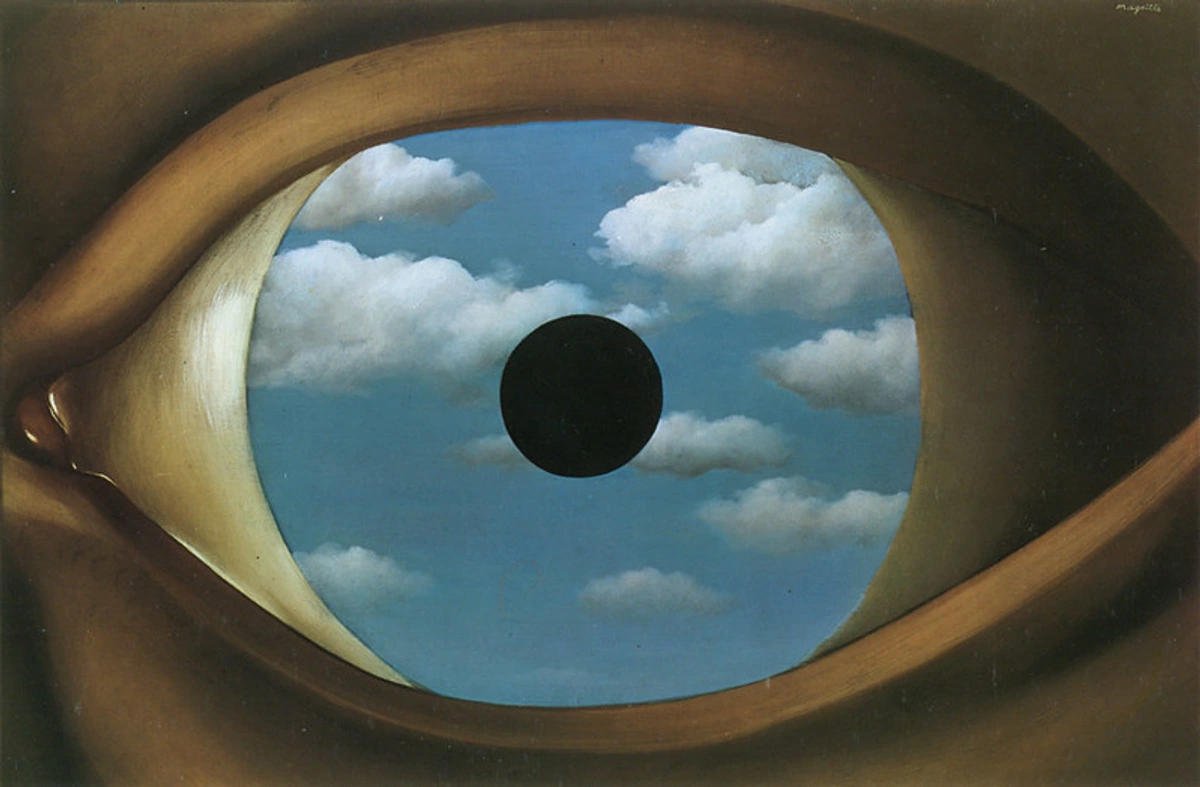
Unleashing Grattage: The Raw Energy of Removal
This is a bit messier, I won't lie, but oh-so-satisfying and immensely freeing! Take a piece of cardboard, canvas board, or even thick paper. Slather on a fairly thick layer of a dark acrylic paint, spreading it evenly. While it's still quite wet (this is absolutely key!), quickly add a layer of a lighter, contrasting color on top. Don't worry about perfection; a slightly uneven application can even add character.
Now, find something with a cool, distinct texture—a piece of corrugated cardboard, a plastic basket, a fork, a coarse sponge, even a rough cloth, an embossed piece of cardstock, a heavily textured fabric, a comb, the tread of an old shoe, or even something as unexpected as a dried leaf with prominent veins. Place your paint-coated surface down firmly onto the textured object. Then, using an old credit card, a palette knife, a stiff brush, a ruler's edge, a plastic spatula, a comb, or even a sturdy piece of cardboard cut into a custom shape, scrape away the top layer of paint. Experiment with different pressures and directions. See what raw mysteries you reveal from the layer beneath! The raw energy and unpredictable patterns are simply exhilarating, a true collaborative dance between your hand, the paint, and the world's hidden forms.
Potential Challenges and How to Overcome Them
Like any artistic technique that embraces chance, frottage and grattage can present a few quirks. For frottage, smudging is a common culprit, especially with soft pencils or charcoal. My tip? Fixatives (a light spray of hairspray even works in a pinch!) or a sheet of glassine paper between finished pieces. For grattage, the biggest challenge is paint drying too quickly. Work swiftly with wet-on-wet layers, or use open-time acrylics if you need more flexibility. If the texture isn't coming through clearly, try a thinner top layer of paint or a more pronounced textured object underneath. Sometimes the issue is that your textured object is simply too flat, or your paint layers are too thick, obscuring the impression. Don't be afraid to experiment; remember, the "accidents" are part of the process, and often where the most interesting discoveries lie! These hands-on explorations aren't just about technique; they're about rewiring your brain to see the hidden potential in every surface, turning the mundane into a canvas for discovery.
Frequently Asked Questions (FAQ)
What's the main difference between frottage and collage?
While Max Ernst was a master of both, they're distinct! Frottage is about transferring texture from an object onto a surface through rubbing. Collage, on the other hand, is the act of assembling different materials or images themselves (like newspaper clippings, photographs, fabric) onto a surface. Ernst often combined them within a single work to create incredibly rich, layered compositions, but their fundamental actions and artistic intents are different. Frottage discovers a single, integrated image; collage combines disparate elements.
Did Max Ernst actually invent frottage?
While the act of making rubbings to capture texture has existed for centuries across various cultures (think gravestone rubbings, brass rubbings), Max Ernst is credited with reinventing and codifying frottage as a fine art technique. More importantly, he imbued it with a profound philosophical purpose within the Surrealist movement. He named it, published his Histoire Naturelle series using it, and demonstrated a new, powerful way for artists to interact with their environment and unlock subconscious imagery. So, while he didn't invent the mechanical act, he certainly invented its artistic and theoretical significance and brought it into the lexicon of modern art.
What other artists used or were influenced by these techniques?
While most famously associated with Ernst, the spirit of frottage and grattage profoundly influenced many. The entire Surrealist group embraced automatist techniques, and their impact can be seen in the raw, untamed, textural works of artists like Jean Dubuffet (with his Art Brut, particularly his textural paintings) and Antoni Tàpies (known for his highly tactile surfaces often achieved through scraping and layering). You can also trace their influence in the material explorations of artists from the Arte Povera movement, or in countless contemporary artists who use chance-based processes, found objects, and textural abstraction in painting, sculpture, and mixed media, constantly pushing the boundaries of what abstract art can be.
Is this related to decalcomania?
Absolutely! Decalcomania is another fascinating Surrealist automatist technique, sometimes also called "blot transfer." It involves applying paint to a surface (like paper or glass), pressing another surface onto it, and then pulling them apart to create a blotchy, organic, often Rorschach-like pattern. Like frottage and grattage, it’s all about creating a starting point from chance, allowing the artist to then interpret and develop the resulting imagery, letting the subconscious lead the way. Ernst was also a keen practitioner of this, and you can explore more about Surrealism's use of automatist techniques which includes decalcomania.
How do these techniques relate to abstract art?
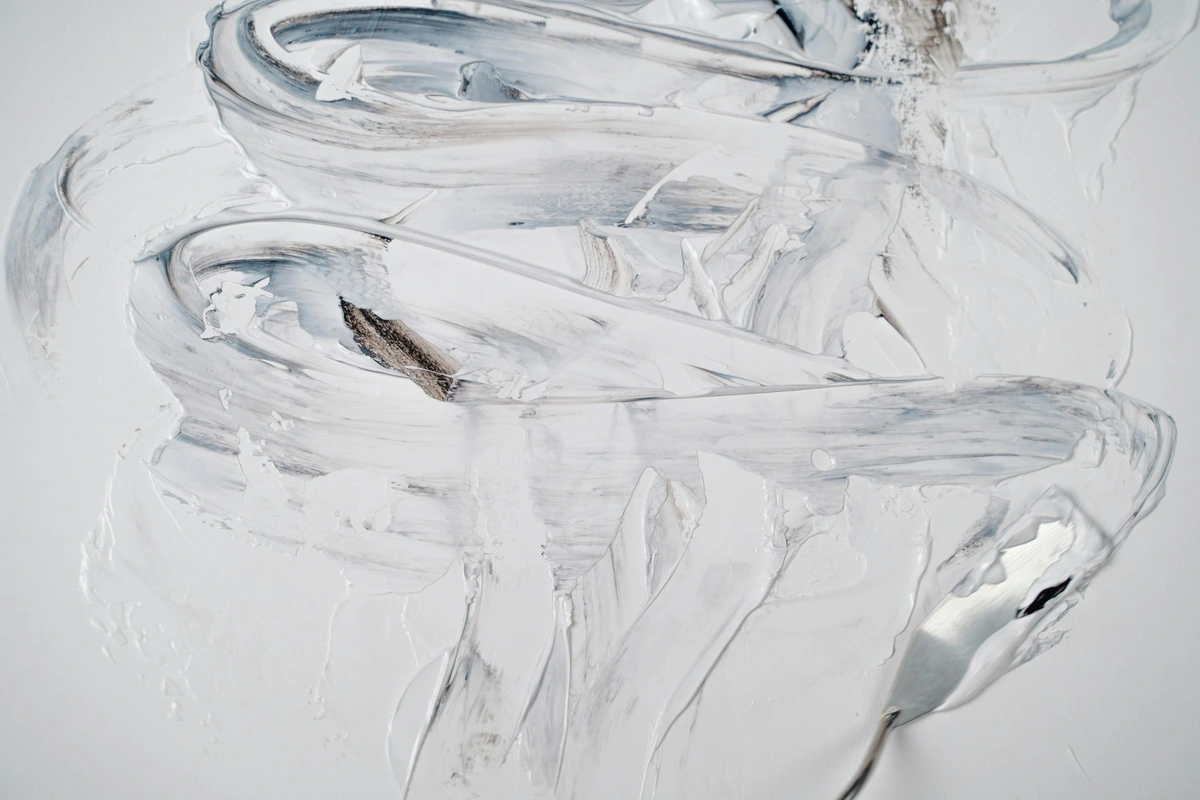
Directly, and profoundly! Frottage and grattage are exceptional at generating pure texture and abstract patterns. While Ernst often used them as springboards for figurative or surreal imagery (like his famous forest series), many contemporary abstract artists use similar chance-based or automatist methods to create entirely non-representational works. They focus purely on the visual, tactile, and emotional qualities of the surface, building unexpected depth, rhythm, and material interest into an abstract piece. They’re also fantastic ways for aspiring artists, especially those who feel daunted by traditional drawing skills, to dive into abstract art. By letting chance and texture create the initial forms, it frees you from the pressure of 'drawing perfectly' and allows you to focus on composition, color, and interpretation, offering a powerful entry point to non-objective art.
How can frottage and grattage be applied or influenced digital art?
That's a fantastic question, and one I think about often as technology evolves! While the physical act of rubbing or scraping can't be replicated digitally in the same tactile way, the principles of frottage and grattage are incredibly relevant. Digital artists use scanners or high-resolution cameras to capture textures from real-world objects, then manipulate these 'found' textures within their software. They might layer them, blend them, use them as masks to reveal underlying digital 'paint' layers, mimicking the grattage effect. Think about using texture brushes in Photoshop, applying displacement maps based on scanned textures to a 3D model, or even exploring procedural generation in software like Substance Painter or Houdini that mimics the random surface generation. The essence of using chance, discovery, and the unexpected as a starting point, then interpreting and elaborating on it, remains a powerful conceptual tool, allowing for unique digital compositions that feel organic and rich with history, even if they never touched a physical surface.
What about preserving frottage and grattage artworks?
That's an excellent question, as textural works can indeed be quite delicate! Frottage, being primarily on paper, is susceptible to smudging, creasing, and fading. It can also be prone to curling or warping if exposed to fluctuating humidity. For optimal long-term preservation, archival framing behind UV-protective glass is essential, and storing unframed works flat in acid-free folders or sleeves is crucial. Grattage, especially with its potentially thick, scraped paint layers, can be fragile, with areas prone to chipping or cracking if not properly handled or varnished. Artists often apply an isolation varnish first, followed by a final protective varnish (matte or satin is usually preferred to preserve the texture) once the paint is fully cured—and by "fully cured," I mean weeks or even months, depending on paint thickness. Both techniques demand mindfulness of environmental factors like humidity and temperature, just like any valuable artwork, but perhaps even more so due to their unique, exposed surfaces and inherent fragility. Professional conservation advice is always recommended for valuable pieces.
Are there ethical considerations when using found textures for art?
That's a thoughtful question, and while Max Ernst's historical context didn't really grapple with this, in contemporary practice, it's worth a quick reflection. Generally, rubbing textures from natural elements like tree bark or leaves is harmless. However, when using textures from public or private property, it’s always good practice to be mindful. For instance, you wouldn't want to damage an antique surface or deface property to get a rubbing. In digital art, if you scan a texture from a published work or a proprietary design, copyright laws would apply to your use of that texture in a commercial context, much like any other sampled material. So, while the act of finding a texture is often innocent, the subsequent use of it, especially commercially, might require a moment of thought about permission or impact. It's about being a responsible artist and respectful of your environment.
The World as a Canvas: My Final Thoughts
At the end of the day, what I love most about frottage and grattage isn't just their history or their Surrealist roots—it's the profound shift in perspective they demand. Suddenly, the entire world isn't just a collection of inert objects; it's a vast, untapped, breathing library of potential drawings and paintings, each surface waiting to tell its hidden story. A manhole cover isn't just a manhole cover; it's a complex circular pattern waiting to be captured. The grain of an old table isn't a flaw; it's an un-drawn landscape, a hidden narrative. The chipped paint of a forgotten wall, the intricate cracks in a pavement, the rust on an old piece of metal – each whispers a unique visual story, waiting to be noticed and transformed.






Max Ernst, through these seemingly simple techniques, taught us that we don't always have to invent from scratch, painstakingly controlling every single line or brushstroke. In a world often obsessed with perfection and digital slickness, these methods remind us of the profound beauty in imperfection, in the raw, the accidental, and the wonderfully untamed—a powerful counterpoint to the polished ideals that much of earlier art history had championed. Sometimes, the most profound act of creation is to simply pay attention, to put a piece of paper (or a canvas) between ourselves and the world, and to let its hidden stories reveal themselves through a little bit of friction and a lot of imagination. It's a beautiful way to think about art, about our environment, and maybe, just maybe, about life itself. So, the next time you find yourself staring at a textured surface, remember Ernst, and let your imagination play. You might just discover a whole new world waiting to be unveiled, offering an endless source of inspiration for your own creative journey, perhaps even leading to pieces unique enough to buy and appreciate in your own collection.