Diego Rivera's Murals: Epic Art, Revolution & Mexican Identity
Unlock Diego Rivera's murals as visual manifestos. Explore his art's powerful critique of capitalism, vibrant indigenous heritage, and lasting legacy as public art for social change, from Mexico to Detroit. Learn to 'read' these iconic masterpieces.

Diego Rivera's Murals: Epic Manifestos of Art, Revolution, and Enduring Mexican Identity
Stepping into a Diego Rivera mural is never a passive experience; it's like being caught in the vibrant vortex of history itself, a colossal, passionate argument rendered in pigment and plaster that utterly demands your attention. I remember my first encounter: a dizzying kaleidoscope of color and form that initially left me feeling more overwhelmed than enlightened, almost as if the walls themselves were thrumming with untold stories. It felt raw, almost unruly, a monumental visual cacophony – a far cry from the serene beauty of a Renaissance fresco. My first thought was, "Wow, that's... a lot." And I know what you might be thinking too: "Aren't murals just big, pretty pictures to fill a wall?" That’s certainly what I once thought.
But here’s the thing: these weren’t just decorations. Not even close. It wasn't until I truly grasped the immense scale of his ambition, the sheer audacity of his visual storytelling, and, crucially, what he was saying with those walls, that everything clicked into place. They were manifestos, history lessons, and political grenades, all rolled into one. They were, in essence, a direct, unfiltered conversation with the people, a visual epic unfolding across public spaces. In a world still wrestling with vast economic divides, the clamor for social justice, and the very definition of national identity, Rivera's monumental canvases offer a startlingly prescient blueprint for how art can not only reflect but actively shape our understanding of ourselves and our societies. By the end of this deep dive, you'll not only understand Rivera's masterpieces but also learn to 'read' them yourself, seeing the powerful stories embedded in every brushstroke.
He truly believed art could be a catalyst for social change, a tool not just for crude propaganda, but for genuine transformation, serving the masses rather than just adorning the elite. He saw the vast, blank walls of public buildings not as something to be covered, but as an expansive canvas to speak directly to the workers, the farmers, the students – the largely illiterate masses of post-revolutionary Mexico. What an audacious vision, right? This deeply held conviction, rooted in his passionate beliefs, drove him back to Mexico, ready to transform the nation's cultural landscape. My promise is this: we're not just going to look at his most famous works; we're going to learn to read them, to understand the powerful messages embedded in every brushstroke, and to feel the walls speak.

Who Was This Guy, Anyway? A Quick Sketch of Diego Rivera
You can't really get the murals without getting the man, and Diego Rivera was a larger-than-life character, believe me. Born in Guanajuato, Mexico, in 1886, his early life was marked by the political turbulence and deep social inequalities of turn-of-the-century Mexico. I imagine this early exposure to his nation’s stark realities, coupled with a deep appreciation for its vibrant indigenous heritage, laid the crucial groundwork for his later revolutionary zeal. He was a prodigious talent from a young age, displaying an intense drive to draw, and by the age of ten, he was already enrolled in the prestigious San Carlos Academy of Fine Arts in Mexico City. From these formative years, he emerged a revolutionary at heart, a staunch communist (with a tumultuous on-again, off-again relationship with the party, but never with the ideology), and, of course, famously married to Frida Kahlo (twice!). He was a giant of a man with a personality to match, and his life was as colorful and tumultuous as his art – an endless series of grand gestures, passionate arguments, and unwavering convictions that found their ultimate, monumental expression on public walls. I've found that with many great artists, their personal lives are just as dramatic and compelling as their canvases, and Rivera was certainly no exception. He was a man consumed by his beliefs, and those beliefs powered every single stroke of his brush, making his art not just a reflection but an extension of his passionate existence and his unwavering political stance.

His early years saw him immersed in artistic training at the San Carlos Academy of Fine Arts in Mexico City, a foundational period before he secured a scholarship to travel to Europe in 1907. In Paris (1907-1921), he truly absorbed and then shrewdly adapted movements like Cubism and Post-Impressionism. From Cubism, he borrowed a sense of volumetric weight and compositional density, making his figures feel incredibly grounded and monumental, almost architectural in their presence, even amidst complex, crowded compositions. Imagine stacking heavy, geometric blocks to build a solid structure; Rivera applied this solidity to his human forms, giving them a heroic, almost architectural presence despite the busy scenes. Fauvism's bold, non-naturalistic use of color taught him to wield hues not just as description, but as raw emotional force and symbolic meaning, much like Henri Matisse might use a vibrant, unexpected color. He learned to infuse emotional intensity and symbolic meaning into his vibrant palette, a powerful departure from strictly mimetic colors.

But the truly crucial turning point, the moment his artistic soul called him back home, came during his travels in Italy. There, he meticulously studied the grand Renaissance frescoes of Giotto and Michelangelo. He admired their sheer scale and narrative power, yes, but he also recognized a crucial limitation: they were painted for the church and the elite. Rivera envisioned adapting this ancient, durable technique – a medium with a long and rich history dating back to ancient Minoan, Greek, and Roman civilizations, then experiencing a zenith during the Italian Renaissance – to speak to the people – the masses, not just wealthy patrons. His true calling, his artistic soul, was back in Mexico, ready to forge a new visual language for a nation in flux. His fervent communism and deep love for his Mexican heritage, you see, weren't merely an affiliation; they were the very lens through which he saw the world, the single most important key to unlocking the meaning of his work. His revolutionary spirit, shaped by social injustices he witnessed globally and solidified by Marxist philosophy, powered every single stroke.
Post-Revolutionary Mexico: A Nation Reborn in Paint
After the tumultuous Mexican Revolution (roughly 1910-1920), Mexico was a nation in urgent need of redefinition, a spiritual and cultural reconstruction as much as a political one. Beyond high illiteracy rates and deep social divides, the country faced severe economic instability, a deeply entrenched land distribution problem, and ongoing political factionalism that threatened the revolutionary gains. The pressing task of forging a new, unified national identity, one that embraced its indigenous heritage rather than disavowing it, made traditional forms of communication challenging, often ineffective. The pre-revolutionary academic art scene, largely catering to a European aesthetic and elite tastes, felt utterly irrelevant, a relic of a past that no longer served the people. In response, the post-revolutionary government, under figures like José Vasconcelos, initiated an ambitious public art program, understanding that monumental murals could speak directly to the largely illiterate masses. Their primary goal wasn't just aesthetic; it was to educate, inspire, and unify a populace reeling from conflict, to glorify Mexico's indigenous roots, and to embed revolutionary ideals into the very fabric of public spaces.
This period also saw the powerful rise of Indigenismo, an intellectual and artistic movement that fiercely championed indigenous cultures, history, and people as the authentic soul and true foundation of Mexican identity. This movement sought to reclaim and celebrate Mexico’s rich pre-Hispanic achievements, portraying indigenous peoples with profound dignity. By doing so, it actively counteracted centuries of colonial marginalization and Eurocentric historical narratives, which had long suppressed and devalued indigenous contributions. It was a powerful cultural counter-revolution, asserting that Mexico’s unique strength lay in its ancient roots.
Rivera, along with towering figures like David Alfaro Siqueiros and José Clemente Orozco—together famously known as Los Tres Grandes (The Three Greats) of Mexican Muralism—was commissioned to lead this monumental artistic endeavor. Unlike the famous Renaissance artists who painted for the church and wealthy patrons, Rivera was painting for the public, for the masses. This was a radical shift, a clear, resounding statement that art belonged to everyone, an accessible tool for national self-discovery and social commentary.
The Three Greats: A Brief Comparison
While Rivera, Orozco, and Siqueiros shared a foundational commitment to public art and social themes, their individual styles and approaches were remarkably distinct, offering different lenses through which to view post-revolutionary Mexico's struggles and aspirations. They sometimes collaborated, but their strong personalities and differing artistic temperaments often led to ideological clashes, reflecting the very revolutionary fervor they depicted. For example, while Rivera often presented a hopeful, didactic vision of a socialist future, Orozco’s work, like his “Prometheus” mural at Pomona College, frequently delved into themes of human suffering and the inherent tragedy of revolution, offering a more existential, less overtly optimistic perspective. Siqueiros, on the other hand, in works like “The March of Humanity,” was more concerned with technological innovation in art, using dynamic, often aggressive compositions and modern materials to push a militant, explicitly political agenda. Yet, together, they didn't just create art; they defined an entire artistic movement that resonated globally, showing how art could be a powerful engine for national identity and social change. Let's break down their unique contributions:
Artist  | Key Style & Focus | Notable Characteristics |
|---|---|---|
| Diego Rivera | Narrative, monumental, accessible. Focused on pre-Columbian history, labor, and socialist visions. | Detailed, grand compositions; vibrant, earthy colors; idealized, robust figures; clear allegories; often didactic (intended to teach a moral or political lesson). |
| José Clemente Orozco | Expressionistic, dramatic, tragic. Often depicted human suffering, injustice, and revolutionary fervor. | Intense, often darker palette; powerful, distorted figures; emphasized emotion and psychological depth; less didactic, more existential (concerned with the nature of human existence and experience). |
| David Alfaro Siqueiros | Dynamic, experimental, militant. Incorporated modern materials and techniques, often using scientific approaches. | Highly kinetic compositions; strong diagonals; bold, aggressive brushstrokes; often utilized industrial paints and innovative perspectives; overtly political and confrontational. |

These differing approaches highlight the rich complexity of Mexican Muralism. Rivera, for his part, truly put his paint where his convictions were. This wasn't just a job for him; it was a crusade, a direct manifestation of his fervent communism and deep love for his Mexican heritage, which are infused into every single brushstroke.
The Language of the Walls: Key Themes & Symbols in Rivera's Murals
Rivera developed a rich, instantly recognizable visual vocabulary, a recurring set of images and ideas that he returned to again and again. Once you start to recognize them, you can begin to see the patterns and truly understand the powerful language he's using. He wasn't just painting pictures; he was building a visual epic for a new Mexico, a nation-defining artwork for a new age, speaking volumes from every wall, beckoning you to 'read' the stories they tell.
The Dignity of the Worker & A Scathing Critique of Capitalism
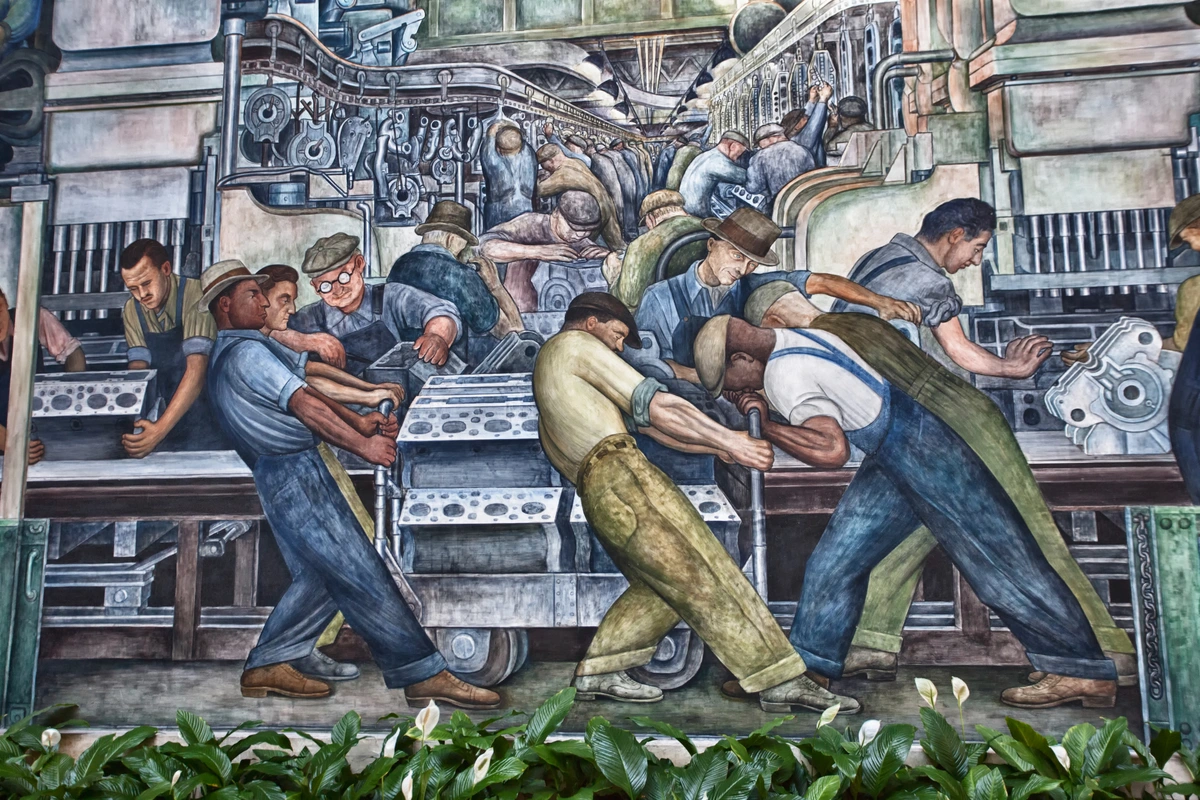
This theme is arguably the most overt and powerful, almost always intertwined in Rivera's work. He glorified the common laborer with an almost religious zeal. In his eyes, the people building the cars, harvesting the crops, and mining the earth were the true heroes of society – the bedrock of civilization. I find myself returning to the sheer grit etched into the hands and faces of the laborers he depicted; it feels so palpable, so undeniably human. You can almost feel the calluses, the sweat, the weary but determined spirit of collective effort. His murals are filled with muscular, powerful figures engaged in industry and agriculture, their bodies often seeming to merge with the machinery and the land itself, emphasizing their foundational role and collective strength.
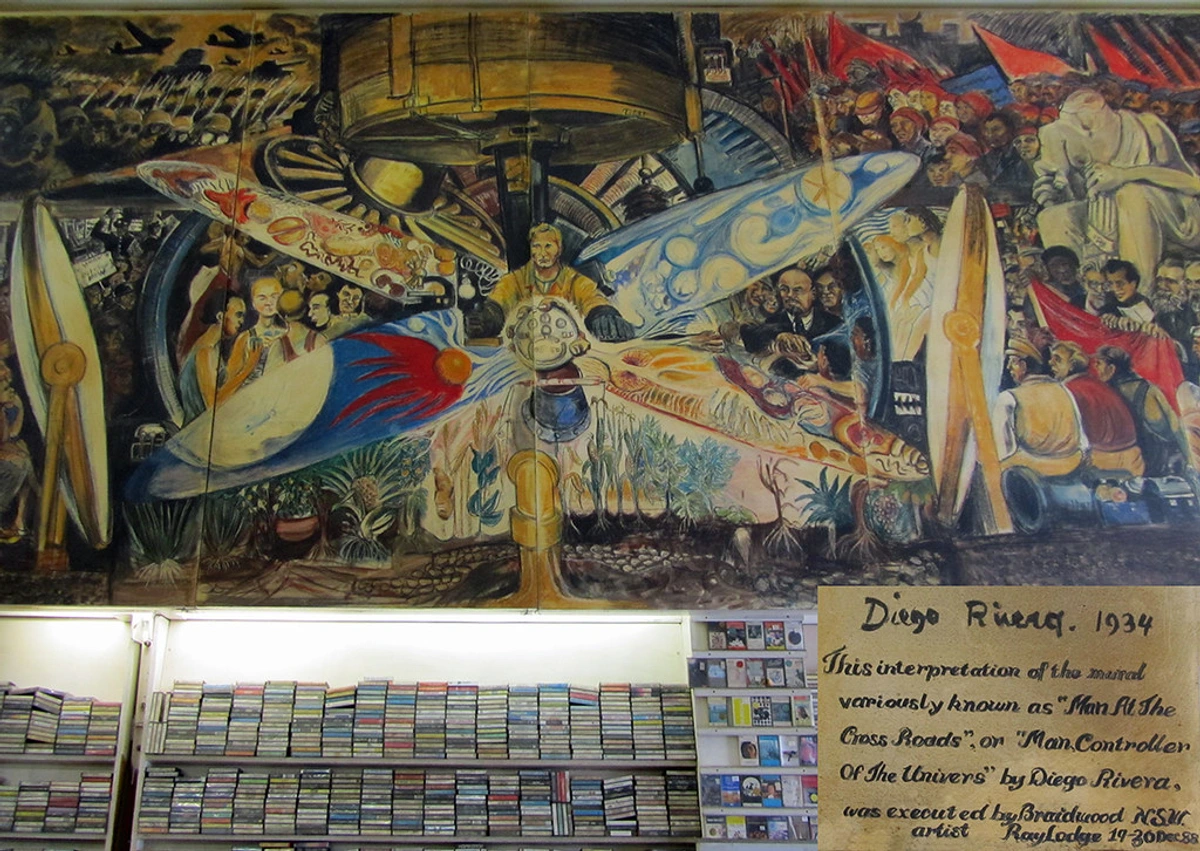
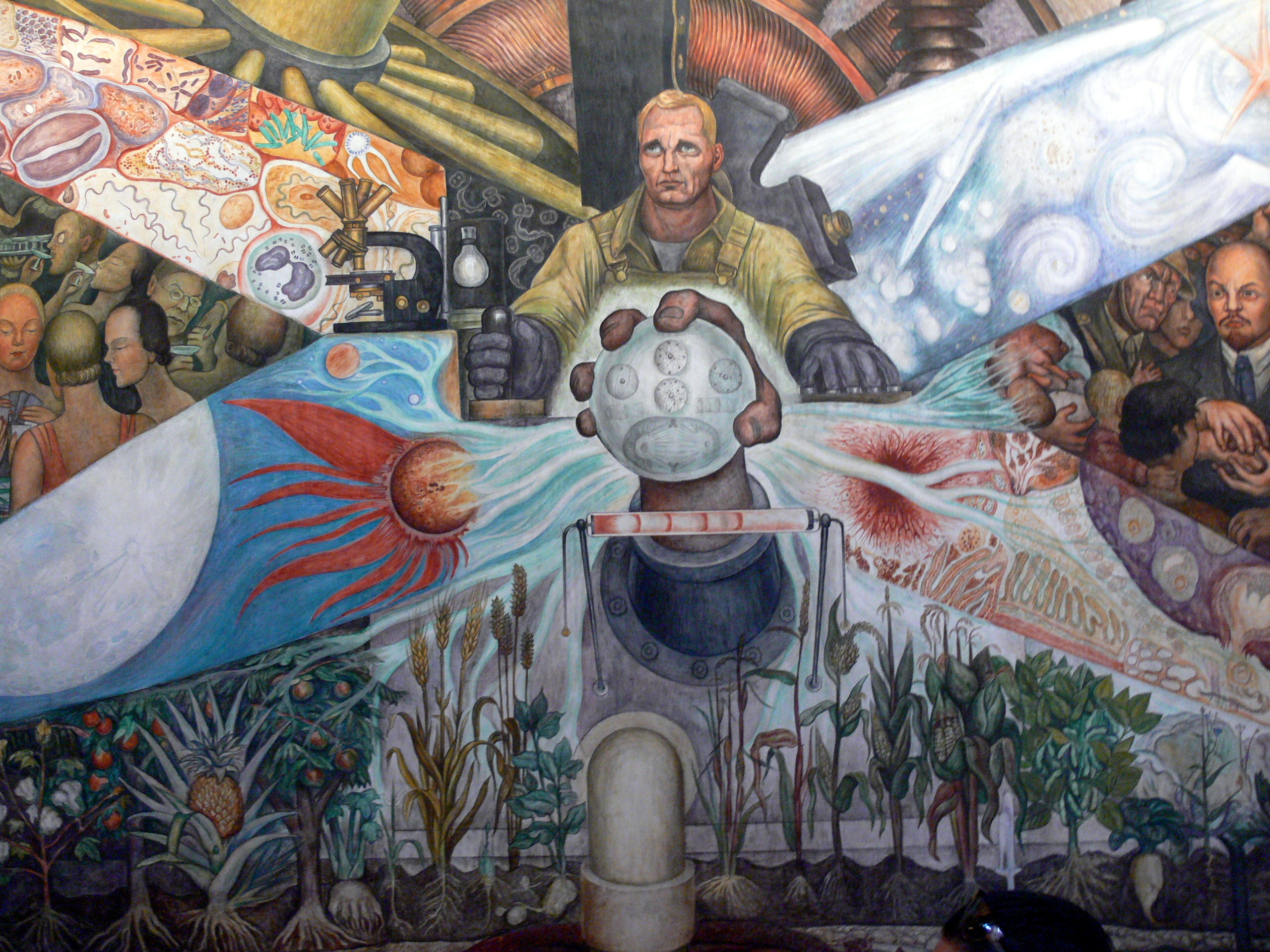
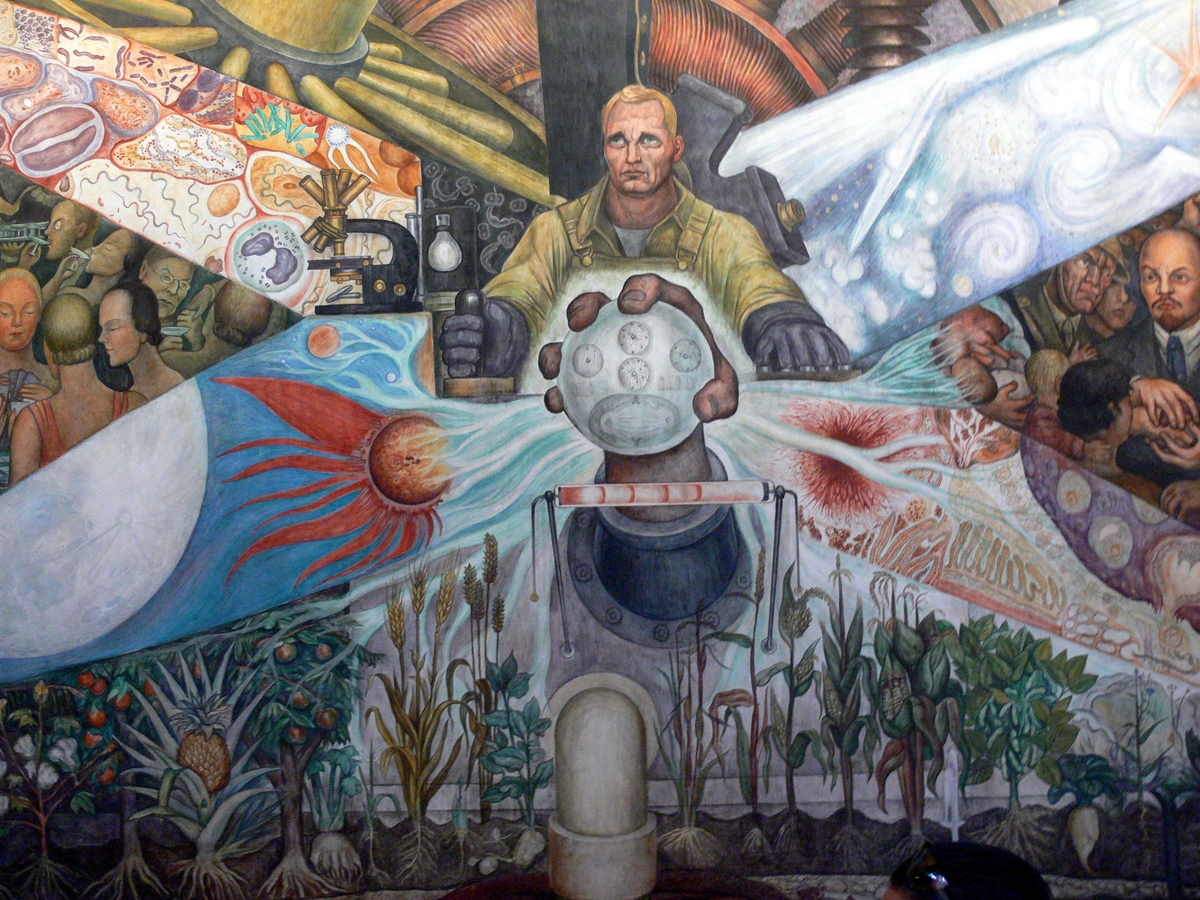
Conversely, and unapologetically, Rivera's murals are a scathing political critique of capitalism. He frequently depicted capitalists, clergy, and military figures as grotesque, greedy, and villainous, often with exaggerated features that left no room for misinterpretation: distended bellies, top hats, cigars, sickly pallor, or predatory expressions. In works like The Exploitation of Mexico by Spanish Conquerors and his recreation of Man, Controller of the Universe, you’ll find caricatures of bloated industrialists with grasping hands, often surrounded by symbols of vice and decay. These figures are consistently contrasted with his heroic and visionary portrayals of workers, peasants, and revolutionary leaders like Karl Marx and Vladimir Lenin, who are often bathed in warm, hopeful light. His art wasn't just commentary; it was a potent tool for social change, meant to provoke thought and inspire action, a true testament to art as a catalyst for societal transformation. I always marvel at his visual audacity in directly confronting the powerful interests that often funded the very buildings his art adorned. How did he get away with it? A mix of immense talent, the political climate, and perhaps a bit of sheer will!
Honoring Indigenous Culture and Mexican History
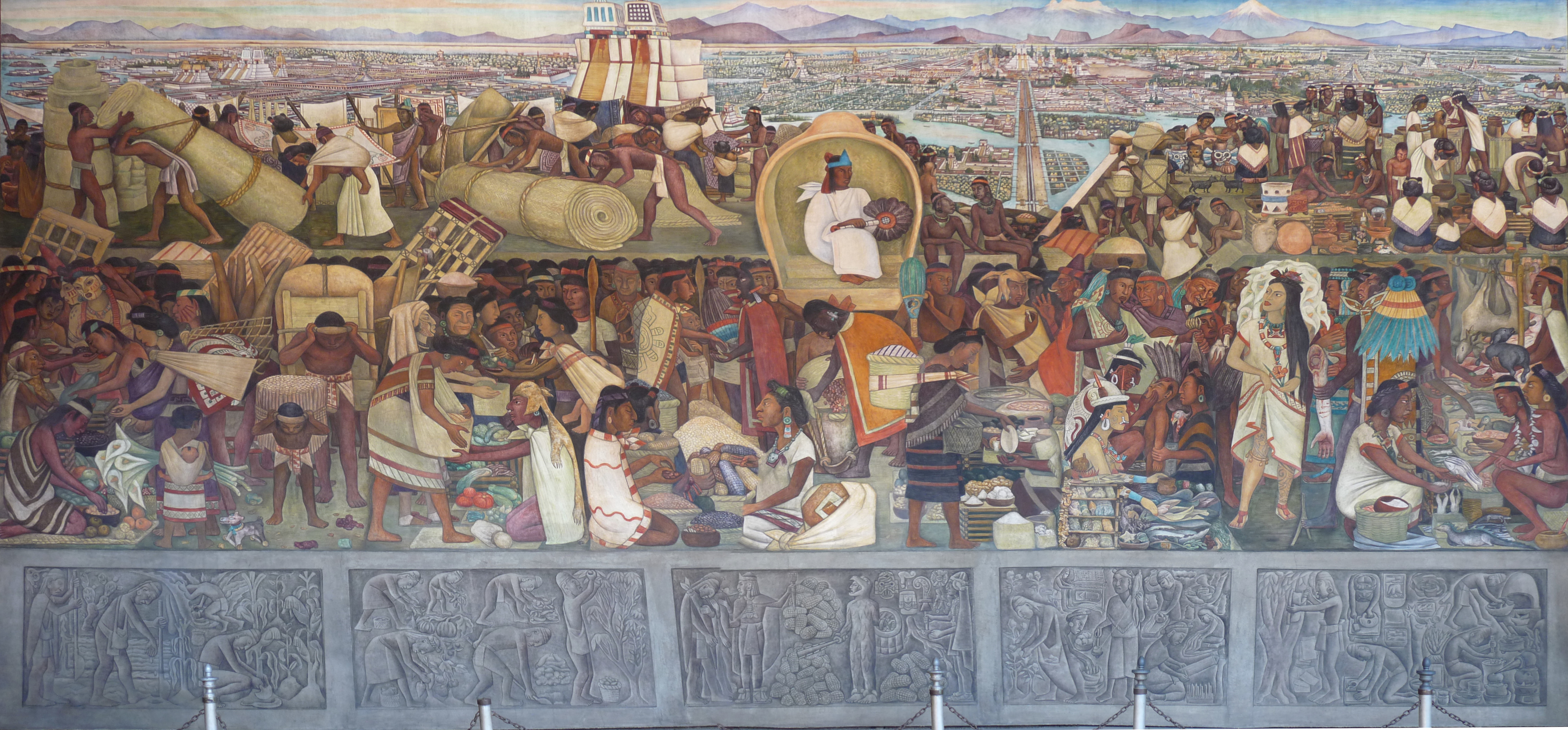
Rivera's murals are a profound homage to Mexico's native roots, its vibrant traditions, and the raw beauty of the land. He championed the indigenous peoples with passion, celebrating their ancient civilizations – not just the well-known Aztecs and Mayans, but also the sophisticated Olmec (renowned for their colossal head sculptures and jade artistry, with recurring jaguar motifs), Zapotec (known for their magnificent city of Monte Albán and intricate funerary urns depicting deities and rulers), and Mixtec (celebrated for their exquisite codices and goldwork, often with geometric patterns and anthropomorphic figures) cultures. He depicted their daily lives, spiritual beliefs, and deep connection to the earth. For Rivera, recognizing these diverse and sophisticated pre-Columbian societies was a direct challenge to the Eurocentric historical narratives imposed by colonial powers. His work often integrates motifs and colors inspired by traditional Mexican folk art, consciously moving away from European artistic conventions to embrace a distinctly national aesthetic. The corn cob, for instance, isn't just food; it's a living lineage, connecting modern Mexicans to their ancient, agrarian past.
Quetzalcoatl, the feathered serpent god, often appears as a symbolic presence, a powerful link to pre-Columbian spiritual heritage, representing cosmic balance, creation, and wisdom. Beyond Quetzalcoatl, figures like Tlaloc (the rain god) or Coatlicue (earth goddess) subtly appear, representing the deep spiritual connection to nature and a cyclical worldview. You might also find patterns from ancient textiles, ceramics, or architectural friezes woven into the backgrounds or clothing of his figures, subtly yet powerfully reaffirming indigenous identity.
He painstakingly wove epic narratives of Mexican history, often covering entire walls. These stories stretched from the sophisticated pre-Columbian societies, through the brutal Spanish conquest, the centuries of colonial struggle, the fight for independence, the Mexican Revolution, and into a projected socialist future. He was essentially creating a national epic in paint, a story that every Mexican could see themselves in, a vivid panorama that echoed ancient visual storytelling techniques in narrative art. For him, history wasn't just dates; it was a living, breathing narrative of struggle and triumph, a continuous thread connecting the ancient past to a hopeful future.
The Power of the Human Form
Rivera's depiction of the human body is central to his message, a true testament to the power of the collective. His figures are often monumental, robust, and idealized, reflecting the strength and resilience of the working class and indigenous peoples. He used strong, simplified forms, often with a certain volumetric weight (a subtle echo of his Cubist experiments), giving his subjects a heroic, almost architectural presence, whether showing collective action or individual toil. This idealization wasn't merely aesthetic; it was a deliberate choice to elevate the common person, portraying them as dignified, powerful, and capable of heroic collective action, countering centuries of their subjugation. He would often exaggerate features like large, calloused hands or broad, firmly planted feet to emphasize labor or connection to the earth, making the physical act of work feel profoundly important, as seen vividly in the Detroit Industry Murals where the workers' hands seem almost as powerful as the machines they operate. This isn't just anatomical representation; it's a powerful statement about collective power and human potential, portraying the masses as a unified, unstoppable force whose rhythmic movements often merge into a single, powerful entity within the composition – a veritable army of the people.
Rivera's Artistic Toolkit: The Fresco Technique and Deeper Symbols
To truly understand the monumental scale and lasting impact of Rivera's murals, we absolutely need to talk about his chosen medium: fresco painting. This ancient technique, effectively revived by Rivera for a modern, revolutionary purpose, involves applying pigments mixed with water directly onto fresh, wet plaster (known as intonaco). As the plaster dries, a chemical reaction occurs, permanently bonding the pigment to the wall. This wasn't just a technical choice for Rivera; it was a profound philosophical one, ensuring his art would literally be part of the public buildings it adorned, making it inseparable from the civic fabric and eternally accessible to the people.
The demanding nature of fresco is something I can only imagine: requiring swift, confident execution before the plaster dried, with almost no room for error. This meant Rivera had to master both his grand vision and his technique with incredible precision and foresight. He prepared extensively with cartoons (full-scale preparatory drawings) to guide his work and often divided monumental murals into giornate (sections that could be completed in a single day while the plaster remained wet), embracing the challenge to ensure a lasting legacy for the people. It’s a bit like a modern digital artist meticulously planning every layer and element in Photoshop before the final render, but with the added pressure of irreversible, real-time application. Honestly, imagining the pressure of painting on wet plaster, knowing you can't erase a mistake, makes me appreciate the sheer skill and audacity even more.
Mastering the Narrative: Compositional Brilliance
Beyond individual symbols, Rivera's genius lay in his masterful, almost architectural command of large-scale composition. He didn't just fill a wall; he orchestrated a visual symphony, guiding the viewer's eye through dense, multi-panel narratives. He achieved this using:
- Diagonal lines: Creating dynamism and naturally leading the eye across vast spaces. For instance, in The History of Mexico at the National Palace, the upward sweep of banners and marching figures in the scenes depicting the Revolution creates a powerful diagonal thrust, pushing the narrative forward.
- Shifts in scale: Emphasizing important figures or ideas, drawing immediate attention. You’ll often find colossal indigenous figures or heroic leaders towering over smaller, meticulously rendered crowds, immediately conveying their significance.
- Strategic placement of focal points: Often a central, heroic figure or an iconic symbol that anchors the entire composition. Think of the monumental earth goddess figure in Allegory of California, anchoring the entire celebration of the state’s bounty.
His murals often feature a central organizing principle from which other narratives radiate, ensuring that even amidst a multitude of figures and events, the core message remains clear and the story unfolds with epic grandeur. For instance, in The History of Mexico, your eye is drawn upwards through centuries of struggle and triumph along a central axis. It's a testament to his ability to communicate complex ideas with remarkable clarity, turning vast walls into coherent, flowing narratives that could be "read" by anyone, regardless of literacy – a true gift of visual storytelling techniques in narrative art.

Enduring Symbols and Color Codes
Beyond his masterful technique, Rivera's visual language extended to powerful, recurring symbols and a profoundly nuanced use of color. He understood that these elements could convey deep meaning, influencing the viewer's emotional and intellectual response, much like how artists use color in any medium. When you look at his murals, be on the lookout for:
- Corn (Maize): This isn't just a plant; it's a fundamental staple in Mexican diet and culture, often symbolizing life, sustenance, indigenous heritage, and the continuity of ancient traditions. It's the very lifeblood of the people, a literal and symbolic thread connecting modern life to ancient roots.
- Cactus: A powerful symbol of resilience, endurance, and the unique, often harsh, Mexican landscape. It represents national identity and an unbreakable spirit, thriving where little else can, much like the Mexican people themselves.
- Industrial Machinery: Depicted with a stark duality – both a tool of oppression under capitalism, emphasizing monotonous labor and alienation, and a symbol of progress, collective power, and technological advancement in a socialist vision. For example, in the Detroit Industry Murals, you might see massive presses appearing to crush individual workers, symbolizing exploitation, while other panels show the same machinery harmoniously operated by a collective for the common good, powering a utopian future. It's a double-edged sword, reflecting both critique and hope for humanity's industrial future.
- Pre-Columbian Deities & Motifs: Used to connect modern Mexico to its ancient past, often subtly integrated into contemporary scenes, powerfully reaffirming indigenous heritage and spiritual continuity. For instance, the magnificent feathered serpent Quetzalcoatl might appear as a symbolic presence, linking the present to a glorious, pre-colonial past, drawing from motifs reminiscent of prehistoric art. Beyond Quetzalcoatl, figures like Tlaloc (the rain god) or Coatlicue (earth goddess) subtly appear, representing the deep spiritual connection to nature and a cyclical worldview, reminding viewers of a rich, complex cosmology often suppressed by colonial narratives.
- Women in Traditional Roles: Rivera often included women, particularly indigenous women, performing daily tasks like grinding corn or weaving, not as mere background figures, but as symbols of continuity, domestic strength, and the preservation of culture. They represent the quiet resilience and foundational role of women in Mexican society.
- Flora and Fauna: Beyond the cactus and corn, local animals and plants are often subtly woven in, representing the natural bounty of Mexico and its deep ecological connection to its people.
- Color Symbolism: While not always explicitly stated, Rivera's use of color was deliberate and profoundly impactful, guiding your eye and your emotions. Vibrant, earthy tones (deep reds, ochres, rich blues, verdant greens) often reflected the Mexican landscape and its people, symbolizing life, vitality, and indigenous culture, imbuing scenes of labor with a sense of dignity and hope. Think of the warm, inviting greens of fertile fields or the deep, powerful blues in skies over workers. In stark contrast, capitalist figures, industrialists, or scenes of exploitation might be rendered in muted, sickly greens, greys, or stark blacks, conveying moral decay, soullessness, and oppression – literally draining the life and color from his enemies. For instance, in Man, Controller of the Universe, the capitalist figures are often depicted with a sickly yellow-green pallor, surrounded by cold, desaturated tones, starkly contrasting with the vibrant, hopeful hues of the socialist vision. For more on this, you could explore understanding the symbolism of colors in different cultures.
These elements, combined with his narrative prowess, allowed him to convey complex messages with remarkable clarity and emotional depth, creating truly unforgettable visual experiences. He mastered the art of speaking directly to the soul of a nation, crafting a permanent visual manifesto for its people.
Decoding Rivera: A Virtual Tour of Masterpieces
Now that we understand Rivera's vision and his artistic toolkit, and you're familiar with his powerful visual language, you're ready to truly 'read' his walls, not just look at them. The murals themselves begin to speak louder, revealing their historical drama and ideological battles, bringing to life the themes and symbols we've just explored. Let's dive into some of his most impactful works to see these manifestos brought to life on a grand scale. This is where the story truly gets interesting, and where you can start to see his themes come alive, revealing the core of his artistic manifestos.
Detroit Industry Murals (1932-33): The Symphony of Steel and Humanity
Commissioned by Edsel Ford, son of Henry Ford, for the Detroit Institute of Arts, Rivera spent months inside the colossal Ford River Rouge Complex. Edsel Ford, a keen art patron and more progressive than his father, sought to celebrate American industry and its workers. Rivera absorbed the rhythmic, often overwhelming pulse of the factory floor, making thousands of sketches. The resulting 27 panels are a breathtaking symphony of industry and human endeavor. As you look at these murals, notice the incredible detail: workers on the assembly line, the massive stamping presses, the blast furnaces glowing red-hot like primal beasts, and the meticulous process of car manufacturing. Here, Rivera explicitly glorifies the dignity of the worker, depicting them as the true heroes of industrial progress. One particular panel, for instance, depicts four figures representing the racial diversity of Detroit's workforce, receiving vaccinations—a subtle nod to the advancement of public health through collective effort, but also a representation of humanity's constant struggle. Rivera was keenly aware of the intense social stratification and labor unrest that plagued Detroit in the 1930s, and his murals subtly reflect these underlying tensions. Yet, his genius lay in showing its complexity: it’s both a celebration of human ingenuity and a subtle, yet powerful, commentary on the exhausting, repetitive, and at times dehumanizing aspect of the assembly line. He masterfully juxtaposes the power of the machinery with the almost mechanical movements of the workers, hinting at the potential for both liberation and enslavement within industrial progress. Look closely, and you'll find veiled critiques of Ford's labor practices (e.g., subtle depictions of child labor, hints of worker exploitation through their weary expressions, the soul-numbing monotony of the production line) and subtle nods to collective action (workers appearing almost as a single, powerful entity). The murals sparked considerable controversy at the time, with some critics decrying them as communist propaganda while others celebrated their artistic and social vision. To me, they stand as a powerful, complex portrait of modern labor, asking us to reflect on the true cost and glory of progress, and how industrialization truly impacts the human spirit.
Man at the Crossroads (1934) / Man, Controller of the Universe (1934): The Ideological Showdown
Oh, this is one of the best, most dramatic stories in art history, a true clash of ideologies that shows Rivera’s unwavering resolve! Imagine you're commissioned by Nelson Rockefeller, one of the world's richest capitalists, to create a mural for the lobby of the new Rockefeller Center in New York City. What do you do? If you're Diego Rivera, you paint a mural showing the stark choice between two paths for humanity: a decadent, chaotic capitalist society and an orderly, progressive socialist future. Here, he employs his scathing critique of capitalism. On the capitalist side (look closely when you see reproductions!), you would have seen scenes rife with socialites gambling and reveling in debauchery, soldiers in gas masks symbolizing war and unchecked militarism, microscopic cells hinting at disease and irresponsible scientific pursuits, police brutality against workers, and clear class exploitation, with Darwinian evolution playing out in a chaotic scramble. On the other socialist side, Rivera depicted scenes of workers uniting, collective farms flourishing, and scientific advancement serving humanity, focusing on the potential for human progress through collective effort and harmony. And, for good measure, he stuck a massive, heroic portrait of Vladimir Lenin, the leader of the Bolshevik Revolution, right in the middle, clearly connecting the revolutionary paths and implying a direct choice for humanity's future. What a bold, audacious move! As you can imagine, Rockefeller was not pleased. This was the height of anti-communist sentiment in the US, a period often referred to as the "Red Scare"—a time of intense fear and suspicion of communism, particularly after the Russian Revolution and the rise of the Soviet Union. This era led to widespread political repression, blacklisting, and a pervasive public anxiety about anything perceived as socialist or communist, making Rivera’s direct political statement an incendiary act. The idea that a mural celebrating communist ideals would adorn his capitalist skyscraper was simply unthinkable. He asked Rivera to remove Lenin's face. Rivera, ever the defiant revolutionary, refused, famously stating he would rather destroy the mural than mutilate it. So, Rockefeller, a man not accustomed to being told no, had it plastered over and destroyed in 1934. It was a massive scandal. But Rivera, with his characteristic tenacity, got the last laugh. He recreated the mural in Mexico City for the Palacio de Bellas Artes, renaming it Man, Controller of the Universe, making his critique of capitalism and embrace of socialist ideals even more explicit. Talk about artistic defiance, a true testament to an artist's integrity in the face of immense power, proving that a vision, once formed, can always find another wall. This episode perfectly encapsulates Rivera’s unwavering commitment to his political convictions, even at great personal and professional cost.

Allegory of California (1931): A Celebration of Bounty and Labor
Rivera's presence wasn't limited to Mexico and Detroit; he also left his indelible mark on California. Commissioned for the City Club of San Francisco (now the Pacific Exchange Club), the Allegory of California is a magnificent tribute to the state's natural bounty and the diverse labor that built it. Here, Rivera masterfully employs the power of the human form and honors indigenous culture. You'll see a colossal, nude figure of California herself, emerging from the earth with a powerful, almost classical pose, cradling the riches of the land in her hands – golden nuggets, fruits, and oil. Encircling her are various laborers: a miner with a pickaxe, a farmer with sheaves of wheat, an industrial worker, and even a Hollywood director with a camera, all contributing to the state's prosperity. Notice how Rivera emphasizes the connection between the land, its resources, and the human effort required to harness them. It's a vibrant blend of his thematic concerns, celebrating the American worker and the abundant land, while subtly hinting at the underlying social structures.
Pan American Unity (1940): Bridging Continents through Art
For the Golden Gate International Exposition in San Francisco, Rivera created one of his largest and most ambitious portable frescoes, Pan American Unity. This mural, originally titled The Marriage of the Artistic Expression of the North and of the South on this Continent, is a monumental call for unity and understanding between the cultures of North and South America. It's a dizzying tapestry of history, science, art, and politics, featuring portraits of historical figures like George Washington and Abraham Lincoln alongside Mexican heroes like Miguel Hidalgo and Simón Bolívar, and even contemporary figures like Charlie Chaplin. Look for the intertwining narratives of indigenous creation myths, industrial advancement, and cultural exchange. Rivera here expresses his vision for a future where the mechanical ingenuity of the North could merge with the rich artistic and spiritual heritage of the South. It's a powerful statement on interdependence and the potential for a shared, progressive future, a vision for a truly Pan-American identity that is as relevant today as it was then.
The History of Mexico (1929-35): A Nation's Epic Unfurled
If you ever find yourself in the National Palace in Mexico City, you absolutely must see this. It's Rivera's magnum opus, a sprawling epic covering the massive stairwell and walls, truly a nation-defining artwork. It’s a bit like a historical tapestry, telling a story that unfolds as you walk, moving through time as your eyes ascend. In some ways, it reminds me of other great narrative works like the Bayeux Tapestry, which also documents a nation-defining conflict, albeit with a very different aesthetic, medium, and purpose. While the Bayeux Tapestry is an embroidered chronicle primarily for a feudal elite, Rivera's fresco is a vibrant, public epic for the people, designed to be seen and understood by everyone, irrespective of their social standing or literacy. Rivera's mural takes you on an immersive journey through Mexico's complex past and envisioned future, explicitly honoring indigenous culture and Mexican history:
- Pre-Columbian Mexico (before 1519): An idyllic depiction complete with indigenous deities like Quetzalcoatl and Tlaloc, flourishing maize agriculture, vibrant communal life, and advanced civilizations. Here, you'll see sophisticated cultures like the Maya (known for their profound astronomical knowledge, intricate calendar systems, and hieroglyphic writing) and Aztec (with their powerful empire, complex cosmology, and advanced urban planning in cities like Tenochtitlan) thriving. Look for figures in traditional dress engaged in farming, ceremonies, and intellectual pursuits, all bathed in warm, natural light, celebrating a sophisticated, harmonious past.
- The Spanish Conquest (1519-1521): A brutal, chaotic scene depicting the violence and brutality of the Spanish arrival. Hernán Cortés and his soldiers are often shown as grotesque, armor-clad invaders, overseeing the enslavement of indigenous peoples, the destruction of native culture and religious symbols – like the burning of precious Aztec codices by friars – and the forceful imposition of foreign religion (often with grotesque friars wielding crosses like weapons). This section is dark, chaotic, and filled with suffering, a stark visual condemnation of colonial atrocities.
- Colonial Period (1521-1821): Centuries of oppression and exploitation unfold, with indigenous populations forced into labor in mines and haciendas. Yet, Rivera also portrays the mixing of cultures (mestizaje, the blend of Indigenous and European heritage that forms modern Mexican identity) and the birth of a new Mexican identity under Spanish rule, often highlighting the subtle acts of resistance by the indigenous population. This period also shows the emergence of new social hierarchies and the slow formation of a unique Mexican cultural synthesis.
- The Fight for Independence (1810-1821) & Revolution (1910-1920): Dynamic scenes depicting the struggle against foreign and internal oppressors. Here you'll find national heroes like Miguel Hidalgo (leading the first cry for independence) and Emiliano Zapata (championing agrarian reform and indigenous rights), leading to the birth of modern Mexico and its revolutionary ideals. These sections are filled with armed conflict but also the emergence of popular leaders and the collective will of the people.
- Towards a Socialist Future: The climactic vision of a prosperous, unified, and free Mexico built by its own people, guided by Marxist ideals, with harmonious labor, education for all, and social justice. This section often depicts workers and intellectuals uniting, building a better future, bathed in the optimistic light of a new dawn – a direct ideological counterpoint to the preceding eras of oppression.
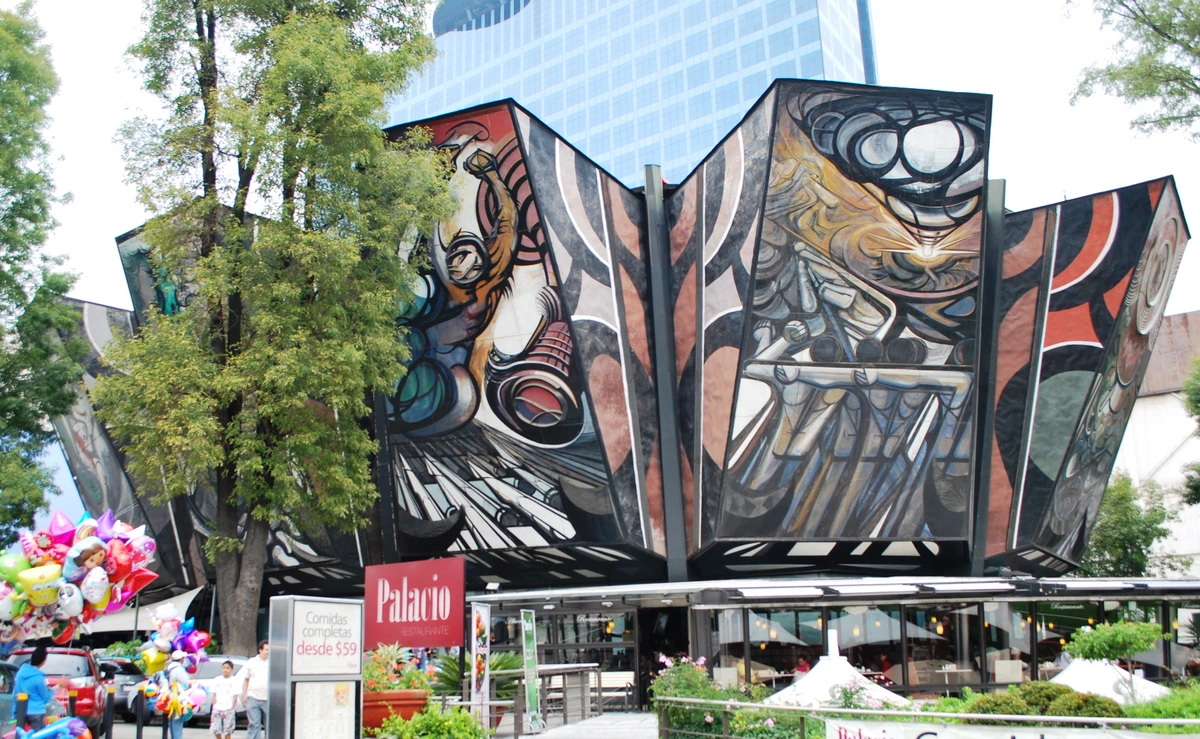
Why Do These Murals Still Hit So Hard Today?
So, here's the question that often floats in my mind: why are we still talking about murals painted almost a century ago? Why do they continue to resonate with such power in our fast-paced, digital world, where images flicker by in seconds? Because the ideas they champion and the questions they pose are still incredibly, urgently relevant to our modern struggles. In many ways, Rivera's art offers a vital lens through which we can understand contemporary challenges, much like a good philosophical text or a timeless novel. He forces us to confront fundamental truths about society and ourselves, proving that great art, like great ideas, never truly fades, but rather adapts and speaks to each new generation.
1. The Enduring Power of Public Art: Art for Everyone
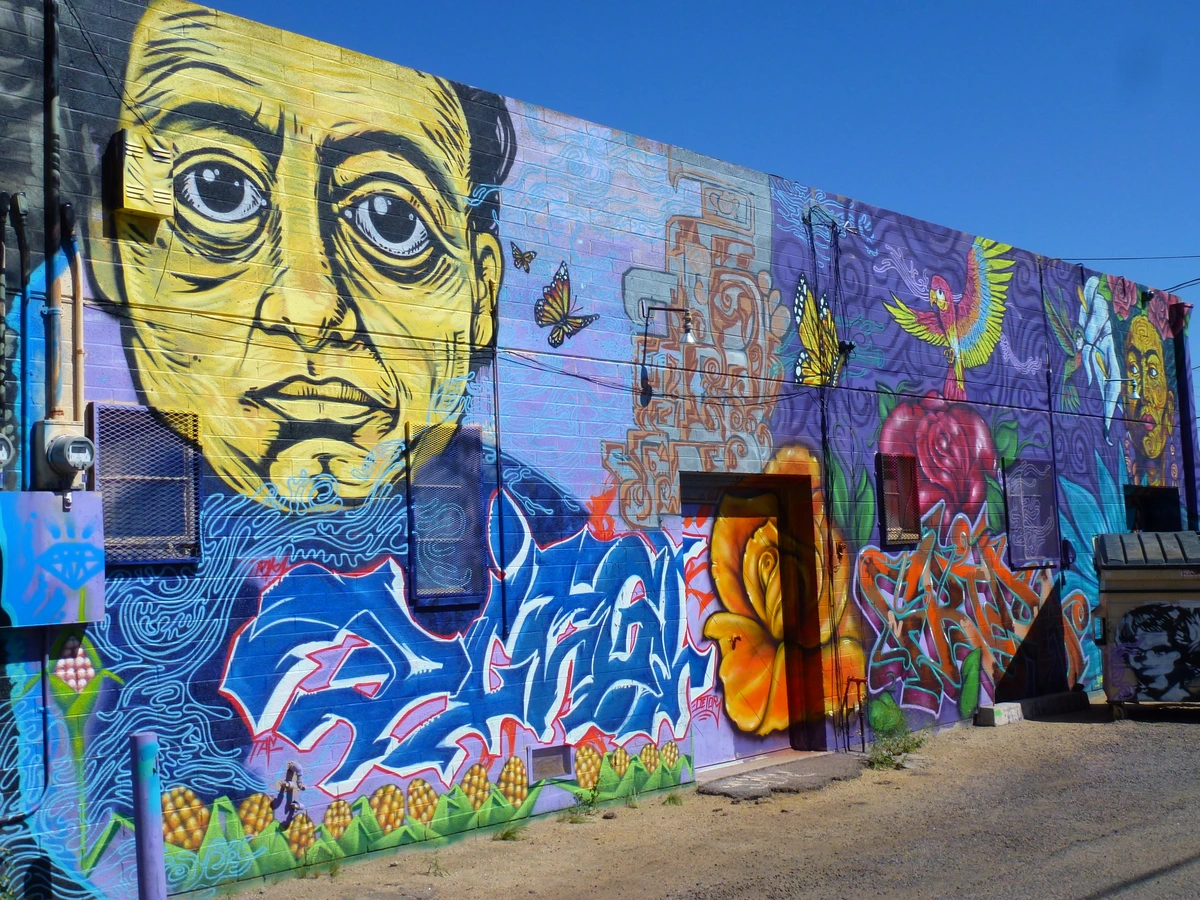
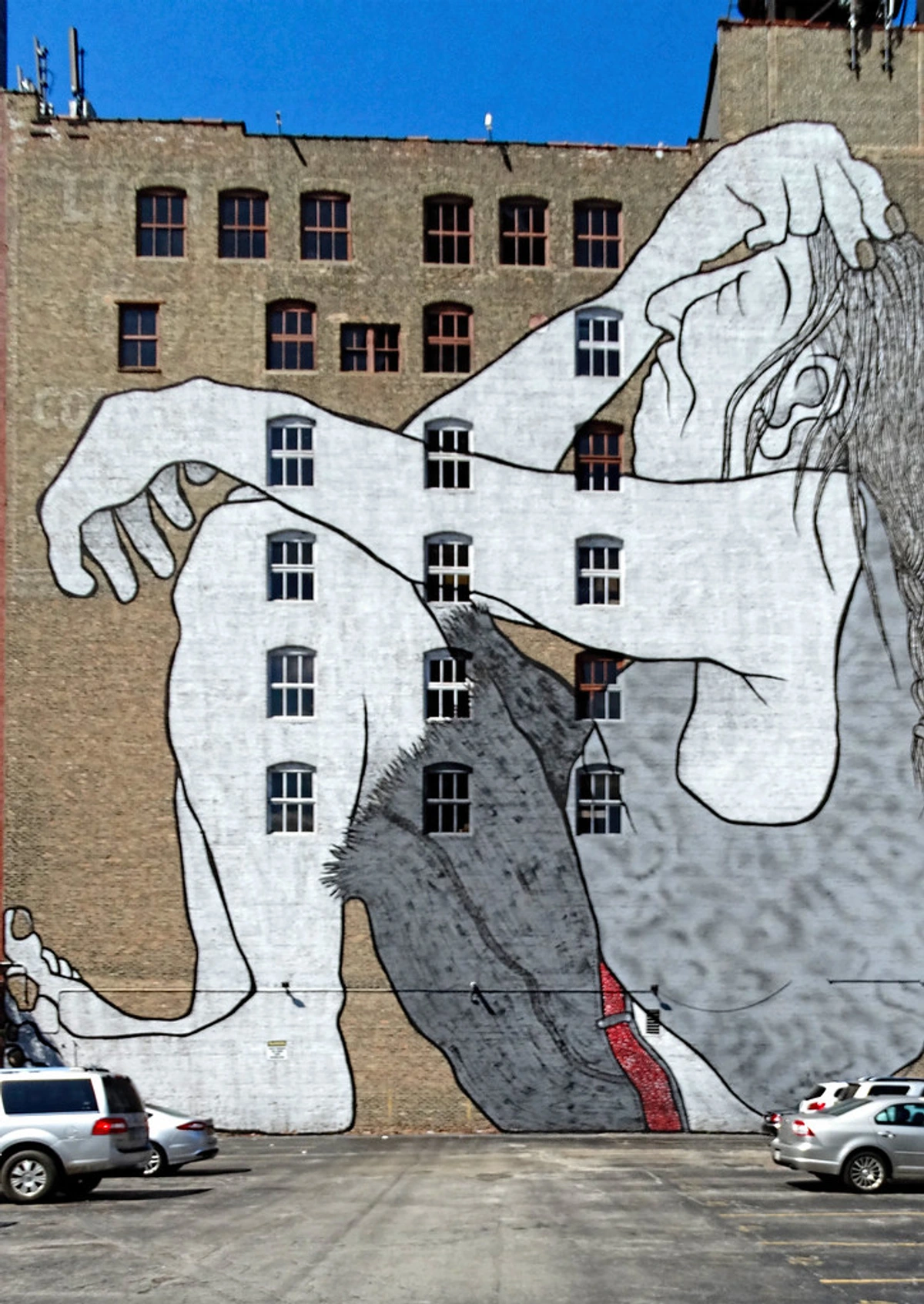
Rivera profoundly believed art shouldn't be a luxury item hoarded by the rich or confined to exclusive galleries. It should be out in the open, on public walls, for everyone to see, engage with, and be moved by. This is a profoundly democratic idea, a commitment to art for the people, that feels as vital today as it did then. His vision continues to inspire contemporary street artists, muralists, and public art initiatives globally, fueling debates about art accessibility, urban gentrification, and the role of art in shaping communal identity and fostering civic engagement. Think of a massive Banksy piece in the middle of a city – it's a direct descendant of Rivera's vision, proving the power of a wall to speak volumes. In the US, for instance, the Chicano Mural Movement of the 1960s and 70s directly drew inspiration from Rivera, creating powerful community-based artworks that addressed civil rights, identity, and historical memory. Even today, artists like Shepard Fairey, known for his "Obey Giant" campaign and iconic "Hope" poster, through his powerful public posters and murals, echo Rivera's commitment to art as a public, transformative force. Similarly, artists like JR, with his large-scale photographic installations in public spaces, carry forward the ethos of making art accessible and impactful to diverse audiences.

2. A Masterclass in Social & Political Commentary: Challenging the Status Quo
In a world grappling with rampant economic inequality, social injustice, and political polarization, Rivera’s murals are a powerful reminder that art can be much more than just decoration. It can be a fierce voice for the voiceless, a potent tool for change, and a mirror reflecting society's triumphs and flaws. His depictions of labor exploitation, for instance, resonate with modern discussions about gig economy workers, global supply chains, and wealth disparity. His critique of industrialization in Detroit feels eerily relevant as we face debates about AI, automation, and the future of human labor – what happens when machines replace human hands? His work stands alongside other monumental political statements, like Picasso's famous anti-war painting, which you can read about in what-is-the-meaning-of-picassos-guernica. He reminds us that true art often challenges, rather than comforts, daring us to question the status quo.
3. Timeless Visual Storytelling: The Power of Slow Art
In an age of fleeting digital images and shrinking attention spans, Rivera's colossal murals demand that you stop, look, and read the dense, unfolding narrative he has painstakingly laid out. They are a testament to the enduring power of a well-told story, capable of educating, provoking, and inspiring across generations. In contrast to the ephemeral nature of many modern digital images, or the often speculative and fleeting trends in digital art markets like NFTs (Non-Fungible Tokens), which represent unique digital assets but are often characterized by volatile values and an emphasis on digital ownership rather than public access, Rivera's frescoes are a kind of "slow art" that contrasts sharply with the instant gratification of much modern media. They demand deliberate engagement and offer profound rewards for those who take the time to truly see, demonstrating that some stories simply need a grand canvas and ample time to unfold. These aren't TikToks; they're epics that ask for your time and reward it richly.
4. Influence on Future Generations & Global Reach: Beyond Borders
Rivera's pioneering approach to public art and his bold thematic choices profoundly influenced not only other muralists but also subsequent generations of artists and social movements globally. His work laid groundwork for the Chicano Mural Movement in the United States, inspiring artists like Judy Chicago and the collective ASCO to create powerful community-based murals. Beyond this, his methods resonated with artists in the WPA Federal Art Project in the US during the Great Depression, who also used public murals to reflect American life and struggles. He continues to inspire Latin American artists, fostering the idea that art could be both aesthetically powerful and politically impactful. His international exhibitions and political activism also brought global attention to Mexican art and its revolutionary ideals, proving that the walls he painted could indeed speak across continents, cementing the idea that art could be a powerful tool for liberation and education far beyond Mexico's borders. It's a testament to how one artist's vision can truly transcend borders and time.
5. Rivera's Legacy in Education and Activism: Art as a Blueprint for Change
Beyond just inspiring artists, Rivera's work and philosophy were instrumental in shaping educational initiatives and directly fueling activist movements. He believed art was a powerful teaching tool, especially for a historically illiterate population. His murals didn't just illustrate history; they taught it, offering an alternative, decolonized narrative of Mexico's past and a hopeful vision for its future. This commitment to pedagogical art meant his murals served as visual textbooks, fostering critical thinking and a sense of shared identity. For instance, images from The History of Mexico, depicting indigenous resistance and labor struggles, were widely reproduced and adopted by Mexican labor unions and indigenous rights groups in their pamphlets and banners. Similarly, socialist organizations internationally used elements of Man, Controller of the Universe to illustrate their calls for social justice. Rivera demonstrated that art could be a living, breathing force for social progress, a constant, public reminder of collective history and the ongoing fight for justice.

FAQ: Your Diego Rivera Questions, Answered
Here are some of the most common questions people ask about Diego Rivera and his incredible murals. Because, let's be honest, for an artist this impactful, there's always more to explore, more layers to peel back.
What is Diego Rivera's artistic style?
Rivera's artistic style is best described as Social Realism infused with Mexican Muralism. After shedding his early Cubist and Post-Impressionist influences, he developed a grand, narrative approach. His work is characterized by bold outlines, strong, volumetric figures, and a vibrant, earthy color palette directly inspired by Mexico. Monumental in scale, his murals depict epic historical events and allegorical scenes with clear political and social messages, often integrating pre-Columbian and indigenous Mexican motifs. It's art deeply rooted in its time and place, yet universal in its themes of human struggle and aspiration.

Was Diego Rivera a communist?
Yes, absolutely. He was a lifelong member of the Mexican Communist Party (with a few expulsions and readmissions along the way). His communist ideology, however, was often deeply intertwined with his fervent Mexican nationalism, creating a unique ideological blend often referred to as "Riverismo." It was not just a political stance but a deeply held worldview that shaped his artistic purpose, aiming for a society built on equality, labor rights, and a celebration of the common person. For Rivera, communism wasn't an abstract theory; it was the practical blueprint for the new Mexico he envisioned, and he used his art as his most powerful weapon in that ideological battle. He wasn't afraid to put his paint where his politics were.
What is the main message of Diego Rivera's murals?
The core message of Rivera’s murals is a passionate celebration of the working class and indigenous peoples, a scathing critique of capitalism and the ruling elite, and the fervent promotion of a socialist and nationalist vision for Mexico. He used his art to construct a new Mexican identity, rooted in pre-Columbian history and revolutionary struggles, and to educate a historically disenfranchised populace. Essentially, it’s about empowerment, identity, and a call for social justice, all conveyed on an epic scale.
What are the "Los Tres Grandes" of Mexican Muralism?
The Mexican Muralism movement is famously led by "Los Tres Grandes" (The Three Greats): Diego Rivera, José Clemente Orozco, and David Alfaro Siqueiros. While all shared a commitment to public art and social themes, their styles and philosophical leanings differed significantly. Orozco's work was often more tragic and expressionistic, focusing on human suffering and psychological depth, reflecting a more existential view of the human condition than Rivera's often optimistic socialism. Siqueiros was known for his dynamic, experimental approach, incorporating modern materials and a more militant, overtly political stance. Rivera, in contrast, was perhaps the most narrative and monumental in his scope, celebrating history, labor, and socialist visions with an accessible, didactic quality, aiming to teach and inspire a unified future.
What are the most famous Diego Rivera murals?
Rivera created an immense body of work, but some of his most iconic and significant murals include:
- The History of Mexico (1929-35) at the National Palace in Mexico City, a sprawling epic covering Mexico's entire history.
- Man, Controller of the Universe (1934) at the Palacio de Bellas Artes in Mexico City (a recreation of the destroyed Rockefeller Center mural).
- Detroit Industry Murals (1932-33) at the Detroit Institute of Arts, a monumental homage to American manufacturing and labor.
- Allegory of California (1931) at the City Club of San Francisco, depicting the state's bounty and workers.
- Pan American Unity (1940) at City College of San Francisco, exploring the connections between North and South America.
These works best encapsulate his thematic concerns and artistic prowess.
Why was Diego Rivera's mural at Rockefeller Center destroyed?
That's a fantastic, and rather infamous, story! It was destroyed because he defiantly included a prominent portrait of the communist leader Vladimir Lenin. The patron, Nelson Rockefeller, requested its removal, but Rivera refused to alter his work, famously stating he would rather destroy the mural than mutilate it. This led to the mural's destruction in 1934 amidst a charged political climate of capitalist versus communist ideologies during the "Red Scare" era in the US. Rivera, with characteristic tenacity, later recreated the mural in Mexico City, renaming it Man, Controller of the Universe.
How did Frida Kahlo influence Diego Rivera's work?
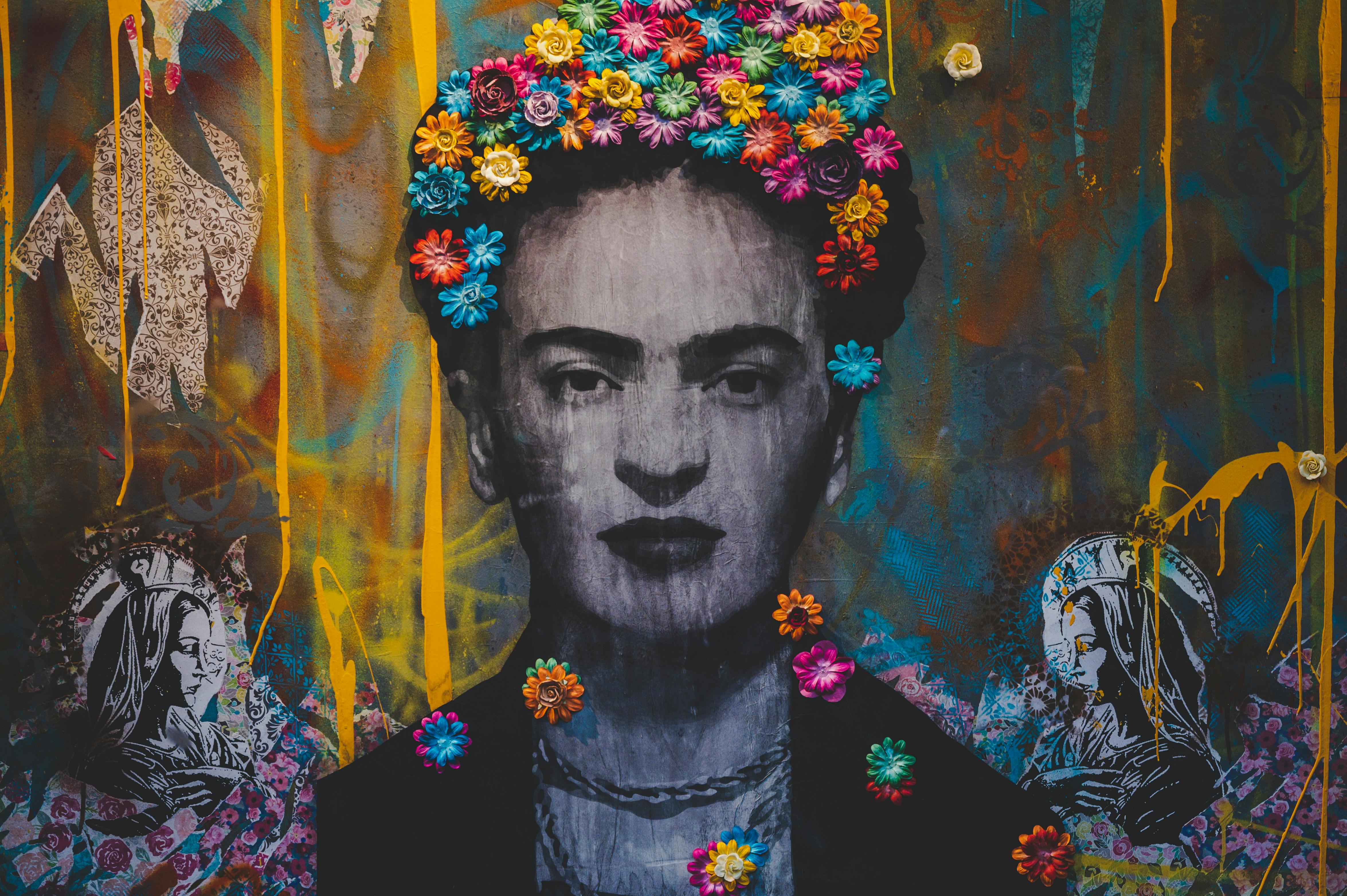
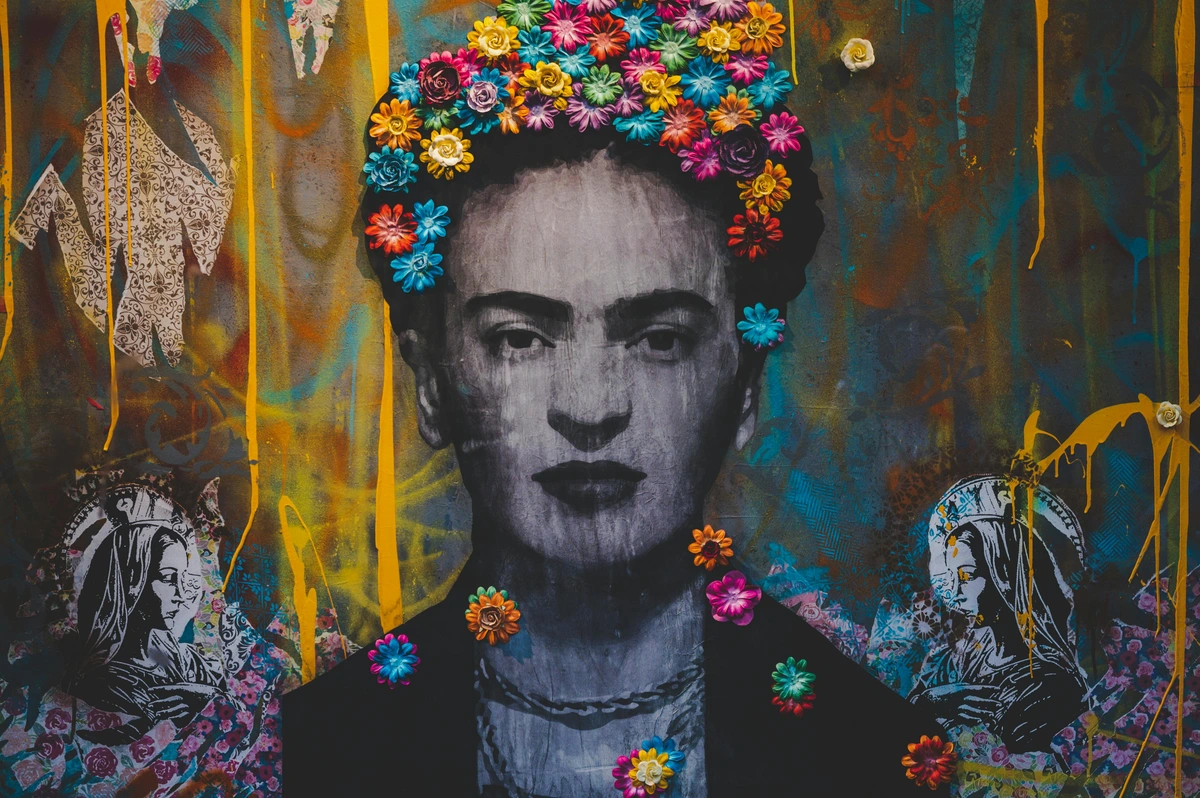
While Frida Kahlo and Diego Rivera's relationship was famously tumultuous and artistic influence often flowed in both directions, Kahlo's unique, deeply personal, and often surrealist approach to Mexican identity, pain, and self-expression provided a powerful counterpoint to Rivera's grand public narratives. Her vibrant use of traditional Mexican attire and symbols in her own self-portraits certainly echoed Rivera's reverence for indigenous culture and helped popularize it globally. While his public murals were grand narratives, Kahlo's introspective exploration of Mexican identity, pain, and symbolism may have subtly underscored Rivera's own deep engagement with his cultural heritage and the human condition, even if his method was public and grand. However, Rivera's fundamental artistic and political ideology was largely formed before their relationship, so her influence was more in their shared cultural dialogue, mutual inspiration, and personal experiences than in shaping his core muralistic style directly. You could say she held a mirror to a more intimate, vulnerable side of Mexican identity that complemented his outward-facing, heroic vision.
What materials and techniques did Diego Rivera use for his murals?
Rivera primarily employed the ancient art of fresco painting, which involves applying pigments mixed with water directly onto wet lime plaster (intonaco). As the plaster dries, a chemical reaction permanently bonds the color to the wall, making the artwork incredibly durable and integrated into the architecture itself. For his colors, he often relied on natural, earthy mineral pigments, which were readily available and consistent with his celebration of the land. The technique demanded immense precision, as corrections were nearly impossible once the pigment was absorbed. He meticulously prepared with full-scale drawings called cartoons and worked in small sections, known as giornate, completing each segment before the plaster dried. This method ensured the murals would endure for centuries, a permanent visual record for the people.
How was Diego Rivera's work received during his lifetime?
Rivera's work generated immense, often polarized, reception during his lifetime. While widely celebrated in post-revolutionary Mexico for his nationalist and socialist themes, particularly by the government and the masses he aimed to empower, he also faced fierce criticism. In the United States, his strong communist stances, especially exemplified by the Rockefeller Center controversy, led to accusations of propaganda and outright destruction of his art. Even within Mexico, some critics, including his fellow muralists Orozco and Siqueiros, occasionally critiqued his narrative clarity as being too 'illustrative' or his ideological messages too didactic, preferring more abstract or emotionally charged expressions. Despite the controversies, his talent and monumental scale ensured he remained a towering, unavoidable figure in the art world, constantly sparking debate and solidifying his reputation as a revolutionary artist.
Common Misconceptions About Diego Rivera
Beyond the direct questions, I've found that for an artist of Rivera's stature – one who courted controversy and championed such bold ideologies – it's easy to attract myths and oversimplifications. To truly appreciate his monumental legacy, I think it's crucial to address a few common misconceptions I've encountered that are absolutely worth clarifying:
- Rivera's Communism was merely performative: While his relationship with the Communist Party was indeed tumultuous, marked by expulsions and readmissions, his commitment to Marxist ideals was deeply ingrained in his worldview and profoundly shaped his art. It wasn't just for show; it was a genuine, lifelong conviction, even if his interpretation of it (Riverismo) was uniquely Mexican.
- His art is simply propaganda: While Rivera's murals are undeniably political and didactic, labeling them just propaganda misses their profound artistic merit, historical complexity, and universal human themes. He used art to educate and inspire, yes, but he did so with masterful composition, innovative technique, and deep emotional resonance, transforming political messages into enduring masterpieces rather than fleeting political statements.
- He was solely defined by his relationship with Frida Kahlo: While their relationship was iconic and deeply intertwined, Rivera's artistic and political identity was well-established long before he met Frida. His mural movement was already underway, and his ideological convictions were formed during his European travels and engagement with post-revolutionary Mexico. Frida was a profound personal and artistic influence, but his vision as a muralist was distinctly his own.
- His depictions of indigenous people were purely romanticized: While Rivera certainly glorified indigenous cultures and sought to restore their dignity, his portrayals were not always simplistic romanticizations. For instance, in The History of Mexico, alongside idyllic scenes of pre-Columbian life, he unflinchingly depicted the brutal enslavement and suffering of indigenous peoples under Spanish rule, actively using his art to highlight real historical injustices and advocate for their rights within the broader social struggle. It was a complex act of reclamation and empowerment, acknowledging both past trauma and future potential.
Understanding these nuances helps us appreciate the true depth and complexity of Rivera's artistic and political project.
Key Takeaways: Diego Rivera's Enduring Legacy
Aspect | Rivera's Approach & Legacy |
|---|---|
| Artistic Medium | Mastered fresco painting, integrating art permanently into public architecture. This demanding technique ensured durability and accessibility, making his powerful messages literally part of the civic fabric and emphasizing his belief in art for the masses. |
| Key Themes | Glorification of labor and indigenous heritage, scathing critique of capitalism and colonial oppression, epic narratives of Mexican history (from pre-Columbian to revolutionary struggles), and a visionary outlook for a socialist future. His murals are explicit political and social statements designed to educate and provoke. |
| Visual Language | Employed a rich visual vocabulary of symbols (corn, cactus, industrial machinery with dual meaning, pre-Columbian motifs like Quetzalcoatl and Tlaloc, women in traditional roles, local flora/fauna), monumental and idealized human forms reflecting collective strength, nuanced color symbolism (vibrant earthy tones for people, muted for oppressors), and masterful large-scale composition to guide narrative flow across vast walls. |
| Political Stance | An unapologetic communist and fervent Mexican nationalist, Rivera saw art primarily as a potent tool for social change, education, and ideological expression. His defiance, as seen in the Rockefeller Center controversy, underscored his unwavering commitment to his beliefs above all else. |
| Impact on Art History | Revolutionized public art, shifting focus from elite patrons to the masses. His bold integration of political themes, indigenous culture, and modern art movements forged a uniquely Mexican aesthetic, profoundly influencing subsequent muralists and artists globally. |
| Impact Today | His work inspired global public art movements (like the Chicano Mural Movement and contemporary street art), remains a potent voice on issues of social justice and economic inequality (e.g., AI and automation), and stands as a timeless example of powerful, accessible visual storytelling techniques in narrative art. His murals continue to spark dialogue and challenge viewers across generations, proving art can be a true agent of change. |
So, the next time you encounter one of Rivera's murals, even just in a book or online, I hope you don't just see a crowded wall. See a meticulously crafted history lesson, a passionate political manifesto, and a profound love letter to the working people of the world. He wasn't just painting walls; he was trying to build a new world, brick by vibrant brushstroke, a vision etched in plaster for eternity. In a world saturated with fleeting digital images and constantly evolving narratives, what grand stories – what profound, lasting manifestos – are we compelled to share on the public canvases of our time, whether they be walls, screens, or the spaces we inhabit? What revolutionary visions are waiting to be painted, or perhaps, already are, simply waiting for us to truly see them and understand their enduring power? If this journey through Rivera's world has sparked your own curiosity, I encourage you to seek out public art in your own city, or perhaps you're ready to explore more art on our site or delve into the artist's timeline to discover how these visions continue to evolve.