
Delacroix & Romanticism Techniques: Vibrant Rebellion on Canvas
Uncover Delacroix's revolutionary techniques—explosive color, dynamic brushwork, and emotional storytelling—that ignited Romanticism. Practical insights for artists.

Delacroix & Romanticism Techniques: Vibrant Rebellion on Canvas
I remember standing before Delacroix’s Liberty Leading the People in the Louvre, heart pounding. That wasn’t just history—it felt like a riot frozen in time. His canvases breathe, seethe, scream. So how did Eugène Delacroix turn pigment into thunder? Forget dusty textbooks; let’s dissect how this Romantic rockstar weaponized technique to shatter the art world’s rules. I remember wanting to lean in, to touch the impasto ridges of paint, to feel what it means to translate violence and passion into a solid, physical stroke. It’s one thing to read about artistic rebellion in a book; it’s another thing entirely to feel it in your bones, to stand witness to how color and motion can be forged into a powerful form of political dissent.
To understand the magnitude of his impact, it helps to picture the art world he stormed into. The early 19th century was dominated by the cool, crisp, and morally upright vision of Neoclassicism. The French Academy preached balance, rational order, and historical accuracy rendered with an almost sterile precision. Think of it as the "official" art of the establishment—it was meant to instruct, to elevate, and above all, to control. Into this pristine temple of marble calm, Delacroix crashed in like a thunderclap, splattering the walls with the messy, inconvenient truths of human emotion. It’s the difference between a perfectly composed symphony and the raw, unapologetic noise of a punk rock anthem.
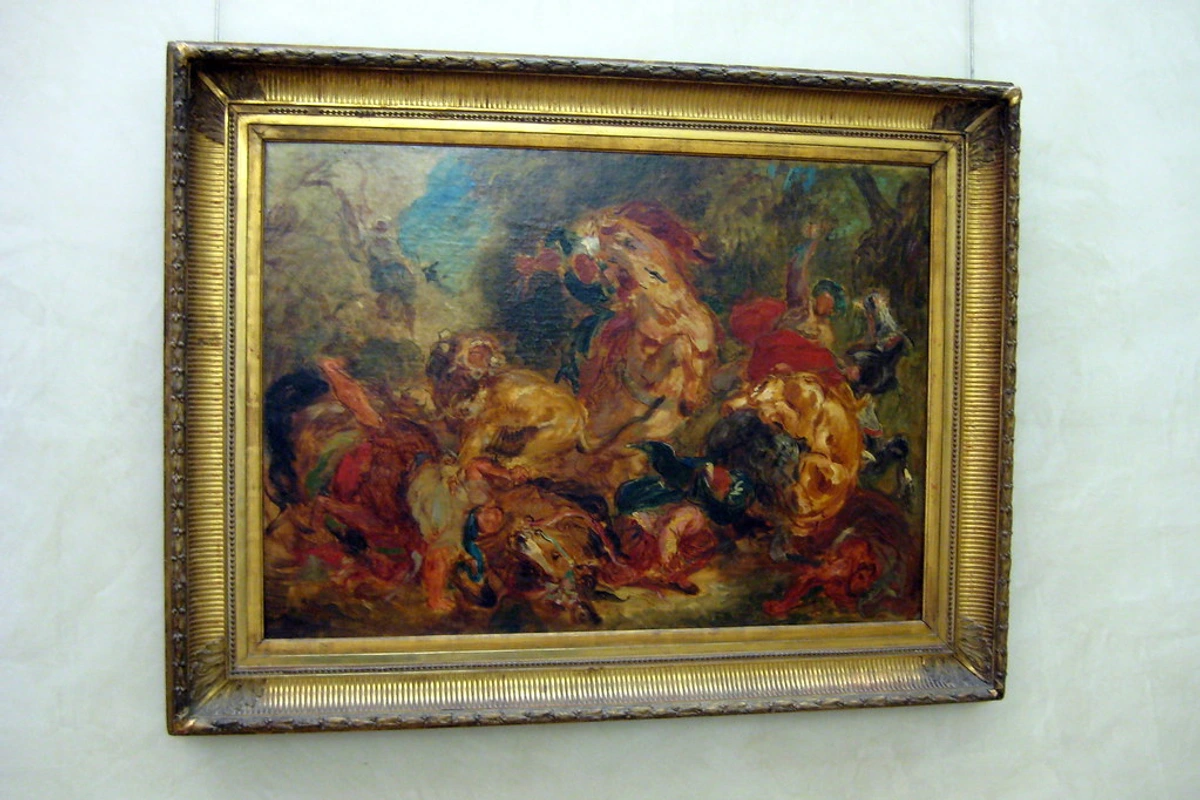
The Romantic Revolution: More Than Just Feelings
Ah, Romanticism. People think it’s all brooding poets and weeping willows. Sure, emotion was central—but Delacroix proved it could be a physical force. He rejected the Neoclassical obsession with perfect forms and marble-like composure. For him, art had to capture humanity’s messy, glorious chaos: the terror of battle, the ecstasy of love, the sublime terror of nature. If the Neoclassicists were sculptors of ice—precise, cool, and eternal—Delacroix was a forger of tempests. He wasn’t interested in what should be, but in what is: the blood, the sweat, the fleeting, terrifying ambiguity of a world in flux. I often think of him as the first punk rocker of painting, trading in the era’s polite watercolors for the loud, unapologetic noise of oil and rebellion.
This wasn’t just a stylistic choice; it was a philosophical one. The Romantics, particularly in the wake of the French Revolution, had grown deeply skeptical of pure reason. They saw the Enlightenment’s promise of a perfectly ordered world curdle into the Reign of Terror. They watched the rise of industrialization, which promised progress but often delivered alienation. How do you paint that anxiety? You don’t paint an ode to a Greek hero; you paint a poet lost in a stormy wilderness, a shipwrecked crew at the mercy of a hurricane, a nation tearing itself apart in the name of liberty. It’s the art of the individual soul wrestling with a world that no longer makes sense.
"If I were condemned to spend a year in solitude, with the choice of taking one picture with me, I should prefer a Rembrandt to all the Raphaelites in existence." — Delacroix
That single quote says everything about his philosophy. He chose Rembrandt—the master of shadow, imperfection, and raw humanity—over the sanitized perfection of Raphael. It reveals a man obsessed not with ideal beauty, but with psychological truth and emotional depth. His technique wasn’t a tool; it was a weapon against conformity.
This choice also points to a deeper conflict within the French art world, famously embodied by the rivalry between Delacroix and his contemporary, Jean-Auguste-Dominique Ingres. It was the War of Color versus Line. Ingres, the ultimate Neoclassicist, believed that draughtsmanship—pure, clean, unshakeable line—was the foundation of all art, the very architecture of truth. Delacroix, on the other hand, saw color, chiaroscuro (the dramatic interplay of light and shadow), and brushwork as the conduits of emotion and mood. It’s the difference between reading a perfectly structured legal document and hearing a piece of music that makes your heart race. Ingres wanted you to see thought; Delacroix wanted you to feel it.
Delacroix’s Arsenal: Techniques That Changed Everything
The story of Delacroix’s seismic impact on art begins here, in the almost magical alchemy of his paintbox. He didn’t just use techniques the way an apprentice follows a recipe; he forged them into a completely new language of visual provocation, one that still feels startlingly modern. It’s a language built on four powerful pillars: color that attacks the eye with pure sensation, brushwork that seems to fight the canvas itself, compositions that simply refuse to sit still, and symbols that load every scene with hidden reserves of political and emotional gunpowder. Let’s pull apart each element of his revolutionary arsenal.
I often think of him as a chef who threw away the recipe book. While his contemporaries were carefully measuring ingredients, he was creating flavors no one had ever tasted. He wasn’t just applying paint; he was engaging in a kind of artistic chemistry, testing how different elements reacted under stress, how they could be combined to create not just an image, but an experience.
1. Color as Caffeine: Juxtaposing Vibrancy
Delacroix treated color like espresso—not for subtlety, but for impact. He devoured the scientific findings of his time, especially Eugène Chevreul’s The Principles of Harmony and Contrast of Colours (1839), to understand how colors interact optically. He mastered simultaneous contrast, placing complementary colors side-by-side to make them vibrate. Imagine red next to green, blue beside orange—not muddy blends, but crackling tension. It’s not "realistic" color; it’s emotional color. I think of it this way: if Ingres’s portraits whisper, Delacroix’s scenes shout in your face. He wasn’t afraid to leave colors in their rawest state, letting them fight it out on the canvas. It’s a raw, almost primal energy, this battle of pigments.
Why it worked: Your eyes do the mixing, not his brush. Pure red and green together read as explosive energy. In The Death of Sardanapalus, crimson fabrics clash against turquoises and golds, creating a visual riot of decadence and despair. Take a close look: the shadows aren’t just brown or black. He’d use deep violets, greens, or blues to create a richer, more dynamic sense of depth, a technique the Impressionists would later adopt. It’s sensory overload, and it’s deliberate. He was a master of the color triangle (a precursor to modern color wheels), using dominant, subordinate, and accent hues to steer the eye and control the painting’s emotional rhythm.
2. Brushwork That Breathes: Controlled Chaos
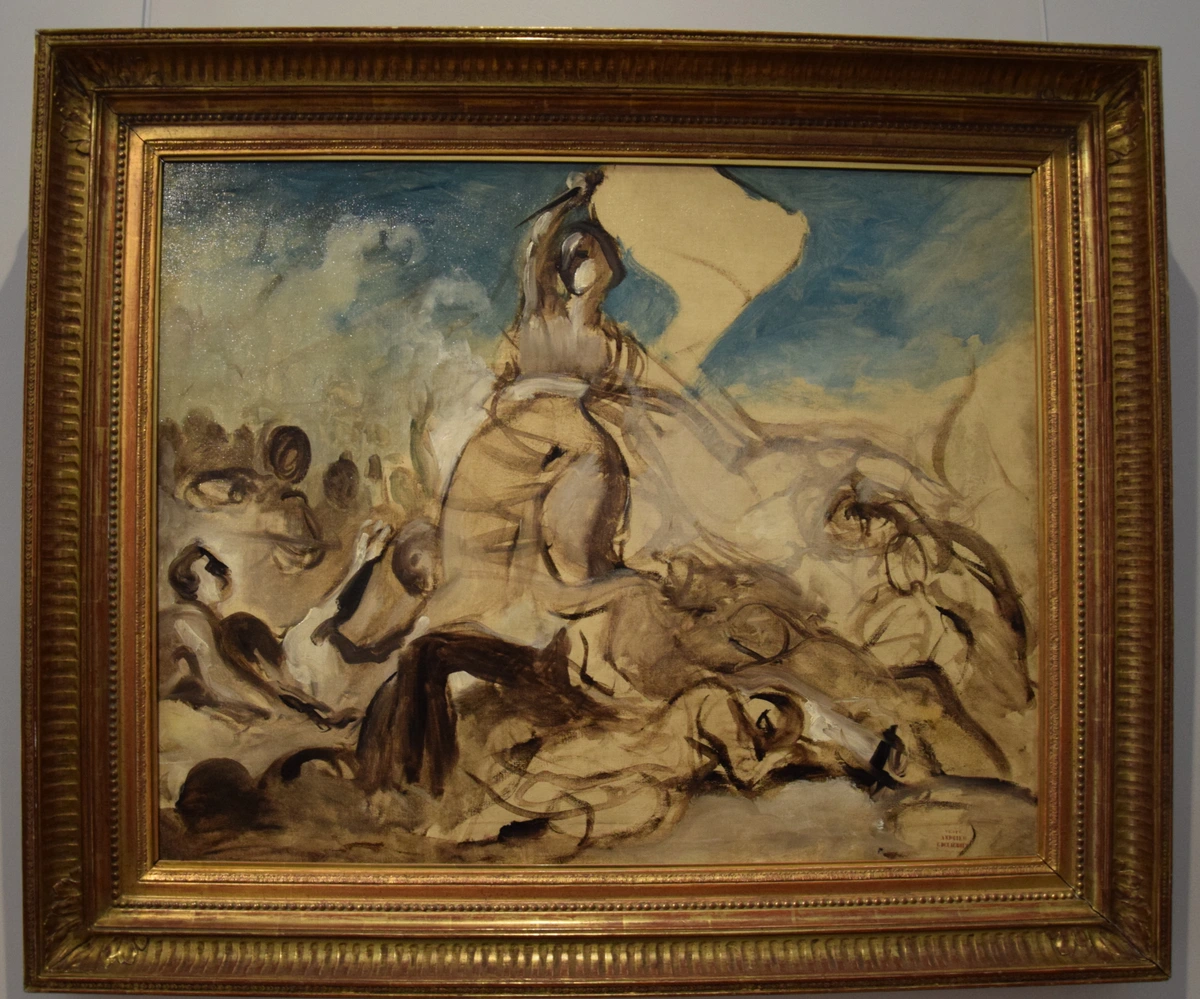
Remember, this is pre-Impressionism. Delacroix’s brushstrokes weren’t dainty—he attacked the canvas. Long, sweeping strokes ("empasto") built texture and volume, while short, violent stabs conveyed panic. Compare his fluid skies in The Sea at Dieppe to the choppy water—it’s not just nature; it’s temperament on canvas. He worked with a loaded brush, letting the ridges of paint catch the light, creating a tangible surface that practically bristles with energy. It’s a radical embrace of the medium itself: oil paint as a physical substance.
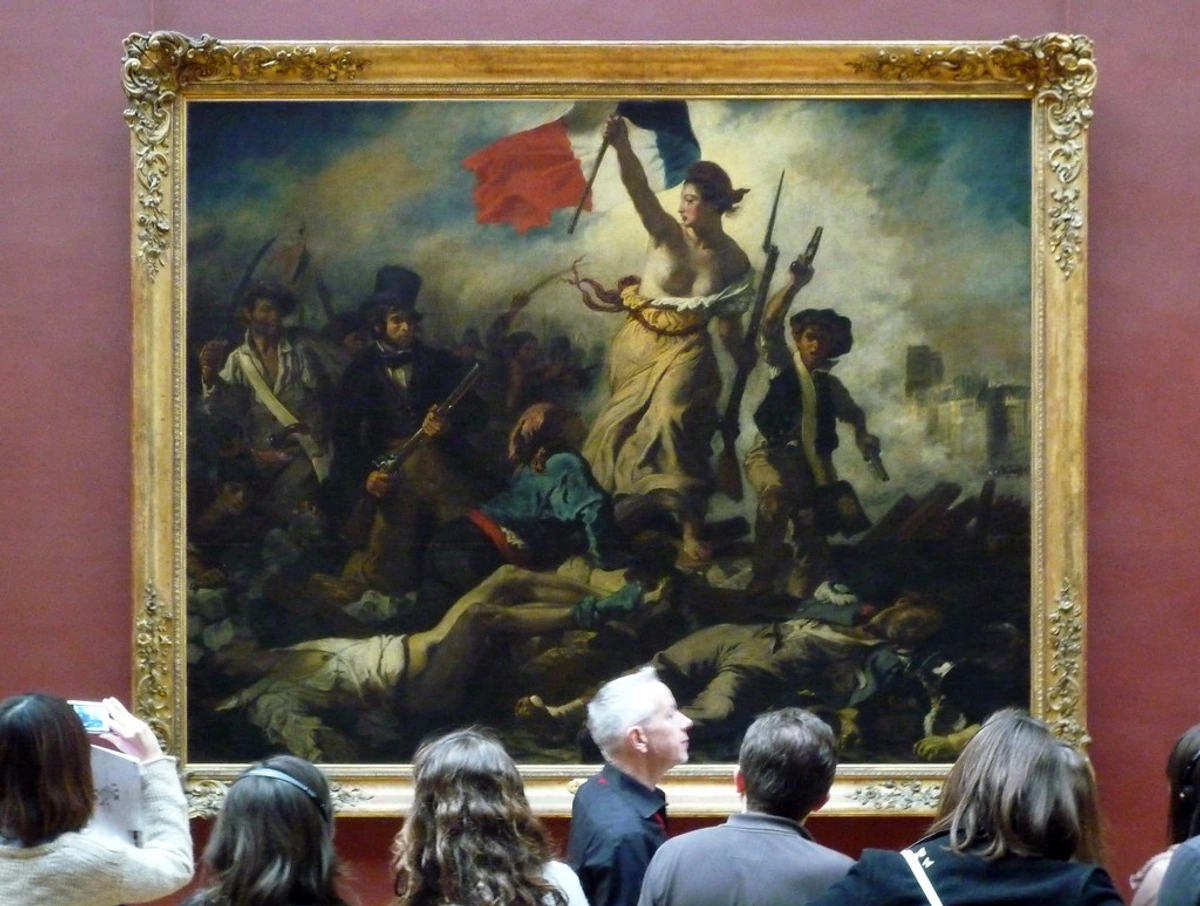
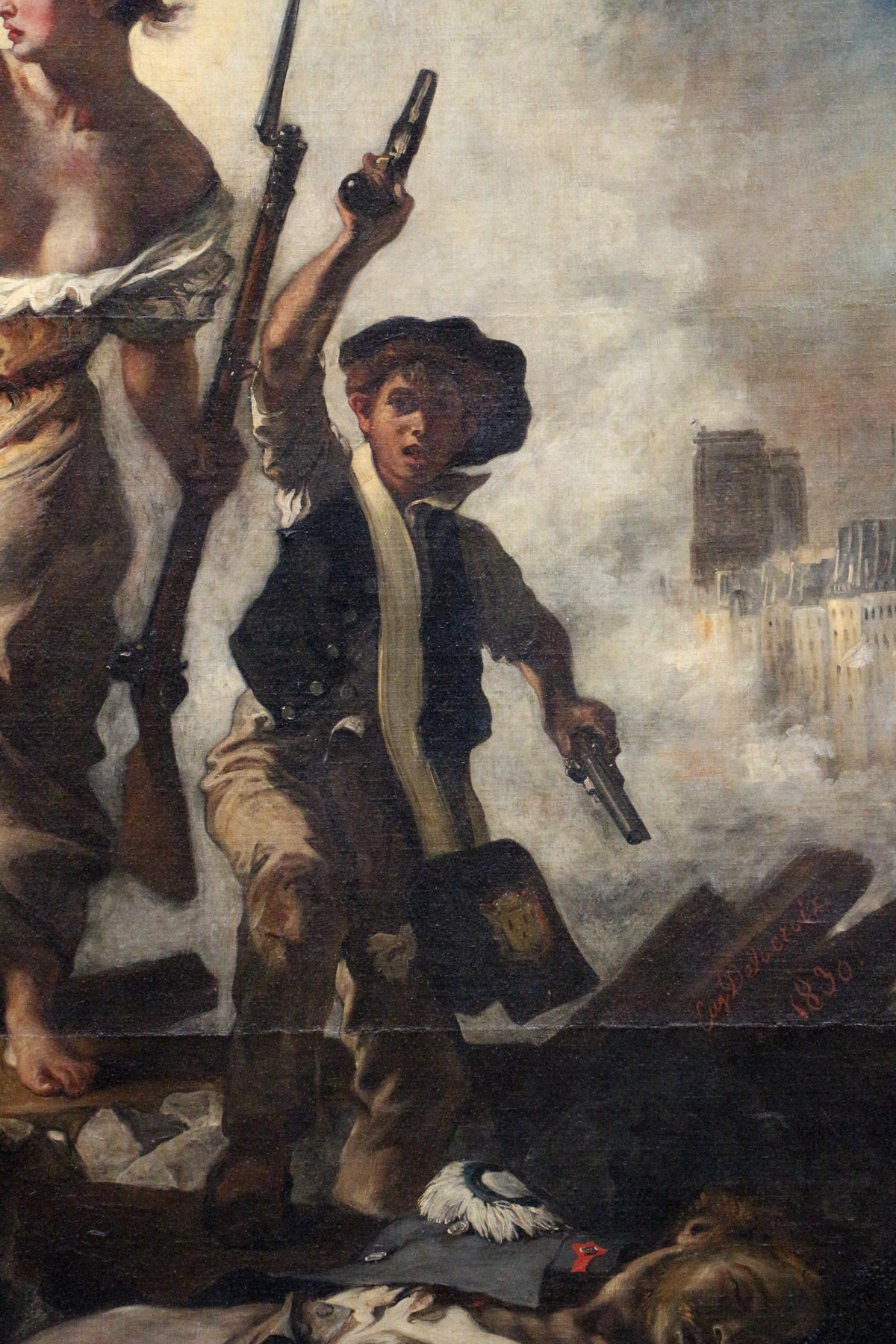
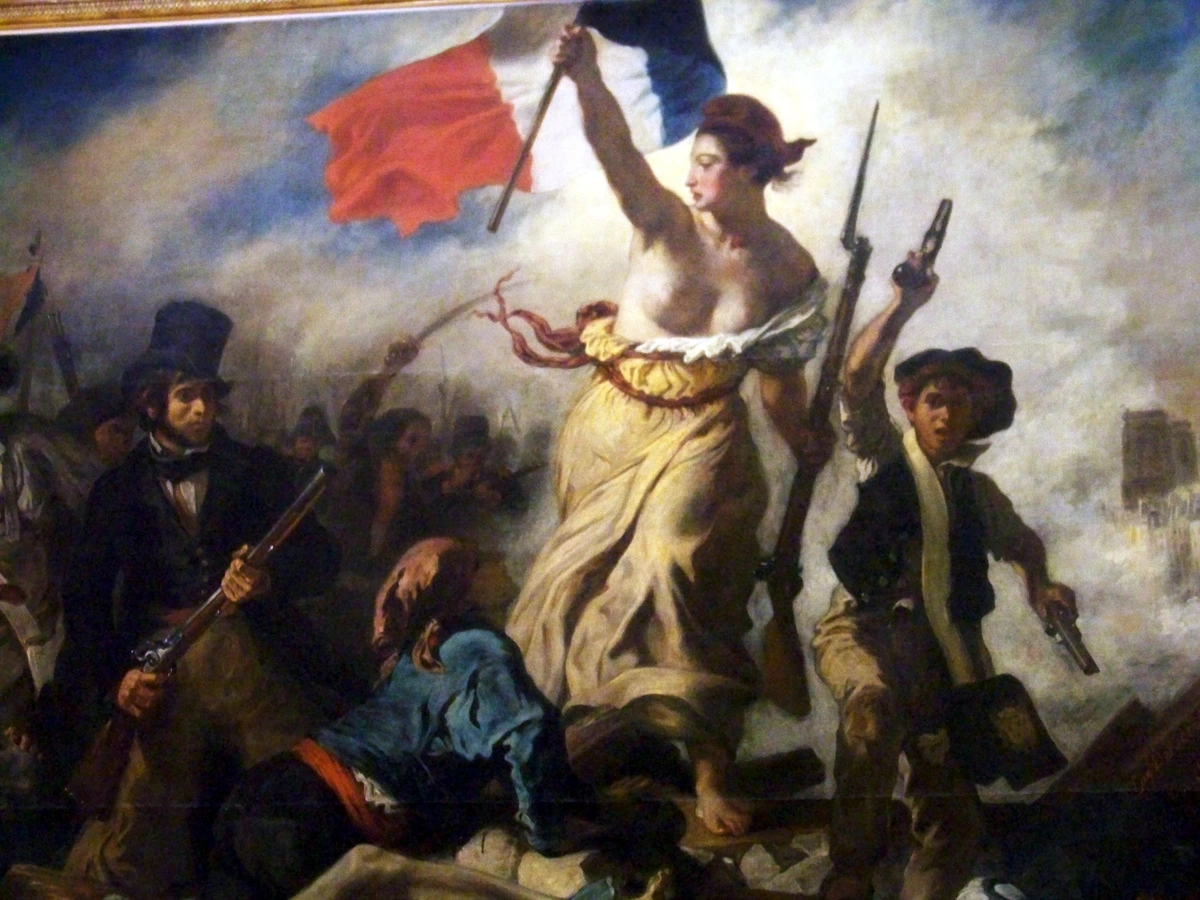
A pro-tip: Study how he transitions. Note how broad, confident strokes for backgrounds give way to tighter, focused details in key areas. It’s like the crescendo of a symphony—everything builds to the emotional peak. In Liberty Leading the People, take a look at Liberty’s gown. Broad, aggressive strokes define the fabric’s movement, but the detail in her determined face is what anchors the entire chaotic scene. The contrast in handling tells a story all by itself—chaos contained by human resolve. And it’s no mistake that his scenes feel so tactile. The thick application of paint, known as impasto, draws you in, makes you feel the weight and pressure of the moment he’s depicting.
3. Composition: Dynamic Tension
Forget static triangles. Delacroix crammed diagonals, plunging perspectives, and figures tumbling off-balance. In Liberty Leading the People, the woman straddles the apex like a lightning rod, guiding chaos downward. His figures aren’t posed; they’re falling, fighting, fleeing. This wasn’t sloppiness—it was calculated instability to mirror societal upheaval.
The classical rules of composition emphasized stability—the pyramid, the frieze, the static arrangement that felt eternal and godlike. Delacroix saw the modern world and decided those rules were a lie. He created what art historians call baroque dynamism, resurrecting the restless energy of Rubens and the Venetian masters, but infusing it with a distinctly modern sense of anxiety. He composes with vectors of force, not just shapes. You can almost draw arrows on his canvases showing the direction of movement, clashes, and counter-clashes of energy.

Key insight: He broke the "picture plane" dramatically. Notice how limbs and flags breach canvas edges. It art invades your space, making you part of the riot. He also masterfully used repoussoir—placing a dark, close-up object (like a corpse in the foreground of Liberty) in the near foreground to push the main action further back in space, creating an almost theatrical, immersive depth. It makes you feel like you're stumbling onto the scene.
4. Symbolism and Storytelling: Hidden Layers
Look beyond the surface. Delacroix piled layers of meaning: Christian martyrdom in Greece on the Ruins of Missolonghi, exoticism as critique in The Women of Algiers. His palette choices carried weight. He famously used lead-based reds (highly toxic, incidentally) for blood, making its visual echo physically heavy and visceral.
Practical takeaway: Ask yourself: What symbols amplify emotion? How can color echo meaning beyond the literal? Your painting’s "subtext" is where art becomes alchemy—the point where mere image transforms into a vessel for complex human feeling and political statement. He wasn’t just depicting an event; he was interpreting it, loading it with enough allegory and personal conviction to ensure it resonated far beyond his own time.
He was a voracious reader of literature, from Dante to Shakespeare to Byron, and these stories provided the narrative backbone for his most powerful paintings. He wasn't illustrating poems; he was translating their dramatic and psychological conflicts into pure visual energy. The choice to paint a scene from Faust, a blood-soaked battle from Byron, or a fantastical exotic scene from his own travels was never just decorative. It was a way to smuggle high-stakes human drama onto the canvas.
Why This Still Matters for Artists Today
"So what? I’m not painting dying aristocrats," you say. Ah, but you are. Or rather, you’re painting your dying aristocrats—your anxieties, your digital chaos, your quiet rebellions against whatever feels sterile in your own world. Delacroix’s principles are timeless not because we’re all painting lions and revolutions, but because his toolkit was designed for one thing: making paint feel alive. Translating raw, messy life onto a two-dimensional surface. And in that struggle, every modern artist can find a kindred spirit—a master urging you to be bolder, messier, and more emotionally honest.
His rebellion is embedded in the DNA of modern visual culture. That dynamic splash on a contemporary abstract painting? That’s a direct descendant of his brush. The searing color palette of a blockbuster movie poster or a video game environment? That’s his color theory, democratized. The emotional rawness of a protest graphic or the kinetic energy of a character in a Pixar film? It all flows from the same desire to make the static image vibrate with life and meaning.
Technique  | Modern Application | Example |
|---|---|---|
| Simultaneous Contrast | Bold social media graphics, vibrant UI design | Neon pop against deep teal on a brand’s Instagram post |
| Dynamic Brushwork | Textured abstract art, expressive digital illustration | Thick paint swirls in a contemporary abstract painting |
| Unstable Composition | Cinematic character poses, dynamic event photography | Diagonal layouts in film posters or fashion editorials |
| Symbolism | Brand storytelling, album art, protest graphics | A logo with a shape that hints at a larger meaning, political muralism |
| Expressive Color Use | Art direction in film, gaming environments, and interior design | A film’s color grade evoking specific mood, a dramatic video game sunset |
| Impasto/Texture | Street art, sculpture, and digital texture overlays | A graffiti artist using heavy layers of spray paint, 3D design textures |
| Thematic Narrative | Animation, concept art, and editorial illustration | A short film exploring themes of loss or rebellion, evocative album art |
| Chiaroscuro (Light/Shadow) | Cinematography, game lighting design, portrait photography | A film noir aesthetic, a horror game’s monster reveal, moody portraiture |
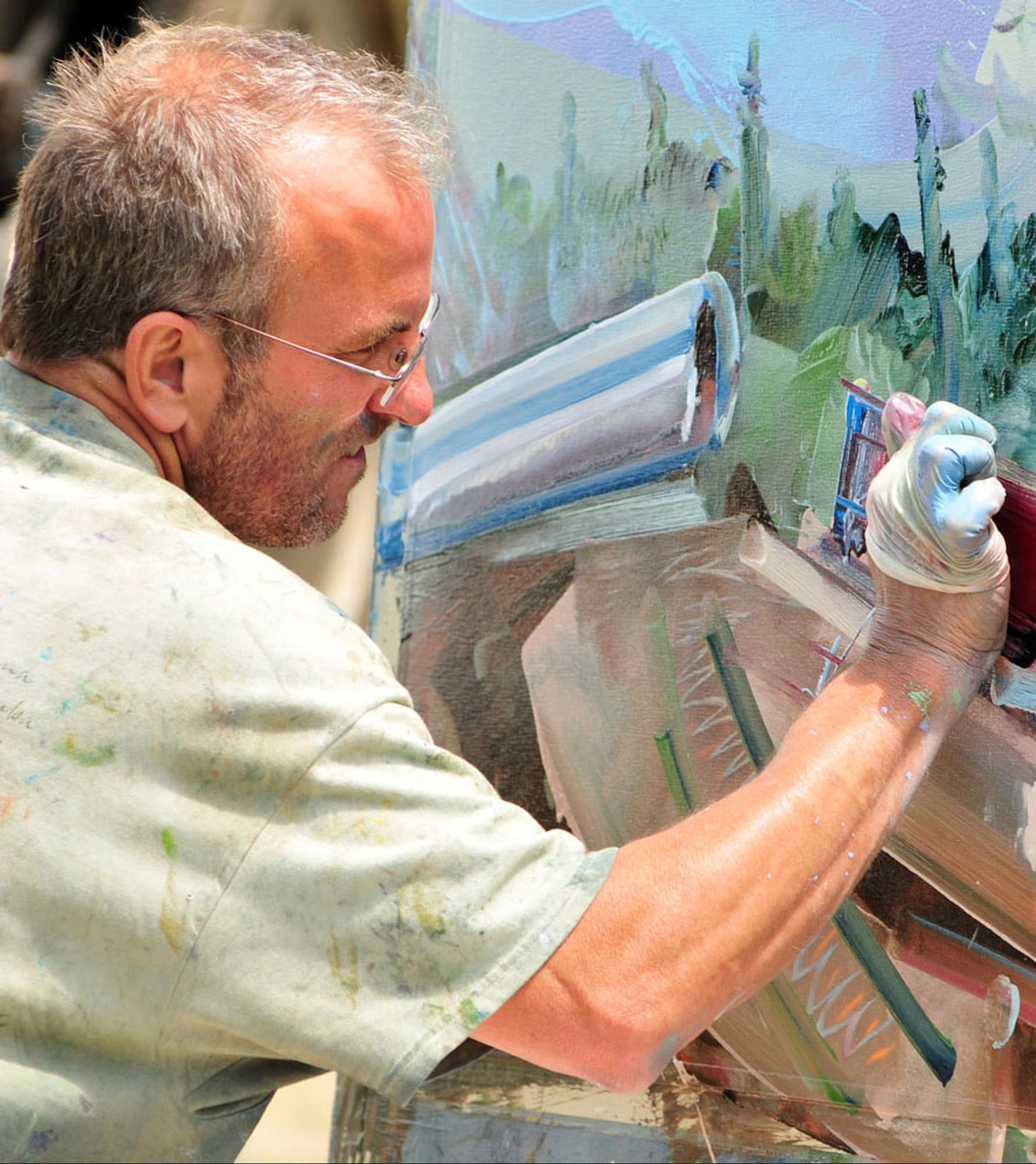
His rebellion echoes in everything from graphic design to animation. Your chaotic sketchbook? That’s Romanticism. That visceral rush when you mix unexpected colors? Delacroix approved. Even if you’re a digital artist, slinging pixels instead of oils, his lessons are more relevant than ever. The way he prioritized emotional truth over sterile accuracy is the same instinct that separates good photography from truly great, evocative images. He’s a ghost in the machine of modern visual culture.
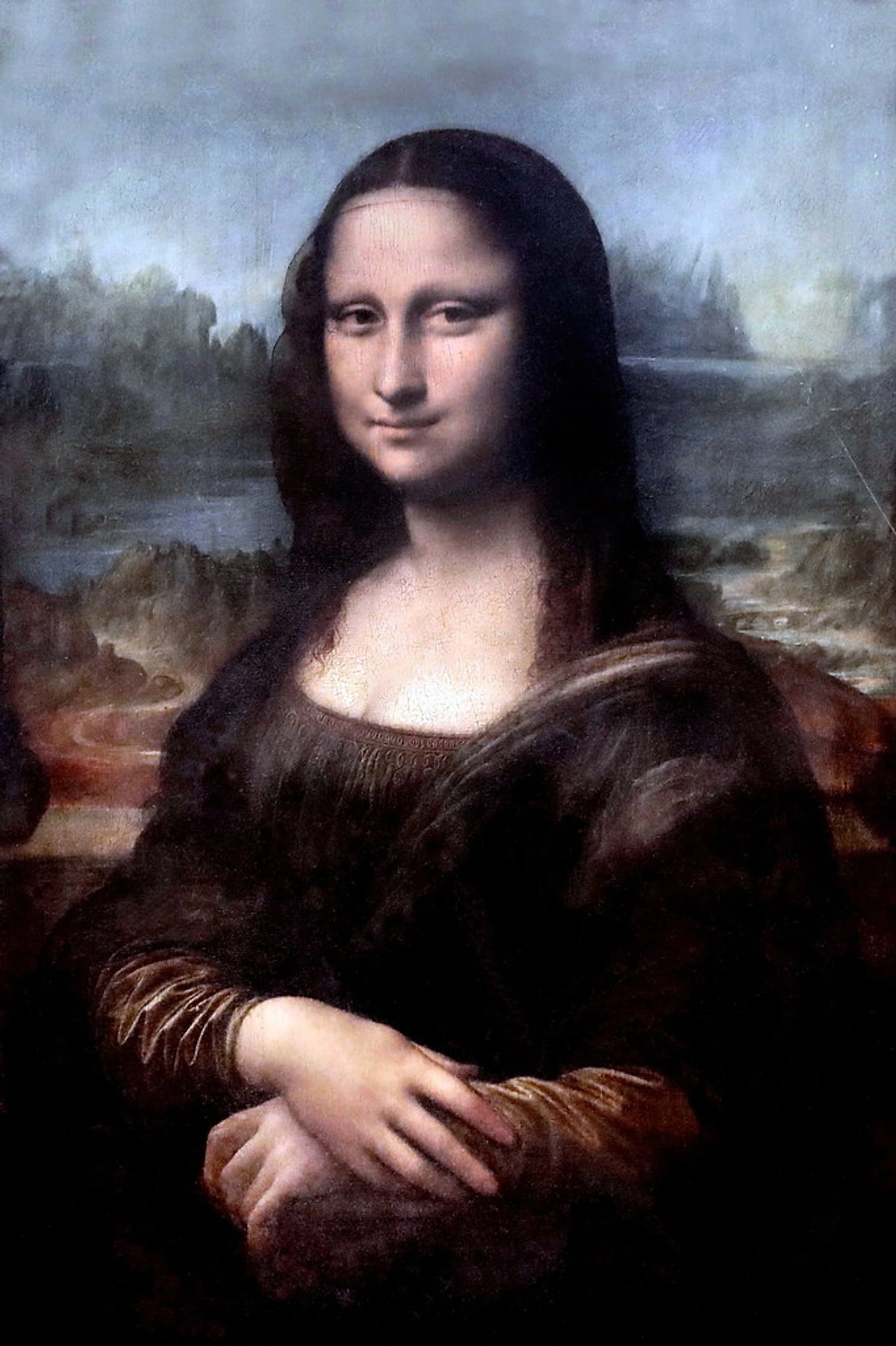
Public Domain, Louvre
FAQ: Demystifying Delacroix
Q: Was Delacroix self-taught? A: Not really! He studied under Pierre-Narcisse Guérin, but he burned those academic bridges fast. His real teachers were Rembrandt, Rubens, and travel—especially trips to Morocco that ignited his love for light and pattern. He was part of a generation obsessed with studying the Old Masters, but where others saw rules, Delacroix saw a playbook of human emotion to be adapted and modernized.
Q: Why are his colors so bright? Wasn’t he against Neoclassicism? A: Exactly! Neoclassicism used muted tones for "noble" subjects, as if history should be viewed through a veil of solemn respect. Delacroix used brightness to evoke passion, not perfection. He wanted a red that felt like a wound, a gold that glittered with decadence. His 1832 travels to Morocco were a revelation—the North African light and vibrant local clothing gave him a real-world laboratory for pushing pigments to their rawest, most vivid limits, a palette that felt alive rather than studied.
Q: Did he invent Impressionism? A: No, invention is rarely so straightforward. But he was undoubtedly their rebel grandpa. His emphasis on light’s effect on color, his loose preparatory brushwork, and his passion for plein air sketching directly paved the way for Monet and Renoir. The famous rivalry between Delacroix and Jean-Auguste-Dominique Ingres—the great champion of Neoclassical line—set the stage for this shift. He famously called Ingres "the father of cats" (a dig at his stiff, precise portraits) while his own brushstrokes felt electrically alive, a philosophy that would define the Impressionist movement decades later.
Q: Can I apply his techniques digitally? A: Absolutely! The core principles are universal. Simultaneous contrast is the foundation of striking graphic design and web design. Dynamic, unbalanced compositions are what make motion graphics and film poster art so compelling. Even textured brush stamps in software like Photoshop or Procreate are a direct digital descendant of his empasto. The real challenge isn’t the medium—it’s the philosophy. Can you use your tools to pursue truth over trend, emotional impact over sterile perfection?
Q: What is Delacroix’s most important painting? A: While Liberty Leading the People is his most iconic work, many art historians and artists point to The Death of Sardanapalus as his ultimate technical and emotional masterpiece. It’s a swirling vortex of color, chaos, and human drama—the absolute peak of his Romantic vision. It’s less a painting and more a staged apocalypse, a total synthesis of all his revolutionary techniques.
Q: How did Delacroix influence modern art? A: His influence is staggering, stretching far beyond Impressionism. His focus on the artist’s subjective, emotional response laid the groundwork for the Symbolists and Expressionists. His embrace of exotic "Orientalist" subject matter, though problematic by today’s standards, opened Western art to a whole new world of inspiration. Painters from Cézanne and Van Gogh to Picasso and the Abstract Expressionists all owe a debt to his radical freedom with brush and palette. He helped pry art away from the academy and redirect it toward the turbulent, messy inner life of the artist.
Parting Thought: Your Rebellious Canvas
The Artist's Mind: Delacroix's Writings and Philosophy
Much of what we know about Delacroix's methods and mindset comes from his extensive journals. These weren't just records of his day; they were his intellectual workshop. He poured his soul into them: detailed notes on color theory, critiques of music by Mozart, sketches from his travels, and endless self-reflection. One recurring theme is his obsession with what he called "the beautiful," a quality he felt was separate from mere prettiness. For him, real beauty was truth, especially tragic truth.
He wrote at length about the artist's need for solitude and introspection, but also for passionate engagement with the world. He constantly debated the role of reason versus imagination. He believed that the initial spark of genius had to be channeled through rigorous craft. Reading his journals, you get a sense of a man deeply committed to his art not as a career, but as a form of spiritual and philosophical inquiry. He was a thinker who painted and a painter who thought, refusing to accept that the two were separate.
Five Lessons from Delacroix's Journals:
- Observe Relentlessly: His pages are filled with notes on how shadow looks on a white horse, how dust swirls in a street fight, how light changes the color of a wall. He was a sponge, constantly absorbing the visual data of the world.
- Work is Everything: He was skeptical of waiting for inspiration. For him, the daily discipline of drawing, thinking, and experimenting was what unlocked creativity. Inspiration finds you working.
- Synthesis is Key: He didn't just copy what he saw. He combined it with memories of other art, with literature, with music, creating new visual ideas from a vast personal library of references.
- Doubt is Part of the Process: His writing is filled with self-criticism and uncertainty. He understood that creative confidence isn't the absence of doubt, but the willingness to work through it.
- Art is a Conversation: He saw himself as part of a long tradition, "in conversation" with the great masters. He wasn't trying to erase the past; he was trying to contribute his own unique verse to its ongoing story.
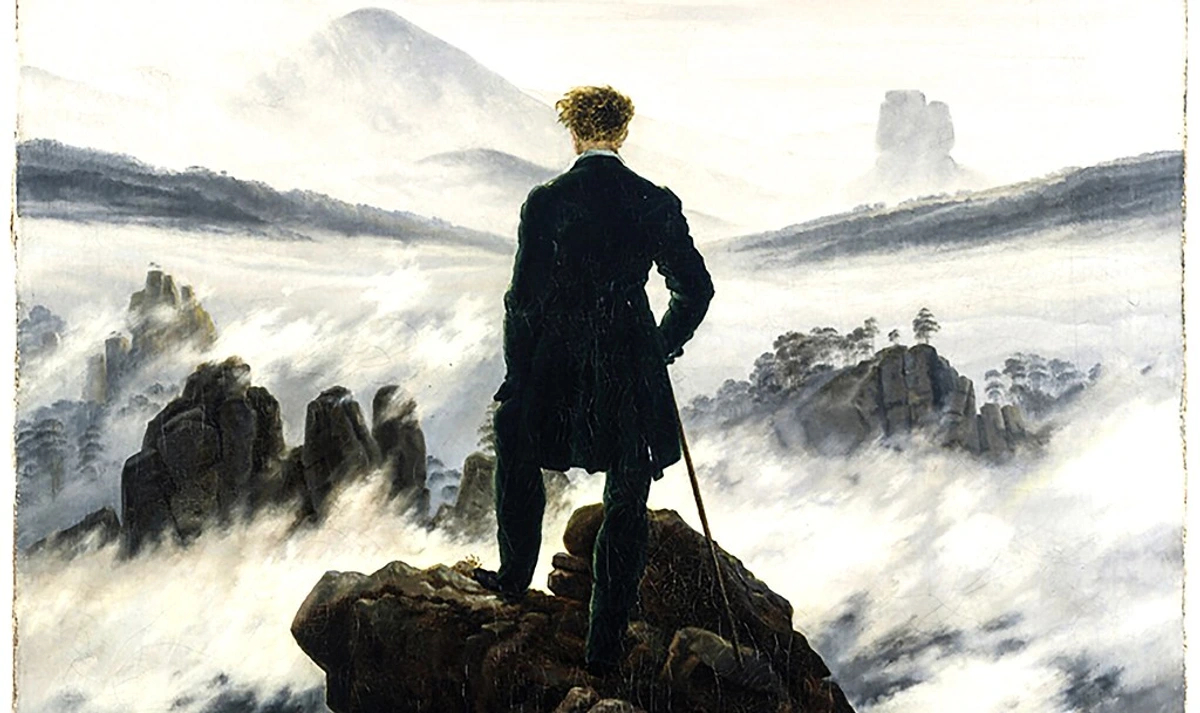


Go smear some pigment wildly. Break a picture plane. Use color like a weapon. The art world is starved for your particular brand of chaos. But first, do what he did. Go to the museum. Stand in front of the work that confuses or angers you, and ask yourself what it’s really trying to say. Study the brushstrokes in a Rembrandt, feel the tension in a Friedrich. Master your craft, then figure out how to make it roar. Rebellion without discipline is just noise. But discipline charged with rebellion? That’s how you make thunder.