
Who Was Eugène Delacroix? The Revolutionary Painter Who Redefined Color & Emotion
Discover Eugène Delacroix, the 19th-century French artist whose passionate brushstrokes and use of color ignited Romanticism. Exploring his life, masterpieces, and enduring artistic legacy.

Who Was Eugène Delacroix? The Revolutionary Painter Who Redefined Color & Emotion
You know that moment when you stand in front of painting and your throat catches? Colors exploding off the canvas, turmoil boiling in every brushstroke? That’s Eugène Delacroix’s magic. He wasn’t just painting; he was wringing souls onto canvas. I’ve spent hours with his work in museums—that visceral, gut-punch reaction? That’s Delacroix in a nutshell. But who was this enigmatic maestro who turned the art world upside down? Let’s dive in.
The Spark: Delacroix’s Early Life
Born in 1798 in Charenton-Saint-Maurice (just east of Paris), Delacroix’s childhood was a turbulent backdrop for an artist. Picture this: Napoleonic wars, political chaos, and a mother who died when he was only 7. Oof. Heavy stuff, right? But it forged his lens. His father—a diplomat—steered him toward law, but Delacroix? He was scribbling in sketchbooks like it was life support.
Here’s a fun tangent: I used to hate art history as a kid, too much dry dates and dead guys. But Delacroix’s story? It’s raw. Failed the École des Beaux-Arts entrance exam. Twice. Yet here we are, centuries later, calling him a giant. See? Talent finds a way, even when bureaucracy says “nope.”
The Big Bang: Delacroix's Artistic Breakthrough
Alright, so where was I? Oh right—this kid who couldn't get into art school was about to blow everything wide open. The year was 1822, and Delacroix dropped his first major work, Dante and Virgil in Hell, at the Paris Salon. Let me tell you, people didn't know what hit them. This wasn't your polite, polished Neoclassical stuff they were used to. This was raw, chaotic energy.
I stood in front of a reproduction once, trying to understand what all the fuss was about. Here's the thing: Delacroix wasn't just painting a scene from Dante's Inferno—he was painting fear. You can feel those writhing bodies, that desperate clawing at the boat. The colors aren't decorative; they're emotional. That's what the critics missed at first. They saw "messy"; Delacroix saw truth.
Suddenly, this failed art school applicant was the talk of Paris. Not that he cared much about approval—Delacroix had this complicated relationship with fame. He wanted recognition, sure, but on his terms. The guy kept journals filled with self-doubt and artistic philosophy, which honestly, makes me like him more. It's nice knowing even the greats questioned themselves.
The Masterpiece That Changed Everything
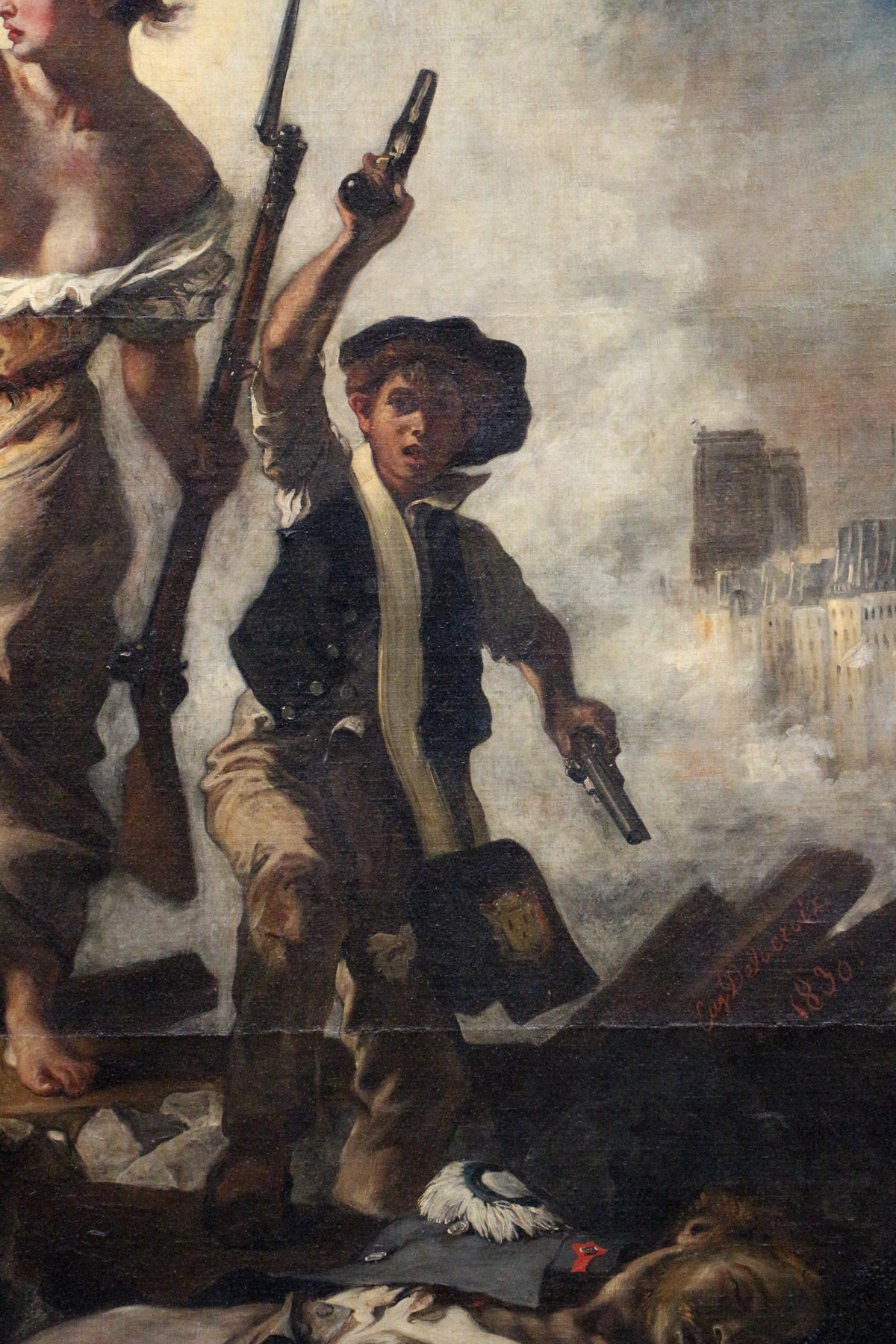
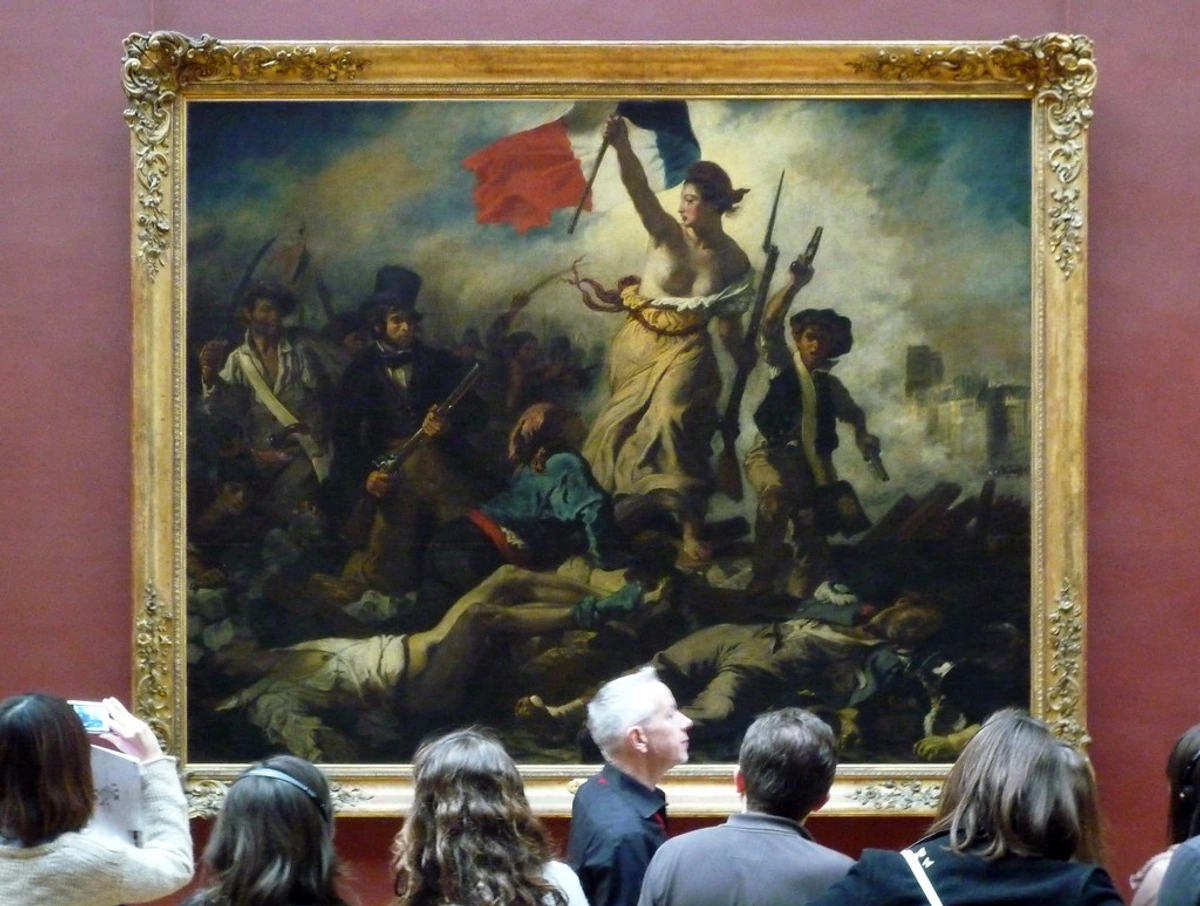
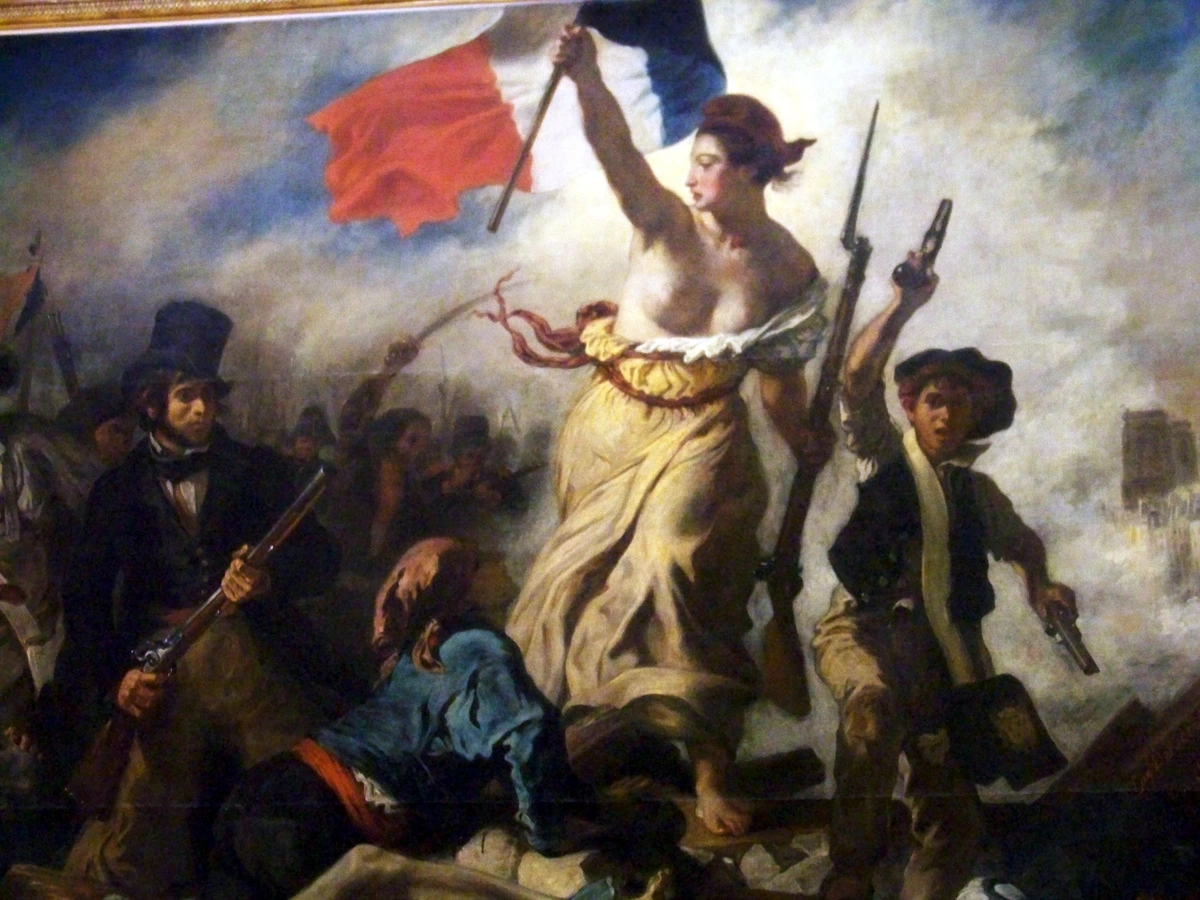
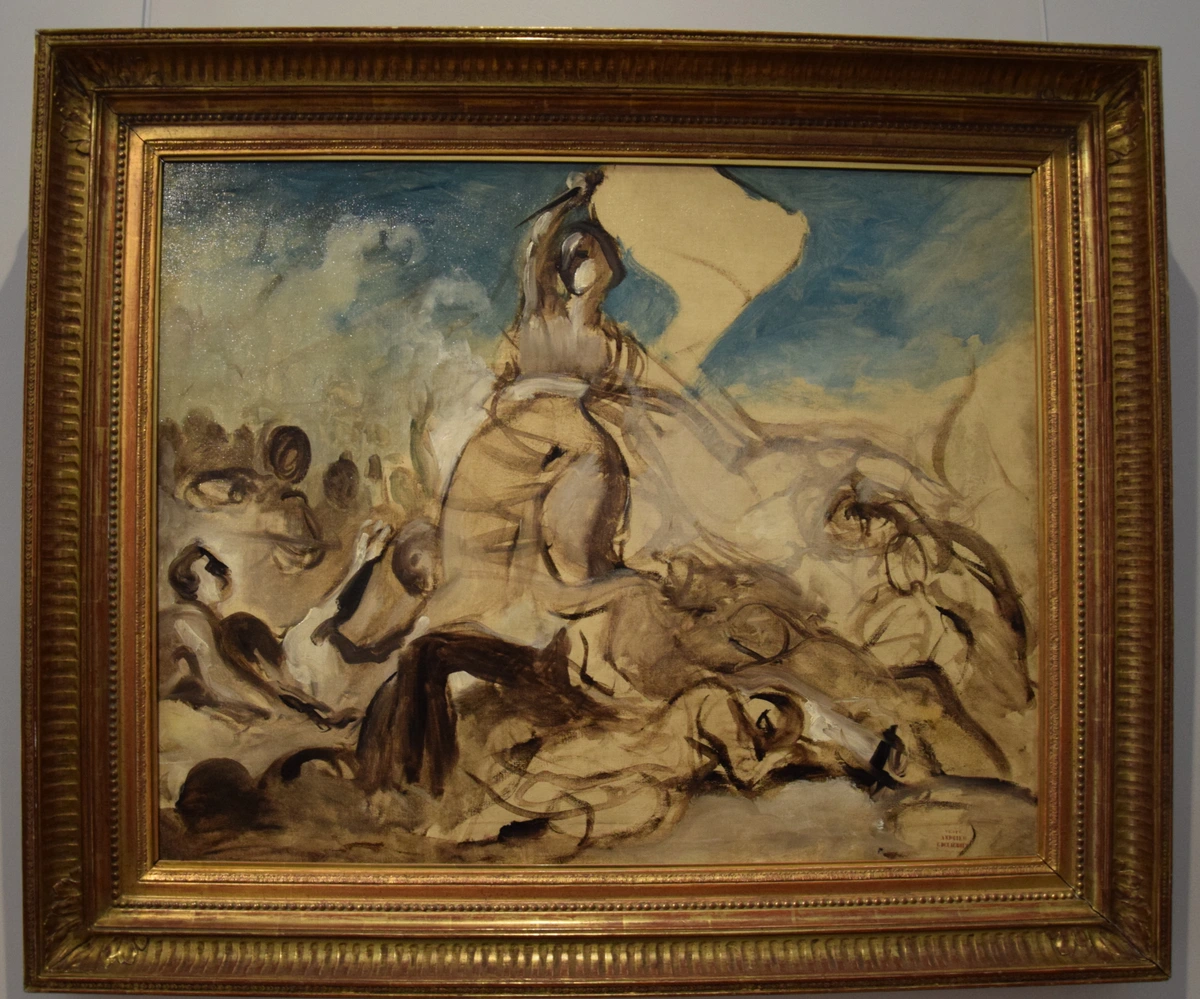
You can't talk about Delacroix without mentioning Liberty Leading the People (1830). I mean, this painting is practically the poster child for French Romanticism. Imagine standing before it—this monumental figure of Liberty, breasts bared, clutching the tricolor, leading a diverse crowd over barricades. It's not just propaganda; it's alive.
What fascinates me is how Delacroix painted himself into the scene. See that guy in the top hat with the rifle? That's him. He wasn't just documenting the July Revolution—he was participating in it, at least artistically. There's something beautifully meta about that, don't you think? An artist literally inserting himself into history as he paints it.

But here's what most people miss: the painting was actually controversial. The French government bought it, then promptly hid it away for decades. Too revolutionary, too dangerous. Meanwhile, Delacroix was like, "Cool, I'll just paint something even more provocative." The man had no chill, and I respect that.
Key Works of Eugène Delacroix
Year  | Artwork | Significance | Current Location |
|---|---|---|---|
| 1822 | Dante and Virgil in Hell | Breakthrough piece, rejected by critics then celebrated | Musée du Louvre, Paris |
| 1824 | Massacre at Chios | First major scandal, criticized for "ugliness" | Musée du Louvre, Paris |
| 1830 | Liberty Leading the People | Icon of French Romanticism, symbol of revolution | Musée du Louvre, Paris |
| 1827 | The Death of Sardanapalus | Ultimate Romantic excess, condemned as barbaric | Musée du Louvre, Paris |
| 1832-1833 | Women of Algiers in Their Apartment | Fascination with Orientalism, color mastery | Musée du Louvre, Paris |
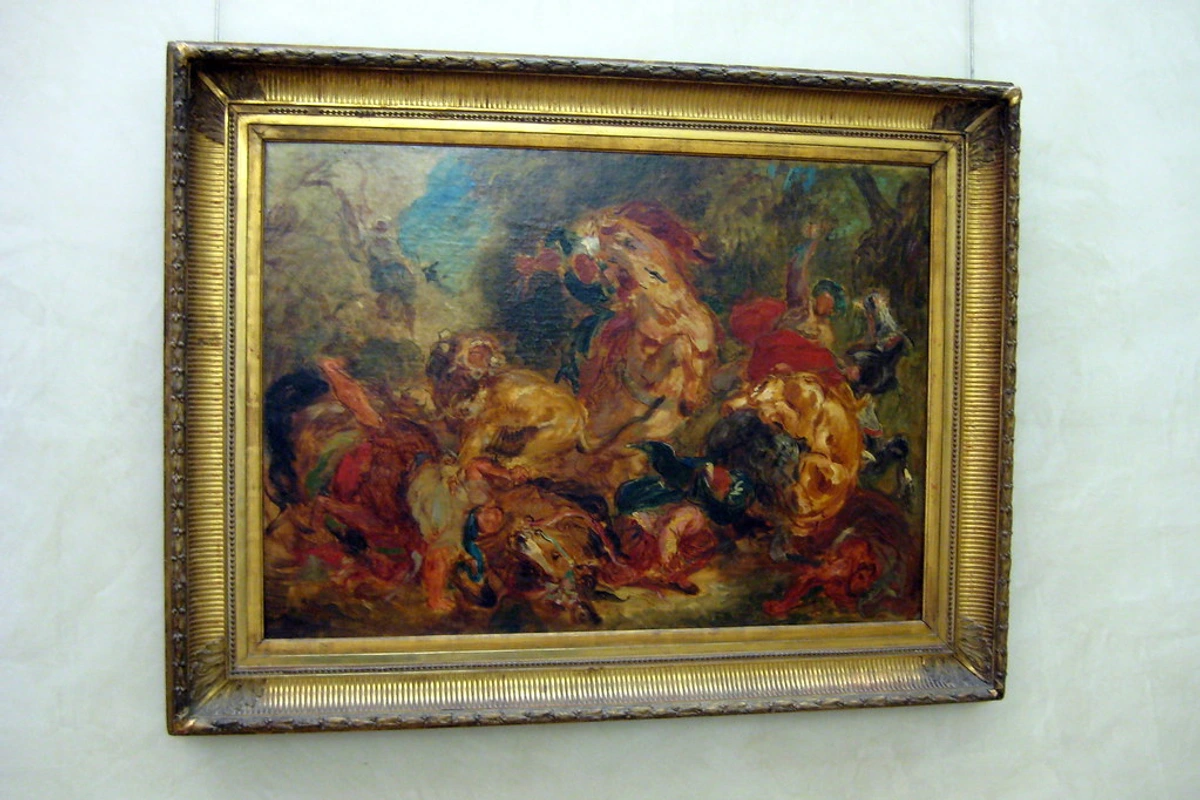
| 1854-1855 | The Lion Hunt series | Dynamic movement, wild energy | Various museums |
The Color Revolutionary: Delacroix's Technique
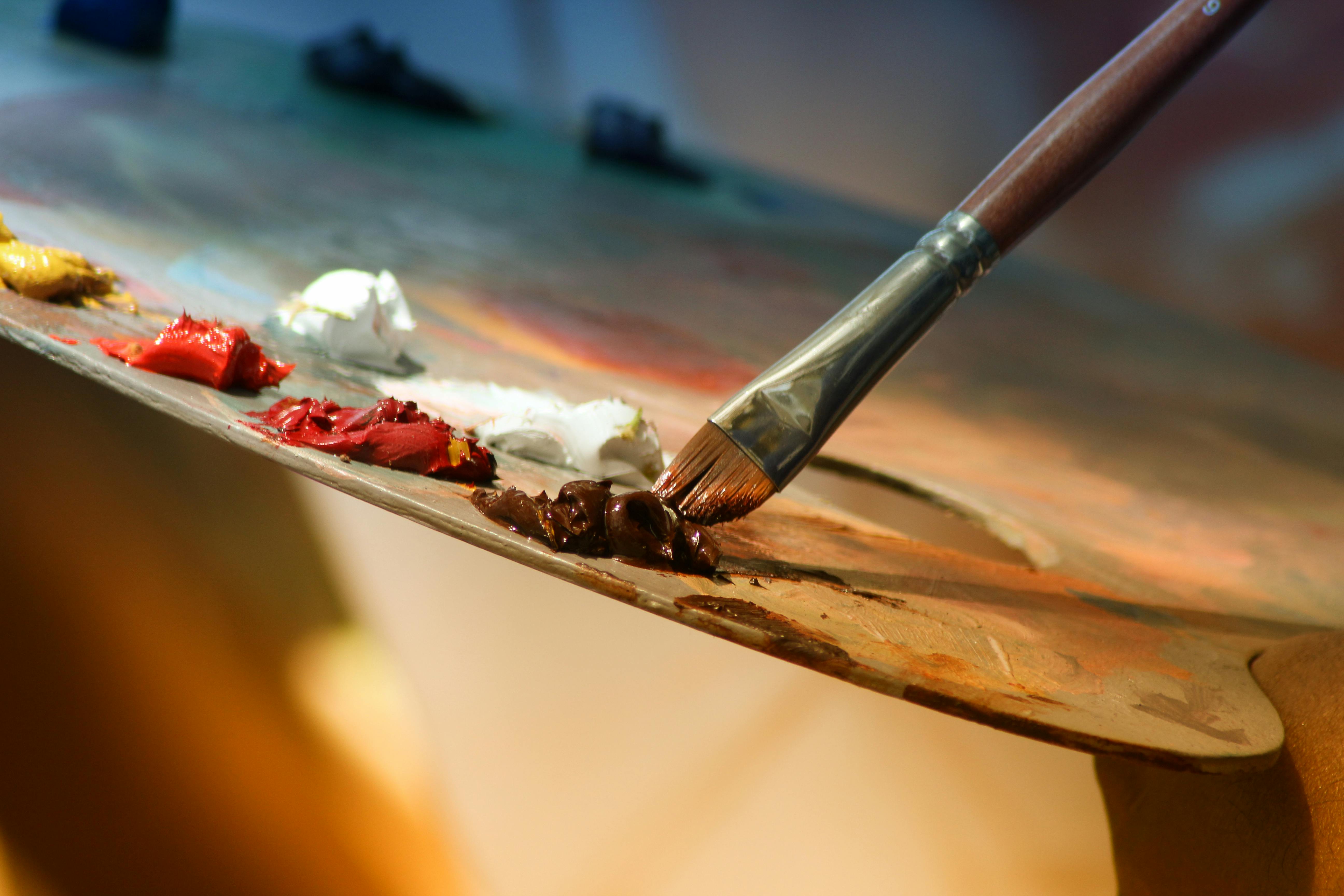
Here's where things get technical, but stay with me—this stuff is genuinely cool. Delacroix was obsessed with color theory way before it was cool to be obsessed with color theory. He'd spend hours mixing pigments, testing how colors behaved next to each other. The guy was basically a mad scientist with a paintbrush.
Unlike his rival Ingres (we'll get to him in a minute), who believed line and drawing were supreme, Delacroix thought color was the soul of painting. He didn't just paint things their "actual" colors—he painted them the colors they felt like. See a figure in shadow? Don't just add black. Add complementary colors. Make it vibrate. This approach directly influenced the Impressionists who came later.
I tried this once in my own work, just playing with color temperature instead of value. Let me tell you, it's harder than it looks. Delacroix made it look effortless, but those journals of his reveal endless experimentation. He'd paint the same scene repeatedly, just to see what happened if he shifted the light source or adjusted the palette. That's dedication.
Delacroix vs. Ingres: The Great Art Rivalry
Aspect | Delacroix (Romanticism) | Ingres (Neoclassicism) |
|---|---|---|
| Primary Focus | Color, emotion, movement | Line, drawing, form |
| Subject Matter | Exotic, dramatic, contemporary | Mythological, historical, idealized |
| Style | Loose, expressive brushwork | Smooth, polished finish |
| Philosophy | Art should move the soul | Art should elevate the mind |
| Legacy | Precursor to Impressionism | Influenced academic tradition |
This rivalry wasn't just artistic—it was personal. They insulted each other publicly, competed for the same commissions, represented completely opposing visions of what art should be. Ingres called Delacroix the "devil in painting." Delacroix, being Delacroix, probably took it as a compliment.
Beyond the Canvas: Travels and Inspiration
In 1832, Delacroix did something that would change his art forever: he went to North Africa. Morocco, Algeria—places that, to a Parisian artist, were basically another planet. This wasn't some tourist vacation, either. He was part of a diplomatic mission, which gave him access to scenes most Europeans never saw.
What struck him wasn't the "exotic" spectacles he expected—it was the dignity and beauty of everyday life. The Women of Algiers in Their Apartment isn't some fantasy harem scene; it's an intimate, respectful glimpse into private space. The colors! The patterns! The light! Delacroix filled notebook after notebook with sketches and observations. This trip fueled his work for years.
I've always been fascinated by how travel changes an artist's perspective. You see things differently when you're outside your comfort zone. Delacroix returned to Paris with a visual language that was richer, more complex, and undeniably his own. That's the thing about genuine inspiration—it doesn't just give you new subjects; it transforms how you see everything.
The Later Years: Triumph and Isolation
By the 1850s, Delacroix wasn't the revolutionary outsider anymore—he was the establishment. He got major commissions, including murals for the Church of Saint-Sulpice and the Louvre's Apollo Gallery. The guy who couldn't get into art school was now decorating its most prestigious spaces. There's a satisfying irony in that.
But fame didn't bring happiness. Delacroix grew increasingly isolated, spending more time in his studio than in Parisian salons. His health declined—he'd had respiratory issues his whole life—but his output didn't slow. If anything, his later work became more confident, more masterful. The Lion Hunt paintings from this period are absolutely ferocious.
What gets me about his later years is how aware he was of his own legacy. Those journals I mentioned? They weren't just personal ramblings—they were deliberately preserved as a record of his artistic philosophy. Delacroix wanted future generations to understand not just what he painted, but why. That's the mark of someone who understands they're part of something bigger than themselves.
Delacroix's Enduring Influence
So why should you care about some French guy who died in 1863? Because Delacroix fundamentally changed how we think about art. The Impressionists—Monet, Renoir, all of them—studied his color experiments. The Symbolists dug into his emotional intensity. Even abstract expressionists owe something to his belief that painting should express internal states, not just depict external reality.
I see his influence everywhere in contemporary art. The idea that color can be subject matter itself? That's Delacroix. The notion that brushwork carries emotional weight? Also Delacroix. The courage to paint what you feel rather than what you see? Delacroix, Delacroix, Delacroix.
When I stand in front of his work now, I don't just see a 19th-century painter. I see someone who was asking the same questions artists still grapple with: How do you translate human experience into visual form? How do you make paint breathe? How do you capture something true?
Frequently Asked Questions About Eugène Delacroix
Was Delacroix actually the illegitimate son of Talleyrand?
Okay, this is the juiciest art history gossip, and I have to address it. There's persistent speculation that Delacroix's biological father was Charles-Maurice de Talleyrand-Périgord, the famously cunning French diplomat, not the man legally recognized as his father, Charles Delacroix. The timeline works out—Talleyrand was close to the family, and Eugène bore a striking resemblance to him.
Here's the thing: we'll probably never know for sure. DNA testing isn't happening (as far as I know). But does it matter? Delacroix was raised in the Delacroix household, and his art wasn't shaped by biology but by experience, education, and his own relentless drive. Still, it's fun to imagine that one of history's most shrewd politicians might have fathered one of its most passionate artists.
Why was Delacroix so controversial in his time?
Imagine showing up to a fancy dinner party in ripped jeans and a t-shirt when everyone else is in black tie. That was basically Delacroix in the Paris art world. His work violated every rule of "good taste" as defined by the Neoclassical establishment. Too much color, too much emotion, too much chaos.
Critics called him "the leader of the new French school of painting"—which was not a compliment. They thought his work was barbaric, unfinished, morally suspect. The Death of Sardanapalus was literally described as "the fanaticism of ugliness." Harsh. But Delacroix understood something his critics didn't: art isn't about being polite. It's about being true to something essential.

What made Delacroix's approach to color revolutionary?
This is the technical stuff that makes art nerds like me excited. Before Delacroix, most painters used color decoratively—to make things look pretty or realistic. Delacroix used color emotionally. He understood that warm colors advance and cool colors recede, that complementary colors create vibration, that color temperature can communicate mood.
He'd place strokes of pure red next to pure green not because that's what things "looked" like, but because that's what created the visual energy he wanted. This was radical. The Impressionists would later systematize these ideas, but Delacroix was there first, working it out intuitively. His color theories, recorded in those journals, are still studied today.

Did Delacroix ever marry or have children?
Nope. Delacroix never married and had no known children. This wasn't unusual for artists of his time—many devoted their lives entirely to their work. What's interesting is that his journals reveal a rich inner life and deep emotional capacity, even if he didn't channel it into traditional family life.
He did have romantic relationships, most notably with his model Elisabeth Salter, who appears in several of his works. But ultimately, his primary commitment was to art. I've often wondered if his work was his way of having children—creating something that would outlive him.
How many paintings did Delacroix create?
Delacroix was incredibly prolific. We're talking over 6,000 works—that's paintings, drawings, watercolors, and lithographs combined. The sheer volume is mind-boggling, especially considering how carefully he planned and executed each piece.
What impresses me isn't just the quantity but the range. From intimate portraits to massive murals, from delicate watercolors to explosive oil paintings, from historical scenes to contemporary events. The man could do it all. How many artists today can claim that kind of versatility?
Where can I see Delacroix's paintings today?
If you want to see Delacroix in person, Paris is obviously ground zero. The Musée du Louvre has the largest collection, including Liberty Leading the People and Women of Algiers. The Musée Delacroix, located in his former apartment and studio, offers a more intimate look at his work and process.
But you don't have to go to France. Major museums worldwide hold significant Delacroix works—the Metropolitan Museum of Art in New York, the National Gallery in London, the Hermitage in Saint Petersburg. His art traveled far beyond France, and his influence did too. If you're anywhere near a serious art museum, chances are there's a Delacroix waiting for you.
The Final Word: Why Delacroix Still Matters
So, who was Eugène Delacroix? A failed art school student who became the defining painter of his generation. A color revolutionary who taught artists how to see differently. A complicated, brilliant man who poured his soul onto canvas and changed art forever.
I keep coming back to that feeling I described at the beginning—that throat-catching moment when you stand in front of a Delacroix. That's not just admiration; it's recognition. He painted something about what it means to be human—all the passion, fear, beauty, and chaos of it. He painted it in a way that still reaches across centuries and grabs you by the lapels.
Art history is full of names and dates and movements, but every once in a while, you encounter someone who transcends all of that. Someone whose work feels urgent, necessary, alive. Delacroix is one of those artists. He didn't just paint the 19th century—he painted something eternal.





The next time you're in a museum and see that dramatic, colorful, slightly chaotic canvas, stop. Really look. Let yourself feel whatever it wants you to feel. That's what Delacroix would have wanted. Not admiration, not analysis—connection.
Because in the end, that's what all great art is about. Not technique, not theory, not fame. Connection. And nobody understood that better than Eugène Delacroix.