
The Art of Wondering: Cultivating Intellectual Curiosity
Dive into the artist’s mind and discover actionable ways to cultivate the intellectual curiosity that deepens your connection to contemporary art.

The Art of Wondering: Cultivating Intellectual Curiosity
I'll be honest, the phrase 'intellectual curiosity' used to make me picture a dusty library and someone in a tweed jacket pontificating about things no one else understands. It felt like homework. But then I realized something, standing in front of a canvas that was just a slash of crimson on a field of grey: the real work of curiosity isn't about being smart; it's about being brave enough to not know. It's the simple, profound act of asking, 'What if?'
That question is the starting pistol for everything interesting in art. It’s what transforms a glance into a gaze and a room of objects into a conversation with souls across time and space. So, let's talk about how to cultivate that curiosity. Not as a chore, but as a practice. As an art.
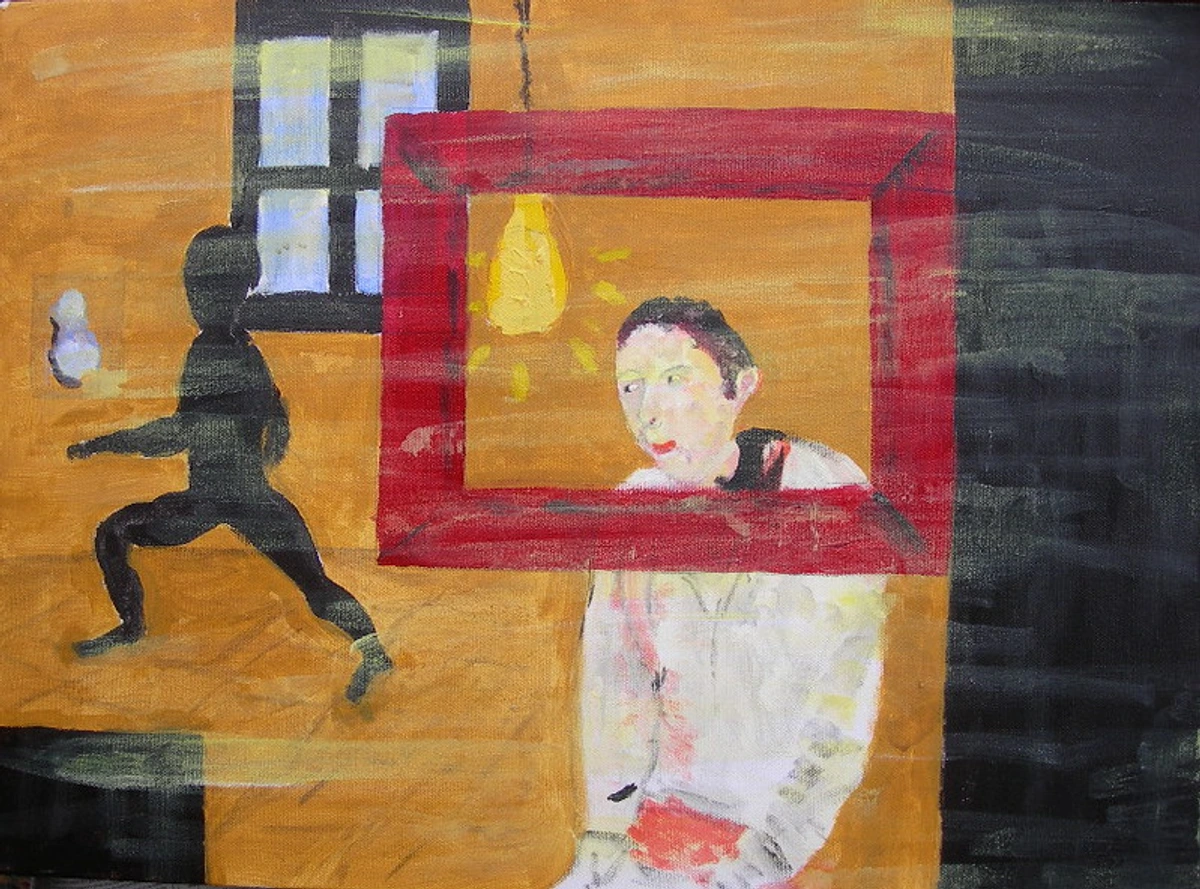
What is Intellectual Curiosity, Really?
Think of it as a mode of seeing. It’s the difference between looking at a cloud and saying, "That's a cloud," and looking at it and wondering, "If that cloud had a taste, what would it be? If it was a feeling, would it be nostalgia or anxiety? How did the artist capture the weight of it with just oil and pigment?"
It's a muscle, not a trait you're born with. And like any muscle, it atrophies without use. In our world of hot takes and instant opinions, we're often rewarded for having a quick judgment, not for asking a deeper question. Cultivating curiosity is an act of rebellion against that snap judgment. It's about allowing yourself to be puzzled, fascinated, and even wrong.
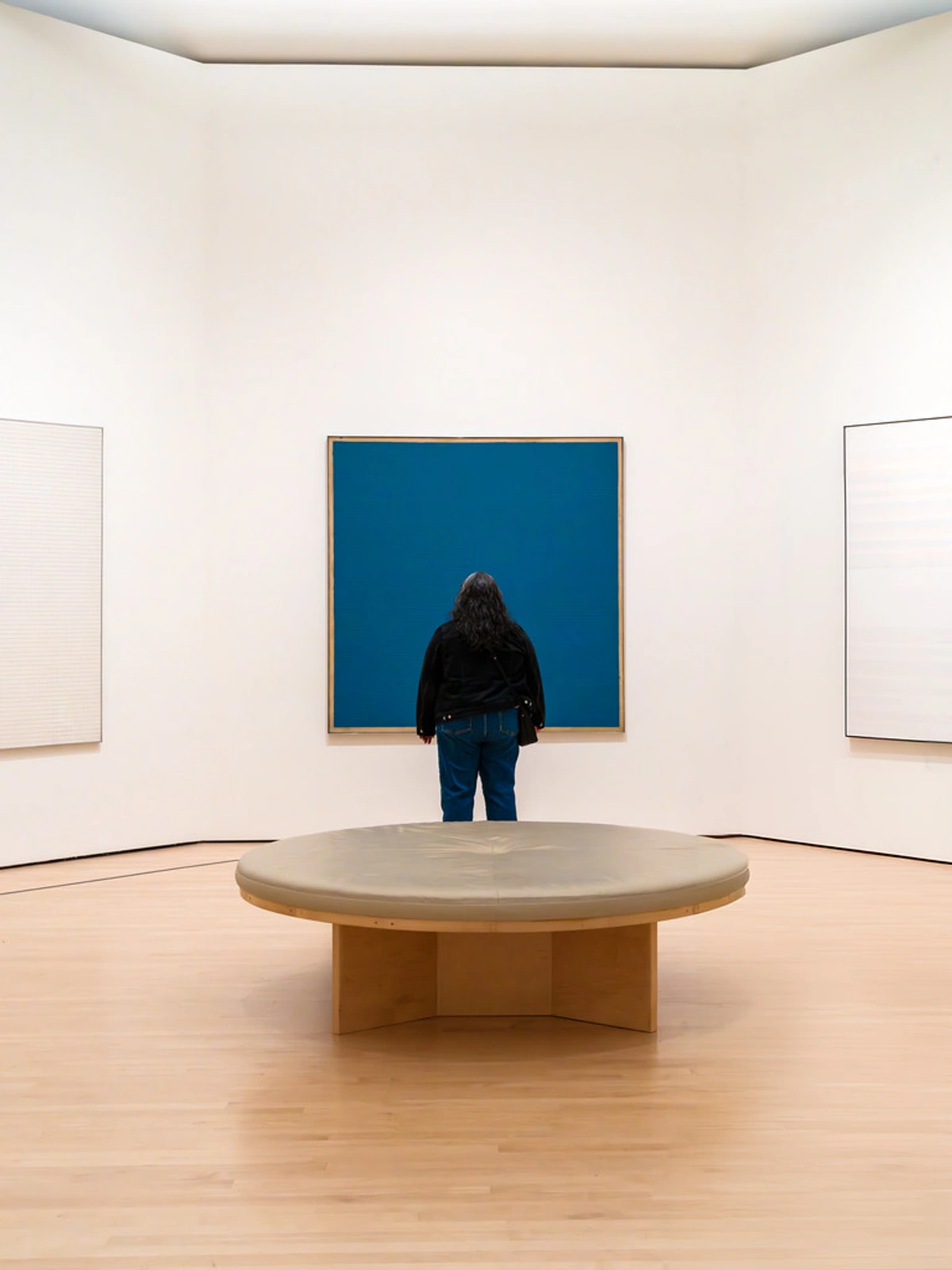
It's about moving from passive consumption—walking through a museum and thinking 'I like that' or 'I don't get it'—to active dialogue. The curious viewer doesn't just see the painting; they wonder about the hand that made it, the world it was born from, and the thoughts it sparks in their own mind.
The Neuroscience of Wonder
Before we dive into practical frameworks, here's something fascinating: intellectual curiosity literally changes your brain. When you encounter something puzzling or novel, your brain releases dopamine—the same chemical associated with pleasure and reward. This creates what neuroscientists call the "exploration bonus," making the act of seeking understanding inherently pleasurable.
This explains why that moment of confusion in front of challenging art can feel oddly exciting rather than frustrating. Your brain is essentially saying, "Ooh, a puzzle! Let's figure this out." This is why children are naturally curious—their brains are wired for exploration. As adults, we have to consciously reclaim this capacity.
Research also shows that curious people have better memory retention. When you're genuinely curious about something, you're more likely to remember details about it later. This has profound implications for art collecting—curiosity doesn't just make the experience more enjoyable; it makes you more knowledgeable over time.
The Information Gap Theory
There's a concept in psychology called the "information gap theory" that perfectly explains what's happening here. The theory, developed by researcher George Loewenstein, suggests that curiosity arises when we become aware of a gap between what we know and what we want to know. That gap creates a sort of cognitive itch that we're driven to scratch.
Here's the interesting part: the gap needs to be just the right size. If it's too small (you already almost know the answer), you're not curious. If it's too large (the topic seems completely incomprehensible), you're overwhelmed, not curious. The sweet spot is when you know enough to understand that there's something interesting there, but not enough to satisfy your interest.
This is exactly what happens when you encounter a piece of art that's intriguing but not immediately obvious. You know enough to recognize it as art, to see its formal qualities, but not enough to "get it" completely. That gap is what pulls you in. It's why abstraction can be so powerful—it creates that perfect-sized information gap.
Brain States and Art Viewing
Neurologist Marcus Raichle's research identified what's called the "default mode network"—a network of brain regions that becomes active when we're not focused on the outside world. It's associated with daydreaming, remembering the past, and thinking about the future. When you're looking at art and your mind starts wandering, making personal connections, or drifting into memory, that's your default mode network lighting up.
But here's what's fascinating: studies using fMRI scans show that when people view art they find moving or beautiful, there's increased connectivity between the default mode network and the visual cortex. It's as if the brain is integrating external visual information with our internal world of memories, emotions, and associations.

This might explain why looking at art can feel so personal and so universal at the same time. The artwork provides the visual stimulus, but your brain brings your entire life experience to bear on that encounter. Two people can look at the same painting and have completely different but equally valid experiences because their default mode networks are connecting the visual information to different personal histories.
The Social Brain and Gallery Experiences
There's also something happening socially. When you're in a gallery or museum, your brain is processing not just the art but the presence of other people looking at art. Research shows that shared aesthetic experiences activate brain regions associated with social cognition and empathy.
The "chameleon effect"—our tendency to unconsciously mimic the posture, expressions, and behaviors of others—might explain why curiosity can feel contagious in a gallery setting. When you see someone else leaning in, tilting their head, or spending a long time with a piece, it encourages you to do the same. We're social creatures, and our curiosity is shaped by the curiosity of those around us.
This is why I sometimes seek out busy museums rather than empty ones. There's something energizing about being in a space where dozens of people are actively engaged in the work of looking and wondering. It creates a collective field of attention that's palpable and inspiring.
Of course, this can also work against us—if everyone is quickly passing by a piece, we might unconsciously do the same. This is where developing your own independent curiosity practice becomes crucial. You're learning to maintain your own attention regardless of what others are doing.
Let's get practical. How do we move from theory to practice?
The Four Pillars of Artistic Inquiry
These aren't rules. They're more like lenses you can switch between to see a piece of art from new angles. I think of them as my personal toolkit for staying engaged.
I developed these pillars over years of looking at art and teaching others how to look. They emerged from a basic frustration: most guides to art appreciation either focused entirely on formal analysis (line, color, composition) or entirely on context (history, biography, theory). But my actual experience of looking at art was never that simple. It was always a messy back-and-forth between what I was seeing, what I was feeling, what I knew, and what I thought.
These four pillars are my attempt to name and structure that messy process. They're not meant to be followed rigidly. In fact, I often find myself moving between them in non-linear ways. Sometimes I'll start with personal response (Pillar 2) which sends me back to look more carefully (Pillar 1). Sometimes a piece of context (Pillar 3) completely changes my interpretation. Sometimes I circle through all four multiple times with the same piece.
The goal isn't perfection or comprehensiveness. The goal is simply to give yourself more ways to engage, more doors into the work. When you feel stuck or bored with a piece, switching to a different pillar can open up entirely new dimensions.
Think of these pillars as different "modes" of attention you can activate. You don't need to use all four every time you look at art—that would be exhausting. Instead, practice moving between them. Some days you might focus on just one pillar. Other times you might cycle through all four. The goal is flexibility, not perfection.
Here's a quick reference for how these pillars connect to different aspects of art appreciation:

Pillar  | Primary Focus | Key Question | Time Required |
|---|---|---|---|
| What Am I Seeing? | Formal Analysis | "What are the facts?" | 2-5 minutes |
| What Is It Asking Me? | Personal Response | "How does this make me feel?" | 3-7 minutes |
| Where Did It Come From? | Historical Context | "What's the story here?" | 5-10 minutes |
| What Do I Think and Feel? | Critical Reflection | "What do I really believe?" | Ongoing |
How the Pillars Work Together: A Simple Analogy
If you think of encountering art like meeting a fascinating stranger at a party:
- Pillar 1 is noticing they have green eyes and are wearing a vintage watch—basic observations.
- Pillar 2 is sensing they make you feel energized and slightly unsettled—your gut reaction.
- Pillar 3 is learning they fought in a war and now make pottery—the backstory.
- Pillar 4 is deciding what you actually think of them and whether you want to become friends.
The magic happens in the dance between these modes. Sometimes a piece of context from Pillar 3 will completely reframe what you see in Pillar 1. Sometimes your strong emotional reaction from Pillar 2 will push you to dig deeper into Pillar 4. The goal isn't a checklist; it's an ongoing conversation.
1. Ask 'What Am I Actually Seeing?'
This is the foundational layer of looking. Before diving into meaning, stick to the facts.
I think of this as developing "visual literacy"—the ability to accurately see and describe what's actually present in the artwork, separate from interpretation or evaluation. It's surprisingly difficult. We're so conditioned to jump immediately to "do I like this?" that we often don't really see what's there.
The Formal Elements Checklist
When I'm really trying to see a piece, I mentally work through this checklist:
- Line: Are the lines sharp and geometric, or soft and flowing? Are they bold and confident, or hesitant and sketchy? Are there outlines defining forms, or do forms emerge from color and value? Are the lines primarily horizontal (calm, stable), vertical (assertive, imposing), or diagonal (dynamic, energetic)?
- Color: What's the palette—warm or cool, bright or muted, limited or varied? Is there a dominant color that sets the mood? Are there accent colors that create points of interest? How does the color make you feel physically—warm, cold, energized, calm? Are there any color relationships that seem important (complementary colors creating vibration, analogous colors creating harmony)?
- Shape and Form: Are the shapes geometric (circles, squares, triangles) or organic (irregular, natural)? Are they flat and decorative, or do they create an illusion of three-dimensional form? Are the edges crisp or soft? Are shapes repeated or varied? Are they large and imposing or small and intricate?
- Value: What's the range from light to dark? Is there strong contrast creating drama, or subtle gradations creating atmosphere? Where is the light source or implied light? Are there deep shadows or is everything evenly lit? Does the value pattern guide your eye in particular ways?
- Texture: Is the surface smooth or textured? Can you see the artist's hand in brushstrokes, marks, or gestures? If it's a photograph, how does the texture of the subject matter affect the feel of the piece? If it's a sculpture, how does the material's texture invite or resist touch? Is there actual physical texture, or just the illusion of texture?
- Composition: How are the elements arranged? Is there a clear focal point, or multiple points of interest? Is the composition balanced symmetrically or asymmetrically? How does your eye move through the piece—are there leading lines, repeated shapes, or areas of contrast that pull your attention? Is the space deep or shallow? Is the viewpoint conventional or unusual?
- Scale and Proportion: What are the actual dimensions of the piece? How does the scale affect your experience—is it intimate, immersive, overwhelming? Are there unusual proportions that create tension or harmony?
Medium and Material Awareness
Pay attention to what the work is made of and how that affects your experience. A delicate watercolor creates different expectations than a massive welded steel sculpture. An original drawing has the artist's direct touch, while a print carries different qualities. A digital piece raises questions about reproduction and authenticity. The medium isn't just a technical detail—it shapes the work's meaning and impact.
The Practice of Pure Description
Here's an exercise I return to regularly: spend five minutes describing a piece to yourself as if you were describing it to someone over the phone who can't see it. Force yourself to stick to observable facts. Don't interpret, don't evaluate, don't psychoanalyze the artist. Just describe.
You might start with something like "It's a rectangular canvas, about 4 feet by 6 feet. The background is a deep, warm black. There are vertical bands of color—mostly blues and greens—ranging from thin lines to wide stripes..." and so on.
This practice seems simple, but it's transformative. It forces you to slow down and actually see. You'll notice details you would have otherwise missed. You'll discover that what you initially thought was "just a blue painting" actually contains dozens of different blues, or that what looked random is actually carefully structured.
Most importantly, this foundation of accurate seeing becomes the basis for everything else. Without it, your interpretations and emotional responses are just floating in air, disconnected from the actual object that provoked them. As artist Sol LeWitt said, "The idea becomes a machine that makes the art." Your careful seeing becomes the machine that makes your understanding.
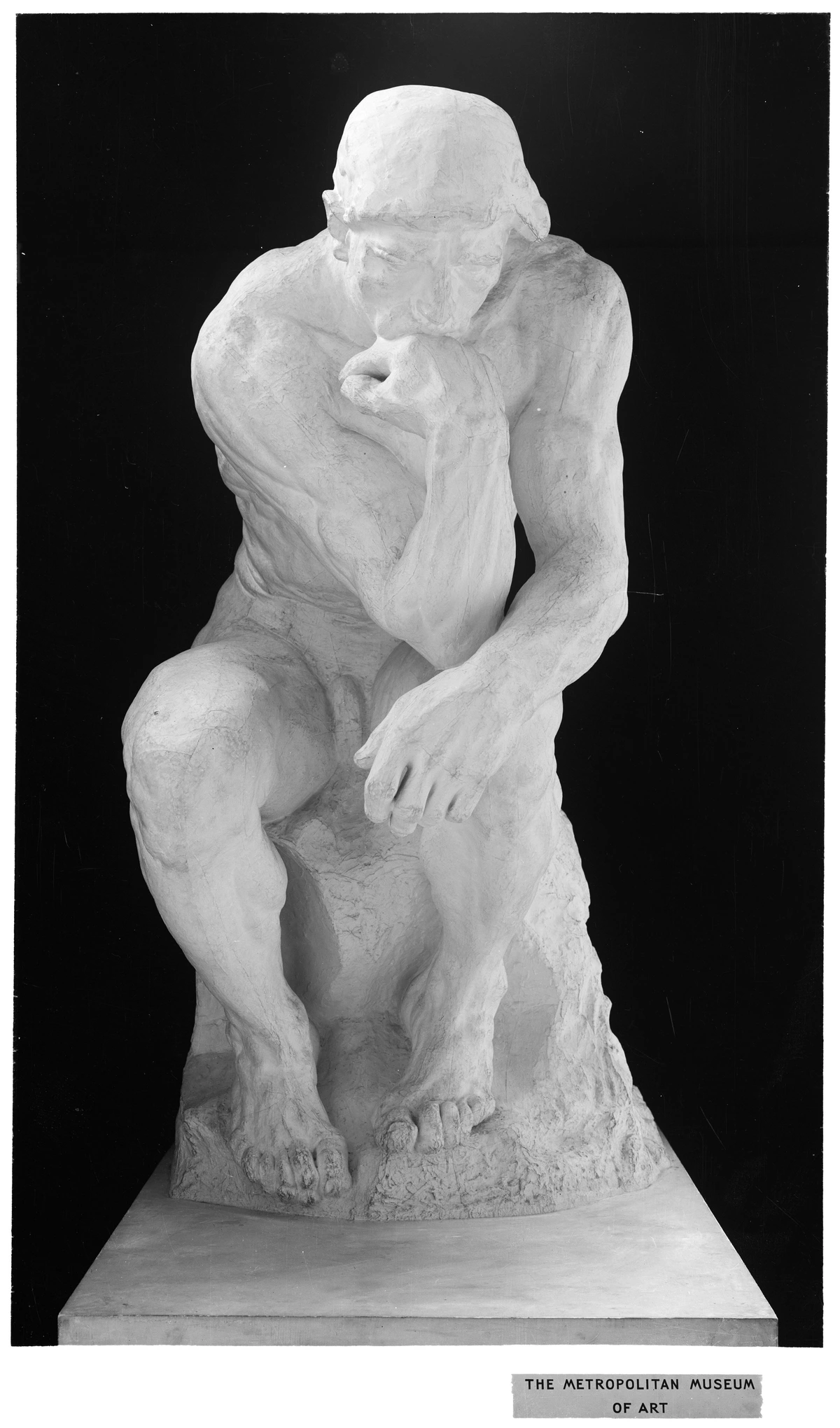
- Identify the formal elements: What are the dominant colors? Is the line work aggressive and sharp, or fluid and soft? Are the shapes geometric or organic?
- Consider the medium: Is it a print, an oil painting, an original? Each carries the artist's intent differently. An original has the history of the artist's hand literally embedded in the paint.
- Notice the details: Is there a small, repeated symbol? A deliberate brushstroke that seems out of place? A texture that draws you in?
Don't analyze yet. Just collect data. It’s like being a detective at the scene of a beautiful crime. You’re gathering clues before you even know what the mystery is.
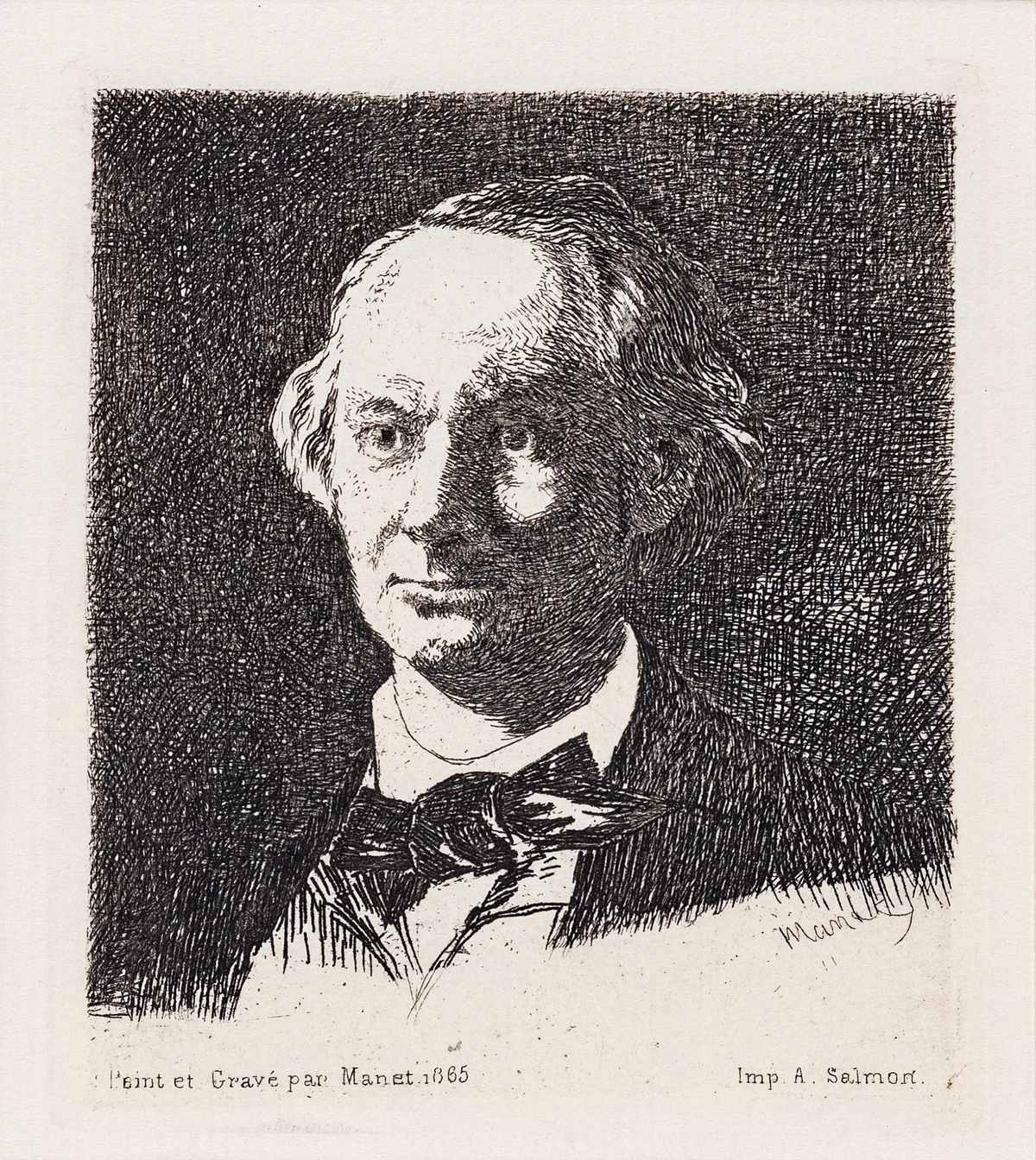
2. Ask 'What is it Asking Me?'
Art isn't a statement; it's a question posed to you. The canvas is asking you to complete a circuit. It provides the spark, but you have to provide the current of your own experience. This is where art becomes personal—not because you make it about you, but because you allow it to resonate with your particular human experience.
When I say art asks questions, I don't mean it literally poses interrogatives (though some conceptual art does exactly that). I mean it creates a space of indeterminacy that demands your participation to resolve. A great artwork never gives you everything. It always holds something back, creating room for you to enter.
Embodied Response: Feeling Art in Your Body
Before you try to "understand" a piece intellectually, pay attention to how it affects you physically. Your body often knows things your mind hasn't yet articulated.
When you stand before a piece, notice:
- Posture and breathing: Do you find yourself standing up straighter, or hunching forward? Is your breathing deep and relaxed, or shallow and tense? Are your shoulders tight or loose?
- Movement impulses: Do you feel drawn to move closer, or to step back? Do you want to lean in, tilt your head, crouch down? Your body's impulse to move in certain ways is valuable information about how the work affects you.
- Sensation and mood: Does the piece create particular feelings in your body—a warmth in your chest, a tension in your jaw, a lightness in your limbs, a heaviness in your stomach? These are somatic responses that precede conscious interpretation.
- Energy and rhythm: Does the work feel fast or slow, energetic or calm, rhythmic or arrhythmic? Does it seem to pulse, vibrate, flow, or stutter?
I remember standing in front of a Franz Kline painting once—those huge, aggressive black brushstrokes on a white ground. My immediate intellectual response was to analyze the composition, but my body responded differently. I felt it in my shoulders and jaw, a kind of physical tension that mirrored the tension in the painting. Only later did I realize I was literally mirroring the painting's energy in my own musculature. The painting wasn't just something I was looking at; it was something I was embodying.
This is why slow looking matters. If you just glance at a piece and move on, you never give yourself time to notice these subtle physical responses. But if you stay with a piece for five, ten, fifteen minutes, you'll start to notice how it's working on you at levels deeper than conscious thought.
Association and Memory
Art triggers associations. A color might remind you of your grandmother's kitchen, a composition might echo a childhood memory, a mood might recall a particular time in your life. These associations aren't distractions from the art—they're part of how art works.
The key is to notice these associations without getting lost in them. You don't want to spend your time in front of the artwork just reminiscing about your grandmother's kitchen, but you also don't want to suppress those associations. They're bridges between the artwork and your lived experience.
I find it useful to differentiate between associations that seem genuinely connected to the artwork and associations that are just random mental chatter. If I keep thinking about my grocery list while looking at a Rothko, that's probably just distraction. But if the color field in the Rothko reminds me of a particular sunset I once saw, and that association deepens my engagement with the color, then it's valuable.
The question to ask is: does this association help me see the artwork more clearly, or is it taking me away from it? Both can happen, and learning to tell the difference is part of becoming a skilled viewer.
Metaphorical Thinking
One of my favorite ways to engage with art is through metaphor and analogy. If this painting were music, what would it sound like? If it were weather, what would it be? If it were a person, what would their personality be? If it were a season, a time of day, an emotion, a type of food?
These might sound like silly games, but they're actually powerful tools for accessing non-literal ways of knowing. Art often speaks in metaphor, so meeting it with metaphorical thinking creates a kind of resonance.
I once spent an hour with a Cy Twombly painting trying to figure out what it "was." When I finally gave up and asked instead "If this painting were a poet, who would it be?" the answer came immediately: it felt like e.e. cummings—playful, experimental, interested in the space around words (or paint marks), challenging conventional syntax, full of erotic energy.
This didn't "explain" the painting, but it gave me a way to relate to it, to have a conversation with it. Suddenly the seemingly random marks made a different kind of sense, and I could appreciate the piece on its own terms.
The Question Protocol
Here's a structured way to explore what a piece is asking you. Spend time with each question, writing down your responses if that helps:
- What does this piece make me want to do? (Move closer, step back, touch it, turn away, laugh, cry, be still, dance, think, stop thinking)
- What does this piece remind me of? (A person, a place, a time, a feeling, another artwork, a song, a story, a dream)
- What would it feel like to live with this piece? (Imagine it in your bedroom, your office, your kitchen. How would it affect your daily life?)
- What does this piece forbid? (Does it feel sacred, dangerous, fragile? Are there things it won't let you do or think?)
- What questions does this piece raise in me? (Not just "what is it?" but deeper questions about life, existence, beauty, truth)
- If I could have a conversation with this piece, what would we talk about? (Let your imagination run wild here)
The answers to these questions aren't the "meaning" of the artwork, but they are the meaning it has for you at this moment. And that personal meaning is the foundation for everything else.

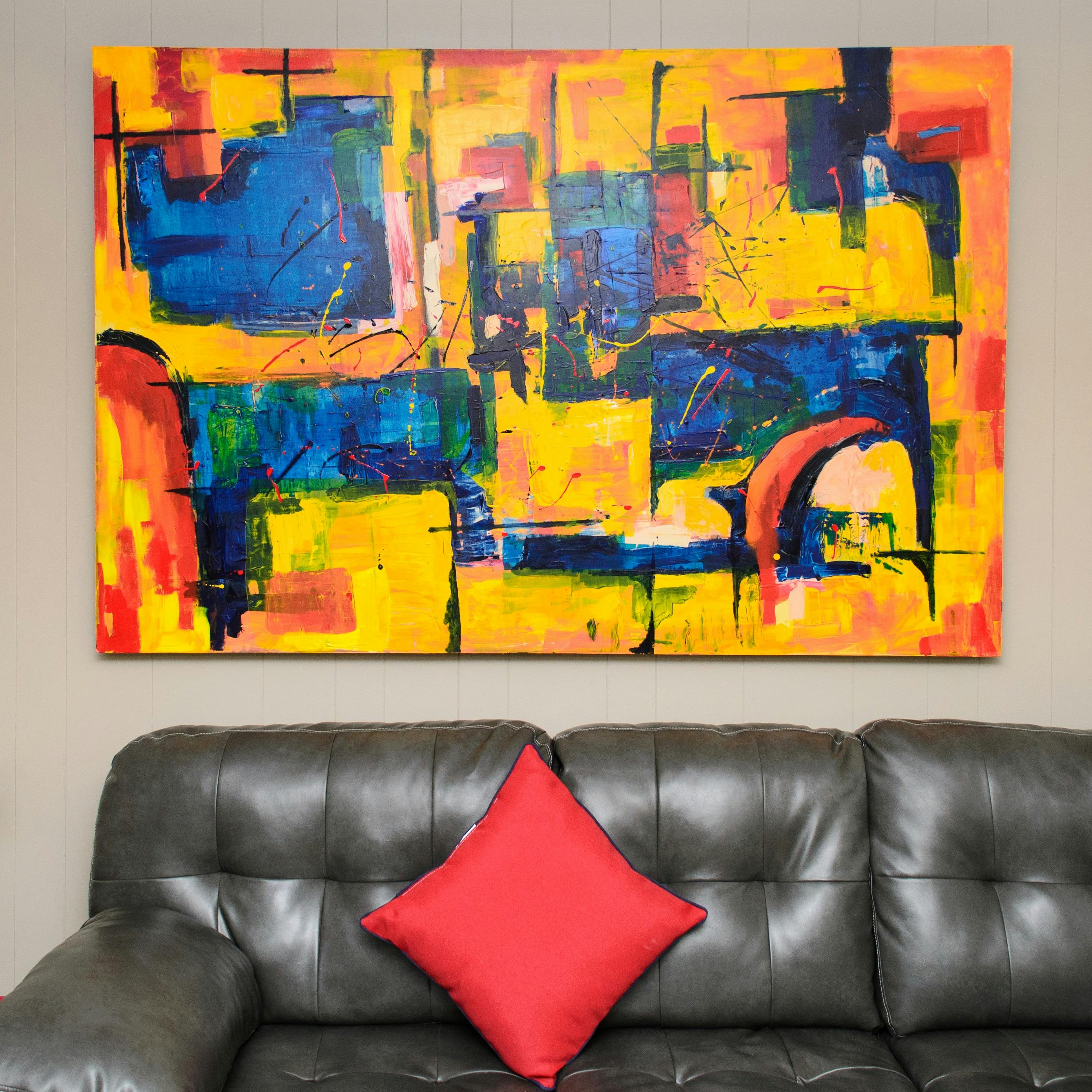
Imagine standing before a chaotic abstract piece.

- Does this chaos feel like a storm or a celebration?
- What memory does this color combination trigger? A faded photograph? A childhood toy?
- If this painting were a song, what would it sound like?
- What does this painting feel like in your body? Is there tension in your shoulders? A sense of expansion in your chest?
- If this artwork was a person, what would their energy be like?
I remember standing in front of a huge, minimalist work once. Just a vast canvas of a single, shifting blue. My first thought was, "That's it?" My knee-jerk reaction was boredom. But then I forced myself to stand there. To really look. And the longer I looked, the more the blue seemed to vibrate, to hum with a quiet, immense energy. It wasn't just a blue square; it was a meditation. It was asking me to be still. I almost missed it.

The key insight here: Art often communicates through sensation and association before it communicates through clear meaning. Don't rush to "understand" what a piece "means." First, notice what it does to you.
A Practical Exercise: Keep an art journal where you record your gut reactions before your analytical thoughts. Write down the first three words that come to mind when you see a piece. Don't filter them. Then write down what bodily sensations you experience. This creates a record of your authentic responses, separate from what you think you "should" feel.
3. Ask 'Where Did It Come From?'
Context isn't the enemy of art; it's the stage it’s performing on. A print from the 1960s carries a different cultural DNA than an original painted last year.
You don't need a PhD in art history. You just need a tiny thread to pull. Look at the title. Look at the date. Ask yourself:
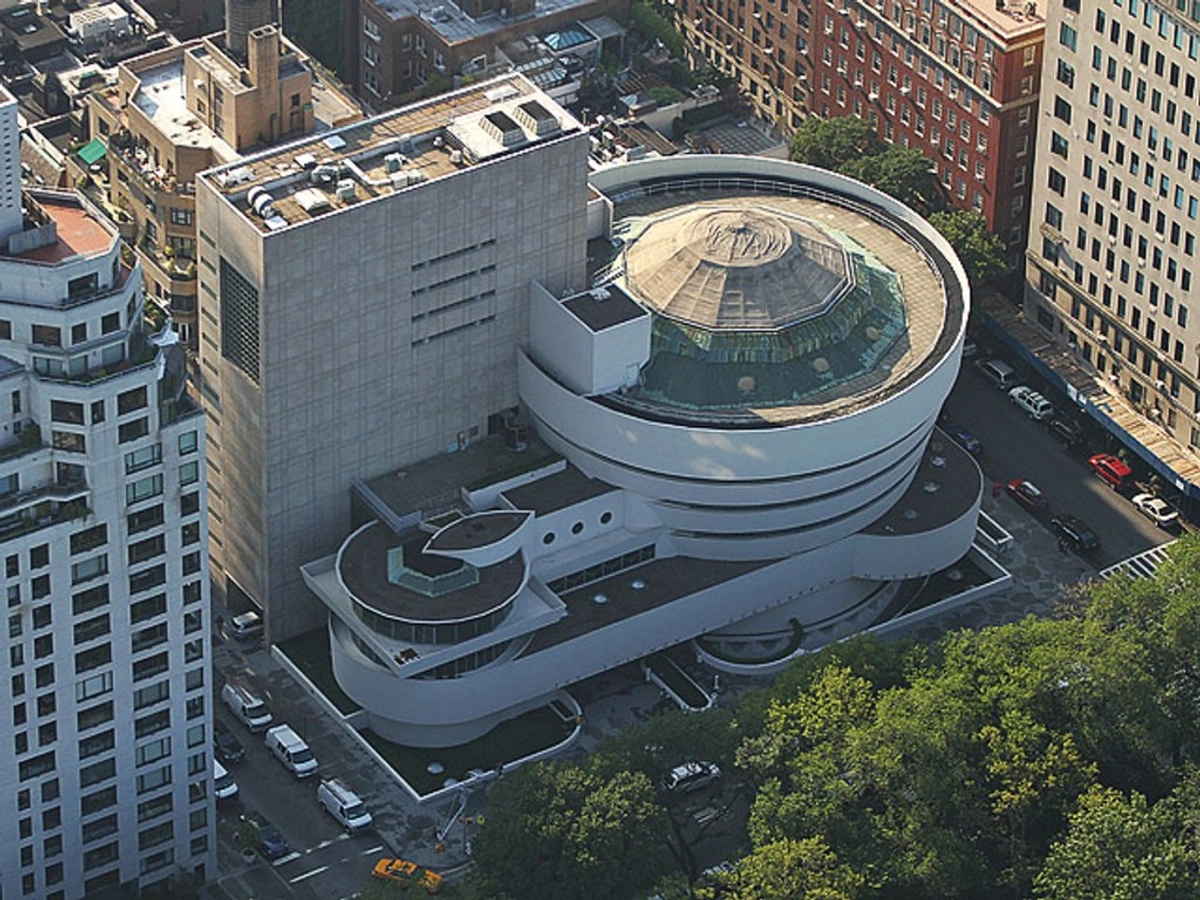
- What was happening in the world when this was made?
- Is this part of a larger movement? Is it a rebellion against one?
- A quick search on your phone can open a rabbit hole of fascinating connections, linking a single piece to a whole world of ideas.
4. Ask 'What Do I Think and Feel, Honestly?'
This is the hardest one. We're often afraid to trust our own judgment. We think we need to have the 'right' opinion. But curiosity thrives in honest, personal soil. This pillar is about integrating everything you've observed and felt into a coherent personal response.
I've noticed that many of us carry around an invisible art critic in our heads—a stern, judgy figure who tells us what we should think, what's "good," what's "important," what's "sophisticated." This inner critic is the enemy of authentic curiosity. It speaks in the voice of authority—the art history professor, the gallery owner, the sophisticated collector—but its effect is to shut down our own capacity to wonder and respond.
Disarming this inner critic is the essential work of this fourth pillar. It's about creating space for your actual response, not the response you think you should have.
Differentiating Response from Evaluation
The first step is learning to distinguish between having a response and evaluating quality. We tend to jump immediately to evaluation: "Is this good art?" "Is this important?" "Do I like this?" But these questions can be premature. Before you evaluate, you need to experience.
I find it helpful to separate my response into different categories:
- Sensory response: How does this affect my senses? (Colors that are pleasing or jarring, compositions that feel balanced or unbalanced, textures that invite touch, sounds that create atmosphere)
- Emotional response: What emotions does this evoke? (Joy, sadness, anger, peace, confusion, amusement, awe, discomfort, boredom, excitement, nostalgia)
- Intellectual response: What thoughts does this provoke? (Questions about meaning, connections to other ideas, considerations of technique, conceptual interest)
- Bodily response: What does this make me want to do physically? (Move closer, step back, sit down, turn away, stay longer)
- Spiritual/transcendent response: Does this connect me to something larger? (A sense of wonder, mystery, the sublime, the sacred, the uncanny)
Each of these is a valid form of response. A piece might be intellectually fascinating but emotionally flat. It might be spiritually moving but technically unremarkable. It might be visually beautiful but conceptually empty. Recognizing these different dimensions helps you develop a more nuanced relationship to art.
The Challenge of "Difficult" Art
Some art doesn't give you an immediate positive response. It might be challenging, disturbing, confusing, or even boring in ways that feel intentional. This is where the "honestly" part becomes crucial.
Instead of either forcing yourself to like something or rejecting it out of hand, you can get curious about your resistance. What, specifically, is difficult about this work? Is it the subject matter, the style, the conceptual framework, the emotional content?
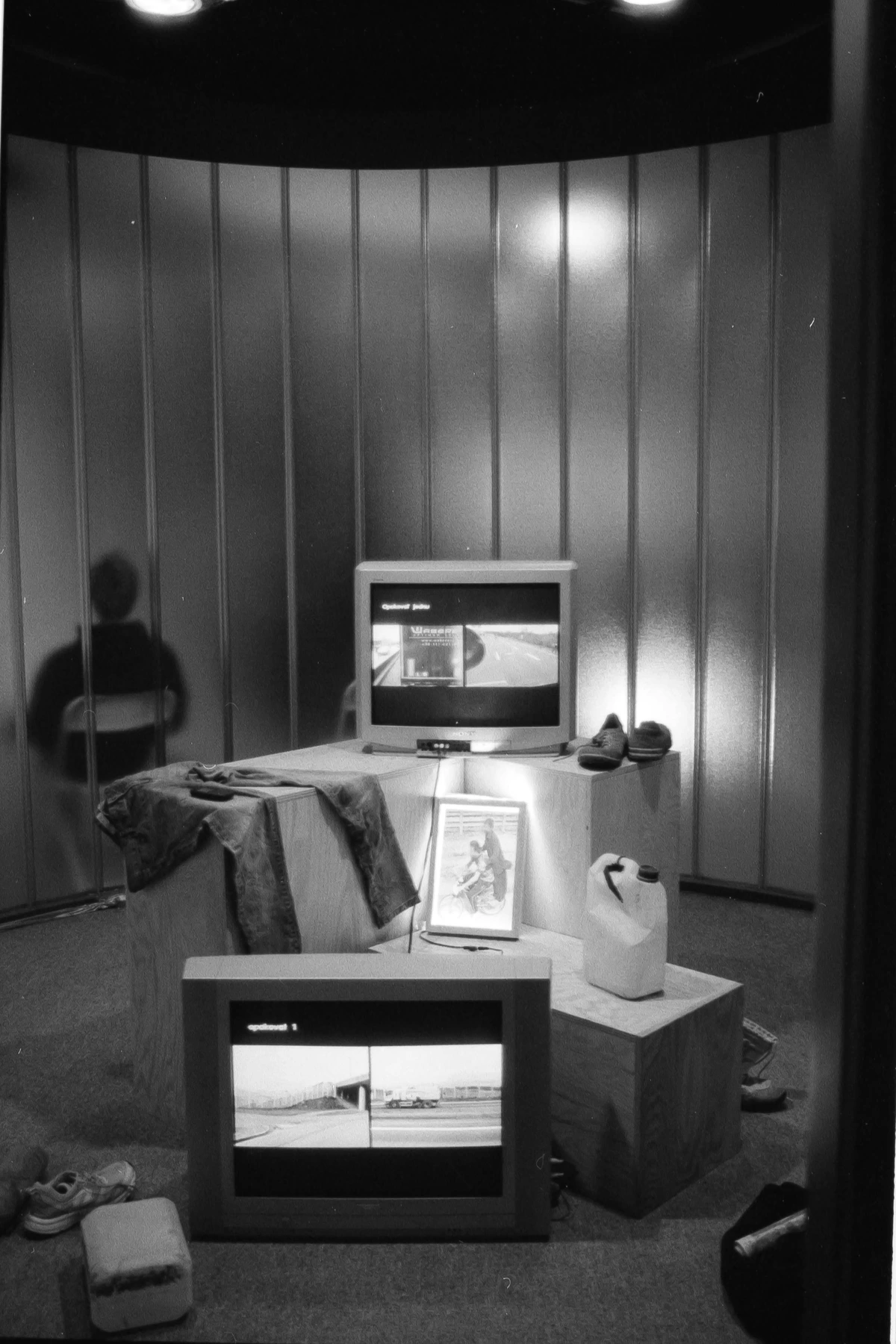
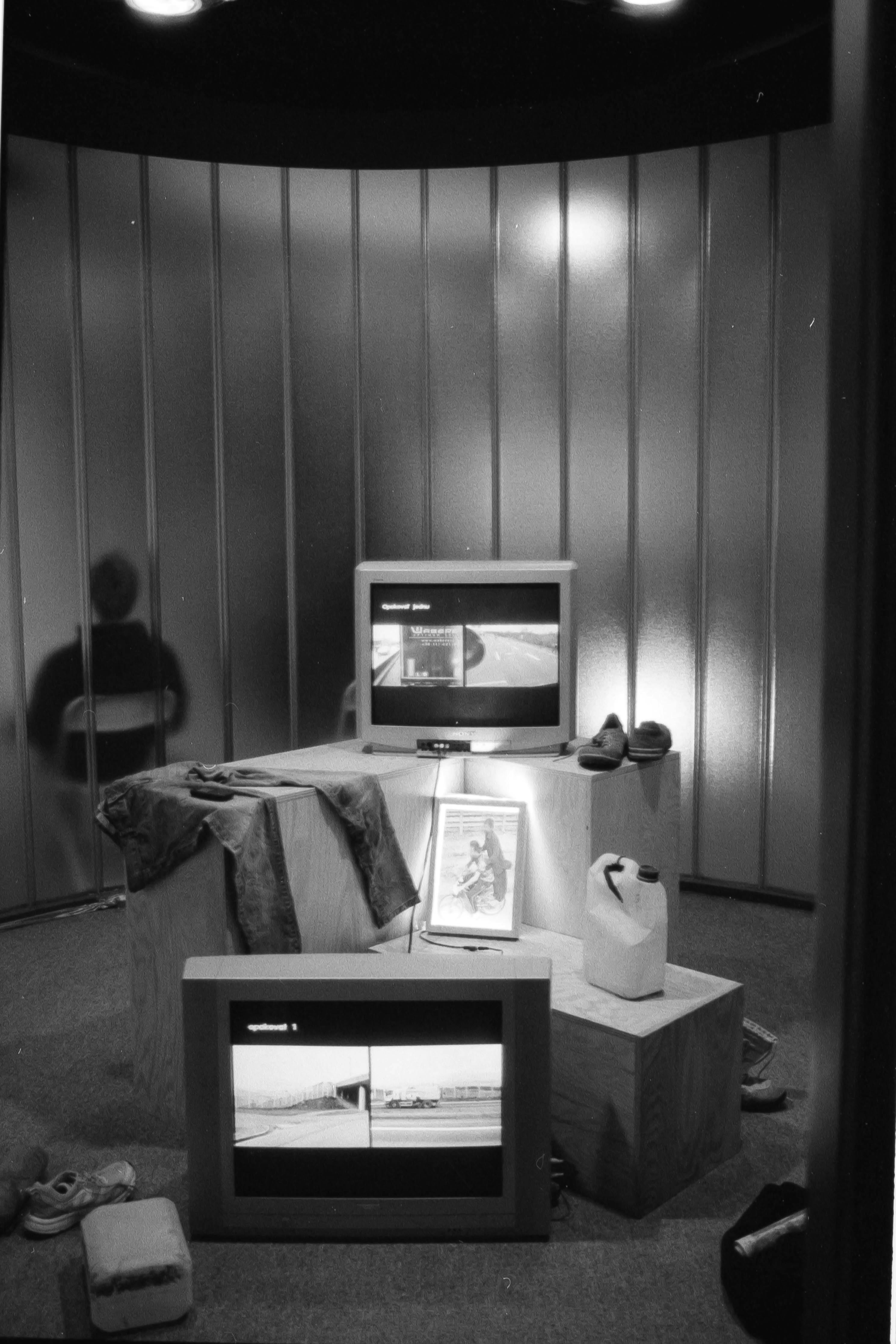
I remember encountering a video installation that showed looped footage of mundane activities—someone washing dishes, another person pacing, a third staring at a wall. My first response was impatience: "This is boring. Why would anyone make this? Why would anyone watch this?"
But instead of walking away, I decided to sit with my boredom. I asked myself: "What if this work is about boredom? What if the artist is deliberately slowing me down, forcing me to pay attention to things I normally overlook?" Suddenly the work transformed. It wasn't boring—it was doing something interesting with boredom. My experience of being bored was, in fact, the content of the work.
This taught me that sometimes our resistance is the most interesting part of the encounter. When art frustrates your expectations, that's often exactly what it's supposed to do.
Developing Personal Criteria
Over time, as you pay attention to your honest responses, you start to develop your own criteria for what makes art meaningful to you. These criteria will be different from anyone else's because they're based on your unique combination of experiences, values, interests, and sensitivities.
Your criteria might include things like:
- "I respond to work that creates a sense of spaciousness"
- "I'm drawn to art that uses color in unexpected ways"
- "I value work that makes me question my assumptions"
- "I'm interested in art that engages with political or social issues"
- "I love work that has a sense of humor"
- "I'm moved by art that reveals something about process"
- "I appreciate work that rewards sustained attention"
These criteria aren't universal—they're yours. And they'll evolve over time as you see more art and become more aware of your own responses.
The Role of Disagreement
Learning to trust your own judgment doesn't mean you'll always agree with the experts or the market. In fact, developing your own taste often means learning to disagree confidently.
There are works that are widely celebrated that leave me cold, and works that are overlooked or dismissed that I find incredibly moving. This isn't a failure of either the art or my taste—it's evidence that I've developed my own independent sensibility.
The key is to be able to distinguish between "this doesn't work for me" and "this is bad." You can acknowledge that something is historically significant, technically masterful, or conceptually rigorous while also recognizing that it doesn't resonate with you personally. This kind of mature judgment allows you to learn from art you don't necessarily love.
The Conversational Test
Here's a simple test for whether you've developed an authentic relationship with a piece: can you talk about it in your own words, beyond just saying whether you like it or not?
If someone asks you what you think about a particular work, can you say something like "Well, I'm fascinated by how it uses transparency and layering to create this sense of depth, but I'm not sure it works emotionally—it feels a bit cold to me" rather than just "I like it" or "I don't get it"?
The ability to articulate your response is a sign that you've actually engaged with the work rather than just reacting to it.
Integration: Bringing It All Together
This fourth pillar is ultimately about integration. It's where you take everything you've observed (Pillar 1), everything you've felt (Pillar 2), and everything you've learned (Pillar 3) and synthesize it into a coherent personal response.
The goal isn't to achieve perfect certainty about a work—it's to achieve clarity about your relationship to it. You might still have questions, confusions, and uncertainties, but you'll have a clearer sense of what those uncertainties are and why they matter.
I think of this as "taking possession" of your experience with the artwork. You're not just passively receiving what the artist intended; you're actively creating meaning through your engagement. The artwork may belong to the artist or the museum, but your experience of it belongs to you.
And that, ultimately, is what intellectual curiosity makes possible: not just understanding art, but understanding yourself through art.
After you've spent time looking and questioning, turn the focus inward.
- What is my gut reaction, stripped of everything I think I should know?
- Does this art expand my idea of what art can be, or does it make me uncomfortable? And is that discomfort a bad thing, or an interesting one?
- What would change if I lived with this piece? How might it affect my daily mood, my thoughts, my conversations?
- Do I want to live with this? To see it every day? Why, or why not?
This is where your unique experience as a collector or enthusiast becomes invaluable. You are part of the conversation. Your curiosity is the engine of the art world.
But here's the crucial distinction: honest reflection isn't the same as uninformed opinion. You can acknowledge that something is historically significant while admitting it doesn't move you. You can love something while recognizing it's not groundbreaking. The goal is to distinguish your authentic response from performative taste.
A Practical Exercise: Write a "review" of a piece for yourself. Start with "What I love about this is..." and "What I'm confused by is..." and "What I'd want to ask the artist is..." This isn't about writing for publication—it's about clarifying your own thoughts through language.
Putting It All Together
The four pillars work best when you use them as a cycle, not a checklist. Start with observation (1), notice your response (2), explore context (3), then synthesize everything into personal reflection (4). But they don't always happen in order—sometimes a piece of context will change what you see, or a strong feeling will send you back to look more carefully.
Think of these pillars less like rigid steps and more like instruments in an orchestra. A great conductor knows when to bring each section forward, when to let them play together, and when to let a single voice carry the melody.
The Pillars in Practice: One Painting, Four Visits
To really understand how these pillars work dynamically, imagine visiting the same painting four times, each time with a different focus:
Visit 1 (Pillar 1 - Observation): You spend the entire time just cataloging. Color, composition, materials, dimensions. You leave with raw data.
Visit 2 (Pillar 2 - Response): You arrive ready to feel. You notice how the painting affects your mood, what memories it triggers, what it does to your body. You leave with emotional data.
Visit 3 (Pillar 3 - Context): You've done some research. You know when it was made, by whom, and what was happening in art and the world at that moment. You see it through new eyes.
Visit 4 (Pillar 4 - Reflection): You synthesize everything. You're ready to form a genuine opinion, one that honors both the work itself and your authentic relationship to it.
Most of us do this entire cycle in about thirty seconds. The magic happens when you stretch it out over weeks or months.
Curious Collecting: Beyond the Living Room
Collecting art is often seen as an investment or a way to decorate a space. And it can be those things. But at its best, collecting is the ultimate expression of curiosity. It's the act of bringing an object of wonder into your daily life and saying, "I want to know you better."
I think most people misunderstand collecting. They picture wealthy patrons at auction houses or interior designers selecting pieces to match the color scheme. But curious collecting is something else entirely. It's less about acquisition and more about relationship—you're building a relationship with artists, with ideas, with your own evolving sensibility.
A curious collection tells a story. It's the physical manifestation of a journey of attention and wonder. Each piece represents a moment when you stopped, looked closely, asked questions, and decided that this particular object deserved a place in your life.
From Decorator to Curator
The shift from collecting as decoration to collecting as curiosity happens when you stop asking "What would look good on this wall?" and start asking "What would I want to live with? What would keep surprising me? What would continue to reveal itself over time?"
I know someone who has been collecting for thirty years, and his living room is a disaster by interior design standards—nothing matches, nothing coordinates, nothing creates a harmonious "vibe." But every piece has a story. Every piece continues to fascinate him. Every piece represents a particular moment in his life and in his development as a viewer.
He once told me, "I used to worry about whether my collection was 'good.' Now I just worry about whether it's honest." That's the shift—from external validation to internal integrity.
Starting Your Collection
If you're just starting to collect, the best advice I can give is: start small, start local, start with what genuinely puzzles and delights you.
Start Small
You don't need a lot of money to start collecting. Some of the most meaningful collections I've seen were built slowly, thoughtfully, with modest resources. Focus on works on paper, prints, photographs, or emerging artists whose work you can afford. Consider editions rather than unique pieces.
Price should be a consideration, of course—you don't want to put yourself in financial distress—but it shouldn't be the primary determinant of what you collect. I'd rather own a $200 print that I absolutely love than a $5,000 painting that I'm lukewarm about but think is a "good investment."
Start Local
Get to know your local art scene. Visit galleries, artist studios, open studios, art fairs. Follow local artists on social media. Go to art school graduate shows. You'll often find amazing work by emerging artists who aren't yet represented by major galleries.
Building relationships with local artists and galleries also creates a different kind of experience. You can sometimes meet the artists, learn about their process, understand their evolution. The artwork becomes more meaningful when you know the story behind it.
Start with What Puzzled and Delights You
This is the most important principle. Buy what you can't stop thinking about. Buy what surprises you. Buy what challenges you. Buy what makes you want to learn more.
Don't buy what you think you "should" like. Don't buy what the market is telling you is important. Don't buy what matches your sofa. Buy what speaks to you, even if you can't articulate why.
Sometimes the pieces you're initially most confused by become the ones you treasure most. They're the ones that continue to present new questions, reveal new depths, refuse to become familiar.
Different Approaches to Curious Collecting
There are many ways to structure a collection around curiosity:
Thematic Collections
Focus on a particular theme, medium, or approach that fascinates you. Maybe you collect works that use text in interesting ways. Maybe you collect work by artists from a particular region or community. Maybe you collect work that engages with a particular concept or issue.
Thematic collections have the advantage of providing focus and coherence while still allowing for discovery and evolution. As you learn more about your theme, your eye becomes more discerning, your understanding deepens, and your collection tells a more nuanced story.
Artist Collections
Another approach is to collect multiple works by a small number of artists whose work you particularly admire. This allows you to follow an artist's development over time, understand the evolution of their practice, and build a deeper relationship with their work.
If you discover an artist whose work consistently speaks to you, following their career and collecting their work over time can be incredibly rewarding. You become a participant in their artistic journey rather than just a consumer of individual products.
Serendipitous Collections
Some of the best collections are built entirely on serendipity—the collector simply follows their curiosity wherever it leads, resulting in a wonderfully eclectic collection unified only by the collector's sensibility.
This approach requires more confidence in your own taste, but it can result in the most personal and surprising collections. You're not limited by preconceived categories or themes—you're free to respond to whatever captures your attention.
Supporting Emerging Artists
Another meaningful approach is to focus on collecting work by emerging or underrepresented artists. This is a way of using your collecting as a form of patronage—supporting artists at crucial moments in their careers.
Often, emerging artists are doing the most innovative and exciting work because they haven't yet developed the habits or market pressures that can sometimes limit more established artists. And there's something incredibly satisfying about "discovering" an artist early and watching their career develop.
Living with Art
Collecting doesn't end with the purchase. In many ways, that's when it begins. The real work of collecting happens in the living—in the daily encounter with the works you've chosen to bring into your space.
I've found that the best collections are the ones that remain dynamic rather than static. This might mean periodically rearranging works, rotating pieces so you can see them with fresh eyes, or even sometimes selling or trading pieces that no longer speak to you as they once did.

Your collection should reflect who you are, but also who you're becoming. It's not a monument to past taste—it's evidence of ongoing curiosity.
The Collector's Journal
I highly recommend keeping some kind of record of your collecting journey. This might be a physical journal, a digital document, or even just a folder of notes and images on your phone. Record:
- When and where you acquired each piece
- What initially drew you to it
- What you've learned about it since
- How your relationship with it has evolved
- What questions it continues to raise for you
This documentation becomes a valuable resource over time—both for yourself and potentially for others (galleries, researchers, family members) who might be interested in your collection. It also forces you to articulate your responses, which deepens your engagement.
When to Let Go
Curious collecting also means being willing to let go. Sometimes a piece that was once meaningful stops speaking to you. Sometimes your taste evolves. Sometimes you realize you made a mistake.
Rather than viewing this as a failure, see it as evidence that your curiosity is still active. A collection that never changes is a collection whose owner has stopped looking and wondering.
Selling, trading, or giving away pieces that no longer serve your collection creates space—both physical and psychic—for new discoveries. It keeps your collection alive.
The Generosity of Collecting
Finally, curious collecting is inherently generous. When you support artists by buying their work, you're supporting their ability to continue making art. When you share your collection with others, you're sharing your curiosity. When you lend works to exhibitions or donate them to museums, you're contributing to the broader cultural conversation.
Artists need collectors who are genuinely curious about their work, not just speculators looking for the next market opportunity. Your curiosity validates their risk-taking, their experimentation, their commitment to making things that haven't been made before.
In this sense, collecting is a form of participation in the art ecosystem. You're not just a consumer; you're a collaborator in the ongoing project of bringing new visions into the world.
Think of your collection not as a finished product, but as a laboratory. Each piece is an experiment, a question mark on your wall. When you choose a piece, you’re not just selecting a color that matches your couch; you're choosing a companion for your thoughts, a catalyst for conversation.
I love the idea of building a collection that reflects a journey of inquiry rather than a single, static taste. A timeline of your own evolving curiosity. If you're curious about starting, the best advice I can give is to start with what genuinely puzzles and delights you, not what you think you're supposed to like. You can browse some pieces I've been working on on my /buy page, if you're looking for a place to let your curiosity wander.
The Essential Habits of a Curious Mind
Okay, so how do you make this a habit, not just a museum-day activity? It's simpler than you think, but it requires intention.
Habits are powerful because they bypass the need for constant decision-making. When curiosity becomes habitual, you find yourself looking closely and asking questions without even thinking about it. What initially required conscious effort becomes automatic.
But building habits requires more than just good intentions. It requires designing your environment and behavior in ways that make curiosity easier and more rewarding than its alternatives (distraction, judgment, passive consumption).
Habit 1: The Daily Art Moment
Commit to spending just five minutes a day with a single work of art. This might be a piece in your home, an image on your phone, a public artwork you pass on your commute, anything. The key is consistency, not duration.
Set a reminder on your phone. Keep an art book on your coffee table. Bookmark a museum website that releases daily images. Create an environment where art encounters are frictionless.
I find the morning is the best time for this—before the day's demands have accumulated, when your mind is still fresh and open. Just five minutes. Look closely. Ask questions. Notice what you notice. That's it.
Over time, these five minutes accumulate into significant looking experience. And you'll find that the habit of attention developed in these moments starts to spill over into the rest of your life.
Habit 2: The Curiosity Journal
Keep a small notebook or digital document specifically for art-related observations and questions. Don't make this a formal writing exercise—just jot down whatever comes to mind: words that describe a piece, questions you have, things you want to look up later, sketches of compositions that interest you, artists you want to remember.
Review your journal periodically. You'll start to notice patterns in what captures your attention. You'll see how your looking becomes more nuanced over time. You'll have a record of your aesthetic development.
I've been keeping various forms of art journals for more than a decade, and they're invaluable not just as records but as tools for developing attention. The act of writing something down—even just a single word—forces you to articulate your response, which deepens the experience.
Habit 3: The Social Contract
Make a pact with a friend to engage with art together. This might mean agreeing to visit a gallery or museum once a month, or sharing an artwork daily via text, or committing to a virtual discussion of an exhibition.
Social accountability is powerful. Knowing that you're going to discuss what you've seen with someone else motivates you to look more carefully, think more deeply, and articulate your responses more clearly.
I have several "art friends" with whom I have ongoing conversations about what we're seeing and thinking about. These relationships have been crucial to maintaining my own curiosity—they expose me to perspectives I wouldn't have considered, push me to defend my opinions, and introduce me to new artists and ideas.
Habit 4: The Structured Visit
When you do visit museums or galleries, build in structure rather than just wandering aimlessly. Here are a few approaches:
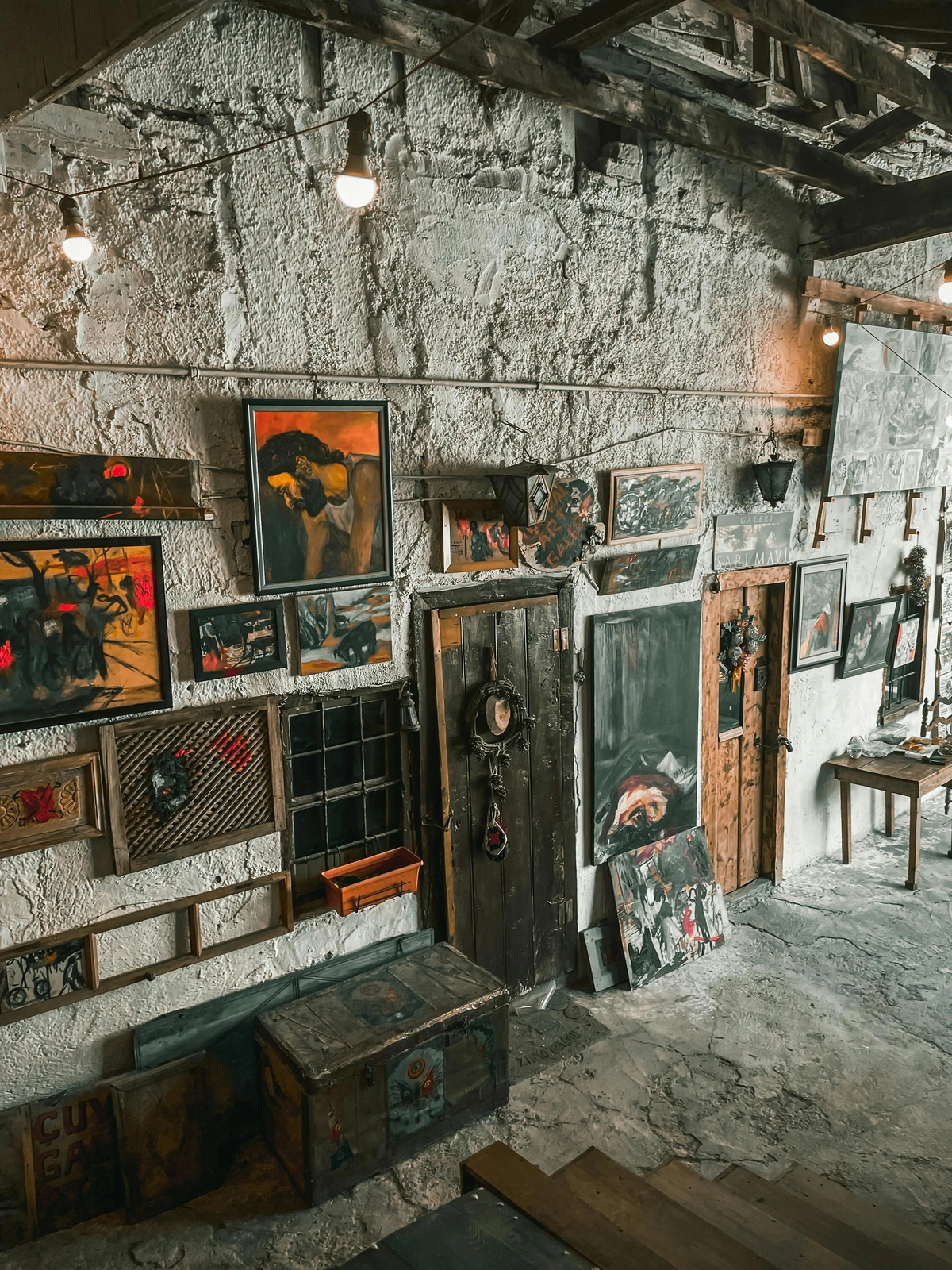
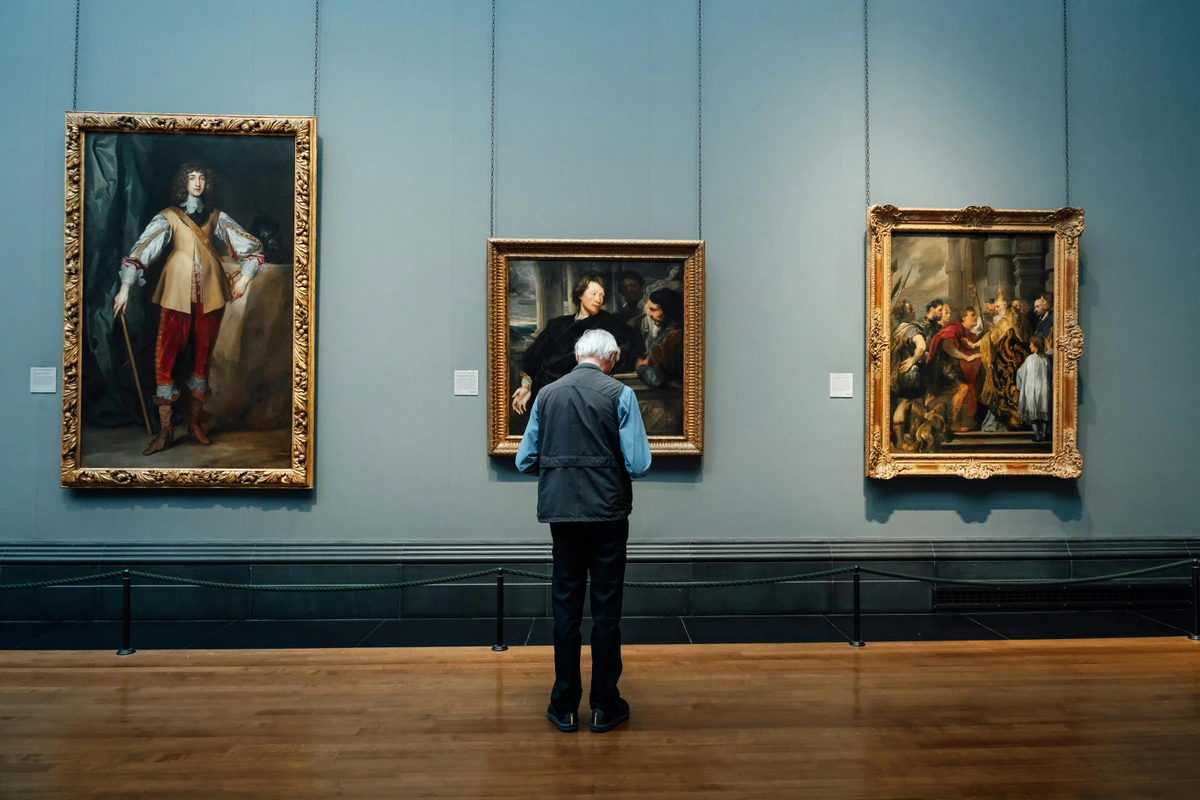
- The Slow Visit: Choose just three to five works and spend significant time with each one (15-20 minutes minimum). Don't try to see everything.
- The Thematic Visit: Focus on a particular theme. Maybe you're looking at how different artists use the color red, or how they handle light, or how they engage with political issues. Having a specific lens helps focus your attention.
- The Comparative Visit: Look for connections and contrasts. Find two works that seem to be in conversation and figure out what they're saying to each other.
- The Media-Specific Visit: Focus on a single medium—only sculptures, or only works on paper, or only video installations. This helps you develop sensitivity to the particular qualities of that medium.
Variety is key. Don't use the same approach every time, or it becomes mechanical rather than curious. But don't visit without any structure, or you risk slipping into passive consumption.

Habit 5: The Follow-Up
Always follow up on what interests you. If you see a work that puzzles or excites you, make a note to learn more about it later. Look up the artist. Read about the movement. Explore related works.
This might be the most important habit for building intellectual curiosity. It's the difference between having a passing interest and developing a sustained engagement. It trains your mind to treat questions as invitations rather than obstacles.
I keep a "to follow up" list in my phone. Whenever I encounter something I want to know more about, I add it to the list. Then, when I have some downtime—waiting for an appointment, riding public transit, winding down in the evening—I work through the list. It's amazing how much you can learn in these small pockets of time.
Habit 6: The Beginner's Mind
Periodically make yourself a beginner again. Learn about a genre or movement or medium you know nothing about. Visit exhibitions that are completely outside your comfort zone. Force yourself to engage with art you don't understand.
It's easy to become complacent once you've developed some expertise in a particular area. You know what you like, you know the artists, you know the language. But intellectual curiosity thrives on novelty and challenge.
Intentionally putting yourself in positions where you're a novice keeps you humble, open, and engaged. It reminds you what it feels like to not know, which is the starting point of all real learning.
Habit 7: The Generous Eye
Practice looking for what's interesting rather than what's good. When you encounter art you don't immediately like, instead of dismissing it, make it a game to find at least one thing that's interesting about it.
Maybe it's a particular color combination, or a clever use of materials, or a conceptually interesting idea, or just a formal quality you can appreciate even if you don't love the overall effect. Finding something to appreciate in work you don't like expands your capacity for aesthetic appreciation more than only engaging with work you naturally respond to.
This is especially important when looking at art from cultures or time periods that are unfamiliar to you. Don't expect it to work the same way the art you're used to works. Look for what it values, what it's trying to do, how it creates meaning.
Designing Your Environment
Finally, be thoughtful about how you design your physical and digital environments to support curiosity:
- Surround yourself with art: You don't need to own expensive originals. Postcards, prints, art books, even just images you've printed and taped to your wall can all create an environment where art is a constant presence.
- Curate your feeds: Follow museums, galleries, artists, and art publications on social media. Let high-quality art content displace some of the algorithm-driven noise.
- Create friction for distraction: Maybe put your phone in another room during your daily art moment. Use website blockers to reduce mindless scrolling. Make curiosity easier than its alternatives.
- Build in reminders and triggers: Put art books where you'll see them. Set calendar reminders for gallery openings or museum free days. Create structures that prompt you to engage.
None of these habits require huge investments of time or money. They require intention and consistency. Small actions, repeated regularly, accumulate into significant transformation. Before you know it, you'll find that you can't not be curious about art—it will have become part of how you move through the world.
- Ask One More Question: Whenever you're about to close the door on a piece of art by deciding you don't like it, ask one more question. "What's one thing I can find in here that I admire?" It's a game-changer.
- Find Your Art Buddy: Curiosity is contagious. Find a friend and make a pact to visit a gallery once a month. The drive to explain what you see to someone else forces you to see it more clearly. You’ll be amazed at how two people can look at the same painting and have completely different, equally valid, experiences.
- The '10-Minute Look': Once a week, find an image of an artwork online (from a museum collection, an artist's portfolio, even my
/den-bosch-museumpage for some local inspiration) and spend 10 minutes with it. No distractions. Just look. Ask your four questions. That's it. It’s like a workout for your 'wonder' muscle.
Case Studies: Curiosity in Action
Let's look at some real examples of how intellectual curiosity transforms the art experience. These aren't academic case studies—they're stories of real people using the frameworks we've discussed.
There's something magical about seeing these principles work in actual lives. It's one thing to understand the theory of intellectual curiosity; it's another thing entirely to see how it transforms real people's relationships with art, with themselves, and with the world around them.
What strikes me about all these stories is how small the initial shifts were. None of these people had dramatic conversion experiences or life-altering epiphanies. They simply made small choices—to stay with confusion a little longer, to ask one more question, to trust their own responses. But these small choices accumulated into significant transformation.
I share these stories not as models to be imitated, but as evidence of possibility. They show what's possible when curiosity becomes an active practice rather than just a passive inclination.

Case Study 1: Sarah and the "Boring" Minimalist Painting
Sarah, a marketing executive, found herself staring at a large minimalist painting—just three shades of grey in horizontal bands. Her first thought: "My kid could do this." She was about to walk away when she remembered the "one more question" habit.
Instead of dismissing it, she asked: "What would it feel like to live with this?" She spent ten minutes imagining it in her home office. She noticed how the subtle shifts in grey created a quiet rhythm. She realized that in her busy life, maybe "boring" was exactly what she needed.
Six months later, that painting hangs in her office. "It's become a meditation," she told me. "On stressful days, I catch myself staring at it, and it actually calms me down. I would have completely missed this if I hadn't pushed past my first reaction."
What's interesting about Sarah's story is how it demonstrates the value of staying with resistance. Her initial dismissal—"My kid could do this"—was actually a defense against having to engage with something unfamiliar and initially unrewarding. But by making herself ask one more question, she discovered a mode of engagement she didn't even know she needed.
The painting didn't change. Sarah's way of looking changed. And that change in looking created space for a new kind of relationship with art and with herself.
I've thought a lot about why Sarah's experience resonates with so many people. I think it's because we've all had that experience of dismissing something out of hand, only to realize later that we were missing something important. Sarah's story reminds us that our first impressions aren't final judgments—they're starting points for inquiry.
Case Study 2: Marcus and the Confusing Abstract
Marcus, a software engineer, prided himself on being logical. Abstract art frustrated him because he couldn't "figure out what it was." At a gallery, he encountered a chaotic, colorful abstract piece that looked, to him, "like someone spilled paint."
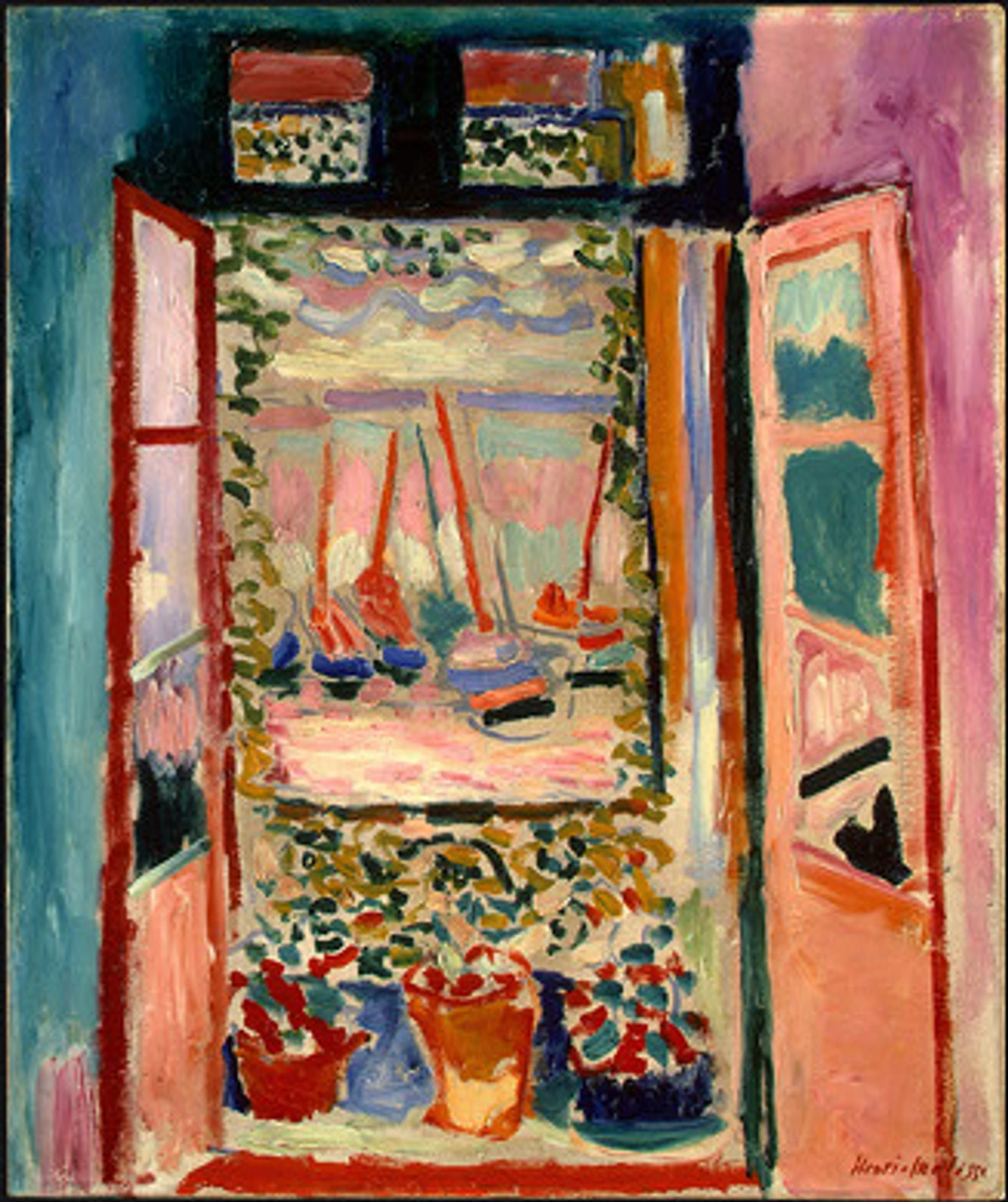
Instead of walking away, he decided to use the four pillars. He started by cataloging what he was actually seeing: aggressive red strokes, pooling black areas, scratches in the paint. Then he noticed his body's response: his heart rate had actually increased. The piece felt confrontational.
credit, licence
When he researched the artist, he discovered she made this series after surviving a car crash. Suddenly, the "spilled paint" made sense as a visual representation of trauma and recovery. "I'm still not sure I 'like' it," Marcus said, "but now I respect it. It's doing something real."
What This Story Teaches Us
Marcus's breakthrough illustrates a crucial distinction: you don't have to like something to engage with it meaningfully. He moved from frustration to respect without ever landing on affection. This is intellectual curiosity operating at its finest—it allows you to appreciate the intelligence and intention in something even when it doesn't match your personal taste.
This is especially important for collectors. You don't need to limit your collection to things you instantly love. A piece that puzzles or even unsettles you can be more valuable than one that merely pleases, because it has the capacity to stretch your sensibility and keep you company in a more complex way. A collection that only contains things you understand perfectly on first sight is a collection that will quickly become boring to live with.
Case Study 3: Elena's Thematic Collection
Elena, a teacher, always wanted to collect art but felt overwhelmed and couldn't afford expensive pieces. She decided to focus her collection on a single theme: "artists who use text in unexpected ways."
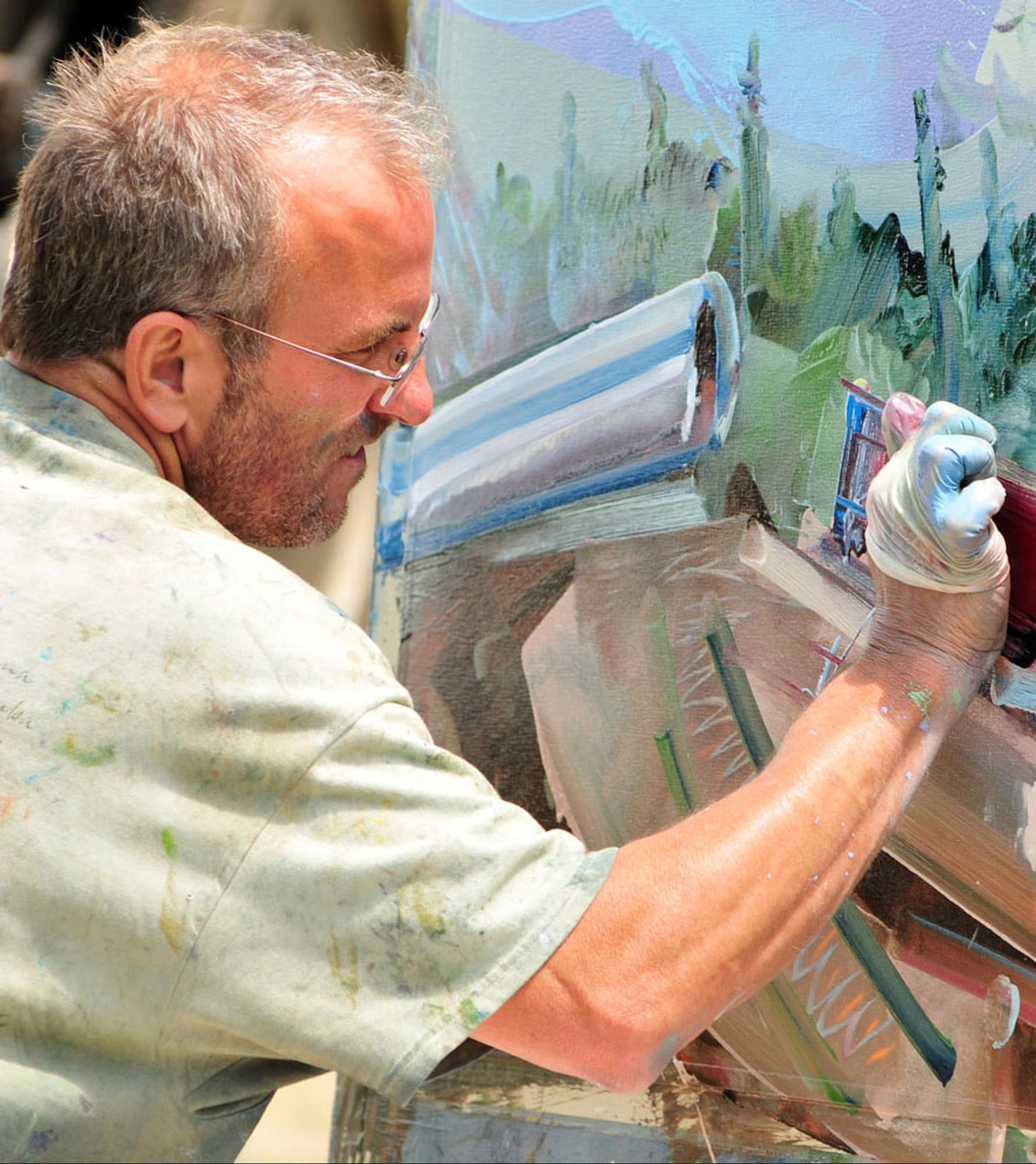
Over two years, she acquired seven pieces—mostly prints and works on paper—that all engaged with text. Some were poetic, some political, some purely visual. "Because I had a focus," she explained, "I could pass by beautiful pieces that didn't fit my theme. It gave me clarity. And my collection tells a story now, rather than just being a bunch of pretty things."
These stories illustrate the core principle: intellectual curiosity doesn't just make you "smarter" about art—it makes your experience richer, more personal, and more meaningful.

The Connection Between Curiosity and Creativity
Here's something fascinating: the same curiosity you cultivate for looking at art can fuel your own creative practice, whatever that might be. The skills are transferable.
When you train yourself to ask "What if?" about other people's art, you're also training yourself to ask "What if?" about your own ideas. The person who can look at a challenging painting and wonder about the artist's choices is also the person who can look at their own creative block and wonder about new approaches.
I've noticed this in my own practice: the days when I'm most curious about other artists' work are also the days when I'm most willing to take creative risks. Curiosity lowers your defenses and opens you to possibility.
If you're an artist, collector, or simply someone who wants to live more creatively, intellectual curiosity is your superpower. It's the force that keeps your mind flexible, your eyes fresh, and your heart open to surprise.
The Virtuous Cycle: Looking Fuels Making
I've observed a fascinating feedback loop: the more carefully you look at art, the more interesting your own creative experiments become. This isn't about imitation; it's about expanding your sense of what's possible. When you see how other artists solved problems, you unconsciously absorb new strategies.
For example, after spending time with works that use texture in surprising ways, you might find yourself experimenting with materials you'd never considered. After encountering art that plays with scale, you might rethink your own approach to composition. The looking feeds the making, and the making deepens your appreciation for the looking.
How Artists Can Steal Like an Intellectual
There's a famous saying: "Good artists borrow, great artists steal." Intellectual curiosity is how you steal well—not by copying, but by understanding an approach so deeply that you can make it your own.
Instead of asking "How did they do that?" try asking "What problem were they trying to solve?" When you understand the question an artist was wrestling with, you can apply their solution to entirely different problems in your own work. This is how artistic lineages actually work—not through direct influence, but through the transmission of problem-solving approaches.
I keep a folder of images that haunt me, not because I want to copy them, but because I want to understand the thinking behind them. Sometimes I'll spend weeks with a single image, trying to reverse-engineer the artistic intelligence that produced it. This is curiosity as a form of apprenticeship at a distance.
Frequently Asked Questions
Q: I feel like I don't 'get' most modern art. How can curiosity help? A: What a fantastic place to start! The feeling of 'not getting it' is the engine of curiosity. Instead of seeing it as a failure, see it as a mystery to be explored. The four pillars above are your toolkit. Start by asking what you're actually seeing, then what it makes you feel. Often, 'not getting it' means the art is working. It's pushing you outside your comfort zone. That's its job.
Here's a secret: nobody "gets" all modern art, and that's by design. A lot of modern and contemporary art isn't trying to communicate a clear message—it's trying to create an experience, pose a question, or challenge your assumptions. The goal isn't understanding in the traditional sense; it's engagement.

Try this reframe: instead of asking "What does this mean?" ask "What is this doing?" or "How is this making me feel?" Those questions don't have wrong answers.
Q: Do I need to read a lot of art theory to be curious about art? A: Not at all. Think of theory as one voice in a much bigger conversation. It can add fascinating layers, but it can also be a gatekeeper. Start with your own eyes and feelings. Your personal connection is the most important 'text' of all. If a piece moves you, then you can dive into the theory to enrich your understanding, not to validate your experience.
The trap many people fall into is thinking they need permission from experts to have an opinion. But here's the thing: art theory was invented by people looking at art and trying to make sense of it. You can do the same thing. Your observations are valid data points, even without the specialized vocabulary.
That said, once you've developed confidence in your own seeing, a little theory can be like learning a new language—it helps you articulate what you already sense. But start with sensing.
Q: How can I encourage curiosity in my kids about art? A: The best way is to model it. Ask them open-ended questions: "Tell me what you see." "What does this painting make you think of?" "If you could jump into this picture, where would you go?" Avoid the trap of asking 'what is it?' Remember, the goal isn't to find a 'correct' answer; it's to open a door of imagination.
Some specific strategies:
- The storytelling game: "Let's make up a story about what's happening in this painting." This gets kids engaged with narrative and detail.
- The feeling game: "How does this painting feel? Happy? Scary? Confused?" This validates their emotional responses.
- The making game: After looking at art, provide materials and encourage them to create their own version. This connects looking with doing.
- Normalize confusion: When they say "I don't get it," respond with "Me neither! Isn't that interesting? What do you think the artist was trying to do?" This models that confusion is part of the process, not a failure.
The key is to make art looking playful rather than educational. Kids are naturally curious—our job is mostly to not kill that instinct with too much adult seriousness.
Q: Is intellectual curiosity the same as trying to find the 'meaning' of a piece? A: Not necessarily. The 'meaning' often implies a single, hidden answer that the artist has locked away. Curiosity is more open-ended. It's about exploring the multitude of 'meanings' and sensations a piece can generate. The meaning might be a color. It might be a feeling of unease. It might be the memory it triggers. It’s an open field, not a locked box.
Q: Can this kind of curiosity make me a better art collector? A: Absolutely. A collection built on genuine curiosity is a collection with a soul. It will be more personal, more cohesive, and ultimately more valuable to you. It will tell your story. Trends fade, but a thoughtful, inquisitive eye is timeless. Choosing pieces that genuinely puzzle and delight you, rather than what's expected, is the heart of meaningful collecting.
But let me be more specific about the practical benefits:
- Better decision-making: When you're genuinely curious, you look longer and more carefully, which means you make fewer impulse buys you'll regret
- Deeper knowledge: Curiosity leads you down research rabbit holes, naturally building your expertise without it feeling like study
- More interesting conversations: A curious collector has stories about their pieces, not just facts
- Resilience against trends: When you know why you love something, you're less swayed by market hype or what's currently popular
- Long-term satisfaction: Pieces chosen out of genuine curiosity continue to reveal themselves over time. The initial fascination deepens rather than fading.
Perhaps most importantly, a curious collector contributes to the art ecosystem in a healthier way. You're supporting artists whose work genuinely resonates with you, rather than just chasing market signals.
Conclusion: The World in a Slash of Paint
We started by talking about that slash of crimson on a field of grey. I never did find out what it 'meant,' not in a definitive sense. But that one painting taught me everything about what it means to be curious. It taught me to slow down, to look harder, and to trust the act of wondering.
Curiosity isn't about finding answers. It's about falling in love with the questions. It's the recognition that a great piece of art is not a destination, but an invitation—to look, to think, to feel, and to connect. It’s a skill anyone can build, and the art world, from the grandest museum to the most intimate studio, is waiting for you to ask, "What if?"
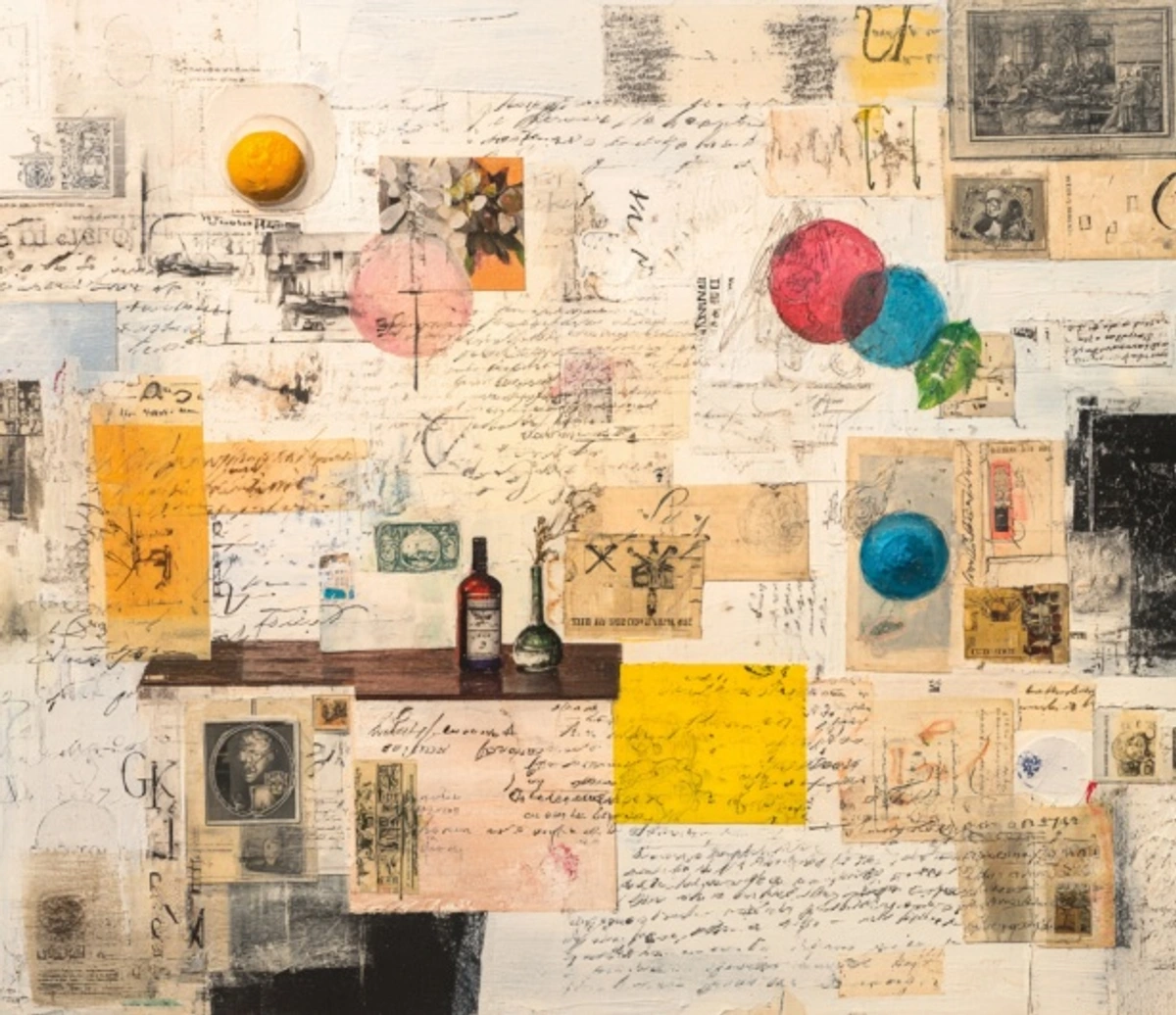
Now go find something that makes you stop. And instead of deciding what it is, just wonder about it. See what happens.

Your Curiosity Toolkit: A Practical Summary
To make everything we've discussed immediately actionable, here's a simple toolkit you can use starting today:
The 10-Minute Curiosity Practice
What you need: One piece of art (any format), a timer, and a notebook.
The practice:
- Minutes 1-3 (Seeing): Set your timer and just list what you see. Be relentlessly descriptive. No interpretations yet.
- Minutes 4-6 (Feeling): Now turn inward. What emotions surface? What memories? What physical sensations? Write it all down without filtering.
- Minutes 7-8 (Context): Do a quick search on your phone. Just three pieces of information: artist's name, date, and one sentence about context.
- Minutes 9-10 (Reflecting): Put everything away. Just look. What's your honest opinion now? Not what you think you should think. What you actually think.
That's it. Ten minutes. You can do this with art online, in books, or in person. The key is consistency over intensity.
The Noticing Habit
Throughout your day, practice "soft noticing." This means letting your attention rest on things without immediately categorizing them. The way light hits a wall. The particular blue of a sky. The texture of your desk. This isn't about art yet; it's about retraining your attention to be less goal-oriented and more receptive. Curious art viewing is really just this habit applied specifically to art.




















Building Your Curiosity Vocabulary
Most of us lack language for what we see and feel in art. Here are some questions to expand your descriptive range:
For what you see:
- Is this line nervous or confident? Thick or thin? Continuous or broken?
- Are these colors harmonious or clashing? Warm or cool? Transparent or opaque?
- Is this composition balanced or off-balance? Static or dynamic? Simple or complex?
For what you feel:
- Does this feel intimate or grand? Claustrophobic or expansive?
- Is this energy chaotic or controlled? Angry or joyful? Anxious or peaceful?
- Do I feel invited in or kept at a distance? Comforted or challenged?
You don't need to answer all of these every time. Just pick one that resonates and see where it leads.
The One-Year Curiosity Challenge
Here's a challenge if you want to go deeper: for one year, have one significant art conversation per month. This could be:
- Visiting a gallery with a friend
- Joining an online art discussion
- Taking a studio tour
- Interviewing a collector
- Reading one art book not as homework, but as if you're having a conversation with the author
At the end of the year, you won't just know more about art; you'll have fundamentally rewired how you see. That's the real gift of curiosity—it's not about collecting facts. It's about collecting ways of being alive.