When Art Whispers Universal Truths: A Journey Through Meaning and Color
Explore how artists capture profound human experiences in visual form, from abstract expressions to historical narratives. Discover why universal truths resonate across time and cultures.

When Art Whispers Universal Truths: A Journey Through Meaning and Color
I remember standing before a canvas at a crowded gallery, completely consumed. It wasn't the price tag or the famous name that held me—I couldn't even articulate what I was feeling. It just landed. A surge of recognition washed over me, like realizing I'd carried a forgotten melody in my bones my whole life. That moment? That's when I understood art's deepest magic: its power to whisper universal truths that transcend language, culture, and time.
This realization didn't come in a flash of academic insight, but through something much more primal—a physical recognition that bypassed my analytical brain. My shoulders relaxed, my breathing slowed, and for the first time in months, the constant chatter in my mind quieted. In those few moments, I understood what artists have been trying to tell us for centuries: art isn't decoration. It's medicine for the soul—a way to connect with something larger than ourselves, something that's been waiting to be recognized all along.

What Are Universal Truths in Art?
Let's be honest—we toss around "/universal truths"" like confetti at a metaphysical party. In art, they're not philosophical platitudes. They're the fundamental human experiences we all recognize, even if we've never articulated them:
- The ache of connection—that longing to belong
- The sting of loss—the bittersweet beauty of impermanence
- The spark of wonder—childlike awe at the universe's mystery
- The quiet resilience—finding strength in brokenness
- The rhythm of nature—birth, decay, and rebirth in all living things
- The dance of opposites—light and shadow, joy and sorrow, creation and destruction
- The search for meaning—our innate human drive to find purpose in chaos
- The courage to be vulnerable—the willingness to show our authentic selves
- The transcendence of time—moments that feel eternal despite their fleeting nature
- The mystery of existence—questions that haunt us from childhood to old age
These aren't "truths" delivered in lecture halls. They're raw, felt realities made vis tangible through paint, sculpture, or pixel. When a piece of art captures one of these truths, it doesn't just show you something—it reveals something about yourself you might have forgotten was there.
Why Abstract Art Excels at This
Here's where the skeptic in me wants to interrupt: "But abstract art doesn't look like anything!" Exactly. That's its superpower. While figurative art tells us stories through recognizable forms, abstraction shows us feelings. A slash of crimson isn't just red—it's passion, danger, vitality. A swirl of teal isn't just liquid—it's calm, depth, the subconscious.
I once worked on a piece where I poured metallic gold onto cracked black canvas. It was messy, chaotic. But people kept saying it reminded them of "hope after darkness." I hadn't planned it—that universal truth emerged through the materials themselves. This is the alchemy of abstract art: it bypasses our intellect and speaks directly to our shared human pulse.
Think about it: when you see a child's drawing of a sun, you don't need instructions to understand it's about joy and warmth. Abstract art taps into this same intuitive understanding. It's like emotional shorthand—a way to communicate complex feelings that would take paragraphs to describe in words. The great abstract artists don't create chaos; they reveal the hidden order within our emotional landscape.
The Historical Trailblazers
Artists have been capturing these truths since the first cave painter sketched a bison. Look deeper:
Artist  | Era | Universal Truth Captured | Signature Technique |
|---|---|---|---|
| Goya | Romanticism | Darkness of human nature | Dramatic chiaroscuro, nightmarish scenes |
| Van Gogh | Post-Impressionism | Turmoil in beauty | Swirling brushstrokes, emotional color |
| Agnes Martin | Minimalism | tranquility in repetition | Subtle grids, muted palettes |
| Basquiat | Neo-Expressionism | Racial injustice as systemic truth | Raw graffiti text, fragmented imagery |
| Frida Kahlo | Surrealism | The beauty of brokenness and bodily truth | Symbolic self-portraits, vibrant colors |
| Georgia O'Keeffe | Modernism | The sensuality of nature and femininity | Large-scale botanical paintings, soft forms |
| Mark Rothko | Abstract Expressionism | The spiritual through pure color | Color field paintings, immersive scale |
| Ansel Adams | Photography | The sublime power of nature | High-contrast black and white landscapes |
| Michelangelo | Renaissance | The divine within the human form | Perfect anatomical proportions, marble |
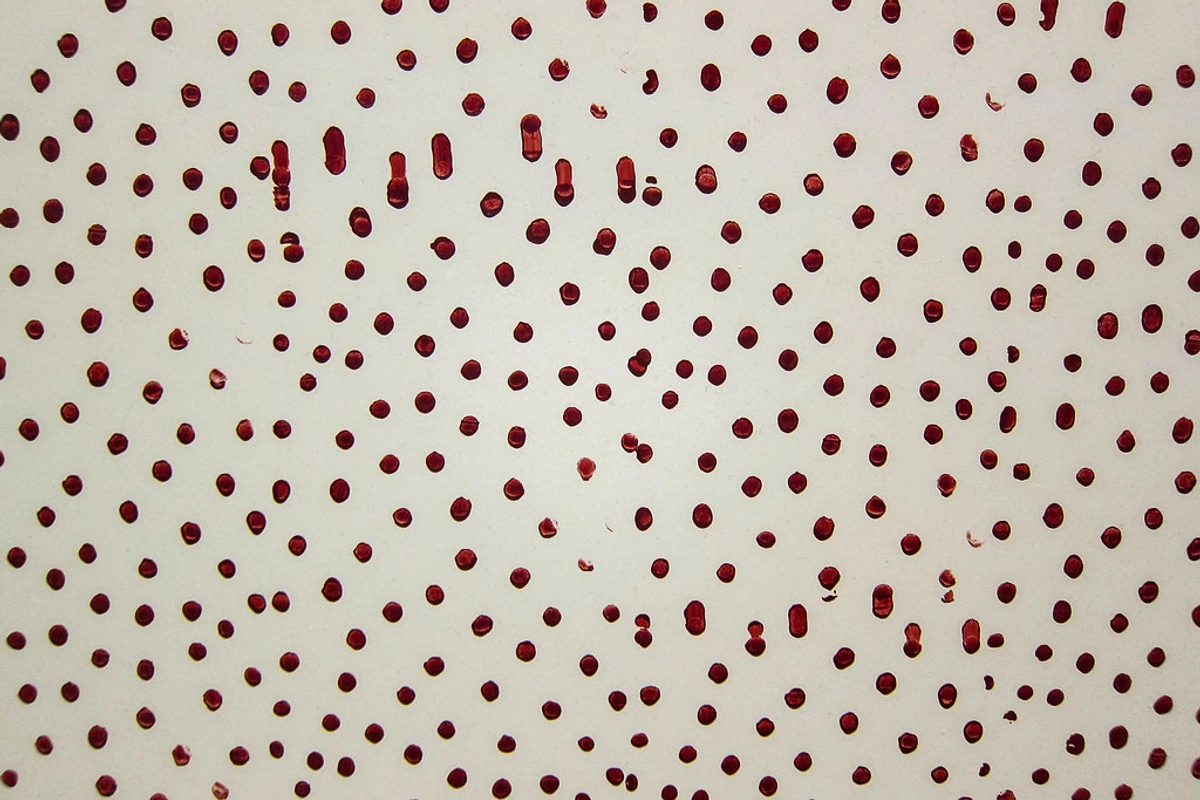
| Yayoi Kusama | Contemporary | The obsessive beauty of infinity | Polka dots, infinity rooms, immersive installations |

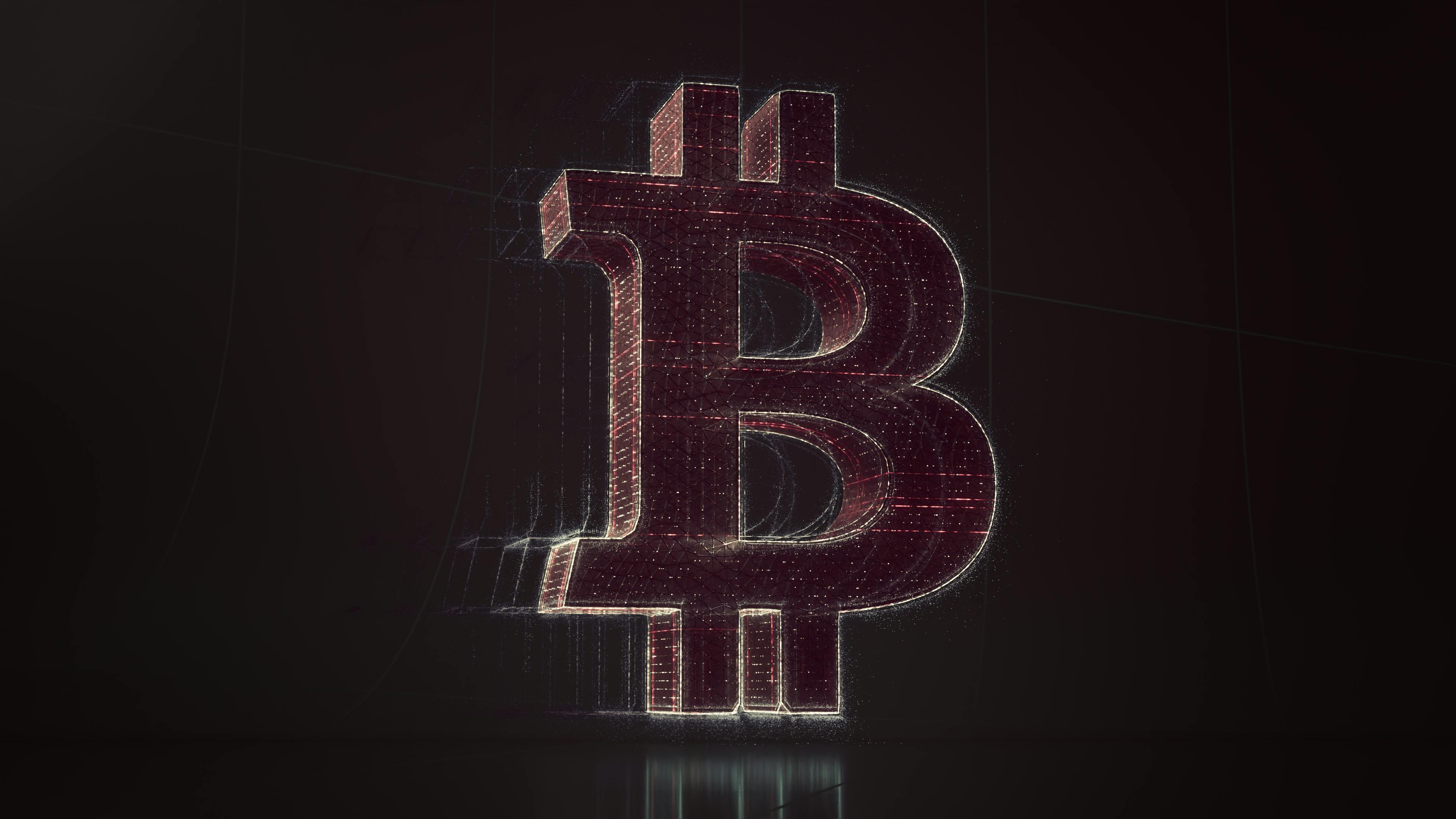
Notice something? None used NFTs or blockchain to convey these. They used blood, sweat, and canvas. The most powerful universal truths in art have always emerged from the artist's deepest struggles, joys, and observations of the human condition—not from technological gimmicks.
Notice something? None used NFTs or blockchain to convey these. They used blood, sweat, and canvas.
The Viewer's Alchemical Moment
What happens when you encounter your own truth in art? It's a two-way street. The artist seeds the soil, but the viewer brings their own life experience to harvest meaning. That's why one person might see "freedom" in a soaring painting while another sees "chaos."
I'll never forget a collector who bought a vibrant abstract piece titled "Rebirth." She'd recently gone through a divorce. She cried while explaining how the painting's explosive colors mirrored her own inner transformation. The artwork didn't "solve" anything—it mirrored her truth, validating her experience.
The Psychology of Art Response
Why does this alchemical moment happen? Cognitive psychology suggests several factors:
- Pattern Recognition—our brains are wired to find patterns and meaning in visual stimuli
- Emotional Contagion—we can "catch" emotions from visual representations, just as we do from facial expressions
- Embodied Cognition—we understand art through our physical experiences and bodily sensations
- Memory Association—art triggers memories and emotions stored in our neural networks
- Meaning-Making—humans have an innate drive to find significance in their experiences
When you find yourself moved by a piece of art, it's often because it has activated multiple cognitive and emotional systems simultaneously. The painting doesn't just appeal to your aesthetic sense—it engages your entire being, creating what psychologists call a "peak experience"—moments of intense joy, wonder, and transcendence.
The Therapeutic Power of Art
This alchemical moment is why art therapy is so effective. When words fail us, art can often express what we cannot verbalize. The act of creating or viewing art that resonates with our inner truth can be profoundly healing. It provides an outlet for emotions we might not even be consciously aware of, helping us process experiences that might otherwise remain stuck in our psyches.
Art doesn't just reflect our inner world—it helps us reorganize it. By seeing our emotions externalized in a piece of art, we gain perspective and distance. We can observe our truth from a safe vantage point, which often makes it easier to understand and integrate into our lives.
This alchemical moment is what makes art so powerful. When a piece resonates with you, it's not just about what the artist intended—it's about what you need to see. The artwork becomes a mirror that reflects back to you what's already within you, often in a way you couldn't articulate yourself. That's why the same painting can speak differently to different people, and why you can revisit the same piece years later and discover entirely new meaning. It's a conversation that continues as long as you're willing to listen.
Why This Matters Now
In our fractured digital age where tribalism runs rampant, art that bypasses ideology is revolutionary. It says: I see you. You are not alone. When political slogans divide us and social media curates echo chambers, a canvas speaking of shared humanity becomes an act of gentle rebellion. It reminds us that beneath our passports and paychecks, we all feel joy, sorrow, wonder, and doubt.
The Art of Connection in a Disconnected World
We're living in a paradoxical time: we've never been more connected digitally, yet many of us feel more isolated than ever. Social media promises connection but often delivers comparison. Algorithms create echo chambers that reinforce our biases rather than challenge them. In this landscape, art becomes a rebellion against fragmentation.
When you stand before a piece of art that speaks to your soul, you're not just looking at paint on canvas—you're participating in a conversation that began before you were born and will continue after you're gone. You're connecting with the artist's humanity, with the humanity of all who've been moved by the same piece before you, and with the humanity of all who will be moved by it in the future.
Art reminds us that while our circumstances, cultures, and technologies may change, the fundamental human experience remains remarkably consistent. We still love, we still grieve, we still wonder at the beauty of the world, we still struggle with meaning. Art is the bridge that connects our individual experiences to this shared human story.
Consider how much time we spend curating our online personas, presenting only the polished versions of ourselves to the world. Art, particularly abstract art, strips away these pretenses. It doesn't care about your job title, your political views, or your social media following. It simply meets you as you are—raw, human, and perfectly imperfect. In a world that constantly tells us to perform, art gives us permission to simply be. It's a radical act of authenticity in an age of manufactured perfection.
How to Find Universal Truths in Art
The Active Viewing Process
- Look beyond "what it is"—If the first thought is "it's a red blob," keep asking: What does this make me feel?
- Journal three words—After viewing a piece, jot down 3 emotions it evokes. No analysis needed—pure instinct.
- Visit [/timeline]—Our artist's journey of exploring these truths over decades chronicles how universal themes evolve.
- Trust your body—Do your shoulders relax? Does your chest tighten? Physical responses are truth detectors.
- When you're ready—If a truth whispers back to you, learn more about bringing it into your space [/buy].
Deeper Engagement Techniques
- The 5-Minute Stare—Set a timer and simply look at the artwork for 5 minutes without distraction. Notice what comes up.
- Imagine the Artist—What might the artist have been feeling while creating this? What story might they be telling?
- Connect to Personal Memories—Does this piece remind you of any experiences, people, or moments from your own life?
- Discuss with Others—Art becomes richer when shared. Ask friends what they see and feel. You'll be surprised at the different perspectives.
- Return Multiple Times—Art reveals itself in layers. You'll notice something new each time you revisit a piece, especially if you're in a different emotional state.
Creating Your Own Truth Journal
Start a dedicated notebook for your artistic encounters. For each piece that moves you, record:
- Date and location of viewing
- Immediate physical sensations (cold hands, warmth in chest, etc.)
- Three emotional words that first come to mind
- Any memories or associations the piece triggers
- Questions the artwork raises for you
- Personal connections to the universal truth you perceive
Over time, you'll begin to see patterns in what speaks to you, revealing your own unique emotional landscape and the universal truths that resonate most deeply with your soul.
FAQ: Universal Truths in Art
Q: Isn't "universal truth" just a pretentious art world term? Not at all! It's simply art that resonates across cultures because it touches on shared human experiences—love, grief, joy, connection.
Q: How do I know if something is "true" enough? You don't need validation. If a piece speaks to your soul, it's true—for you. The greatest art invites us into conversation, not lectures.
Q: Can commercial art express universal truths? Absolutely! A poster can evoke nostalgia. A mug design can celebrate simple joy. Truth isn't tied to price tags or prestige.
Q: Why is this relevant if I don't buy art? Because encountering truth in any form—whether in a museum or a street mural—enriches your perspective. It reminds us of our interconnectedness.
Q: What if I don't "get" abstract art? Join the club! I've stared at masterpieces feeling utterly dense. The secret isn't "getting it"—it's staying with the discomfort long enough for meaning to emerge. Like tasting wine, you develop a "palate" over time.
Q: Do I need to be educated about art history to appreciate universal truths? Not at all! While art history adds context, the most powerful connections happen on an intuitive level. You can respond deeply to art without knowing anything about the artist or movement.
The Eternal Dialogue
Art isn't finished when the artist signs it. That's only the beginning of the conversation. The real magic happens when your truth meets the canvas's truth, creating a third space where human hearts align. Whether you're in Den Bosch or Dubai, a child in the Paleolithic era or a coder in Silicon Valley—we're all part of the same story, told in color, form, and feeling.
If you're near Den Bosch, experiencing this dialogue firsthand can be transformative. [/den-bosch-museum] often features works that unfold these universal layers in ways you can almost touch. Go stand before a piece. Listen. What does it whisper to you?

The Science of Art and Emotion
Recent neuroscience research has validated what artists and viewers have known intuitively for centuries: art literally changes our brain chemistry. When we encounter art that resonates with us:
- Dopamine is released, creating feelings of pleasure and reward
- Oxytocin increases, fostering feelings of connection and empathy
- Cortisol levels can decrease, reducing stress and anxiety
- Mirror neurons fire, allowing us to emotionally connect with the artist's experience
This isn't just metaphorical—art has measurable physiological effects that connect us to universal truths on a biological level. When you feel moved by a painting, it's not just "in your head"—it's a whole-body experience that taps into our shared human biology.
Art as Cultural Time Capsule
Throughout history, art has served as humanity's time capsule, preserving the universal truths that matter most across generations. When we look at cave paintings, Renaissance masterpieces, or contemporary installations, we're not just observing different styles—we're connecting with the same fundamental human experiences that have mattered since the dawn of civilization.
The themes change—the techniques evolve—but the core truths remain: love, loss, joy, struggle, wonder, connection. Each generation of artists translates these truths into the language of their time, ensuring that the most important human questions continue to be asked, even if the answers take different forms.
Art Through Different Mediums
While we've focused on painting, universal truths manifest across all artistic mediums:
Sculpture: The Truth in Three Dimensions
Sculpture invites us to walk around truth, to experience it from multiple angles. A Michelangelo statue doesn't just show beauty—it embodies the struggle and triumph of bringing form from stone. The physical act of sculpture—carving away the unnecessary to reveal the essential—is itself a metaphor for how we discover truth within ourselves.
Photography: Capturing Fleeting Truths
Photography freezes moments in time, preserving universal truths that might otherwise be lost. An Ansel Adams landscape captures the sublime power of nature. A Dorothea Lange photograph reveals the dignity in suffering. Photography shows us that truth exists in both the grand vistas and the intimate details we might otherwise overlook.
Ceramics: The Truth in Imperfection
Working with clay teaches us about beauty in imperfection. The Japanese philosophy of wabi-sabi finds truth in impermanence and imperfection. A handmade ceramic bowl, with its slight asymmetries and glaze variations, carries the truth of the human touch—imperfect, alive, and unique.
Music: The Truth in Vibration
While visual art speaks to our eyes, music speaks directly to our souls. The universal truths of music—joy, sorrow, triumph, longing—affect us on a primal level because they bypass our analytical minds and speak directly to our emotional biology. A sad melody can make us cry without us knowing why, because it taps into truths that are older than language itself.
Literature: The Truth in Words
Literature gives us the luxury of time with universal truths. A novel can follow characters through years of experience, showing how truth evolves over time. Poetry distills complex emotions into their essence, creating emotional shorthand that speaks across cultures and centuries. The written word allows us to explore truth in ways that visual art cannot—through the intricate dance of narrative and character.
Dance: The Truth in Movement
Dance expresses universal truths through the very language of the body—motion, gesture, rhythm. A ballet can convey love and loss through the arc of a leap. A contemporary dance piece might explore identity through repetitive, almost ritualistic movements. Dance speaks to us because it bypasses our rational minds and communicates through our shared physical experience.

Film: The Truth in Time and Narrative
Film combines visual art, music, literature, and performance to explore universal truths across time. A documentary can reveal social truths through real human stories. A fictional film can explore emotional truths through character development. The temporal nature of film allows us to experience truth unfolding in real-time, creating a deeper connection than static art can provide.
Performance Art: The Truth in Presence
Performance art brings universal truths into the immediate present. There's something powerful about witnessing an artist express truth in real-time, with all the vulnerability and spontaneity that entails. Performance art often challenges us to confront uncomfortable truths about society, ourselves, or the nature of art itself. It reminds us that truth isn't always comfortable—but it's always transformative.