Paris Art Museums: Your First-Timer's Quirky Guide to Masterpieces
Explore Paris's iconic art museums and hidden gems with this personal guide for first-timers. Get insider tips, avoid crowds, and connect with masterpieces from classic to contemporary art.

Paris's Iconic Art Museums: Your Quirky First-Timer's Guide to Masterpieces
You know that feeling, don't you? You land in a city like Paris, brimming with anticipation, a little giddy, and then you open the map (or, let's be honest, your phone), and suddenly it's a sea of impossible choices. "Where do I even start with the art?" you whisper to yourself, maybe a little panicked. Are you drawn to the monumental classicism of the Old Masters, the vibrant rebellion of Impressionism, or the challenging perspectives of modern and contemporary works? From grand historical masterpieces to the cutting-edge of contemporary expression, this guide is your starting point, your personal journey through Paris's artistic heart, designed to cut through the noise and get you straight to the soul of the city's art scene. I've been there, trust me. I remember my first few times in Paris, I tried to do it all, ending up with aching feet and a brain so overloaded I couldn't tell a Monet from a Manet (please don't tell any art historians I said that). It's a rite of passage I went through, and frankly, it wasn't fun – so I'm saving you the trouble. This isn't your average, dry museum guide, mind you, but a hand-picked, intensely personal selection designed to help you truly connect with Paris's art. Think of this as me, your slightly-too-caffeinated friend, giving you the lowdown on how to actually enjoy Paris's incredible art scene, especially if it's your first rodeo.
But before we get lost in the galleries, let's quickly touch on why Paris has earned its place as the undeniable art capital of the world. It’s a city that has not only joined the ranks of historic powerhouses like Florence, Rome, and Amsterdam but has consistently forged its own unique path, shaping so much of what we call art today. Historically, it served as a magnet for artists, a hub for patrons, and a stage for intellectual discourse. Influential salons like the Salon des Refusés challenged academic norms, while institutions such as the powerful Académie royale de peinture et de sculpture (and later the Académie des Beaux-Arts) not only set the prevailing standards but also sparked the very rebellions that defined new movements. The sheer economic power of art patronage in Paris, where wealthy individuals and institutions funded artists, played a pivotal role in this flourishing. Even political shifts, like the tumultuous French Revolution, indirectly reshaped the art world by opening royal collections to the public, laying the groundwork for many of the grand museums we visit today. The dynamism continued through periods like the Belle Époque, which saw an explosion of artistic innovation, and its post-war artistic boom, solidifying its role as an enduring epicenter of creativity. This vibrant environment made it the undeniable birthplace or crucial incubator for movements like Cubism (think Pablo Picasso and Georges Braque challenging perspective) and the dreamscapes of Surrealism (championed by Salvador Dalí and René Magritte). And even as someone who spends most of my time wrestling with abstract art, I believe understanding the classics is like learning the alphabet before writing poetry. It gives you context, it gives you depth. This isn't just about pretty pictures; Paris is a living, breathing canvas, a crucible where artistic movements were born and nurtured, and its energy continues to inspire. With that understanding, let's dive into the hallowed halls that make Paris the undisputed art capital, shall we?

The Big Three (My Unfiltered Take for First-Timers)
So, you’ve got a taste of Paris’s grand artistic lineage. With that foundational understanding now settled, how about we jump straight into experiencing it? These are the giants, the ones you absolutely have to see, but with my personal spin on how to approach them without losing your mind (or your feet!).
1. The Louvre: More Than Mona Lisa (But Yeah, She's There)
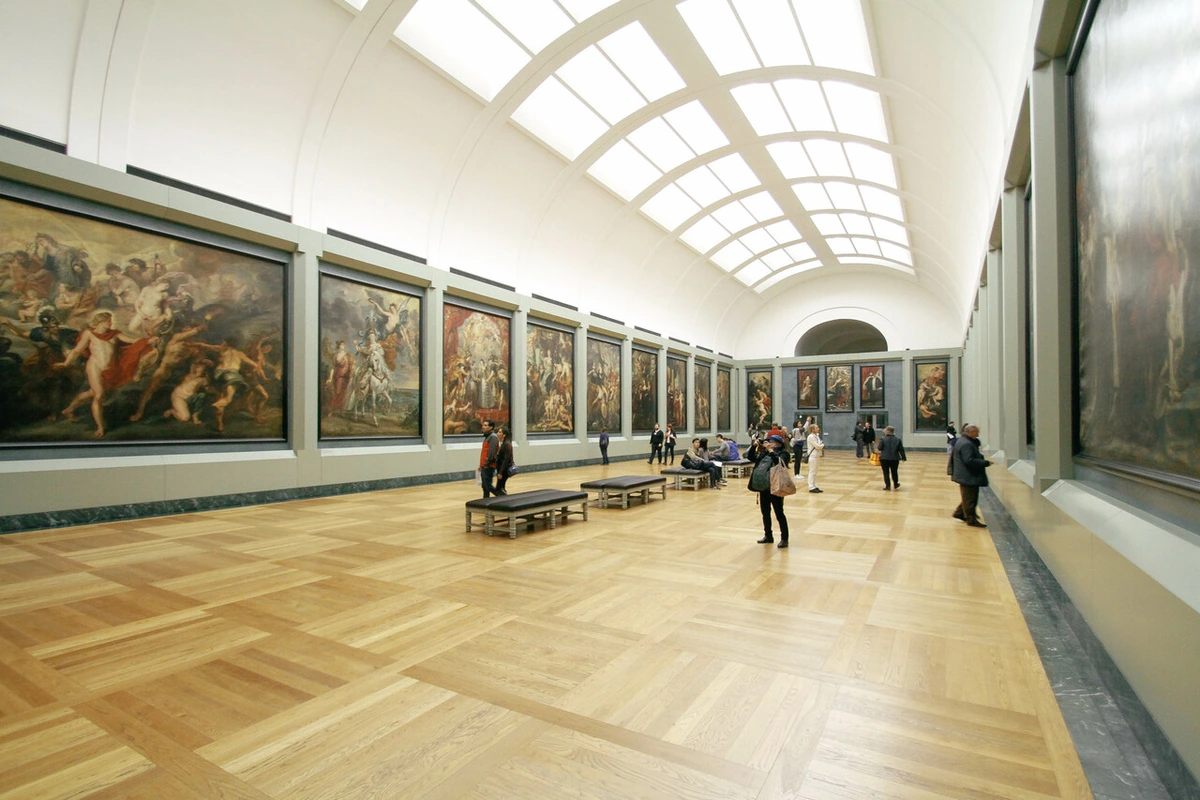
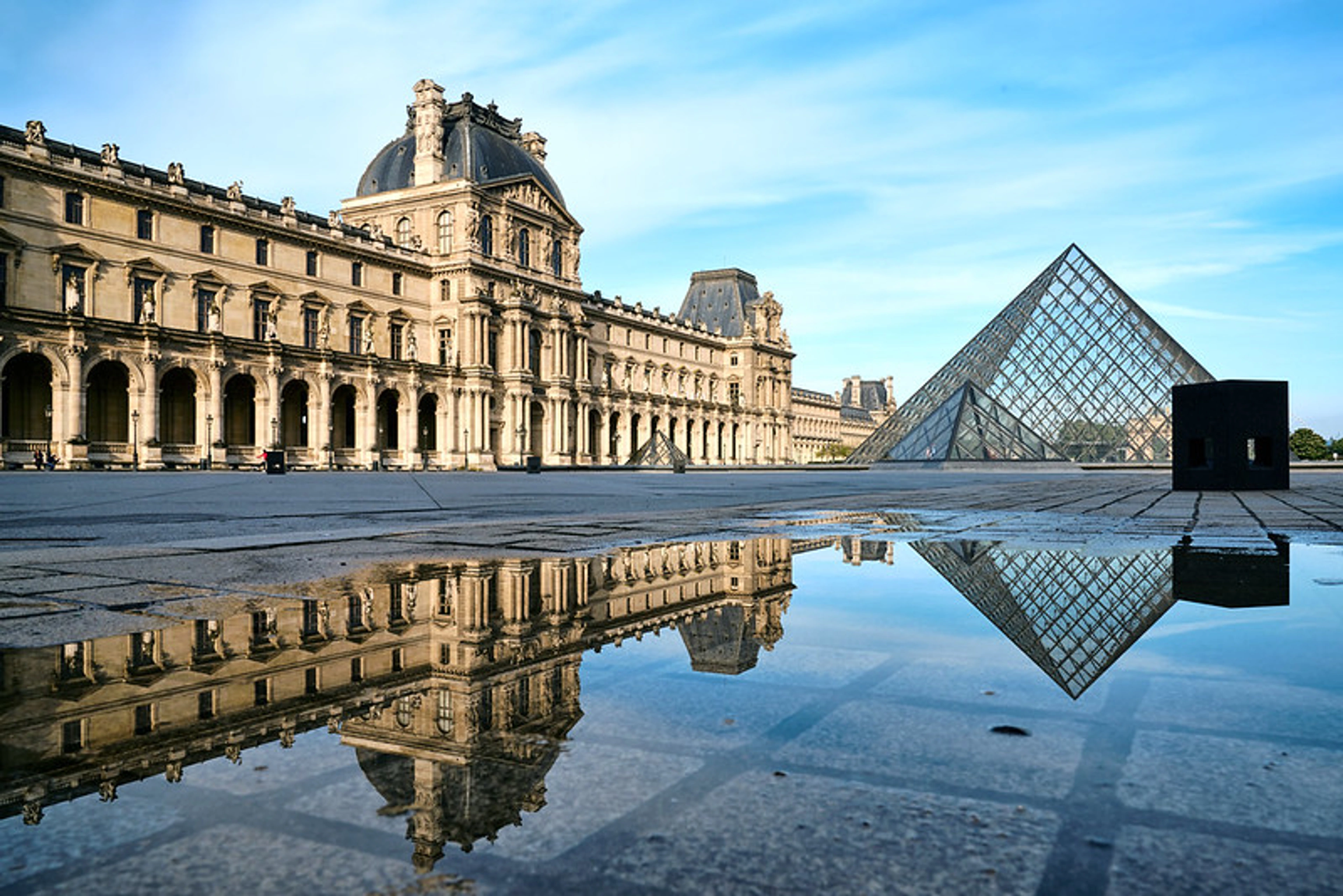
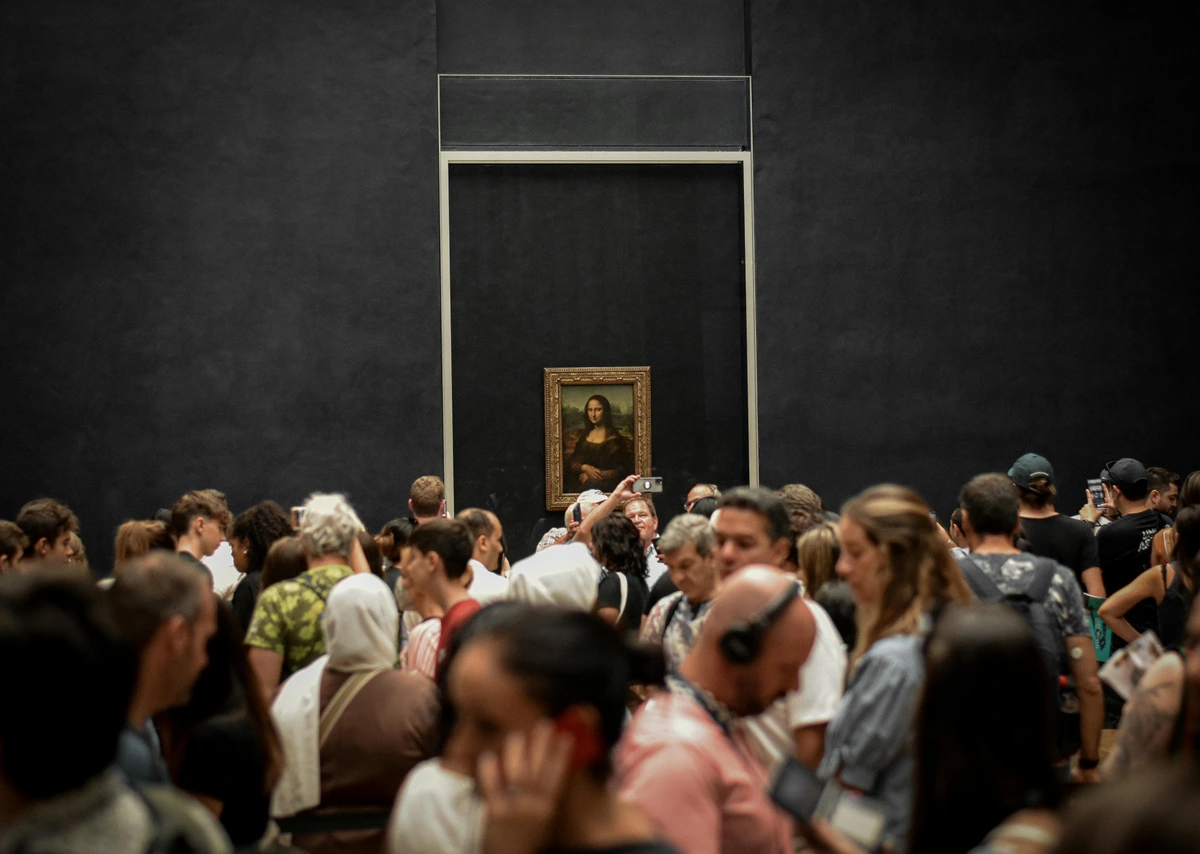
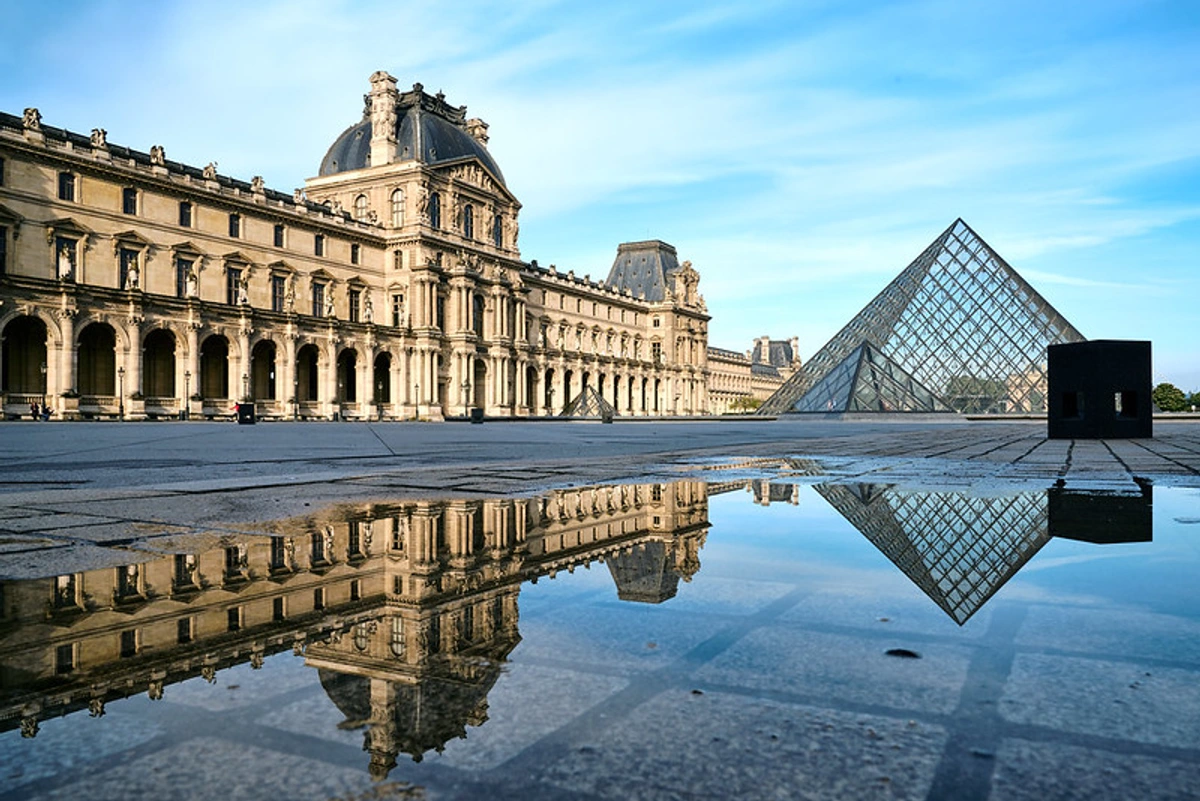
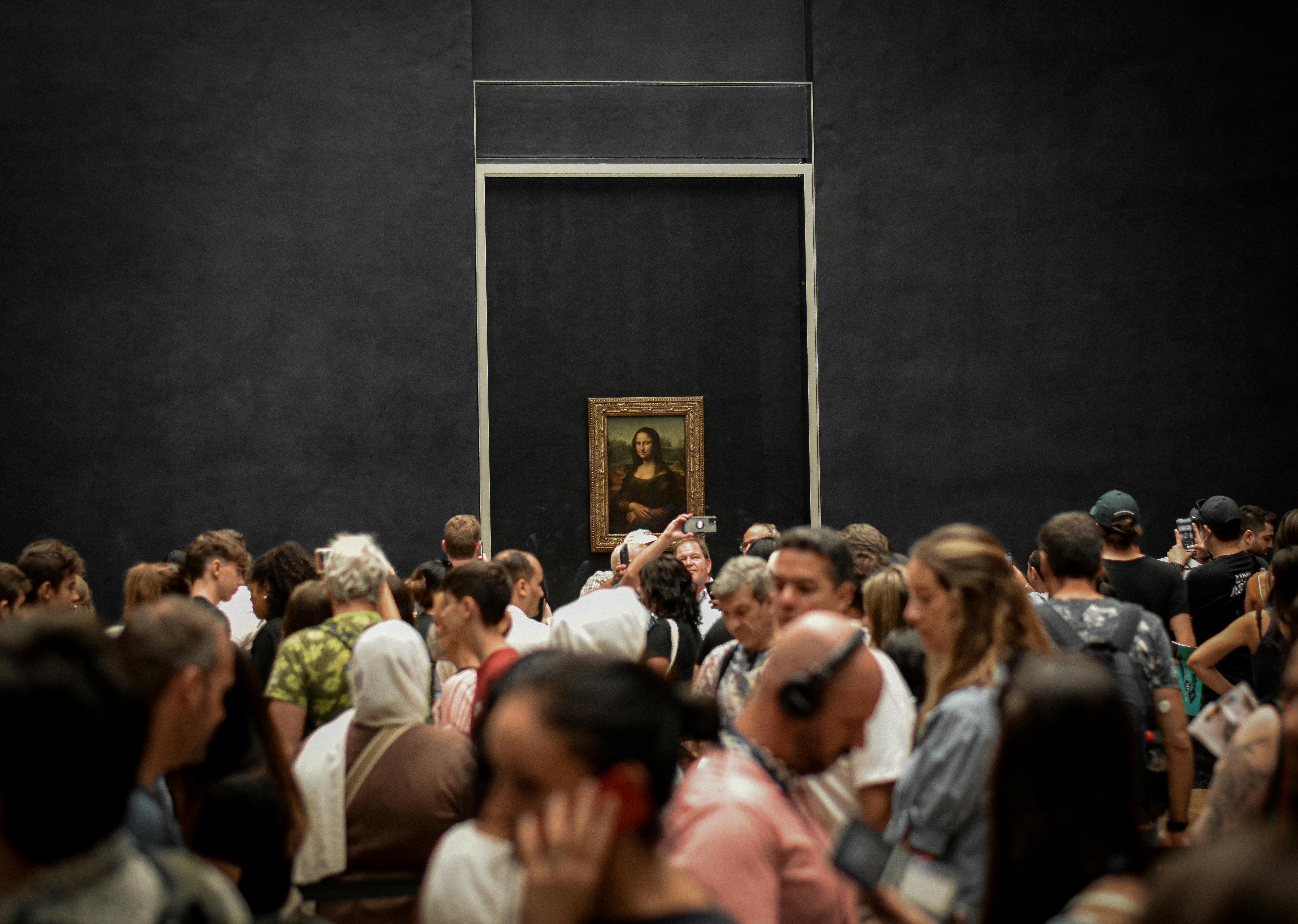
Okay, let's address the elephant in the room – or rather, the pyramid outside the former palace. The Louvre. It's immense. My first time, I genuinely felt like I needed a compass, a packed lunch, and maybe a small support group. I remember one time, I almost mistook a particularly ornate fire extinguisher for a contemporary installation (don't judge, it was a long day!). Honestly, navigating it can feel a bit like this:
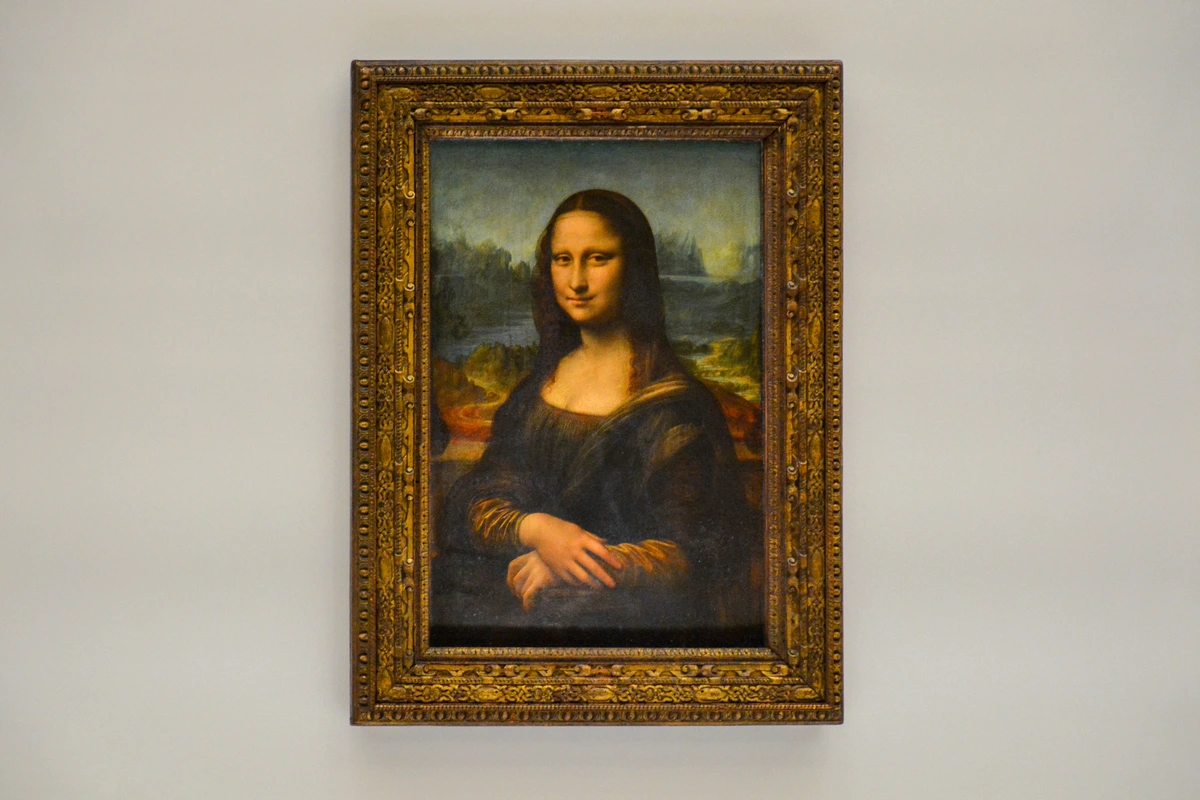
But here's the secret: don't try to see everything. You can't. Pick three things you absolutely want to see – maybe the Mona Lisa (because, come on, you kinda have to), the Winged Victory of Samothrace (she's breathtaking), and the Venus de Milo. Alternatively, consider focusing on a particular period or collection that truly captivates you, like the powerful Dutch Golden Age paintings, the intricate Egyptian antiquities (the colossal sarcophagi are mind-blowing!), or even the opulent Decorative Arts wing. Or, if you want something a bit off the main tourist track and appreciate the raw emotion of sculpted forms, seek out the impressive French sculpture in the Richelieu wing, perhaps Puget's intense Milo of Croton, or the ancient Mesopotamian artifacts, home to the famous Code of Hammurabi. These less-traveled paths often reward with a more intimate connection to the sheer artistry and historical narratives. Then, allow yourself to wander a bit, get gloriously sidetracked by a colossal Egyptian sarcophagus or a Flemish masterpiece. The joy is in the unexpected discoveries, not the checklist. It's truly one of those places where you just have to surrender to the scale and let it wash over you, a monumental testament to human artistic achievement, vast and humbling. This place demands patience but rewards with sheer, overwhelming wonder at humanity's creative spirit. It's an experience you'll never forget. The Louvre isn't just a museum; it's a journey through human history itself.
2. Musée d'Orsay: Where Impressionism Sings (My Personal Happy Place)
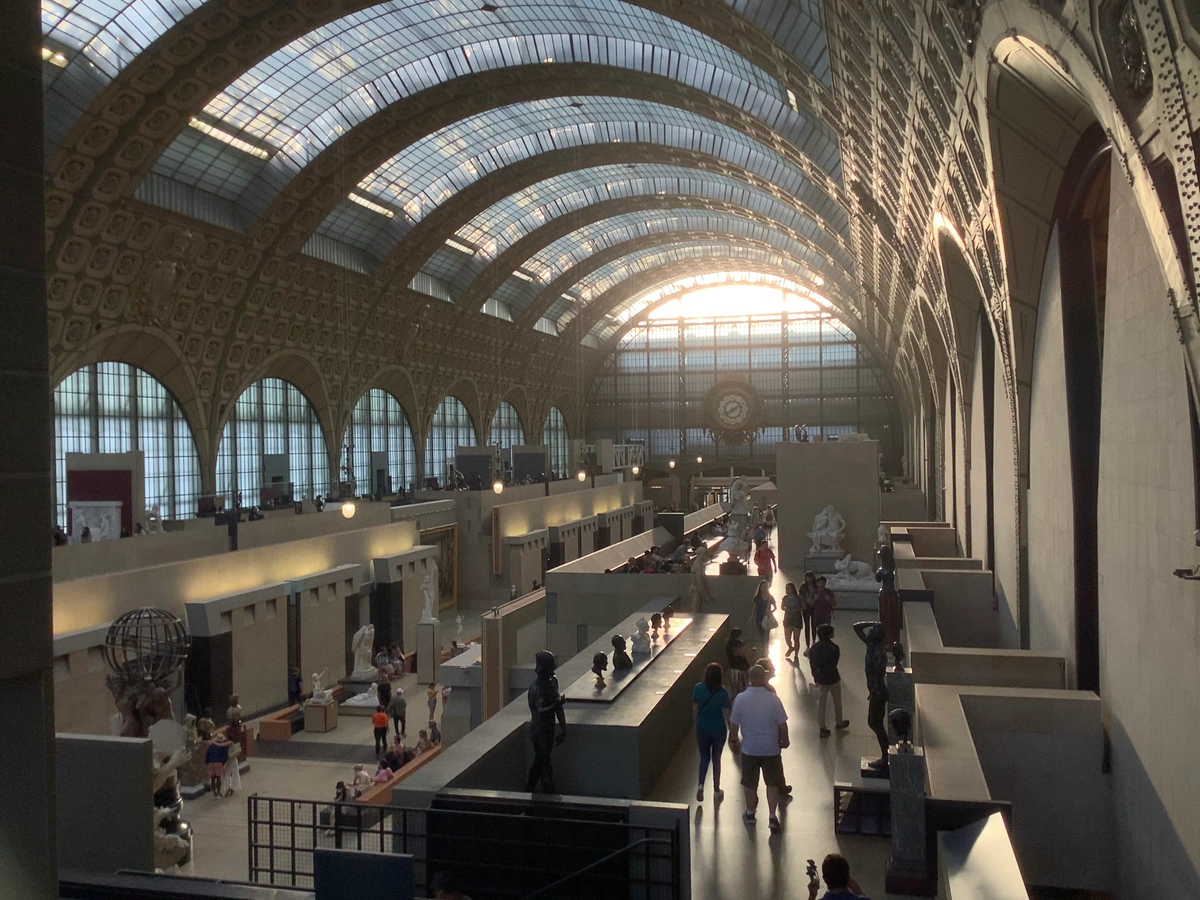
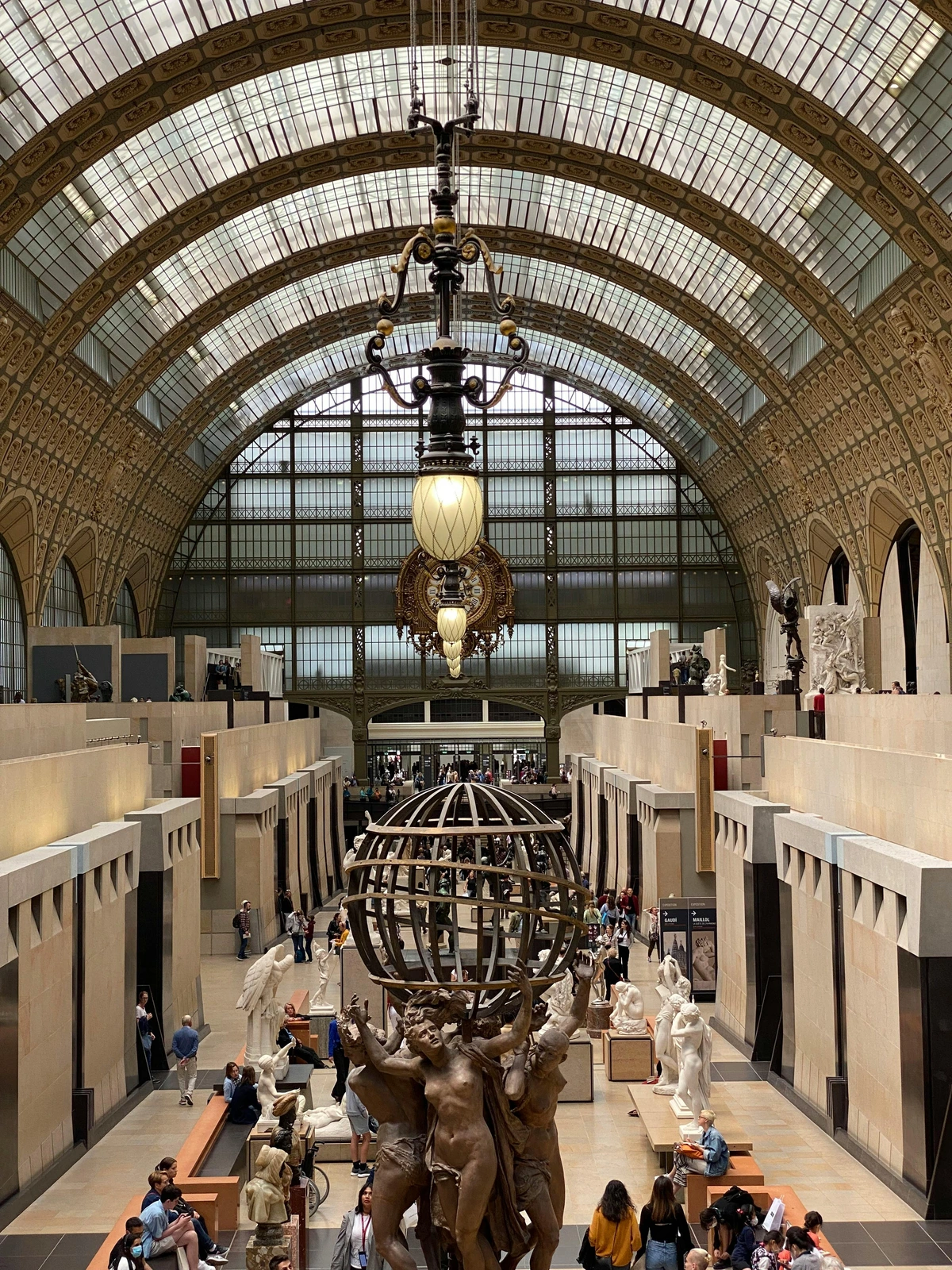
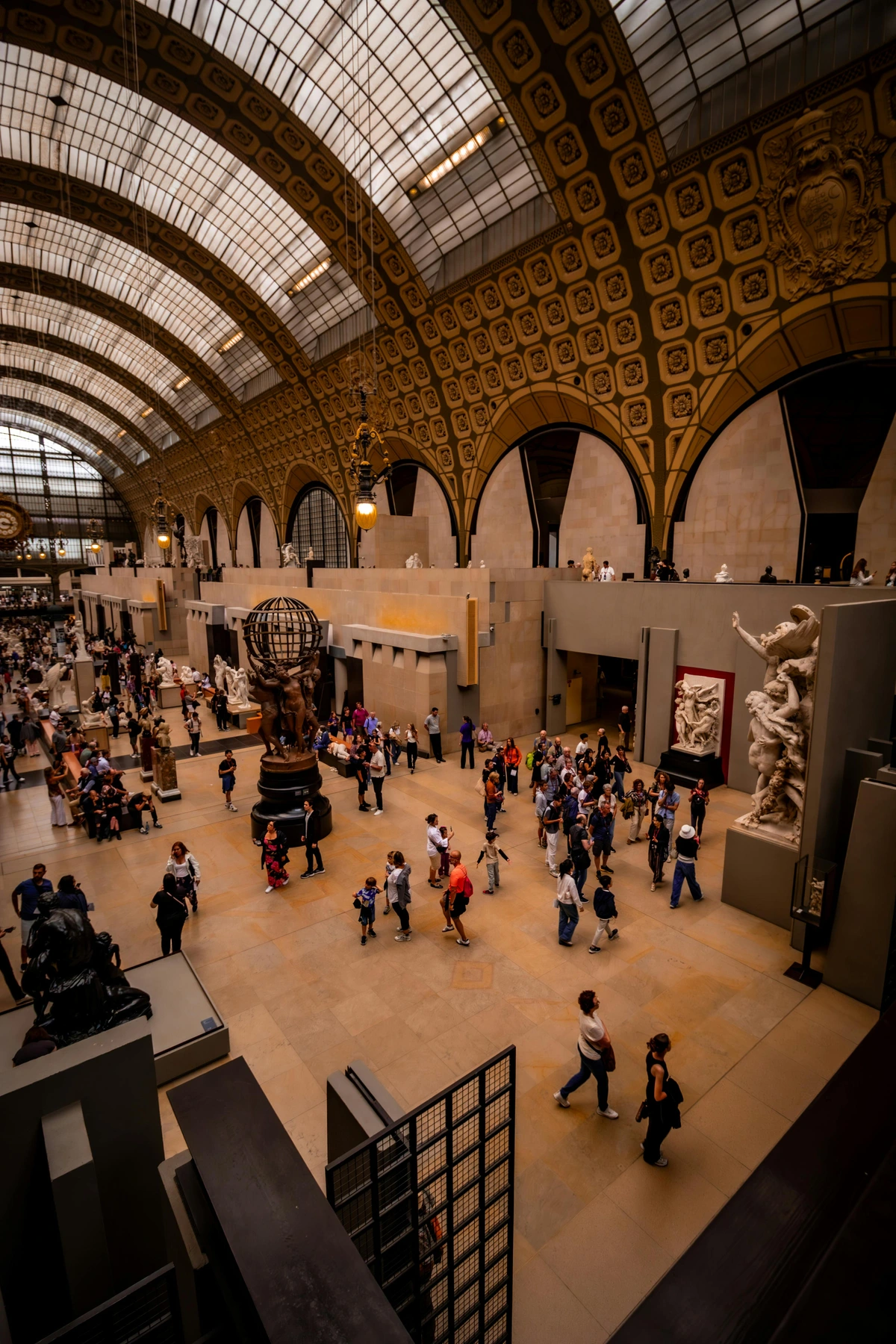
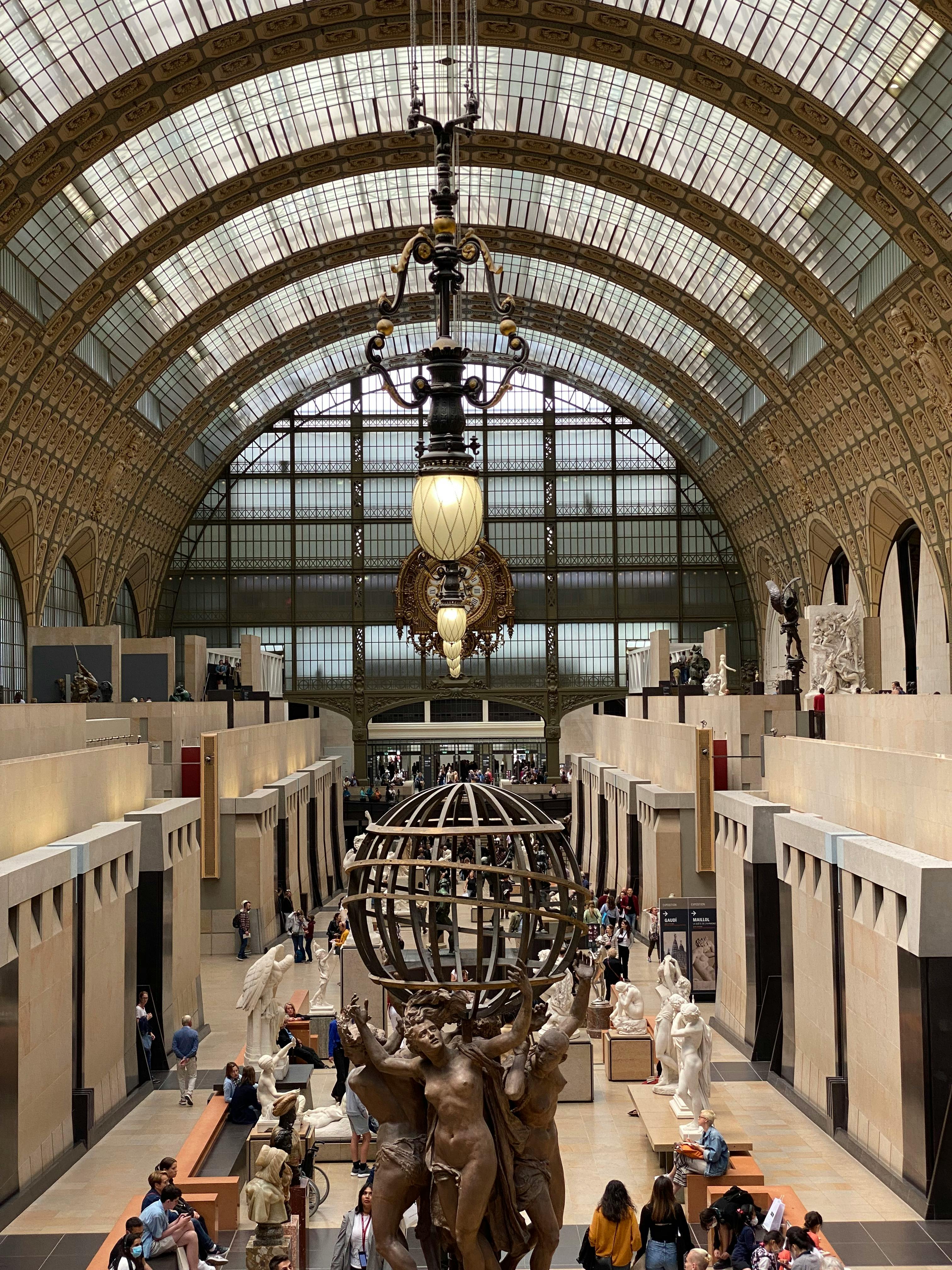
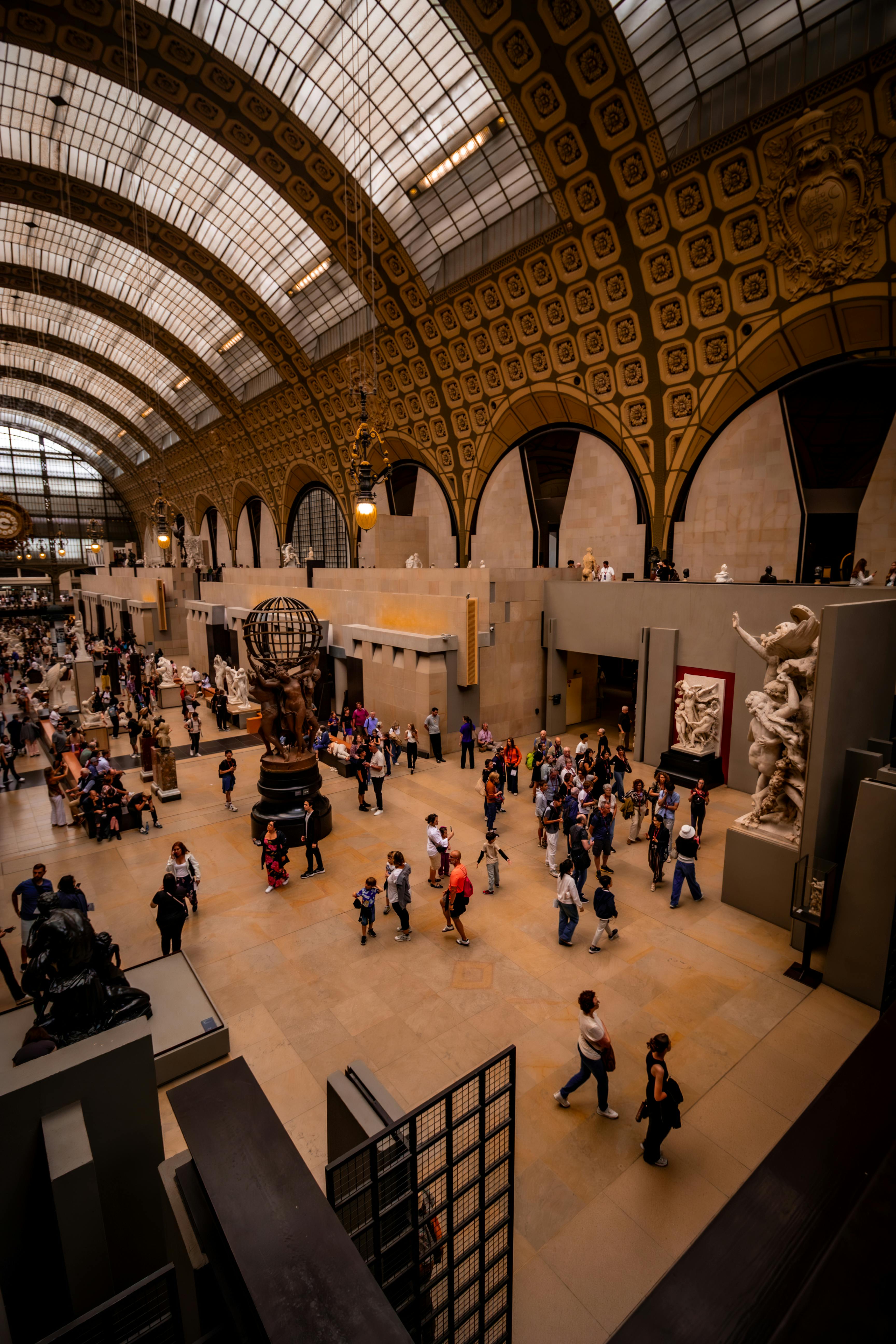
If the Louvre is a grand, intimidating opera, the Musée d'Orsay is a perfectly tuned symphony. This stunning former Beaux-Arts railway station isn't just a container; its architectural grandeur—with that soaring glass roof and ornate clock—is a masterpiece in itself. Seriously, the building, originally built for the 1900 Universal Exhibition, offers an incredible example of 19th-century engineering turned sanctuary for Impressionism, with its unique layout and abundant natural light enhancing the very artworks it houses. It perfectly complements the artistic treasures within, and honestly, its forward-thinking design was a quiet precursor to the modernist architectural movements that would follow. This museum often steals my heart. It's got all the Impressionists and Post-Impressionists you could dream of: Monet, Manet, Degas (look out for his exquisite "Little Dancer of Fourteen Years"), Renoir (the vibrant "Bal du moulin de la Galette" is a must-see), Cézanne, Van Gogh. Oh, the colours! I swear, every time I walk through those rooms, I feel a surge of inspiration for my own work, a direct connection to how light and colour can transform a canvas. And that giant clock window offering panoramic views of the Seine and Montmartre? Pure magic. It's a perfect example of a best museum for modern art that doesn't feel overwhelming. It's a symphony of light and emotion, where every brushstroke hums with life, inviting you to connect with the very essence of modern painting. For me, the Orsay is pure artistic bliss, a harmonious blend of past innovation and timeless beauty.
3. Centre Pompidou: The Inside-Out Rebel (For a Dose of the Unexpected)
Full disclosure: the very first time I saw the Centre Pompidou, I thought it was under construction. All those pipes and ducts on the outside! But that's its charm, isn't it? It's a provocative, unapologetic statement about modern art, and its radical inside-out design had a seismic impact on the Parisian urban landscape. This deliberately transparent design, exposing its functional guts—pipes, escalators, and structural steel—was a playful defiance against the traditional solemnity of museums, bravely democratizing the idea of what an art institution could be. And honestly, if you step outside, you'll often find yourself mesmerized by the nearby Stravinsky Fountain, a whimsical, kinetic sculpture that perfectly embodies the Pompidou's own rebellious spirit. Inside, you'll find an incredible collection of 20th and 21st-century works, from Picasso to Pollock, alongside a vibrant schedule of temporary exhibitions and cultural events that continuously foster contemporary art creation, often championing avant-garde artists pushing new boundaries. If you're someone who leans towards the unconventional, or who enjoys decoding abstract art, this place is a wonderland. Plus, the panoramic views of Paris from the top floor are worth the ticket price alone. It reminds me that sometimes, you just have to turn things inside out to see them clearly, much like the process of creating a vibrant abstract expressionism piece. It’s where art constantly challenges expectations and invites you to look differently, pushing your boundaries. The Centre Pompidou is a vibrant, intellectual playground for the adventurous art lover.
credit, licence
A Little Off the Beaten Path (When You're Feeling Adventurous)
Feeling like a true art connoisseur? Ready to uncover Paris's hidden artistic treasures? If you've tackled the big three and still have an appetite for art (you brave soul!), here are a couple of my personal favorites that offer a different, perhaps more intimate, experience.
Musée Rodin: The Thinker's Retreat
Oh, the Musée Rodin. It's a sanctuary. Step away from the Parisian bustle and into a tranquil garden, part of the historic Hôtel Biron, Rodin's former home, now dotted with Auguste Rodin's monumental sculptures, including The Thinker, The Gates of Hell, and the profoundly moving The Kiss. His work is so raw, so emotional. Rodin's profound understanding of the human form, often rendered in bronze or even plaster with such powerful physicality – the tension in muscles, the subtle tilt of a head – makes his sculptures seem to vibrate with internal life. There's a particular magic in his unfinished pieces, where you can almost feel his hands still shaping the clay, witnessing the genesis of an idea. The texture of the unpolished bronze, the visible tool marks, and even the remnants of plaster offer a rare glimpse into the artist's creative struggle and genius, revealing the raw process behind the polished masterpiece and inviting us to appreciate the journey as much as the destination. And the scent of the old stone, mingled with the fresh garden air? Pure bliss. The indoor collection, housed within the beautiful Hôtel Biron, is equally captivating. It's a beautiful place to pause, reflect, and maybe even find a quiet bench to just be. For me, experiencing Rodin's ability to imbue inert material with such potent emotion always makes me think about how I approach conveying depth and feeling in my own, often abstract, forms. It's a sanctuary where profound human emotion takes solid, tangible form, urging you to feel the weight of existence. The Rodin Museum is a powerful meditation on the human condition.
Moving from Rodin's weighty, monumental sculptures to the ethereal expanse of Monet's canvases, we find another kind of quiet introspection at the next gem, a place where light and color truly reign supreme...
Musée de l'Orangerie: Monet's Water Lilies, Pure Serenity
If the Louvre's grand scale left you a bit overwhelmed, the Musée de l'Orangerie is your antidote. Tucked away in the historic Tuileries Garden, a green lung that has witnessed centuries of Parisian life and art, this museum is a minimalist masterpiece, designed specifically to house Claude Monet's magnificent Nymphéas (Water Lilies) murals. Walking into those two oval rooms is like stepping into a peaceful, immersive dream. The sheer scale of the canvases, wrapping around you, blurs the line between you and the painting, making you feel like you're in the water lilies themselves. Monet’s revolutionary approach here pushed the limits of representation towards pure sensation by fragmenting the reflections, dissolving solid forms into pure light and color, and creating an all-encompassing environment. It's a moment of pure, unadulterated calm, and a powerful reminder of how art can transport you. Beyond the sensory experience, the Orangerie showcases Monet's revolutionary approach, solidifying Impressionism's enduring legacy and offering a fantastic place to connect with the very roots of abstract art movements from early pioneers to contemporary trends, as Monet's later works truly pushed the boundaries of representation, moving towards a vision where pure color and light evoke feeling rather than literal scenes – a profound precursor to much of the abstract art we see today. Here, serenity blossoms in every expansive brushstroke, inviting deep contemplation. The Orangerie offers a rare and beautiful escape into pure visual poetry.
When You Want to Dig Deeper (My Secret Stash)
Feeling truly bitten by the art bug? Excellent! If you've conquered the giants and explored the tranquil retreats, and you're still hungry for more, Paris has countless smaller, exquisite museums waiting. These are a couple of my personal favorites for a deeper dive, places that offer unique perspectives on art history and the creative mind. For me, these are the places where I feel I can truly linger and connect, without the grandiosity of the larger institutions.
Musée Marmottan Monet: An Impressionist Treasure Trove
Often overlooked, this charming museum is a hidden gem for Impressionism lovers. It houses the world's largest collection of Claude Monet's works, including his seminal "Impression, Sunrise" – the painting that not only gave the movement its name but, with its bold, visible brushstrokes and focus on fleeting light, utterly revolutionized how art was perceived. This wasn't just another painting; it broke dramatically from academic traditions that valued historical scenes, meticulous detail, and polished finishes, instead emphasizing the subjective experience of light and color, capturing a fleeting moment rather than a grand narrative – a radical step towards modern art that rattled the art establishment of its day. You’ll find early works, captivating portraits, and more of his enchanting Water Lilies, alongside significant pieces by other Impressionists like Berthe Morisot. It feels far more intimate than the grander museums, allowing for a truly personal connection with the art, without the usual crowds. It’s a perfect spot to immerse yourself in the subtle nuances of light and color that defined a revolution, a quiet testament to a pivotal artistic shift. The Marmottan Monet is an intimate journey into the heart of Impressionism.
Musée Picasso: A Master's Universe in a Grand Hôtel
Housed in the magnificent Hôtel Salé in the Marais district, the Musée Picasso offers an unparalleled journey through the prolific career of Pablo Picasso. This museum contains thousands of his works—paintings, sculptures, prints, and ceramics—along with his personal archives and art collection. It's where I feel I can truly trace the incredible evolution of his styles, from the melancholic Blue Period and vibrant Rose Period to the groundbreaking Cubism (look out for his early Cubist breakthroughs and revealing studies for monumental works like Guernica) and the dreamscapes of Surrealism. You might even find yourself contemplating the profound intensity of his Portrait of Dora Maar or the raw power of The Charnel House, offering a glimpse into the depth beyond the stylistic shifts. Don't miss his later, often playful, ceramics, or his politically charged works from the Spanish Civil War era, which reveal a different side to his multifaceted genius. For anyone fascinated by the creative process and the sheer breadth of artistic genius, this is an absolute must-visit. It's a comprehensive look into a singular, endlessly evolving artistic universe, inspiring awe at his boundless creativity. The Musée Picasso is a dizzying, dazzling exploration of one of art history's greatest minds.
My Parisian Art Museum Survival Kit (From One Human to Another)
Navigating Paris's art scene can feel like a marathon, but with a few insider tips, you can transform potential exhaustion into pure artistic bliss. Look, I'm not going to lie; museum hopping can be tiring. But with a few tricks up your sleeve, you can turn potential exhaustion into pure joy.
- Tickets Are Your Best Friend: Seriously, book everything online, in advance. This isn't a suggestion; it's a commandment. Standing in line is a waste of precious Paris time.
- Pace Yourself (and Don't Feel Guilty!): Don't be a hero. Art fatigue is a real phenomenon. One major museum a day, maybe two smaller ones if you're feeling ambitious and they're close. Schedule breaks. Find a museum cafe, sit, have a coffee, people-watch. It's part of the experience. And truly, don't feel guilty for taking a moment to breathe or skipping a room. Your enjoyment is paramount.
- Comfortable Shoes, Always: Your feet will thank you. Mine still remember that one painful day I tried to look chic in heels at the Louvre. Never again.
- Embrace the Gift Shops (for a different kind of art): Sometimes, the most inspiring part of a museum visit is finding unique, artist-inspired items, or a beautiful art book to take home that deepens your understanding. They're often little museums in themselves, albeit commercial ones.
- Check for Temporary Exhibitions: Parisian museums are always hosting incredible special exhibitions. Before you go, check their websites – a temporary show might just be the highlight of your trip, offering a fresh perspective or a deep dive into an artist or movement.
- Check for Free Admission Days/Times: Many Parisian museums offer free admission on the first Sunday of the month, during specific evening hours, or on special cultural event nights. Always check their official websites in advance – it can be a fantastic way to experience world-class art without breaking the bank.
- Accessibility Matters: Always check the museum's website for specific accessibility information if you or someone in your group has mobility issues. Paris is an old city, and while many museums are improving, it's always best to be prepared.
- Reflect and Connect: Don't just consume. Think about what you're seeing. How does it make you feel? Does it remind you of anything? This reflective process is what makes art truly personal, and it can even spark an idea for your own collection of colorful abstract art. Consider how the forms, colors, or emotions might even influence your own creative process. Sometimes, I find it incredibly helpful to journal about my reactions or even do a quick sketch of a piece that moves me. It's a bit like my own journey as an artist, documented on my timeline, where every experience, every piece of art I encounter, shapes my perspective and feeds into the creations I explore.
- Look Closer, Always: Beyond the grand narratives, take a moment to really look at the details. The texture of a brushstroke, the way light hits a sculpture, a tiny expression on a face—these are the whispers of the artist, and they can unlock deeper connections. It's how I approach my own work, always trying to convey those subtle layers.
- Respect Museum Etiquette: Help keep these treasures pristine for everyone. No flash photography (it can damage artworks), maintain a respectful distance from the pieces, and keep your voice down. A little mindfulness goes a long way in preserving the experience for all.
- Always Check Opening Hours (Seriously, Do It): Parisian museums are notorious for their quirks. Don't let a closed door ruin your art pilgrimage – a quick online check can save you a world of disappointment. Here's a quick guide for the big ones:
Museum  | Closed Day |
|---|---|
| The Louvre | Tuesdays |
| Musée d'Orsay | Mondays |
| Centre Pompidou | Tuesdays |
| Musée Rodin | Mondays |
| Musée de l'Orangerie | Tuesdays |
| Musée Marmottan Monet | Mondays |
| Musée Picasso | Mondays |
FAQ: Your Burning Paris Art Questions, Answered (My Way)
How many museums can I realistically visit in a day?
Realistically? One major one (like the Louvre or d'Orsay) or two smaller ones (like Rodin and Orangerie, if you're speedy). Trying to cram more in is a recipe for art exhaustion and a general bad mood. Trust me on this.
What's the best time to visit to avoid crowds?
Early mornings (right when they open) or late evenings (if they have extended hours) are usually your best bet. Weekdays are generally less crowded than weekends. Tuesdays are often a good choice as the Louvre is closed, scattering crowds elsewhere.
Is the Paris Museum Pass worth it for a first-timer?
It can be, but do the math! If you plan to visit 3+ major museums and perhaps a few other attractions (like the stunning Sainte-Chapelle, though not strictly a museum) in 2-4 days, it might save you money and definitely time (hello, skip-the-line access!). Remember, it often includes other monuments and historical sites, not just art museums, which could be a deciding factor. Crucially, it generally does not include access to temporary exhibitions, which might be a major draw for your visit, so always check what's on. For a casual visit to one or two, probably not. I often find it restricts spontaneity, which isn't always my vibe, but for a strategic art blitz, it's definitely worth weighing.
What if I don't "get" abstract art or modern art?
That's totally okay! Art isn't a test. The beauty of places like the Centre Pompidou is that they challenge you. Don't feel pressured to understand every piece. Just observe, react, and see what sparks a feeling. Instead of trying to find a literal picture, try shifting your focus. Think about the elements – the vibrant colors, the bold lines, the textures, the composition. How do they make you feel? What energy do they convey? Here's a little exercise: close your eyes for thirty seconds in front of an abstract piece, then open them and note the first three things you see or feel. Sometimes, understanding the artist's intent or the historical context can offer a new lens, but often, just allowing yourself to feel an emotional response is enough. It's like listening to music without lyrics; you don't need a story to feel its impact, you just need to feel. Ultimately, connecting with the emotional resonance or pure energy of a piece is often more rewarding than seeking a literal interpretation, much like how I approach my own work. If you're curious to dive deeper, I've got some thoughts on decoding abstract art: a beginner's guide to understanding non-representational works that might help you get started.



credit, licence
Why is historical context important in art?
Great question! Understanding the historical context of an artwork is like getting the backstory to a compelling character. It helps you grasp why an artist created something, what ideas or events influenced them, and what impact their work had on their time (and ours!). A piece that seems simple on the surface might be revolutionary when you understand the social norms it challenged, or the artistic traditions it broke. It adds layers of meaning and appreciation, turning a beautiful object into a profound statement.
My Final Thoughts: Just Go, Explore, and Get a Little Lost
Paris is a feast for the senses, and its art museums are truly the main course. Don't overthink it, don't over-plan it. Book your essential tickets, wear your most comfortable shoes, and allow yourself the luxury of discovery. Whether you spend hours gazing at the Mona Lisa's enigmatic smile or find profound peace in Monet's water lilies, the art of Paris will leave its mark. And if you're truly bitten by the art bug, remember there's a vibrant, ever-evolving network of Parisian art galleries and smaller, independent spaces beyond the major museums, constantly showcasing new talent and ideas, from emerging contemporary artists to niche historical collections. Exploring these can offer a completely different, often more intimate, perspective on the city's artistic pulse. Go on, get a little lost, find something unexpected, and let the city's artistic soul speak to yours. That, my friend, is the real magic.