Art for Mental Health: Boost Mood, Reduce Stress & Find Peace
Discover how creative expression acts as your brain's self-care tool. Reduce stress, process emotions, and find flow for improved mental well-being, no artistic skill required.

Art for Mental Health: Your Brain's Ultimate Self-Care Tool and Pathway to Inner Peace
I have a confession. Some days, my brain feels like a browser with way too many tabs open. You know the feeling—a chaotic hum of deadlines, anxieties, and that one song I heard three days ago playing on a relentless loop. On those days, my first instinct isn't to meditate or go for a run. It's to grab a pen and a cheap piece of paper, feel the slightly rough texture beneath my fingers, and just... scribble. The frantic scratch of graphite on paper often brings a surprising sense of immediate, quiet relief.
For a long time, I thought this was just a quirky habit, a form of productive procrastination. But the more I've delved into the world of art, both as a creator and from a curator's perspective—witnessing firsthand the profound impact art has on people—the more I've realized this isn't just a quirk. It’s a fundamental tool for survival in the modern world, a universal coping mechanism available to everyone. Making art is one of the most potent, accessible, and criminally underrated tools we have for managing our mental health and achieving a deeper sense of well-being. It’s a way to reclaim a little piece of sanity in an increasingly noisy world, a personal ritual that offers solace and strength, and a powerful pathway to improving your mood. As we delve into this, we'll explore the science behind it, practical ways to incorporate it into your life, how both making and observing art can lead you to a state of inner peace, and even how it fosters social connection.
So, let's pull back the curtain. Forget the high-minded talk of galleries and masterpieces for a moment. Let's talk about what happens in your brain when you pick up a brush, a pencil, or even a lump of clay.
Debunking the Myth: You Don't Need to Be 'Good' at Art (Seriously)
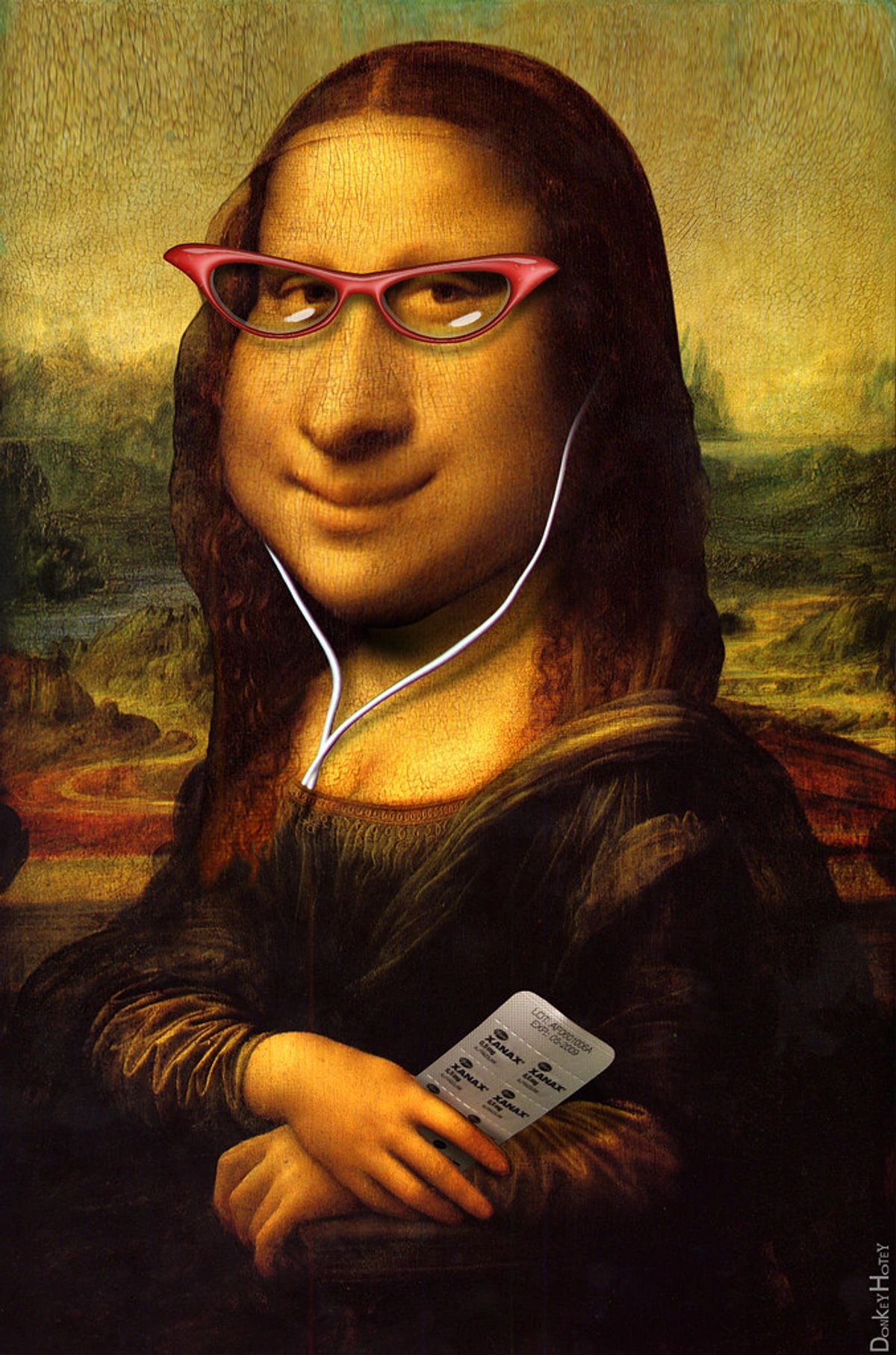
Let’s get one thing straight, because I know what you’re probably thinking, and it's the biggest hurdle for most people: You do not need to be 'good' at art to reap its mental health benefits. This isn't about creating something to hang in a museum. This is about the process, the journey, not the destination. It's about showing up for yourself, not for an audience. That little voice in your head that says, “I can’t even draw a stick figure,” is the very voice we’re trying to quiet. It's also your worst enemy when it comes to creative block – but here's the secret: embracing 'bad' art is the cure.
Think of creativity not as a talent you either possess or lack, but as a muscle. The more you use it, even in tiny, seemingly insignificant ways, the stronger it gets. The goal is to play, to experiment, to make a glorious mess. The act of creation is the therapeutic part, not the final product. Embracing this mindset is truly about embracing spontaneity in abstract creation and trusting your own creative flow. It’s also a powerful lesson in self-acceptance, recognizing that flaws and perceived 'mistakes' are just part of the authentic journey. But what exactly happens in your brain when you silence that inner critic and just create?
Your Brain in 'Flow State': The Ultimate Mindfulness Hack & Cognitive Boost
You've probably heard of flow state. Coined by psychologist Mihaly Csikszentmihalyi, it's that magical zone where time seems to disappear, your focus narrows to a laser point, and the world outside just melts away. It's like being a child completely absorbed in building a sandcastle, oblivious to the world around them. Unlike passive relaxation, flow state is an active engagement where you're challenged but capable, leading to deep absorption. Athletes find it on the field, musicians find it on stage, and I find it when I’m mixing colors on a palette, lost in the subtle shifts of hue, or even just doodling mindlessly in a notebook. It's when the challenge of the activity perfectly matches your skill level, pushing you just enough to be fully absorbed.
When you're deeply engaged in a creative act, you're giving your prefrontal cortex—the part of your brain that worries about future deadlines, over-analyzes that slightly awkward email, and replays embarrassing moments from 2007 (mine still brings up a particularly bad karaoke performance)—a much-needed break. Instead, your brain actively shifts its resources. You're activating areas associated with motor skills, sensory processing, and pleasure. This shift triggers the release of feel-good neurotransmitters like dopamine (for motivation and reward) and endorphins (natural pain relievers and mood elevators). Your brain essentially throws a little party, diverting activity from rumination to active, joyful engagement. It’s a powerful form of active meditation, pulling your attention away from circular thoughts and into the present moment.
This isn't just a feeling; it's physiological. Studies have shown that engaging in just 45 minutes of creative activity can significantly lower levels of cortisol, the body's main stress hormone. Think of it as a reset button for your nervous system, a deliberate shift from the 'fight or flight' of modern life to a state of calm. Beyond stress reduction, art-making also actively engages areas of the brain responsible for problem-solving, memory, and spatial reasoning, offering a significant cognitive boost that can sharpen your mind and improve focus in daily life. This focused, present-moment engagement through flow state is often the very mechanism that allows us to tap into deeper emotions when words fail. If you want to dive deeper into this, I've written before about achieving flow state through painting and how these mindful moments become a gateway to inner peace and reflection.
When Words Aren't Enough: Art as Your Second Language for Emotional Processing
Have you ever tried to explain a feeling—the gnawing knot of anxiety, the heavy cloak of grief, or the sheer, explosive rush of joy—and found that words just fall flat? Some emotions are too big, too tangled, or too strange for vocabulary. Language is linear; emotions are often a swirling, multi-faceted storm. This is where art truly shines. It gives you a way to express and process things non-verbally, often tapping into deeper parts of yourself that language struggles to reach. The raw, tactile experience of art-making—the rich smell of paint, the rough drag of charcoal, the cool slipperiness of clay, the distinct sound of a brush on canvas or scissors cutting paper, and the vibrant colors you see—engages multiple senses, anchoring you further in the present moment and amplifying its grounding effect.
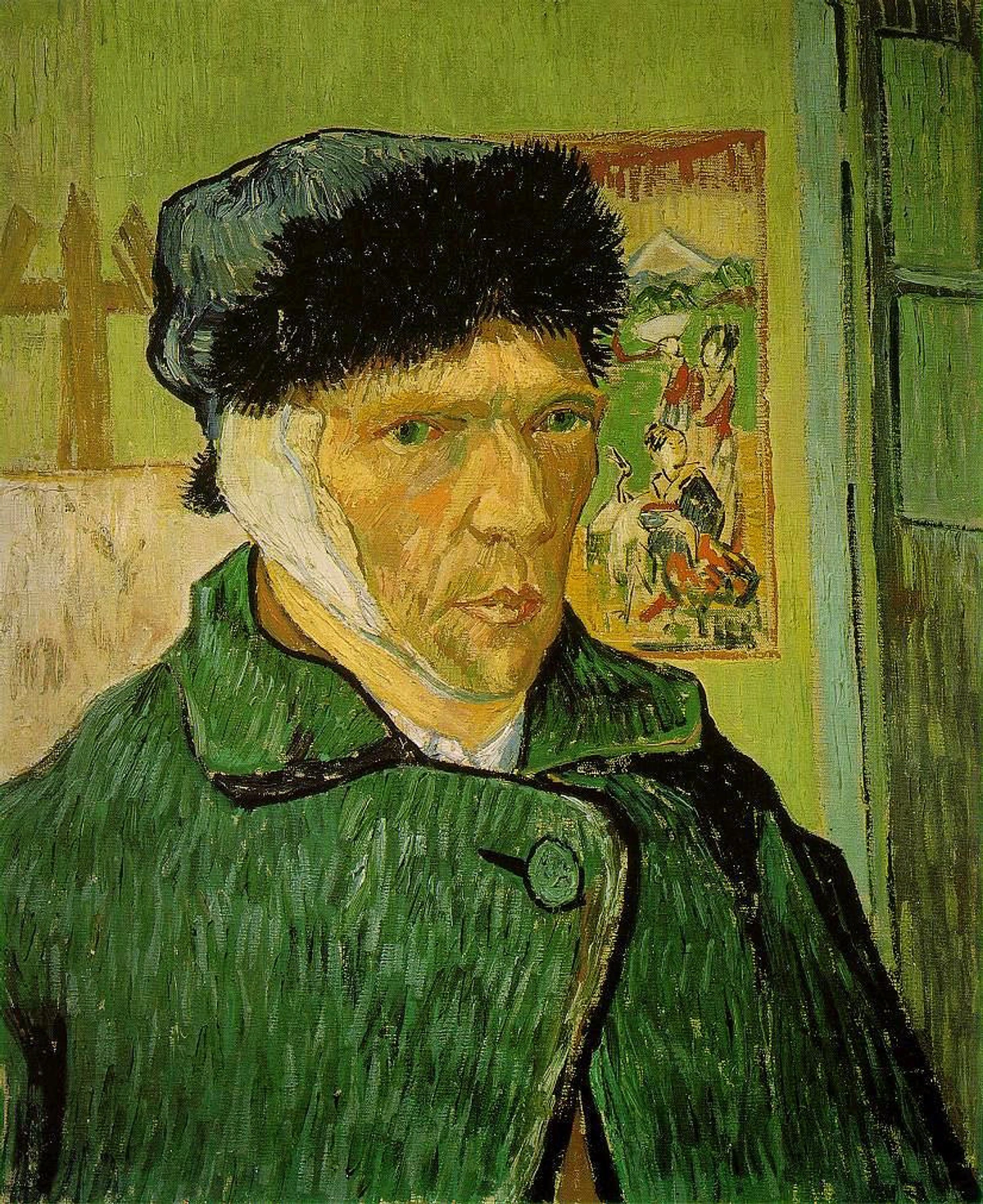
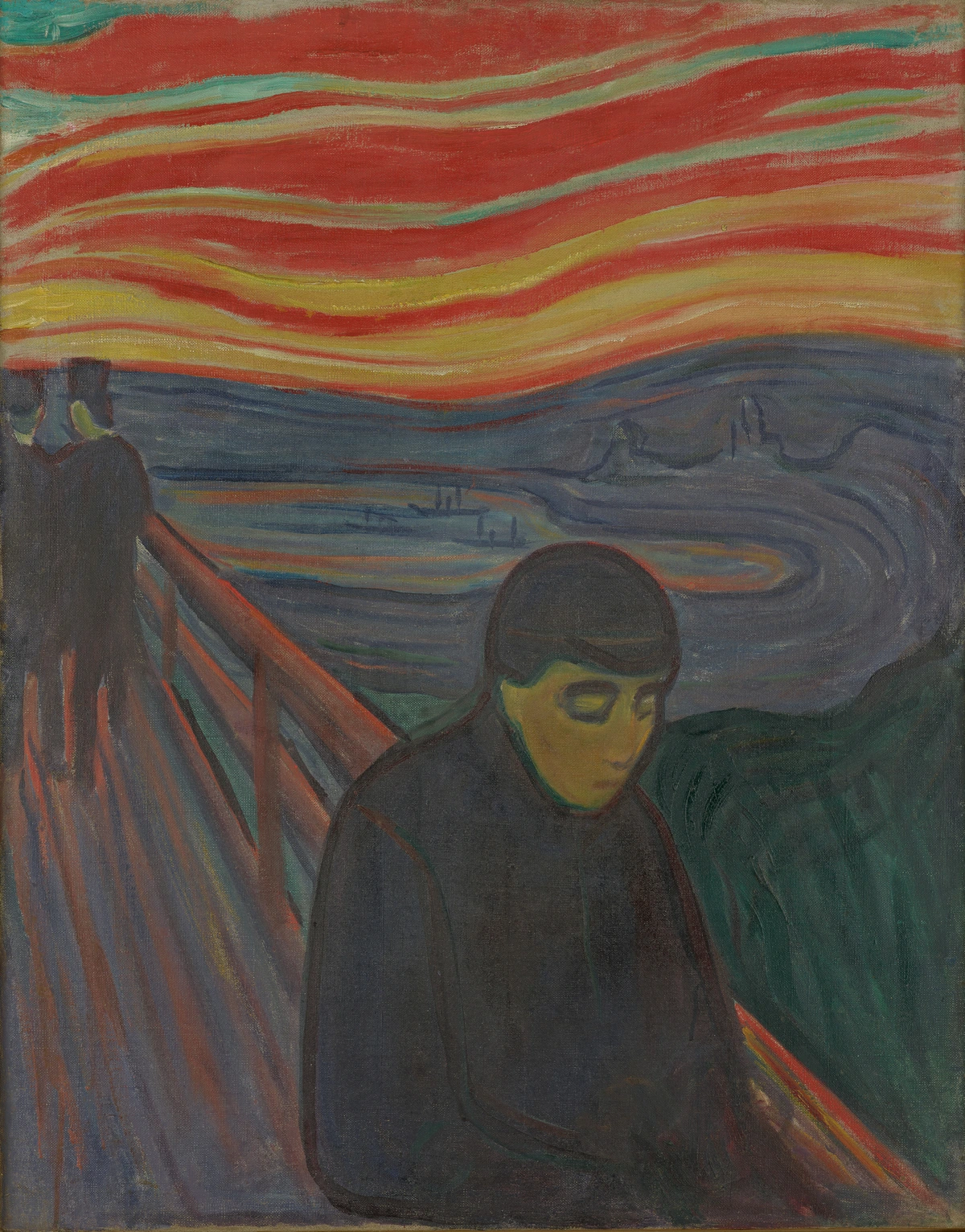
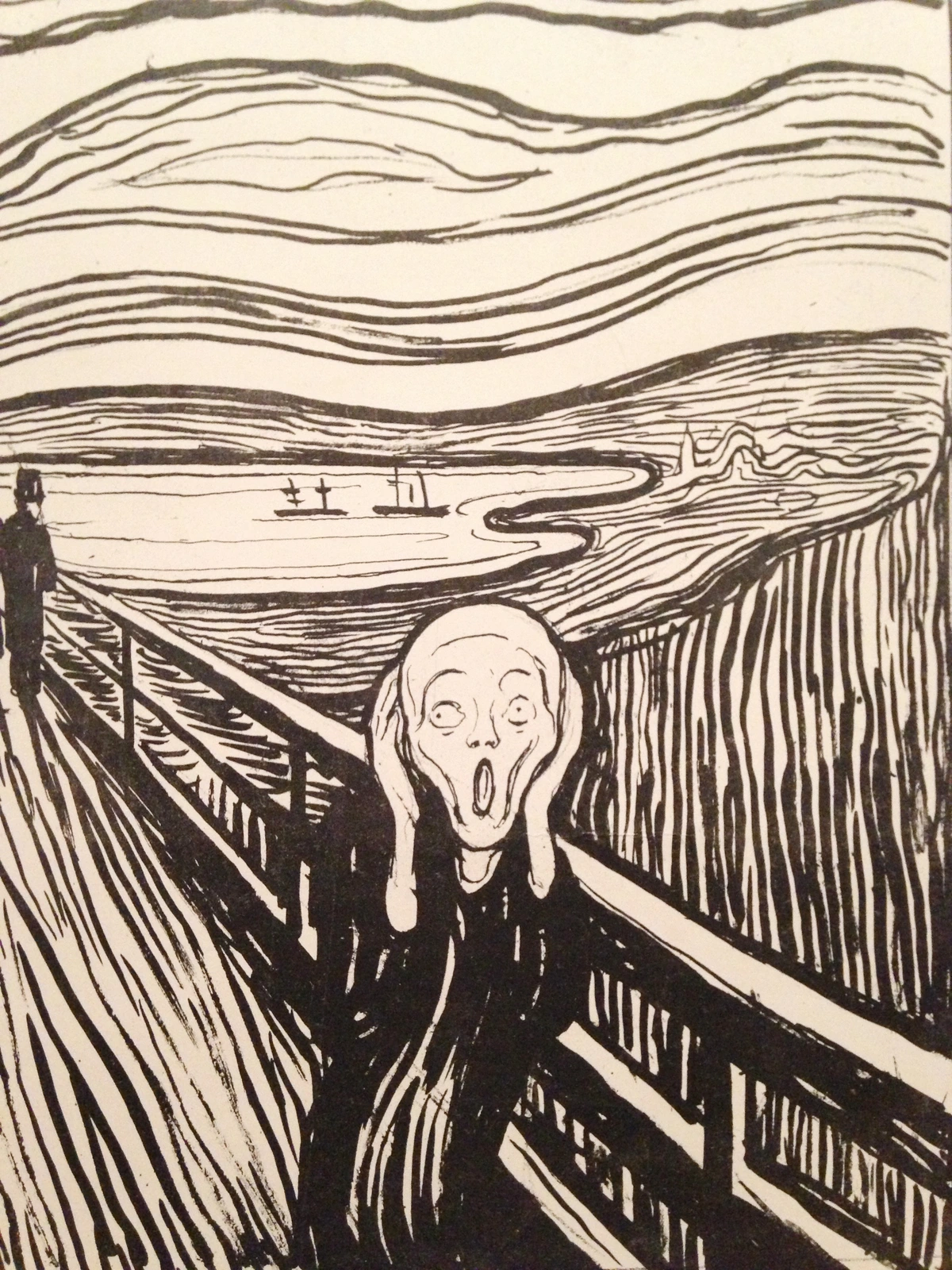
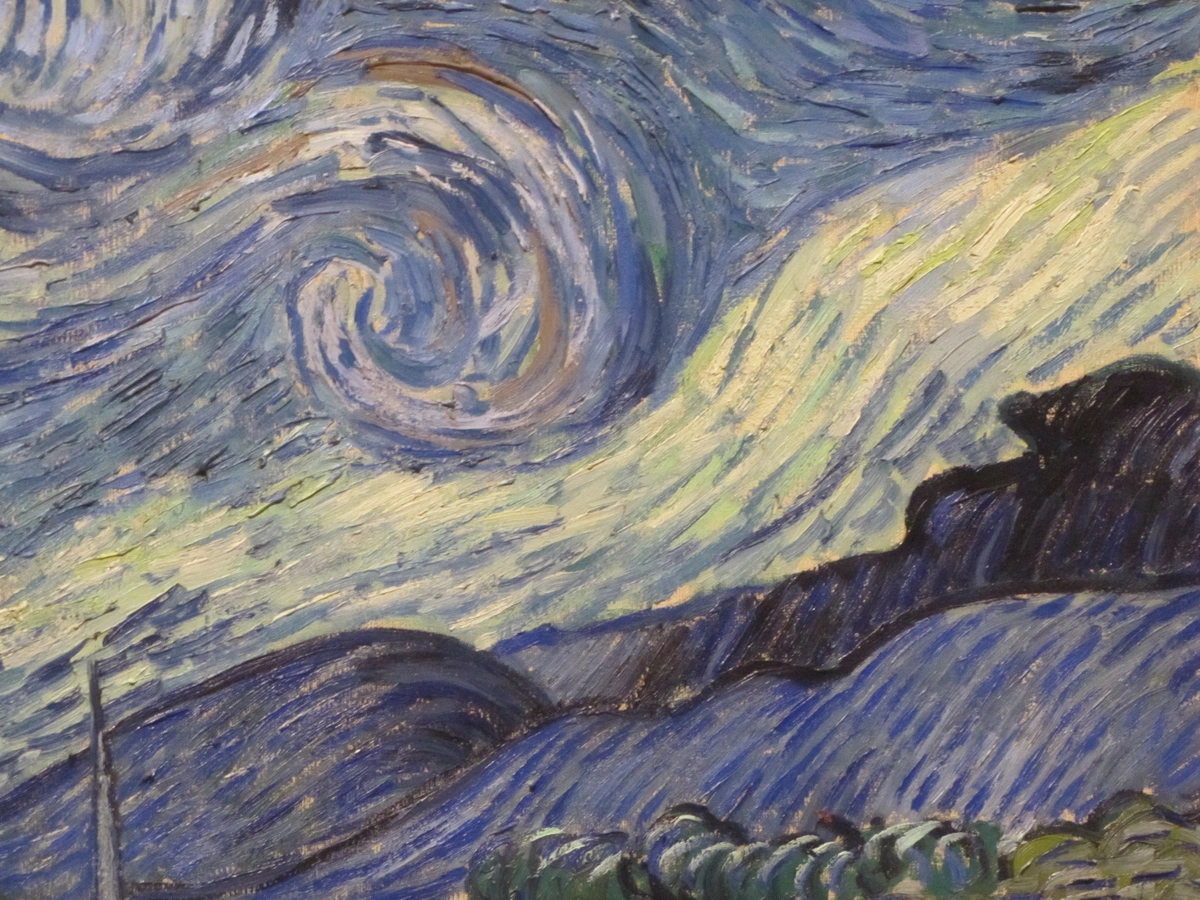
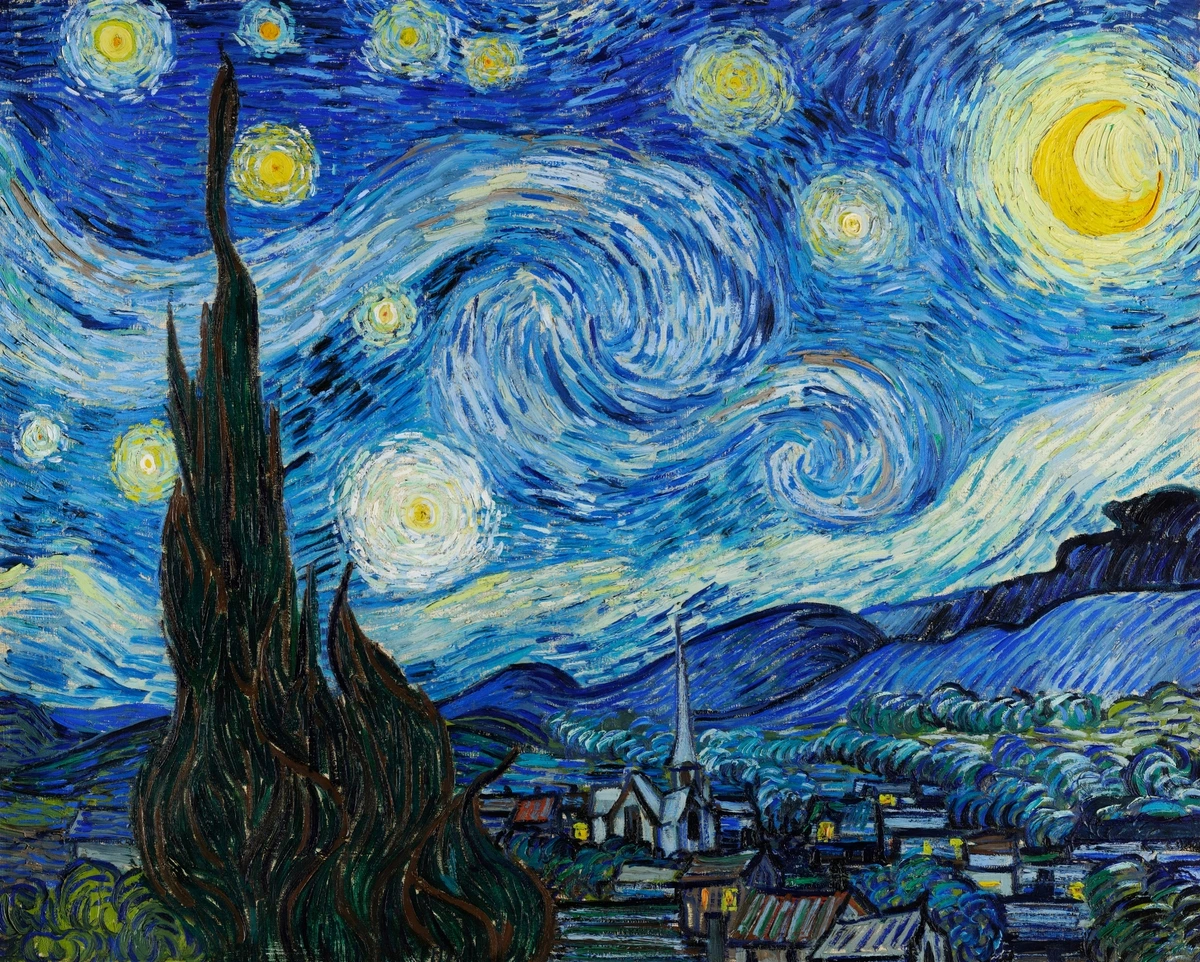
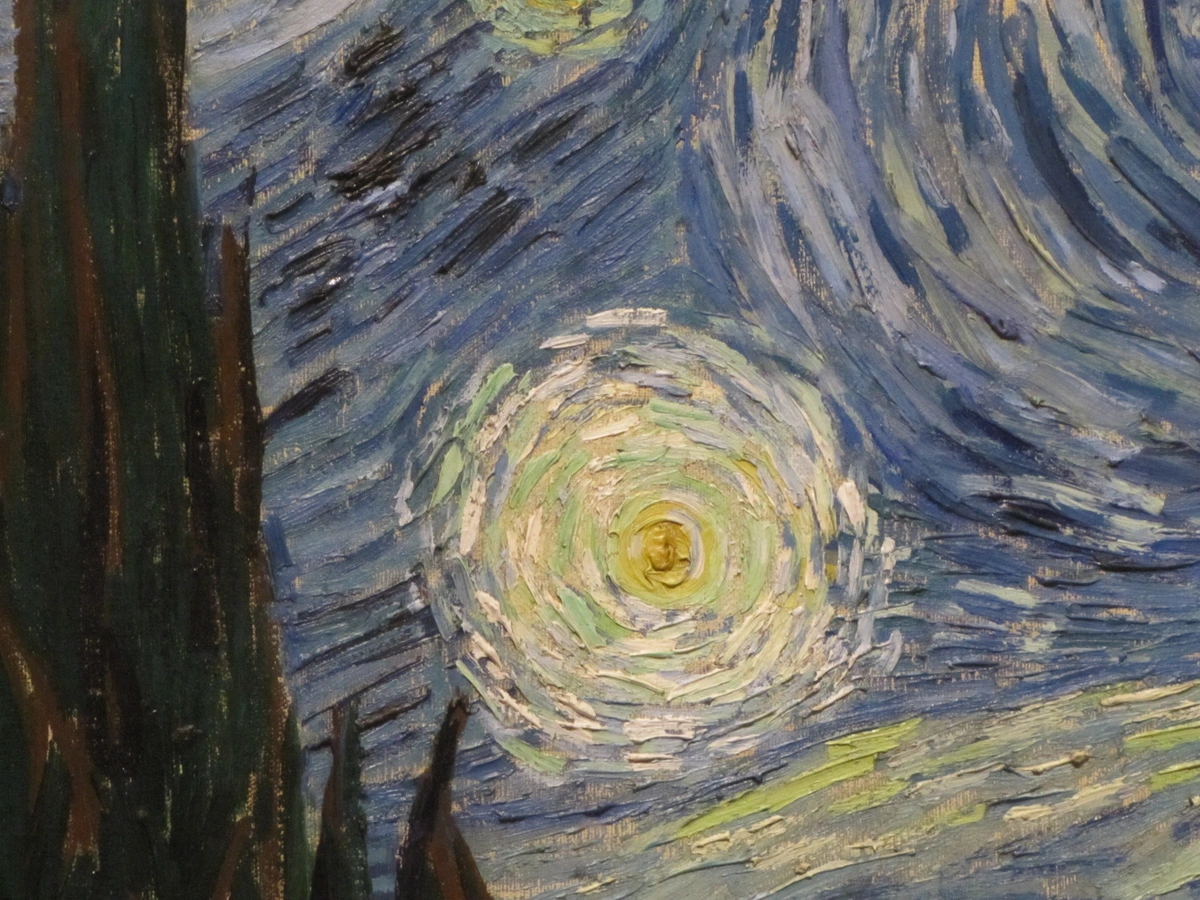
Imagine trying to describe the precise shade of melancholy that’s settled over you. Words might offer “sad,” “down,” or “blue,” but art can embody it: a series of heavy, dark layers of paint, perhaps with sharp, chaotic lines cutting through. Or the feeling of being overwhelmed and fragmented might emerge as a torn paper collage, pieced together imperfectly. Pure, unbridled energy of joy could be an explosion of bright, unrestrained color and dynamic shapes. Think of artists like Frida Kahlo, whose raw and symbolic self-portraits unflinchingly depicted physical pain and emotional turmoil, or Vincent Van Gogh, whose swirling, vibrant canvases captured his inner turbulence and connection to nature. Their art serves as a testament to the power of non-verbal emotional language. This is why art therapy for anxiety is so effective; it’s about making an honest picture, not necessarily a pretty one. It's about finding an emotional language of color.
By giving a physical form to these feelings, you're not just venting; you're externalizing them. You're taking something that feels overwhelming inside and putting it outside of yourself. Now you can look at it, understand it, and feel a sense of control over it. This process is deeply personal, allowing you to connect with yourself in profound ways and practice self-compassion, accepting whatever emerges from your hands. It's about letting go of perfection and embracing the authenticity of your inner landscape.
Creative Acts for Specific Needs: Your Mental First-Aid Kit
Different creative acts can serve different emotional needs. Think of your art kit not just as materials, but as a mental first-aid box, ready with the right tool for the right emotional challenge. The beauty is that many of these are perfect for both adults and children, offering a shared pathway to the mental health benefits of making art. Whether you're seeking to soothe anxiety, process grief, release anger, or simply find a moment of peace, there's a creative outlet for you. Even the most seemingly mindless acts, when approached with a gentle intentionality, can yield significant therapeutic benefits.
Creative Activity  | What It Addresses | Best For When You're Feeling... | Materials (Keep it simple!) |
|---|---|---|---|
| Mindless Doodling | Lowers the stakes, encourages free-flowing thought, rhythmic repetition, improves focus. | Anxious, unfocused, overthinking, or creatively blocked. | Any pen, any paper (back of an envelope works!) |
| Coloring Book | Provides structure, calms the mind with clear boundaries and choices, gentle focus, reduces decision fatigue. | Overwhelmed, stressed by too many choices, or seeking gentle focus. | Basic coloring book, crayons/pencils/markers |
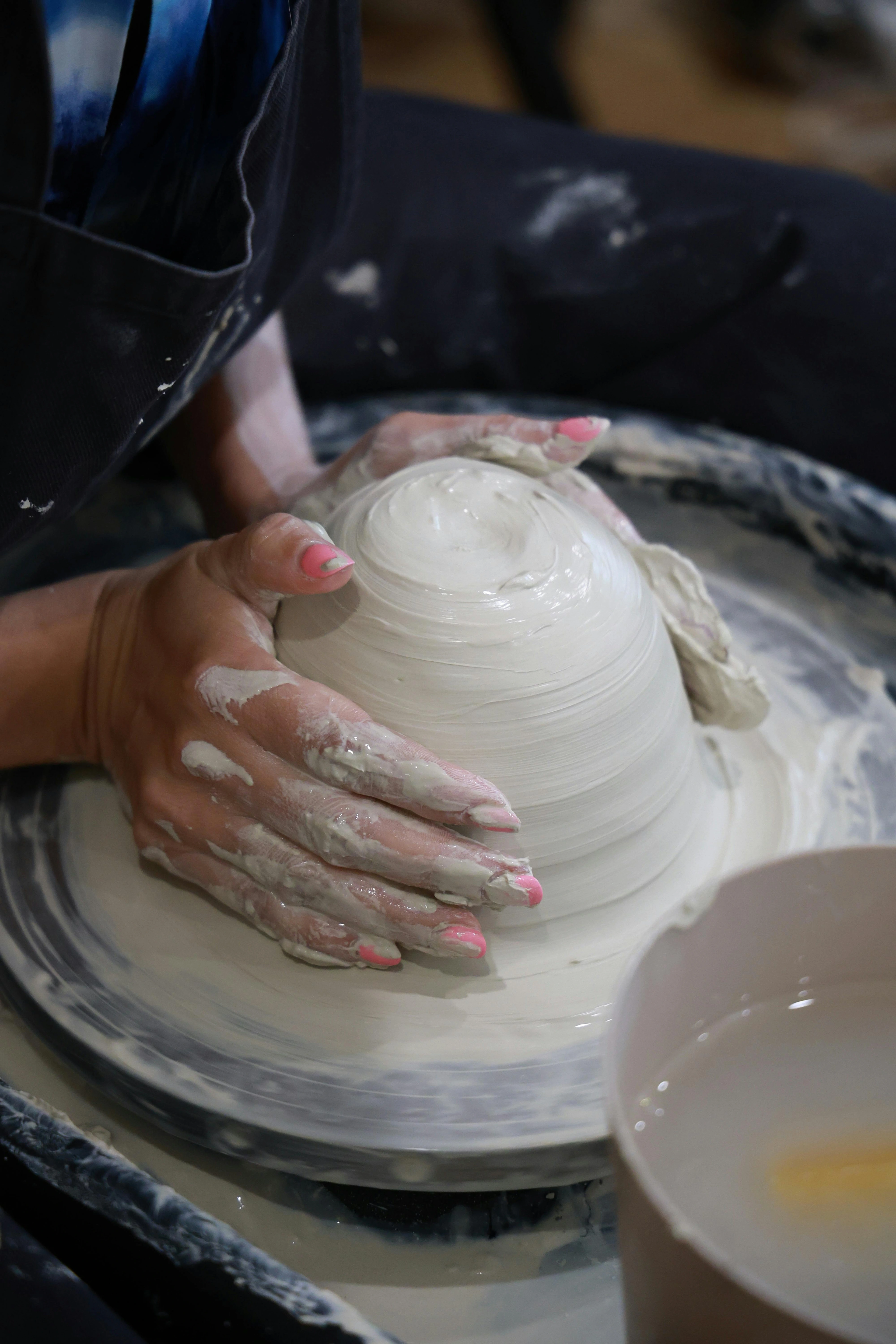
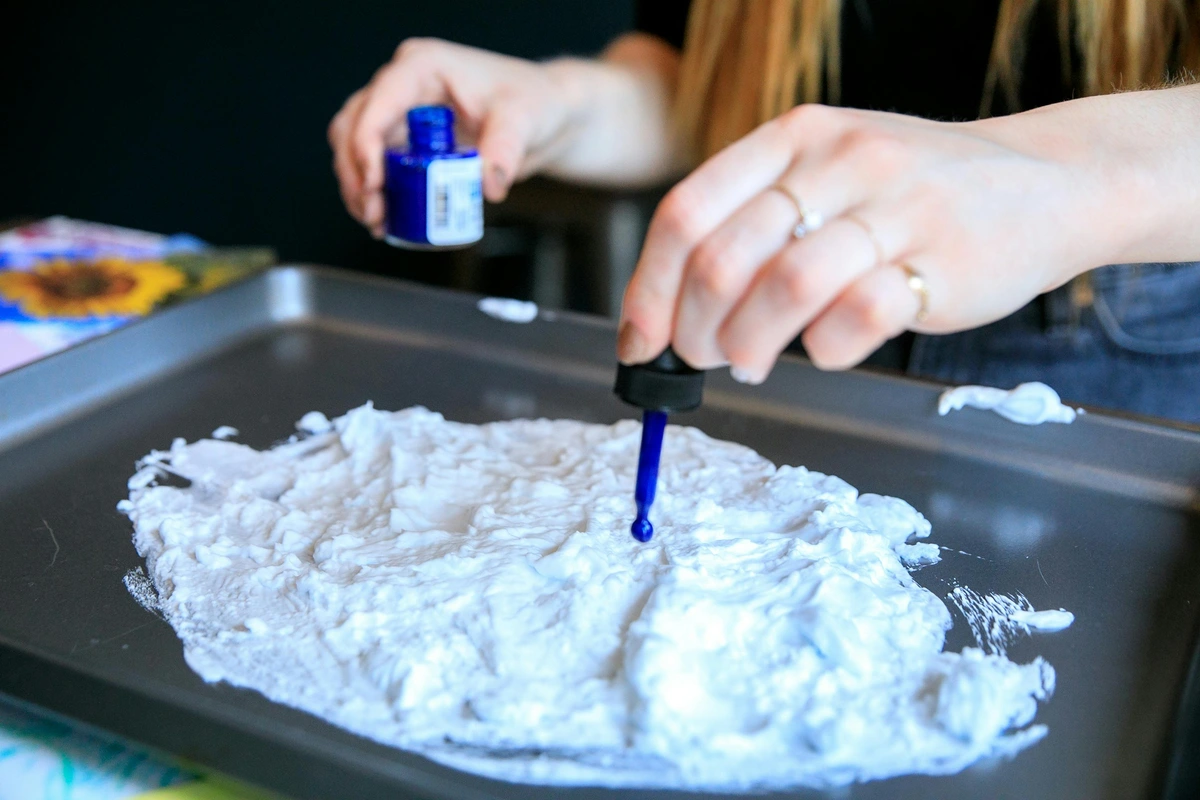
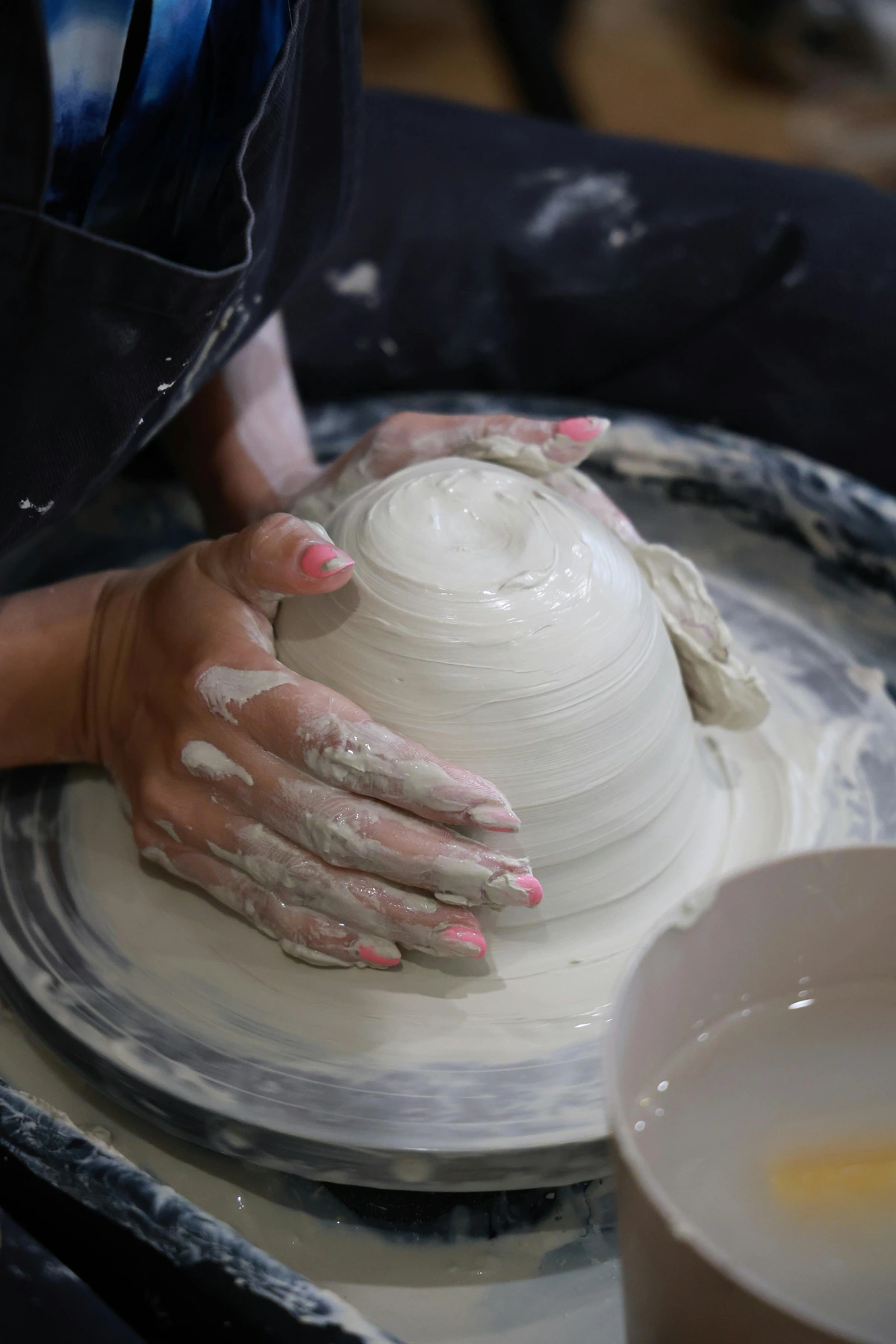
| Working with Clay/Play-Doh | Engages the sense of touch, feels primal, allows for shaping and transforming, releases physical tension. | Angry, frustrated, disconnected from your body, or needing to release tension. | Air-dry clay, Play-Doh (even homemade dough!) |
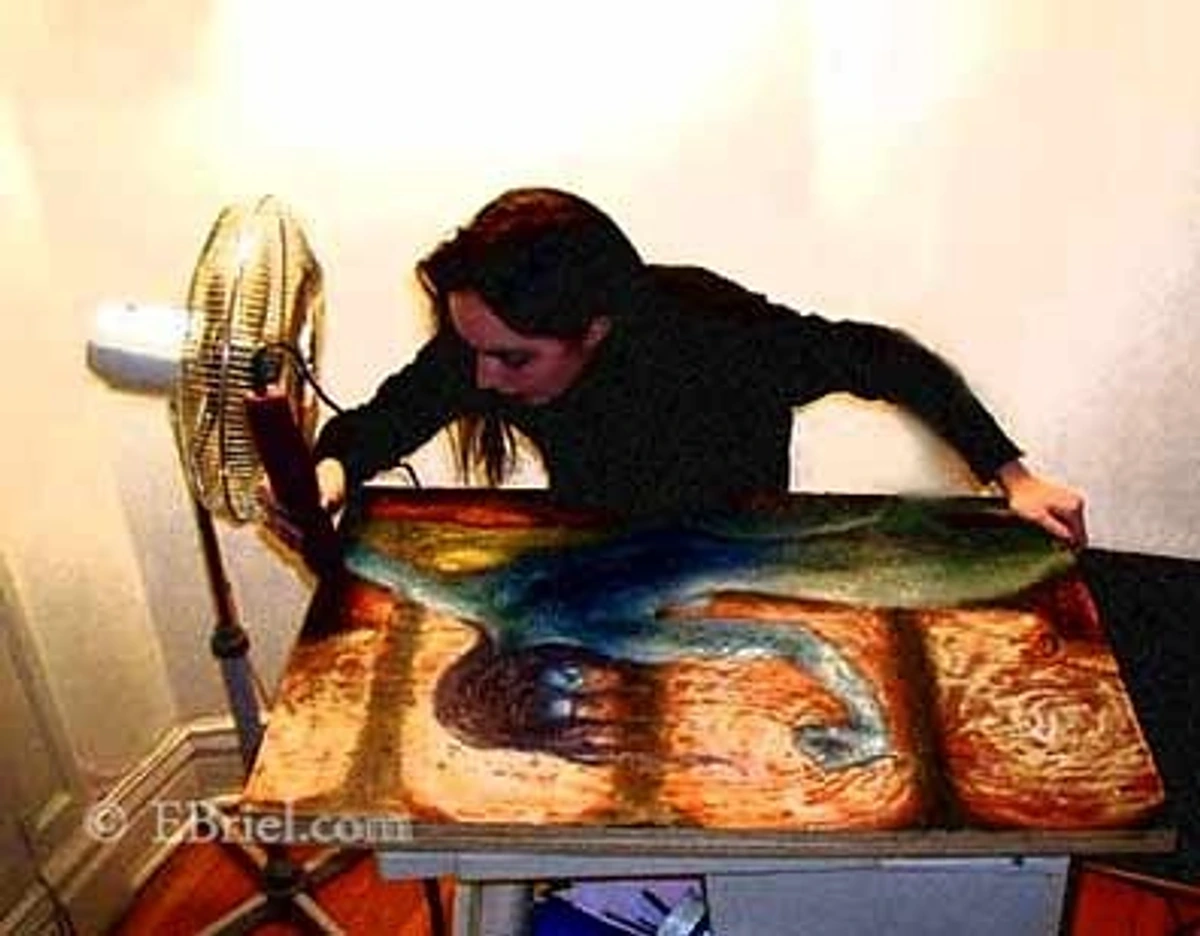
| Abstract Painting | Allows for pure, unedited emotional expression through color and form, invites intuitive creation, can represent complex or ambiguous emotions. Layering colors can symbolize depth or evolving feelings. | Grappling with big emotions you can't put into words, or seeking profound release. | Cheap watercolors/acrylics, any paper/cardboard |
| Journaling/Sketching | Organizes thoughts, documents experiences, prompts self-reflection and clarity, combines visual and verbal processing. | Confused, reflective, in need of clarity, or processing daily events. | Notebook, pen/pencil (or digital equivalent) |
| Creative Writing (Poetry/Short Story) | Articulates complex thoughts, explores narratives, distills emotions, fosters empathy. | Feeling unheard, needing to construct meaning, or wanting to process experiences through story. | Notebook/computer, pen |
| Collage Making | Uses existing images/materials, allows for symbolic representation and re-patterning of thoughts, removes pressure to "create from scratch." The act of deconstruction and reconstruction can be very therapeutic for fragmented feelings. | Feeling fragmented, overwhelmed by choices, or needing to visualize a new perspective. | Old magazines, glue stick, scissors, paper |
| Simple Line Drawing | Enhances focus, improves hand-eye coordination, encourages observation, can be meditative through repetition. | Seeking improved concentration, or a quiet, precise mental anchor. | Pen, paper, a ruler (optional) |
How to Build Your Own Mental Health Art Kit (and Overcome Barriers)
You don't need a fancy studio or expensive supplies. In fact, keeping it simple is often better. The goal is to remove any barrier between you and the act of creating. No need for a perfectionist's palette, just something that allows you to start. This is about accessibility, making sure there's always a low-stakes option within reach. Many of us worry about time, expense, or judgment. My answer for you? Keep it small, cheap, and hidden away for your eyes only. Even just carving out a few minutes can feel impossible some days, but that's precisely when these accessible tools become your best allies.
Here’s what I recommend for a starter kit:
- Something to make marks with: A simple ballpoint pen, a set of colored pencils, or some chunky markers. Whatever feels good in your hand. The cheaper, the better—it instantly lowers the pressure.
- Something to make marks on: A cheap notebook, a stack of printer paper, or the back of an envelope. Don't use your fancy sketchbook—it adds pressure! Remember, the goal is process, not product. For tactile exploration, scraps of fabric or old magazines for collage can be wonderful.
- One 'wildcard' item: This could be a small set of watercolors, a lump of air-dry clay, or a single charcoal stick. Something tactile and different to engage other senses and introduce variety.
That's it. Keep it in a box where you can easily reach it. The next time you feel that wave of stress or sadness, open the box and give yourself just five minutes. No goals, no expectations. Just you and the materials. Consistency is more important than duration; a few minutes every day is far more impactful than a three-hour session once a month. This commitment to small, regular creative acts builds resilience and makes finding calm through art a sustainable practice. Even digital art, with a basic tablet, can offer these benefits if that's more accessible for you.

Art as a Spectator Sport: The Healing Power of Observation
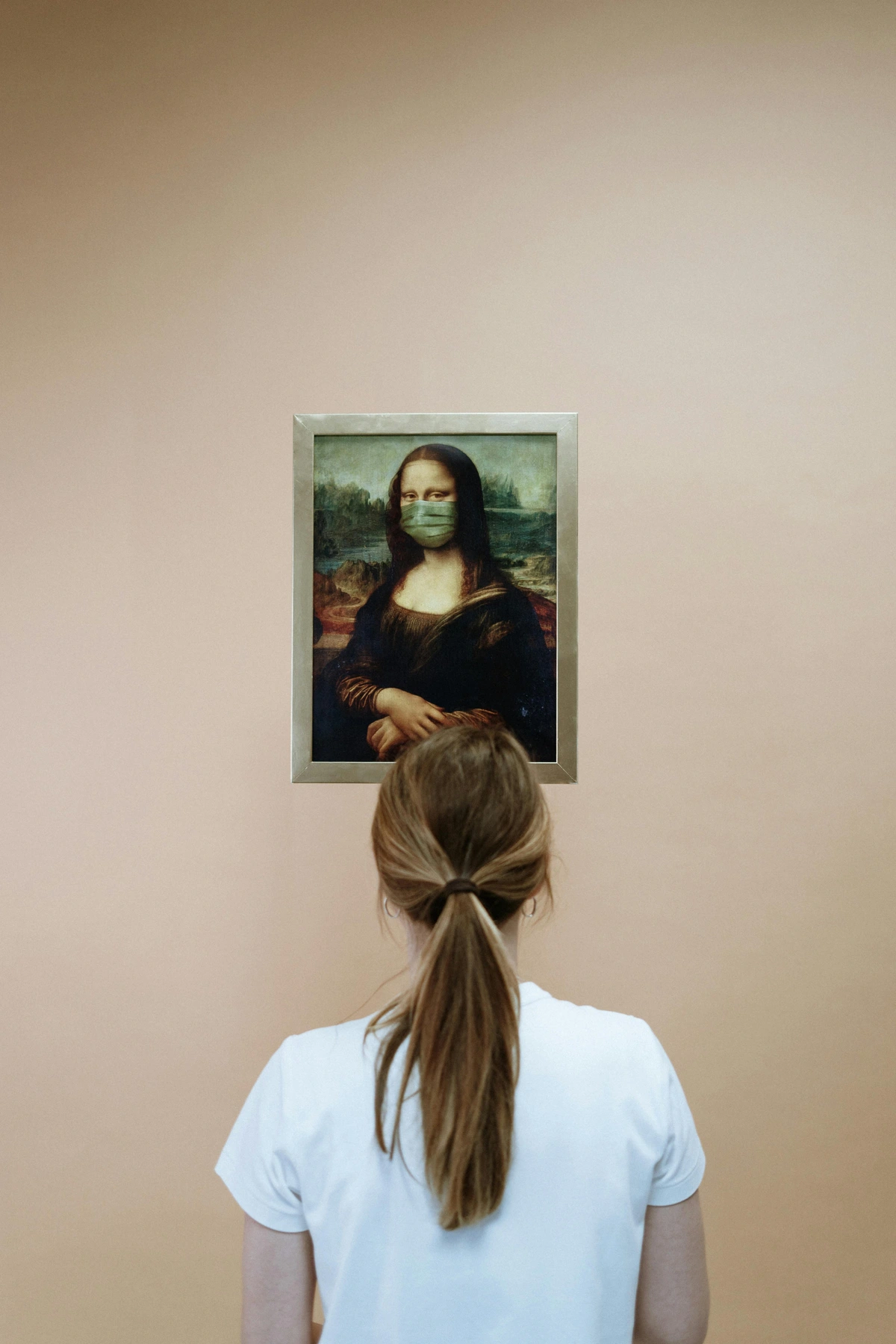
While making art is a potent personal practice, the therapeutic benefits of art extend beyond the act of making it. From my perspective as a curator, I've seen countless times how art transforms spaces and minds. Viewing art engages your brain in different ways than creating it, fostering empathy, wonder, and deep reflection. It can be incredibly calming and inspiring, shifting your perspective and inviting a quiet contemplation that is itself therapeutic. It can even be a powerful source of stress relief just by observing.
Different types of art can resonate with different emotional states. For those experiencing depression, vibrant and energetic abstract art, with its dynamic compositions and bold colors, might offer a stimulating uplift. Conversely, softer, more harmonious compositions or symmetrical patterns can provide a profound sense of calm and order for individuals dealing with anxiety, helping to regulate emotions. The healing power of specific color combinations alone is immense, influencing mood and energy.
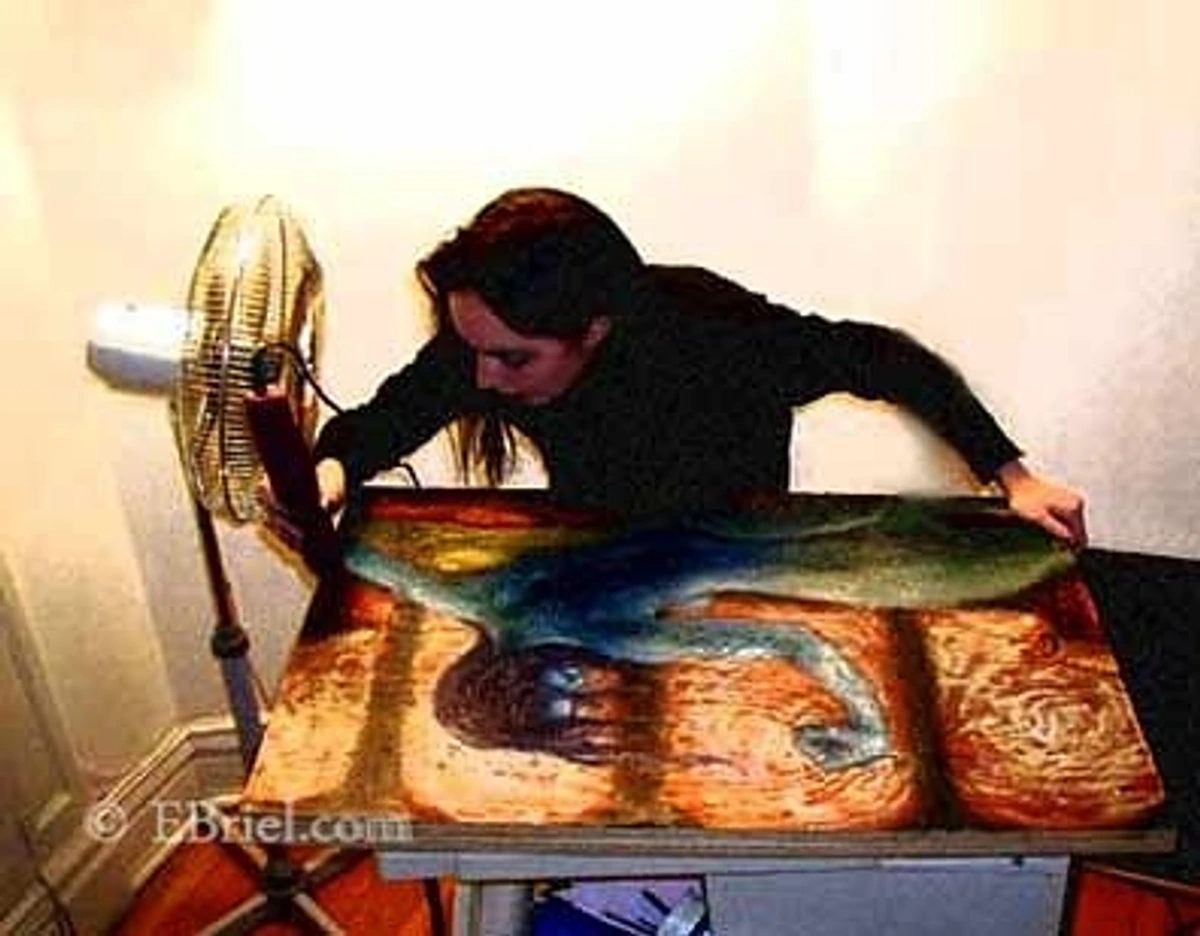
Think about standing before a vibrant abstract painting, like many you can find on my site to [/buy]. You don't need to 'understand' it to feel its energy, to let the colors and forms wash over you. It's an invitation to a dialogue with art, a space where your mind can wander, make its own connections, and find unexpected peace. The healing power of color alone is immense, influencing mood and energy.
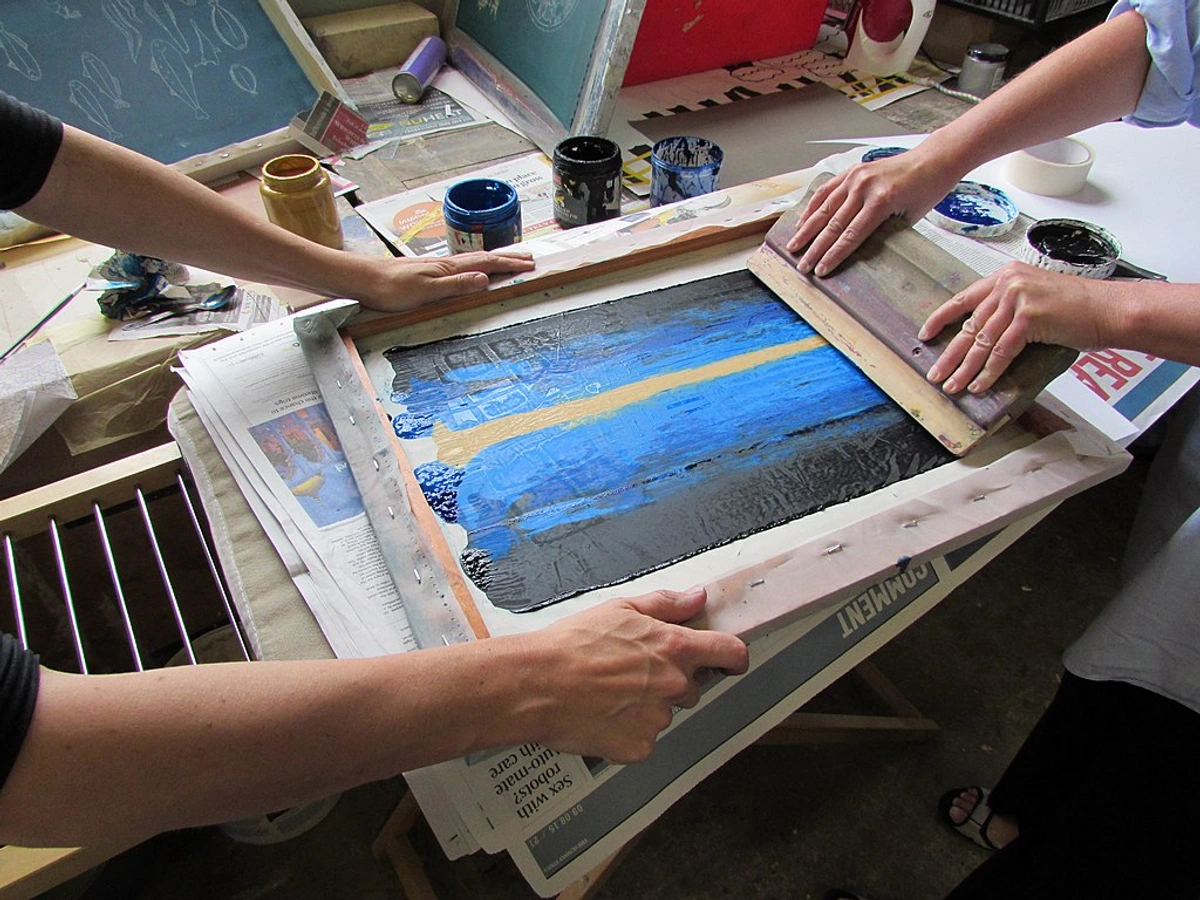
It reminds us that art isn't just about the maker; it's a shared human experience, a testament to resilience, beauty, and expression. It’s part of why I love my work; seeing the impact of art on mental wellbeing from a curator's perspective is a constant reminder of its power. If you're looking for pieces to reflect on, you can always browse the works available to [/buy] or visit my studio at /den-bosch-museum.
Art as a Social Connector: Building Bridges and Community
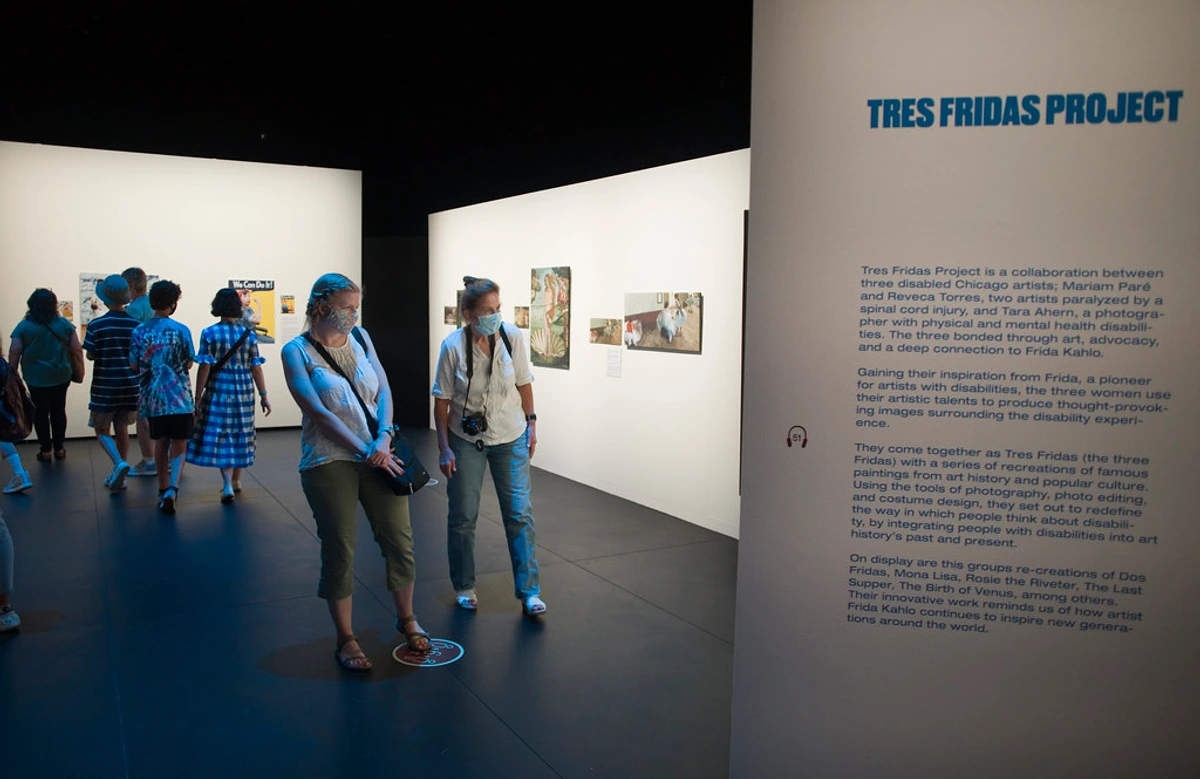
While personal practice and individual observation are powerful, art also holds immense potential as a social connector. Shared artistic experiences can combat feelings of loneliness and isolation, foster empathy, and strengthen community bonds. Think about attending a workshop, visiting a gallery with friends, or participating in a collaborative art project. These activities create opportunities for shared exploration, discussion, and connection over a common interest.
When we create alongside others, even in silence, there’s a subtle yet profound sense of camaraderie. When we discuss a piece of art, we open ourselves to different perspectives, fostering understanding and empathy. Art provides a universal language that transcends barriers, allowing people to connect on an emotional level, even if their backgrounds or verbal languages differ. It’s a wonderful way to find common ground and build bridges, which are incredibly vital components of overall mental well-being.
Art vs. Art Therapy: Understanding the Distinction
This is a great question I get asked all the time. Making art on your own is a fantastic self-care practice—a powerful form of personal well-being. However, it's distinct from formal Art Therapy. Art Therapy is a specific mental health profession where a trained, certified therapist (typically holding a Master's degree in art therapy or a related field) uses the creative process within a structured, clinical relationship to help you explore your feelings, resolve emotional conflicts, manage behavior, and reduce anxiety. It's a targeted intervention, often involving specific techniques and guidance to address underlying psychological issues, such as using drawing to externalize trauma or sculpting to process grief. Reputable professional organizations, like the American Art Therapy Association, set standards for certification.
Think of it this way: making art on your own is like going for a walk to clear your head and enjoy nature, while art therapy is like working with a personal trainer to achieve specific fitness (mental health) goals. Both are incredibly valuable, but they serve different purposes and involve different levels of professional guidance. The general concept and benefits of art as therapy are universal, but the professional practice is specialized. While self-directed art-making can be a wonderful complementary practice, if you suspect you have more complex mental health needs, seeking a certified art therapist or other licensed mental health professional is always the best course of action. They can provide tailored guidance and support that goes beyond self-care.
Art's Enduring Legacy: A Global Journey Through History and Culture
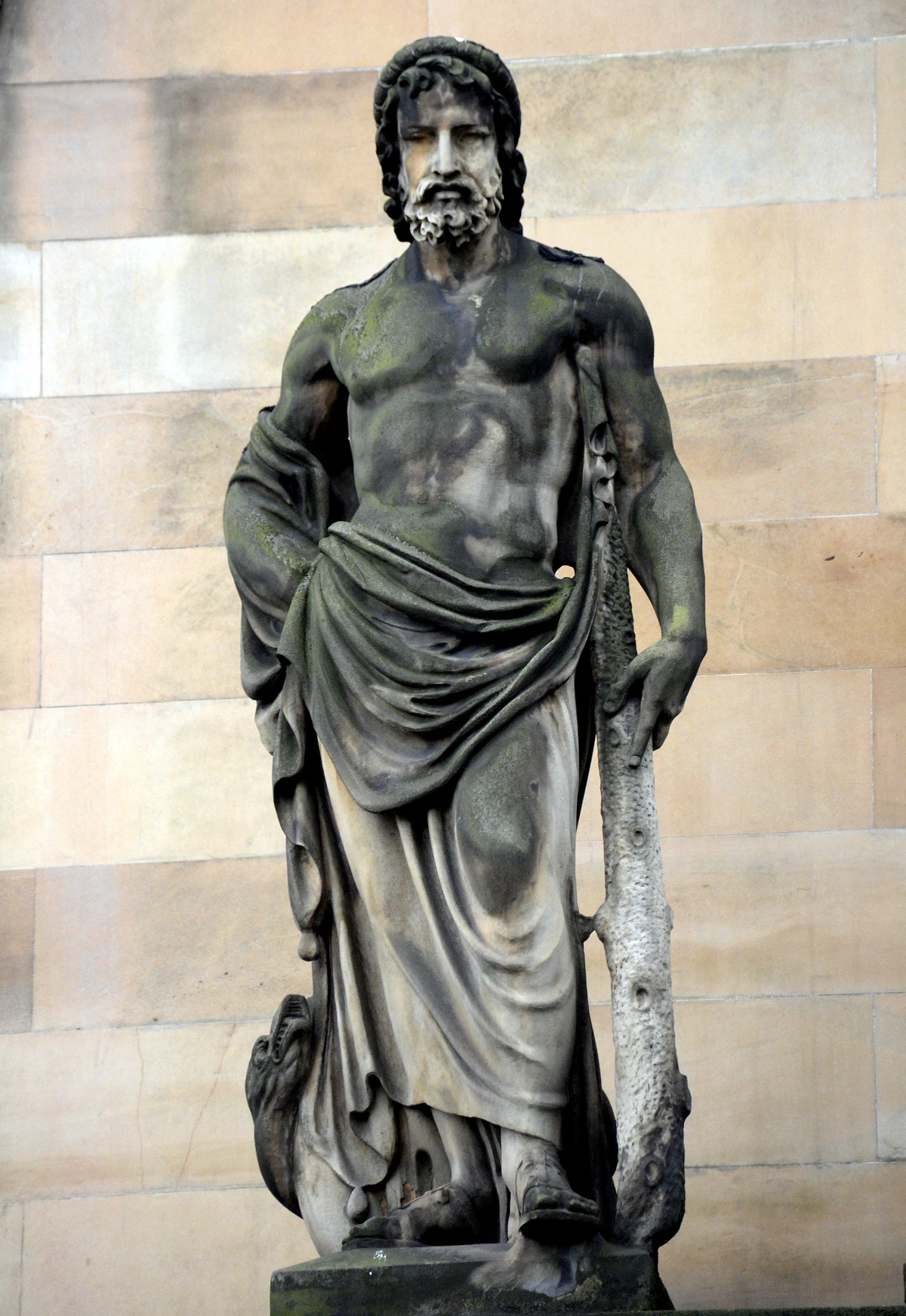
While we often focus on modern applications, the connection between art and well-being is anything but new. Across cultures and centuries, humans have intuitively turned to creative expression for solace, healing, and understanding. From ancient cave paintings that might have served spiritual or communal purposes to the intricate mandalas of Eastern traditions used for meditation, and the expressive folk art found globally that processes daily life and emotion – art has consistently been a vital tool for mental and emotional balance. Consider Japanese Zen calligraphy (Shodo), where the focus on the brushstrokes and breath cultivates deep mindfulness and discipline.
Beyond these, think of the powerful traditions of African tribal masks, which are not merely decorative but deeply embedded in spiritual rituals, healing ceremonies, and community storytelling, often worn by healers or in rites of passage. Or the vibrant Dot Paintings of Indigenous Australian art, which, beyond their aesthetic beauty, are complex maps of Dreamtime stories, ancestral journeys, and sacred sites, serving as a profound connection to land, spirituality, and well-being for their creators and communities. Even during times of profound societal upheaval or conflict, art has provided an outlet for expression, protest, and a way to process collective trauma and hope. The raw, cathartic energy of Expressionist artists in the early 20th century, for example, demonstrated art's power to externalize inner turmoil and critique societal pressures. This rich, global history reminds us that tapping into our innate creativity is a deeply human, time-honored practice for nurturing the soul.
Frequently Asked Questions (FAQ) About Art for Mental Health
Q: What are the main psychological benefits of making art?
A: The main benefits include stress and anxiety reduction (by lowering cortisol and shifting brain activity from the prefrontal cortex), mood improvement (by releasing dopamine and endorphins), emotional processing through non-verbal expression, enhanced self-expression, fostering a "flow state" for deep focus, and providing a unique outlet for complex feelings. Additionally, it can boost cognitive functions like memory, problem-solving, and attention. It's a powerful way to enhance your mental well-being and find stress relief.
Q: Do I need to be talented to benefit from art for my mental health?
A: Absolutely not! The most crucial point is that you do not need to be 'good' at art to experience its mental health benefits. The focus is entirely on the process of creation, personal exploration, and the act of expression, not the aesthetic quality of the final product. It's about self-care through art, not creating a masterpiece. Embracing imperfection is key.
Q: How often should I make art for it to be effective?
A: Consistency is more important than duration. Even just 5-10 minutes of creative activity a few times a week can be highly beneficial. Think of it as a small, regular mental reset rather than an occasional long session. This makes benefits of doodling for adults a great, accessible starting point for creative expression for anxiety.






Q: Can art-making replace professional therapy?
A: No. While making art is a powerful self-care practice and can significantly support mental well-being, it is distinct from formal art therapy delivered by a certified professional. Art therapy involves a clinical relationship with a trained therapist. If you have significant mental health concerns like depression or PTSD, always consult a licensed therapist or mental health professional.
Q: What kind of art is best for stress relief?
A: The "best" kind of art depends on your current emotional needs. Mindless doodling or coloring books are great for gentle focus and stress reduction. Working with clay or abstract painting can be highly effective for releasing strong emotions. Simple line drawing can improve focus, and collage can help process fragmented feelings. Experiment with different mediums to see what resonates most with you and helps you manage stress.
Q: What's the best age to start making art for mental health?
A: There is no "best" age—you can start at any point in life! From children using crayons to express big feelings, to adults finding a new hobby in retirement, the benefits of creative expression are accessible and adaptable for all age groups. It's truly never too late to begin.
Q: Are there specific art supplies that are better for mental health?
A: Not really. The best supplies are the ones that are easily accessible, affordable, and feel good for you to use. The emphasis is on removing barriers, so a cheap pen and paper you don't mind "ruining" are often more effective than an expensive set that makes you feel pressure to create something perfect. Personal preference and availability trump specific brands or types.
Q: What if I experience 'creative block'?
A: Creative block is common! The best antidote is to remove all pressure. Start with "mindless doodling" or a coloring book – something with low stakes and no expectation of a