The Profound Mental Health Benefits of Engaging with Art
Explore how making art fosters wellbeing, reduces stress, enhances emotional expression, and boosts cognitive function. Discover the therapeutic power of creativity.

The Profound Mental Health Benefits of Engaging with Art: A Comprehensive Guide
From the earliest cave paintings to intricate digital designs, humanity's innate drive to create has always been a cornerstone of our existence. As curators of human experience, we observe art functioning not merely as a reflection of society, but as a potent mechanism for individual healing and growth. A burgeoning body of research unequivocally demonstrates that engaging in artistic endeavors offers profound benefits for mental health and psychological well-being across the lifespan. This article comprehensively explores the multifaceted ways in which the act of making art, both traditional and digital, serves as a powerful therapeutic tool, fostering healing, self-discovery, and emotional equilibrium across diverse populations and contexts. It delves into the neurological, psychological, and social impacts of creative engagement, providing an authoritative overview for anyone seeking to understand or harness art's transformative power.
Art as a Form of Stress Reduction
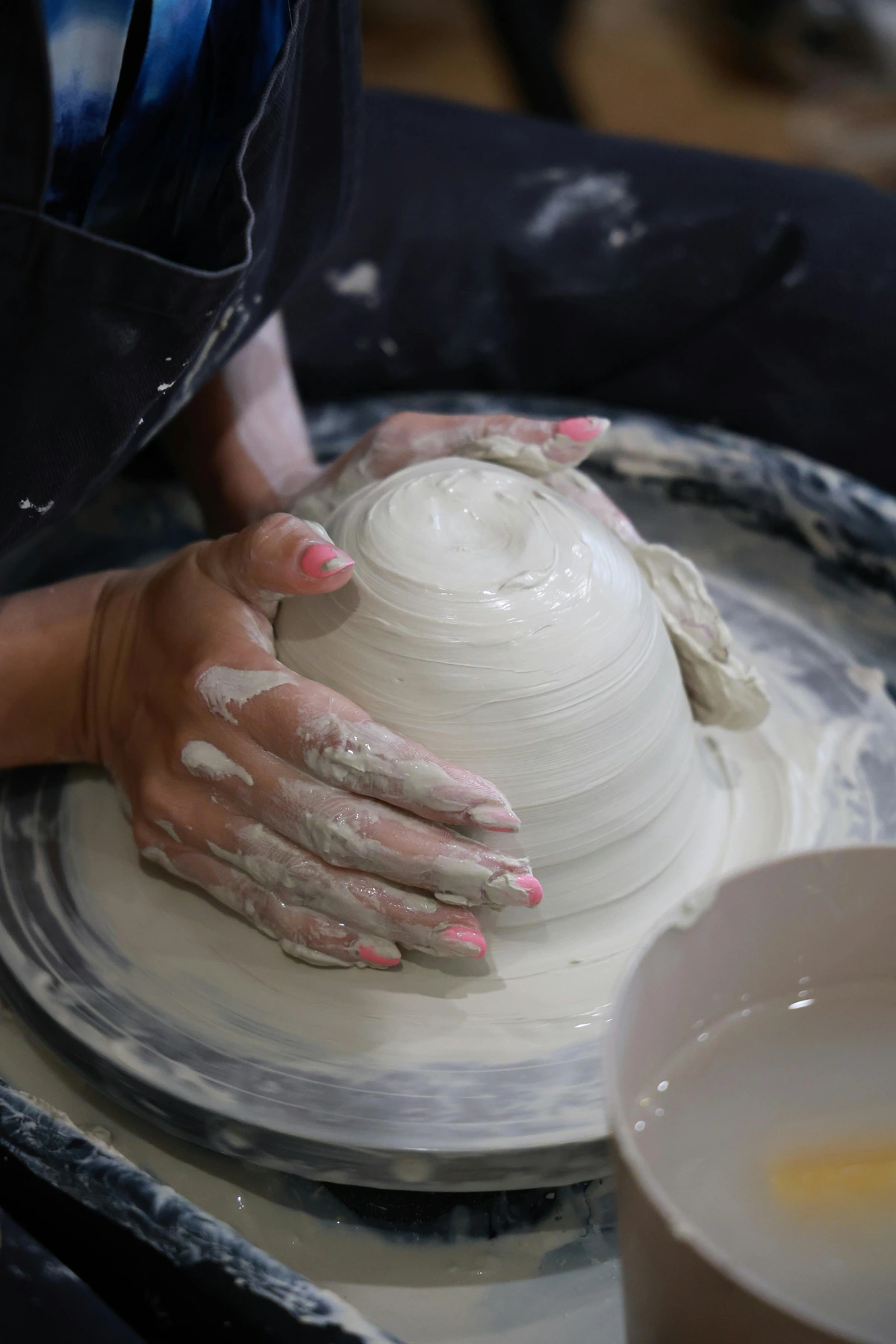
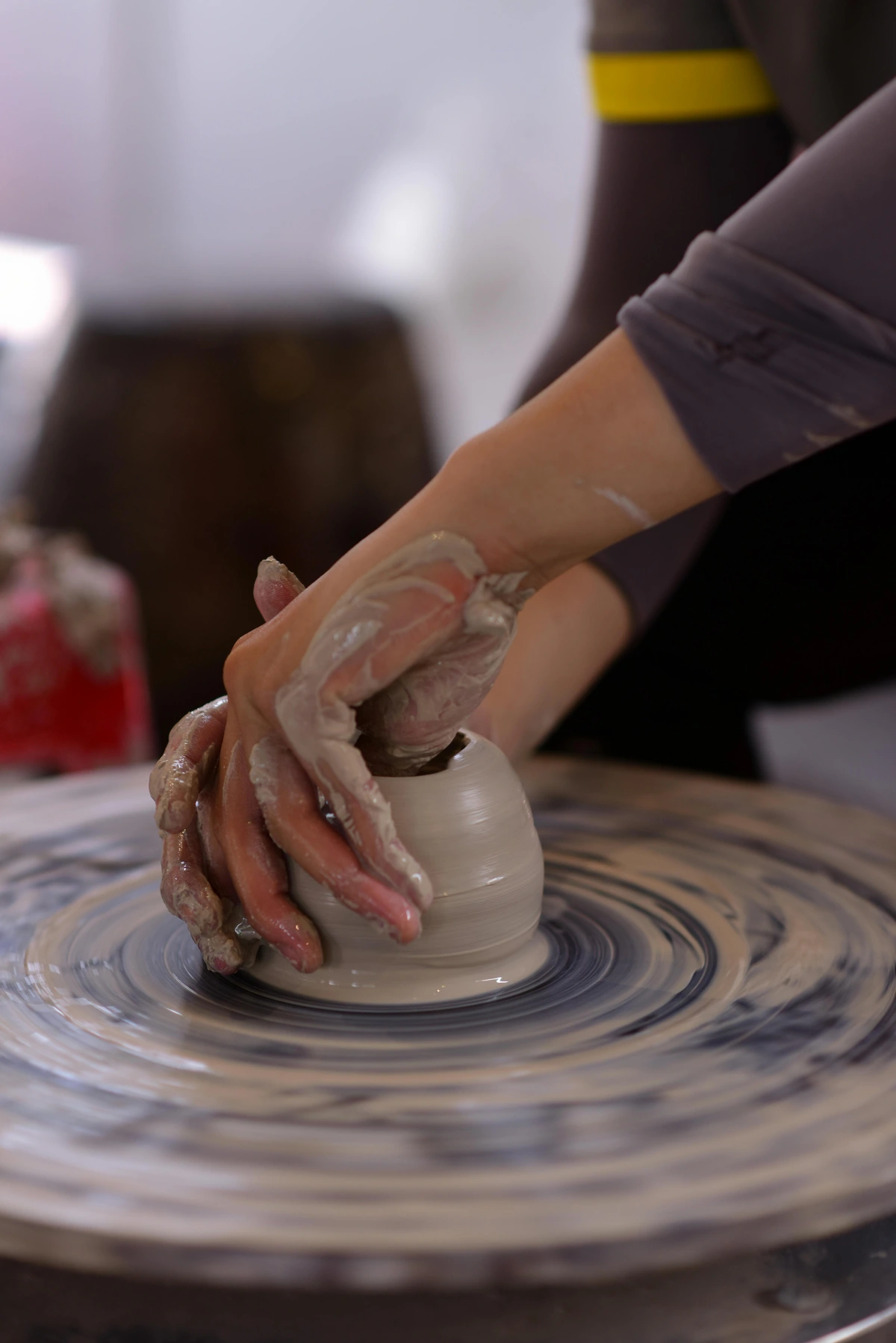
In an increasingly demanding world, finding effective coping mechanisms for stress is paramount. The act of creating art provides a unique sanctuary, allowing individuals to disconnect from daily pressures and immerse themselves in a focused activity. Empirical studies consistently show that even brief periods of artistic engagement can lead to a significant reduction in cortisol levels, the body's primary stress hormone responsible for the 'fight or flight' response. For instance, a 2016 study published in the Journal of the American Art Therapy Association found that 45 minutes of creative activity substantially decreased cortisol levels, irrespective of artistic experience. The rhythmic, often repetitive motions inherent in drawing, painting, or sculpting are known to induce a meditative state, effectively quieting the mind and fostering a profound sense of calm. This physiological response, marked by reduced heart rate variability and muscle tension, underscores art's capacity to induce a state of profound relaxation. This focused attention serves to redirect mental energy away from persistent anxious thoughts, offering a restorative and essential pause. We observe, for instance, how the focused precision required in mandalas or zentangles, or the fluid strokes of watercolor painting, can effectively anchor individuals in the present, providing a much-needed respite from the cacophony of modern life. Furthermore, the repetitive actions involved in knitting, pottery, or even simple doodling are known to activate the parasympathetic nervous system, promoting physiological calm, thereby regulating heart rate and breathing for a deeper sense of peace. The very act of engaging with the physical world through art—the scent of paint, the texture of clay, the sound of a brush on canvas—can stimulate multiple senses, pulling the mind away from internal stressors and towards external, calming stimuli.
Enhancing Emotional Expression and Regulation
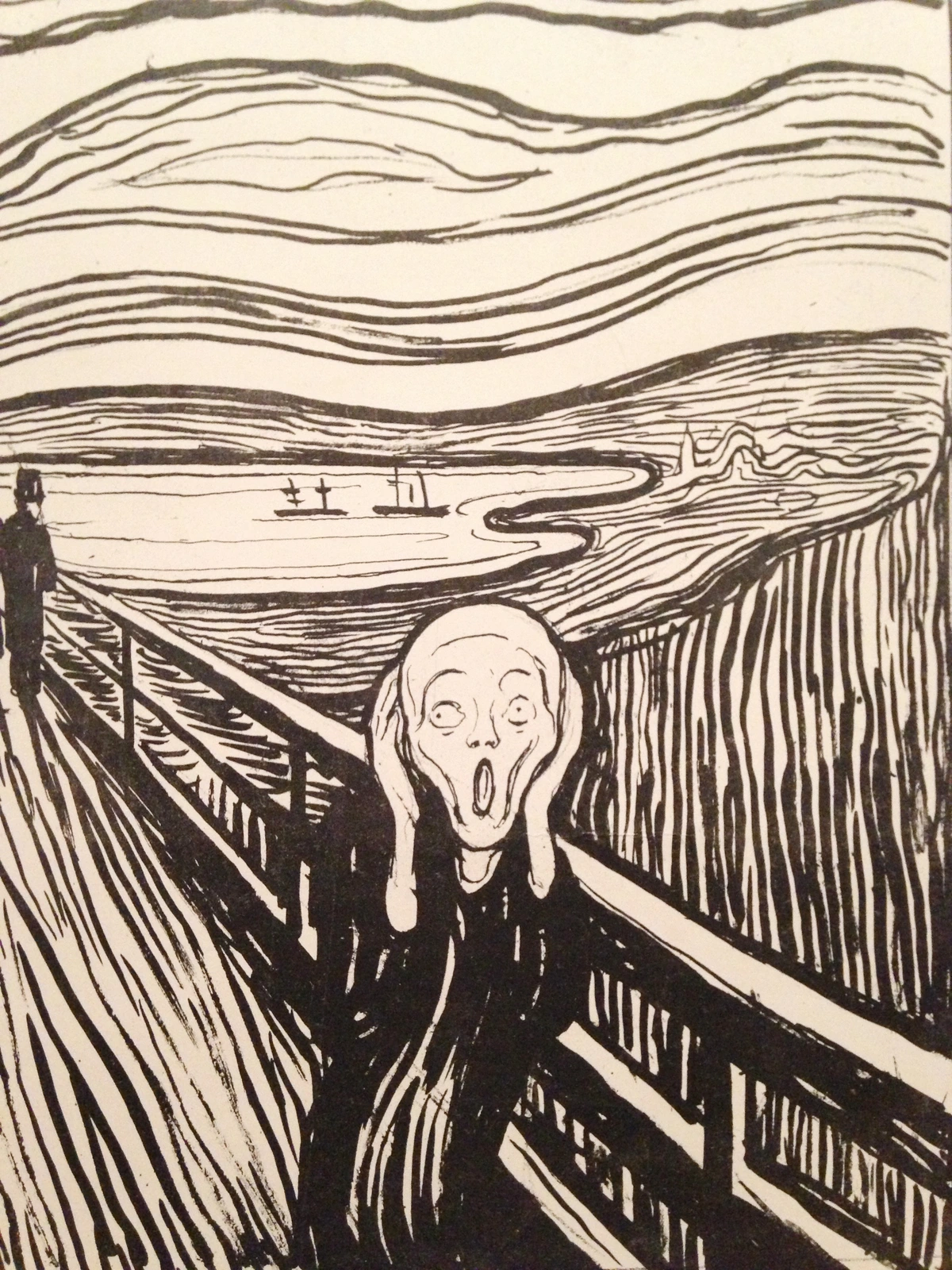
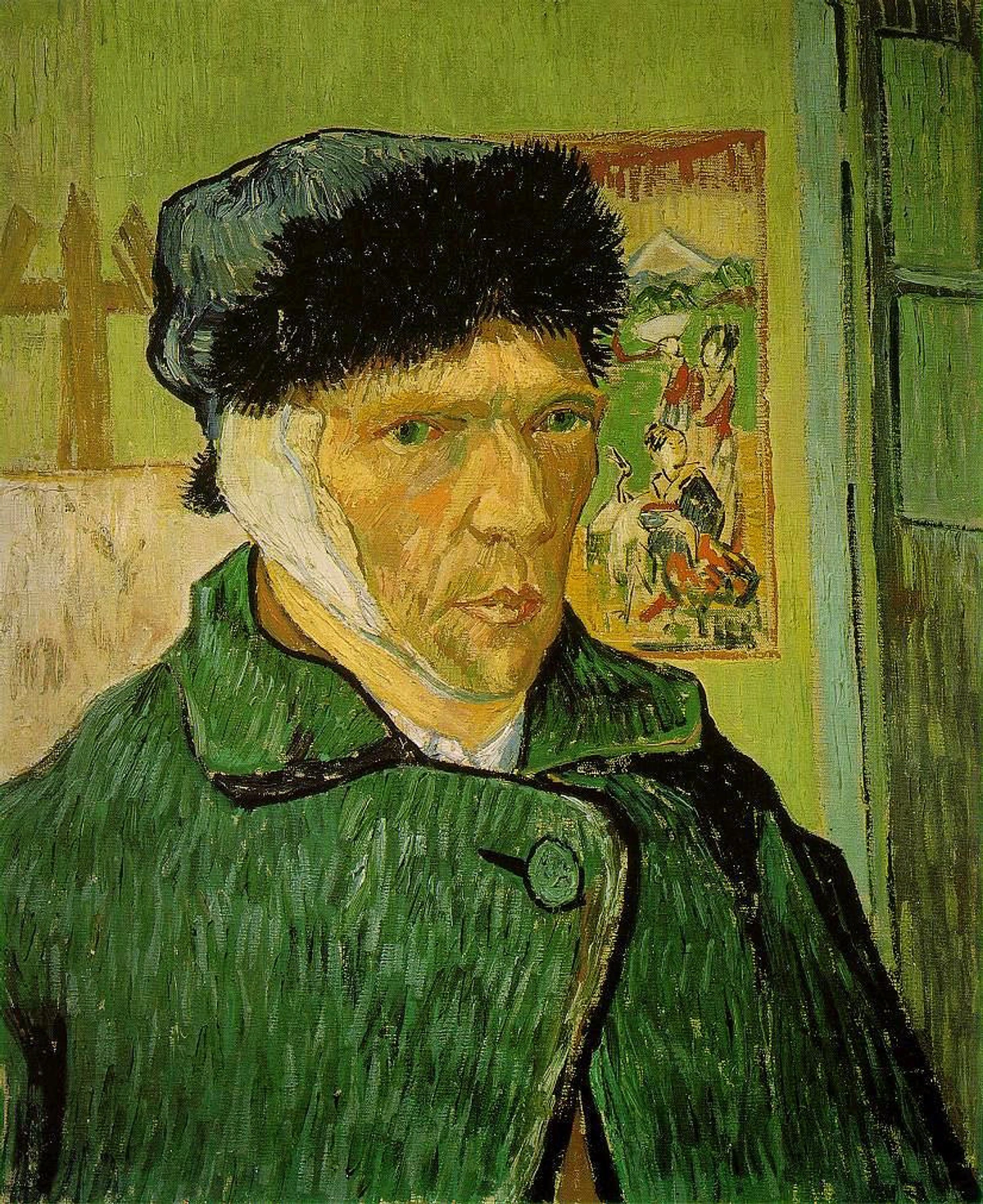
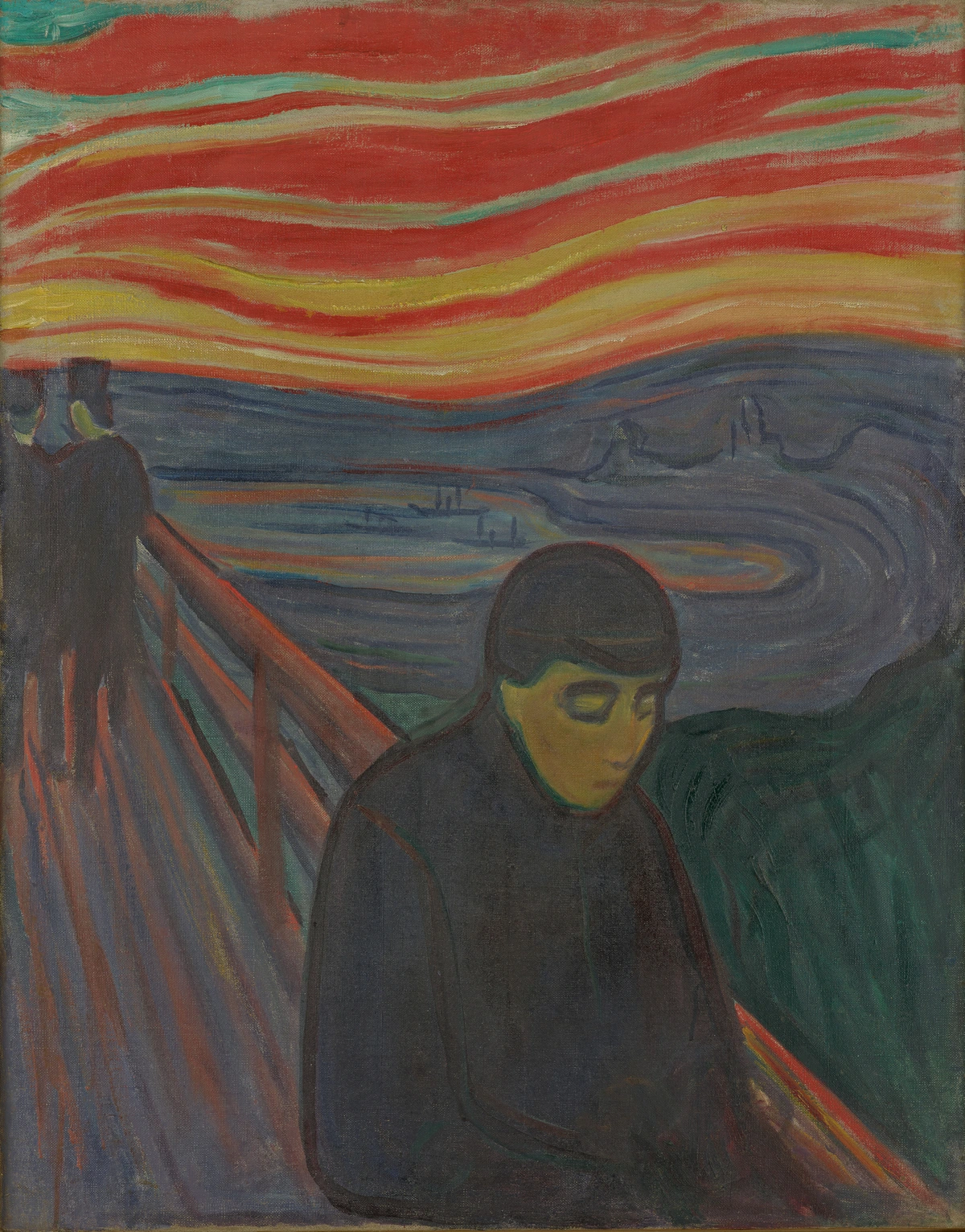
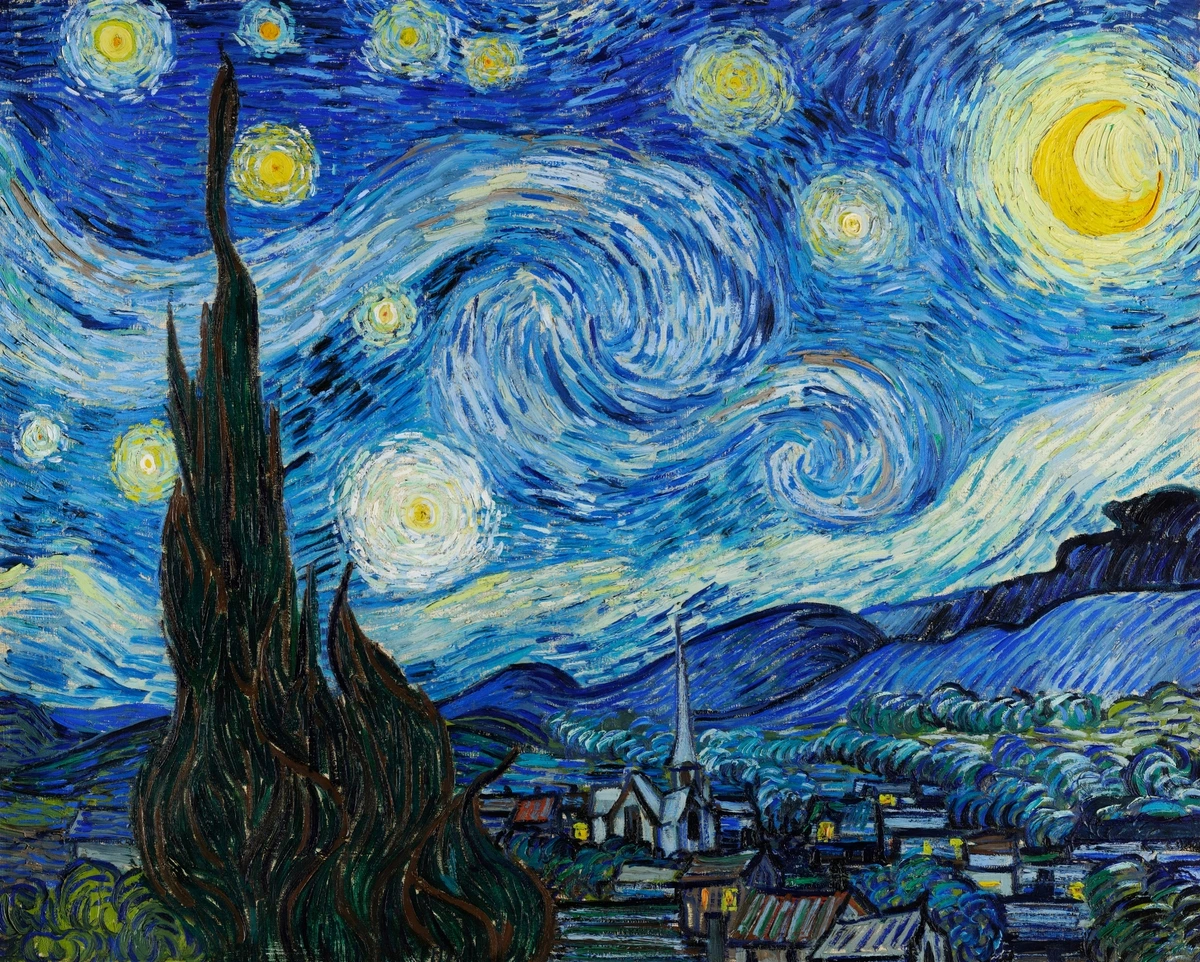
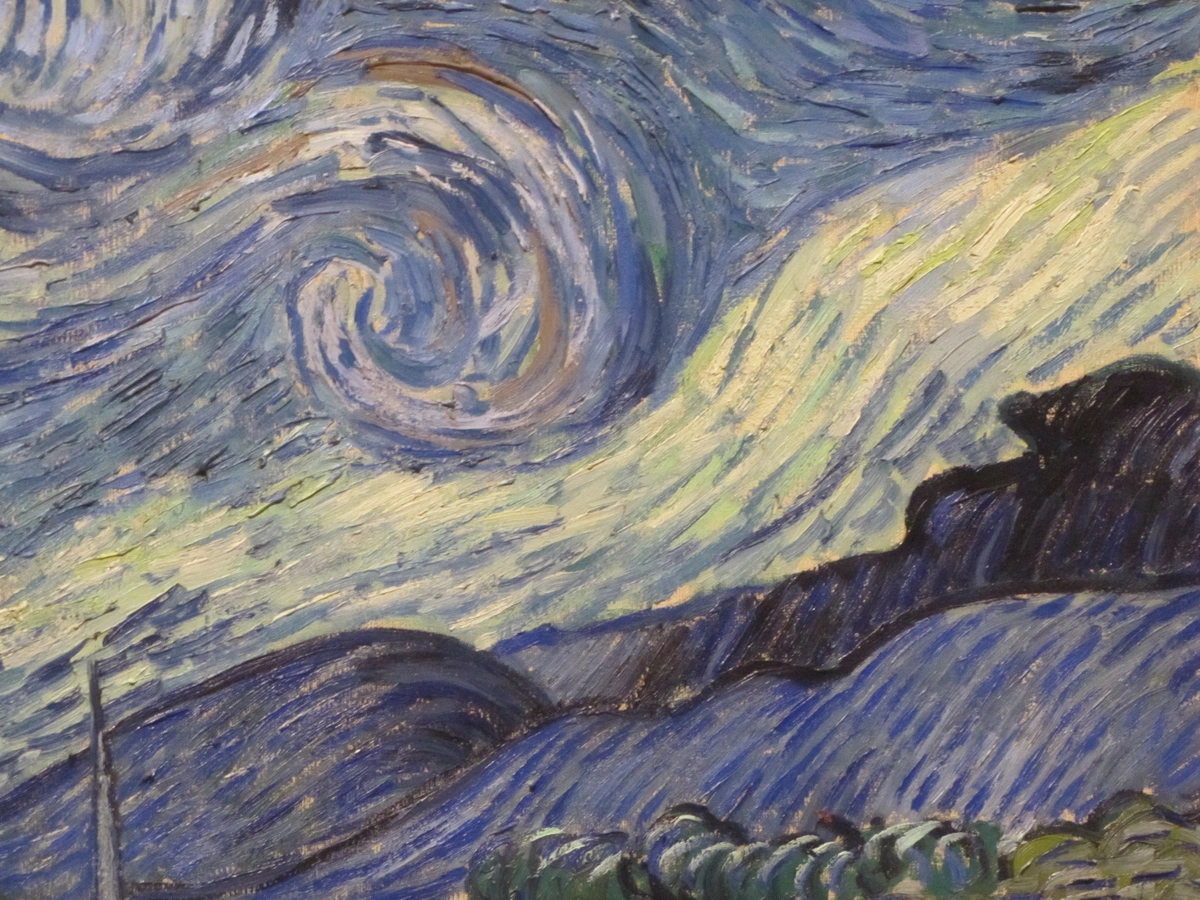
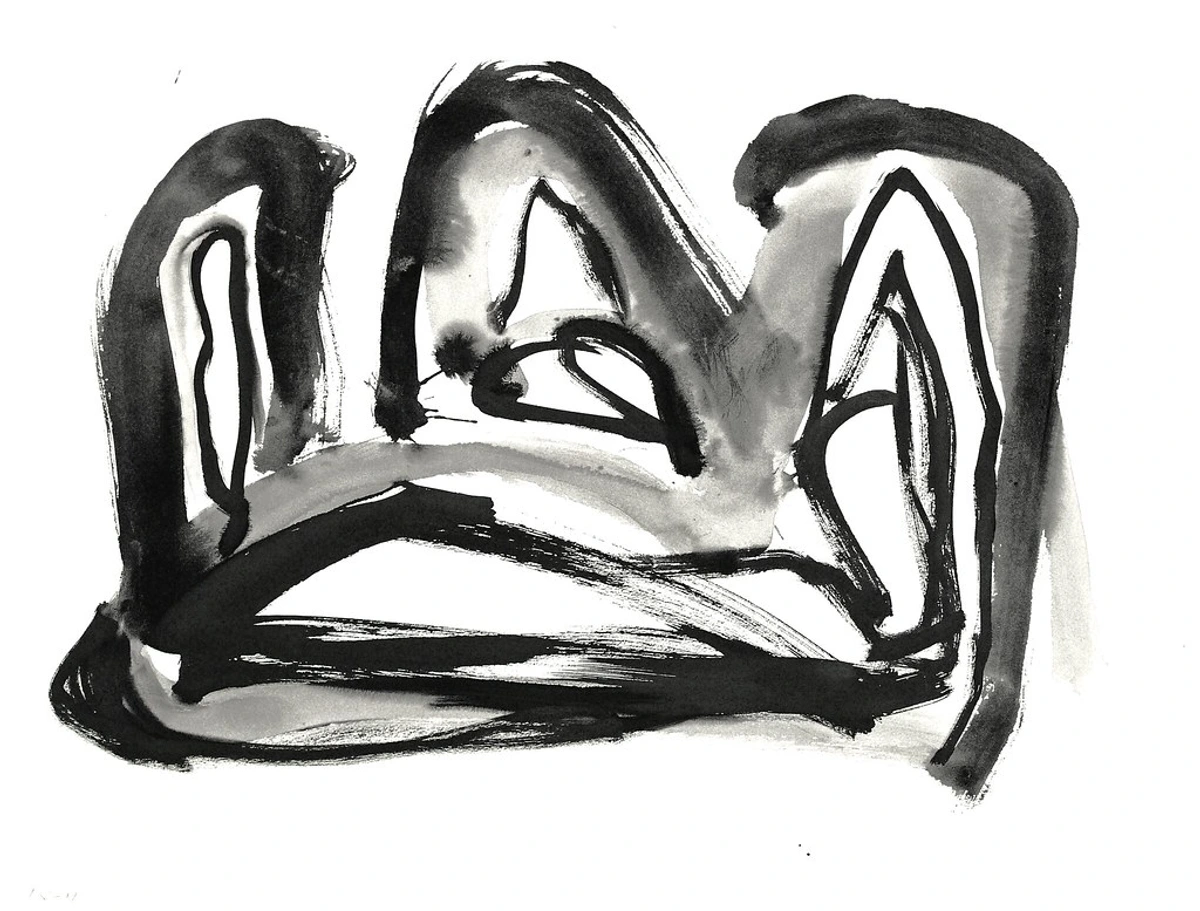
Verbalizing complex and often overwhelming emotions frequently presents a formidable challenge, potentially leading to suppressed feelings and exacerbated internal distress. Art, however, offers a universal, non-verbal language, providing a safe, accessible, and often cathartic outlet for expressing thoughts and emotions that defy articulation. Through the deliberate selection of colors, shapes, and textures, individuals can externalize their inner world, thereby gaining a deeper, more tangible understanding of their emotional landscape. Art functions as a potent narrative tool, allowing individuals to construct and deconstruct their personal stories. The use of metaphor in visual art, for example, allows for a nuanced exploration of feelings that are often too complex for direct verbalization. Curators frequently observe how vibrant, bold colors might represent joy or anger, while softer, muted tones can convey sadness or contemplation, aligning with the principles explored in The Psychology of Color in Abstract Art: Beyond Basic Hues. This rich visual lexicon extends beyond color; sharp, angular forms can express tension, contrasted with flowing, organic shapes that suggest calm and fluidity. The application of varying textures – from rough impasto to smooth glazes – further enriches the communicative potential of a piece, allowing for a deeper exploration of internal states, providing a safe distance for reflection and understanding. This profound process of visual articulation proves particularly beneficial for those navigating the complexities of trauma, grief, or conditions where verbal communication is impeded, actively facilitating emotional release and promoting robust emotional regulation. For individuals grappling with loss, creating memorial art or symbolic representations of their grief can offer a profound avenue for expressing sorrow, honoring memories, and finding pathways toward acceptance. The ability to externalize these deep, often overwhelming, emotions through a painting, sculpture, or collage provides a tangible way to engage with and process them, fostering a sense of catharsis and healing. As curators, we have observed the transformative power of art therapy, a specialized field where trained professionals guide individuals through specific exercises – such as creating a "feeling monster" or a "safe place" drawing – to externalize and then process deeply buried emotions. These guided activities facilitate a structured approach to emotional processing, enhancing self-awareness and fostering resilience. For a more in-depth exploration of how artistic practices can alleviate psychological burdens, one might consider the therapeutic strategies discussed in Art Therapy for Anxiety and Stress Relief.
Art as a Mirror: Reflecting Inner Worlds
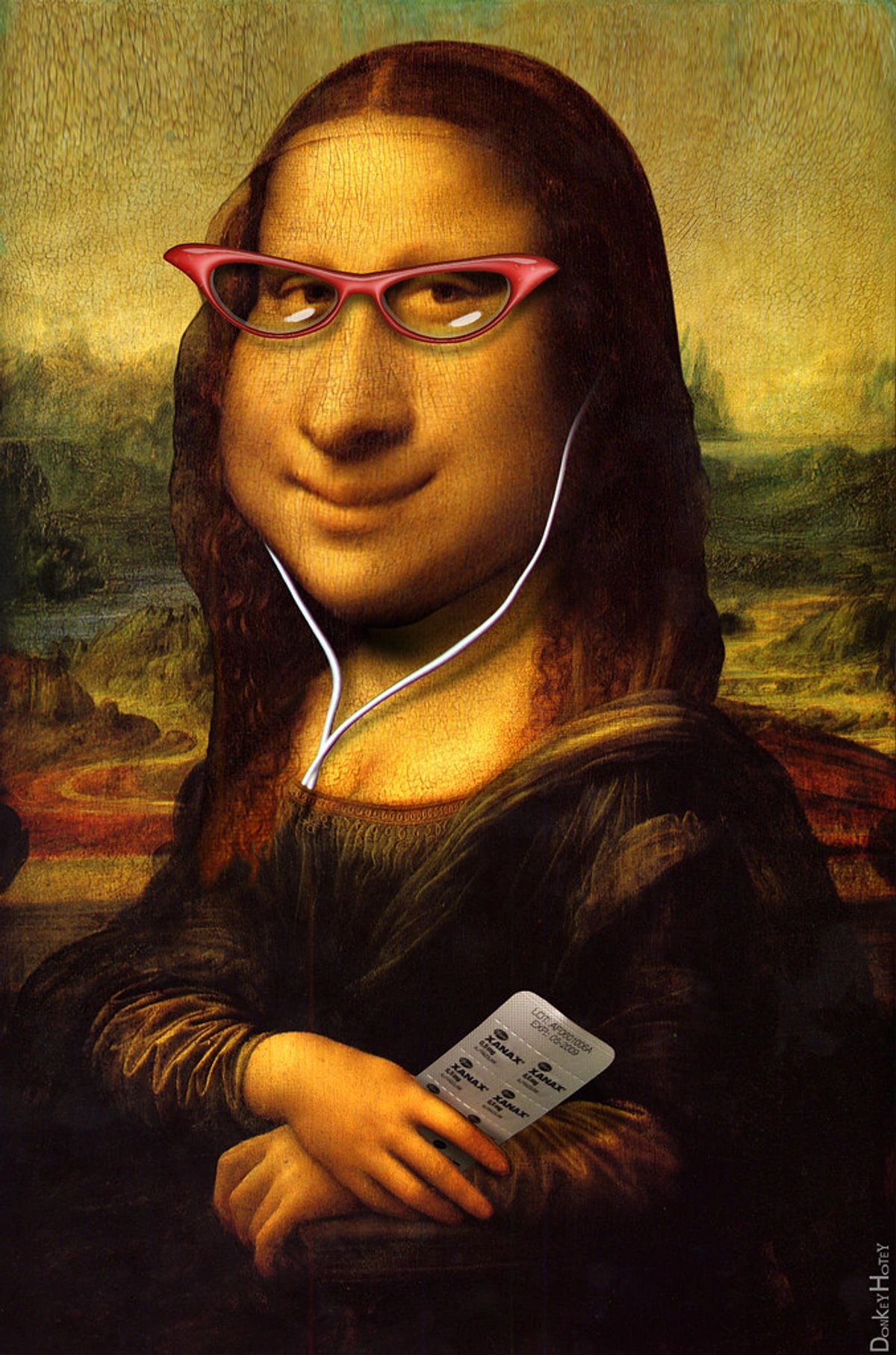
Curators often observe that the creation of art acts as a powerful mirror, reflecting an individual's subconscious thoughts, unacknowledged emotions, and deeply held beliefs. This reflective quality is particularly profound in abstract art, where the absence of explicit representation allows for a more direct engagement with internal states. By externalizing their inner world through colors, forms, and textures, individuals can gain new perspectives on their personal narratives and emotional patterns. This process of visual self-discovery can reveal hidden strengths, identify sources of distress, and illuminate paths toward personal growth. It is through this act of bringing the invisible into the visible realm that true self-understanding begins.
Boosting Self-Esteem and Confidence
The successful completion of an artistic project, irrespective of its perceived aesthetic merit, inherently instills a profound sense of accomplishment and validation. This sense is further bolstered when one's creative efforts are acknowledged and appreciated by peers. This tangible outcome serves as a compelling testament to an individual's perseverance, innate creativity, and developing skill. Whether mastering a new brushstroke, understanding perspective, or successfully blending colors, each small victory contributes to a larger sense of mastery. The journey of artistic creation itself often mirrors the development of resilience in life. For those who frequently grapple with self-doubt or feelings of inadequacy, the creative process offers a unique and empowering pathway to rebuild self-esteem. The inherent freedom to experiment, embrace perceived mistakes as learning opportunities, and ultimately manifest something uniquely personal, powerfully reinforces a sense of personal agency and unequivocally validates one's capabilities. Curators recognize that confronting a blank canvas can feel daunting; however, the act of pushing through initial apprehension, experimenting with diverse techniques, and witnessing a concept manifest is profoundly empowering. This journey from uncertainty to tangible creation significantly reinforces personal agency, proving that sustained effort can overcome initial creative blocks and foster a robust sense of self-efficacy. This process of creative problem-solving, from initial concept to completed piece, cultivates resilience and perseverance—qualities that transcend the art studio and enrich all aspects of life. Furthermore, exploring a diverse array of art forms can often lead to the serendipitous discovery of latent talents, thereby further enhancing self-confidence and personal identity. This tangible outcome serves as a testament to one's perseverance, creativity, and skill. For individuals who may struggle with self-doubt or feelings of inadequacy, the creative process offers a pathway to rebuild self-esteem. The freedom to experiment, make mistakes, and ultimately create something unique reinforces a sense of personal agency and validates one's capabilities. Exploring different art forms can also lead to discovering hidden talents, further enhancing self-confidence.
Fostering Mindfulness and Presence
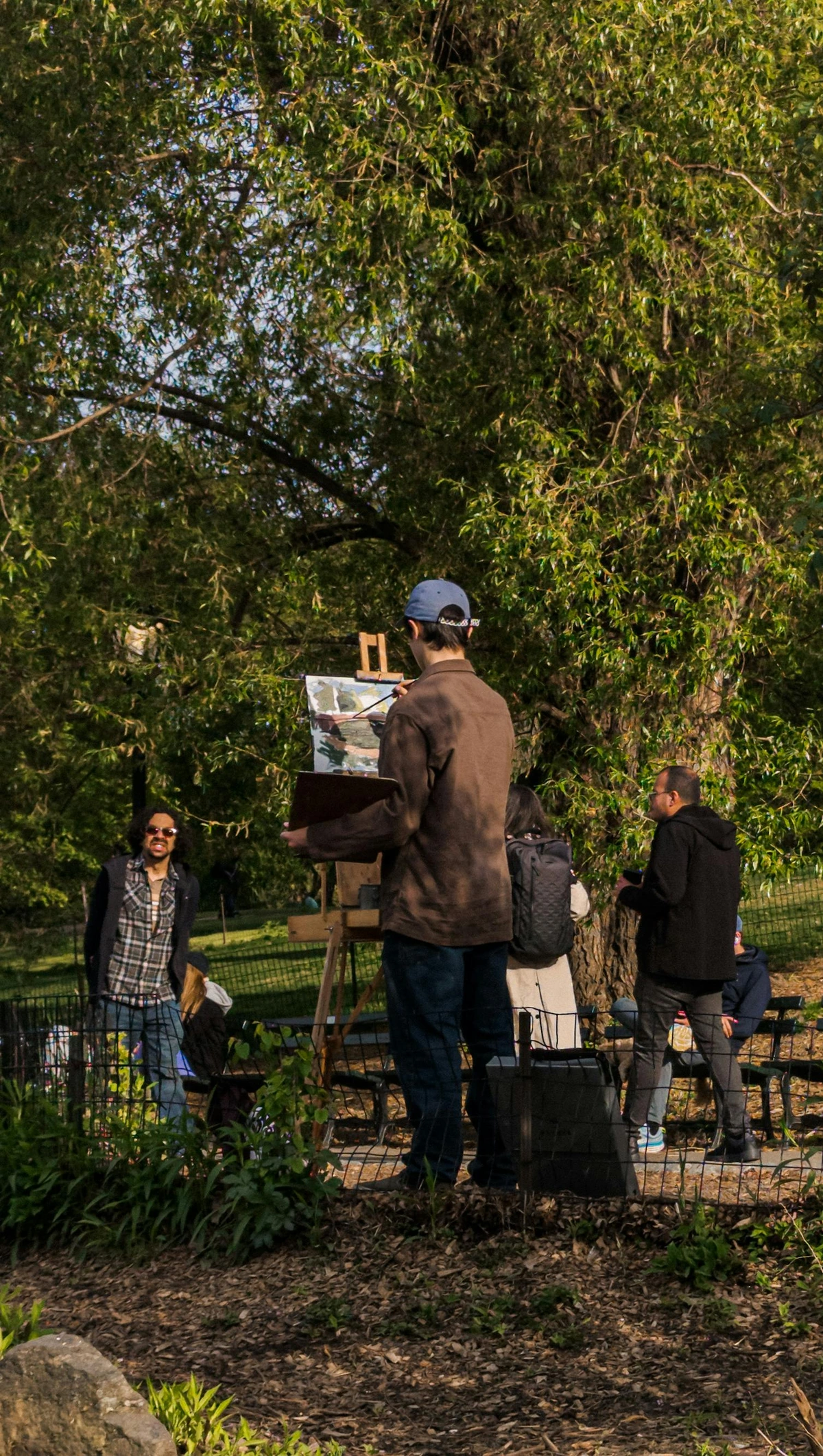
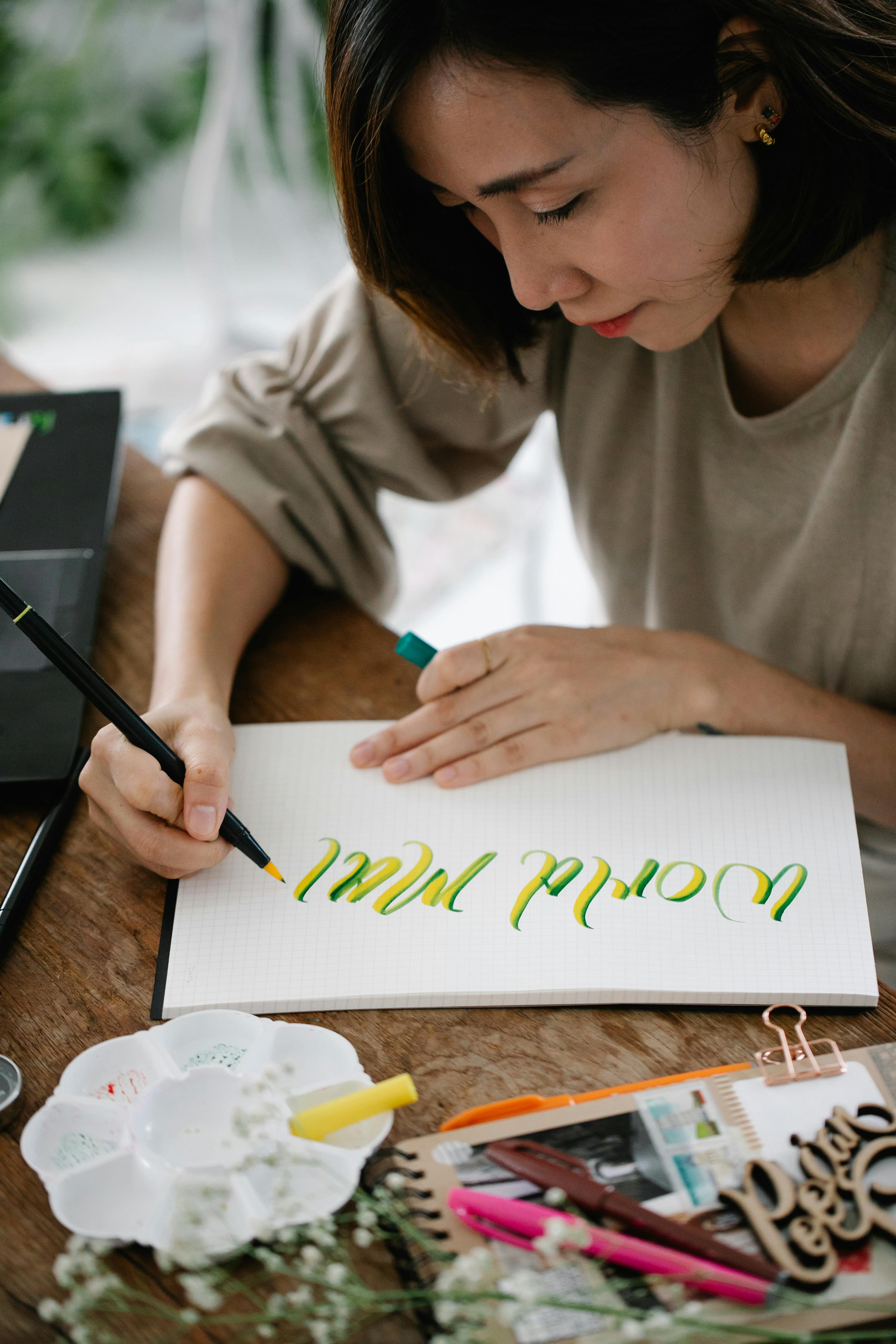
Art-making inherently encourages mindfulness, drawing attention to the present moment. When an individual is truly engrossed in the dynamic process of creation, their focus invariably narrows to the rich, multi-sensory experience—the subtle resistance of the brush on canvas, the delicate alchemy of mixing colors, the tactile pliability of clay, or the rhythmic stroke of a pencil. The tactile engagement with materials – the cool clay, the rough paper, the smooth paint – also grounds individuals in the present moment. This deep, immersive engagement unequivocally shifts attention away from the burdens of past regrets or the anxieties of future uncertainties, firmly anchoring the mind in the immediacy of the here and now. This detachment from the outcome, focusing purely on the act, is a hallmark of truly mindful engagement. One observes this manifested in the deliberate strokes of calligraphy, the careful layering in a collage, the intricate patterns of mandalas or Zentangles, or the mindful observation of light and shadow in a still life. Similarly, the meticulous process of intricate drawing or the nuanced color blending in painting demand a singular focus that naturally cultivates present-moment awareness. The slow, deliberate construction in pottery, the meticulous stitchwork in textiles, or the patient development of a photographic print all necessitate a profound immersion in the immediate task. Such profound present-moment awareness, a foundational principle of established mindfulness practices, is critically important for mitigating rumination and cultivating a greater, more sustainable sense of inner peace and mental clarity. Indeed, by directing our attention to the creative task, we effectively interrupt cycles of anxious thought, allowing the mind to rest and rejuvenate, much like a meditative practice. For further insights into how art can guide one towards inner tranquility, explore Mindful Moments: How Abstract Art Can Be a Gateway to Inner Peace and Reflection.
Art and Cognitive Function
Beyond its demonstrable emotional benefits, the act of engaging with art actively stimulates and engages various intricate parts of the brain, thereby significantly contributing to enhanced cognitive function and neuroplasticity. Activities such as meticulously planning a composition, comprehending complex spatial perspective, or making discerning choices regarding a color palette intrinsically demand advanced problem-solving skills and sophisticated critical thinking, engaging executive functions of the brain. The improvisational nature of some artistic forms, like abstract expressionism, also fosters rapid cognitive adaptation and flexible, divergent thinking, encouraging the mind to explore multiple solutions and possibilities. Furthermore, the act of visual storytelling through sequential art challenges narrative construction and temporal reasoning. Consider, for instance, the intricate decisions involved in planning a composition to create depth, or how colors are mixed to achieve specific hues – these are not merely aesthetic choices, but deeply cognitive ones, stimulating neural pathways associated with creative problem-solving. Fine motor skills are consistently refined through the precise, deliberate hand movements required in many artistic disciplines, while spatial reasoning is profoundly engaged when contemplating forms, dimensions, and their interrelationships. Emerging neurological research increasingly suggests that consistent creative activities can play a crucial role in maintaining cognitive vitality in older adults and demonstrably improve neurological recovery trajectories, even supporting the development of new neural pathways. For elderly individuals, creative pursuits can be instrumental in maintaining fine motor skills and memory recall. Art has also shown promise in rehabilitation settings for conditions affecting motor skills and cognitive function. The complex interplay of color, for instance, has a direct impact on perception and cognition, a topic thoroughly examined in The Psychology of Color in Abstract Art: Beyond Basic Hues. Activities such as planning a composition, understanding perspective, or choosing a color palette require problem-solving skills and critical thinking. Fine motor skills are refined through precise hand movements, while spatial reasoning is engaged when considering forms and dimensions. Some studies even suggest that creative activities can help maintain cognitive vitality in older adults and improve neurological recovery. This sharpening of cognitive faculties through art isn't confined to the studio; it translates into improved decision-making, adaptability, and innovative thinking in everyday challenges.
Community and Connection Through Art
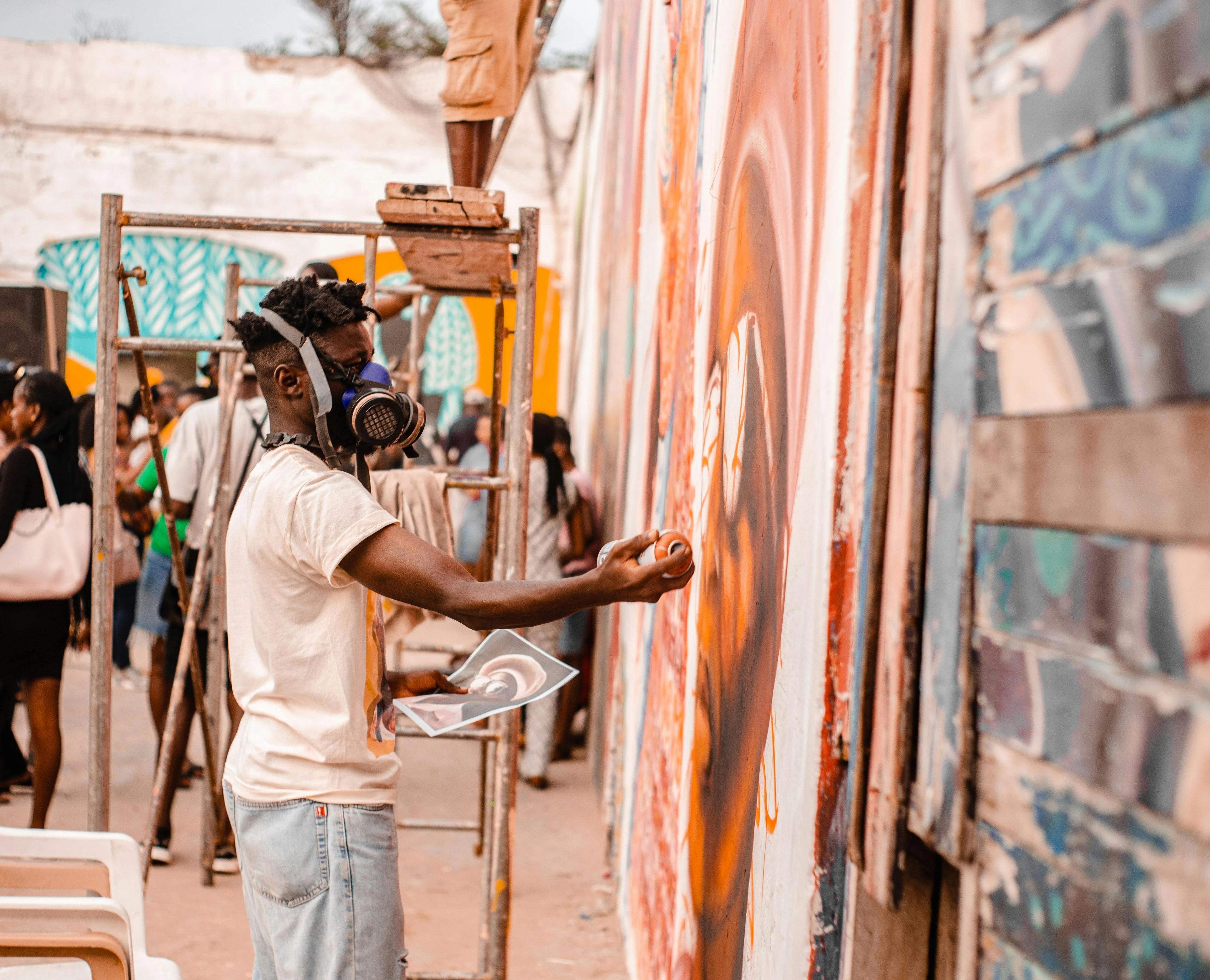
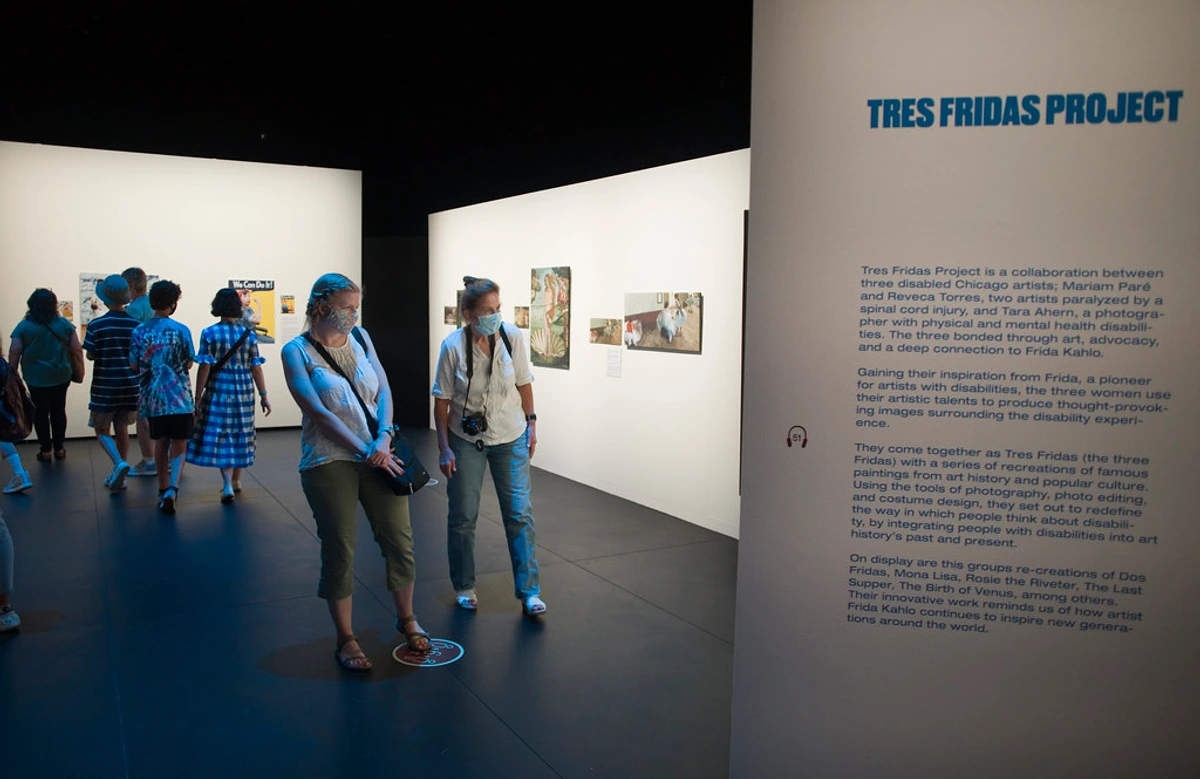
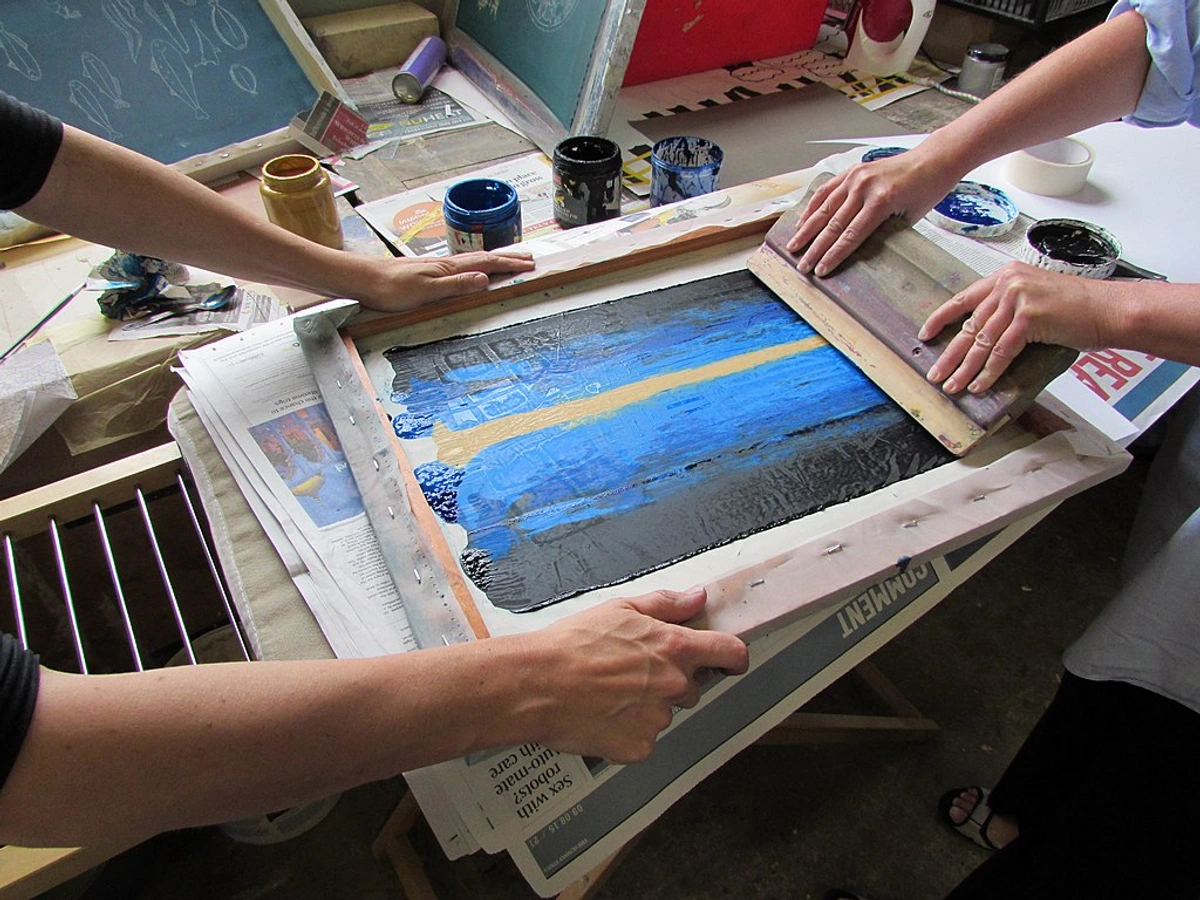
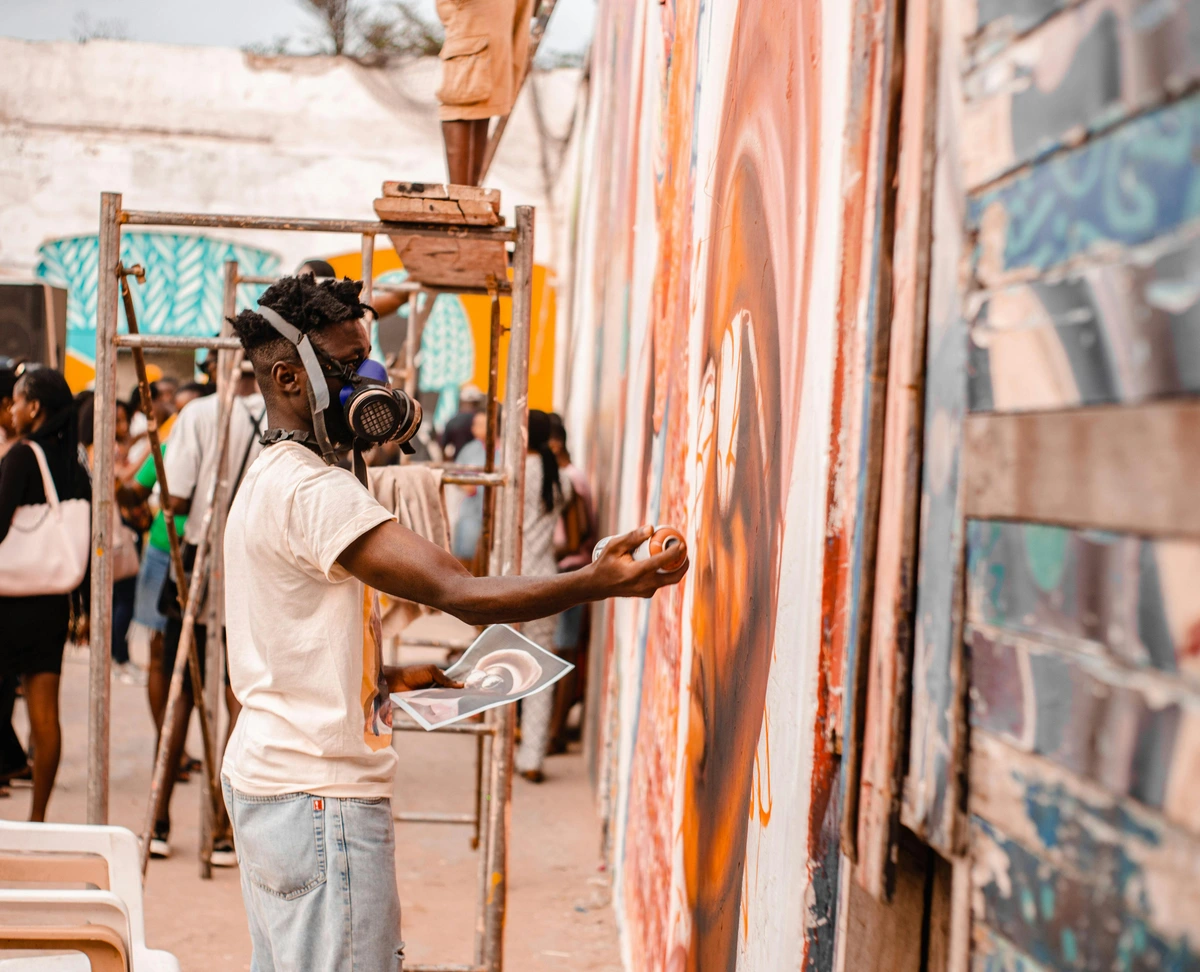
While frequently perceived as a solitary pursuit, art undeniably serves as an immensely powerful catalyst for fostering genuine social connection and community. Participating in structured art classes, engaging in collaborative workshops, or even simply discussing one's creations with peers can cultivate a profound sense of belonging and shared purpose. Beyond formal settings, curators have observed vibrant online communities emerge, where artists from across the globe connect, share techniques, and offer encouragement, effectively breaking down geographical barriers to connection. These digital platforms foster peer learning and collaborative projects, enriching individual artistic practices. The act of sharing artistic endeavors with others provides invaluable opportunities for constructive feedback, mutual support, and enriching shared experiences, effectively combating pervasive feelings of isolation. Moreover, art has historically served as a potent medium for social commentary and activism, providing a platform for collective expression and driving meaningful dialogue on pressing societal issues, as explored in Art as Catalyst for Social Change. From protest art to community murals, visual narratives can galvanize public opinion and inspire collective action, strengthening societal bonds. Furthermore, in therapeutic group settings, art-making fosters a unique sense of camaraderie and shared vulnerability, allowing individuals to connect on a deeper, non-verbal level. This shared creative journey can facilitate mutual understanding and provide a supportive environment for collective healing. For individuals who appreciate art but prefer not to create it themselves, the communal and enriching experience of visiting esteemed cultural institutions like a local museum or exploring art available for purchase can equally connect them to the broader, ongoing artistic dialogue, reinforcing human bonds through shared appreciation and intellectual exchange. Public art installations, for example, often spark discussions and shared experiences among diverse groups. Intergenerational art projects, as well as collaborative community murals or performance art pieces, further demonstrate how creative endeavors can build bridges across age groups and cultural divides. Art possesses a unique ability to transcend language and cultural barriers, fostering empathy and understanding as we engage with diverse perspectives and narratives. Inclusive art communities ensure that everyone, regardless of background or ability, can find a place for expression and connection. ## Getting Started: No Skill Required
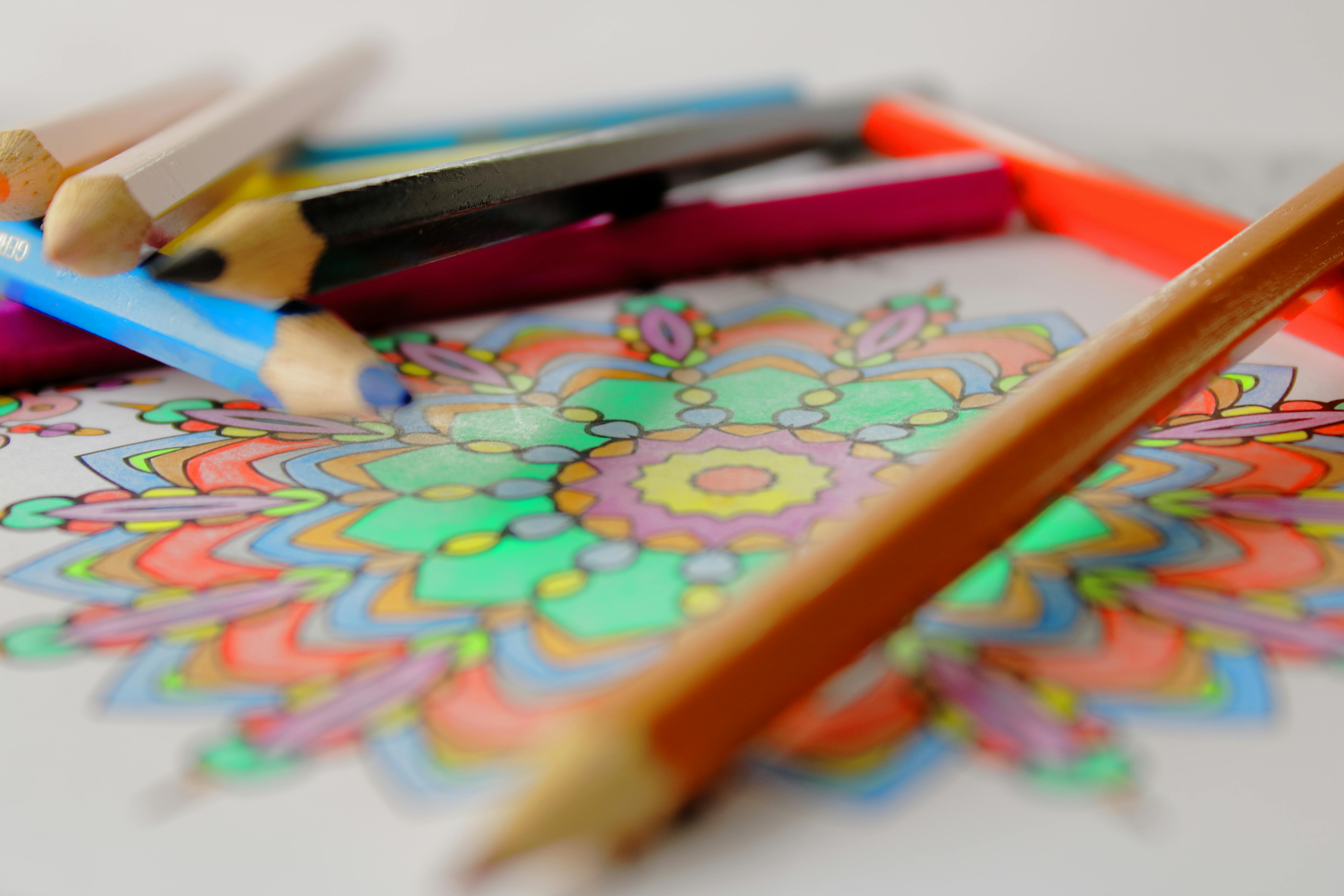
The journey of engaging with art for enhanced mental well-being commences with a profoundly liberating truth: no prior artistic skill, innate talent, or formal training is requisite. The fundamental emphasis unequivocally shifts from the aspirational creation of a masterpiece to the uninhibited embrace of the process itself. Simple, accessible activities such as doodling, adult coloring, collaging with found materials, expressive mark-making, or even simple clay modeling are demonstrably and incredibly beneficial. These activities emphasize tactile engagement and uninhibited exploration. The overarching goal is not the pursuit of aesthetic perfection, but rather the genuine exploration of self and authentic personal expression. Many individuals discover that initiating their artistic journey without preconceived expectations or pressures allows for significantly greater freedom and fosters a more authentic, unmediated connection to their intrinsic creative impulse.

Creating a Personal Art Space
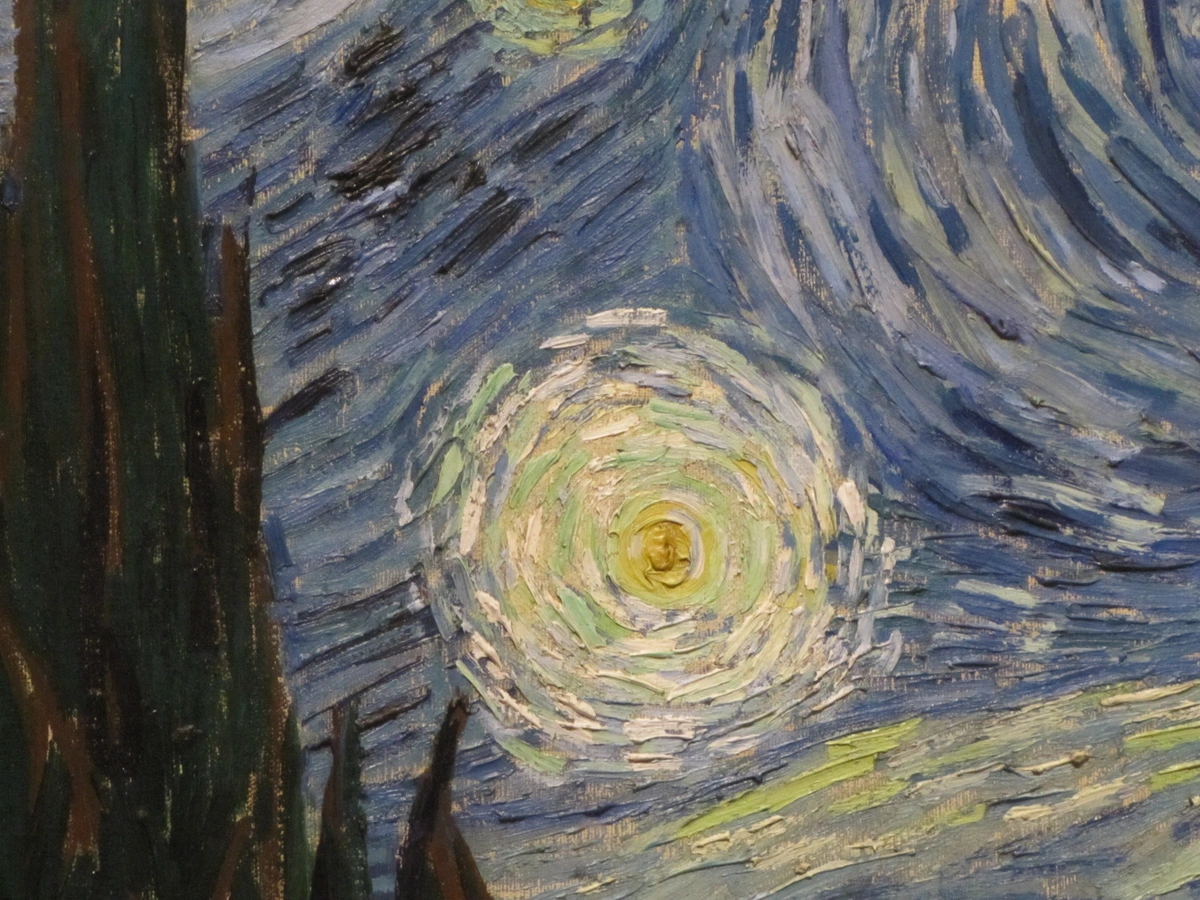
Curators recognize that the environment in which one creates significantly influences the artistic process. While an elaborate studio is far from necessary, establishing a dedicated, personal art space—even if it's just a corner of a room—can be profoundly beneficial. This designated area, free from distractions and equipped with readily accessible materials, signals to the mind that it's time to engage in creative work. This ritual of setting up and entering one's creative zone can enhance focus and encourage regular artistic practice, transforming a casual activity into a valued ritual for mental well-being. It becomes a sanctuary for self-expression and introspection. Curators often observe that the initial apprehension of confronting a blank canvas can be a significant hurdle. However, the profound benefit lies in the courage to initiate, understanding that the intrinsic value resides in the process itself, not in the pursuit of a perceived masterpiece. This perspective liberates the creator from outcome-based anxieties. Consider starting with materials like those found in Reviewing the Best Professional Watercolor Sets for a gentle introduction to expressive color, or even simple Promarker Alcohol Markers for Artists for bold, immediate expression. Other accessible options include charcoal for expressive mark-making, soft pastels for vibrant color blending, or simple air-dry clay for tactile exploration. The emphasis is always on approachable materials and methods that invite experimentation without intimidation. Other accessible options include charcoal for expressive mark-making, soft pastels for vibrant color blending, or simple air-dry clay for tactile exploration. The emphasis is always on approachable materials and methods that invite experimentation without intimidation.
Art for Healing and Trauma Recovery
For individuals navigating the complex terrain of trauma recovery, art, in its diverse forms, serves as a powerful and essential conduit for healing. When words fall short, as they often do in the face of profound emotional pain, visual expression provides a vital, non-verbal language. Art allows for the externalization of internalized experiences, creating a safe distance from overwhelming feelings and making them more manageable to process. It provides a sanctuary where individuals can express the unspeakable without judgment, transforming abstract distress into a concrete, observable form. This externalization is crucial for gaining perspective and initiating the healing narrative. This isn't about creating beautiful art; it's about creating a tangible representation of an internal state, which can be immensely validating and the first step towards integration. Curators have observed firsthand how survivors can use art to communicate narratives that might otherwise remain unspoken, transforming their pain into a pathway for resilience.
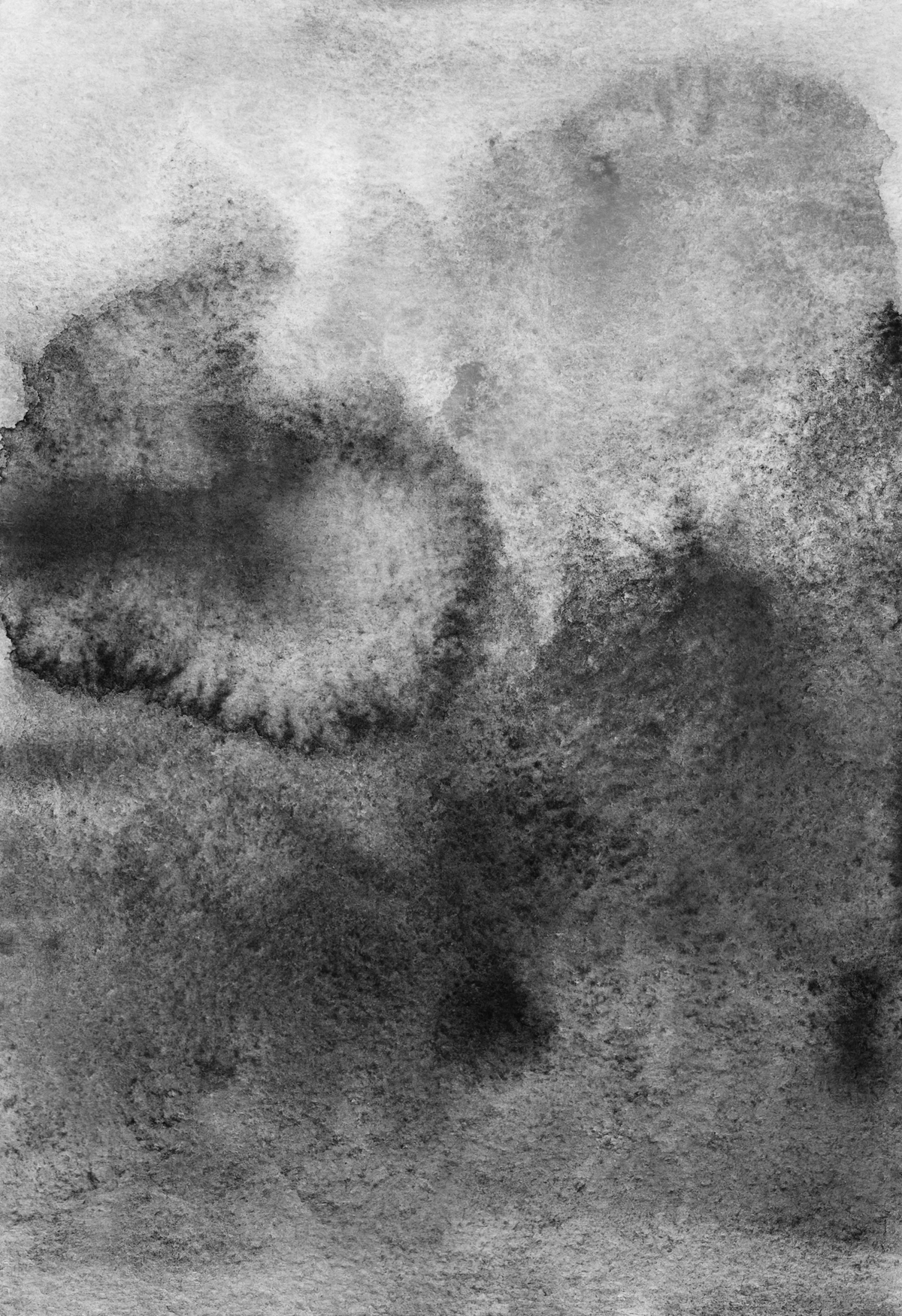
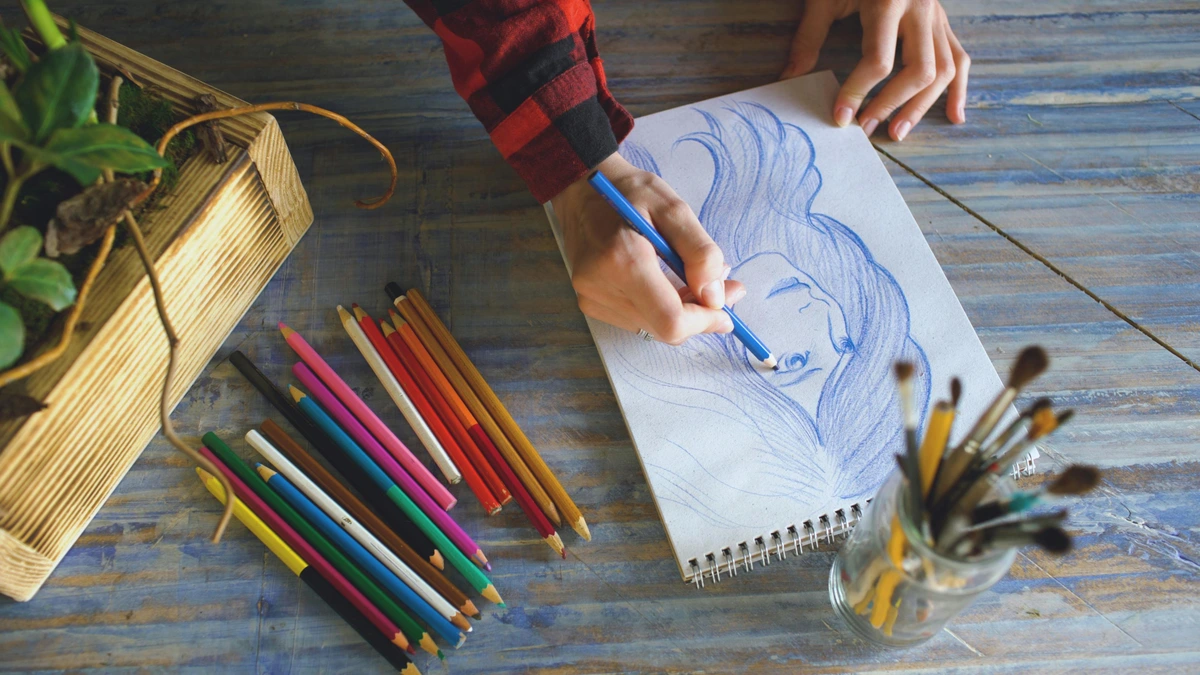
Techniques within art therapy, such as drawing personal narratives, sculpting metaphors for resilience, or painting emotions, offer structured yet flexible approaches to address deeply rooted psychological wounds. By engaging with art, individuals can safely explore difficult memories, process fragmented experiences, and gradually reconstruct a coherent sense of self. The physical act of creation can also be grounding, helping to regulate the nervous system and foster a sense of control where it might have been lost. This somatic engagement—the feeling of materials in hand, the movement of the body during creation—can be particularly powerful in trauma recovery, helping to reconnect individuals with their physical selves and integrate dissociated experiences in a gentle, non-threatening manner. The tactile feedback and sensory input anchor the individual in the present moment, mitigating dissociative responses often associated with trauma.
Frequently Asked Questions
The Role of Art in Child Development and Adolescent Well-being
Beyond adult applications, engaging with art offers significant, age-appropriate benefits for children and adolescents. For younger children, art-making is crucial for developing fine motor skills, color recognition, and imaginative play. It also provides a foundation for developing empathy by allowing them to express and interpret different emotions. Finger painting fosters tactile exploration and crayon drawings develop foundational narrative skills, contributing to early cognitive and emotional literacy. These early engagements lay the groundwork for complex problem-solving abilities, supporting brain development in critical ways. For school-aged children, collaborative art projects can teach teamwork and communication, while drawing or storytelling through pictures can help them process school experiences or social dynamics. For adolescents, art provides a safe space for identity exploration, managing peer pressure, and expressing complex emotions during a period of rapid change – becoming a powerful vehicle for self-discovery and independent thought. Activities such as creating zines or digital art portfolios serve as powerful outlets for self-expression and community building, fostering a sense of belonging and validation. Structured art activities can also enhance problem-solving skills and critical thinking from an early age, laying a foundation for robust mental health.
The Therapeutic Power of Digital Art
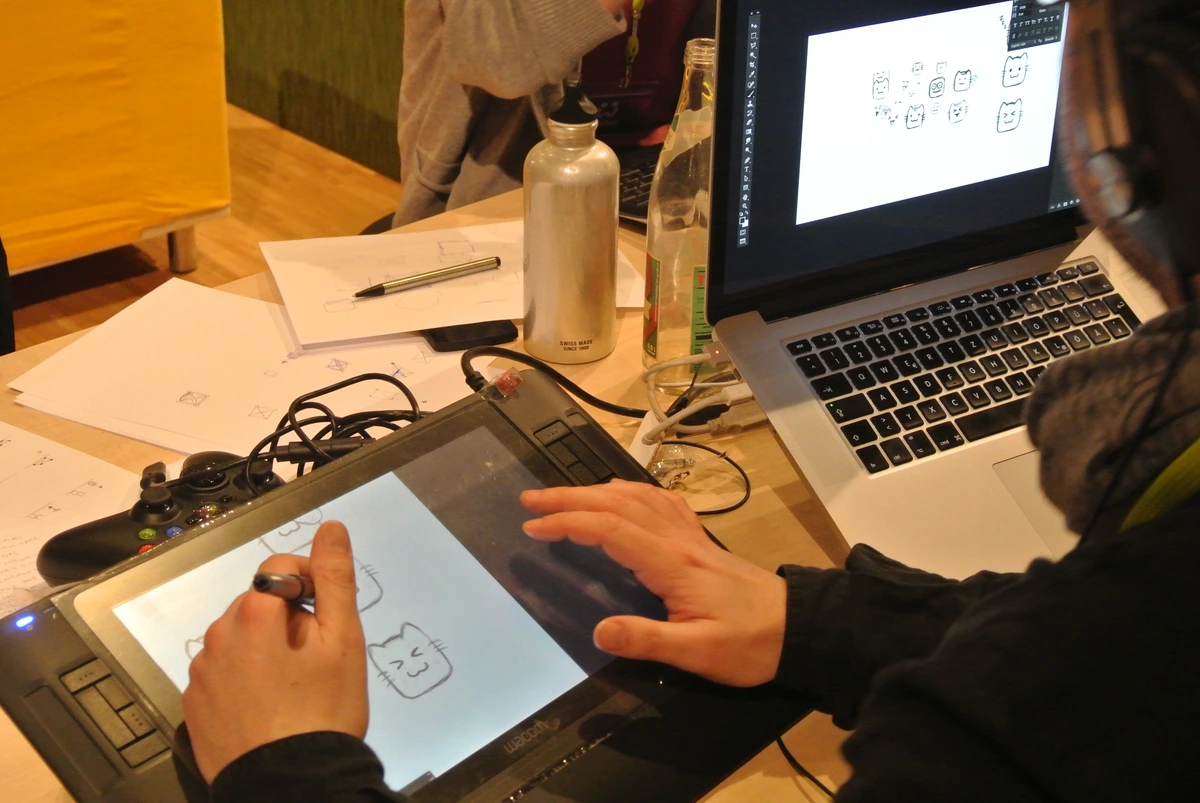
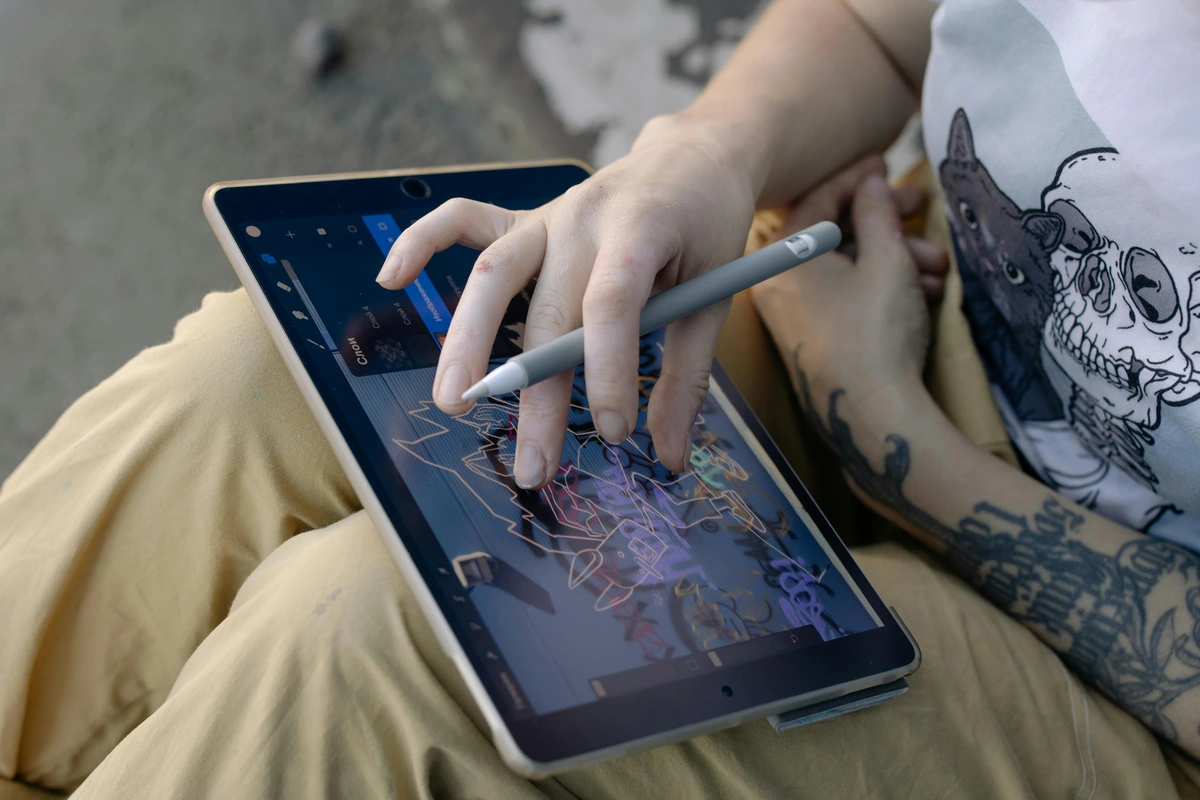
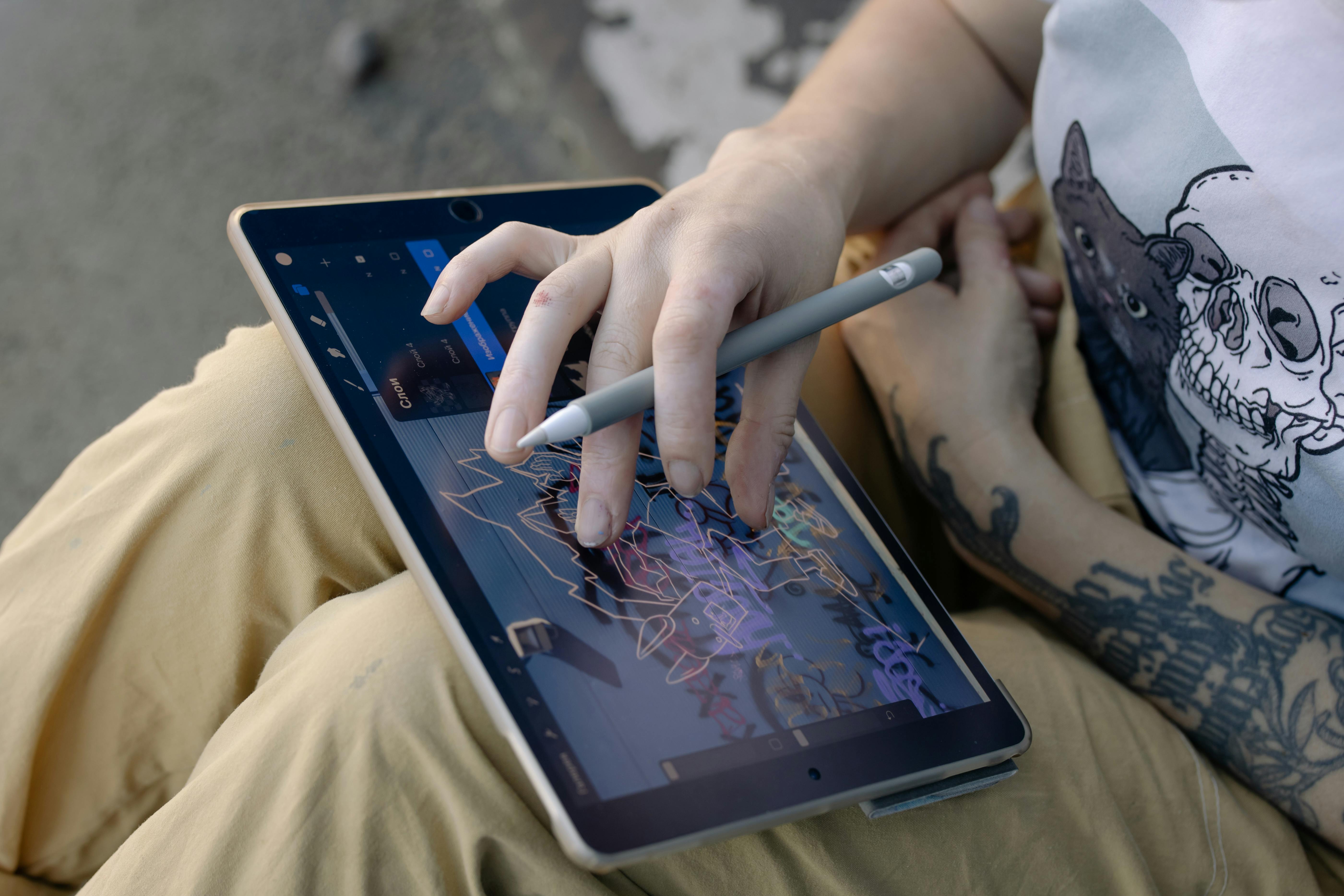
In our increasingly digital world, the landscape of art-making has expanded to include a vast array of digital mediums. Digital art, far from being a lesser form, offers unique therapeutic benefits. The ubiquitous 'undo' function, for example, can significantly reduce performance anxiety, thereby encouraging greater experimentation and risk-taking in the creative process. The often gentle learning curve of many digital tools makes them approachable for beginners, lowering barriers to entry. The inherent accessibility of digital tools means one can create virtually anywhere, fostering a consistent and flexible creative outlet, transforming everyday devices into powerful artistic instruments. Moreover, the structured environment of many digital art programs, with their organized layers and precise controls, can be particularly soothing for individuals who find the unpredictable nature of traditional mediums overwhelming. The precision offered by vector graphics software, for instance, can provide a sense of order and control that is deeply calming. Curators observe that this blend of control and creative freedom makes digital art a powerful therapeutic modality. As curators, we have observed a growing number of individuals finding solace and expression through digital canvases. The exploration of specialized digital brushes and tools further enhances the versatility and therapeutic potential of this medium. For those curious about this modern approach, exploring resources like A Person Drawing on a Digital Tablet, Drawing Cats on Wacom Intuos3 A5 Graphics Tablet, or a guide to Top Drawing Tablets for Digital Artists can provide a starting point. The integration of technology and creativity is an exciting frontier for well-being, as demonstrated in articles such as Beyond the Brush: Exploring Digital Tools in My Abstract Art Practice and From Pixels to Paint: My Creative Journey Integrating Digital Tools in Abstract Art. The inherent accessibility of digital tools means one can create virtually anywhere, fostering a consistent and flexible creative outlet. Moreover, the structured environment of many digital art programs, with their organized layers and precise controls, can be particularly soothing for individuals who find the unpredictable nature of traditional mediums overwhelming. Curators observe that this blend of control and creative freedom makes digital art a powerful therapeutic modality. As curators, we have observed a growing number of individuals finding solace and expression through digital canvases. The exploration of specialized digital brushes and tools further enhances the versatility and therapeutic potential of this medium. For those curious about this modern approach, exploring resources like A Person Drawing on a Digital Tablet, Drawing Cats on Wacom Intuos3 A5 Graphics Tablet, or a guide to Top Drawing Tablets for Digital Artists can provide a starting point. The integration of technology and creativity is an exciting frontier for well-being, as demonstrated in articles such as Beyond the Brush: Exploring Digital Tools in My Abstract Art Practice and From Pixels to Paint: My Creative Journey Integrating Digital Tools in Abstract Art.

Art for Chronic Illness and Neurodiversity
Art for Chronic Illness and Neurodiversity
Art provides a unique and accessible avenue for individuals navigating chronic illnesses or living with neurodiverse conditions to express their experiences and enhance well-being. For those with chronic illnesses, art-making can serve as a powerful distraction from pain, a means to process the emotional toll of their condition, and a way to reclaim a sense of agency and control. The focus required in artistic endeavors can shift attention away from physical discomfort, and the act of creating something new can foster a profound sense of accomplishment despite physical limitations. The sustained engagement required in many artistic processes can also release endorphins, the body's natural painkillers, further contributing to pain management.
For neurodiverse individuals, art offers a non-verbal language that can bypass communication challenges, providing a direct channel for self-expression. It can aid in sensory regulation, providing a calming and predictable activity, or alternatively, a stimulating and engaging one, depending on individual needs and preferences. The structured nature of certain art forms, such as precise drawing or pattern-making, or the freedom of others, like expressive painting, can be adapted to individual needs, making it a highly flexible therapeutic tool for exploring identity, processing emotions, and developing social skills within inclusive art spaces. Art can also provide a safe and controlled environment to experiment with social interactions and emotional responses, which can be invaluable for developing social cognition.
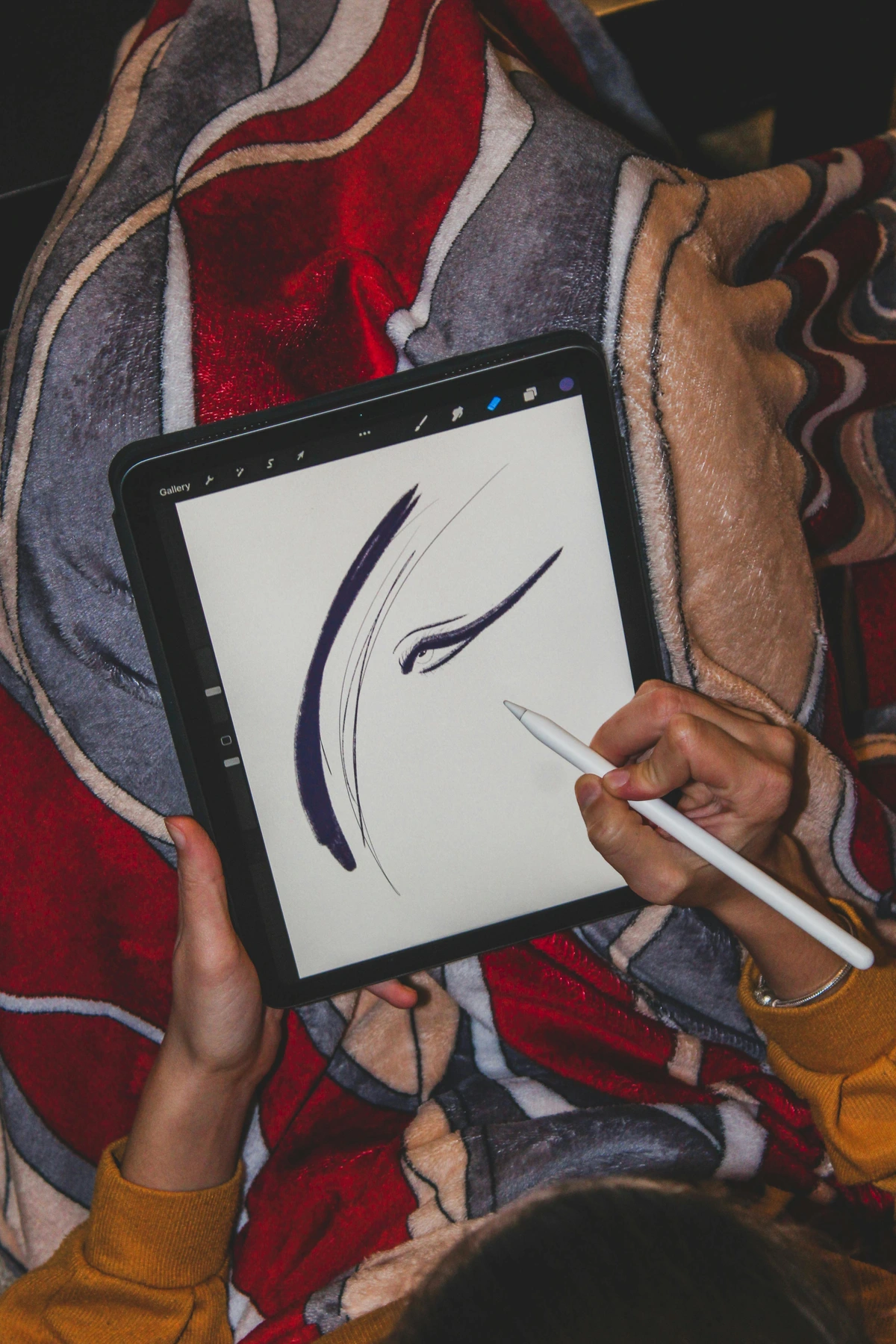






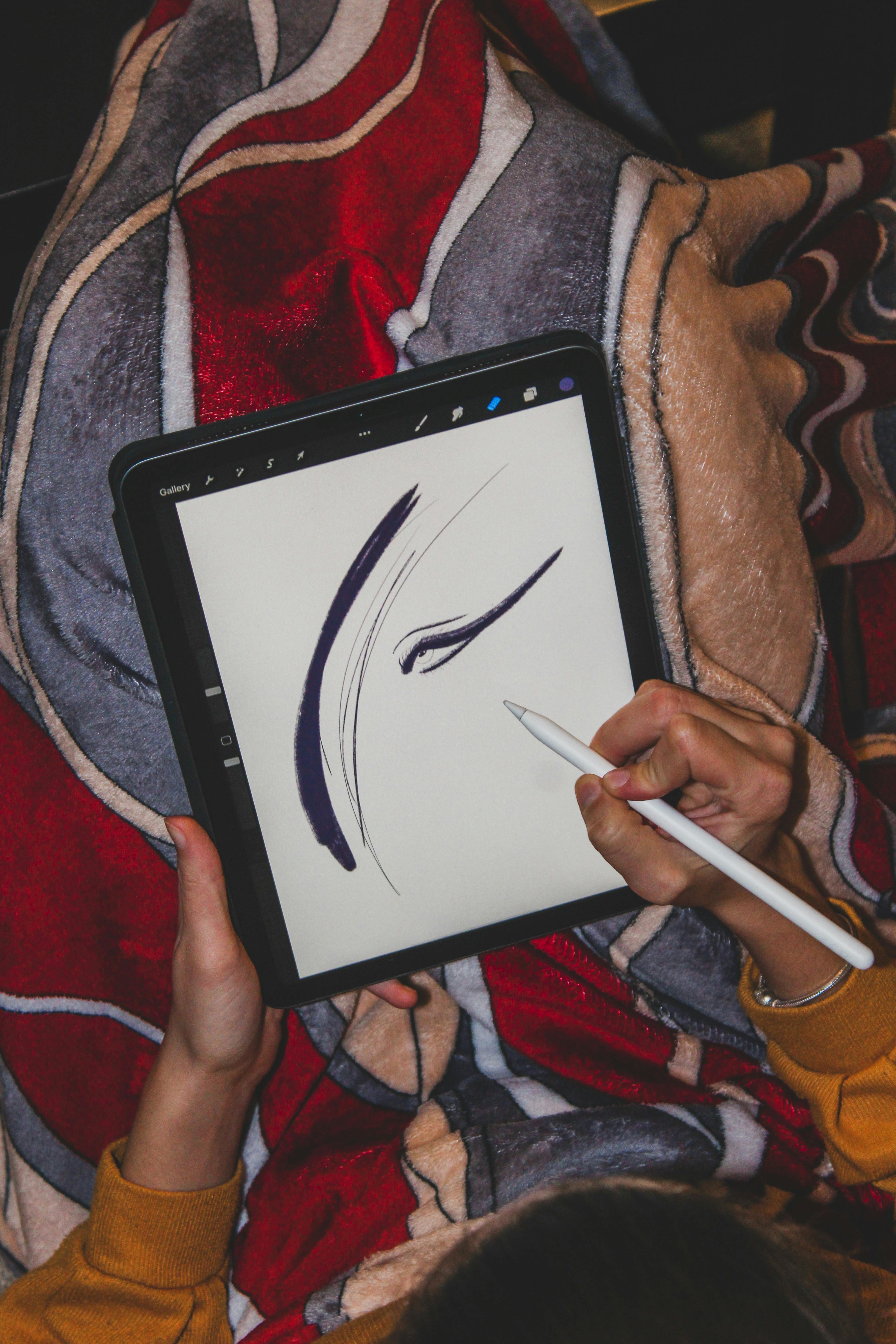
In our increasingly digital world, the landscape of art-making has expanded to include a vast array of digital mediums. Digital art, far from being a lesser form, offers unique therapeutic benefits. The ubiquitous 'undo' function, for example, can significantly reduce performance anxiety, thereby encouraging greater experimentation and risk-taking in the creative process. The often gentle learning curve of many digital tools makes them approachable for beginners, lowering barriers to entry. The inherent accessibility of digital tools means one can create virtually anywhere, fostering a consistent and flexible creative outlet. Moreover, the structured environment of many digital art programs, with their organized layers and precise controls, can be particularly soothing for individuals who find the unpredictable nature of traditional mediums overwhelming. Curators observe that this blend of control and creative freedom makes digital art a powerful therapeutic modality. As curators, we have observed a growing number of individuals finding solace and expression through digital canvases. The exploration of specialized digital brushes and tools further enhances the versatility and therapeutic potential of this medium. For those curious about this modern approach, exploring resources like A Person Drawing on a Digital Tablet, Drawing Cats on Wacom Intuos3 A5 Graphics Tablet, or a guide to Top Drawing Tablets for Digital Artists can provide a starting point. The integration of technology and creativity is an exciting frontier for well-being, as demonstrated in articles such as Beyond the Brush: Exploring Digital Tools in My Abstract Art Practice and From Pixels to Paint: My Creative Journey Integrating Digital Tools in Abstract Art.
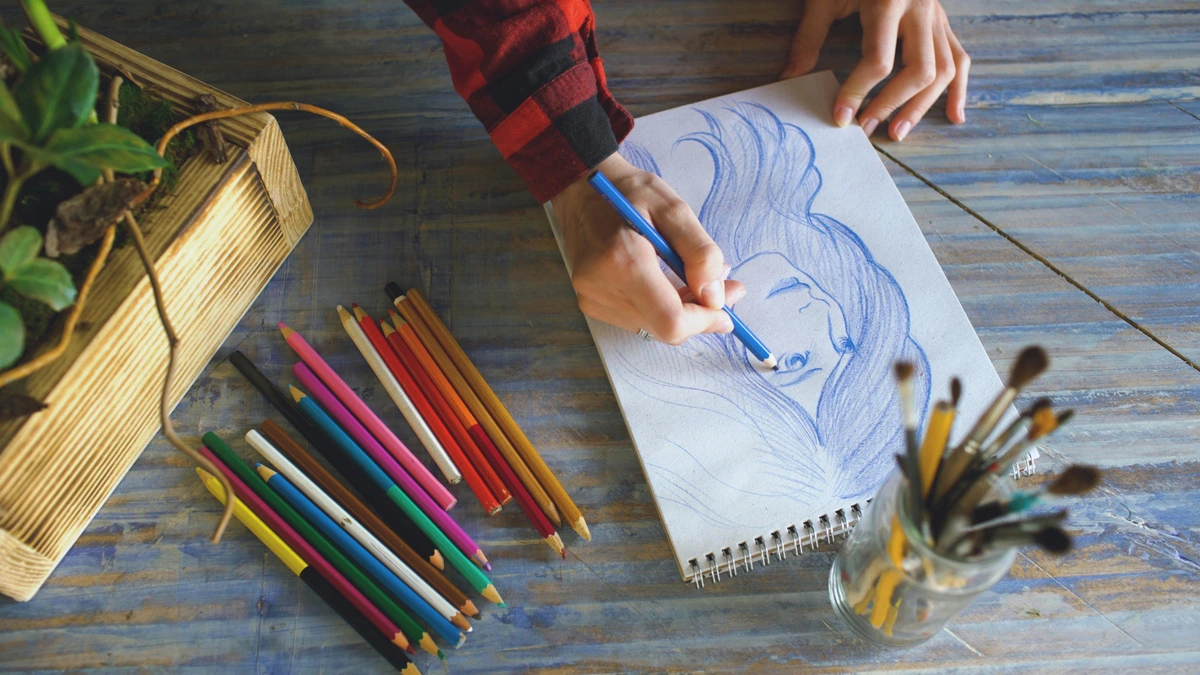
Q: Do I need to be "good" at art for it to have mental health benefits?
A: Unequivocally, no. The therapeutic benefits of art-making stem intrinsically from the process itself, not from the aesthetic quality of the final product. The act of creation, authentic expression, and mindful engagement holds the paramount significance.
Q: What kind of art should I try if I'm a beginner?
A: Curators recommend initiating artistic exploration with something inherently simple and low-pressure, emphasizing process over product. Activities such as doodling, utilizing adult coloring books, engaging in simple drawing exercises, collaging with readily available materials like old magazines, or even expressive scribbling with crayons or basic pastels can be remarkably effective. The key lies in experimenting freely to discover what resonates most authentically with one's personal disposition and intrinsic creative impulses. Simple charcoal sketches or basic acrylic painting are also excellent starting points for tactile engagement. Materials like those reviewed in Best Oil Paint Brands for Artists might seem advanced, but even basic oil pastels offer rich, tactile engagement for beginners.
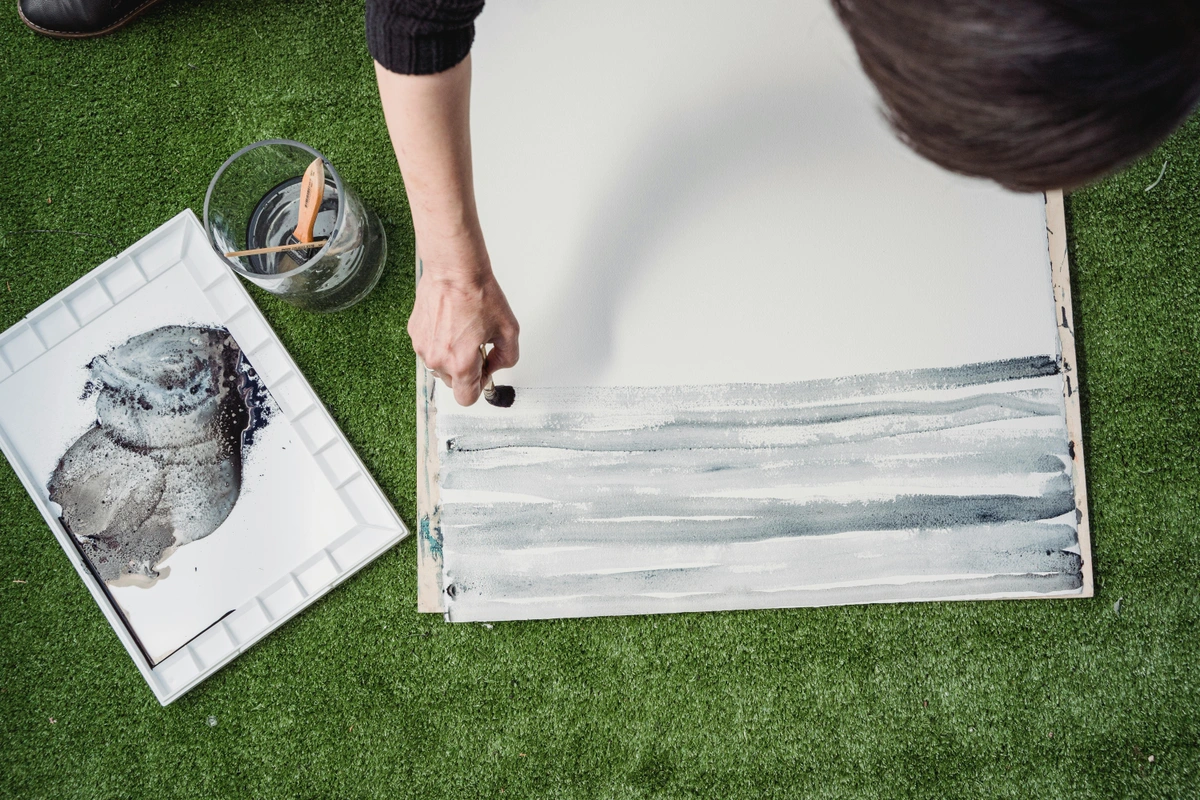

Q: How often should I engage in art to see benefits?
A: Consistency is indeed key, though even short, regular sessions can yield significant benefits. A commitment to 15-30 minutes a few times a week, or whenever the need for decompression and self-expression arises, is recommended. The flexibility of integrating art into daily routines ensures sustained engagement and cumulative positive effects.
Q: Are there any downsides or risks to engaging with art for mental health?
A: While art is overwhelmingly beneficial, it is prudent to acknowledge potential challenges. The initial frustration of not achieving a desired outcome can be discouraging, and the act of comparing one's work to others can, at times, trigger self-criticism. However, the overarching therapeutic principle emphasizes that the process of creation is paramount, not solely the aesthetic quality of the final product. Cultivating a 'process over product' mindset is crucial for mitigating these potential frustrations and sustaining engagement. Should engaging with art stir up overwhelming emotions, particularly in the context of trauma, it is crucial to acknowledge these feelings and consider seeking guidance from a qualified art therapist or mental health professional. Such professionals provide a safe, structured, and expertly guided environment for deeper exploration and processing, ensuring ethical and effective therapeutic intervention.
Q: What is the difference between art as therapy and art therapy?
A: Curators emphasize a crucial distinction: "art as therapy" refers to the inherent healing benefits individuals gain from engaging in creative processes independently. This is a personal, often self-guided journey of expression and introspection. "Art therapy," however, is a clinical profession. It involves a trained, credentialed art therapist who guides clients through specific art-making processes within a therapeutic framework to address clinical goals, such as trauma processing, emotional regulation, or cognitive rehabilitation. While both leverage the power of art, art therapy is a structured, professional intervention, whereas art as therapy is a more generalized, self-directed wellness practice.
Q: Can art replace traditional therapy?
A: While engaging with art is undeniably highly therapeutic and can profoundly complement traditional therapy, it is imperative to understand that it is generally not a direct substitute for comprehensive, professionally supervised mental health care. Its role is often adjunctive, enhancing the efficacy of other therapeutic modalities. Individuals navigating significant mental health challenges are always advised to consult with a qualified and licensed therapist or counselor. Art therapy, as a distinct and specialized clinical field, is facilitated by trained professionals who expertly integrate art-making techniques with established psychological methods to address specific clinical goals. This structured, evidence-based approach ensures that the therapeutic process is tailored to individual needs and provides the necessary clinical oversight, maximizing therapeutic outcomes.
Q: What if I feel overwhelmed or intimidated by starting art?
A: This is a common and entirely valid feeling. Curators advise beginning by setting incredibly low expectations, focusing purely on the sensory experience and the simple act of doing, rather than any anticipated outcome or aesthetic judgment. Initiating with very short sessions, perhaps just five or ten minutes, using readily available materials like a pen and paper, can significantly reduce intimidation. The fundamental goal is personal engagement and authentic expression, not public display or critical acclaim. One is encouraged to embrace the journey of exploration without self-judgment, understanding that the value lies in the act itself.
Conclusion
The profound and diverse mental health benefits of actively engaging with art are now increasingly recognized and thoroughly validated across an expansive spectrum of disciplines, ranging from contemporary psychology to cutting-edge neuroscience. From its proven capacity to significantly reduce stress and enhance nuanced emotional expression, to its pivotal role in boosting self-confidence and fostering profound mindfulness, the creative process offers a holistic and remarkably accessible pathway to improved overall well-being. This multifaceted engagement provides a powerful antidote to modern stressors. The integration of art into child development, its critical role in community building, the emerging therapeutic applications of digital art, its capacity to support individuals with chronic illness and neurodiversity, and its role in fostering self-reflection further underscore its broad and adaptive impact. It stands as a profound testament to the enduring power of human creativity that the simple, deliberate act of drawing a line or thoughtfully mixing a color can yield such significant, positive impacts on both the mind and the spirit. As curators of human experience, we advocate for the conscious integration of artistic engagement into daily life, not as a luxury, but as a vital component of holistic well-being. We invite individuals to embrace the diverse tools of creation, whether a simple pencil, a lump of clay, or a digital canvas. It is through this embrace of imperfection, the valorization of process over product, and the savoring of the creative journey that one discovers the profound, restorative power of innate creativity. Embracing art, in any of its myriad forms, represents an accessible, enriching, and deeply personal journey towards cultivating greater mental clarity, fostering emotional resilience, and achieving a more balanced and fulfilling life.