Art for Healing: A Curator's Guide to Well-being & Self-Discovery
Explore art's profound therapeutic power beyond formal therapy. A curator shares personal insights on creative expression, mindfulness, emotional release, and how art fosters self-discovery and inner peace through creation and observation.

The Healing Canvas: A Curator's Guide to Well-being Through Art
Sometimes, when I look at a piece of art, it's not just the brushstrokes or the composition that truly resonates. It's something deeper, a quiet whisper of connection that feels... well, healing. As a curator, my job often involves the grand narratives, the historical contexts, the aesthetics. But if I'm being brutally honest (and I usually am), the most profound experiences I've had—both personally and observing others—revolve around art's almost magical capacity to mend, soothe, and express the inexpressible. This isn't merely about pretty pictures on a wall; it's about touching the very core of what makes us human, and understanding how art can be a powerful source of healing and self-discovery. This isn't just my winding path, of course; it's a universal truth, a silent language we all intuitively understand. So, come along. Let's explore the multifaceted ways art can be a tool for well-being, both through creation and observation. Maybe, just maybe, it'll spark something in your own journey.
What Even Is "Art as Therapy" (from my side of the desk)?
Now, before we dive too deep, let's clear something up. When I talk about art and healing, I'm not always talking about capital-A, capital-T "Art Therapy" with a licensed professional. That's a vital, structured field, and hugely beneficial for many, often involving specific therapeutic goals, ethical frameworks, and a rigorous academic background. It's a serious discipline I deeply respect. But my perspective, from this side of the desk, is a bit more... fluid, perhaps even a touch rebellious. What I'm often thinking about is the broader, more accessible truth: that engaging with art, in any form, can be inherently therapeutic. It's the quiet contemplation of a complex piece, the vigorous splash of paint on a canvas, or the simple, almost meditative act of drawing a line when your mind feels like a tangled mess. It’s a self-care ritual, a journey inward, and it doesn't require a degree or a fancy studio.
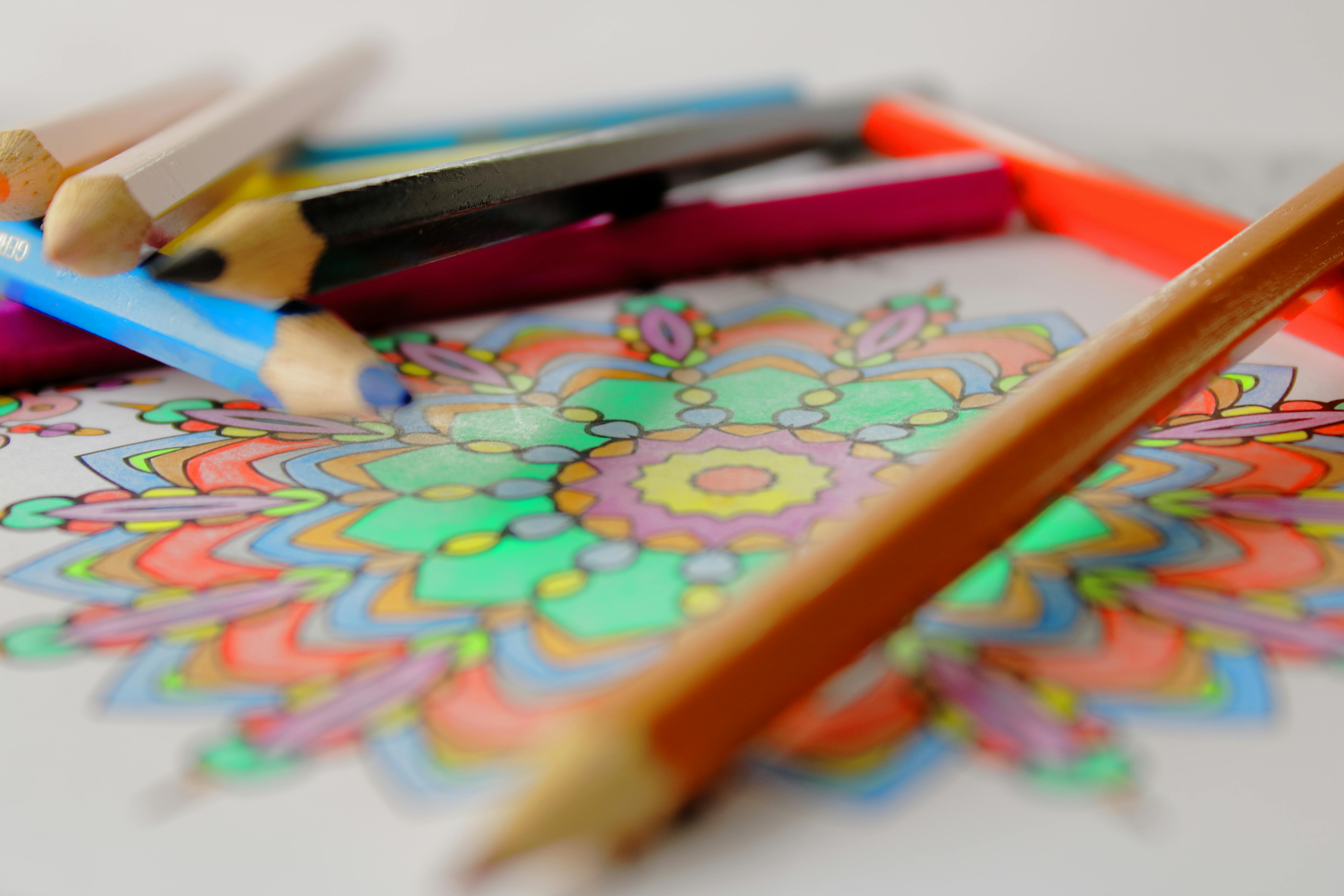
Think simple doodling during a phone call, mindlessly coloring, or even creating a collage from old magazines – it's all art, and it's all accessible. Perhaps you're juggling a dozen demanding emails and your mind feels like it's scattering. A quick sketch, just a series of lines, or mindlessly coloring, can be a grounding anchor. These simple acts divert your focus from external stressors, allowing your mind a much-needed break and often leading to a sense of calm and present-moment awareness. The repetitive, rhythmic nature of these simple activities helps quiet the overactive mind, engaging parts of the brain that promote relaxation and present-moment focus. It’s like hitting a gentle reset button for your thoughts.
Beyond just occupying your hands, art engages our minds in profound ways. It's a space where we can tap into catharsis, releasing emotions we might not even consciously know we're holding. It offers a unique avenue for emotional regulation, allowing us to externalize and therefore gain perspective on complex feelings. And often, through the act of creation or observation, we can even experience a form of cognitive reframing, looking at a problem or feeling from a new angle that words alone couldn't unlock.
I’ve seen it countless times – someone staring at an abstract piece, their face a mixture of confusion and recognition, and then a softening. A release. It’s like the art holds up a mirror to a part of themselves they couldn’t quite articulate. My own collection, the pieces I choose to live with, are almost always the ones that resonate on that deeper, restorative level.
https://www.publicdomainpictures.net/pictures/250000/nahled/messy-colorful-artists-palette.jpg, https://creativecommons.org/publicdomain/zero/1.0/
I’ve seen this broader truth of art’s therapeutic potential unfold firsthand, in moments both quiet and utterly chaotic. So, art, in its broadest sense, is a powerful tool for self-care and emotional exploration, accessible to everyone.
My Own Brush with Therapeutic Art
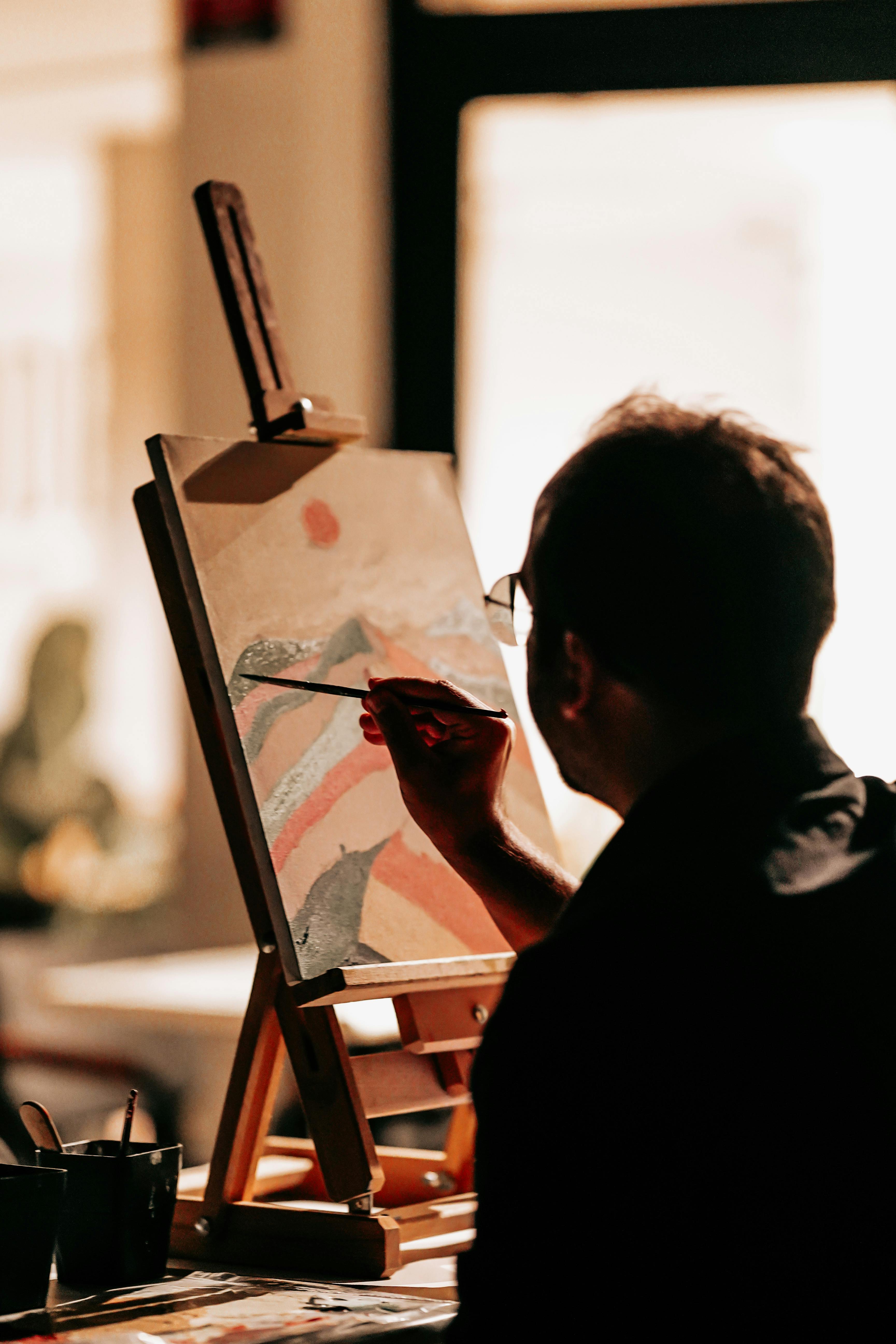
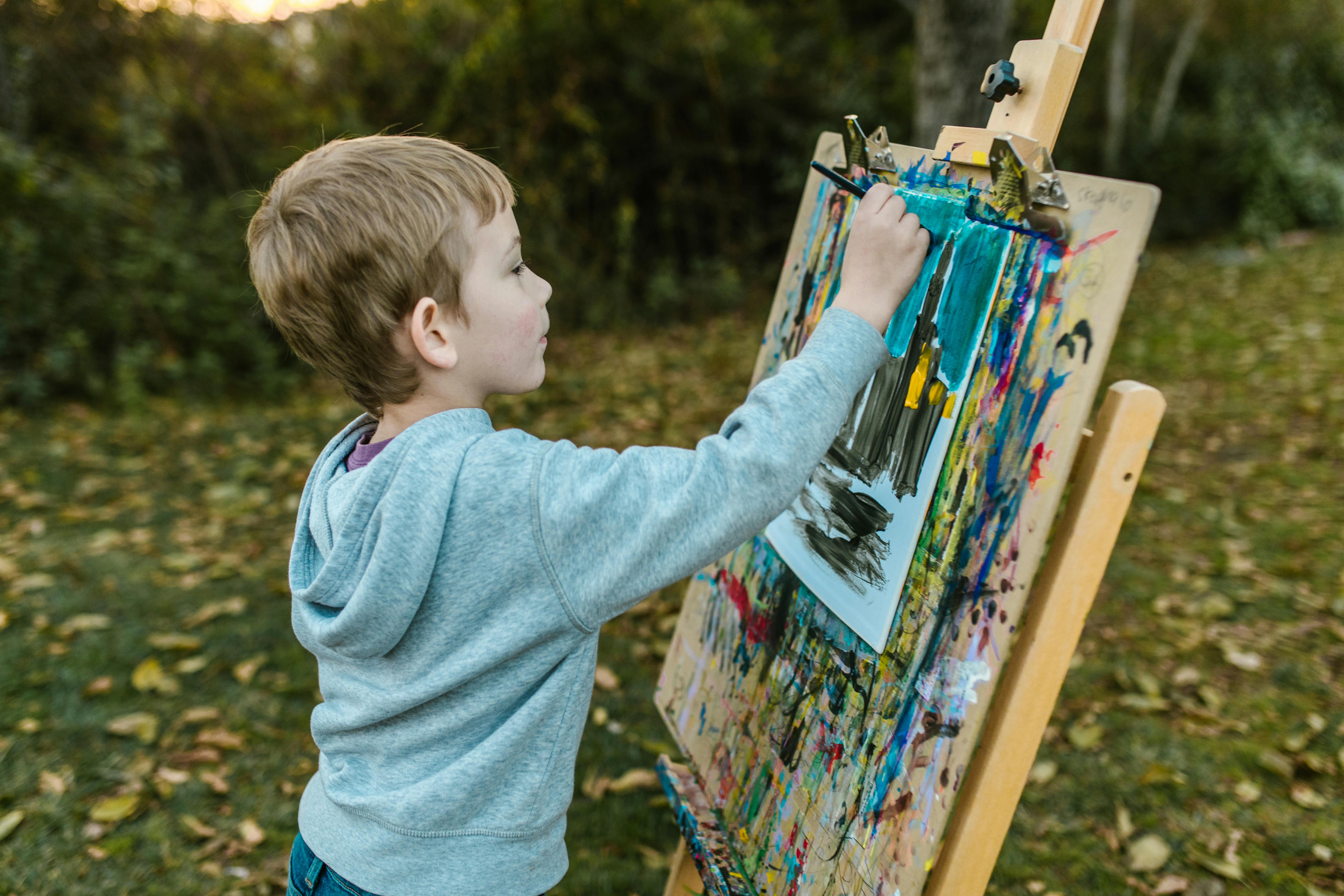
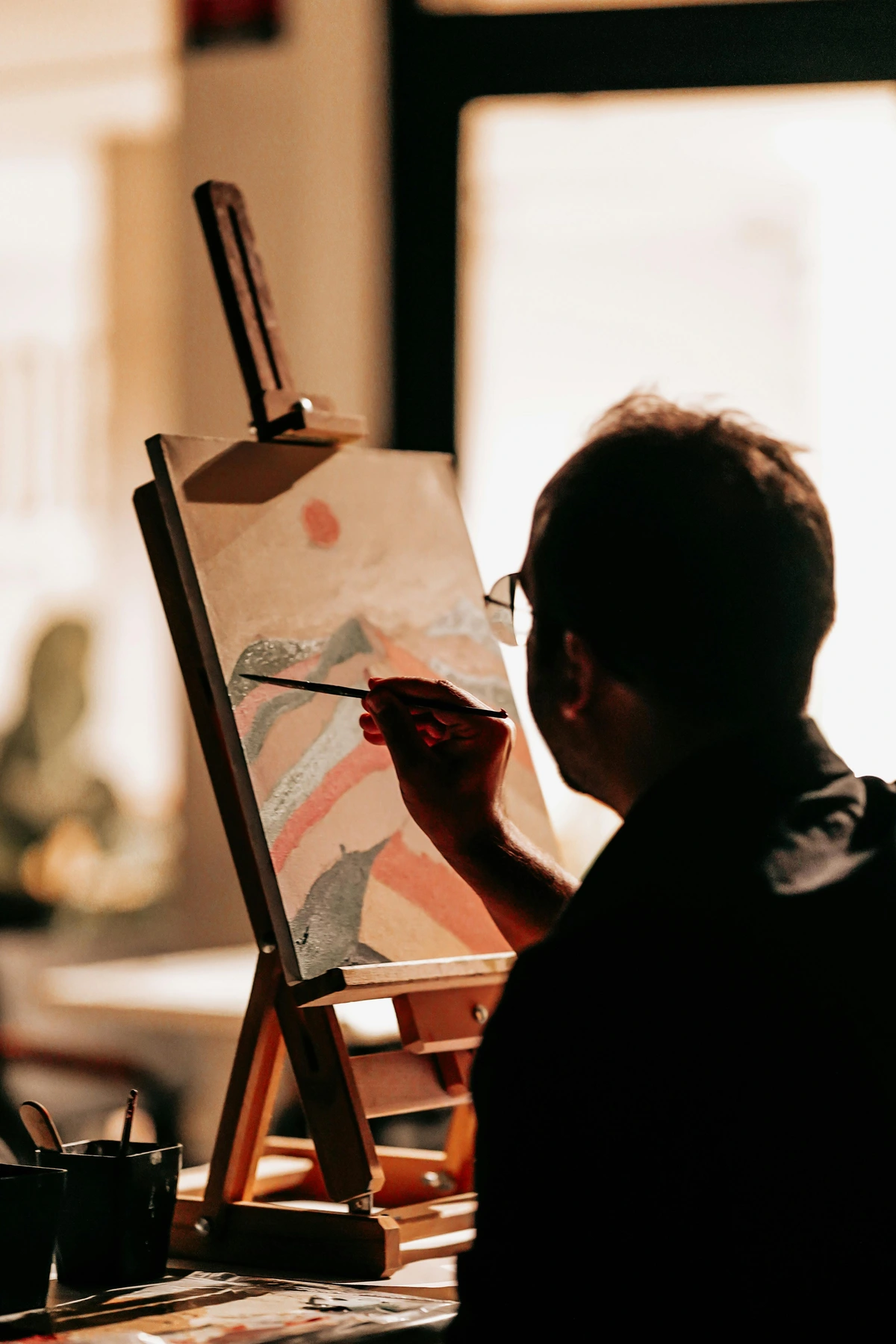
I remember a period, not so long ago, when things felt... disjointed. My thoughts were a cacophony, and trying to make sense of them felt like herding cats in a hurricane. I tried journaling, long walks, even some questionable interpretive dance (don't ask, truly). But it was in my studio, with a blank canvas staring back at me, that something shifted. I didn't set out to make a masterpiece; I just needed to do something. With thick, almost aggressive strokes of acrylic, a wild mix of blues and reds, and then perhaps the calming, deliberate scrape of a palette knife, letting my hand move without a preconceived notion – it was like a valve opened. The raw, primal act of mixing colors, feeling the resistance of the brush on the canvas, the earthy scent of the paint, the visceral feel of charcoal smudging under my thumb, the unexpected smudge that suddenly felt right – the gritty texture of charcoal, the smooth glide of oil paint, the satisfying tear of paper for a collage – it was a beautiful mess, and it was mine. The sound of the brush against the canvas, the subtle scent of turpentine, even the satisfying click of my palette knife against the paint blobs... all of it pulled me into the moment.
The piece that emerged wasn't pretty in a conventional sense. It was chaotic, a riot of blues and reds, lines going nowhere and everywhere. But looking at it, I saw my chaos, externalized. And seeing it externalized gave me a strange sense of control, a feeling of "Okay, this is what it looks like. Now what?" It wasn't a solution, but it was a crucial step in understanding. That moment solidified my belief that art isn't just about beauty; it's about making visible the invisible struggles and triumphs of the human spirit. It’s why I often muse about translating emotion into abstract art – there's a real, tangible benefit to letting go.
https://freerangestock.com/photos/177284/artists-workspace-filled-with-paint-brushes-and-supplies.html, https://creativecommons.org/public-domain/cc0/
My own experience taught me that creating art offers a powerful, personal path to understanding and emotional release. But how does this alchemy truly happen? Let’s delve into the silent language art speaks to our very souls.
The Silent Language: How Art Whispers Healing
So, how does this magic actually happen? It's multifaceted, really.
Expressing the Inexpressible
Sometimes, words just fail us. How do you describe that knot in your stomach, that heavy feeling in your chest, or that effervescent joy that has no name? Or perhaps that creeping dread, like a shadow tightening its grip? I've certainly had moments where trying to articulate deep sorrow or the echoes of a past trauma felt utterly futile, like trying to catch smoke. Art offers an alternative language, a profound way to process these elusive emotions without the pressure of finding the "right" words. Colors, shapes, and textures become a rich, non-verbal vocabulary: a stormy blue for sorrow, sharp angles for anxiety, or the comforting curve of a soft line. For instance, a swirling vortex of dark blues and grays might represent the disorienting feeling of being lost in a complex problem, while a stark, jagged red line could scream frustration. A delicate, interwoven pattern could speak of connection and harmony, while a heavy, impasto texture might convey the weight of a burden. When you create art, you're translating your inner world into a tangible form, allowing you to confront, explore, and even release emotions that are otherwise trapped. It’s a profound act of validation, especially when navigating moments of grief or the echoes of trauma, offering a safe space for feelings that words simply can’t contain. This is particularly true for abstract art, which often feels like a direct conduit to the subconscious, helping us decode emotions that are hard to pin down. I've often felt that the emotional language of color in abstract art resonates deeply within me, bypassing the need for words.

Art provides a non-verbal language for our most complex and inexpressible emotions, offering profound validation and release.
The Power of Focus and Flow
Whether you're meticulously sketching, carefully blending paints, or just doodling mindlessly, art demands a certain presence. This focus can be a powerful distraction from anxieties and worries. It pulls you into the present moment, much like meditation or true mindfulness. This state, often called "flow," is incredibly restorative because it activates the part of your brain responsible for focus and calm, essentially turning down the volume on your body's internal alarm system (your amygdala) and helping to reduce stress hormones like cortisol and even boosting feel-good neurotransmitters like dopamine and endorphins. This shift helps quiet your body's internal alarm system and activate its 'rest and digest' mode, meaning less anxiety and more calm – it's like finally taking your foot off the accelerator and allowing yourself to simply breathe. And that sense of accomplishment, even from finishing a small doodle, can provide a powerful boost to your self-esteem, reminding you of your own agency. Time seems to disappear, like losing yourself completely in a good book or a favorite hobby, where hours seem to vanish unnoticed. Your mind quiets, focused solely on the task at hand. It's a fantastic antidote for stress and something I think about often when considering art therapy for anxiety and stress relief or seeking mindful moments how abstract art can be a gateway to inner peace and reflection.
The immersive focus art demands can lead to a state of "flow," powerfully reducing stress and fostering mental calm, alongside boosting self-esteem.
A Window to Self-Discovery
Creating art isn't just about expressing what you already know; it's about discovering what you didn't know. As you work, patterns might emerge – recurring geometric shapes that speak of order, fluid lines suggesting adaptability, or perhaps unexpected animal motifs that symbolize instinct or protection. If you find yourself repeatedly drawing birds, for instance, it might quietly whisper of a yearning for freedom or a desire to transcend current limitations, perhaps linked to a feeling of being 'caged' in a particular situation. Or maybe you notice a repeated motif of intricate knots and tangles, which could reveal a subconscious wrestling with complex problems or relationships. Colors you gravitate towards, symbols that unexpectedly appear. These can offer insights into your unconscious thoughts, feelings, and beliefs. It's a form of visual journaling, a way to reflect on your journey and understand your internal landscape better. This exploration is a huge part of developing your unique artistic style and really finding out who you are as an artist, and a person.
Through creation, art reveals hidden aspects of ourselves, acting as a unique form of visual self-discovery and journaling.
Beyond the Canvas: Observing Art as a Healing Act
But what if your hands aren't ready to create? Don't worry, the healing doesn't stop there. Simply observing art can be equally profound. Sometimes, the most meaningful interactions I have with art are when I stand still, quiet, and just look.
Contemplation and Connection
A compelling artwork can invite introspection. It can prompt questions, evoke memories, or simply offer a space for quiet reflection. For me, some pieces act like visual anchors, grounding me when my thoughts are adrift—like that large, textured abstract with deep blues and subtle metallics that always brings me back to a sense of centeredness. They don't need to be explicitly "peaceful" to be healing; sometimes a challenging or intense piece, like a stark, monochromatic piece with sharp, broken lines might powerfully mirror an internal conflict you're wrestling with, allowing you to acknowledge and begin to untangle it, not by providing answers, but by validating the complexity of your feelings. I recall staring at a Francis Bacon painting once – unsettling, visceral – and feeling a strange validation for my own internal turmoil at that moment. It didn't solve anything, but it made me feel seen, understood, in a raw, unspoken way. This contemplative state is why I advocate for something like mindful moments how abstract art can be a gateway to inner peace and reflection. Beyond personal contemplation, art also sparks dialogue and connection with others, serving as a powerful tool for building empathy. A shared viewing experience, a discussion about a piece's meaning or impact, can forge bonds and deepen understanding, both of the art and of each other.
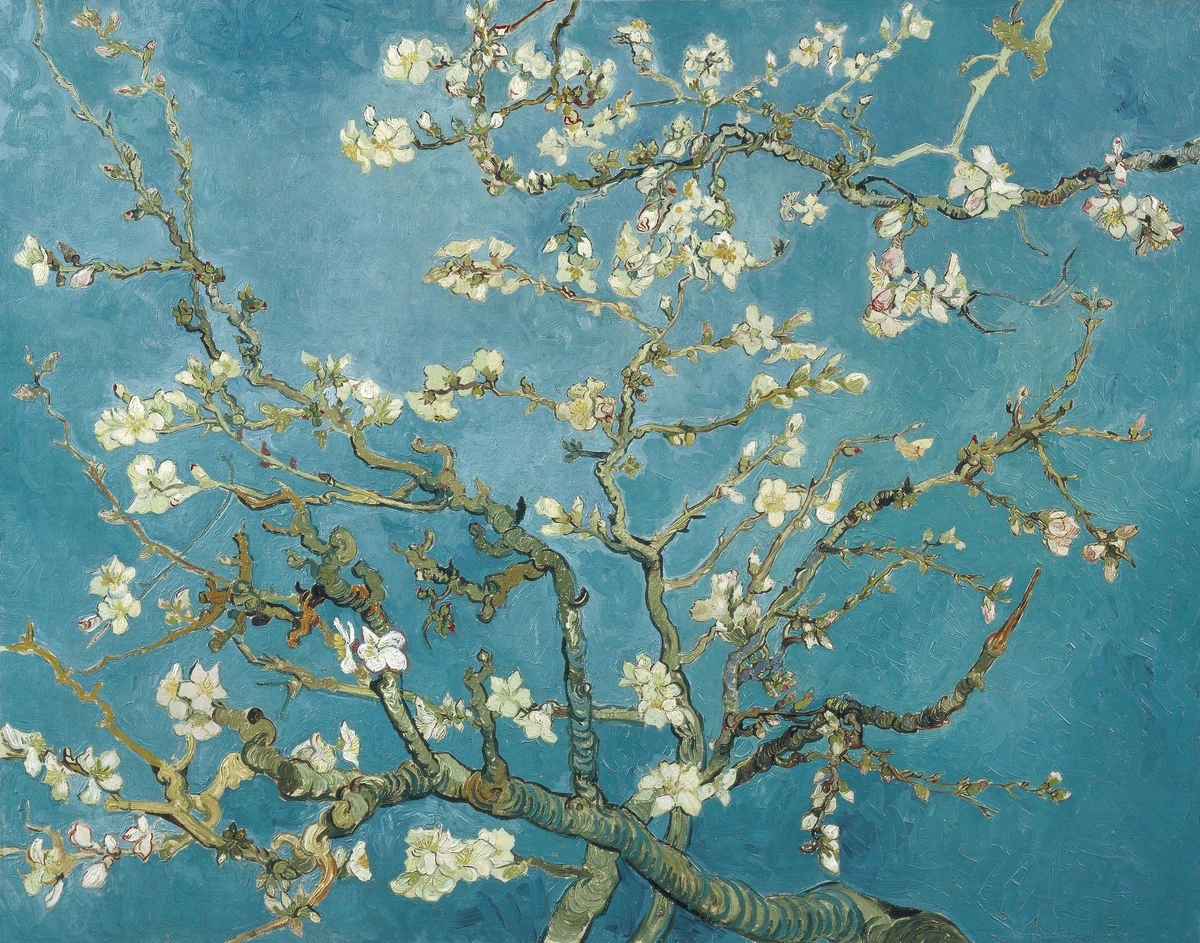
Observing art provides a space for deep contemplation, fostering personal introspection and meaningful connections with others.
A Sense of Universal Experience
Art often explores universal themes: love, loss, joy, struggle, hope. When you encounter a piece that resonates with your own experience, it can foster a sense of connection and reduce feelings of isolation. You realize that your emotions, no matter how unique they feel, are part of the broader human tapestry. It's a reminder that we're all in this wild ride together.
Art connects us by reflecting universal human experiences, reminding us that our emotions are part of a shared journey.
Historical Echoes: Art and Well-being Through the Ages
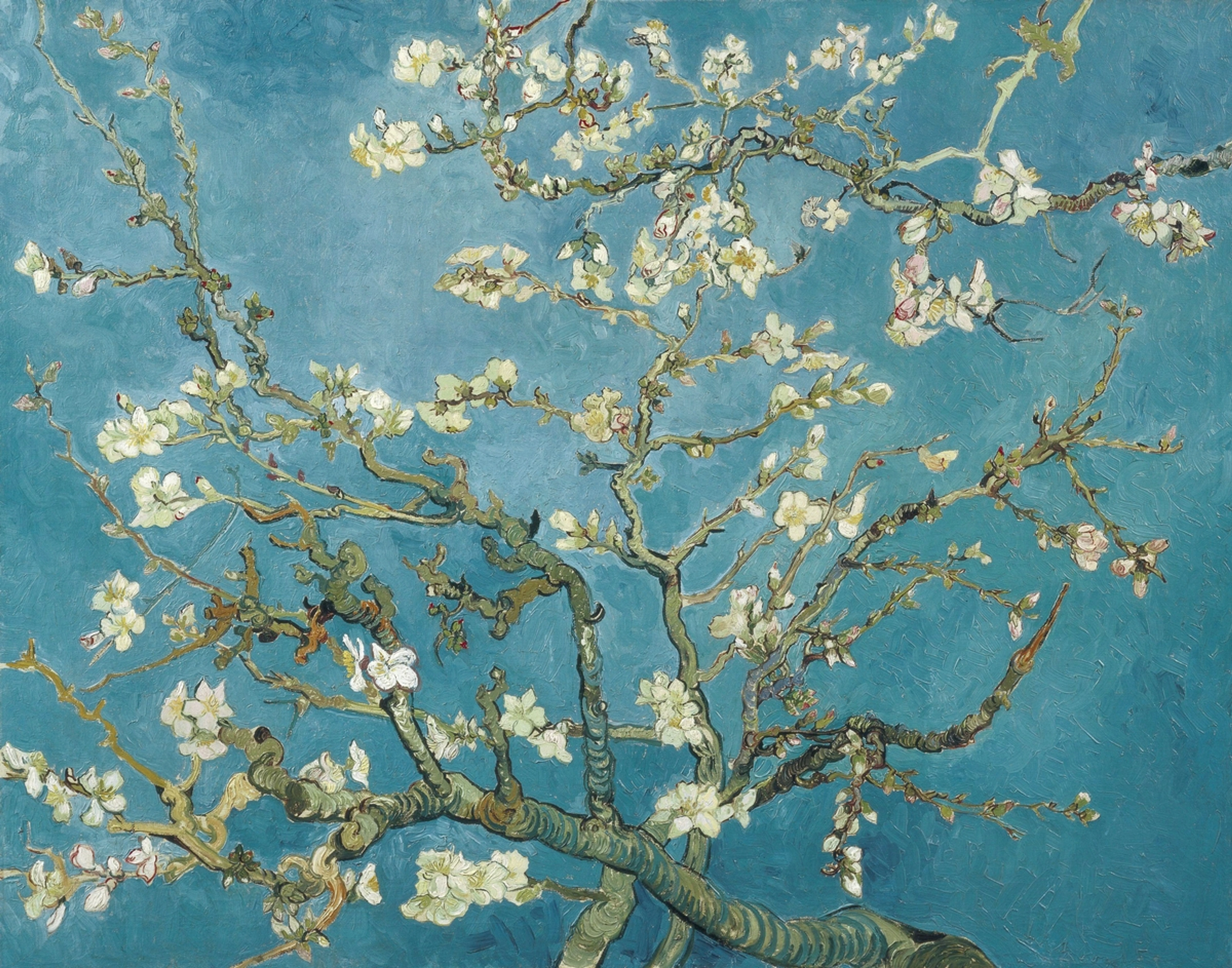
This profound connection isn't a new phenomenon; in fact, art's role in human well-being stretches back through millennia. Humans have instinctively turned to art for solace and expression for just as long. Ancient cave paintings weren't just decorative; they were often spiritual, perhaps a way to make sense of the world or to connect with something beyond themselves. Indigenous cultures, from the intricate Dreamtime art of Aboriginal Australians to the vibrant healing ceremonies of Native American tribes, have long used visual art, music, and dance in healing rituals. From the intricate mandalas in Buddhist traditions designed for meditation to the vibrant masks used in African healing ceremonies, art has consistently served as a conduit for spiritual, emotional, and physical well-being. Even ancient Greek theatre provided catharsis, allowing audiences to process complex emotions through shared storytelling, and Roman mosaics often served not just as decoration but as visual narratives for contemplation. During the Renaissance and Baroque periods, devotional art in churches and homes offered solace and a means for spiritual connection, acting therapeutically for believers. Great artists throughout history, from Frida Kahlo's poignant self-portraits processing physical and emotional pain to Van Gogh's expressive landscapes conveying his inner turmoil, used their art as a profound means of processing pain and finding meaning. Beyond these, consider the Surrealists, who delved deep into the subconscious through automatic drawing and dream imagery, or the Abstract Expressionists, whose canvases became arenas for raw emotional release. And let's not forget the power of art in community healing and social commentary—think of protest art giving voice to shared struggles, or murals in public spaces fostering collective memory and resilience. Art has always been a communal balm, not just a personal one. It reveals how the history of art – including, for me, the definitive guide to the history of abstract art key movements artists and evolution – has always been interwoven with human experience, a testament to its enduring power to heal and transform. It's increasingly fascinating to see how modern neuroscience is beginning to provide scientific validation for these ancient, intuitive connections, revealing the brain's responses to artistic engagement. And with that, let's explore how you can bring some of that timeless healing into your own life.
Art's therapeutic role is deeply rooted in human history, evolving from ancient rituals to modern self-expression and communal healing, now even validated by neuroscience.
Bringing Healing Art into Your Home (and Life)
So, how do you actively incorporate this into your own life? It's simpler than you might think, and trust me, you don't need a sprawling studio or an endless budget – just a willingness to play. Here's what I tell people:
For the Creator in You:
- Don't Judge, Just Create: Forget about "good" or "bad" art. The process is the point, not the masterpiece. Grab some cheap paints, crayons, even just a pen and paper! The freedom is liberating. Try simple activities like doodling, coloring, creating a gratitude collage using magazine clippings, found objects, natural materials like leaves and pebbles, or even old photos and ticket stubs. And let's be honest, some days, the blank page feels like a judgment, even for me. But the trick is just to start. Remember, the role of experimentation in my abstract art embracing the unknown is often about embracing the unknown.
- Explore: Try different mediums. Sometimes a shift from painting to collage – incorporating old tickets, fabric scraps, natural elements like pressed flowers or bark, or even just doodling with different pens – unlocks something new and allows you to weave in personal history or symbolism. You might find a whole new world opening up when you blend unexpected materials. My own journey often involves the unseen layers my process of building depth and narrative in abstract mixed media which shows the beauty of blending materials.
- Set Up Your Sanctuary (Even a Small One): Designate a small corner of a room, a specific desk, or even just a portable box of supplies as your creative haven. Making this space a ritual helps signal to your brain that it's time to shift gears and engage in self-care. It doesn't have to be grand; a clean surface and your chosen tools are enough. Your sanctuary is wherever you make it.
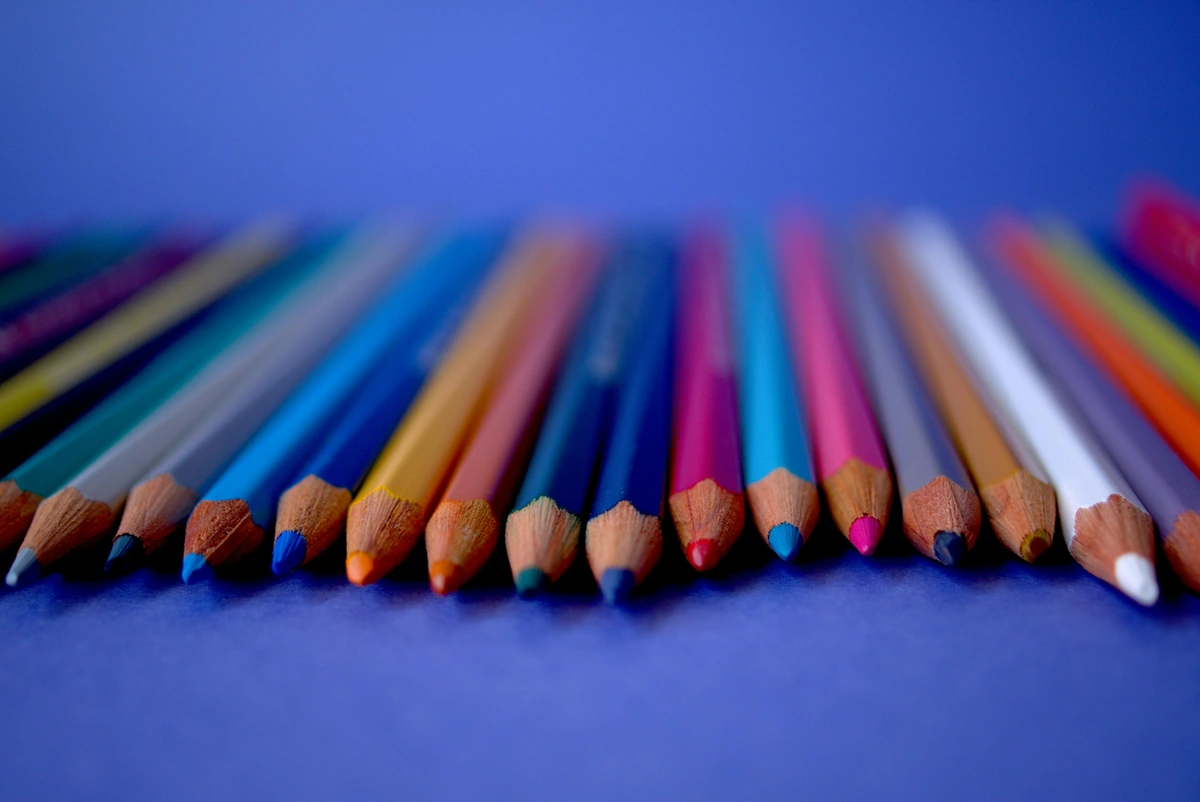
- Set Intentions (or Don't): Sometimes I’ll consciously begin with a specific feeling I want to explore—say, 'overwhelm'—and let the colors and textures express that visceral sensation. Other times, I just pick up a brush or a pencil, letting my hands move without any preconceived notion, curious to see what emerges. Both approaches are valid. Try dedicating even just 10-15 minutes a few times a week. It’s about consistency, not marathon sessions, and a little bit often goes a long, long way. Trust me, even I, with all my curator duties, have to carve out that time – sometimes begrudgingly, but always thankfully afterwards! This playful exploration is key to the role of experimentation in my abstract art embracing the unknown.
https://www.flickr.com/photos/fabola/41351098495/, https://creativecommons.org/licenses/by-sa/2.0/
Integrating art into your daily life for healing means embracing creation without judgment and finding your personal rhythm.
For the Observer in You:
- Curate Your Space: Surround yourself with art that makes you feel good. It doesn't have to be expensive; even prints or postcards of cherished works can transform a room. I once found a forgotten postcard of a Rothko painting and simply leaning it against my wall changed the whole mood of my desk – sometimes it’s the smallest things that make the biggest impact. For some ideas on this, check out decorating your home.
- Visit a Gallery (or My Museum!): Take time to wander. Don't rush. Let a piece speak to you. When you visit, don't feel pressured to 'understand' every piece or find a profound meaning; simply observe what draws your eye, what evokes a feeling, or even what just makes you pause. And don't be afraid to stare a challenging piece down – sometimes the art that provokes you the most is the most healing. If you're ever near my museum in 's-Hertogenbosch, please do stop by. It's an experience built on reflection, and I think you'll find it rather invigorating. Take yourself there.
- Find Your "Healing" Art: Don't just look, feel. What colors calm you? What shapes intrigue you? What imagery resonates? Actively seek out art that evokes a specific feeling – something that makes you feel grounded, or sparks joy, or simply offers a quiet moment of wonder. Consider keeping a small journal or a note on your phone where you jot down artworks that evoke specific positive feelings—a serene landscape that grounds you, a vibrant abstract that sparks joy, a portrait that speaks of resilience, or even a chaotic expressionist piece that validates your own inner storm. This becomes your personal 'healing art' reference, a wellspring of visual comfort you can revisit. Just last week, feeling particularly drained, I found myself staring at a small, abstract print I have—a swirl of warm yellows and oranges. It wasn't profound, but for a few minutes, its quiet energy shifted my perspective, like a gentle visual hug. My own art for sale reflects this belief in bringing meaningful art into everyday spaces.
https://www.pexels.com/photo/photo-of-a-room-full-of-paintings-in-an-art-gallery-14595876/, https://creativecommons.org/public-domain/cc0/
Engaging with art as an observer means consciously curating your environment and actively seeking out pieces that resonate with your inner needs.
My Curator's Takeaway
At the end of the day, my perspective as a curator is constantly evolving. I started with a love for aesthetics, for history, for the sheer craft of it all. But over time, I've come to see art as something far more fundamental – a mirror, a language, a balm. Take, for instance, a vibrant abstract piece in my own collection, a riot of blues and greens I call 'Morning Calm.' For me, it doesn't just hang on the wall; it breathes. It reflects the chaotic energy of a new day, showing me my own inner stirrings (mirror); speaks to the quiet hope of sunrise without a single word, conveying emotions beyond articulation (language); and offers a profound moment of solace when I'm overwhelmed, like a gentle hand on my shoulder (balm). It’s an essential part of our collective and individual well-being, a silent partner in our journey through life's complexities. It’s why I pour my heart into my journey and timeline, understanding that every piece, every moment, contributes to a larger narrative of human expression and connection, always with the hope of offering a little bit of that healing to others. Remember, art isn't just something to be observed or created; it's a vital, living force that can help us navigate the beautiful, messy landscape of being human. So, what 'balm' might art offer you today? What whisper is waiting to be heard? Why not find a quiet moment this week and let yourself simply be with a piece of art, or perhaps even make one? You might be surprised by what you discover. And remember, sometimes the simplest act of engaging with art is the most profound step towards healing.
Frequently Asked Questions About Art and Healing
Q: What's the difference between art as therapy and formal art therapy?
A: Great question! Art as therapy is the broader concept – it's any personal engagement with art (creating or observing) that provides emotional or psychological benefits, like stress relief or self-expression. Formal art therapy, on the other hand, is a structured, clinical process guided by a trained, licensed art therapist to address specific mental and emotional health goals. One is self-directed wellness; the other is professional intervention.
Q: Do I need to be "good at art" to benefit from it therapeutically?
A: Absolutely not! This is a common misconception that stops many people. The therapeutic benefits come from the process of engagement, not the aesthetic outcome. There's no judgment, no grades, just exploration. If you're stressed about making it "perfect," you're missing the point of art as therapy! Just let yourself play.
Q: How can I start incorporating art into my healing journey if I'm a complete beginner?
A: Start small and simple. Grab a sketchbook and some pencils and just doodle. Find a coloring book. Try a simple online art tutorial for beginners. Visit a local gallery or museum and spend time with pieces that draw your eye. The key is to remove pressure and simply allow yourself to experience art.
Q: How do I overcome creative blocks when trying to use art for healing?
A: Ah, the dreaded block! It happens to everyone, especially when you feel pressure to "create" or "heal." My advice? Don't force it; instead, try reframing the block not as a failure, but as a natural part of the creative process—a pause, perhaps even a signal to rest or explore a different avenue. Sometimes, the most healing act is simply acknowledging the block and letting go of the expectation to produce anything, allowing yourself to just be with the materials, even if you only end up making a beautiful mess. Or, try a simple blind contour drawing exercise: pick an object, place your pen on the paper, and without looking down, draw the outline of the object, letting your eyes follow its contours slowly. It's surprisingly liberating and helps you focus on the process rather than the outcome. Remember, the process is the point, not the masterpiece.
Q: Beyond individual healing, can art also foster community and social well-being?
A: Absolutely! Art is a powerful connector. Collaborative art projects, public murals, or even shared experiences in a gallery can create dialogue, build empathy, and strengthen community bonds. It offers a unique space for collective expression and understanding, reminding us that shared creativity can be a profound source of communal healing and resilience. It's not always about what we do alone, but what we create together.
Q: Where can I find resources to explore formal art therapy or general therapeutic art classes?
A: If you're interested in structured, professional support, many licensed art therapists offer introductory workshops or group sessions. You can often find them by searching online for "art therapy near me" or checking with local mental health organizations and community centers. For more general, beginner-friendly art classes that focus on exploration rather than technical skill, many local community centers and art studios offer programs. Libraries often have books on therapeutic art, and of course, you can always explore art online. If you're looking for pieces that resonate with a sense of peace or introspection, you might find something within my art for sale that speaks to you. Don't forget, sometimes just looking at beautiful things in a serene setting, like my museum in 's-Hertogenbosch, can be a balm for the soul.