Art's Profound Impact on Mental Well-being: A Curatorial Perspective
Discover art's transformative power on mental health. This article explores how engaging with art fosters mindfulness, emotional regulation, and cognitive benefits from an expert curatorial viewpoint.

Art's Profound Impact on Mental Well-being: A Curatorial Perspective
Art, in its myriad forms, possesses a remarkable capacity to reorient the internal landscape of an individual. What might initially appear as a mere canvas adorned with paint, or a sculpture occupying a defined space, holds a profound ability to subtly yet significantly shape mental well-being. For those deeply immersed in the world of art, whether through academic pursuit, quiet gallery contemplation, or personal creative practice, this power is not merely a theoretical construct; it is a consistently observed phenomenon. The influence of art extends far beyond purely aesthetic appreciation, profoundly touching mental health with each brushstroke, every contemplative gaze, and quiet moment of reflection. This article explores how engaging with art, both as a creator and a viewer, can foster emotional health and mindfulness, drawing insights from an authoritative perspective grounded in extensive observation and experience within the art world.
Finding Stillness: Mindfulness and the Flow State
In an era of relentless digital stimuli, cultivating genuine presence often presents as a formidable challenge. Art, however, stands as a potent vehicle for fostering mindfulness and achieving a state of deep absorption. When individuals are deeply engaged in artistic creation—whether sketching, blending colors, or meticulously arranging objects for a photograph—the mind frequently enters what psychologists term a "flow state." This optimal state of consciousness is characterized by complete absorption, where the sense of time dissolves, and extraneous distractions fade away. One is entirely rooted in the present moment, unburdened by past anxieties or future obligations. This immersion is not merely pleasurable; it is physiologically beneficial, contributing to a reduction in stress hormones like cortisol and an increase in positive neurochemicals such as dopamine. This deep engagement shifts focus, cultivates inner calm, and serves as a genuine form of self-care. Furthermore, the deliberate observation of art, such as the intricate geometric patterns found in Islamic art, the immersive environments of certain installation pieces, or the intentional color fields of a Mark Rothko, invites a similar meditative absorption. This process fosters a quiet, internal dialogue, transcending the need for words, and serves as a direct pathway to focused presence.
To actively cultivate a flow state, one might consider establishing a dedicated creative space, even a small corner, free from digital interruptions. Setting clear, achievable artistic intentions for each session, rather than aiming for perfection, can also ease entry into this highly beneficial state. The consistent practice of returning to the present moment through art is, in essence, a training regimen for the mind.
The Gentle Rhythms of Emotional Regulation
Art serves as an unexpectedly gentle guide in navigating the complex currents of human emotions. It provides a unique pathway for emotional regulation and processing, lending form and voice to feelings that might otherwise remain unarticulated or suppressed. For instance, simmering frustration can find powerful release in a furious scribble, an outpouring of dark lines and jagged shapes onto paper, effectively releasing a tension that words often cannot convey. The very act of applying paint, molding clay, or rhythmically sketching can be a tangible, somatic experience that bypasses purely verbal expression. Conversely, when seeking solace after a stressful day, a gentle, sweeping curve or a soothing blend of analogous colors on a canvas can articulate a sense of calm that permeates deeply within an individual. It is also important to acknowledge that art can evoke challenging or uncomfortable emotions; however, engaging with these feelings through artistic expression or observation can be a valid and crucial part of the therapeutic process, fostering resilience and understanding. Both the act of creation and the mindful observation of art offer a distinct space for emotional processing. Artists often find that working with bold, contrasting colors frequently mirrors periods of internal friction or challenging thoughts, and the deliberate act of harmonizing these vibrant elements on canvas becomes a powerful, almost alchemical, metaphor for achieving inner balance. This silent dialogue with one's psyche is deeply supported by therapeutic practices, where art therapy is widely recognized for its efficacy in helping individuals process and manage emotions, making it a profound tool for tangibly addressing emotional resonance and even assisting in the management of conditions such as anxiety, depression, and post-traumatic stress.
The Symphony of Color: Curatorial Insights
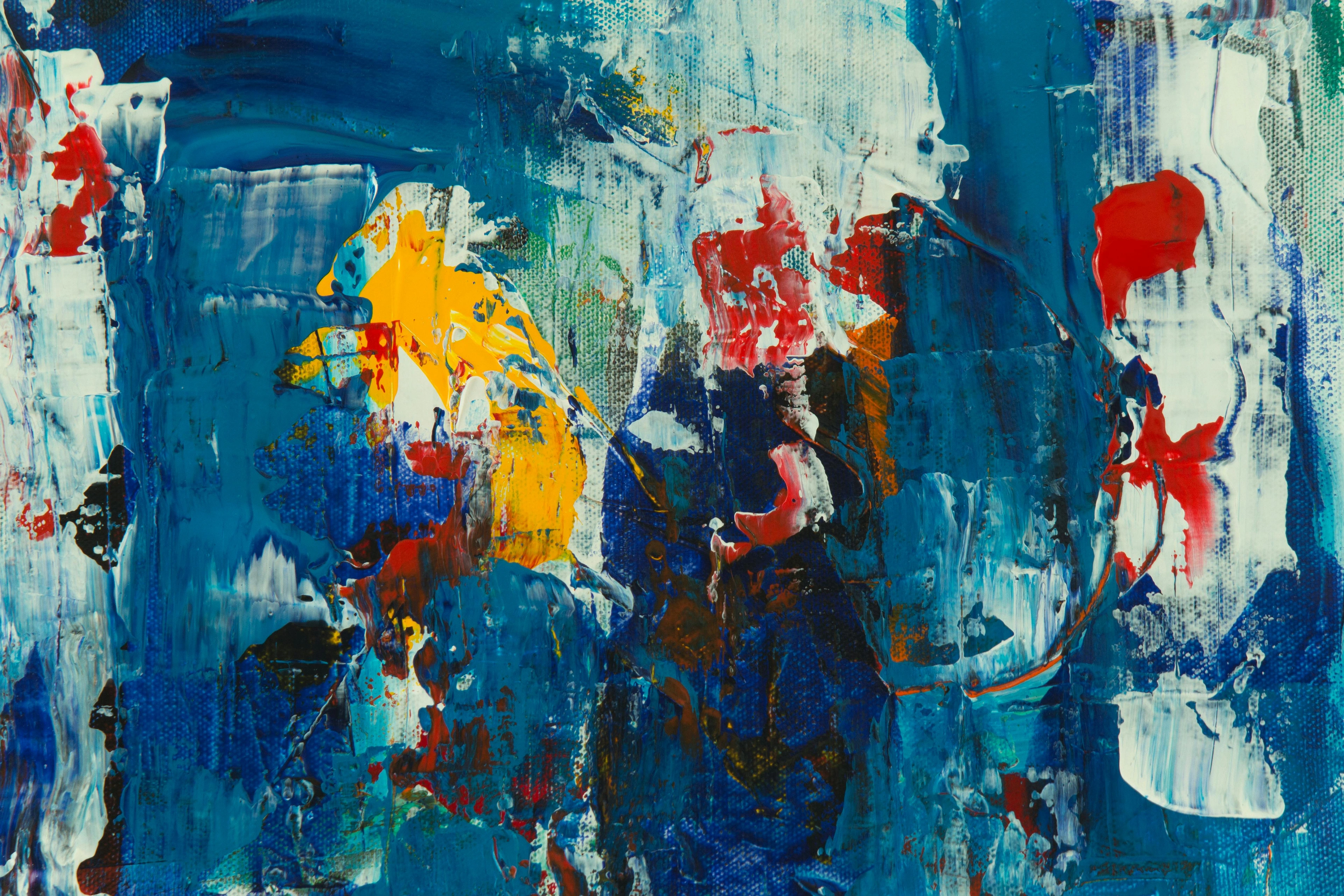
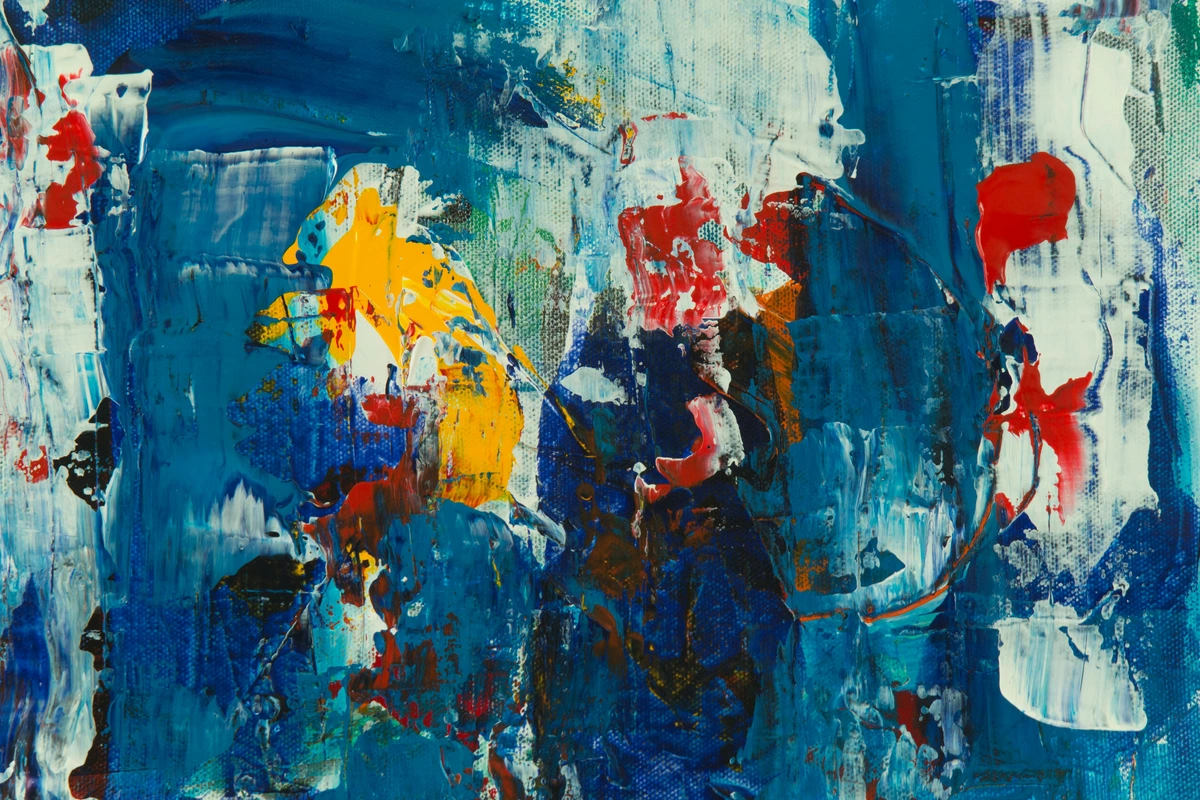
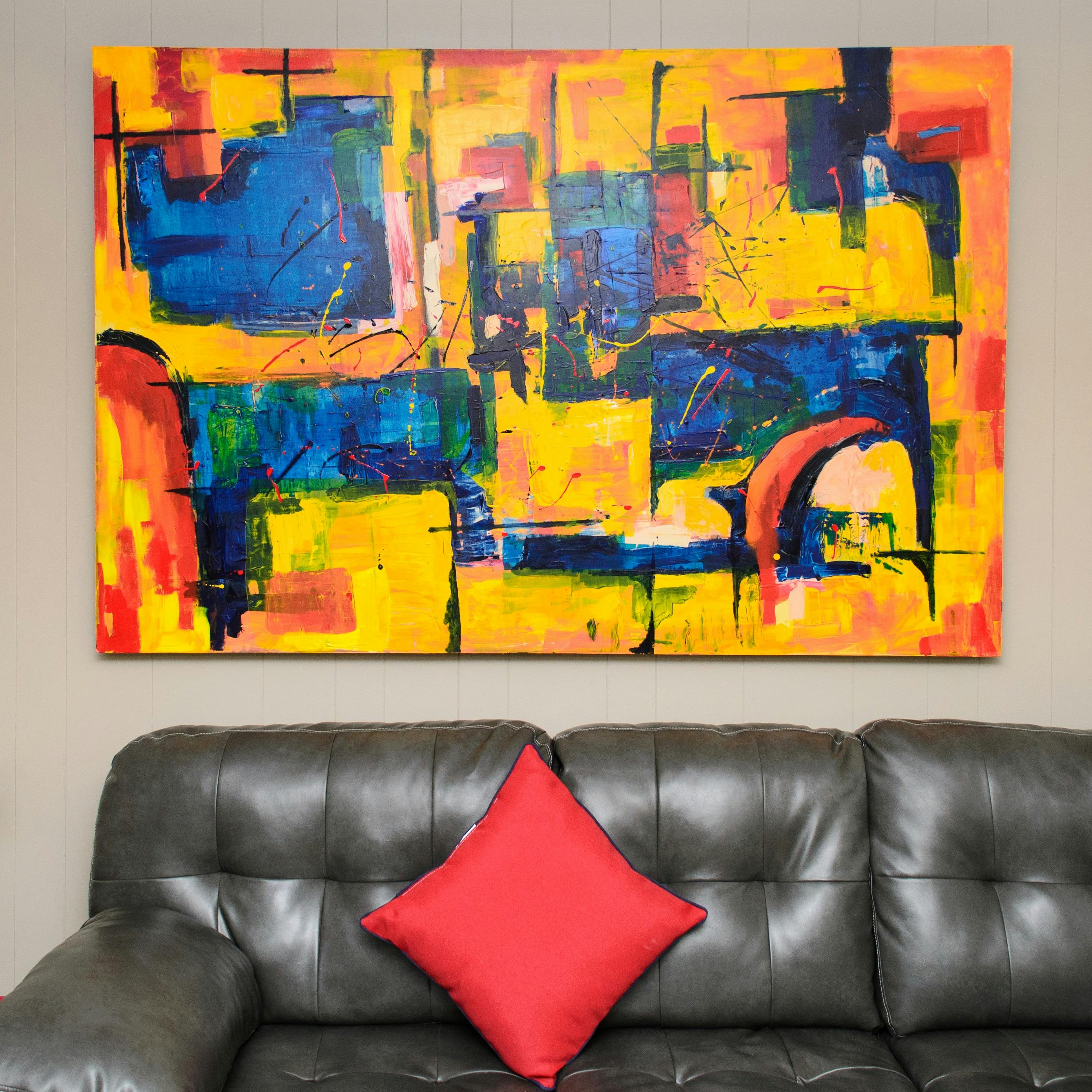
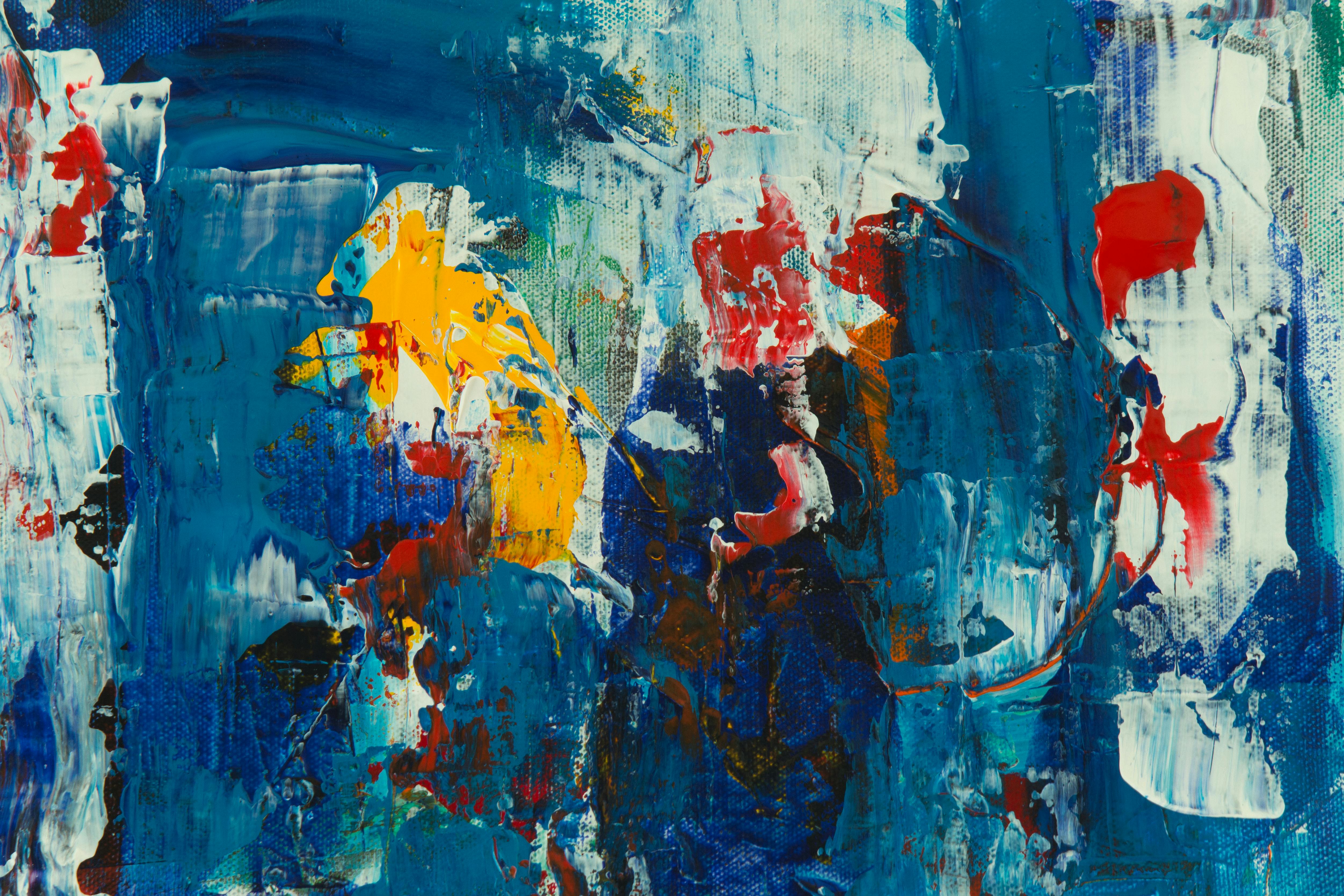
The exploration of emotional regulation through art seamlessly transitions into the impact of color. The psychology of color is a fundamental aspect of art's connection to well-being, a truth deeply appreciated by artists and curators alike. Colors are not merely aesthetic choices; they are profoundly psychological elements capable of conjuring specific moods and sensations—from a calming blue to an energetic red or a hopeful yellow. Contemporary and abstract artists meticulously explore how different color combinations can create a visual symphony that resonates with the viewer. Complementary colors, such as a vibrant orange against a deep blue, can generate a lively tension, akin to a playful dynamic on the canvas. Analogous colors, conversely, blend harmoniously to invite a sense of peace. Warm tones tend to advance, drawing the eye inward, while cool tones recede, creating depth. The deliberate selection of a particular shade, like a specific teal chosen to convey both tranquility and a touch of mystery, exemplifies a masterful understanding of this emotional language. When encountering a piece that bursts with joyful orange or serene violet, it engages not just visual perception but the entire emotional system. While general psychological impacts of color are widely recognized, it is also important to acknowledge that color perception and symbolism can vary significantly across cultures, adding another layer of depth to art's universal language. Individuals are often drawn to certain pieces, including abstract art prints available for purchase, not solely for their aesthetic appeal, but because the colors tap into and resonate with unspoken feelings and internal states, a topic frequently explored in discussions on the psychology of color in abstract art. In essence, the artwork communicates directly to a part of the psyche that words often cannot reach.
Speaking Without Words: Self-Expression and Identity
Art provides an unparalleled avenue for self-expression, particularly when verbal articulation struggles to capture the depth of human feeling. It functions as a non-verbal language, creating a direct conduit from one's inner world to an external, tangible form. This act of externalization is profoundly affirming, enabling individuals to explore various facets of their identity, process complex experiences, and uncover new self-insights that might otherwise remain hidden. For artists, especially those working in abstract forms, the creation of vibrant, emotive pieces often stems from moments of intense internal feeling—whether joyous, challenging, or even traumatic. The canvas frequently becomes a silent confidante, bearing witness to inner landscapes. The resulting artwork may not always conform to conventional notions of beauty, yet its authenticity renders it profoundly real and contributes to a stronger, more integrated sense of self, often reflecting an artist's personal philosophy. Beyond individual expression, art also serves as a potent tool for processing collective trauma or addressing broader societal issues. Public art installations, protest art, or works commenting on social justice provide a platform for communities to express shared grief, anger, or hope, fostering a sense of collective identity and purpose. Art therapy, for instance, expertly utilizes techniques like expressive drawing, collages, or sculpting with clay to help individuals externalize emotions they cannot vocalize—be it grief, anger, joy, or even the processing of traumatic memories. It must be acknowledged, however, that the creative process, despite its profound benefits, can also be a source of frustration, self-doubt, or even emotional strain for artists, highlighting the complex relationship between creation and well-being. The artist's intent, even in abstraction, often seeds this process, inviting viewers to connect with a raw, honest expression that transcends individual boundaries.
Beyond the Brush: The Viewer's Journey
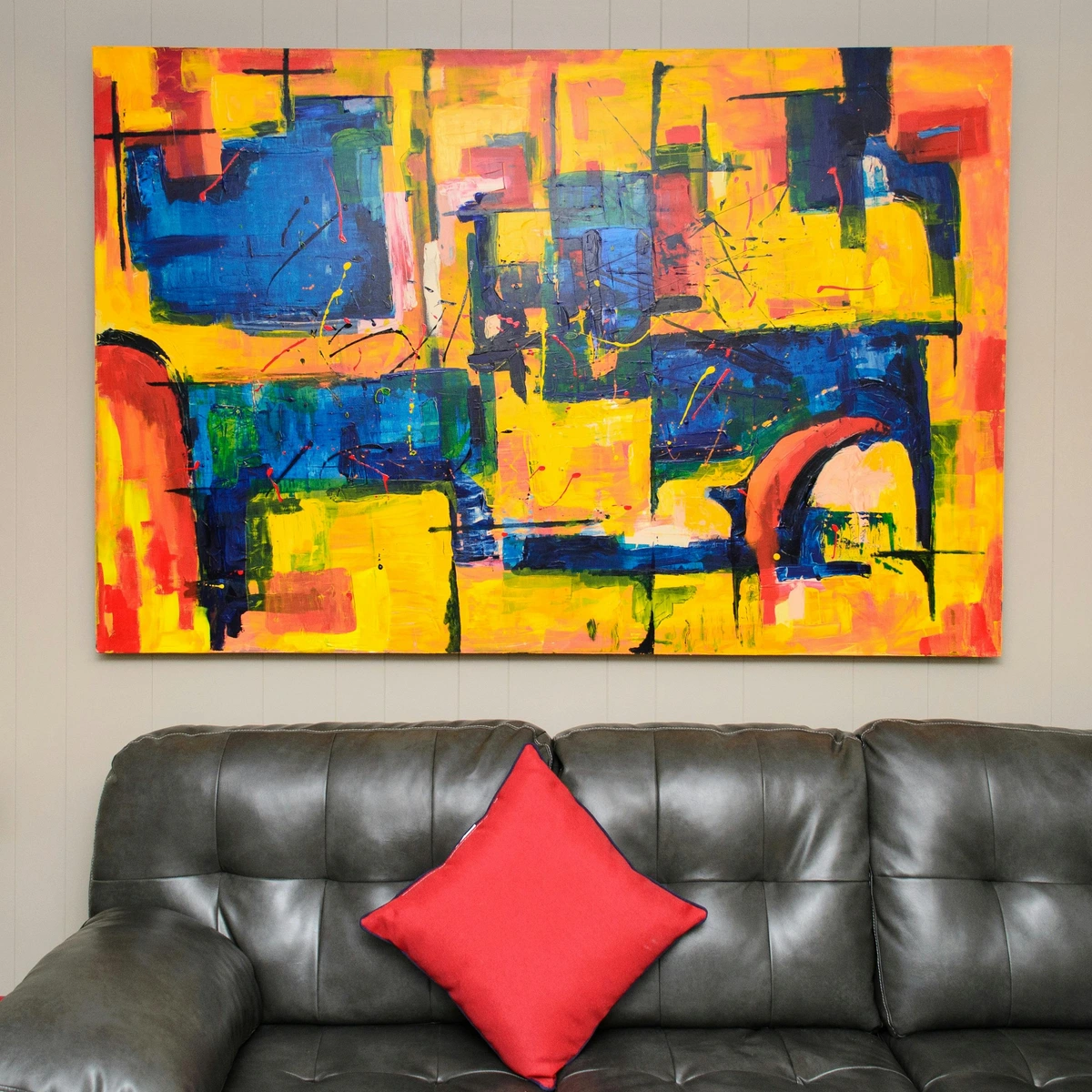
The profound beauty of art's transformative power is not reserved for creators alone; its benefits are accessible to anyone willing to engage with it, whether through museum visits, online galleries, or by appreciating thoughtful design in everyday objects. The act of observation, of allowing oneself to be moved by a piece, is a creative and mindful act in itself. Developing visual literacy, the ability to interpret and make meaning from visual images, significantly enhances this experience and appreciation, particularly for abstract art. Visual literacy, much like reading text, is a learned skill; with practice, one can discern nuances and derive deeper meaning. The impact of abstract art often differs significantly from representational art precisely because it actively invites the viewer's personal narrative. While a portrait might convey a clear story, abstract art, by its very nature, offers an absence of explicit subject matter. This absence functions as an invitation, a blank canvas upon which one's own emotions, interpretations, and experiences can unfold. This makes it a uniquely personal encounter, shifting the emphasis from decoding the artist's intended meaning to discovering what the art profoundly means to the individual viewer. For example, a single abstract painting might evoke a sense of chaotic energy for one viewer, while another perceives profound peace, highlighting the deeply subjective and co-creative nature of abstract art appreciation. It thus becomes a conversation where the viewer contributes as much as the artwork itself, a truly collaborative mental exploration.
Beyond the Canvas: Cognitive Benefits
Beyond its emotional and existential benefits, engaging with art provides a dynamic workout for the brain, stimulating a wide range of cognitive functions. Both actively creating and passively observing art challenge the mind, fostering creativity and problem-solving skills. When an artist plans a new composition, they engage in complex spatial reasoning and divergent thinking, wrestling with how shapes, colors, and textures will interact. This is akin to a rigorous mental gymnastics routine. Interpreting a vibrant abstract painting by Wassily Kandinsky, for example, demands a different kind of mental processing than analyzing a classical portrait; it requires active construction of meaning, engaging abstract thought and intuition, perhaps even finding a narrative where none is explicitly given. This process extends beyond the canvas, subtly improving observational skills and attention to detail in everyday life. One may begin to notice patterns and connections not just in art, but also in the intricate veins of a leaf or the swirling clouds outside a window. This mental playground keeps the mind agile, open to new possibilities, and enhances neurological pathways associated with visual processing, abstract thought, and neuroplasticity, contributing to cognitive reserve. A deeper understanding of the elements of art further enriches this cognitive engagement, providing a vocabulary for this delightful mental exercise.


Bridging the Gaps: Connection and Empathy
While artistic creation can often be a solitary pursuit, art also serves as a potent connector, fostering empathy and understanding. When an individual encounters a resonant artwork, a sense of kinship with the artist can emerge—an unspoken understanding of a shared human experience that transcends time and culture. Art effortlessly bridges linguistic and cultural barriers, allowing viewers to metaphorically step into another's perspective, to feel or interpret what they felt or saw. For instance, one might feel a profound connection to a Renaissance portrait by Titian, appreciating the artist’s careful observation of human psychology, and then turn to a stark, contemporary abstract piece and recognize the same underlying human impulse to express, feel, and communicate, despite the vastly different visual languages. Indeed, a discerning eye might perceive echoes of ancient cave paintings or indigenous art in modern abstract forms, a primal connection to pattern, rhythm, and color that spans millennia. This empathetic engagement with diverse viewpoints reduces feelings of isolation and cultivates a deeper appreciation for the rich tapestry of human experience, even across historical art movements, as beautifully explored in guides on the history of abstract art. Art, in this sense, whispers secrets from across the ages, inviting all to listen.
Feeling Intimidated? Dispelling Myths Around Abstract Art
It is a common sentiment to feel intimidated by art, particularly abstract art, with many individuals confessing they "don't get it." This feeling is entirely valid; the art world can sometimes appear exclusive, laden with jargon and unspoken rules. However, it is crucial to understand that a degree in art history is not a prerequisite for experiencing art's profound benefits. The inherent beauty of abstract art, in particular, is that it does not demand the understanding of a specific narrative; instead, it invites emotional engagement. It is not about discovering the "right" answer, but rather about uncovering one's personal interpretation and resonance. To approach an abstract piece without judgment, one might try a simple exercise: Begin by asking, "What colors are present? What shapes or lines can be discerned? Do these elements remind one of anything specific or evoke a particular mood? How does this artwork make the body feel?" By releasing the pressure to "understand" and simply allowing oneself to experience, observing how the colors, lines, and shapes affect them, a truly liberating way to engage with art emerges. It is also worth noting that art appreciation, much like any other skill, develops with patience and repeated exposure; the journey of understanding is part of the reward.
Inviting Art Into Your Everyday: Practical Engagement
To weave art's remarkable well-being-boosting influence into daily life, one need not embark on grand gestures. Small, consistent engagements can yield significant benefits. The objective is not perfection, but rather consistent participation—a deliberate opening to the quiet, profound conversation art seeks to initiate with the individual psyche.
Here are accessible ways to integrate art into everyday life:
Engagement Method  | Description | Primary Benefits |
|---|---|---|
| Mindful Observation | Dedicate five quiet minutes to observing a cherished artwork (a print on a wall, a sculpture, or even an online image). Notice its details, colors, and forms, and how it makes one feel. This practice serves as a mini-meditation, fostering pure presence without judgment. | Calm, Presence, Self-Awareness |
| Casual Creation | Engage in simple sketching, doodling, or quick color studies in a notebook. The focus should be purely on the process, not the outcome. This can include translating patterns observed in nature—like the intricate veins of a leaf or swirling clouds—into simple lines, which can be wonderfully therapeutic. | Emotional Release, Stress Reduction, Playfulness |
| Explore & Discover | Visit a local gallery, take a virtual tour of a world-renowned museum, or experience the unique ambiance of the Zen Museum in 's-Hertogenbosch in the Netherlands. This broadens artistic horizons, introduces fresh perspectives, and often sparks joy and inspiration. | Inspiration, New Perspectives, Cultural Engagement |
| Curate Your Space | Surround oneself with art that genuinely resonates, such as contemporary art that aligns with personal aesthetic sensibilities. This transforms a living or working environment into a thoughtfully crafted space that can be a constant source of calm and inspiration. | Serenity, Aesthetic Pleasure, Continuous Inspiration |
| Engage with Diverse Forms | Extend engagement beyond visual art to include music or poetry. Listening mindfully to a piece of music or reading evocative poetry can offer similar emotional and cognitive benefits, complementing the experience of visual art and fostering a holistic sense of well-being. | Holistic Well-being, Multi-sensory Engagement, Broadened Appreciation |
| Discuss & Connect | Share art experiences with friends or loved ones. Discussing what was felt or seen opens up new interpretations, deepens understanding, and fosters connection. It is often surprising what others might perceive that was initially missed, and vice versa. | Connection, Shared Understanding, Deeper Insight |
In its myriad forms, art unequivocally transcends mere decoration to emerge as a profound language for the soul—a silent therapist, a vibrant companion on the intricate path of inner well-being. From the initial shift from mental fog to mindful calm through a simple engagement with color, to the deeper pathways of emotional regulation, self-expression, and enhanced cognitive function, the transformative power of art is undeniable. It represents a continuous journey, shaped by each brushstroke, every quiet gaze, and all moments of reflection, persistently soothing, challenging, and enriching the human experience. The enduring capacity of art to continually shape and elevate inner landscapes remains, from an informed curatorial perspective, truly extraordinary. Individuals are encouraged to embrace this profound connection, allowing art to enrich their lives and foster a deeper sense of internal harmony.