
Quiet Your Mind: The Ultimate Guide to Mindful Art for Inner Peace, Focus & Stress Relief
Silence mental chaos with accessible mindful art. Discover practical exercises for stress relief, emotional processing, and improved focus. No talent required, just presence for profound well-being and cognitive benefits. Explore art for anxiety and ADHD support.

Quiet Your Mind: The Ultimate Guide to Mindful Art for Inner Peace, Focus & Stress Relief
Some days, my brain doesn't just feel like a browser with 100 tabs open, all playing different, chaotic YouTube videos. It feels like 100 actual tiny browsers, each aggressively autoplaying a different thought, a fragmented to-do list, a snippet of alarming news, all while my inner monologue desperately tries to hold a coherent conversation. What if you could gently close all those mental tabs, not with some complex meditation technique, but with something far more accessible: making art? This isn't about becoming a 'real artist'; it's about reclaiming moments of quiet in a world that never stops shouting, letting your hands speak to your head and soothe its anxieties. It’s about art for anxiety and stress relief, a practical approach to mental hygiene for anyone, anywhere, anytime. Think of it as active meditation for those of us who struggle to sit still, a direct gateway to inner peace and reflection. This guide will arm you with simple yet profound ways to tap into the calming power of mindful creation, helping you quiet the mental chatter, enhance focus, and find genuine stress relief.
I remember one particularly noisy Tuesday afternoon, deadlines looming like storm clouds, coffee just not cutting it. My head buzzed with so much static I couldn't focus on anything. That's when I instinctively reached for a pen and a scrap of paper, not to write, but just to make a mark. It was a scribble, a simple line, then another, and another. And for those few moments, the noise softened. That simple act, a tiny ripple in the mental chaos, was a revelation. This act of creative expression offers catharsis (a vital release of pent-up emotions), a way to process feelings, and a tangible anchor for mindfulness, pulling you into the present moment.
We often hear the term "art therapy" and picture a formal, clinical setting with a therapist. And while that is a powerful and valid form of support (and something I will always advocate for if you need it!), the truth is, you can borrow its core principles—like focusing on process over product, non-judgmental exploration, and emotional expression—to create small, profound pockets of peace for yourself, right at your kitchen table. Process over product means the act of creating is more important than the final outcome. It's about the journey of putting pen to paper, not the 'masterpiece' you might or might not create. Non-judgmental exploration invites you to silence your inner critic, allowing yourself to experiment without fear of 'doing it wrong.' Emotional expression offers a safe, non-verbal outlet for whatever you're feeling, allowing you to give form to the formless. This isn't about creating a masterpiece for a gallery; it's about the process of creating something, anything, to gently nudge you out of your overthinking head and into your hands.

credit, [licence]
The Science of Serenity: How Art Soothes Your Brain and Body
But why does this simple act of making art have such a profound effect? The answer lies deep within our brains and bodies, supported by scientific understanding and historical practice. Let's be clear upfront: doing a drawing exercise at home isn't a replacement for professional mental health support. Think of it more like mental hygiene, akin to stretching for your brain or taking a refreshing shower for your thoughts. We're talking about using creative acts for personal well-being, a proactive approach to self-care, and a powerful way to break through creative blocks. It's a fundamental part of a mindful lifestyle and can act as a true gateway to inner peace and reflection, especially when you're seeking art for anxiety and stress relief.
When we're constantly stressed, our bodies are flooded with cortisol, the stress hormone, leading to chronic tension, difficulty sleeping, and a persistent feeling of being 'on edge.' Mindful art offers a counter-narrative to this cycle.
The Brain's Creative Reset: Neurological Benefits
When you engage in creative acts, even simple ones, your brain shifts focus in tangible ways. The prefrontal cortex, responsible for planning and problem-solving, gets a gentle workout, allowing for focused attention. Simultaneously, the amygdala, the brain's alarm center for fear and anxiety, can quiet down. This isn't just fluffy wellness talk; this is grounded in tangible neurological shifts. Your brain can release dopamine (associated with reward and pleasure), serotonin (mood regulation), and even endorphins (natural pain relief and well-being). Moreover, the rhythmic, repetitive motions often involved in art-making, like drawing or sculpting, can gently stimulate the vagus nerve, a key player in the parasympathetic nervous system (think of it as the body's 'calm down' system), actively promoting a "rest and digest" state, contrasting the "fight or flight" (sympathetic) response. This helps release oxytocin, the "bonding hormone," further enhancing feelings of calm and trust.
Consistent mindful art practice can also contribute to neuroplasticity, literally reshaping neural pathways over time to support better focus, emotional regulation, and resilience to stress. Furthermore, the engagement of mirror neurons when observing or creating art can foster empathy and understanding, as these neurons activate both when we perform an action and when we observe someone else performing it, or even just feeling an emotion. This allows you to enter a 'flow state,' a concept popularized by psychologist Mihaly Csikszentmihalyi, where time seems to melt away, and your conscious mind is fully absorbed in the task at hand, bringing immense satisfaction. It's like losing yourself completely in a good book or a challenging puzzle; the external world fades, and only the present moment exists. Art-making is a prime activity for achieving flow state because it offers clear goals (e.g., making a mark), immediate feedback (the mark appears!), and a perfect balance between challenge and skill (it's simple, but still requires focus). It merges action and awareness, reduces self-consciousness, and provides intrinsic reward – the pure joy of the act. Beyond neurochemical releases, the fine motor skills involved in many art forms also subtly boost cognitive functions like memory, critical thinking, and spatial reasoning, keeping your brain nimble and engaged.
A Timeless Practice: The Historical Roots of Healing Art
Historically, humans have used creative expression for emotional and spiritual well-being for millennia. From the earliest cave paintings, which likely served ritualistic or expressive purposes, to ancient Egyptian tomb paintings that ensured safe passage, and the intricate meditative mandalas in various spiritual traditions across cultures, art has always offered a pathway to processing emotions and finding inner balance. Consider the intricate Tibetan sand mandalas, painstakingly created over days or weeks only to be ritually dissolved, symbolizing impermanence and profound meditative focus. Or the ancient Greek use of music and visual arts in healing sanctuaries like the Asklepieia, where art was seen as vital for spiritual and physical well-being. Indigenous art traditions, where creation is often deeply connected to healing and community, also stand as powerful testaments. Even the detailed sketchbooks of Renaissance artists like Leonardo da Vinci weren't always about a final masterpiece, but the process of observation, exploration, and practice. Furthermore, the meditative devotion often found in the intricate details of medieval illuminated manuscripts highlights art's historical role in fostering inner peace. This isn't a new concept, just a forgotten one for many of us in our fast-paced modern lives.
Breaking the Chains: Art for Creative Blocks & Emotional Regulation
One often overlooked benefit of mindful art is its ability to dismantle creative blocks. When anxiety and the pressure to perform are high, our creative channels can seize up. This isn't just writer's block; it's a deep-seated fear of judgment and perfectionism that freezes us. Engaging in low-stakes, non-judgmental art frees the mind from self-criticism, allowing new ideas to surface and the innate human drive to create to re-ignite. It's like gently coaxing a jammed gear back into motion by applying soft, consistent pressure rather than brute force. Art can also be a powerful tool for emotional regulation, helping you to manage and soften intense feelings by giving them an external, tangible form. This act of embracing the process, even the "ugly" parts, resonates deeply with the power of imperfection, a principle I've found liberating in my own creative journey. I remember a particularly frustrating week where I couldn't write a single coherent sentence for an important report. I finally gave up and just started mindlessly sketching patterns in my notebook. The act of creating something purely for process, without pressure, somehow unjammed my thoughts, and the words flowed soon after.
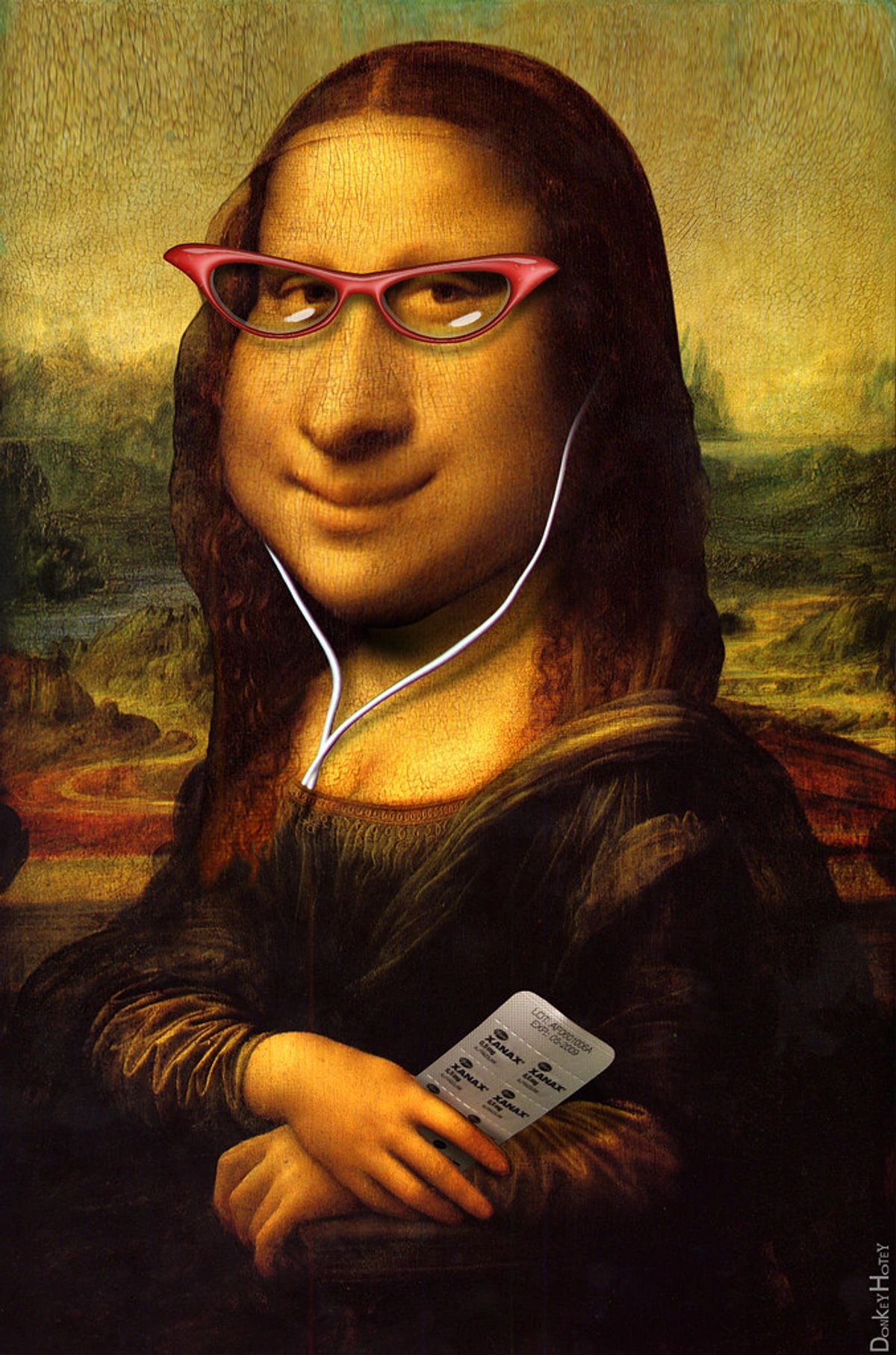
Art and Memory: A Cognitive Boost
Beyond emotional regulation and stress relief, engaging with mindful art is a delightful workout for your brain, subtly enhancing memory, critical thinking, and even spatial reasoning. The very act of focusing on details, recalling colors, or planning a simple pattern helps keep your mind nimble. This isn't about rote memorization; it's about active engagement that stimulates neural pathways, making it particularly beneficial for older demographics or anyone keen on maintaining cognitive agility. The multisensory engagement (visual, tactile, auditory) involved in art-making creates richer memory traces compared to purely cognitive tasks, strengthening recall. Furthermore, mindful art significantly develops observational skills, which are crucial not just for artistic expression but also for critical thinking and problem-solving in everyday life. Think of it as cognitive play, where joyful creation also strengthens your mental muscles. I sometimes find myself recalling old conversations or forgotten ideas while painting, as if the quiet focus clears the path for memory.
Your Personal Art Studio: Getting Started with Mindful Creation
Now that we understand the 'why,' let's explore the 'how' with some simple, actionable exercises. The goal isn't to analyze your doodles for hidden meanings – there's no need to psychoanalyze what you create. The focus is squarely on the act itself: the feeling of a pen moving across paper, the joy of mixing colors, or the quiet satisfaction of making a simple pattern. It asks for zero prior skill or experience. The only requirement? Giving yourself permission to simply play. This is where the magic of sensory art for self-care truly shines: by intentionally engaging your tactile, visual, and even auditory senses through the art-making process, you ground yourself in the present, diverting mental energy into embodied, creative exploration. Sensory art, in this context, refers to art that intentionally prioritizes engaging your touch, sight, and sound senses through the art-making process to foster present-moment awareness and reduce mental chatter. The subtle earthy scent of clay, the distinct drag of a crayon, or the smooth glide of a brush all contribute to anchoring you in the now, much like the repetitive nature of patterns in meditative art or the quiet focus found in the role of silence. When I dip a brush into vibrant watercolor, I'm not just seeing the color; I'm feeling the wetness, hearing the subtle swish, and grounding myself in that multisensory experience. For some, the connection between senses is so profound it's called synesthesia, where one sense automatically triggers another—a vivid example of heightened sensory connection through art.
Quick Guide to Getting Started with Mindful Art:
- Find a quiet spot. Even 5 minutes at a small corner of your table.
- Grab a simple tool. A pen and paper are perfect. Don't overthink supplies!
- Set a timer (optional). Just 5 minutes is a great start.
- Embrace "no judgment." This is about process, not perfection. There's power in the "ugly"!
- Set a specific intention. Choose to create for calm, not for a masterpiece, or focus on a single sensory aspect like "I will feel the texture of the paper." This helps anchor your mind.
- Experiment with different mediums. Don't be afraid to try a new pen, or even just switch from pencil to crayon. Each offers a subtly different sensory experience.
The Call of Nature: Art in the Outdoors
Bringing your mindful art practice outdoors, even just to a window, can amplify its calming effects. Nature itself is a master of rhythm and pattern, and engaging with natural elements in your art can deepen your connection to the present moment. Think about collecting leaves or pebbles to create a found object collage, sketching the intricate bark of a tree, or simply observing and drawing the shifting clouds. This isn't just about 'plein air' painting; it's about allowing the sounds, sights, and even scents of nature to anchor your creative flow. Consider mindful observation of everyday objects or scenes as a precursor to your art-making; really see the texture of a leaf or the pattern of light. Afterwards, you might also consider journaling about the sensory experiences of nature alongside your art-making (e.g., "The rough bark felt like..."). I find that when I sketch a tree, I'm not just drawing; I'm breathing with it, feeling its ancient stillness.
Five Simple Exercises to Quiet the Chaos (My Go-To Quiet Makers)
I've personally leaned on these simple, non-intimidating exercises more times than I can count. When the mental noise becomes unbearable, I grab whatever is nearest and dive in. Try one when you have just 5 or 10 minutes. Setting a timer often helps me commit, knowing there's a gentle end point. These are fantastic for boosting focus and bringing immediate calm.
1. The Mindful Doodle: Instant Presence, Anywhere
Feeling overwhelmed right now? What if you could find a sliver of peace in just five minutes? Don't even read the rest of the article yet. Just grab a pen and paper and try this:
Take a pen and a piece of paper. Close your eyes (or soften your gaze, if closing them feels too disorienting) and just start scribbling. Don't try to form objects or recognizable shapes; just let your hand move freely across the page. Focus intensely on the feeling of the pen in your hand, the subtle sound it makes on the paper (perhaps a soft scratch or whisper-glide), and the continuous movement of your arm. Fill the whole page—or don't, if your five minutes are up! The point is to connect with your physical self and disconnect from the mental chatter. This is your gateway to inner peace and reflection.
- Why it's unique/powerful: This is pure, unadulterated physical engagement to instantly interrupt overthinking and ground yourself. My own noisy brain often just needs a simple, tangible task, and the doodle delivers every time, offering quick anxiety reduction and fostering genuine inner peace.
- Why This Works (and how it engages your senses):
- Proprioception: This exercise is pure proprioception – your body's inherent sense of its position and movement in space. By consciously focusing on these physical (tactile) sensations, the visible (visual) lines appearing, and the subtle sound (auditory) of the pen, you ground yourself firmly in the present moment. It's almost like feeling your feet on the ground when walking, effectively interrupting anxious thought loops and mental rumination. Or, like that feeling when you're stirring soup and you can feel the resistance in the spoon – that's proprioception at play, grounding you.
- Brain Shift: This simple, repetitive action gives your prefrontal cortex a gentle task and quiets the amygdala, making it great for racing thoughts and general mental clutter, thereby improving focus and concentration.
- Variation: Try this with a thick marker on newsprint for a bolder, more immediate sensory experience. Notice the subtle rasp of the ballpoint on textured paper or the smooth glide of a marker. Try this the next time your thoughts are spiraling, and notice how quickly your breath deepens. For those finding freeform too challenging, try tracing the outline of your hand or a simple object like a leaf, focusing on the edges. This removes the pressure of invention while connecting you to natural patterns.
- Quick Takeaway: Engage physically and move with focus to silence mental chatter and cultivate presence, a core therapeutic art exercise for immediate calm.
2. Color Your Feelings: Non-Verbal Emotional Release
- Why it's unique/powerful: This exercise provides a safe, non-verbal outlet for complex emotions. Sometimes, words just aren't enough, or the feelings are too overwhelming to articulate. Color offers a powerful, primal language to simply be with those emotions without judgment, facilitating profound emotional processing and stress relief.
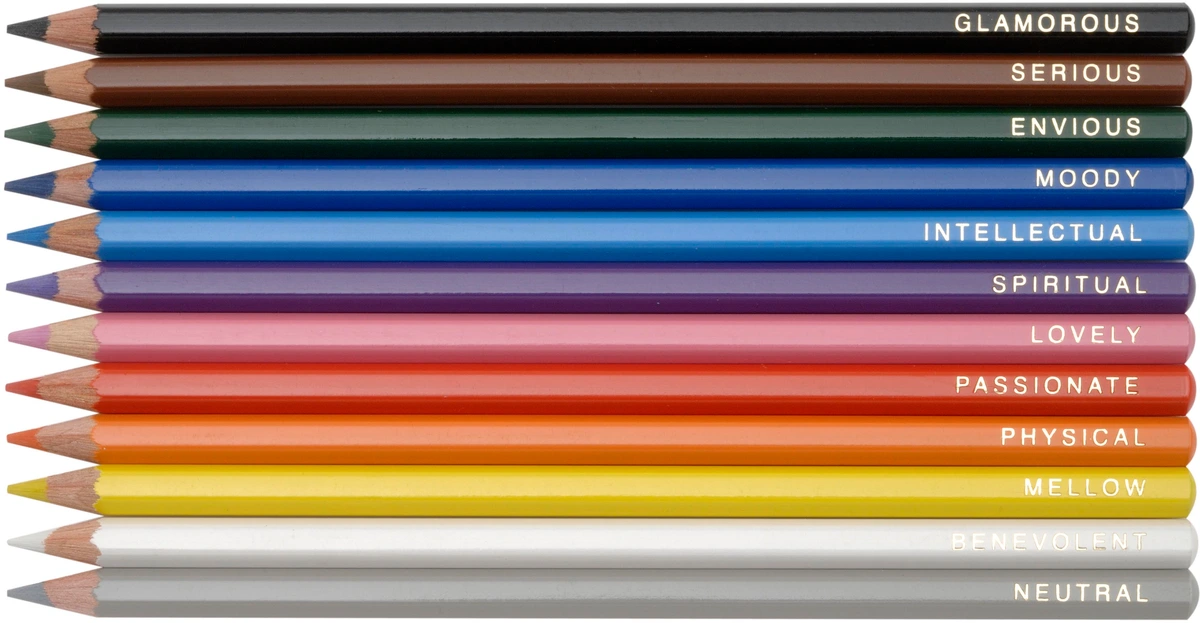
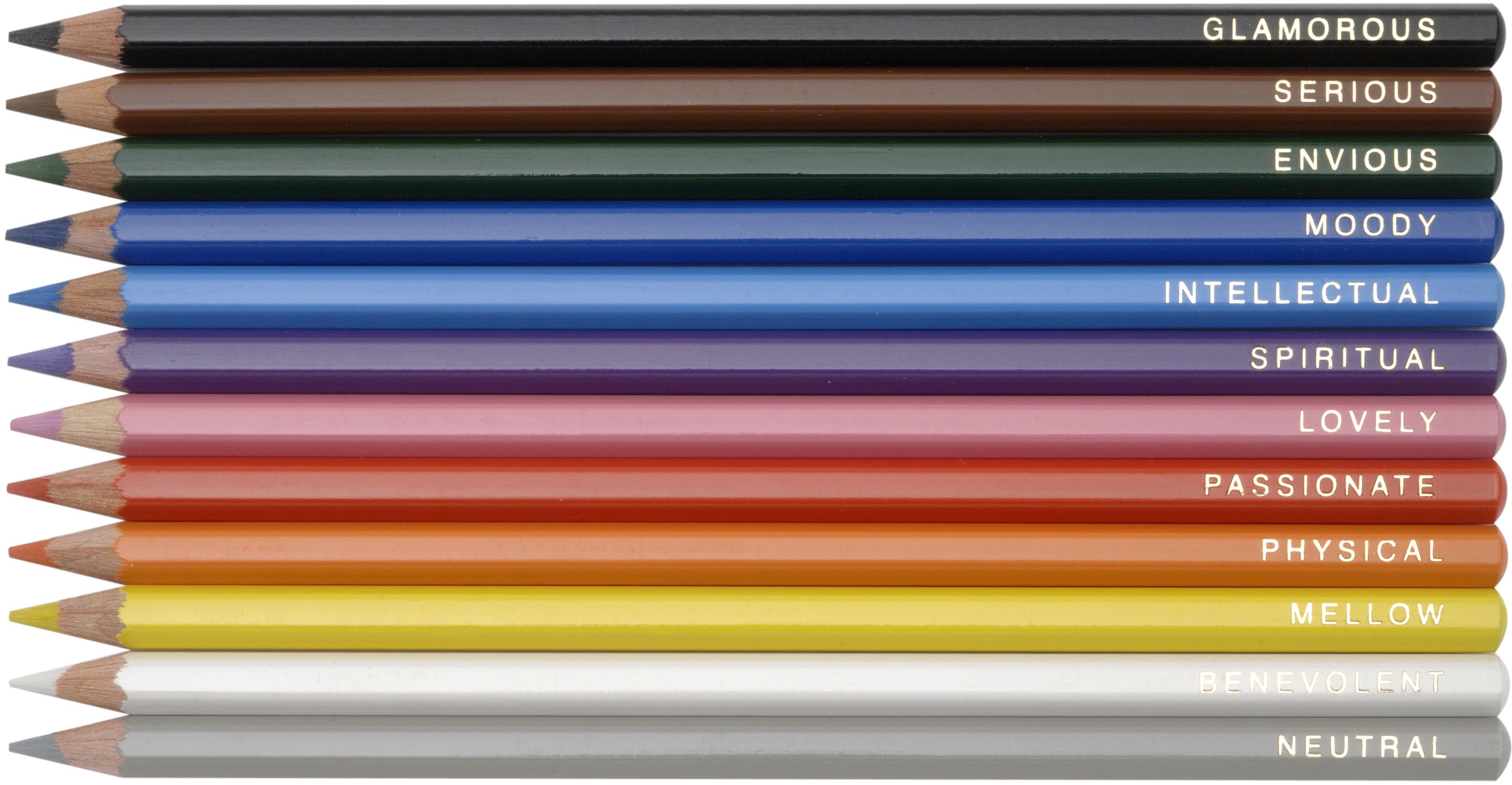
Grab some colored pencils, markers, or crayons. Think about how you're feeling right now. Don't try to name it with words; instead, ask yourself, "If this feeling was a color, what would it be?" Now, what about a shape? Is it sharp and jagged, like a burst of frustration? Soft and round, like a quiet joy? Draw that shape in that color. You can add more colors and shapes as other feelings bubble up. Common color associations (like red for anger or passion, blue for calm or sadness, yellow for joy or anxiety) can be a starting point, but trust your own intuition – your color associations are what matter most here. Be aware that color symbolism can vary culturally, but your personal resonance is paramount. After a difficult phone call, for example, you might choose jagged red lines and soft blue circles to represent your frustration and underlying sadness. It's a powerful way to express emotions without the pressure of language, tapping into the profound emotional resonance of abstract art and the psychology of color. This also relates to the unseen layers in art, allowing subconscious feelings to surface.
- Why This Works (and how it engages your senses):
- Catharsis & Processing: Color is a powerful, primal language. This exercise allows for catharsis and emotional processing without the need for verbal articulation, which can sometimes feel inadequate or overwhelming. It taps directly into your non-verbal communication and emotional intelligence, offering a safe outlet for complex feelings and fostering emotional regulation.
- Sensory Engagement: It engages your visual (sight) cortex with the vibrant hues and promotes dopamine release through playful exploration. The tactile sensation of the pencil or crayon (touch), its resistance on the paper, also keeps you anchored firmly in the present.
- Variation: Experiment with layering colors to represent complexity, or use pastels to create softer, blended emotional landscapes. Notice the waxy resistance of a crayon or the smooth blend of a pastel. What colors are speaking to you today? Give them a voice. For a very gentle start, try simply coloring inside a pre-drawn shape, letting your choice of colors be intuitive. Don't think, just color.
- Quick Takeaway: Translate emotions into color and shape for direct, non-verbal release and processing, serving as effective DIY stress relief art.
3. Visual Journaling: Storytelling for Reflection & Perspective
- Why it's unique/powerful: This method offers a low-pressure way to externalize and observe your day, helping to reduce overwhelm and foster a sense of control. I often find my scattered thoughts organize themselves naturally once I try to put them into a visual sequence, even if it's just stick figures and symbols, promoting greater clarity and perspective, which ultimately enhances inner peace.
Fold a piece of paper into four or six squares. In each square, draw a simple icon or stick figure representing a moment from your day. It could be the coffee you drank, a frustrating email, a hug from a loved one, or the sunset you glimpsed. For example, you might draw a tiny steaming cup for your morning coffee, a crumpled paper for a stressful meeting, and a smiling face for a good conversation. This isn't about creating a beautiful comic; it's a visual journal that helps you process your day in small, manageable chunks. I find this exercise incredibly helpful for remembering the small wins and putting the challenges into perspective, especially when my brain feels overwhelmed by a scattered to-do list. It’s a wonderful way to practice visual storytelling for personal reflection, and a gentle form of nature journaling if you choose natural elements.

- Why This Works (and how it engages your senses):
- Externalization & Perspective: Visual storytelling helps externalize and process daily events, allowing you to observe your experiences rather than being consumed by them. It's a gentle way to practice self-reflection, acknowledge gratitude, and gain perspective on daily stressors, which aids in anxiety reduction.
- Cognitive & Creative: It engages your cognitive and creative faculties (visual, tactile) to bring order to mental chaos. This simple act of translating abstract thoughts into concrete images can activate problem-solving areas of the brain in a low-pressure environment, perfect for managing scattered thoughts and improving focus.
- Variation: Add a single word or short phrase to each square, like a mini-caption, to enhance the narrative. What's one small win you can illustrate from today, even if it feels tiny? You could also use natural objects like leaves or pressed flowers to represent feelings or events, adding a tactile element from nature. For a very gentle start, just draw three simple circles and in each, draw one thing you saw or felt today, without worrying about story or sequence. You might also add a small "gratitude box" to one of your squares, drawing something you're grateful for.
- Quick Takeaway: Visually journal daily events to process, find gratitude, and gain perspective, fostering cognitive clarity.
4. Create a 'Calm' Mandala: Repetitive Harmony for Focus
- Why it's unique/powerful: The structured, repetitive nature of mandala creation is profoundly calming for the nervous system, akin to many mindfulness-based stress reduction (MBSR) techniques. It offers a clear, predictable pathway to focused attention, pulling your mind away from distractions and into a tranquil, harmonious process, making it a powerful therapeutic art exercise for stress relief.
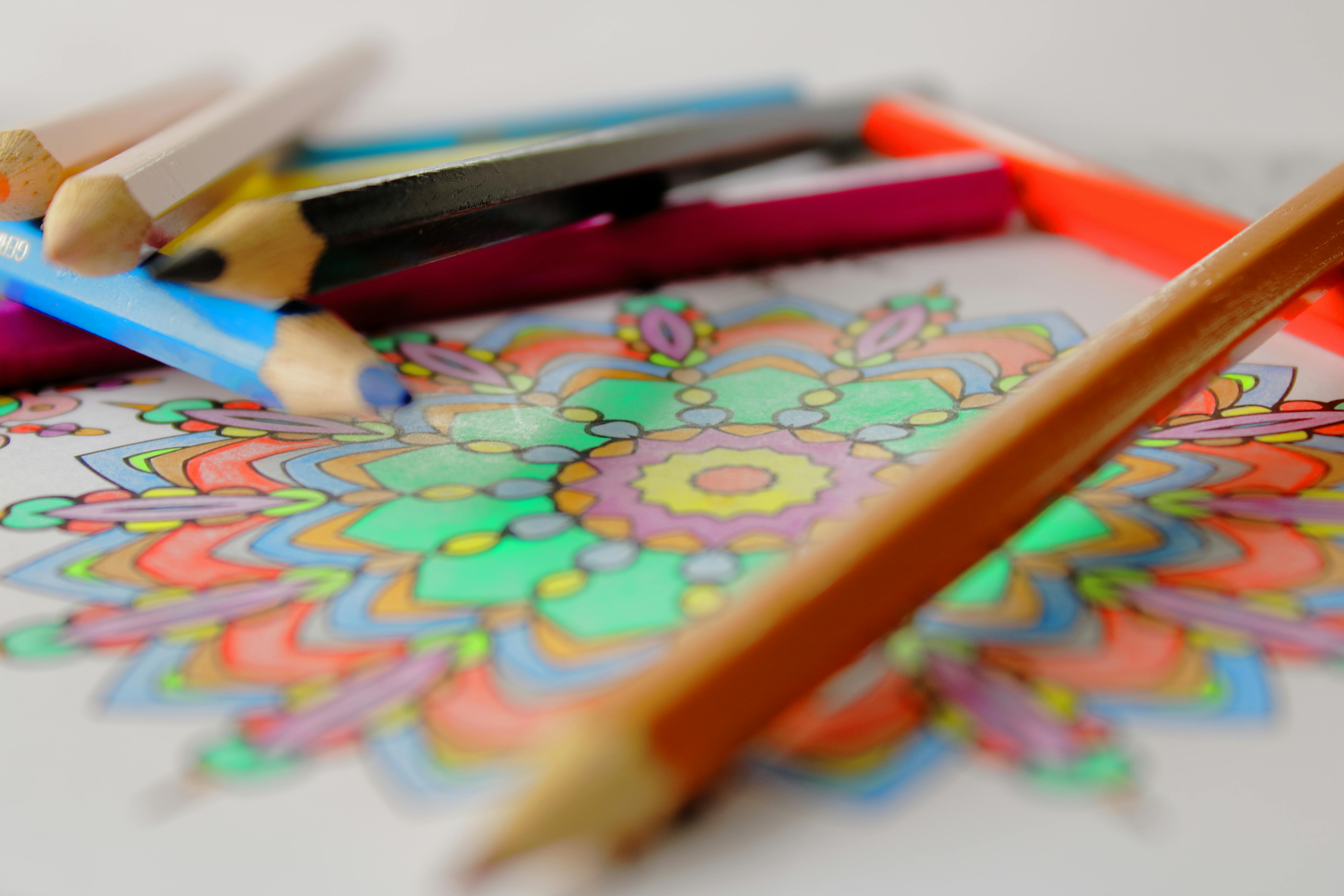
Start with a small circle in the center of your page. Now, draw a pattern of petals or shapes around it. Then draw another layer of patterns around that one, expanding outwards. Keep going. The repetitive, symmetrical nature of creating a mandala is incredibly calming for the nervous system, drawing your focus inward and away from external distractions. You don't have to be perfect; just focus on the rhythmic repetition and the unfolding design. This is truly a mindful moment and taps into how our innate desire for order can bring calm, engaging both your logical and creative brain, boosting focus and attention span.

- Why This Works (and how it engages your senses):
- Order & Harmony: The repetitive, symmetrical nature of mandalas engages our innate desire for order and harmony. This structured focus (visual, tactile, auditory from the pen) helps to quiet the 'fight or flight' response, fostering a deep sense of calm and presence, similar to how mindfulness-based stress reduction (MBSR) techniques use repetitive focus to anchor attention.
- Neurotransmitter Release: The predictable rhythm of creation can soothe the amygdala and stimulate the release of calming neurotransmitters, making it ideal for grounding and boosting focus and concentration.
- Variation: Experiment with different line weights—a fine pen for intricate details (visual), a thicker one for bolder outlines (tactile)—to add depth, or fill sections with simple, repetitive patterns, like in meditative drawing. You can also explore different types of mandalas beyond purely geometric ones, such as those inspired by floral patterns, animals, or even abstract organic shapes. Let the rhythm of your lines guide you to a tranquil center, noticing the sound of the pen and the visual symmetry emerging. For a very gentle start, begin by drawing simple concentric circles, then just fill them with dots or hash marks. No complex patterns needed.
- Quick Takeaway: Create structured, repetitive patterns to bring inner calm and focus, an excellent mindful coloring technique.
5. Clay Pinch Pot: Grounding Through Tactile Form & Kinetic Release
- Why it's unique/powerful: The direct, visceral engagement with clay offers a profound sense of grounding and kinetic release. For me, there’s nothing quite like the cool, earthy resistance of clay under my fingers to pull me out of my head and into the physical present, transforming mental restlessness into tangible form, providing deep stress relief and grounding.
If you have some air-dry clay or even play-doh, this is fantastic for kinetic release. Take a ball of clay and just push your thumb into the center. Slowly begin to pinch and rotate the clay, thinning the walls and shaping it into a small bowl or cup. The cool, earthy feel of the clay is very grounding, and the simple, repetitive motion of pinching and smoothing is deeply satisfying. It's a wonderful way to connect with your hands and the material, engaging directly with the elements of art: line but in three dimensions and with tangible form, shape, and texture. I remember one particularly stressful week where the only thing that settled my mind was the satisfying resistance and malleability of clay under my fingers, helping me work through physical restlessness and giving my racing thoughts a tangible anchor.
- Why This Works (and how it engages your senses):
- Tactile Grounding: The tactile engagement with clay (touch, subtle earthy smell) is incredibly grounding. The cool sensation and the physical manipulation of the material activate different neural pathways, diverting mental energy from anxiety into embodied, present-moment awareness, leading to quick anxiety reduction.
- Kinetic Release & Proprioception: It provides a unique kinetic release, stimulating the parasympathetic nervous system and offering deep proprioceptive feedback, which is inherently calming for the body and mind. It's a direct, physical way to process internal energy and restlessness, making it a fantastic therapeutic art exercise that directly contributes to your inner peace.
- Variation: Use a toothpick, fork, or even a dried twig to add simple textures or patterns to the surface of your pot. Feel the earth in your hands, notice the subtle earthy scent, and let your worries soften into form. If you don't have clay, just try squeezing and shaping a piece of aluminum foil or even a soft cloth, focusing on the tactile sensation.
- Quick Takeaway: Manipulate clay for grounding, kinetic release, and embodied presence, a powerful form of creative self-care.
Your Super-Simple Toolkit: The Magic of Accessibility for Stress Relief
You don't need to spend a fortune on supplies to quiet your mind. Honestly, you probably have everything you need already tucked away in a drawer or a forgotten art box from childhood. The barrier to entry is wonderfully, beautifully low. "The best tool is the one you have right now," I always tell myself, especially on those days when my inner critic tries to convince me I need a new set of expensive brushes. Don't let the pursuit of 'perfect' supplies become another source of mental noise. That fancy new watercolor set won't make you any calmer if it comes with the pressure to create a masterpiece. The point is to remove barriers, not to erect new ones. The simpler, the better, especially when starting out. Embrace the everyday. I once spent an hour agonizing over which specific shade of blue to buy, only to realize I could have just used the old, half-dried tube I already owned and found just as much peace. Lesson learned: accessibility trumps perfection every time. Creating an "Invitation Station" is a game-changer: have your simple supplies ready and easily accessible. A small box with a notepad, a few favorite pens, or a small watercolor set, placed on a desk or bedside table. When stress rises, you don't have to hunt for supplies – the invitation is already there, a visible reminder of your commitment to creative self-care techniques. It's literally me saying to myself, "Come on, just five minutes."
Here’s a quick breakdown of what you can use and why these simple options are surprisingly potent for mindful art and stress relief:
Basic (and perfect!) Option  | If You Want to Get a Bit Fancier | Why It Works for Mental Peace | Sensory Experience | Ease of Access | Best For Mental State | Potential Benefits |
|---|---|---|---|---|---|---|
| A ballpoint pen and scrap paper | A set of fine-liners or gel pens | The physical act of making lines is deeply meditative, calming the nervous system through focused repetition and engagement of proprioception. It allows the prefrontal cortex to focus on a simple, tangible task, ideal for grounding racing thoughts and improving focus (like in mindful drawing). | The satisfying drag of the pen tip (tactile), the whisper-quiet glide across paper (auditory), the focused visual of lines emerging (visual). | Ubiquitous | When needing grounding and enhanced focus. | Anxiety Reduction |
| Crayons or colored pencils from a kid's set | A small set of watercolor paints or soft pastels | Engages with the psychology of color in abstract art and encourages free expression; their inherent limitations can be freeing, removing pressure for perfection. This offers emotional release without words by tapping into non-verbal communication and promoting dopamine release (like in mindfulness coloring). | The waxy resistance of a crayon (tactile), the smooth blend of a pastel (tactile), the vibrant bloom and wet flow of paint (visual), stimulating visual and tactile senses. | Commonly Available | When seeking emotional release and playful exploration. | Mood Elevation |
| A lump of play-doh or air-dry clay | A block of proper pottery clay | Tactile sensations are incredibly grounding, connecting you to the physical world and diverting mental energy into your hands. It's a tangible way to engage with the elements of art: line but in three dimensions, providing deep proprioceptive feedback and activating the parasympathetic nervous system, perfect for kinetic release and physical grounding (a powerful therapeutic art exercise). | The cool, malleable feel of clay (tactile), the subtle earthy scent (olfactory), the satisfying squeeze and pinch (tactile), offering deep tactile feedback and immediate satisfaction. | Requires Specific Purchase (Play-doh common) | When needing kinetic release and strong physical grounding. | Stress Reduction |
| An old magazine and a glue stick | Archival paper and specialized collage medium | The act of cutting, selecting, and pasting organizes chaos, offering a satisfying sense of control and creation from disparate pieces. This is a wonderfully engaging way to explore the unseen layers of material and can activate problem-solving areas of the brain in a low-pressure way, helping to structure chaotic thoughts. | The crisp tear of paper (auditory/tactile), the smooth stick of glue (tactile), the visual play of textures and images (visual), fostering order from randomness. | Commonly Available | When seeking structure, control, and creative problem-solving. | Problem Solving |
| Natural Found Objects (e.g., leaves, stones, twigs) | Curated botanical collection, specialized adhesives | Engaging with natural elements offers profound tactile connection and grounding, fostering spontaneity and appreciation for the organic world. It's a powerful way to bring the outdoors in, reducing stress and enhancing present-moment awareness. | The varied textures (tactile) of different materials, subtle earthy scents (olfactory), and the visual interplay of natural forms (visual), grounding you through tangible connection. | Ubiquitous (look around!) | When needing deep connection to nature and grounded presence. | Present Moment Awareness |
| A digital drawing app (free or paid) | A graphics tablet and stylus (e.g., Wacom) | Offers infinite canvases and undo functions, removing fear of 'ruining' art. The focused hand-eye coordination can be deeply absorbing, creating a flow state without physical mess, while haptic feedback mimics tactile sensations. This is great for focused experimentation and reducing anxiety around mistakes. | The smooth glide of a stylus (tactile), the subtle haptic feedback (tactile), the vibrant, instant color changes (visual), engaging visual and tactile senses in a modern way. | Ubiquitous (on phones/tablets) | When desiring focus, experimentation, and digital creative freedom. | Creativity Boost |
Don't let the idea of 'right' supplies stop you. The very act of improvising can be part of the therapeutic process. Remember, the journey here is inward, not towards a gallery wall, and definitely not towards more mental stress about what tools to use.
Art for Focus: Training Your Attention Span and Observational Skills
Beyond stress relief, engaging in mindful art is a powerful tool for improving your attention span and focus. In a world of constant distractions, activities like creating mandalas or mindful doodling (as discussed in exercises 1 and 4) require sustained, gentle concentration. This trains your brain to stay present, much like meditation, but with the added benefit of tangible output. It's a joyful workout for your brain, keeping it nimble and engaged, subtly enhancing memory, critical thinking, and even spatial reasoning. Moreover, mindful art significantly develops observational skills, teaching you to truly see details, patterns, and nuances in your environment—skills crucial for both artistic expression and sharp cognitive function in everyday life. Think of it as a form of active dreaming, where your subconscious mind can express itself through symbols and forms, leading to insights and clarity that emerge from the stillness of focused creation.
Cultivating the Practice: Intention, Habit, and Imperfection
Here's a crucial point that often gets overlooked: the intention behind these practices is just as important as the act itself. This isn't about aimless doodling (though that has its place too!). This is about a conscious decision to pause, to engage your hands and senses, and to dedicate a few moments to your inner well-being. It's a silent agreement you make with yourself: "For these next five minutes, I will create for peace." That deliberate intention is a powerful quiet maker in its own right, setting a sacred boundary between your busy mind and your calm creative space. It's also a fantastic way to overcome initial resistance; by consciously setting an intention, you "prime the pump" for creativity and peace, making it easier to start even when you don't feel like it. To cultivate this intention, you might try a few deep breaths before starting, or even silently repeating a mantra like "I create for calm." This proactive choice for mental well-being creates a clear mental shift, telling your brain, "This is protected time for peace." An example of a negative intention that might hinder your practice is "I need to finish this perfectly," which immediately brings pressure and self-judgment.
The biggest enemy here is the pressure to be consistent or to create something 'good'. Honestly, my discipline is a mess on most days, and I often feel too tired to even pick up a pen. But that's precisely why this isn't about a rigid schedule; it's about having a reliable tool in your back pocket. Maybe you do it once a week, maybe once a month. It truly doesn't matter. The only "progress" that matters is the presence you cultivated during the act. It took me years to truly internalize that an "ugly" drawing meant I was actually succeeding because I was focused purely on the process. It's a deep dive into the power of imperfection, something I embrace in my own approach to creating art.
Here's how I tackle procrastination and make mindful art a habit, even when I'm feeling resistant:
- The 5-Minute Rule: Commit to just five minutes. Tell yourself, "I only have to do this for five minutes." Often, once you start, you'll want to continue. If not, you've still honored your commitment and gained a moment of peace.
- Create an "Invitation Station": Have your simple supplies ready and easily accessible. A small box with a notepad, a few favorite pens, or a small watercolor set, placed on a desk or bedside table. When stress rises, you don't have to hunt for supplies – the invitation is already there, beckoning you to engage in creative self-care techniques.
- Don't Track Progress (Only Presence): Forget about tracking how often you do it or judging the outcome. The only "progress" that matters is the presence you cultivated during the act. This removes pressure.
- Celebrate the "Ugly": If you make something you think is "ugly," celebrate it! That means you were focused on the process, not the outcome. That inner critic demanding perfection is precisely what we're trying to quiet. Consider it a 'practice piece' or a 'stepping stone' for future creations, rather than a failure. Crumple it up and celebrate the release. Or, as I sometimes do, tear it up and use the pieces to start a new collage, transforming what you disliked into something fresh. There's immense freedom and the power of imperfection in that transformation. This isn't about producing a masterpiece; it's about the act of creating and the self-compassion you extend to yourself in the process.

Frequently Asked Questions (That You Might Be Too Shy to Ask)
You might have questions, and that's perfectly okay. It's natural to feel a bit hesitant when exploring new ways to quiet your mind. Here are some common ones, and my honest answers.
I'm not creative, can I still do this?
Absolutely! This has nothing to do with being 'creative' in the traditional sense, or with drawing straight lines. It's about expression and mindfulness. If you can hold a crayon, you can make a mark. Scribbling and making patterns require zero artistic talent. The goal is to feel, not to perform. As I always say, your inner child just wants to play; it doesn't care if you're good at it. Think of it less about 'talent' and more about 'tool'. Your inner child isn't looking for an art critic, it's looking for a playmate.
What if I feel silly or embarrassed doing this?
That's a completely normal feeling, especially when we try something new that feels vulnerable. But here's the secret: this is for you alone. No one else needs to see it. Treat it as a private act of self-care, like brushing your teeth or taking a quiet walk. The silliness will fade as you focus on the calming sensations. Remember, the inner critic is often the loudest voice, but it rarely has anything useful to say. Tell it to take a coffee break; it's earned it (or maybe not).
Do I need expensive art supplies?
Absolutely not. A Bic pen and the back of an envelope work just as well as a hundred-dollar set of pastels. The tool is simply a means to an end; the end is your peace of mind. Investing in a beautiful set of paints can be a joy, but it's not a prerequisite for finding calm. As I mentioned earlier, sometimes the most expensive tools come with the most pressure, which defeats the whole purpose. My mantra: simple, accessible, effective.
What about art journaling?
"Visual Journaling: Storytelling for Self-Reflection" (Exercise 3) is a fantastic entry point into art journaling! Art journaling is a broader practice of combining words and images in a personal journal to explore thoughts, feelings, and experiences. It's incredibly flexible and encourages self-expression without rules. If you enjoyed the 'Draw Your Day' exercise, you'll likely love diving deeper into art journaling, where the only limit is your imagination and your personal narrative. It's a powerful way to integrate words and visual storytelling for profound self-discovery.
How long should I do these exercises for?
Start with five minutes. Seriously. Setting a tiny, achievable goal makes it exponentially more likely you'll actually do it. If you're enjoying it after five minutes, keep going. If not, stop. No pressure, no judgment. My goal is always just to start, and often the momentum carries me for longer, but five minutes is a perfect, guilt-free commitment. It's about consistency of starting, not consistency of duration.
What about the psychology of color in abstract art?
Ah, this is a fascinating area! As explored in "Color Your Feelings" (Exercise 2), colors hold immense emotional power. The psychology of color in abstract art goes beyond basic associations; it's about how different hues, saturation, and combinations can evoke specific moods, stimulate different parts of the brain, or even impact physiological responses. Artists use color intentionally to create a visual language for emotions, making it a powerful tool for both expression and self-soothing in your mindful art practice.
Can mindful art help with focus and attention span?
Absolutely! Many of the exercises, particularly the Mindful Doodle (Exercise 1) and creating a Calm Mandala (Exercise 4), are specifically designed to train your focus and attention. By engaging in repetitive, structured, or sensory-rich creative tasks, you gently pull your mind away from distractions and anchor it in the present moment. This sustained, low-pressure concentration is an excellent way to strengthen your attention span and mental agility, much like a gentle, enjoyable workout for your brain. It also significantly enhances your observational skills, making you more attuned to the world around you.
Can this help with specific conditions like ADHD or seasonal affective disorder (SAD)?
While mindful art is not a cure or replacement for professional treatment, many of its core principles can offer significant complementary benefits. For conditions like ADHD, the focused, repetitive nature of certain art exercises (like mandalas or doodling) can help train attention and provide a constructive outlet for restless energy, fostering a sense of calm and accomplishment. For Seasonal Affective Disorder (SAD), engaging with vibrant colors, especially yellows and oranges, or creating art that incorporates natural light or themes of warmth, can be a mood-boosting activity, counteracting the effects of low light and dreary weather. The sensory engagement itself can be incredibly regulating. However, it's crucial to consult with a healthcare professional for diagnosis and treatment of any specific condition. Mindful art serves as a supportive, complementary tool within a broader wellness strategy, never a substitute for medical treatment or a therapist's guidance.
How can I deal with self-doubt or a lack of inspiration if I'm not feeling it?
Oh, I've been there countless times! The 'blank page paralysis' is real. When self-doubt creeps in, or inspiration feels miles away, here are my go-to tricks:
- Start with a prompt: Instead of 'draw something,' try 'draw three circles' or 'scribble for two minutes.' Simple prompts remove the pressure.
- Look at other art: Browse a book or online gallery. Don't copy, just let your eyes absorb shapes, colors, and textures. Often, a small spark is all you need.
- Focus on the materials: Don't think about what to make, just play with the paint, feel the clay, or make marks with a pen. Let the materials guide you.
- Embrace 'bad' art: Seriously. Give yourself permission to make the 'ugliest' thing you can imagine. Sometimes that creative freedom is all it takes to break the dam. Remember, the goal is presence, not perfection. If you're anything like me, some of my most 'uninspired' starts have led to surprisingly cathartic creations!
What's the difference between this and actual art therapy?
That's an excellent question! While this article encourages mindful art for self-care—borrowing principles from art therapy for personal well-being and stress relief—it is not a substitute for formal art therapy. Professional art therapy is a clinical modality led by a trained, certified therapist to address specific mental, emotional, or developmental challenges. It involves diagnostic assessments, structured therapeutic goals, and specialized interventions within a safe, professional relationship. For instance, art therapy can specifically help patients process trauma, manage severe anxiety disorders, or develop coping mechanisms for complex mental health issues, which goes beyond the scope of this self-care guide. Think of these exercises as mental hygiene and proactive self-care tools that can beautifully complement professional support, but they don't replace it. I've found these practices incredibly helpful, but they're part of a broader wellness toolkit, not the entire toolbox. My rule of thumb: if something feels overwhelming or persistent, talk to a professional.
Is this a replacement for professional therapy?
No, no, no, and a thousand times no. This is a self-care and stress-management tool. If you are struggling with your mental health, please seek guidance from a qualified therapist or counselor. These exercises can be a wonderful complement to therapy, but they are not a substitute. It’s like using a pain reliever for a headache – it helps with the symptom, but it doesn't cure the underlying cause if there is one. Always prioritize professional help when needed. My personal experience has taught me the invaluable difference between self-care and professional support.
What if I hate what I make?
Excellent. It means you're letting go of the need for the product to be perfect. The physical object you create is just a byproduct, like a receipt from a transaction. The real transaction was you giving yourself a few moments of calm amidst the storm. Throw the 'receipt' away, or even make a ritual of destroying it. The freedom in that act is incredibly potent. Or, as I sometimes do, tear it up and use the pieces to start a new collage, transforming what you disliked into something fresh. There's true liberation and the power of imperfection in that transformation. Celebrate the "ugly" as a sign of your commitment to the process over perfection. Sometimes, I even keep "unloved" pieces visible for a short period, as a reminder of that commitment, before I decide to discard or transform them. Your inner critic might be screaming, but you're winning.








The Point Isn't the Art, It's the Quiet
Ultimately, all these exercises are just clever tricks to get you to slow down, breathe, and focus on one single, simple thing. It's a form of meditation for people like me who can't seem to sit still. It's about consciously closing those 100 chaotic browser tabs in your mind, one gentle scribble or pinch at a time. This foundational guide invites you to discover your own simple art rituals for well-being. By engaging in these practices, you'll not only find personal peace but might also find joy in sharing your unique artistic expressions with others, fostering community and connection (if and when you're comfortable doing so, always prioritizing your personal peace).
And here's a little secret: these moments of quiet, creative play often fuel unexpected breakthroughs in other areas of your life, too. That 'noisy brain' suddenly finds clarity on a problem, or a new idea sparks from the stillness. The little drawing or clay pot you end up with is just evidence that you took time for yourself. It’s a souvenir from a brief, essential vacation from your noisy brain. If you find joy in surrounding yourself with elements that promote calm and reflection, you might find inspiration in my collection of art designed to bring peace and color into your space. This journey to inner peace through art is a lifelong practice, and I'm genuinely excited for you to begin.