
Finding Your First Watercolor Love: My Unfiltered Guide to Beginner Paints
Struggling to pick beginner watercolor paints? I'll cut through the confusion and share my top picks, tips, and insights on pan vs. tube, student vs. artist grade, and what you *really* need to start painting!

Finding Your First Watercolor Love: My Unfiltered Guide to Beginner Paints
Alright, friend, let's talk watercolors. I know what you're thinking: "Zen, I just want to paint! Why is choosing paints so complicated?" And believe me, I get it. I’ve stood in art supply stores, staring at walls of tubes and pans, feeling a mix of excitement and utter bewilderment. It’s a lot, right? But here’s the thing, your paints are your direct connection to the paper, your voice in color. Picking the right ones, especially when you’re just starting, can make all the difference between a joyful, flowing experience and a frustrating, muddy mess. And nobody wants a muddy mess, least of all me, someone who embraces vibrant color in my own work – you can see some of it if you ever drop by /den-bosch-museum!
My goal here isn't to tell you to buy the most expensive stuff out there – goodness knows my wallet has seen its share of heartache from art supplies. No, my aim is to cut through the noise, share what I've learned (and sometimes painfully unlearned), and help you find the best watercolor paints for beginners that offer a fantastic balance of quality, value, and pure painting pleasure. Think of me as your slightly-obsessed, seasoned art friend, whispering secrets over a cup of tea.
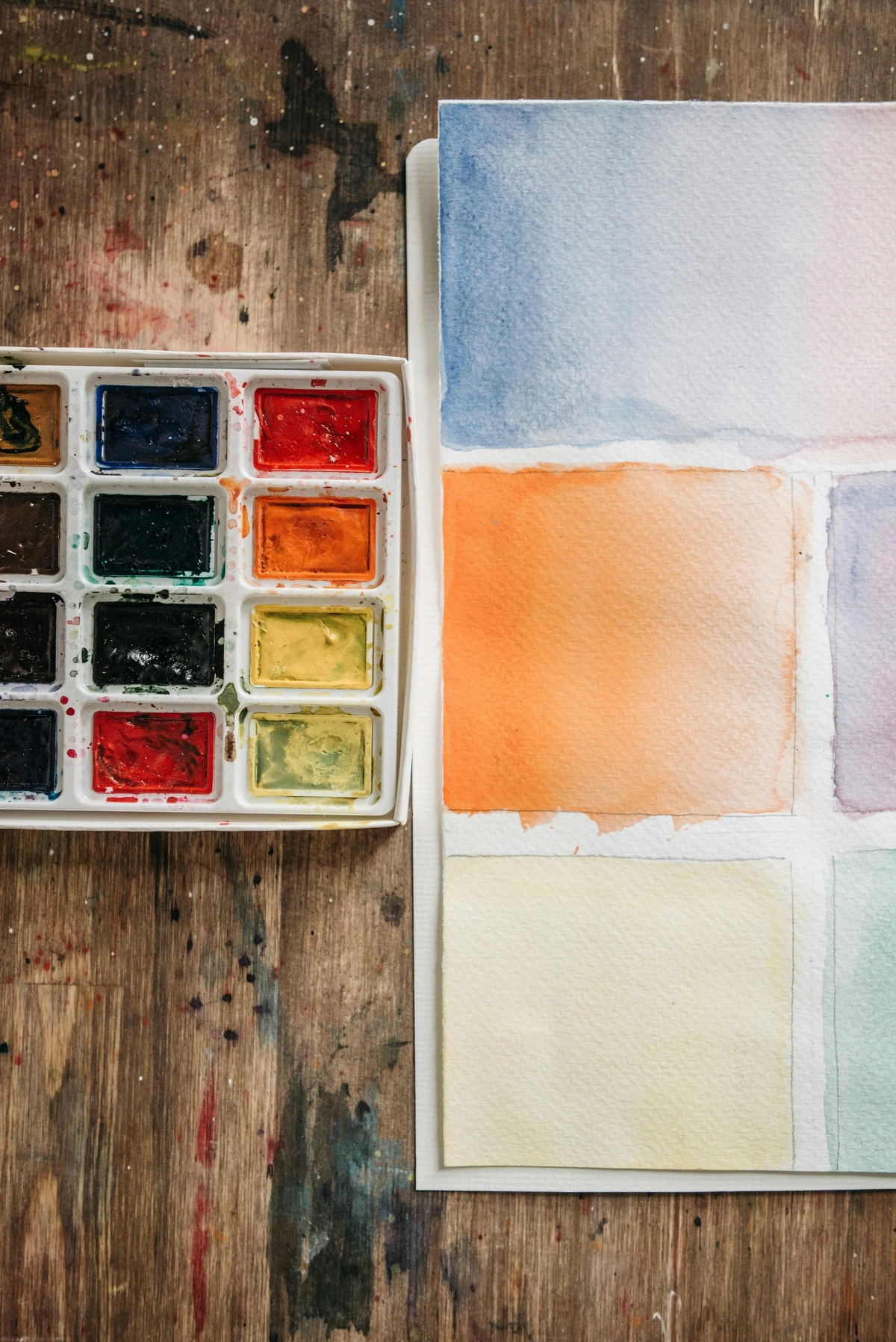
Why Watercolor? My Love Affair with the Medium
Before we dive into the nitty-gritty of brands and types, let’s just take a moment for watercolor itself. Oh, watercolor! It’s this magical, elusive medium that seems to have a mind of its own, doesn't it? It flows, it blends, it creates these ethereal washes that no other paint can quite replicate. I mean, where else can you find a medium that encourages you to embrace imperfections and let the water do its graceful dance?
I remember my first attempts, splattering paint everywhere, convinced I was doing it all wrong. But the beauty of watercolor for beginners is its forgiving nature – to a point. It teaches you patience, observation, and how to surrender a little control, which, let's be honest, is a life lesson in itself. Plus, the cleanup is usually a breeze, which, for someone whose studio can sometimes resemble a paint explosion (if you saw some of my abstract pieces, you'd understand!), is a massive bonus. If you're curious about the broader spectrum of paints, my deep dive into the definitive guide to paint types for artists might be a good next step.
Student vs. Artist Grade: What's the Big Deal (and Why I Care)
This is probably the first fork in the road you'll hit, and it’s where many beginners get tripped up. Do you go for the student paints, saving a few bucks, or splurge on the "professional" stuff? My quick answer? Start with good student-grade watercolors. Let me explain why, and it's all about pigment.
Think of it like cooking. You can make a perfectly delicious meal with good quality, everyday ingredients. You don't need saffron and truffles for your first attempt at pasta, right? Artist-grade paints are like those truffles – intensely pigmented, incredibly vibrant, and made with the purest, most expensive pigments. They're glorious, but they come with a price tag that can make your eyes water (pun intended!).
Student-grade paints, on the other hand, use less expensive, often synthetic pigments, or lower concentrations of artist-grade pigments. They might have more fillers, but a good student set still gives you a wonderful, vibrant color experience without breaking the bank. You’ll be able to learn color mixing, layering, and all those foundational techniques without feeling guilty about "wasting" precious paint.
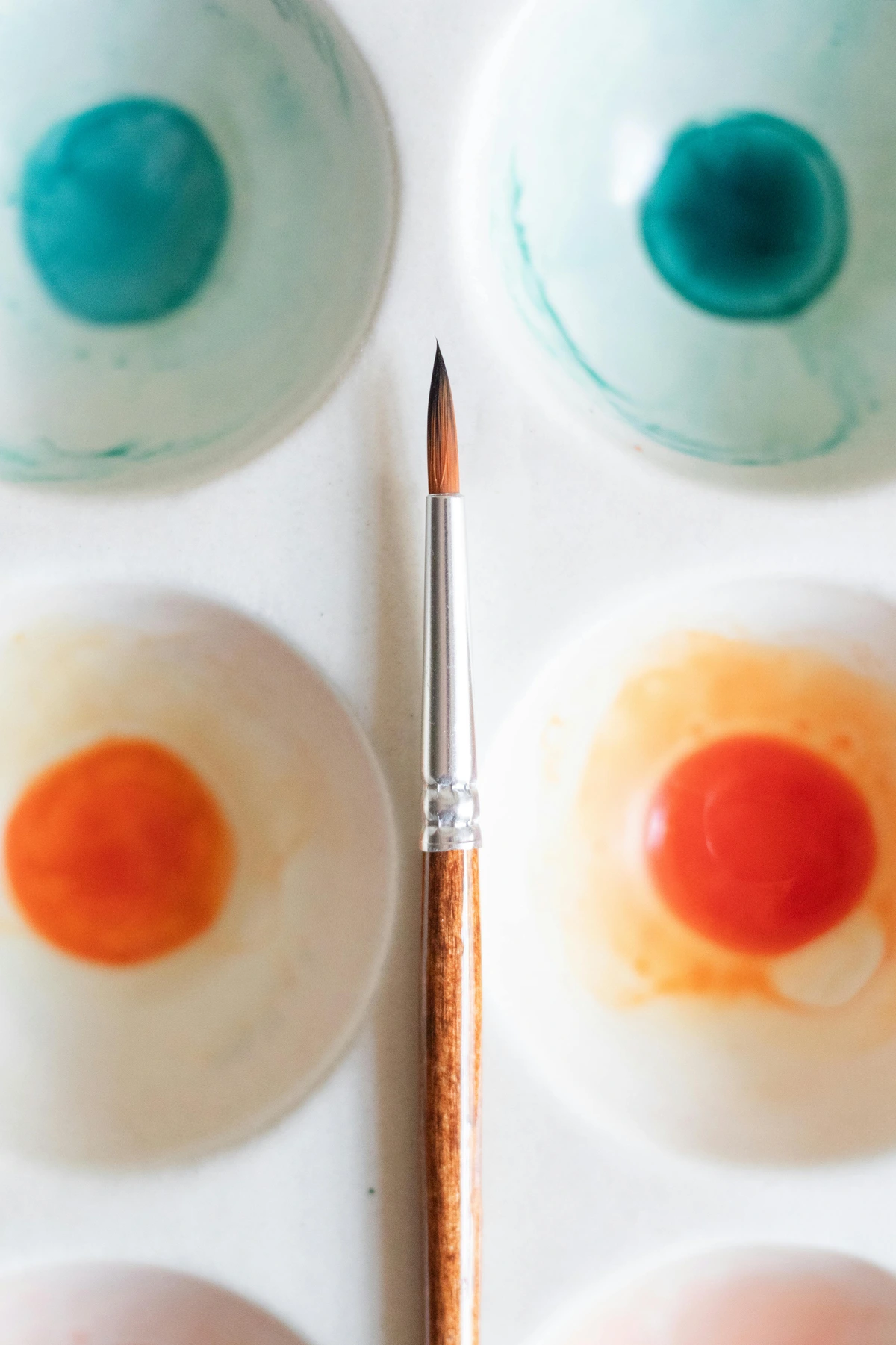
Here's a quick rundown of what you're generally getting:
Feature  | Student-Grade Watercolors | Artist-Grade Watercolors |
|---|---|---|
| Pigment Quality | Uses less expensive pigments, synthetic alternatives, or lower concentrations. | Pure, finely ground, high-quality pigments. |
| Vibrancy/Intensity | Good, but colors might appear slightly less vibrant or saturated. | Rich, intense, and highly saturated colors. |
| Lightfastness | Varies, can sometimes fade over time with light exposure. | Generally excellent, colors resist fading over long periods. |
| Binder | Often uses synthetic binders or lower quality gum arabic. | High-quality gum arabic, ensuring smooth application. |
| Transparency | Can be less transparent due | Excellent transparency, allows for beautiful layering. |
| Cost | Significantly more affordable, excellent for practice. | Considerably more expensive, an investment for professional work. |
| Why for Beginners | Perfect for learning, experimenting, and developing skills without financial pressure. | Best for experienced artists or those ready for exhibition-quality work. |
Don't let the word "student" make you think they're somehow inferior for learning. They're formulated for exactly that purpose!
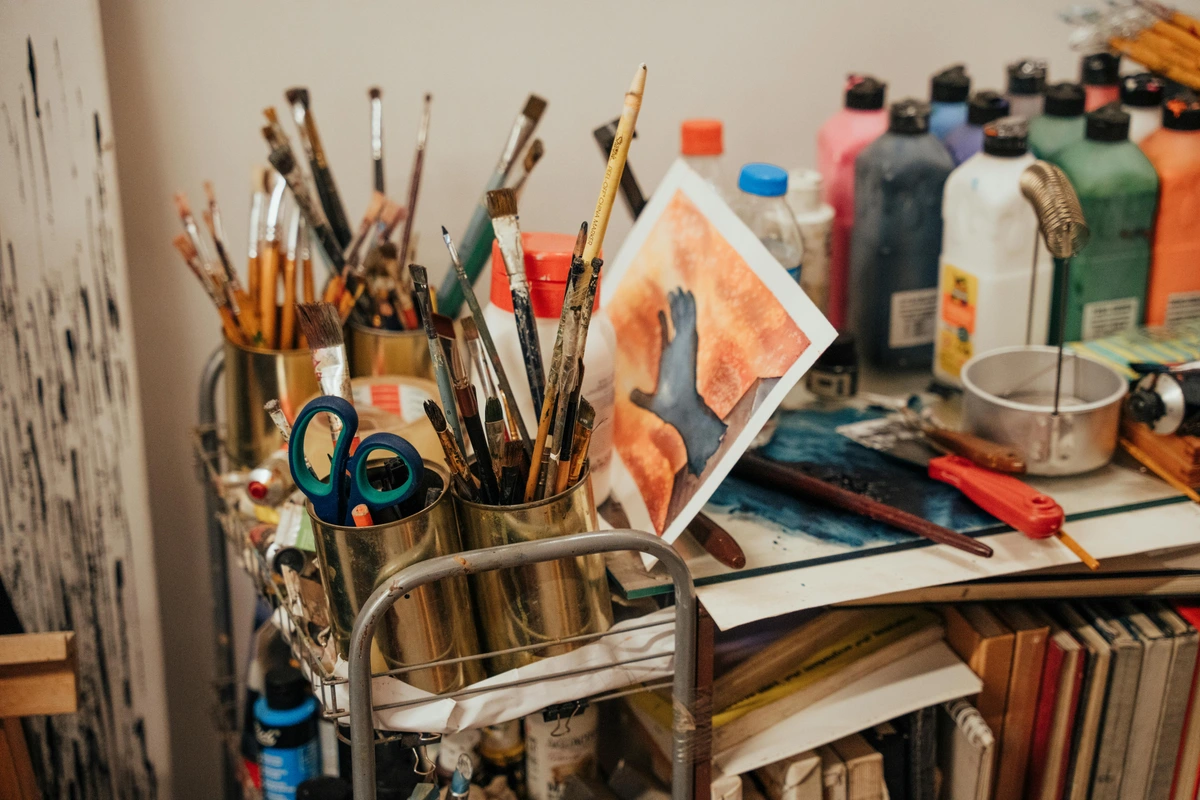
Pan Sets vs. Tube Paints: A Sticky Decision for Starters
Another classic beginner dilemma! Do you go for the neat little pan sets or the gooey, vibrant tube paints? Both have their charms, like choosing between a well-organized bento box and a luscious tube of frosting.
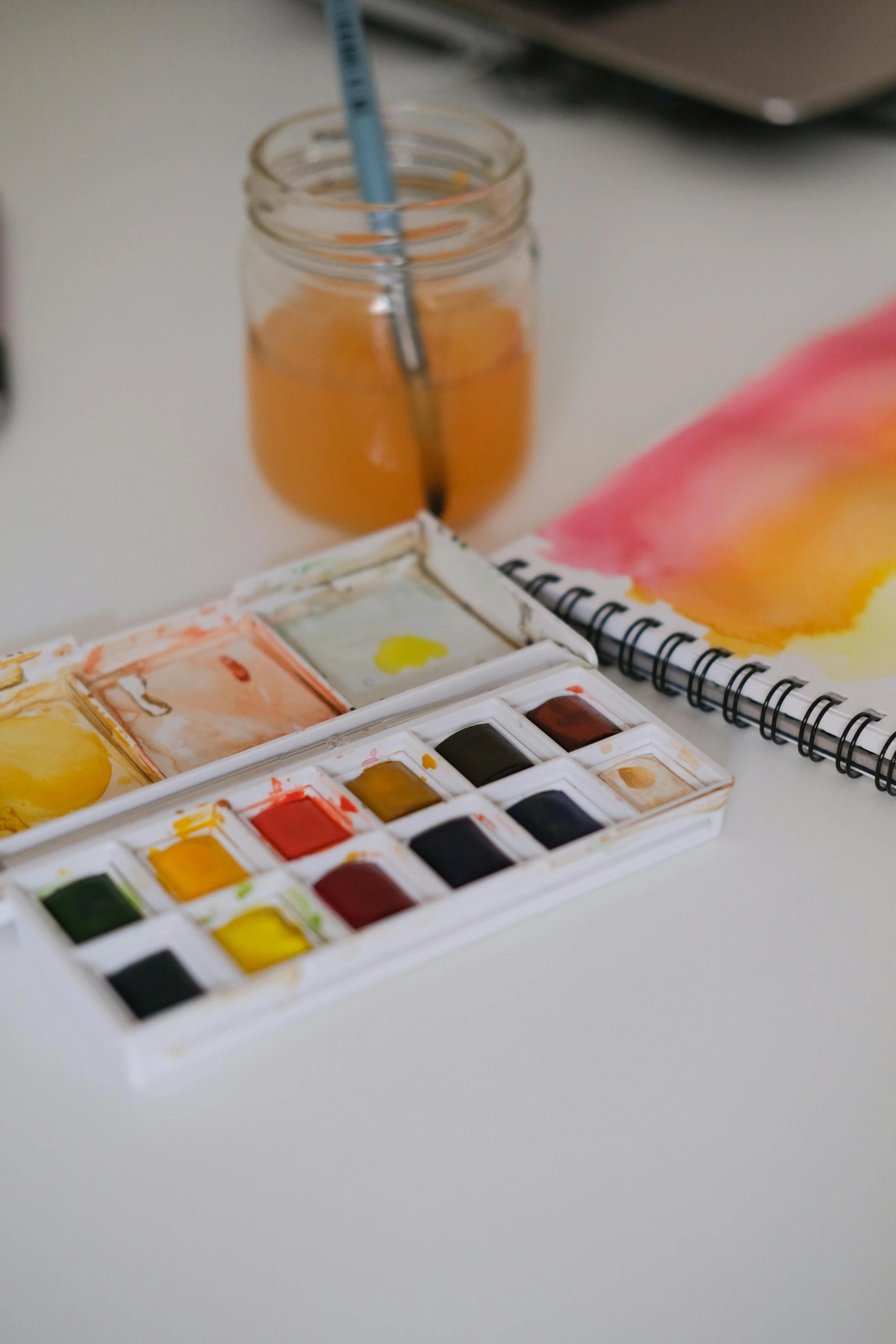
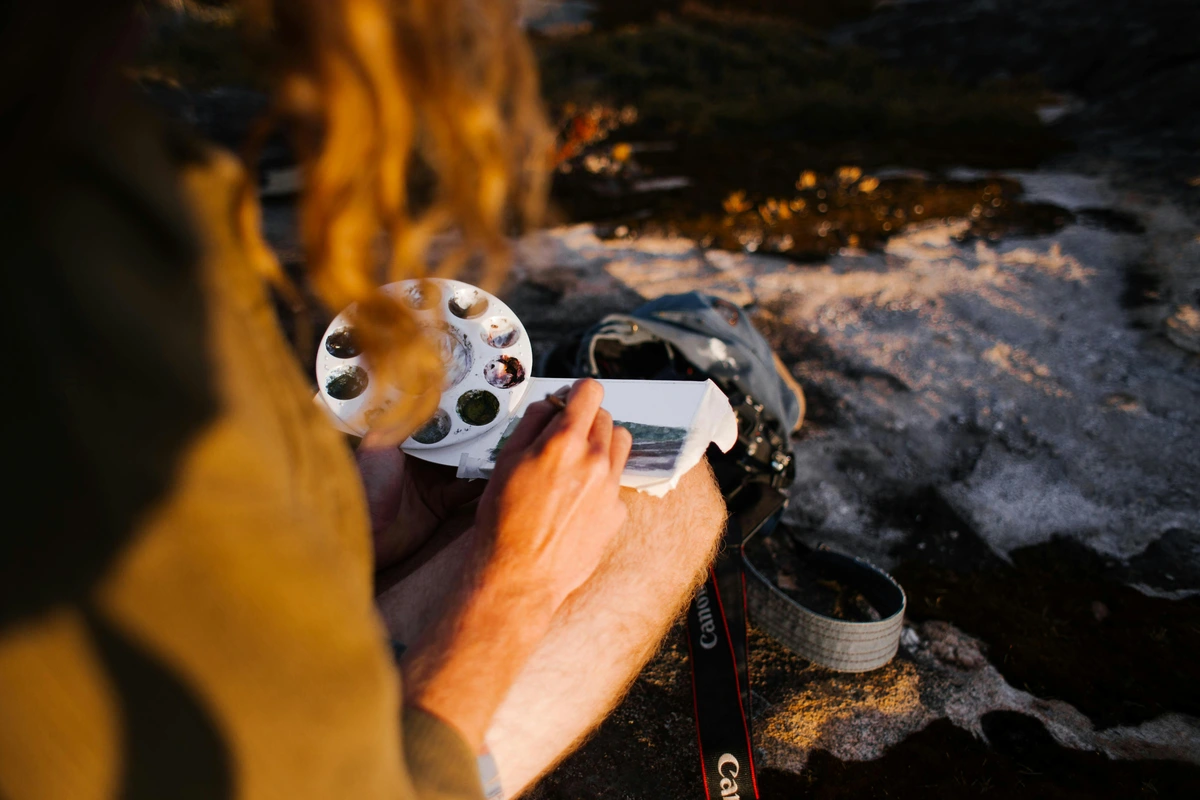
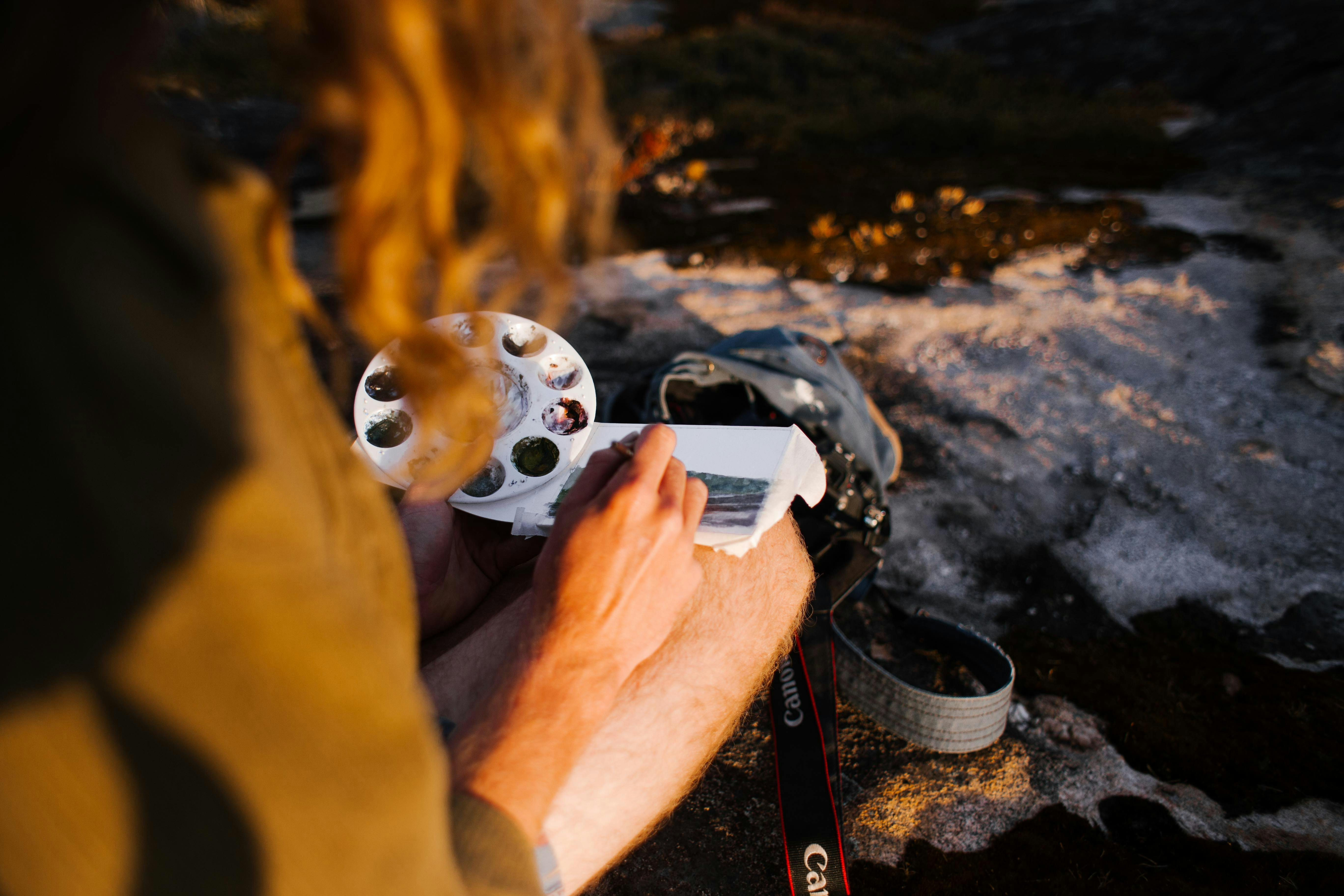
Watercolor Pans: These are solid, dried cakes of paint that you activate with a wet brush. They're often found in compact sets, making them wonderfully portable. I've lugged many a pan set on my travels (sometimes even sketching at /den-bosch-museum!), and they’re brilliant for quick studies, sketching, or when you’re out and about.
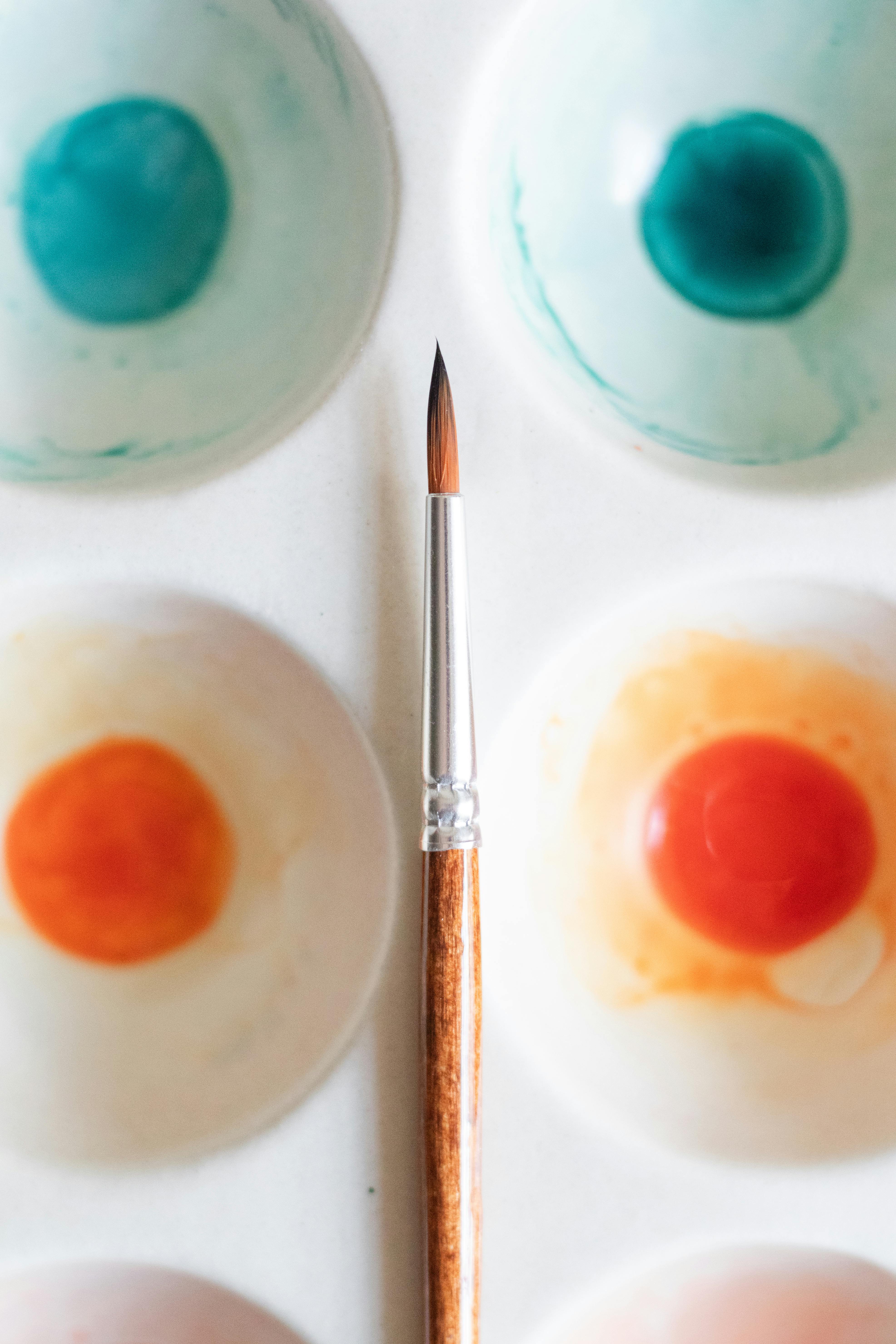
Watercolor Tubes: These are liquid, concentrated pigments that come in, well, tubes! You squeeze out a dollop onto your palette and mix with water. They offer a much higher pigment concentration right off the bat, meaning more vibrant washes and easier large-area coverage.
For beginners, especially if you're not sure how much you'll paint, I usually lean towards pan sets. They're less intimidating, easier to manage, and ideal for learning basic techniques and smaller pieces. You get a good range of colors without needing to invest in a palette, and they last a surprisingly long time. However, if you know you want to tackle larger paintings or crave intensely saturated colors from the get-go, tubes are a fantastic (though slightly more involved) option.
Let's break down the pros and cons a bit more:
Feature | Watercolor Pans | Watercolor Tubes |
|---|---|---|
| Portability | Highly portable, great for travel and sketching outdoors. | Less portable, requires a separate palette and water. |
| Ease of Use | Very easy to use, just add water to activate. | Requires squeezing out paint and mixing with water; can be messier. |
| Color Intensity | Good for delicate washes; building intensity takes more layers. | Excellent for vibrant, intense colors and large washes. |
| Longevity | A little goes a long way; paints last a very long time. | Can dry out in tubes if not sealed properly; easy to squeeze too much. |
| Cost | Often more affordable for a beginner set. | Higher initial cost, but can be more cost-effective per volume of pigment. |
| Mixing | Colors are usually pre-arranged; can be mixed in pan lids or a separate small palette. | Excellent for custom color mixing on a dedicated palette. |
| Why for Beginners | Great for learning control, quick studies, and those new to the medium. | Ideal for larger works, bold colors, and artists who want more control over consistency. |
My Top Picks for Beginner Watercolor Paints (Brands I Actually Trust)
Okay, Zen, enough theory! What do I actually buy? You asked, I answered. These are brands I've personally used, recommended, or seen fantastic results from, focusing on that sweet spot of quality and value for a beginner.
Option 1: The "No-Brainer" Affordable Entry
When I recommend a truly accessible starting point, I often point to Winsor & Newton Cotman Sketchers' Pocket Box.
I know, I know, the name is a mouthful! But here's why: it's a solid student-grade pan set from a reputable brand. The colors are surprisingly vibrant for their price point, they mix well, and they don't get chalky (a pet peeve of mine!). Plus, it comes in a compact little case with a tiny brush and mixing wells, making it ridiculously easy to just grab and go. It’s perfect for dipping your toes into the watercolor world without feeling like you've committed to a lifetime of painting. You can always get more advanced sets later; I even have a review on reviewing the best professional watercolor sets for when you're ready!
Option 2: The "Step-Up" with Great Value
If you're feeling a bit more committed or want something that offers a touch more vibrancy and longer-lasting pigment, then Schmincke Akademie Watercolors (especially in a pan set) are brilliant.
Schmincke is a German brand known for its incredible quality, and their Akademie line is their student-grade offering. The colors are rich, re-wet beautifully, and have excellent lightfastness for student paints. You’ll notice a step up in the way the colors layer and blend compared to more basic sets. It feels a bit luxurious without the artist-grade price tag. This is the kind of set that makes you feel like you're truly painting rather than just coloring.
Option 3: The "Treat Yourself" Starter (Tubes!)
If you're dead-set on tubes from the beginning, or maybe you've had a little dabble with pans and now you're craving more intensity, I'd suggest starting with a small set of Daniel Smith Essentials Watercolor Tubes.
Now, Daniel Smith is usually an artist-grade brand, but their "Essentials" set is curated specifically to give you six primary colors (plus a couple of crucial mixers) that allow you to mix almost any color imaginable. The tubes are small, so it's not a huge initial investment, but you're getting absolutely top-tier pigment. It’s like buying a few really good spices instead of a huge, mediocre spice rack. You’ll learn about highly pigmented paint right away and how far a tiny bit of paint can go. Plus, these are the same quality you'd find in a professional artist's studio.
What to Look For Beyond the Brands (My Little Secrets)
Beyond specific brands, here are a few things I always tell budding watercolorists to keep an eye out for. These are the details that elevate your experience from "just okay" to "oh, this is nice!"
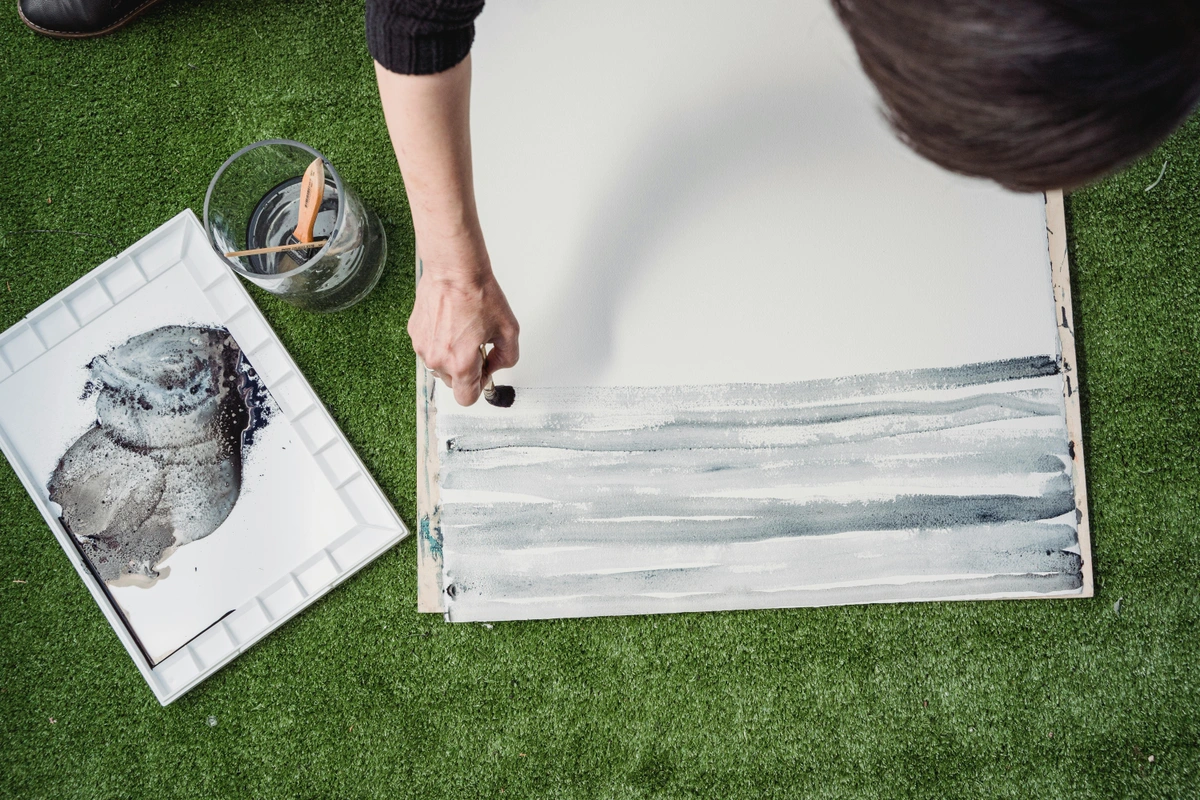
- Lightfastness Ratings: This tells you how well a color resists fading over time when exposed to light. Look for paints with ratings on their packaging (often stars or Roman numerals). For beginners, perfectly archival quality isn't critical for practice pieces, but avoiding totally fugitive (will fade quickly) colors is a good idea. Why paint a masterpiece if it's going to disappear? (Unless, of course, that's your specific artistic statement, but I digress!).
- Pigment Information: Good paints will list the pigment codes (e.g., PY3, PB29) on the packaging. This tells you exactly what pigments are used. Single-pigment colors are generally cleaner and mix better, which is a dream for beginners learning color theory.
- Color Selection: For a starter set, you really don't need 72 colors. A well-chosen set of 12-24 colors, including warm and cool yellows, reds, and blues, plus some greens, browns, and an earth tone or two, is more than enough. In fact, fewer colors force you to learn mixing, which is a superpower in watercolor!
Don't Forget the Essentials (It's Not Just About the Paint!)
Okay, you've got your paints picked out – congratulations! But hold your horses, you’re not quite ready to unleash your inner artist just yet. Good paint needs good partners. This is where your other supplies come in, and trust me, they matter a lot. A fantastic watercolor needs equally fantastic paper, for instance! I've dedicated a whole article to best watercolor paper for artists review and another to essential watercolor supplies for beginners because they're that important. Seriously, read those next. Think of it as painting 101, but from my slightly irreverent perspective.
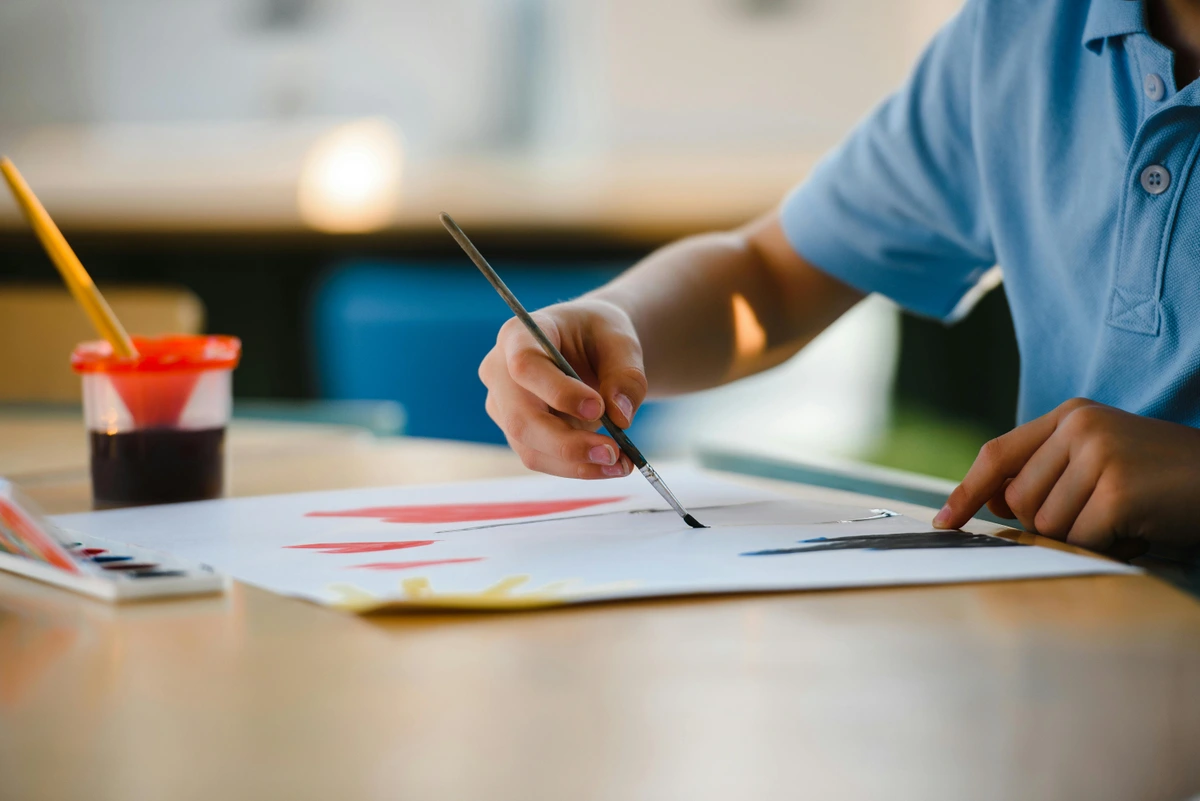
Briefly, you'll need:
- Good Quality Watercolor Paper: This is non-negotiable. Cheap paper buckles, pills, and makes even the best paints look bad. Look for at least 140lb (300gsm) paper.
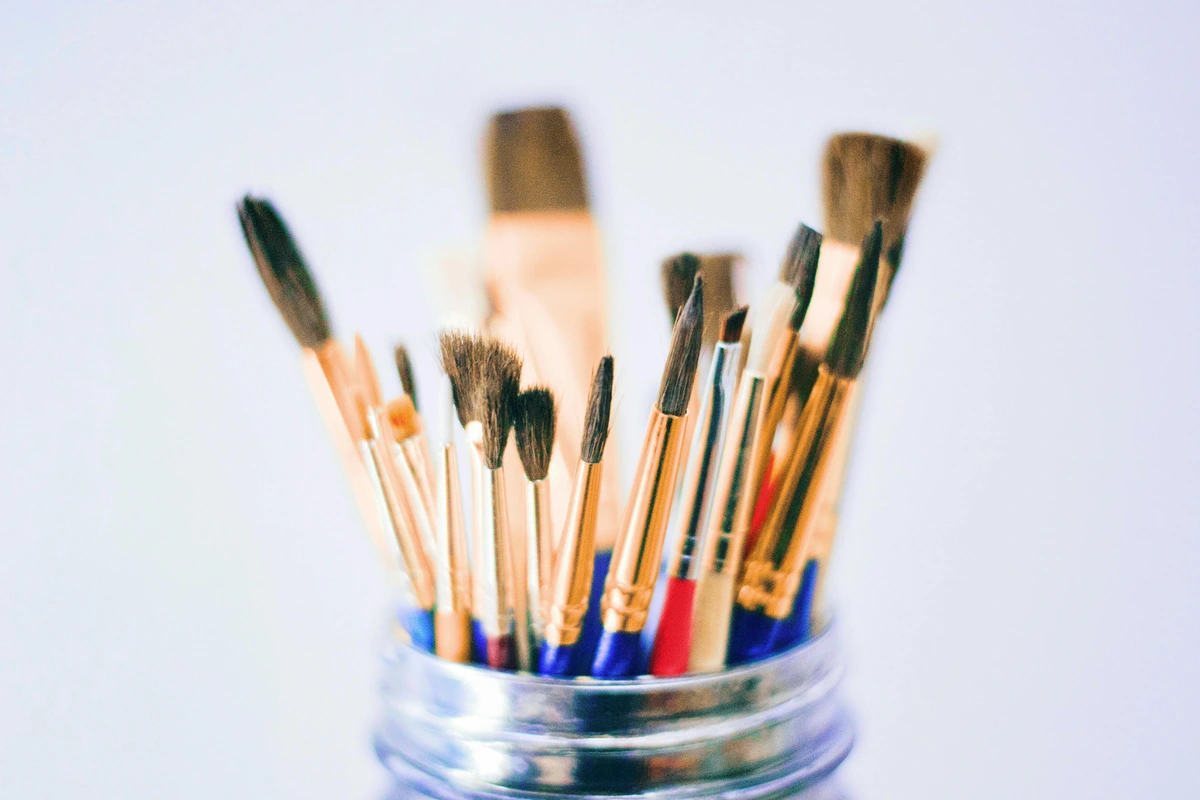
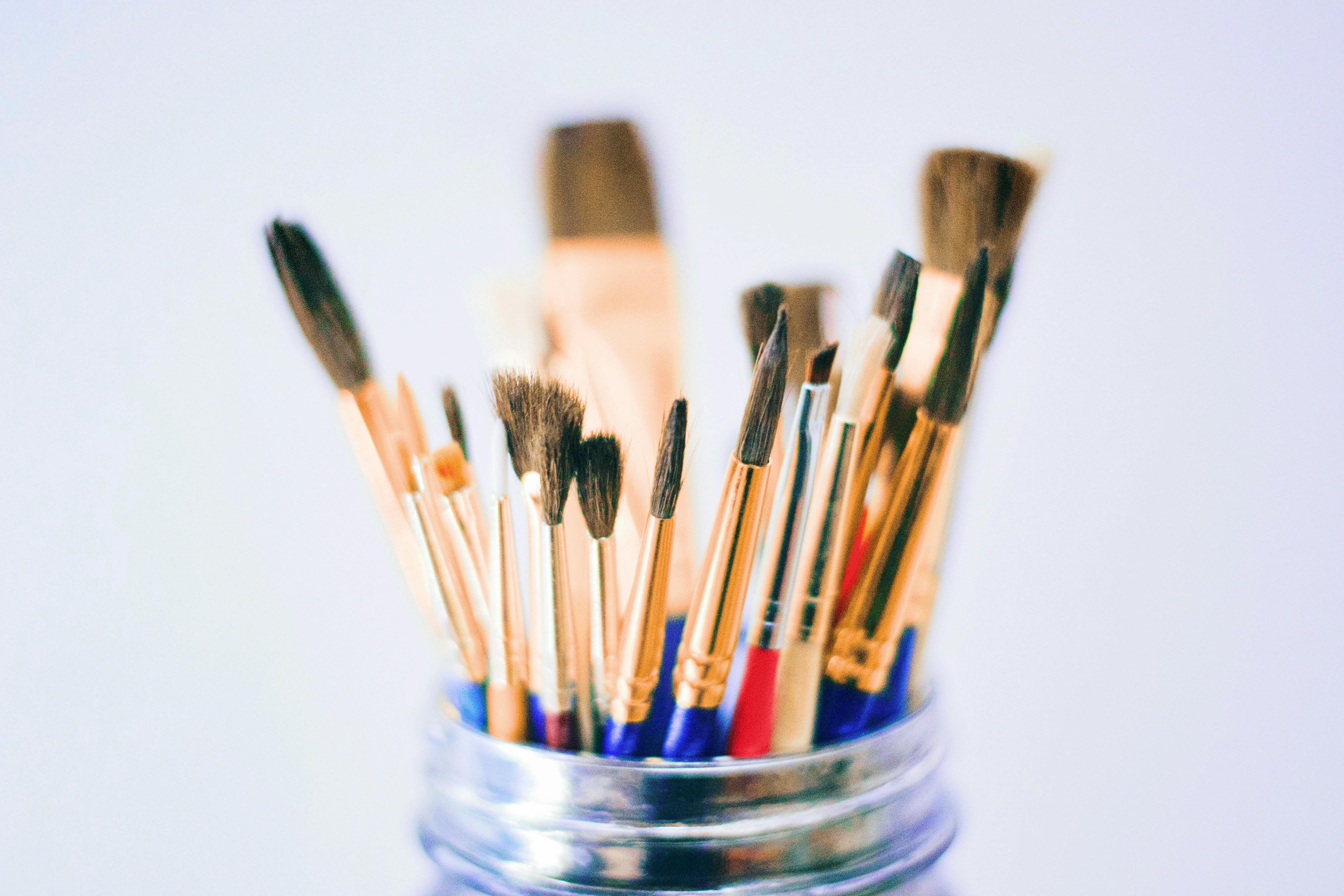
- A Few Brushes: A round brush (size 6 or 8 is a good start) and a flat wash brush (1/2 inch) will get you far. You don't need a whole arsenal, just a couple of decent quality synthetic brushes.
- Two Water Containers: One for rinsing dirty brushes, one for clean water to mix with paint. Trust me, this prevents muddy colors!
- A Palette: If you're using tubes, a ceramic plate from your kitchen works wonders for mixing. Even the lid of a pan set often has mixing areas.
- Paper Towels or a Rag: For blotting excess water from your brush or lifting color from your painting.
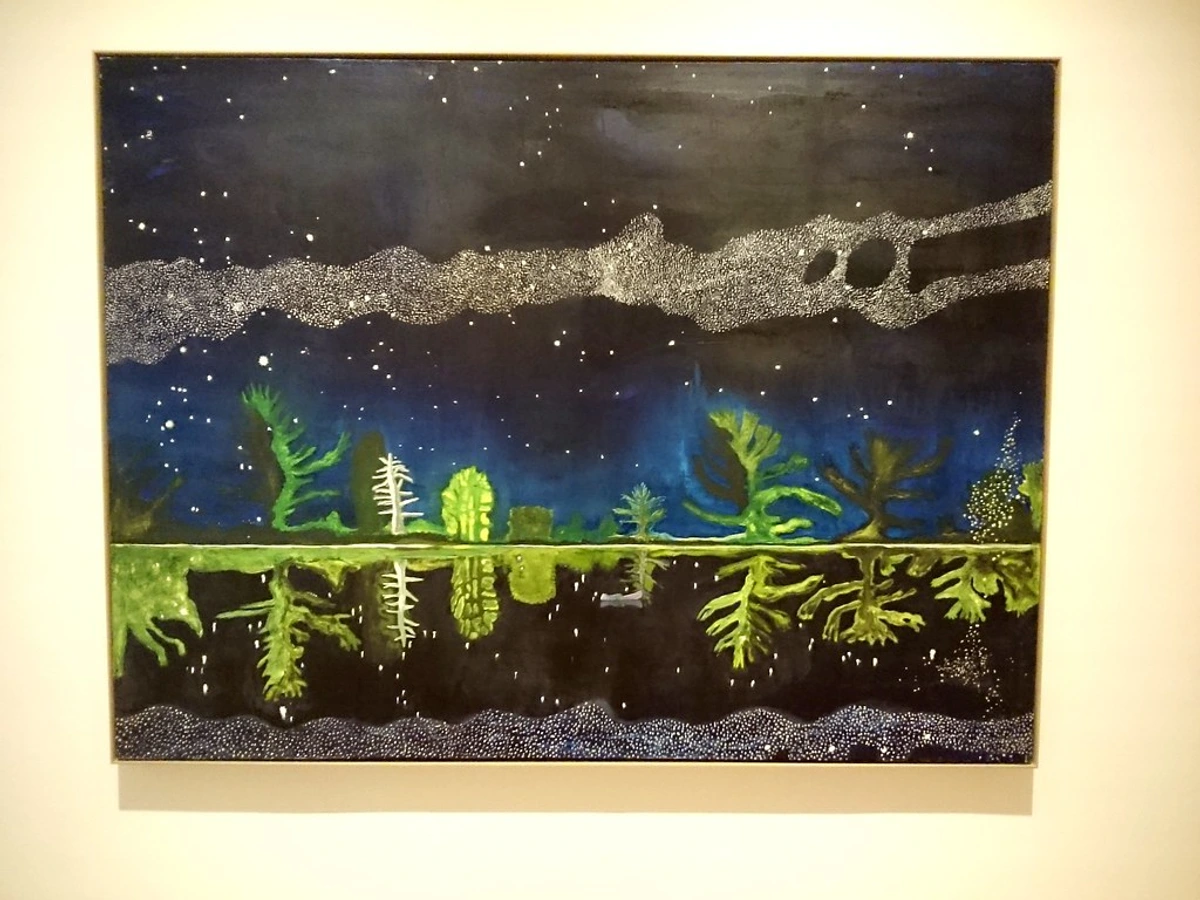
Taking the Leap: My Advice for Your First Strokes
So, you've got your glorious new paints, your paper is ready, your water is sparkling clean. Now what? My biggest piece of advice: don't be afraid to make a mess. Seriously. Your first paintings aren't going to be gallery-worthy masterpieces, and that's absolutely okay. They're about exploration, learning what the paint does, how the water behaves, and what colors sing together (or argue loudly!).
I’ve spent countless hours just playing with colors, watching them blend and bleed, seeing how many layers I can build before the paper screams "enough!" It’s a process. Embrace the learning. Don’t compare your beginning to someone else’s middle or end. Everyone starts somewhere, and that's truly one of the most exciting parts of the artistic journey. If you're looking for some guidance on techniques, I've got a helpful article on basic watercolor techniques for beginners.
Frequently Asked Questions (Because We All Have Them)
Even after all this chat, I bet a few questions are still swirling in your mind. Let's tackle some of the common ones I hear.
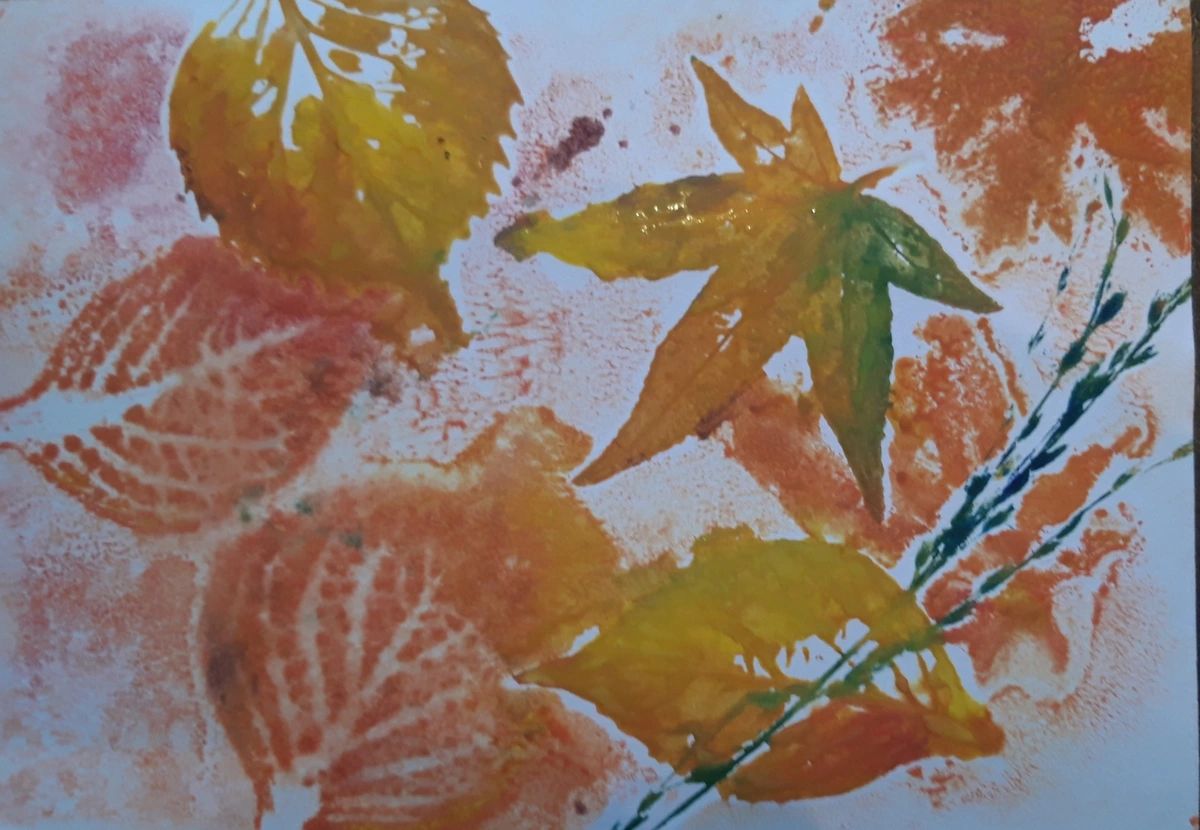
How many watercolor colors do I really need as a beginner?
Honestly? A set of 12-24 is more than enough. You'll learn so much more by mixing colors than by having every shade pre-made. Focus on having a good primary triad (red, yellow, blue) in both warm and cool tones, plus a few earth tones and maybe a green. It's truly amazing what you can achieve with a limited palette!

Can I mix student-grade and artist-grade watercolor paints?
Absolutely! I do it all the time. Sometimes I'll use a student-grade paint for a large background wash and then layer a more vibrant, artist-grade pigment for details. There are no "watercolor police" coming to check your palette, I promise. Just be aware that the artist-grade paints will likely be more intense and opaque, so adjust your water ratios accordingly.
How long do watercolor paints last?
A surprisingly long time! Pan paints can last for years, even decades, if kept dry and clean. Tubes, if sealed properly, also have a very long shelf life. If they dry out in the pan, just add a drop of water. If tubes get a bit stiff, you might be able to revive them with a tiny bit of water and mixing. The pigments themselves are pretty stable, it's mostly about the binder keeping them workable.
Is expensive paint worth it for beginners?
Generally, no, not for your first set. Good student-grade paints provide an excellent learning experience without the hefty price tag. Once you've developed some skills and know you're committed to the medium, then investing in a few artist-grade tubes or a professional set can be a wonderful next step. You'll truly appreciate the difference then!
What's a good palette for beginners using tube paints?
For tube paints, a simple ceramic plate from your kitchen works wonders! Old dinner plates, saucers, anything non-porous. Otherwise, a dedicated porcelain or plastic watercolor palette with wells is great. I personally love ceramic for mixing because the paint doesn't bead up, and colors look true.
Conclusion: Just Dive In, My Friend!
Ultimately, choosing your first watercolor paints shouldn't be a source of stress. It should be the beginning of a beautiful, colorful journey. Think of it as inviting a new friend into your creative space. Pick a set that excites you, fits your budget, and then just start. Don't overthink it. The real magic happens not in the perfection of your supplies, but in the joy of creating.







Remember, every great artist started as a beginner, often with humble supplies. What matters is the act of doing, of learning, of expressing. And who knows, maybe one day your stunning creations will be available for others to /buy, or even inspire the next generation visiting the museum. So, grab those paints, my friend. Your adventure awaits!