Art Myths Debunked: Separating Fact from Fiction
Explore common misconceptions in the art world and uncover the truth behind myths about art valuation, artistic genius, and market trends.

Art Myths Debunked: Separating Fact from Fiction
I remember the first time I walked into an art gallery, feeling a mix of awe and intimidation. The hushed tones, the reverent glances, the price tags that made my eyes water—it all seemed so mysterious, so untouchable. But as I’ve spent more time in this world, I’ve realized that much of what we think we know about art is wrapped up in myths and misconceptions. Let’s pull back the curtain and separate fact from fiction.
Art has always been a subject of fascination, debate, and sometimes confusion. Whether you're an artist, a collector, or simply someone who appreciates beauty, understanding the truth behind common art myths can enrich your experience and deepen your connection to the art world.
Art has always been a subject of fascination, debate, and sometimes confusion. Whether you're an artist, a collector, or simply someone who appreciates beauty, understanding the truth behind common art myths can enrich your experience and deepen your connection to the art world.
Why Debunking Art Myths Matters
Myths about art can create barriers for both artists and enthusiasts. They can discourage aspiring artists from pursuing their passion or make art seem inaccessible to those who might otherwise enjoy it. By debunking these myths, we can foster a more inclusive and vibrant art community where everyone feels welcome to explore and create.
The Myth of the "Starving Artist"
You’ve heard it before: artists are doomed to a life of poverty, struggling in attics while their work goes unrecognized. But is this really the case?
The idea of the "starving artist" has been romanticized in literature and film, but it’s far from the whole truth. While financial challenges are real, many artists find ways to thrive and sustain their careers.

The Reality
While it’s true that many artists face financial challenges, the idea that all artists are poor is a stereotype. Some artists thrive commercially, and others find fulfillment in teaching, commissions, or residencies. The key is diversifying income streams and understanding the market.
Artists today have more opportunities than ever before. Online platforms, social media, and digital marketplaces have opened new avenues for selling art, connecting with audiences, and collaborating with other creatives. Additionally, grants, fellowships, and artist residencies provide financial support and resources for artists to develop their work.
What You Can Do
If you’re an artist, don’t wait for fame to find you. Build a portfolio, network, and explore different avenues like prints and originals. If you’re a collector, support artists by purchasing their work or visiting exhibitions.
For artists, consider the following steps:
- Build a Strong Portfolio: Showcase your best work in a professional manner.
- Network: Connect with other artists, galleries, and potential buyers.
- Explore Multiple Revenue Streams: Sell prints, offer commissions, or teach workshops.
For collectors, supporting artists can be as simple as attending local exhibitions, purchasing artwork, or sharing an artist’s work on social media.
The Myth of "Art is Only for the Elite"
Art galleries and museums can feel exclusive, but art itself is for everyone. The idea that you need a degree in art history to appreciate a painting is a myth.
Art is a universal language that transcends cultural, educational, and socioeconomic boundaries. It’s about personal connection and emotional resonance, not academic credentials.
The Role of Public Art
Public art installations and community projects play a crucial role in making art accessible to everyone. These initiatives bring art out of galleries and into public spaces, allowing people from all walks of life to engage with it. Examples include murals in urban areas, sculptures in parks, and interactive installations in community centers.
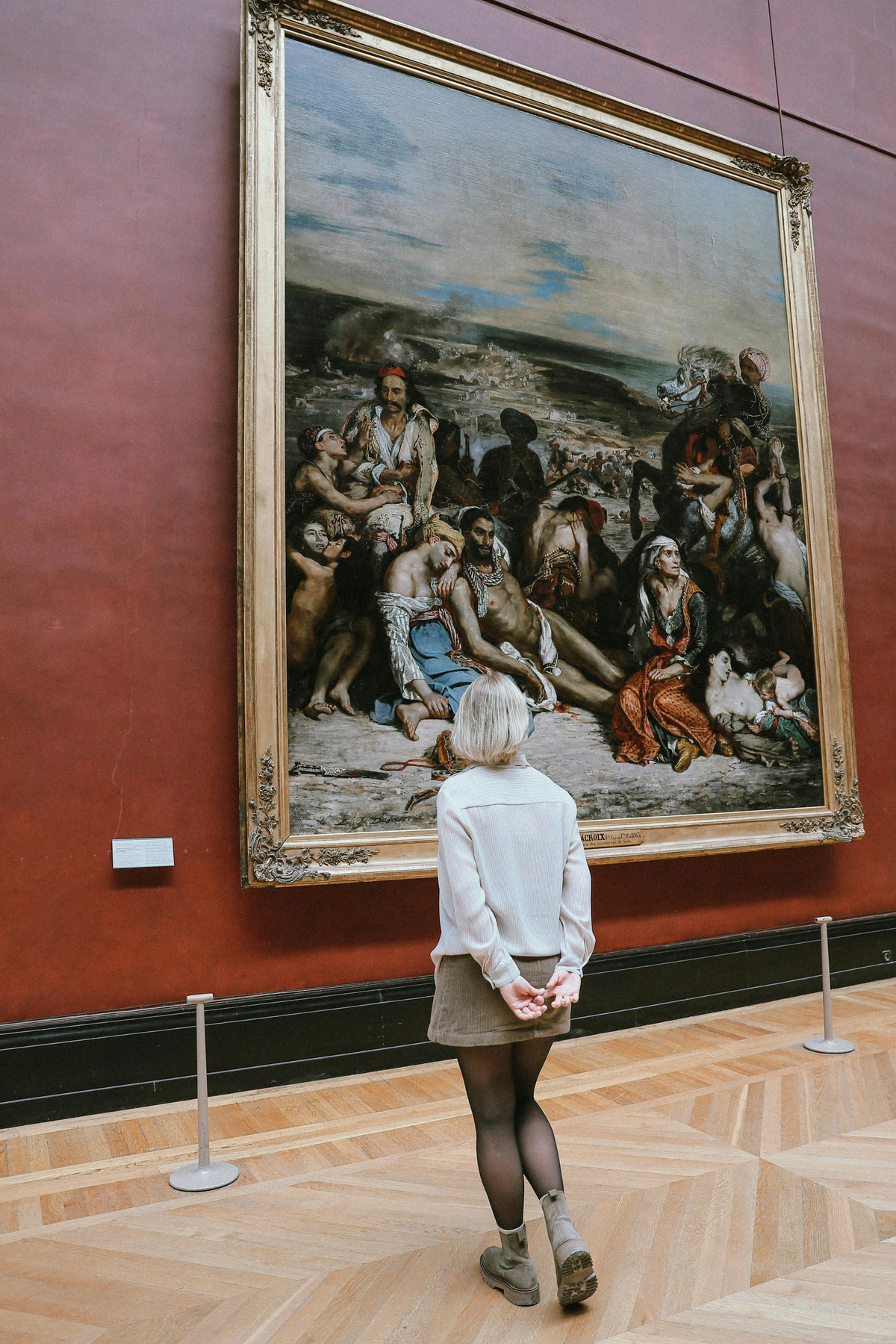
Public art fosters a sense of community and belonging. It can transform public spaces into vibrant hubs of creativity and dialogue, making art an integral part of everyday life.
The Reality
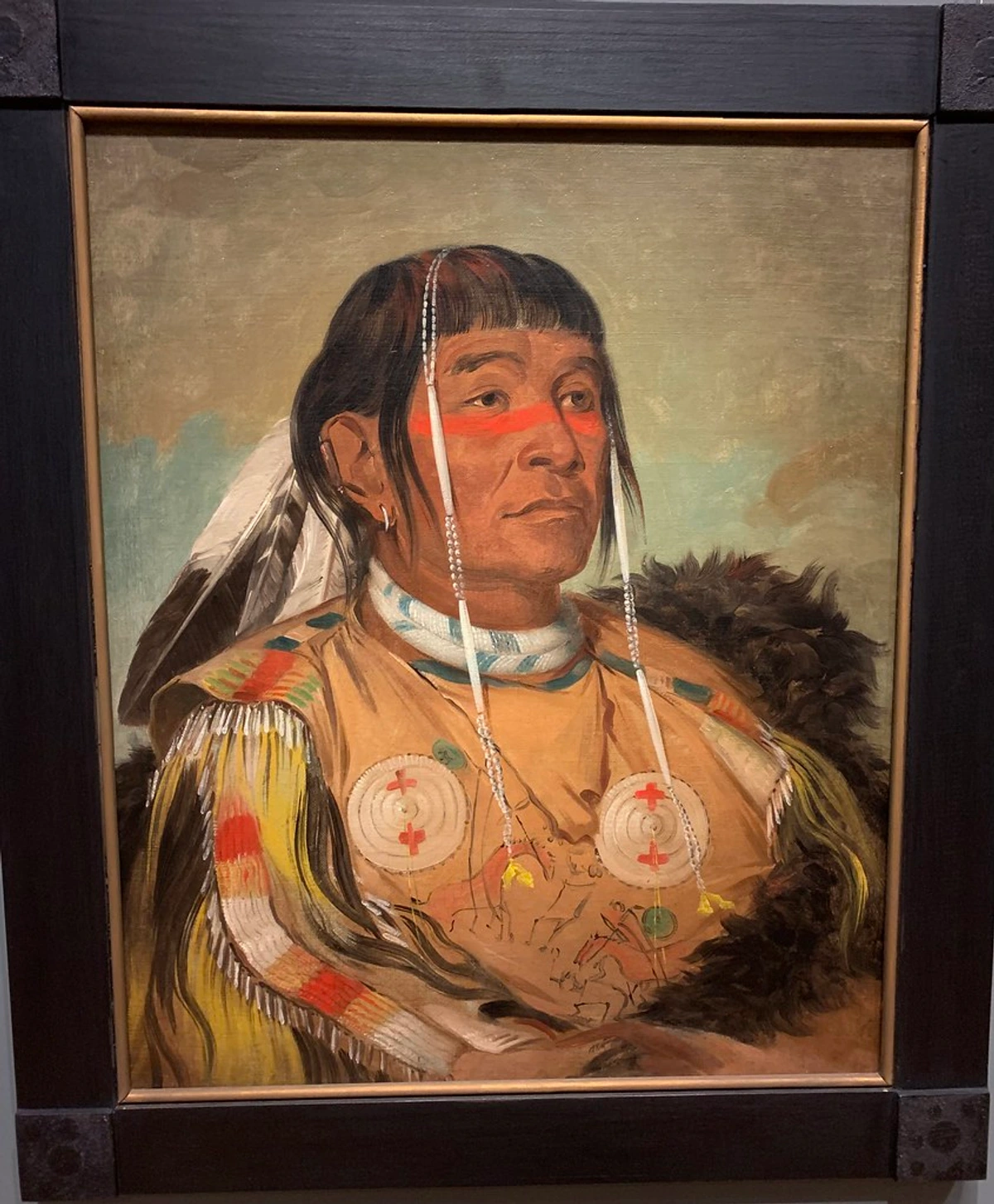
Art is about emotion, connection, and personal interpretation. You don’t need to know the technical terms to feel something when you look at a piece. The best art speaks to you on a personal level.
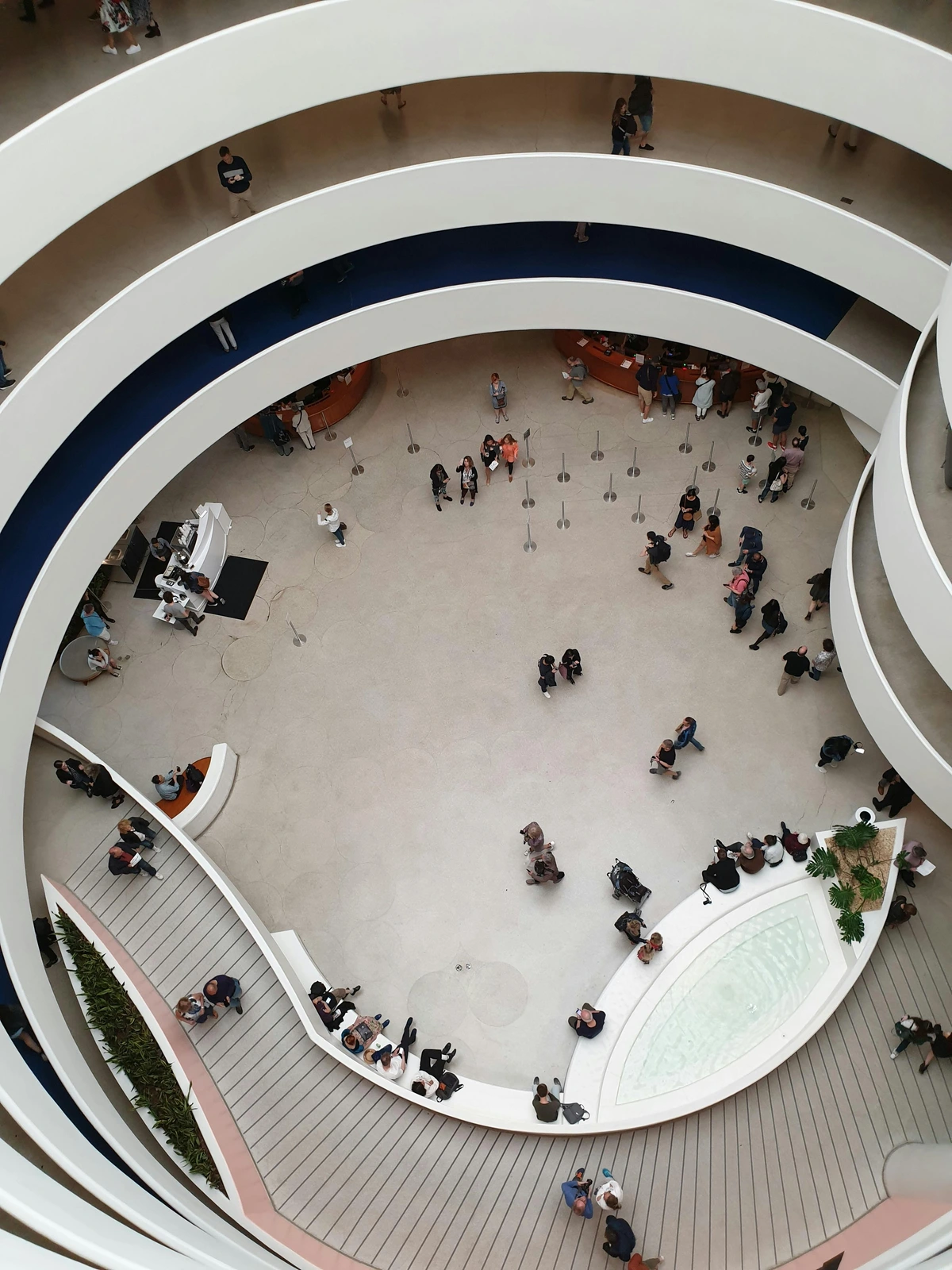
Art appreciation is subjective. What moves one person may not resonate with another, and that’s perfectly okay. The beauty of art lies in its ability to evoke different emotions and interpretations in each viewer.
What You Can Do
Visit local galleries, attend art fairs, or explore online platforms. Don’t be afraid to ask questions or share your thoughts. Art is a conversation, not a lecture.
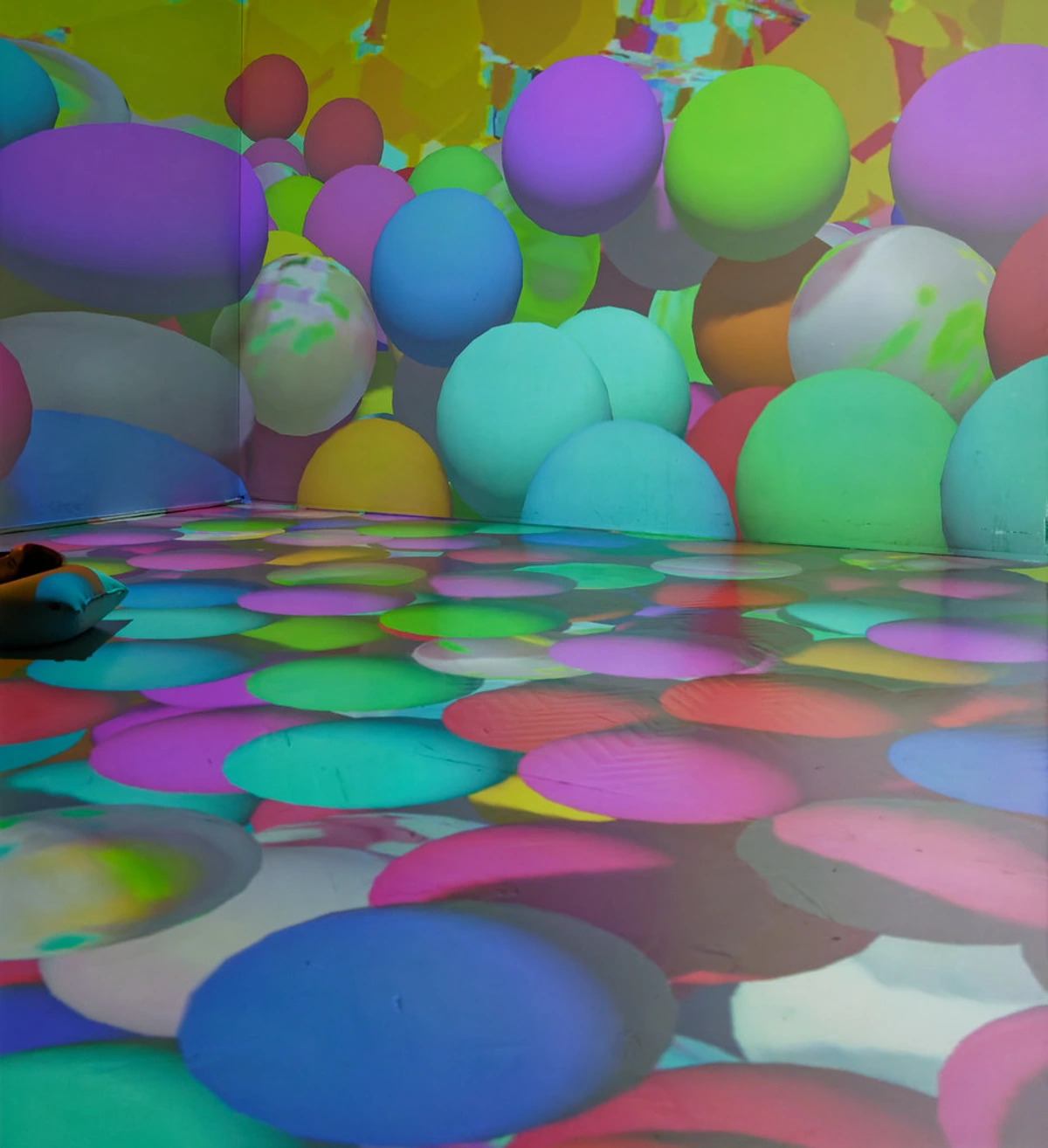
Here are some ways to engage with art:
- Visit Local Galleries and Museums: Many offer free or discounted admission days.
- Attend Art Fairs and Festivals: These events often feature a diverse range of artists and styles.
- Explore Online Platforms: Websites and social media platforms provide access to art from around the world.
- Join Art Communities: Participate in discussions, workshops, or online forums to connect with other art enthusiasts.
The Myth of "Art is Only Valuable if It’s Old"
Many people assume that only centuries-old masterpieces are worth anything. But contemporary art has its own value and market.
While historical artworks hold significant cultural and monetary value, contemporary art offers a unique perspective on the world we live in today. It reflects current issues, trends, and innovations, making it equally valuable and relevant.
The Reality
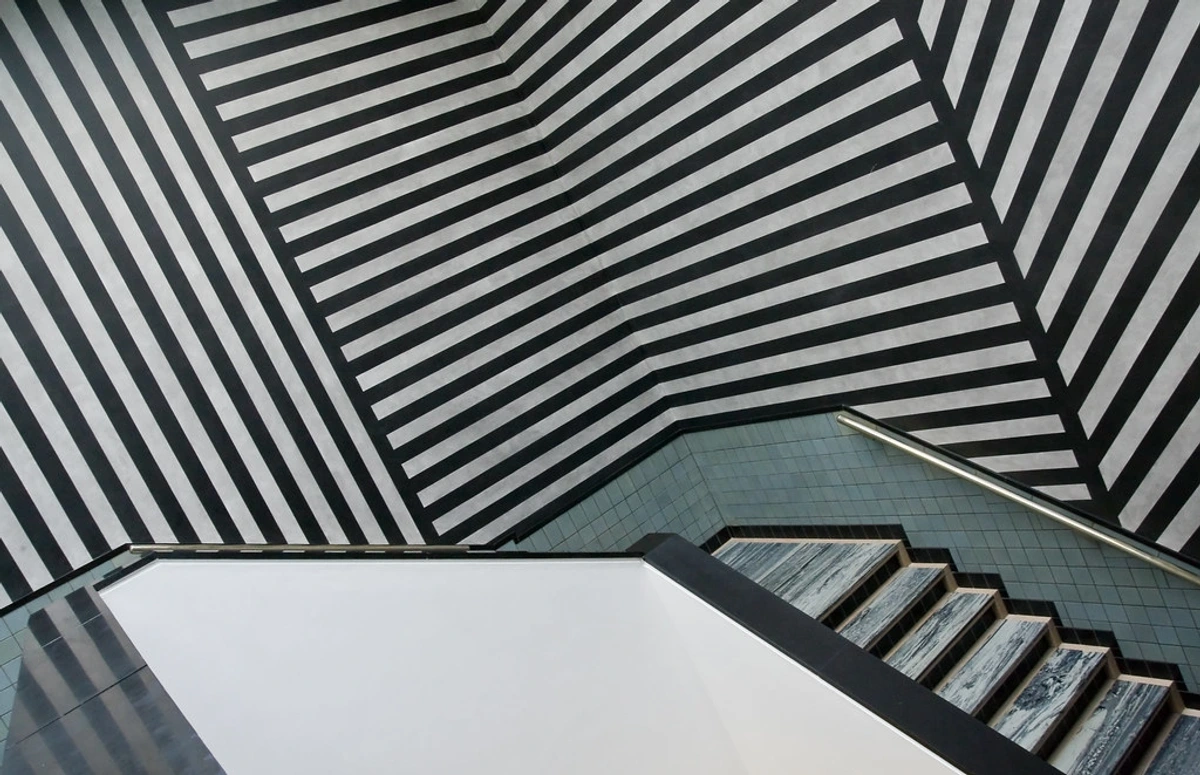
Contemporary art reflects the issues and aesthetics of our time. It can be just as meaningful and valuable as historical pieces. Plus, buying contemporary art supports living artists and the current art scene.
Contemporary art is dynamic and diverse, encompassing a wide range of styles, mediums, and themes. It challenges traditional notions of art and pushes boundaries, making it an exciting and evolving field.
What You Can Do
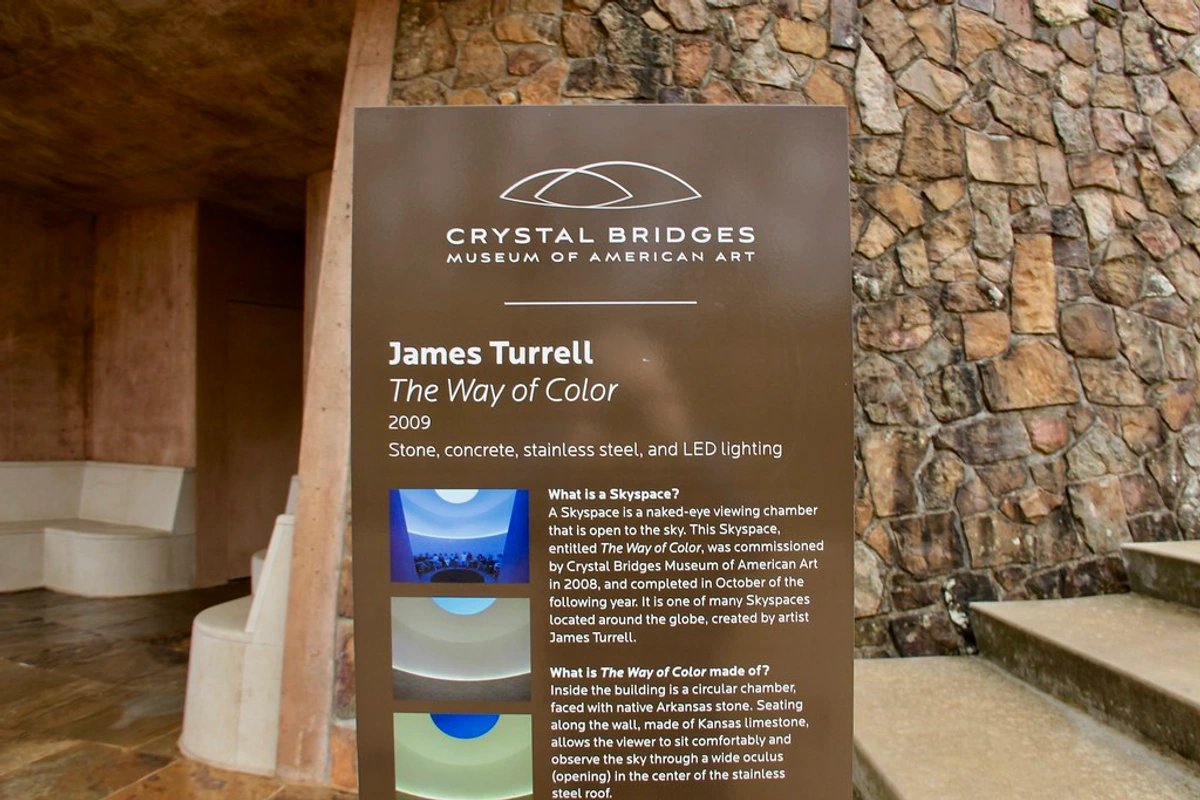
Explore contemporary galleries or online platforms. Look for pieces that resonate with you, whether they’re by established artists or emerging talents.
Here are some ways to engage with contemporary art:
- Visit Contemporary Art Galleries: These spaces often feature cutting-edge works by living artists.
- Follow Emerging Artists: Social media platforms are great for discovering new talent.
- Attend Art Auctions and Fairs: These events showcase a variety of contemporary works and provide opportunities to purchase art.
- Support Local Art Scenes: Buy artwork from local artists or attend community art events.
The Myth of "Art is Only About Skill"
There’s a common belief that art is only about technical skill—how realistic a painting looks, how precise the lines are. But art is so much more than that.
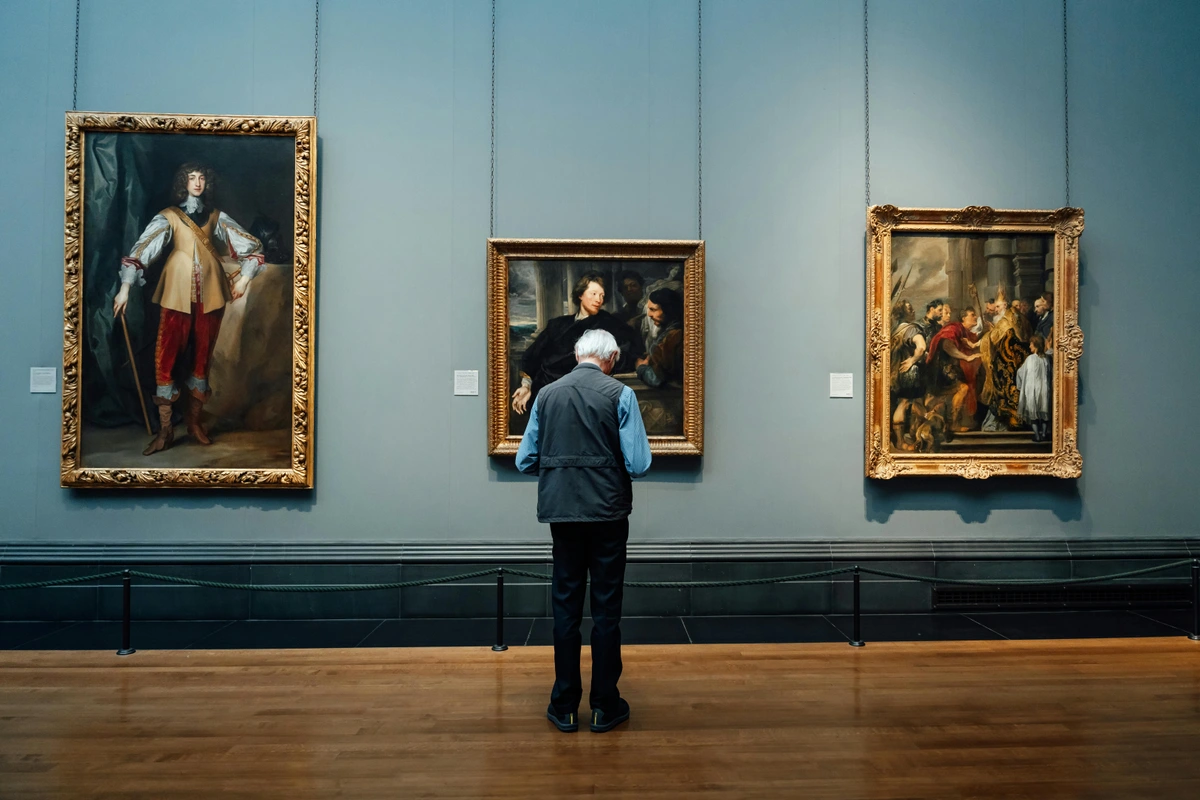
While technical skill is important, it’s not the sole determinant of artistic value. Art is about expression, creativity, and the ability to convey emotions and ideas.
The Reality
Art is about expression, emotion, and ideas. Some of the most powerful pieces are abstract or conceptual, focusing on the message rather than the technique.
Abstract and conceptual art, for example, often prioritize the underlying concept or emotional impact over technical precision. These forms of art challenge viewers to think critically and engage with the artwork on a deeper level.
What You Can Do
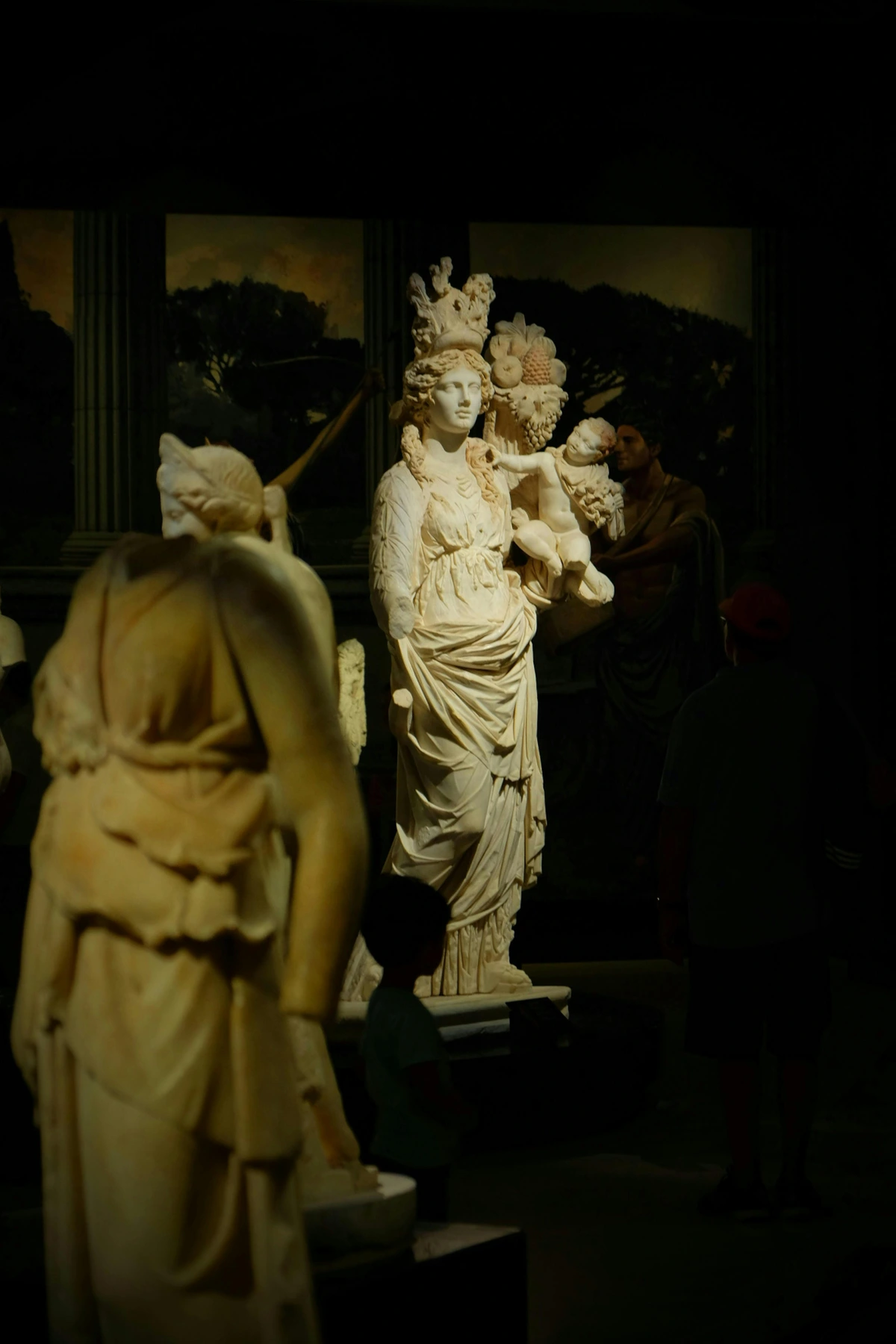
Don’t dismiss a piece just because it doesn’t look "perfect." Ask yourself what the artist is trying to say. Visit the museum in Den Bosch to see a range of styles and techniques.
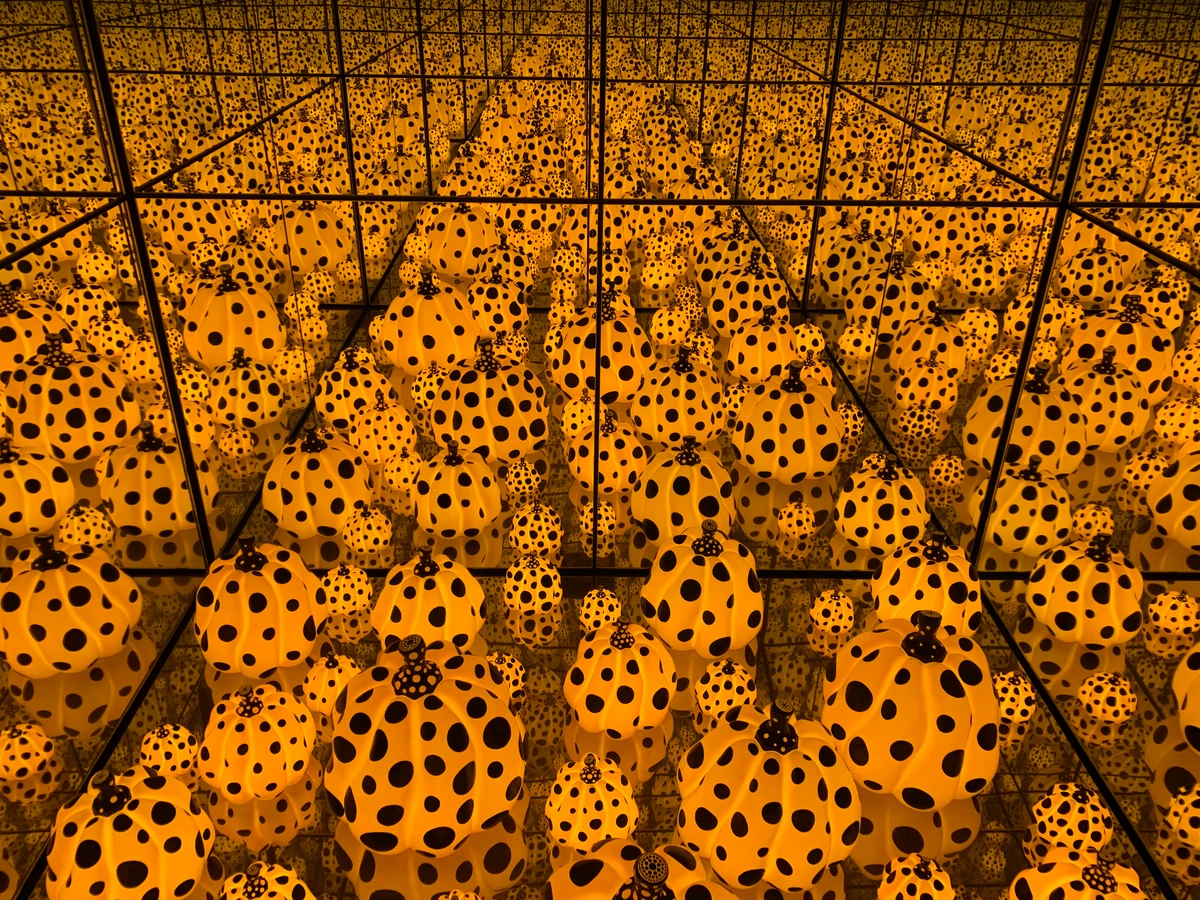
To appreciate art beyond technical skill:
- Engage with the Artwork: Spend time observing and reflecting on what the artwork communicates.
- Learn About the Artist’s Intent: Understanding the artist’s background and intentions can provide deeper insight.
- Explore Different Styles: Visit museums, galleries, and exhibitions to experience a variety of artistic expressions.
The Myth of "Art is a Solo Endeavor"
We often picture artists working alone in their studios, but art is rarely created in isolation.
Art is a collaborative and communal process. Artists draw inspiration from their surroundings, engage with other creatives, and often work together on projects.
The Reality
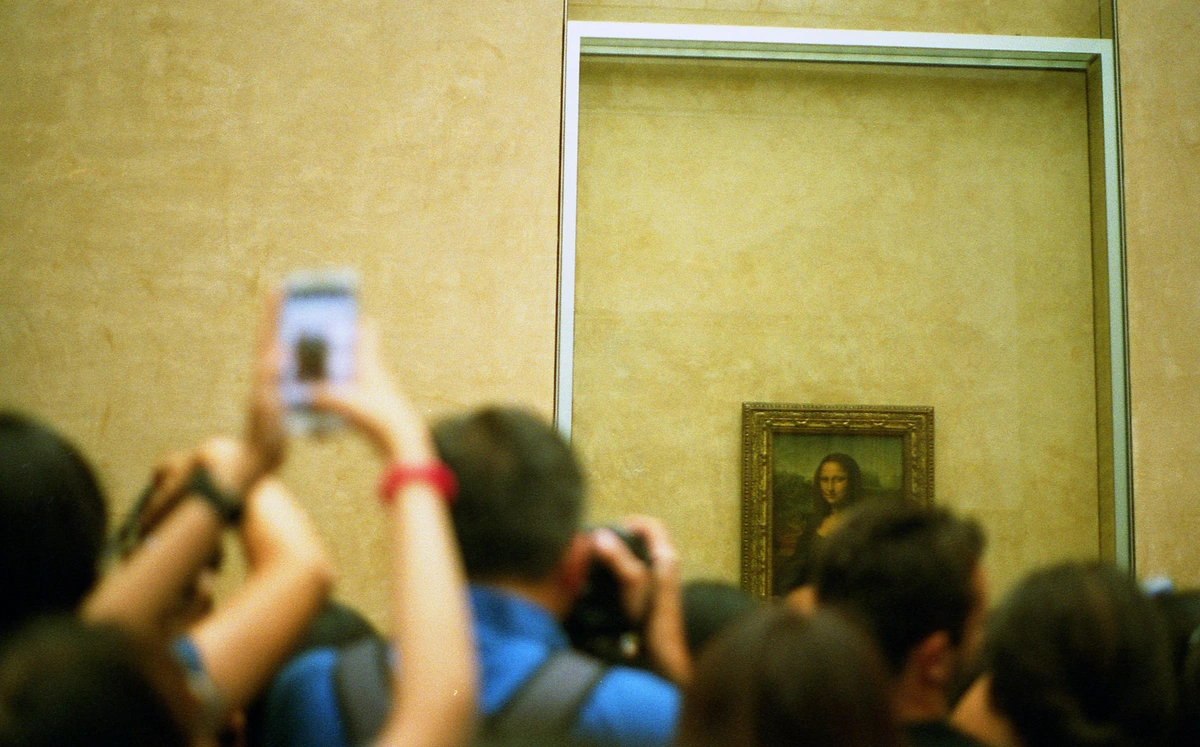
Artists collaborate, seek feedback, and draw inspiration from others. The art world is a community, and many pieces are the result of collective effort.
Collaboration in the art world can take many forms, from joint exhibitions and public art projects to online communities and artist collectives. These collaborations foster creativity, innovation, and a sense of belonging.
What You Can Do
Engage with the art community. Attend workshops, join art groups, or follow artists on social media. Collaboration can lead to new ideas and opportunities.
Here are some ways to connect with the art community:
- Attend Workshops and Classes: Learn new techniques and meet fellow artists.
- Join Art Groups and Collectives: These groups provide support, feedback, and opportunities for collaboration.
- Participate in Online Forums: Engage in discussions, share your work, and connect with artists worldwide.
- Follow Artists on Social Media: Platforms like Instagram and TikTok are great for discovering and engaging with artists.
FAQ
Is art a good investment?
Art can be a good investment, but it’s not guaranteed. The value of art depends on many factors, including the artist’s reputation, market trends, and the piece’s condition. Do your research and buy what you love.
Investing in art requires careful consideration. While some artworks appreciate significantly over time, others may not. It’s essential to research the artist, understand market trends, and consult with experts before making a purchase.
What Are the Risks of Investing in Art?
Investing in art comes with risks, including market volatility and the potential for forgery. It’s important to work with reputable dealers and appraisers to ensure the authenticity and value of the artwork. Diversifying your art collection can also help mitigate risks.
How do I know if a piece of art is valuable?
Value is subjective, but some indicators include the artist’s reputation, the piece’s provenance (history of ownership), and its condition. Consult experts or appraisers if you’re unsure.
Here are some factors to consider when assessing the value of art:
- Artist’s Reputation: Established artists with a strong track record often command higher prices.
- Provenance: A well-documented history of ownership can enhance an artwork’s value.
- Condition: The physical state of the artwork, including any damage or restoration, affects its value.
- Market Trends: Current demand for the artist’s work or specific styles can influence value.
If you’re unsure, consulting with art appraisers or experts can provide valuable insights.
Can anyone become an artist?
Yes! Art is about expression, not just skill. Anyone can create art, and everyone has a unique perspective to share. Start with what you love and experiment.
Art is accessible to everyone, regardless of skill level or background. The key is to explore your creativity, experiment with different mediums, and find your unique voice. Whether you’re painting, sculpting, or creating digital art, the journey is about self-expression and discovery.
How do I start collecting art?
Start small. Visit local galleries, attend art fairs, or explore online platforms. Buy pieces that speak to you, and don’t be afraid to ask questions.

Starting an art collection can be an exciting and rewarding experience. Here are some steps to get you started:
- Set a Budget: Determine how much you’re willing to spend and stick to it.
- Research: Learn about different artists, styles, and mediums to find what resonates with you.
- Visit Galleries and Exhibitions: These spaces offer opportunities to see artwork in person and connect with artists.
- Ask Questions: Don’t hesitate to ask gallery owners, artists, or experts for more information about a piece.
- Buy What You Love: Choose artwork that speaks to you personally, rather than focusing solely on investment potential.
What’s the difference between prints and originals?
Originals are one-of-a-kind pieces created by the artist. Prints are reproductions, often made in limited editions. Both can be valuable, but originals are typically more expensive. Check out prints and originals to see the range.
Understanding the difference between prints and originals can help you make informed decisions when purchasing art:
- Originals: These are unique works created directly by the artist. They are often more valuable due to their uniqueness and the artist’s direct involvement.
- Prints: These are reproductions of original artwork, often produced in limited editions. While they may be more affordable, they can still hold significant value, especially if they are part of a limited series.
Both prints and originals have their place in an art collection, and the choice ultimately depends on your personal preferences and budget.
How Can I Ensure the Authenticity of Prints?
To ensure the authenticity of prints, look for certificates of authenticity and documentation of the print run. Work with reputable dealers and galleries who can provide detailed information about the artwork’s provenance and the artist’s involvement in the printing process.










Conclusion
Art is full of myths and misconceptions, but it’s also full of wonder and possibility. Don’t let stereotypes or intimidation keep you from exploring this incredible world. Whether you’re an artist, a collector, or just someone who appreciates beauty, there’s a place for you in the art community. So go ahead, dive in, and discover what speaks to you.
Art is a journey of exploration, expression, and connection. By debunking common myths and embracing the diversity of the art world, you can enrich your life and contribute to a vibrant, inclusive community. Whether you’re creating, collecting, or simply appreciating art, remember that the most important thing is to find what resonates with you and enjoy the experience.
The Future of Art
The art world is constantly evolving, with new technologies, mediums, and platforms emerging all the time. From digital art and virtual reality to community-driven projects and social activism, the future of art is bright and full of possibilities. By staying open-minded and engaged, you can be a part of this exciting journey and help shape the future of art.
As technology continues to advance, artists are exploring innovative ways to create and share their work. Virtual reality, augmented reality, and interactive installations are just a few examples of how art is evolving in the digital age. These advancements offer new opportunities for artists to connect with audiences and push the boundaries of traditional art forms.
Final Thoughts
Art is not just about aesthetics or investment; it’s about connecting with others, expressing yourself, and exploring the world around you. By challenging myths and embracing the true spirit of art, you can unlock a world of creativity, inspiration, and joy. So go ahead, explore, create, and connect—there’s a whole world of art waiting for you.
Art has the power to inspire, provoke thought, and bring people together. It transcends language and cultural barriers, offering a universal means of communication and expression. Whether you’re an artist, a collector, or an enthusiast, the world of art is vast and full of possibilities. Embrace the journey, and let art enrich your life in ways you never imagined.
Additional Resources
For those interested in further exploration, consider visiting local art institutions, attending workshops, or engaging with online art communities. These resources can provide valuable insights and opportunities to deepen your understanding and appreciation of art.
Here are some additional resources to help you on your art journey:
- Books: Explore books on art history, techniques, and artist biographies to gain a deeper understanding of the art world.
- Documentaries: Watch documentaries about artists and art movements to see the creative process in action.
- Online Courses: Enroll in online courses to learn new techniques and expand your artistic skills.
- Art Magazines: Subscribe to art magazines to stay updated on the latest trends and exhibitions.
By immersing yourself in the world of art, you can continue to grow and evolve as an artist, collector, or enthusiast. The journey is endless, and the possibilities are limitless.