The Art Market Unpacked: Galleries, Dealers, Advisors, & Auctions Explained
Demystify the art world with our definitive guide. Explore art galleries, dealers, advisors, and auction houses. Learn about primary & secondary markets, art investment, provenance, and expert tips for collectors and artists.

The Art Market Unpacked: Your Definitive Guide to Galleries, Dealers, and Art Advisors
I know, the art market can often feel like a secret club with its own arcane rituals and hushed conversations. I remember feeling that subtle, unspoken protocol when first approaching a gallerist at an art fair, or observing the insider language exchanged at an auction house. It’s an intricate dance of transactions and relationships that often appears opaque to the uninitiated. But at its core, it’s a vibrant ecosystem where creators connect with collectors, orchestrated by a few key players: the art gallery, the art dealer, and, increasingly, the art advisor. While all are indispensable conduits, their operational models, market focus, and fundamental objectives are, I’ve found, remarkably distinct. Understanding these differences isn't just about insider knowledge; it's paramount for anyone seeking to engage meaningfully with the art world, whether you’re a seasoned collector, an emerging artist, or just a curious observer trying to find your footing. My aim with this guide, our definitive resource on the topic, is to pull back the curtain, clarify the functions of these key players, and dissect their unique contributions to the art ecosystem. I want to empower you to navigate this dynamic landscape with precision and, dare I say, a little swagger.
Understanding the Art Market: Primary vs. Secondary
Before we dive into the specific roles, let's clarify two foundational concepts that will make everything else click: the primary market and the secondary market. I think of it like this: it's a crucial distinction that many guides gloss over, but here at Zenmuseum, we believe in unpacking it fully.
- The Primary Market is where newly created artworks are sold for the very first time. This is often directly from an artist's studio, typically facilitated by an art gallery. Think of it as buying a brand-new car straight from the manufacturer's showroom – pristine, fresh, and often seeing it for the first time. When you acquire a piece here, you're directly supporting a living artist's career and investing in their future.
- The Secondary Market is where artworks are resold after their initial purchase. These are pieces that have previously been owned by collectors and are now re-entering the market. Imagine acquiring a prized, meticulously vetted vintage automobile; it's had prior owners, but its value might have appreciated. This market encompasses works by deceased masters, pieces by artists who have transitioned from prior gallery representation, or significant works that collectors wish to deaccession (a fancy word for strategically selling off parts of their collection, which, trust me, is a whole process in itself, often driven by changing tastes, financial planning, or a desire to make space for new acquisitions).
Understanding which market you're operating in is crucial because it dictates who you interact with and the nuances of the transaction. It's the first step in truly understanding this complex ecosystem.
What is an Art Gallery? The Public Stage and Cultivator
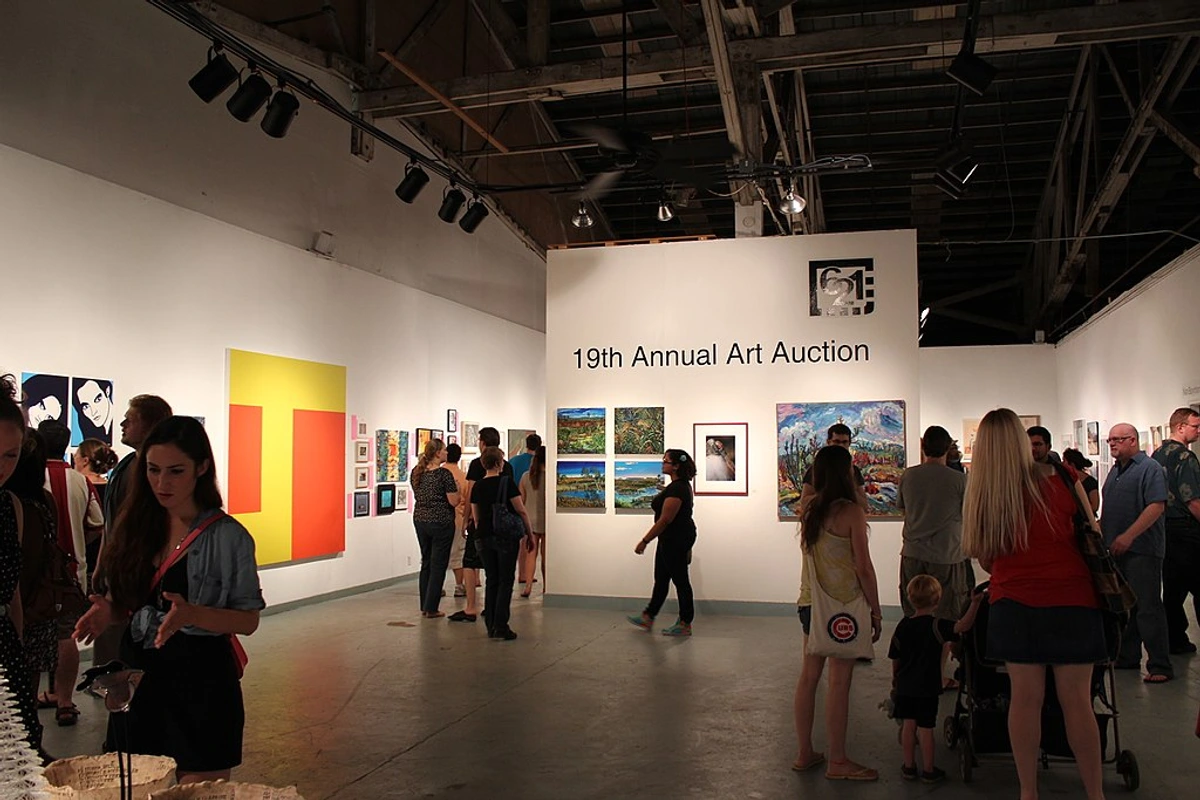
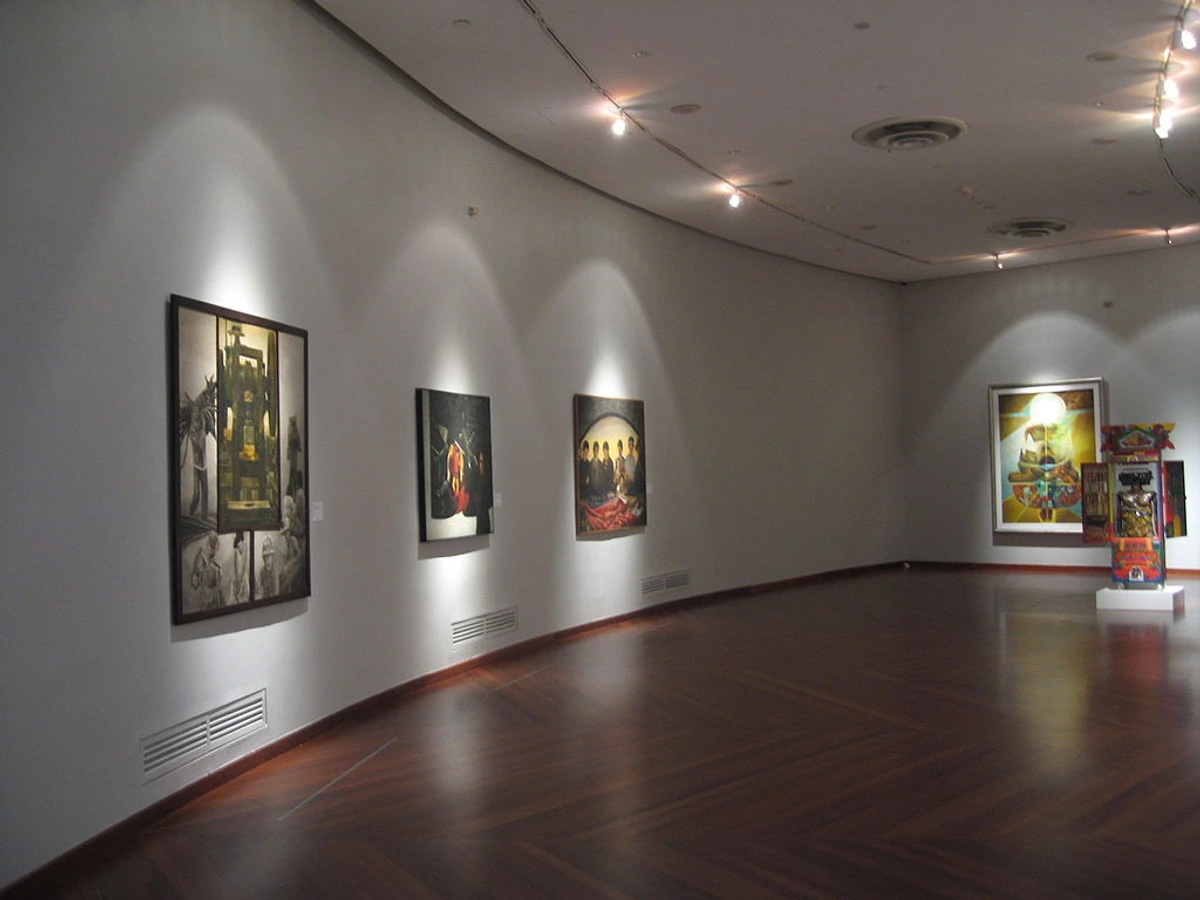
When I think of an art gallery, my mind immediately jumps to that inviting, often minimalist, physical exhibition space. It’s a stage, really, designed to present artworks to the public in a carefully curated environment. Most commonly, we’re talking about a commercial gallery, and the gallerist who runs it is essentially an impresario—someone who organizes and finances entertainment, often with a flair for the dramatic. Their primary function? To represent a select group of living artists, often for the long haul, fostering their careers over decades. They’re not just selling art; they're investing in futures.
These institutions are often the gatekeepers and tastemakers within the primary market, facilitating the initial sale of artworks directly from the artist’s studio. This means you're buying newly created works, often seeing them for the very first time. Think about it: they meticulously plan and mount exhibitions, which typically run for several weeks, showcasing a new body of an artist's work. These aren't merely commercial transactions; they're cultural presentations, frequently accompanied by opening receptions, comprehensive catalogs, press coverage, and critical reviews. A good gallery actively works to build an artist's provenance – that crucial documented history of ownership that adds significant value and credibility. Why is it crucial? Because clear provenance not only helps verify authenticity but also indicates the desirability (if previously owned by a famous collector) and even the historical significance of a piece. Without it, a work's value can plummet, as questions of legal ownership or even illicit dealings can arise. Galleries also work to build an artist's market presence from day one, which includes securing placements in significant art fairs and prestigious institutional collections. I've seen firsthand how a gallery's dedication can transform an emerging talent into a globally recognized name.
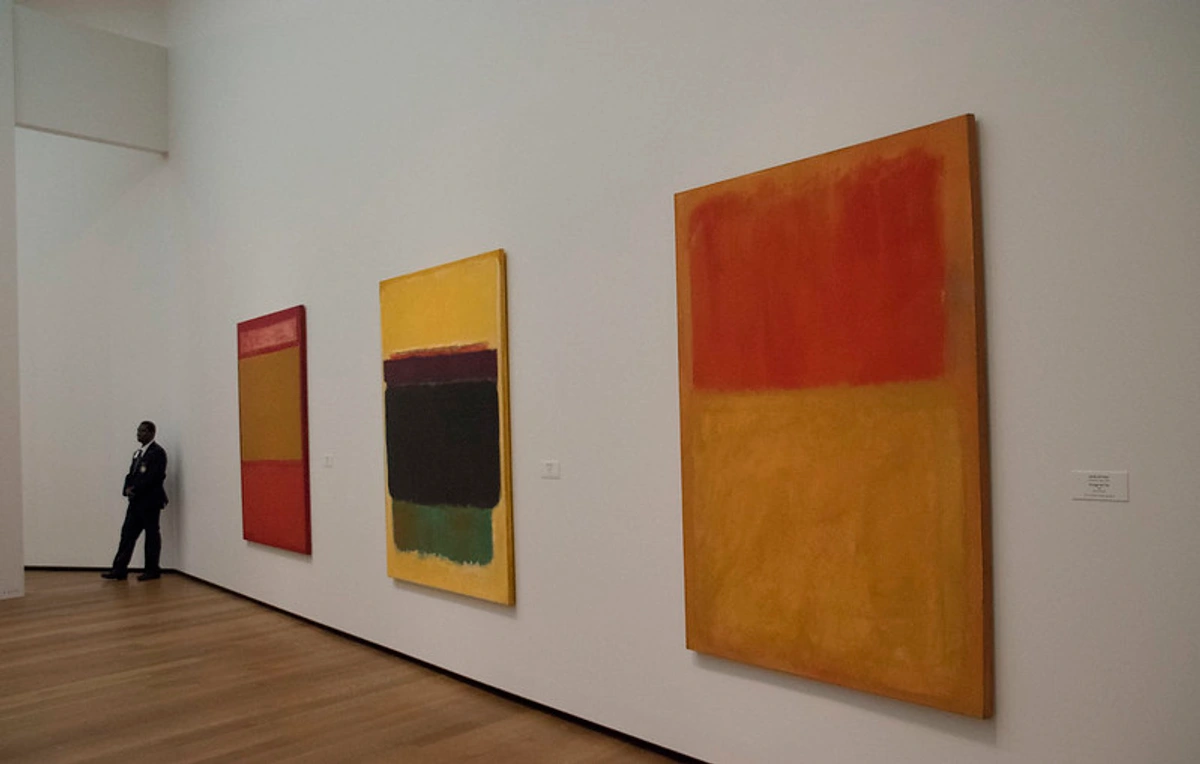
The historical impact of galleries in championing movements is undeniable – think of the pivotal roles of Betty Parsons and Sidney Janis in defining Abstract Expressionism by providing spaces and belief in artists like Jackson Pollock and Mark Rothko in post-war New York. Or consider Leo Castelli's groundbreaking support for Pop Art, launching the careers of figures like Andy Warhol and Roy Lichtenstein. And let's not forget, Peggy Guggenheim's gallery was instrumental in introducing many European avant-garde artists like Max Ernst and René Magritte to America, fundamentally shaping modern art's trajectory. I often wonder where our contemporary art scene would be without them.
But let’s not forget, not all galleries are solely commercial. You'll find artist-run spaces, co-ops, and non-profit exhibition venues that prioritize community engagement, experimentation, or educational missions. These are often membership-based or volunteer-driven, vital for fostering new artistic voices and providing platforms that might not fit a purely commercial model. They frequently act as incubators for radical ideas and community-focused projects, ensuring art remains accessible and diverse. While this article focuses on the commercial aspect, it’s worth remembering that the gallery landscape is far richer and more diverse than a single business model might suggest.
The Gallery's Business Model: Representation as a Strategic Investment
Now, about the money side of things. A gallery's relationship with its artists is generally formalized through an exclusive representation agreement – a significant commitment where the artist agrees to sell primary market work solely through that gallery for a defined period, often 2-5 years. The traditional 50% commission a gallery takes on sales, which might seem substantial to an outsider (and honestly, it is a lot!), reflects a truly multifaceted investment. It’s not just a quick transactional fee; it's a deep dive into an artist's career, backed by considerable capital and strategic effort. I've personally seen the sheer volume of work that goes into even a single exhibition opening – it's a monumental undertaking, far beyond hanging paintings.
Galleries allocate significant resources to promote their artists. This includes:
- Funding and Organizing Exhibitions: Think rental, lighting, installation costs, private viewing room setups. Crafting an exhibition prospectus – a detailed plan outlining the theme, artists, and schedule – is a huge undertaking, often requiring months of planning.
- Producing High-Quality Collateral: Comprehensive catalogs, scholarly publications, and professional photography are essential for documenting and promoting the work.
- Securing Press and Media Coverage: Building an artist's profile in influential art publications, journals, and even mainstream media. I've seen how a well-placed article can launch an artist's career.
- Covering Logistical Costs: This is often overlooked, but includes insurance, bespoke framing, specialized shipping, and professional conservation – all standard expenses that protect the artwork and client.
- Artist Development: This goes beyond sales. It includes studio visits, offering critiques, mentorship, funding studio assistants, and facilitating residencies, all contributing to the artist's growth and artistic provenance.
Their tireless efforts are focused on placing artworks in prestigious private and public collections, thereby enhancing the artist's reputation and market value. And let’s not forget the sheer overheads for maintaining prime physical spaces, employing a dedicated staff, and managing complex logistical operations. It's a full-time, high-stakes endeavor.
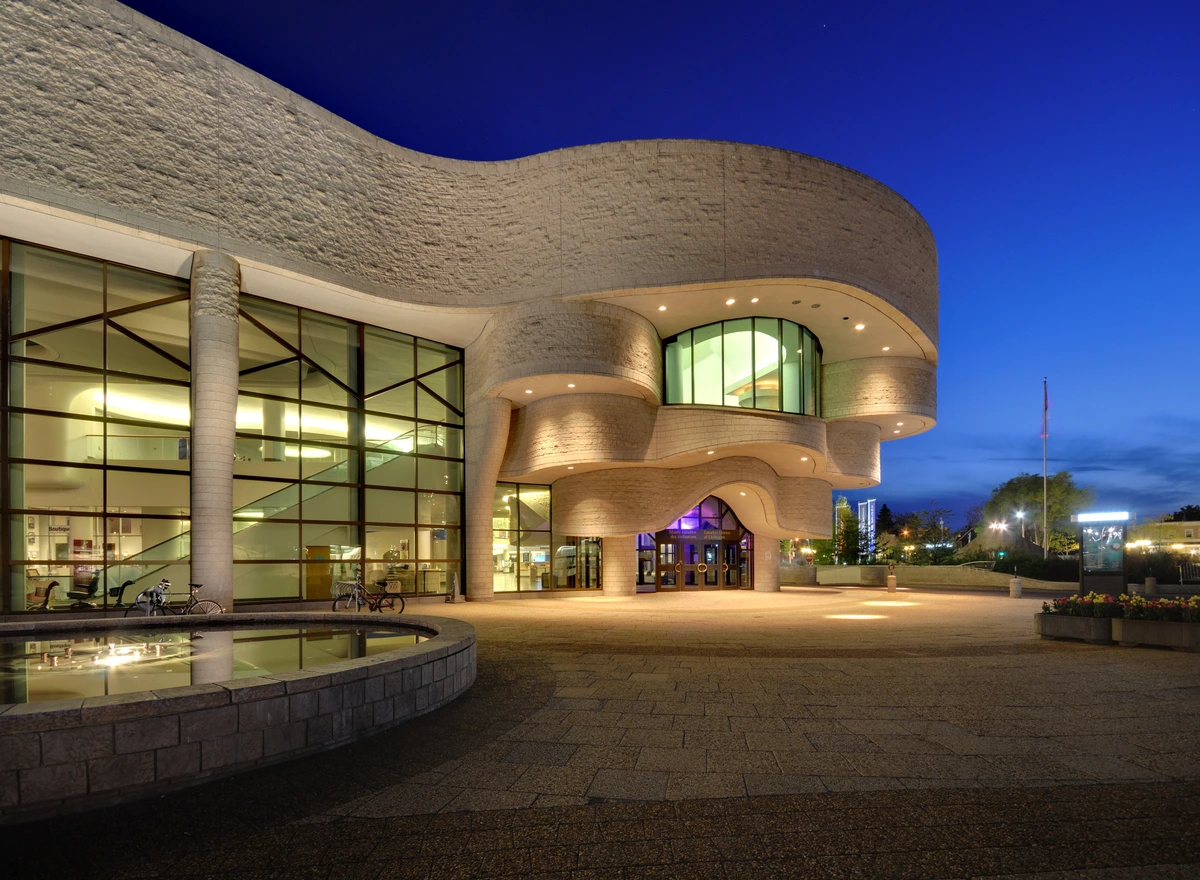
This partnership is, at its heart, profoundly symbiotic. Artists are liberated to concentrate on their creative process, while the gallery adeptly handles the demanding business aspects of the art world. I mean, imagine being an artist trying to balance studio time with marketing, sales, and shipping – it's a nightmare! The gallery's reputation is intrinsically linked to the quality and success of the artists it represents, forming a long-term collaborative endeavor. It's a relationship built on trust, shared vision, and a mutual pursuit of artistic legacy.
Key Takeaway for Galleries: Galleries are long-term partners for living artists, building careers through representation, public exhibitions, and strategic market development within the primary market.
What is an Art Dealer? The Private Advisor and Broker
So, if a gallery is a grand public stage, an art dealer is often more like a private, highly discreet club. Where do they operate? While some dealers may maintain a quiet physical presence or a showroom, many conduct their business from private offices, at art fairs, or through an extensive personal network. Their core activity revolves around the targeted buying and selling of artworks, predominantly focusing on pieces that have previously been owned and traded in the secondary market. Think of it this way: if a gallery is like buying a brand-new car directly from the manufacturer's showroom, a dealer is like acquiring a prized, meticulously vetted vintage automobile.
This secondary market is the arena where works previously acquired by collectors are resold. This encompasses a broad spectrum, including pieces by deceased masters, works by artists who have transitioned from prior gallery representation, or significant pieces that collectors wish to deaccession. Deaccessioning, in the art world's polite terms, is a strategic decision to sell works from a collection, often due to changing tastes, financial planning, or a desire to rotate inventory and make space for new acquisitions. Dealers function as expert intermediaries, drawing upon profound art historical knowledge, an unparalleled global network, and an intuitive understanding of quality, authenticity, and market value. A critical component of their expertise is the rigorous verification of art provenance—the documented history of ownership—which is absolutely indispensable for high-value artworks. Without a clear provenance, a piece's value can plummet, as buyers have no guarantee of its origin or clear legal title. I once heard a story about a potentially significant painting being offered at a suspiciously low price; a quick check revealed a significant gap in its provenance from the 1940s, immediately raising red flags about its wartime acquisition and making it virtually unsellable. Such gaps can lead to legal challenges, authenticity disputes, or even claims for restitution, rendering a work almost unmarketable. Dealers also skillfully navigate the intricacies of auction houses for both sourcing and selling pieces, often bidding on behalf of clients or discreetly offloading inventory.

Connoisseurship and Network: The Dealer's Expertise
An art dealer's value proposition is rooted in their deep connoisseurship – a fancy word for expert knowledge, or the ability to 'read' a work in ways others might miss – and an extensive, often decades-in-the-making, network. This expertise involves more than just market knowledge; it includes a sophisticated understanding of art history, stylistic developments, conservation status, and the technical aspects of various mediums. I’ve known dealers who can spot a specific brushstroke from a minor period of an artist’s career just by glancing at a grainy photograph. That’s connoisseurship in action! And it's not just about the individual work; it's about its place within the broader artistic canon and its potential for long-term appreciation.
Dealers possess a rare ability to identify and source significant or undervalued works, often from private collections not publicly accessible. This includes what are termed 'blue-chip' artists—those with an established market, substantial auction history, sustained critical acclaim, and typically, representation in major museum collections. Examples might range from a rare early drawing by Jean-Michel Basquiat (known for his explosive rise and profound social commentary), a significant abstract painting by Helen Frankenthaler from a pivotal series (celebrated for her innovative color field technique), a unique sculpture by Anish Kapoor (whose monumental works redefine space), a classic Impressionist canvas by Claude Monet, a Cubist work by Pablo Picasso, or even a specific print from Andy Warhol's 'Soup Can' series. Discretion, you see, is another hallmark of the dealer's service, particularly in handling high-value private sales. They often serve as trusted, long-term advisors, meticulously shaping and refining world-class collections over decades. Their ability to broker multi-million-dollar transactions discreetly between private clients is a testament to the trust they cultivate. It's more than just business; it's a relationship built on absolute confidence. I've seen dealers navigate incredibly complex international sales, including all the legal and shipping intricacies, making it seamless for their clients, often involving specialized art law expertise.
The Dealer's Business Model: Margin and Strategic Acquisition
Unlike a gallery's commission-based model, a dealer's income is derived from the margin between the price paid for an artwork and its subsequent selling price. Dealers are, at their essence, merchants of art. Their profit stems directly from their ability to acquire works at a favorable price and then sell them for a higher value, factoring in their expertise in sourcing, authentication, and market placement. This model carries inherent inventory risk, which, let me tell you, is no small thing. Dealers typically purchase works outright, making them directly exposed to market fluctuations (like shifts in taste, economic downturns impacting collector spending, or an oversupply of certain artists) and the risk of overpaying or an artwork failing to appreciate as anticipated. It’s like a high-stakes inventory gamble, requiring significant capital and a keen eye. I’ve heard stories of dealers holding onto pieces for years, sometimes decades, waiting for the market or the right buyer to align – a true test of strategic patience and a strong stomach for risk. This also includes the ongoing costs of insurance, secure storage (often climate-controlled and highly secure), and professional conservation for their inventory. For serious transactions, dealers will also ensure clear sales contracts are in place, detailing title transfer and providing warranties or guarantees of authenticity, crucial legalities that protect both parties.
Key Takeaway for Dealers: Dealers specialize in the secondary market, using deep connoisseurship and extensive networks to discreetly buy and sell established artworks, often taking on inventory risk for potential margin.
Art Fairs: The Global Marketplaces
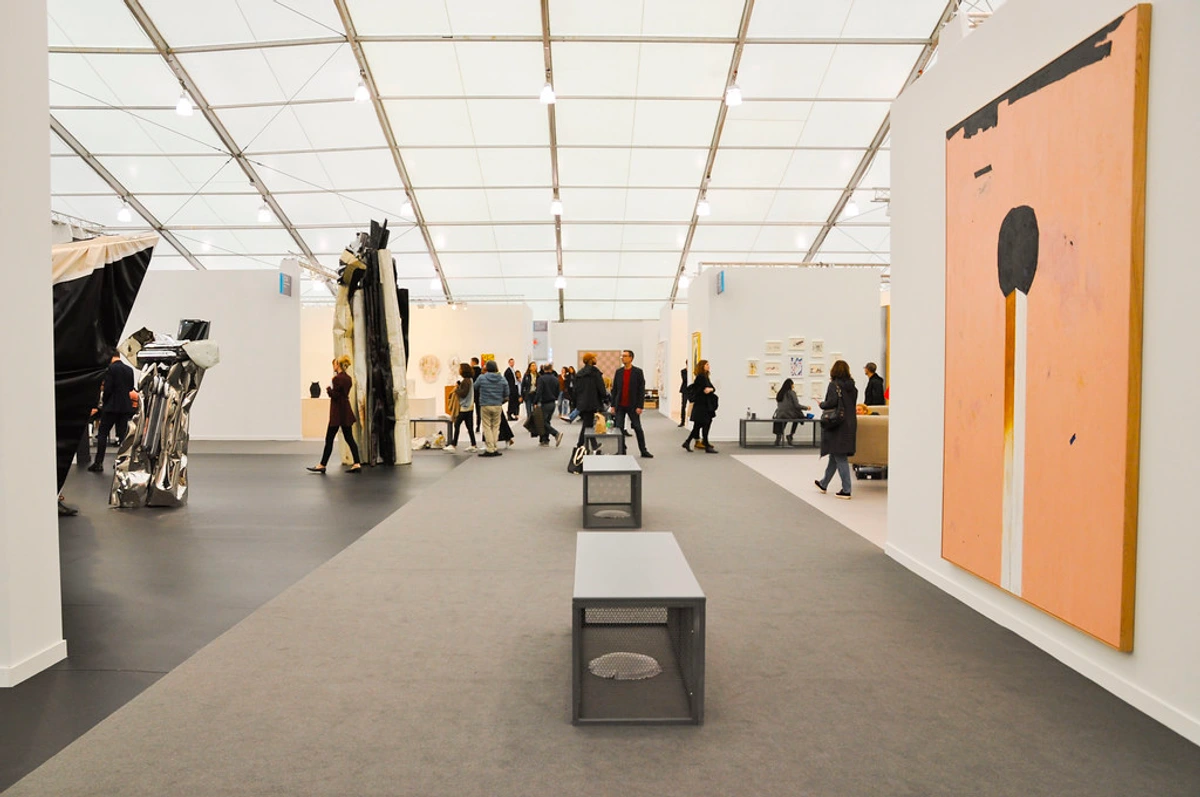
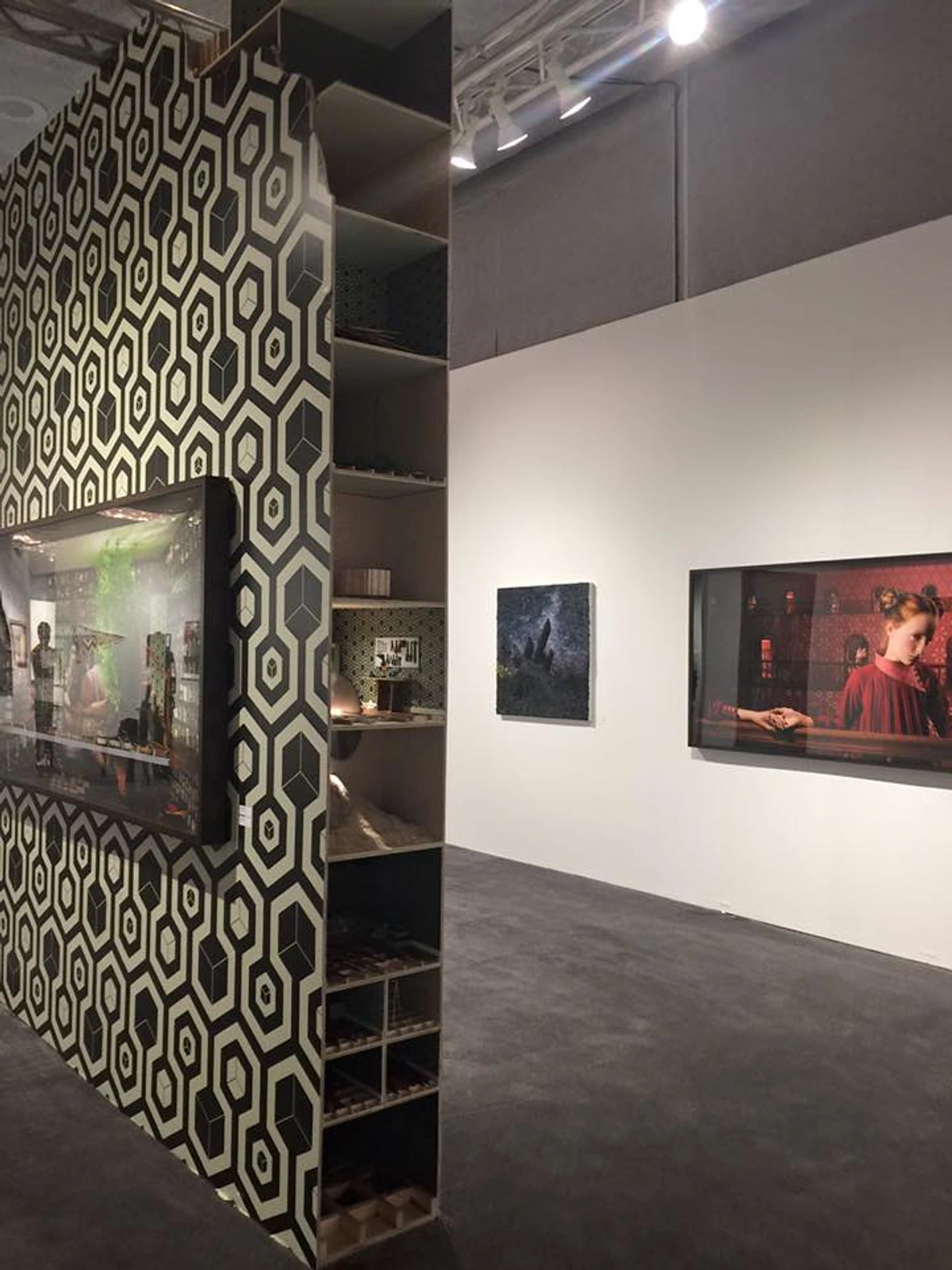
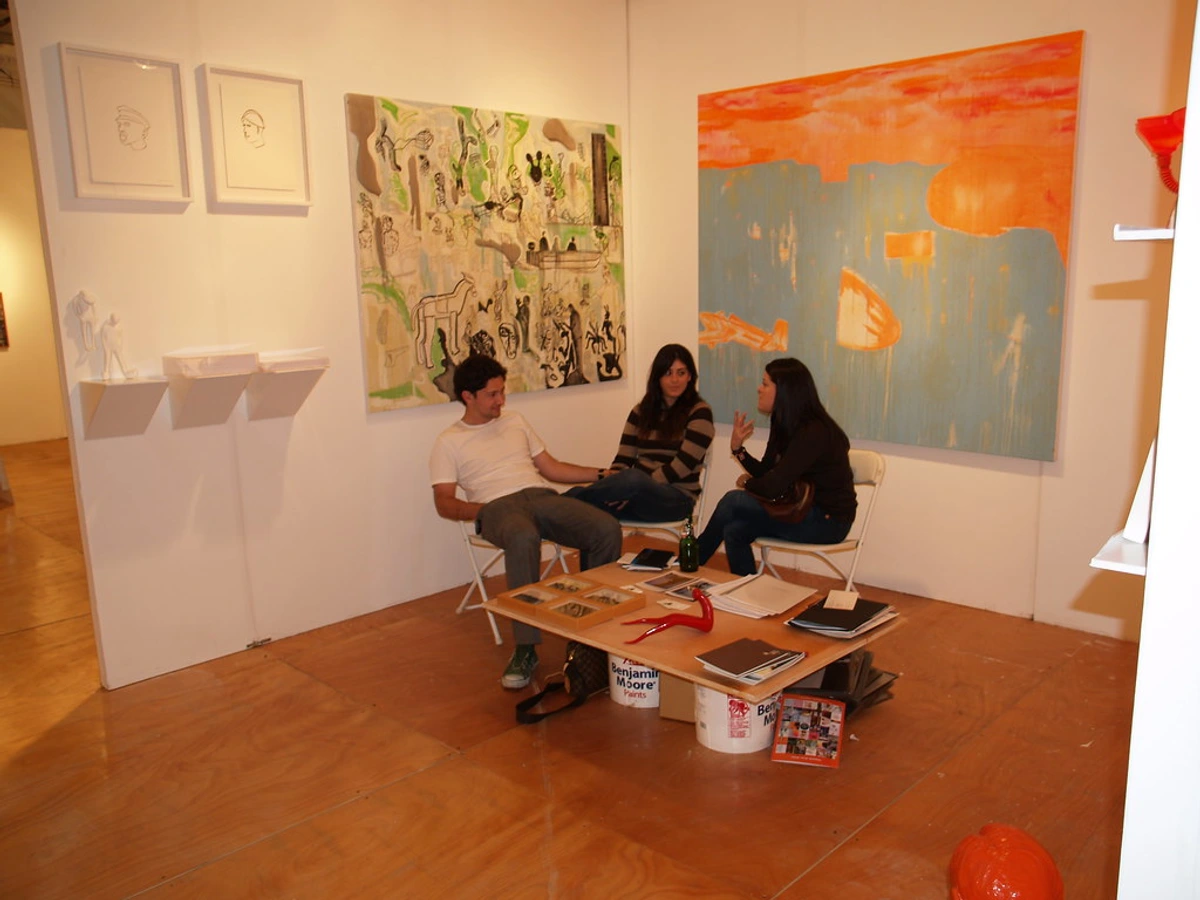
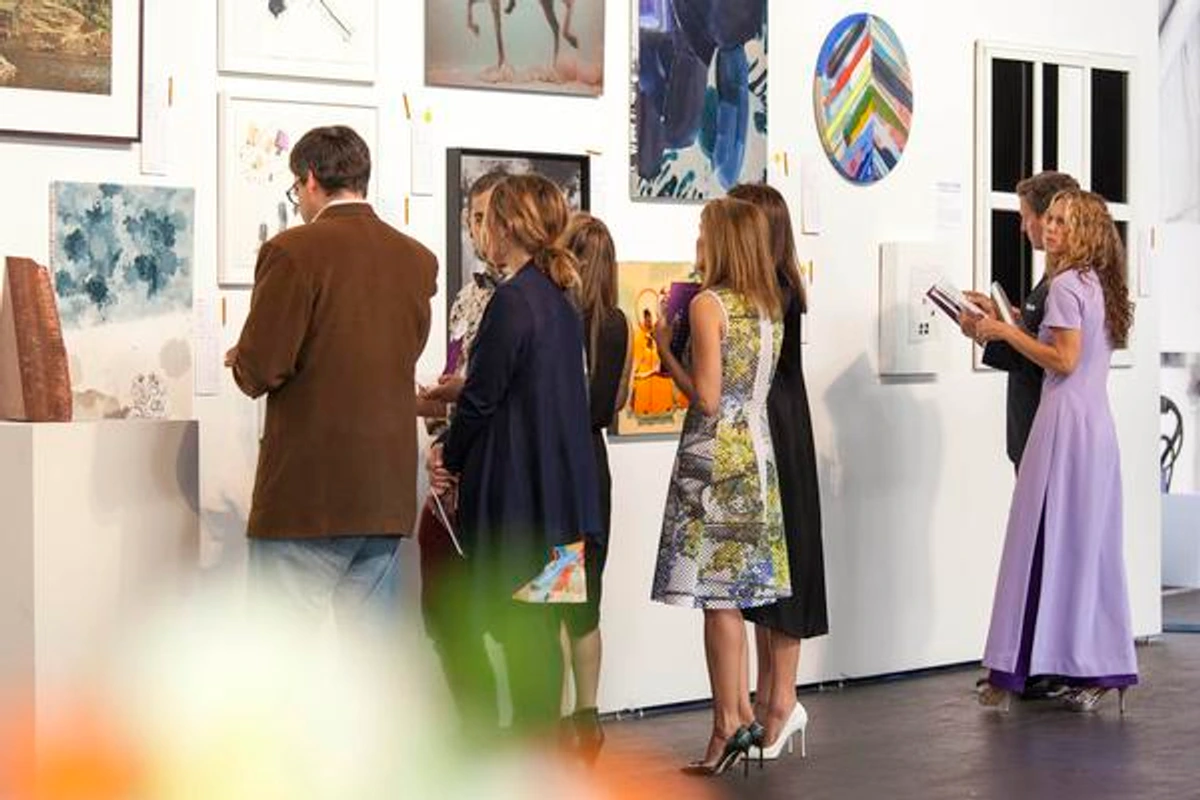
Since I've mentioned them a few times, let's take a quick detour to talk about art fairs. Ever felt overwhelmed by the sheer scale of an art fair? I certainly have! These aren't just big, bustling events; they are dynamic, temporary marketplaces that have become absolutely indispensable to the global art market. I see them as concentrated versions of the art world, bringing together galleries, dealers, collectors, and art enthusiasts under one roof, often for just a few intense days.
Art fairs benefit everyone: for galleries, they offer unparalleled global exposure for their artists, a chance to connect with new collectors, and an opportunity to solidify existing relationships. For dealers, they are prime hunting grounds for sourcing new inventory and discreetly meeting clients. And for collectors, they provide an incredible opportunity to see a vast array of art from around the world in one place, allowing for direct comparison and efficient acquisition. From the mega-fairs like Art Basel and Frieze, covering every genre imaginable, to more specialized regional fairs, they are crucial for both price discovery and trendsetting. While they can be overwhelming, a good strategy (and maybe a strong coffee) can make them incredibly rewarding. You can even find tips on navigating them effectively in our guide to understanding art fair logistics.
Auction Houses: The Public Arena of the Secondary Market
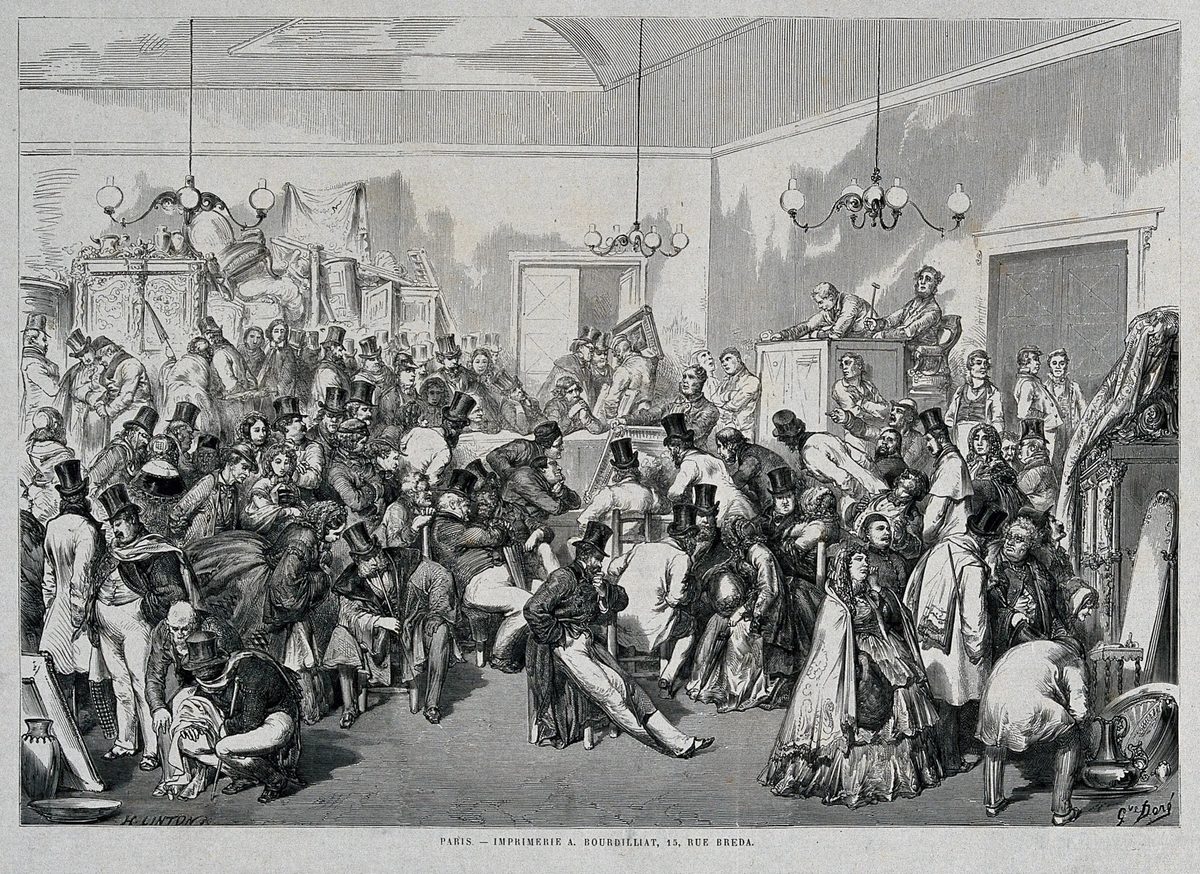
Before we dive into art advisors, it’s worth a quick detour to understand auction houses, because they play a massive role for both galleries and dealers, especially in the secondary market. Auction houses represent another significant component of the art market, primarily facilitating secondary market sales through public bidding. They differ fundamentally from dealers in that they act as agents, connecting sellers (consignors) and buyers through a competitive public sale process, rather than buying and selling from their own inventory. Auction houses typically generate revenue by charging commissions from both the buyer (a buyer's premium) and the seller (a seller's commission or vendor's premium).
While galleries and dealers frequently interact with auction houses – consigning works for sale or bidding to acquire pieces for their inventory or clients – their core business models remain distinct. Auction houses provide a transparent (though sometimes volatile) market mechanism for price discovery, especially for established artists or historical works with sufficient demand. They often provide auction estimates—a range within which a work is expected to sell—and reserves—the confidential minimum price a seller is willing to accept. The psychology of bidding can be intense, with works sometimes soaring past estimates, especially in a 'white-glove' sale where every lot finds a buyer – a strong signal of market confidence. Consignors often choose auctions for their broad market exposure and the potential to achieve very high prices if demand is strong. Their robust global platforms and extensive marketing reach attract a broad spectrum of participants, making them a cornerstone of the secondary market. It's also worth noting that while Christie's and Sotheby's are the global giants, many smaller, specialized auction houses cater to niche markets, from regional art to specific collecting categories, offering different avenues for buyers and sellers. For buyers, the excitement of the auction can be addictive, but I always advise careful budgeting and understanding the buyer's premium and the necessity of specialized art insurance before you even raise your paddle.
Key Takeaway for Auction Houses: Auction houses are public marketplaces for secondary market sales, acting as agents for consignors and buyers, facilitating price discovery through competitive bidding, but requiring careful financial consideration.
Art Advisors: Impartial Counsel for Collectors
An increasingly vital role in the contemporary art market is that of the art advisor. I like to think of them as your personal art sherpa, or perhaps a skilled navigator for your collection. These consultants work exclusively on behalf of a collector, offering impartial guidance through the entire art world ecosystem, encompassing galleries, dealers, and auction houses. Crucially, art advisors are typically compensated by a fee from their client, rather than taking a commission from a sale (though hybrid models can exist), ensuring their advice prioritizes the collector's best interests. This fee structure is a big deal, as it fundamentally shifts their allegiance to you, the collector. They might charge an hourly rate, a project fee, or a percentage-based retainer, but the key is that their income isn't tied to the price of a specific artwork, fostering genuine impartiality and a fiduciary duty to their client.
Beyond acquisitions, competent art advisors provide a wide range of services, including:
- Collection Management: This entails comprehensive inventory, detailed condition reports (art appraisals and conservation advice), insurance, display planning, and security protocols. For instance, a condition report can be crucial for insurance claims or future sales, detailing any existing damage and conservation history.
- Assistance with Deaccessioning Works: Helping you strategically sell pieces from a collection, ensuring the best market timing and venue.
- Guidance on Conservation: Connecting you with expert conservators to ensure the longevity of your artworks and proper handling.
- Framing and Installation: Practical advice for optimal presentation and ensuring professional, secure installation.
- Art Insurance and Transportation: Advising on appropriate coverage and managing the complex logistics of safely moving high-value artworks, whether across town or internationally. This includes navigating import/export regulations and specialist art handlers who understand the nuances of various materials.
- Art Storage Solutions: Advising on and arranging secure, climate-controlled, and archival storage for your collection, essential for long-term preservation.
- Estate Planning for Art Assets: Integrating your collection into your broader financial and legacy planning, considering future generations or philanthropic goals, and addressing copyright or intellectual property rights if applicable. This often involves specialized art law expertise.
The advisory process often commences with an in-depth consultation to ascertain your tastes, budget, and long-term objectives, followed by curated presentations of artworks, thorough due diligence, and skilled negotiation. Due diligence, from an advisor's perspective, involves rigorous authenticity checks, provenance verification, condition assessment, and market comparable analysis to ensure you're making a truly informed purchase. Art advisors serve as objective guides, particularly beneficial for new collectors or those navigating complex market segments. They really help you avoid common pitfalls and make truly informed decisions, whether you're looking for art storage solutions for collectors or trying to understand the nuances of a specific market trend. They also help clients define an exit strategy for their collection, whether it involves future sales, donations, or inheritance planning.
Key Takeaway for Advisors: Art advisors offer impartial, client-centric expertise across the entire art market, providing comprehensive services from acquisition to collection management, bound by fiduciary duty.
Art Critics, Historians, and Curators: Shaping Discourse and Value
While not direct players in sales, it's impossible to talk about the art market without mentioning art critics, art historians, and curators. These individuals, through their writing, research, and analysis, play a significant, if sometimes indirect, role in shaping the discourse and perceived value of artworks and artists. A glowing review from an influential critic like Clement Greenberg, whose writings profoundly shaped the reception of Abstract Expressionism, can catapult an emerging artist's career, drawing the attention of gallerists and collectors alike, and significantly impacting future market prices. Think of how Jerry Saltz's passionate reviews in New York Magazine can spark conversations and drive interest in a particular artist. Conversely, a re-evaluation by an art historian, such as Linda Nochlin's seminal work challenging traditional narratives about female artists, can dramatically alter the market for a historical artist, potentially uncovering undervalued works or shifting focus to a forgotten period. For example, historical research uncovering significant female artists previously overlooked has directly led to a surge in interest and market value for their work.
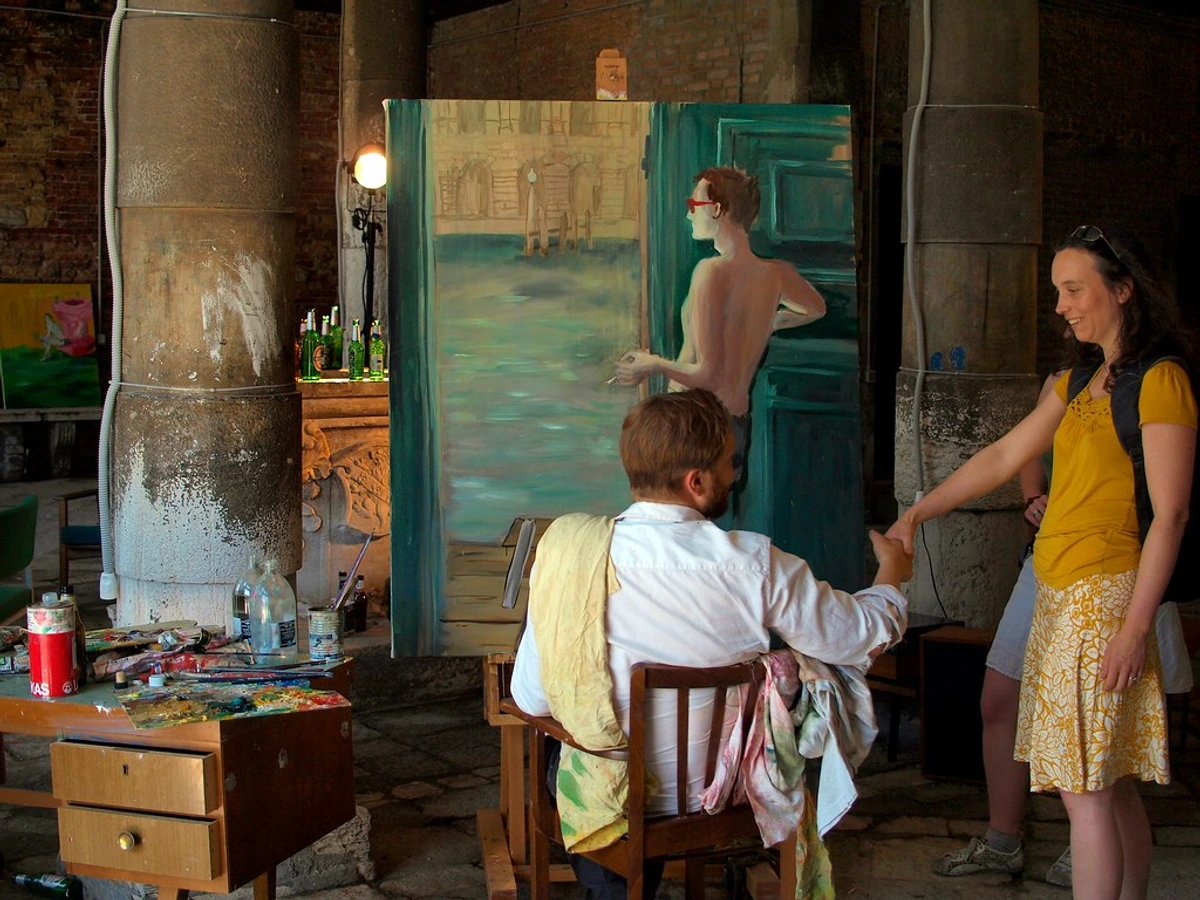
Then there are curators. Within institutions like museums and non-profit galleries, curators are the intellectual architects. They are responsible for in-depth research, selecting artworks, developing compelling exhibition themes, writing scholarly catalog essays, and crafting narratives that educate and engage the public. Their choices and public statements about artists and artworks are crucial in shaping the art historical canon and public perception, thereby indirectly impacting commercial value and institutional collecting trends. They provide the intellectual framework that underpins much of the appreciation and valuation within the art world, legitimizing artistic practices and historical importance that often, in turn, influences market trends and investment decisions.
Key Takeaway for Critics, Historians & Curators: Though not transactional, these roles are the intellectual bedrock of the art world, profoundly influencing an artist's legacy, market value, and public perception through their rigorous analysis and curation.
Art Investment vs. Art Appreciation: A Critical Distinction
This is a conversation I often have with new collectors. Is art an investment, or is it something to simply enjoy? My take? It's both, but the emphasis often defines your strategy. Buying art purely for investment means prioritizing market trends, artist stability, and potential resale value – a game often played with blue-chip artists and a strong eye on the secondary market. You’re looking for assets, much like stocks or real estate, hoping for a strong Return on Investment (ROI). Collectors focused on investment might consider art funds (pooled investments in art, managed by professionals who select, acquire, and manage diverse portfolios, typically with a long-term investment horizon) or consult wealth managers specializing in art to track market metrics and artist trajectories. This is a very different mindset from simply falling in love with a piece.
However, for many, the primary driver is art appreciation – the sheer joy of living with beautiful objects, connecting with an artist's vision, and enhancing one's living space. While art bought for pleasure can certainly appreciate, the financial return is secondary to the emotional, intellectual, and aesthetic gratification. It's about personal growth, cultural engagement, and building cultural capital – the social standing and intellectual identity derived from collecting. I always advise people to buy what they love first, and consider investment potential second. After all, what good is a valuable painting if you can't stand to look at it? I have a piece in my own collection that cost me very little, holds no significant market value, but brings me immense joy every single day – its emotional ROI is priceless. Imagine acquiring a piece purely for its projected market increase, only to find it clashes with your personal aesthetic and brings you no joy – a costly mistake, both financially and emotionally. For emerging artists, this distinction is also key: while you hope your work gains value, your primary focus should always be on artistic integrity and connecting with those who appreciate your vision, not just those looking for a quick flip.
credit, licence
The Art World: Beyond Sales – Museums and Non-Commercial Spaces
It’s also crucial for me to acknowledge that not all exhibition spaces function commercially, and that's a good thing! Non-profit galleries, university galleries, and public museums play an indispensable role in showcasing art, primarily focusing on education, cultural preservation, and community engagement rather than direct sales or exclusive artist representation. Their fundamental mission is to broaden public access to art, contribute significantly to cultural discourse, and act as custodians of our collective artistic heritage. For artists, exhibiting in these institutions, even without direct financial gain, can confer immense credibility, historical weight, and academic validation, which in turn significantly influences their standing in the commercial market. A museum acquisition, for instance, can dramatically boost an artist's market value, often driving up prices in the primary and secondary markets.
While they might have gift shops, fundraising galas, or patron programs to support operations, their purpose is distinct from the market-driven world we've been exploring. I think they are the guardians of our collective artistic heritage, fostering critical thought and public appreciation, and that's incredibly important for the entire ecosystem.
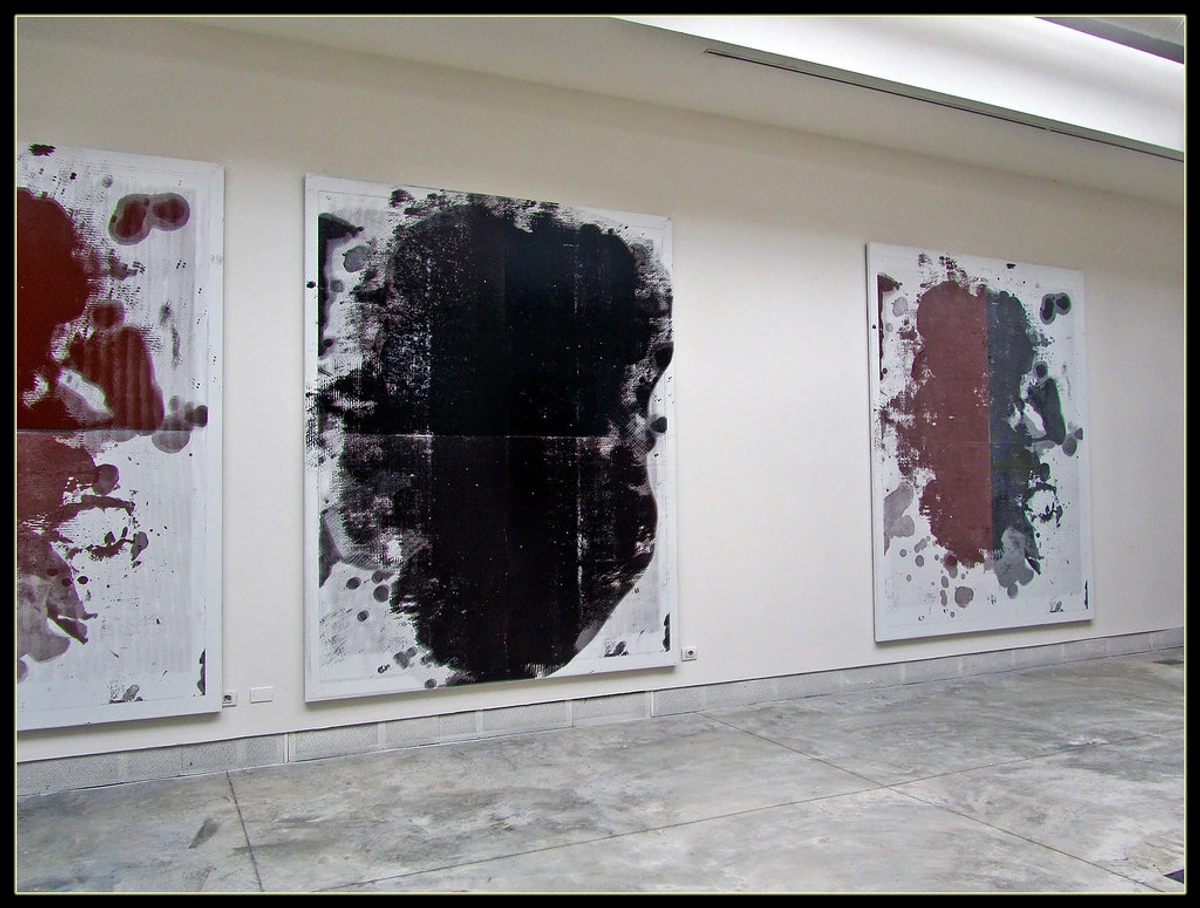
Key Differences at a Glance
To consolidate these distinctions, the core differences between art galleries, art dealers, and even auction houses can be summarized as follows:
Feature  | Art Gallery | Art Dealer | |
|---|---|---|---|
| Primary Role | Artist representation & career development, public exhibitions | Sourcing, buying & brokering individual artworks for private clients | Facilitates public sales (consignor to buyer) via competitive bidding |
| Market Focus | Primarily Primary Market (new works by represented artists) | Primarily Secondary Market (pre-owned works, often established artists) | Primarily Secondary Market (established works) |
| Business Model | Commission-based (typically 50% from artist on sales) | Margin-based (acquire, then sell for profit) | Fee-based (buyer's premium & seller's commission) |
| Clientele Focus | Artists (represented), new collectors (primary market) | Private collectors (secondary market), institutions | Consignors (sellers) & diverse buyers (collectors, dealers) |
| Physical Space | Public exhibition space is central, often high foot traffic | Optional; private office/showroom, art fair booths, or entirely virtual | Large public salerooms, online bidding platforms, private viewing rooms |
| Relationship | Long-term partnership with a roster of artists | Transaction-focused, but often long-term advisory to collectors | Transactional, connecting buyers and sellers as agents |
| Core Activity | Curating public exhibitions, promoting artists, building careers | Sourcing, authenticating, valuing, and placing specific artworks discreetly | Cataloging, marketing, and conducting public auctions with price discovery |
| Risk Profile | Investment in artists' careers, exhibition costs, risk of unsold primary market inventory | Inventory risk, market fluctuations, risk of overpaying/artwork not appreciating, holding costs | Consignment risk (works not selling), market volatility, reputation |
| Risk Mitigation Approach | Strategic artist selection, market development, strong collector network | Deep market knowledge, robust authentication, client discretion, legal contracts | Extensive marketing, transparent processes, reserve pricing, specialist departments |
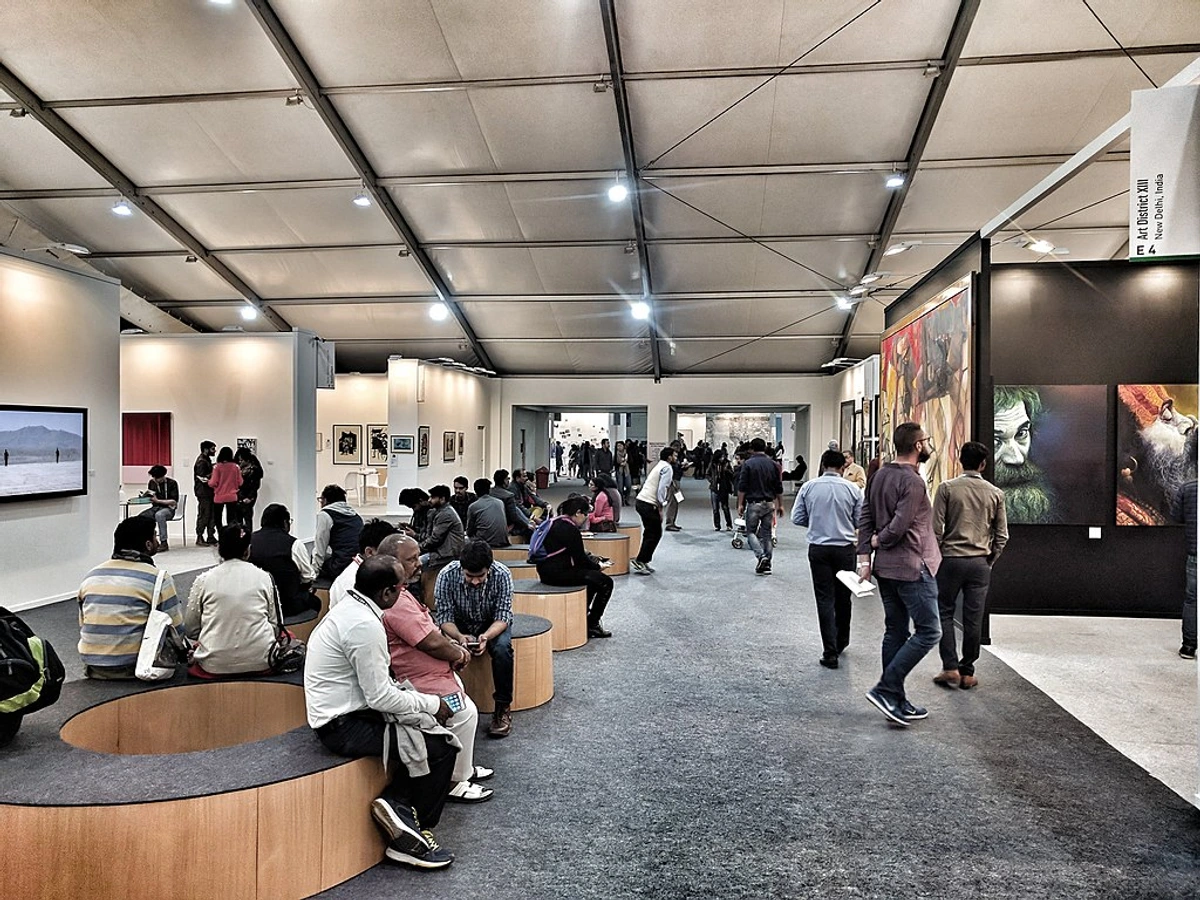
Navigating the Art Market: A Guide for Collectors and Artists
So, with all this in mind, how do you navigate this vibrant but complex world? I always tell people it comes down to understanding your goals. Think of it like this: are you looking for a brand new, custom-built masterpiece, or a rare, historically significant classic? Are you buying for pure pleasure, or do you have an eye on future investment returns? The answer will fundamentally shape your strategy.
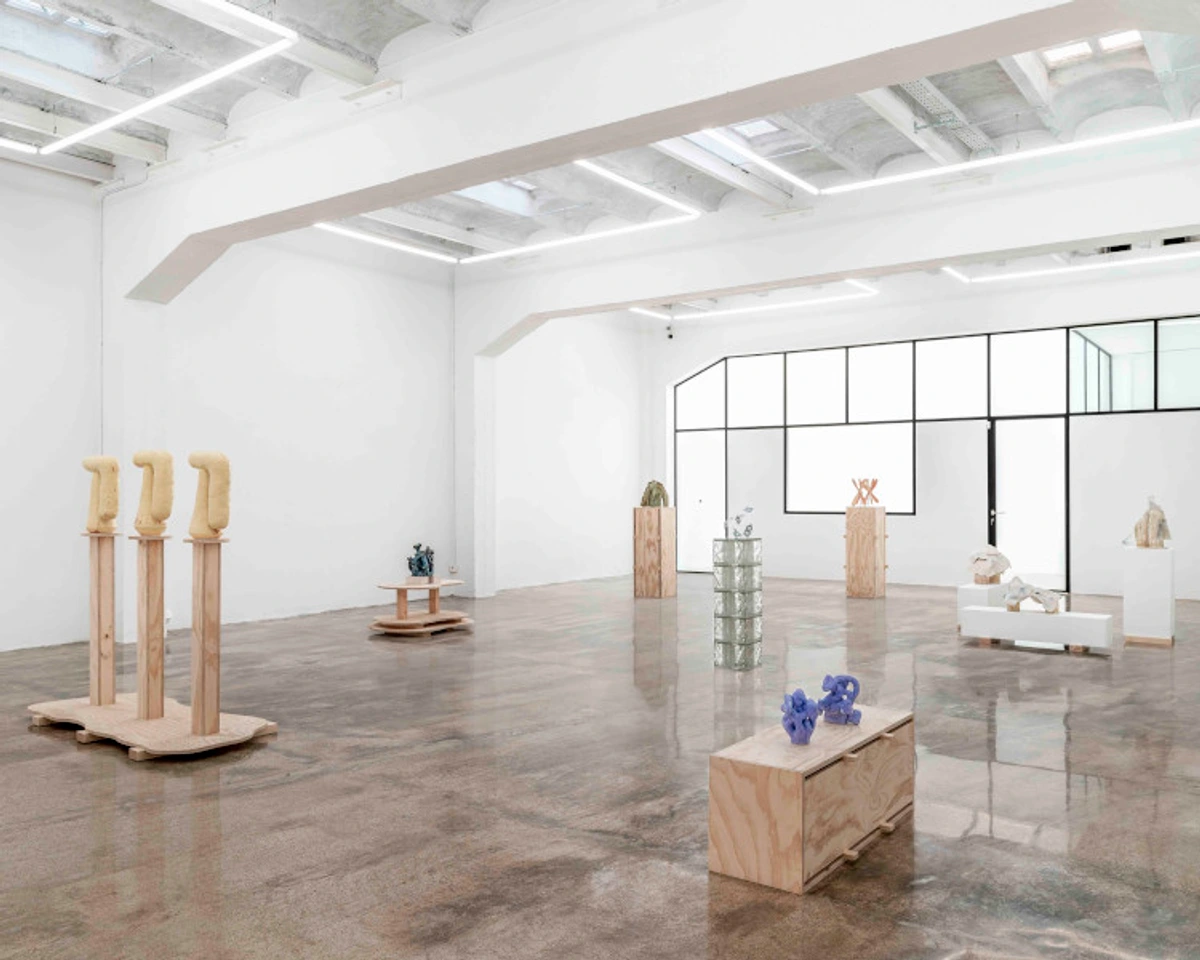
For the Collector: Strategic Acquisition
Collectors aiming to build or expand their art collection should align their approach with their specific goals:
- To discover new talent and support living artists: Engaging with art galleries is, without a doubt, the most appropriate path. Building relationships with gallerists whose programs resonate with your aesthetic provides direct access to the most compelling contemporary art. Acquiring work from a gallery means investing directly in an artist's future, becoming a patron in the truest sense. Galleries can also advise on art appraisals and offer guidance on art storage solutions for collectors.
- To acquire specific works from historical or 'blue-chip' artists: This is where a reputable art dealer serves as an invaluable resource. For a particular painting by a historical master, a rare print by Picasso, or a significant series by a blue-chip artist such as a Warhol 'Soup Can' print, a dealer possesses the network to locate elusive pieces and the expertise to ensure authenticity and robust provenance. Dealers adeptly navigate the complexities of the secondary art market, often accessing works not publicly available. They’re the ones who know exactly where to find that hidden gem.
- For impartial, comprehensive advice: If you’re a new collector, or perhaps looking to refine an existing collection across various market segments and need help differentiating between art as investment versus art for appreciation, an art advisor is your best bet. Their client-centric model ensures they’re working purely in your interest, helping you evaluate opportunities from galleries, dealers, and auctions without inherent bias. They can also provide invaluable assistance with all the logistics, from art storage solutions to insurance and transportation.
For the Artist: Building a Career Path
For an emerging artist, securing gallery representation often represents a defining milestone. It confers a vital stamp of validation, a dedicated public platform for exposure, and the professional infrastructure necessary to cultivate a sustainable, long-term career. The gallery acts as a crucial partner in an artist's journey. So, how do you even begin to approach them? It’s a marathon, not a sprint. I'd suggest starting by:
- Researching galleries: Identify spaces whose aesthetic and represented artists align with your own work. Don't just send a blanket email – truly understand their program and attend their openings. That face-to-face interaction, even briefly, can be invaluable.
- Building a compelling portfolio: This is your visual resume. Make it professional, high-quality, and reflective of your strongest work. Consider insights from collecting emerging abstract art a guide to discovering tomorrows masters.
- Networking strategically: Attend openings, connect with artists, curators, and other art professionals. Relationships are everything in this world, and you never know where your next connection might come from. It's about genuine engagement, not just handing out business cards.
- Having a strong online presence: A professional website and active social media are non-negotiable these days. Gallerists will check. You might even find some valuable tips among top online resources for emerging artists.
- Handling Rejection: Remember that rejection is an inevitable part of an artist's journey. Don't take it personally. Use it as an opportunity to refine your practice, seek feedback if available, and continue building your network and portfolio. Persistence and resilience are your greatest assets.
Direct engagement with a dealer is less common for emerging artists, as dealers are typically interested in artists with an already established market presence and auction history. However, some dealers with a discerning eye for future trends may take on early-career artists if extraordinary, undervalued potential is perceived, perhaps an artist with a strong, self-made following or a unique niche market. This remains an exception to the rule. For a broader view of artistic development, artists might explore the timeline of art history.
The Evolving Landscape: Blurring Lines and Digital Frontiers
In today's dynamic and interconnected art market, I’ve observed that the roles of gallery and dealer are not always rigidly compartmentalized. This evolution reflects the market's adaptability and expansion, offering both opportunities and complexities.
Many established galleries, particularly those with long histories, now operate secondary market departments, handling works by artists they do not exclusively represent. Conversely, numerous independent dealers participate in major international art fairs, establishing impressive booths that function as temporary exhibition spaces, thereby blurring the traditional 'private' aspect of dealing. Art fairs themselves have become dynamic microcosms, brilliantly blending the public exhibition model of a gallery with the intense transactional focus of the dealer world.
Then there's the digital frontier. While I'm generally skeptical of the long-term value and true ownership models of things like NFTs and blockchain art within the established primary and secondary markets (it's often highly speculative, fraught with volatility, raises significant environmental impact concerns, and debates around digital asset ownership and perpetual ownership models persist among traditional players), I can't deny the exponential rise of online platforms, virtual galleries, and dedicated artist webshops. It's crucial to understand that while these technologies present interesting technological possibilities, they are not currently a core component of the established art market ecosystem for traditional art forms, and their long-term collectibility and integration remain highly debated. Even some traditional galleries and dealers are cautiously exploring how these technologies can complement their existing models. The rise of dedicated online art marketplaces like Artsy, Saatchi Art, or even direct-to-collector gallery sites has democratized access, offering new purchasing habits and opportunities for both established and emerging artists. This brave new world presents both possibilities and challenges, continuously pushing the boundaries of what 'gallery' or 'dealer' truly signifies. It’s an interesting time, for sure, but one that still benefits from good old-fashioned connoisseurship and trust.
Common Pitfalls and How to Avoid Them
Navigating the art market, especially the secondary segment, comes with its share of potential dangers. I’ve seen collectors make costly mistakes, and I don't want you to be one of them. Here are the common pitfalls and how to mitigate them:





- Authenticity Issues and Forgery: This is a collector’s worst nightmare. A work may not be by the attributed artist, or worse, be a deliberate fake. Rigorous due diligence, including expert opinions, forensic analysis, and, most importantly, impeccable provenance, is essential. Always consult with reputable dealers, art advisors, and specialists to avoid this. For more, see a collectors guide to identifying and avoiding art forgeries in the abstract market.
- Condition Issues: Damage (like cracks, tears, paint loss, or mold), poor restoration, or neglect can significantly impact an artwork's value. Always request a detailed condition report, ideally from an independent conservator, before purchase. Look for evidence of over-cleaning or poorly executed repairs.
- Overpaying: Emotional attachment or FOMO (Fear Of Missing Out) can lead to paying above market value. Always conduct thorough market research, compare prices for similar works (market comparables), and don't rely solely on inflated auction estimates.
- Market Bubbles and Crashes: The art market, like any other, is cyclical. Buying at the peak of an artist's popularity during a market bubble can lead to significant losses if the market corrects. Diversify your collection and remain informed about broader economic trends.
- Unrealistic Expectations (for Artists): For emerging artists, expecting immediate gallery representation or overnight success without years of consistent work, networking, and portfolio development is a common pitfall. The art world moves slowly; patience and persistence are key.
- Lack of Due Diligence on Contracts: Whether it's a gallery representation agreement, a consignment agreement with a dealer, or an auction house contract, always read and understand the terms. Seek legal advice if necessary, especially regarding commissions, insurance, shipping, and payment schedules. Don't let a great piece distract you from vital contractual details. This is where a good art advisor can be invaluable.
Glossary of Key Terms
To help you navigate this world, here’s a quick reference for some of the important terms we've covered:
- Art Advisor: A consultant who works exclusively on behalf of a collector, offering impartial guidance and typically compensated by a fee from their client.
- Art Dealer: An expert intermediary who buys and sells artworks, primarily in the secondary market, often from private offices and through extensive networks.
- Art Funds: Pooled investment vehicles that acquire and manage art portfolios on behalf of investors, aiming for financial returns.
- Art Gallery: A commercial institution that represents a select group of living artists, organizes public exhibitions, and facilitates sales, primarily in the primary market.
- Art Law: A specialized field of law that addresses legal issues related to art, including authenticity, ownership, contracts, and intellectual property.
- Auction Estimates: A range within which an artwork is expected to sell at auction, determined by specialists based on market comparables.
- Auction Houses: Institutions that facilitate secondary market sales through public bidding, acting as agents connecting consignors and buyers.
- Blue-chip Artists: Artists with an established market, substantial auction history, sustained critical acclaim, and typically represented in major museum collections.
- Blockchain Art: Digital art where ownership and authenticity are recorded on a blockchain. Often associated with NFTs.
- Buyer's Premium: A commission charged by auction houses to the successful bidder (buyer).
- Commercial Gallery: A gallery focused on selling art for profit, representing artists, and operating in the primary market.
- Condition Report: A detailed document outlining the physical state of an artwork, including any damage, repairs, or conservation treatments.
- Connoisseurship: Expert knowledge and deep appreciation of fine art, often encompassing art history, stylistic developments, and authenticity.
- Consignors: Individuals or entities who place artworks with an auction house or dealer for sale.
- Cultural Capital: The social and intellectual advantages gained from accumulating knowledge, skills, or possessions (like art) that are valued by society.
- Curator: An intellectual architect within a museum or gallery, responsible for research, selecting artworks, developing exhibition themes, and crafting narratives.
- Deaccession: The formal process by which a museum or collector removes an item from their collection, typically for sale or disposal.
- Digital Asset Ownership: The legal and practical aspects of owning digital creations, particularly relevant to NFTs, which are often subject to ongoing debate.
- Due Diligence: The process of conducting thorough research and investigation before entering into an agreement or making a purchase, especially concerning authenticity, provenance, and condition.
- Environmental Impact (of NFTs): Concerns regarding the high energy consumption associated with blockchain transactions, particularly on certain platforms.
- Exclusive Representation Agreement: A contract between an artist and a gallery where the artist agrees to sell primary market work solely through that gallery.
- Exhibition Prospectus: A detailed plan outlining the theme, artists, and schedule for an upcoming exhibition.
- Exit Strategy: A pre-planned method for disposing of an investment or collection, such as selling, donating, or inheriting.
- Fiduciary Duty: A legal obligation to act in the best interest of another party, particularly relevant to art advisors and their clients.
- FOMO (Fear Of Missing Out): The anxiety that one might miss out on a desirable purchase, often leading to impulsive or overvalued acquisitions.
- Gallerist: The owner or director of an art gallery, responsible for its program, artist representation, and sales.
- Impresario: A person who organizes and often finances concerts, operas, or artistic exhibitions.
- Inventory Risk: The financial exposure a dealer faces from holding artworks in their inventory, subject to market fluctuations and holding costs.
- Market Bubbles: Periods of rapid price inflation for certain assets, often followed by sharp declines, driven by speculation.
- Market Comparables: Data points used to estimate the value of an artwork by comparing it to similar works recently sold.
- Margin-based (Business Model): A business model where profit is derived from the difference between the acquisition price and the selling price.
- NFTs (Non-Fungible Tokens): Unique digital identifiers recorded on a blockchain, used to certify authenticity and ownership of digital assets (like art).
- Non-profit Exhibition Venues: Spaces like university galleries or public museums focused on education and cultural preservation rather than commercial sales.
- Online Art Marketplaces: Digital platforms facilitating the buying and selling of art, from direct-to-collector sites to large aggregators.
- Perpetual Ownership Debates: Ongoing discussions about the nature of ownership for digital assets like NFTs, especially concerning copyright, usage rights, and physical manifestations.
- Primary Market: The segment of the art market where newly created artworks are sold for the first time, typically from an artist's studio through a gallery.
- Provenance: The documented history of ownership of an artwork, crucial for verifying authenticity and value.
- Price Discovery: The process by which the market determines the fair value of an asset, often through competitive bidding in auctions.
- Reserves: The confidential minimum price a seller is willing to accept for an artwork at auction; if bids don't meet the reserve, the work remains unsold.
- Return on Investment (ROI): A measure used to evaluate the efficiency or profitability of an investment.
- Secondary Market: The segment of the art market where artworks are resold after their initial purchase, typically through dealers or auction houses.
- Seller's Commission (Vendor's Premium): A fee charged by auction houses to the consignor (seller) of an artwork.
- Speculative: Involving a high risk of loss in the hope of making a quick, large profit, especially concerning investments.
- Title Transfer: The legal process of transferring ownership of an artwork from a seller to a buyer.
- Volatility: The rate at which the price of an asset increases or decreases over a given period, indicating market instability.
- Wealth Managers specializing in art: Financial advisors who provide expertise on integrating art into broader investment portfolios and estate planning.
- White-glove Sale: An auction in which every lot offered is sold, indicating exceptionally strong demand and a successful outcome for the auction house and consignors.
Frequently Asked Questions (FAQ)
I often hear these questions from people trying to understand the art market. Let's tackle them head-on:
Q: Can an art dealer also act as an art advisor?
A: Yes, it's becoming more common for some individuals to operate in both capacities. This can offer continuity for a collector. However, it's crucial for you to be aware of potential conflicts of interest. A dealer's primary incentive is to sell their inventory, whereas an advisor's primary duty is to represent your best interest. Always clarify their fee structure and fiduciary responsibilities upfront to ensure transparency.
Q: What's the biggest risk for an art collector?
A: I'd say the biggest risk is acquiring an inauthentic work with unclear provenance. A beautiful piece of art with a questionable history can quickly become worthless or a legal liability. This is why thorough due diligence and working with reputable professionals is absolutely non-negotiable. Our guide on identifying and avoiding art forgeries is a must-read.
Q: How do I know if an art gallery is reputable?
A: Look for longevity, a consistent program of respected artists, participation in major art fairs, positive reviews from critics and art publications, and a strong network of collectors and institutions. A reputable gallery will be transparent about pricing, provenance, and their representation agreements with artists.
Q: Is art a good investment?
A: It can be, but it's crucial to distinguish between art as a passion and art as a pure financial asset. While some art appreciates significantly, the market is illiquid and volatile, and returns are not guaranteed. Buy what you love first, and consider investment potential second. Think of the emotional ROI as equally, if not more, important.
Q: How important is provenance when buying art?
A: Extremely important, especially in the secondary market. Provenance is the documented history of ownership, which helps establish authenticity, legal title, and historical significance. Without solid provenance, a work's value can be severely diminished, and you might face issues of authenticity or disputed ownership. It’s the artwork's resume, essentially.
Q: How can I start an art collection on a limited budget?
A: Begin by exploring local artist studios, student exhibitions, and online art marketplaces for emerging artists. Focus on prints, smaller works, or pieces by artists early in their careers. Prioritize what you love and can genuinely afford, rather than chasing investment trends. Building relationships with artists and smaller galleries can also open doors to accessible art.
Final Thoughts: A World Worth Exploring
Navigating the art market, whether as a collector or an artist, truly is a journey of discovery. It's a world rich with history, passion, and, yes, a fair bit of complexity. My hope is that this guide, our definitive resource, has demystified some of its inner workings, helping you feel more confident as you step into a gallery, talk to a dealer, or even consider an art advisor. Remember, at the heart of it all is the art itself – a source of immense beauty, emotion, and intellectual stimulation that enriches our lives. So, go forth, explore, and let your curiosity be your guide. The art world is waiting, and with a little understanding, it's far more accessible and rewarding than that 'secret club' might initially suggest. Perhaps your next favorite piece is just around the corner, waiting to be discovered.