Getting Started with Art: Your Ultimate, No-Panic Beginner's Guide
Intimidated by art? This ultimate guide helps you discover your taste, explore styles, find affordable pieces, and confidently start collecting art you truly love for your home.

Getting Started with Art: Your Ultimate, No-Panic Guide for Beginners
Let’s be honest, the phrase ‘getting into art’ sounds intimidating, doesn't it? It conjures images of silent, white-walled galleries, people stroking their chins, and prices with way too many zeros. I totally get it. My first apartment had walls so bare they echoed, mostly because I was terrified of choosing the ‘wrong’ thing, or worse, having someone tell me my taste was 'bad'.
But what if I told you the only ‘wrong’ thing is living with walls that don’t spark joy or conversation? Engaging with art isn't about passing a test or knowing secret art-world handshakes. It's profoundly personal: it’s about finding images that resonate with you. It’s a powerful form of self-expression, a pathway to stress relief, a catalyst for empathy, and a unique way to understand diverse perspectives. It's that simple, really. This is your permission slip to forget the rules, silence the art snobs, and start a journey that's all about making your space feel like you.
Step 1: Just Look. Seriously, That's It.
Before you even think about your wallet, the most important thing you can do is simply use your eyes. Your mission here is to build your own personal visual library – a mental database of what clicks and what doesn't. Trust me, you can't truly know what you love until you've encountered a bunch of stuff you don't love. It’s an exhilarating process of elimination, and it costs nothing but your attention.
Where to Look (Without Spending a Dime)
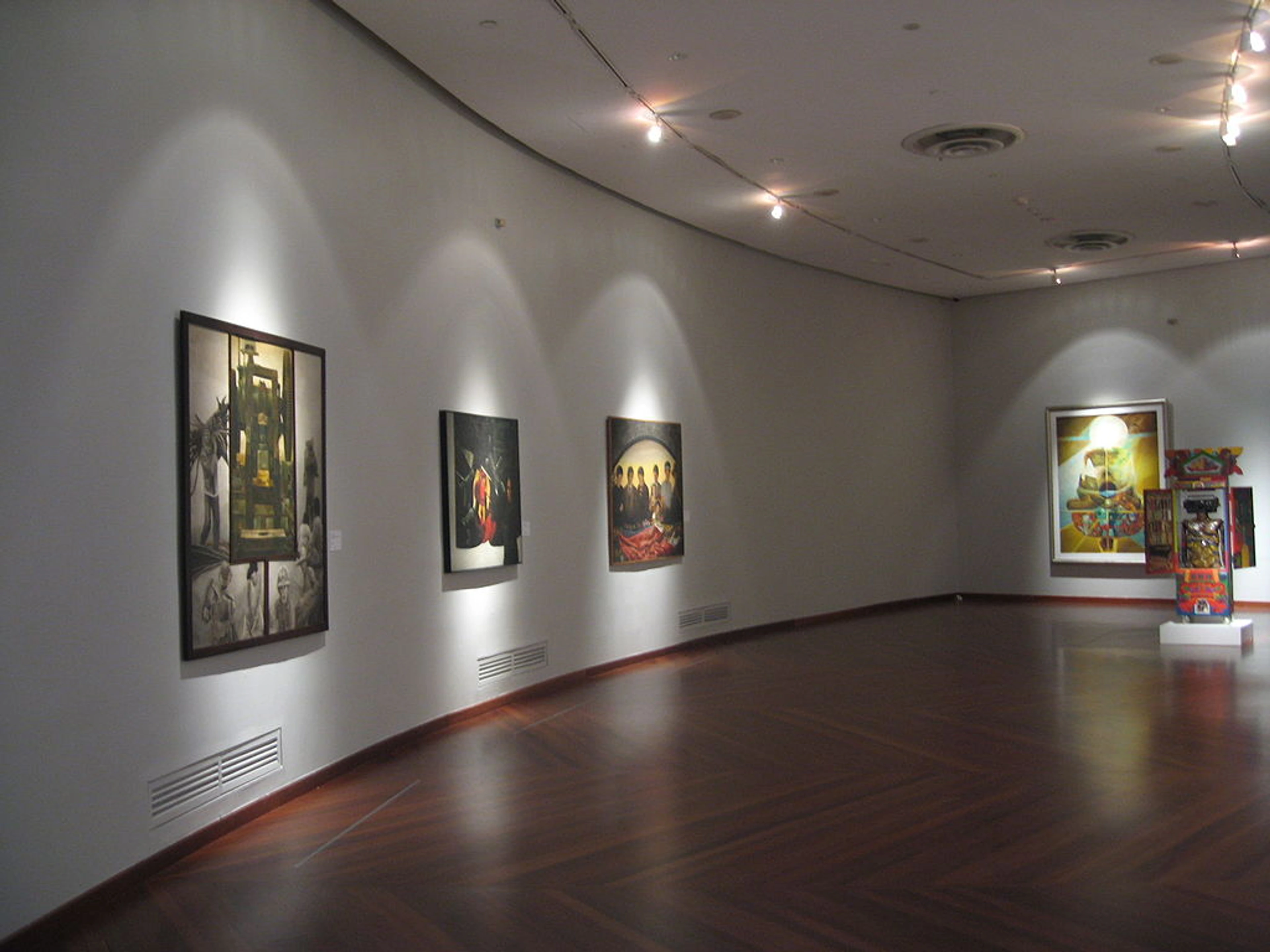
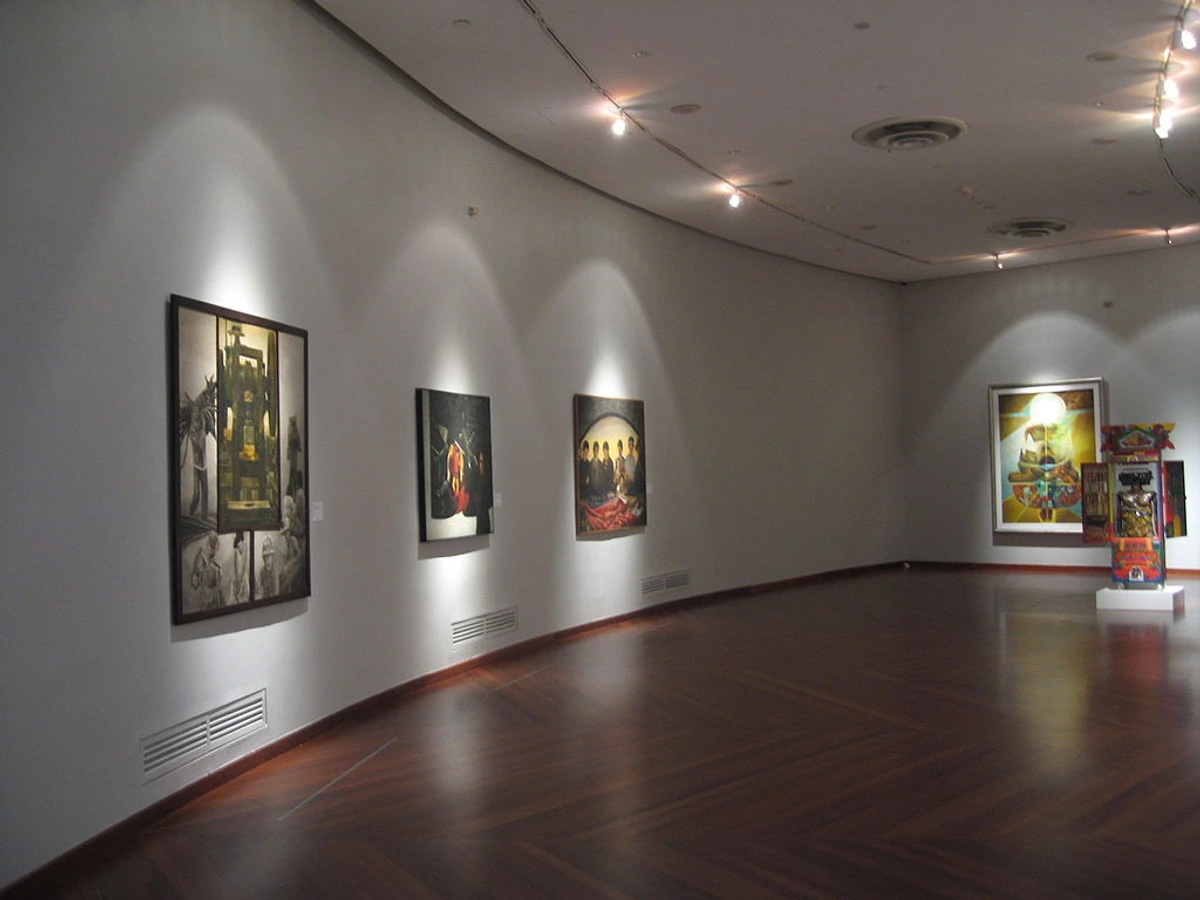
- Walk Around: Pop into local galleries. No pressure, no need to buy, or even to talk to anyone. Just browse. See what colors, shapes, or subjects pull you in. Notice the scale, the medium, the framing. You’re building your eye, one piece at a time.
- Visit Museums: These are pure treasure chests of inspiration, brimming with centuries of ideas. A trip to a place like the one in my hometown, the Den Bosch Museum, can immerse you in history and diverse styles in an afternoon. Don't feel pressured to understand everything; just let it wash over you.
- Go Digital: Pinterest and Instagram are incredible visual firehoses. Follow artists, galleries, and hashtags like #abstractart, #contemporarypainting, or even #artdaily, and see what consistently makes you pause. Save what you like, and notice patterns.
- Look at the World: Seriously, your own life is a gallery. Notice the composition of a city skyline, the unexpected colors in a pile of fallen leaves, the texture of an old brick wall. The artistic eye is everywhere once you start looking.

As you immerse yourself, don't overthink it. Just ask yourself simple, gut-level questions: "How does it make me feel?" Do the colors make you feel calm, energized, or perhaps a little unsettled? Does the image remind you of a memory or a dream? Forget the academic "what does it mean?" for now, and simply focus on the visceral reaction. This is your journey, not an art history exam.
Finding Your "Flavor": A Crash Course in Art Styles
Once you've spent some time simply observing, you might start to notice patterns in what consistently draws your eye. Maybe you're pulled towards chaotic, colorful pieces, or perhaps quiet, simple lines offer you peace. This is you, quite naturally, discovering your aesthetic. While there are countless art styles, most things you’ll encounter will fall into a few broad categories. Don't feel pressured to memorize them all; think of this as a loose guide to help you articulate what you're seeing and feeling.
Style  | The Vibe in One Sentence | Think... |
|---|---|---|
| Abstract | It's all about feeling, color, and form, not a specific, recognizable picture. | Music without lyrics; pure emotion. Dive deeper into the different abstract art movements. |
| Figurative/Representational | It clearly depicts something you’d recognize: a person, a landscape, a bowl of fruit. | A photograph, but with an artist's unique perspective and soul poured in. |
| Impressionism | Capturing a fleeting moment of light and color, often appearing blurry or soft up close. | Squinting your eyes on a bright, sunny day, focusing on the overall glow. |
| Cubism | Objects are broken up, analyzed, and reassembled in an abstract form, showing multiple viewpoints. | Looking at an object through a kaleidoscope, then trying to paint all the fragments at once. |
| Surrealism | Dreamlike, illogical, and often unsettling imagery that explores the subconscious mind. | A vivid, bizarre dream painted onto canvas, like Salvador Dalí's melting clocks. |
| Minimalism | Stripped down to the absolute basics. Simple shapes, clean lines, often limited color palettes. | A single, perfect note held on a piano, or the quiet focus of Agnes Martin's grids. |
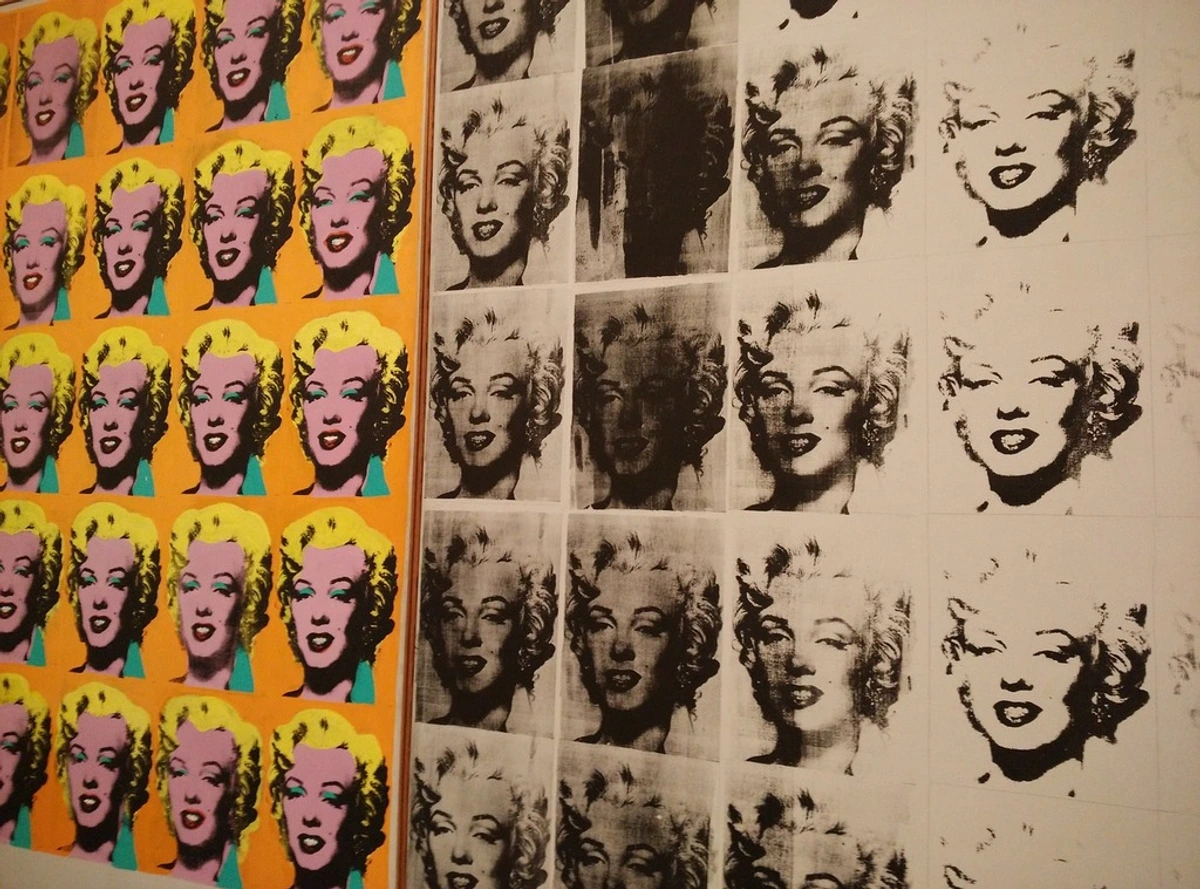
| Street Art/Pop Art | Bold, graphic, and often directly inspired by popular culture, advertising, or urban life. | The visual equivalent of a catchy pop song or a vibrant, thought-provoking mural by someone like Banksy. |

Understanding these styles isn't about fitting your preferences into neat boxes, but rather giving you a vocabulary to describe what you love. If you find yourself gravitating towards the quiet power of minimalism, or the vibrant energy of abstract pieces, that's your unique "flavor" emerging!
Okay, I'm Ready to Buy Something. Now What?
This is where the real fun begins! Let's get this crucial point out of the way: you absolutely do not need a millionaire's budget to start collecting art. I repeat, you don't. Starting your art collection can genuinely be more affordable than a fancy dinner out or a new pair of shoes. It's all about finding the right entry point for you and your current lifestyle.
Where to Find Art for Beginners (and Your Wallet)
Your very first art purchase should be low-stakes and high-joy. The goal is to bring something into your home that you truly love, without any financial pressure. Here’s where I recommend you begin your search:
- Art Prints (Your #1 Starting Point): This is, hands down, the best way to dip your toes into collecting. You can find stunning, high-quality reproductions of works you adore for a fraction of the cost of an original. It's how I started my own collection, and it allows you to experiment with different styles and artists without a major commitment. (And yes, I sell them right here: shameless plug).
- Open Edition Prints vs. Limited Edition Prints: What's the difference? An open edition print can be reproduced indefinitely, making it very affordable. A limited edition print, however, is produced in a finite number, signed and numbered by the artist. This scarcity typically makes them more valuable over time, though still far more accessible than an original. Think of it like a signed first-edition book versus a mass-market paperback.
- Original Works by Emerging Artists: This is incredibly exciting! Local art fairs, university student shows, artist studios, and online marketplaces like Etsy or Saatchi Art are fantastic for finding original work that is still affordable. When you buy from an emerging artist, you're not just acquiring a unique piece; you're directly supporting someone's dream and career. It's a wonderful way to begin your journey as a collector, a path you can explore further in this guide to collecting emerging abstract art.
- Ethical Sourcing Tip: Always try to buy directly from the artist or a reputable gallery/platform. This ensures the artist is fairly compensated and the provenance (history of ownership) is clear.
- Photography as Fine Art: Don't overlook the power of photography! Incredible photographers sell signed prints online that can utterly transform a room. Consider different genres like captivating landscape photography, intimate portraits, or intriguing abstract photography. The accessibility and impact are immense.
- Other Affordable Art Objects: Art isn't just flat! Look for smaller sculptures (often available in editions), unique ceramics, or beautifully crafted artisanal pieces. These can add incredible texture and dimension to your space.
Here’s a rough idea of what to expect budget-wise when you're just starting out:
Type of Art | Typical Price Range (Beginner Level) | Best For... |
|---|---|---|
| Open Edition Prints | $20 - $100 | Filling a gallery wall, experimenting with styles, decorating on a budget. |
| Limited Edition Prints | $50 - $300 | A more unique piece that feels special, with potential to hold some value. |
| Small Original Works | $100 - $500+ | Owning a one-of-a-kind piece, building a real connection, supporting artists. |
| Small Sculptures/Ceramics | $50 - $250+ | Adding three-dimensional interest, texture, and a unique focal point. |
A Quick Note on Art as an Investment (With a Big Caveat)
While it’s exciting to think about art appreciating in value, I urge you to focus on buying what you love first and foremost. For beginners, treating art purely as a financial investment is incredibly risky and often leads to disappointment. If a piece happens to gain value, consider it a bonus, not the primary goal. Factors like an artist's reputation, the uniqueness of a piece, and its provenance can contribute to value, but the art market is complex and unpredictable. Enjoyment is the real ROI here.
Common Beginner Pitfalls (and How to Avoid Them)
Even with the best intentions, it’s easy to stumble. Here are a few things I've learned (often the hard way) to watch out for:
- Buying Art That's Too Small: This is the absolute classic. A tiny piece on a huge wall looks lonely. We'll talk more about scale shortly, but always err on the side of slightly larger rather than too small.
- Chasing Trends: That trendy print you see everywhere on Instagram? It might feel perfect now, but true personal style is timeless. Buy what genuinely speaks to you, not just what’s popular this season.
- Over-committing Financially: Never, ever buy art you can't comfortably afford. The stress will overshadow the joy. Start small, build slowly. There is always beautiful art within your budget.
- Ignoring Your Gut: If a piece doesn't make you feel something, don't buy it, no matter how "important" or "collectible" someone tells you it is. Your emotional connection is paramount.
- Forgetting the Frame: A poor frame can utterly diminish a beautiful piece, and a great frame can elevate a simple print into something spectacular. Budget for framing! (More on this below).
The Practical Stuff No One Tells You About (But I Will!)
You’ve found a piece you absolutely love. Hooray! Now, how do you ensure it looks its absolute best in your space? This is where the interior decorator in me gets incredibly excited, because display is half the magic.
Mastering Size and Scale
The most common beginner mistake? Buying art that's simply too small for the wall. A tiny, postcard-sized frame on a huge empty wall often looks sad and lost. It's like wearing a small button on a large coat. My pro tip: Before you commit to a purchase, use painter's tape to outline the exact dimensions of the art on your wall. This simple trick gives you an invaluable real-world feel for how the piece will occupy the space. If you're decorating a smaller home, you’ll find some great insights in our guide to collecting art for small apartments.
Framing: The Silent Transformer
A great frame can truly elevate a $20 print, making it look like a masterpiece. Conversely, a poor frame can diminish even an original. You don't need to spend a fortune, but a thoughtfully chosen frame is an investment in the art itself. Simple, clean frames (like basic black, white, or natural wood) are almost always a winning choice, as they let the art do all the talking. Consider a mat (the border between the art and the frame) for smaller pieces; it gives them breathing room and makes them feel more substantial.
Hanging Your Art: Rules Are Meant to Be Broken (Sometimes)
The standard museum rule is to hang art so its center is at eye level, which is roughly 57 inches (145 cm) from the floor. This prevents the art from appearing to float too high or too low on the wall. But, as with all rules, there's room for playful defiance! Leaning a larger piece against a wall on the floor can look incredibly chic and effortless in a more casual setting. Grouping smaller pieces together in a gallery wall is another fantastic option to create a impactful visual statement, especially if you have a collection of varied sizes. Check out our guide to gallery walls for inspiration.


Art for Specific Rooms: Tailoring Your Choices
Think about the purpose and mood of each room before you choose art:
- Living Room: This is often a social space. Bold, conversation-starting pieces or a cohesive gallery wall work well. Consider art above the sofa for maximum impact. You can also dive into choosing art for your living room in more detail.
- Bedroom: Aim for calm, personal, and serene pieces. Abstract art with muted tones or gentle landscapes can enhance relaxation. This is your sanctuary.
- Dining Room: Art here can be a focal point, setting the mood for meals and gatherings. Consider something that encourages reflection or sparks light conversation. We have a specific guide on how to choose art for a dining room.
- Home Office: Opt for inspiring, energizing, or focus-enhancing pieces. Abstract art can be great for stimulating creativity without being distracting. Explore choosing art for home office productivity.
- Bathroom/Powder Room: Often overlooked, these small spaces are perfect for a playful or dramatic statement. Make a splash! Don't miss our comprehensive guide on how to choose art for a bathroom.
FAQ: Quick Answers to Your (Completely Valid) Questions
I know what you're probably thinking, because I've thought it all myself. Here are some quick answers to ease your mind:
What if I buy something and hate it in a year? Honestly? It happens to the best of us! Tastes evolve, and that's a beautiful thing. Think of it like a piece of clothing you loved for a season. You enjoyed it, and now it might be time for something new. That's precisely the beauty of starting with affordable prints or emerging artists – the financial commitment is low, giving you freedom to grow.
Do I need to know about art history to appreciate art? Absolutely not, and please don't let anyone tell you otherwise. You don't need to know music theory to enjoy a song, right? While art history is endlessly fascinating and can add a deeper layer of appreciation, it is unequivocally not a prerequisite for loving a piece of art. Your personal connection is all that matters.
What about digital art? How do I "collect" that? Good question! Digital art is increasingly popular and accessible. You can acquire high-resolution digital files (often with licenses for personal display) and showcase them on dedicated digital art frames. This offers incredible flexibility to change your art with your mood.
Is it okay to buy art that just... matches my sofa? YES! A thousand times, YES! And please, for the love of creativity, do not let any self-proclaimed art snob tell you otherwise. Your home is your sanctuary, your canvas. If a piece of art ties the room together and makes you happy every single time you look at it, then it is doing its job magnificently. Great art doesn't just hang on a wall; it lives in a space, and it lives with you.
How do I know if something is "good" art? If you like it, if it evokes a feeling, if it makes your space feel more like home – then it is absolutely good art for you. That is the only definition that matters when you are building a personal collection. Don't let external opinions dictate your joy.
Your Journey Starts Now: The Canvas Awaits
The world of art isn't a test you can fail. It’s a vast, wonderful, weird, and beautiful conversation that has been unfolding for thousands of years, and you are officially invited to join in whenever and however you like. Think of it as an open-ended adventure, not a rigid curriculum.
Your first, most powerful step is simply to look. Notice what truly pulls you in, what sparks a flicker of recognition or joy. Trust your gut feeling above all else; that is the whole secret. For me, art is fundamentally about the stories it tells and the unique feelings it brings into a room. If you're curious about my own path and how I found my artistic voice, you can read about my artistic journey.
So, what are you waiting for? Take that first step. Find something – anything – that makes your walls (and your soul) happy. The canvas of your home is ready for your story.