The Art Buyer's Blueprint: Your Ultimate Guide to Confident Collecting
Master art collecting with our comprehensive guide. Explore artists' visions, crucial provenance, ethics, materials, care, and budgeting for paintings, prints, and sculptures, turning uncertainty into a joyful, informed journey for any budget.

The Art Buyer's Blueprint: Your Ultimate Guide to Confident Collecting
I'll never forget that first serious piece of art I almost bought. Not a mass-produced poster, mind you, but a painting that genuinely vibrated with an energy that pulled me in. My gut screamed, "This is it!" Then, just as quickly, my brain started its frantic, high-speed interrogation: "Is this silly money? Will I regret it next year? Do I even understand what I'm looking at?" It was this weird, potent mix of excitement and absolute, stomach-lurching terror. I know the feeling. You're probably nodding along right now, aren't you? It's that moment when a piece of art stirs something profound, yet a hundred questions about the 'how' and 'why' of acquiring it rush in, threatening to drown the magic.
That initial leap into collecting art, or even just buying a single piece you truly love, can feel like stepping into a secret society you weren’t invited to. There’s this pervasive myth that art is only for the ultra-wealthy, for those who speak a secret language of "isms" and "epochs." And frankly, that's just not true. My belief? Art collecting isn't just a transaction; it's the beginning of a profound relationship, a journey of discovery that's open to anyone with a pulse and a little curiosity. It’s about investing in joy, in thought, in a piece of humanity, not just in a potential financial return (though that can be a lovely bonus). Asking the right questions doesn't diminish the magic of art; it deepens it, transforming mere acquisition into a genuinely confident and intentional art collection.
This guide is my distilled blueprint, born from years of asking, learning, and the occasional mistake—what I wish someone had told me from the start. We'll cover everything from the artist's deepest intentions and the artwork's history to the practicalities of a sound purchase, how to budget effectively, and finally, how to live with and care for your new treasure. My goal is to ensure you not only adore what you acquire but deeply understand its place in your world and the broader narrative of art. So, let's transform that initial terror into informed confidence, navigating the art world like a seasoned pro. This is your comprehensive how-to guide, demystifying art collecting for everyone, regardless of budget.
Unveiling the Artist and Their Vision: The 'Who,' 'Why,' and 'Where From' Behind the Canvas
Before we dive into the nuts and bolts, let's talk about connecting with the soul of the piece. This is the truly fun part—the detective work that adds layers of meaning to the colors and shapes in front of you. It's about understanding the human story that breathes life into the artwork.
Who is the artist? Exploring their journey and impact.
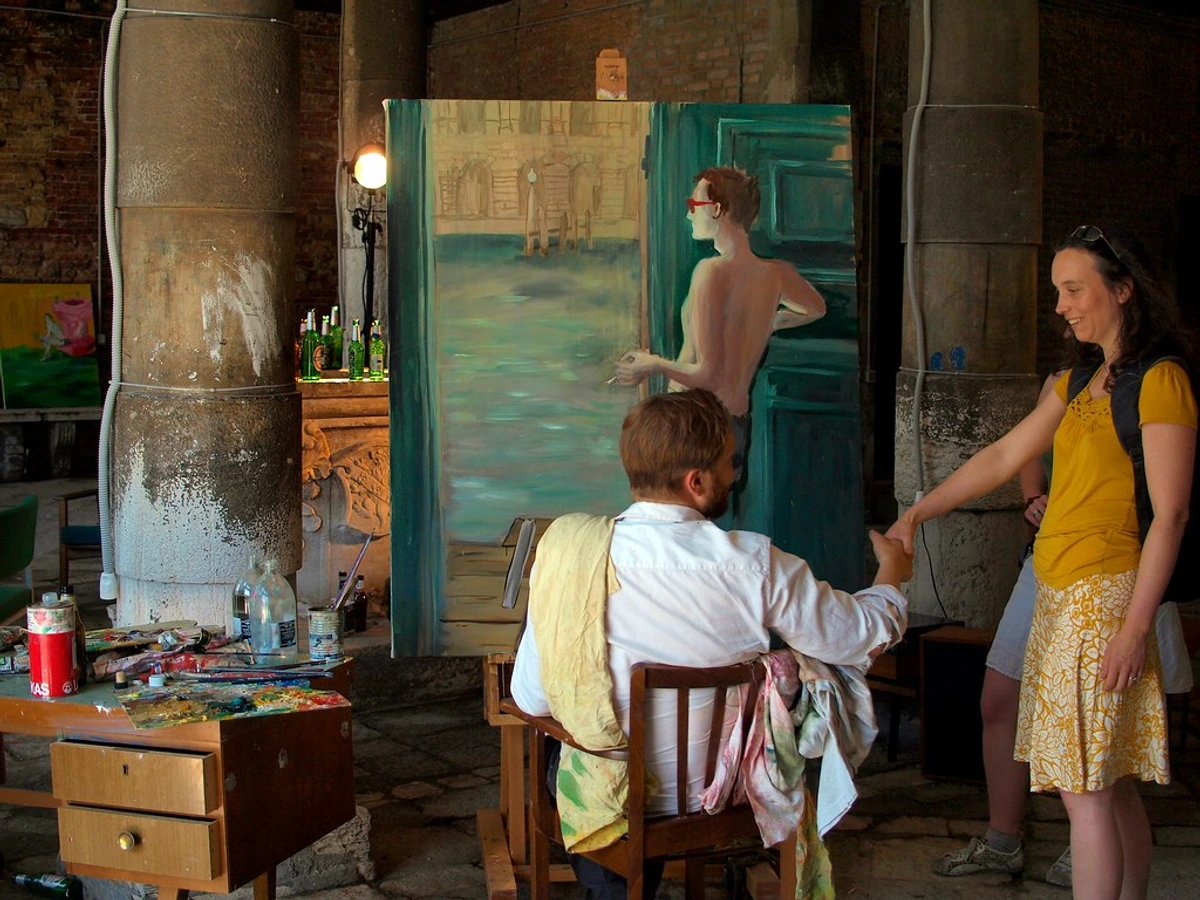
This question feels obvious, but trust me, it goes far deeper than just a name. I'm talking about their entire story. Where did they grow up? What kind of education did they receive, if any, formal or informal? An artist's life experiences are almost always woven directly into their work, whether consciously or unconsciously. Knowing that an artist spent years as an architect, for instance, might suddenly illuminate their meticulous use of structure in a painting, much like Sol LeWitt's grid-based works often reflect a systemic, almost architectural approach. Or perhaps a background in music explains the rhythm and flow in their abstract compositions, a connection Wassily Kandinsky famously explored with his synesthetic works – experiencing one sense through another, like seeing colors when hearing music. For Kandinsky, specific musical notes or chords might trigger particular colors or forms, leading to compositions that visually represent musical harmonies or dissonances, a concept he detailed in "Concerning the Spiritual in Art." Personally, I've found that looking into an artist's personal timeline can completely reframe how I see their creations, transforming a single piece into a moment in a longer, often fascinating, journey. Beyond their personal biography, researching their influences—whether it's specific art historical movements they align with or react against, or academic studies they've published—can offer even deeper insights.

When you're asking about an artist, you're trying to gauge their position in the art ecosystem. These categories aren't rigid definitions, but they're a good guide:
- Emerging Artist: Someone relatively new to the professional scene, perhaps with a compelling vision and a growing exhibition history (maybe a few group shows, perhaps one or two solo shows in local or regional galleries, a notable art residency, or inclusion in a juried museum exhibition). Their prices are typically more accessible, and you're investing in potential and a fresh, experimental perspective.
- Mid-Career Artist: Has established a consistent body of work, a notable exhibition history (think 5-15 solo shows, perhaps some international group exhibitions), stable gallery representation, and a growing presence in reputable art publications. They might have early institutional acquisitions (museums, major corporate collections, or foundations owning their work), showing a more refined and consistent artistic voice, and their market value is more defined.
- Established Artist: Someone with a significant exhibition record in major galleries and museums globally, widespread critical reviews in prominent national or international publications (often with a strong critical discourse surrounding their work), consistent representation by leading galleries, and works regularly appearing in institutional collections or at major auction houses with verifiable records. Their market is mature, and prices reflect that.
An artist can transition between these categories, and sometimes their standing can even be debated within the art world. A reputable gallery should be thrilled to share this information, as it genuinely helps you appreciate the art more deeply and understand its context. Don't be afraid to do your own digging, too; check the artist's website, look for them on established online art databases like Artnet or Artsy (especially for more established names), or even scour academic journals for critical reviews. Their social media can sometimes offer fascinating, albeit unfiltered, insights, but always take that with a grain of salt, separating personal narratives from their professional artistic journey.
Why was this piece created? Uncovering the artistic intention.
Is this work part of a larger series? Does it represent a particular theme the artist has been exploring for years, or is it a complete departure? Sometimes an artist will have a statement or manifesto that accompanies a series, and reading it can be like finding a secret key to their world. A statement often explains the themes, inspirations, and processes behind a specific body of work, while a manifesto is a broader, more declarative public statement of an artist's (or group's) core principles and artistic philosophy. Both answer the profound question, "What was on their mind when they made this?"
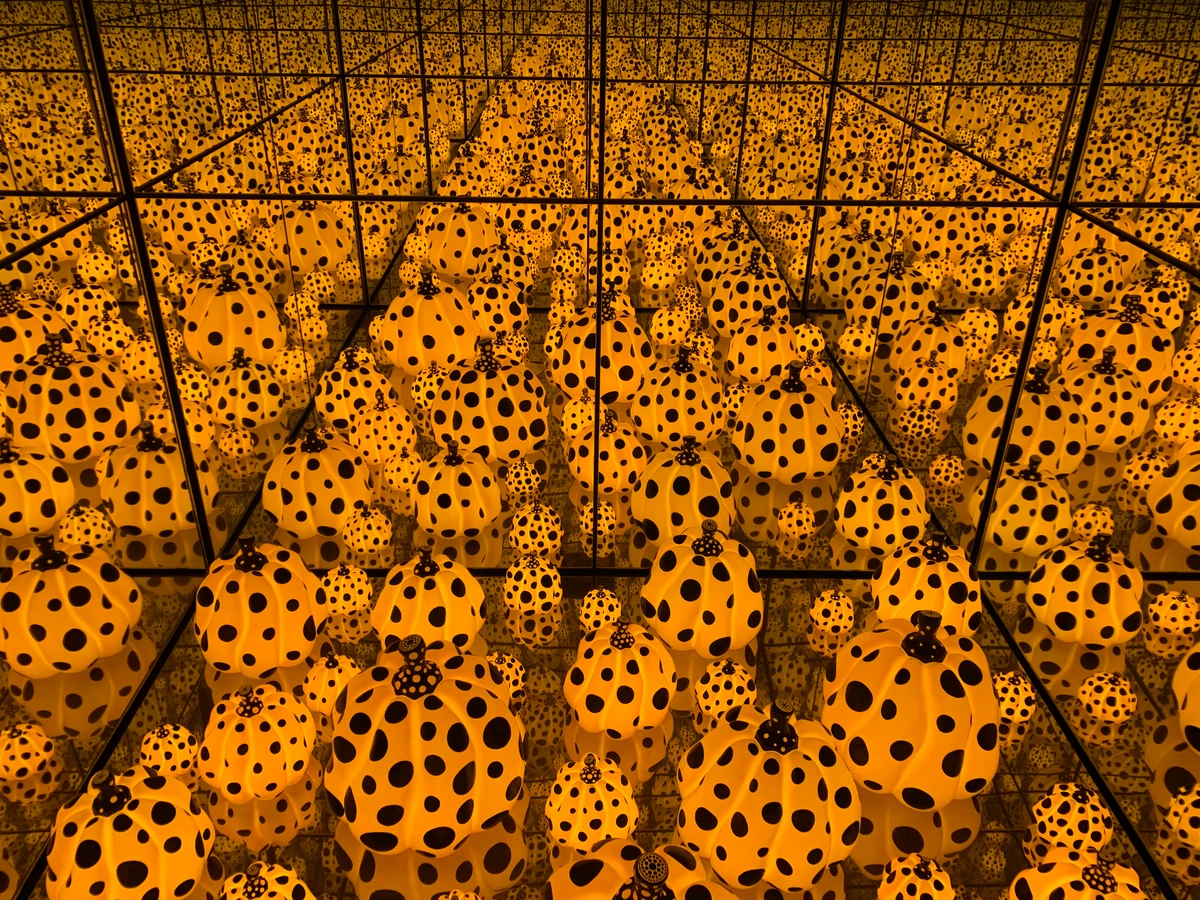
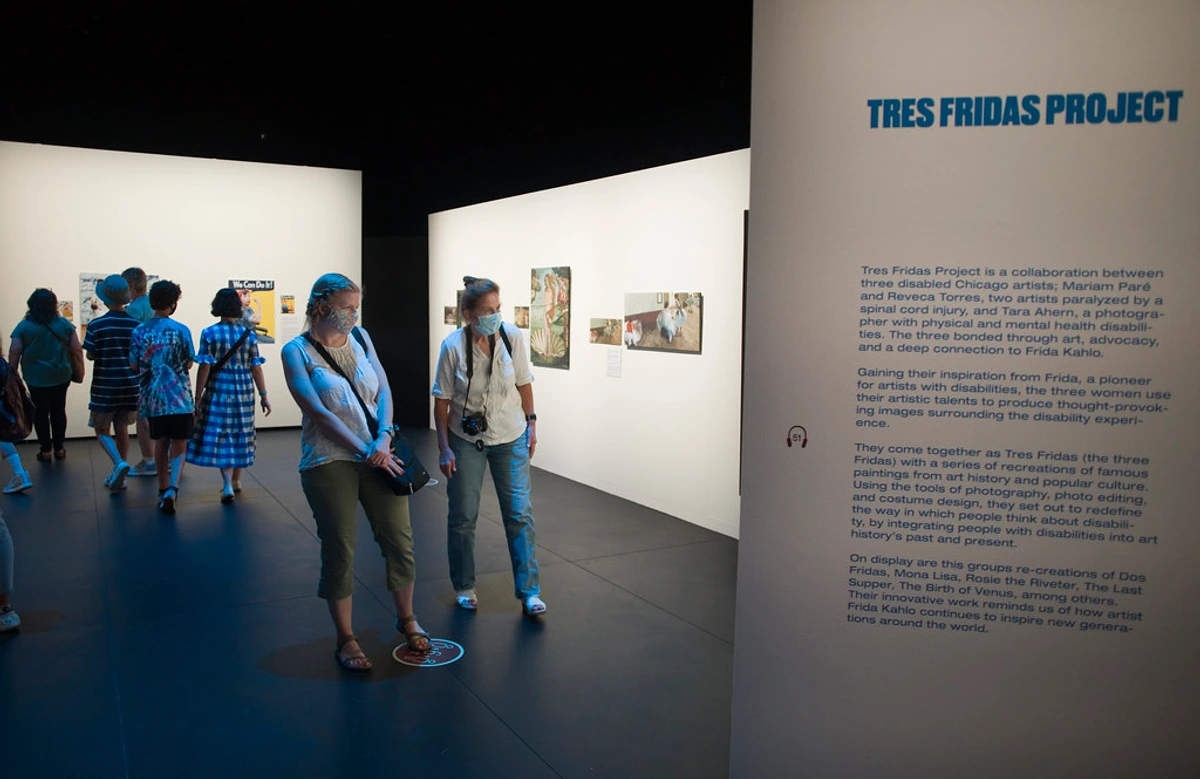
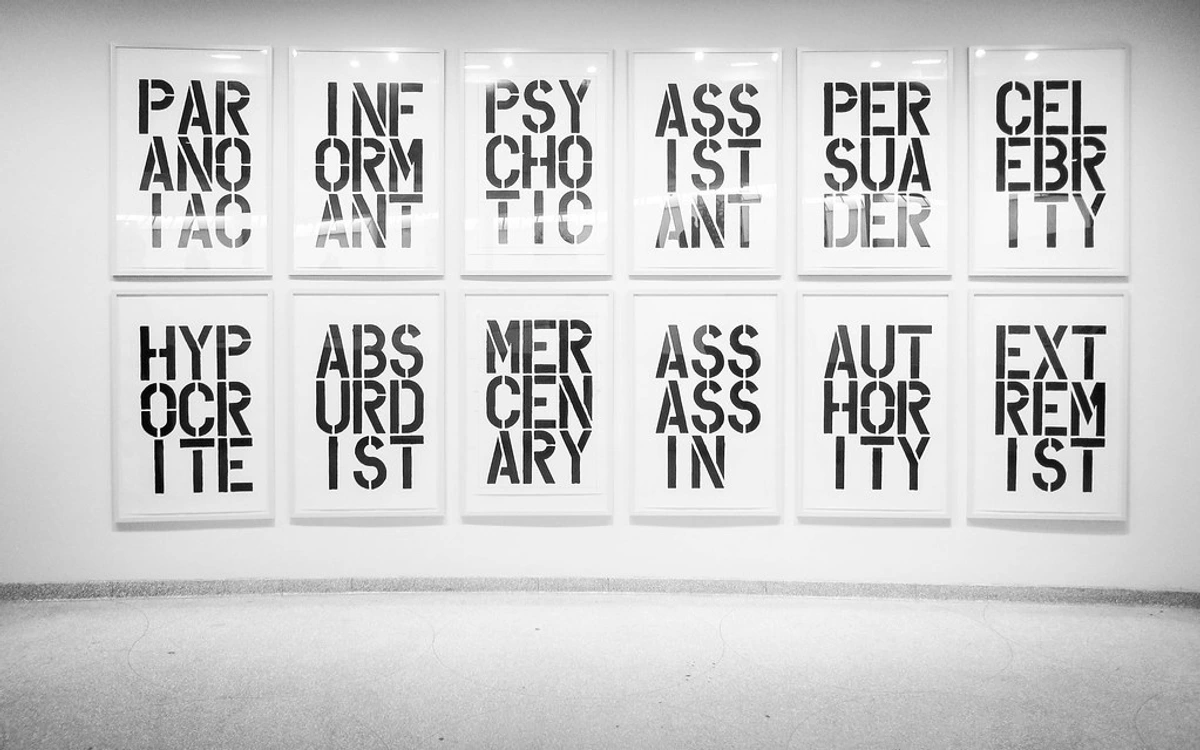
Artistic intention isn't monolithic; it's a rich tapestry of motivations. Was it born from deeply personal expression, like Frida Kahlo's self-portraits, which almost always offer a raw window into her physical and emotional pain? Or was it a powerful response to a global event, a sharp social commentary on political upheaval or injustice, much like the searing works of Kathe Kollwitz or Picasso's "Guernica" (a piece whose meaning and message are explored in depth in what is the meaning of picassos guernica)? Perhaps the intention was purely aesthetic exploration—a fascination with color, light, and form for their own sake, often seen in movements like Abstract Expressionism (where spontaneous, gestural application of paint aimed to express emotion) or the minimalist grids of Agnes Martin, or the immersive, vibrant installations of Yayoi Kusama. Or maybe it was a conceptual art piece, where the idea or concept behind the work is more important than the finished art object itself, much like Jenny Holzer's thought-provoking text installations, Marina Abramović's performance art, or Joseph Kosuth's "One and Three Chairs," which explores the relationship between language, object, and image. And let's not forget public art installations designed for community engagement, transforming spaces and encouraging interaction. The artist's intention could even be a specific commission that pushed their boundaries, or even a piece created with commercial appeal in mind (which isn't inherently bad, just a different drive). Understanding the artist's creative process—how they sketch, experiment, and develop ideas—can also reveal their intention. A gallery might even have preparatory sketches or studies that shed light on the artwork's evolution, offering a peek behind the creative curtain. This understanding enriches your ownership; you're not just buying a pretty object, you're buying a piece of a larger idea, a moment of profound human expression. Artist statements, manifestos, and interviews can provide invaluable insight here, turning a purchase into a deeper dialogue.

What's the artwork's history? The critical role of Provenance.
Provenance is just a fancy word for the artwork's documented history of ownership, a paper trail that confirms its journey from the artist's hands to yours. For a piece straight from the artist's studio, this is often simple—you're the first owner. But for older pieces or works on the secondary market (meaning artwork being resold by collectors or dealers, rather than directly from the artist or their primary gallery, who holds exclusive representation for that artist), it's a crucial historical record. The secondary market typically operates through various venues such as established auction houses (like Sotheby's or Christie's), private art dealers, or online platforms like Artnet Auctions or Artsy. Who has owned it? Has it been in any exhibitions or published in any catalogs? A solid provenance helps confirm authenticity, can significantly add to the piece's value, and reveals its journey through time and cultural significance. It’s like tracing the lineage of a rare antique. You should always expect a comprehensive Certificate of Authenticity (COA); check that it details the artwork's title, date, medium, dimensions, and ideally, its exhibition history and edition number (if applicable).
For older or highly significant works, a reputable art appraiser, with their deep knowledge of art history, market trends, and authentication techniques, can conduct thorough provenance research. Beyond the COA, other critical documentation can include exhibition catalogs, original invoices, letters from the artist, and even old gallery or exhibition stickers on the back of a frame. For established artists, verifiable auction records of their comparable works are incredibly important for confirming market value and authenticity.
Provenance Red Flags: What to Watch Out For
Sadly, the art world, like any market of value, has its unscrupulous corners. Being vigilant is key, and certain provenance red flags should give you pause. I once almost bought a beautiful painting that had a suspiciously vague provenance; a quick phone call to a well-known institution it was supposedly exhibited at revealed no record of it. That saved me a lot of regret (and money).
Red Flag Category  | Specific Warning Signs | Why It Matters | Your Action |
|---|---|---|---|
| Documentation Issues | Gaps in Ownership History, Vague or Generic COA, Over-reliance on "Word of Mouth," COA from an unknown or non-reputable entity | Missing parts of the story, lack of specific details, or unsubstantiated claims severely undermine authenticity and value. | Demand clear, detailed, and verifiable documentation from a recognized source. If in doubt, walk away or seek independent expert advice. |
| Appearance & Origin | "Discovered" or "New to Market" Without Explanation, Unusually Pristine Condition for an Old Work | Unexplained appearances of major works or unnaturally perfect condition for old pieces can signal forgery or misattribution. | Question sudden, convenient "discoveries." Consider independent expert authentication, especially for high-value items. |
| Transaction Red Flags | Extremely Low Price for a Significant Work, Pushing for Quick, Cash-Only Sale, Refusal of Independent Inspection | These often indicate a seller trying to offload a problematic piece quickly before its issues are discovered. | If it sounds too good to be true, it probably is. Always allow for third-party expert inspection and never feel pressured into a quick sale. |
| Digital Provenance (NFTs) | NFT-only provenance for physical art without robust physical links, unregulated claims | NFTs primarily verify digital assets on a blockchain; their application to physical art for true provenance is nascent, complex, and largely unregulated. They do not automatically confer authenticity or legal ownership of a physical object. | For physical art, prioritize traditional, verifiable provenance and COAs from reputable sources. View NFT links for physical art with skepticism due to substantial risks of scams, misrepresentation, and lack of legal recourse. |
It's important to remember that provenance itself can be forged, so always buy from trusted sources. For more on this, you might find a collector's guide to identifying and avoiding art forgeries in the abstract market helpful.
The Role of Artist Estates
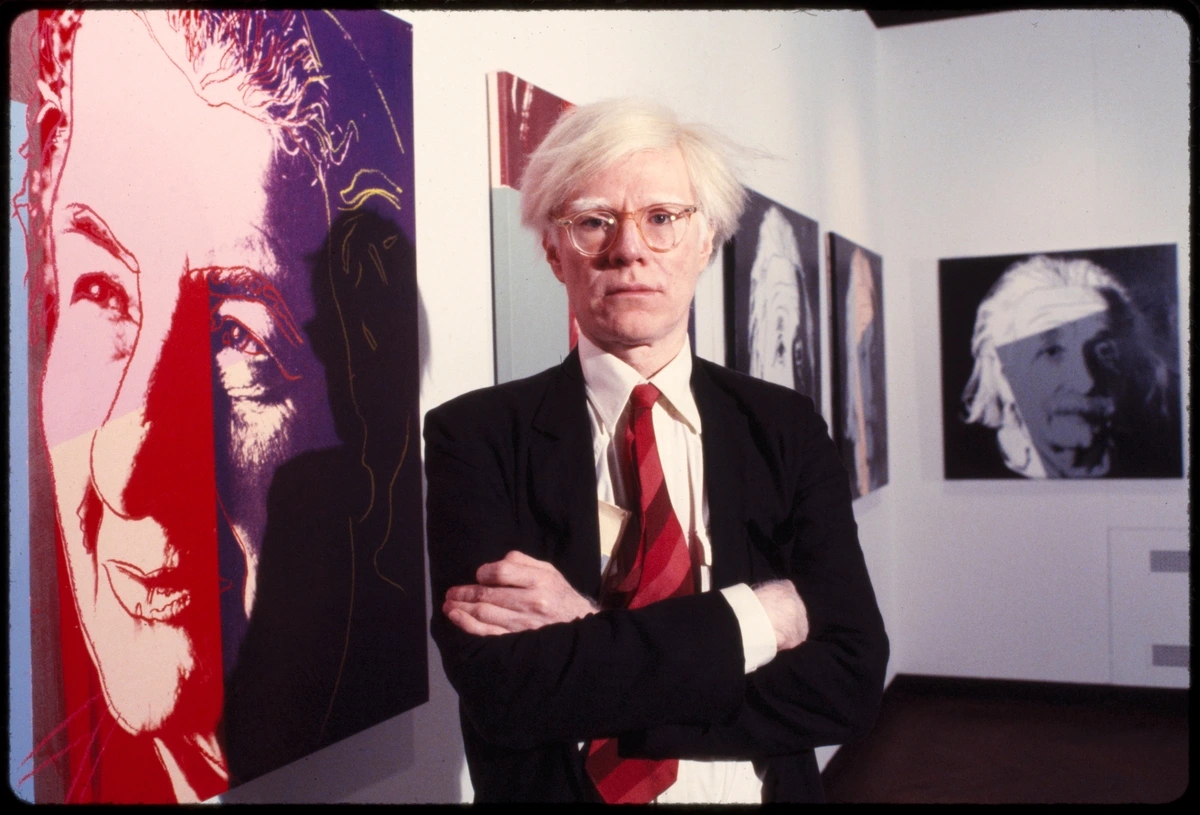
When an artist passes away, their body of work often falls under the care of an artist estate. This estate is responsible for managing the artist's legacy, authenticating works, overseeing reproductions, and often acting as the primary point of contact for sales on the primary and secondary markets. Dealing with an artist's estate can add a layer of complexity but also a layer of authority and assurance, as they are the ultimate arbiters of authenticity for the artist's work. It's crucial to understand who manages the estate and their reputation, as they hold the keys to much of the artwork's documentation and market presence. For works by deceased artists, a COA from a recognized estate is often the most important piece of provenance, often superseding even gallery documentation.
The Essential Checklist: Practical Considerations for a Sound Art Purchase
Falling in love with a piece is step one. But making sure it's a sound and practical addition to your life and collection—that's step two. This is where you put your sensible hat on and ask the tough questions, ensuring you're making a wise investment, both financially and emotionally. To help you visualize the key due diligence points, here’s a breakdown of what to look for:
Question Category | Key Questions to Ask | Why It Matters | Action to Take |
|---|---|---|---|
| Condition | Has it been restored? Are there any damages (tears, cracks, fading, craquelure, flaking, foxing, blooming, delamination, chips, glaze issues)? | Ensures you understand existing flaws that could affect value, stability, and future care. Restoration quality impacts integrity. | Visually inspect closely. Ask for a condition report from the gallery. If buying a significant piece, consider an independent conservator's assessment. |
| Materials | What is it made of? Are the materials archival (acid-free, lignin-free, lightfast)? | Dictates longevity, specific environmental needs, potential aging, and informs proper preservation. Non-archival materials degrade faster. | Confirm material specifics with the artist/gallery. For works on paper, ensure archival matting and UV-protective glazing are used. |
| Authenticity | Does it come with a Certificate of Authenticity (COA) and a clear provenance? | Your primary legal and historical proof that the work is genuine and by the credited artist. Value and credibility are severely compromised without it. | Demand a comprehensive COA and a clear, verifiable ownership history. For older works, independent expert authentication is critical. |
| Ethical Sourcing | Are there any ethical concerns regarding its creation or origin (cultural appropriation, illicit antiquities, environmental impact, labor practices)? | Ensures your collection aligns with responsible practices, avoiding complicity in problematic issues. | Ask detailed questions about the artwork's background and the artist's methodology, especially for culturally inspired or historically significant pieces. |
| Pricing | How was the price determined? Is it consistent with similar works and the artist's market? | Helps you understand the value proposition and confirms you're paying a fair market price based on the artist's standing, market demand, and the work's attributes. | Research the artist's market. Don't be shy to respectfully inquire about pricing factors and potential flexibility for serious collectors. |
What condition is it in? Peeking behind the curtain.
For a new piece straight from the artist's studio, this should be straightforward: it should be in perfect, pristine condition. But for any work that's not fresh from the studio, especially older pieces or those on the secondary market, you need to look closer. Don't be shy; ask the gallerist or dealer to point out any imperfections, no matter how small. Think of it as a pre-purchase inspection for your future joy.
Here’s a breakdown of what to look for across different mediums, with visual cues:
- Paintings (Oil, Acrylic): Examine for craquelure (a fine, spiderweb-like network of cracks in the paint layer, natural in older oils but can indicate instability if severe or rapidly forming), flaking (small pieces of paint detaching from the canvas or panel), paint loss, stretcher bar marks (subtle indentations from the canvas being stretched over the frame), fading of colors, or discolored varnish (which can make colors appear dull or yellow). Blooming (a hazy, whitish appearance from degraded varnish, often due to humidity) is another common issue.
- Works on Paper (Prints, Drawings, Watercolors, Photographs): Watch meticulously for foxing (small brown spots, often from mold or iron impurities in the paper), water damage (telltale wavy paper, distinct tide lines or stains), creases, tears, or pinholes. For photographs, be vigilant for fading, discoloration, surface abrasions, or "silvering" (a metallic sheen on dark areas, especially in older silver gelatin prints). The acidity of old matting or backing boards can also cause irreversible damage and discoloration over time, leading to yellowing or brittle edges.
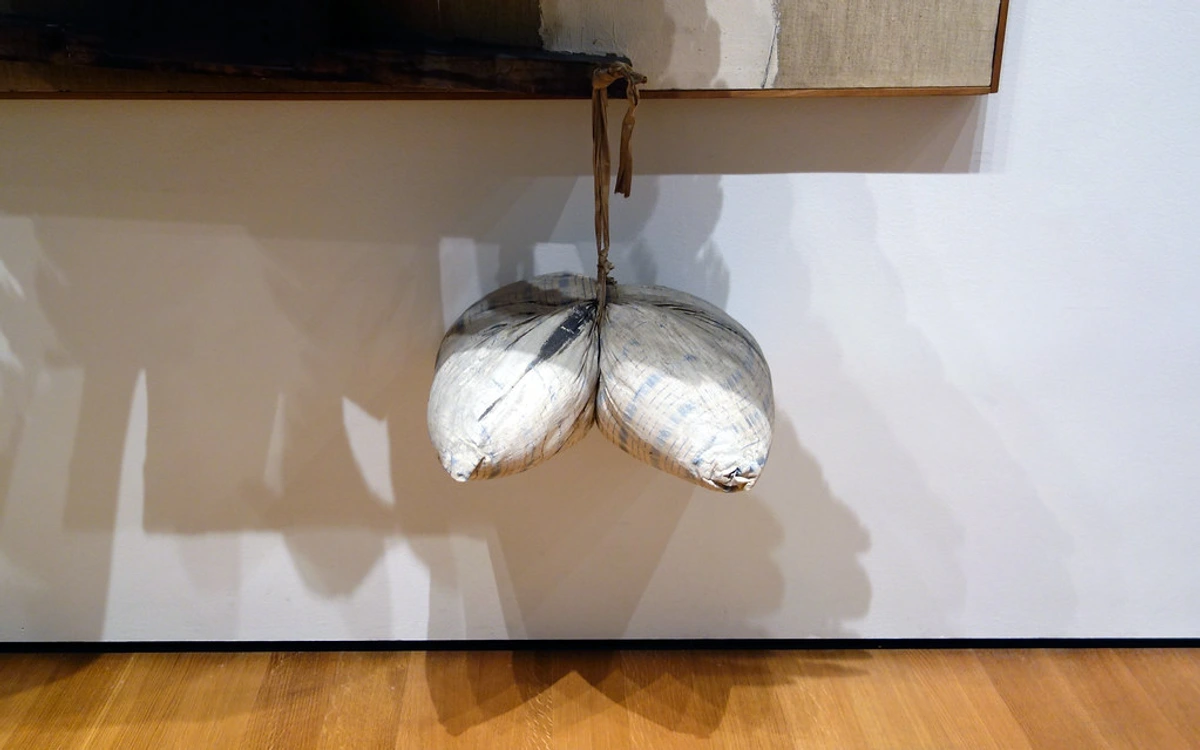
- Sculptures: Check for chips, cracks, abrasions, stability of the base, and any issues with the patina (the surface finish, especially on bronze, which can change color or texture, indicating wear or improper handling). For mixed media sculptures, ensure all components are securely attached and in good condition. Delamination (the separation of layers in a material, like a veneer peeling from wood or layers within a composite sculpture) is a critical structural flaw to watch for. You should also look for signs of instability in the armature (the internal support structure) or corrosion on metal components.
- Ceramics: Look for hairline cracks, chips, glaze imperfections, or signs of previous repair (often identifiable by a difference in sheen or color in the repaired area, or by tapping gently for a duller sound compared to the clear ring of an intact piece).
Has it been restored? Art conservation (stabilizing an artwork to prevent further deterioration) and restoration (intervening to return an artwork to a previous state) isn't inherently negative—it can even be crucial for preserving an artwork—but understanding its extent and the quality of the restoration is essential. For paintings, this might involve retouching paint losses or stabilizing a cracking surface. For ceramics, it could be infilling missing fragments or reattaching broken pieces. Is the restoration reversible? Are the materials compatible with the original artwork? Does it blend aesthetically, or is it obvious and distracting? The extent and quality of restoration can significantly impact a piece's value and future stability. Poorly executed or incompatible restorations can even cause more harm over time. A professional art conservator can provide an impartial assessment. I once saw a stunning antique print with a barely noticeable tear near the edge; knowing about it allowed me to negotiate the price and plan for appropriate framing that would protect it, rather than discovering it years later with regret.
Ethical Considerations: Collecting with a Conscience
The world of art is beautiful, but it's not always clean. As a collector, you have a responsibility to ensure your acquisitions are ethically sourced. This goes beyond just legal ownership; it touches upon cultural respect and responsible global citizenship. Here are specific ethical concerns to be aware of:
- Cultural Appropriation: For art derived from indigenous or minority cultures, ask about the artist's connection to that culture, how they gained permission or insight, and if fair compensation or recognition is given to the original cultural creators. Is it a respectful homage, or does it exploit without understanding? For example, is an artist merely copying a traditional tribal pattern without understanding its spiritual significance or acknowledging its origins, or are they collaborating directly with and supporting the original culture? This also touches on art as a cultural artifact, reflecting its time and societal context.
- Looting and Illicit Antiquities: Especially for older objects or artifacts, ensure there is no suspicion of illegal excavation, theft, or smuggling from their country of origin. The provenance here is absolutely paramount. Think of historical examples where art has been repatriated to its country of origin after being illegally acquired, like many artifacts from ancient Egypt or the Elgin Marbles. Always verify the legal ownership chain. This also includes understanding the concept of repatriation, where cultural objects are returned to their country or community of origin. As a collector, buying a piece with a dubious past means you might inadvertently be complicit in past injustices, and the artwork could be subject to future claims for return, potentially leading to its loss from your collection.
- Environmental Impact: Consider the materials used in the artwork's creation. Are they sustainably sourced? Does the creation process involve environmentally damaging practices? For instance, some heavy metal pigments can be toxic, and certain industrial processes for large-scale sculptures can have a significant carbon footprint. Beyond the artwork itself, consider the environmental impact of framing materials. Traditional framing often uses non-sustainably harvested woods, petroleum-based plastics for glazing, and adhesives with volatile organic compounds. Opting for FSC-certified wood, recycled materials, or even considering frame-less display options for certain works can significantly reduce your collection's footprint.
- Labor Practices: For art that involves complex production or multiple artisans, are the labor practices fair and just? This is particularly relevant for crafts or collaborative works, ensuring that all contributors are treated equitably.
Asking these questions aligns your collection with responsible practices, ensuring you're part of the solution, not the problem. For more, see ethical considerations when buying cultural art.
Exploring the Art: Mediums, Techniques, and Their Impact
Now that we've considered the artist's story and the practical aspects of condition and ethics, let's turn our attention to the fascinating world of how the art is actually made. This is where the magic really gets technical, and honestly, fascinating. Understanding the medium (the material or substance an artist uses) and technique (the specific way they apply it) is crucial not only for appreciating the artist's skill but also for the long-term care of your piece.
What materials were used? Understanding longevity and care.
This is so incredibly important for long-term care and preservation. Is it oil on linen, acrylic on wood panel, or a delicate watercolor on paper? Some materials are inherently more fragile than others and may have specific needs regarding light, humidity, or framing. For example, a delicate work on paper should always be framed under UV-protective glass (which blocks harmful ultraviolet rays that cause fading and embrittlement) and kept out of direct sunlight. While traditional UV-protective glass is common, you might also encounter museum glass, which offers superior clarity and reduced glare in addition to UV protection, though it comes at a higher cost. Oils can become brittle over time and require stable temperature, while acrylics are more flexible but can attract dust due to their static charge, making them tricky to clean without specialist knowledge. Certain inks used in prints or drawings can be highly susceptible to fading, and mixed media works might have diverse material needs requiring careful handling. Direct sunlight on watercolors, for instance, can lead to irreversible pigment fading and paper embrittlement within a few years, while high humidity can cause mold growth on canvases and delamination of paint layers.
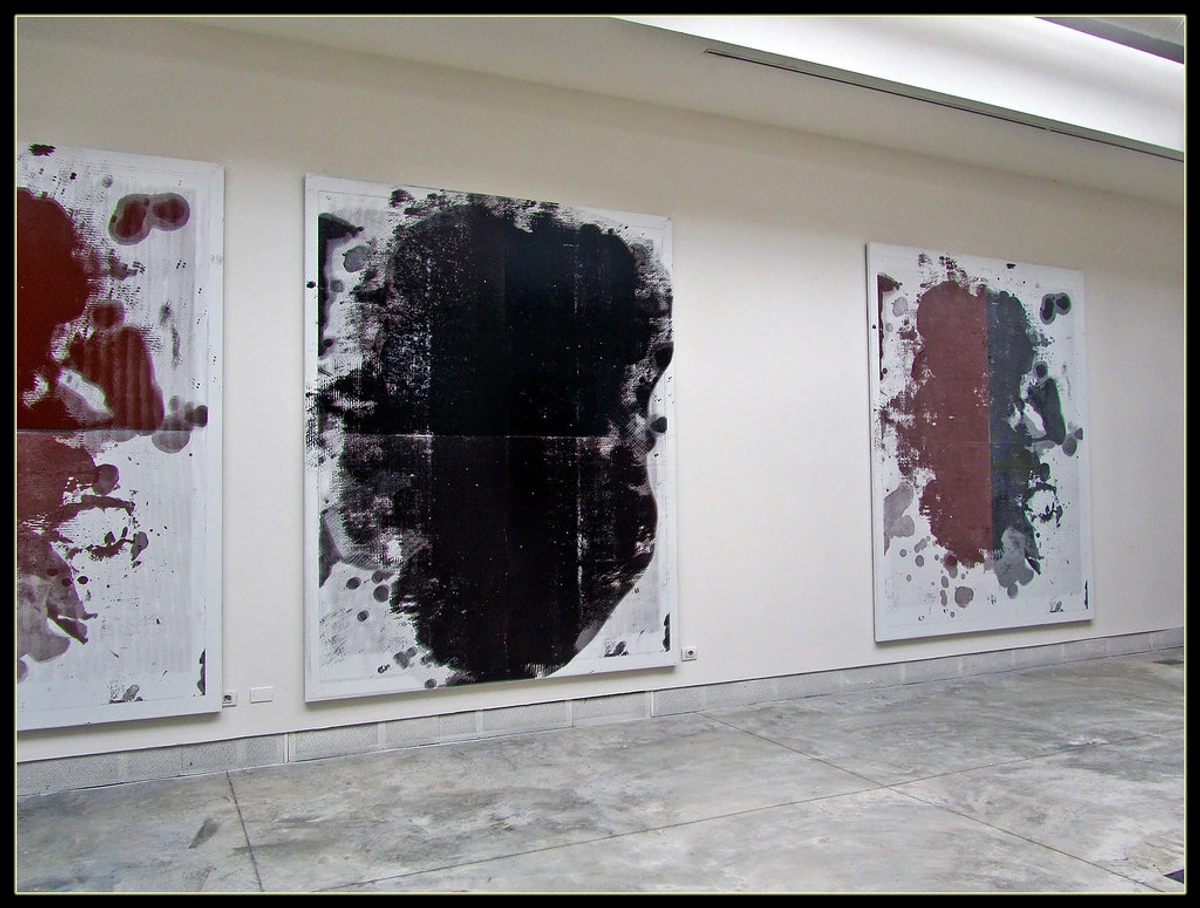
When we talk about "archival materials," we're essentially talking about materials designed for forever (or as close as you can get). They are chosen and processed for their stability, longevity, and resistance to degradation over time. This means they are acid-free (meaning they have a neutral pH, preventing chemical deterioration), lignin-free (for paper and matting, as lignin is a natural polymer that causes paper to yellow and become brittle over time), and lightfast (meaning they won't yellow, become brittle, or fade easily when exposed to light).
Common archival choices include:
- Paper: 100% cotton rag paper, acid-free museum board, or alpha cellulose paper.
- Canvas: High-quality linen or cotton canvas, properly primed.
- Paints: Professional-grade oil, acrylic, or watercolor paints with high lightfastness ratings.
- Inks: Pigment-based inks rather than dye-based inks, especially for prints like giclée (a high-quality inkjet print, often used for reproductions of original art that can achieve excellent color accuracy and longevity when printed with archival inks on archival substrates).
- Adhesives: pH-neutral, reversible glues or archival tapes.
Understanding these details helps you become a better caretaker for your new art and avoids costly mistakes down the line. For example, using non-archival brown paper as interleaving can transfer acidity to your art, causing irreparable yellowing. Or, using cheap, non-reversible glue can make future conservation impossible. If you're curious about specific materials, check out a definitive guide to paint types for artists.
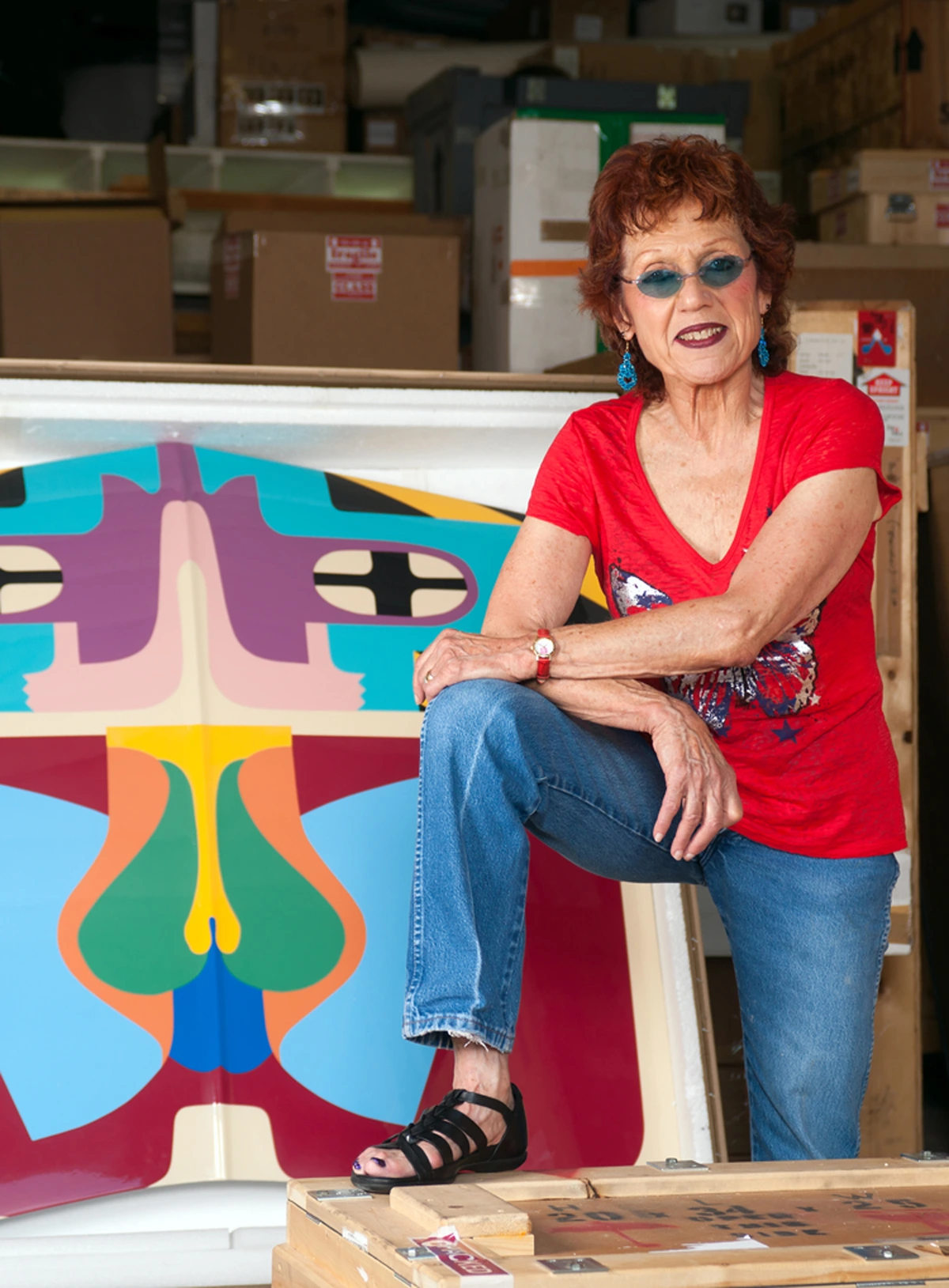
Exploring artistic techniques: From impasto to abstract expressionism.
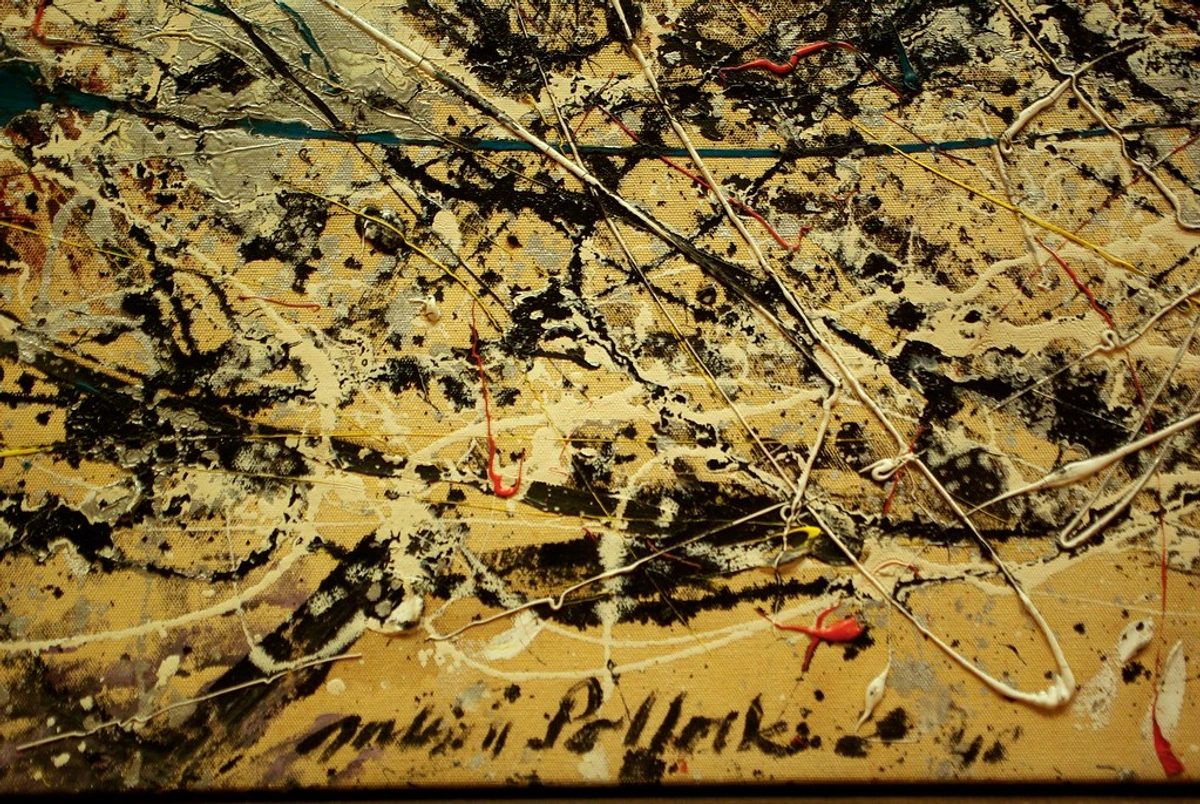
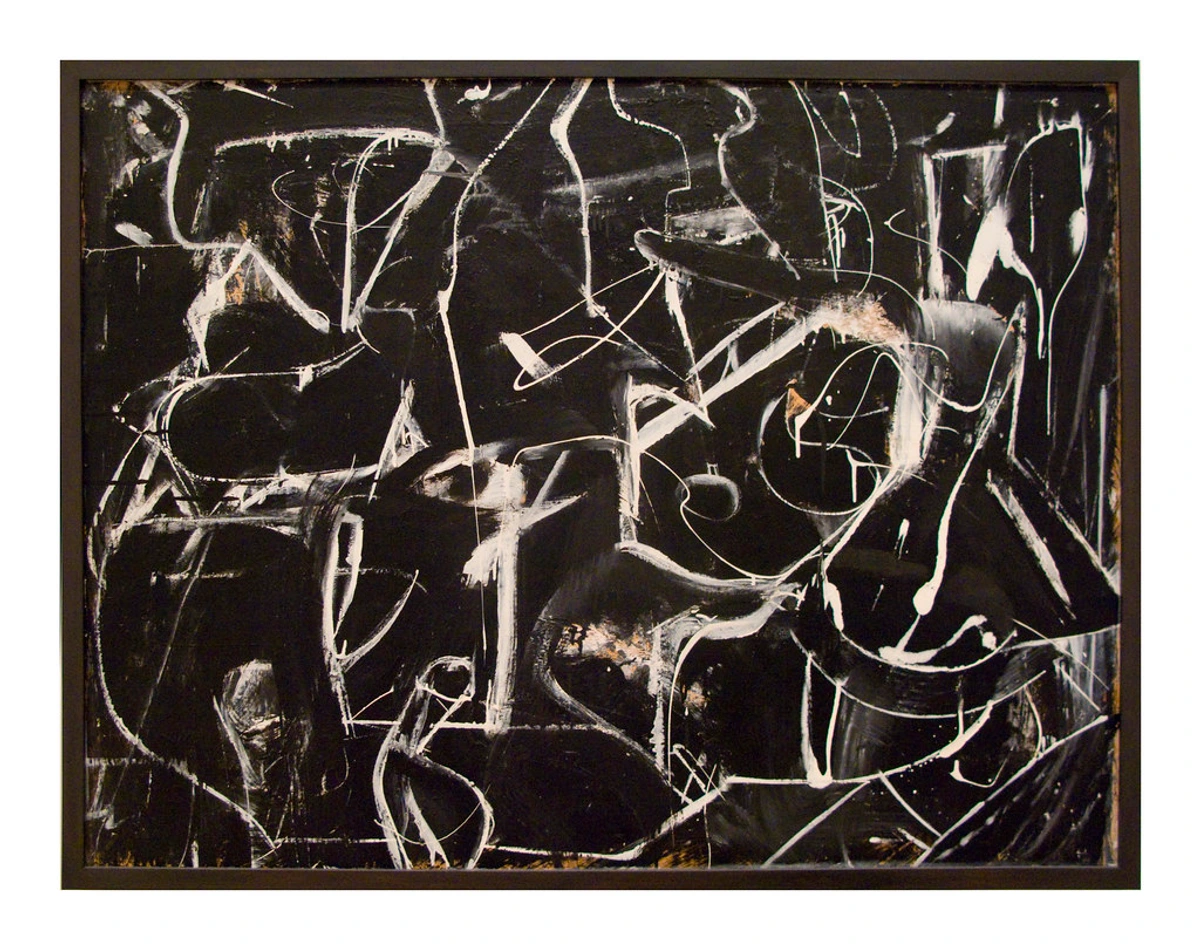
Beyond the raw materials, how the artist wields them is what truly defines their unique voice. Is the paint applied in thick, textured strokes (impasto), where you can almost see and feel the ridges the brush left behind, creating a tactile dimension like in a Van Gogh painting? Or in thin, translucent layers (glazing) that build depth and luminosity, a technique often mastered by Renaissance painters to achieve glowing, jewel-like colors? Does the work feature precise lines and photorealistic detail, or the spontaneous, gestural marks of Abstract Expressionism, perhaps reminiscent of Jackson Pollock's energetic drips or Willem de Kooning's raw, expressive canvases?
You might also encounter techniques like:
- Pointillism: Dots of pure color placed side-by-side to create an image, as seen in Seurat.
- Sgraffito: Scratching through layers of paint or clay to reveal a contrasting color underneath.
- Collage: Assembling different materials onto a surface, pioneered by Picasso and Braque.
- Printmaking Methods:
- Etching: Incised lines on a metal plate, which holds ink to transfer to paper, often characterized by fine, delicate lines.
- Lithography: Drawing on a stone (or metal plate) with a greasy crayon, then chemically processing it to print, known for its painterly qualities.
- Woodcut: Carving an image into a block of wood, leaving the printing parts in relief, often producing bold, graphic lines.
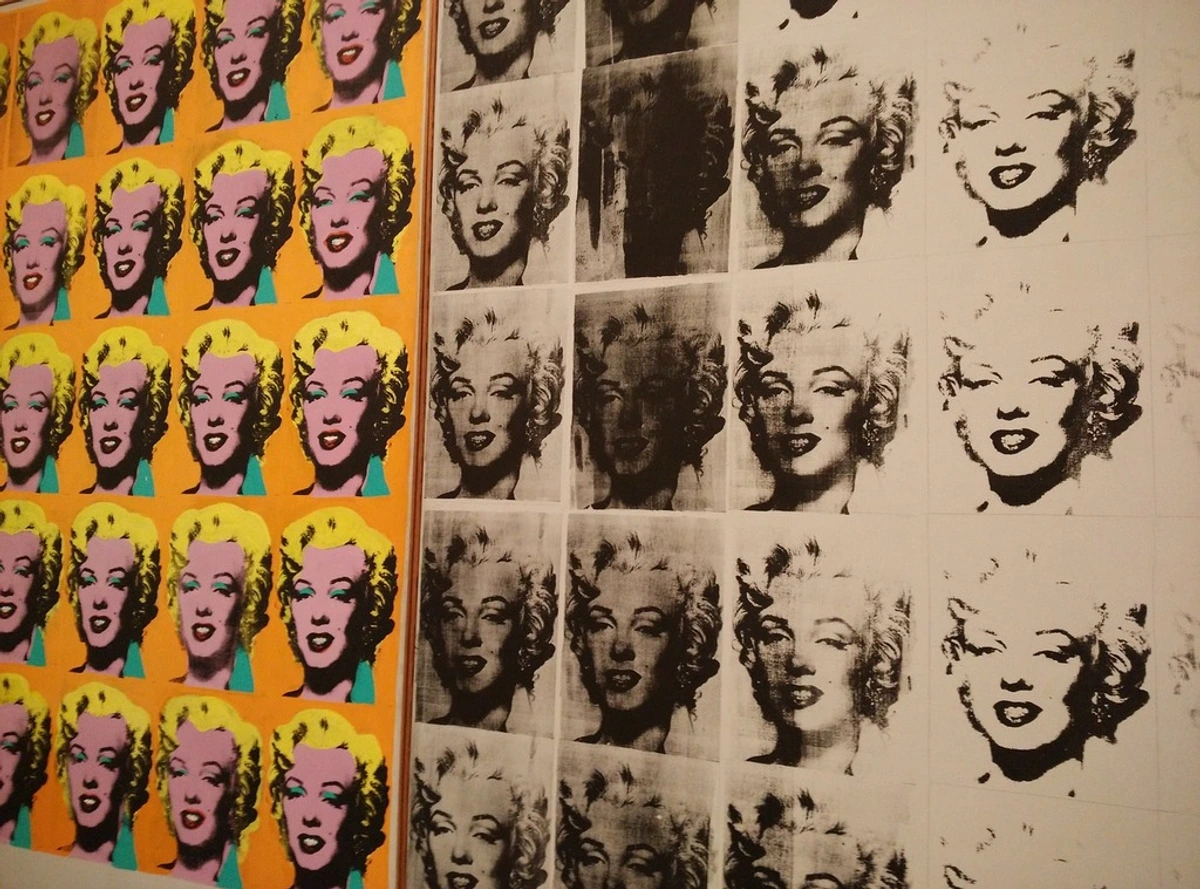
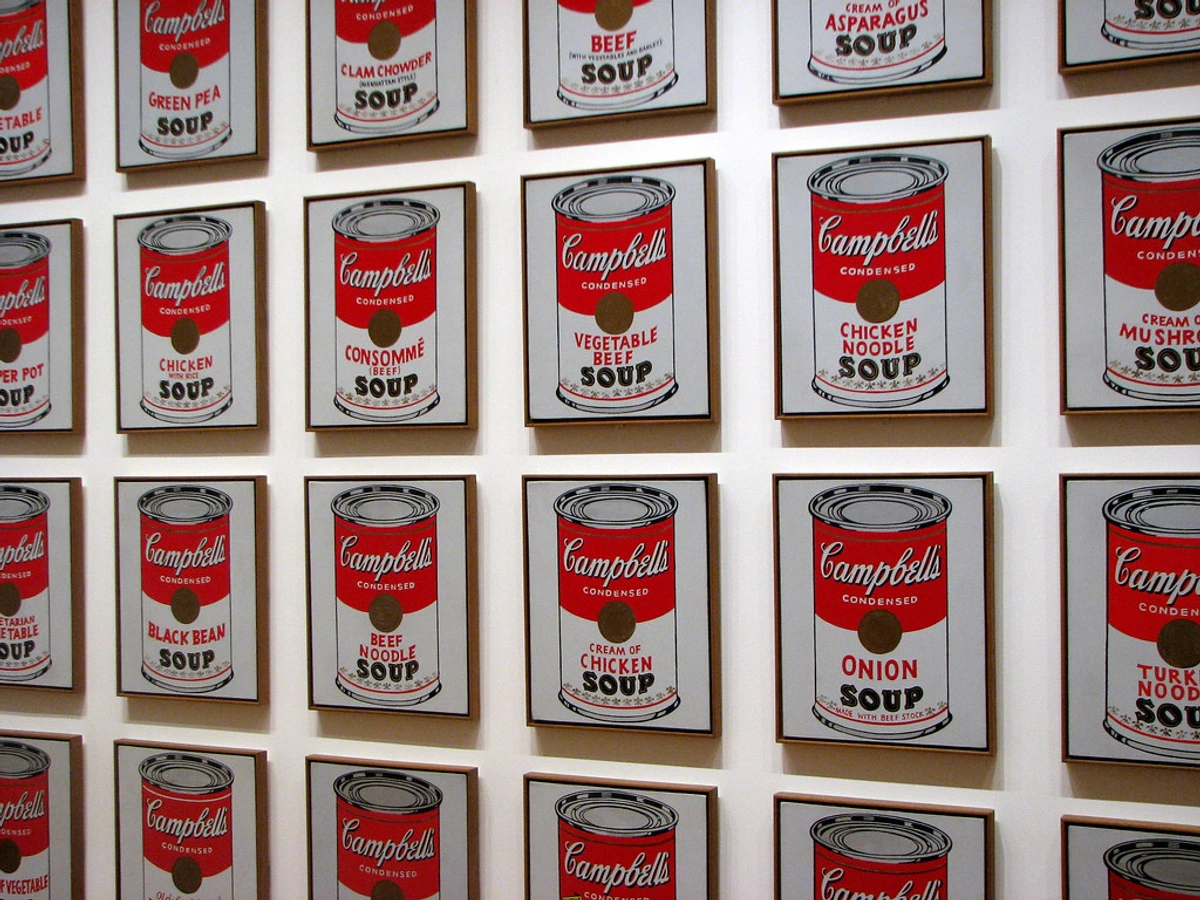
- Screen Printing: Stenciling ink through a mesh screen, famously used by Andy Warhol, capable of producing flat, vibrant color fields.
- Digital Art: Has its own unique techniques such as algorithmic generation, digital painting, 3D modeling, and interactive installations.
The conservation needs for each can vary dramatically – a delicate print will require different handling than a robust bronze sculpture or a dynamic digital projection. Mixed media pieces, which combine diverse materials, present their own unique challenges in terms of conservation and understanding the artist's vision. Asking about technique shows genuine interest and deepens your connection to the piece as an object born of skill and vision.
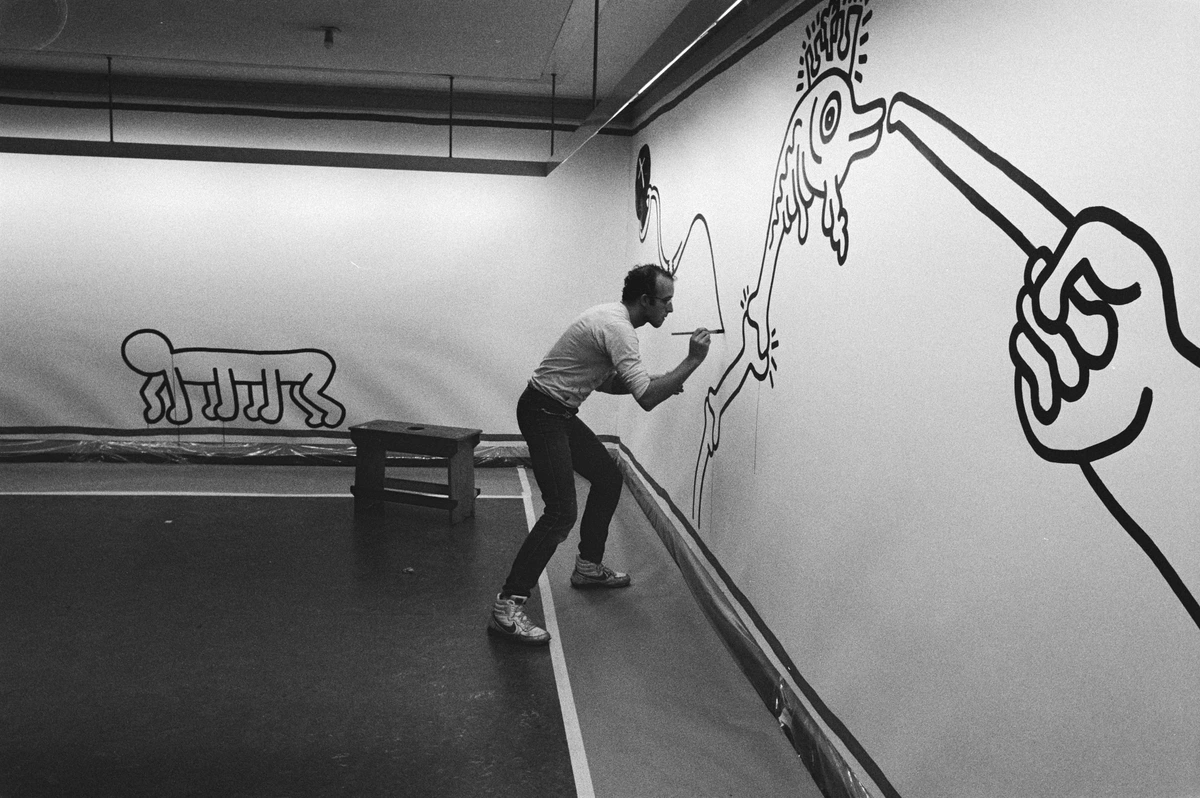
How is the price determined? Deciphering art market value.
Don't be shy about this—it’s a perfectly normal and expected question. The price of an artwork is typically based on a combination of factors: the artist's reputation and sales history, their exhibition record, critical reviews, the size and complexity of the work, the medium used, and the gallery's standing and commission. Gallery commissions can vary significantly, often ranging from 30-50% of the sale price, and these are factored into the listed price. For established artists, previous auction results or private sales of comparable works are also considered. An artist's market value can be significantly boosted by museum acquisitions, inclusion in major biennials or prestigious art fairs, or widespread critical attention. For instance, a small, early drawing by an emerging artist might be a few hundred dollars, while a large, critically acclaimed oil painting by a mid-career artist with a strong exhibition history could be tens of thousands. A limited edition print by an established master might range from thousands to tens of thousands depending on the edition size (smaller editions usually command higher prices), while a unique, museum-quality sculpture by a globally recognized artist could easily reach into the millions. The location of a gallery can also play a role; a gallery in a major art hub like New York or London might have different pricing structures or a higher operating overhead than a regional gallery, which can influence pricing.
Asking about it helps you understand the value you're getting and ensures you're paying a fair market price. I’ve found that a respectful conversation about pricing, perhaps inquiring if there's any flexibility for a first-time collector or on a piece that's been in the gallery for a while, can be productive. Speaking with a gallerist can provide invaluable insights; consider reading a Q&A with a gallerist on discovering new talent. For a deeper dive into valuation, you might consult understanding art appraisals: what every collector needs to know.
The Secondary Market and Art Dealers
Not all art comes straight from the artist's studio. The secondary market refers to artworks being resold by collectors or dealers, rather than directly by the artist or their primary gallery (who solely represents the artist). This market can offer opportunities to acquire works by artists whose primary market pieces are scarce or to find older pieces with a rich history. When buying on the secondary market, the role of a reputable dealer or auction house becomes even more critical, as they are responsible for verifying authenticity and provenance. Auction houses typically charge both a seller's commission (10-25%) and a buyer's premium (also 10-25% of the hammer price), which you, as the buyer, will pay in addition to the final bid. Private dealers' margins are often built directly into their asking price. While the secondary market can offer great finds, it also demands more diligence from the buyer, as the chain of ownership is longer. I once found a fantastic painting by a mid-career artist I'd been following through a reputable dealer on the secondary market—it was a slightly older piece but perfectly conserved and came with an impeccable provenance, a true gem I would have otherwise missed.
Considering an Art Advisor?
For those looking to build a significant collection, or simply navigate the art world with more confidence, an art advisor can be an invaluable guide. These professionals offer expertise on market trends, authenticity, provenance, and help align purchases with your aesthetic and investment goals. They can be particularly useful when dealing with the secondary market, complex artists' estates, or higher-value pieces. Art advisors typically charge a fee, which can be a percentage of the purchase price (e.g., 5-10%), an hourly rate, or a flat project fee. It’s an investment, but for high-value pieces or long-term collecting goals, their guidance can be well worth it, especially in avoiding costly mistakes.
The Role of Art Critics and Curators
Beyond dealers and advisors, art critics and curators play a significant, albeit indirect, role in shaping the art market and guiding collector interests. Critics, through their written reviews and analyses, contribute to an artist's intellectual standing and public discourse, which can influence desirability and long-term value. Curators, by selecting works for museum exhibitions, biennials, and institutional collections, lend academic and institutional validation to artists, often signaling their importance and impact within art history. While you shouldn't buy purely based on a review or a show, understanding critical reception and an artist's institutional presence can provide valuable context for your own appreciation and investment decisions.
Budgeting for Your Collection: More Than Just the Price Tag
Buying art means thinking about more than just the sticker price. A smart collector considers the full picture from the outset. This isn't just about the initial outlay; it's about the lifetime cost and care, and yes, even the potential "opportunity cost"—the value of what you're giving up by choosing to spend your money on this artwork instead of something else. For instance, investing $5,000 in a sculpture might mean deferring the purchase of a collection of prints you've been eyeing, or perhaps delaying a professional framing project for other pieces. But for me, the profound joy a piece brings is often priceless, making any opportunity cost utterly worth it.
To give you a better idea of the hidden costs, here’s a typical breakdown of budgeting considerations:
Budgeting Aspect | Key Considerations & Estimated Cost Ranges (Examples) | Why It Matters | Example Scenario (Illustrative) |
|---|---|---|---|
| Artwork Price | Originals (unique pieces by emerging artists: $500-$5,000; mid-career: $5,000-$50,000; established: $50,000 to millions), Limited Edition Prints (numbered, by emerging: $100-$500; mid-career: $500-$5,000; established: $5,000-$50,000+), Open Edition Prints (mass-produced: $20-$200) | Originals are unique, commanding highest prices. Limited editions offer exclusivity. Open editions are most accessible, often by third-party licensees. | Budgeting for a $2,000 emerging artist original or a $300 limited edition print. |
| Framing | Professional, archival framing. Small print/photo: $200-$500. Medium painting: $500-$1500. Large/specialty: $1500-$5000+. | Crucial for protection and display, especially for works on paper. Poor framing causes irreversible damage and devaluation. | Adding $700 for museum-quality archival framing for your new print. |
| Shipping & Installation | Insured, specialized transport. Local: $50-$200. National: $200-$1000+. International/large: $1000-$5000+. | Costs vary based on size, fragility, destination. Always ensure adequate insurance. Large/delicate pieces may require specialized art handlers. | An additional $300 for insured national shipping of a medium-sized painting. |
| Insurance | Separate art insurance (recommended for valuable pieces) or rider on home policy. Annual premiums: typically 0.1-0.5% of insured value. | Protects your investment against damage, loss, or theft. Essential for valuable pieces, as standard home policies often have limitations or an appraisal gap. | For a $10,000 piece, expect $10-$50 annually. Crucial for peace of mind. |
| Appraisal Fees | Professional appraisal for insurance, valuation, estate planning. Hourly rate: $150-$400, or flat fee for single items. | Crucial for establishing an accurate "agreed value" for insurance and future planning. Appraisals should be updated periodically. | A one-time fee of $250 for a certified appraisal to secure insurance. |
| Conservation & Maintenance | Immediate repairs/cleaning, ongoing care. Minor repairs: $100-$500. Major conservation: $1000-$10,000+. | Budget for potential future professional conservation to maintain condition and value. Consider environmental monitoring. | Setting aside $50 annually for a professional cleaning consultation every few years. |
| Deaccessioning (Selling) | Consignment fees (galleries, auction houses). Auction fees: 10-25% seller's commission + buyer's premium (paid by buyer). Gallery consignment: 30-50% commission. | Understanding typical selling fees helps manage future expectations when you might consider parting with a piece. | If you sell a $5,000 piece at auction, expect 10-25% ($500-$1250) in fees. |

Caring for Your New Treasure: Display, Storage, and Insurance
Bringing art into your life is a joy, but it also comes with the profound responsibility of preserving its beauty and integrity for years to come. Thinking ahead about how you'll live with your art is just as important as the purchase itself. This is where the long-term relationship truly begins. After all the careful selection and budgeting, the goal is for your art to thrive in your home.
Framing and Display: Aesthetics and Preservation in Harmony
When displaying your art, the goal is always to balance aesthetic appeal with long-term preservation. Before you swipe your card, take a moment—a real moment—to picture the artwork in your home. Does it come framed? If not, you'll absolutely need to budget for professional framing. For works on paper, like watercolors or prints, archival framing with UV-protective glass (which blocks harmful ultraviolet rays that cause fading and embrittlement) is not just a recommendation; it's non-negotiable to prevent irreversible fading and damage. As mentioned, museum glass offers even greater clarity and glare reduction, perfect for highly visible or valuable pieces. Even canvases can benefit significantly from framing, both aesthetically and for physical protection. The frame itself should complement, not overpower, the artwork, serving as a silent, supportive partner. Options like float mounting can highlight the edges of a unique work on paper, while shadow boxes are ideal for delicate 3D works. Remember to use spacers to ensure the artwork never touches the glass, preventing moisture buildup or damage.
If you want to understand more about framing, check out a Q&A with an expert art framer.
Consider the environment your art will inhabit: direct sunlight, extreme temperature fluctuations, high humidity (like in a bathroom or kitchen), and even airborne pollutants (like smoke or cooking fumes) can be detrimental to many types of art. Direct sunlight causes pigment fading, paper embrittlement, and can dramatically increase the rate of degradation for virtually all mediums. High humidity, conversely, can lead to mold growth on paper and canvas, warping of wood panels, and delamination of paint layers. Avoid placing delicate pieces too close to high-traffic areas where they might be easily bumped, or near heat sources like radiators or air conditioning vents. Also, think about ventilation, as stagnant air can encourage mold growth and attract pests. Remember, proper display isn't just about making it look good; it's about safeguarding its future. Thinking about choosing art for your living room versus finding a piece for a more intimate space like your bedroom involves a different mindset regarding light and humidity. You might also want to check out how to choose art for a dining room or how to choose art for your bathroom for specific room considerations. An expert art framer can offer invaluable advice on how to arrange pictures on a wall.

Art Storage Solutions: Protecting Your Collection Beyond the Wall
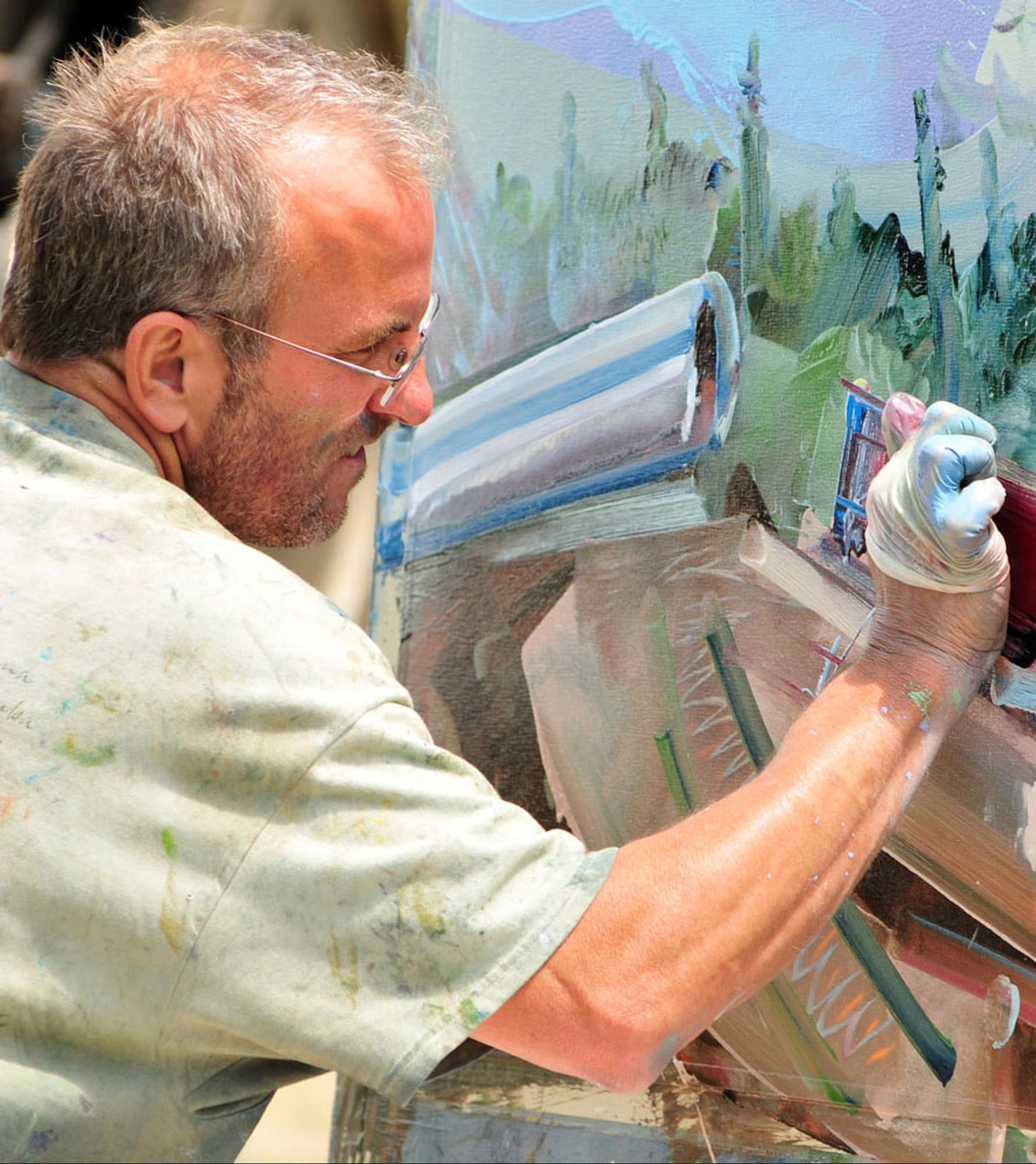
Not every piece can be on display all the time, and some may need to be stored temporarily. Proper art storage is absolutely crucial for protecting your investment. Unframed works on paper, like prints or photographs, should be stored flat in archival clamshell boxes or folders, interleaved with acid-free tissue. Keep them away from extreme temperatures and humidity—ideally, a stable 70-75°F (21-24°C) and 50-55% relative humidity for most mediums. However, more sensitive materials like photographs might prefer a cooler, drier environment (e.g., 65-70°F/18-21°C and 40-50% RH), and textiles can be even more susceptible to humidity fluctuations. Framed pieces need to be carefully wrapped in archival materials (like unbuffered tissue and bubble wrap, avoiding direct contact between bubble wrap and artwork surface) and stored vertically in specially designed art racks or flat files, never stacked. I once had a small, delicate print almost ruined by storing it in a slightly damp closet – lesson learned the hard way! Keep all stored art in a climate-controlled environment away from pests (which can cause irreversible damage), dust, and direct light. Never store art near heat sources like radiators or air conditioning vents, in basements (prone to dampness and pests), or attics (prone to extreme temperature swings and moisture fluctuations). The risks of improper storage are significant, ranging from insect infestation and mold growth to irreversible warping, cracking, and fading. It’s a bit of a hassle, but your art deserves a safe, stable home, even when it's tucked away from view. I often cycle pieces from my collection, and having a dedicated, safe storage plan makes that process stress-free and protects my cherished works. For more ideas, explore art storage solutions for collectors.
Art Insurance: Safeguarding Your Investment
For valuable artworks, standard home insurance policies often have significant limitations, or what I call an "appraisal gap" where the insurer's estimated value may be less than the actual market value at the time of a claim. For example, if a piece bought for $10,000 appreciates to $30,000, but your standard policy only covers it for the purchase price, you'd face a $20,000 shortfall if it were lost. I learned early on that it's wise to consider separate art insurance. This specialized coverage protects your investment against damage, loss, or theft, and often includes unique provisions for handling and transportation that standard policies might not. Crucially, many art policies operate on an agreed value basis, meaning you and the insurer agree on the value of the piece beforehand, ensuring you receive that exact amount if a total loss occurs, rather than a less predictable "actual cash value." This offers true peace of mind. Most comprehensive art policies are "all-risk" policies, covering a wide range of perils including accidental breakage, unlike more limited standard home insurance. They also typically include "scheduled items" where each significant piece is individually listed with its agreed value.
Always get a professional appraisal for your significant pieces, and update it periodically (every 3-5 years is a good rule of thumb), especially if the artist's market value changes significantly. It's peace of mind for something you cherish. For ideas on where to hang new pieces, consider art above the sofa: a guide to perfect placement and scale.
The "You" Factor: Where Does It Fit in Your Life? (And Your Home!)
This final set of questions brings it all back home, quite literally. An artwork can be brilliant, historically significant, ethically sourced, and perfectly priced, but ultimately, it also has to work for you. It has to resonate with your personal aesthetic, enhance your living space, and bring you joy. This is about making it truly yours—integrating it into the fabric of your daily life and personal history.
Where will it live? Picturing art in your personal sanctuary.
Before you swipe your card, truly picture the artwork in your home. I mean, really picture it. Consider the scale of the wall, the existing colors and textures in the room, and the amount of natural and artificial light it will receive throughout the day. Does it command attention, or does it complement? Will it clash with existing decor or create a harmonious focal point? For instance, a vibrant abstract piece might energize an entryway, making a welcoming statement, while a calming landscape in a home office could reduce stress. A thought-provoking figurative work might spark conversation in a dining room, and a serene, minimalist print could enhance the tranquility of a bedroom. Thinking about choosing art for your living room versus finding a piece for a more intimate space like your bedroom involves a different mindset. But don't limit yourself! Consider hallways, offices, even carefully selected outdoor spaces (if the art is designed for it and can withstand the elements). Each space has unique considerations regarding light, humidity, and traffic. The right context can make a great piece of art absolutely sing, creating a space that feels uniquely yours and genuinely reflects you.
Don't be afraid to take photos of your space and digitally 'try on' artworks if possible, or even bring pieces home on approval (many reputable galleries offer this, especially for significant purchases). Remember to consider ventilation and potential for accidental damage, such as placing a delicate sculpture too close to a doorway. Your home is your sanctuary, and the art within it should contribute to that feeling.
How will you hang it? The practicalities of display.
This might seem like a minor detail, but it's not. Trust me, I've had my share of near-disasters! Is the piece extremely heavy? Does it come with a specific hanging wire or system? If not, you'll need to budget for appropriate hanging hardware or even professional installation for very large, heavy, or delicate pieces. Always use hardware rated for the artwork's weight and consider your wall type—drywall, plaster, or brick require different approaches. For large or irregularly shaped pieces, pay close attention to weight distribution to prevent warping or damage. Thinking about the practicalities of how to arrange pictures on a wall or how to hang a perfect gallery wall can save you a lot of headaches later on. If you're hesitant to put holes in your walls, there are even clever ways for how to display art in a rental without nails. Consider the optimal viewing height – generally, the center of the artwork should be at eye-level for an average person standing. It’s all part of the planning that turns a purchase into a cherished, well-integrated part of your home.

But most importantly: Does it move you? The heart of the matter.
After all the questions, all the analysis, and all the practicalities, this is the one that truly, fundamentally matters. Does the artwork make you feel something deep down? Does it challenge you, soothe you, make you smile, spark conversation, provoke a moment of quiet reflection, or perhaps inspire you to create? You're the one who is going to live with it, waking up to it every morning, passing by it countless times a day. Art, at its core, is meant to evoke emotion and spark connection, even if that conversation is just with yourself. It can even serve as a marker of personal history, evoking memories of where and when you acquired it, or connecting to significant life events. If the answer to this question is a resounding "Yes!"—a genuine, visceral connection—then you're almost certainly on the right track. This emotional resonance is what transforms an object into a treasured, irreplaceable part of your life. Trust your gut here; it's often wiser than your brain gives it credit for.
FAQ: Quick Answers to Big Questions for Art Collectors
Here are some of the most common questions I hear from aspiring collectors, along with the answers I've found most helpful. Consider this a quick-reference guide to empower your art buying journey.
What's the difference between an original, a limited edition print, and an open edition print?
This is fundamental and often a point of confusion! Imagine these as different forms of a story:
- An original is the one-of-a-kind, unique piece the artist physically created. Think of it like a handwritten, signed letter – unique and irreplaceable. This could be a unique painting, a single drawing, or a standalone sculpture. It's singular and carries the highest value proposition for a single artwork.
- A limited edition print is a fixed, small number of identical prints made from a single original (or directly created as an edition). These are signed and numbered by the artist (e.g., "5/50" means the 5th print out of a total edition of 50). Once all are sold, no more will be made. The smaller the edition size, the more exclusive and generally more valuable the print. Look for Artist's Proofs (A.P.) too, which are identical to the edition but set aside for the artist.
- An open edition print can be reproduced indefinitely and is not numbered. This is like a mass-produced poster or a widely available book – accessible and affordable. While often unsigned (or signed by plate), it's the most affordable and accessible option for owning an image by an artist you admire, often produced by third-party licensees rather than directly by the artist, which can sometimes impact quality. A high-quality reproduction (like a giclée print) can technically be an open edition, but it's important to understand it's a copy, not an original or a limited edition. Always ask about the printing process.
Do I need to be rich to collect art?
Absolutely not. This is one of the biggest, most persistent myths in the art world, and it genuinely irritates me! You can absolutely start by collecting quality prints or photographs from artists you admire, buying original small ceramic pieces or sculptures, or even sourcing from curated online art marketplaces known for emerging artists (always doing your due diligence, of course). The goal is to collect art that you love and can afford, regardless of its price tag. The joy of collecting is in the journey and the connection, not the zeros in your bank account or on the price tag. Art collecting, for most of us, is about investing in our personal well-being, environment, and intellectual curiosity, not a get-rich-quick scheme. Start small, but start with intention.
Is it okay to negotiate with a gallery or artist?
It absolutely can be, but it requires tact, respect, and a bit of situational awareness. In many galleries, especially for emerging and mid-career artists, there may be a small amount of flexibility (often around 5-10%), particularly if you're a serious collector or buying multiple pieces. It's generally less common and often ill-advised to negotiate directly with an artist, as you don't want to devalue their work, damage a potential long-term relationship, or put them in an awkward position regarding their pricing strategy. Always be respectful and polite. A good way to phrase it is, "Is there any flexibility on the price for a committed collector?" or "Are payment plans an option?" This shows serious interest without being aggressive. Avoid negotiating at major art fairs, where prices are usually firm, or with extremely established, high-demand artists where it's often considered poor etiquette. My rule of thumb: always ask respectfully, but be prepared for a polite "no."
How do I verify the authenticity of an artwork?
The best way is to always buy from a reputable source—directly from the artist or from a well-regarded gallery or dealer. The artwork should always come with a Certificate of Authenticity (COA) signed by the artist or a gallery representative. This is your key piece of documentation, detailing the artwork's title, date, medium, dimensions, and ideally, its provenance. For historical pieces or works by deceased artists, a COA from a recognized artist's estate, expert authentication by a leading authority on the artist, and thorough provenance research by an art appraiser are crucial. Pay close attention to the artist's signature; its style, placement, and whether it's consistent with their work throughout their career. Be cautious of vague descriptions or a lack of documentation. You might find a collector's guide to identifying and avoiding art forgeries in the abstract market helpful.
How can I be sure a print is genuine?
For limited edition prints, look for a signature and edition number (e.g., "3/50") in pencil, typically below the image. This indicates it's a genuine limited edition print. An original artist's signature is key. If it's an older print, research the publisher or printer, and always ensure it comes with a COA from a trusted source. Remember, open edition prints are not numbered or typically signed in this manner. For any print, ask about the printing process (e.g., giclée, etching, lithography)—this impacts quality and value. For unique prints (monotypes or monoprints), look for the artist's signature and the unique characteristics that differentiate it as a singular work.
What are "archival materials" and why do they matter?
Archival materials are those specifically chosen and processed for their stability, longevity, and resistance to degradation over time. They are acid-free (meaning they have a neutral pH, preventing chemical deterioration), lignin-free (for paper and matting, as lignin is a natural polymer that causes paper to yellow and become brittle over time), and lightfast (meaning they won't yellow, become brittle, or fade easily when exposed to light). This matters immensely because using archival materials ensures your artwork won't yellow, fade, become brittle, or deteriorate prematurely. From the paper a print is made on, to the mat board in a frame, and the adhesives used, choosing archival quality is key to preserving your art for generations. Think of it as giving your art the best possible chance to stand the test of time.
Should I buy art as an investment?
While some art can appreciate significantly in value, my advice is to always buy art primarily because you love it and it resonates with you. Factors that can contribute to an artwork's appreciation include the artist gaining significant museum representation, critical acclaim, and participation in major biennials or prestigious art fairs. However, viewing art purely as a financial investment can lead to disappointment, as the market is unpredictable and influenced by many factors beyond an artist's talent. Art appreciation is a long-term game, not a get-rich-quick scheme. If it also happens to be a good financial investment, that's a wonderful bonus! But the true return on investment comes from the joy, inspiration, and personal enrichment it brings to your daily life and environment. Think with your head, but lead with your heart.








What's the role of art fairs in buying art?
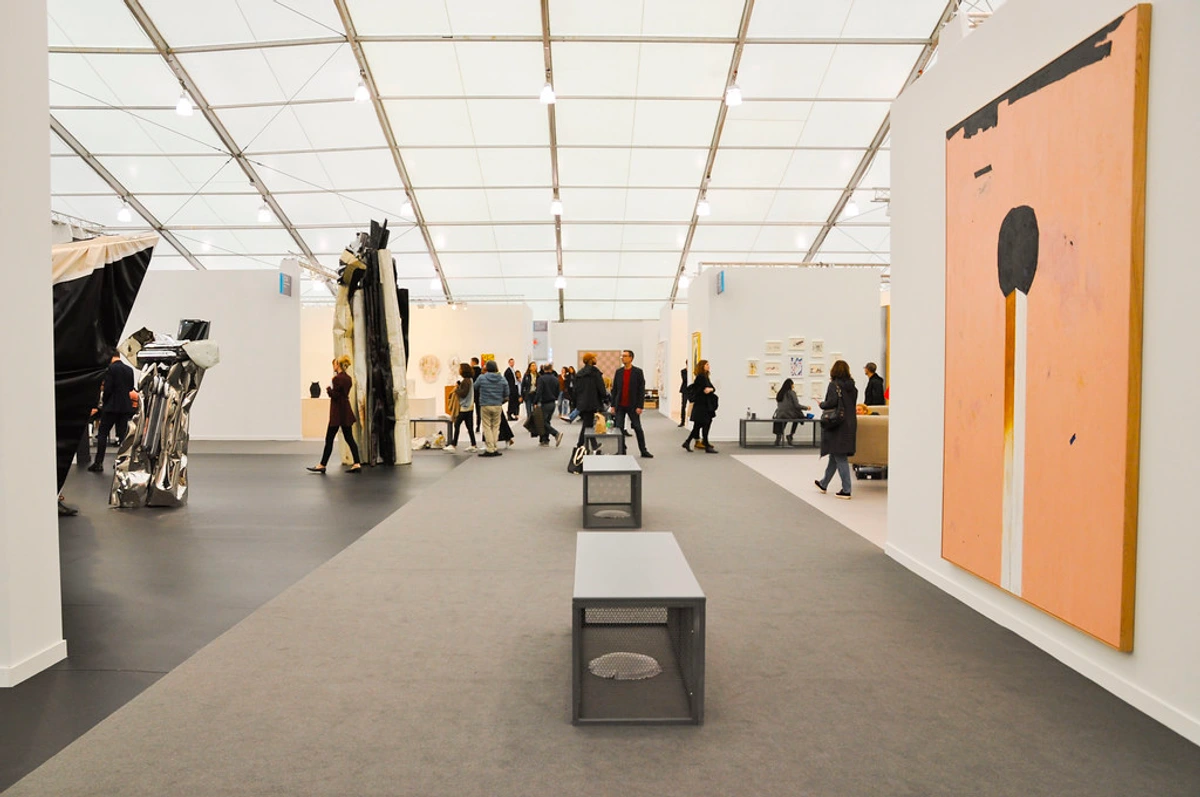
Art fairs are fantastic opportunities to see a vast array of art from numerous galleries and artists in one place. They're great for discovering new talent, seeing established artists' latest works, and understanding current market trends. Gallery booths at fairs represent specific artists and their collections, offering a curated viewing experience. However, prices are generally firm at art fairs, and the environment can be overwhelming. It's best to do your research beforehand by reading art publications or visiting gallery websites, prioritize which galleries you want to visit, and be prepared to make quick decisions, as popular pieces can sell fast. Fairs are more about exposure and initial connection than lengthy negotiation.
How much does it cost to ship art, especially internationally?
Shipping costs can vary wildly depending on the size, weight, fragility, and value of the artwork, as well as the distance it needs to travel. For local or national shipments of smaller works, you might pay $50-$1000. International shipping, especially for large or delicate pieces, can range from $1000 to upwards of $5000, not including customs duties or taxes. Always opt for specialized art shippers who understand how to properly pack, crate, and insure valuable artworks. Standard carriers often have limitations on liability for art. Insist on comprehensive transit insurance to protect against loss or damage during shipping.
When should I consider an art advisor and what do they charge?
An art advisor can be incredibly valuable if you're looking to build a significant collection, navigate the complexities of the secondary market, or need help with specific areas like valuation, authentication, or installation. They bring expertise, market knowledge, and access to networks you might not have. Art advisors typically charge a fee, which can range from 5-10% of the purchase price, an hourly rate (e.g., $150-$400), or a flat project fee, depending on the scope of their services. It's an investment, but for high-value pieces or long-term collecting goals, their guidance can be well worth it, often saving you from costly mistakes.
How can I further educate myself on art?
Beyond reading articles like this one (thank you!), there are many ways to deepen your art knowledge. Visit local galleries and museums regularly, attend artist talks, and consider enrolling in art history or art appreciation courses (many are available online or at community colleges). Read art publications, follow reputable art blogs, and engage with the art community. The more you see, read, and discuss art, the more confident and informed you'll become. Your journey of discovery is just beginning!
Your Collection Starts with a Question (and a Whole Lot of Curiosity!)
Ultimately, building an art collection is a deeply personal journey of self-discovery. It's about trusting your instincts but also empowering them with knowledge. These questions aren't a test you have to pass; they are invaluable tools to help you buy with your heart and your head in perfect harmony. They open up conversations, reveal fascinating stories, and ultimately ensure that the art you bring into your life is something you'll cherish, truly understand, and proudly live with for decades to come. My own collection journey has been full of surprises, and it's these moments of unexpected connection and informed discovery that I cherish the most. It's truly transformative.
So, step into that gallery, engage thoughtfully with the artwork, ask your questions with confidence, and let your boundless curiosity lead the way. The rich, diverse world of art is waiting, and your next cherished piece is out there, ready to be discovered. By asking these questions and trusting your intuition, you're equipped to build a collection that brings you lasting joy and fulfillment. This blueprint will be a trusted companion as you continue to explore and expand your unique personal collection. Your art journey truly begins now! Consider starting by identifying one emerging artist whose work you admire, and begin your research there—it's amazing where that first step can lead.