Slanted Ceiling Art: Transform Angled Walls into Cozy Bedroom Masterpieces
Struggling with slanted bedroom walls? This is the ultimate guide to turning architectural quirks into stunning art displays. Learn expert tips on choosing, securely hanging, and styling art to create a unique, cozy retreat.

Embracing the Unconventional: Art for Bedrooms with Slanted Ceilings
I confess, I used to see slanted ceilings as a design puzzle, not a feature. There I’d be, hands on hips in yet another charming attic bedroom, staring at that unapologetic slope and thinking, 'What on earth am I going to do with that?' It’s a common decorator’s dilemma, isn't it? That architectural quirk, often born from necessity in historical cottages, converted lofts, or even modern A-frame homes, can feel like an impossible canvas. I know the feeling – that initial dread, that impulse to just paint it white and hope it disappears. But here’s the secret, and trust me, it’s a total game-changer: that slope isn’t a flaw to be disguised; it's your bedroom's unique superpower, a dynamic feature begging for a unique artistic conversation. It’s a chance to escape the tyranny of the standard four-walled box and inject serious character, drama, and an utterly unique coziness into your space. I vividly recall one client, utterly convinced her attic wall was an insurmountable obstacle, whose jaw literally dropped when we transformed it into a striking, dynamic gallery. I’m here to guide you, not just through decorating, but through truly celebrating this unconventional canvas, turning what some see as a problem into your bedroom's most captivating asset. This is your definitive guide to mastering art for slanted ceilings.
Rethinking the Angle: Embracing Architectural Character
First, a little mindset shift. We're so conditioned by perfectly vertical walls that anything else can feel... well, wrong, or even a bit disorienting. But stop for a moment and truly consider it: that slant breaks up the monotony. It's an instant architectural feature, a natural focal point, and it can make a bedroom feel like the ultimate snug retreat, a little nest tucked away from the rest of the world. Psychologically, these angles aren't just charming; they can create a comforting enclosure, a true sanctuary. It’s almost a primal sense of being sheltered, like a cozy cave or a protective den, reducing the sometimes overwhelming visual stimulation of a large, open room. This 'cozy cave' effect can actually promote deeper relaxation, a concept sometimes explored in biophilic design, which connects humans with nature through elements like enclosure and refuge.
It’s also a powerful nod to history; think of centuries-old cottages, converted barn spaces, or the striking lines of a modern A-frame home, where every wall tells a story, often dictated by the roofline or passive solar considerations. Slanted ceilings, born from the practicalities of a pitched roof designed to shed snow or maximize usable attic space, became an architectural signature. These designers embraced the angles out of necessity, transforming them into celebrated features. For instance, in mid-century modern architecture, bold, exposed rafters and dramatic rooflines were often celebrated for their dynamic aesthetic, turning practical angles into core design elements. Our challenge isn't to ignore them, but to celebrate them, turning any potential for claustrophobia into intentional coziness and even a profound sense of security. I remember one particularly challenging attic space, where the client was convinced it would always feel cramped, but by strategically embracing the most dramatic angle, we transformed it into the most sought-after nook in the house, a perfect spot for reading.
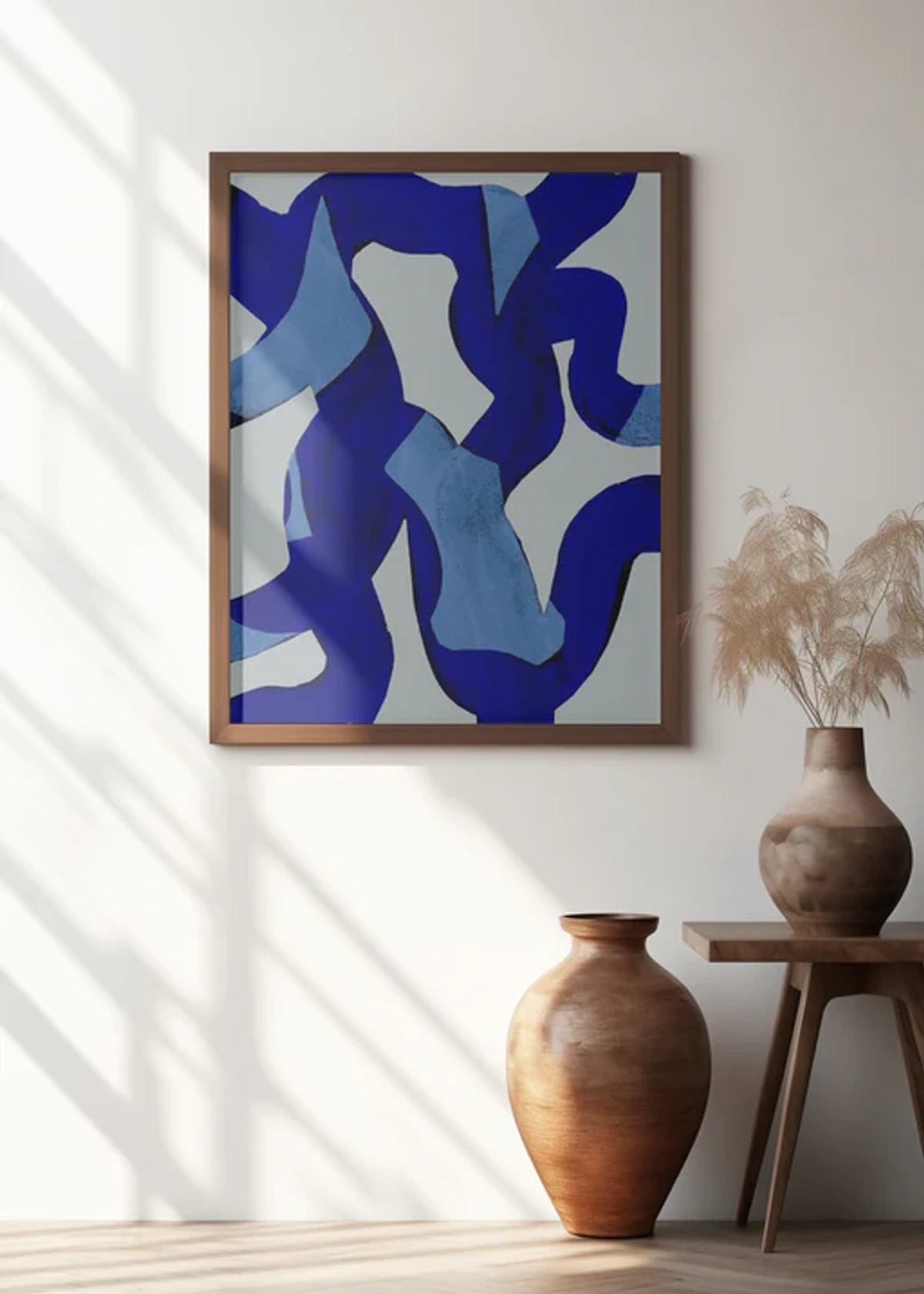
This isn't just about how to decorate a wall in the traditional sense; it's about treating an entire plane of your room as a dynamic, unique canvas. The angle forces you to be more creative, and believe me, the results are always more interesting than a boring flat wall. It's all about embracing the unconventional, transforming what some might see as a flaw into a standout feature of your home decor. What kind of story do you want your angled wall to tell?
When I'm looking at a slanted wall, my mind immediately jumps to scale and proportion. The art you choose needs to 'fit' the wall's unique shape and angle without feeling cramped or lost. A good rule of thumb I often use is to aim for art that fills about two-thirds of the effective visual wall space you intend it for – that is, the area where your eye naturally lands and where the art isn't obscured by furniture or too close to the floor. Think of it like a perfectly composed photograph; you want the subject to have breathing room, not be crammed against the edges. The steeper the angle, the more this 'effective' space can shrink, particularly in terms of vertical allowance. And don't forget negative space – just like on a flat wall, carefully chosen empty areas around your art are crucial. On a dynamic, angled surface, negative space is even more critical; it gives the eye a place to rest, preventing the composition from feeling overly busy or "chopped up" if you're using many smaller pieces. It's about creating a cohesive visual, not just filling every inch. You want the art to breathe within the angle, not fight against it. When I talk about visual weight, I'm referring to how much a piece of art draws the eye – darker colors, denser compositions, larger sizes, and high contrast all contribute to a heavier visual weight. Think of a bold, dark abstract painting versus a light, airy watercolor landscape – the abstract piece will likely have a heavier visual weight, similar to how a large, dark stone feels heavier than a small, bright feather. You'll want to balance that carefully on an angle to maintain visual equilibrium.
All of this to say, once we've reframed our perspective and begun to see the beauty in the slope, it's time to get down to the truly practical side of transforming this unique architectural feature into a stunning display. Because even the best intentions need a solid foundation.
The Blueprint: Measuring and Planning Your Angled Canvas
Before you even think about drilling, let's get ruthlessly practical. Measuring for art on a slanted surface is definitely a different beast than a standard vertical wall, but it's not rocket science – though it can feel like it after a few misfires! This is where a flexible tape measure, a reliable spirit level, and possibly a laser level come in handy (or, if you’re like me, a copious amount of painter's tape and a long, very patient conversation with yourself). It’s this meticulous planning that prevents those dreaded, artfully disguised 'extra' holes in the drywall, and believe me, I’ve had my fair share of those learning experiences – lessons painfully drilled into plaster! I once spent an entire afternoon moving a single, medium-sized print by mere inches because I hadn't measured carefully enough from the ground up. Never again!
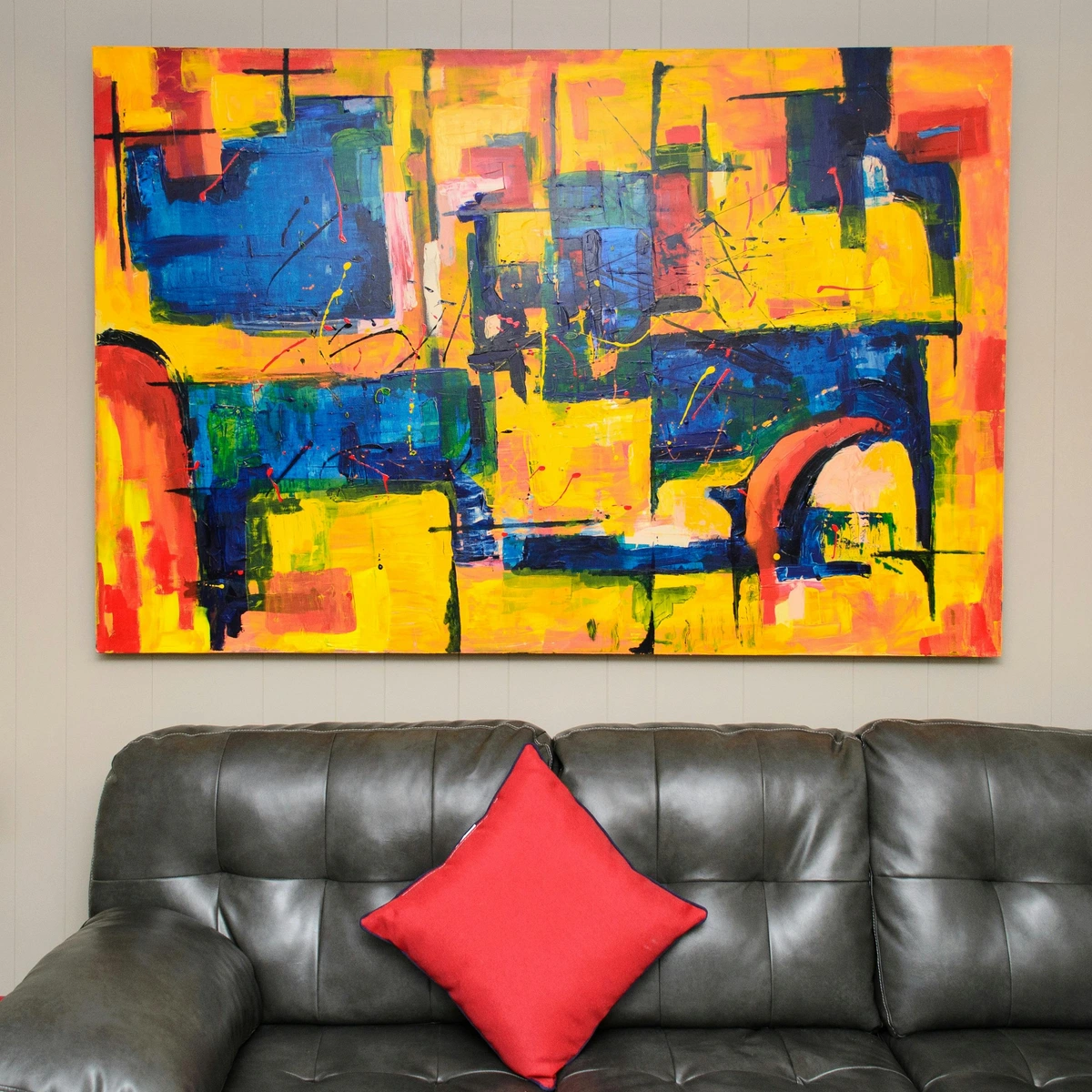
Instead of instinctively measuring from the ceiling down, I always recommend measuring from the floor up to where you want the bottom edge of your artwork to be. Then, measure the art piece's actual height and mark the desired top point. Crucially, use a spirit level to ensure the bottom edge of your art is parallel to the floor. This provides a grounding reference point in a dynamic space, anchoring the eye and preventing the illusion that the art is 'sliding' down the slope. (The exception is if you're intentionally tilting it with the ceiling for a specific artistic effect, in which case both top and bottom edges should run parallel to the ceiling line). For multiple pieces or a gallery wall, I always map them out with painter's tape on the wall first. It's an absolute game-changer for visualizing the arrangement before you commit to any holes. To measure the full length of the angled wall itself for broader planning, try using a laser level to project a horizontal line at different heights, or simply run a long, straight edge (like a yardstick or a piece of trim) along the slope and measure its length. Remember, patience here pays off in spades – your drill will thank you.
Here’s a quick guide to precision planning for slanted ceiling art:
Step  | Action | Why it's Important for Slanted Walls | Tools |
|---|---|---|---|
| 1. Ground Up Measurement | Measure from the floor upwards to where the bottom of your art will sit. | Provides a stable baseline; avoids a 'sliding off' illusion due to the slope. | Flexible tape measure |
| 2. Mark Top & Bottom | Mark both the desired bottom and top points for your artwork. | Essential for judging overall scale and placement within the angle, especially with a reduced vertical allowance. | Pencil, flexible tape measure |
| 3. Level the Base | Use a spirit level to ensure the bottom edge of the art (or a placeholder like tape) is parallel to the floor. | Creates visual stability and intentionality in a tilted space, anchoring the artwork visually. | Spirit level (or laser level) |
| 4. Tape Layout | For multiple pieces, map the entire arrangement with painter's tape before drilling. | Visualizes the dynamic flow; prevents multiple 'oops' holes, crucial for complex angled compositions. | Painter's tape, pencil |
| 5. Assess Visual Flow | Step back and view the taped layout from different angles in the room. | Ensures the art works with the slant, not awkwardly against it, making the most of the unique architecture. | Your eyes, critical judgment |
| 6. Locate Studs | Before drilling, find studs where possible for maximum security. | Crucial for heavy art; distributes weight better than drywall alone, especially important on a gravity-challenged slope. | Stud finder |
The Practicalities: Securely Displaying Art on a Slope
Now that we've established the why and the how to plan, let's get down to the truly practical how – making sure your art stays put, safely and stylishly. The thrill of creating a unique art display on a slanted wall can quickly turn into a mild panic if you're not thinking about safety. And trust me, I’ve had my share of art-hanging mishaps in the past; let's just say drywall repair is a skill I’ve unfortunately perfected through sheer necessity (and a few too many falling frames). My biggest fear? A beloved piece slowly sliding out of alignment overnight, or worse, crashing down at 3 AM. No thank you!
Hardware Matters: Securing Your Investment on a Slope
This is absolutely not the time for a single, hopeful nail. Gravity is far more persistent and less forgiving on a slope. Your best friends here are reliable, heavy-duty anchors. When I’m working on tricky walls, my go-to's are:
- D-Rings and Wire: Attach two D-rings securely to the back of your frame, and run a taut picture wire between them. Then, use two securely anchored hooks in the wall to hang the wire on. The beauty of two points of contact is that it distributes the weight much better and crucially, it prevents the piece from swinging or rotating. This is paramount for stability on an angle. I still wince thinking about a large, vibrant abstract I once tried to hang with a single hook on a slight incline; I returned the next morning to find it had slowly but surely pivoted itself out of alignment, looking decidedly askew. It's like trying to keep a ladder balanced with one hand – it's just asking for trouble, especially on a slope! Never again! Knowing how to hang art on drywall properly, with the right anchors, is non-negotiable here. For heavier pieces, you’ll definitely want to consult guides on how to hang a heavy painting.
- Security Hangers (e.g., French Cleats): These are often used in museums, hotels, or galleries, and they're a fantastic, albeit more involved, option for heavier or particularly valuable pieces. They typically involve a bracket on the wall and a corresponding plate on the artwork that interlocks, often with a set screw to prevent removal. One popular type is a French cleat, which is a two-part hanging system with opposing 45-degree angles. One piece is attached to the wall, the other to the artwork, and they interlock to create a strong, flush, and incredibly stable hold. They essentially lock the artwork to the wall, making it incredibly stable and preventing any upward lift or sliding – perfect for the challenges of a sloped surface.
- Specialty Angled Hooks: Yes, they exist! Some hardware stores carry hooks specifically designed for angled hanging. They often have a deeper, more curved hook or a locking mechanism to keep the wire or D-ring firmly in place. These work by cradling the hanging wire more securely or by having a slight upward tilt themselves, actively countering the downward pull of gravity on a slope.
Always ensure you’re anchoring into studs or joists where possible – you can locate these with a stud finder or by gently tapping the wall and listening for a solid sound. For areas without studs, use appropriate heavy-duty toggle bolts (which, unlike simple anchors, expand and spread the weight across a larger area behind the drywall, ideal for medium to heavy items) or self-drilling anchors (good for moderate weights, but less secure than toggle bolts for very heavy items) for plaster or drywall. Measuring twice and drilling once has saved me countless headaches. Trust me on this one; a little extra effort now prevents a lot of frustration (and spackle) later. If you're tackling a particularly weighty or cherished piece on a significant incline, considering a professional art installer is always a wise investment. They have the specialized knowledge and tools to ensure absolute security.
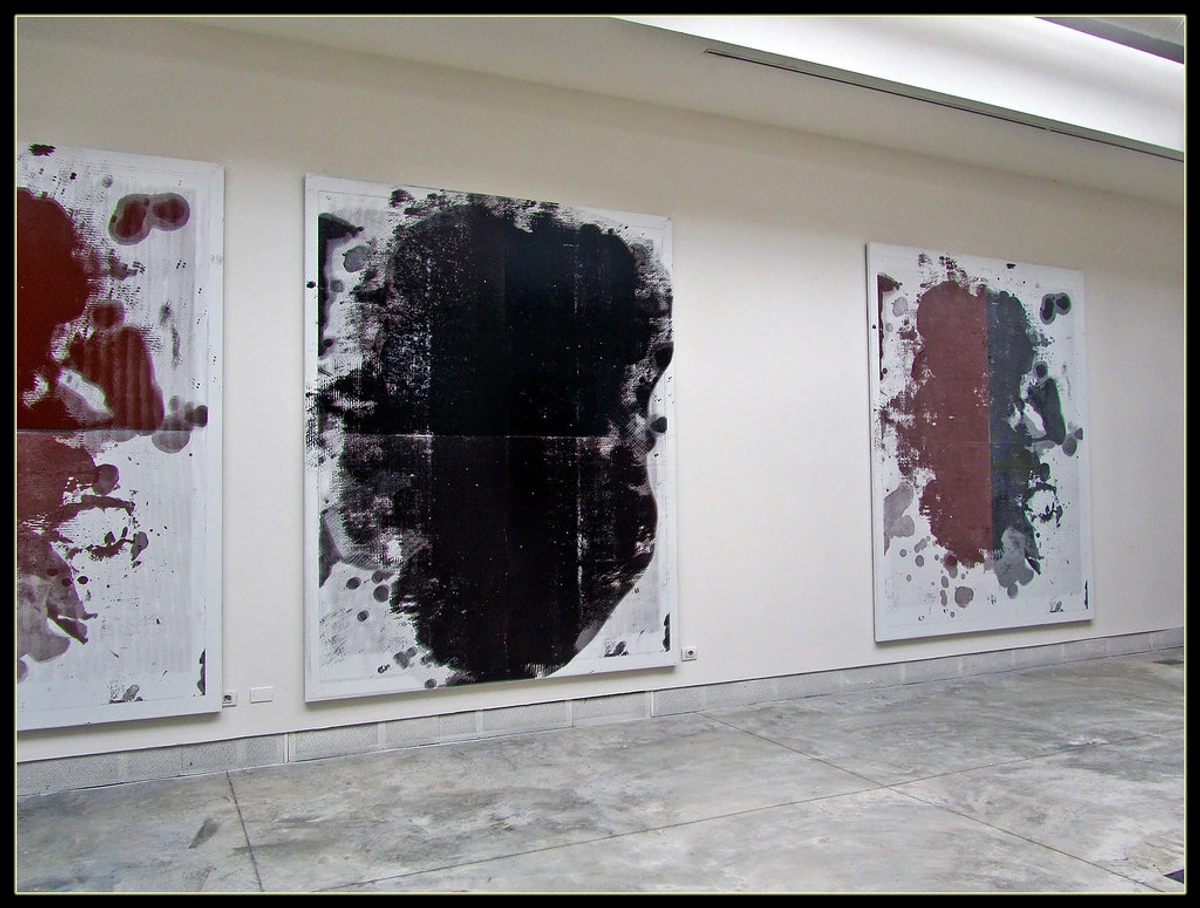
The Leaning Tower of Art: Effortless Chic & Intentional Layering
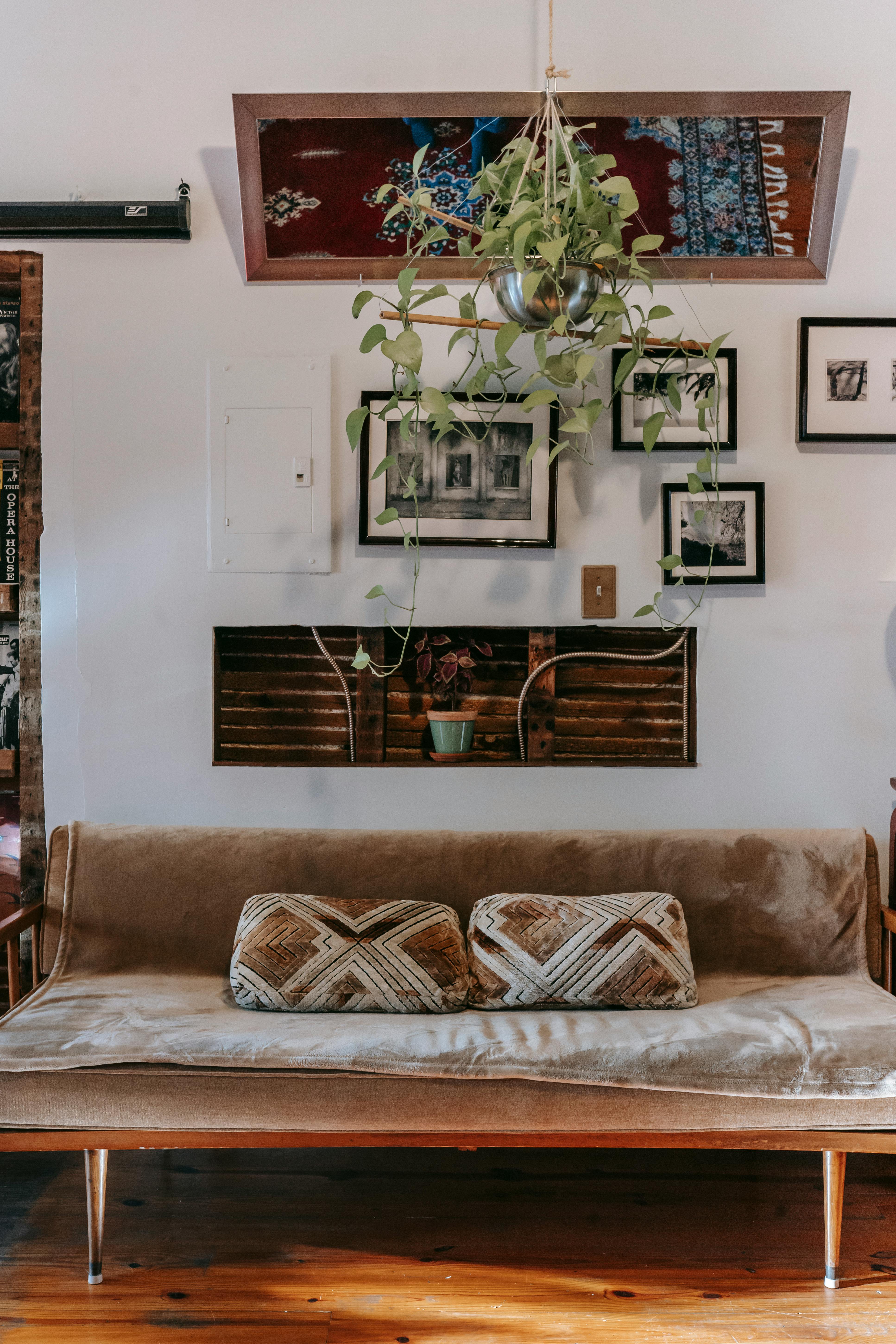
Who said art always has to be hung? If the lowest point of your slanted ceiling meets the wall above a low dresser, a bench, or a long floating shelf, you’ve found a fantastic cheat. Leaning a collection of framed pieces creates a relaxed, layered look with zero drilling into the angled surface. It’s a brilliant way to experiment with placement, mix different sizes and frame types, and feels incredibly effortlessly chic. This is a technique I use all the time when I'm styling and figuring out how to choose art for a bedroom or a console, especially when I want to test arrangements. You can create a compelling visual narrative by grouping related themes or colors, allowing smaller pieces to overlap larger ones slightly, adding depth and visual interest without overwhelming the space. This casual approach offers a gateway to more intentional arrangements, such as crafting a dynamic gallery wall that truly dances with the slope. For very low slanted walls, consider very slim floating shelves to create tiered art displays, or even incorporate cascading plants to add softness and organic movement. Other decorative elements like interestingly shaped mirrors (securely leaned, of course) or patterned wallpaper that echoes the angle can also be surprisingly effective.
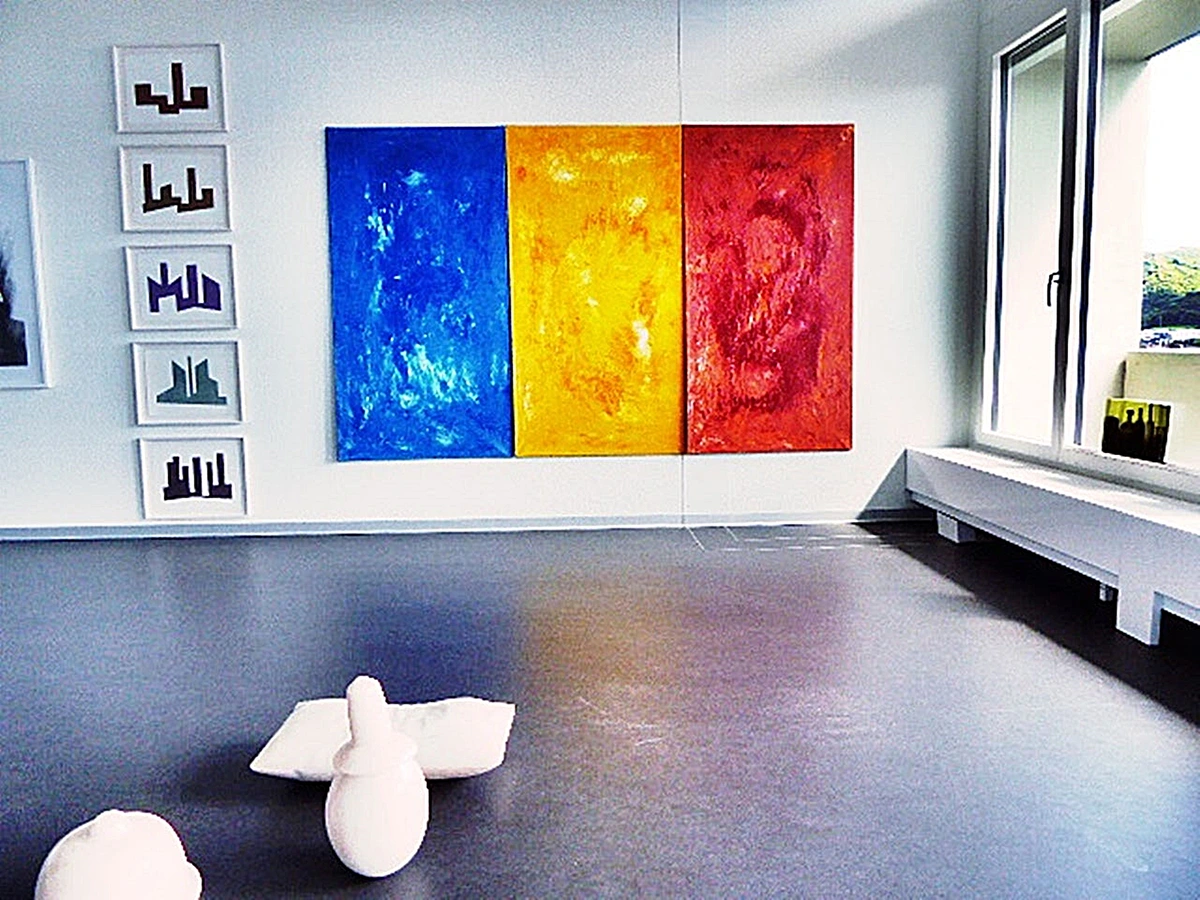
Angled Gallery Walls: Embracing Dynamic Flow with Intention
A traditional grid gallery wall is, quite frankly, going to look awkward, perhaps even unsettling, on an angled surface. It fights the architecture, and that's a battle you just won't win visually. Instead, create a dynamic, organic arrangement that flows with the line of the ceiling. Think of it less as a rigid structure and more as a constellation of art, or a playful cascade—imagine raindrops hitting a windowpane and following irregular paths. Start with your largest piece near the center or lower part of the slope and build outwards, letting the frames climb with the angle. Pay keen attention to the visual weight of each piece – larger, darker, or more visually dense artworks will feel heavier, so distribute them thoughtfully to create balance, especially on a diagonal. This is your chance to get really creative with curating an angled gallery wall with abstract art or mixed media. I find this approach makes the room feel much more personalized and less constrained. It truly celebrates the room's unique architecture. Need more specific guidance on making a heavy painting secure? Check out our FAQ below on hanging heavy art!
To help visualize different approaches to angled gallery walls, consider these common strategies:
Approach | Best For | Vibe | Key Tip | Visual Impact/Considerations | Pros | Cons |
|---|---|---|---|---|---|---|
| Organic Flow | Following natural roofline slopes; varied art sizes | Dynamic, energetic, and whimsical | Mix frame sizes/orientations; let ceiling line guide flow for cohesion. | Emphasizes unique architecture; best for movement along the angle, creating a less rigid, more natural display. | Celebrates unique architecture; creates natural movement. | Can feel messy if not carefully planned; requires an artistic eye. |
| Bottom-Weighted | Concentrating art at lower, more accessible wall areas. | Grounded, stable, and strong horizon line. | Place larger, heavier pieces closer to floor/low furniture; layer smaller pieces above. | Makes room feel established; ideal for very low slants where vertical space is limited. | Creates visual anchor; practical for low slants. | Upper slope may feel empty; can make ceiling appear lower if overdone. |
| Single Statement | One large, impactful piece that commands attention. | Confident, minimalist, and dramatic. | Choose truly captivating art; ensure robust hardware for maximum security. | Strong focal point without clutter; needs a compelling artwork that can hold its own on the slope. | Powerful focal point; minimalist aesthetic. | Requires a truly captivating piece; wall can feel blank if poorly chosen. |
| Tiered Shelving | Displaying smaller objects, plants, or layered prints. | Flexible, customizable, and adds depth. | Install slim floating shelves following the angle; easy rearrangement of lightweight items. | Great versatility for decorative items beyond flat art, allowing for dynamic, multi-dimensional displays. | Highly flexible; easy to change displays; adds dimension. | Requires precise shelf installation; not suitable for very heavy items. |
Material Matters: Finishes, Glare, and Texture
Beyond how you hang it, consider the physical properties of the art itself. A highly glossy photograph or a piece framed behind reflective glass on a steeply angled wall is almost guaranteed to catch glare from windows or overhead lights. This isn't just annoying; it can completely obscure the artwork. Opt for matte finishes, anti-glare glass, or unframed canvases/textiles where glare is a concern. For valuable pieces exposed to natural light, especially from skylights, always consider UV-protective glass or coatings to prevent fading over time. The texture of a piece – the visible brushstrokes on an oil painting, the weave of a tapestry, or the subtle relief of a mixed-media piece – interacts beautifully with the changing light on an angled surface, adding depth that might be lost on a flat wall. And don't forget about the underlying wall itself: a smooth, neutral paint finish will allow the art to pop, but you could also consider a textured wallpaper or a subtle limewash to add depth behind the art, especially if you're leaning into that cozy, tactile vibe.
The Importance of Lighting
Don't forget how light plays with your chosen art. Natural light from an attic window or a skylight can create beautiful shadows and highlights, but as I just mentioned, it can also cause frustrating glare on framed pieces. Position your art strategically to minimize direct sunlight if glare is an issue. Crucially, observe how the light flows across the angled surface throughout the day; this can drastically change how an artwork's texture, color, and depth are perceived. A painting might look dramatically different at noon versus sunset! For artificial lighting, consider adjustable track lighting or wall-mounted sconces that can direct focused light onto the art, enhancing its features and making the slanted wall truly glow. A well-lit artwork feels deliberate, not just placed, and creates a sense of mood and drama in the bedroom. For a modern touch, some smart home systems allow for programmable art lighting, adjusting intensity and color temperature throughout the day – though I’d still argue for tactile, physical art over a glowing screen in a cozy bedroom retreat. The uniform glow of a screen can sometimes clash with the warm, inviting ambiance you want in a bedroom; besides, who wants to troubleshoot Wi-Fi in their sanctuary? And speaking of the environment, if you're in a climate with high humidity or extreme temperature swings, ensure your chosen artwork and framing materials are stable enough to withstand these changes – it's a small detail that can save a lot of heartache (and warping!).
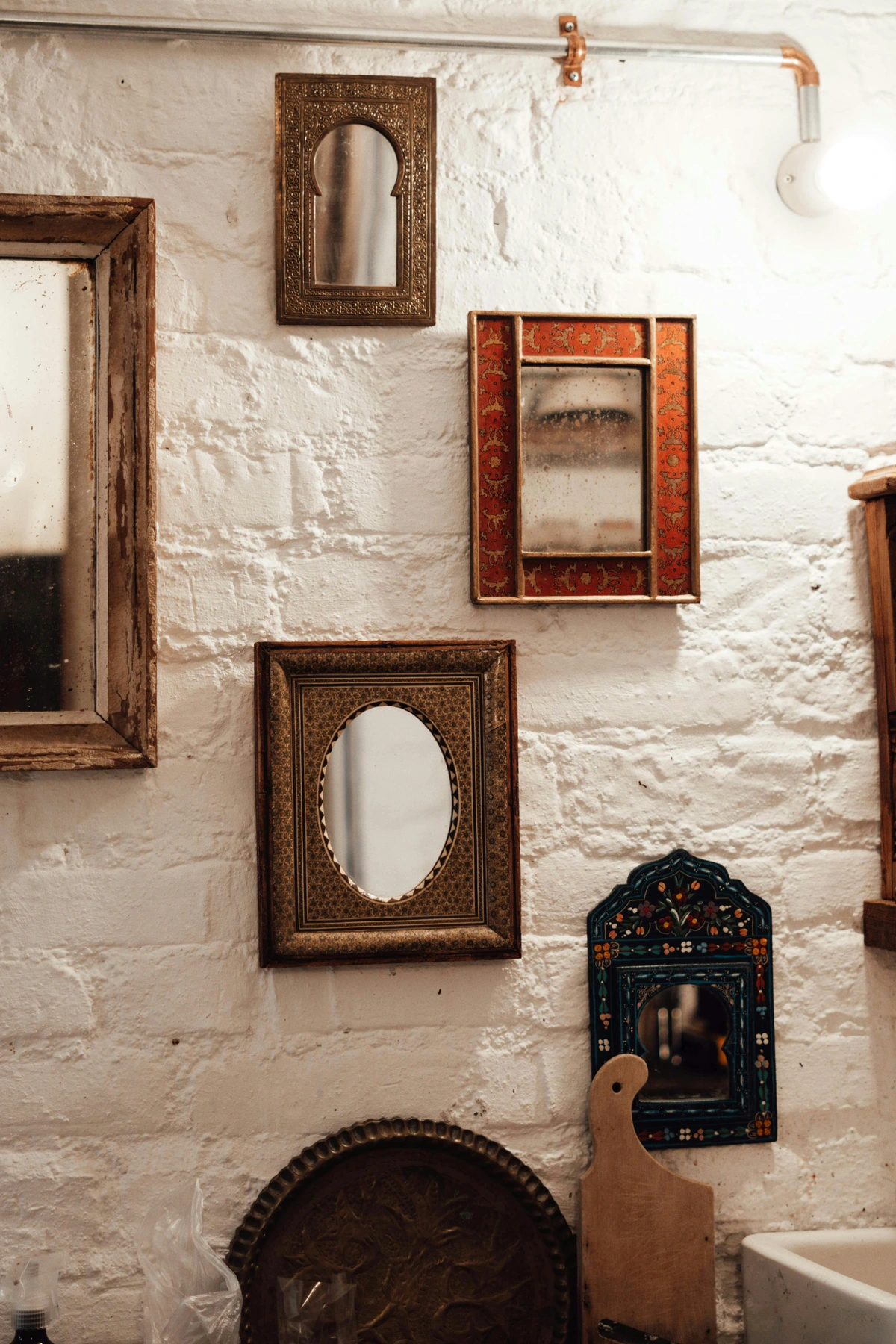
Curating Your Collection: Art Styles That Sing in Angled Spaces
So, what kind of art truly sings when it meets an angled wall? Not all art is created equal when it comes to a slanted surface. Some pieces just work better, almost as if they were made for the challenge. My personal favorites, as someone deeply involved in art and design, often involve a certain playfulness with form and perception. And when it comes to scale, remember that a very small piece can get completely lost on a large, dramatic slant, while an oversized piece can overwhelm if not carefully considered. It's about finding that sweet spot where the art makes a statement without being swallowed by the space or swallowing it whole. So, what kind of scale feels right for your particular slant?
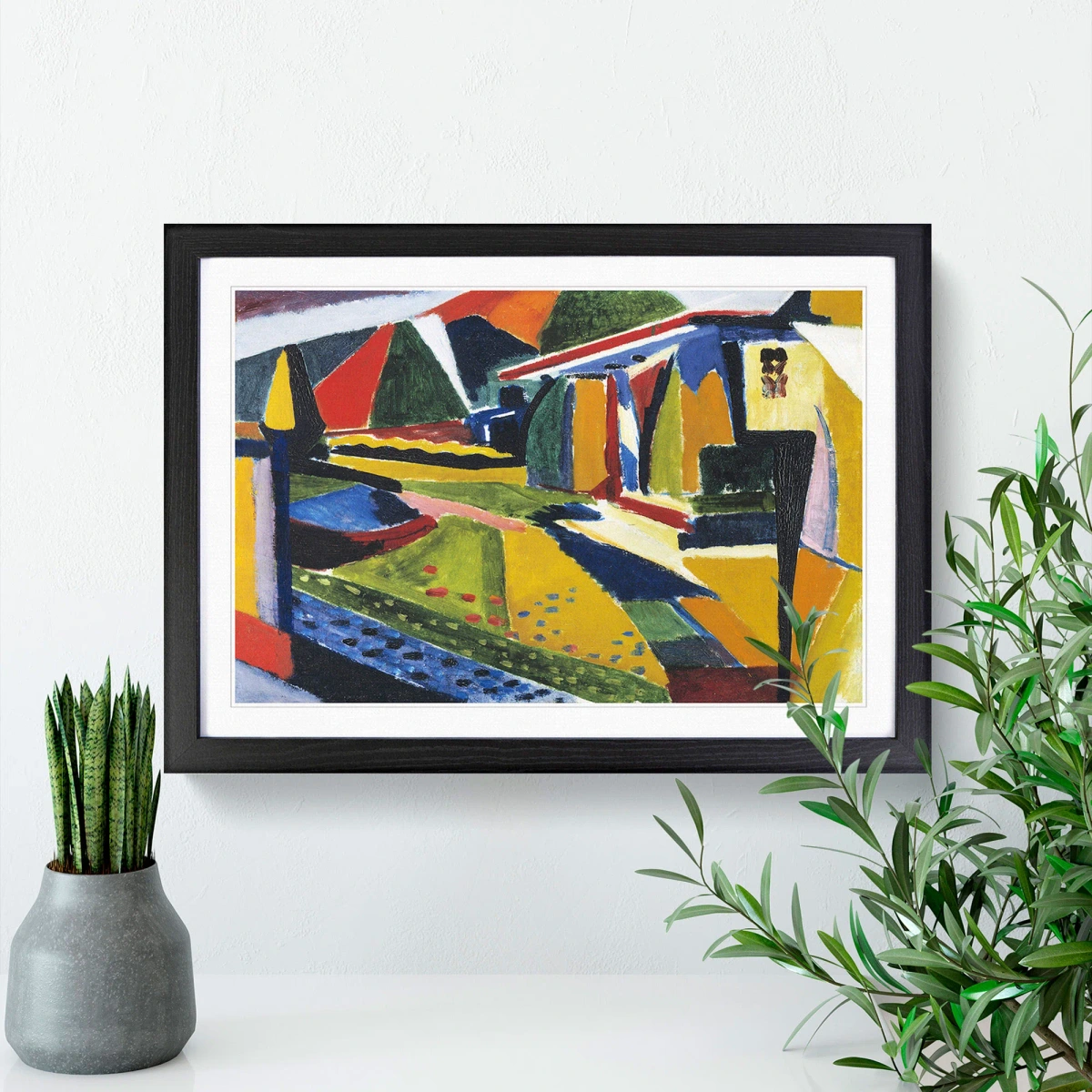
Art Styles That Harmonize with Angles
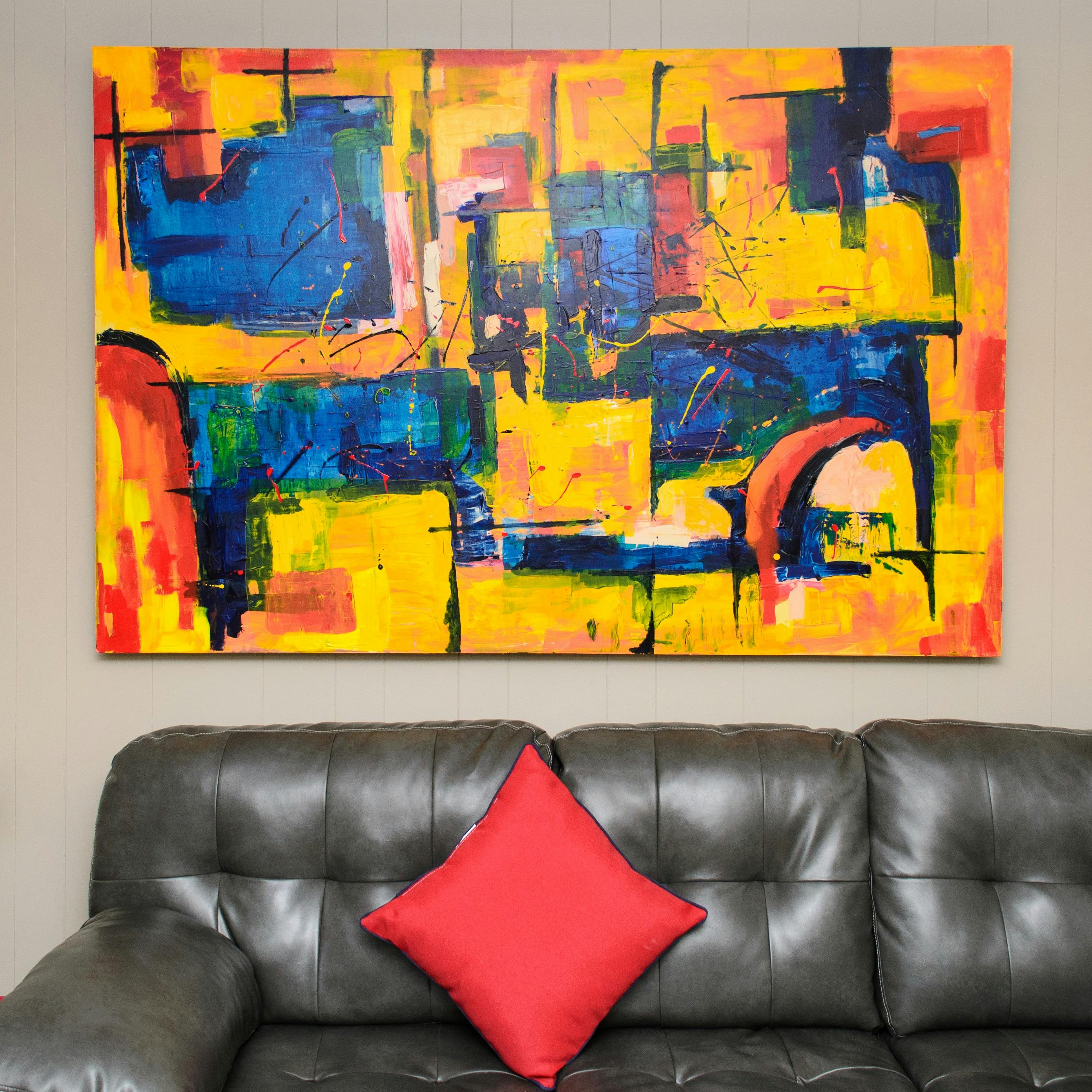
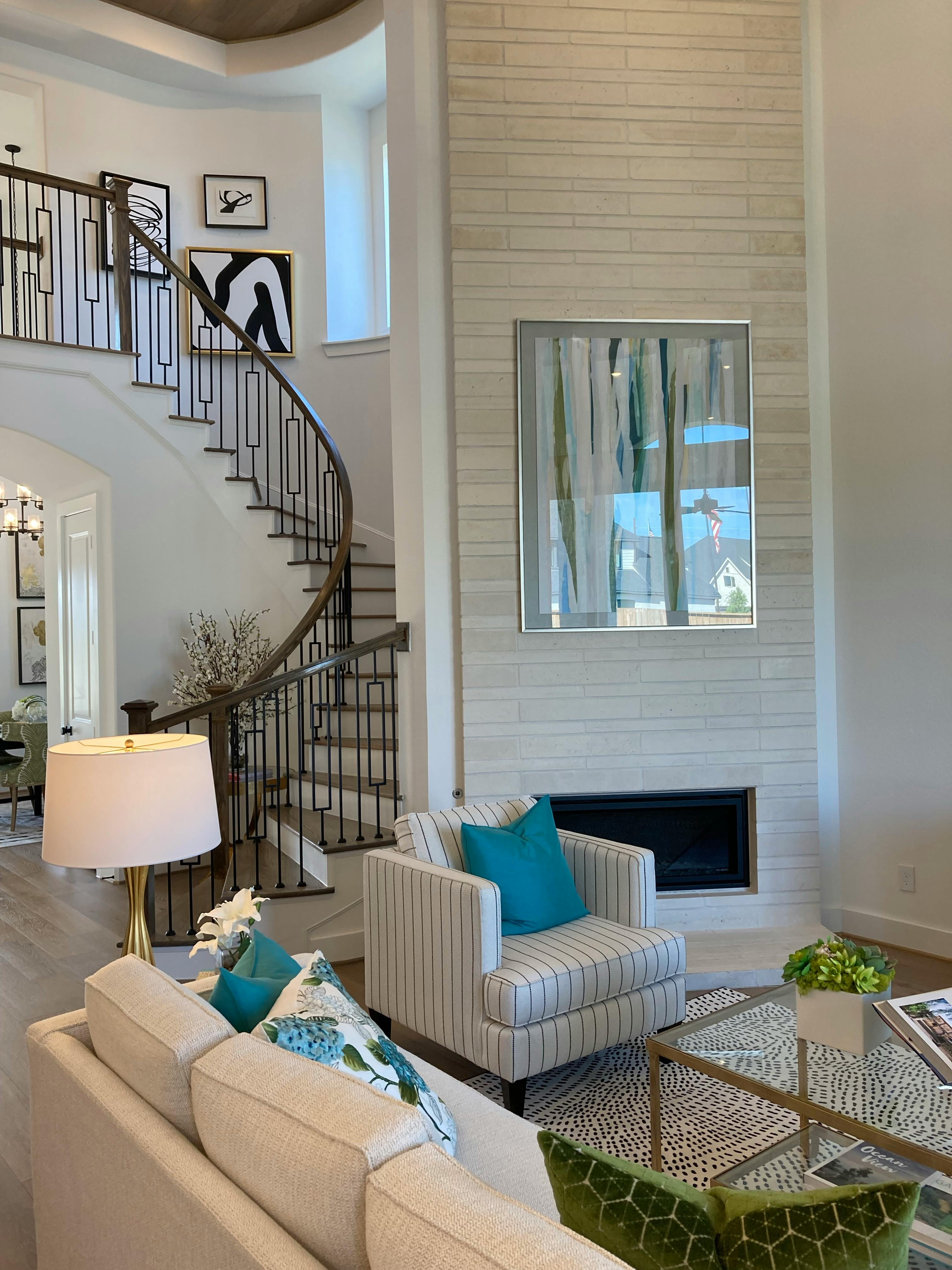
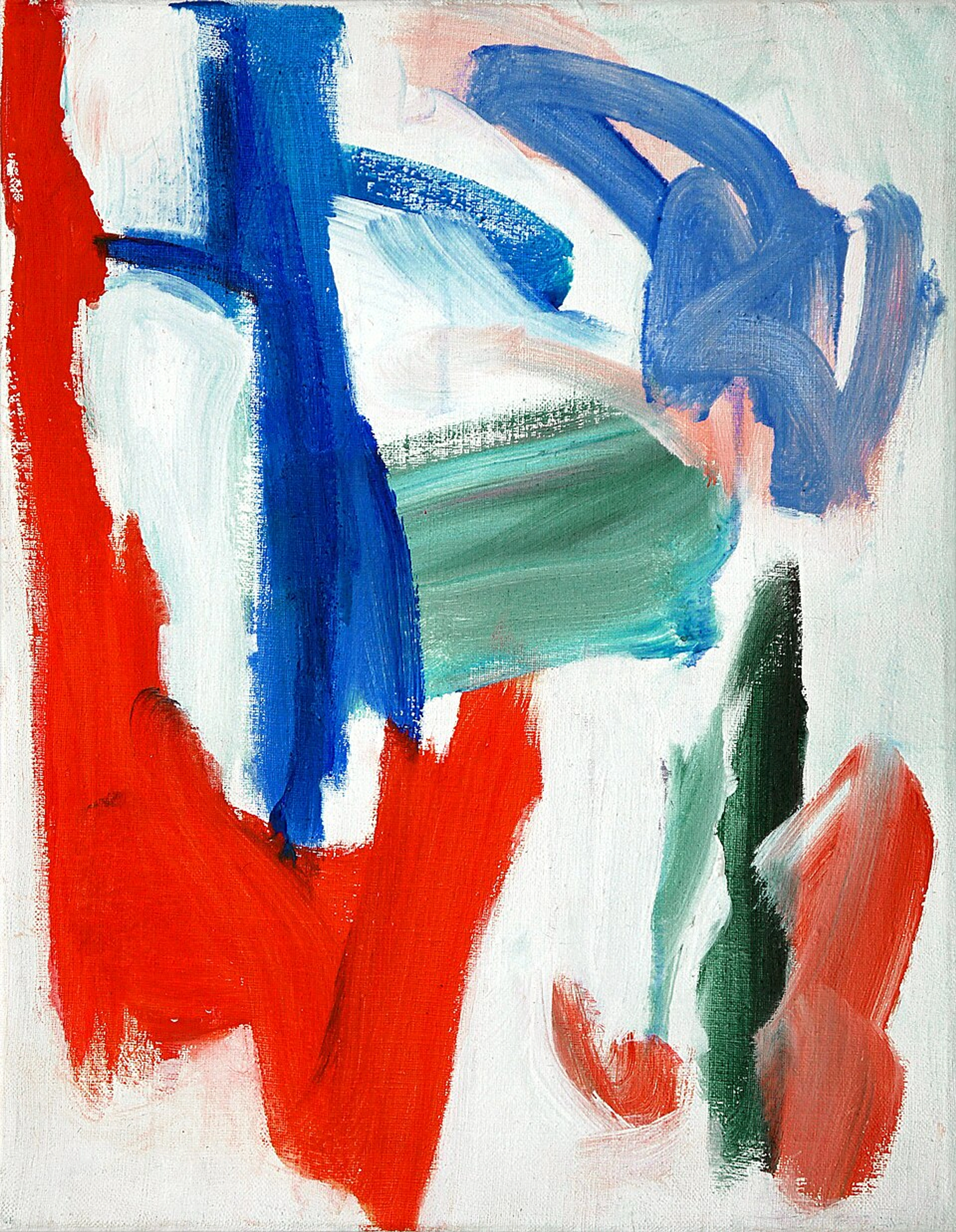
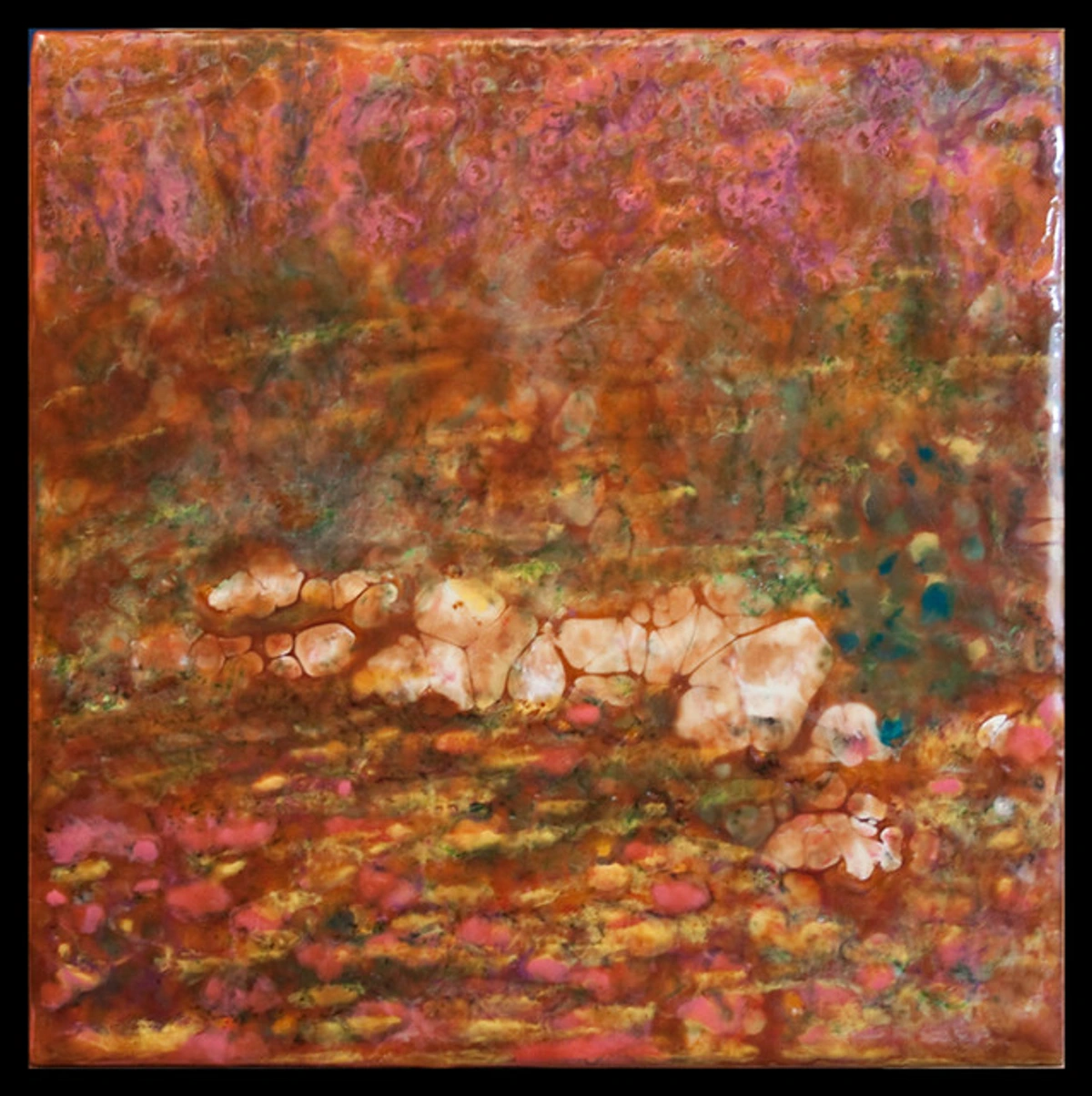
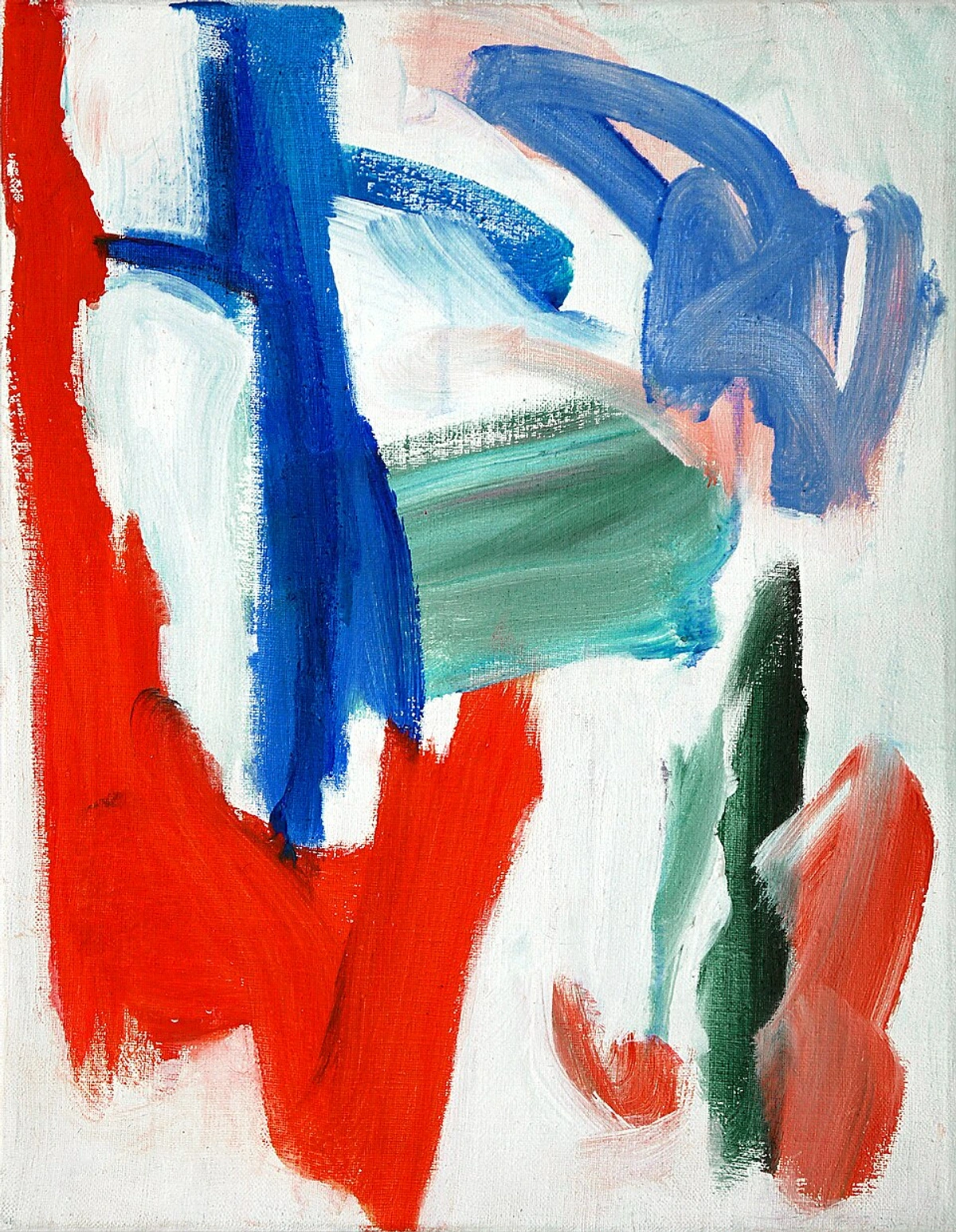
- Abstract Art: This is, hands down, my number one recommendation for art for awkward spaces. An abstract piece doesn't rely on a perfect vertical or horizontal orientation to make sense; its beauty comes from color, texture, and emotion, which works beautifully with the unusual, dynamic lines of the room. Geometric abstracts (think a vibrant piece like this) or bold color-field paintings (think Mark Rothko's immersive fields of color or Wassily Kandinsky's energetic compositions for inspiration) are particularly forgiving and can actually enhance the dynamic feel of the space. Rothko's work, for instance, creates a profound sense of introspection and space, making an angled wall feel less confining and more like an intimate enclosure for contemplation. It’s also a fantastic strategy for abstract art for small spaces: maximizing impact in compact areas, making them feel more expansive and less confined, which can be a real psychological benefit in an angled room. Avoid rigid, perfectly rectangular grids with representational art here; they tend to clash rather than complement.
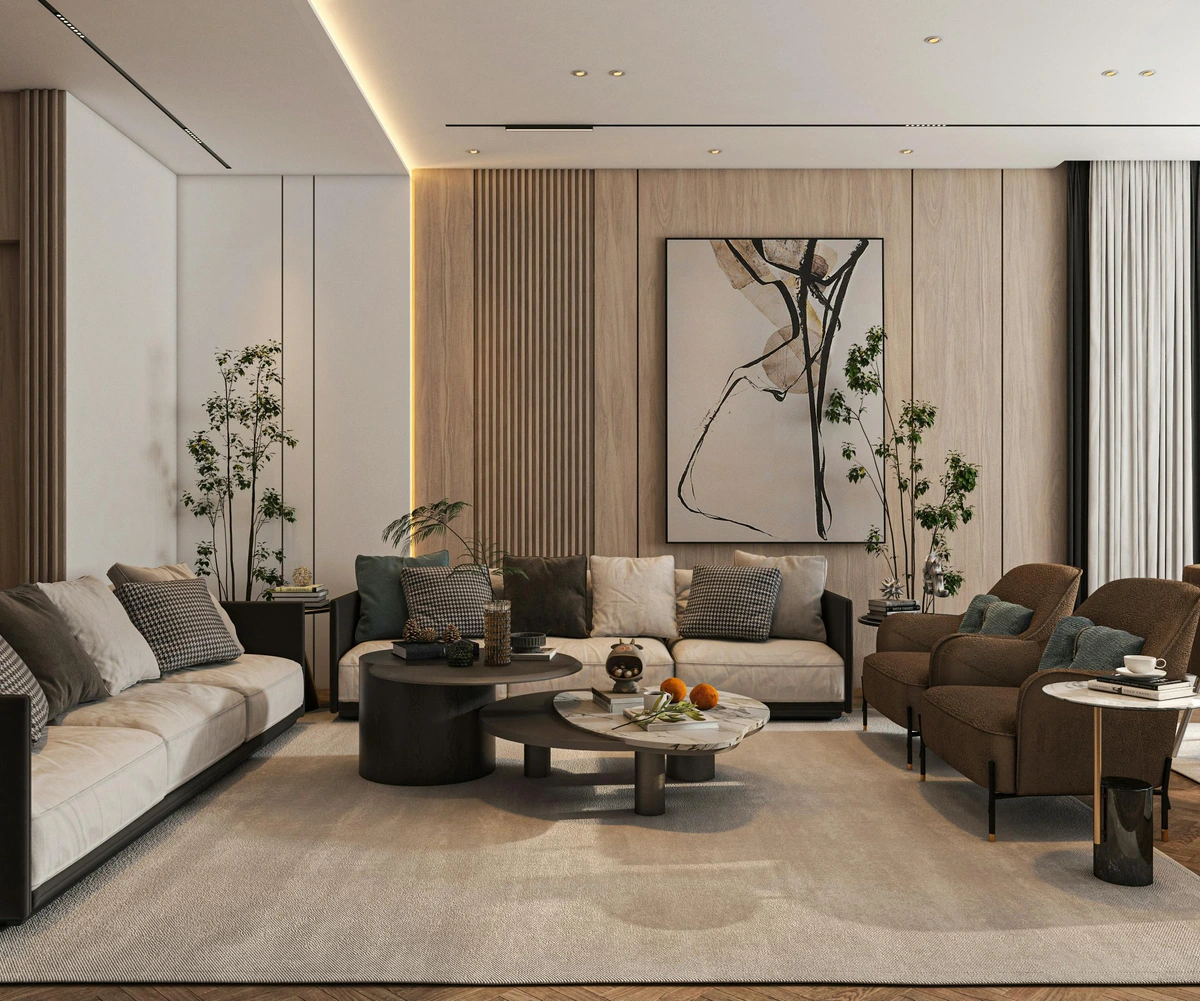
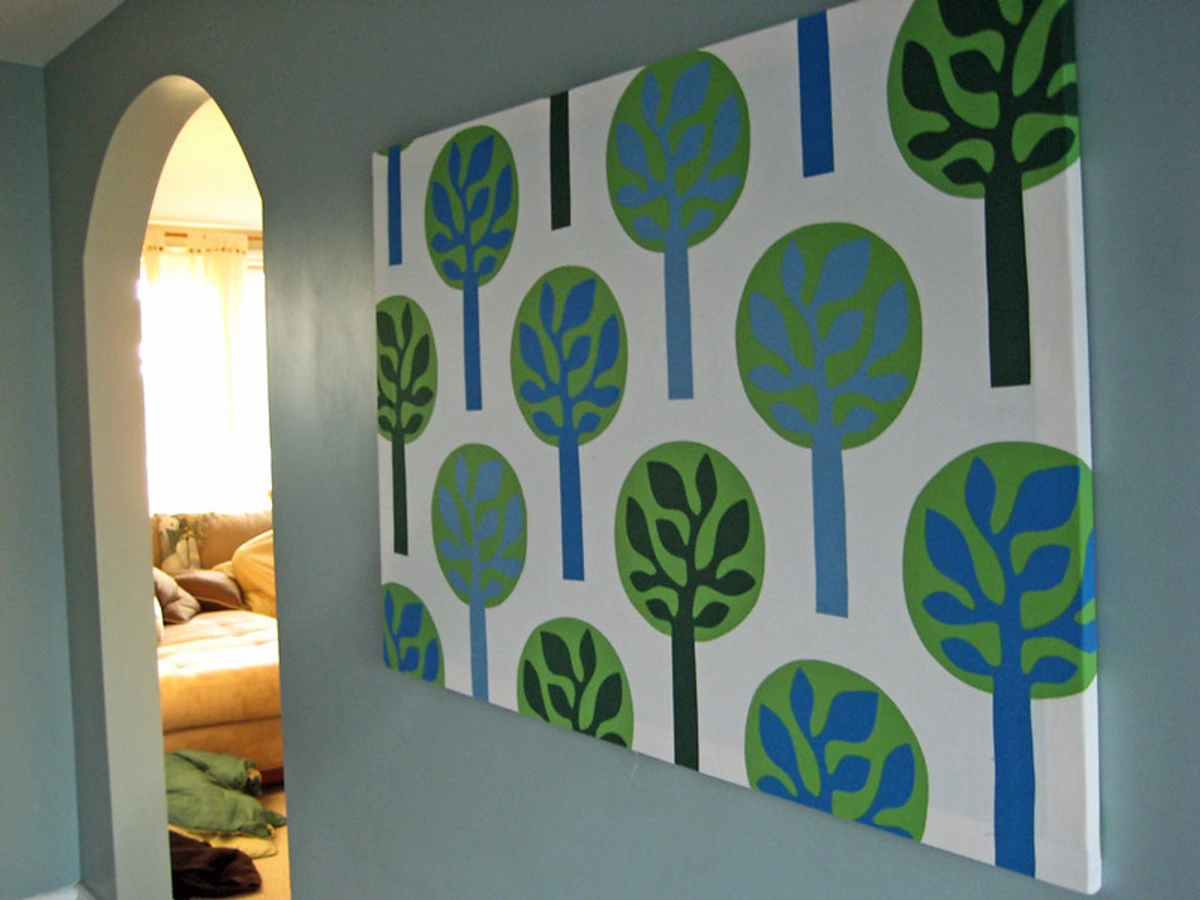
- Textile and Fabric Art: A large piece of stretched fabric, a macrame hanging, or a beautiful quilt can be a brilliant, surprisingly effective solution. Textiles add softness and texture, immediately enhancing that cozy bedroom feeling. They are often lightweight, making them easier to hang securely with simple command strips or small nails, and are blissfully less prone to glare than a heavy, glass-fronted frame. Plus, the way fabric drapes can subtly echo the ceiling's angle, creating a harmonious visual. They can even offer a bit of sound dampening, which is a nice bonus in some attic spaces that might otherwise have a slight echo because soft materials naturally absorb sound waves, reducing reverberation. It’s a very sustainable and DIY-friendly option too; consider upcycling old blankets or fabric scraps into a unique, textural piece.
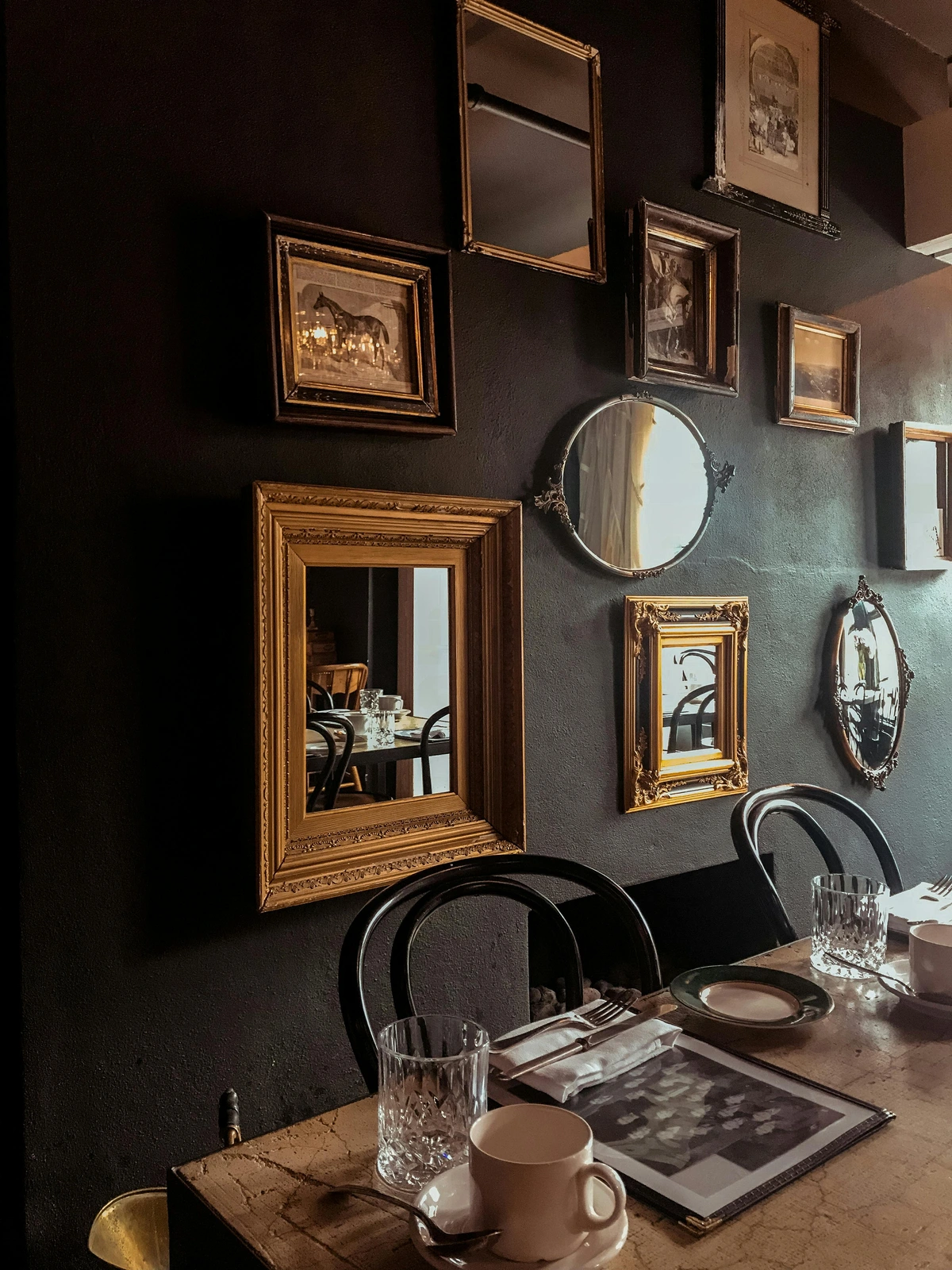
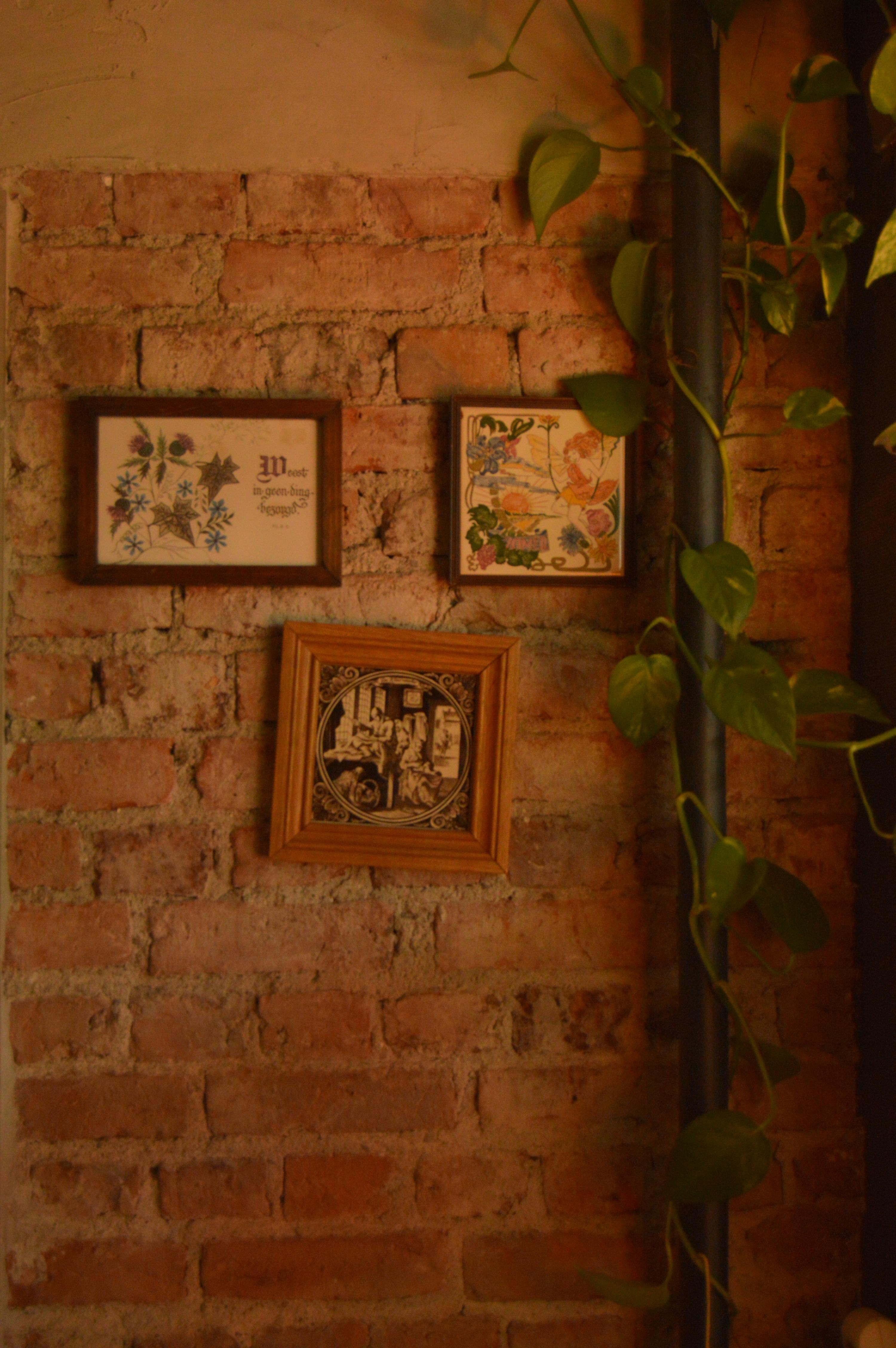
- Unframed Canvases or Boards: Ditching the frame can make a piece feel more integrated with the wall and less like a foreign object hanging at a weird angle. If you're feeling a little DIY, consider painting directly onto a lightweight board that you then mount flush to the wall, or even a custom mural that flows directly with the angle itself. For a bedroom, a subtle gradient of calming blues, a celestial star map, or abstract natural forms like stylized leaves or flowing water could create a truly bespoke and serene environment. This creates a seamless, bespoke look that truly belongs, turning the wall into the art. It’s also a fantastic way to utilize recycled materials for the board or repurpose an old canvas.
- Photography with Intentional Lines: While abstracts are incredibly forgiving, don't rule out photography. Images with strong diagonal lines or landscapes that naturally incorporate slopes (like a dramatic mountain range mirroring the ceiling's descent) can be incredibly effective. Consider urban photography with leading lines from buildings, roads, or bridges that naturally follow a downward or upward trajectory, or even celestial photography that draws the eye into a cosmic depth. Just make sure the composition feels balanced and intentional at the specific angle you're displaying it.
- Small Sculptural Elements or Wall Decals: For a truly minimal or playful approach, consider very lightweight, small 3D elements, high-quality wall decals, or even custom built-in niches. These can be positioned to interact with the angle, drawing the eye without the commitment or weight of traditional framed art. For instance, a series of simple geometric shapes cut from lightweight wood and painted can create a compelling relief sculpture that plays with the light on the slope. You could even explore a DIY geometric tape mural, using painter's tape to create abstract patterns directly on the wall and filling them with paint for a truly bespoke effect. This is a wonderfully low-cost and customizable option.
- Digital Art Displays (with caution): Modern digital frames or even carefully positioned projectors can display dynamic art. While cool, be mindful of glare, power cables, and the potential for a less 'cozy' or more 'sterile' feel compared to the tactile texture and depth of physical art. The uniform glow of a screen can sometimes clash with the warm, inviting ambiance you want in a bedroom. Is it truly a retreat if there’s a screen glowing all night? I'd argue for physical art in a bedroom setting more often than not, especially for that deep, comforting 'nest' feeling. Plus, who wants to troubleshoot Wi-Fi in their sanctuary?
Modern Architectural Styles & Beyond Bedrooms
Slanted ceilings aren't just for charming old cottages or A-frames anymore; they’re a defining feature in many modern minimalist homes, converted industrial spaces, and contemporary loft apartments, often part of dramatic rooflines designed for aesthetics or energy efficiency. The principles we’re discussing here apply equally to all these scenarios. And while this article focuses on bedrooms, these very same principles of embracing angles and balancing spaces apply equally to other rooms with sloped ceilings, whether it's a cozy home office (how to choose art for a home office), a unique living room, or even an unconventional entryway. The key is to adapt the mood of the art to the room's function – perhaps something more stimulating for an office, or playfully imaginative for a nursery.
Color Palettes and Room Mood
The color palette of your chosen art can dramatically influence the feel of a room with angled walls. If you want to lean into that coveted cozy, nest-like vibe, opt for art with warm, earthy tones or muted, calming blues and greens. These can visually soften the sharp angles, making the room feel more enclosed and secure – a true haven. For instance, a soft, ethereal landscape painting with gentle greens and pale blues can create a serene escape. Conversely, if you want to make a bold statement and emphasize the dynamic nature of the slope, vibrant, contrasting colors or strong black and white pieces can draw attention to the architecture itself. Think jewel tones like emerald green or sapphire blue for a touch of drama, or a striking monochrome abstract for modern chic. Dark, rich colors on a slanted wall can actually make it recede and feel less imposing, while lighter colors will highlight its presence. Think about how the art's colors interact with your wall color and other textiles in the room to create a cohesive aesthetic, whether that's bohemian, minimalist, or a chic Scandinavian retreat. What mood do you want to evoke every time you step into your bedroom?
Balancing Act: Don't Forget the Vertical Walls
Just because you've made the slanted wall a stunning feature doesn't mean you should ignore the other walls. In fact, they are key to making the room feel balanced and complete. Often, in an attic room, you'll find one tall, fully vertical wall at the end – what we call the gable wall. This is your prime real estate for a large, impactful piece of art that truly anchors the room. Placing a significant piece here creates a visual counterpoint to the dynamic slope, giving the eye a place to rest and a clear focal point. This helps the room feel intentional and thoughtfully designed, not just like a collection of leftover angles.
By carefully selecting art for your vertical walls that complements the style and colors on your slanted walls, you can achieve a holistic and harmonious design. The principles of how to choose art for a bedroom still apply, of course; you want something that contributes to a serene and personal atmosphere. A piece that helps in decorating with abstract art in small spaces: maximizing impact and flow can also work wonders here, creating depth and drawing the eye. Remember, the goal is for the art to enhance the architecture, celebrating its uniqueness rather than trying to mask it. What better way to do that than with a truly captivating piece that works in harmony with the room's overall design, even its quirks?
Your Burning Questions: An Angled Art FAQ
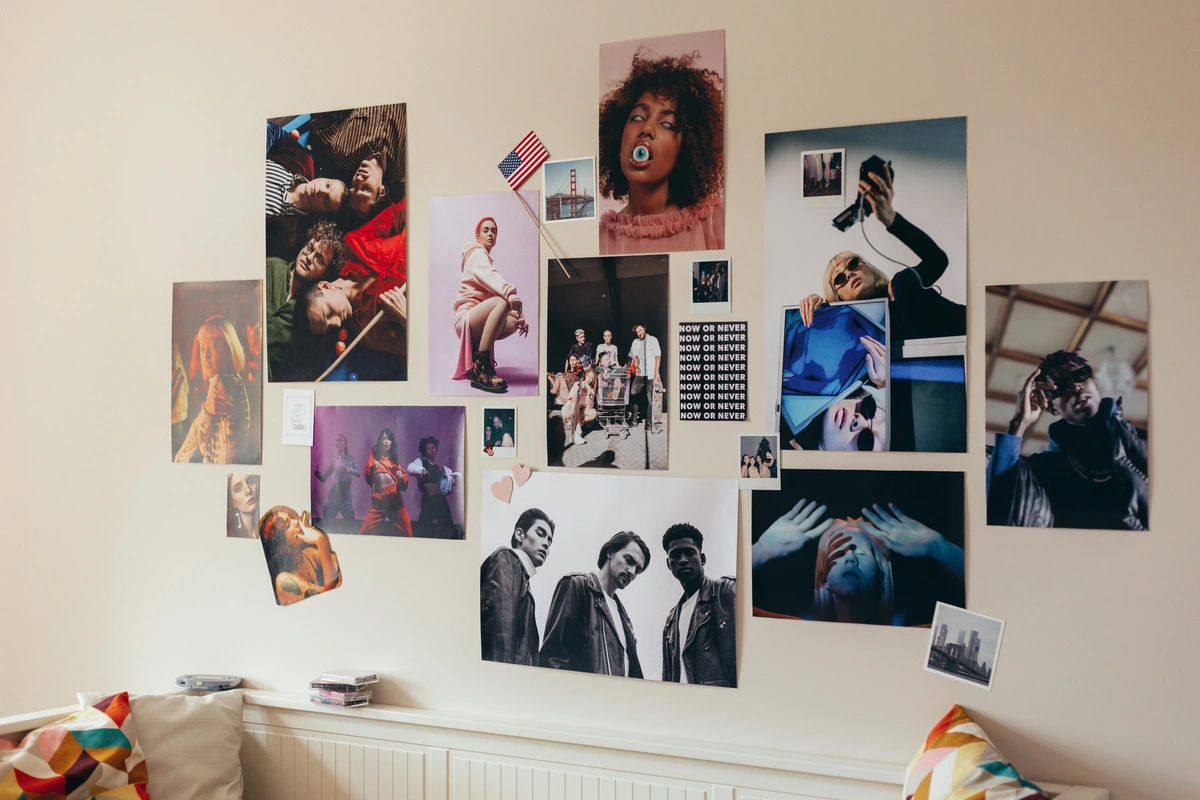
The angles might be charming, but they also spark some very practical anxieties! Let's dive into those burning questions I often hear, because honestly, the best art advice often comes from answering the specific concerns we have about putting holes in our walls!
Should the top of the frame be parallel to the slanted ceiling or the floor?
In almost all cases, you should hang the art so its entire plane sits flat against the slanted wall itself, making both the top and bottom edges of the frame parallel to the ceiling's slope. Don't try to make it level with the floor; it will look like it's about to slide off, creating an unsettling visual. The goal is to make it look like it belongs on that angled surface, flowing seamlessly with the room's unique lines. It’s all about working with the architecture, not against it. Trying to force a straight line into a diagonal space almost always looks... well, a bit confused, like it's fighting the very nature of the room.
Can I hang a really heavy painting on a slanted wall?
Yes, but with professional-level care and absolute precision. As discussed earlier, use multiple security hangers (like French cleats, which lock the artwork to the wall) and make absolutely certain you are anchoring directly into the studs or joists behind the drywall, not just the drywall itself. To find a stud, you can use a stud finder, or if you don't have one, tap lightly along the wall and listen for a solid, non-hollow sound. For significant weight, you must ensure the underlying structure can support it. I've seen too many DIY attempts end badly. If you're in any doubt, honestly, hire a professional art installer. It's significantly cheaper than a new frame, a damaged artwork, and a gaping hole in your wall. I once saw a lovely, heavy antique mirror (thankfully not mine!) slowly pull itself free from a slightly sloped wall over a period of months because it wasn't secured properly. Don't let that be you!
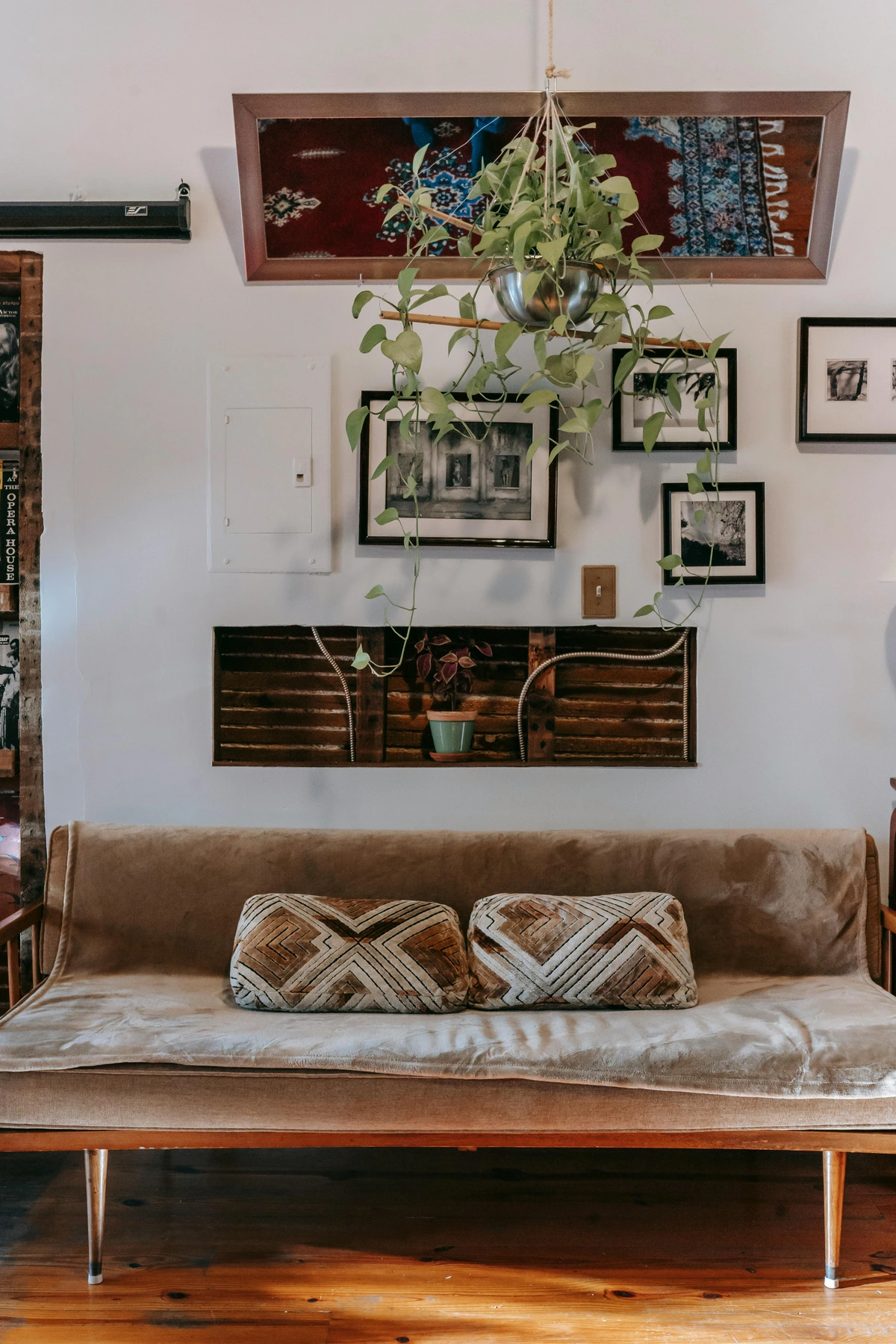
Does art on a sloped wall make the room feel smaller?
Quite the opposite! Leaving a slanted wall blank can make it feel like an unaddressed void, contributing to a sense of incompleteness and making the room feel oppressive, like it's closing in on you. Adding art gives the wall a purpose and a point of interest, drawing the eye upwards and adding depth. It can actually make the space feel larger, more complete, and infinitely more inviting. The visual weight and focal point distract from the perceived 'closure' of the slope, turning what could be a visually heavy, empty expanse into a dynamic display that expands the perceived boundaries of the room. It turns a potential negative into a powerful positive, transforming your attic room art into a feature.

Are there alternatives to hanging framed art?
Absolutely! We touched on a few earlier. Murals or custom-designed wall decals that work with the angle can be stunning, offering a seamless integration. You could also paint the entire slanted wall a bold accent color to turn the surface itself into the main art piece, creating an architectural statement. Large, unframed canvases, textile hangings (think a beautiful tapestry or an intricate macrame piece), or even a projector creating dynamic light art can be wonderful, low-commitment options. For a truly bespoke approach, consider creating a DIY art piece, like a painted mural that intentionally flows with the ceiling's angle, or custom built-in shelving that follows the angle to integrate art and objects seamlessly. Even a series of lightweight, three-dimensional elements or small, abstract sculptures can add depth and interest without the need for traditional framing.
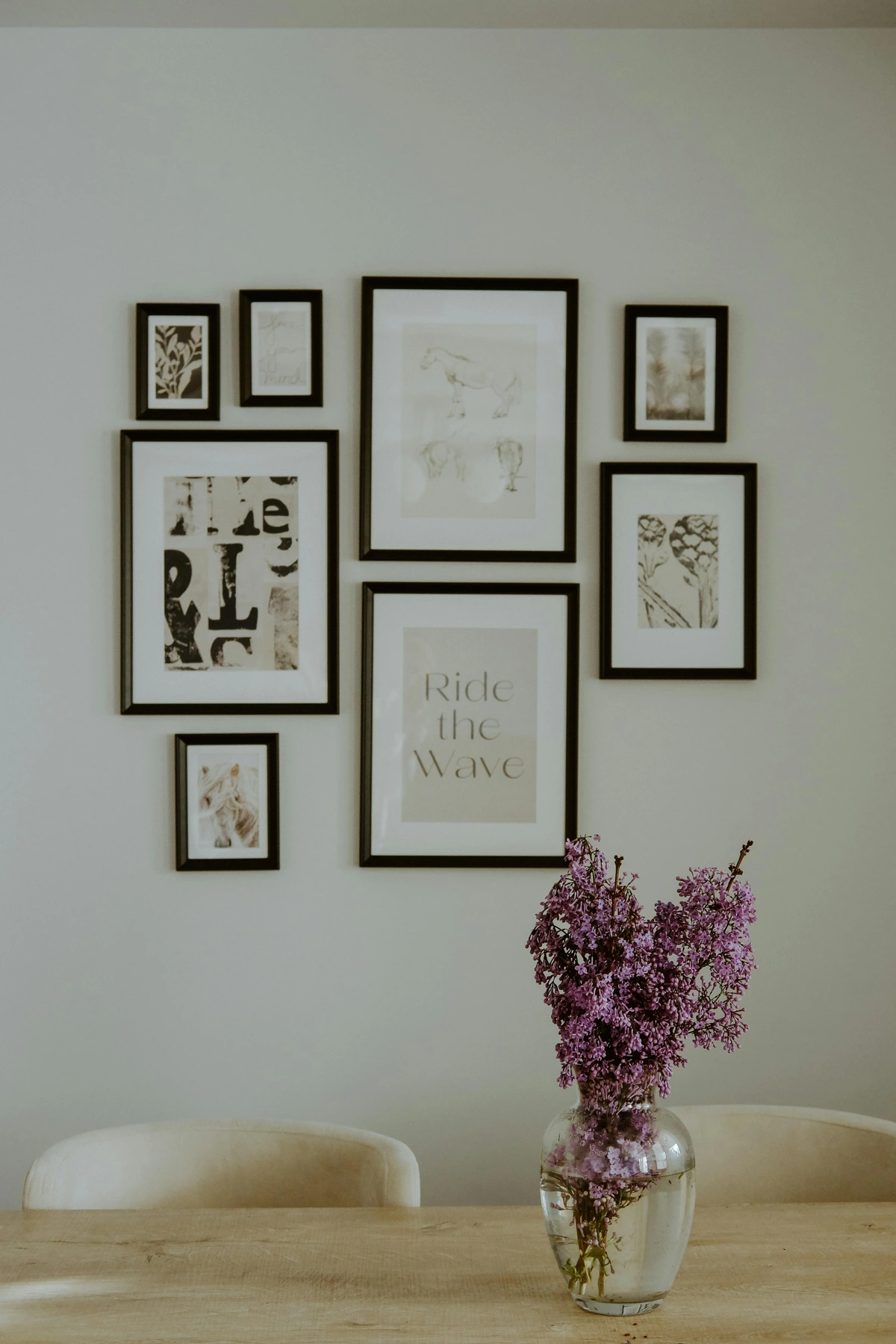
What if my slanted wall is very low?
If the slant starts very low to the ground, focusing on leaning art on low furniture (dressers, benches, long floating shelves) is your best bet. You can also explore very small, lightweight pieces hung securely, or even decorative objects on the furniture itself, drawing the eye to the lower, more accessible parts of the wall. Murals or decals can also work here, especially if they are abstract or textural, creating interest without needing height. Very slim floating shelves that follow the angle can also provide unique display opportunities for small objects or plants that cascade down, adding both life and visual intrigue to the lowest sections, effectively using your low slanted wall decor to its full potential.
Can I use mirrors on a slanted wall?
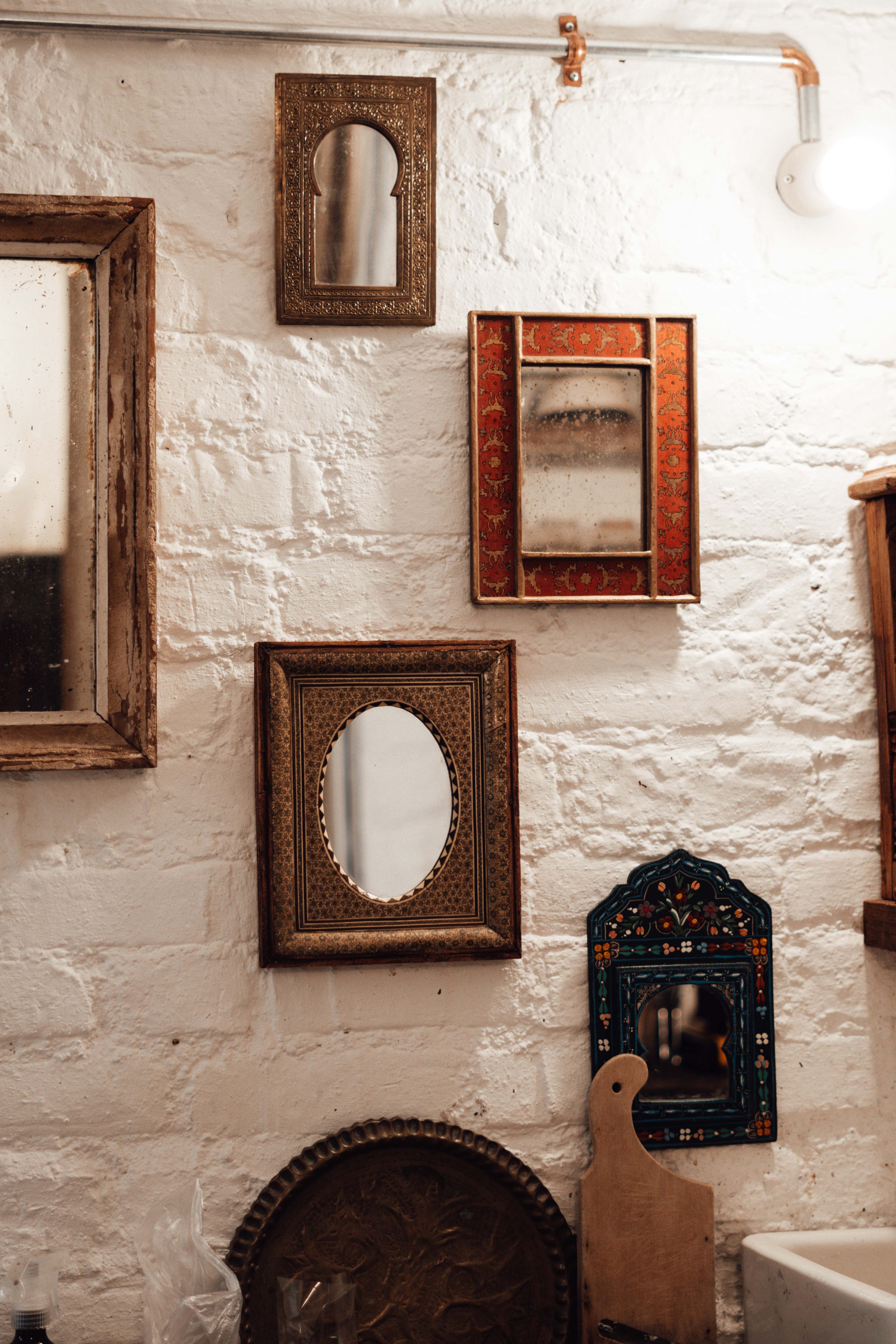
Yes, but with extreme caution and specific intent. A mirror reflects light and space, which can be great for making a room feel larger. However, on a slanted wall, the reflection will be angled, which can be disorienting or create an awkward visual if not planned carefully. Ensure it's very securely mounted (especially given how heavy mirrors can be!), and consider a mirror with an interesting frame that adds to the decor, rather than solely relying on its reflective quality to expand the room. I often find a well-chosen piece of art more effective than a mirror in these situations, as the reflection of an angled ceiling can sometimes feel a bit like a funhouse! If you do opt for a mirror, make it a design feature in itself, rather than just a functional reflective surface.
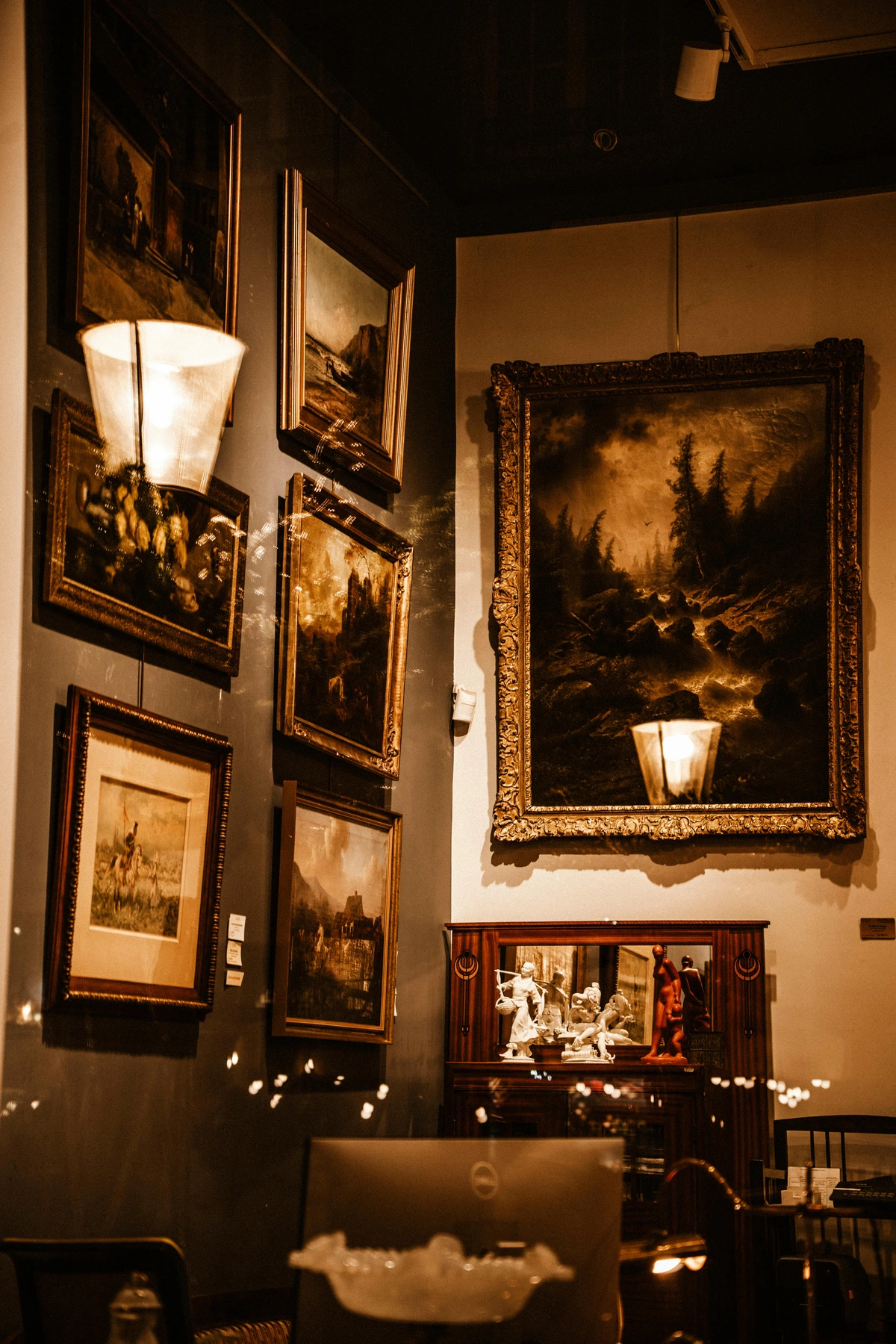
How do I measure for art on a slanted surface?
Remember the "ground up" approach! Instead of measuring from the ceiling down, measure from the floor up to where you want the bottom of your artwork to be. Use a spirit level to ensure the bottom edge of your art is parallel to the floor (or to the ceiling's slope if you're intentionally tilting). This creates a stable, horizontal visual element that anchors the eye within the dynamic slope, preventing the art from looking like it's about to slide away. For complex arrangements, map everything out with painter's tape first. Patience in planning will save you multiple headaches and holes.
What paint finishes work best on slanted walls for art installation?
When preparing a slanted wall for art, a matte or eggshell paint finish is generally best. These finishes absorb light rather than reflecting it, which helps minimize glare and allows the artwork to be the focal point. Glossier finishes on an angle can exacerbate reflections from windows or overhead lights, potentially distracting from or obscuring the art. For the most seamless integration, a neutral background color will often allow the art to pop, but don't shy away from a bold accent color if the wall itself is the statement piece, perhaps even complementing the colors in your art.
How do I clean art displayed on an angled wall?
Cleaning art on an angled wall requires extra care due to its position. For framed pieces with glass, use an anti-static cloth to gently dust, or a soft, lint-free cloth with a small amount of ammonia-free glass cleaner sprayed onto the cloth (never directly on the frame or glass) for smudges. For unframed canvases or textile art, a soft, dry paintbrush or a micro-fiber cloth is usually sufficient for dusting. Always dust downwards, following the angle of the wall, to avoid trapping dust in crevices. Avoid harsh chemicals and excessive moisture, which can damage artwork and wall surfaces.
What if two slanted walls meet in a corner?
When two slanted walls meet, you have a unique opportunity for creative expression. Instead of trying to force a traditional art piece into the awkward corner, consider treating the entire corner as a sculptural element. You could use wall decals that curve around the corner, or install custom-built, angled shelves that perfectly fit the space, allowing you to display small objects, plants, or layered prints. A striking abstract mural that flows seamlessly across both angled surfaces can also be incredibly impactful, turning the architectural challenge into a cohesive artistic statement. The key is to embrace the geometry rather than fighting it, letting the art or decor complement the unique intersection of the slopes.
Your Angled Advantage: Go Forth and Decorate!
That slanted wall in your bedroom isn't a curse; it's an invitation to artistry. It’s a character-building challenge, urging you to be playful, to break the rules of conventional decorating, and to forge a space that is uniquely, authentically yours. By embracing the angle, choosing the right pieces, and hanging them securely, you can transform an awkward space into the most talked-about, cozy, and art-filled feature of your home. This isn't just about decor; it's about telling a story through your space, a narrative that begins with acknowledging and celebrating the unconventional. What story will your angled walls tell? I'm genuinely excited for you to discover it!
Remember these key takeaways as you embark on your angled art journey:
- Embrace the Angle: Don't fight the slant; let it inspire your display. Celebrate its unique architectural charm and the profound psychological comfort it can offer. It’s a feature, not a flaw.
- Plan Meticulously: Measure from the floor up, consider the full length of the slope, and use painter's tape to map out your layout. Precision prevents frustration and those extra, unwelcome holes!
- Secure is Key: Always use robust, angle-appropriate hanging hardware like D-rings, security hangers (French cleats!), or heavy-duty toggle bolts. Find those studs, or deploy the right anchors for drywall! A little extra effort now prevents a lot of heartache (and plaster repair) later.
- Lean In (Literally): Low furniture offers perfect platforms for layered, leaning art, creating an effortlessly chic and flexible display with zero drilling and easy rearrangement, especially effective for very low slants.
- Abstract & Textile Wins: These styles are forgiving, enhance coziness, offer unique texture, and can even provide sound dampening – ideal for a soft, serene bedroom ambiance in an angled space.
- Balance with Verticals: Utilize flat walls for anchoring, impactful pieces to create overall room harmony and a sense of completeness, providing a crucial visual counterpoint to the slopes.
- Light It Right: Carefully consider how natural light (especially from skylights) and artificial lighting interact with your art, affecting texture and color throughout the day. Enhance, don't just illuminate, and always be mindful of glare and potential UV damage.
- Consider Color Palettes: Use art to soften angles with warm tones, or make bold statements that highlight them with strong contrasts, influencing the room's entire mood and turning the space into a true sanctuary.
- Material Matters: Opt for matte finishes or anti-glare glass to avoid frustrating reflections on angled surfaces, letting the art's texture and detail shine. And consider the artwork's resilience to climate fluctuations.
- Enhance, Don't Mask: Always aim for art that enhances the unique architectural feature of your slanted wall, making it a celebrated element of your room's design, rather than trying to hide it.
It’s an exercise in creative problem-solving, an opportunity for genuine self-expression, and the reward is a bedroom that feels truly special, a reflection of your own imaginative spirit. So go on, take another look at that wall. It's not a problem, it's a canvas. And if you're looking for the perfect piece to get started, something vibrant and unique to truly make that angle sing, you might just find it in the curated works available to buy on this site. Happy decorating!