An Art Lover's Guide to Vienna: Klimt, Secession & More
Explore Vienna's vibrant art scene through my personal guide. Discover Klimt's 'The Kiss', the revolutionary Secession, and unique modernist treasures. A must for art lovers!

An Art Lover's Guide to Vienna: More Than Just 'The Kiss'
You know, sometimes a city just clicks with your soul, and for me, Vienna is absolutely one of those places when it comes to art. I mean, we all think of Paris, Rome, or even Florence when we talk about art capitals (and rightly so, check out my art capitals of the world thoughts for more on that), but Vienna? Vienna is... different. It’s got this elegant, slightly melancholic charm, a vibrant history of pushing boundaries, and an artistic legacy that’s just begging to be explored. It’s not just about Gustav Klimt's 'The Kiss' – though, let's be honest, that's a pretty good reason to go in itself! I’ve often found myself wondering what it is about certain places that fosters such intense creative bursts, and Vienna, with its blend of imperial grandeur and Secessionist rebellion, offers a compelling answer that continues to fascinate me. It's a city that simultaneously lives in its opulent past and constantly hints at a daring future, much like a canvas where traditional brushstrokes meet bold, abstract forms in a thrilling dialogue. And honestly, it's this dynamic interplay, this refusal to settle, that keeps pulling me back, always uncovering new layers of artistic brilliance and quiet defiance beneath the surface. It's not just a place to see art; it's a place to feel it pulsing through its very veins, a true Gesamtkunstwerk of urban existence. Plus, there’s that undeniable fin-de-siècle vibe, a glorious, slightly neurotic burst of creativity at the turn of the 20th century that still whispers from every street corner and café. It's a testament to a period where art, psychology, and philosophy all converged in a breathtaking, often bewildering, explosion of ideas – think Sigmund Freud dissecting the human psyche, Arthur Schnitzler exploring societal taboos, and Gustav Klimt pushing artistic boundaries, all often in the same bustling coffeehouses. And I guess, that's part of its magic, right? That sense of a city always on the cusp of something new, even when steeped in history. For me, Vienna felt like stepping into a living, breathing canvas, each street a brushstroke, each building a carefully considered detail. It’s a city that whispers tales of grandeur and rebellion in equal measure, a place where the ghosts of artists past still hold court in sun-drenched squares and dimly lit cafes, challenging you to look closer, to feel deeper, to connect with the vibrant, sometimes unsettling, core of human expression.
Vienna: A Crossroads of Artistic Innovation
What truly sets Vienna apart, for me, is its audacious willingness to reinvent itself artistically, even while deeply rooted in its imperial past. It's a city that dared to challenge the status quo, birthing movements that reverberated across Europe. From the opulent Baroque to the radical Secession, and the raw intensity of Expressionism, Vienna has consistently been a crucible for transformative art. It’s a city that doesn't just display art; it embodies it, in its grand palaces, its modernist buildings, and even in the quiet contemplation found within its legendary coffeehouses. I often wonder what it must have felt like to be an artist in Vienna during the turn of the century, when every convention was being questioned, and new forms of expression were blossoming, driven by a profound intellectual ferment that challenged the very foundations of society and art. It’s that spirit of daring and intellectual curiosity that makes Vienna such an endlessly rewarding destination for any art lover.
Why Vienna? A Personal Reflection
I remember the first time I set foot in Vienna, years ago. I was expecting imperial palaces and classical music, which, don't get me wrong, it delivers in spades. But what truly surprised me was the sheer, unapologetic art everywhere. It wasn't just confined to museums; it seeped into the architecture, the cafes, even the quiet dignity of the streets. It’s a city that embraced modernity, but on its own terms, leading to the incredible Vienna Secession movement. This was a group of artists, architects, and designers, led by Klimt himself, who essentially said, 'We're done with traditional academic art and the historicist eclecticism of the Ringstrasse; we're doing our own thing.' They passionately rebelled against the conservative art establishment, particularly the powerful Künstlerhaus which strictly adhered to traditional, often stale, academic painting and sculpture. The Secessionists, in stark contrast, sought a more authentic, modern, and truly free artistic expression. Their radical vision aimed to unite all arts – painting, architecture, applied arts – into a Gesamtkunstwerk (a 'total work of art,' a German term describing a synthesis of multiple art forms). This wasn't just about painting; it was a revolution touching everything from furniture to fashion. Figures like Josef Hoffmann and Koloman Moser, alongside Klimt, spearheaded this charge, challenging the rigid academic structures of the day, and creating their own influential magazine, Ver Sacrum ('Sacred Spring'), a groundbreaking publication that not only disseminated their ideas but also showcased new artworks and graphic design, further cementing their revolutionary stance. And honestly, I love that defiance. It’s the kind of artistic courage that still inspires me in my own work; this idea of breaking free from expectations and finding your unique visual language, a philosophy I try to embody in my own art for sale and explore in my thoughts on why I paint abstract. The Secession wasn't just about aesthetics; it was a profound statement about the role of art in society, about rejecting the suffocating confines of tradition to forge a truly modern identity. If you're curious about the deeper dive into their philosophy and how they shook the foundations of the art world, I've got a whole piece on the Vienna Secession: Art Nouveau's radical Austrian cousins. The Gesamtkunstwerk, this 'total work of art' ideal, was more than just an aesthetic choice; it was a vision for a holistic society where beauty and art elevated every aspect of human existence, from public buildings to the most intimate domestic objects. It wasn't just about the grand gestures, either. The Secessionists, especially through the Wiener Werkstätte, wanted art to permeate everything – from a monumental painting to the cutlery on your dinner table, transforming daily life into a total work of art. It’s a philosophy I find utterly charming and, frankly, genius. I think it’s this blend of the personal and the universal in Viennese art that truly captivates me. It’s a city that encourages you to ponder, to question, and to find beauty in the unexpected, much like discovering a hidden gem in your own creative process. Perhaps it's the very air, imbued with centuries of artistic endeavor, that makes you feel a part of something larger, a continuous dialogue between past and present.
This radical vision was a direct response to the perceived stagnation of the official art world, particularly the conservative Künstlerhaus, which favored historical painting over contemporary innovation. The Secessionists sought to create a platform for avant-garde artists, establishing their own exhibition space and publishing their influential magazine, Ver Sacrum. Their impact was not just aesthetic but profoundly cultural, advocating for a holistic approach to art that integrated fine arts with applied arts, and architecture, ultimately shaping the very fabric of Viennese modernism. It’s a testament to the power of a united artistic front against established norms, a story that still resonates with me today.
The Big Three (and a Hidden Gem)
The Belvedere Palace: Where Gold Meets Grandeur
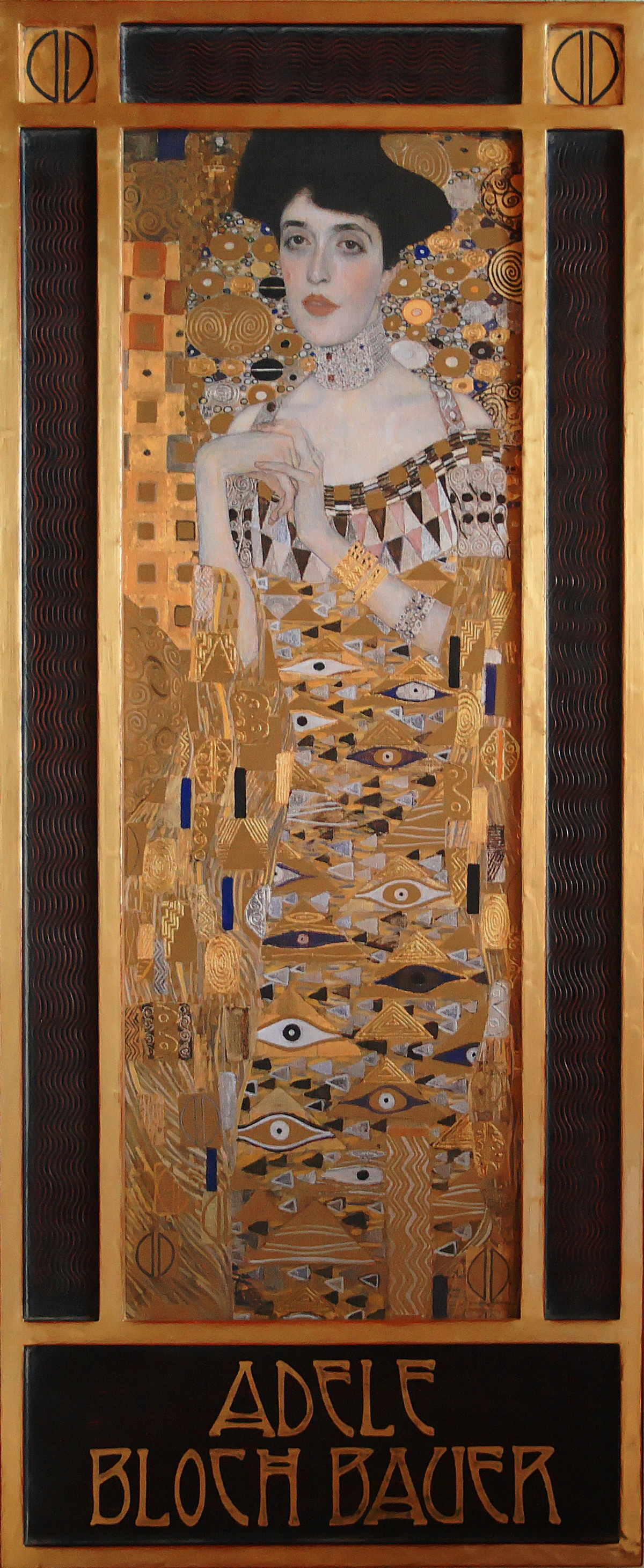
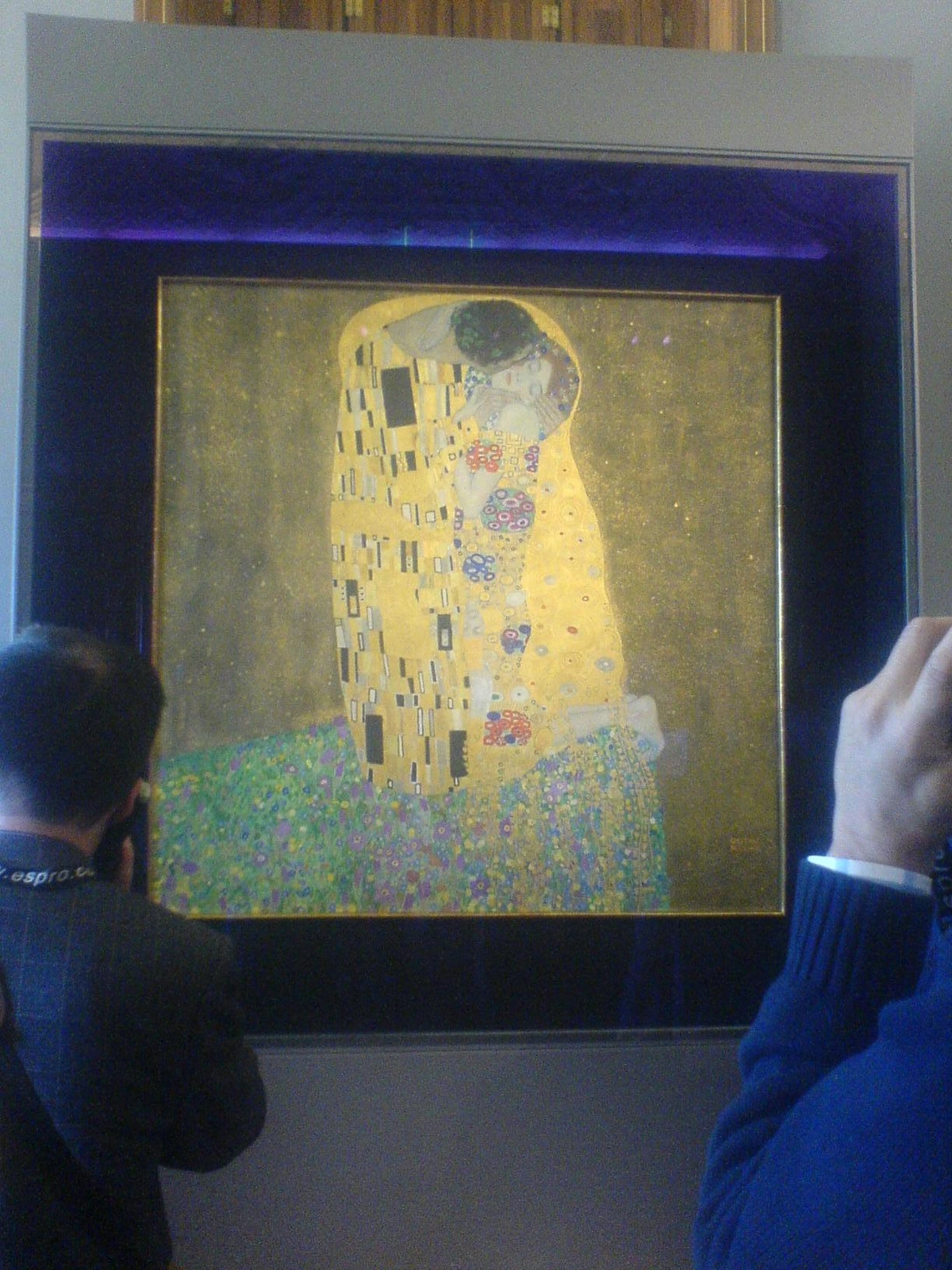
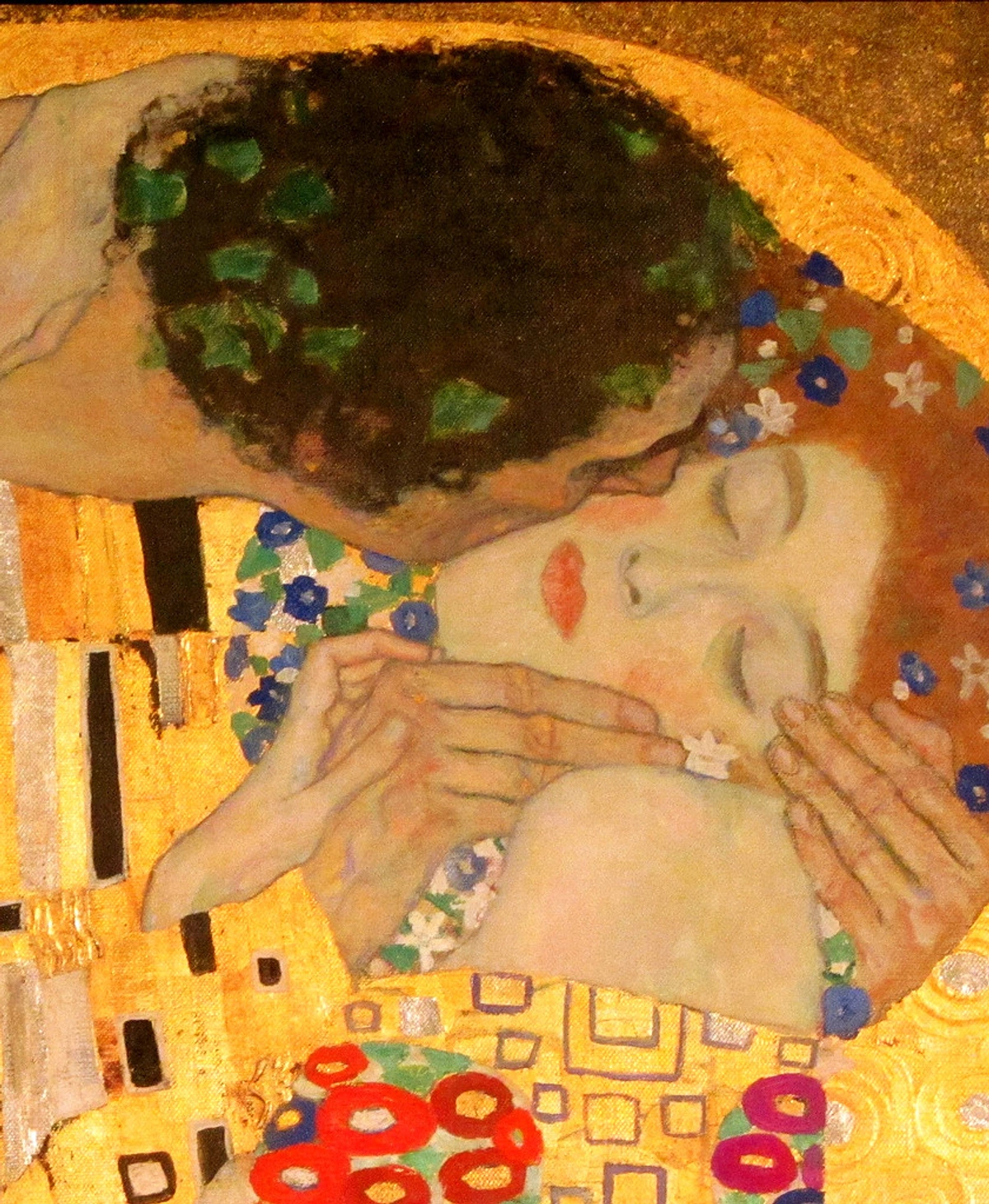
If there’s one masterpiece that encapsulates Viennese modernism, it has to be Klimt’s 'The Kiss' at the Upper Belvedere. This magnificent palace, originally built as a summer residence for Prince Eugene of Savoy, a brilliant military commander and passionate art collector, now houses treasures that span centuries. I stood in front of 'The Kiss' for what felt like an eternity, captivated by the shimmering gold, the intense embrace, and the sheer audacity of it all. It’s a moment that stays with you, trust me, and you begin to understand why Klimt became such an icon of this era. But the Belvedere isn't just about Klimt; it's a sprawling complex that truly offers a journey through Austrian art history. While the Upper Belvedere houses 'The Kiss' and other Secessionist gems, like works by Egon Schiele and Oskar Kokoschka, the Lower Belvedere often hosts captivating temporary exhibitions and provides a deeper dive into the Baroque period, showcasing the opulent state rooms and princely apartments exactly as they were used centuries ago. Here, you'll encounter master sculptors like Franz Xaver Messerschmidt, famous for his expressive 'character heads,' and painters like Franz Anton Maulbertsch, whose dramatic frescoes truly capture the era's spirit, showcasing the theatricality and intense emotion of Austrian Baroque art. Their dramatic compositions and vibrant palettes are a feast for the eyes, telling stories of faith and power. Don't miss the beautiful Orangery adjacent to the Lower Belvedere, which once served as a winter garden and now hosts temporary exhibitions, blending historical architecture with contemporary art in a truly unique way. It’s a journey through time that ends with a golden flourish, reminding you that Vienna's artistic tapestry is woven with many threads, not just gold leaf. And don't forget to stroll through the stunning Baroque gardens outside; designed by Dominique Girard, they're an artwork in themselves, perfectly marrying nature and artifice and offering breathtaking views of the city. You'll find yourself wondering if you've stepped into a painting, honestly. I've spent hours just absorbing the grandeur, imagining the lives that unfolded within these walls, and realizing that even the grandest settings were once vibrant, lived-in spaces. The intricate details, from ceiling frescoes to gilded stucco, feel like an overwhelming embrace of beauty, a testament to an era when art was truly inseparable from life.
Beyond the headline-grabbing 'The Kiss,' the Belvedere's collection extends to other incredible works by Klimt, like his landscapes, which offer a different, yet equally captivating, facet of his genius. You'll also find a robust collection of Biedermeier art, showcasing a quieter, more intimate side of Austrian artistic expression from the early 19th century. And don't overlook the palace's stunning architecture itself; the Marble Hall, with its intricate frescoes and opulent decorations, is a masterpiece of Baroque artistry that demands your attention. It's truly a place where art, history, and architectural grandeur converge.
The Leopold Museum: Schiele's Raw Emotion and Modernist Treasures
Now, if you want to dig a little deeper into the more edgy, raw side of Viennese modernism, the Leopold Museum is your spot. It's nestled within the MuseumsQuartier (MQ), which, let me tell you, is a cultural powerhouse in itself. This sprawling complex, once imperial stables, has been transformed into one of the largest art and culture districts in the world, a vibrant nexus of museums, cafes, shops, and studios. It's not just a collection of buildings; it's a living, breathing cultural ecosystem, where the old (Baroque architecture) beautifully dialogues with the new (modern museum facades and contemporary art spaces), creating a unique urban experience. You could easily spend days just soaking up the atmosphere here, moving from ancient art to cutting-edge contemporary installations, catching outdoor film screenings, or enjoying live music events, all within a few steps. It's a place where history and innovation truly dance together, fostering a constant exchange of ideas and creative energy. But back to the Leopold... This place holds the world's largest collection of Egon Schiele's works. Schiele, a protégé of Klimt, had this incredible, almost unsettling way of portraying the human psyche. His figures are often distorted, intensely emotional, and unflinchingly honest. It can be a challenging experience, but utterly profound. I always find myself wrestling with the raw power of his lines; it reminds me how art isn't always about beauty, but often about truth, however uncomfortable – a groundbreaking approach that influenced countless artists after him. They also have a significant collection of Klimt, and then there's Oskar Kokoschka, whose raw, expressive portraits are another Viennese modern marvel that will stop you in your tracks. His unflinching psychological insights, often verging on the grotesque, were a powerful counterpoint to Klimt's decorative elegance, pushing Vienna further into the depths of Expressionism, and directly influencing a generation with his audacious approach to capturing the human soul. You'll also find works by Richard Gerstl, a pivotal, if tragic, figure whose brief career burned intensely and ended in suicide at just 25. His raw, almost brutally honest self-portraits and Expressionist landscapes, characterized by their vibrant colors and dynamic brushwork, were truly ahead of his time, influencing later movements even if he wasn't fully recognized in his lifetime. It’s a place that isn't afraid to confront the darker, more introspective side of human experience, which I find incredibly compelling and deeply honest, reminding me that the most profound art often comes from the deepest struggle. Stepping into the Leopold is like entering a conversation with the inner workings of the human spirit, a dialogue that is both unsettling and strangely liberating. It makes me question my own perceptions, pushing me to look beyond the surface, much like I try to do in my own art. It’s a truly visceral experience.
For a deeper dive into Schiele's intensely personal and often provocative style, you might be interested in my guide: ultimate guide to egon schiele. His work, along with Kokoschka's, truly carved out a unique space for Austrian Expressionism, distinguishing it from its German counterparts through a focus on psychological introspection and a more pronounced sense of angst. The Leopold's meticulous curation allows you to trace the evolution of these artists, seeing how they broke from the Secession's decorative inclinations to explore a more raw, existential truth.
The Secession Building: 'To Every Age Its Art, To Every Art Its Freedom'
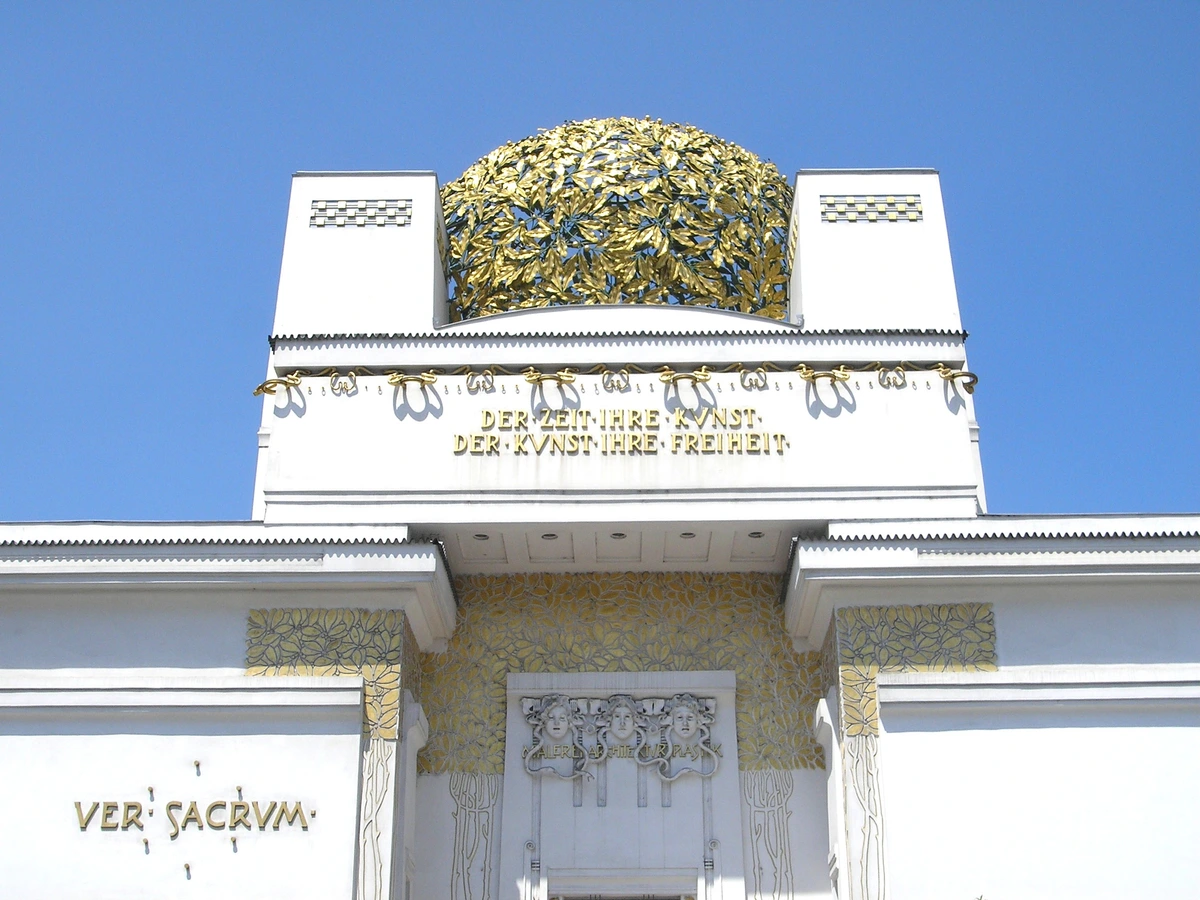
This is probably my favorite building in Vienna, purely for its symbolic power. The Secession Building, with its famous golden 'cabbage' dome – a distinctive, openwork sphere of gilded laurel leaves that was quite scandalous at the time, yet perfectly symbolized a radical break from academic art and an embrace of natural forms and symbolic abstraction – is the architectural manifesto of the Vienna Secession movement. It’s understated yet utterly revolutionary, a bold statement against the prevailing historicism that dominated Viennese architecture at the turn of the century. I mean, the motto carved above the entrance – 'To every age its art, to every art its freedom' – still rings in my ears, echoing the defiant spirit of its creators. Inside, you'll find Klimt's monumental Beethoven Frieze, a dazzling, immersive work that I think tells a whole story about the human journey towards happiness – a visual interpretation of Beethoven's Ninth Symphony, exploring humanity's struggle and ultimate triumph through allegorical figures and golden ornamentation. This Gesamtkunstwerk, with its three walls depicting the yearning for happiness, the hostile powers hindering it, and the ultimate embrace of poetry and the arts, is a profound statement on redemption and the transformative power of art. Its intricate details and symbolic narrative are meant to be experienced not just visually, but emotionally, drawing the viewer into a profound dialogue. It’s a powerful experience, a testament to what happens when artists truly commit to their vision, creating a Gesamtkunstwerk of sound and sight. For anyone interested in the roots of Art Nouveau (or Jugendstil, as it's known in German-speaking countries) and early modernism, or even the broader story of how artistic movements challenge the status quo, this place is essential. The Secessionists even published their own influential, avant-garde magazine, Ver Sacrum ('Sacred Spring'), a groundbreaking publication that not only disseminated their ideas but also showcased new artworks and graphic design, further cementing their revolutionary stance and acting as a powerful communication tool for the movement. You might even find parallels with how some artists, like those exploring ultimate guide to neo-expressionism, continue to push boundaries today. The Secession Building is more than just a museum; it's a defiant declaration, a reminder that true artistic freedom often means breaking away from established norms, much like charting your own course in life. It’s an inspiring space that challenges you to embrace your own unique vision.
Klimt's Beethoven Frieze, in particular, is an overwhelming sensory experience. Its intricate details, the interplay of painted surfaces with gilded elements, and the way it envelops the viewer, truly embody the Secession's ideal of a Gesamtkunstwerk. It's not just a painting; it's an environment, a sacred space dedicated to art's redemptive power. The influence of Japanese art, particularly its flat planes and decorative patterns, can also be subtly traced in the Secessionists' work, further highlighting their break from Western academic traditions and their search for new aesthetic languages. It's a place where every corner seems to hum with artistic purpose, inviting you to reflect on what true artistic liberation means.
Beyond the 'Big Three': Expanding Your Artistic Horizons
While the Belvedere, Leopold, and Secession Building are non-negotiable for any art lover in Vienna, trust me, this city has so much more to offer. Think of these as your next deep dives, the places you go when you're ready to peel back another layer of Vienna's incredible artistic onion. I always find it fascinating how much more there is to discover once you go beyond the obvious. It's like finding a secret passage in a familiar painting, revealing a whole new perspective.
The Kunsthistorisches Museum (KHM): Where Old Masters Reign Supreme
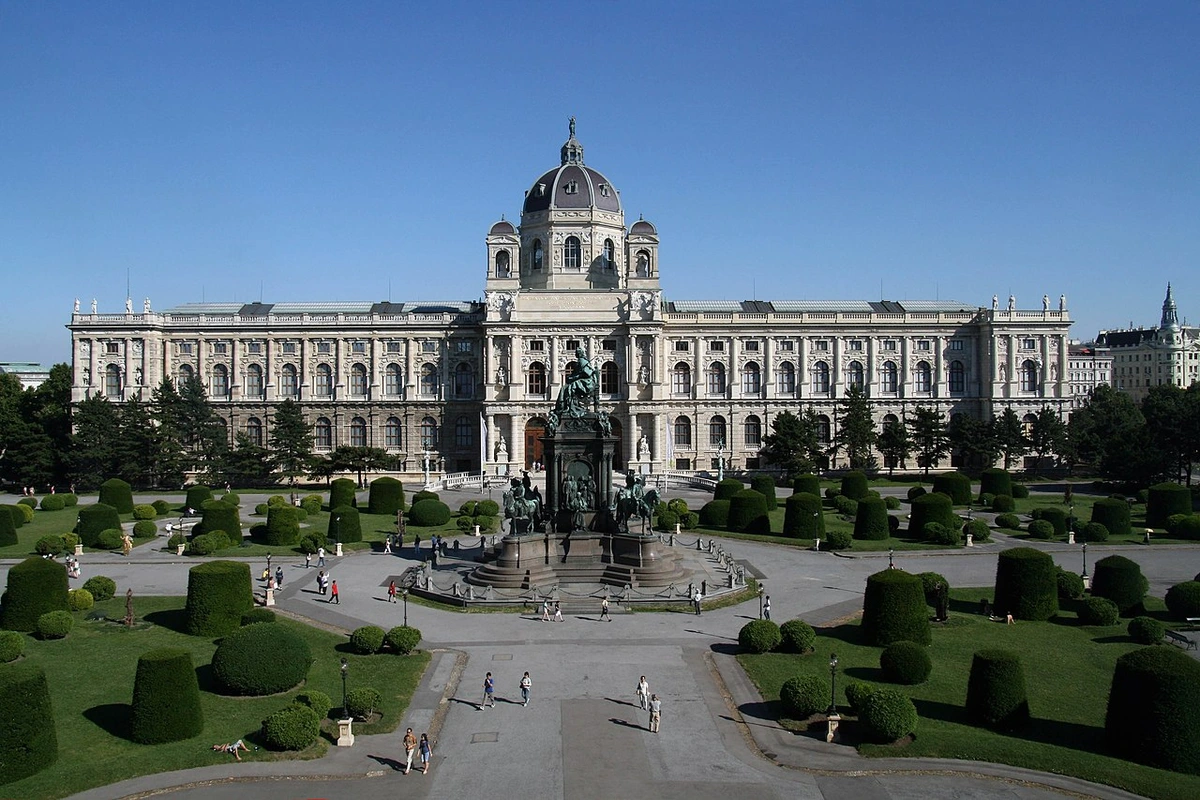
Okay, so if modernism is one thread of Vienna's artistic soul, the old masters are its ancient, magnificent roots. The Kunsthistorisches Museum (Museum of Art History), with its grand, symmetrical twin building (the Natural History Museum), is, for me, one of the greatest museums in the world, full stop. Conceived under Emperor Franz Joseph and designed by the visionary architects Gottfried Semper and Karl Freiherr von Hasenauer, the building itself is a masterpiece of Neo-Renaissance architecture, with its lavish interior decorations (including frescoes by Klimt!) perfectly complementing the art collections within, a fitting home for the treasures within, many of which were amassed by the art-loving Habsburg empress Maria Theresia and her predecessors. I mean, where do you even begin? The KHM boasts the world's largest Bruegel collection, with his haunting landscapes and detailed scenes of peasant life like 'The Peasant Wedding' or 'Children's Games,' and the iconic 'Hunters in the Snow,' offering a vivid window into a world long gone but still so relatable. Then there are Rubens's dramatic canvases, masterpieces by Titian, Rembrandt's profound portraits, and Vermeer's luminous genre scenes, all part of the vast art treasures amassed by the art-loving Habsburg emperors over centuries, forming the core of this incredible collection. It's almost overwhelming in the best possible way.
Beyond these European painting giants, the KHM’s collections are truly encyclopedic. The Egyptian and Near Eastern Antiquities collection transports you to ancient civilizations, with sarcophagi, intricate papyri, and stunning sculptures that speak of millennia of artistic endeavor. Meanwhile, the Greek and Roman Antiquities offer breathtaking marble sculptures, mosaics, and artifacts that trace the classical roots of Western art. And then there's the spectacular Kunstkammer (Chamber of Art and Wonders), a veritable treasure trove of precious objects, from intricate Renaissance automatons and delicate ivory carvings to scientific instruments and exotic naturalia, showcasing the boundless curiosity and artistic patronage of the Habsburgs. It’s like stepping into a collector's dream, a fascinating glimpse into the artistic and intellectual curiosity of the Habsburg emperors, where every object tells a story of craftsmanship and wonder. The KHM also houses magnificent collections of Egyptian and Near Eastern Antiquities, Greek and Roman Antiquities, and a stunning collection of decorative arts and sculpture, offering a truly encyclopedic journey through human creativity across millennia. It's truly overwhelming in the best possible way. I find myself lost in thought within the KHM, contemplating the sheer breadth of human artistic expression across time and cultures. It’s a place that humbles you, reminding you of the enduring power of art to connect us to our shared past and to the universal human experience. Every visit is a new lesson, a new revelation, a new piece of the puzzle of human creativity.
credit, licence It’s a grand imperial palace of art that reminds you of the sheer scale and longevity of human creativity. Honestly, you could spend days here and still not see everything, and that’s a challenge I happily accept every time, always finding new details in those intricate canvases. Beyond the grand galleries, the KHM is home to the spectacular Kunstkammer (Chamber of Art and Wonders), a veritable treasure trove of precious objects, from intricate Renaissance automatons and delicate ivory carvings to scientific instruments and exotic naturalia, showcasing the boundless curiosity and artistic patronage of the Habsburgs. It’s like stepping into a collector's dream, a fascinating glimpse into the artistic and intellectual curiosity of the Habsburg emperors, where every object tells a story of craftsmanship and wonder. The KHM also houses magnificent collections of Egyptian and Near Eastern Antiquities, Greek and Roman Antiquities (where you'll encounter iconic works like the 'Gemma Augustea' cameo and a wealth of Roman portrait busts that truly bring history to life), and a stunning collection of decorative arts and sculpture, offering a truly encyclopedic journey through human creativity across millennia. It's truly overwhelming in the best possible way. I find myself lost in thought within the KHM, contemplating the sheer breadth of human artistic expression across time and cultures. It’s a place that humbles you, reminding you of the enduring power of art to connect us to our shared past and to the universal human experience. Every visit is a new lesson, a new revelation, a new piece of the puzzle of human creativity.
The Albertina: Masterworks on Paper and Beyond
For those who appreciate the delicate beauty of drawings, prints, and watercolors, The Albertina is an absolute must-see. I've always had a soft spot for works on paper; there’s an intimacy to them, a directness that feels almost like looking into an artist's sketchbook. This museum houses one of the world's most important graphic art collections, including iconic pieces by Old Masters like Dürer's 'Hare' and 'Praying Hands,' and Michelangelo's powerful nudes, alongside Renaissance giants like Raphael, and even more modern masters like Klimt, Schiele, and Picasso, extending into post-war abstraction with artists like Jackson Pollock and Andy Warhol. But it’s not just graphic art; the Albertina also boasts a phenomenal photographic collection, charting the history of this dynamic medium from early daguerreotypes to contemporary conceptual works, including influential photographers like Heinrich Kühn and Rudolf Koppitz, and an extensive archive of architectural drawings, offering a unique glimpse into the design processes of centuries past, from Baroque plans to modern sketches by luminaries like Adolf Loos. What’s amazing is that they also host rotating exhibitions of Impressionist, Modern, and Contemporary art, featuring blockbuster shows of artists like Monet, Cézanne, and Richter, so there’s always something new and exciting, meaning every visit can offer a fresh perspective. It's not just about the old; it's about the evolution of art on paper and beyond through the centuries. And the building itself, a former Habsburg residence of Archduke Albert, is stunning, making the whole experience feel incredibly regal – the beautifully restored State Rooms, with their gilded stucco, exquisite chandeliers, and original furnishings, offer a breathtaking glimpse into aristocratic life under the Habsburgs and are worth the visit for their opulent Baroque design alone. These rooms are a masterclass in Baroque decorative arts, from the intricate parquetry floors to the vibrant ceiling frescoes. You can practically feel the history in the air, imagining the grand balls and diplomatic receptions that once took place here. I always feel a particular connection to the artist when viewing these works on paper, almost as if I'm looking over their shoulder as they create. It's a quieter, more contemplative experience, a chance to appreciate the foundational elements of artistry before the grand canvases. The Albertina, for me, is a treasure trove of intimate artistic dialogues, a place where the grandeur of imperial history meets the quiet power of art.
Their collection of architectural drawings, in particular, offers a fascinating window into the evolution of design, from monumental Baroque plans to the avant-garde sketches of Viennese modernists like Adolf Loos and Otto Wagner. It highlights how these visionary architects not only conceived buildings but also shaped urban landscapes and influenced entire movements. It's a testament to the fact that art isn't just confined to canvases; it's meticulously planned, conceptualized, and brought to life in countless forms. The Albertina’s commitment to showcasing both historical and contemporary works across various media truly makes it a dynamic institution, ensuring that every visit offers a fresh perspective on the enduring power of visual expression. I find it particularly inspiring how a single institution can bridge centuries of artistic creation so seamlessly.
MUMOK (Museum of Modern Art Ludwig Foundation Vienna): The Pulse of Contemporary Art
For those of us who need our contemporary art fix, MUMOK in the MuseumsQuartier is where it's at. Remember how I mentioned Vienna lives in its past and hints at a daring future? MUMOK is firmly planted in that future. This museum focuses on 20th and 21st-century art, from Pop Art and Fluxus to the intense, often confrontational, Viennese Actionism – a radical, performance-based movement that challenged conventional art in the 1960s through provocative, often shocking, public performances involving the human body. Think Hermann Nitsch, known for his 'Orgien Mysterien Theater' where sacrificial rituals involving blood and animal entrails were central, and Günter Brus, who used his own body as a canvas for extreme expressions, often involving self-mutilation and provocative public acts. These artists, often operating at the fringes and facing severe legal repercussions, sought to break down the barriers between art and life, employing elements of painting, performance, and ritualistic acts to create profoundly disturbing yet impactful works, using their bodies as canvases for extreme expressions to confront societal taboos and explore primal human instincts. Think Rudolf Schwarzkogler, whose staged, quasi-medical performances pushed the limits of self-representation. And cutting-edge contemporary works, including significant pieces from Conceptual Art, Minimalism, and Post-Modernism. It’s always a thought-provoking experience, often challenging, sometimes perplexing, but always stimulating. I love how it pushes boundaries and makes you think about what art can be, and how it reflects our current world, never shying away from uncomfortable truths. It's a fantastic counterpoint to the historical grandeur elsewhere in the city, showing that Vienna's artistic spirit is very much alive and evolving and, sometimes, quite rebellious. MUMOK, for me, is like a jolt of creative energy, a reminder that art is not just a historical record but a dynamic, ongoing conversation about what it means to be human in the modern world. It’s where you confront ideas that might initially make you squirm, but ultimately expand your understanding of art's role.
Viennese Actionism, in particular, represents a pivotal, albeit controversial, chapter in the city's artistic history. It was a visceral, often shocking, reaction to the conservative post-war society, pushing the limits of what was considered art and publicly confronting taboos around the body, sexuality, and violence. These artists, including Otto Muehl and Rudolf Schwarzkogler, used their own bodies and often animal carcasses in their 'actions' or performances, creating intense, ritualistic spectacles designed to provoke and cleanse. It was a movement that aimed to break down the barriers between art and life, employing elements of painting, performance, and ritualistic acts to create profoundly disturbing yet impactful works. While challenging, understanding Actionism is crucial to grasping Vienna's ongoing commitment to artistic provocation and its willingness to delve into the uncomfortable truths of human existence, a legacy that continues to inform contemporary art practices.
Art and Revolution: The Vienna Workshops (Wiener Werkstätte)
You know, sometimes a collective vision can truly change the world, or at least, the way we live in it. That's exactly what happened with the Wiener Werkstätte, or Vienna Workshops, founded in 1903 by Josef Hoffmann, Koloman Moser, and the patron Fritz Waerndorfer. More than just a design firm, it was a radical collective dedicated to elevating craft to the level of fine art, striving for a "total work of art" (Gesamtkunstwerk) in daily life. Imagine a world where every object, from a simple coffee cup to an entire furnished room, was meticulously designed and handcrafted with artistic integrity. They produced everything – furniture, textiles, ceramics, glassware, jewelry, fashion, and graphic design – all characterized by exquisite craftsmanship, geometric forms, and a profound emphasis on aesthetic quality and functionality, rejecting the mass production and historicist ornamentation of the industrial age. Figures like Dagobert Peche, known for his delicate and whimsical designs, and the brilliant designer and artist Kolo Moser, further enriched their output, creating iconic patterns and forms. Their influence extended far beyond Vienna, laying foundational groundwork for movements like Art Deco and inspiring later design schools like the Bauhaus and De Stijl. It’s a testament to the idea that beauty isn't just for museums; it should permeate our everyday existence, making mundane objects extraordinary. This movement wasn't just about making pretty things; it was about a social and artistic revolution, aiming to restore dignity to craftsmanship and bring art into every home, making life itself a work of art, a truly utopian vision for a more beautiful daily existence. They actively resisted the dehumanizing effects of rapid industrialization and mass production, championing individual creativity and the aesthetic enrichment of everyday objects, believing that true beauty should be accessible and integrated into people's lives, a profound philosophy that still resonates in contemporary design ethics.
Their commitment to the Gesamtkunstwerk meant they designed everything from architectural interiors to the very typography used in their publications. This holistic approach, where form met function in an aesthetically pleasing way, was revolutionary. You can see their iconic grid patterns, abstract florals, and bold use of black and white in everything from a beautifully crafted brooch to a complete dining room set. The Wiener Werkstätte truly democratized art, bringing high design to everyday objects and making the beautiful accessible, a philosophy I profoundly admire. It was a movement that believed in the transformative power of beauty in daily life, proving that art could, and should, be integrated into every aspect of human existence.
The Museum of Applied Arts (MAK): Design, Craft, and the Wiener Werkstätte
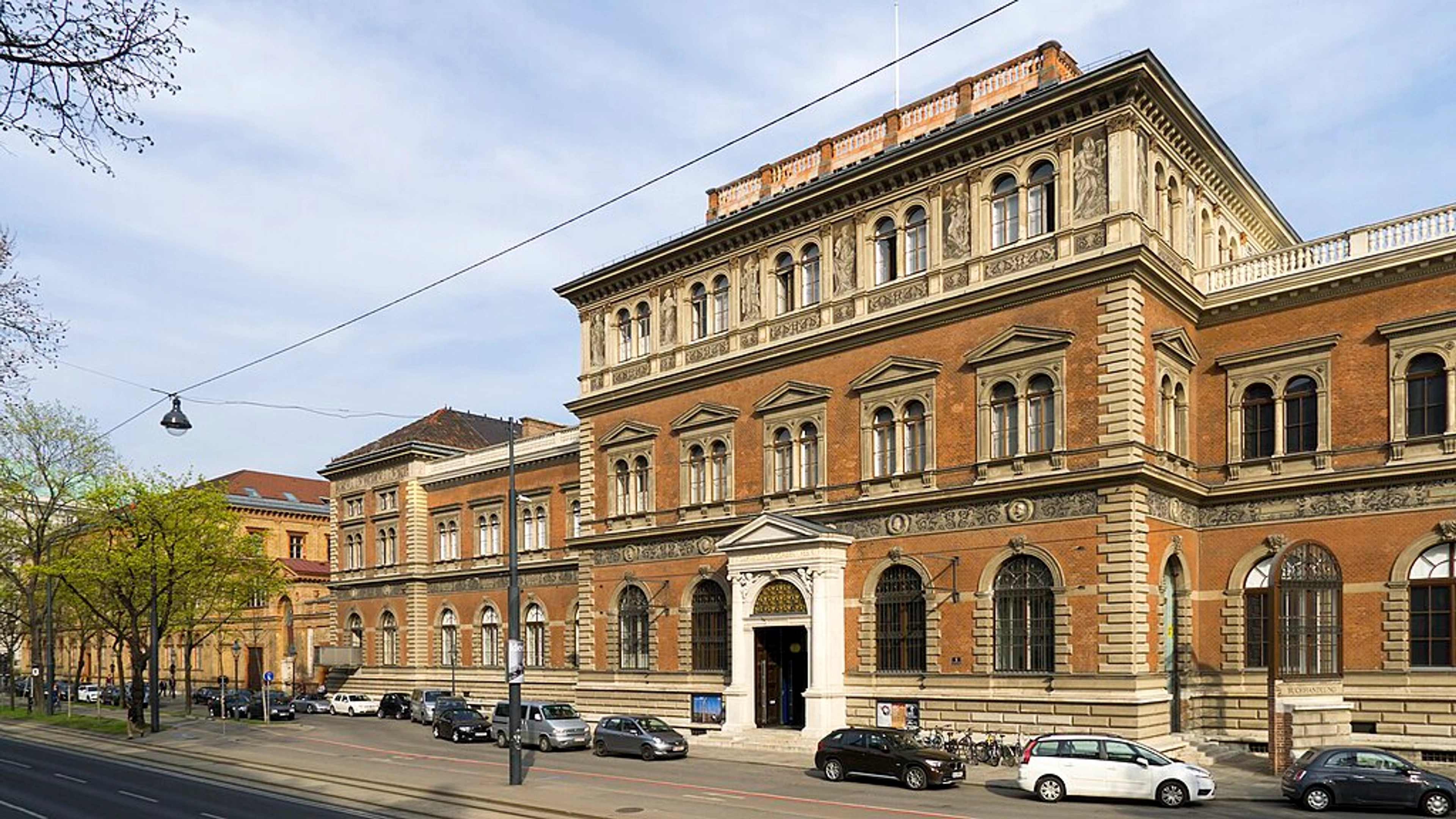
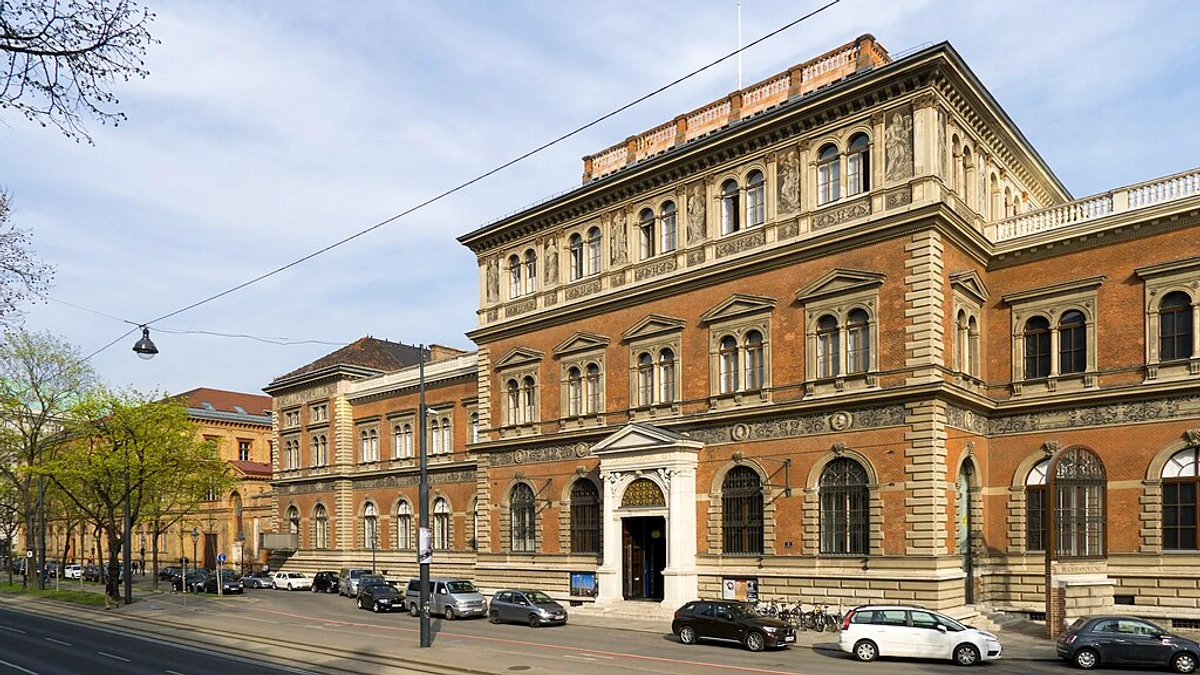
Okay, so this one might not be on everyone's 'must-see art' list, but trust me, for a truly comprehensive understanding of Viennese art, the MAK is indispensable. It focuses on applied arts, design, and architecture, with a significant collection from the Wiener Werkstätte – a key Secessionist offshoot (and if you haven't read about them yet, check out my expanded thoughts on Art and Revolution: The Vienna Workshops). Here, you can see how their aesthetic principles permeated everyday life, from a simple coffee cup to an entire living room, leaving a lasting mark on modern design. For me, it highlights the often-overlooked connection between art and functionality, something I keep in mind when thinking about how my work lives beyond the canvas and into people's homes. It's a different kind of art, but no less impactful than the grand paintings at the Belvedere, and its legacy continues to influence design thinking today. The Wiener Werkstätte, through its meticulous craftsmanship and emphasis on geometric forms, aimed to elevate the aesthetic quality of everyday objects, believing that art should enrich all aspects of life. If you're curious about movements like ultimate guide to art nouveau jewelry, you'll find plenty of examples here, showcasing how these principles shaped everything from intricate jewelry to groundbreaking architecture. For me, MAK is a powerful reminder that art isn't confined to galleries; it permeates our daily lives, shaping the objects we use and the spaces we inhabit. It's a place where functionality and beauty dance hand-in-hand, a philosophy I find incredibly refreshing and inspiring in a world often obsessed with fleeting trends.
The MAK isn't just about the Wiener Werkstätte; it also boasts impressive collections of Asian art (with particular strengths in East Asian ceramics and textiles), contemporary design, and historical furniture, providing a global context for Vienna's artistic developments. It's a place where you can trace the dialogue between various design movements and cultural influences, seeing how ideas of beauty and utility have evolved across different eras and geographies. I always leave the MAK feeling a renewed appreciation for the intricate craft that goes into making the objects that surround us, a reminder that even the most 'functional' items can be elevated to the realm of art through thoughtful design.

Viennese Architecture: A Symphony in Stone
You know, sometimes the city itself is the greatest museum, and Vienna is a prime example. Beyond the canvases and collections, the architecture here tells its own rich story, a continuous dialogue between imperial grandeur and radical modernism. I often find myself just looking up, completely lost in the details.
Baroque Grandeur: Imperial Statements
Before the Secessionists broke free, Vienna was defined by its magnificent Baroque buildings, thanks to visionary architects like Johann Bernhard Fischer von Erlach and Johann Lukas von Hildebrandt, who shaped the city's imperial splendor. Think of the Hofburg Palace, the sprawling former imperial residence with its vast courtyards and imperial apartments, also home to the fascinating Imperial Treasury (Schatzkammer) with its priceless regalia and jewels, where you can see the crown jewels of the Holy Roman Empire and other priceless artifacts that embody centuries of Habsburg power and patronage. Or the magnificent Schönbrunn Palace, the summer residence of the Habsburgs, with its opulent interiors (like the stunning Hall of Mirrors, where Mozart performed as a child) and expansive gardens that invite endless contemplation, including the glorious Gloriette. And don't forget the stunning Karlskirche (St. Charles Church), a Baroque masterpiece by Johann Bernhard Fischer von Erlach, with its distinctive elliptical dome and two towering columns inspired by Trajan's Column in Rome, blending Roman and Byzantine influences into a truly unique and breathtaking structure that dominates the Karlsplatz. You might also encounter the elegant Winter Palace of Prince Eugene of Savoy or the lavish Palais Liechtenstein, both exquisite examples of Baroque residential architecture that speak volumes about the era's grandeur. These aren't just buildings; they're declarations of power and artistic sophistication, adorned with intricate sculptures, breathtaking frescoes by artists like Johann Michael Rottmayr, and a sense of theatrical drama. It’s the kind of architecture that makes you feel tiny, yet utterly awestruck, a testament to an era of unbridled ambition and artistic mastery. Each fresco, each gilded detail, tells a story of an empire at its zenith, a visual manifestation of the Counter-Reformation and the Habsburgs' imperial aspirations. These Baroque masterpieces are more than just buildings; they are declarations of power, artistic sophistication, and a deep understanding of theatrical drama. They make you feel tiny, yet utterly awestruck, a testament to an era of unbridled ambition and artistic mastery. I always find myself craning my neck, trying to take in every intricate detail, every painted cherub, every sculpted figure, wondering at the sheer skill and vision required to create such breathtaking spaces. It's a kind of immersive art that envelops you, demanding your full attention and rewarding it tenfold.
The opulence of these Baroque structures wasn't just for show; it was a deliberate expression of Habsburg power and the Catholic Church's triumph during the Counter-Reformation. Architects like Fischer von Erlach, with his dramatic and grand designs, and Hildebrandt, known for his refined elegance, shaped Vienna into a city of unparalleled splendor. Their use of light, shadow, and illusionistic painting created breathtaking theatrical effects within these sacred and secular spaces. The interiors of places like the Hofburg's Imperial Apartments or Schönbrunn's state rooms are sensory overload in the best possible way, a dazzling display of stucco, frescoes, and gilded ornamentation. It’s a testament to an era when art and power were inextricably linked, creating spaces that still inspire awe and wonder today.
Otto Wagner and the Birth of Modernism
Then came the late 19th and early 20th centuries, and Vienna became a hotbed of architectural innovation. Otto Wagner was a pivotal figure, a master who transitioned from historicism to a groundbreaking form of modernism, famously stating, “Necessity is the sole master of art.” His Postsparkasse (Postal Savings Bank) is a masterpiece of functional design, using exposed aluminum and simple, elegant lines that reveal the building's internal structure, a radical departure from the ornamentation of the past, proving that utility could be beautiful. And his Majolikahaus and Medallion House on Linke Wienzeile, with their vibrant ceramic facades – the Majolikahaus covered in richly colored floral patterns, and the Medallion House adorned with gilded stucco medallions – are pure Art Nouveau joy; they just make me smile every time I see them. Another lesser-known but equally significant work is the Kirche am Steinhof (Church of St. Leopold), a truly revolutionary Art Nouveau church that served as part of a psychiatric hospital, demonstrating Wagner's belief in integrating aesthetics with functionality even in specialized institutions, with its striking golden dome and light-filled interior. You might also spot his distinctive stations for the Stadtbahn (city railway) system, like the exquisitely detailed Karlsplatz Pavilion, which are stunning examples of his early modern aesthetic, effortlessly blending iron, marble, and gilt, truly elevating public infrastructure to an art form. It's this blend of practicality and stunning aesthetics that really resonates with me, showing how beauty can be found in everyday structures and how functional design can be truly inspiring. Indeed, Wagner's profound influence extended through his influential school at the Academy of Fine Arts, forming the renowned 'Wagner Schule' which fostered an entire generation of modernist talents who would go on to shape 20th-century architecture. Walking past a Wagner building, I always feel a spark of recognition, a sense of seeing something truly groundbreaking that still feels relevant today. It's a quiet revolution in stone and steel, proving that innovation can be both beautiful and enduring, much like the timeless principles I try to incorporate into my own artistic practice. It's a testament to the fact that understanding form and space in abstract art is as crucial for an architect as it is for a painter.
Wagner's philosophy of Nutzstil (utility style) laid the groundwork for functionalist architecture, emphasizing materials, construction, and clear forms over excessive decoration. His designs were a radical departure from the historicist past, paving the way for later movements like the Bauhaus. The Postsparkasse, in particular, is a masterclass in this approach, where the exposed bolts and aluminum cladding are not merely decorative but express the building's structural integrity, a bold and honest approach to design. It's a testament to his belief that modern life demanded modern forms, a concept that fundamentally reshaped urban landscapes and architectural thinking. His legacy is etched into the very stones of Vienna, a city that bravely embraced the future while honoring its past.
Key Figures of Viennese Modernism
Beyond the movements and institutions, it's the individual artistic voices that often resonate most profoundly. While Klimt and Schiele understandably dominate the narrative, Vienna's modernist era was a crucible of brilliant minds, each contributing a unique thread to the city's rich artistic tapestry. For me, understanding these individual journeys helps paint a fuller picture of this incredible creative explosion.
Oskar Kokoschka: The Psyche on Canvas
If Schiele stripped the human form bare, Oskar Kokoschka delved directly into the psyche, portraying raw emotion and psychological torment with a fervor that was both unsettling and revolutionary. His portraits, often dubbed "psychological x-rays," capture the inner turmoil and anxiety of his subjects, using vibrant, agitated brushstrokes and distorted forms that reveal more than just physical likeness; they lay bare the sitter's inner world. He was a fierce critic of academic art, believing it stifled genuine emotion, and his radical approach quickly established him as a leading voice of Expressionism in Vienna and beyond. His intense and often grotesque self-portraits, like 'The Tempest,' became iconic representations of the era's existential anxieties, showcasing a raw energy that was a stark contrast to the decorative elegance of Klimt. He was a master of conveying an almost palpable sense of unease, reflecting the tumultuous times of early 20th-century Europe. Seeing his work always feels like a direct confrontation, a challenging but ultimately rewarding experience that reminds me of art's power to reveal hidden truths, pushing the viewer to confront uncomfortable realities.
Kokoschka's Expressionism was deeply rooted in the intellectual ferment of fin-de-siècle Vienna, profoundly influenced by Sigmund Freud's nascent psychoanalytic theories. He sought to expose the inner life, the anxieties, and the psychological wounds that lay beneath the surface of polite society, almost like a visual counterpart to Freud's explorations of the subconscious. His dramatic use of color and his dynamic compositions were a stark contrast to Klimt's decorative elegance, yet both were crucial in defining Vienna's unique brand of modernism. His work forces you to feel, to confront, and to question, making it an incredibly powerful and enduring contribution to 20th-century art.
Koloman Moser: The Versatile Visionary
A true polymath of the Vienna Secession and a co-founder of the Wiener Werkstätte, Koloman Moser was a driving force behind the Gesamtkunstwerk ideal. His genius spanned painting, graphic design, stained glass, furniture, fashion, and even stage design. Moser's aesthetic was characterized by elegant lines, geometric abstraction, and a masterful use of color, often creating harmonious designs that were both modern and timeless. His iconic poster designs for Secession exhibitions, which were groundbreaking in their presentation and curation, are instantly recognizable for their bold typography and innovative layouts. His contributions to the Wiener Werkstätte, including exquisite jewelry, furniture like the 'Sitting Machine' (co-designed with Hoffmann), and his revolutionary textile designs, which transformed everyday fabrics into works of art with striking geometric patterns, were instrumental in shaping the movement's aesthetic. His work truly shows how the Secessionist ideal permeated every aspect of life, demonstrating that beauty and artistic integrity could be found in everything from a poster to a piece of jewelry. I find his versatility absolutely inspiring, a testament to an artist's ability to shape an entire visual world, and redefine what art could be, proving that artistic talent knows no boundaries.
Moser's impact on graphic design alone was immense, with his clean lines, sans-serif typography, and striking use of negative space setting new standards for visual communication that even influenced early advertising and branding. He wasn't just creating beautiful objects; he was crafting an entire visual language for a new era, one that rejected the ornate historicism of the past in favor of clarity, functionality, and a modern aesthetic. His dedication to craft, combined with his visionary design sensibility, makes him one of the true giants of Viennese modernism, someone who truly believed that art could elevate every aspect of daily life. His masterful use of line in his designs is something I always admire. I often think about how much his work still feels fresh and relevant today, a testament to his timeless vision.
Josef Hoffmann: Architect of Modernity
Another pivotal co-founder of the Wiener Werkstätte, Josef Hoffmann was an architect and designer whose rigorous, geometric style deeply influenced the development of modernism. His most famous architectural works, like the magnificent Palais Stoclet in Brussels (and yes, it's outside Vienna, but it's an undeniable masterpiece that perfectly embodies his principles of total art, where every interior detail, from light fixtures to flooring, was designed by Werkstätte artists to create a unified aesthetic) and the Sanatorium Purkersdorf, exemplify his belief in the harmonious integration of all arts and a rejection of historicist styles. Hoffmann's furniture and decorative arts often featured a distinctive grid-like structure, emphasizing functionality and clean lines over superfluous ornamentation, leading to iconic pieces like the 'Sitzmaschine' chair, a groundbreaking design in its simplicity and modularity. His work, for me, represents the intellectual rigor of the Secession, proving that art could be both beautiful and logically constructed, paving the way for future design movements and inspiring later designers like those of the Bauhaus and the Art Deco movement. He truly believed in 'utility and beauty,' a philosophy that championed clean forms and purposeful design, a rigorous approach to composition that extended to every detail.
Hoffmann's commitment to geometry and modularity was groundbreaking, making his furniture and architectural designs remarkably modern for their time, embodying a radical functionalism. The Sanatorium Purkersdorf, with its stark white facades and emphasis on light and air, was a radical departure from traditional hospital design, demonstrating his belief that even functional spaces could be imbued with aesthetic grace. His influence on subsequent generations of architects and designers, particularly the Bauhaus school, cannot be overstated. He was not just building structures; he was crafting environments, each detail carefully considered to contribute to a unified artistic vision. It’s a testament to his meticulous approach and his unwavering belief in the power of thoughtful design to shape human experience.
Egon Schiele: The Unflinching Observer
While we've touched on Schiele, it's worth taking a moment to truly appreciate his unique and often unsettling genius. A protégé of Klimt, Schiele quickly developed his own distinct style, characterized by gaunt, tormented figures, often self-portraits, that laid bare the artist's (and humanity's) inner turmoil with a searing, almost brutal honesty. His lines are sharp, almost violently expressive, his colors stark, often jarring, and his gaze unflinching, staring directly into the viewer's soul. He explored themes of sexuality, death, psychological anguish, and existential anxiety with a raw honesty that was revolutionary – and often scandalous – for his time, leading to public outrage and even legal troubles, including a brief imprisonment for alleged immorality, yet his work continues to resonate deeply, speaking to the timeless struggles of the human condition. His figures, often gaunt and contorted, almost physically embody the inner torment he sought to express. Looking at a Schiele painting is rarely a comfortable experience; it's a visceral confrontation, but it is always profoundly moving, reminding us that art can be a mirror, reflecting truths we might otherwise avoid. It's a powerful counterpoint to Klimt's more decorative elegance, showing the sheer breadth of Viennese Modernism. These figures, each in their own way, challenged the decorative facade of their era, daring to expose the raw, often uncomfortable, truths of the human condition. They were the trailblazers, the ones who opened doors to new ways of seeing, and their legacy continues to shape our understanding of art and ourselves, reminding us of the profound power of self-expression.
His self-portraits, in particular, are a window into a deeply introspective and often tormented soul. Schiele used his own body as a primary subject, contorting it into expressive poses that conveyed vulnerability, defiance, and a profound sense of isolation. His work was a radical departure from the idealized forms of classical art, embracing instead the raw, imperfect, and often unsettling reality of human existence. It's an artistic journey that, for me, emphasizes the courage it takes to truly expose one's inner world, a lesson I often reflect on in my own creative process. For an even deeper look, check out my ultimate guide to egon schiele.
A Perfect Art Day in Vienna (My Itinerary Suggestion)
If I were to map out a perfect day for an art-obsessed friend visiting Vienna, this is how I’d tackle it. And full disclosure, my planning skills are usually... loose, but for art, I can get serious, so listen up! Most of these locations are easily accessible by Vienna's excellent public transport (trams, U-Bahn) or even on foot, making your art journey smooth and enjoyable.
- Morning Glory (9:30 AM - 12:30 PM): Upper Belvedere. Start early, perhaps even before opening, to beat the crowds for 'The Kiss' – it's a truly transcendent experience when you have a moment of relative calm. Quick tip: Consider a Vienna Pass or, at the very least, purchasing individual museum tickets online in advance to save time and streamline your entry! Allow ample time to wander through the other galleries, soaking in the Baroque splendor of the palace itself. Afterward, grab a coffee at their delightful cafe – a quintessential Viennese tradition, after all. Alternatively, if your passion lies more with the Old Masters, dedicate your morning to the Kunsthistorisches Museum (KHM). It’s an epic journey and deserves a good block of time, perhaps focusing on a specific collection or artist like Bruegel to avoid overwhelm. And if you're really looking to maximize your day, a Vienna Pass can be incredibly useful, offering not just free entry to many attractions but also unlimited public transport – a lifesaver for tired feet! Trust me, your feet will thank you after a day of soaking up so much artistic brilliance. I always find that a little planning, even for my notoriously spontaneous self, goes a long way in ensuring a truly fulfilling art adventure.
- Lunch Break (12:30 PM - 1:30 PM): Head towards the MuseumsQuartier. There are plenty of great cafes and restaurants around there, offering everything from traditional Viennese fare (a schnitzel or goulash, perhaps?) to more modern, casual options. I’m a big fan of the outdoor seating in the MQ courtyard when the weather is nice, or for a classic Viennese experience, try Café Leopold for a modern twist on traditional dishes. For a quick and delicious bite, try one of the many Würstelstand (sausage stands) for an authentic Viennese street food experience! Or, if you're like me and sometimes prefer to just keep moving, pack a sandwich and find a quiet bench in the MuseumsQuartier courtyard – though I'm notoriously bad at remembering to pack ahead! Beyond the classic Wiener Schnitzel or a hearty Goulash, Viennese cuisine offers delightful pastries. For a truly iconic Viennese sweet treat, a slice of Sachertorte or a warm Apfelstrudel from a traditional café like Café Central (worth it for the atmosphere alone!) or Demel (the former Imperial and Royal Confectionery) is an absolute must-indulge. It’s not exactly a balanced meal, but it’s a quintessential Viennese experience and a sweet, artistic indulgence in itself.
After a morning of intense art viewing, a good meal is essential fuel for the afternoon's adventures. The MuseumsQuartier offers a fantastic array of options, from casual eateries to more upscale dining. I often gravitate towards the bustling atmosphere of its courtyards, where you can people-watch and soak in the vibrant cultural energy. And seriously, don't skip the Sachertorte – it’s not just dessert, it's a piece of Viennese history on a plate, an artistic creation in its own right, a testament to culinary craftsmanship that rivals the visual arts. The Viennese coffeehouse culture is a whole art form in itself, a place where intellectual ferment was as strong as the espresso! 3. Afternoon Deep Dive (1:30 PM - 4:00 PM): Leopold Museum or Albertina. Immerse yourself in Schiele and the rawer side of Austrian Modernism at the Leopold. Or, if you’re craving master drawings and prints, or a different modern art exhibit, head to the Albertina instead. Alternatively, if Baroque grandeur and imperial history still call to you, a visit to the Imperial Apartments at the Hofburg Palace (a short walk from the Albertina) offers a stunning glimpse into the lives of the Habsburgs, complementing the art you've seen. The MuseumsQuartier itself is an experience, a blend of old and new architecture. 4. Late Afternoon Revelation (4:00 PM - 5:30 PM): Secession Building. It's a short walk from the MuseumsQuartier. Experience the Beethoven Frieze and the revolutionary spirit. It’s smaller, but incredibly impactful. 5. Late Afternoon/Evening Options (Optional, 5:30 PM onwards): MAK or MUMOK, or a walk along the Ringstrasse. If you still have energy, the Museum of Applied Arts (MAK) is not far and offers a fascinating counterpoint, showcasing how design became an integral part of the artistic revolution, a place where everyday objects are elevated to works of art. Alternatively, for a dose of cutting-edge contemporary art, consider a visit to MUMOK in the MuseumsQuartier to see what's happening now. Or, for a stunning architectural journey, take a tram ride or leisurely stroll along the magnificent Ringstrasse to admire its grand imperial buildings, lit up beautifully as dusk falls. I always leave the MAK feeling a renewed appreciation for the intersection of art and utility, and MUMOK never fails to challenge my preconceived notions of what art can be. It’s a dynamic duo that perfectly encapsulates Vienna’s artistic spectrum.
And yes, you'll be tired, but it’s a good tired – the kind you get from truly feeding your soul. It’s like when I finish a particularly challenging piece, like some of my more abstract expressionism inspired works, or wrestle with the nuances of abstraction in contemporary art; exhausting but profoundly satisfying.
Beyond the Galleries: Art in Public Spaces and Contemporary Buzz
You know, sometimes the true pulse of a city's art scene isn't just within its grand institutions, but spilling out onto its streets and into its smaller, vibrant spaces. Vienna is no exception, and once you've tackled the main museums, there's a whole other layer of artistic discovery waiting for you. It's where the city's living, breathing creativity really shines.
Friedensreich Hundertwasser: Architecture as Art
You know, sometimes architecture decides to throw out the rulebook and just dance. That's exactly what you get with Friedensreich Hundertwasser, a visionary Austrian artist and architect who believed in organic forms, vibrant colors, and integrating nature into urban living, often championing ecological principles and a harmonious coexistence between humans and their environment. His most famous creation, the Hundertwasserhaus, is an absolute explosion of joy and defiance. With its uneven floors, tree tenants growing from windows, and a complete disregard for straight lines, it's a living, breathing manifesto against rigid modernism and the 'straight line' which he considered 'godless'. It's a whimsical, almost childlike, rejection of conformity, turning a residential building into a public artwork. Beyond the Hundertwasserhaus, you can also visit the Kunst Haus Wien, which he designed, featuring a similar playful, organic architectural style and housing a permanent exhibition of his work. Seeing these buildings for the first time is like stepping into a fairytale, a riot of color and shape that instantly brings a smile to your face, reminding you that buildings can be as expressive as any painting. It's a wonderful, vibrant counterpoint to Vienna's imperial grandeur, proving that the city's artistic spirit has always embraced the avant-garde, even in its most unexpected corners, and continues to champion artistic freedom and environmental consciousness.
Hundertwasser's vision extended beyond individual buildings; he advocated for 'tree tenants,' where trees were planted within structures, and 'window rights,' allowing residents to customize the facades around their windows. He passionately believed in a holistic approach to living, where nature, art, and human individuality were interwoven, often speaking out against the 'straight line' as godless and unnatural. This deep ecological consciousness was truly ahead of its time. It’s a philosophy that resonates deeply with me, this idea that our built environment should reflect creativity and respect for the natural world. His work in Vienna is a vivid reminder that architecture can be a joyful, rebellious, and deeply personal artistic statement.
Public Art: Sculptures, Memorials, and Unexpected Discoveries
Vienna's rich history means its public spaces are adorned with a fascinating array of art, from imperial statues to thought-provoking contemporary installations. Keep an eye out for monuments like the Pestsäule (Plague Column) on Graben, a stunning Baroque masterpiece commemorating the end of the Great Plague of 1679, or the modern Holocaust Memorial on Judenplatz by Rachel Whiteread, which is incredibly powerful in its simplicity, resembling inverted library shelves. Beyond these, you'll find equestrian statues of imperial figures along the Ringstrasse, allegorical figures adorning public buildings, and even contemporary sculptures in unexpected plazas. Even walking through parks like the Stadtpark, you'll encounter statues of famous composers and artists like Johann Strauss II, making the city itself a walkable, open-air museum. It's these unexpected encounters with art that often make a trip truly memorable for me, a constant dialogue between history and contemporary expression.
Another striking example is the Memorial against War and Fascism by Alfred Hrdlicka, located in Albertinaplatz. This powerful and confrontational sculpture group addresses Austria's role in World War II, challenging a more comfortable narrative and forcing viewers to confront uncomfortable truths. Beyond monuments, keep an eye out for contemporary installations or even vibrant street art along the Donaukanal. These public artworks are more than just decorative; they are integral to the city's ongoing dialogue with its past and present, often challenging comfortable historical narratives and prompting profound reflection amidst the daily hustle. I find it inspiring how Vienna uses its public spaces not just for commemoration, but for critical engagement and artistic expression, ensuring its history is continually re-examined.
Contemporary Galleries and Artist-Run Spaces
While MUMOK offers a grand overview of contemporary art, Vienna also boasts a thriving network of smaller, independent galleries. Areas around Schleifmühlgasse in the 4th district, with its cluster of avant-garde spaces, or even some hidden gems within the MuseumsQuartier itself, like the frei_raum Q21 exhibition space, are hotbeds for emerging talent and cutting-edge exhibitions. You'll also find interesting contemporary art in the 2nd district (Leopoldstadt) and the 7th district (Neubau), where many new, experimental galleries and artist studios have sprung up. These spaces are often where you'll find the artists pushing the boundaries right now, showcasing everything from cutting-edge video art and immersive installations to conceptual works and provocative performance pieces, offering a glimpse into the future of the art world. I love diving into these smaller galleries; it feels like discovering a secret, unwritten chapter of Vienna's artistic story, sometimes even getting to chat with the artists themselves. It's a chance to witness art in its rawest, most experimental form, a stark contrast to the grandeur of the imperial museums, yet equally vital to Vienna's artistic identity, proving that the city's creative spirit is constantly reinventing itself and consistently challenging traditional notions of symbolism in art and symbolism in abstract art.
These independent spaces are crucial for nurturing new talent and providing a platform for experimental work that might not yet find a home in larger institutions. Walking through districts like Neubau or Leopoldstadt, you can stumble upon pop-up exhibitions, artist talks, and dynamic openings that offer a truly unfiltered look at Vienna's cutting-edge art scene. It’s where you feel the pulse of contemporary creativity, a vibrant energy that proves Vienna is far from resting on its historical laurels, but constantly innovating and challenging artistic conventions. For me, these are the places where the future of art is being forged, one bold idea at a time.
<figcaption style="text-align: center;">A vibrant abstract piece, reflecting the dynamic and often chaotic nature of contemporary urban experience. / Ein lebhaftes abstraktes Werk, das die dynamische und oft chaotische Natur der zeitgenössischen urbanen Erfahrung widerspiegelt.</figcaption>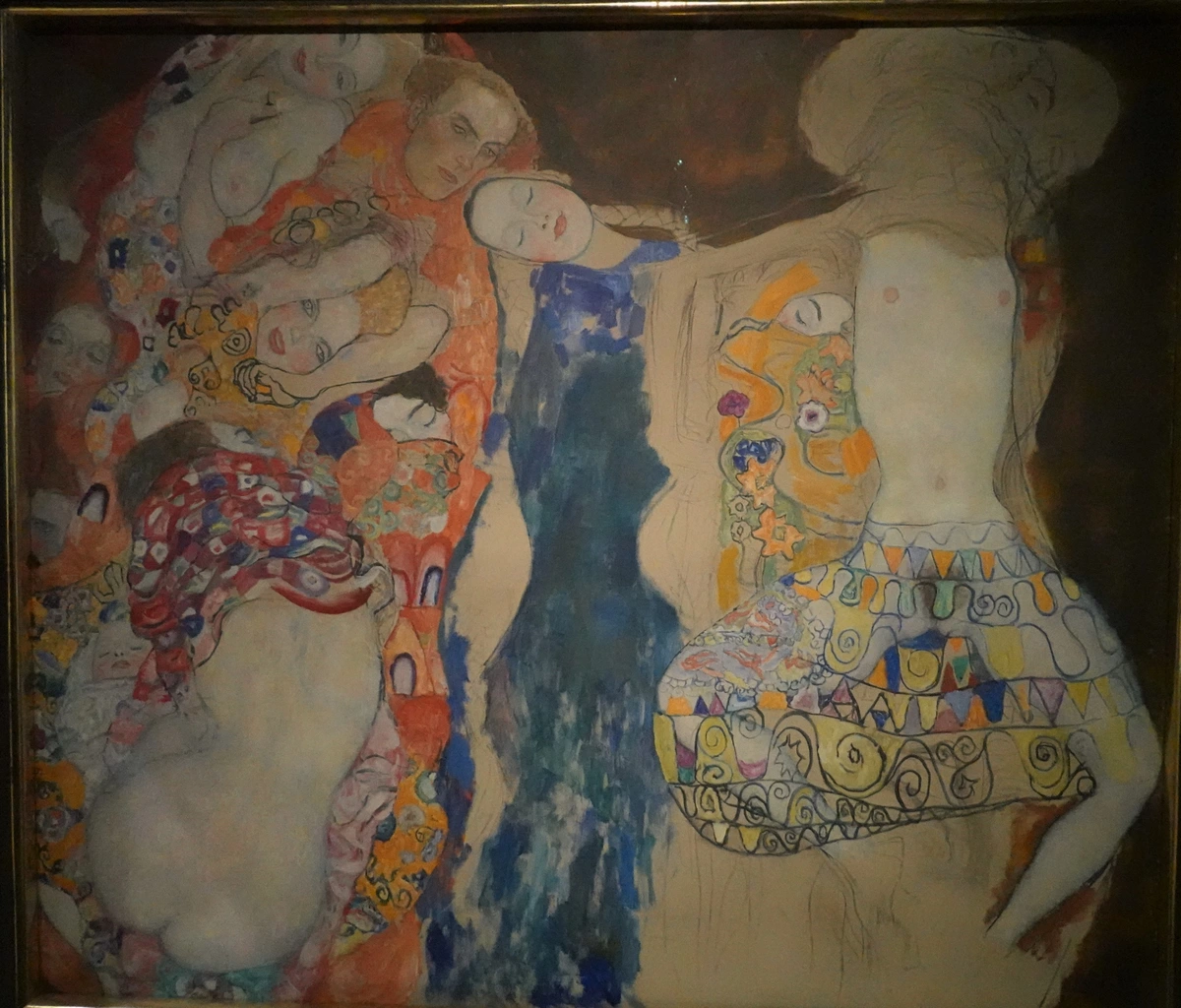


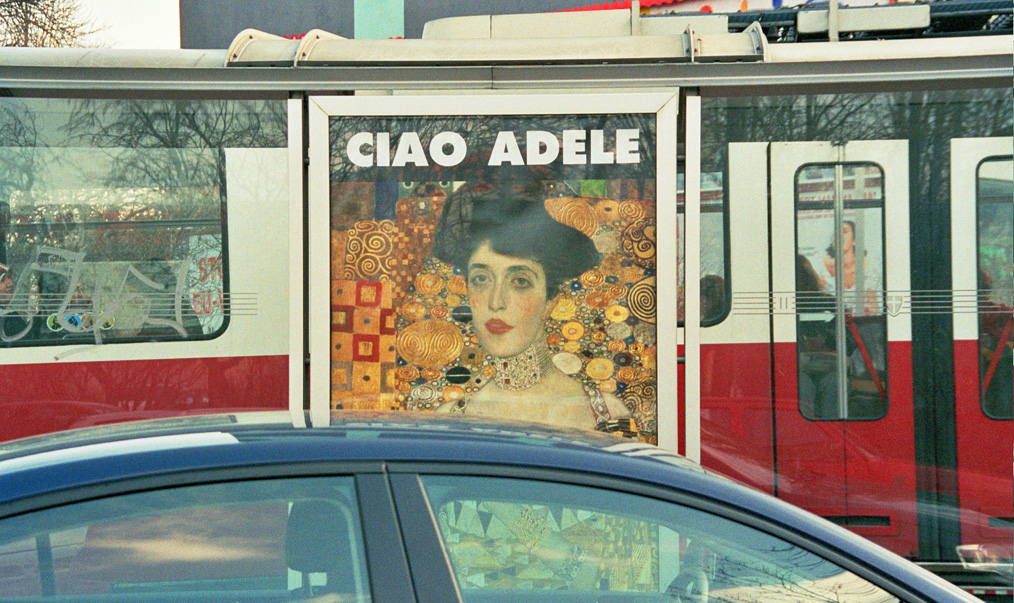

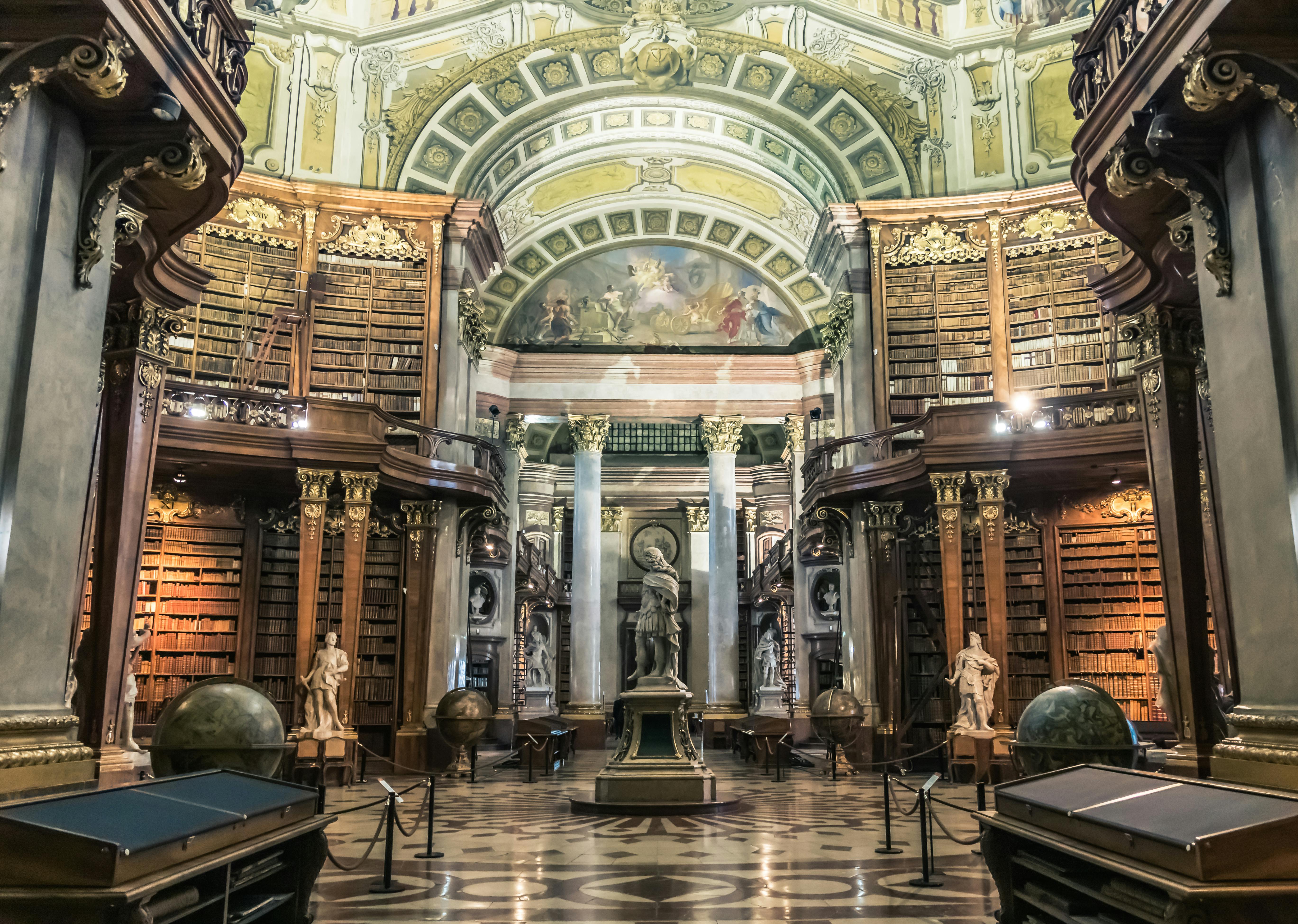

The Ringstrasse: Vienna's Grand Architectural Statement
One of the most impressive, and frankly, artistic, achievements of Vienna is the Ringstrasse. This grand boulevard, built in the mid-19th century on the site of the former city walls, which were demolished to create a magnificent urban development, is a monumental display of historicist architecture, a veritable open-air museum of styles. It was a statement of imperial wealth and cultural ambition, designed to impress and reflect the burgeoning prosperity of the Austro-Hungarian Empire, becoming a symbol of liberal urban planning. Architects like Gottfried Semper and Karl von Hasenauer were instrumental in shaping its iconic buildings. You'll find the Parliament (a Neo-Grecian masterpiece with its stunning Athena Fountain), the neo-Gothic City Hall (Rathaus), the opulent Burgtheater (in Neo-Baroque style), the grand University (Neo-Renaissance), and the two great museums (KHM and Natural History Museum) all lining this magnificent circular road, each a testament to the era's architectural ambition and a deliberate statement of imperial power and cultural pride. Each building is a masterpiece in itself, designed to showcase the grandeur of the Austro-Hungarian Empire, creating a harmonized, yet diverse, urban fabric. This blend of styles, often referred to as 'Ringstrasse Style' or Historicism, created a unified yet richly varied urban landscape. It's an architectural symphony, blending Neo-Renaissance, Neo-Gothic, and Neo-Baroque styles into a cohesive, breathtaking whole. For an art lover, a walk or tram ride along the Ringstrasse is essential, offering a stunning panoramic view of Vienna's imperial past and its commitment to art on a monumental scale. I always feel a sense of awe, and a touch of humility, when I contemplate the sheer ambition and artistic vision that went into creating this magnificent urban ensemble. It’s a testament to a city that truly understood the power of architecture as a public statement, a grand gesture of cultural pride, designed to showcase the city's rich history while looking towards a modern future.
Vienna's Melodic Heart: A City of Music and Art
It feels almost impossible to talk about Vienna without mentioning its profound connection to music. This city, after all, nurtured some of the greatest composers in history – Mozart, Beethoven, Strauss, Schubert, Brahms... the list goes on. And this isn't just a separate cultural thread; it's intricately woven with the visual arts. Think about how the Secessionists sought a Gesamtkunstwerk, a total work of art, that encompassed all forms of creative expression, including stage design for opera and ballet, illustrating how the visual and performing arts often influenced and inspired one another in a vibrant, creative dialogue. Klimt's Beethoven Frieze at the Secession Building is a direct homage to the Ninth Symphony, a visual symphony in itself, a perfect example of this artistic cross-pollination. The opulence of the Baroque palaces, designed for imperial grandeur, provided the perfect backdrop for lavish concerts and balls. For an art lover, experiencing a classical concert in Vienna – perhaps at the Musikverein or the Staatsoper – isn't just entertainment; it's a way to feel the city's artistic heartbeat in a different, yet equally powerful, dimension, connecting the visual splendor with the auditory. It’s a reminder that art speaks in many languages, and Vienna is fluent in all of them.
The harmonious relationship between music and visual art in Vienna is truly remarkable. The same patronage that fostered Baroque painters and architects also supported composers like Haydn and Salieri. Later, during the fin-de-siècle, the emotional depth and psychological introspection found in the music of Mahler and Schoenberg found their visual counterparts in the intense Expressionism of Schiele and Kokoschka. Even the elegant geometry of the Wiener Werkstätte can feel like a visual echo of classical musical structures, a visual rhythm and harmony at play. For me, attending an opera at the Staatsoper or a concert at the gilded Musikverein is more than just an evening out; it's an immersion in a multi-sensory artistic experience that connects you directly to Vienna's soul. It's a reminder that true artistic expression often transcends disciplinary boundaries.
Literary & Philosophical Salons: The Coffeehouse as a Creative Nexus
Beyond the visual and musical arts, Vienna's intellectual landscape, particularly during the fin-de-siècle era, was profoundly shaped by its legendary coffeehouses. These weren't just places to grab a quick caffeine fix; they were vibrant, smoky salons where writers, philosophers, psychoanalysts, and artists gathered, debated, and conceived groundbreaking ideas. Figures like Sigmund Freud, Arthur Schnitzler, and Karl Kraus were regulars, their conversations and writings often reflecting the same anxieties and innovative spirit found in the art of Klimt and Schiele. The very air in places like Café Central or Café Griensteidl (sadly gone, but its spirit lives on) was thick with intellectual ferment, serving as informal universities and publishing houses. Imagine Freud pondering his theories, Schnitzler sketching out new plays, or Karl Kraus crafting his biting critiques over endless cups of coffee. For me, stepping into one of these historic coffeehouses today, perhaps Café Hawelka with its Bohemian charm or the elegant Café Sperl, is like touching a tangible piece of that rich intellectual past, imagining the sparks of creativity flying across marble tabletops. It’s a reminder that art isn't just made in studios or museums; it's born from conversation, from questioning, and from the lively exchange of ideas that can happen anywhere, even over a simple Melange.
These coffeehouses were more than just social hubs; they were essential incubators of modern thought, where censorship was often looser, and new ideas could be freely exchanged, often leading to the founding of influential journals and publications right from their marble-topped tables. The anonymity of the coffeehouse allowed for a certain intellectual freedom, fostering avant-garde movements in literature, philosophy, and psychology. It’s fascinating to think that some of the most profound insights into the human condition, which later influenced artistic expression, were first debated over a cup of Wiener Melange. For me, it’s a tangible connection to Vienna’s intellectual daring, a place where the seeds of revolution were often sown in quiet conversation, profoundly shaping the cultural landscape of the city.
Because no art trip is complete without soaking in the broader culture, right? Vienna is also home to countless imperial treasures, like the Hofburg Palace and Schönbrunn. And for a deeper dive into Vienna's intellectual heartbeat, make sure to explore its legendary Literary & Philosophical Salons – where coffee and conversation brewed revolution. The architecture, from Baroque to Art Nouveau, is a constant visual feast. Even the burgeoning street art scene adds a contemporary layer to Vienna's visual narrative. It's a city that understands aesthetics, right down to the little details, seamlessly blending imperial history with avant-garde creativity. It makes me think about how art permeates life, often in ways we don't immediately recognize, much like the journey I've shared on my timeline, showing how my artistic journey evolved from unexpected places.
Frequently Asked Questions about Vienna for Art Lovers
- Q: What is the most famous artwork in Vienna?
- A: Without a doubt, Gustav Klimt's 'The Kiss' at the Upper Belvedere Palace. It’s iconic for a reason! But honestly, there's so much more to discover once you dig a little deeper, like Schiele's raw self-portraits or Klimt's lesser-known, equally stunning landscapes!
- Q: Is Vienna good for contemporary art?
- A: While famous for modernism and classic art, Vienna also has a vibrant contemporary art scene with galleries and institutions like the MUMOK (Museum of Modern Art Ludwig Foundation Vienna), located within the MuseumsQuartier, and various smaller galleries.
- Q: How many days do I need for an art trip to Vienna?
- A: I'd say at least 3-4 full days to comfortably visit the major art museums and still have time to enjoy the city's other cultural offerings without feeling rushed. If you're a true art obsessive like me, you could easily stretch it to 5-7 days and still find new corners to explore without feeling rushed.
- Q: What's the best time of year to visit Vienna for art?
- A: Spring (April-May) and Fall (September-October) offer pleasant weather and fewer crowds than the peak summer months. However, the art is always there, waiting!
- Q: Are there any good contemporary art galleries outside of museums?
- A: Absolutely! Vienna has a thriving gallery scene, particularly in areas like the Schleifmühlgasse and around the MuseumsQuartier. It’s worth doing a quick search for current exhibitions when you're there; you never know what hidden gems you'll discover!
- Q: Are there guided art tours available?
- A: Absolutely! Many specialized art tours focus on specific periods (e.g., Secession), artists, or districts. Check with local tourism offices or online for options. Sometimes, a great guide can unlock details and perspectives you might otherwise miss.
- Q: What are Vienna's art festivals?
- A: Vienna hosts several art festivals throughout the year, including Art Vienna, FOTO ARS (photography), and various smaller gallery weekends. These are fantastic opportunities to see a wide range of works and experience the city's dynamic art scene.
- Q: What are Vienna's major annual art events?
- A: Beyond individual exhibitions, Vienna hosts significant art events like viennacontemporary, an international art fair showcasing contemporary art, and the Vienna Art Week, which transforms the city into a vibrant gallery with numerous events, open studios, and discussions. These are fantastic opportunities to see a wide range of works and experience the city's dynamic art scene.
- Q: What about art markets or places to buy art in Vienna?
- A: Vienna hosts various art fairs throughout the year, like Art Vienna. For unique finds, explore smaller independent galleries or concept stores. The Naschmarkt, while primarily a food market, sometimes has artisan stalls. And of course, there's always my own art for sale if you're looking for something special!
- Q: Is Vienna accessible for visitors with disabilities?
- A: Generally, yes! Vienna is quite disability-friendly. Most major museums and public transport are equipped with ramps and elevators. It's always a good idea to check specific museum websites for detailed accessibility information before your visit, but you should find it a very welcoming city.
- Q: What about family-friendly art options in Vienna?
- A: Vienna has plenty for families! The Kunsthistorisches Museum offers special tours and workshops for children, and the Leopold Museum often has engaging programs. Even exploring the gardens of Belvedere and Schönbrunn can be an artistic adventure for younger visitors. Many museums also offer reduced admission for children and families. It's about making art fun and approachable, even for the littlest art lovers!
- Q: Is there a street art scene in Vienna?
- A: Absolutely! While not as overtly famous as Berlin's, Vienna has a burgeoning and vibrant street art and graffiti scene, particularly along the Donaukanal (Danube Canal) and in the city's more bohemian districts like the 7th (Neubau). You'll find everything from large-scale murals to intricate stencil art, constantly evolving and adding a modern, urban layer to the city's artistic landscape. It's a fantastic way to see contemporary art expressing itself outside traditional gallery walls!
- Q: Is Vienna accessible for visitors with disabilities?
- A: Generally, yes! Vienna is quite disability-friendly. Most major museums and public transport are equipped with ramps and elevators. The city has made significant efforts to improve accessibility, with many cultural institutions offering specific services and information for visitors with disabilities. It's always a good idea to check specific museum websites for detailed accessibility information before your visit, but you should find it a very welcoming city to explore.
- Q: Where can I find more in-depth information on Viennese art history?
- A: Beyond the museums themselves, which often have excellent publications, you can find numerous academic books and articles on Viennese art history, particularly focusing on the fin-de-siècle, the Secession, and Expressionism. Local university libraries (like the University of Vienna) are also fantastic resources, and many online archives now provide access to historical documents and artworks. It’s a rabbit hole I happily fall into every time!
Viennese Art Movements: A Deeper Look
We've touched on the Secession, but Vienna's artistic tapestry is woven with so many more threads, each telling a distinct story of evolution, rebellion, and beauty. Understanding these movements helps you appreciate the journey Vienna took to become the art capital it is today.
Biedermeier: Intimacy and Domesticity
Imagine a quieter, more intimate side of Viennese art. That's the Biedermeier period (roughly 1815-1848), an era that followed the tumultuous Napoleonic wars and a subsequent period of political reaction. There was a profound shift towards domesticity, comfort, and an almost meticulous realism, particularly evident in portraiture, intimate genre scenes, and interior design. Artists like Ferdinand Georg Waldmüller, with his incredibly detailed and luminous landscapes and portraits, and Rudolf von Alt, famous for his exquisite watercolor cityscapes, captured everyday life with a certain gentle charm and an almost photographic precision. You'll find Biedermeier influences in the elegant, yet understated, furniture and decorative arts that emphasized functionality and comfort, with its clean lines, light woods (like cherry and birch), and focus on practical comfort rather than ostentatious display. Imagine cozy drawing-rooms adorned with delicate porcelain and intricately inlaid writing desks, all designed to foster a sense of domestic bliss, a refuge from the public sphere. This emphasis on the home environment also extended to fashion and even everyday objects, creating a cohesive aesthetic. I find it fascinating how art often mirrors the societal mood, and Biedermeier reflects a period of conservative stability, private happiness, and a quiet appreciation for the tangible world, a retreat into the private sphere amidst political upheaval and the burgeoning industrial age. It's a lovely contrast to the later, more flamboyant and rebellious eras, showcasing a desire for stability and a celebration of bourgeois values. For me, the Biedermeier style offers a comforting sense of order and beauty in the everyday, a reminder that art doesn't always have to shout to be profound; sometimes, its quiet whispers are the most captivating, revealing the intimate details of a bygone era.
This era also saw the rise of the salon culture, where intellectual and artistic exchanges took place in private homes, a more intimate setting than the bustling coffeehouses that would later dominate. The Biedermeier aesthetic emphasized practicality, modesty, and a celebration of the simple joys of life, a direct response to the grandiosity of the preceding Baroque period and the political turmoil of the early 19th century, particularly the restrictive Metternich system that encouraged a retreat into private life. It’s a period that reminds me that sometimes, profound beauty can be found in the quiet moments, in the intimate details of home and hearth, a stark contrast to the revolutionary artistic explosions that would follow.
Expressionism's Raw Power: Schiele and Kokoschka
While Secession laid the groundwork for modernism, the next wave, Expressionism, really blew the doors off. This is where artists like Egon Schiele and Oskar Kokoschka come in, pushing the boundaries of psychological intensity and emotional rawness to unprecedented levels. Their figures are often distorted, their colors unsettling and often clashing, and their subjects unflinchingly honest about human suffering, desire, and anxiety. It can be a confronting experience, but profoundly moving, forcing you to look beyond superficial beauty. In a society grappling with the decline of an empire and the profound anxieties of a new century, where traditional certainties crumbled and the specter of war loomed, these artists became the visual interpreters of a collective psychological shift. They rejected objective reality in favor of expressing subjective emotional experience, tearing away polite veneers to reveal the raw, often uncomfortable, truths of the human condition, influenced by the burgeoning field of psychoanalysis. I sometimes feel like they were dissecting the soul with their brushes, revealing truths that polite society preferred to ignore, forcing us to look inward at our own hidden depths. They were not afraid to portray the grotesque or the uncomfortable, believing that true art should reflect the full spectrum of human experience, even its darkest corners and most taboo subjects. It’s a raw, visceral experience that challenges you to confront the uncomfortable, much like the journey into the subconscious that Sigmund Freud was exploring around the same time, and exemplifies gestural abstraction in its purest form. This art isn't about pretty pictures; it’s about peeling back the layers of polite society to expose the throbbing, often anxious, heart beneath, a powerful and enduring legacy that shaped 20th-century art.
This era in Vienna was marked by intense social and political upheaval, including the slow decline of the mighty Habsburg Empire and the looming shadow of war, and Expressionism served as a potent artistic response to these profound anxieties. The artists used their work as a form of catharsis, channeling collective fears and individual struggles into powerful visual statements. Their rejection of traditional beauty standards and their embrace of the 'ugly' or 'disturbing' was not merely provocative; it was an attempt to articulate a deeper, more authentic reality. For me, understanding this context makes their art even more compelling, revealing how truly impactful art often emerges from periods of profound societal change and individual introspection.
Contemporary Vienna: The Ever-Evolving Scene
And the story doesn't end with modernism! Vienna continues to be a vibrant center for contemporary art, a place where established and emerging artists alike find a receptive audience. Institutions like MUMOK, as we discussed, are at the forefront, showcasing international and local talent in fields like Conceptual Art, Minimalism, and media art. But it's also in the smaller galleries, artist-run spaces (like those in the Q21 complex at the MuseumsQuartier), and innovative public art initiatives that you truly feel the city's artistic pulse racing. From thought-provoking installations in unexpected corners to dynamic exhibition openings, Vienna proves that art isn't a static historical artifact; it's a living, breathing, ever-changing conversation, constantly engaging with global dialogues and local specificities, often tackling pressing social and political issues. The city also actively supports contemporary artists through grants, residencies, and art fairs like viennacontemporary, further solidifying its role as a crucial hub for current artistic production, and fostering a diverse range of abstract art styles. And that, for me, is the most exciting part of visiting an art city like Vienna – you're always part of something new, a witness to creation in real-time, seeing how art continues to challenge, inspire, and reflect our rapidly changing world. It's a reminder that Vienna isn't just looking back at its glorious past; it's actively shaping the future of art, one innovative exhibition and bold new artist at a time. It's where the city's pulse quickens, and you can truly feel the cutting edge of artistic expression, a truly inspiring place to witness the ongoing evolution of creativity.
The city's commitment to contemporary art is evident in its numerous art initiatives, including artist residencies, public art commissions, and experimental art spaces like the Q21 complex at the MuseumsQuartier, which specifically supports and showcases emerging artists through various programs. Vienna's vibrant creative ecosystem ensures a constant influx of new ideas and perspectives, making it a dynamic hub for artists pushing the boundaries of traditional forms. It's a place where you can truly engage with the art of today, seeing how artists grapple with current social, political, and environmental issues, using their work as a powerful tool for commentary and change. This ongoing dialogue between past and present, tradition and innovation, is what makes Vienna such an endlessly fascinating art destination. You might even find works that explore the intricacies of value in art in unexpected ways.
Conclusion
Vienna, to me, isn't just a city with impressive art collections; it's a profound testament to artistic resilience, audacious innovation, and the sheer power of vision that has shaped centuries of human creativity. From the opulent, gold-leafed halls of the Belvedere to the defiant, golden-domed Secession Building, from the timeless masterpieces of the KHM to the provocative, cutting-edge works at MUMOK, and even the very architecture that defines its grand boulevards and hidden alleys – it’s a place that continually reminds me why art matters, why we crave it, and why it's so intrinsically woven into the human experience. It’s a city that constantly challenges and inspires, pushing the boundaries of expression across different eras. It's a city built on breaking molds, exploring the depths of human emotion, creating breathtaking beauty (or sometimes, challenging our very perceptions of it), and witnessing how art permeates every facet of life, often in the most unexpected ways. It’s a city that speaks volumes without shouting, inviting you to listen closely, observe keenly, and truly feel its artistic heartbeat, a symphony of visual and intellectual splendor that resonates deeply. For me, it's a constant reminder of the texture in art that a city can offer, not just visually, but experientially. ### Vienna's Hidden Artistic Alleys and Courtyards
You know, sometimes the real magic of a city unfolds when you step off the main boulevards and let curiosity guide you. Vienna, with its long history, is absolutely brimming with these hidden artistic gems – charming courtyards tucked away behind grand facades, narrow alleys adorned with subtle architectural details, and small, independent galleries that feel like discovering a secret. I'm talking about places like the Heiligenkreuzerhof, a beautiful Baroque courtyard that hosts art markets and houses historical ateliers, or the unexpected public art installations you might stumble upon in the picturesque Spittelberg district, known for its quaint Biedermeier houses and cobblestone streets. Don't forget to peer into the inner courtyards of larger apartment buildings; sometimes, a small sculpture, a fresco fragment, or an interesting architectural detail reveals itself, each a whisper from Vienna's layered past. These are the places where art subtly asserts itself, where history whispers from every stone, and where you can find unexpected moments of beauty away from the crowds. It's a city that truly rewards a willingness to wander, always offering something new to those who look for it, a testament to the idea that art isn't always loud or obvious, but often lies in the quiet, overlooked details, waiting to be discovered by the curious traveler.
Another delight is exploring the narrow, cobbled lanes of the Innery City (Innere Stadt), where you can find charming old passageways and hidden squares, often adorned with historical reliefs or small fountains that are artworks in themselves. Think of the hidden courtyards around Schönlaterngasse with its medieval charm, or the picturesque arcades of the Minoritenplatz. These quiet corners offer a glimpse into Vienna's past, away from the grand imperial avenues. It's in these intimate spaces that you truly feel the layered history of the city, a place where every stone seems to have a story to tell, and every unexpected turn reveals a new artistic surprise. I often find my greatest inspirations in these less-traveled paths, where the art of daily life and centuries of history beautifully intertwine.
This guide has only scratched the surface, of course. There are countless other small galleries, hidden courtyards, and unexpected corners where art subtly asserts itself. It's a city that rewards curiosity and a willingness to wander, always offering something new to those who look for it. So, if you've been considering an art pilgrimage, trust me, Vienna should not just be on your list – it should be at the very top. You won't just see art; you'll live it, breathe it, and carry a piece of its magic with you long after you leave, perhaps even inspiring your own creative ventures, just as it has mine. I hope this guide helps you unlock the layers of artistic brilliance that Vienna so generously offers, and that you find as much joy and inspiration in its art as I always do. From the Baroque splendor to the revolutionary Secession, from the raw power of Expressionism to the cutting edge of contemporary art and the quiet beauty of its hidden courtyards, Vienna is more than a destination; it’s an experience that permeates your very soul. It's a journey not just through a city, but through centuries of human creativity, a journey that ultimately enriches your own understanding of art, culture, and yourself, perhaps even sparking your own next creative adventure.
Practical Tips for the Art Lover's Journey
To make your Viennese art adventure truly seamless, consider a few practicalities. The Vienna Pass, as mentioned, can be a fantastic investment, offering free entry to many attractions and unlimited public transport – trust me, Vienna's public transport system is incredibly efficient and easy to navigate! Also, many museums offer audio guides, which I highly recommend for a deeper understanding of the collections and the stories behind the art. Don't be afraid to linger in front of a piece that captivates you; art isn't a race. And remember to build in time for breaks – those Viennese coffeehouses are not just for historical contemplation, but also for recharging! Consider an advance booking for popular attractions and guided tours to maximize your time. I always find that a leisurely pace allows for deeper absorption and more meaningful engagement with the art, allowing the city's artistic spirit to truly seep into your soul. Pack comfortable shoes, an open mind, and a sense of wonder, and Vienna will reward you tenfold with an unforgettable artistic journey.