An Art Lover's Guide to Rome: Museums, Galleries, and Hidden Gems
Lost in the Eternal City's art? Join me on a personal journey through Rome's must-see museums, secret galleries, and ancient wonders. Get my tips, historical insights, and see how this city inspires.

An Art Lover's Guide to Rome: Museums, Galleries, and Hidden Gems - My Personal Journey Through the Eternal City's Masterpieces
Rome, the Eternal City, is a treasure trove of artistic wonders. From ancient sculptures to Renaissance masterpieces and contemporary street art, the city offers an unparalleled journey through the history of human creativity. This guide is not just a list of places to visit; it's a personal narrative of how Rome's art scene has shaped my own artistic perspective and continues to inspire me.
Rome, the Eternal City, is a treasure trove of artistic wonders. From ancient sculptures to Renaissance masterpieces and contemporary street art, the city offers an unparalleled journey through the history of human creativity. This guide is not just a list of places to visit; it's a personal narrative of how Rome's art scene has shaped my own artistic perspective and continues to inspire me.
Rome is more than a city; it's a living, breathing museum where every street, piazza, and fountain tells a story of human creativity and ingenuity. Whether you're a seasoned art enthusiast or a curious traveler, Rome's art scene promises to captivate and inspire.
I'll confess, the first time I set foot in Rome, I felt a familiar pang of artistic anxiety. Not because I didn't appreciate the grandeur – quite the opposite! It was the sheer, overwhelming, beautiful muchness of it all. Every corner, every crumbling wall, every piazza seemed to whisper centuries of artistic genius. How on earth, I wondered, does one even begin to digest this artistic feast without suffering from what I affectionately call 'Roman Art Overload Syndrome'?
But that's the beauty of Rome. It's not just about seeing art; it's about experiencing it. It's about letting the city's history and creativity seep into your soul, one masterpiece at a time.
This guide, my friend, is born from that very struggle. It's not just a list; it's a conversation about how I navigate Rome's incredible art scene, from the colossal to the clandestine, and how it continues to shape my own artistic perspective, even in the abstract.
In the following sections, I'll share my personal journey through Rome's art world, offering insights, tips, and recommendations to help you make the most of your own artistic adventure in the Eternal City.
Rome: More Than Just a City, It's an Open-Air Museum (and a challenge)
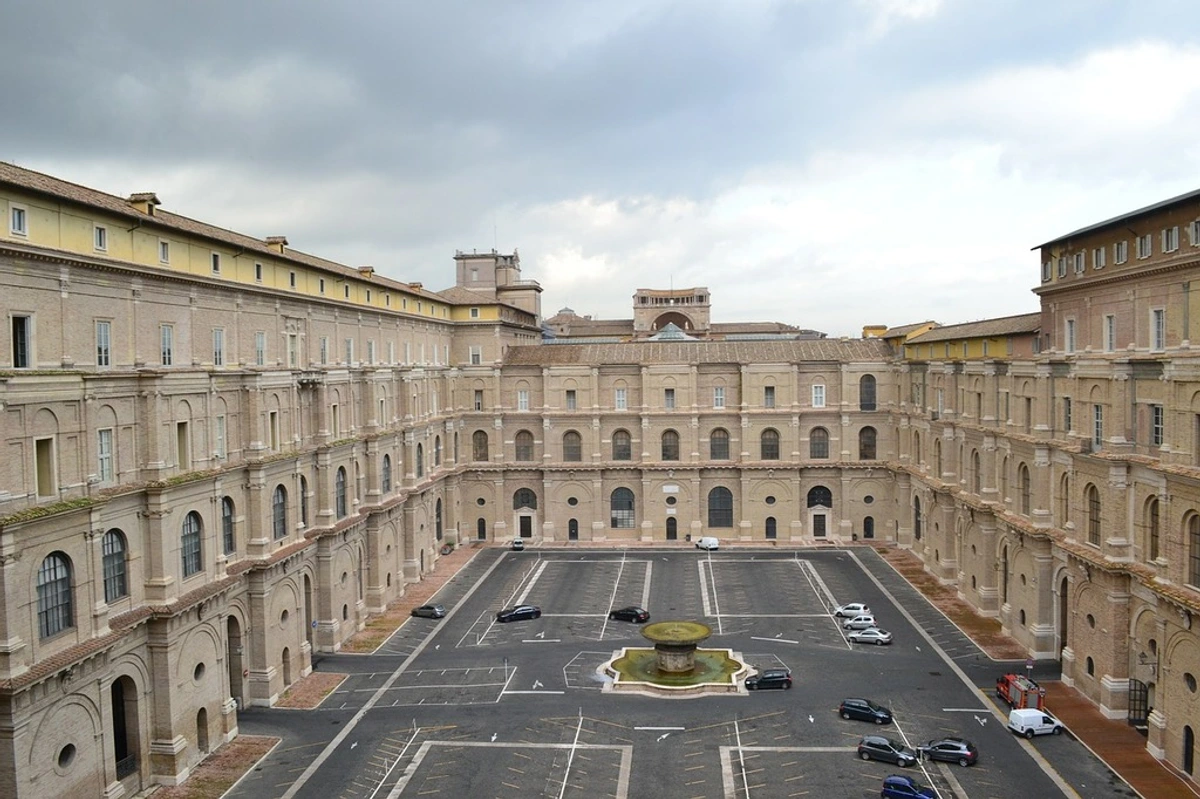
Rome is not just a city; it's a living, breathing museum. Every street, every piazza, and every fountain tells a story of human creativity and ingenuity. From the ancient ruins of the Roman Empire to the Baroque flourishes of the 17th century, Rome's art scene is a testament to the city's rich and layered history.
You know, some cities have museums; Rome is a museum. It's a living, breathing testament to epochs of human creativity, layered like a magnificent, messy lasagna of history. From the ancient Roman Empire to the Baroque flourishes, Renaissance masterpieces, and even whispers of contemporary expression, art isn't confined to a building here. It spills out onto the streets, adorns fountains, and hides in plain sight. That's both its charm and its challenge. It means you can't just 'do' Rome's art; you have to experience it, often with a good pair of walking shoes and a willingness to get delightfully lost.
You know, some cities have museums; Rome is a museum. It's a living, breathing testament to epochs of human creativity, layered like a magnificent, messy lasagna of history. From the ancient Roman Empire to the Baroque flourishes, Renaissance masterpieces, and even whispers of contemporary expression, art isn't confined to a building here. It spills out onto the streets, adorns fountains, and hides in plain sight. That's both its charm and its challenge. It means you can't just 'do' Rome's art; you have to experience it, often with a good pair of walking shoes and a willingness to get delightfully lost.
Rome is not just a city; it's a living, breathing museum. Every street, every piazza, and every fountain tells a story of human creativity and ingenuity. From the ancient ruins of the Roman Empire to the Baroque flourishes of the 17th century, Rome's art scene is a testament to the city's rich and layered history.
You know, some cities have museums; Rome is a museum. It's a living, breathing testament to epochs of human creativity, layered like a magnificent, messy lasagna of history. From the ancient Roman Empire to the Baroque flourishes, Renaissance masterpieces, and even whispers of contemporary expression, art isn't confined to a building here. It spills out onto the streets, adorns fountains, and hides in plain sight. That's both its charm and its challenge. It means you can't just 'do' Rome's art; you have to experience it, often with a good pair of walking shoes and a willingness to get delightfully lost.
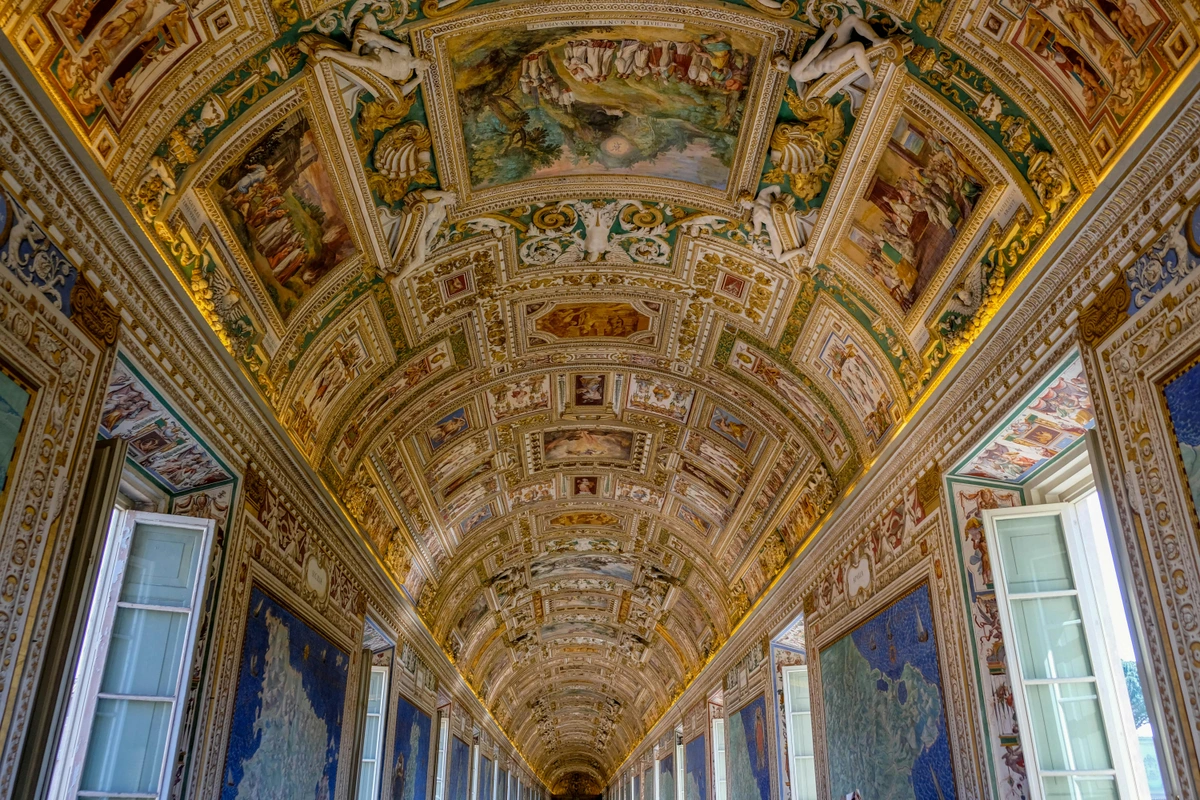
To truly appreciate Rome's art, you need to immerse yourself in its history and culture. Take the time to explore its hidden corners, engage with its people, and let the city's creative spirit inspire you.
The Titans: Unmissable Masterpieces (But Where to Begin?)
Rome is home to some of the world's most iconic artworks and museums. These are the places that draw millions of visitors each year, and for good reason. They are monumental, overwhelming, and utterly essential. But with so much to see, where do you begin? Let's tackle the big hitters and explore what makes them so special.
Here's a table to help you plan your visit to these iconic sites:
Museum  | Key Highlights | Best Time to Visit | Tips |
|---|---|---|---|
| Vatican Museums & Sistine Chapel | Michelangelo's Sistine Chapel, Raphael Rooms | Early morning | Book tickets in advance, look up to appreciate the ceilings |
| Borghese Gallery and Museum | Bernini sculptures, Caravaggio paintings | Timed entry slots | Book months ahead, especially during peak season |
| Capitoline Museums | Capitoline Wolf, Marcus Aurelius statue | Weekday mornings | Explore the ancient history and evolution of sculptural art |
| Galleria Nazionale d'Arte Antica | Caravaggio, Raphael, El Greco | Afternoon | Less crowded, more intimate experience |
| Doria Pamphilj Gallery | Caravaggio, Velázquez, Bernini | Weekday afternoons | Audio guide narrated by a family member |
| MAXXI | Contemporary art, Zaha Hadid architecture | Late afternoon | Engage with themes of abstraction and color theory |
The Vatican Museums & Sistine Chapel
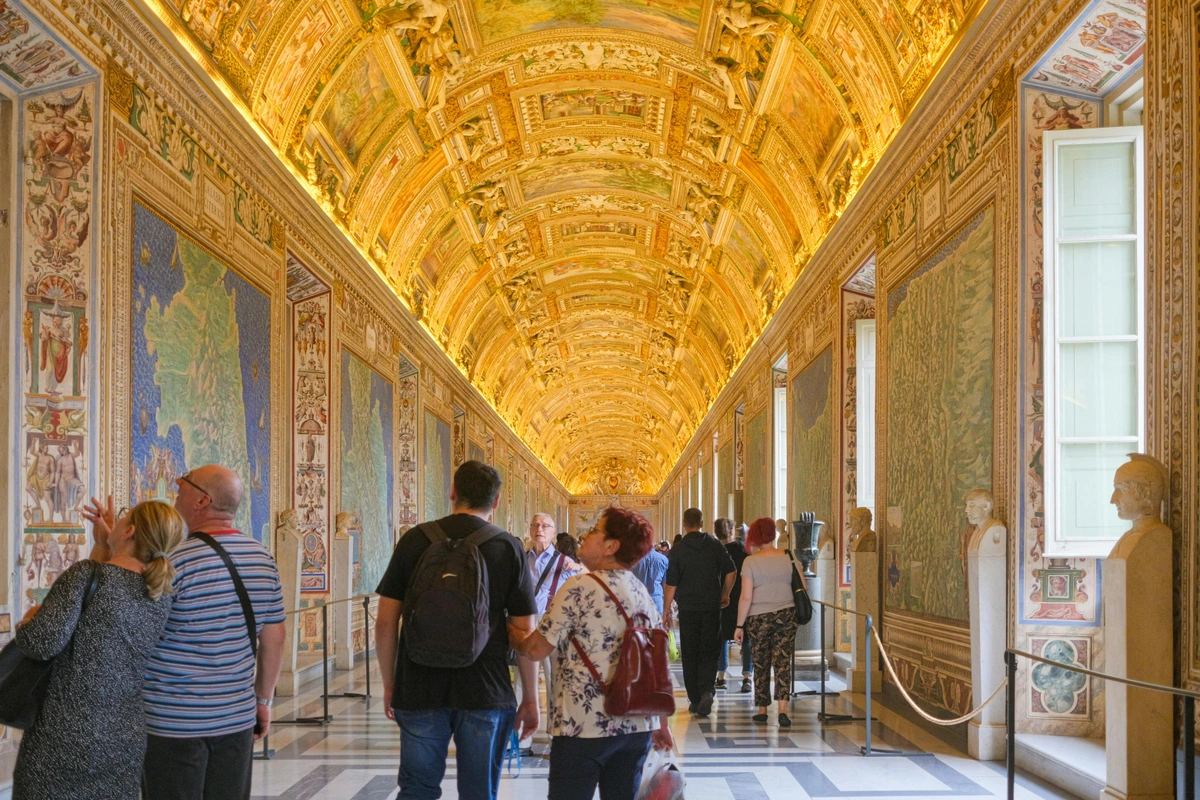
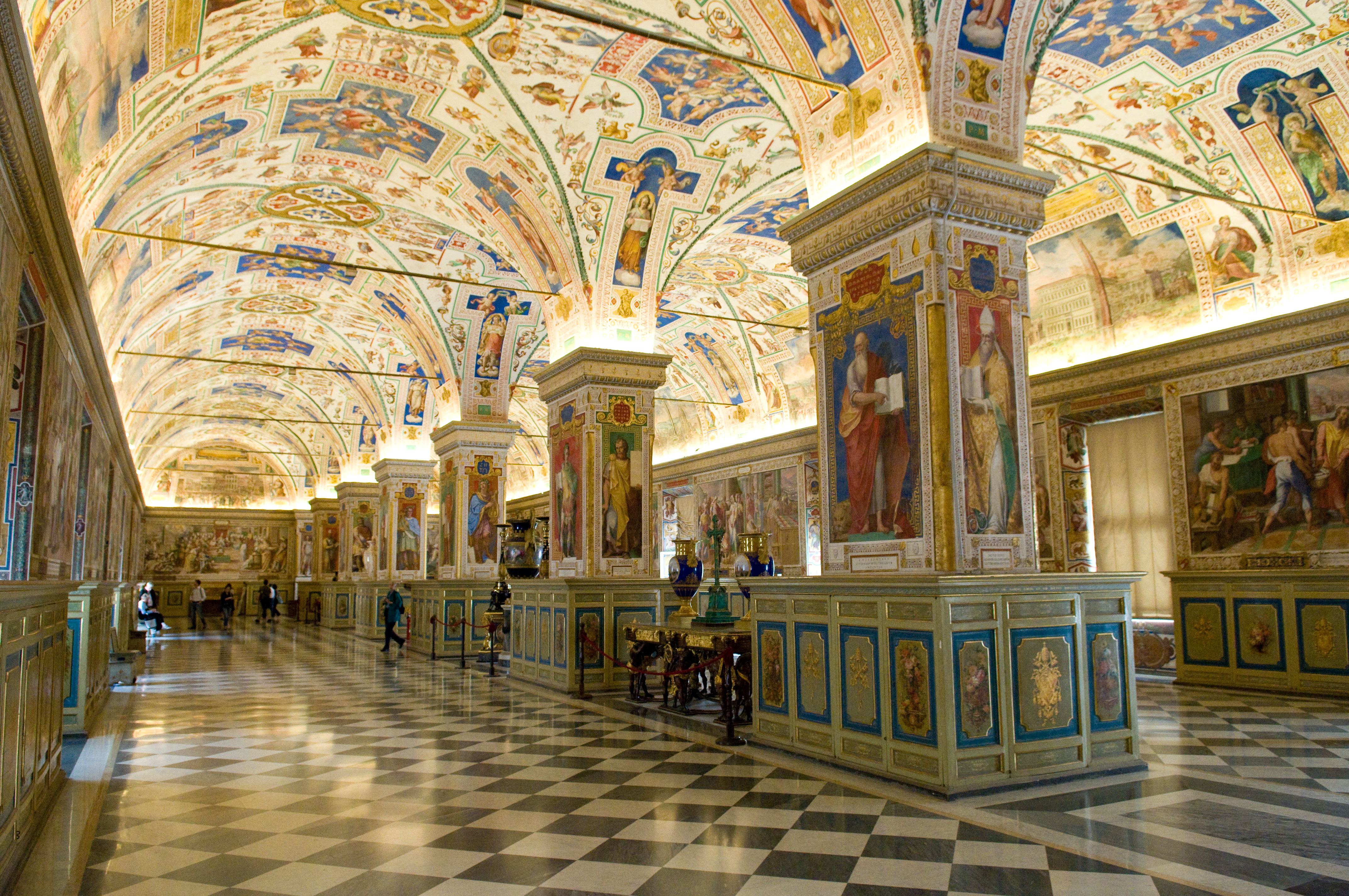
The Vatican Museums are a must-visit for any art lover. Home to one of the world's most impressive collections of art, the museums are a testament to the Catholic Church's patronage of the arts over the centuries. The highlight of any visit is the Sistine Chapel, where Michelangelo's breathtaking frescoes adorn the ceiling and walls. The Raphael Rooms, with their stunning frescoes by Raphael and his workshop, are another must-see.
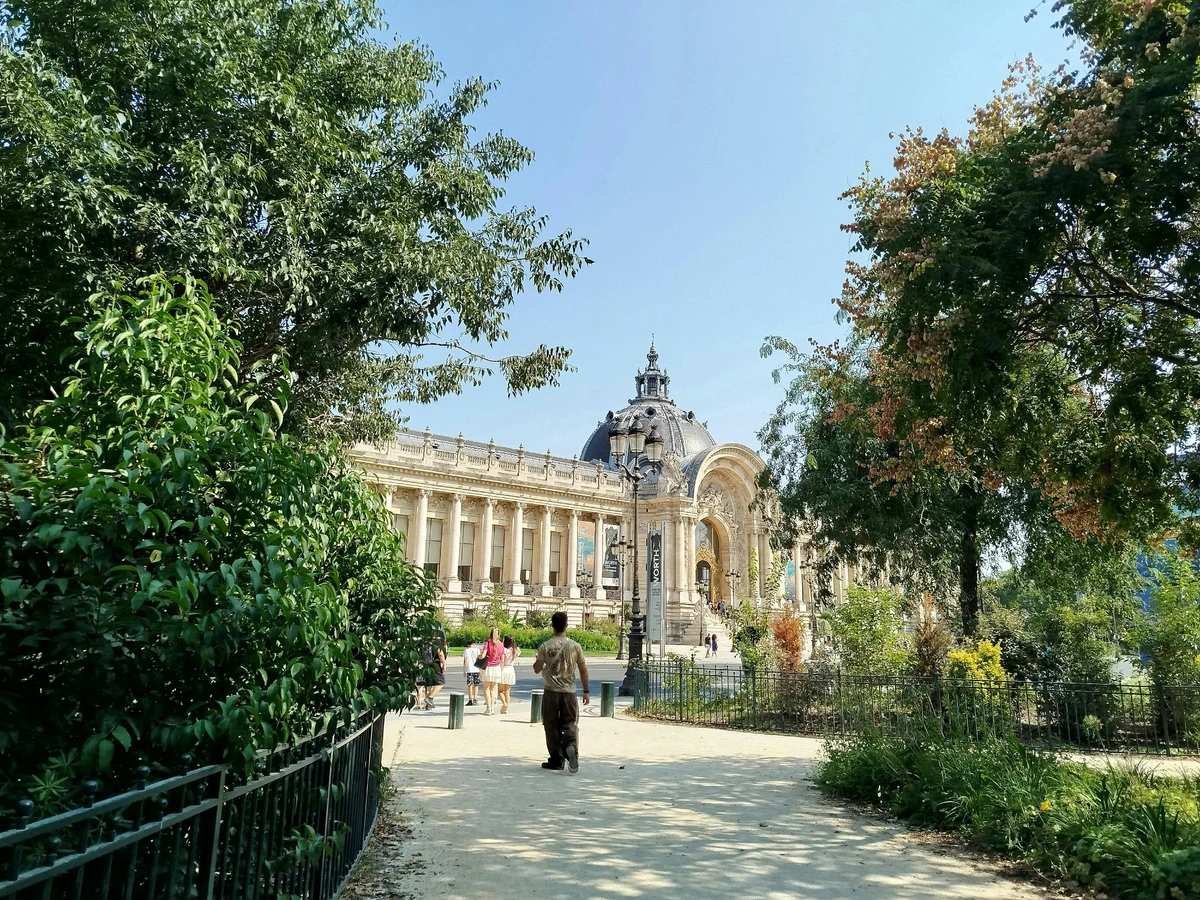
Pro Tip: To make the most of your visit, book a guided tour. A knowledgeable guide can help you navigate the vast collections and provide insights into the history and significance of the artworks.
Okay, let's just get the big one out of the way, shall we? The Vatican Museums. I know, I know, the crowds, the sheer scale of it all. It can feel like an art-lover's endurance test, especially when you're being gently herded through corridors. But here’s the thing: Michelangelo’s Sistine Chapel isn't just a painting; it's a spiritual experience, regardless of your beliefs. The Raphael Rooms? Pure, unadulterated genius.
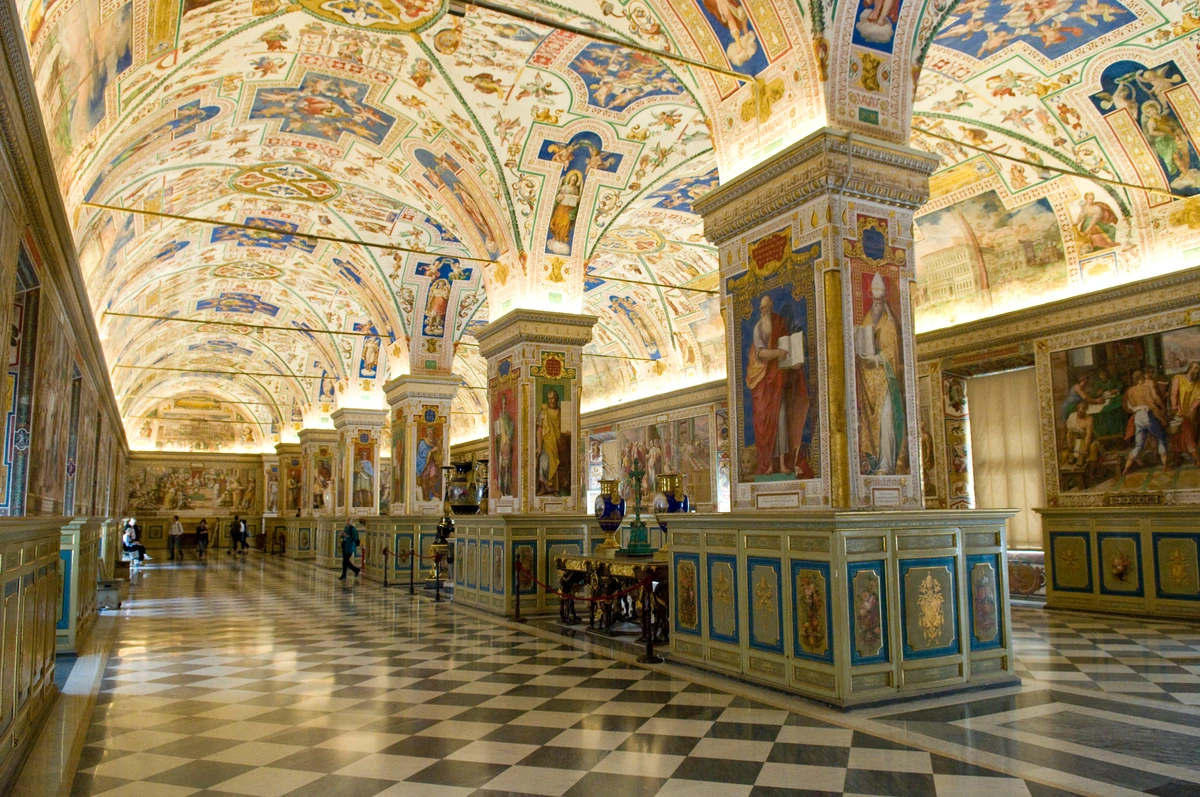
Did You Know? The Sistine Chapel ceiling took Michelangelo four years to complete, from 1508 to 1512. He painted it standing up, which is a testament to his dedication and skill.
My advice? Book everything well in advance, consider an early morning tour to beat some of the rush (or at least feel like you're trying), and remember to look up. Seriously, crane your neck. You'll miss half the magic otherwise.
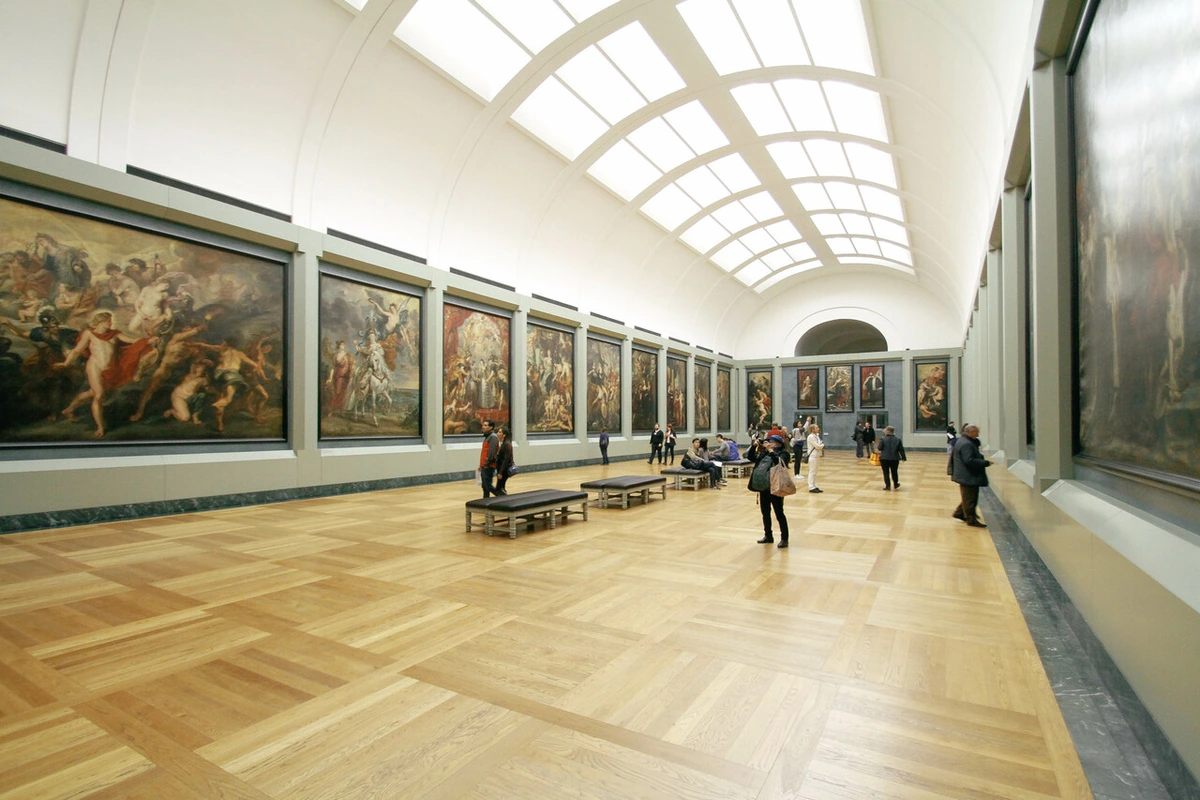
Insider Tip: The Vatican Museums offer a special 'Last Minute' ticket option for those who haven't booked in advance. However, these tickets are limited and sell out quickly, so it's best to plan ahead.
Borghese Gallery and Museum
The Borghese Gallery and Museum is a hidden gem in the heart of Rome. Located within the beautiful Villa Borghese gardens, this museum houses an incredible collection of art, including works by Bernini, Caravaggio, and Raphael. The gallery's intimate setting and timed entry system make it a more relaxed and enjoyable experience compared to some of Rome's larger museums.
Borghese Gallery and Museum
The Borghese Gallery and Museum is a hidden gem in the heart of Rome. Located within the beautiful Villa Borghese gardens, this museum houses an incredible collection of art, including works by Bernini, Caravaggio, and Raphael. The gallery's intimate setting and timed entry system make it a more relaxed and enjoyable experience compared to some of Rome's larger museums.
Pro Tip: Take your time to explore the Villa Borghese gardens after your visit. They are a perfect place to relax and reflect on the art you've just seen.
If the Vatican is the grand opera, Borghese is a perfectly intimate string quartet. Nestled within the beautiful Villa Borghese gardens, this museum houses an absolutely jaw-dropping collection of Bernini sculptures (Apollo and Daphne, The Rape of Proserpina – you'll gasp, I promise) and Caravaggio paintings that practically glow from the canvas.
If the Vatican is the grand opera, Borghese is a perfectly intimate string quartet. Nestled within the beautiful Villa Borghese gardens, this museum houses an absolutely jaw-dropping collection of Bernini sculptures (Apollo and Daphne, The Rape of Proserpina – you'll gasp, I promise) and Caravaggio paintings that practically glow from the canvas.
Did You Know? The Borghese Gallery was originally built to house the art collection of Cardinal Scipione Borghese, a nephew of Pope Paul V. The collection was later acquired by the Italian state and opened to the public in 1903.
The beauty here is its timed entry system, which means fewer crowds and more space to actually breathe with the art. You must book tickets months in advance, especially during peak season. Seriously, this isn't a suggestion; it's a command.

Insider Tip: The Borghese Gallery offers a special 'Borghese Plus' ticket that includes access to the gallery and a guided tour of the Villa Borghese gardens. It's a great way to make the most of your visit.
Capitoline Museums
The Capitoline Museums are a must-visit for anyone interested in ancient Roman art and history. Located on Capitoline Hill, these museums are home to some of the most iconic works of ancient Roman sculpture, including the Capitoline Wolf and the equestrian statue of Marcus Aurelius. The museums are also a testament to the city's rich history, with exhibits that trace the evolution of Roman art and culture.
Pro Tip: Take your time to explore the museums' extensive collections. They offer a fascinating glimpse into the world of ancient Rome and its artistic achievements.
For a real dive into ancient history, where even the ruins feel alive, the Capitoline Museums are a must. Perched atop Capitoline Hill, designed by Michelangelo himself, these are considered the world's first public museums. Here, you'll encounter iconic works like the Capitoline Wolf, the equestrian statue of Marcus Aurelius, and the Dying Gaul. It’s an incredible way to trace the evolution of sculptural art and get a tangible sense of ancient Rome's power and aesthetic.
Did You Know? The Capitoline Museums were founded in 1471 when Pope Sixtus IV donated a collection of ancient bronzes to the people of Rome. This makes them the oldest public museums in the world.
Galleria Nazionale d'Arte Antica (Palazzo Barberini & Palazzo Corsini)
The Galleria Nazionale d'Arte Antica is a treasure trove of Renaissance and Baroque art. Housed in two stunning palaces, Palazzo Barberini and Palazzo Corsini, the gallery's collection includes works by some of the greatest artists of the period, including Caravaggio, Raphael, and El Greco. The palaces themselves are works of art, with incredible architecture and decor that provide a fitting backdrop for the masterpieces they house.
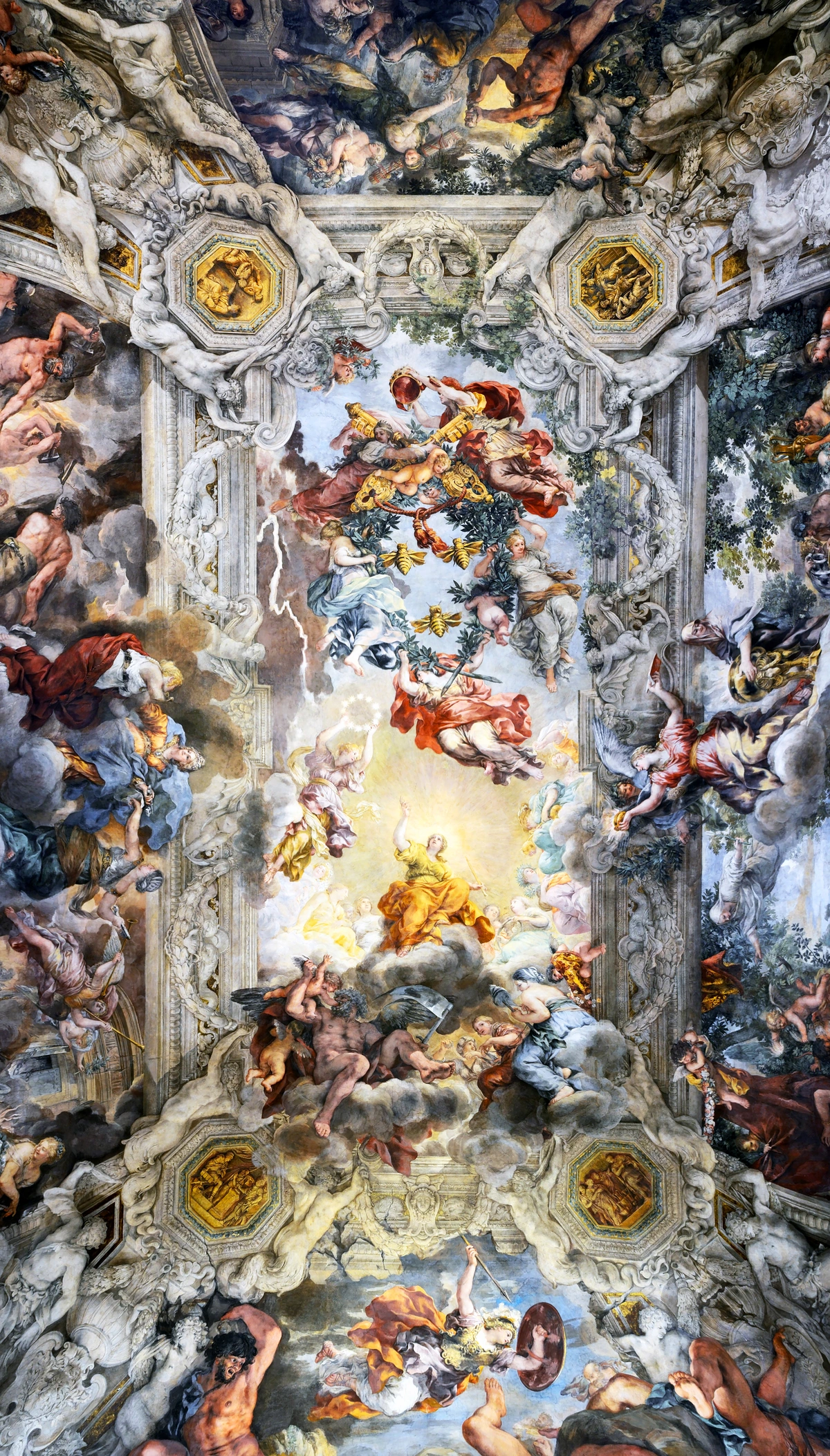
Okay, this is technically two palaces, Palazzo Barberini and Palazzo Corsini, but they house one incredible collection of Renaissance and Baroque art. Think Caravaggio, Raphael, Holbein, El Greco. Palazzo Barberini, in particular, is a masterpiece in itself, with incredible ceilings and architecture. It feels less manicured than the big ones, more like exploring a grand, slightly dusty, but utterly magnificent private home. It's a fantastic spot to delve into the definitive guide to understanding symbolism in art of these periods.
Did You Know? Palazzo Barberini was designed by three of the most influential architects of the 17th century: Carlo Maderno, Francesco Borromini, and Gian Lorenzo Bernini. Their collaboration resulted in a building that is a masterpiece of Baroque architecture.
The Galleria Nazionale d'Arte Antica is a treasure trove of Renaissance and Baroque art. Housed in two stunning palaces, Palazzo Barberini and Palazzo Corsini, the gallery's collection includes works by some of the greatest artists of the period, including Caravaggio, Raphael, and El Greco. The palaces themselves are works of art, with incredible architecture and decor that provide a fitting backdrop for the masterpieces they house.
Pro Tip: Take your time to explore both palaces. Each has its own unique character and collection, and together they offer a comprehensive overview of Renaissance and Baroque art.
Okay, this is technically two palaces, Palazzo Barberini and Palazzo Corsini, but they house one incredible collection of Renaissance and Baroque art. Think Caravaggio, Raphael, Holbein, El Greco. Palazzo Barberini, in particular, is a masterpiece in itself, with incredible ceilings and architecture. It feels less manicured than the big ones, more like exploring a grand, slightly dusty, but utterly magnificent private home. It's a fantastic spot to delve into the definitive guide to understanding symbolism in art of these periods.

Did You Know? Palazzo Barberini was designed by three of the most influential architects of the 17th century: Carlo Maderno, Francesco Borromini, and Gian Lorenzo Bernini. Their collaboration resulted in a building that is a masterpiece of Baroque architecture.
Beyond the Big Names: Hidden Gems and Lesser-Known Wonders
While Rome's major museums and galleries are undoubtedly impressive, the city is also home to a wealth of hidden gems and lesser-known wonders. These off-the-beaten-path destinations offer a more intimate and unique experience of Rome's art scene. Let's explore some of my favorite hidden gems and discover what makes them so special.
Once you've done the tourist circuit, or if you're like me and crave a bit of unexpected discovery, Rome has some truly wonderful, less-trodden paths.
Here's a table to help you explore some of Rome's hidden gems:

Hidden Gem | Key Highlights | Best Time to Visit | Tips |
|---|---|---|---|
| Palazzo Doria Pamphilj | Caravaggio, Velázquez, Bernini | Weekday afternoons | Audio guide narrated by a family member |
| Centrale Montemartini | Classical sculptures, industrial machinery | Weekend mornings | Explore the contrast of ancient and modern |
| MAXXI | Contemporary art, Zaha Hadid architecture | Late afternoon | Engage with themes of abstraction and color theory |
| Rome's Street Art | Ostiense, Pigneto, Tor Marancia | Anytime | Look for unexpected moments of modern expression |
Palazzo Doria Pamphilj
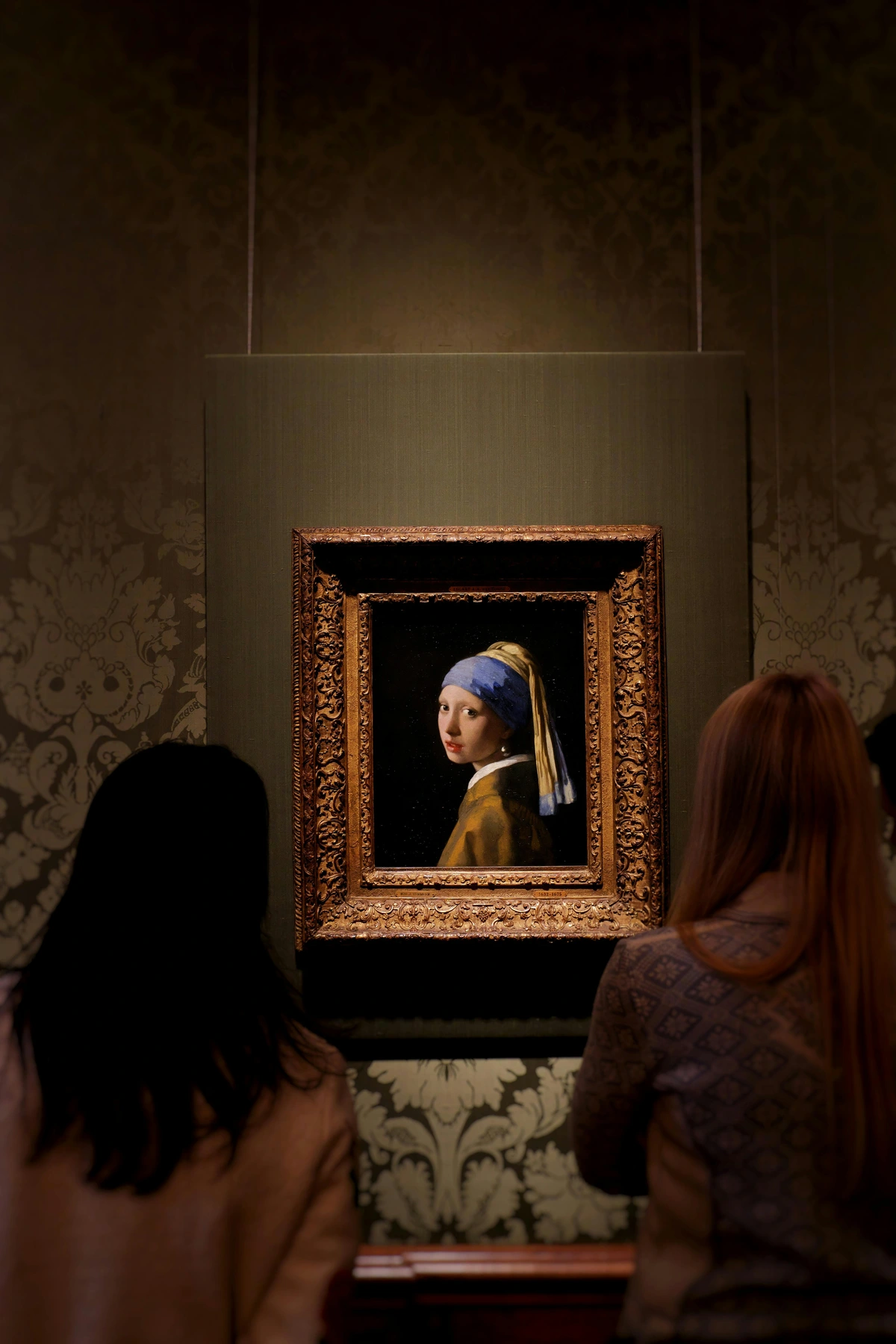
Palazzo Doria Pamphilj is a hidden gem in the heart of Rome. Still a private residence, this opulent palace offers a glimpse into the world of Roman aristocracy and their extraordinary art collections. The palace's collection includes works by Caravaggio, Velázquez, and Bernini, among others. The audio guide, narrated by a member of the Doria Pamphilj family, adds a personal touch to the experience.
Pro Tip: Take your time to explore the palace's lavish interiors. They are a testament to the wealth and taste of Rome's aristocratic families.
Now, if you want to feel like you've stumbled into a secret, a truly private world, the Palazzo Doria Pamphilj is it. Still a private residence, this opulent palace offers a glimpse into how Roman aristocracy lived, surrounded by their extraordinary art collection. Caravaggio, Velázquez, Bernini – all hang here, often without the usual fanfare. You get an audio guide narrated by a member of the Doria Pamphilj family, which adds a wonderfully personal touch. It's like stepping back in time.
Did You Know? The Palazzo Doria Pamphilj has been owned by the same family since the 17th century. The palace and its art collection have been passed down through generations, making it one of the most well-preserved private collections in Rome.
Centrale Montemartini
Centrale Montemartini is a unique and fascinating museum that juxtaposes classical Roman sculptures and mosaics with industrial machinery. Located in a repurposed early 20th-century power plant, the museum offers a striking contrast between the ancient and the modern. It's a powerful exploration of form and space, and a wonderful example of how environment can redefine the perception of art.
Pro Tip: Take your time to explore the museum's collections. The contrast between the delicate marble sculptures and the massive industrial machinery is a sight to behold.
This one's a curveball, a glorious, unexpected curveball. Located in a repurposed early 20th-century power plant, Centrale Montemartini juxtaposes classical Roman sculptures and mosaics against massive industrial machinery. The contrast is utterly breathtaking – the delicate marble of a Roman goddess next to a huge, hulking turbine. It’s a powerful exploration of form and space and a wonderful example of how environment can redefine the perception of art. It certainly made me rethink the role of texture in abstract art.
Did You Know? Centrale Montemartini was originally a power plant that provided electricity to Rome in the early 20th century. It was converted into a museum in the 1990s to house a collection of classical sculptures that were previously stored in the Capitoline Museums.
MAXXI - National Museum of 21st Century Arts
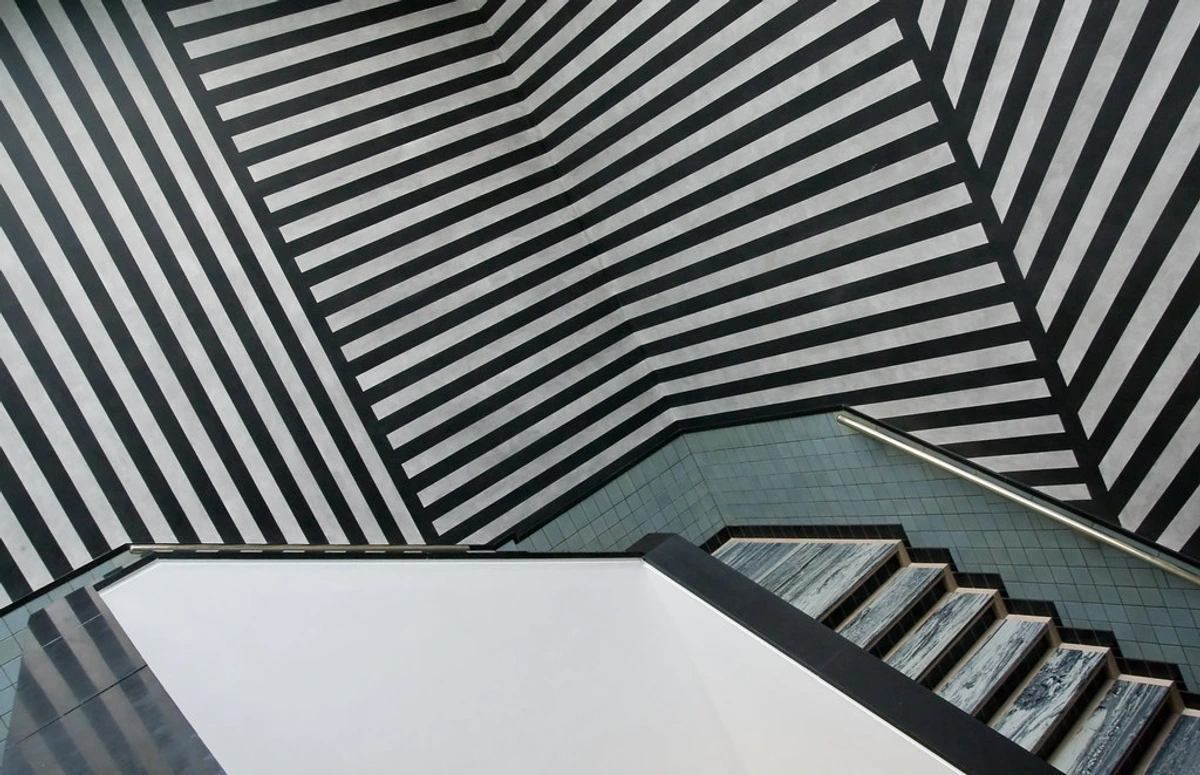
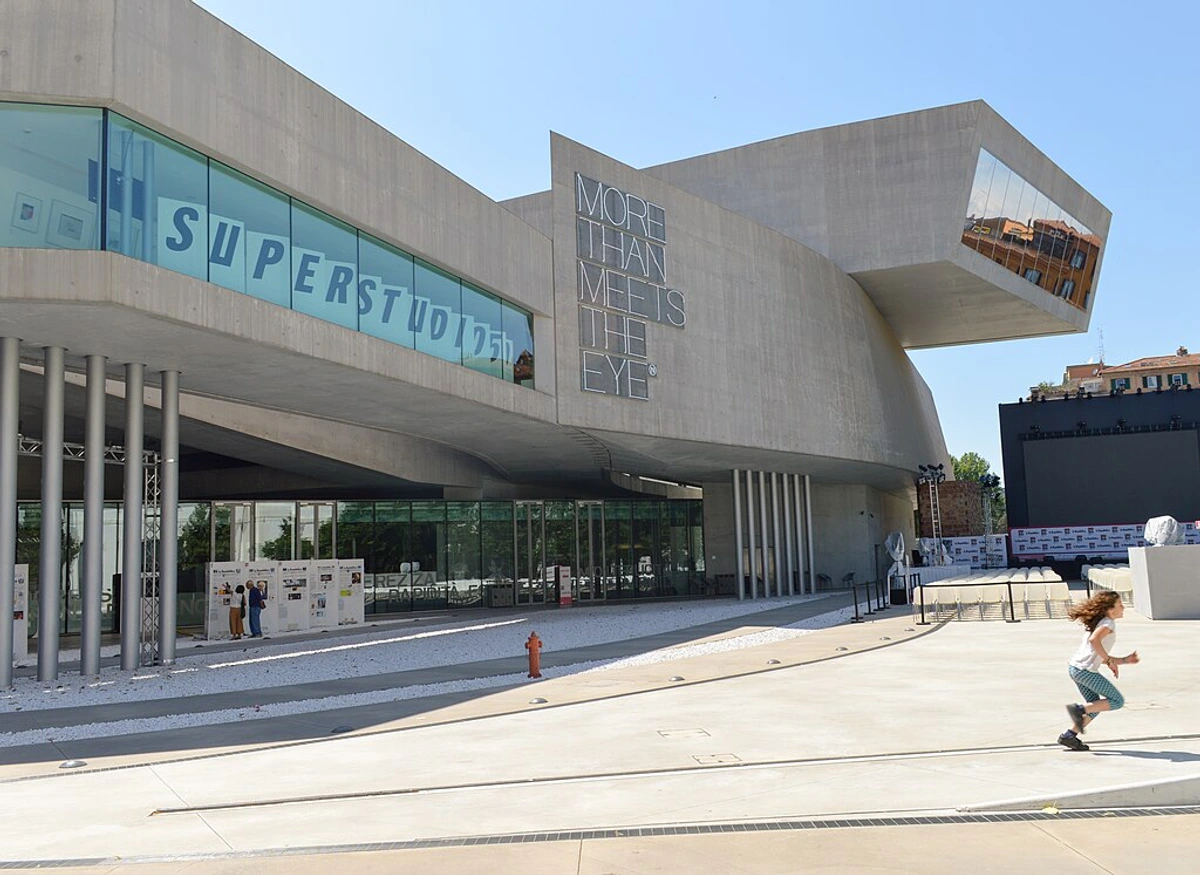
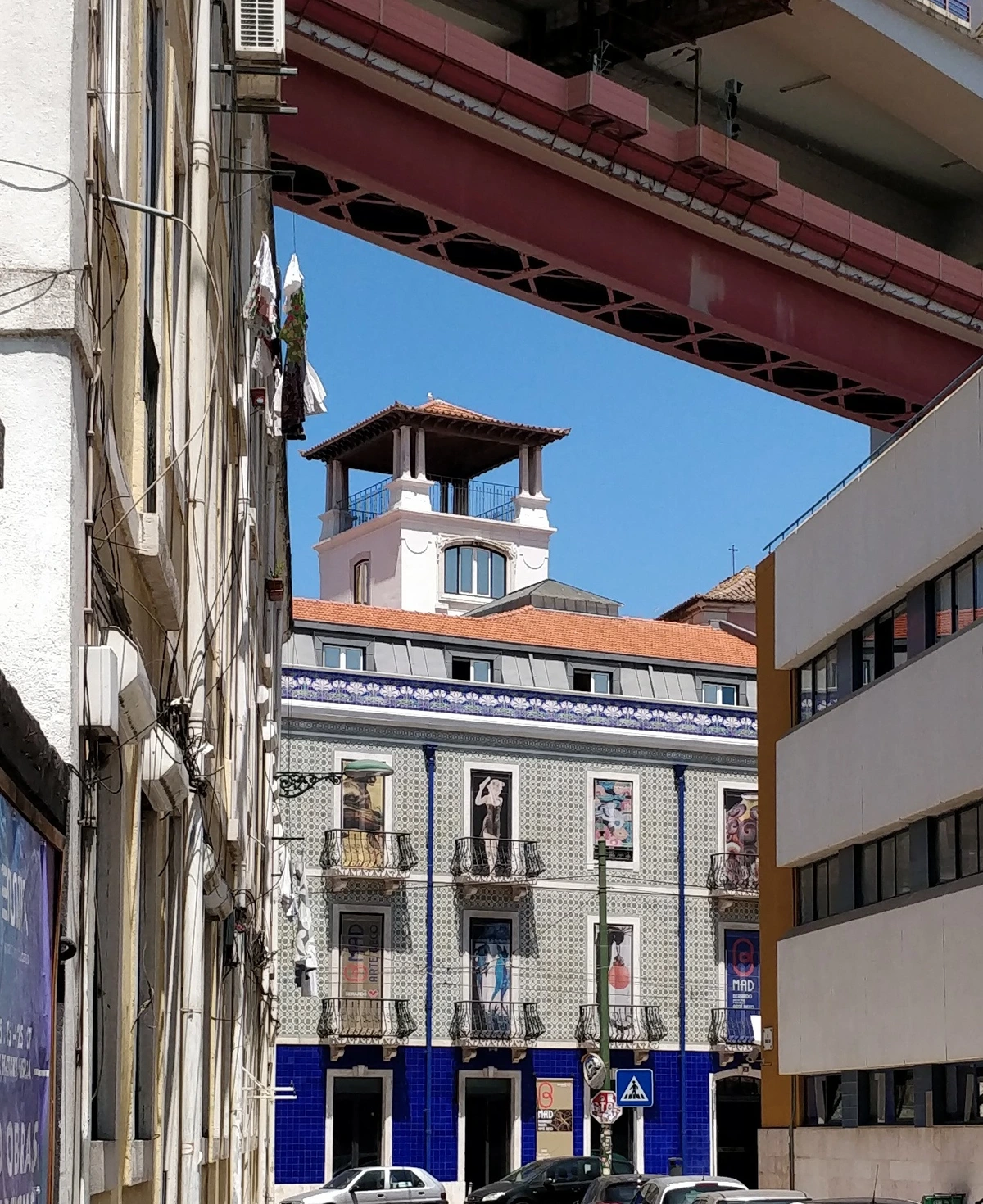
MAXXI is Rome's premier museum of contemporary art. Designed by the renowned architect Zaha Hadid, the museum is a stunning example of modern architecture. Its collections include works by some of the most innovative and influential contemporary artists, exploring themes of abstraction, color theory, and composition. MAXXI is a vibrant and dynamic space that offers a completely different artistic dialogue from Rome's more traditional museums.
Pro Tip: Take your time to explore the museum's exhibitions. They offer a fascinating glimpse into the world of contemporary art and its evolving themes and techniques.
After all that ancient grandeur, sometimes you need a palette cleanser, a jolt of the contemporary. Designed by Zaha Hadid, MAXXI is a stunning piece of architecture in itself, housing Italy's national museum of 21st-century art. It’s a vibrant, dynamic space that offers a completely different artistic dialogue. Here, you can explore how contemporary artists are engaging with themes of abstraction, color theory, and composition in new and exciting ways.
Did You Know? MAXXI was the first national museum of contemporary art in Italy. It was designed by Zaha Hadid, one of the most influential architects of the 21st century, and opened to the public in 2010.
Rome's Street Art & Graffiti
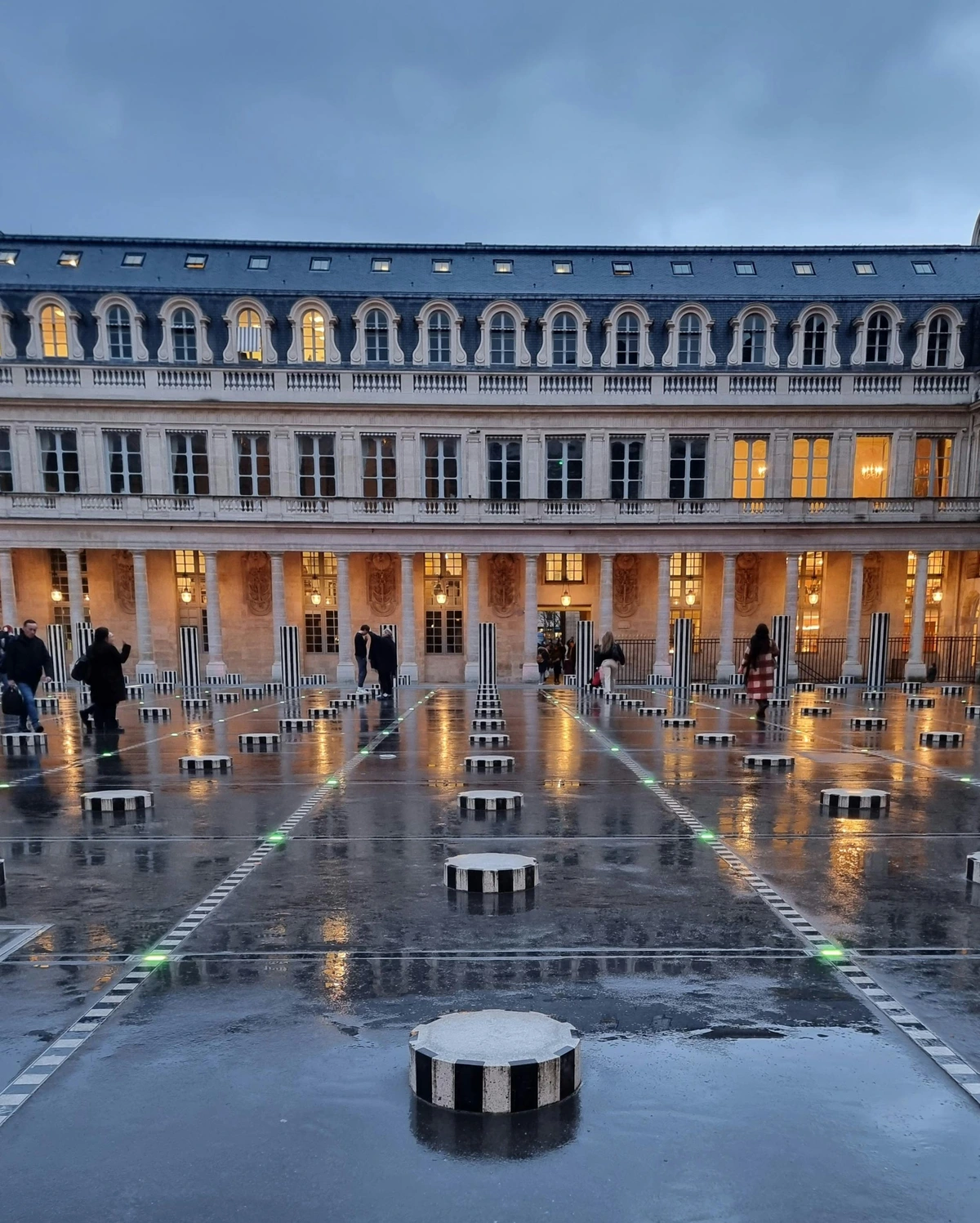
Rome's street art scene is a vibrant and dynamic part of the city's artistic landscape. From the colorful murals of Ostiense to the political graffiti of Pigneto, Rome's street art offers a unique and contemporary perspective on the city's history and culture. It's a reminder that art is alive and constantly evolving, even in a city steeped in ancient history.
Pro Tip: Take a street art tour to discover some of Rome's best-kept secrets. These tours offer a fascinating glimpse into the city's contemporary art scene and its evolving themes and techniques.
And speaking of contemporary, don't forget to look down, or up, or around you. Rome has a thriving, if sometimes ephemeral, street art scene, especially in neighborhoods like Ostiense, Pigneto, and Tor Marancia. These aren't always 'hidden gems' in the traditional sense, but they're unexpected moments of modern expression that pop up amidst the ancient. They’re a reminder that art is alive and constantly evolving, even in a city steeped in history.

Did You Know? Rome's street art scene has been influenced by a variety of artistic movements, from graffiti to muralism. It's a dynamic and ever-changing part of the city's cultural landscape.
Practicalities for the Art-Obsessed Traveler (Things I Wish I Knew Sooner)
Visiting Rome's art scene can be overwhelming, especially for first-time visitors. To help you make the most of your trip, I've compiled a list of practical tips and advice based on my own experiences. From booking tickets to navigating the city's streets, these tips will help you avoid common pitfalls and ensure a smooth and enjoyable journey through Rome's artistic wonders.
Alright, enough dreaming, let's talk brass tacks. Because Rome, as magnificent as it is, will chew you up and spit you out if you're not prepared.
Here's a table to help you plan your trip and avoid common pitfalls:
Tip | Description |
|---|---|
| Book in Advance | Book tickets for major museums and galleries well in advance to avoid long lines and sold-out shows. |
| Pace Yourself | Don't try to see everything in one day. Pick a few key sites and allow ample time for exploration and reflection. |
| Comfortable Shoes | Wear comfortable shoes. You'll be walking miles on cobblestones, and your feet will thank you. |
| Coffee Breaks | Take regular coffee breaks. They're a great way to pause, process, and people-watch. |
| Art Pass | Consider an art pass if you plan on visiting multiple sites. It can save you time and money. |
- Book, Book, Book: I can't stress this enough, especially for Borghese, Vatican, and any special exhibitions. Do it months ahead. Seriously.
- Pace Yourself: This isn't a race. You cannot see everything. Pick a few key things per day and allow ample time for getting there, enjoying, and just being. 'Rome fatigue' is real.
- Comfortable Shoes are Non-Negotiable: You will walk. Miles. On cobblestones. Your feet will thank you.
- Embrace the Coffee Break: Italians have this figured out. A quick espresso at a bar standing up is not just a caffeine hit; it's a moment to pause, process, and people-watch. Essential for preventing art overload.
- Consider an Art Pass: If you plan on hitting many major sites, a Roma Pass or similar might save you time and money. Do the math first to see if it makes sense for your itinerary.
- Hire a Local Guide: For a deeper understanding of Rome's art and history, consider hiring a local guide. They can provide unique insights and stories that you won't find in guidebooks.
- Visit During Off-Peak Hours: To avoid crowds, try to visit popular sites during off-peak hours. Early mornings or late afternoons are often less crowded.
Insider Tip: Rome's public transportation system is efficient and affordable. Consider using it to get around the city, especially if you're visiting multiple sites in one day.
Additional Tip: Download a map of Rome's public transportation system to help you navigate the city more easily. This can save you time and make your travels more efficient.
Connecting the Ancient to the Abstract (My Own Artistic Journey in Rome)
Rome's art scene is a testament to the city's rich and layered history. From the ancient sculptures of the Roman Empire to the contemporary street art of today, Rome's artistic landscape is a continuum of human creativity and expression. In this section, I'll share my own artistic journey in Rome and explore how the city's art has influenced and inspired my work.
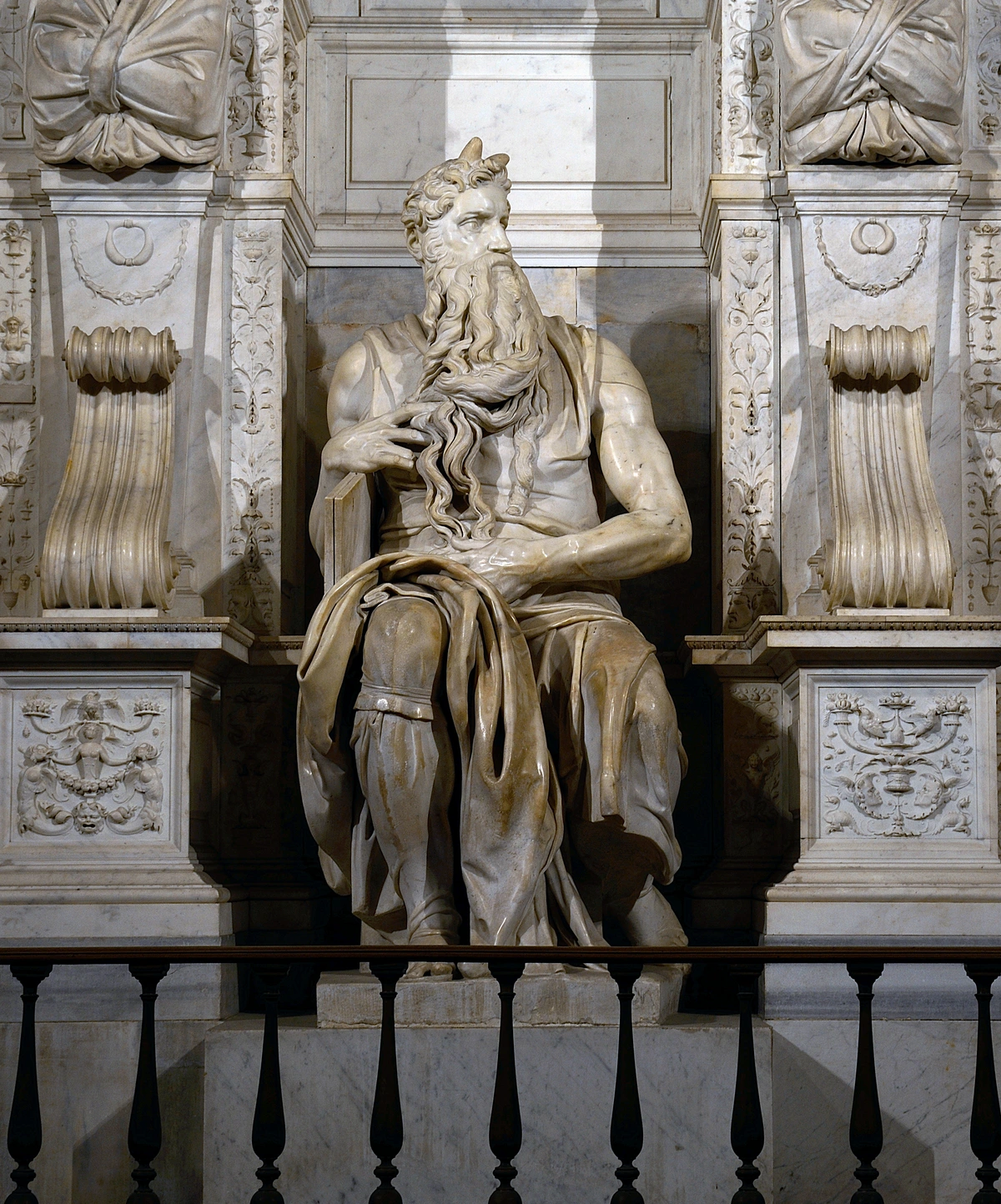
Standing amidst all that history, you can't help but wonder how these ancient masters thought about things like composition or the elements of design in art. The way Bernini captures movement in marble, the use of line and form in Roman sculpture—it's all a timeless visual language. Even my most abstract pieces are built on an understanding of these fundamental principles, albeit expressed through a different lens.
Pro Tip: Take the time to study the techniques and styles of the ancient masters. They offer a wealth of inspiration and insight into the principles of art and design.
Additional Tip: Visit local art schools and workshops to learn more about the techniques and styles of ancient masters. This can provide a deeper understanding of their work and inspire your own artistic journey.
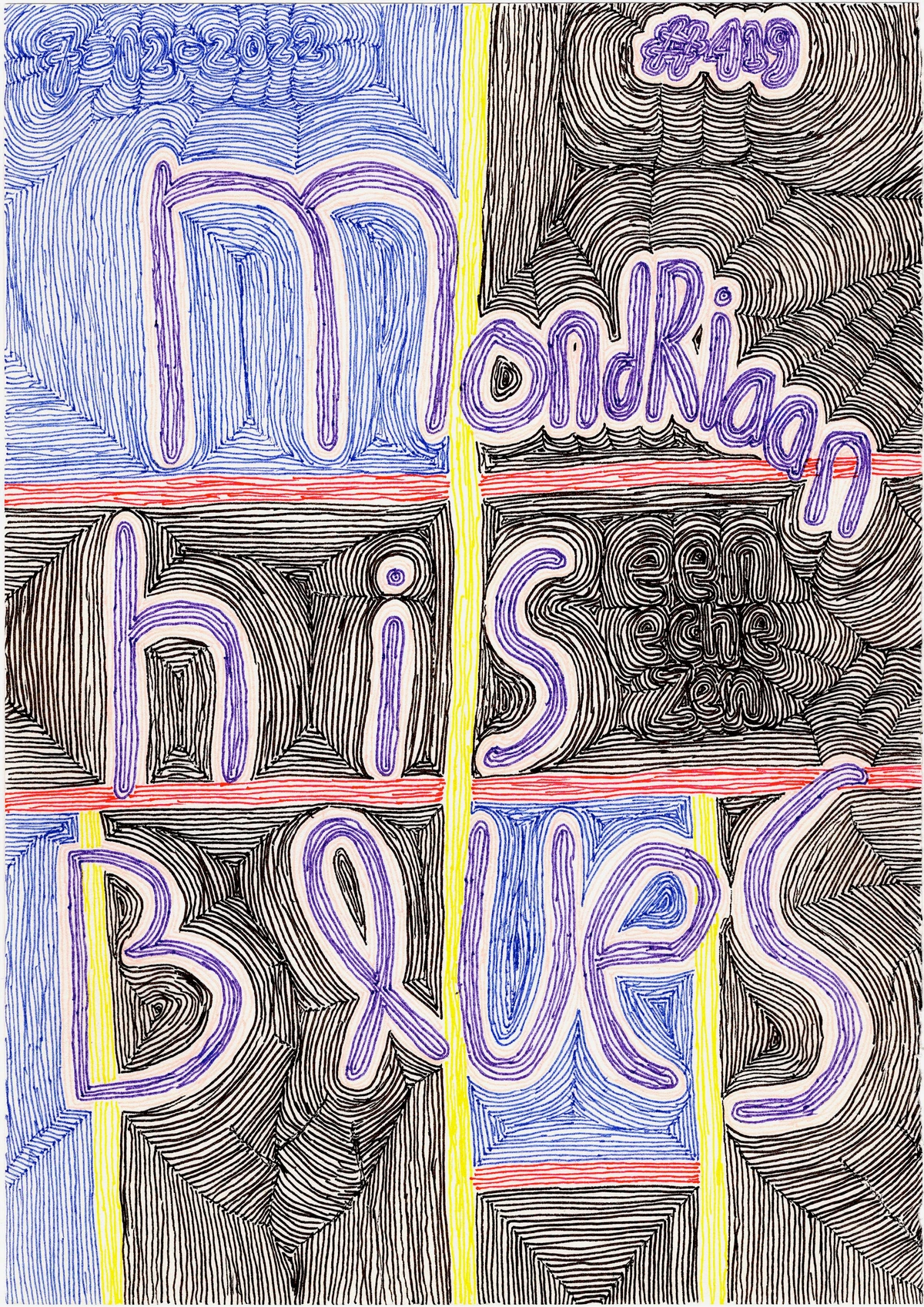
It's a beautiful thing, this continuum of art. My own journey, which you can read more about on my timeline, is certainly influenced by these grand traditions. Sometimes, when I'm working on a new painting and exploring how artists use color, I'll find myself recalling a particular fresco, a vibrant mosaic, or the deep, earthy tones of a Caravaggio, and that memory seeps into my contemporary expression. Perhaps you'll find a piece that speaks to your own Roman inspiration in my art for sale.
Did You Know? The principles of art and design are timeless and universal. They offer a common language that connects artists across time and space, from the ancient masters of Rome to the contemporary artists of today.
 credit, licence
 credit, licence
FAQ: Your Burning Questions About Rome's Art Scene
Planning a trip to Rome's art scene can raise a lot of questions. To help you prepare, I've compiled a list of frequently asked questions and answers based on my own experiences and insights. From the best time to visit to dress codes and guided tours, these FAQs will help you make the most of your artistic adventure in the Eternal City.

- How many days do I need for Rome's art? Oh, to truly immerse yourself? Weeks, probably. But for a solid art-focused trip, I'd say at least 4-5 full days dedicated purely to museums and galleries, sprinkled with street art spotting. It's ambitious, but doable. Don't try to cram it all in. Rome deserves time. Like that art lover's guide to Florence, you need to choose wisely.
- What's the best time of year to visit for art? Spring (April-May) and Fall (September-October) offer pleasant weather and slightly fewer crowds than the summer peak. Winter can be lovely too, with even fewer tourists, but some sites might have reduced hours. I personally love the crisp air of late autumn; it makes the city feel even more ancient and contemplative.
- Is it worth getting a guided tour? For the Vatican Museums and the Colosseum/Roman Forum, absolutely. A good guide can bring the history to life, navigate the crowds, and point out details you'd otherwise miss. For smaller galleries like Borghese or Doria Pamphilj, I prefer an audio guide or just wandering, letting the art speak for itself.
- Are there any dress codes? For the Vatican and other religious sites, yes. Shoulders and knees must be covered. It's generally good practice to dress respectfully when visiting churches, even if they're also art venues. For other museums, smart casual is fine, but comfort is key!
Additional FAQ:
- What are some must-see artworks in Rome? Some of the must-see artworks in Rome include Michelangelo's Sistine Chapel ceiling, Bernini's Apollo and Daphne, and Caravaggio's paintings in the Borghese Gallery. These masterpieces are iconic and offer a glimpse into the city's rich artistic heritage.
- Are there any free art museums in Rome? Yes, there are several free art museums in Rome, including the MAXXI and the Galleria Nazionale d'Arte Antica. These museums offer a great way to explore Rome's art scene without breaking the bank.
Embracing the Artistic Heart of Rome
Rome is a city that asks you to slow down, to look closer, and to let its history seep into your soul. It's not just about seeing art; it's about experiencing it, one masterpiece, one hidden alley, one perfect espresso at a time. In this final section, I'll share some closing thoughts and reflections on what makes Rome's art scene so special and why it's a journey worth taking.
So, there you have it. My slightly rambling, deeply personal guide to Rome's art scene. It's a city that asks you to slow down, to look closer, and to let its history seep into your soul. Don't try to conquer it; let it conquer you, one masterpiece, one hidden alley, one perfect espresso at a time. Go forth, my fellow art lover, and lose yourself (and find yourself) in the Eternal City's boundless beauty. I promise, it's a journey worth taking. And who knows, maybe it'll even inspire your next artistic adventure, or perhaps, your next piece for your own personal den-bosch-museum of memories.
So, there you have it. My slightly rambling, deeply personal guide to Rome's art scene. It's a city that asks you to slow down, to look closer, and to let its history seep into your soul. Don't try to conquer it; let it conquer you, one masterpiece, one hidden alley, one perfect espresso at a time. Go forth, my fellow art lover, and lose yourself (and find yourself) in the Eternal City's boundless beauty. I promise, it's a journey worth taking. And who knows, maybe it'll even inspire your next artistic adventure, or perhaps, your next piece for your own personal den-bosch-museum of memories.













Final Thought: Rome's art scene is a testament to the city's rich and layered history. It's a journey through time and creativity, and it's a journey that will stay with you long after you've left the Eternal City.
Additional Thought: Rome's art scene is not just about the past; it's also about the present and the future. The city's contemporary art scene is vibrant and dynamic, offering a glimpse into the evolving world of art and creativity. It's a journey that will inspire and challenge you, and it's a journey that you'll never forget.