Unlock Your Creative Potential: A Guide to Adopting New Art Techniques
Discover a step-by-step roadmap for embracing fresh artistic methods while honoring your unique creative vision. Practical tips for every skill level.

The Artist's Crossroads: A Complete Guide to Adopting New Art Techniques
How to build a more courageous creative practice that never stops surprising you
Let's be honest with each other for a moment. That brush in your hand feels like an extension of your arm, doesn't it? You know its weight, the specific way the bristles splay when you press just a little too hard, the exact shade of cerulean it leaves on your palette when you're not looking. And yet, some days, that same brush feels like a stranger. The strokes you've made a thousand times suddenly seem foreign, the colors you've mixed feel like you're just rearranging tired old arguments. I've stood in my studio more times than I care to admit—surrounded by half-finished canvases and the ghosts of abandoned ideas—thinking, "Is this it? Have I said everything I came here to say?"
This feeling you're having? I want to give it a proper name: creative plateau syndrome. It's that peculiar exhaustion that comes when your hands know exactly what to do, but your heart has stopped leaning forward to watch. It's not artistic block—that dramatic freeze where nothing comes out. No, this is subtler. More insidious. It's the slow realization that while you're still technically competent—perhaps even highly skilled—your creative process has become predictable. To yourself, most of all.
If that feeling resonates with you, you're not losing your touch. You're experiencing what I now recognize as a creative invitation—a gentle but persistent nudge from some deeper part of your artistic self, a whisper that there's more to discover. It's not a crisis; it's a crossroads. And standing at that crossroads, we're faced with a choice: Do we continue down the well-worn path of our established techniques, producing work that's comfortable but increasingly predictable? Or do we take a deep breath, step off the familiar trail, and deliberately invite a little chaos back into our creative process?
I want to tell you something that might sound controversial: the more skilled you become, the more dangerous your skill becomes to your creativity. Mastery creates blind spots. When you can execute a perfect brushstroke without thinking, when color mixing becomes automatic, when composition decisions happen on autopilot—that's when you've entered the most subtle form of creative prison. The very efficiency that made you competent is now limiting your possibilities.
The painter Gerhard Richter once said that art is the highest form of hope. I'd add this: artistic growth is the highest form of self-respect. Every time you choose discomfort over familiarity in your studio, you're telling yourself that your creative capacity is not fixed. You're voting for possibility over predictability. That it's not something you discovered once and now defend, but something you actively—sometimes clumsily—continue to build.
This courage to grow doesn't just happen in isolation. Throughout art history, from [/timeline] to contemporary practice, the most celebrated artists were often the ones who repeatedly stepped into unfamiliar territory. They understood something profound: stagnation is the real risk, not experimentation.
Let me tell you something I wish someone had told me twenty years ago: Your style isn't a destination you arrive at and then defend for the rest of your life. It's a living, breathing entity that needs to eat, to grow, to change. I used to think that finding my "style" meant reaching some final form—that moment when critics and collectors would recognize my work instantly and I could settle into it forever. What dangerous nonsense. Style isn't a fortress to defend—it's a garden that needs constant tending, pruning, and yes, occasional uprooting.
The most terrifying—and liberating—realization of my artistic life came when I understood that every piece I loved in my own portfolio represented a version of me that no longer existed. My best work wasn't behind me; it was ahead of me, waiting in techniques I hadn't yet discovered, in approaches I hadn't yet considered, in mistakes I hadn't yet made.
Adopting new techniques isn't a betrayal of your artistic identity—it's an investment in its continued evolution. When I first picked up a palette knife after twenty years of nothing but brushes, I felt like I was cheating on myself. The brush had been my voice for so long that picking up something different felt like speaking in a foreign accent. But within weeks, that knife taught my brush things it never knew about texture and edge. Within months, my whole approach to color had shifted because I was no longer limited to how a brush could lay down paint.
This isn't just about learning digital watercolor or experimenting with encaustic wax. It's about rediscovering the fundamental reason you started making art in the first place: that electric moment when something appears on your surface that you didn't expect to find there. It's about reclaiming your studio as a laboratory rather than a production facility.
Think about it: when you first started creating, every mark felt like a discovery. You didn't know what would happen when you mixed those colors, when you tried that composition, when you picked up that unfamiliar tool. You were in a constant state of beginner's mind. Somewhere along the way—perhaps as we develop technical skill—we trade that state for the comfort of predictability. We learn what works, and then we do that. Again. And again.
The Curiosity-Convenience Spectrum
I've started thinking about artistic choices on a spectrum from "pure curiosity" to "pure convenience." Pure curiosity is doing something because you don't know what will happen. Pure convenience is doing something because you know exactly what will happen. Most of us operate somewhere in the middle, but the artists who stay vital over decades are the ones who deliberately spend more time on the curiosity end of the spectrum.
Here's what that looks like in practice:
The Convenience Zone (Your Comfort Zone):
- Using your favorite three brushes every time
- Mixing colors on autopilot
- Repeating successful compositions with minor variations
- Working at the same scale because your easel accommodates it
- Buying materials you already know how to use
The Curiosity Zone (Where Growth Lives):
- Picking up a brush you've never used and seeing what it wants to do
- Asking "What if I mix these two colors I've never combined?"
- Trying a composition that makes you slightly uncomfortable
- Working at an uncomfortably large or small scale
- Buying one material you have no idea how to use
The goal isn't to live permanently in the curiosity zone—that would be exhausting and unproductive. The goal is to visit it regularly enough that your brain stays flexible. I aim for a 70/30 split: 70% of my studio time in my comfort zone (making work, meeting deadlines, using known skills), 30% in pure exploration (playing, failing, discovering). This ratio keeps me grounded in competence while preventing creative calcification.
Reclaiming your studio as a laboratory means embracing what I call strategic incompetence. It means deliberately putting yourself in situations where you don't know what you're doing. Where the outcome isn't guaranteed. Where you might waste materials or create something objectively terrible. That uncomfortable feeling? That's not failure. That's the feeling of your creative brain waking back up.
The Strategic Incompetence Spectrum: Finding Your Risk Tolerance
Strategic incompetence sounds noble, but let's be honest: it's uncomfortable. And different people have different capacities for discomfort at different times in their lives. That's why I've developed what I call the Strategic Incompetence Spectrum—a way to calibrate your experimentation to your current capacity for risk.
Level 1: Low-Stakes Incompetence (Safe Exploration)
- Working at a much smaller scale than usual (postage stamp sized)
- Using cheap materials you don't mind wasting
- Exploring techniques that are adjacent to what you already know (If you paint, try drawing. If you draw, try collage.)
- Giving yourself permission to work in a completely different style for just one piece
Level 2: Medium-Stakes Incompetence (Purposeful Discomfort)
- Investing real money in new supplies (enough to make waste feel meaningful but not devastating)
- Committing to a technique for a specific time period ("I'm doing this for six weeks, no matter what")
- Working at an uncomfortably large scale
- Sharing your learning process publicly (the vulnerability risk)
Level 3: High-Stakes Incompetence (Transformative Risk)
- Signing up for a workshop where you'll be the least experienced person in the room
- Committing to showing experimental work alongside your established pieces
- Taking on a commission that requires you to learn a new skill under pressure
- Pivoting your entire body of work based on something you discovered through experimentation
The key insight: you don't need to operate at Level 3 constantly. In fact, you shouldn't. High-stakes incompetence is exhausting. But regularly operating at Level 1 keeps your exploration muscles toned, and occasional forays into Level 2 ensure you're still growing. Save Level 3 for moments when you're ready for genuine transformation.
I won't pretend this journey is effortless. Change demands courage. It asks you to temporarily set aside the very skills you've worked so hard to develop in order to feel clumsy again. It requires you to waste materials, to create terrible things, to tolerate uncertainty.
The 5 Stages of Skill Acquisition: Know Where You Are
Before we dive into specific techniques, let's map the psychological terrain of learning. Understanding these stages helps you be kinder to yourself during the process.
I've watched hundreds of artists go through this cycle, and I can tell you with absolute certainty: most people quit during Stage 2. They misinterpret the feeling of conscious incompetence as evidence that they "don't have what it takes." Nothing could be further from the truth. That awkwardness is the neurological signal that your brain is building new infrastructure.
Stage 1: Naive Enthusiasm (0-3 hours) You're full of excitement and possibility. Everything is interesting! This stage is intoxicating but dangerous—it's when most people bite off more than they can chew. The key here is to protect your energy and set realistic expectations.
Stage 2: Conscious Incompetence (3-10 hours) Reality hits. You're awkward, clumsy, and everything feels wrong. This is where most people quit. But here's the secret: this feeling isn't failure—it's evidence that learning is happening. Your brain has recognized the gap between what you want to do and what you can currently do. This is the most critical phase to push through.
Stage 3: Conscious Competence (10-30 hours) You start getting the hang of it, but you have to think through every step. Your mind is actively engaged in each decision. This is where deliberate practice pays off. You're not good yet, but you can see the path forward.
Stage 4: Unconscious Competence (30-100 hours) The technique starts becoming second nature. You don't have to think about the mechanics anymore—you can focus on expression and intention. This is where the technique truly becomes yours.
Stage 5: Creative Integration (100+ hours) You know the rules well enough to break them intelligently. You start adapting the technique to your unique voice. This is where innovation happens.
Stage 6: Generative Mastery (300+ hours) The technique has become so deeply integrated that it begins to generate its own questions and possibilities. You're not just using the tool—you're in dialogue with it, discovering capabilities that weren't apparent in the learning phases. This is where you start teaching the technique to others, which paradoxically deepens your own understanding.
Most people give up in Stage 2 because they mistake conscious incompetence for failure. Understanding that this is a predictable, necessary phase helps you push through it.
Beyond the Six Stages: The Plateau Relapse Phenomenon
I need to add something the traditional learning models don't talk about: what happens when you achieve Stage 6 mastery and then, months or years later, find yourself back at Stage 2? This happened to me with digital painting. I reached what felt like mastery, set the technique aside to focus on something else, then returned to find I'd lost most of my facility. The brush felt awkward again. My color choices were clumsy. I felt like I'd regressed.
This isn't regression—it's what I now call plateau relapse. Your brain, being the efficiency machine it is, has decided that since you're not using these neural pathways regularly, it can reclaim that territory for other purposes. The pathways still exist, but they've grown over with disuse.
Here's the crucial insight: reawakening these pathways is much faster than building them from scratch. What took you months to learn the first time might take weeks or even days to reactivate. But you have to go through the frustration again, and that's where most artists quit.
The solution? Maintenance practice. Not constant use, but regular touchstones. I now schedule "revisitation weeks" into my calendar—every three months, I spend one week deliberately re-engaging with techniques I've learned but aren't currently using in my main work. This keeps the pathways active without requiring constant attention.
Think of it like maintaining friendships. You don't need to talk to every friend every day, but if you go years without contact, the relationship requires more effort to reestablish. Your techniques are the same way—small, regular investments maintain the connection so you can pick up where you left off.
The Daily Practice Protocol: Making Growth Inevitable
Let me tell you something I wish I'd understood twenty years ago: willpower is the worst possible foundation for a creative practice. If your learning routine depends on motivation, discipline, or heroic effort, it will fail. Not might fail—will fail. Life gets complicated, energy fluctuates, resistance appears. The artists who sustain growth over decades aren't the most disciplined; they're the ones who designed systems that make growth inevitable.
You will hold tools awkwardly. You will mix colors that turn to mud. You will ruin expensive paper. You will create pieces so embarrassing you'll consider hiding them. You will feel, at times, like you're moving backwards—like all those years of practice were for nothing because now you can't even get the medium to cooperate.
I remember the first time I tried encaustic painting after two decades of working exclusively with acrylics. I spent three hundred dollars on specialty waxes, pigments, and heating tools. My first piece looked like a kindergarten art project that had melted in the sun. I was angry, embarrassed, and ready to throw the whole kit in the trash. But something made me take a photo of that disaster before I destroyed it. Looking at that photo now, I can see the exact moment where a new kind of mark-making entered my vocabulary. That embarrassing failure taught me more about texture and transparency than a hundred successful acrylic paintings ever could.

But the alternative—staying safe in your comfort zone—comes with its own cost: the gradual erosion of creative vitality, the slow fading of that inner spark that makes art-making feel like discovery rather than duty. I've watched brilliant artists settle into repetition, their work becoming more refined but less alive with each passing year. And honestly? That's a price too high for any artist to pay.
The temporary awkwardness of learning? That passes. But the creative vitality you cultivate through exploration? That compounds over time. Five years from now, you won't remember the specific frustration of that first encaustic disaster, but you'll still be benefiting from the courage it took to try it.
The Identity Trap: Separating "Who You Are" from "What You Do"
Here's a subtle trap that catches experienced artists: we confuse our identity with our current skill set. When someone asks "What kind of art do you make?", we answer with our dominant medium: "I'm a watercolorist" or "I work in mixed media." This seems harmless, but it creates a psychological box around our potential.
Language shapes reality. When you say "I'm an oil painter," you're not describing what you do—you're defining who you are. And identities are remarkably resistant to change. Suddenly picking up digital tools feels like an identity crisis: "Am I still an oil painter if I'm also working digitally?"
I've learned to describe myself differently. Instead of "I'm an acrylic painter," I say "I'm someone who explores transformation and impermanence, currently working primarily in acrylic." This small linguistic shift does something profound: it separates my core fascinations (which are permanent) from my current techniques (which are temporary). It creates psychological space for experimentation.
Try this reframe for yourself:
- Instead of "I'm a sculptor," try "I'm someone obsessed with form and space, currently working in clay."
- Instead of "I'm a printmaker," try "I'm fascinated by repetition and variation, currently exploring screen printing."
- Instead of "I'm a digital artist," try "I'm exploring digital-physical hybrid approaches to painting."
This isn't just semantics. When your core identity is tied to your fascinations rather than your techniques, growth stops feeling like a betrayal and starts feeling like authentic exploration.
That afternoon I spent wrestling with melted wax wasn't just about learning encaustic—it was about proving to myself that I could still be a beginner. That I was willing to look foolish in the service of discovery. And that willingness—more than any specific technique—is what keeps an artist alive and growing for decades.
What follows isn't a paint-by-numbers tutorial. It's a field guide for the curious, a roadmap for the brave, and a permission slip for anyone who's been secretly wondering whether there's more to their artistic life than what they're currently creating. We'll explore not just the "how" of adopting new methods, but the deeper "why"—and how to do it without losing the essential voice that makes your work unmistakably yours.
Before we dive deeper, let me share something personal: there have been periods—sometimes months long—where I avoided my studio not because I didn't want to make art, but because I was bored with my own choices. The paintings were technically competent, but they felt like conversations I'd already had. Sound familiar? That's the plateau speaking. And it has a cure: purposeful, protected experimentation.
The Permission Slip Protocol: Writing Your Way Past Resistance
I keep a small box in my studio labeled "Permission Slips." It's not metaphorical—it's an actual box with actual slips of paper, and it might be the most important tool I own. Here's how it works:
Whenever I feel resistance around a technique or approach, I write myself a literal permission slip. The format is always the same:
"I, [my name], give myself permission to:
- [specific thing I'm scared to do]
- for exactly [time limit]
- with the understanding that nothing I create needs to [expectation I'm releasing]
- signed, dated, and witnessed by my future self who already knows how this turned out"
I've written myself permission slips for:
- "Spend $200 on encaustic supplies and create literally nothing beautiful for three months"
- "Paint with my left hand for a week and show the results to no one"
- "Use only black and white for a month, even though color is my signature"
- "Copy another artist's work as a learning exercise and burn it afterward"
- "Spend studio time watching tutorials instead of 'making art'"
The physical act of writing, signing, and dating these slips does something magical: it externalizes the internal voice of self-criticism and creates a contract with your future self. When resistance shows up mid-experiment, I can literally pull out the slip and say "I have a signed agreement that this is okay."
Try it. Write yourself one permission slip right now for something you've been wanting to try but haven't allowed yourself to begin. Make it specific, time-limited, and completely non-negotiable. Then put it somewhere you'll see it every day.
Let me ask you something: when was the last time you felt genuinely surprised by something you created? Not pleased or satisfied—those are different emotions. I mean genuinely surprised, the way you might be surprised by a stranger's unexpected kindness or a sudden change in weather. That feeling is the compass needle of creative vitality, and if it hasn't moved in a while, it's worth paying attention to.
We'll cover everything from the neuroscience of creative plateaus to practical techniques for everything from encaustic painting to digital collage, from mixed media approaches to unconventional tools that might surprise you. You'll find specific exercises, troubleshooting guides, budget-friendly alternatives to expensive equipment, and perhaps most importantly—strategies for protecting your creative soul while you explore.
Because in the end, new techniques aren't about replacing who you are as an artist. They're about revealing who you might become. They're about proving to yourself that your creative capacity is not a finite resource you discovered once, but an inexhaustible well you can continue to draw from for the rest of your life—if you're brave enough to keep digging.
The Neuroscience of Learning: What Actually Happens When You Pick Up a New Tool
Learning isn't magic; it's biology. To understand how to effectively adopt new techniques, we need to understand what's happening in our brains and bodies during that process.
Before we dive in, I want to acknowledge something: neuroscience can feel abstract and distant from the messy reality of your studio. But I promise you, understanding these mechanisms will fundamentally change how you approach learning. When you know why something feels difficult, the difficulty itself becomes meaningful rather than discouraging.
Think of your brain as a dense forest. Every skill you've mastered—your particular brushstroke, your color-mixing formulas, your compositional instincts—is like a well-worn path through that forest. The problem is, once those paths are established, your brain's efficiency system kicks in: why bushwhack new trails when the existing ones get you where you're going just fine?
This efficiency isn't inherently bad—it's what allows you to paint without consciously thinking about every brushstroke. But it creates what neuroscientists call neural ruts. The pathways become so well-established that alternative routes literally become harder to access. Your brain has to actively work against its own optimization to explore new approaches.
The Neurobiology of Plateaus: When Efficiency Becomes a Prison
The biological process behind creative plateaus is both fascinating and counterintuitive. When you first learn a skill, your brain is buzzing with activity—multiple regions firing, connections forming rapidly, energy consumption high. This is what learning feels like: effortful, conscious, sometimes overwhelming.
As you practice, your brain does something remarkable: it optimizes. It starts pruning unnecessary connections, strengthening the most efficient pathways, and automating the sequence of decisions required for that skill. This is neural efficiency at work—your brain creating shortcuts so you don't have to consciously think about every brushstroke or color choice.
The paradox is that this efficiency, which feels like mastery, is actually what creates plateaus. Your brain has become so good at executing your current approach that it stops presenting you with alternative pathways. The "GPS of your creative process" (as I like to think of it) stops offering detours because it knows your destination and your preferred route.
Here's what's crucial to understand: this isn't creative bankruptcy. It's creative optimization that has overshot its mark. Your skills aren't declining—they've become too efficient for their own good.

Here's the revolutionary part: every time you deliberately pick up a new tool or technique, you're forcing your brain to create new pathways. That awkward feeling when you first hold a palette knife instead of a brush? That's the biological process of dendrites forming new connections. It's literally the cellular infrastructure of growth.
Energy Systems: The Metabolic Cost of Learning
There's a particular kind of exhaustion that comes not from working too hard, but from working too predictably. It doesn't announce itself with dramatic fanfare. Instead, it creeps in quietly—a barely perceptible shift in how you approach your studio sessions. You might notice it first in small ways: reaching for the same three brushes without thinking, mixing colors on autopilot, or feeling that faint sigh escape when you realize you're recreating yesterday's successful composition almost exactly. The rituals that once felt grounding now feel rote. The color combinations that used to excite you now feel like default settings. That internal dialogue that used to bubble with possibility ("What if I try...?") becomes a familiar loop of known quantities ("I'll just do this like last time...").
Dr. Robert Epstein, a psychologist who studies creativity, calls this phenomenon creative exhaustion through repetition. He's found that novelty isn't just pleasant—it's neurologically necessary for sustained creative engagement. It's different from burnout, which is emotional and physical. This is specifically cognitive—your brain has optimized its creative problem-solving to the point where it's no longer creative problem-solving. It's pattern execution. It's different from burnout, which is emotional and physical. This is specifically cognitive—your brain has optimized its creative problem-solving to the point where it's no longer creative problem-solving. It's pattern execution. He's found that novelty isn't just pleasant—it's neurologically necessary for sustained creative engagement. It's different from burnout, which is emotional and physical. This is specifically cognitive—your brain has optimized its creative problem-solving to the point where it's no longer creative problem-solving. It's pattern execution.
Think of it like this: if your creative process was a GPS, you've been taking the same route for so long that the GPS has stopped suggesting alternatives. It knows your destination, knows your preferred roads, and stops offering you choices. The plateau isn't that you've run out of destinations. It's that you're no longer being presented with alternative routes.
I've come to think of this as "creative myopia"—when your vision becomes so accustomed to your own ways of seeing that you stop noticing what's actually in front of you. It's like being in a long-term relationship with your process: comfortable, familiar, but occasionally lacking the electricity that made you fall in love in the first place. The problem isn't that you've run out of ideas; it's that your brain has become too efficient at executing the ones you already have.
When I hit this point a few years back, I tried to push through by sheer force of will. I told myself I needed more discipline, better organization, stricter deadlines. All I succeeded in doing was making my creative practice feel like a second job I wasn't particularly enjoying. It wasn't until I stepped back and really examined what was happening that I realized: I wasn't burnt out on making art; I was burnt out on making the same kinds of decisions over and over again.
When I hit this point a few years back, I tried to push through it by sheer force of will. I told myself I needed more discipline, better organization, stricter deadlines. All I succeeded in doing was making my creative practice feel like a second job I wasn't particularly enjoying. It wasn't until I stepped back and really examined what was happening that I realized: I wasn't burnt out on making art; I was burnt out on making the same kinds of decisions over and over again.
Here's what's fascinating: creative stagnation operates exactly like habit formation, but in reverse. When you first learn a skill, every decision is conscious, effortful, exhausting. With practice, those decisions become automatic. This is efficiency—your brain creates neural shortcuts so you don't have to think about every brushstroke. But when those shortcuts become the only available pathways, you're not being efficient anymore. You're being constrained.
The Plateautocracy: When Your Comfort Zone Becomes a Gilded Cage
I need to name something that happens to artists who've achieved a certain level of competence: you enter what I call a "plateautocracy"—an invisible hierarchy where the very skills that bought you admission now prevent you from leaving. Your brushwork is confident, your color sense is respected, your compositions are predictable in the best way... and you're dying inside because nothing surprises you anymore.
The cruel irony? The better you get, the more invisible this cage becomes. When you were a beginner, every struggle was visible and named. Now, your struggle is subtle—a quiet erosion of enthusiasm that you might mistake for maturity or professionalism. You tell yourself, "This is just what being a working artist feels like." But that's the plateautocracy talking—it wants you to believe that slow death is the same thing as growth.
Here's how the plateautocracy maintains its grip:
1. The Success Feedback Loop Your collectors, galleries, and social media followers have come to expect a certain kind of work from you. When you deliver it consistently, you get positive reinforcement. When you experiment, you might get crickets or confused responses. The market rewards consistency, so you learn to provide it. This isn't inherently bad—earning a living matters—but it creates powerful incentives to stay within proven parameters.
I experienced this acutely a few years ago. My abstract cityscapes were selling well, and galleries kept asking for "more like the blue one that sold last month." I found myself recreating successful compositions with minor variations rather than exploring new territory. I was running a creative franchise rather than practicing art.
2. The Efficiency Trap Your brain, being the magnificent efficiency machine it is, has mapped the most direct route from blank canvas to finished piece. You know exactly which brushes to use, how to mix your signature colors, which compositional structures work. This efficiency feels like mastery, but it's actually creative autopilot. You're not making decisions anymore—you're executing a well-rehearsed script.
3. The Identity Lock-In Your artistic identity becomes intertwined with your established techniques. If you're known for delicate ink drawings, trying bold acrylics might feel like a betrayal of your "brand." You worry that experimentation will confuse your audience or dilute what makes your work distinctive. This fear isn't irrational—reinventing yourself publicly requires vulnerability—but it can prevent necessary evolution.
Breaking out of the plateautocracy requires recognizing that these forces are operating beneath your awareness. You have to actively choose discomfort, to prioritize long-term growth over short-term approval, to risk confusing your audience in service of surprising yourself first.
Your brain is an efficiency machine. Once you've mastered a particular technique—say, your approach to mixing skin tones in oil paint—your neural pathways create a superhighway for that specific sequence of decisions. This is incredibly useful when you're working on commission or need to meet a deadline. But that same efficiency comes at a hidden cost: your autopilot slowly expands its territory. Before long, you're not just automatically mixing colors; you're automatically composing, automatically choosing brushes, automatically solving problems in the exact same way every single time.
This isn't failure. It's actually a sign of competence. But it's competence that has quietly imprisoned you.
I call this the curse of the competent. You've worked so hard to become good at what you do that your own skill has become invisible to you. You no longer see the thousands of micro-decisions that go into each piece—the choice of brush, the angle of stroke, the consistency of medium. They happen automatically, beneath the level of conscious awareness.
The paradox is brutal: the better you get, the less you're actually present for your own creative process. You become a passenger in your own studio, watching your hands execute routines they memorized months or years ago.
The Signals Your Brain Sends: Recognizing Plateau Indicators
Your brain gives you clear signals when it's entering a plateau state. Learning to recognize these signals—and respond to them rather than pushing through—is crucial for sustained creative growth.
Early Warning Signs:
- Decision fatigue: Choosing colors or compositions feels exhausting rather than exciting
- Perfectionism creep: You find yourself spending increasingly long periods on minor details
- Avoidance behaviors: Suddenly needing to "organize your studio" when it's time to work
- Comparison obsession: Spending more time looking at other artists' work than making your own
- Emotional flatness: Your work is technically competent but doesn't excite you emotionally
The Plateau Itself:
- Automatic pilot dominance: Realizing you just painted for two hours without making any conscious decisions
- Predictable outcomes: Every piece feels like a variation of something you've already made
- Diminished curiosity: You stop asking "What if?" questions during your process
- Defensive posture: Feeling protective of your current methods rather than curious about alternatives
The Crisis Point:
- Creative resentment: Starting to resent the work that once brought you joy
- Identity confusion: Questioning whether you're "really an artist" anymore
- Productivity collapse: Dramatic decrease in output or complete creative paralysis
- Existential dread: Wondering if this is "all there is" to your artistic life
I share these not to be dramatic, but to be honest: plateaus aren't subtle. They announce themselves clearly if we're willing to listen. The key is recognizing these signals as information rather than failure.
Neuroplasticity—the brain's ability to form new connections—isn't just abstract science; it's the physiological foundation of creative growth. When you force yourself to learn a genuinely new technique, you're not just acquiring a skill. You're literally rewiring your brain to see differently. A study at University College London found that artists demonstrate increased gray matter density in areas related to fine motor control and visual processing. But here's what's fascinating: that change isn't static. When those same artists stopped experimenting and settled into routines, those gains began to reverse.
The Neurochemistry of Creative Flow: Beyond Dopamine
Dopamine gets all the press, but there are other players in the creative neurochemistry game. When you're in a state of flow—that magical state where time disappears and you're completely absorbed in what you're doing—your brain releases a cocktail of chemicals including anandamide (the "bliss molecule"), endorphins (natural painkillers), and norepinephrine (which sharpens focus).
Here's what's fascinating: these chemicals are released not when you're executing something you've already mastered, but when you're working at the edge of your competence. Flow requires a challenge that slightly exceeds your current skill level. This is why exploration isn't just nice—it's neurologically necessary for accessing the states that make creative work feel most meaningful.
The practical implication: if you want to access flow regularly, you need to maintain a portfolio of techniques at different skill levels. Some techniques should be in maintenance mode (easy flow access), others in active development (effortful but rewarding), and others just beginning (maximum challenge). This portfolio approach ensures you can always access the neurochemical state that makes art-making feel alive, regardless of where you are in the learning cycle of any single technique.
The Chemistry of Discovery: Dopamine, Norepinephrine, and the Learning State
Dr. Andrew Huberman's research at Stanford reveals something profound: learning and mastery operate on different neurochemical systems. When you're genuinely learning something new—when you're in that awkward, uncertain, exploratory phase—your brain releases dopamine and norepinephrine. These chemicals create focus, enhance memory formation, and generate that feeling of aliveness and excitement.
When you're executing something you've already mastered, these chemicals drop off dramatically. Your brain is essentially saying, "We've got this handled—no need for extra attention here."
This explains why that feeling of excitement you had when you first started making art wasn't just psychological enthusiasm—it was brain chemistry. And it explains why returning to a state of learning can recreate those conditions. Novelty isn't just pleasant; it's neurologically activating.
The practical implication is revolutionary: if you want to sustain creative vitality, you need to deliberately create conditions that trigger these neurochemical responses. Not constantly—exhaustion is real—but regularly enough to keep your brain in a state of adaptive readiness.
Think of it as "neurochemical gardening." You're tending to the brain chemistry that makes creativity feel alive and meaningful. ### The Environmental Design Protocol: Arranging Your Studio for Discovery
Your physical environment is the most powerful tool you have for encouraging or discouraging exploration. Most studios are perfectly designed to facilitate the work you're already doing—and perfectly designed to prevent anything new from happening.
Here's what I mean: if your most-used brushes live in a beautiful jar right next to your easel, and your experimental tools are tucked away in a drawer upstairs, guess which ones you'll use? Your studio setup is constantly whispering suggestions to your subconscious. Make sure it's whispering "try something new" rather than "do what's familiar."
The Studio Redesign Checklist:
- Visible Experimentation Shelf: Dedicate one shelf at eye level to new or underused materials. Change what's on display monthly to keep your curiosity engaged.
- The "What If?" Corner: Set up a small secondary workspace with different tools than your main area. Make it so easy to access that starting an experiment takes zero psychological energy.
- Rotating Materials: Don't buy a full set of anything until you've committed to the technique. Buy small quantities, use them up, then decide what to replace.
- Inspiration Placement: Keep books, postcards, or images related to techniques you want to explore visible in your studio. Out of sight really is out of mind.
- Process Documentation: Keep your "Beautiful Disaster" journal and "Vulnerability Log" physically present in your studio. Don't hide your learning process—honor it.
- Mobile Toolkit: Create a small portable kit with experimental supplies that you can take outside your studio. Sometimes a change of physical location is all it takes to unlock a new approach.
I redesigned my studio two years ago based on these principles, and the effect was immediate. Suddenly, picking up a new tool wasn't a special event requiring planning and intentionality—it was just something that happened naturally as I moved through my space. My environment was doing the work of reminding me to explore, which meant my limited willpower could be reserved for the actual difficult work of learning.
The Ritual of Beginning Again: How to Start When Starting Feels Impossible
Let's talk about the hardest moment in learning: the moment you decide to begin. Not in the abstract "I should learn watercolor someday" sense, but the actual moment you stand in your studio with a new tool in your hand and no idea what to do next. That moment is paralyzing. And most artists never develop strategies for moving through it.
I've identified three types of "beginning resistance" that show up differently for different people:
1. The Perfectionist Freeze: The fear of making something ugly prevents you from making anything at all. Your inner critic is already writing reviews of work that doesn't exist yet.
2. The Overwhelm Lock: There are too many choices, too many tutorials, too many possible starting points. Paralysis by analysis. You spend hours researching the "right" way to begin and never actually begin.
3. The Imposter Cringe: The feeling that you're too experienced to be this clumsy. That you should know better. That someone might see you struggling and judge you for it.
Here's the secret: you don't overcome these resistances. You outsmart them. You design rituals so simple and non-threatening that resistance barely notices you're doing something new.
The Five-Minute Freedom Ritual This is my go-to ritual for starting anything new, and I've taught it to hundreds of artists who swear by it:
Set a timer for exactly five minutes. Your only job during those five minutes is to make the absolute worst, most embarrassing, least competent version of whatever technique you're exploring. Permission to fail spectacularly is built into the rules. You're not trying to learn—you're trying to discover all the ways something can go wrong.
What this does psychologically is brilliant: it gives your perfectionist something to do (find every possible mistake), it gives your overwhelmed brain a clear container (five minutes, that's it), and it gives your imposter syndrome an alibi ("I was trying to make something terrible!").
Most of the time, something interesting happens around minute three or four. You forget you're "supposed" to be failing and get curious about something. A color interaction surprises you. A texture catches your attention. But if nothing interesting happens? You still win. You just spent five minutes proving to yourself that you can survive the awkward beginning phase. Tomorrow, you'll do it again. And again. And eventually, the resistance quiets down and real learning begins.
Learning new techniques isn't just skill acquisition—it's literally tending to the biological foundations of your creative vitality.
Your creative plateaus aren't evidence of your limitations. They're evidence that your brain has successfully optimized your current approach—and is now politely waiting for you to introduce something novel to chew on. Every time you pick up a new tool, every time you force yourself to work with a different scale or texture, you're sending a signal to your neural networks that it's time to start building new roads instead of just repaving the old ones. That tingling sensation of awkwardness you feel when you first try something unfamiliar? That's not incompetence. That's the feeling of new pathways forming.
Dr. Michael Merzenich, one of the pioneers of neuroplasticity research, discovered something remarkable: the brain responds most strongly to novelty combined with focused attention. It's not enough to casually try something new—you have to engage with it deliberately, notice what's happening, and push through the initial awkwardness. This combination triggers what he calls "brain map" reorganization—your neural networks literally reassign territory based on what you're actively practicing.
This explains why dabbling in a technique for ten minutes doesn't create lasting change, but twenty minutes of focused practice every day for a month transforms everything. Your brain needs both the novelty and the repetition to build robust new pathways.
The Focused Attention Protocol: Quality Over Quantity in Learning
Here's where most artists misunderstand the learning process. They think "more time equals more progress," so they schedule marathon weekend sessions that leave them exhausted and frustrated. The research suggests a different approach: shorter, more focused sessions with clear intention.
The optimal learning session has three components:
- Clear intention ("Today I'm going to explore how this new brush handles water-to-paint ratios")
- Focused attention (putting away distractions, including the internal critic)
- Immediate reflection (taking 2-3 minutes after the session to note what surprised you)
This isn't about "practicing until you get it right"—it's about "practicing until you can't get it wrong, then stopping anyway." The goal is sustainable neural adaptation, not heroic effort.

Translation: that feeling of excitement and aliveness you felt when you first started making art? It wasn't just enthusiasm. It was brain chemistry. And you can deliberately recreate those conditions by regularly introducing novelty into your practice.
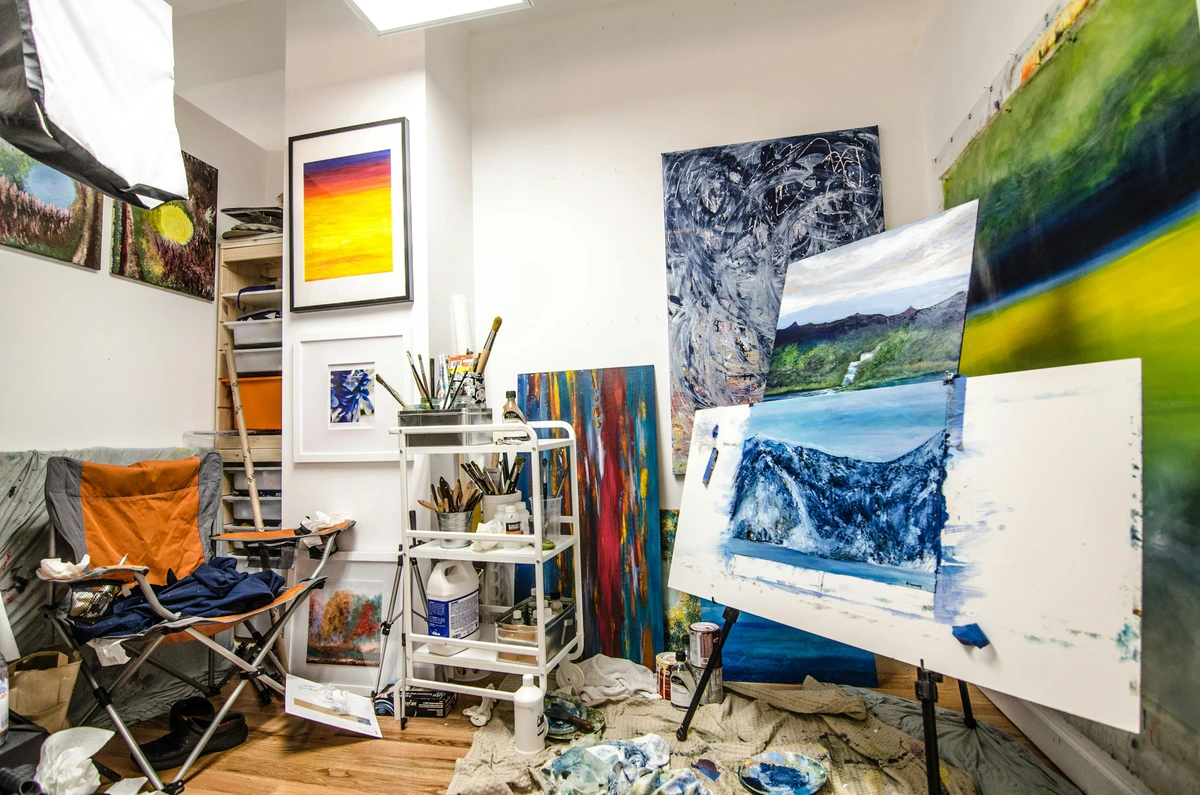
Why New Techniques Aren’t Just Skill-Building
Let’s be brutally honest: many techniques feel intimidating. New tools, unfamiliar terms, the fear of wasting expensive materials... I once spent three days troubleshooting a digital pen tablet only to revert to paper out of frustration. But here’s the twist: that clumsy exploration reshaped my understanding of negative space. When you try something outside your comfort zone, you’re not learning just technique – you’re:
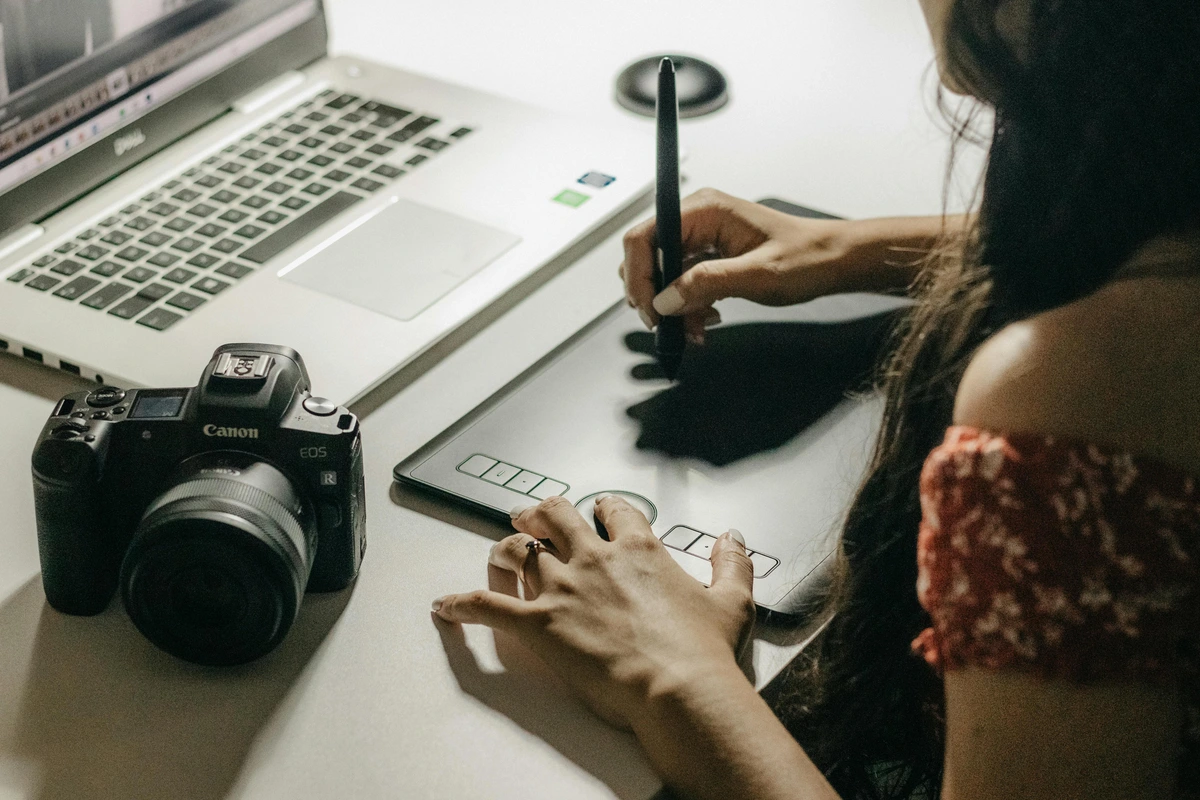
- Forcibly rewiring your observational skills. A sculptor noticing light differently informs their painting.
- Discovering happy accidents. That time I spilled turpentine created better textures than any brushstroke could.
- Building creative resilience. Every failed experiment teaches you what isn’t your answer.
- Breaking creative plateaus. When your current methods stop surprising you, new approaches shock your system back into discovery mode.
- Developing cross-medium intuition. Understanding how ink bleeds on paper helps you digitally simulate it more authentically.
- Expanding problem-solving vocabulary. Each technique teaches you multiple solutions for the same artistic challenge.
Like the timeline shows, even great artists cycle through phases of reinvention. Yours isn’t finished. Every master was once a beginner who refused to stop experimenting.
Troubleshooting Your Learning Journey: Common Blockers and How to Overcome Them
Every artist faces obstacles beyond just technical challenges. Here are the most common ones and strategies that actually work.
The Myth of "Natural Talent"
You've probably heard it: "She's just gifted." Talent is a comforting lie for those scared of effort. Real growth happens when you treat techniques like languages – anyone can learn basic phrases with consistency. I still struggle with perspective drawing, but my weekly 30-minute sketch drills prove progress exists. The secret: process over perfection.
The research is clear: talent accounts for remarkably little in long-term creative achievement. What matters far more are:
- Consistency: Showing up regularly, even for short periods
- Curiosity: Genuine interest in what you're learning
- Resilience: The ability to keep going when things feel awkward
- Intelligent practice: Targeted work on specific weak points
- Tolerance for ambiguity: The capacity to persist when outcomes are uncertain
- Meta-learning skills: Understanding how you learn best
The people we call "talented" are usually just people who found a practice rhythm that worked for them and stuck with it long enough to pass through the initial awkward phase into competence.
Here's a truth that changed everything for me: there's no such thing as a natural talent for specific techniques. There are only people who are willing to tolerate the discomfort of learning and people who aren't. The technique itself doesn't care about your "innate ability"—it only responds to consistent, intelligent effort. I've seen artists with no "natural drawing ability" become extraordinary draftspeople through systematic practice, while "naturally gifted" artists plateau because they never learned how to work through difficulty.
Resource Management: Time, Money, and Space
You’ve probably heard it: "She’s just gifted." Talent is a comforting lie for those scared of effort. Real growth happens when you treat techniques like languages – anyone can learn basic phrases with consistency. I still suck at perspective drawing, but my weekly 30-minute sketch drills prove progress exists. The secret: process over perfection.
The Time Crunch Delusion
"I’d love to try printmaking, but I’m busy selling prints at [/buy] and managing the [/den-bosch-museum] gallery." Sound familiar? Creativity needs tiny pockets of time, not entire weekends. One ceramicist friend fired her first test batch using a borrowed kiln during her kids’ nap times. 20 minutes daily beats 3 monthly marathons.
The beauty of new techniques? They often teach you to work smarter, not longer. A single digital layer might replace hours of glazing. That’s efficiency becoming art.

The 20-Minute Daily Practice Protocol: A Template That Works
Here's a specific protocol that has worked for me and countless artists I've mentored. The key is that it's short enough to be sustainable but focused enough to create progress:
Minutes 1-3: Settling In Set up your materials. Take three deep breaths. Review your intention from yesterday's session. Remind yourself: "This is practice, not performance."
Minutes 4-15: Focused Exploration Work on one specific aspect of the technique. Not "learning watercolor" but "exploring how this brush behaves with varying water-to-paint ratios." Narrow focus prevents overwhelm.
Minutes 16-18: Immediate Reflection While the work is still wet/fresh, make notes:
- What surprised me?
- What frustrated me?
- What do I want to try tomorrow?
Minutes 19-20: Cleanup and Intention Setting Clean your tools mindfully (this is part of the ritual). Write down tomorrow's specific focus. Put everything away so tomorrow's session starts fresh.
Why This Works:
- Time limit prevents perfectionism: You literally can't overwork anything in 15 minutes
- Consistency builds neural pathways: Daily short sessions create stronger learning than weekly marathons
- Reflection cements learning: Those 2-3 minutes of note-taking are when your brain consolidates what happened
- Low barrier to entry: "I can do anything for 20 minutes" is a commitment most people can keep
I've used this exact protocol to learn encaustic, improve my digital skills, explore printmaking, and deepen my understanding of materials I thought I already knew. The format stays the same; only the content changes.
Advanced Integration: Making New Techniques Your Own
Once you've moved through the initial learning phases, the real work begins: integrating these new tools into your authentic artistic voice. This is where most artists stumble. They learn a technique, they practice it competently, but it never truly becomes theirs. It remains something they can do, but not something that changes how they see. The difference is subtle but profound: technical competence versus creative integration.
This is where most artists stumble. They learn a technique, they practice it competently, but it never truly becomes theirs. It remains something they can do, but not something that changes how they see. The difference is subtle but profound: technical competence versus creative integration.
This isn’t about buying everything shiny. It’s intentional experimentation.
The Integration Mindset: Not Addition, But Alchemy
The goal isn't to collect techniques like stamps. The goal is to allow each new technique to fundamentally change how you see and make.
I learned this the hard way when I first experimented with encaustic painting. For my first twenty pieces, I was simply "doing encaustic"—following other people's approaches, trying to master the technique on their terms. The pieces looked competent but soulless. Then I realized the problem: I was wearing encaustic like a costume rather than letting it change my body.
The Integration Question: For every technique you learn, ask yourself:
- What does this technique allow me to express that I couldn't express before?
- How does this change my understanding of my existing work?
- What aspects of this technique align with my core interests?
- What aspects do I need to adapt or ignore to stay true to my voice?
- What would happen if I used this technique in a way it's 'not supposed to' be used?
- What parts of this technique make me feel most alive?
- What parts feel like someone else's voice, not mine?
These aren't questions you answer once and move on. They're ongoing conversations you have with your work as you develop competence. I keep a small notebook—I call it my "integration journal"—where I revisit these questions every few weeks with each new technique. The answers evolve as I do, and tracking that evolution has taught me more about my creative identity than any single artwork ever could.
These aren't questions you answer once and move on. They're ongoing conversations you have with your work as you develop competence.
The Adaptation Process: Integration means changing both yourself and the technique. For example, when I learned digital collage techniques, I initially tried to create perfectly seamless blends—essentially using digital tools to mimic traditional painting. That felt wrong. Then I started embracing the digital "seams," letting the joins between elements be visible, creating a new visual language that was neither purely digital nor purely traditional.
The technique became truly mine only when I stopped trying to use it "correctly" and started using it as a vehicle for my particular obsessions.
I want to pause here and acknowledge something important: this adaptation process requires a certain level of technical competence first. You need to know the rules before you can intelligently break them. This is why the "conscious competence" stage is so crucial—it's the foundation that allows for creative freedom later.
Think of it like learning a language. You don't start by inventing new words and grammar rules. You learn the basics, you practice them until they become automatic, and then you start writing poetry that breaks all the conventions. The best experimental art comes from artists who have deep technical grounding, not from artists who never learned the fundamentals in the first place.
The "Why" Behind Every Tool: Developing Material Intelligence
Before you even pick up a new tool, there's a crucial question most artists never ask: What specific problem am I hoping this will solve? I call this developing "material intelligence"—understanding not just how a medium works, but why it exists, what unique questions it raises, and what inherent limitations it carries.
Consider the difference between watercolor and oil paint. Watercolor isn't just "oil paint but watery"—it's an entirely different philosophical approach to image-making. Watercolor demands planning, accepts accident, and teaches you about transparency and surrender. Oil paint teaches patience, layering, correction, and the accumulation of history. Each medium comes with its own set of values embedded in the material itself.
When you approach a new technique, start by researching its inherent qualities:
- What is this tool/material uniquely capable of? (versus what can I already do with my current tools)
- What are its inherent limitations? (not flaws, but constraints that force creative problem-solving)
- What historical/cultural contexts shaped its development? (this informs how you might honor or subvert its tradition)
- What does it feel like to work with? (tactile experience matters as much as visual outcome)
This isn't academic—it's deeply practical. I once spent months trying to force watercolor to behave like acrylic before I realized I was missing the point entirely. Watercolor's magic lies in its unpredictability, its relationship with the paper, its ability to create ethereal effects that opaque paints can't replicate. Once I stopped fighting its nature and started working with its inherent qualities, I discovered a whole new visual language.
The Material Personality Test: Before investing in a new technique, borrow or rent the basic tools and spend one session just exploring the material's personality. Don't try to make "art"—try to understand what the material wants to do naturally. Does it want to blend? To create hard edges? To layer? To bleed? To crack? Your job isn't to dominate the material; it's to develop a collaborative relationship with it.
Spend a week noticing what genuinely thrills you. Not what’s "trending on Instagram, but what makes your heart race in a museum, what textures make you reach out and touch. Keep a "temptation list":
Item  | Why I’m Intrigued | Entry Barrier |
|---|---|---|
| Airbrush | Smooth gradients like fog on glass | High (cost/space) |
| Ebru painting | Marbling inks dance like memories | Low (household items) |
| 3D printing | Sculpture without dust | Medium (tech skills) |
Phase 2: Protected Experimentation (Weeks 3-6)
Objective: Explore the new technique without the pressure of producing finished work. This is pure research and development.
Give yourself unstructured "playtime" with zero expectations. I called mine "Thursday Messes"—two hours every Thursday where my only rule was that I couldn't work on anything I intended to sell or even show to anyone. No masterpieces allowed, just:
- Exploring how salt crystals react with different concentrations of watercolor wash (pro tip: the timing matters more than you'd think)
- Creating ink textures by pressing various fabrics into wet paper (denim creates surprisingly organic patterns)
- Mixing unconventional materials into my medium—coffee grounds for grittiness, glitter for unexpected refraction, mud from my backyard for earthy texture
- Working exclusively with my non-dominant hand to break my muscle memory patterns
- Making "blind drawings" where I don't look at the paper while I work
- Pouring paint and tilting the canvas to let gravity do the composition work
- Experimenting with time limits: what happens if I only give myself three minutes per piece?
- Working on surfaces I've never tried: cardboard, old book pages, fabric, wood scraps
This isn't practice; it's permission to be terrible. I once spent an hour "painting" with my left hand and produced something so awkward it became my studio's welcome mat. Functional art! The piece was objectively bad, but the process forced me to solve problems differently than I would have with my dominant hand. I discovered approaches to line quality and pressure that I'd never have found otherwise.
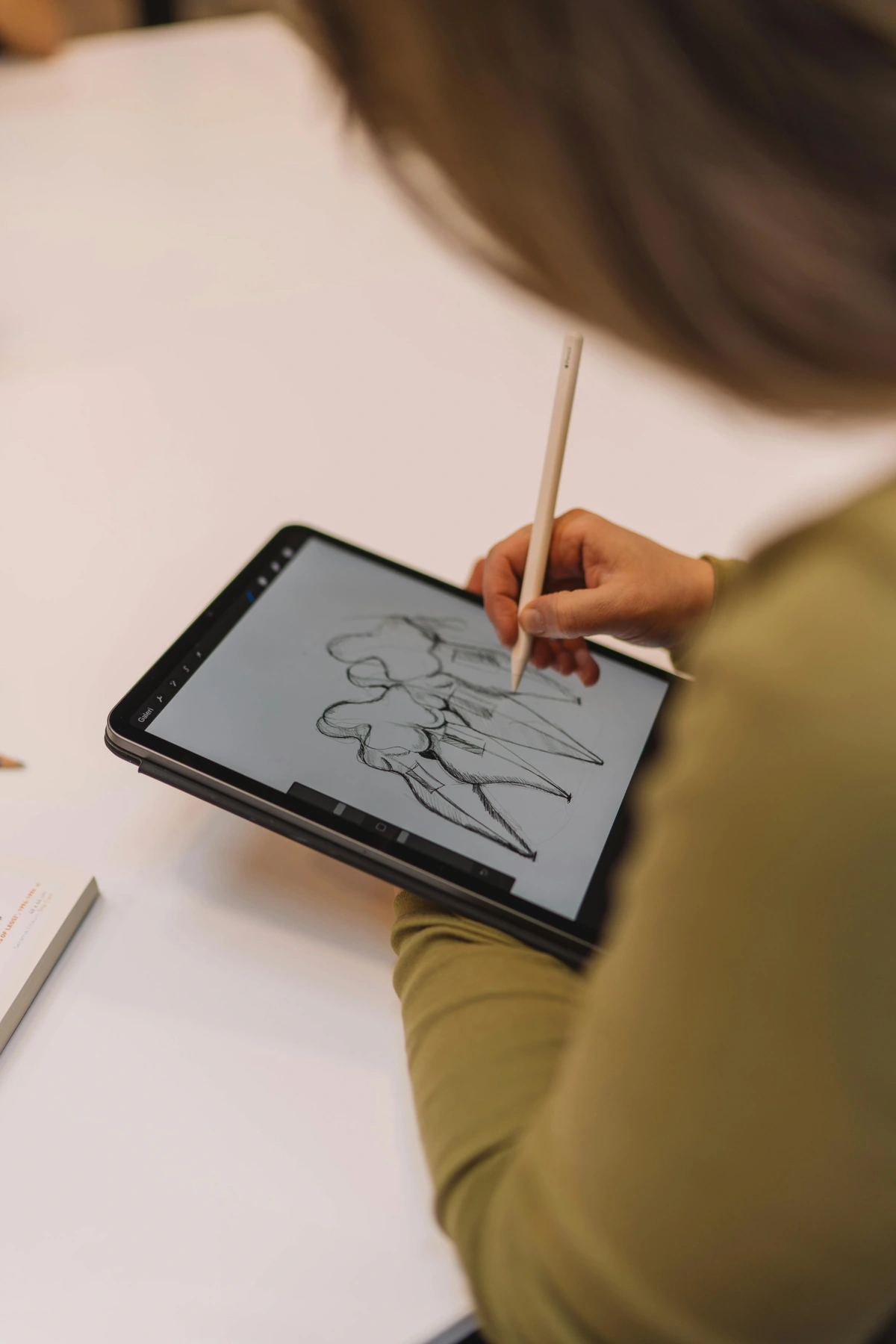
The key during this phase is documentation. Keep a separate journal for your experiments with notes on:

- What materials/processes did you use?
- What surprised you?
- What frustrated you?
- What would you try next time?
- How does this connect (or not connect) to your primary body of work?
A note on timing: Don't rush this process. The timeline I've outlined—roughly three months from curiosity to integration—is flexible. Some techniques might take six months to feel natural. Some might reveal themselves as dead ends after three weeks. Both outcomes are valuable. Speed isn't the goal; sustainable expansion is.
The Signature Technique Protocol Here's something that might surprise you: not every technique deserves full integration. Some are meant to be brief encounters that teach you one specific thing before you move on. I spent three months learning basic screen printing, produced a dozen terrible prints, and then abandoned the technique completely. But those three months permanently changed how I think about layers, registration, and the relationship between positive and negative space—lessons I carried back into my painting practice. The technique wasn't a failure because I didn't "master" it; it succeeded because it taught me what I needed to learn and then gracefully exited my life.
The Parallel Practice Method: Honoring Your Core Work
One of artists' biggest fears about experimentation is that it will somehow contaminate or dilute their main body of work. The parallel practice method eliminates this fear.
How it Works: Rather than forcing new techniques into your primary work, you maintain two separate but related practices:
- Your Core Practice: The work that pays your bills, that represents your current mastery, that galleries and collectors expect from you. This continues unchanged.
- Your Experimental Practice: Dedicated time (those 20-minute daily sessions) where you explore the new technique with zero expectation that it will result in anything showable or sellable.
The Bridge: The connection happens gradually and naturally. As you gain competence in the new technique, you might realize: "Oh, this particular texture would be perfect for the background of that commission I'm working on." Or: "I could use this digital process to plan compositions for my oil paintings."
This approach has several advantages:
- There's no pressure on the experimental work
- Your primary income isn't threatened
- You avoid the "this doesn't look like my style" panic
- Insights from experimentation naturally filter into your main work when they're ready
I've maintained a parallel practice for five years now. My experimental work from three years ago feels completely separate from my "real" work—but the color theories I developed during that period have fundamentally shaped my current palette in ways I never anticipated.
The Role of Community in Sustained Growth
One of the biggest mistakes artists make when learning new techniques: trying to do it alone. Learning is inherently social, even when it happens in solitude.
I've identified three types of learning relationships that make growth sustainable:
1. The Accountability Partner Someone who knows your goals and checks in regularly—not to critique your work, but to witness your commitment. My accountability partner and I exchange a single photo every Friday: one thing we explored, one thing we learned, one question we have. Takes five minutes, creates massive momentum.
2. The Skill Buddy Someone learning a different skill alongside you. Their struggles with ceramics mirror your struggles with digital art. You're not learning the same thing, but you're learning together. This normalizes the difficulty and provides perspective when you feel stuck.
3. The Mentor-Guest Someone more experienced who you bring in for specific questions, not ongoing guidance. I treat these like "office hours"—I prepare specific questions from my learning process, we meet for an hour, I leave with clarity. This is far more sustainable than trying to maintain a traditional mentorship.
The 20-Minute Learning Pod This is my favorite way to leverage community for learning. Find 2-3 other artists and commit to meeting for exactly 20 minutes once a week. Structure: 5 minutes each to share one thing they learned, 5 minutes for questions. That's it. The time constraint makes it easy to commit to, and the consistency creates remarkable cumulative effects.
These relationships transform learning from a solitary struggle into a shared journey. And when life gets complicated—as it always does—it's the relationships that bring you back to the practice, not just your individual discipline.

Give yourself unstructured "playtime" with zero expectations. I called mine "Thursday Messes." No masterpieces allowed, just:
- Exploring paper textures with ink
- Letting salt react with watercolor
- Mixing unconventional materials (coffee grounds? glitter? mud?)
This isn’t practice; it’s permission to be terrible. I once spent an hour "painting" with my non-dominant hand and produced something so awful it became my studio’s welcome mat. Functional art!

Phase 3: The Intentional Blend (Weeks 7-10)
Objective: Start bridging the gap between pure experimentation and your established body of work.
Now, integrate one small element into your existing work. Painting abstract birds? Try adding collage feathers from old magazines. Digital portraits? Experiment with conté crayon textures scanned onto digital layers. The key is anchoring innovation in your core voice. When I started pouring resins into my acrylics, the first six pieces felt like betrayal. Then I stopped forcing them to 'fit' and let the resin do its thing within my color language.
Here's the crucial distinction: you're not switching techniques; you're incorporating them. Think of it like learning a new word in a language you already speak fluently. You don't rebuild your entire vocabulary—you just add this one new tool to express ideas you already have.

Integration strategies that actually work:
- The "Single Variable" approach: Change only one thing at a time (tool, surface, color palette, scale) while keeping everything else constant
- The "Constraint Liberator": Impose artificial limitations that force you to use the new technique (example: "I can only use this awkward tool for the next three pieces")
- The "Parallel Universe" method: Create the same composition twice—once with familiar techniques, once with the new approach—then compare what each version reveals
- The "Problem Solution" lens: Identify a specific challenge in your current work and learn a technique specifically to address it
- The "Hybrid Stack": Layer new techniques over familiar foundations (digital over traditional, encaustic over acrylic, etc.)
Each of these strategies honors both your existing voice and your desire to grow. You're not abandoning who you are; you're expanding what's possible within your authentic creative identity.
Imagine walking through the [/den-bosch-museum] – see how seamlessly modern installations converse with classical paintings? That's your goal: techniques as accents, not overhauls.
Integration strategies that work:
- Use the new technique for just one element of your composition (background texture, fine details, underpainting)
- Apply your established color palette to unfamiliar tools
- Combine old and new in separate layers (physical or digital)
- Use the new technique for studies, then execute the final piece with familiar methods
- Create "conversations" between old and new—let them overlap, compete, and complement each other
- Use the new technique to solve a specific problem you've been struggling with in your current work
- Apply your established subject matter to the new technique (don't change everything at once)
- Set specific constraints: "I'll use this new tool, but only with my current color palette and composition style"
Remember: this phase can feel uncomfortable. You're intentionally creating work that might not look cohesive yet. That's not failure—it's evidence that you're genuinely integrating, not just dabbling.
I want to share a specific example from my own practice. When I decided to integrate encaustic techniques into my acrylic work, I didn't start by making entire encaustic paintings. Instead, I began with what I called "encaustic moments"—small passages in my acrylic paintings where I'd use wax to create specific textures I couldn't achieve otherwise. These small experiments gave me the confidence to gradually increase the role of encaustic in my work, but I never abandoned my core medium. The result was a hybrid approach that felt authentically mine, not like I was "doing encaustic" in someone else's voice. credit, licence
Imagine walking through [/den-bosch-museum] – see how seamlessly modern installations converse with classical paintings? That’s your goal: techniques as accents, not overhauls.
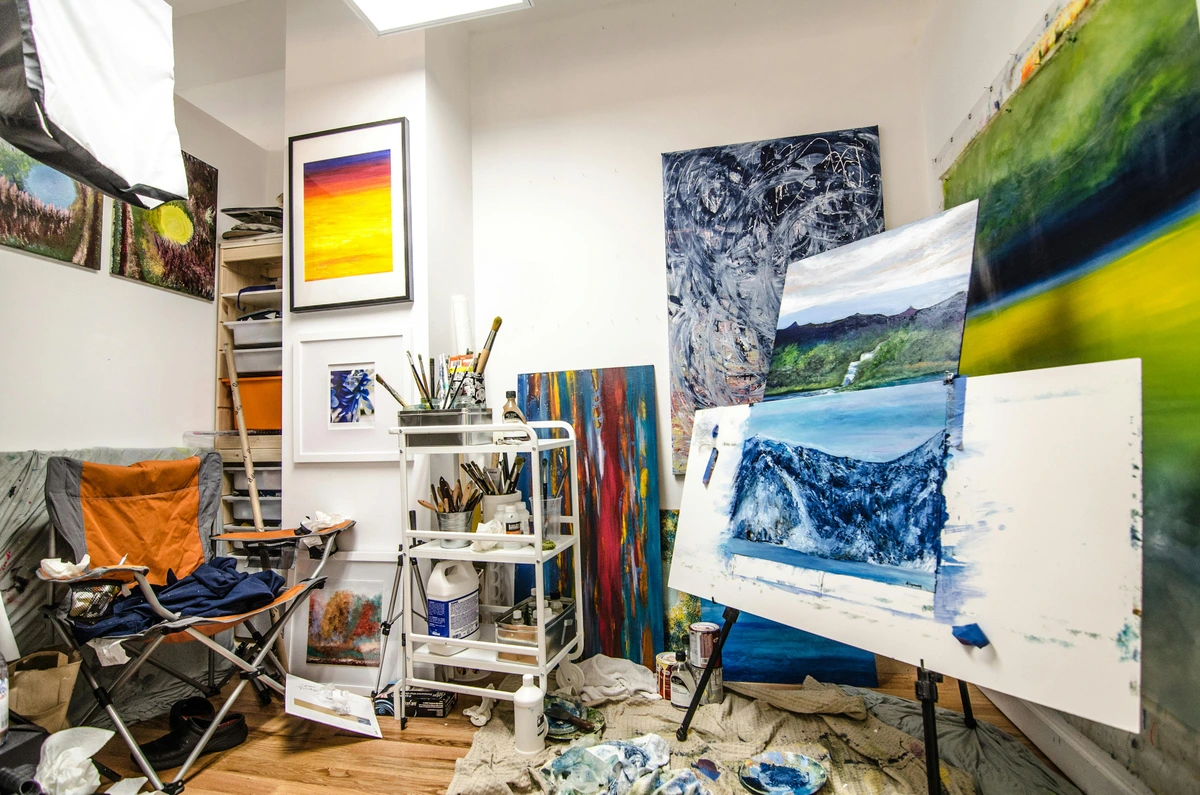
Step 4: Share the Journey
Show your experiments. Not polished results, but the messy process. Post a video of your first ink wash disaster, write about the texture that surprised you. I’ve gained more genuine connections by sharing flops than perfected work. Vulnerability builds community. You’ll find others who tried and failed at the same things. Those are your creative soulmates.
Developing Creative Resilience: The Psychological Skills of Exploration
Technical skill is only half the battle. The other half is psychological: developing the mental habits that make sustained growth possible.
If I had to identify the single most important psychological skill for artistic growth, it would be this: the ability to reframe failure as information. Every artist experiences setbacks, wasted materials, disappointing results, and moments of profound self-doubt. The difference between artists who continue evolving and those who stagnate isn't talent or luck—it's how they interpret these experiences.
Once you've moved through the four-step roadmap, you're ready for something more sophisticated: not just using new techniques, but dissolving the boundaries between them entirely. This is where the real magic happens—when you stop thinking in terms of 'oil painting' or 'digital art' and start thinking in terms of 'what does this piece need?'
Cognitive Reframing: From Failure to Research
The single most important psychological skill for technique exploration: learning to reframe negative outcomes.
Instead of: "This piece is ruined" Try: "This piece just taught me what happens when I mix oil and acrylic mediums—valuable information for next time"
Instead of: "I wasted this expensive paper" Try: "I just spent money on understanding this paper's limitations—cheaper than a course"
Instead of: "I'm not good at this technique" Try: "I'm experiencing the normal Stage 2 learning process—right on schedule"
This isn't positive thinking; it's accurate thinking. Failed experiments aren't moral failures—they're data points. The more data you collect, the more you understand both the technique and your own tendencies.
The Beginner's Mind Inventory: What You Actually Know vs. What You Think You Know
One of the sneakiest obstacles to learning is something I call "competence contamination"—the assumptions you carry from your primary medium that don't apply to new techniques. You don't even realize you're making these assumptions because they feel like basic facts about how art works.
For example, if you come from an oil painting background, you might assume:
- Paintings are built up in layers over time
- Mistakes can be painted over
- Colors can be mixed and remixed on the palette
- You can work and rework an area indefinitely
- The surface should be responsive but not absorbent
Now try applying those assumptions to watercolor:
- Paintings are often completed in single sessions (layers are different)
- Mistakes are permanent (you can't lift paint off)
- Colors are mixed on the paper itself, not on a palette
- Working and reworking creates mud
- The surface is extremely absorbent and responsive
Your oil painting competence just became a liability. You're not actually learning watercolor—you're trying to make watercolor behave like oil paint, then getting frustrated when it won't comply.
The Solution: The Assumption Audit Before learning any new technique, do a quick inventory:
- List everything you 'know' about how the technique works (even if you learned it from a 30-second TikTok)
- Question the source of each piece of knowledge
- Identify what might not apply to this specific medium
- Find one credible source (book, video, artist) and accept only their guidance for the first week
The goal is to temporarily suspend your expertise and create space for the new technique to teach you its actual rules, not the rules you assume should apply.
Why This Matters: Artists who sustain long careers aren't the ones who never fail—they're the ones who learn to extract maximum information from every "failure." They've cultivated resilience as a skill.
The Research Mindset in Action: Documenting "Failed" Experiments
I keep what I call a "Beautiful Disaster" journal—a dedicated sketchbook where I document failed experiments with specific notes about what I learned. Here's what I track:
What I Tried | What Went Wrong | What I Learned | What I'd Try Next |
|---|---|---|---|
| Pouring acrylic skins over collage | Skins tore when lifting | Need thicker medium ratio | Try on non-porous surface |
| Digital brushes over traditional underpainting | Colors looked flat | Lost paper texture during scan | Try higher DPI + texture layers |
| Encaustic over oil paint | Wax wouldn't adhere | Oil needs to cure 6+ months | Test on dried vs. cured surfaces |
This transforms failure from something to avoid into something to actively pursue. The more "data points" I collect, the more I understand about materials, processes, and my own creative tendencies.
The most valuable lesson from keeping this journal: the majority of my breakthroughs came directly from analyzing "failures." That technique I now use for creating textured backgrounds? It came from investigating why an ink wash "failed" to dry evenly. The digital-physical hybrid approach in my current work? It emerged from understanding why my first attempts at scanning paintings "failed" to capture dimensionality.
Many artists fear digital will replace tangible art. False. It’s chisel meets laser scalpel. A quick hybrid workflow:
- Sketch traditionally with ink washes
- Scan to capture paper’s tooth
- Layer digital textures (watercolor smudges, grain effects)
- Print on archival paper for archival quality originals
Printmaking’s Renaissance
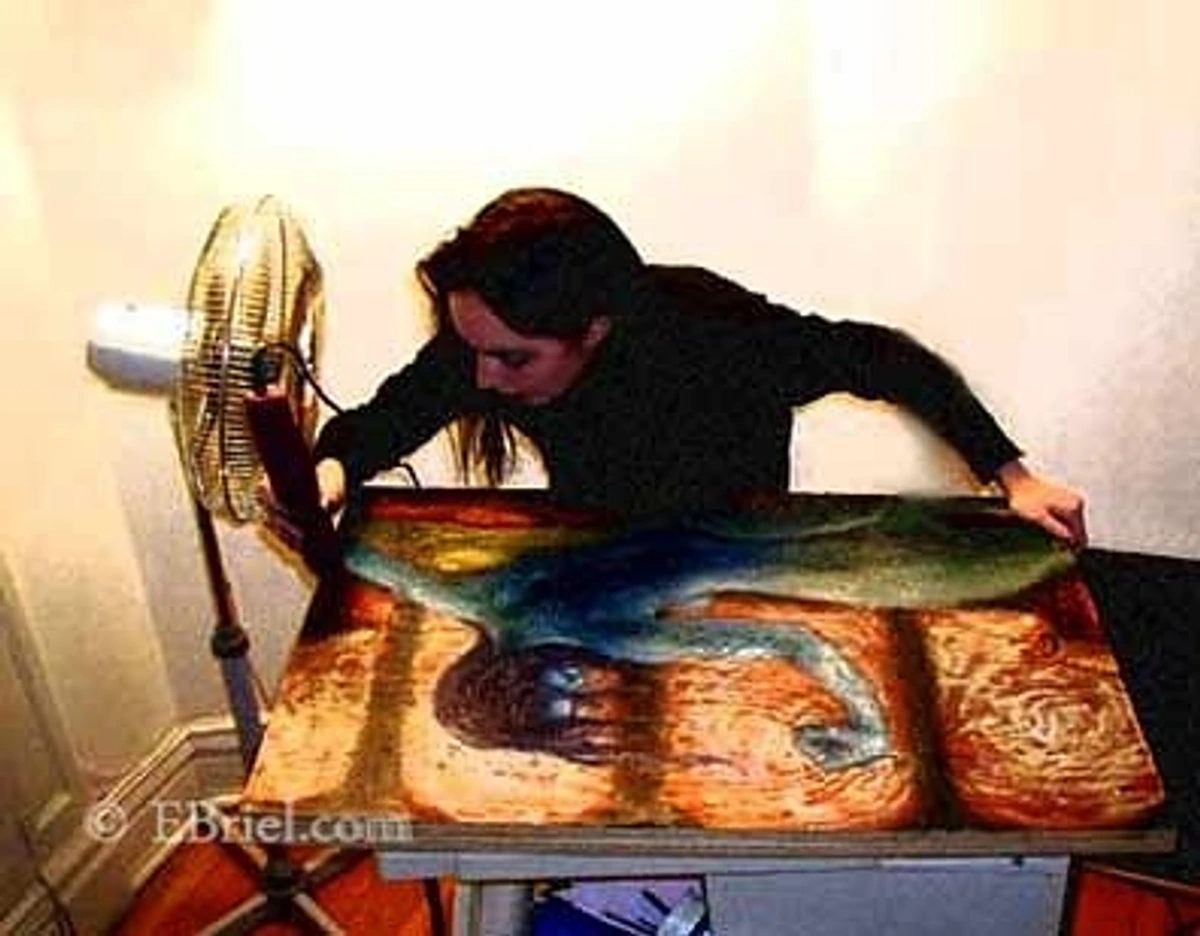
Screen printing? Relatively affordable. Linocuts? Requires only a kitchen knife and potato (yes, really). Even etching can be done with acrylic sheets instead of metal. What makes printmaking magical? Accidents become assets. A misaligned screen registration might create more dynamic movement than manual perfection. I’ve seen artists intentionally shift layers to that effect.
The Vulnerability Muscle: Building Comfort with Exposure
Learning requires vulnerability—admitting you don't know, practicing in public, showing imperfect work. For most artists, this feels terrifying. But vulnerability is a skill that can be systematically developed.
The Gradual Exposure Strategy: Start small and build your comfort over time:
Week 1-2: Private Vulnerability Document your learning process for yourself alone. Take photos of failed experiments, write notes about what confused you, save your awkward early attempts.
Week 3-4: Selective Sharing Show one piece of experimental work to a trusted friend or fellow artist. Ask for specific feedback: "What do you notice about my color choices?" rather than "Is this any good?"
Week 5-8: Small Public Sharing Post work-in-progress images on social media with honest captions about your learning process. Frame it as "Here's what I'm exploring" rather than "Here's my finished masterpiece."
Week 9+: Full Transparency Share your struggles alongside your successes. Post a failed experiment and explain what you learned from it. This does two things: it normalizes the learning process for other artists, and it rewires your own relationship with imperfection.
I've found that the artists who share their process generously—including the messy parts—build deeper audience connections than those who only show polished work. Vulnerability creates community.
The Vulnerability Journal: A Tool for Honest Self-Assessment
Alongside the "Beautiful Disaster" journal, I maintain what I call a "Vulnerability Log"—simple entries tracking my emotional responses to learning:
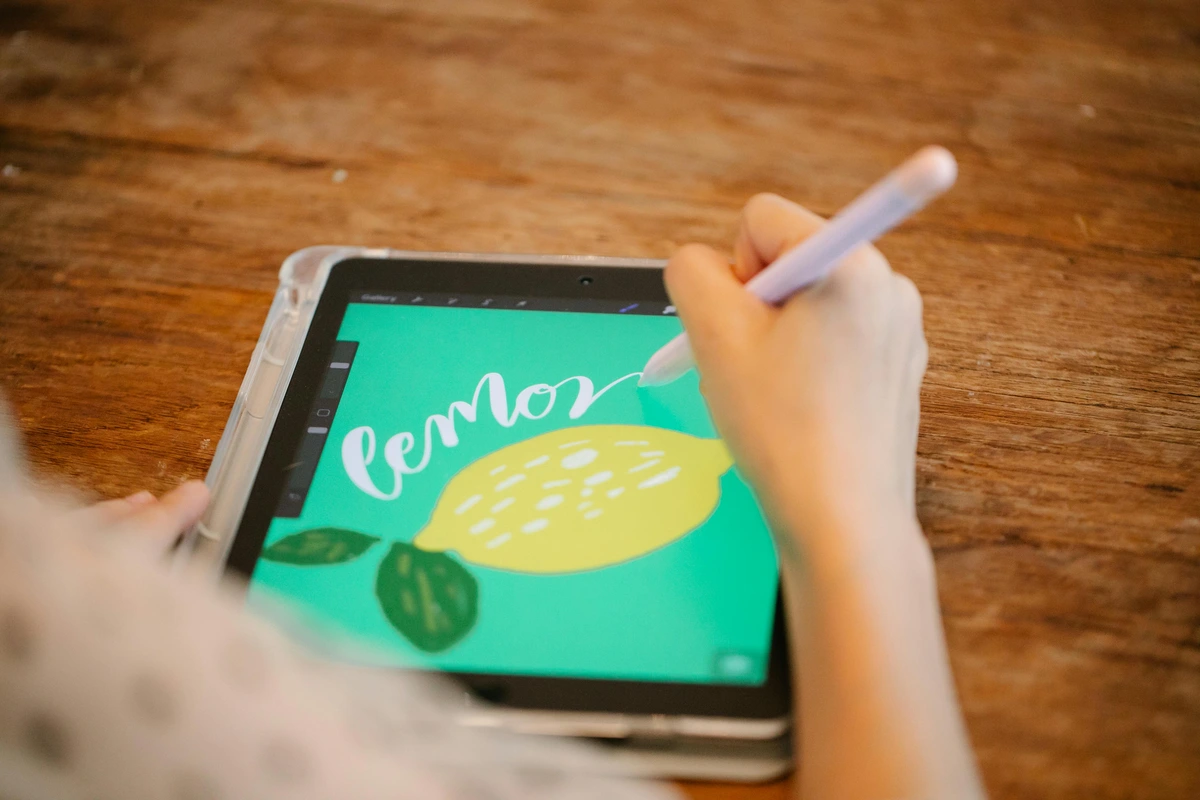
- Anticipation: How did I feel before trying something new?
- Encounter: What happened emotionally when I hit difficulty?
- Response: How did I react in the moment?
- Reflection: What do I notice now, with distance?
- Growth Markers: What would have been impossible for me last year that feels possible now?
This isn't navel-gazing—it's strategic emotional intelligence development. The goal is to notice patterns in your responses so you can anticipate and work with them rather than being surprised by them.
For example, I've learned that my "flight response" (suddenly needing to organize my studio, check email, or do anything except the difficult thing) peaks around day 3-4 of learning something new. Knowing this pattern allows me to plan for it: I schedule shorter sessions during this phase, remove distractions beforehand, and give myself permission to feel frustrated without taking it personally.
Let’s talk tech cautiously. Generative AI tools can generate compositional prompts or color palettes. Use them like a photographer uses a light meter – a tool for refinement, not creation. Never let algorithms replace your hand; they don’t know your history, your scars, your joy. One artist I know feeds AI her existing paintings to generate "unexpected combinations," then paints only the parts that resonate personally. Tech should serve your vision, not define it.

The Sustainability Question: How to Maintain Lifelong Growth
Sustained creative growth isn't about intensity—it's about establishing rhythms that can continue for decades.
The single most important decision you can make about your creative practice is this: design a learning rhythm that feels sustainable, not impressive. I've seen too many artists start with ambitious plans—"I'll practice digital painting for two hours every day!"—only to burn out within three weeks when life gets complicated.
The most successful artists I know work in shorter, more frequent sessions. Rather than waiting for the perfect three-hour block of studio time, they've learned to use twenty-minute windows productively. A ceramicist I admire keeps a small clay studio in her garage and practices throwing for exactly eighteen minutes every morning before her kids wake up. After six months, she was more proficient than she'd been after years of "waiting for the right time."
Here's why frequency beats intensity for learning:
- Momentum maintenance: Daily contact keeps the technique alive in your neural pathways
- Lower psychological barrier: It's easier to commit to twenty minutes than to three hours
- Integration time: Your subconscious processes what you've learned between sessions
- Flexibility: Life disruptions don't derail your entire learning process
- Compound growth: Small daily investments create exponential results over months
- Emotional resilience: Short sessions prevent the frustration and exhaustion that come from marathon practices
- Pattern recognition: Your brain starts connecting learnings across days, creating deeper understanding
- Sustainable identity: "I practice daily" becomes part of who you are, not something you occasionally force yourself to do
The sustainability question isn't just about time management—it's about designing a creative life that can survive job changes, family demands, health challenges, and all the other realities that make artistic practice difficult.
The Micro-Habit Strategy: Making Learning Inevitable
I use what I call "micro-habit stacking" to make learning automatic. Instead of relying on motivation or discipline, I attach new learning to existing routines:
My morning routine (18 minutes total):
- Make coffee (2 minutes)—trigger: turning on the kettle
- While coffee brews, do one technique exercise (6 minutes)
- Drink coffee while reviewing yesterday's work (2 minutes)
- Make one intentional mark based on that review (3 minutes)
- Clean brush/tool while planning tomorrow's focus (2 minutes)
- Note one thing I learned and one question I have (3 minutes)
This routine is so automatic now that I do it without thinking. The key insight: the neurological pathways for the routine itself become stronger than my resistance to learning. On mornings when I feel resistant or unmotivated, I still complete the routine because it's easier to do it than to break the pattern.
Here are some other habit-stacking combinations that work:
- After checking email: Do one 5-minute digital drawing exercise
- Before lunch: Spend 10 minutes exploring a new material
- During evening tea: Watch one technique video and take notes
- Before bed: Review today's experimentation and set intention for tomorrow
The principle is always the same: hook the new learning behavior to an existing habit that's already automatic. This leverages your brain's existing efficiency rather than fighting against it.
Here’s where we get vulnerable. Trying new techniques can accidentally dilute your voice if you’re not careful. Three anchors:
- The Substance Anchor: What are the three themes or subjects you can't stop thinking about? For me, it's decay, transformation, and how light falls at 4 PM in November. Every new technique must serve one of these obsessions.
- The Process Anchor: What part of your current process feels most sacred? Maybe it's your initial charcoal sketch, or how you build up glazes. Protect that ritual—make it non-negotiable even when trying something new.
- The Core Value Audit: Every six months, review your experimentation alongside your core body of work. Ask yourself: "If someone looked at my experimental pieces and my 'real' work, would they recognize them as being by the same artist?" If the answer is no, it doesn't mean the experimentation was wasted—but it might mean you need to be more intentional about integration.
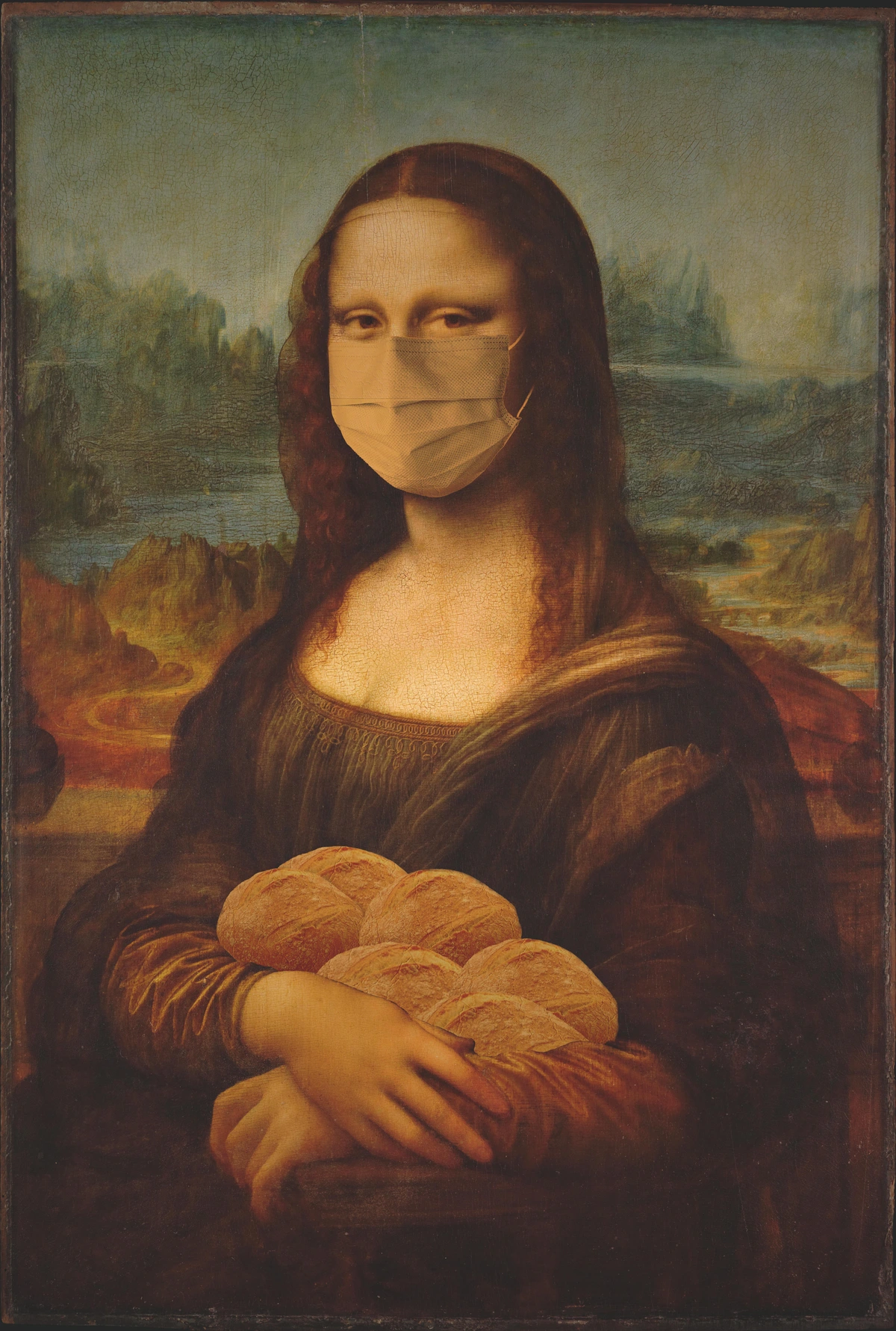 credit,
licence
credit,
licence
Frequently Asked Questions: The Nitty-Gritty of Technique Adoption
Let's address the practical questions that don't fit neatly into other sections. These are the real-world concerns that can derail your exploration if you don't have honest answers.
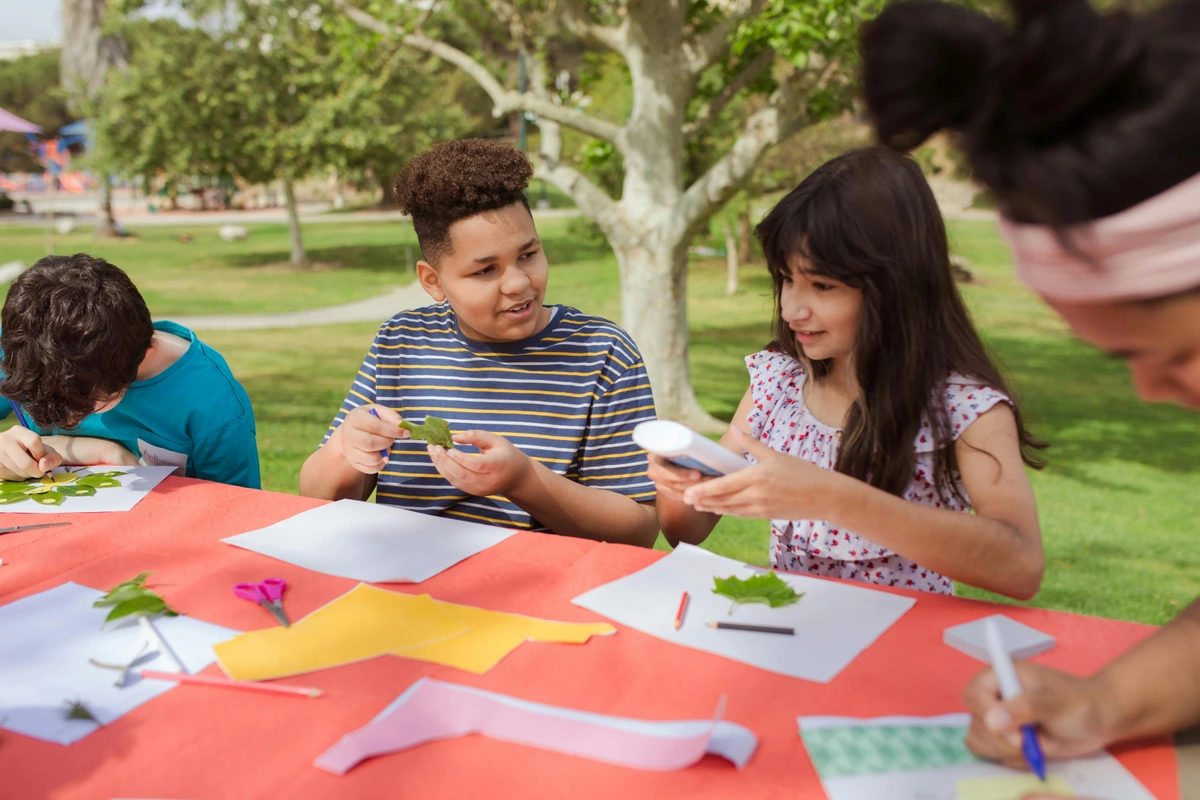







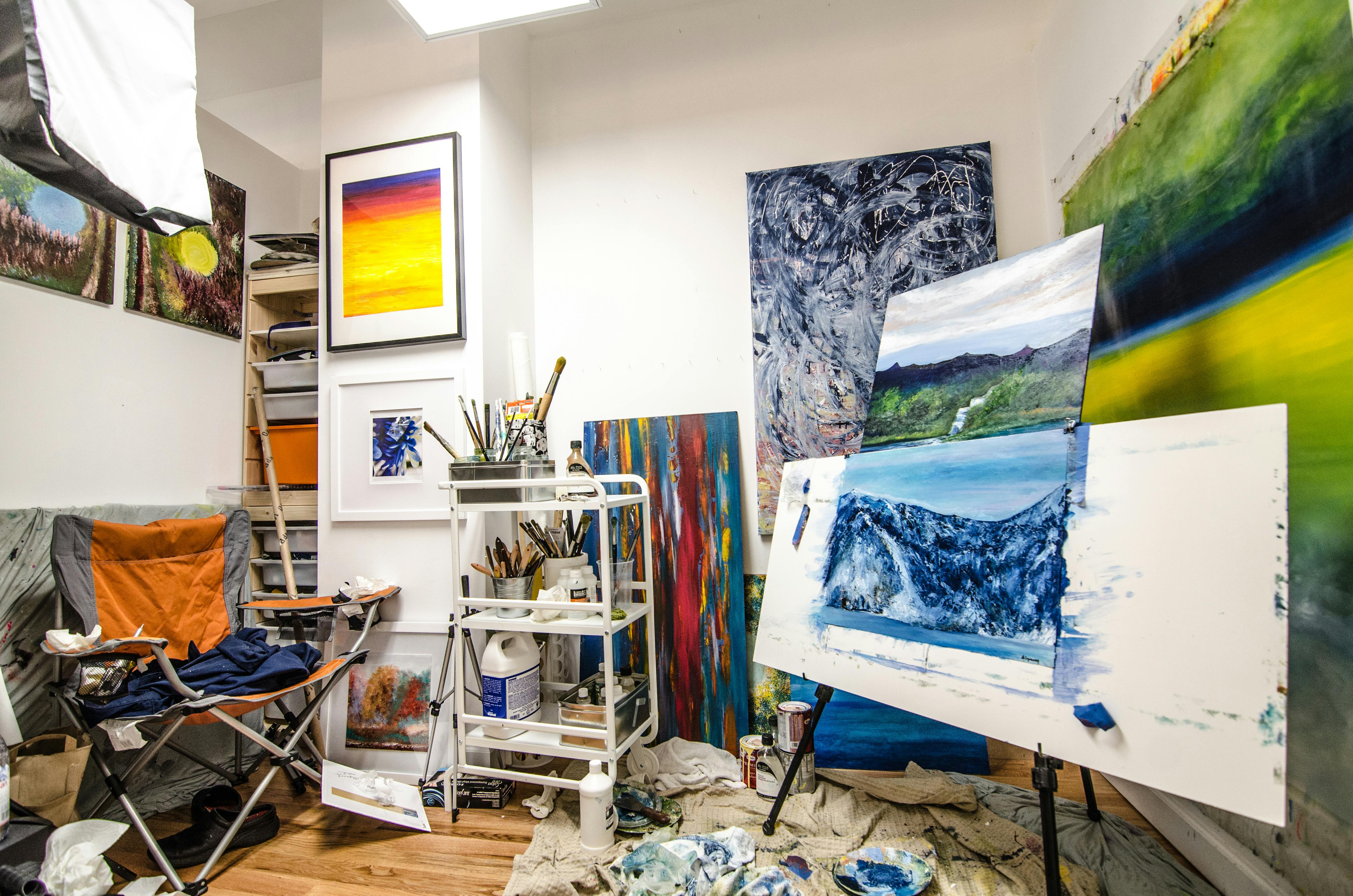
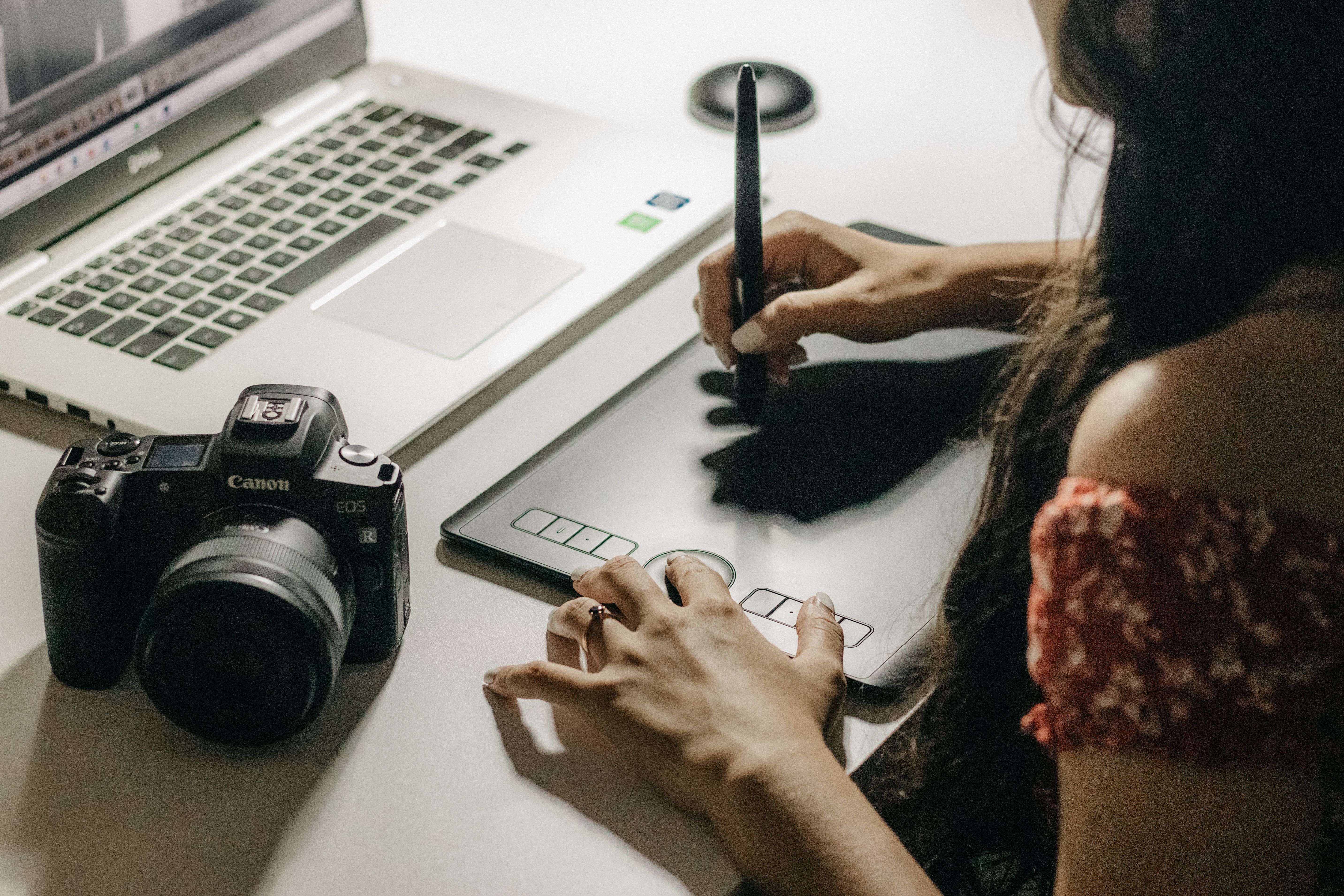


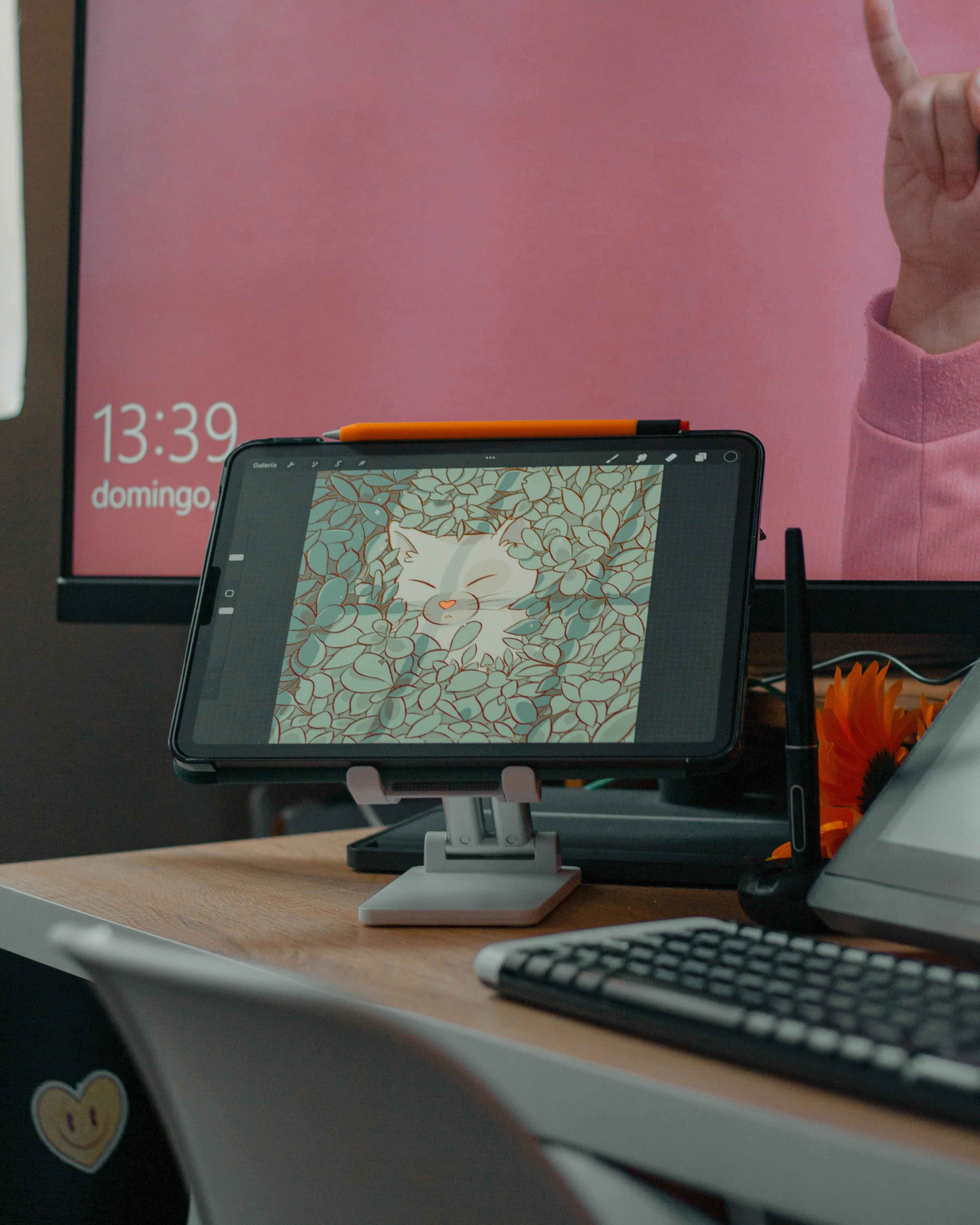
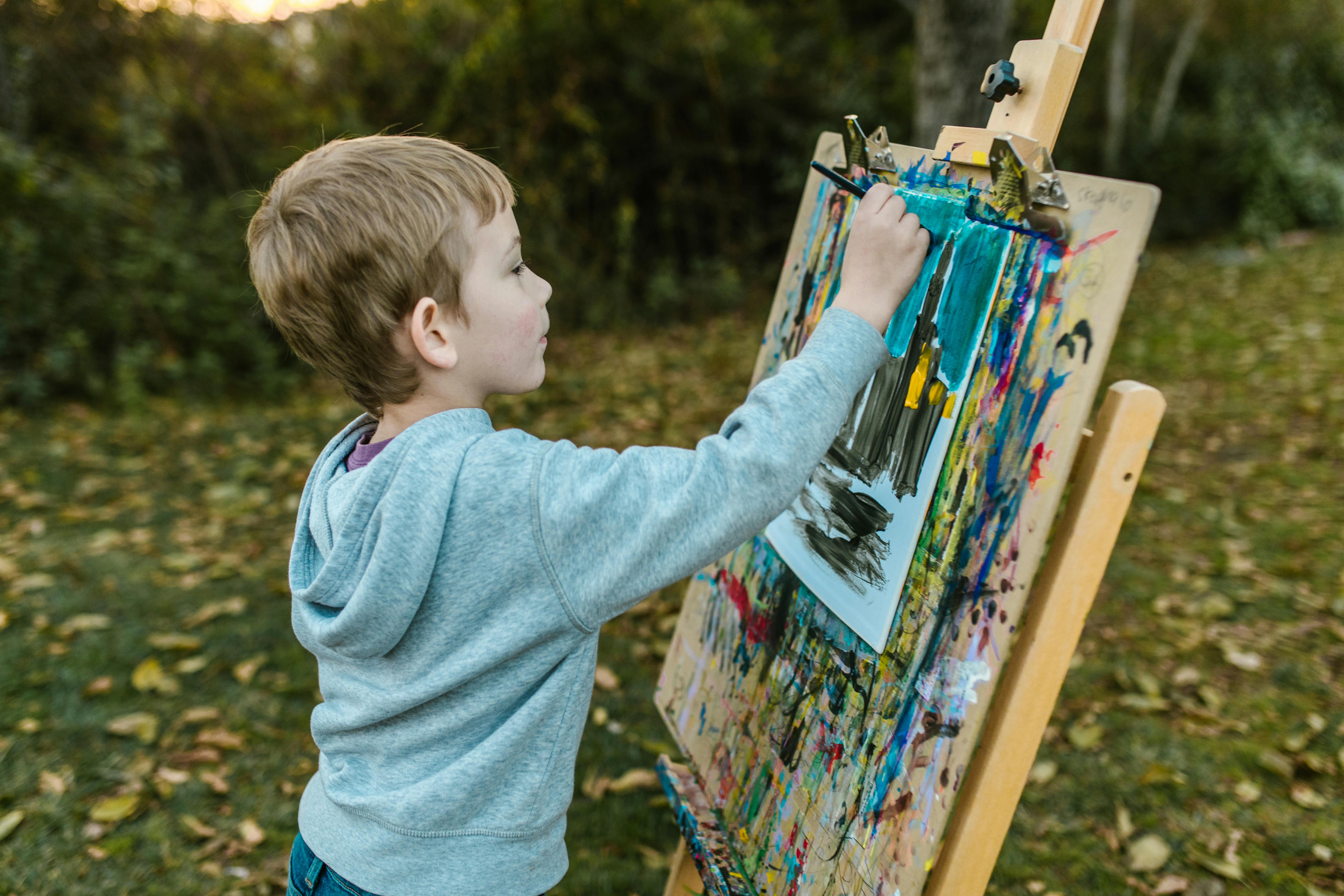


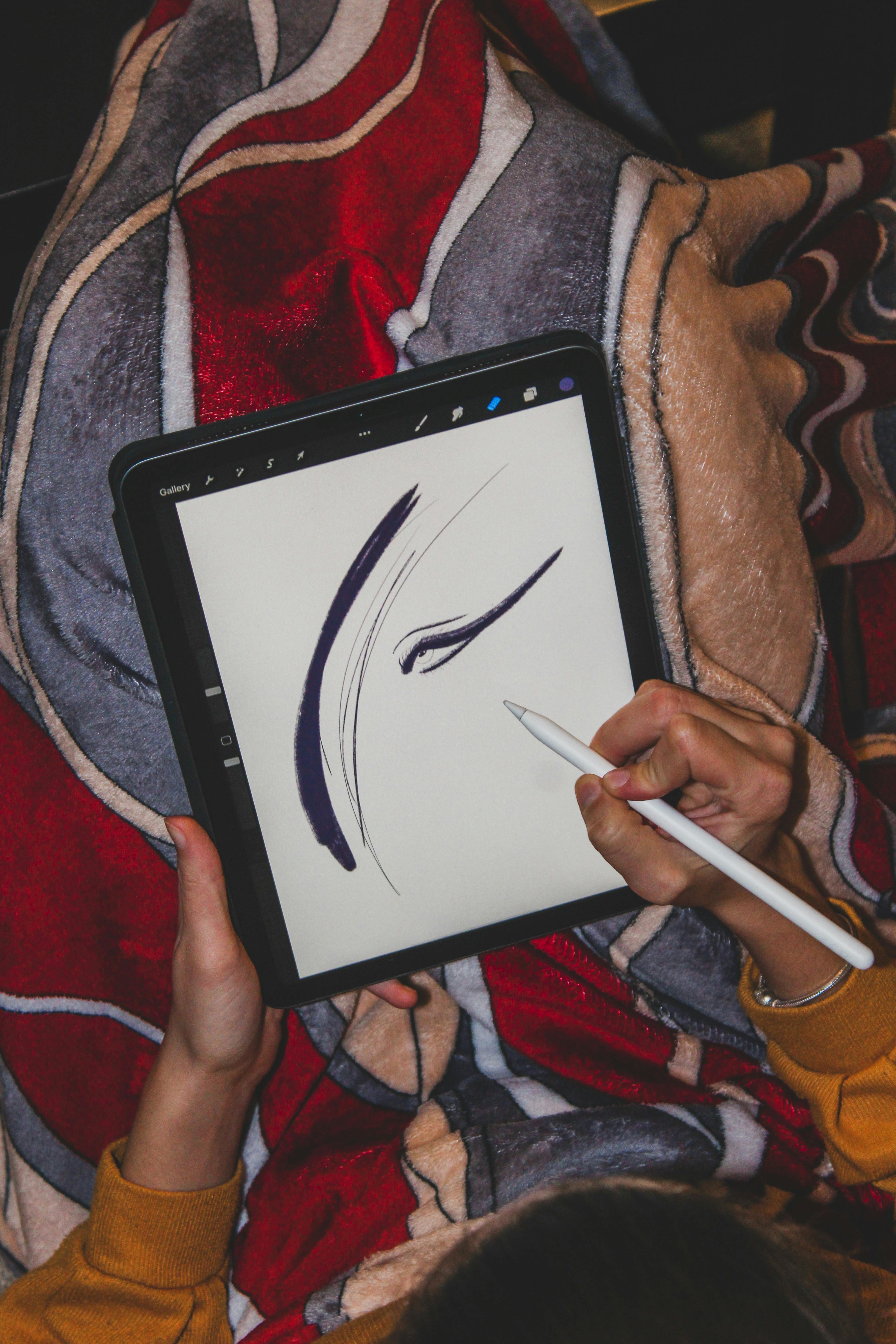


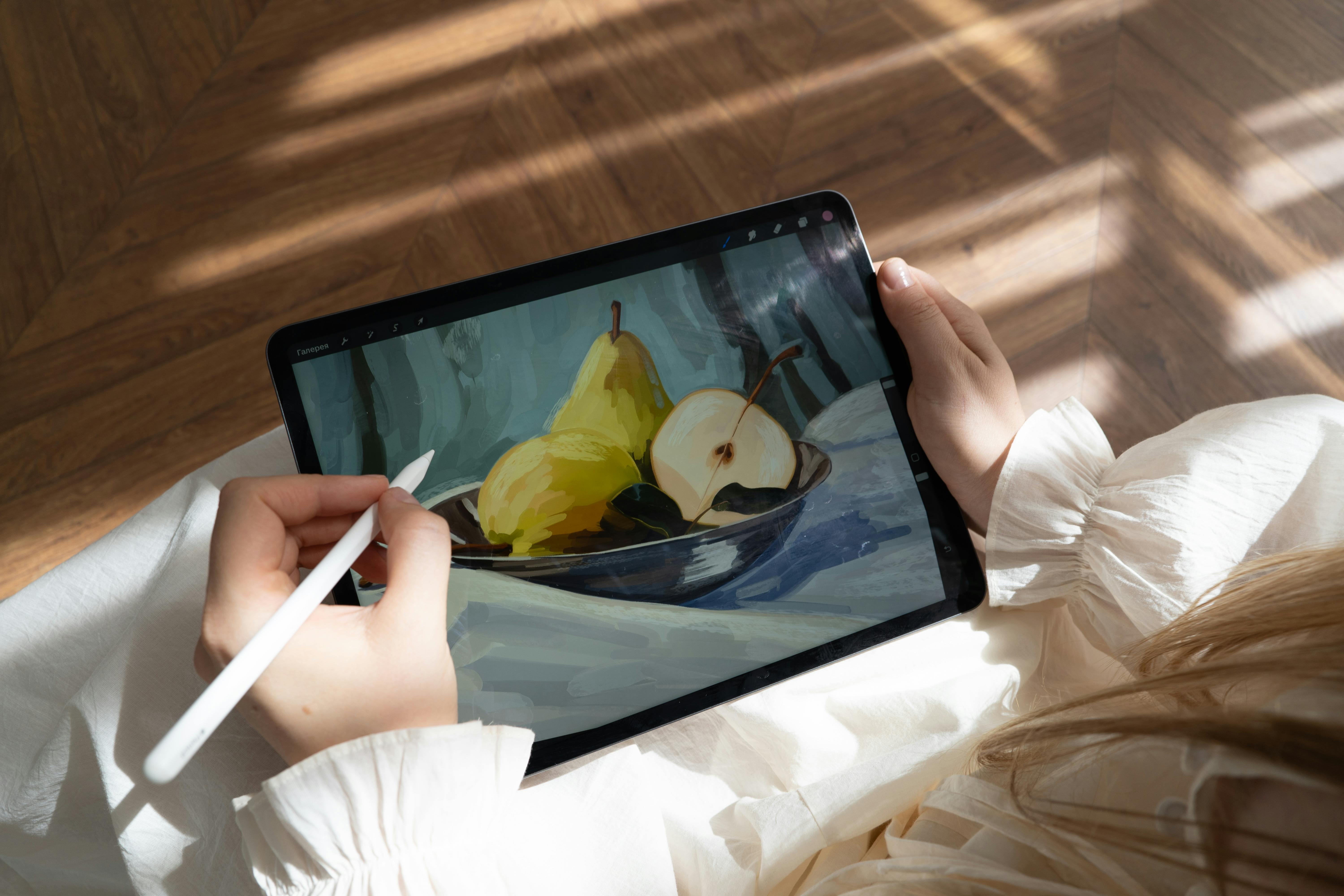

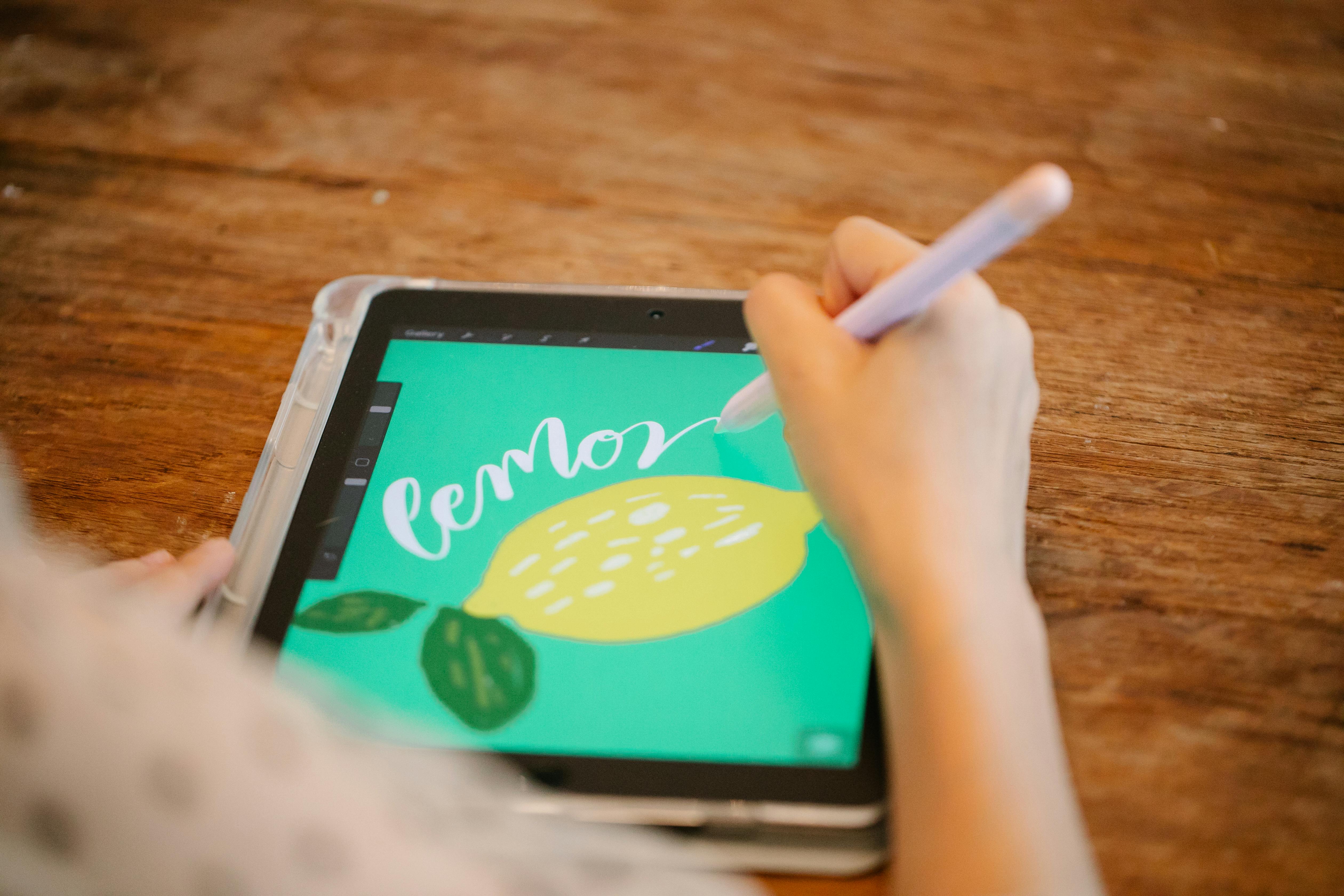

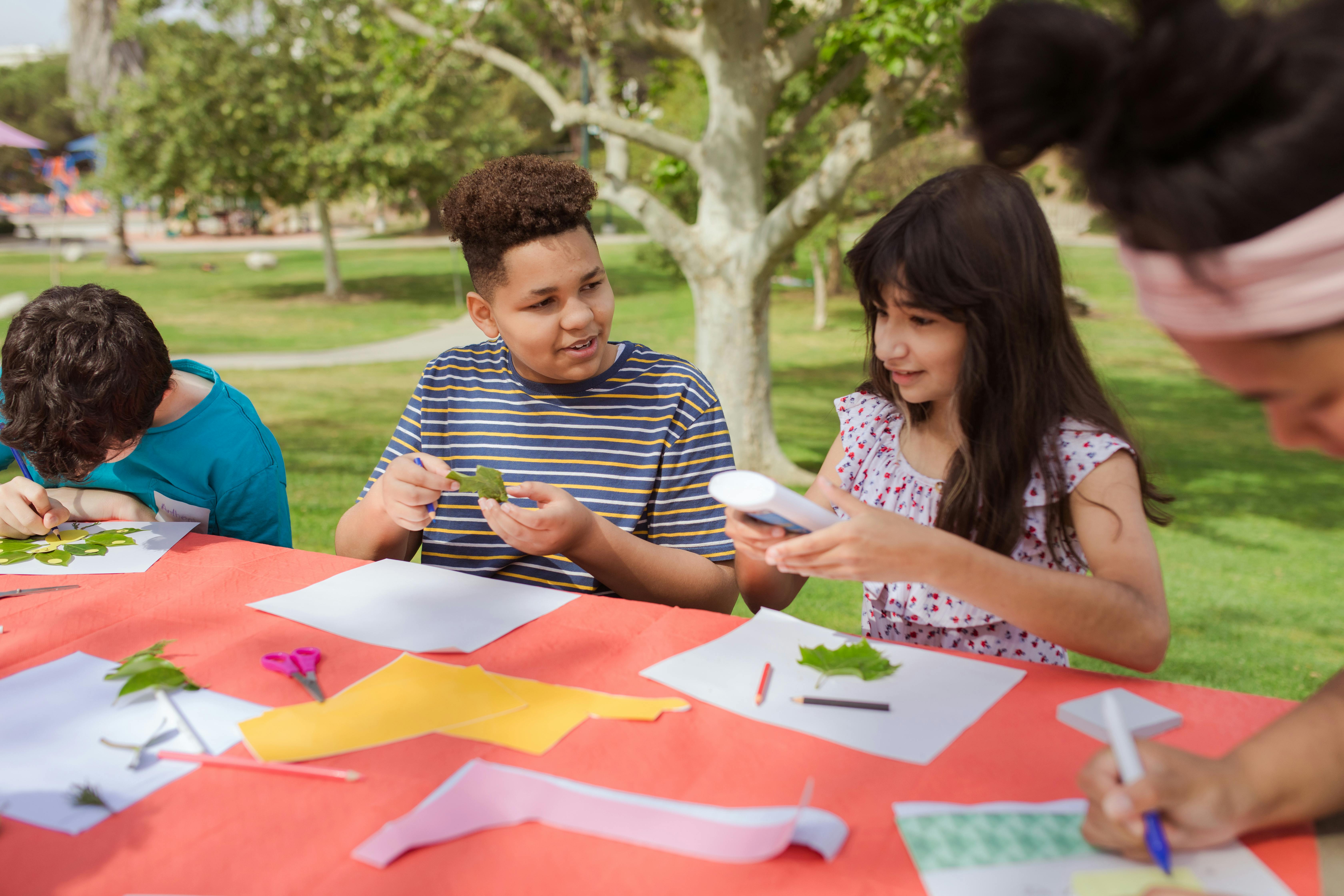
Q: What if I hate the results? A: Excellent. You’ve learned one way not to make art! Label it "Study in What Doesn’t Work" and move on. That wasted paper/medium isn’t failure – it’s research funding for your growth.
Q: How do I choose between 50 techniques I want to try? A: Draw three names from your "temptation list" and let coincidences decide. If tomorrow you read about encaustics and notice a beeswax kit at a thrift store, that’s a sign. Don’t overthink beginnings.
Q: Can I use new techniques in commercial pieces? A: Absolutely. Just document your process thoroughly for [/buy] listings and museum applications. Collectors love seeing evolution in action. That airbrush experiment mentioned earlier? It’s now part of my best-selling cityscape series.
Q: What’s the single biggest mistake beginners make? A: Thinking they must master a technique before using it professionally. Nonsense. Picasso never finished "learning" ceramics. Release the pressure. Your first piece will always be awkward. Mine still is! Embrace it.
The Studio Isn’t a Destination
Artistic growth isn’t a checklist; it’s a rhythm of courage and curiosity. That technique you’re eyeing? It might just be the key to unlocking a side of yourself you didn’t know existed. The artist in me knows now that every brushstroke, every experiment, every messy Thursday playdate isn’t about arriving somewhere better. It’s about honoring the fact that you’re still here. Still making. And in a world that often silences creativity, that’s revolutionary. Now go make something gloriously new.