Prado Museum Madrid: Ultimate Guide to Masterpieces & Golden Age Art
Discover Madrid's Prado Museum: essential tips, must-see masterpieces by Velázquez & Goya, and Spain's artistic soul. Plan your unforgettable visit & find deep inspiration.

The Ultimate First-Timer's Guide to Madrid's Prado Museum: Unlocking Spain's Artistic Soul
Standing before a canvas where history whispers from every brushstroke, where tales of kings, queens, and the very essence of the human condition unfold – that's the profound magic of Madrid's Prado Museum. My first visit still feels like yesterday: a dazzling mix of awe, discovery, and yes, a definite touch of apprehension. It’s a colossal institution, a true titan in the art world, and as you step inside, the weight of centuries of masterpieces can feel utterly overwhelming. Where do you even begin? How do you ensure you don't miss that iconic painting everyone raves about, or worse, get completely lost in a labyrinth of genius only to emerge feeling like you've seen nothing at all? Believe me, I've been there, map in hand, my feet screaming before I'd even properly started. That's what I call 'museum sprint fatigue,' and it’s a genuine joy-killer. This guide is your personal antidote, designed to transform your Prado visit from a rushed blur into a profound, unforgettable experience.
Think of me as your seasoned art companion, here to help you navigate the glorious, yet sometimes intimidating, halls of the Museo Nacional del Prado. This isn't just a dry list of facts; it's a practical roadmap from someone who's navigated these very halls, felt the 'art fatigue,' and figured out a few essential tricks. My ultimate goal? For you to leave the Prado not just having seen art, but having truly experienced it, carrying a piece of its magic and a sense of profound connection. This is your definitive guide to unlocking Madrid's artistic heart.
Why the Prado is Essential: Spain's Golden Age and Beyond
For centuries, the Prado has stood as the venerable keeper of Spain's artistic soul, profoundly shaping and reflecting Spanish national identity through its unparalleled collection. Its origins are rooted deeply in a Royal Museum, a treasury meticulously amassed by generations of Spanish monarchs, notably the Habsburg and Bourbon dynasties. Through their astute patronage, especially figures like Philip IV (a fervent admirer and patron of Velázquez) and Charles IV (a key patron of Goya), these rulers not only cultivated their personal tastes but also leveraged art as a powerful tool for political representation and spiritual devotion. This explains the museum's extraordinary depth in Spanish art, particularly from the Golden Age (roughly late 15th to late 17th century), a period of immense political and cultural power for Spain that birthed some of the world's most iconic masterpieces.
This era wasn't merely an explosion of artistic talent; it was a vivid reflection of a powerful, devout monarchy and a fervent religious climate shaped by the Counter-Reformation. This robust response from the Catholic Church to Protestantism heavily emphasized clear, emotional, and often dramatic religious art designed to inspire profound devotion. You can see this urgency in a work like Vicente Carducho's The Expulsion of the Moors, where the dramatic composition and intense expressions serve a clear didactic and emotional purpose. The pervasive influence of the Spanish Inquisition further deepened the introspection and intensity seen in many works, imbuing them with a unique gravity.
This rich socio-political backdrop fostered a distinctive Spanish style, marked by intense realism, profound emotional depth, and often dramatic chiaroscuro – the strong contrast between light and dark that creates a powerful sense of volume and theatrical intensity. This technique makes figures truly leap off the canvas, compelling immediate emotional engagement. Think of the way light dramatically sculpts the forms in a painting by Zurbarán or the profound shadows that deepen the psychological intensity of El Greco's portraits. It’s art that truly makes you feel something, deeply and viscerally. The sheer wealth and influence of the Spanish court meant that artists like Diego Velázquez, Francisco Goya, and El Greco – names that echo through art history with profound resonance – found unparalleled patronage, allowing them to create at the peak of their genius.
But the Prado's collection isn't limited to Spanish masters; you'll also find breathtaking works by Flemish, Italian, and German artists. This wasn't incidental; Spain's far-reaching imperial influence and political ties, particularly through the Habsburgs' rule over Flanders and parts of Italy, brought a treasure trove of European masterpieces to Madrid. This rich blend offers a unique lens through which to view the continent's artistic evolution, revealing a complex web of patronage and inspiration that shaped Western art.
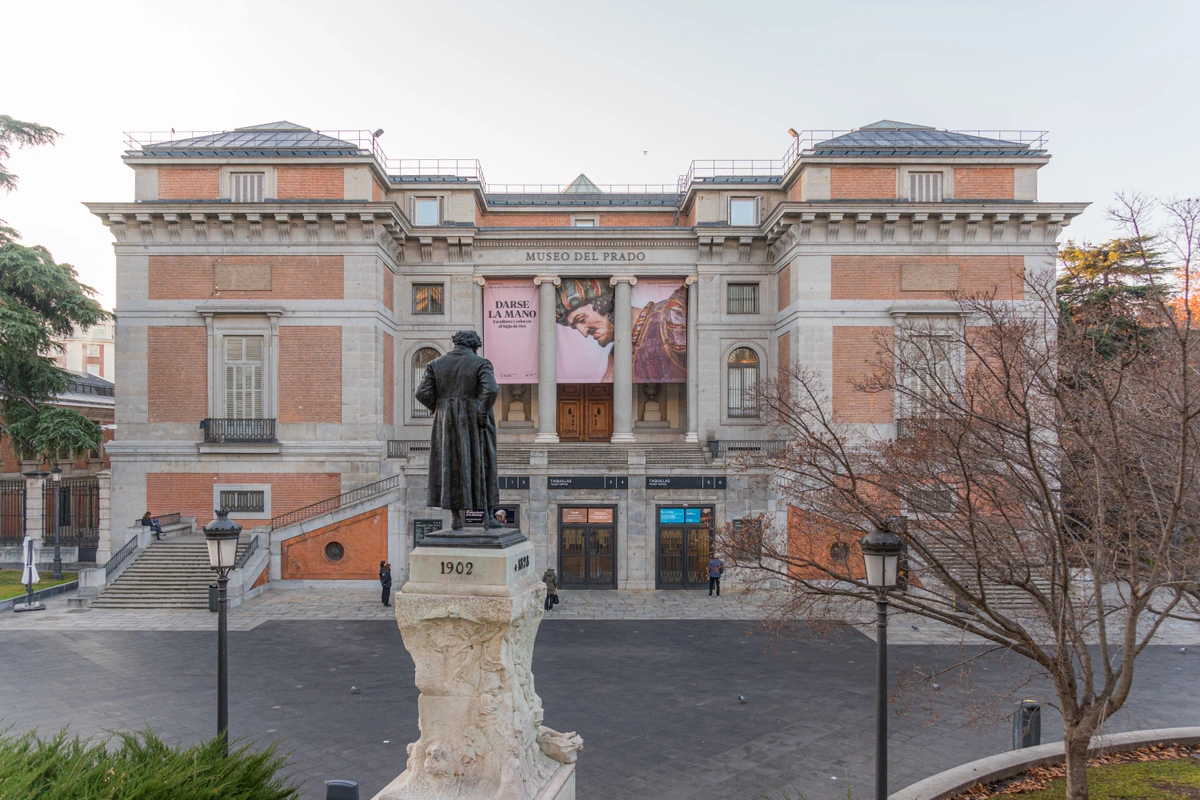
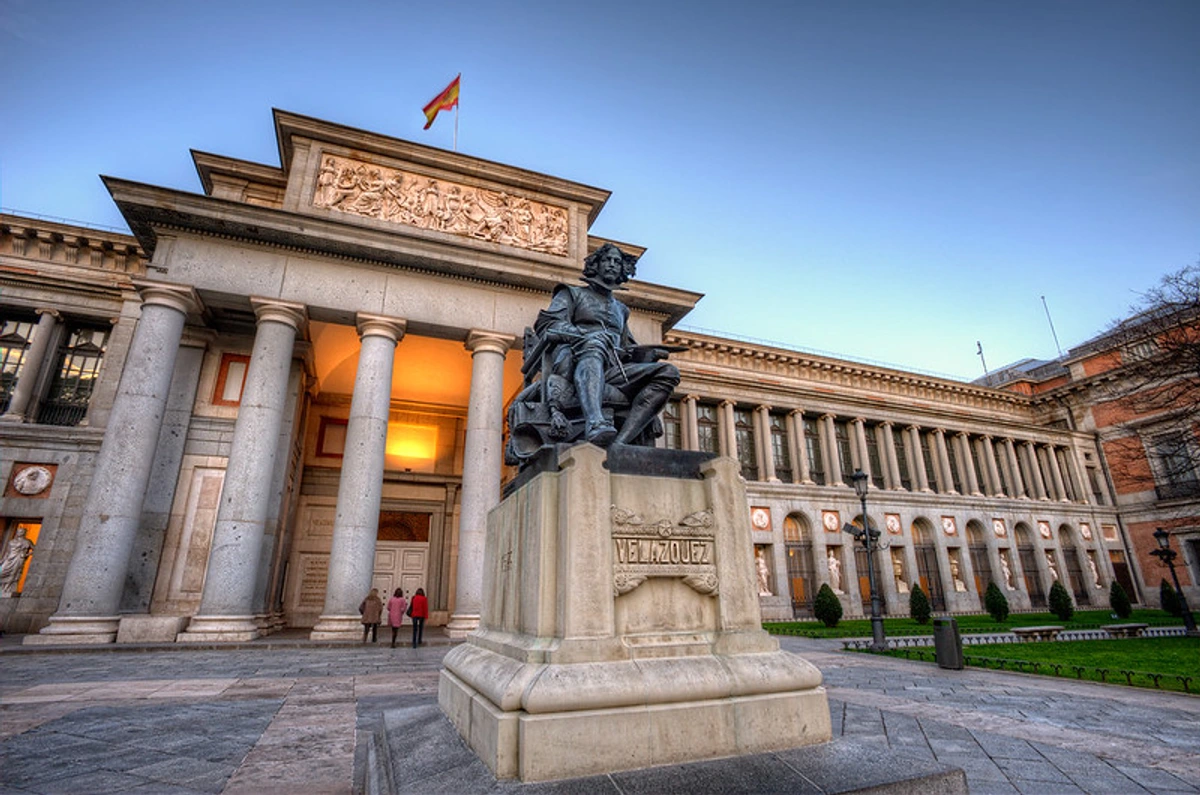
The museum itself is primarily housed in the magnificent Villanueva Building, designed by Juan de Villanueva in 1785. Initially conceived as a Natural History Cabinet for King Charles III, it was transformed into the Royal Museum of Paintings and Sculptures in 1819, opening its doors to the public under King Ferdinand VII. It's an imposing and beautifully proportioned neoclassical structure, its grand architecture a fitting home for such a treasure trove of human creativity. As you walk through its hallowed halls, you're not just observing art; you're also experiencing a piece of architectural history that has elegantly adapted to house priceless cultural heritage.
What always strikes me about the Prado is how intimately you can connect with these artists across the centuries. It feels like a direct conversation across time, where you're invited to decipher the artist's mind, the nuanced brushstrokes, and the stories hidden within stories. Standing before a Velázquez, I'm not just looking at a painting; I'm trying to feel the weight of history, the societal commentary, the very breath of life captured on canvas. It's a truly transformative experience, a deep dive into humanity's past.
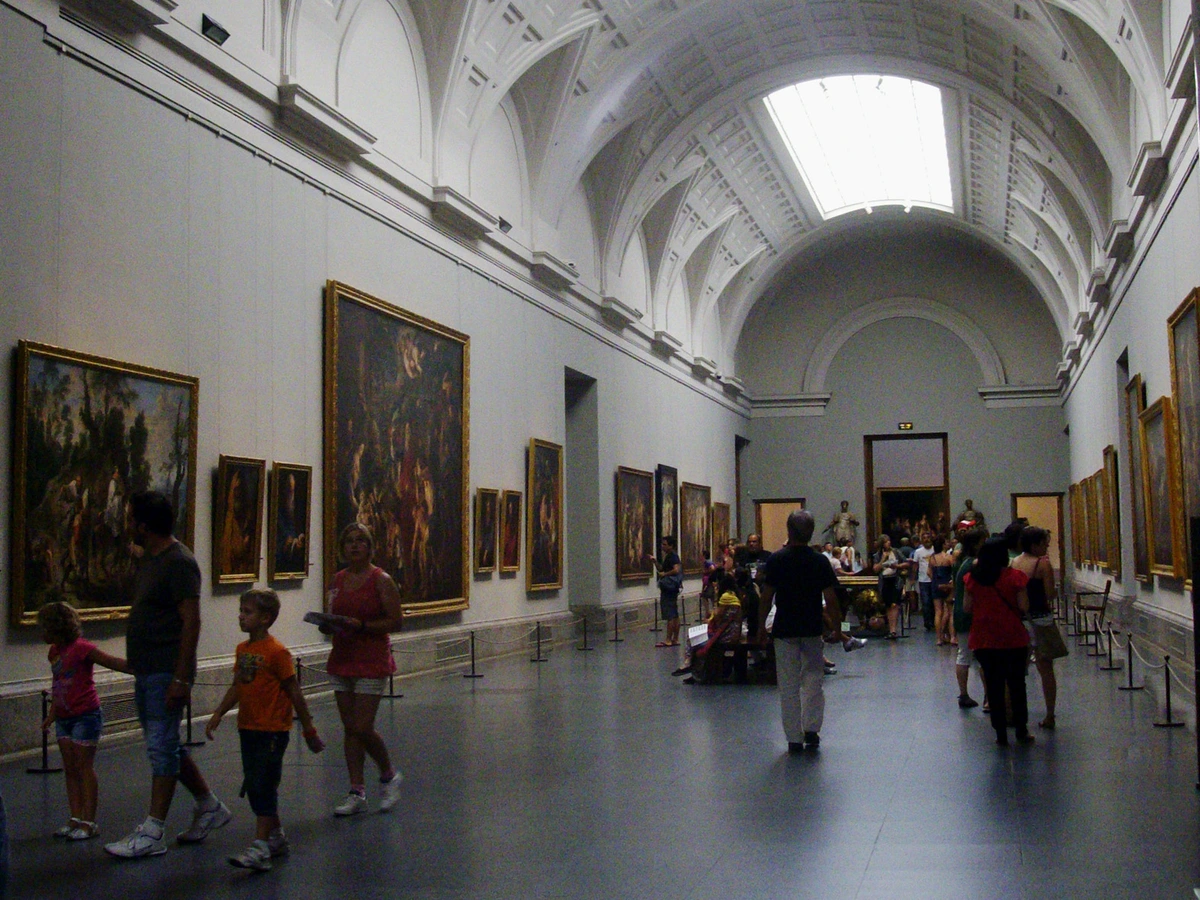
Your Prado Navigation Toolkit: Top Tips for First-Timers
Alright, let's get practical. You've got your comfy shoes on (a non-negotiable, trust me on this; I learned that the hard way after one too many ambitious museum sprints that left my feet screaming and my mind completely blank), and you're ready to dive in. Here's how I approach a visit to maximize the wonder and minimize that dreaded 'art fatigue.' It's all about strategic engagement and a little foresight. Your time in Madrid is precious, so let's make every moment in the Prado truly count.
1. Plan Your Attack (But Be Flexible)
Before you even step foot inside, do a little homework. The Prado is vast, almost dizzying in its scope, and trying to see everything in one go is a recipe for exhaustion. I always recommend going in with a target list, but allowing yourself to be delightfully sidetracked by something unexpected. Sometimes the greatest discoveries are the ones you didn't plan for. Pick a handful of must-see masterpieces – for a first-timer, I'd suggest focusing on 1-2 Spanish Golden Age painters (like Velázquez and Goya), a key Italian Renaissance piece, and maybe a Flemish master you're particularly curious about. You can easily find floor plans and highlight lists on the official Prado website. A quick glance at the layout will give you a mental map, making you feel much more in control. This pre-visit preparation helps you manage your energy, ensuring you focus on the art that truly resonates with you, rather than just ticking boxes.
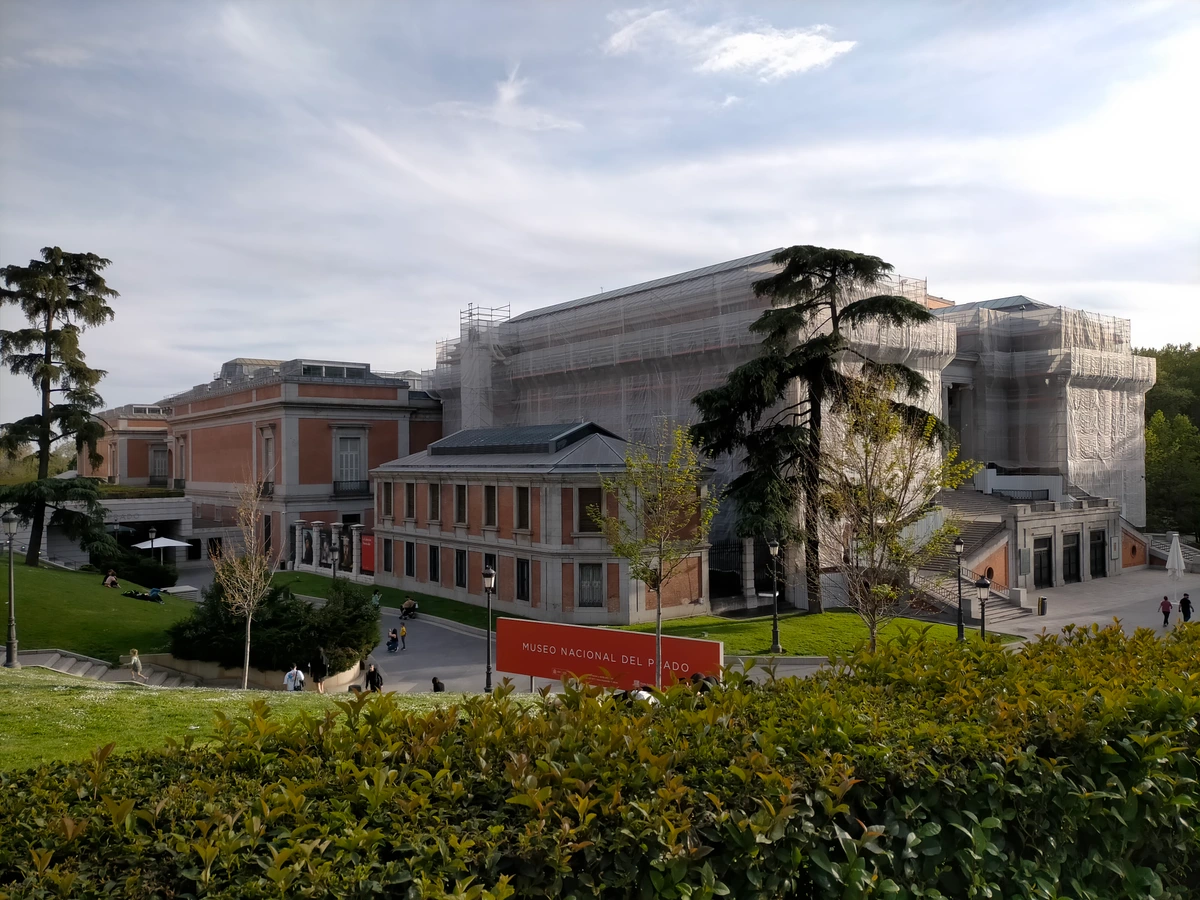
2. Tickets, Please! (And Why Pre-Booking is Your Best Friend)
Unless you genuinely adore queueing (and who does, honestly?), buy your tickets online in advance. Seriously, this saves you so much precious time. There are often dedicated, significantly shorter lines for pre-booked tickets, allowing you to bypass the main queues entirely. Be aware that online bookings might incur a small booking fee, but the value of skipping a potentially long line is, in my opinion, well worth the extra euro or two. Also, be aware of free entry hours, usually in the evenings (currently 6-8 PM, Monday-Saturday, and 5-7 PM on Sundays/holidays). While this can be tempting for budget-conscious visitors, expect much larger crowds and less time to enjoy the art peacefully. My personal preference? Pay a little extra for the tranquility and space. Your experience will be so much richer, I promise you. Remember, peace of mind is priceless when you're trying to absorb centuries of genius.
3. The Audio Guide: Friend or Foe?
I'm a big fan of a good audio guide. It provides context, explains symbolism, and often highlights details you might otherwise miss. It's like having a little curator whispering insights into your ear. I find it particularly useful for complex mythological scenes, allegorical works, or pieces with intricate narratives, where a deeper understanding truly unlocks the artwork's genius. However, don't let it dictate your entire experience. Sometimes, it's just about standing there, letting the art speak to you, without any narration – especially for powerful portraits where a facial expression or a single brushstroke can convey so much. Use it as a tool, not a leash. Pick and choose which works you want deeper insight into. You don't need a play-by-play for every single piece; sometimes a quiet moment of contemplation is all you need to form your own connection.
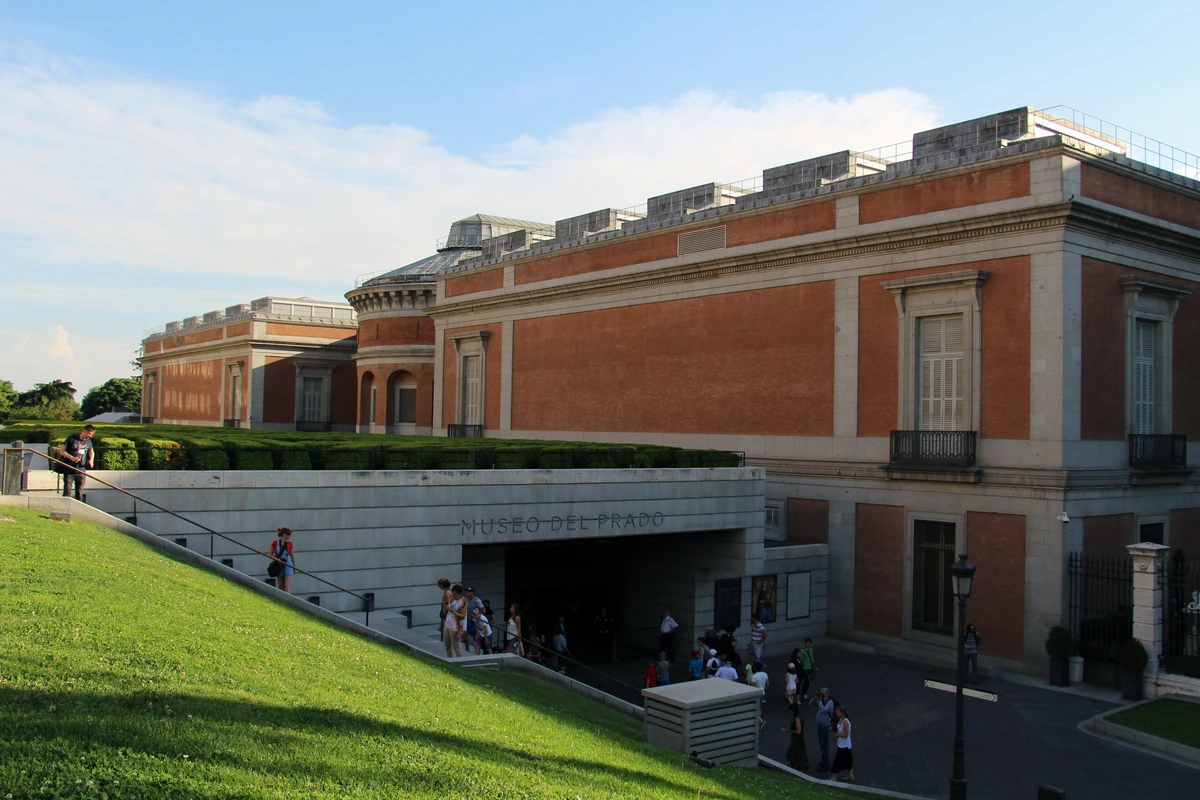
4. Pacing is Everything
This is my golden rule for any large museum. Don't rush! Take breaks. The Prado has lovely cafes and a restaurant where you can grab a coffee, a snack, or even a full meal. Sit down, recharge, and let what you've seen so far sink in. I find my appreciation for art triples when I'm not feeling hurried. Your mind needs time to process all that visual information, just like a painter needs time to step back from the canvas and assess their work. Sometimes the best way to see more is to actually slow down. I've found a half-hour coffee break can rejuvenate you for another two hours of focused viewing. Trust your own rhythm. I once tried to power through three major sections without a break, and by the end, I was just staring blankly, seeing nothing but my aching feet. Learn from my mistakes!
Summary of Top Tips for the Prado
Tip  | Why it Matters | Author's Recommendation |
|---|---|---|
| Plan Your Visit | Prevents overwhelming 'art fatigue'; ensures you see your priorities. | Target 5-7 key works (e.g., 2 Spanish, 1 Italian, 1 Flemish), but allow for serendipitous discoveries. |
| Buy Tickets Online | Saves significant time queuing; avoids crowded free hours; convenience outweighs small booking fee. | Always pre-book for a more peaceful experience. |
| Use Audio Guide Wisely | Enhances understanding and context for select pieces (e.g., complex narratives). | Use it as a tool; balance narration with silent contemplation, especially for evocative portraits. |
| Pace Yourself | Maximizes appreciation, prevents burnout, and deepens engagement. | Take regular breaks at the museum cafes. |
The Prado's Crown Jewels: Must-See Masterpieces
While the entire collection at the Prado is extraordinary, certain works demand your unwavering attention. These are the monumental pieces that define the museum, offering profound insights into art history and the enduring human experience. Often grand in both scale and impact, they are worth taking your time with – they're the ones you'll definitely tell your friends about.
- Las Meninas (The Maids of Honour) by Diego Velázquez: Often hailed as the greatest painting in Western art, this 1656 masterpiece is a complex portrait of the Spanish royal family and Velázquez himself. Standing before its monumental canvas, the sheer scale of it (over 10 feet tall!) immediately draws you into its intricate world. It's a painting about painting, about perception, and about the nature of reality. Its revolutionary use of perspective, light, and the depiction of the artist within the canvas challenges the viewer's role and has inspired endless critical analysis. Velázquez, as the esteemed court painter, masterfully elevated portraiture to new, intellectual heights. Prepare to spend some time in front of it, as new details and interpretations reveal themselves with every glance – it’s a visual enigma that richly rewards prolonged contemplation. How does Velázquez draw you into this scene, making you a part of the royal court? I often wonder what stories the other figures in the background are telling, and how much of their reality he truly captured.
- The Third of May 1808 by Francisco Goya: A harrowing and powerful indictment of war, Goya's 1814 painting depicts the execution of Spanish civilians by Napoleonic troops. The emotional impact is immediate and visceral, especially when you consider its size and the raw, unbridled agony depicted. Its emotional intensity, dramatic lighting (particularly the illuminated victim with outstretched arms, almost Christ-like), and laser-focus on the innocent victim make it a pivotal work of Romanticism – an art movement emphasizing emotion, individualism, and glorification of the past and nature – and a timeless anti-war statement. Goya's radical shift from elegant court portraits to this raw, passionate depiction of suffering marks a profound moment in art history, revealing the artist as a social commentator. The stark contrasts and raw emotion are truly unforgettable; the painting feels as urgent today as it did two centuries ago. What do you think Goya was trying to tell us with such raw, unbridled emotion, and how does it still resonate with modern conflicts?
- The Garden of Earthly Delights by Hieronymus Bosch: This enigmatic triptych (a three-paneled painting, typically with a central narrative and side panels offering context or sequential events) from around 1490-1510 is a fantastical, disturbing, and utterly mesmerizing exploration of humanity's fall from grace. Its intricate details and bizarre, almost hallucinatory imagery demand close inspection, revealing new layers with every look. Filled with intricate symbolism, bizarre creatures, and allegories of sin and salvation, it invites endless speculation and represents a pinnacle of early Netherlandish painting. Bosch masterfully chose the triptych format to unfold a sequential narrative, moving from paradise on the left, through earthly pleasures in the center, to a terrifying hell on the right. You'll easily lose yourself in its bewildering details and fascinating narratives, each panel a world unto itself. What bizarre details will you discover in Bosch’s fantastical vision – it feels like a dream (or nightmare) made visible, and frankly, I often spend far too long just trying to decipher all its hidden meanings!
Masterpiece Name | Artist | Key Takeaway/Why It's Essential |
|---|---|---|
| Las Meninas | Diego Velázquez | A monumental, revolutionary masterpiece exploring perception, reality, and the artist's role; often considered the greatest Western painting, demanding prolonged contemplation due to its scale and intellectual depth. |
| The Third of May 1808 | Francisco Goya | A powerful, monumental anti-war statement, marking a shift to Romanticism with its raw emotional intensity and dramatic depiction of a historical execution that remains chillingly relevant. |
| The Garden of Earthly Delights | Hieronymus Bosch | A fantastical, symbolic triptych exploring humanity, sin, and salvation; a mesmerizing and endlessly debated work of early Netherlandish painting whose intricate, dreamlike details invite endless discovery. |
Key Spanish Masters: Expanding Your Vision Beyond the Icons
While Velázquez and Goya rightfully hold court as the Prado's most celebrated artists, Spain's Golden Age was rich with other unparalleled talents. Don't overlook these masters who shaped the very fabric of Spanish art and whose works offer equally profound, and often deeply moving, experiences:
- El Greco: A Greek-born artist who spent much of his life in Toledo, Spain, El Greco (Domenikos Theotokopoulos) developed a profoundly unique style characterized by elongated figures, vivid, often unnatural colors, and a dramatic, spiritual intensity. His work, deeply influenced by Mannerism – an art style that emerged after the High Renaissance, departing from its harmony and balance towards more expressive, artificial, and often exaggerated proportions and complex compositions – captures the fervent religious climate of 16th-century Spain. Look for pieces like his The Nobleman with his Hand on his Chest, a striking psychological portrait that seems to gaze directly into your soul, or his powerful religious compositions such as The Adoration of the Shepherds that seem to stretch towards the heavens. His art is unmistakable and truly transports you to another spiritual dimension; it’s a visceral expression of Counter-Reformation piety.
- Bartolomé Esteban Murillo: A prominent painter of the Sevillian school, Murillo is known for his tender religious scenes, particularly his Immaculate Conceptions and depictions of the Virgin and Child, which are imbued with a gentle, almost saccharine sweetness. He also excelled at genre paintings, capturing the everyday life of ordinary people, especially children, with warmth and naturalism. His work often contrasts with the darker intensity of some of his contemporaries, offering a softer, more approachable side of Spanish Baroque art. Look for his captivating images of street urchins and cherubic angels; they have a way of drawing you in with their subtle charm and masterful use of light.
Discovering Hidden Gems: Beyond the Blockbusters
While the big names are essential, don't miss the opportunity to explore the incredible breadth of the Prado's collection. You'll find a world of beauty and historical significance beyond the most famous rooms, a tapestry of European art waiting to be discovered. Sometimes, the most unexpected connections are made with a lesser-known piece, offering a fresh perspective on art history and a quiet moment of personal revelation. These diverse collections are integral to understanding the full scope of European art history and the complex web of influences that shaped the Spanish Golden Age.
Spanish Still-Life Painting (Bodegones)
Don't overlook the fascinating world of Spanish still-life painting, known as Bodegones. These works often combine everyday objects, food, and sometimes figures, rendered with astonishing realism and a stark, almost sculptural quality. Artists like Juan Sánchez Cotán and Francisco de Zurbarán elevated this genre, transforming simple arrangements of fruit, vegetables, and game into profound studies of light, shadow, and form. Their works are a masterclass in composition and texture, offering a quiet, introspective beauty that contrasts with the drama of religious and historical paintings. I always find myself drawn to the meticulous detail and the almost meditative quality of these pieces – they remind me how much beauty can be found in the mundane.
Flemish Masters
The Prado holds one of the finest collections of Flemish art outside the Low Countries, thanks to Spain's historical ties to Flanders under the Habsburg rulers. This sustained patronage brought a treasure trove of masterpieces to Madrid. Look for works by Peter Paul Rubens, whose vibrant colors and dynamic, often monumental compositions (like his majestic The Three Graces or the mythological scenes he created for the Torre de la Parada) are breathtaking. Rubens's ability to convey movement and emotion with such fluidity is simply mesmerizing. Also seek out the detailed, often haunting allegorical works of Pieter Bruegel the Elder (The Triumph of Death is a chilling, complex example of his narrative skill and social commentary on human folly and suffering – it’s a truly unforgettable experience, if a little grim!). The sublime realism, meticulous detail, and profound emotional depth of Rogier van der Weyden (The Descent from the Cross is a prime example) also represent the pinnacle of Early Netherlandish painting. These artists offer a different window into European history and daily life, showcasing Flemish precision and emotional intensity that profoundly influenced Spanish artists.

Italian Renaissance and Baroque
Journey through Italy with masterpieces by Titian, whose portraits and mythological scenes (like Danaë or his iconic equestrian portrait of Charles V at Mühlberg) are renowned for their vibrant color, sensuality, and psychological penetration. The Prado boasts an unparalleled collection of Titian's work, reflecting his significant patronage by the Spanish crown, particularly from Emperor Charles V and his son Philip II, making it a critical hub for studying his evolution. You'll also encounter the idealized beauty of the High Renaissance through works influenced by Raphael, such as Giulio Romano's Virgin and Child with the Young Saint John the Baptist, showcasing the master's enduring legacy. Experience the dramatic flair of artists like Tintoretto and Veronese, whose large-scale works (such as Veronese’s Adoration of the Magi) are a feast for the eyes, often depicting grand historical or mythological narratives in the opulent Baroque style – an artistic period characterized by grandeur, drama, and intense emotional intensity. This collection highlights the profound influence of Italian art on Spanish artists, acting as a crucial bridge in European artistic development.
German Painting
While a smaller, more focused collection, the German works in the Prado are exceptionally significant, particularly featuring Albrecht Dürer, a master of the Northern Renaissance. His self-portraits and religious scenes are incredibly detailed and emotionally resonant, showcasing a distinct Northern European sensibility characterized by precise draftsmanship and profound introspection. Look for his intense Self-Portrait with Fur Collar (1500), a striking example of artistic self-awareness and technical brilliance, where every strand of hair and fold of fabric seems to convey an inner world. Dürer’s keen focus on individual psychology and meticulous detail sets his work apart, offering a fascinating contrast to the broader brushstrokes and dramatic intensity often found in the Spanish and Italian schools. You might also find works by Hans Baldung Grien or Lucas Cranach the Elder, offering a glimpse into the diverse artistic currents that flowed across Europe and profoundly impacted the Spanish court's collections.
Art Conservation and Preservation: Protecting Priceless Heritage
Beyond simply displaying breathtaking art, the Prado Museum plays a profoundly crucial role in the conservation and restoration of these invaluable masterpieces. It's a silent, ongoing testament to the fragility and enduring power of art. Behind the scenes, dedicated teams of conservators, art historians, and scientists meticulously work to preserve these artworks for future generations, ensuring their stories continue to be told. This vital work involves everything from precise climate control and light regulation within the galleries to delicate cleaning, structural repair, and advanced scientific analysis using techniques like X-rays, infrared reflectography, and pigment analysis. These methods allow conservators to peer beneath layers of paint, revealing underdrawings, earlier compositions, and the artist's original intentions, all while meticulously planning the least invasive restoration approaches.
Witnessing a work in progress (sometimes glimpsed through special exhibitions or behind-the-scenes videos) offers a profound appreciation for the fragility of art and the immense dedication required to maintain it. It's a potent reminder that these objects are not static; they are living testaments to human creativity, constantly requiring care and protection against the ravages of time, ensuring that the magic you experience today is preserved for centuries to come.
Logistics & Beyond: Maximizing Your Prado Experience in Madrid
Beyond the art itself, a smooth, enjoyable visit requires a bit of foresight and practical planning. The Prado is housed primarily in the magnificent Villanueva Building, with additional wings like the Jerónimos Building offering temporary exhibitions, conservation workshops, and visitor services. Navigating it is surprisingly straightforward once you get a feel for the main arteries and floor plans (grab one at the entrance, or even better, download the official app!). I've found that even if I wander off track, the clear signage eventually guides me back to where I want to be – a comforting thought when you're surrounded by so much beauty.
Understanding the Prado's Layout
The museum is generally organized thematically and chronologically. The ground floor and first floor house the main permanent collection, typically by national school (Spanish, Italian, Flemish, German) and then chronologically within those. Spanish art, particularly the Golden Age and Goya, naturally dominates the major galleries. For first-timers, many visitors find themselves naturally flowing towards the Spanish masters on the first floor, then potentially moving to the Italian and Flemish collections. Don't be afraid to consult the free map, or even download the museum's official app, which often includes interactive maps and curated routes. Knowing this general flow prevents aimless wandering and helps you prioritize your must-sees.
It's also important to remember that the Prado is the undisputed jewel in Madrid's renowned 'Golden Triangle of Art'. This informal but iconic trio of museums includes:
- The Reina Sofía Museum: Home to modern and contemporary Spanish art, most famously housing Picasso's monumental Guernica (read more about its meaning here: [/finder/page/what-is-the-meaning-of-picassos-guernica]).
- The Thyssen-Bornemisza Museum: Offering a broader, more eclectic sweep of European art history, from medieval works to avant-garde movements, effectively bridging the classical focus of the Prado with the modern emphasis of the Reina Sofía.
It's called the 'Golden Triangle' because these three world-class institutions are all within easy walking distance of each other and collectively offer an incredibly comprehensive journey through art, from classical antiquity to the present day. Visiting all three provides an enriching contrast to the Prado's classical focus, giving you a full cultural immersion. You can learn more about Spain's amazing museums here: [/finder/page/best-art-museums-in-spain].
Best Times and Accessibility
I've found the best times to visit are usually early mornings (right at opening) or late afternoons on weekdays. Weekends and free entry hours are almost always packed, and while free is tempting for budget-conscious visitors, the experience is often diminished by the crowds and restricted viewing angles. For many, the extra cost for a less crowded, more peaceful visit is well worth it.
The museum is generally very accessible, with lifts and ramps available throughout, ensuring ease of movement between floors. Staff are usually incredibly helpful if you need assistance. They also offer specific resources like wheelchairs for loan, tactile models for selected artworks (especially beneficial for visually impaired visitors), and audio descriptions for a richer sensory experience. I strongly recommend checking the official Prado website for the most up-to-date information on all accessibility services and any temporary closures of certain rooms or galleries due to ongoing conservation work or special exhibition installations – it’s all part of the museum's vital role in preserving and ensuring an inclusive experience for everyone.
Etiquette and Photography
Remember, the Prado is a place of contemplation and respect. Keep your voice down, and avoid large bags, backpacks, and umbrellas (there's a free cloakroom near the entrance, which I highly recommend for comfort and security). Food and drinks are also not permitted in the galleries. Photography policy can vary, but generally, flash photography is strictly prohibited because those bright flashes can cause irreversible damage to delicate artworks over time by degrading pigments and accelerating deterioration. For some special exhibitions or specific artworks (due to copyright or conservation concerns), photography might be entirely forbidden to protect the art and ensure a respectful viewing experience. Always look for signage; when in doubt, just admire with your eyes and memory. That's what I do – sometimes, the best photographs are the ones you take in your mind, unhindered by a screen.
Security Checks
Like all major museums globally, the Prado has security checks at the entrance. Be prepared for a quick bag scan and potentially a walk-through metal detector. It's a standard procedure designed to ensure the safety of both visitors and the priceless collection, so allow a few extra minutes for this upon arrival.
How Much Time Do You Need?
For a first-timer focusing on the absolute highlights – say, the Velázquez, Goya, and Bosch rooms, with a quick pass through a select Italian or Flemish gallery – I'd budget 2.5 to 4 hours. This allows for a focused but unhurried visit to the major works and a few of the lesser-known gems. If you want to dive deeper into specific periods or artists, or if you're like me and get happily sidetracked by unexpected masterpieces (which, let's be honest, is part of the fun!), a full day (with a good break!) might be more appropriate. Don't try to rush it; absorb what you can, then plan to come back if you're in Madrid again. It's an experience that truly rewards multiple visits, revealing new layers each time.
Food and Drink
The Prado has several cafes and a restaurant, perfect for a mid-visit break. They're convenient, but like most museum eateries, they can be a bit pricey and busy. If you're looking for more authentic and affordable options, the area around the museum (especially the Barrio de las Letras, just a short walk away) is brimming with fantastic tapas bars and restaurants. I often recommend grabbing some patatas bravas and a refreshing tinto de verano at a local spot like Cervecería Santa Ana, just a stone's throw away. It's often worth stepping out for a taste of local Madrid – a mini-adventure in itself before diving back into the art.
Frequently Asked Questions about the Prado Museum
Question | Answer |
|---|---|
| Where is the Prado Museum located? | It's located in the heart of Madrid, Spain, at C. de Ruiz de Alarcón, 23, 28014 Madrid. It forms part of the city's renowned 'Golden Triangle of Art.' |
| What are the opening hours? | Generally, Monday to Saturday, 10:00 AM to 8:00 PM, and Sundays/holidays, 10:00 AM to 7:00 PM. Always check the official Prado Museum website for the most up-to-date information, as hours can change and special exhibitions may have different timings. |
| How much do tickets cost? | A general admission ticket typically costs €15-€20. Discounts are often available for students, seniors, and groups. Free entry is usually Mon-Sat 6-8 PM, Sun/holidays 5-7 PM, but expect significantly larger crowds during these times, which can impact your viewing experience. |
| How do I get to the Prado Museum? | Easily accessible by public transport. Nearest Metro stations are Atocha (Line 1) and Banco de España (Line 2). Numerous bus lines also stop nearby. It's also a pleasant walk from many central Madrid hotels, especially if you enjoy exploring the city's vibrant streets. |
| What should I wear? | No strict dress code, but comfortable shoes are absolutely essential due to the museum's considerable size and the amount of walking involved. Layers are also a good idea as temperatures inside can vary. |
| Can I bring a backpack or large bag? | Large bags, backpacks, and umbrellas are generally not allowed in the galleries and must be left in the free cloakroom. This protects artworks, ensures comfortable visitor flow, and is a standard security measure, so factor in a few extra minutes for drop-off. |
| Is Wi-Fi available? | Yes, the Prado Museum typically offers free Wi-Fi for visitors throughout the building, which can be very useful for accessing digital guides, maps on the official app, or staying connected. |
| Are guided tours available? | Absolutely. The museum offers various guided tours, both public and private, led by expert guides. They also have excellent audio guides for rent in multiple languages, highly recommended for deeper insights. It's recommended to check the official website for booking and availability, especially for tours in your preferred language. |
| Can I sketch or take notes in the galleries? | Yes, sketching with pencils and taking notes (without obstructing others) is generally allowed in the galleries. However, the use of ink, paints, or easels is usually restricted. Always confirm specific rules with staff or signage for any temporary exhibitions. |
| Why is the Spanish Golden Age so prominent here? | The Prado's collection is unique because its foundation was primarily built by the Spanish Habsburg and Bourbon monarchs, who were fervent art collectors. This direct royal patronage led to an unparalleled accumulation of Spanish Golden Age masterpieces, as well as significant works from territories they ruled, like Flanders and parts of Italy. |
| Does the Prado have an official app or digital resources? | Yes, the Prado Museum offers an official app, which often includes interactive maps, audio guides, and information on the collection. This can be a valuable tool for enhancing your visit, helping with navigation and providing background. |
| Are there family-friendly resources or activities? | Yes! The Prado occasionally offers workshops, guided tours, or materials specifically designed for families and children to engage younger visitors with art. Check their official website's 'Education' or 'Activities' section for current offerings, as these can provide a wonderful way to introduce younger visitors to art in an interactive way. |
| Can I visit special exhibitions only? | Typically, a ticket for a special exhibition will also grant you access to the permanent collection, or there might be separate tickets available for just the temporary show. Always check the official website for specific ticketing details for temporary shows, as policies can vary. |
| What if I get lost or feel overwhelmed? | Don't worry! The museum has clear signage, and staff are always available to help. You can also consult your physical map or the museum's official app for navigation. If you feel overwhelmed, take a moment in a cafe or a quieter room to regroup. Pacing yourself is key! |
| Are there security checks at the entrance? | Yes, like all major international museums, the Prado has security checks at the entrance, including bag scanning and metal detectors. This is for the safety of all visitors and the artworks, so please allow a few extra minutes for this upon arrival. |
Conclusion: Your Prado Adventure Awaits, and Inspiration is Just Around the Corner
Visiting the Prado isn't just about seeing paintings; it's about stepping into a profound, often overwhelming, but ultimately deeply rewarding dialogue with history, culture, and the human spirit. It's a place that asks for a little planning and an open heart, and in return, offers an experience like no other. Remember, the goal isn't to see every single piece, but to allow a few to truly speak to you, to resonate with your own experiences and curiosities. Whether you spend hours lost in Velázquez's enigmatic gaze, delve into Goya's searing critiques of humanity, or find an unexpected, quiet connection with a lesser-known artist, the Prado promises an unforgettable journey.
For me, it's a powerful reminder that the foundational elements of classical art – the mastery of composition, the evocative play of light and shadow, the use of color to stir emotion – are not confined to history. These very principles continue to inspire artists across millennia, forming the bedrock of creative expression even in the most contemporary and abstract forms. Standing before these bold, centuries-old artistic decisions is a constant source of inspiration, profoundly informing even my own explorations in abstract art. So, go forth, explore, get delightfully sidetracked, and let the masterpieces of Madrid's art titan transform you, just a little. And when you're done, perhaps you'll look at the world, and even art like mine available at /buy, with a fresh, inspired perspective. I know I always do. The Prado is more than a museum; it's an inexhaustible wellspring of endless inspiration, a place where the past continuously ignites the present.