Why Certain Art Styles Endure: A Deep Dive into Timeless Appeal
Explore the psychological, cultural, and aesthetic factors that make certain art styles stand the test of time. Discover why some movements remain beloved through generations.

Why Certain Art Styles Endure: A Deep Dive into Timeless Appeal
I remember the first time I stood in front of a Van Gogh painting. It wasn’t just the swirling colors or the thick, almost sculptural brushstrokes that captivated me—it was the feeling that this artwork, created over a century ago, still spoke to me in a way that felt immediate and personal. That’s the magic of enduring art. It transcends time, culture, and even language. But why? Why do certain art styles and movements stick around, while others fade into obscurity?
To answer this, we need to explore the psychological, cultural, and aesthetic factors that contribute to the longevity of art. It’s not just about the visual appeal; it’s about the emotional resonance, the historical context, and the innovative techniques that make certain art styles timeless.
Let’s unpack this together. I’m not just talking about the art you see in museums or the pieces that fetch millions at auctions. I’m talking about the styles that resonate deeply, the ones that make you pause and think, "Yes, this speaks to me." Whether it’s the bold simplicity of abstract expressionism or the intricate details of the Renaissance, some art styles have a timeless quality that keeps them relevant. So, what’s the secret?
To answer this, we need to delve into the psychology behind enduring art, the cultural and historical context that shapes it, and the aesthetic qualities that make it stand the test of time.
To understand this, we need to delve into the psychology behind enduring art, the cultural and historical context that shapes it, and the aesthetic qualities that make it stand the test of time.
The Psychology Behind Enduring Art
Art isn’t just about aesthetics; it’s about connection. When we look at a piece of art, our brains are doing more than just processing colors and shapes. We’re interpreting emotions, memories, and even cultural narratives. This psychological connection is a big part of why certain art styles endure.
The Role of Memory
Art has the power to evoke memories, both personal and collective. A painting might remind you of a childhood experience, or a sculpture might evoke a shared cultural memory. This ability to tap into our memories makes art a powerful tool for connection and communication.

Emotional Resonance
Think about the last piece of art that moved you. Maybe it was a painting, a sculpture, or even a piece of music. What was it about that artwork that struck a chord? Chances are, it evoked a strong emotional response. Art that taps into universal emotions—love, fear, joy, sorrow—has a way of sticking with us. It’s like a mirror reflecting our own experiences back at us.
For example, the melancholic beauty of the Blue Period in Picasso’s work resonates because it captures a feeling we’ve all experienced at some point—sadness. It’s relatable, and that relatability makes it enduring.

The Power of Storytelling
Art is a form of storytelling. Whether it’s a narrative painting or an abstract piece, art has the ability to tell stories that resonate with us on a deep level. These stories can be personal, cultural, or even universal, and they help us make sense of the world around us.
The Power of Familiarity
There’s a psychological phenomenon called the "mere exposure effect," which suggests that people tend to develop a preference for things merely because they are familiar with them. This is why certain art styles, like Impressionism or Pop Art, remain popular. We’ve seen them so often in museums, books, and even on coffee mugs that they feel like old friends.
But familiarity alone isn’t enough. The art has to have something more—something that makes it worth revisiting. That’s where the next factor comes in.
The Role of Symbolism
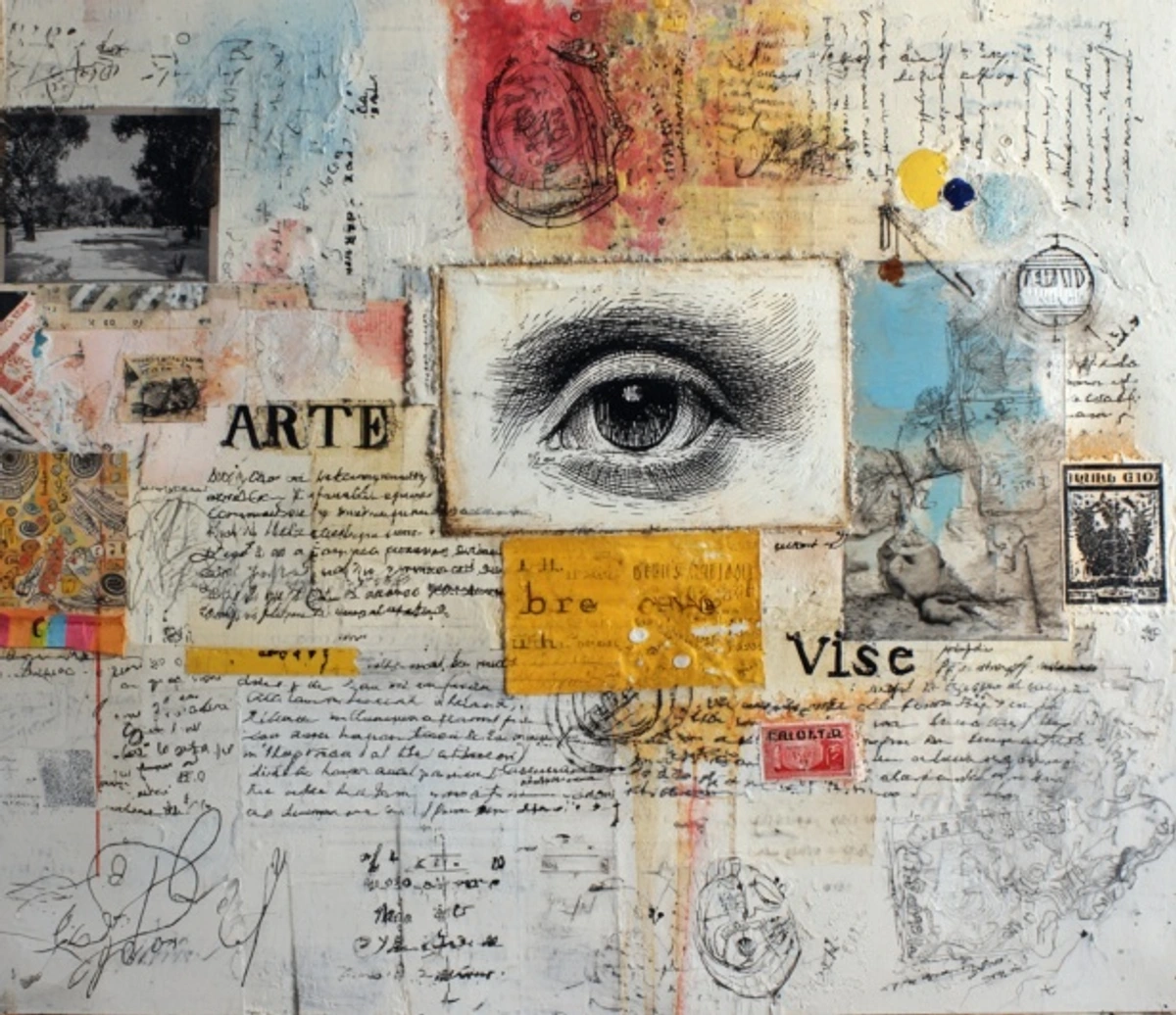
Symbolism plays a crucial role in the enduring appeal of art. Symbols can convey complex ideas and emotions in a way that is universally understood. For example, the use of light and darkness in art can symbolize hope and despair, respectively. This symbolic language allows art to communicate on a deeper level, making it more meaningful and enduring.
Cultural and Historical Context
Art doesn’t exist in a vacuum. It’s shaped by the culture and history of its time, and the styles that endure often reflect something fundamental about the human experience.

The Influence of Technology
Technology has always played a role in shaping art. From the invention of oil paints in the Renaissance to the digital tools used by contemporary artists, technology has enabled new forms of expression and innovation. This interplay between technology and art has contributed to the evolution and endurance of certain art styles.

Reflecting Societal Values
Consider the Renaissance. This period was all about humanism—the celebration of human potential and achievement. The art from this era, with its focus on realism and the human form, reflected the values of the time. But it also tapped into something universal: the desire to understand and celebrate what it means to be human.
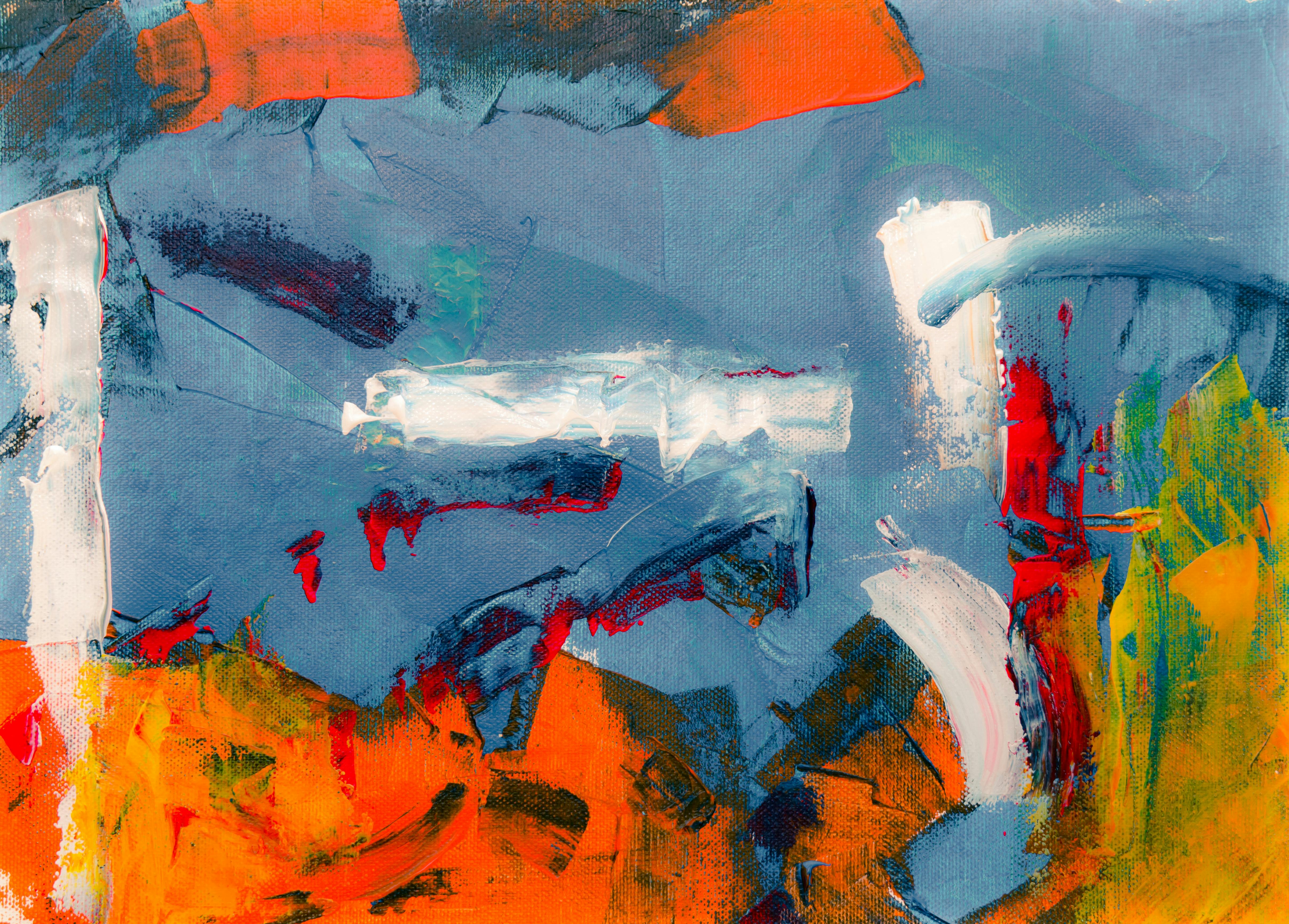
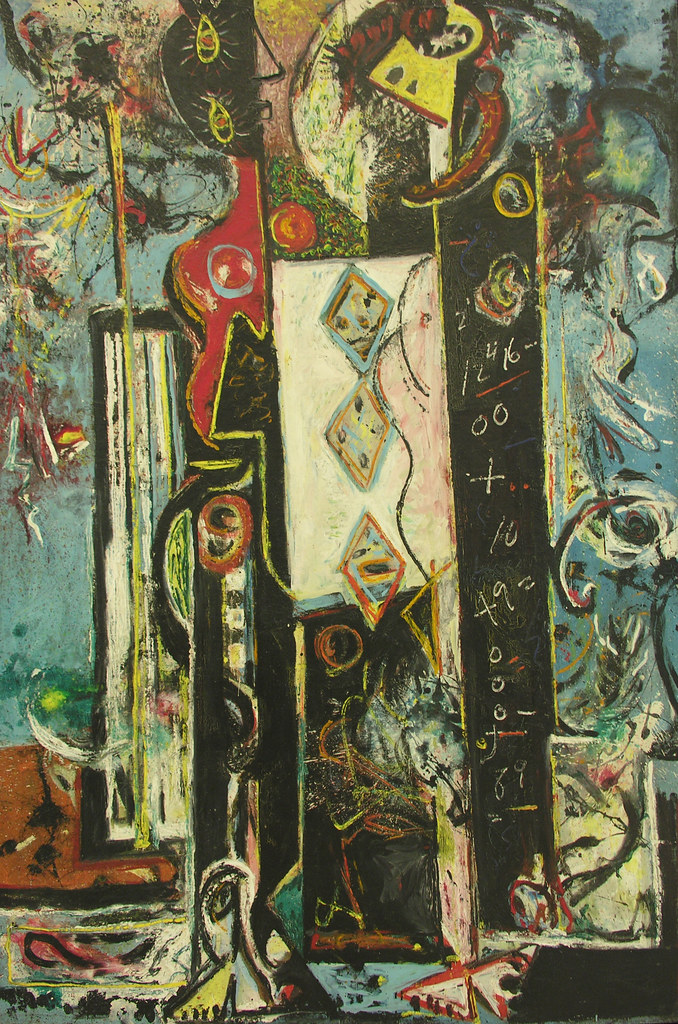
Fast forward to the 20th century, and you’ve got movements like Abstract Expressionism. In a post-war world, artists were grappling with questions of identity, freedom, and existentialism. The bold, emotional brushstrokes of artists like Jackson Pollock captured the zeitgeist of the time, and that resonance has kept the style relevant.
The Role of Patronage
Throughout history, patronage has played a significant role in the endurance of art styles. Whether it was the Medici family supporting Renaissance artists or contemporary galleries promoting modern art, patronage has provided the resources and platforms necessary for art to thrive and endure.

The Role of Innovation
Art styles that push boundaries tend to leave a lasting impact. Think about Cubism. When Picasso and Braque first introduced this style, it was revolutionary. They were breaking all the rules of traditional perspective, and that innovation made people sit up and take notice. Even today, Cubism is celebrated for its boldness and originality.
But innovation alone isn’t enough. The art has to connect with people on a deeper level. It’s not just about being different; it’s about being different in a way that matters.

The Impact of Art Movements
Art movements often emerge as a response to the prevailing styles and ideas of their time. These movements can challenge the status quo, introduce new techniques, and redefine the boundaries of art. The enduring appeal of these movements lies in their ability to capture the spirit of their time while also resonating with universal themes.
Aesthetic Qualities That Stand the Test of Time
While psychology and culture play huge roles, there are certain aesthetic qualities that make art styles enduring. These are the elements that make a piece visually compelling, no matter the era.
The Role of Composition
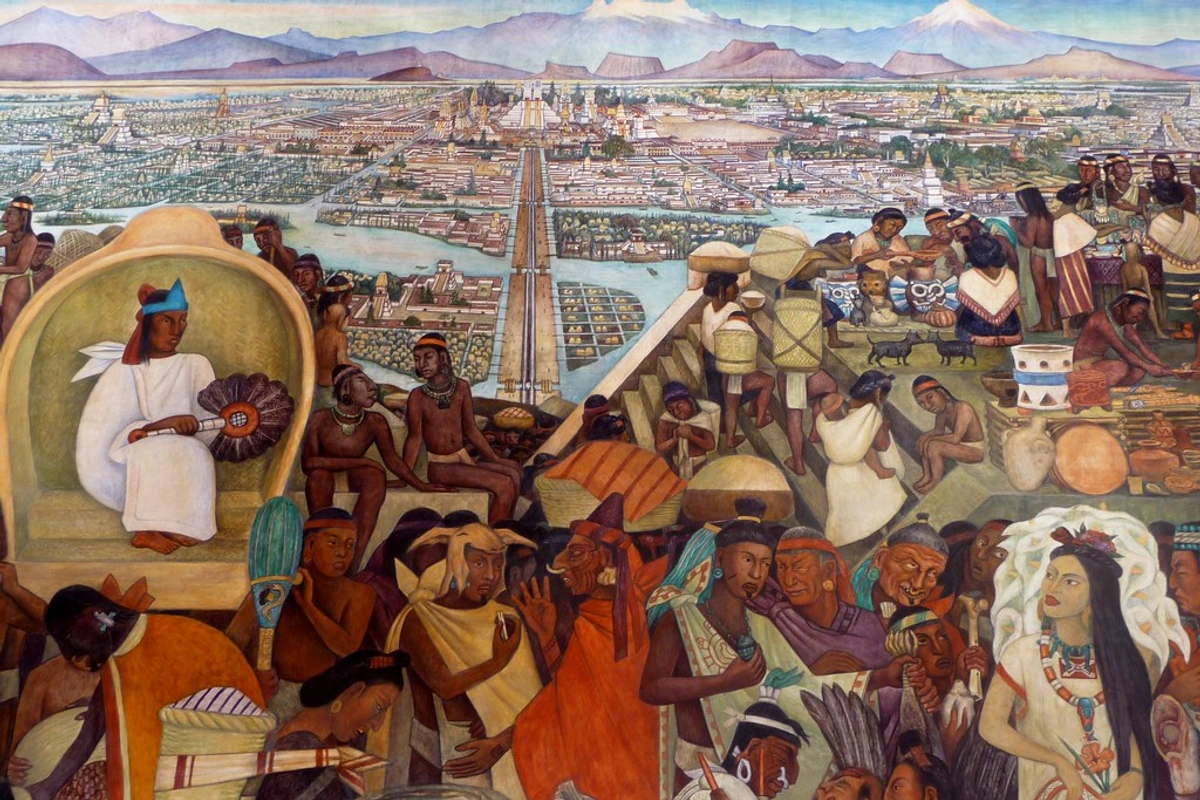
Composition is the arrangement of elements within a piece of art. A well-composed piece can guide the viewer’s eye, create a sense of balance, and convey a narrative. The principles of composition, such as the rule of thirds and the use of leading lines, have been used by artists for centuries to create visually compelling works.
Balance and Harmony
Art that achieves a sense of balance and harmony tends to be pleasing to the eye. This doesn’t mean symmetry—it’s more about the way elements work together to create a cohesive whole. The Golden Ratio, for example, is a mathematical principle that’s been used in art and architecture for centuries. It’s found in everything from the Parthenon to the paintings of the Renaissance, and it’s still used today because it creates a sense of balance that feels natural to us.
The Role of Proportion
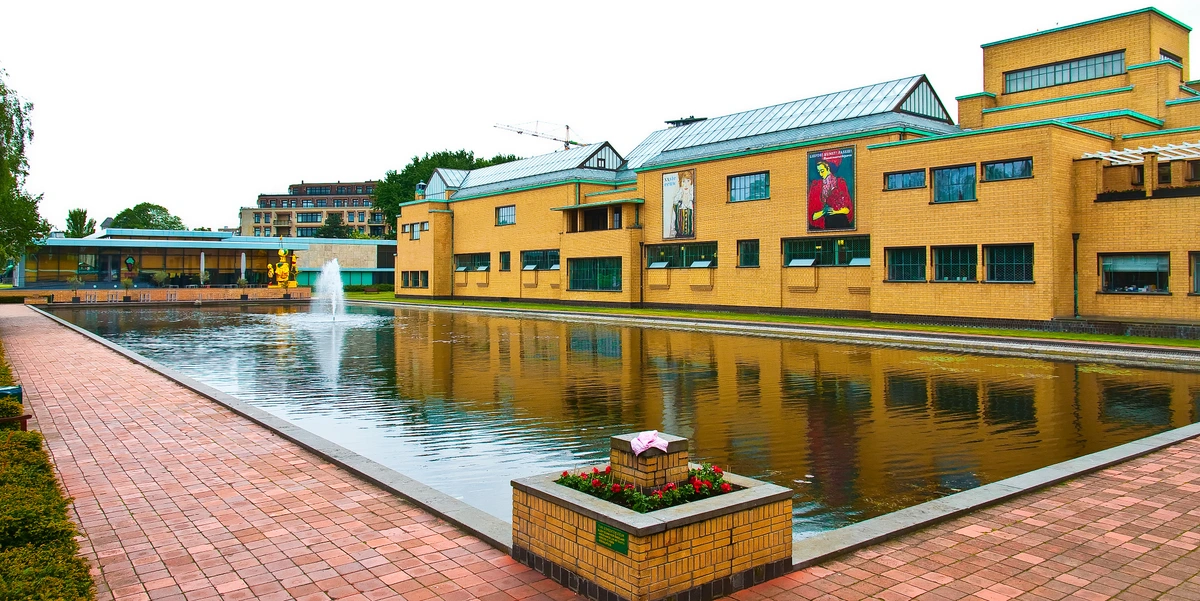
Proportion is another key element in creating visually appealing art. The relationship between the sizes of different elements within a piece can create a sense of harmony and balance. Artists have used proportion to create realistic representations of the human form, as well as to create abstract compositions that are pleasing to the eye.
Color and Light
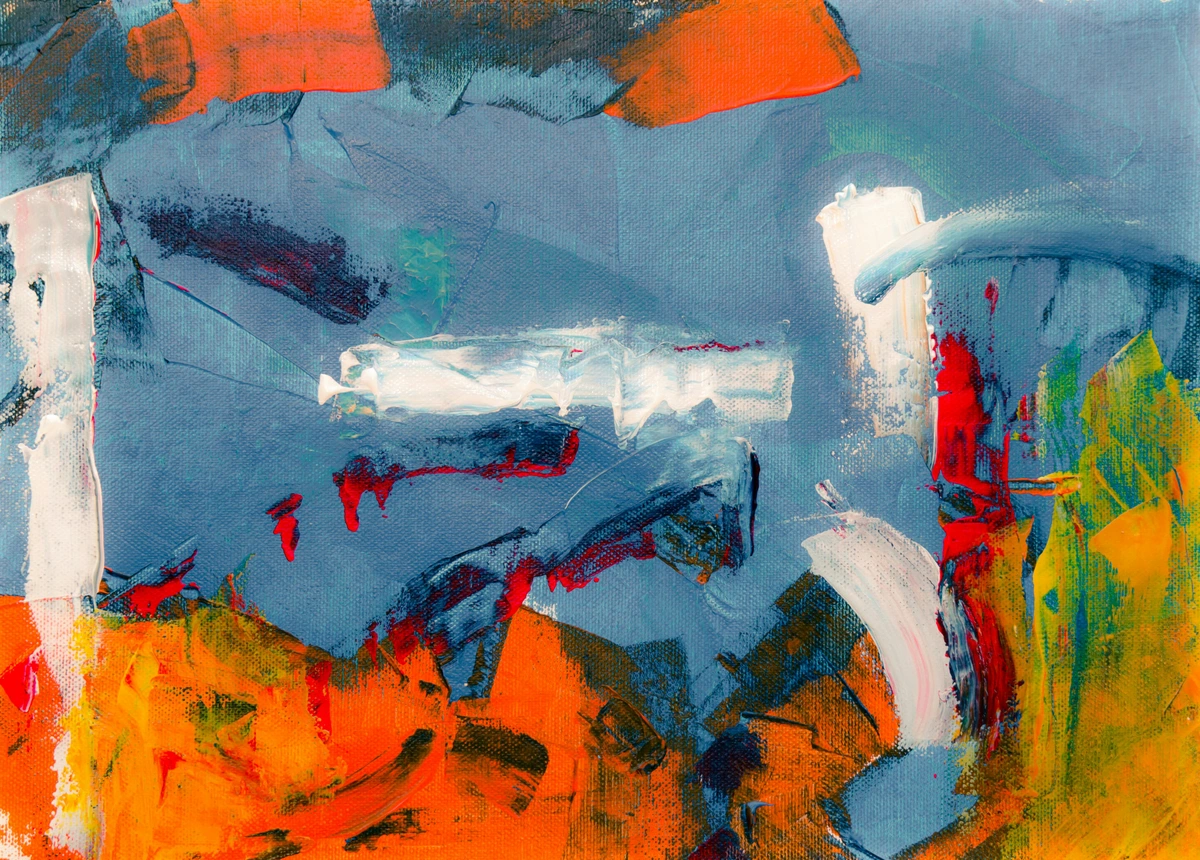
Color is one of the most powerful tools in an artist’s arsenal. Certain color palettes have a timeless quality. Think about the rich blues and golds of the Byzantine mosaics or the vibrant hues of the Fauvist movement. These colors evoke emotions and create moods that resonate across generations.
Light is another crucial element. The way an artist uses light can transform a piece, giving it depth and dimension. The chiaroscuro technique, popularized by artists like Caravaggio, uses strong contrasts between light and dark to create drama and intensity. It’s a technique that’s still admired and used today.
The Role of Contrast
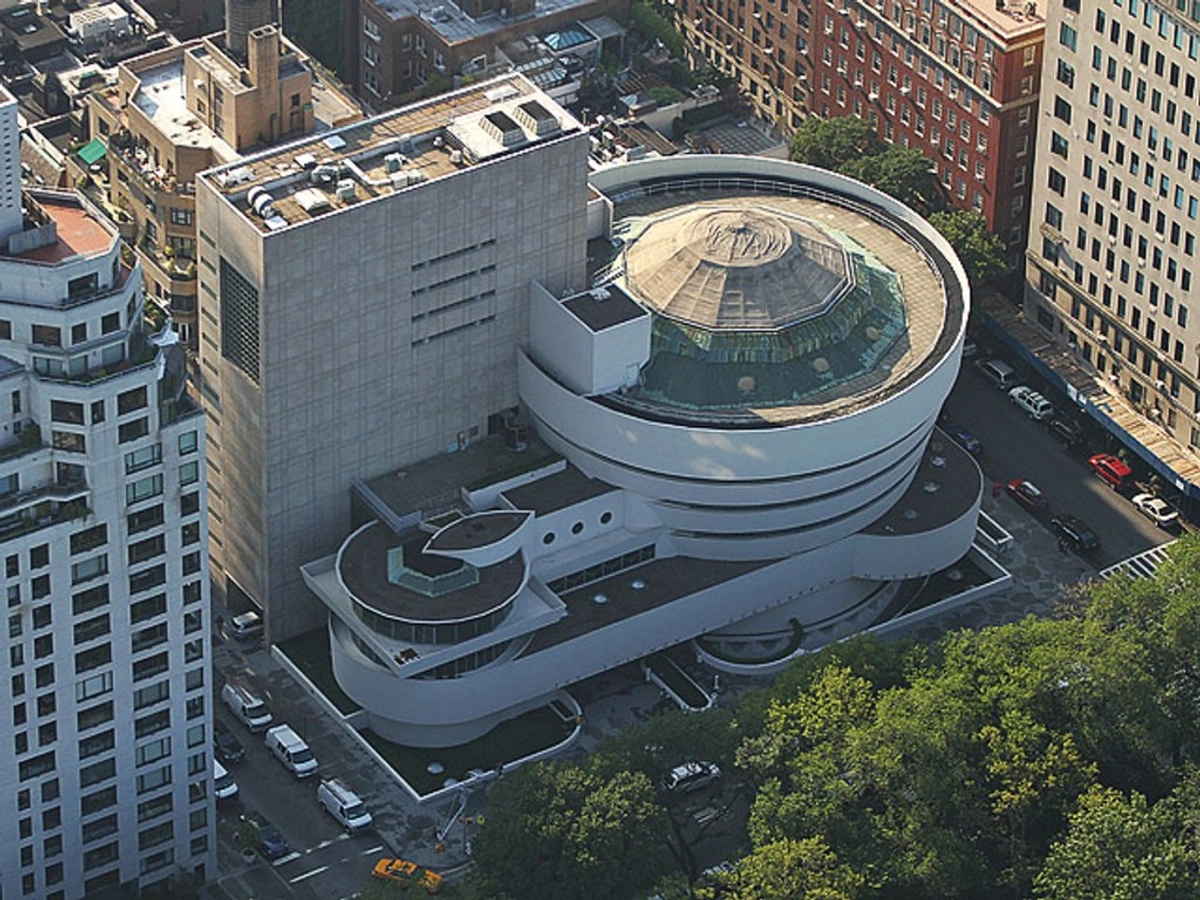
Contrast is a fundamental principle in art that involves the juxtaposition of different elements, such as light and dark, rough and smooth, or large and small. Contrast can create visual interest, emphasize certain elements, and convey a sense of depth and dimension. Artists have used contrast to create dynamic and engaging compositions that capture the viewer’s attention.
Texture and Technique
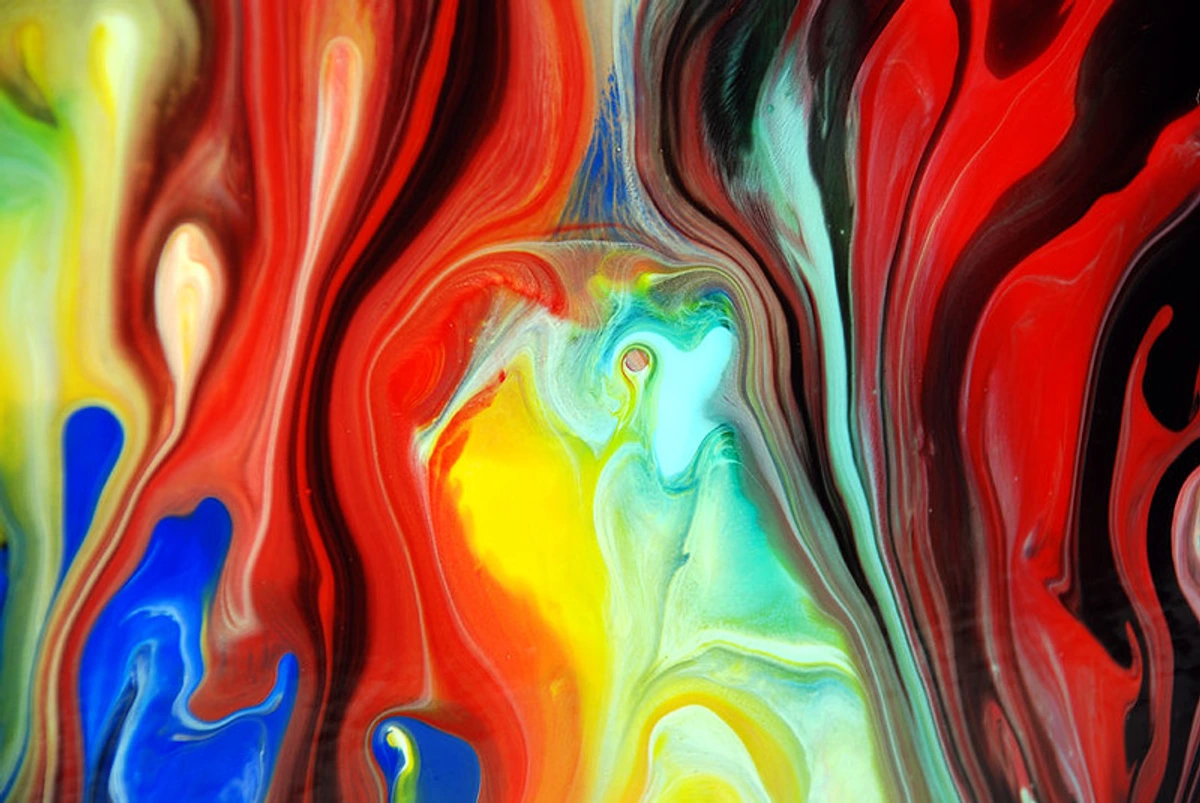
The way an artist applies paint or manipulates materials can also contribute to the enduring appeal of a style. The thick, impasto technique used by Van Gogh, for example, gives his paintings a tactile quality that draws viewers in. It’s not just about what you see; it’s about what you feel when you look at the artwork.
The Role of Medium
The choice of medium can also play a significant role in the enduring appeal of art. Different mediums, such as oil paints, watercolors, and digital art, offer unique possibilities for expression and innovation. The properties of each medium can influence the aesthetic qualities of the artwork, as well as its ability to endure over time.
The Role of the Artist
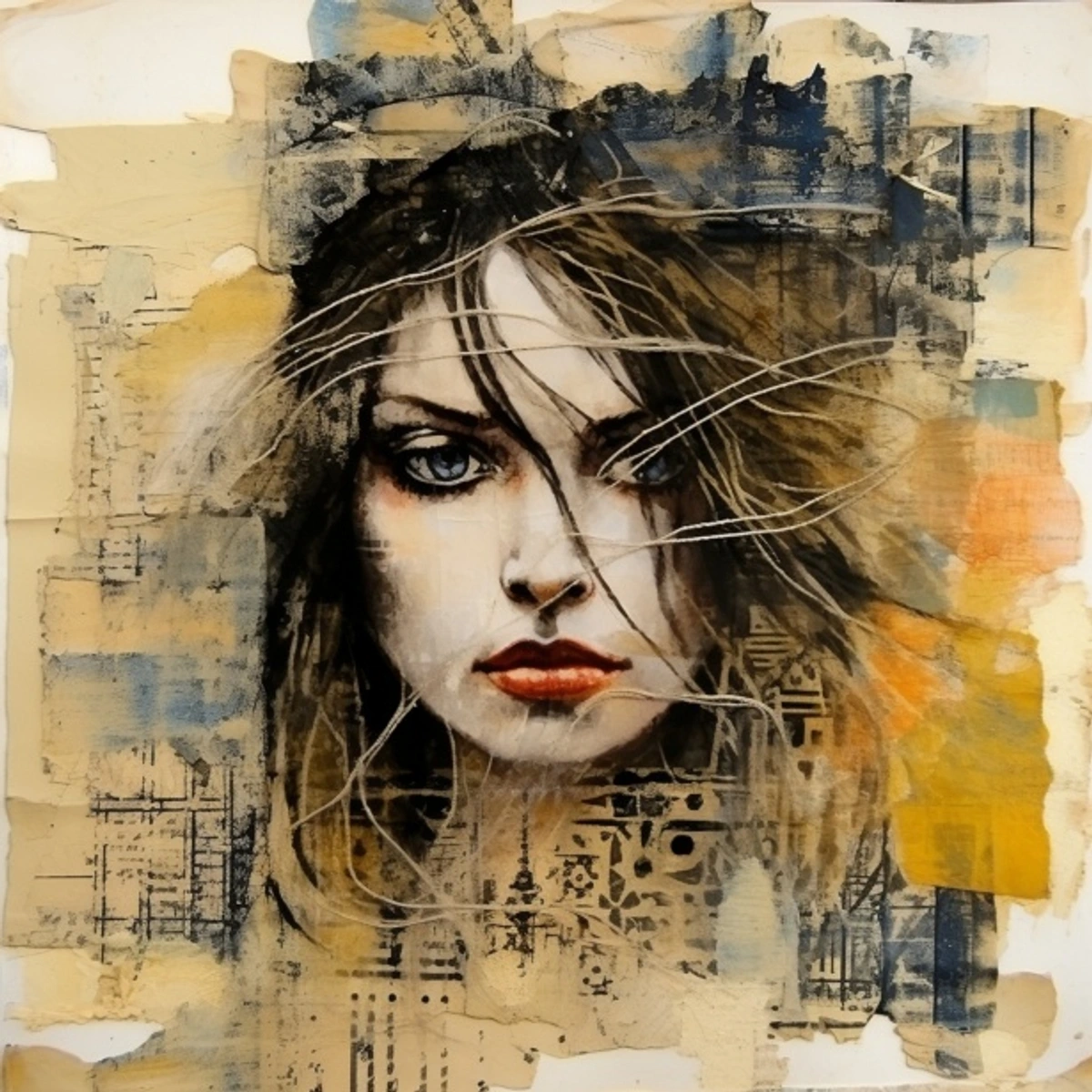
Behind every enduring art style is an artist who dared to see the world differently. These artists didn’t just follow trends; they created them. Their unique perspectives and innovative techniques set them apart and made their work timeless.
The Role of Inspiration
Inspiration is a key driver of artistic innovation. Artists draw inspiration from a variety of sources, including nature, personal experiences, and other works of art. This inspiration fuels their creativity and allows them to create works that are unique and meaningful.

Personal Expression
Art is, at its core, a form of personal expression. The styles that endure are often those that reflect the artist’s unique vision. Think about Frida Kahlo’s deeply personal and symbolic self-portraits or the surreal, dreamlike landscapes of Salvador Dalí. These artists didn’t just paint what they saw; they painted what they felt, and that authenticity resonates.
The Role of Experimentation
Experimentation is a crucial part of the artistic process. Artists who are willing to take risks and try new techniques often create works that are innovative and groundbreaking. This spirit of experimentation has led to the development of new art styles and movements, as well as the evolution of existing ones.
Technical Mastery
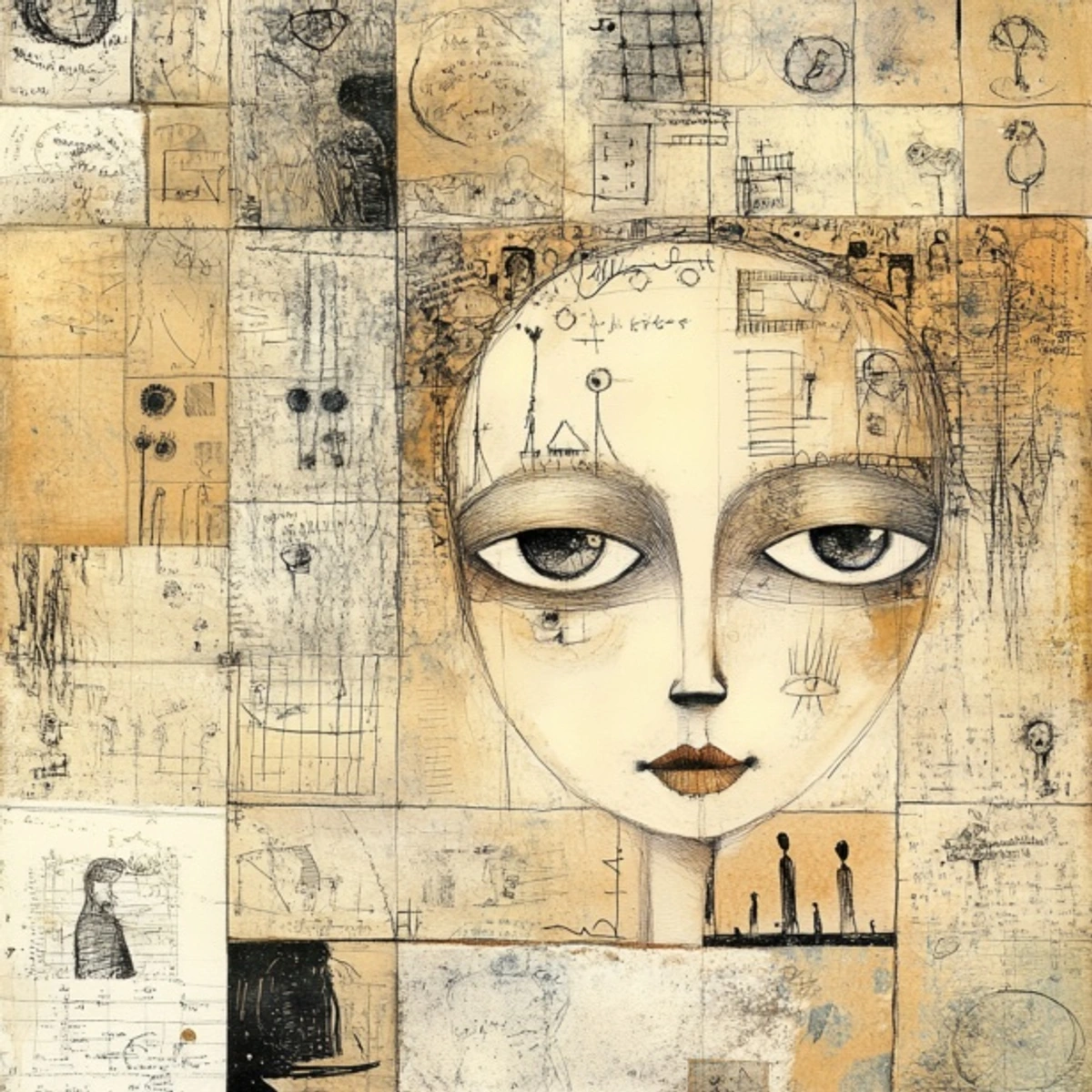
While personal expression is crucial, technical mastery is what elevates art from good to great. The enduring styles are often those that demonstrate a high level of skill and craftsmanship. Whether it’s the precise draftsmanship of the Old Masters or the bold, confident brushstrokes of the Impressionists, technical prowess is a key factor in the longevity of an art style.
The Role of Education
Education plays a significant role in the development of technical mastery. Artists who receive formal training or mentorship often have the opportunity to refine their skills and learn new techniques. This education can provide a foundation for artistic innovation and experimentation, as well as a deeper understanding of the principles of art.

FAQ
Why do some art styles become popular and then fade away?
Art styles often reflect the cultural and societal values of their time. As these values change, so do the styles that resonate with people. Some styles fade because they’re too closely tied to a specific moment in history, while others endure because they tap into universal themes and emotions.

What is the role of art criticism in the endurance of art styles?
Art criticism plays a significant role in shaping the perception and endurance of art styles. Critics provide insights into the meaning, techniques, and cultural context of art, which can influence its reception and longevity. However, the ultimate test of an art style’s endurance is its ability to resonate with audiences over time.
Can contemporary art styles become timeless?
Absolutely. Contemporary art styles that push boundaries, evoke strong emotions, and reflect universal human experiences have the potential to become timeless. The key is innovation combined with a deep connection to the human experience.
How does globalization affect the endurance of art styles?
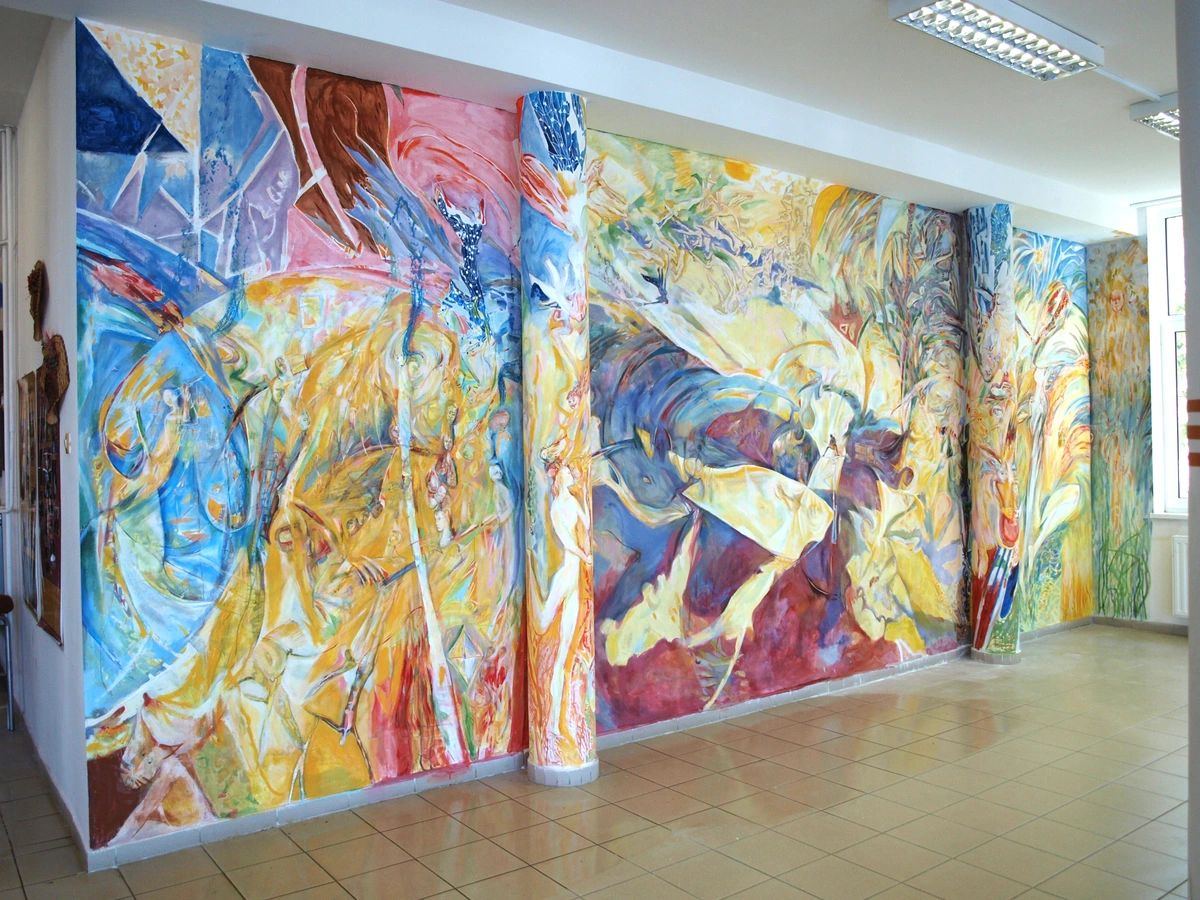
Globalization has had a profound impact on the endurance of art styles. It has facilitated the exchange of ideas, techniques, and cultural influences, leading to the development of new art styles and the evolution of existing ones. Globalization has also made art more accessible to a wider audience, contributing to its longevity and relevance.

How can I tell if an art style will endure?
While it’s impossible to predict with certainty, art styles that demonstrate technical mastery, evoke strong emotions, and reflect universal themes are more likely to stand the test of time. Look for styles that resonate with a wide audience and have a unique, innovative approach.
What is the role of art education in the endurance of art styles?
Art education plays a crucial role in the endurance of art styles. It provides artists with the skills, knowledge, and techniques necessary to create meaningful and innovative works. Art education also fosters an appreciation for art, which can contribute to its longevity and relevance.

Why do people connect with certain art styles more than others?
People connect with art styles that reflect their own experiences, emotions, and values. Art that taps into universal themes—like love, loss, or the search for meaning—tends to resonate more deeply. Additionally, the aesthetic qualities of a style, such as color, balance, and technique, can also play a role in how people connect with it.
How does the digital age impact the endurance of art styles?
The digital age has transformed the way art is created, shared, and experienced. Digital tools and platforms have made art more accessible to a global audience, contributing to its longevity and relevance. The digital age has also facilitated the development of new art styles and the evolution of existing ones, as artists explore the possibilities of digital media.

What role does innovation play in the endurance of art styles?
Innovation is crucial. Art styles that push boundaries and challenge the status quo often leave a lasting impact. However, innovation alone isn’t enough. The art must also connect with people on a deeper level, evoking emotions and reflecting universal experiences.
How does the art market influence the endurance of art styles?
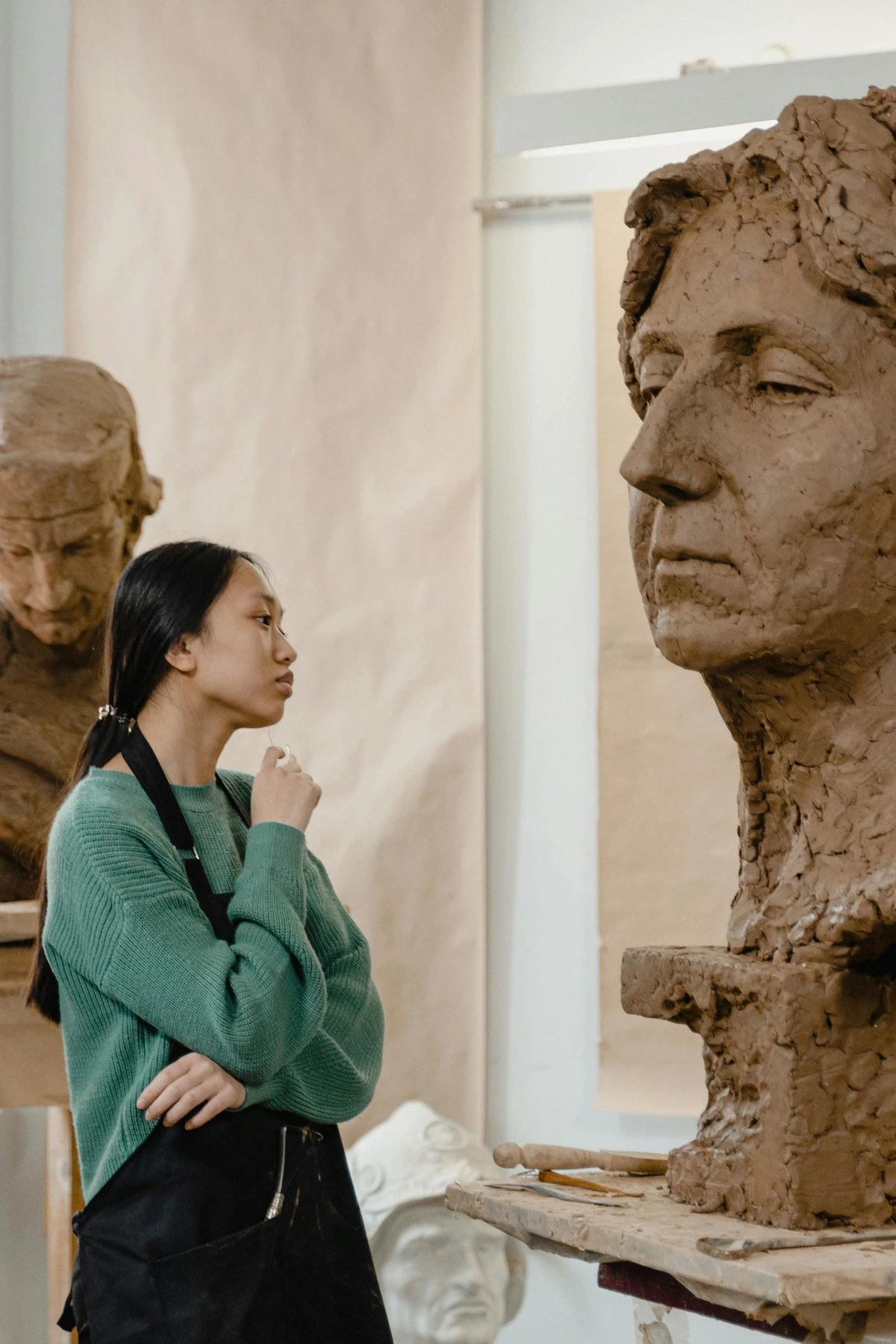
The art market plays a significant role in the endurance of art styles. It provides a platform for artists to showcase their work, as well as a means of financial support. The art market can also influence the perception and value of art, contributing to its longevity and relevance.
Conclusion
So, why do certain art styles endure? It’s a combination of psychological resonance, cultural relevance, aesthetic appeal, and the unique vision of the artist. These styles speak to us on a deep, emotional level. They reflect our values, challenge our perceptions, and connect us to something greater than ourselves.
As an artist, I’m constantly inspired by the styles that have stood the test of time. They remind me that art isn’t just about creating something beautiful; it’s about creating something meaningful. Something that resonates. Something that endures.

















And who knows? Maybe the art you create today will be the timeless masterpiece that inspires generations to come. If you’re looking to explore more about art styles and movements, check out our timeline or browse our collection of contemporary art at /buy.
The Future of Art
The future of art is as exciting as it is unpredictable. With advancements in technology, changes in cultural values, and the ever-evolving nature of human expression, the possibilities for art are endless. As we continue to explore and innovate, we can look forward to the emergence of new art styles and the evolution of existing ones, each with the potential to endure and inspire for generations to come.