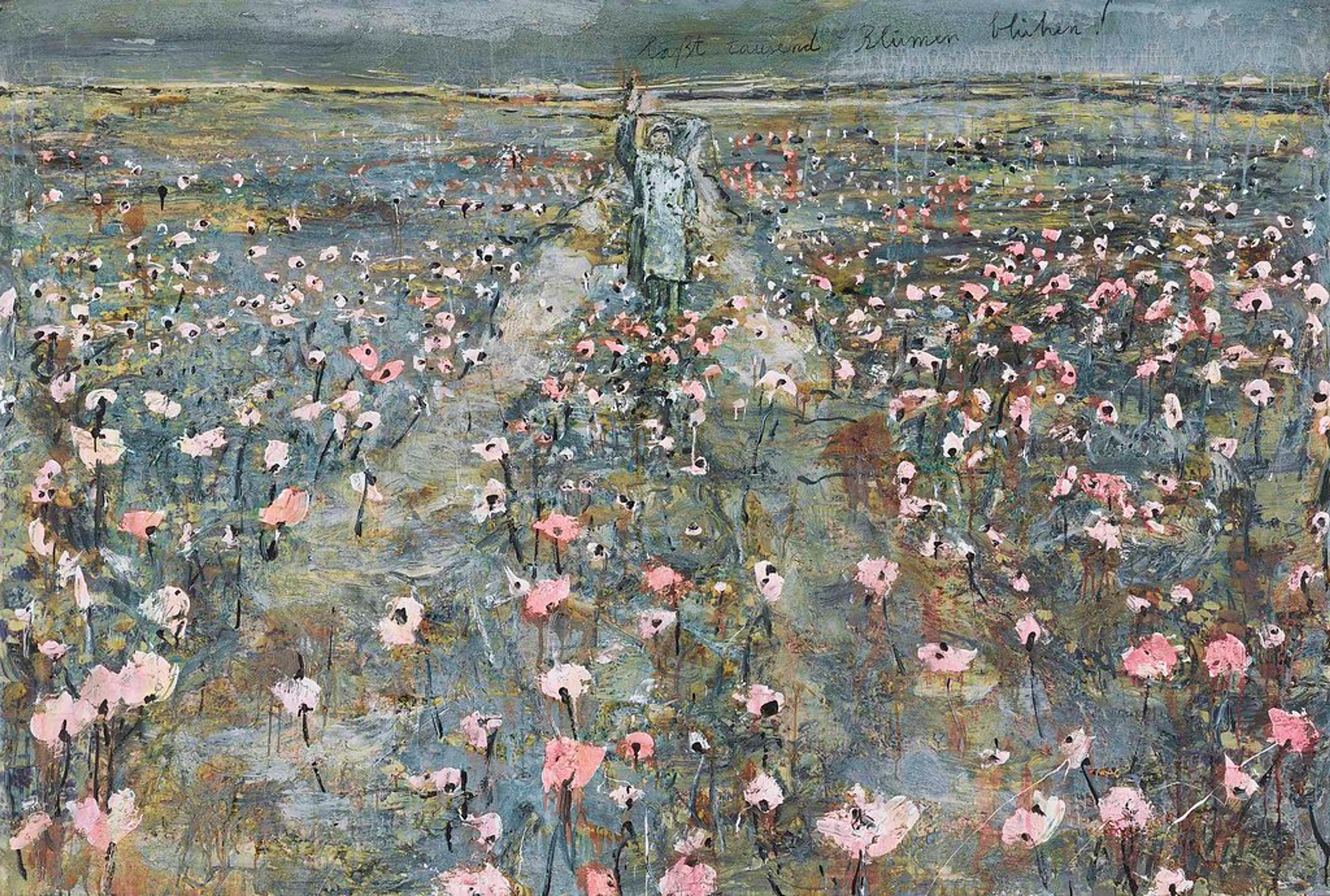
What Is Universal Human Experience in Art?
Explore how art captures fundamental human experiences across cultures and time periods, and why it resonates universally.

What Is Universal Human Experience in Art?
I remember the first time I stood in front of Van Gogh’s Starry Night. It wasn’t just the swirling blues and yellows that struck me—it was the feeling. That overwhelming sense of wonder, of smallness under a vast sky. And then I realized: this painting, created over a century ago, still speaks to me today. That’s the magic of universal human experience in art.
Art has a unique ability to transcend time, culture, and language. It connects us to emotions and experiences that are fundamentally human. Whether it’s love, loss, joy, or fear, these themes resonate deeply within us, making art a universal language.
Art has a unique ability to transcend time, culture, and language. It connects us to emotions and experiences that are fundamentally human. Whether it’s love, loss, joy, or fear, these themes resonate deeply within us, making art a universal language.

Why Does Art Feel Universal?
Art has this incredible ability to transcend time, culture, and language. But why? It’s because art taps into emotions and experiences that are fundamentally human. Love, loss, joy, fear—these aren’t just themes; they’re the fabric of our lives. When an artist captures these, the artwork becomes a mirror, reflecting something deep within us.
Art is not just about aesthetics; it’s about connection. It’s about finding common ground in the vast diversity of human experiences. This connection is what makes art feel universal.
The Psychological Impact of Art
Art has the power to evoke emotions and memories, often without the need for words. This psychological impact is rooted in our brain's ability to process visual stimuli and associate them with past experiences. Whether it’s a painting, sculpture, or photograph, art can trigger a cascade of emotions that resonate universally.
The Role of Emotion
Emotion is the bridge between the artist and the viewer. Think about it: when you see a painting of a weeping figure, you don’t just see the tears; you feel the sorrow. That’s because the artist has distilled a universal emotion into a visual language. It’s why Picasso’s Guernica still evokes horror and grief, decades after its creation.
Emotions are the universal thread that ties us all together. They allow us to empathize with experiences we’ve never had and understand perspectives we’ve never considered. This emotional resonance is what makes art so powerful.
The Science Behind Emotional Resonance
Research in psychology and neuroscience has shown that art activates the brain’s reward system, releasing dopamine and creating a sense of pleasure and connection. This biological response explains why we are drawn to art that resonates with our emotions. It’s not just about what we see; it’s about how it makes us feel.
Cultural Context vs. Universal Truths
Now, you might be thinking, But isn’t art shaped by culture? Absolutely. The symbols, colors, and even the subjects in art are often culturally specific. Yet, the underlying emotions—grief in a Greek tragedy, joy in a Renaissance painting—are universally recognizable. That’s the paradox: art is both deeply personal and universally relatable.
Culture provides the lens through which we view art, but the emotions it evokes are universal. This duality is what makes art so fascinating. It allows us to appreciate the uniqueness of different cultures while recognizing the shared humanity that connects us all.

The Role of Symbolism in Art
Symbolism in art varies across cultures, but its purpose remains the same: to convey deeper meanings and emotions. For example, the color white may symbolize purity in Western cultures but mourning in some Eastern cultures. Despite these differences, the emotional impact of symbolism is universal, transcending cultural boundaries.
Examples of Universal Experiences in Art
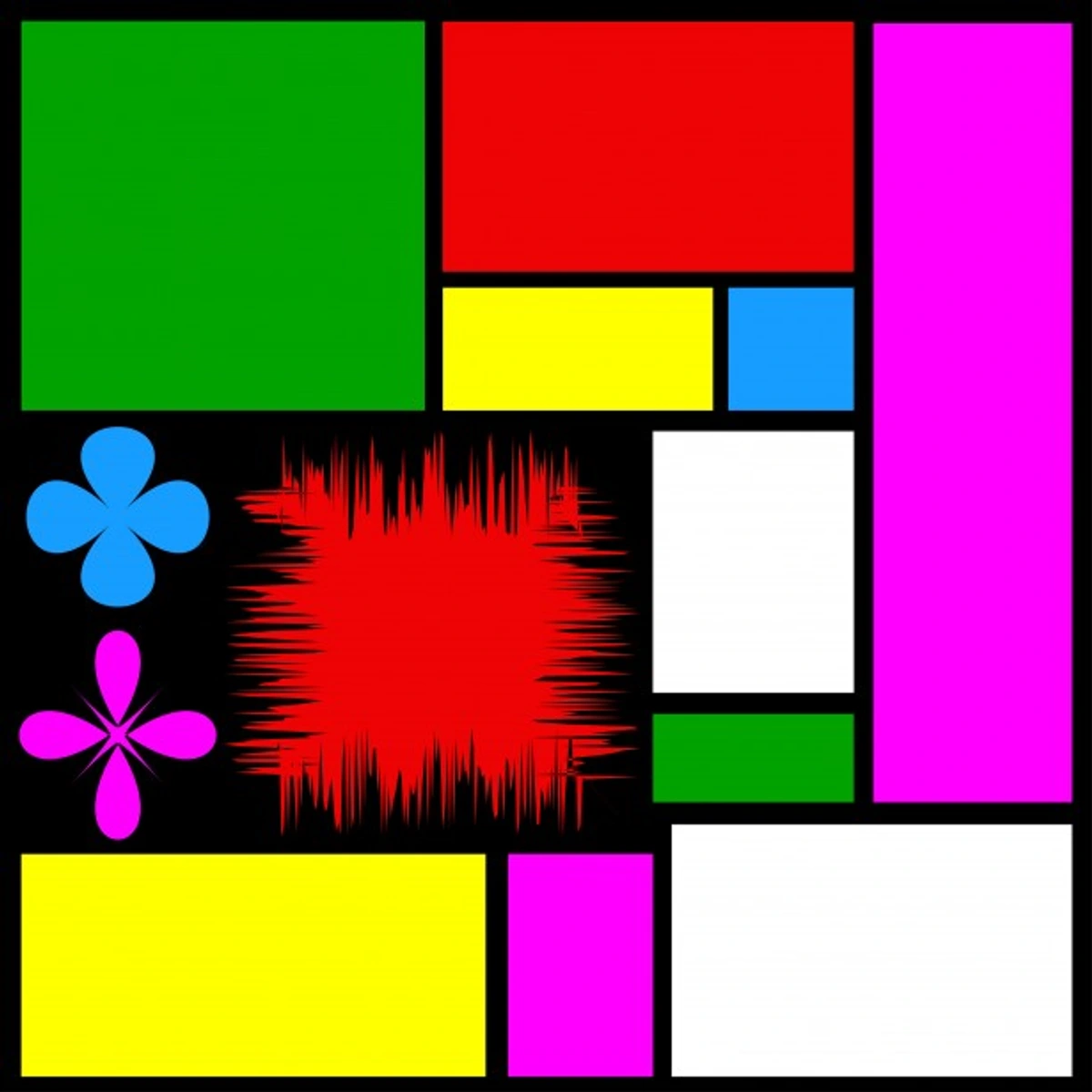
Let’s break it down with some examples. I’ve included a table to make it easier to see how different artworks capture these universal themes.
Artwork  | Artist | Why It Resonates | |
|---|---|---|---|
| The Scream | Edvard Munch | Anxiety/Existential Dread | The distorted figure and swirling sky capture a feeling of overwhelming fear that anyone can relate to. |
| Mona Lisa | Leonardo da Vinci | Mystery/Intrigue | Her enigmatic smile invites endless interpretation, making us question what lies beneath the surface. |
| The Persistence of Memory | Salvador Dalí | Time/Fleeting Nature of Life | The melting clocks symbolize the fluidity of time, a concept that haunts us all. |
| The Starry Night | Vincent van Gogh | Wonder and Awe | The swirling sky and vibrant colors evoke a sense of wonder and the vastness of the universe. |
| The Last Supper | Leonardo da Vinci | Betrayal and Sacrifice | This iconic painting captures the moment of betrayal, a theme that resonates across cultures and time. |
| The Birth of Venus | Sandro Botticelli | Beauty and Creation | This painting captures the timeless theme of beauty and the creation of life, resonating with viewers across generations. |
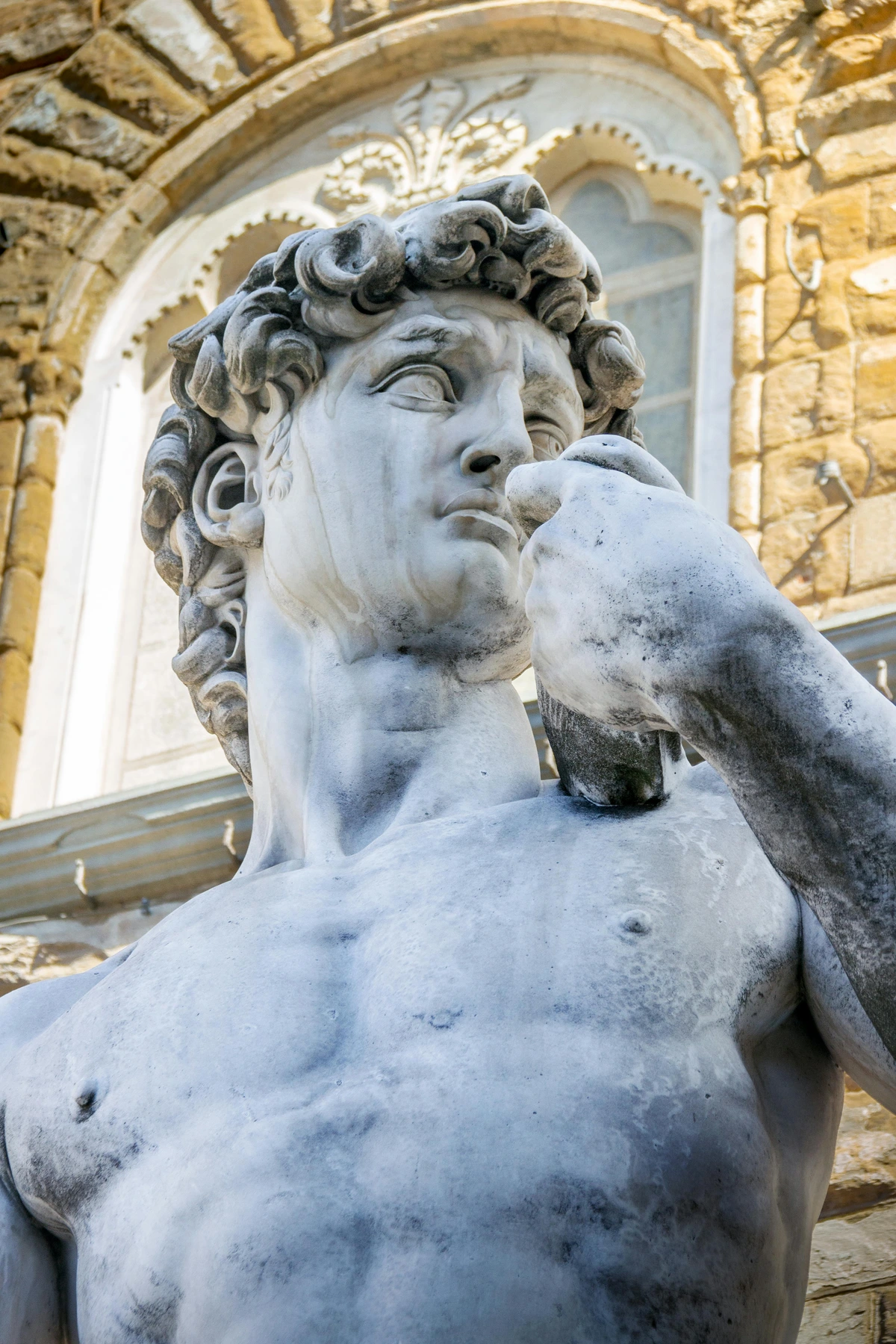
| The Thinker | Auguste Rodin | Contemplation and Reflection | The sculpture embodies the universal human experience of deep thought and introspection. |
These examples illustrate how art can capture universal human experiences, transcending cultural and temporal boundaries.
The Evolution of Universal Themes in Art
Universal themes in art have evolved over time, reflecting the changing values and beliefs of society. For example, the theme of love has been depicted in various ways, from the romantic ideals of the Renaissance to the more abstract and complex representations in modern art. This evolution highlights the enduring relevance of universal themes in art.
Abstract Art and Universality
You might wonder, How does abstract art fit into this? Abstract art strips away the literal, leaving only emotion and form. Take Mark Rothko’s color fields—they don’t depict anything concrete, yet they evoke profound feelings. That’s because they’re not about what you see, but how you feel.
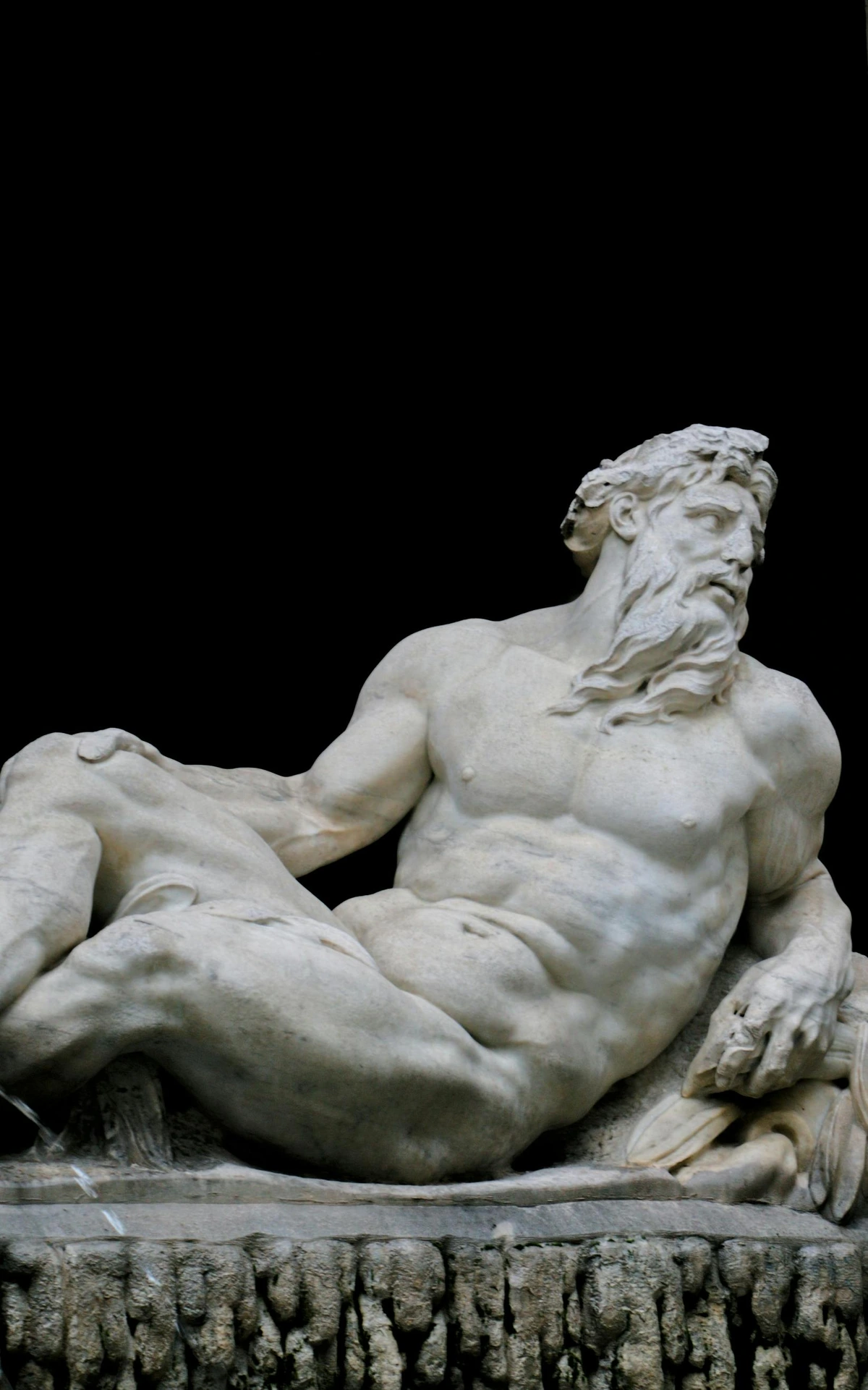
Abstract art challenges us to look beyond the surface and connect with the emotions and ideas it represents. It invites us to explore our own feelings and interpretations, making it a powerful medium for universal expression.
The Role of Color in Abstract Art
Color plays a crucial role in abstract art, evoking emotions and creating a sense of harmony or contrast. Different cultures may associate colors with different emotions or ideas, but the impact of color on our feelings is universal. For example, warm colors like red and orange can evoke feelings of passion and energy, while cool colors like blue and green can create a sense of calm and tranquility.
How to Connect with Art on a Universal Level
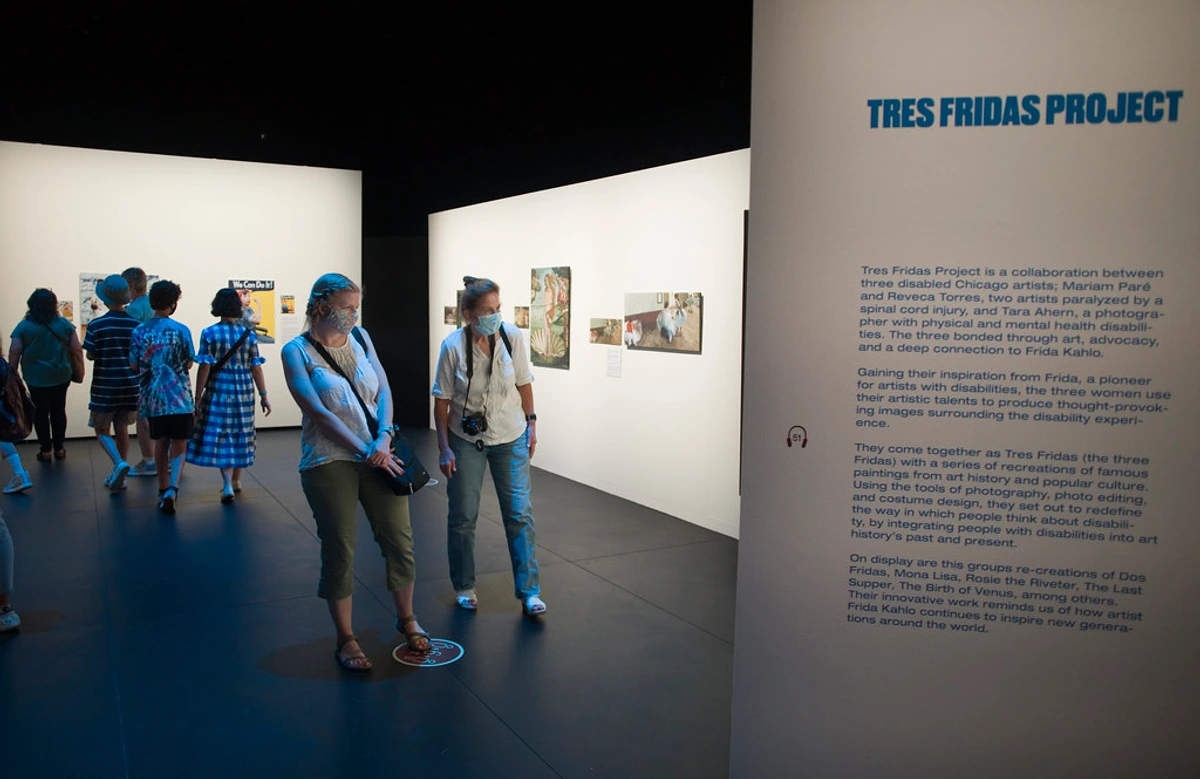
So, how can you, as a viewer, tap into this universal experience? Here are a few tips:

- Slow Down: Don’t rush. Spend time with the artwork. Let it sink in.
- Ask Questions: What emotions does this piece evoke? Why?
- Look for Patterns: Notice recurring themes in art across different cultures and eras.
- Trust Your Feelings: Art isn’t about right or wrong interpretations. It’s about what resonates with you.
- Explore Different Mediums: Don’t limit yourself to one type of art. Explore paintings, sculptures, photography, and more to find what speaks to you.
By engaging with art in these ways, you can deepen your connection to the universal human experiences it represents.
The Role of the Artist
As an artist, my goal is to create work that speaks to these universal truths. Whether it’s through bold colors or abstract forms, I aim to capture emotions that transcend language and culture. It’s why I’m drawn to contemporary, colorful art—it’s a way to express the complexity of human experience in a visually compelling way.
Artists have a unique responsibility to explore and express the universal human experience. Through their work, they can bridge gaps between cultures, generations, and perspectives, creating a shared language of emotion and meaning.
The Artist’s Journey
The journey of an artist is often filled with challenges and triumphs. From the initial spark of inspiration to the final creation, artists navigate a complex process of self-discovery and expression. This journey is a testament to the power of art to transform and inspire, both the artist and the viewer.
The Impact of Art on Society
Art has the power to shape society by reflecting its values, challenging norms, and inspiring change. Throughout history, art has been used as a tool for social commentary, political protest, and cultural expression. By engaging with art, we can gain a deeper understanding of the world around us and our place within it.
FAQ
What makes an artwork universally relatable?
An artwork becomes universally relatable when it captures emotions or experiences that are fundamental to the human condition. These could be love, loss, joy, fear, or even existential questions about life and death.
Can abstract art be universal?
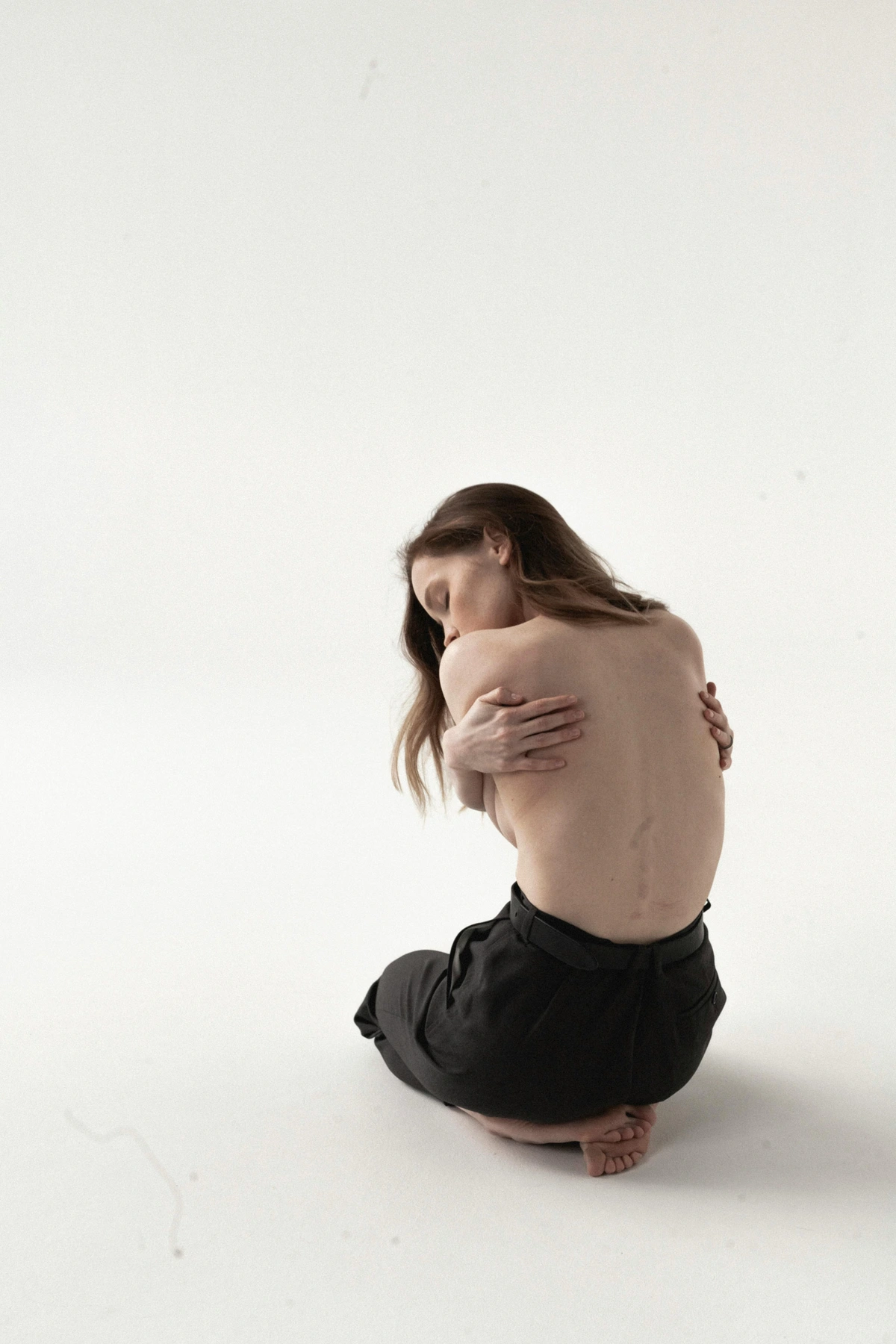
Absolutely. Abstract art often distills emotions into their purest forms, making them accessible to anyone, regardless of cultural background. The lack of literal representation allows viewers to project their own feelings onto the artwork.
How does culture influence universal themes in art?
Culture shapes the way universal themes are expressed. For example, the way grief is depicted in a Japanese woodblock print might differ from a European oil painting, but the underlying emotion remains the same.
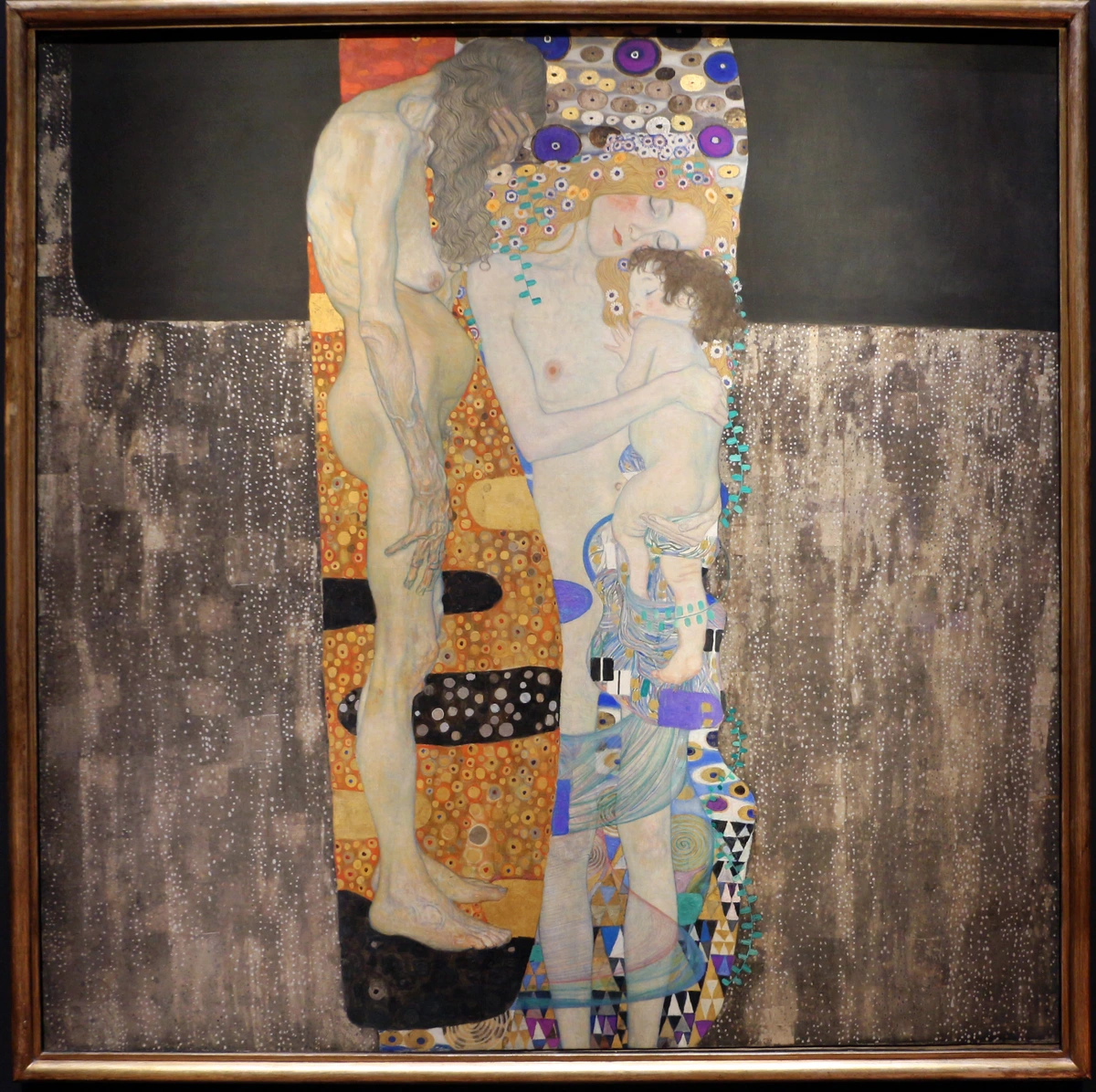
Why do some people not connect with certain artworks?
Art is subjective. While some artworks resonate universally, personal experiences, cultural background, and even mood can influence how someone connects with a piece. It’s okay if not every artwork speaks to you.
How can I learn to appreciate art more deeply?
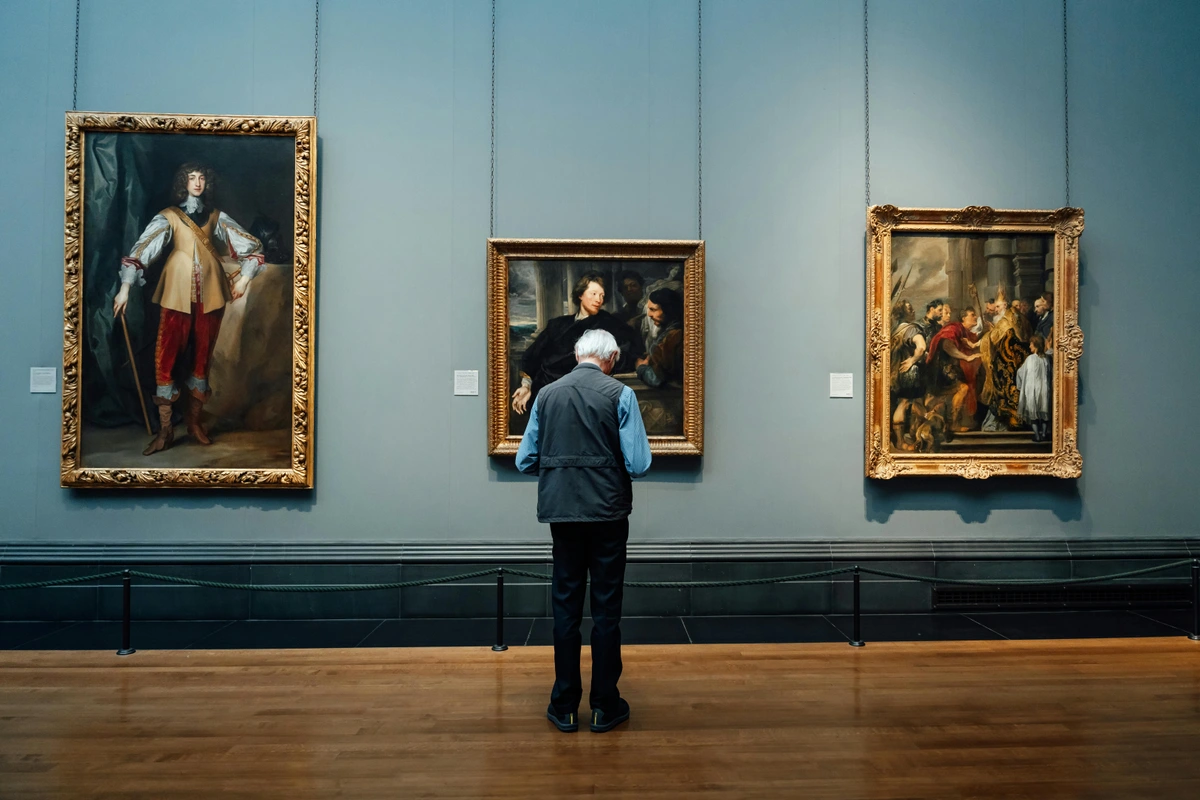
Start by spending more time with artworks. Visit museums, read about the artists, and don’t be afraid to ask questions. The more you engage with art, the more you’ll start to see the universal themes within it.
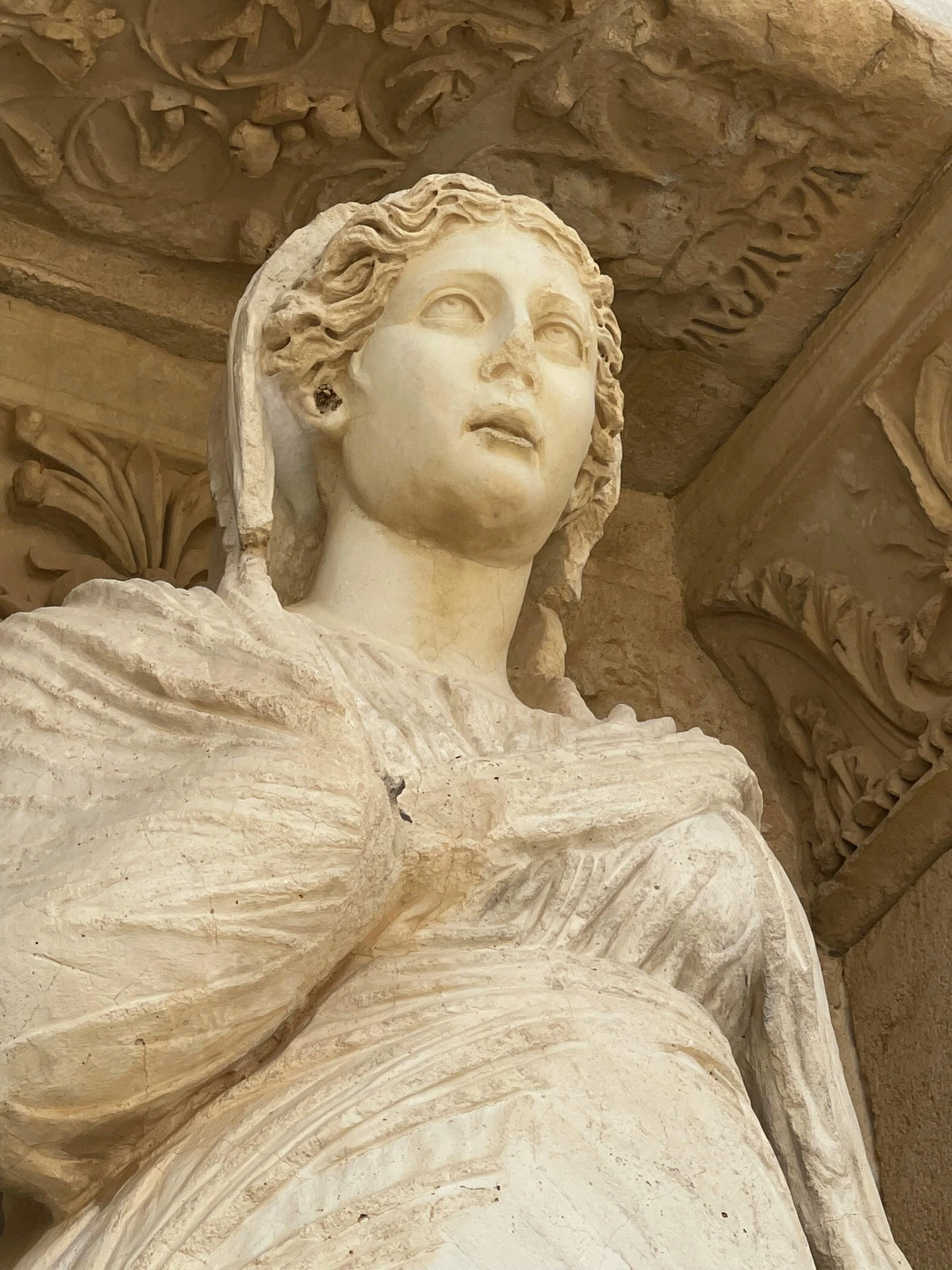
What role does color play in universal art?
Color is a powerful tool in art. It can evoke emotions, convey meaning, and create a sense of harmony or contrast. Different cultures may associate colors with different emotions or ideas, but the impact of color on our feelings is universal.
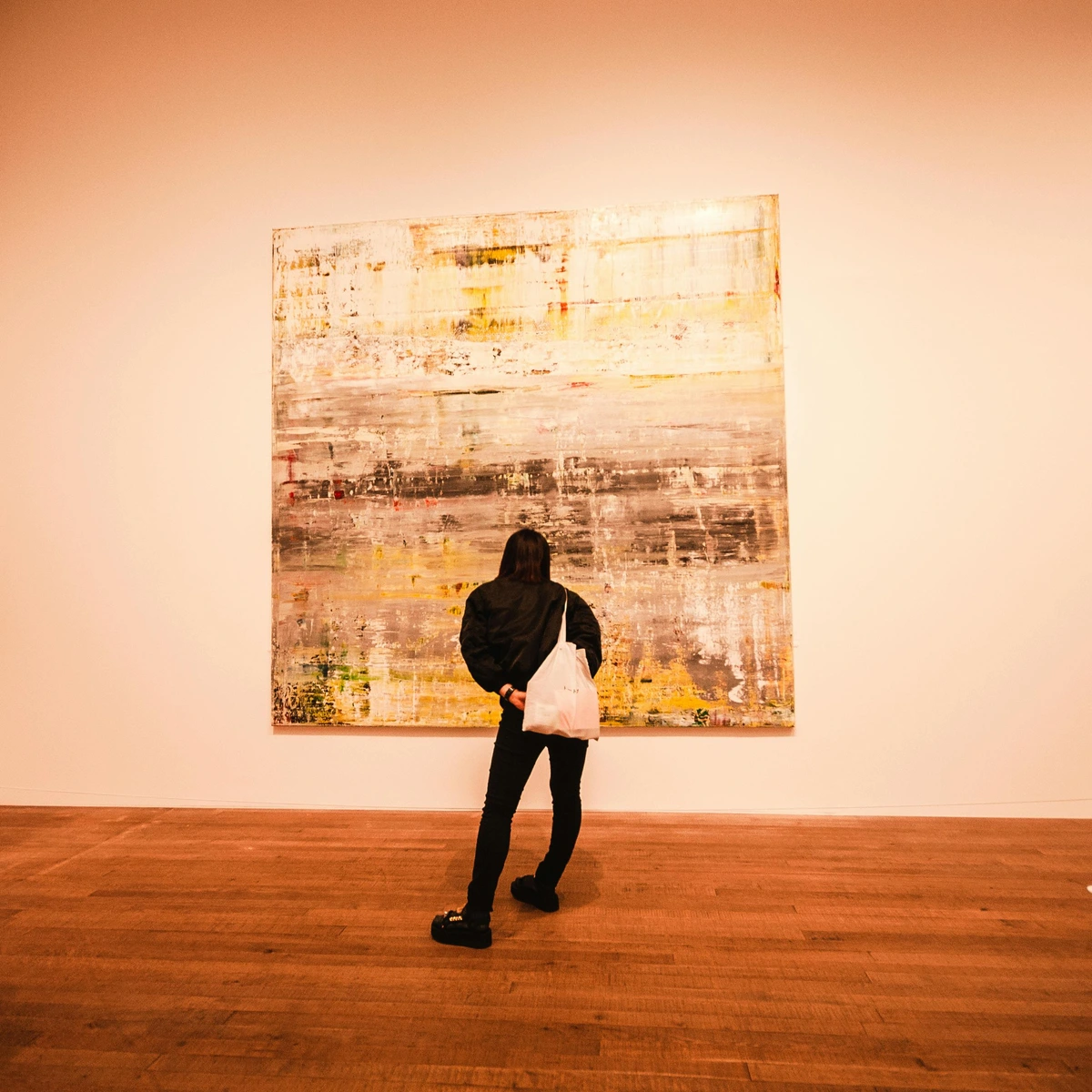
How does art help us understand different cultures?
Art provides a window into the values, beliefs, and experiences of different cultures. By exploring art from around the world, we can gain a deeper understanding of the diversity and commonality of human experiences.
Can music be considered a universal art form?
Yes, music is often considered a universal art form because it transcends language and cultural barriers. It can evoke emotions and create connections between people from different backgrounds and experiences.

What is the significance of storytelling in art?
Storytelling is a fundamental aspect of art. It allows artists to convey complex ideas, emotions, and experiences in a way that is accessible and engaging. Stories in art can resonate across cultures and generations, making them a powerful tool for universal expression.
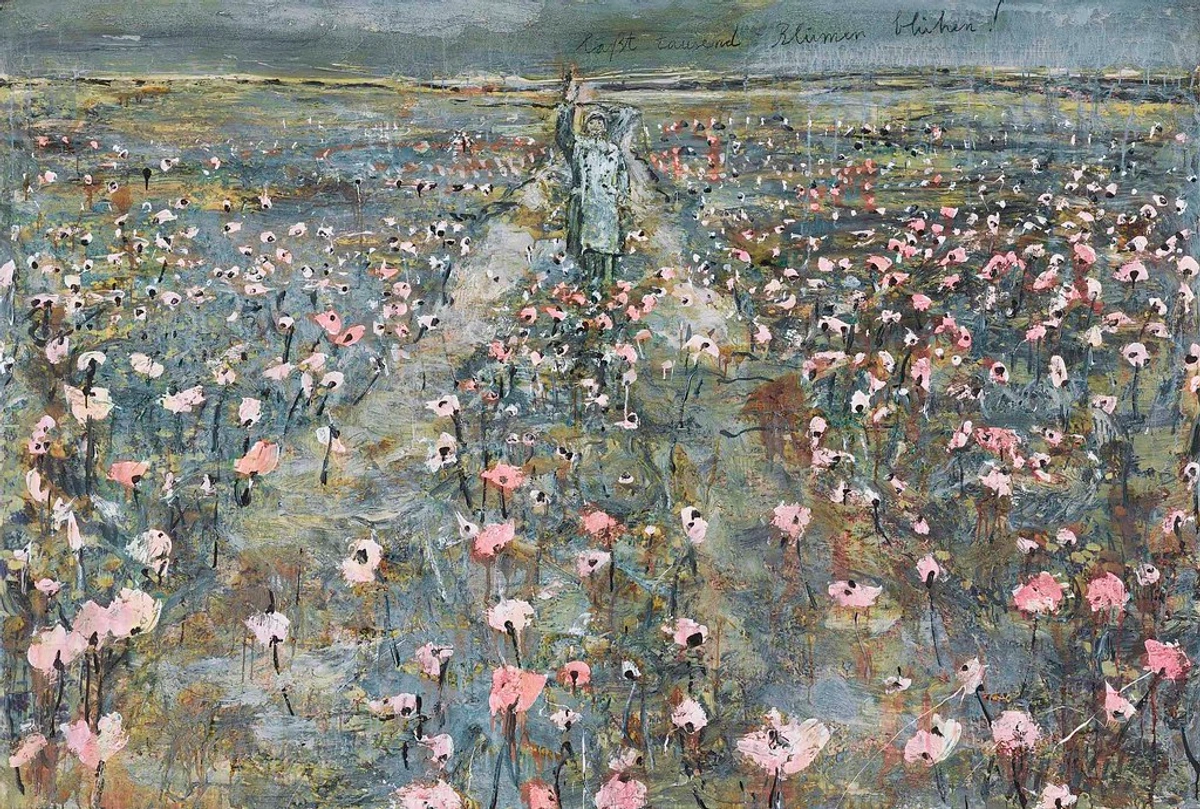
How does art contribute to our sense of identity?
Art can reflect and shape our sense of identity. It allows us to explore our own experiences, values, and beliefs, as well as those of others. By engaging with art, we can gain a deeper understanding of ourselves and our place in the world.
Conclusion
Art is a language without words. It speaks to us in emotions, in colors, in forms. And when it captures something universal—something that resonates across cultures and time—it becomes more than just a painting or a sculpture. It becomes a shared human experience.

So next time you stand in front of an artwork, ask yourself: What is this saying to me? You might be surprised by the answer.











Credit, License