
Embracing Imperfection: Find Artistic Freedom & Conquer Perfectionism
Struggling with perfectionism in art? Discover candid strategies to overcome creative blocks, silence your inner critic, and reclaim the joy of an authentic, beautiful, and perfectly imperfect creative process.

The Tyranny of the Perfect Stroke: How I Found Freedom from Perfectionism in Art
I remember the smell of turpentine mixed with my rising frustration, a nearly finished abstract piece on the easel, vibrant and alive just moments before. But the invisible tyrant, perfectionism, whispered, 'One more detail. Perfect it.' And with one final, 'corrective' brushstroke, the life drained out, turning it into a muddy, overworked corpse of its former self. That chilling dread, that crushing disappointment... if you've ever felt that soul-sucking paralysis when facing a blank page, or the deep dissatisfaction when your art doesn't live up to some impossible ideal, then you and I are probably kindred spirits. That relentless fear of not being 'good enough' is a heavy cloak to wear, often leading directly to creative blocks and the dreaded artist's block. It’s a relentless, self-imposed pressure that creates a psychological treadmill to nowhere, inevitably leading to creative burnout.
This article is my candid confession and, more importantly, a map out of that particular struggle, offering strategies I've embraced to reclaim my artistic freedom and find joy in the creative process. It's a journey I've often recounted, especially in my piece on my creative journey from concept to canvas in abstract art, where the seeds of this struggle first took root.
The Double-Edged Sword: When Good Intentions Become a Trap
On the surface, perfectionism sounds admirable. Who doesn't want to create their best work? We often start with a genuine drive for quality, a desire to hone our skills. But the insidious truth is, it's rarely about achieving true quality; it's about avoiding perceived failure – the overwhelming fear of judgment, both from others and, more powerfully, from ourselves. It’s a desperate attempt to control an inherently unpredictable creative process, a shield against criticism, often rooted in deeper anxieties or societal pressures to always present a polished facade. Psychologically, this often manifests as cognitive distortions like all-or-nothing thinking: if it's not absolutely perfect, it's a complete failure.
This tyrant manifests differently across various art forms. In sculpture, it might be the paralyzing fear of a single chisel slip that could ruin hours of work on costly material. In digital art, the infinite 'undo' button, meant to offer freedom, ironically becomes a source of endless tweaking and self-doubt. For a representational artist, it's the relentless pursuit of exact likeness that steals the life from a portrait. While the medium changes, the underlying fear of failure in art remains the same.
Even the greats wrestled with this, albeit in different eras. Think of the meticulous detail of the Renaissance and Neoclassical masters – a form of 'perfection' that defined their eras, where technical precision was paramount. Artists like Ingres were celebrated for their flawless lines and smooth finishes. But then came the Impressionists, who deliberately broke from that, embracing visible brushstrokes and fleeting moments over polished realism, rebelling against the tyranny of the 'perfect' finish. Later, Abstract Expressionists like Jackson Pollock exploded notions of traditional perfection, prioritizing raw emotion and process over meticulous detail. This historical shift reminds us that 'perfection' is a fluid, often culturally constructed ideal, not an absolute truth.
For me, it manifested in a few key ways, and perhaps you'll recognize some of these red flags in your own practice:
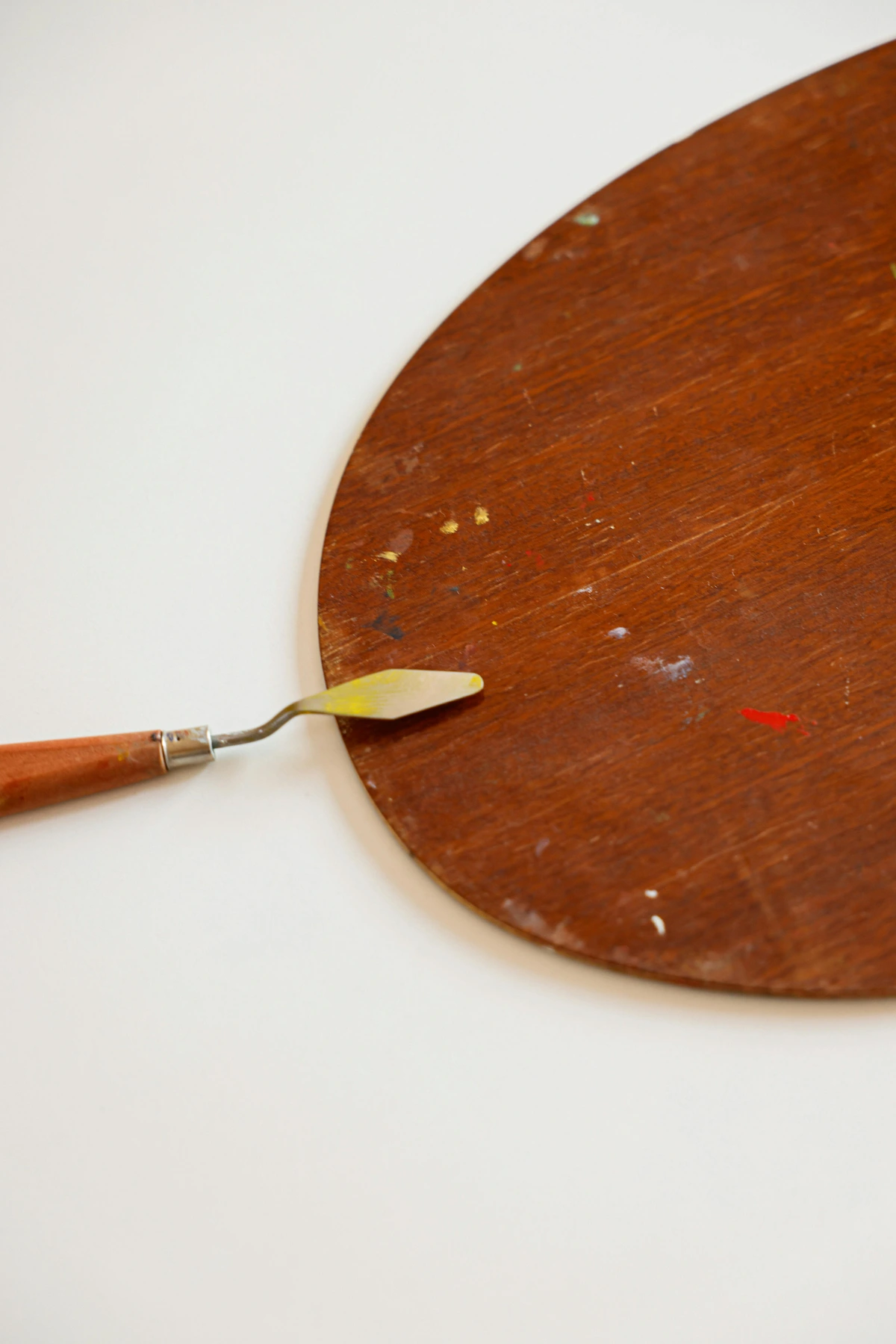
- The Blank Canvas Terror: It's not just a blank canvas; it's a field of infinite possibilities, each threatened by my first 'wrong' move. That paralyzing fear of making that first mark, of 'ruining' the potential before it even began, is a direct precursor to creative burnout and the dreaded artist's block before I even started. It felt like walking a tightrope without a net, stifling my personal philosophy and artistic vision before it could even begin.
- Endless Tweaking & Overworking: My nemesis, indeed. 'Just a bit more definition here,' I'd tell myself, 'a touch more luminosity there.' Soon, that vibrant orange was a dull brown, the crisp edge a soft blur. This is the inability to say 'done,' where every brushstroke becomes a judgment, every color choice a monumental decision. This is where colors turn muddy, textures disappear, and the original spark of life in a piece fades into overworked stiffness. The finishing line, like a mirage, keeps moving further away, and this is the heart of overworking art. I once spent an entire week on a single abstract painting, convinced it needed something more, only to realize I'd stripped away all its spontaneity and left it lifeless.
- The Comparison Trap: Oh, this one's a rabbit hole of self-doubt artist struggles. Scrolling through other artists' pristine portfolios, seeing their 'perfect' finished pieces on social media, and instantly feeling my own work was inadequate. Beyond actively curating my feeds, I started seeking out artists who shared their process, their struggles, their 'ugly' phases. It reminds me that perfection is often a curated illusion. And my 'joy list' isn't just about inspiration; it's a carefully cultivated collection of pieces that genuinely move me, not just impress me technically, serving as a shield against those relentless whispers of inadequacy. It's also where I find comfort in knowing that the emotional resonance of my abstract art is more important than technical perfection.
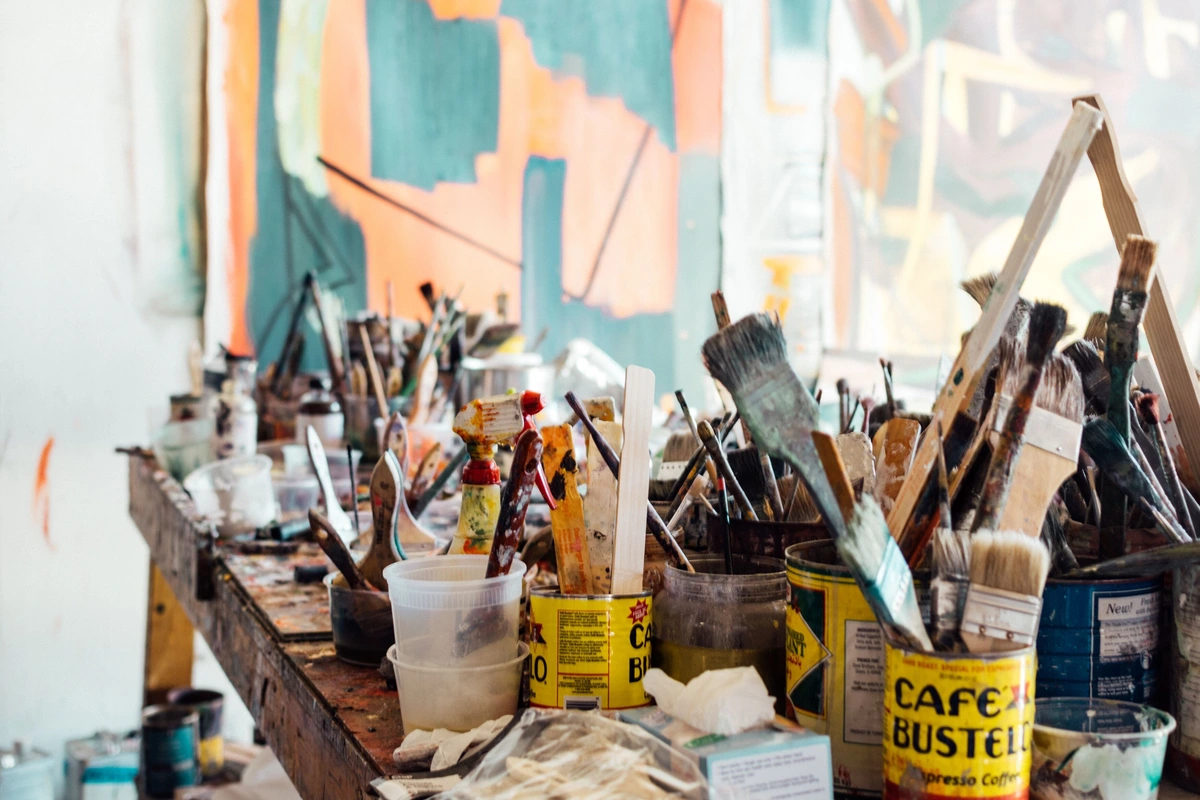
The Artist's Inner Critic: Naming the Tyrant's Chief Lieutenant
We all have that voice, don't we? That relentless internal editor, judge, and executioner. Mine, I've affectionately (and sometimes venomously) named 'The Curator of Calamity.' This internal critic, a major contributor to artist's block and creative burnout, often sounds like, 'That's childish,' 'You're not good enough,' 'Why bother, someone else has done it better.' The first step to disarming it is to recognize it, acknowledge its presence without judgment – 'Ah, there you are again, old friend' – and then, perhaps, politely ignore it. I've learned that listening to it too long is akin to letting a very negative art critic live rent-free in my head, constantly undermining my finding my artistic voice.
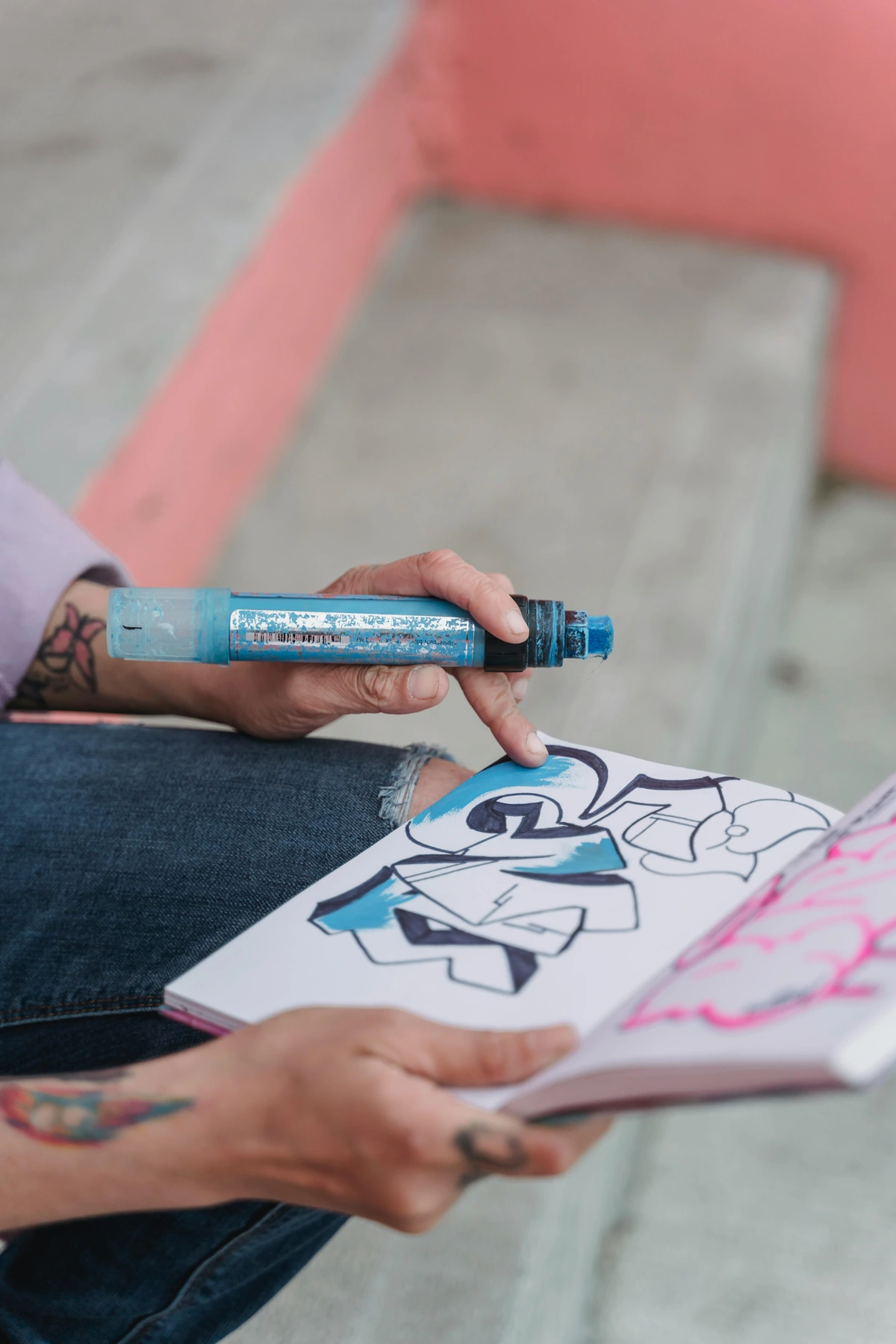
Taming the Tyrant: My Personal Map to Artistic Freedom
Recognizing the enemy is only the first step; the real battle lies in disarming it. This isn't a quick fix, like hitting 'undo' in digital art. It's a daily practice, an ongoing renegotiation with that demanding voice in my head. It's about building new habits and cultivating a kinder, more resilient inner studio. This is where I've slowly found my artistic voice amidst the noise of perfectionist demands, embracing the messiness of creative process psychology.
Prioritizing Process Over Product
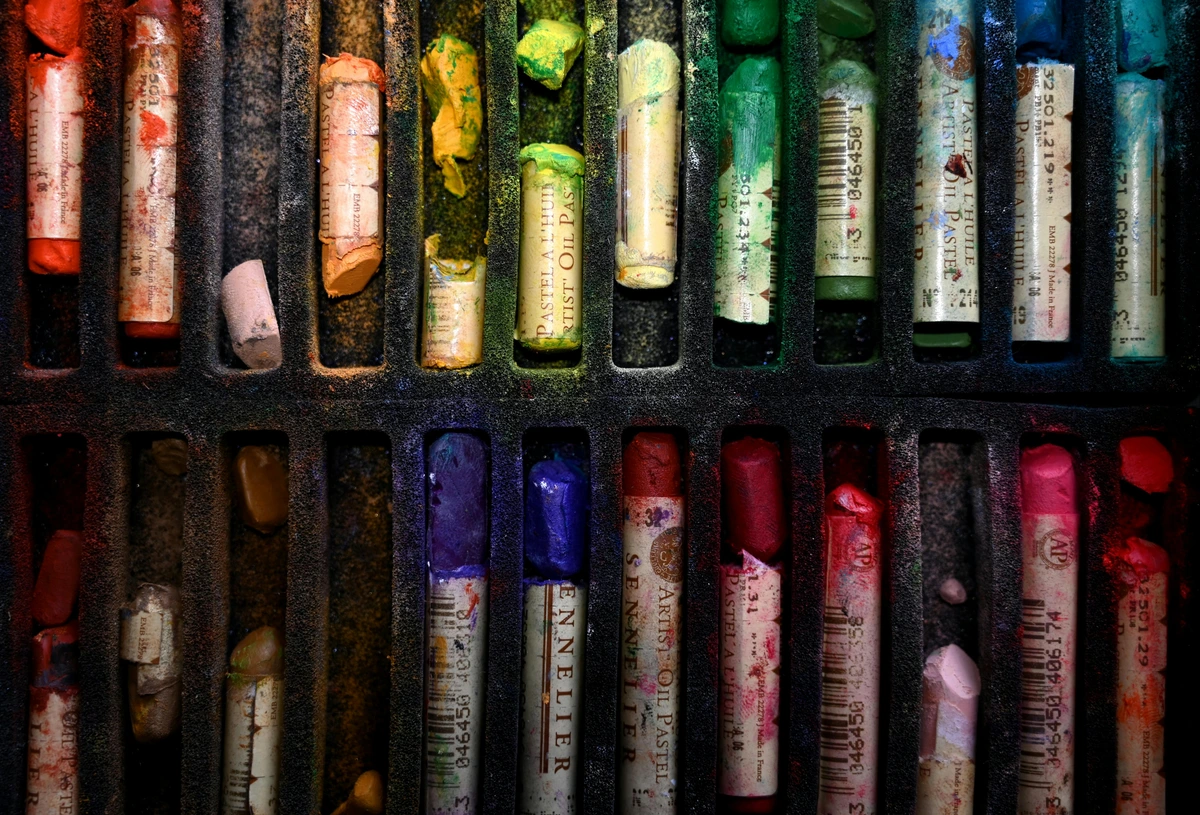
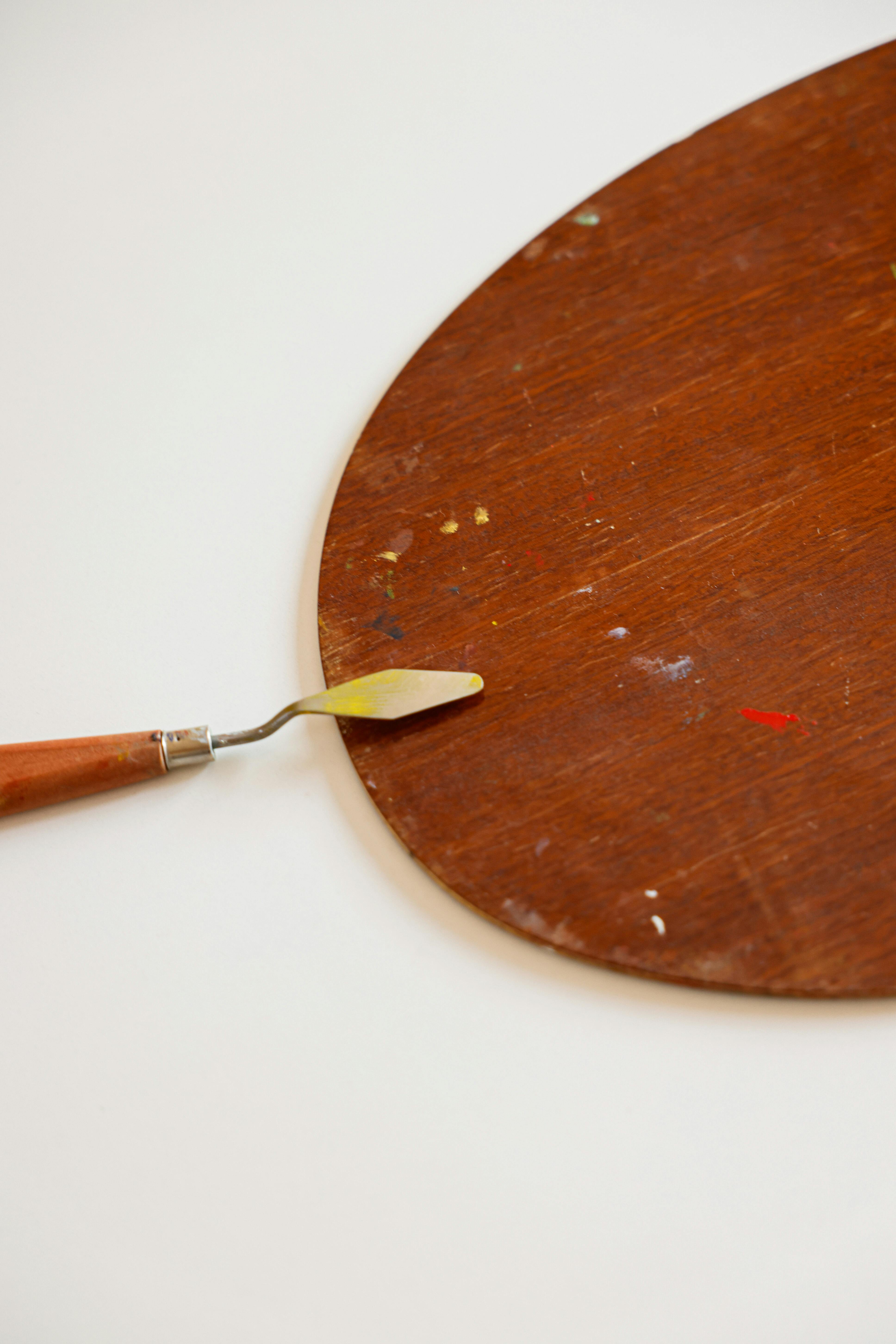
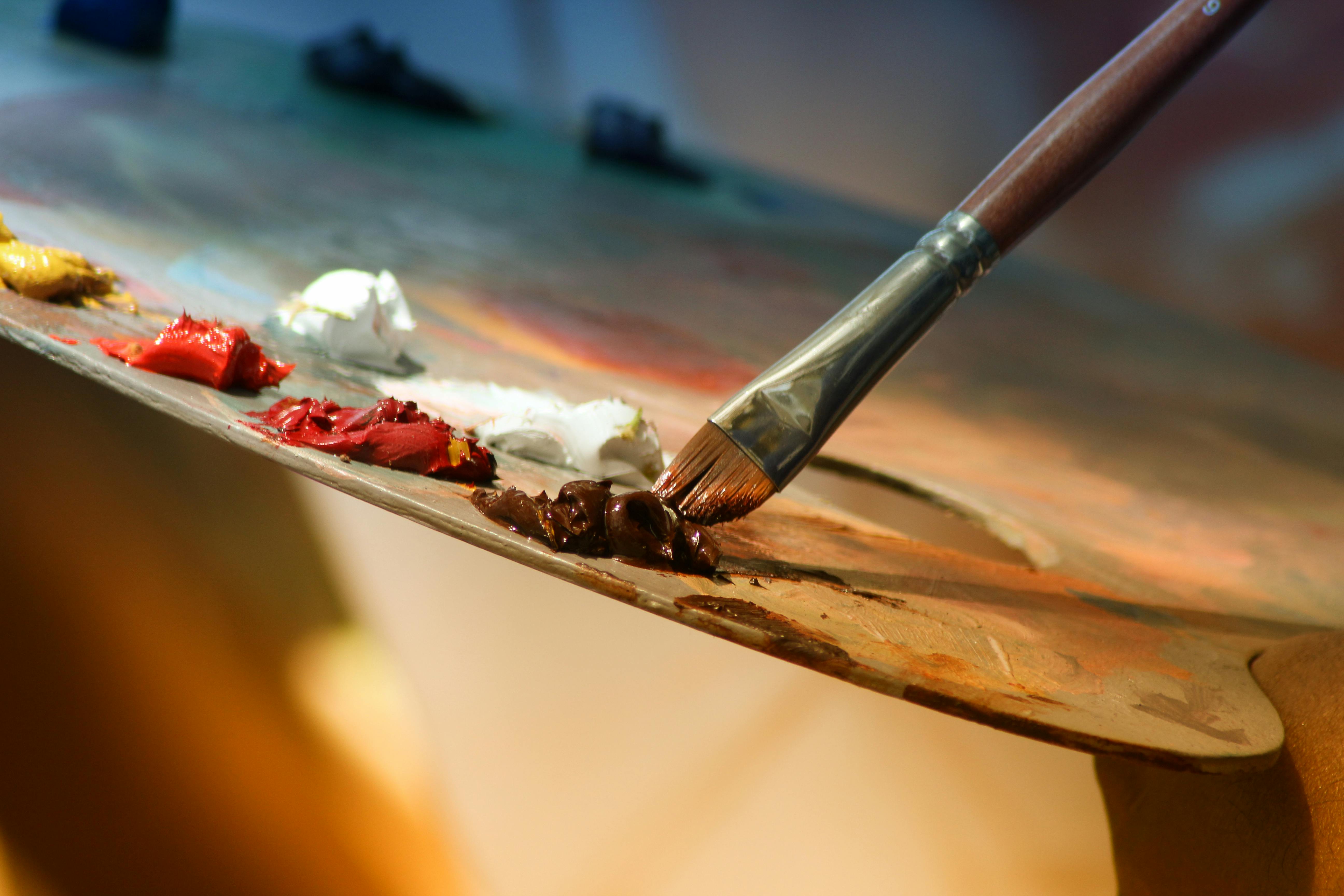
This was a monumental shift. Instead of fixating on the 'masterpiece' and the anxiety it brought, I shifted my focus entirely to the act of creation itself. The joy of mixing colors, the rhythm of the brush, the sensory experience of paint on canvas – the smell of oil paint, the tactile resistance of a palette knife, the whisper of charcoal on paper. It's like a meditative practice. This is where I find my creative flow, that sweet spot Mihaly Csikszentmihalyi described where skill meets challenge and judgment fades. When I'm truly in the flow, perfectionism rarely gets a word in edgewise. I find myself asking, "What does the painting need next?" rather than "Is this good enough?" This question shifts the power, allowing the art itself to guide me, rather than my ego. It means observing the canvas, asking what element might enhance the overall composition or mood, letting the existing marks inform the next. It’s an intuitive dialogue, not a critical interrogation.
Embracing the Power of Imperfection and the 'Good Enough'
Once I started consciously allowing for 'mistakes' – or rather, happy accidents – my work began to breathe. This was the real paradigm shift, a philosophy I dove into deeply in my article on the power of imperfection. A dropped brushstroke becoming an unexpected textural element; a pigment bleed softening a harsh line into an ethereal whisper. These aren't just 'mistakes'; they are the unique fingerprints of the human hand. The texture, the unexpected color blend, the slightly askew line... these are the things that give a piece character, a story, a soul. I remember one abstract piece where I accidentally splattered a darker blue across a pristine yellow section. My first instinct was panic, but instead of trying to 'fix' it, I leaned into it, echoing the splatter in other areas, and it transformed the piece into a dynamic exploration of contrast and movement. Perfection is sterile, like a polished museum display under glass; imperfection is alive, breathing, relatable. It’s about accepting that "good enough" isn't a compromise; it's a profound liberation. It recognizes that raw, authentic expression often holds more power than something meticulously sanitized. This resonates strongly with the Japanese aesthetic of Wabi-sabi, which celebrates the beauty of transience and imperfection. Think of it as allowing your art to be human, with all its beautiful quirks, creating a deeper emotional resonance.
Setting Boundaries (and Sticking to Them)
This one is tough, but essential for avoiding overworking art. This is my hardest battle. I've learned to set specific limits: 'This piece gets only three layers of color, maximum.' Or, 'This session ends in one hour, no matter what.' The inner critic screams, 'But it's not done!' I remind it that 'done' is often the enemy of 'good enough.' Sometimes, I even force myself to stop when a piece feels 80% 'done,' knowing that my biggest pitfall is pushing it past that point. I remember one crucial moment where I forced myself to stop a painting I felt was "80% there." I hated leaving it "incomplete," but the next morning, with fresh eyes, I saw it was indeed finished. Any further work would have dulled its vibrancy. It's an act of self-discipline that serves creativity, not constricts it – a radical act of self-care. It’s about giving yourself permission to step away, knowing that fresh eyes often reveal more than obsessive staring.
Experimentation as a Liberator
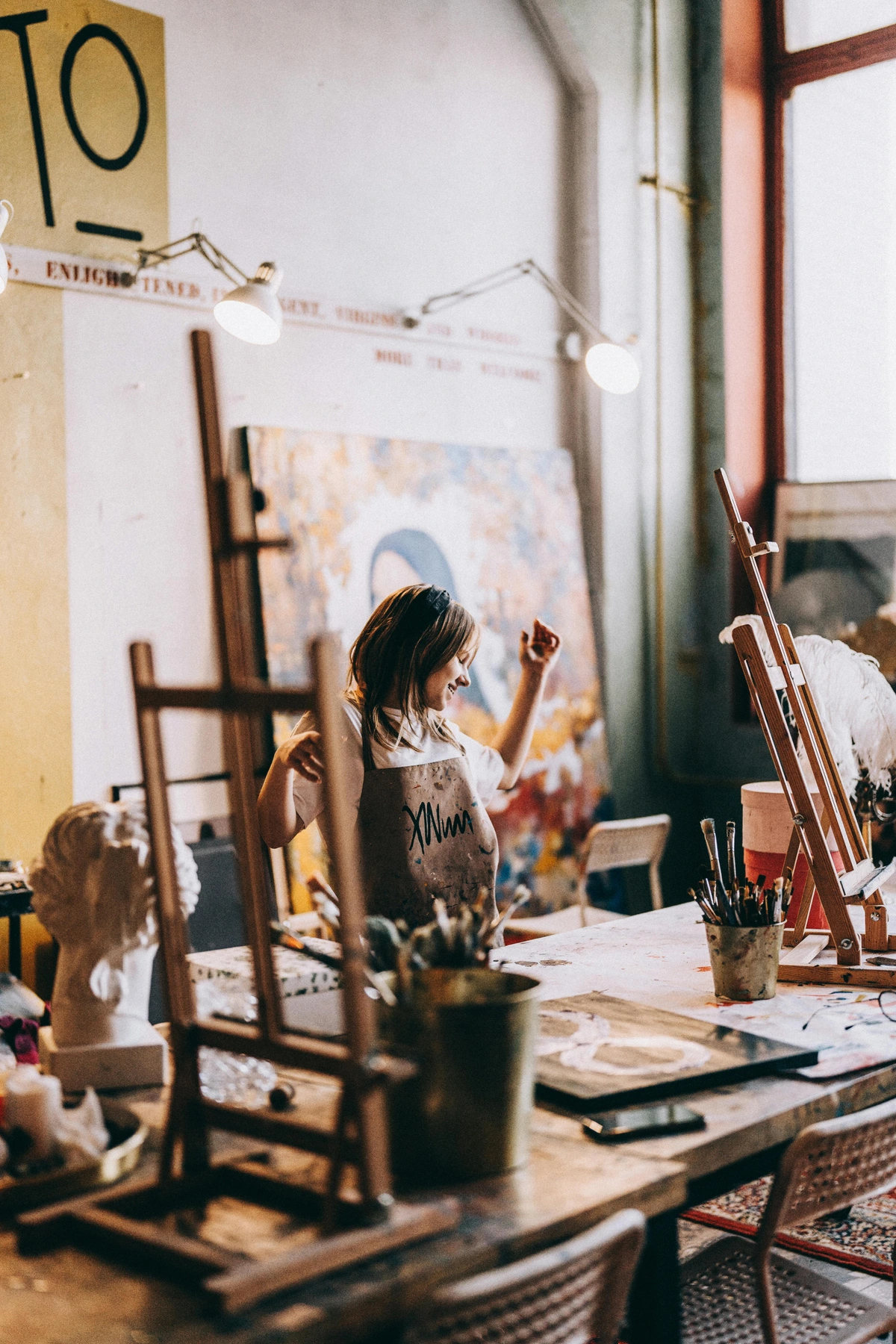
This is my playground, where the blank canvas terror vanishes. My abstract art practice thrives on embracing the unknown. When I'm experimenting, there's no expectation of a perfect outcome. It's pure play. I'll try new mediums like coffee or household bleach, unusual tools like old credit cards or sponges, or even paint with my non-dominant hand. The pressure vanishes, and often, truly exciting discoveries emerge from these uninhibited sessions. For example, while experimenting with household bleach on a painted canvas, I discovered it could lift pigment in unexpected ways, creating ethereal, ghost-like textures that I later incorporated into a series exploring themes of memory and ephemerality. When there are no stakes, there are no expectations, and that's where true discovery lives. It's a key part of how I build the unseen layers in my work.
Cultivating Mindfulness and Self-Compassion
Mijn studio isn't just a place for making art; it's a space for introspection. Mindful moments have become an integral part of my creative life. Before I even pick up a brush, I might do a quick 'five-senses check-in': What do I hear? See? Smell? Feel? Taste (sometimes coffee!). This grounds me. When that familiar self-doubt artist whisper creeps in – that familiar critical voice – I acknowledge it – 'Ah, there you are again, old friend' – without judgment, then gently, but firmly, redirect my focus back to the present moment, to the canvas in front of me. It's like kindly escorting a disruptive guest out of the room, or offering them a cup of tea and then politely asking them to wait outside while I work. This creative process psychology helps me build resilience against the fear of failure in art, nurturing a kinder inner critic that encourages growth rather than demanding perfection.
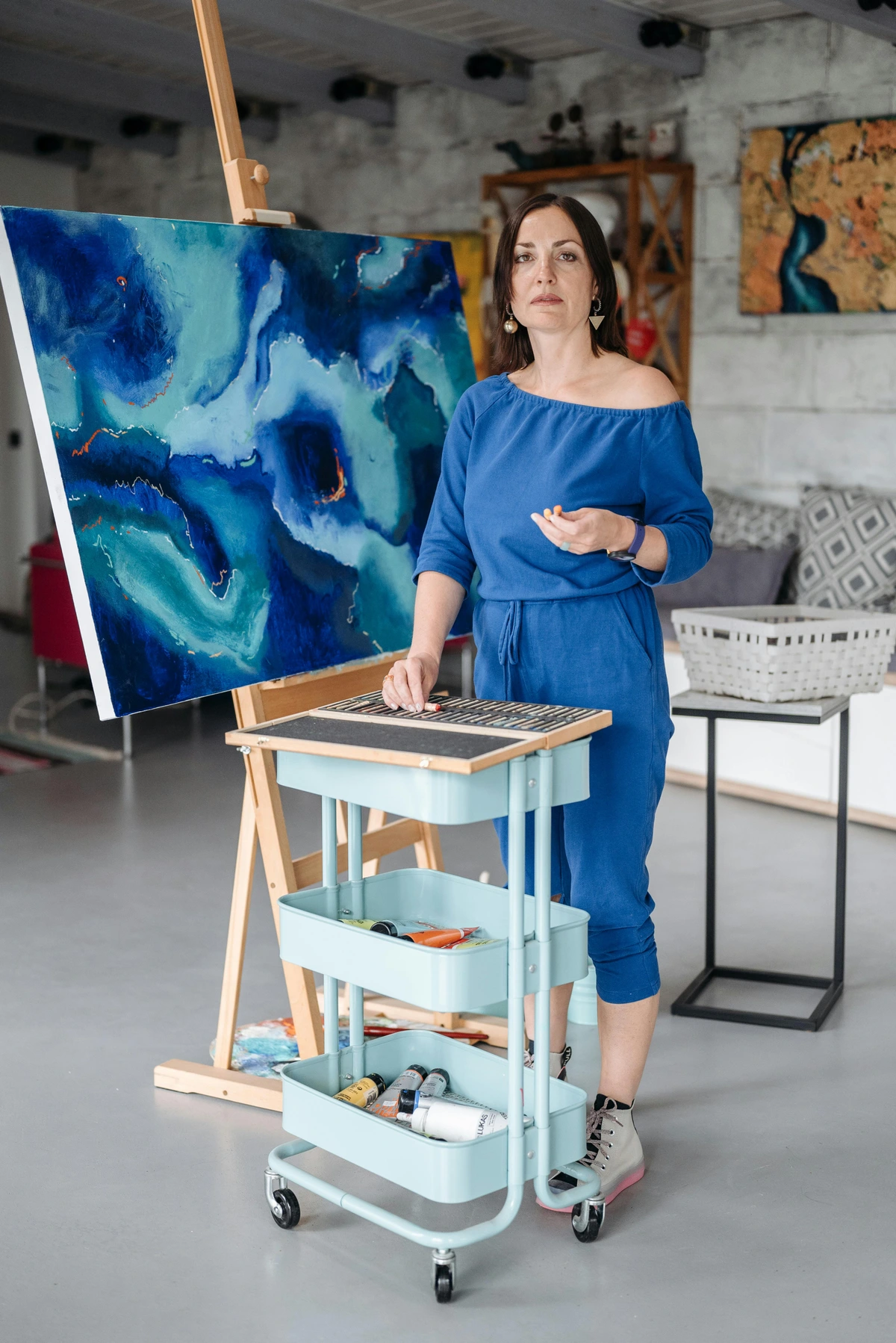
Key Takeaways for Taming the Tyrant:
- Shift Focus: From the anxiety-laden pursuit of a perfect product to the immersive, joyful experience of the creative process. This often involves embracing a new design philosophy.
- Embrace 'Good Enough': Discover the profound liberation of authenticity over sterile, forced flawlessness.
- Set Limits: Implement boundaries to prevent overworking art and cultivate spontaneity, valuing decisive action over endless tweaking.
- Play More: Use experimentation as a playground to banish expectations and uncover unexpected creative breakthroughs.
- Be Kind to Yourself: Practice mindfulness and self-compassion, transforming your inner critic into a supportive presence.
Practical Steps I Take in the Studio
Beyond mindset shifts, there are concrete actions I implement daily to counteract the pull of perfectionism and manage artist's block. These are not silver bullets, but consistent practices that build resilience and foster genuine creativity.
Strategy  | How I Apply It | Benefit |
|---|---|---|
| Small Studies | Create many quick, low-stakes studies (e.g., 5-10 minutes each) focusing on color, composition, or specific brushstrokes before embarking on a large piece. | Reduces pressure, allows for mistakes, builds confidence, and explores ideas without commitment, thereby combating the blank canvas terror. |
| Time Limits | Set a timer for painting sessions, especially for new work or when feeling stuck; often just 30-60 minutes. | Prevents overworking art, encourages spontaneity, and forces decisive choices, pushing back against the inner critic. |
| Work in Series | Explore a theme or concept across several canvases simultaneously. | Reduces attachment to any single piece, fosters continuity, and allows for variations and evolutionary development, lessening the impact of one 'failure.' This helps me explore the psychology of color in abstract art without the pressure of a single outcome. |
| Documentation | Photograph stages of a painting, especially 'ugly' phases or early layers. | Helps visualize progress, reminds me of the journey, normalizes the messy process, and encourages seeing beauty in evolution, battling self-doubt artist tendencies. |
| Take Breaks | Step away often (physical movement, stepping outside, looking at unrelated art), especially when feeling stuck, frustrated, or a perfectionist thought arises. | Provides a fresh perspective, clears the mind, allows for subconscious problem-solving, and prevents creative burnout. |
| Dedicated 'Play' Time | Allocate specific sessions for pure, uninhibited experimentation with no end goal or judgment. | Fosters genuine curiosity, uncovers new techniques, eliminates the fear of failure in art, and reignites creative joy. |
The Beauty in the 'Flaw': Why Authenticity Resonates
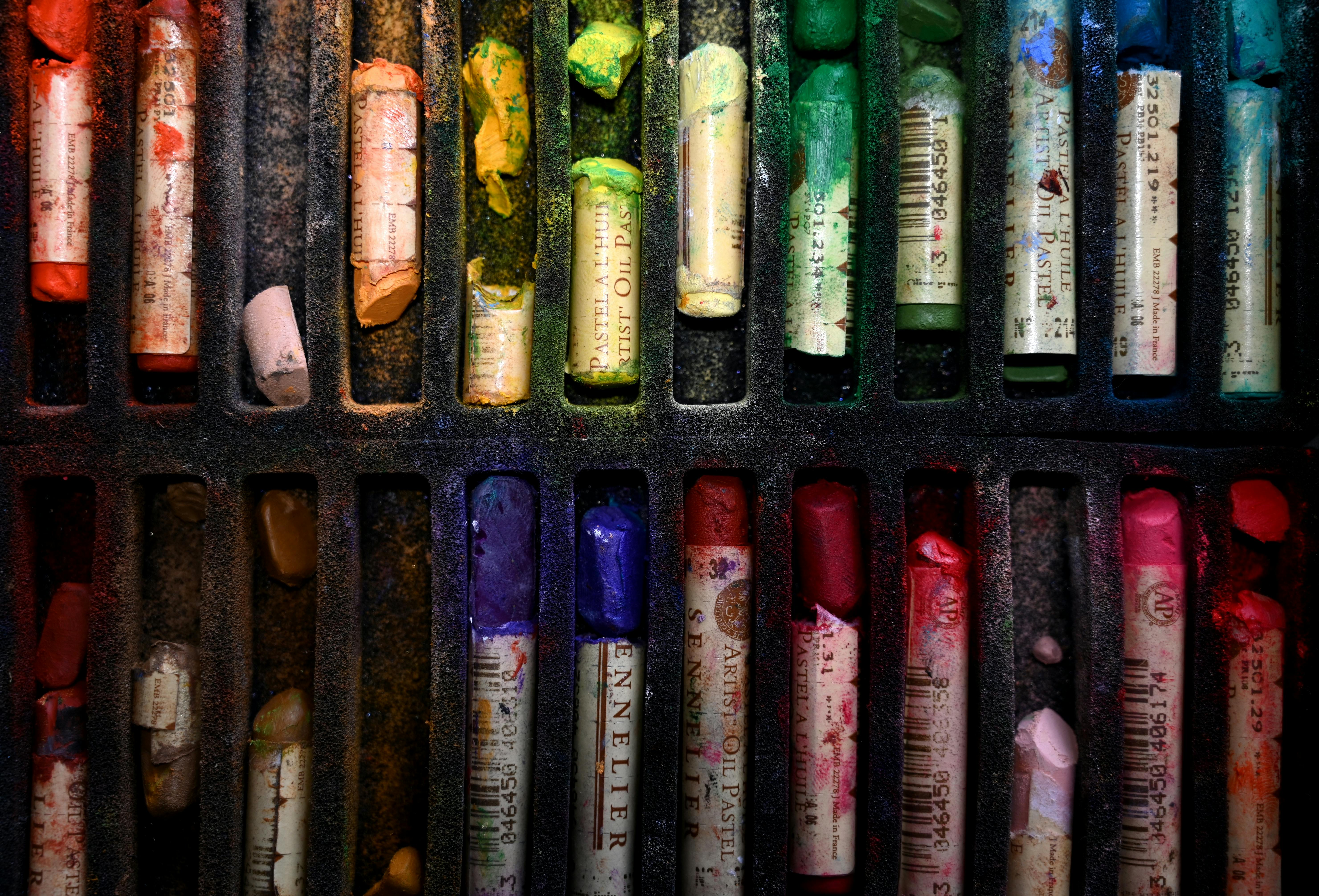
What I've come to understand is that the true essence of an artwork often lies not in its flawlessness, but in its unique imperfections. It's the slight wobble, the unexpected drip, the visible layering that tells a story of its making – a story of human hand, of courage, of the artist's journey. These aren't flaws; they are badges of authenticity, whispers of the human spirit. They speak of the creative struggle and the unique voice of the artist. In a world increasingly saturated with digital perfection and mass-produced sameness, there's a profound beauty in something that is undeniably, gloriously human, that visibly carries the mark of its maker. This raw, honest expression creates a deeper connection, making the art resonate not just aesthetically, but emotionally. It's what helps me in finding my artistic voice, not by chasing an impossible ideal, but by celebrating my own distinct mark. When you see a piece that isn't 'perfect,' but feels alive, that's the ethical triumph of authentic creation over performative polish. It acknowledges the hand, the heart, and the inherent imperfections that make us, and our art, beautifully unique.
Perfectionism vs. The Pursuit of Excellence: Knowing the Difference
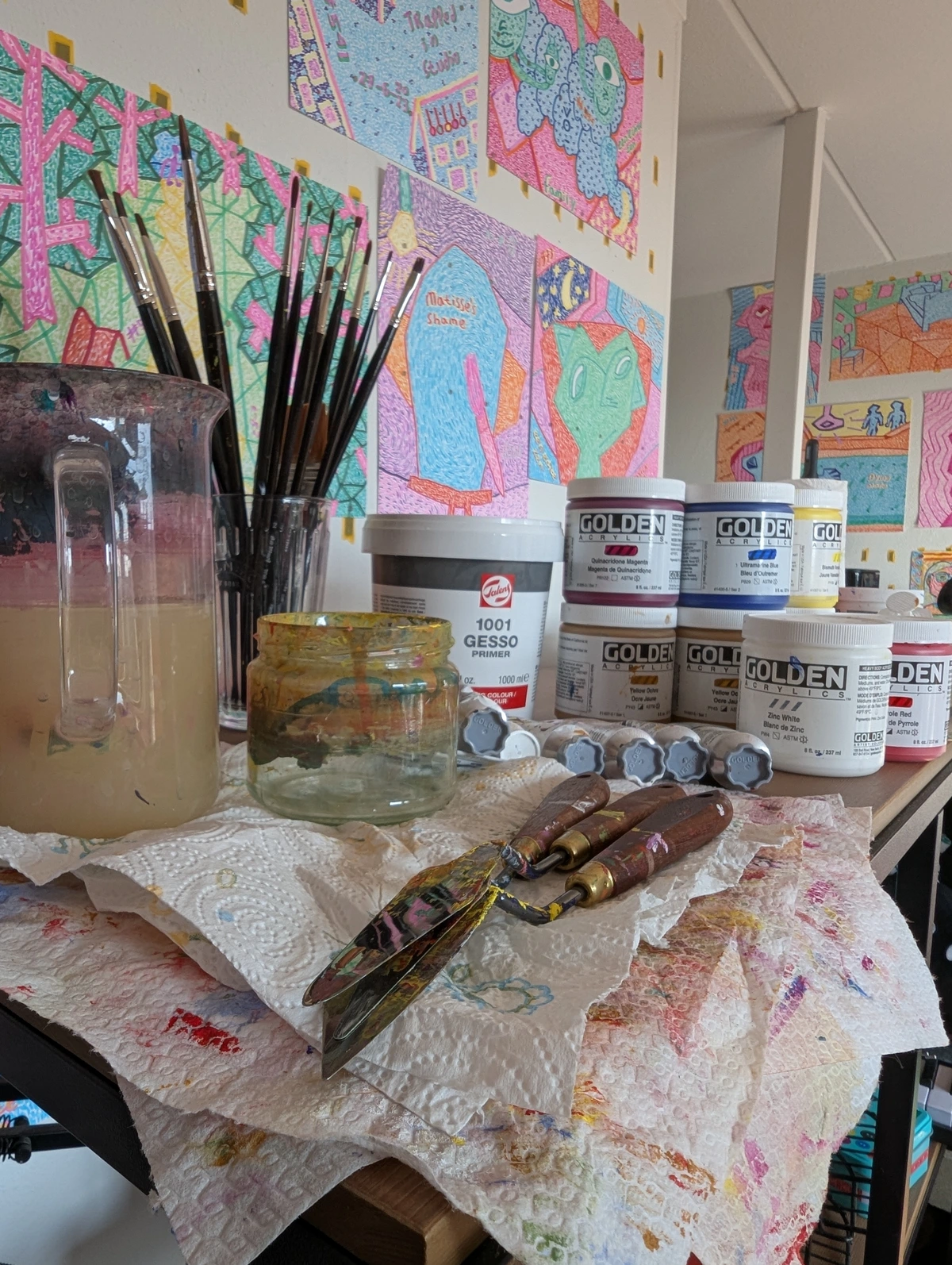
It's crucial to distinguish between perfectionism and the healthy pursuit of excellence. The latter is a genuine desire to hone your skills, learn, and grow, driven by curiosity and a deep love for the craft – a journey, not a destination. Think of the Impressionists again, who chose to capture the essence of light rather than the precise detail, their visible brushstrokes a testament to their innovative pursuit of a new kind of beauty. Or the Abstract Expressionists, like Pollock, whose raw, gestural marks were about emotional truth, not technical 'perfection.' Their 'imperfections' became their most powerful strengths, defining entirely new art forms. Even a Renaissance master like Leonardo da Vinci, while meticulous, was driven by scientific curiosity and an expansive love for understanding the world, not primarily by a fear of flaw. This pursuit of excellence involves constructive self-assessment and a willingness to learn, embodying a positive creative process psychology that nurtures growth.
Perfectionism, however, is driven by an intense fear of failure in art – fear of judgment, fear of not measuring up, fear of making a 'mistake.' It's a relentless, self-imposed pressure that creates a psychological treadmill to nowhere, inevitably leading to creative burnout. It’s the difference between building a skill with joy and confidence, and endlessly proving your worth through agonizing self-criticism. My aim now is to pursue excellence with an open heart, embracing the bumps, detours, and unexpected discoveries along the way, knowing that true growth comes from engagement, not flawless execution.
Frequently Asked Questions About Perfectionism in Art
Here are some common questions I hear, and my honest answers – forged in the crucible of my own struggles.
Q: Is perfectionism ever good for artists?
A: Look, a meticulous approach can be valuable in certain contexts, particularly where precision is paramount, like technical illustration or hyperrealism. But true perfectionism – the kind driven by fear and self-criticism – almost always stifles genuine expression and innovation. It might push some artists to be painstakingly detailed, yes, but the immense downsides far outweigh any perceived benefits. We're talking creative blocks, endless overworking art, debilitating creative burnout, crippling anxiety, and a constant, soul-crushing feeling of inadequacy. It’s like having a tyrannical editor who wants to control every single word, rather than a supportive mentor who encourages your unique voice and helps you in finding artistic voice. And let's be honest, it often dances hand-in-hand with imposter syndrome, whispering that you're not truly skilled enough, so you must be perfect. For me, it kills the joy of creating how to abstract art.
Q: How can I tell if I'm being a perfectionist or just striving for high quality?
A: Ask yourself a brutal but honest question: Is your motivation rooted in the fear of failure in art or a genuine, expansive love for the creative process and a desire for growth? Does stopping feel like a crushing defeat, or a conscious, strategic choice? Perfectionism often involves obsessive self-criticism, an inability to finish or release work, and intense anxiety around outcomes. It's about proving something. Striving for high quality, on the other hand, usually involves constructive self-assessment – where you look at your work with a critical but kind eye, identifying areas for improvement without self-flagellation. It includes a willingness to learn from 'mistakes' with curiosity, and a continuous, joyful engagement with the craft. You're trying to improve your skills, not prove your worth. Think about how you approach understanding balance in art composition: is it about strict adherence to rules, or an intuitive exploration of visual harmony?
Q: What if I'm afraid to show my 'imperfect' art to others? How do I handle criticism?
A: Oh, this is incredibly common, and completely understandable! The fear of vulnerability, of being judged for your deepest creative expressions, is powerful. That inner critic, 'The Curator of Calamity,' loves this fear. Start small: share with a trusted friend, a supportive online community, or even anonymously. Remember that people connect with authenticity and vulnerability far more than with flawless, sterile execution. Your unique voice, even with its 'flaws,' is your superpower. I've found it helpful to think of my process as part of the art itself, sharing 'behind-the-scenes' peeks at my studio on social media – showing sketches, messy palettes, half-finished pieces. This normalizes the journey and builds confidence. And when you're ready, sharing your artist statement can provide crucial context and frame your intent for the viewer, taking some pressure off the art itself. As for criticism, try to view it as data for growth, not a judgment of your worth. Not all feedback is equal; learn to discern constructive criticism from subjective opinion. Thank people for their input, process it, and then decide what resonates with your artistic vision. It's about empowering yourself, not seeking external validation.

Q: Does perfectionism only affect beginners?
A: Not at all, my friend! It's a pervasive mindset, a sly little chameleon that can affect artists at any stage, from wide-eyed beginners struggling with their first stroke to seasoned professionals managing a reputation. Even established artists can get caught in the trap of trying to replicate past successes perfectly, or feeling immense pressure to live up to their own (or others') expectations. It’s a mindset, not a skill level, and managing it is an ongoing, lifelong part of the artist's journey. The pressure to maintain a 'perfect' public persona can be stifling, killing innovation.
Q: What if I still can't stop tweaking, even after trying these strategies?
A: Ah, the endless tweaking loop – a classic! When you find yourself caught there, try these micro-interventions:
- Impose a hard stop: Physically walk away from the piece, even if it's just for 15 minutes. Create that physical and mental distance.
- Turn it around: Face the painting to the wall overnight or for a few days. This is surprisingly powerful; it allows your subconscious to process and for your critical mind to reset.
- Document and move on: Take a photo, then declare it 'finished for now.' This acknowledges that art is rarely truly 'done' but rather 'released' to the world. It helps break the psychological cycle of attachment.
- Start a new small piece immediately: Redirect that creative energy into something fresh, where expectations are lower. This shifts focus and re-ignites genuine playful curiosity.
Finding Freedom in the Brushstroke: A Continuous Journey into the Beautiful Chaos
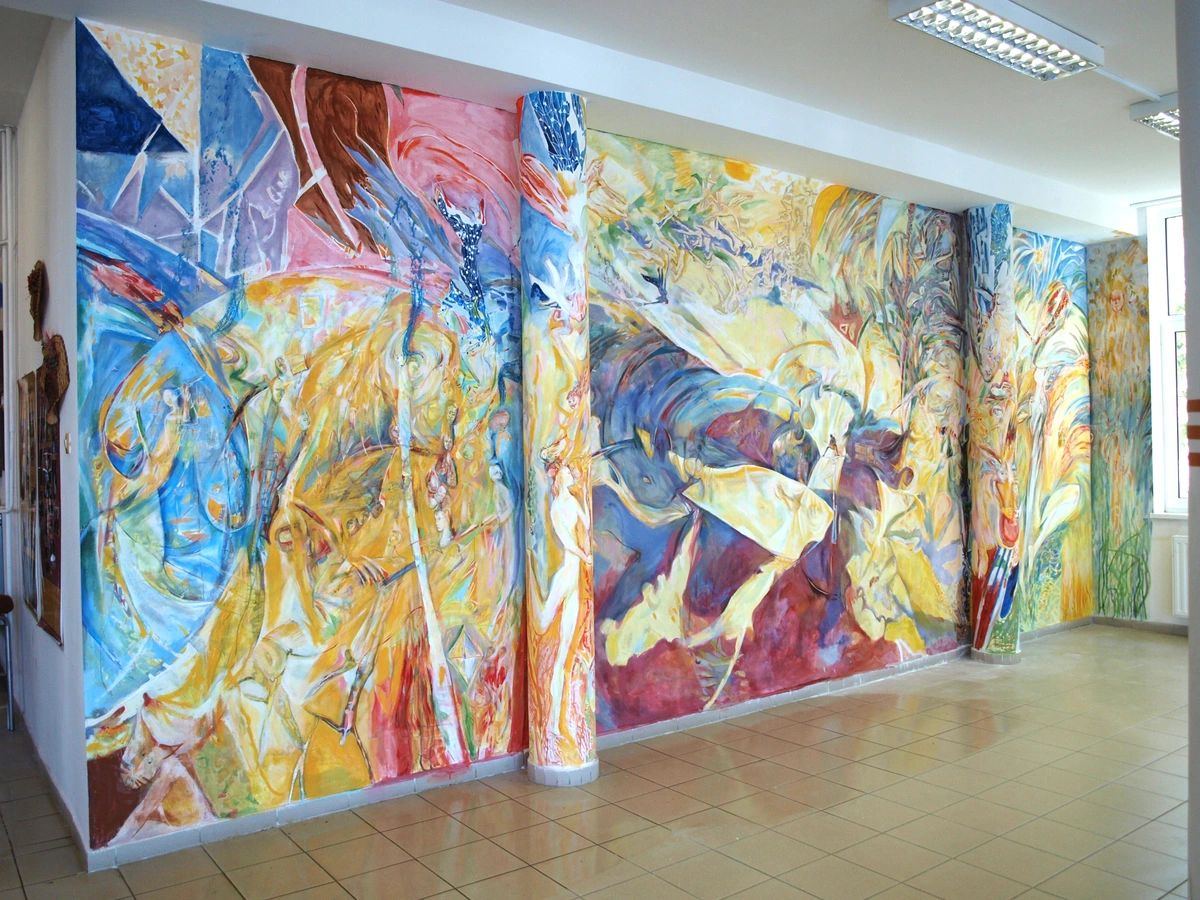
This journey, this wrestling match with perfectionism, has been one of the most challenging yet profoundly rewarding aspects of my artistic life. It's taught me that art isn't about flawlessness; it's about authentic expression, raw connection, and the sheer courage to put a piece of your soul out into the world, cracks and all. It’s about letting go of the need for absolute control and trusting the beautiful, messy process – the creative process psychology in action. And honestly, that's where the real magic happens, where the unexpected drips and bold, imperfect strokes of my abstract art truly come alive, reflecting the vibrant, often chaotic, beauty I aim to capture in my pieces, the kind you might find over in my shop.





So, if you're battling your own perfectionist demons, know you're not alone. We're all in this glorious, messy pursuit together. Let's embrace the beautiful chaos that defines true creativity. I challenge you to try just one of these strategies on your next three pieces – perhaps set a small time limit, or deliberately introduce a 'happy accident.' Give yourself permission to be messy. You might be utterly surprised by the profound liberation it brings, and how much closer you get to finding your artistic voice. The journey toward artistic freedom is continuous, but every brushstroke you make with a kinder heart, and every critique you accept with an open mind, is a powerful step in the right direction, not just for your art, but for your overall well-being. Share your experiences in the comments below – let's build a community that celebrates the perfectly imperfect.