
Modern Art Interpretations of the Eiffel Tower
Explore how contemporary artists have reimagined the Eiffel Tower across various art movements, from impressionism to digital art. Discover innovative reinterpretations and artistic perspectives.

Modern Art Interpretations of the Eiffel Tower
I remember the first time I saw the Eiffel Tower. It was in a black-and-white photograph, and even then, it struck me as something more than just a structure. It was a symbol, a canvas, a muse. Over the years, I've seen countless interpretations of this iconic landmark, each one offering a unique perspective, a different story. Let's dive into how modern art has reimagined the Eiffel Tower.
The Eiffel Tower, designed by Gustave Eiffel for the 1889 Exposition Universelle, was initially met with mixed reactions. Some saw it as an eyesore, while others recognized its potential as a symbol of progress and innovation. This duality has made it a fascinating subject for artists across generations.
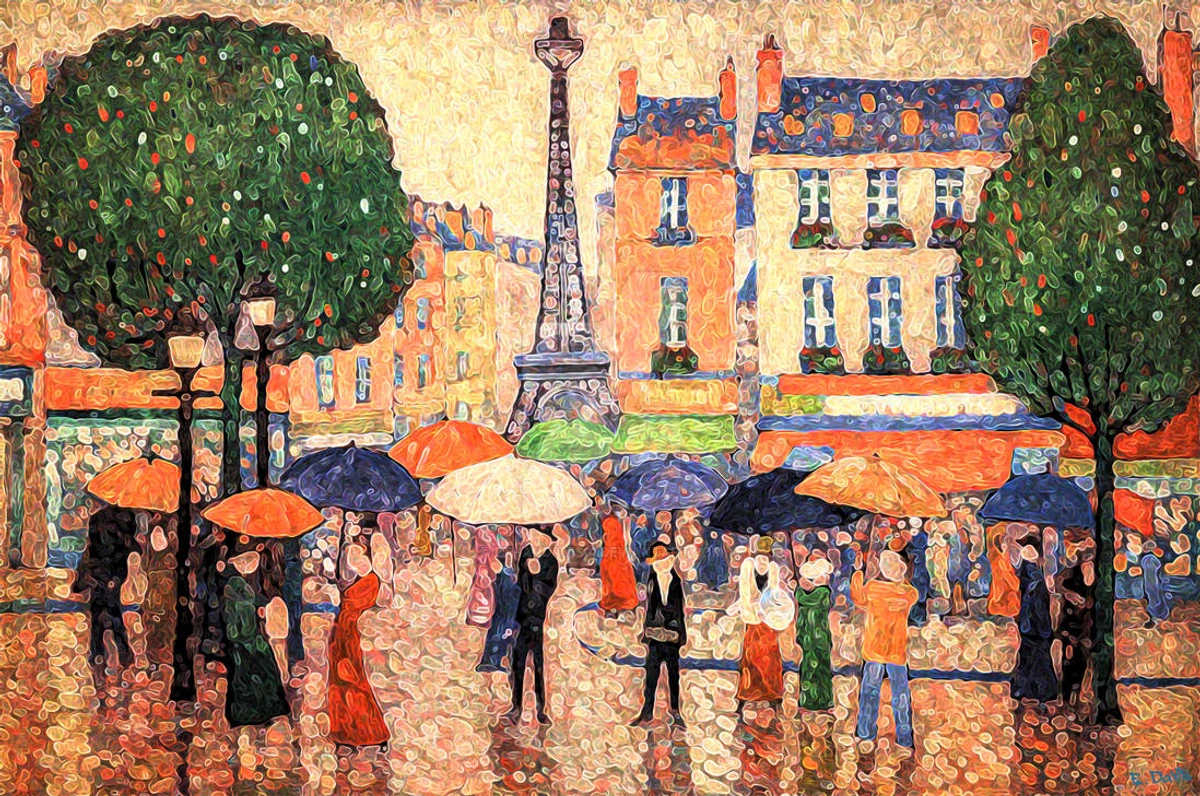
The Eiffel Tower as a Muse
The Eiffel Tower has been a source of inspiration for artists since its construction in 1889. From the impressionists to the digital artists of today, it has been depicted in myriad ways, each reflecting the artistic movements and cultural contexts of their time.
What makes the Eiffel Tower such a compelling subject? Perhaps it's the way it captures the imagination, standing tall against the Parisian skyline, or the way it transforms under different lights and seasons. For artists, it's not just a structure; it's a living, breathing entity that evolves with time.
Why the Eiffel Tower?
The Eiffel Tower's allure lies in its ability to evoke emotion and symbolize progress. It's not just a monument; it's a character in the story of Paris. Artists are drawn to its versatility—its ability to represent romance, innovation, and even rebellion. Whether bathed in golden sunlight or shrouded in mist, the tower offers endless possibilities for interpretation.
Impressionism: Capturing the Light
The impressionists were among the first to capture the Eiffel Tower in their works. Artists like Claude Monet and Pierre-Auguste Renoir saw it as a symbol of modernity and progress. They focused on capturing the play of light and shadow on its iron structure, often painting it at different times of the day to show the changing effects of light.
Monet, in particular, was fascinated by the way the tower's appearance changed with the weather and time of day. His series of paintings of the Eiffel Tower showcases this fascination, with each piece capturing a unique moment in time. Renoir, on the other hand, often incorporated the tower into his scenes of Parisian life, blending it seamlessly into the fabric of the city.
Post-Impressionism: A Personal Touch
Artists like Vincent van Gogh and Henri de Toulouse-Lautrec took a more personal approach to depicting the Eiffel Tower. Van Gogh's vibrant colors and expressive brushstrokes brought a new emotional depth to the tower, while Toulouse-Lautrec's works often placed it in the context of Parisian nightlife and entertainment.
Cubism: Fragmenting the Icon
Cubist artists like Pablo Picasso and Georges Braque took a different approach. They fragmented the Eiffel Tower, breaking it down into geometric shapes and forms. This abstraction allowed them to explore the essence of the structure, rather than its literal representation.
Surrealism: Dreamlike Interpretations
Surrealist artists like Salvador Dalí and René Magritte reimagined the Eiffel Tower in dreamlike and fantastical ways. Dalí's melting clocks and Magritte's juxtaposition of ordinary objects in unusual contexts inspired surreal interpretations of the tower, often blending it with unexpected elements to create thought-provoking imagery.
Contemporary Interpretations
Pop Art: Bold and Colorful
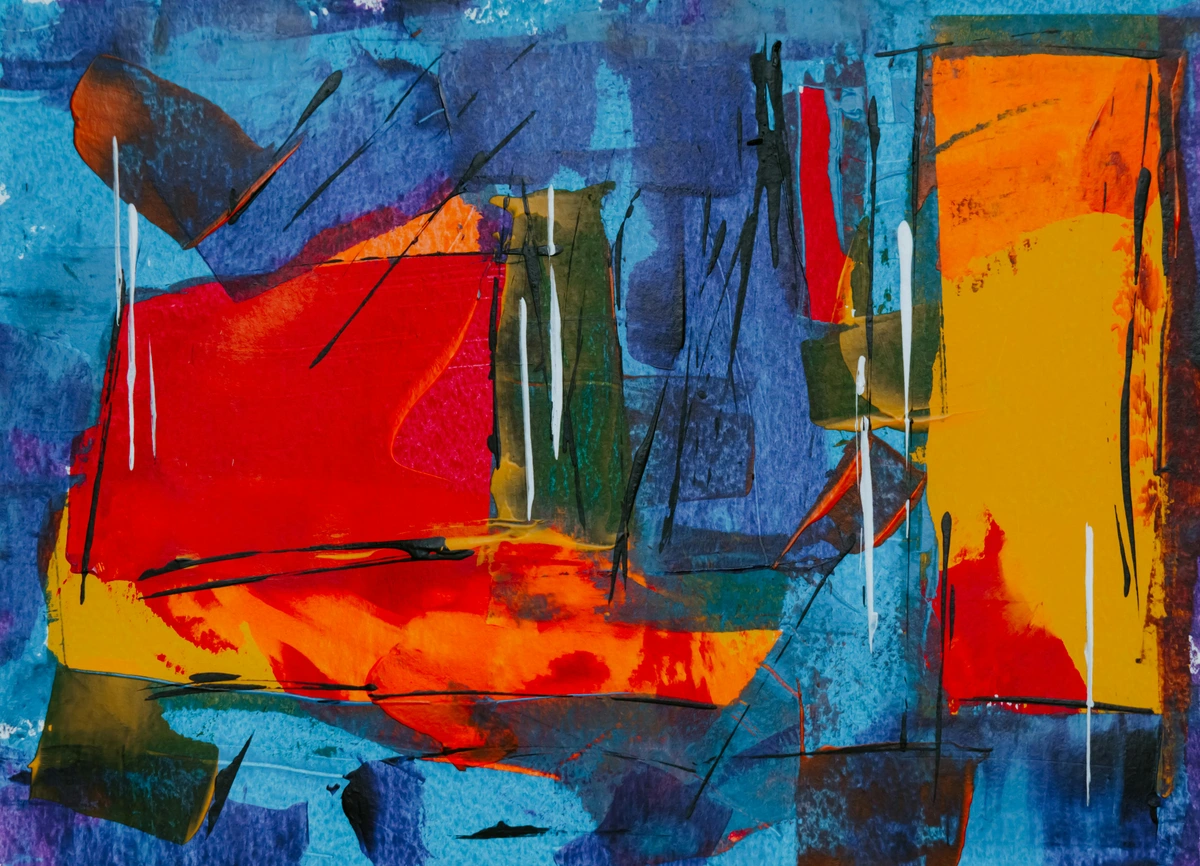
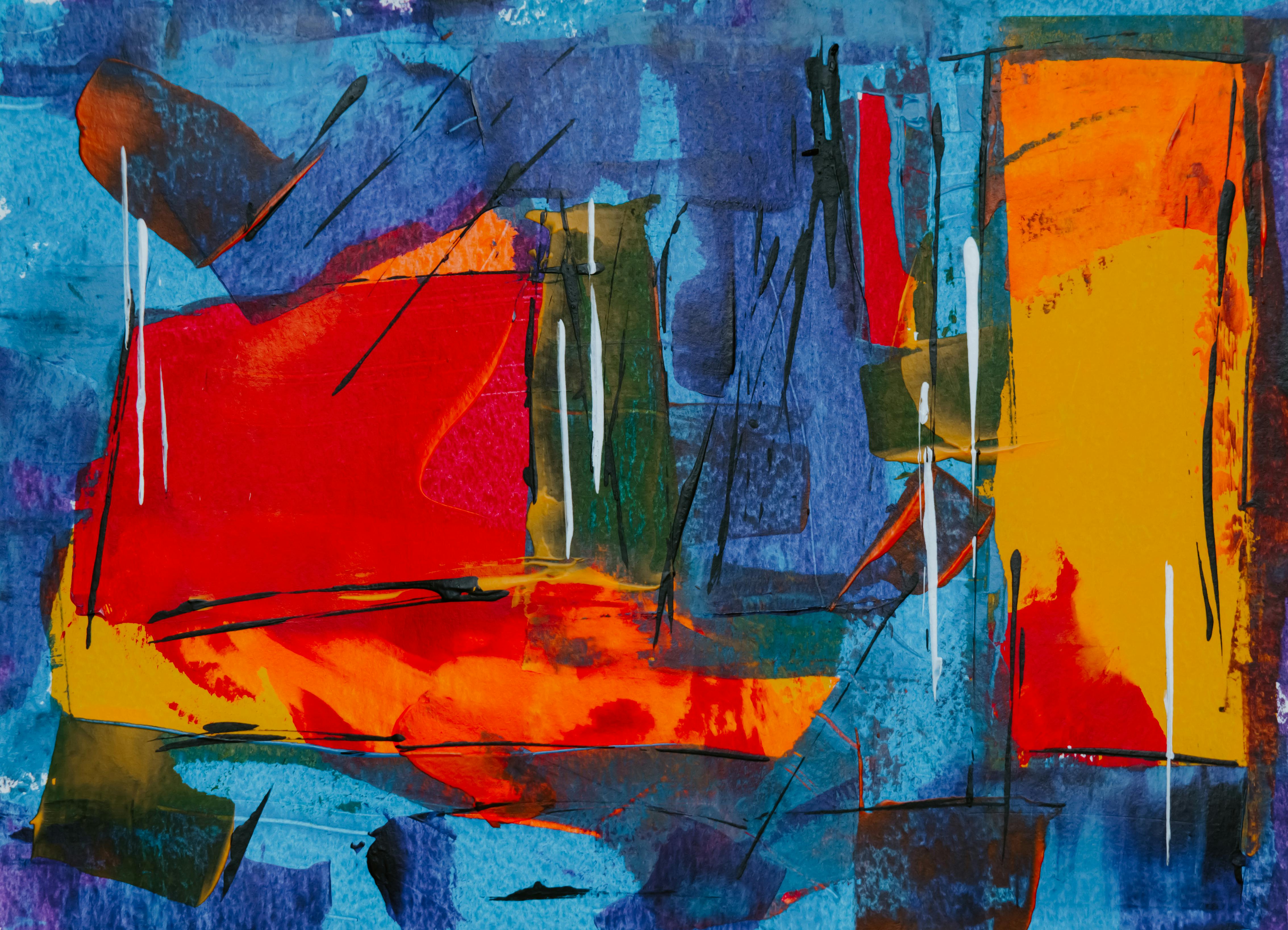
In the mid-20th century, pop artists like Andy Warhol and Roy Lichtenstein brought the Eiffel Tower into the realm of popular culture. They used bold colors and repetitive patterns to create vibrant, eye-catching images that celebrated the tower as a global icon.
credit, licence
Digital Art: A New Dimension
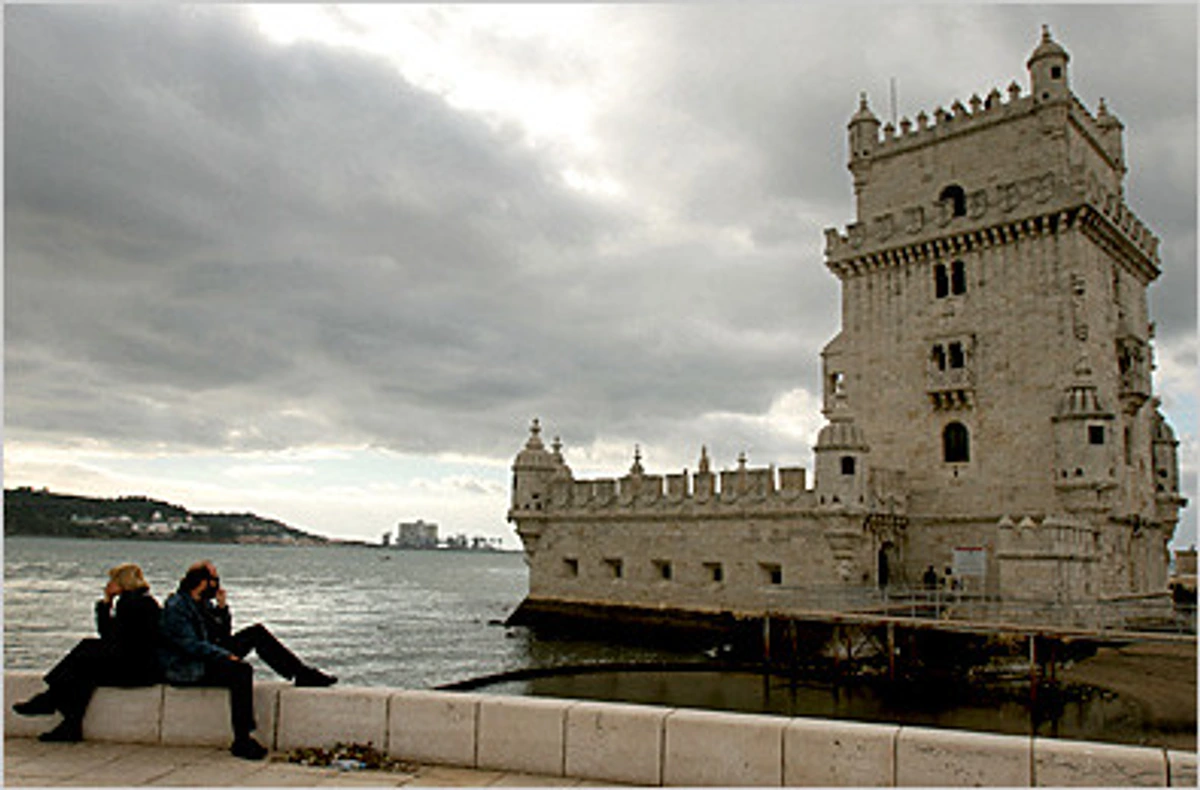
With the advent of digital technology, artists have found new ways to interpret the Eiffel Tower. Digital art allows for endless possibilities, from hyper-realistic renderings to abstract, surrealistic visions. Artists can manipulate the tower's form, color, and context in ways that were previously unimaginable.
credit, licence
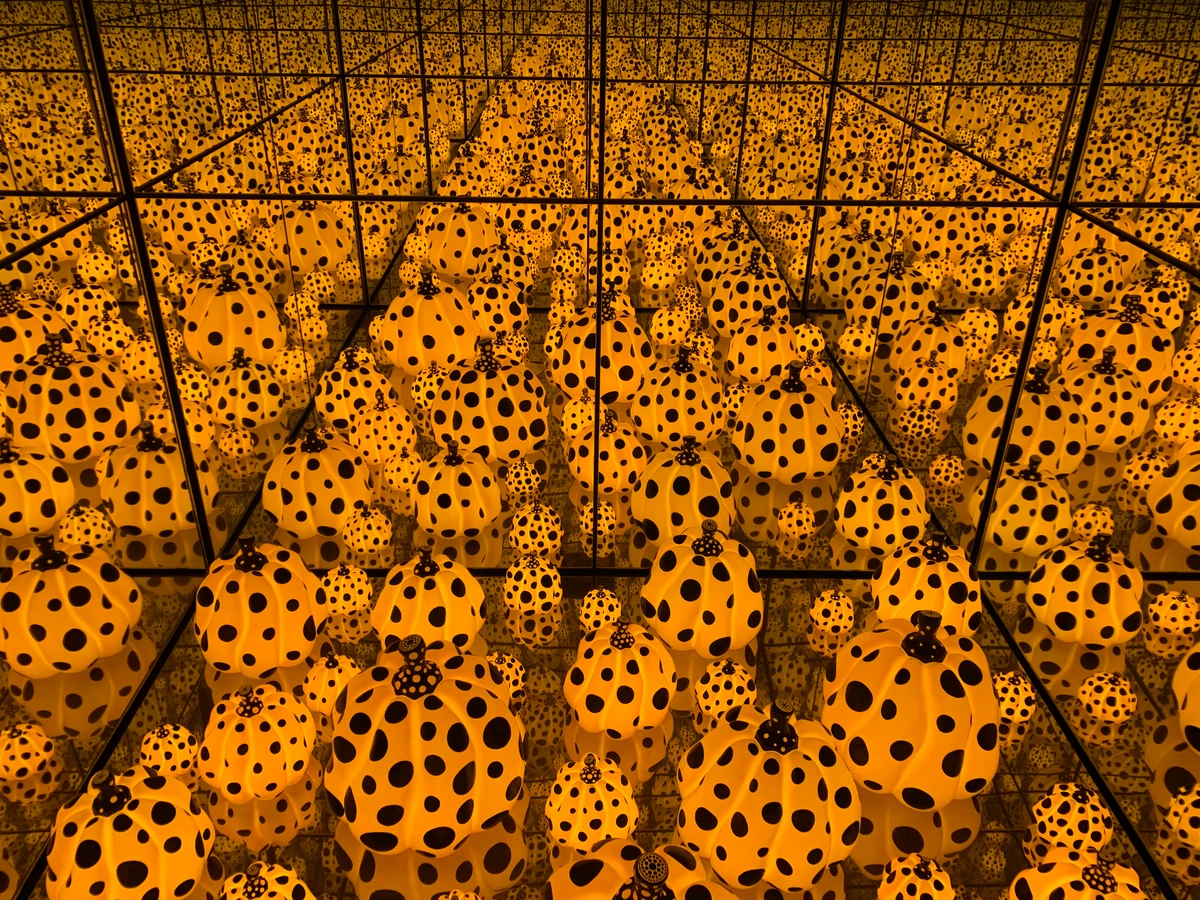

Digital artists like Android Jones have pushed the boundaries of what's possible, creating immersive, psychedelic interpretations of the Eiffel Tower that blend reality and fantasy. These works often explore themes of futurism and the intersection of technology and art.
Innovative Reinterpretations
Sculpture: Three-Dimensional Explorations
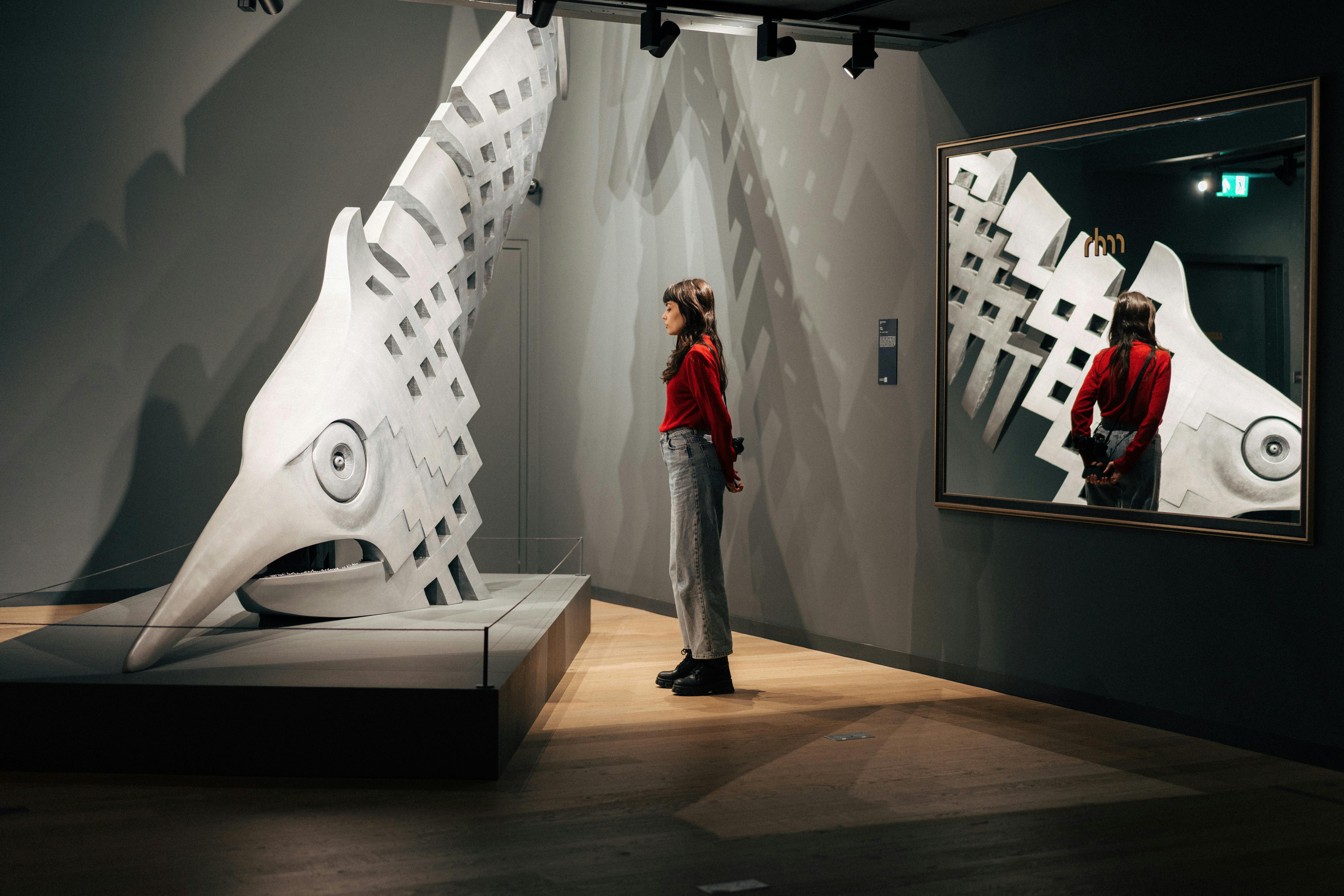
Sculptors have also been inspired by the Eiffel Tower, creating three-dimensional works that reimagine its form. Some artists have created miniature versions, while others have built large-scale installations that play with the tower's structure and symbolism.
One fascinating example is the work of Alexander Calder, who created kinetic sculptures that evoke the tower's delicate balance and movement. These sculptures, often made of wire and metal, capture the essence of the Eiffel Tower's intricate lattice structure.

Photography: Capturing the Tower
Photographers have long been drawn to the Eiffel Tower, capturing its beauty from unique angles and perspectives. From black-and-white vintage shots to modern digital photography, the tower has been a subject of endless fascination. Photographers like Robert Doisneau and Henri Cartier-Bresson have immortalized the tower in their iconic images, showcasing its timeless appeal.
FAQ
What is the significance of the Eiffel Tower in modern art?
The Eiffel Tower is a symbol of modernity and progress, making it a compelling subject for artists. Its iconic status and distinctive form have inspired countless reinterpretations across various art movements.

How have different art movements interpreted the Eiffel Tower?
Each art movement has brought its own unique perspective to the Eiffel Tower. Impressionists focused on light and atmosphere, cubists fragmented its form, pop artists celebrated its cultural icon status, and digital artists have explored new dimensions of its representation.
What are some innovative reinterpretations of the Eiffel Tower in contemporary art?
Contemporary artists have reimagined the Eiffel Tower in various ways, including street art, sculpture, and digital art. These reinterpretations often blend the tower's iconic silhouette with elements of modern life, creating dynamic and thought-provoking works.
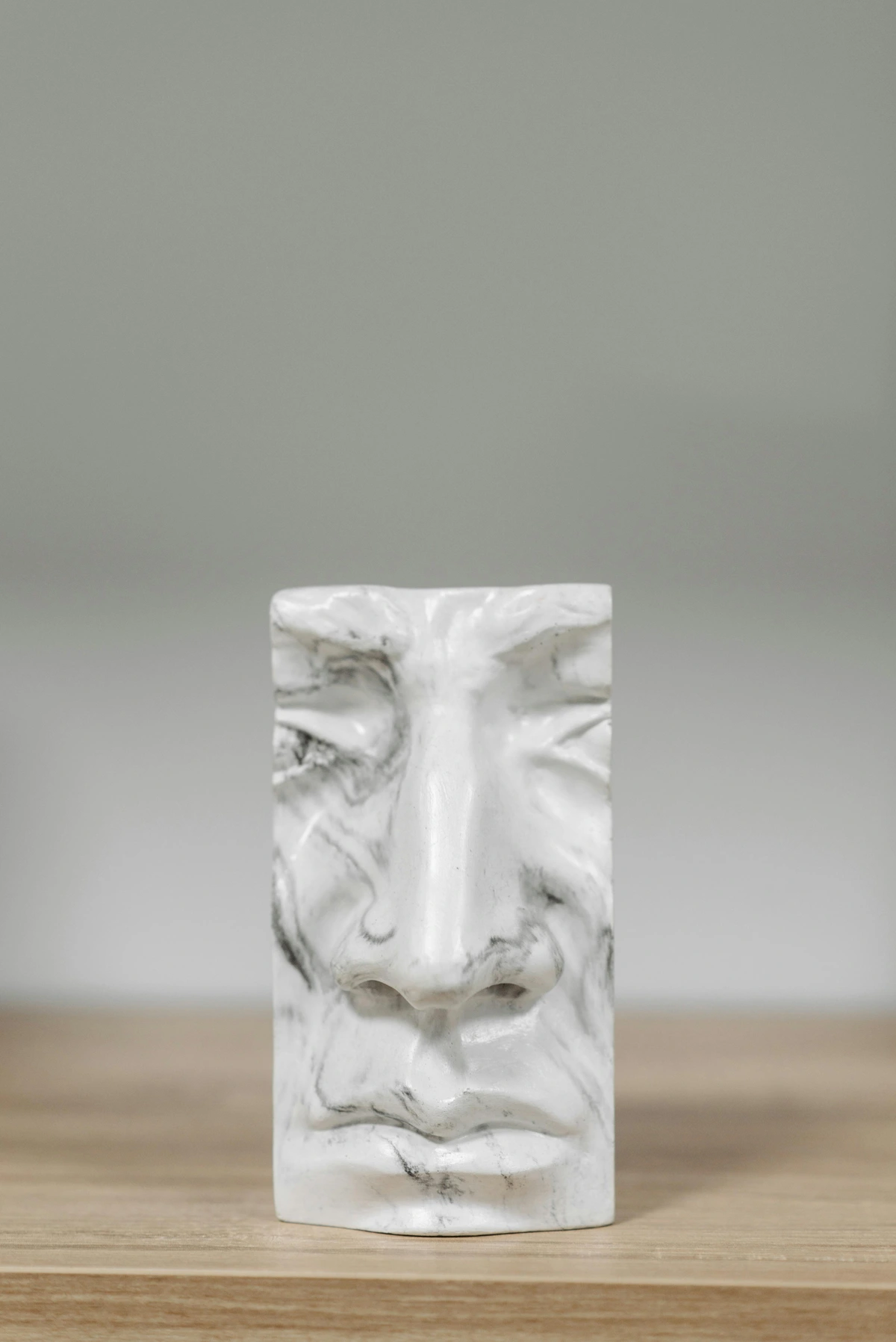
How has the Eiffel Tower influenced digital art?
The Eiffel Tower has become a playground for digital artists, who use technology to manipulate its form, color, and context. This has led to surrealistic and futuristic interpretations that push the boundaries of traditional art forms.
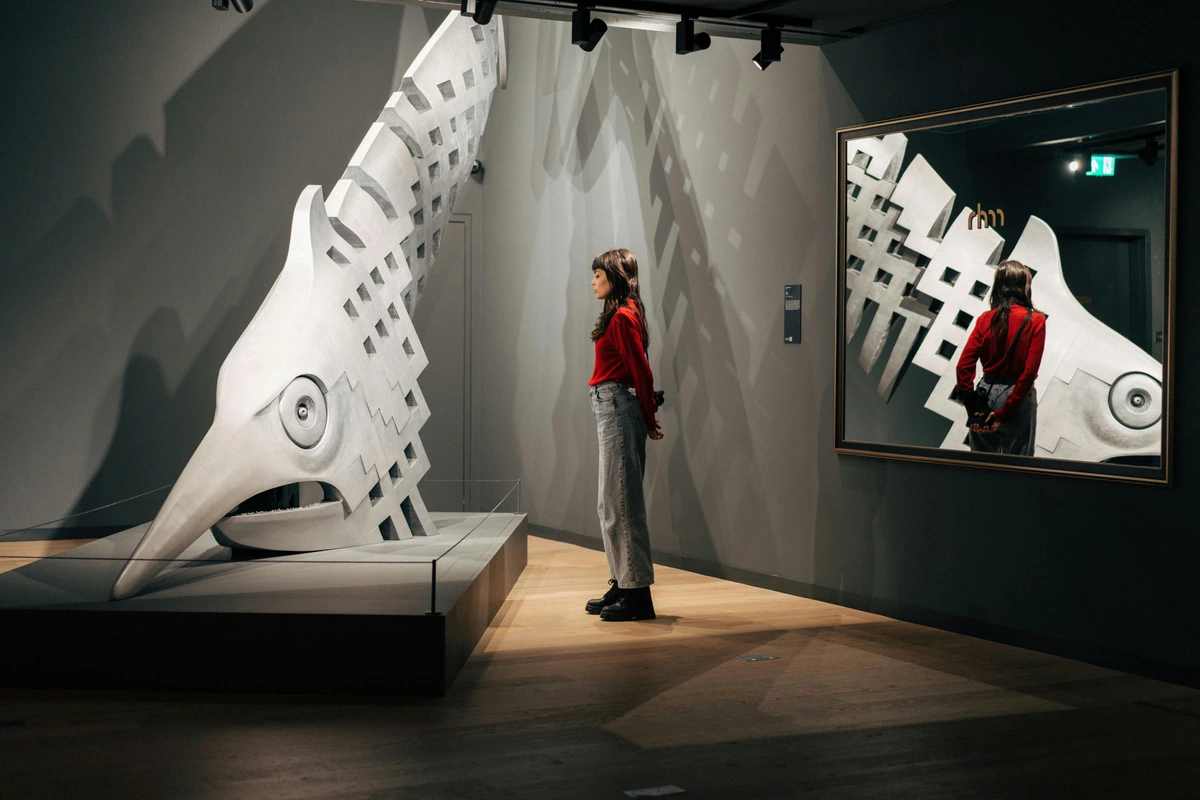
Why is the Eiffel Tower a popular subject for street artists?
Street artists are drawn to the Eiffel Tower because of its universal recognition and symbolic power. By incorporating it into their work, they can comment on global issues, urban life, and cultural identity.
How has the Eiffel Tower been depicted in photography?
Photographers have captured the Eiffel Tower in countless ways, from vintage black-and-white images to modern digital photography. Its timeless appeal and striking silhouette make it a favorite subject for photographers seeking to capture the essence of Paris.
Conclusion
The Eiffel Tower has been a source of inspiration for artists for over a century. From the impressionists to the digital artists of today, it has been reimagined in countless ways, each one offering a unique perspective and story. As an artist, I find it fascinating to see how this iconic landmark continues to evolve and inspire new generations of creators.
If you're interested in exploring more about modern art interpretations, feel free to check out our timeline or visit our museum in Den Bosch. And if you're inspired to add a piece of modern art to your collection, browse our buy section.

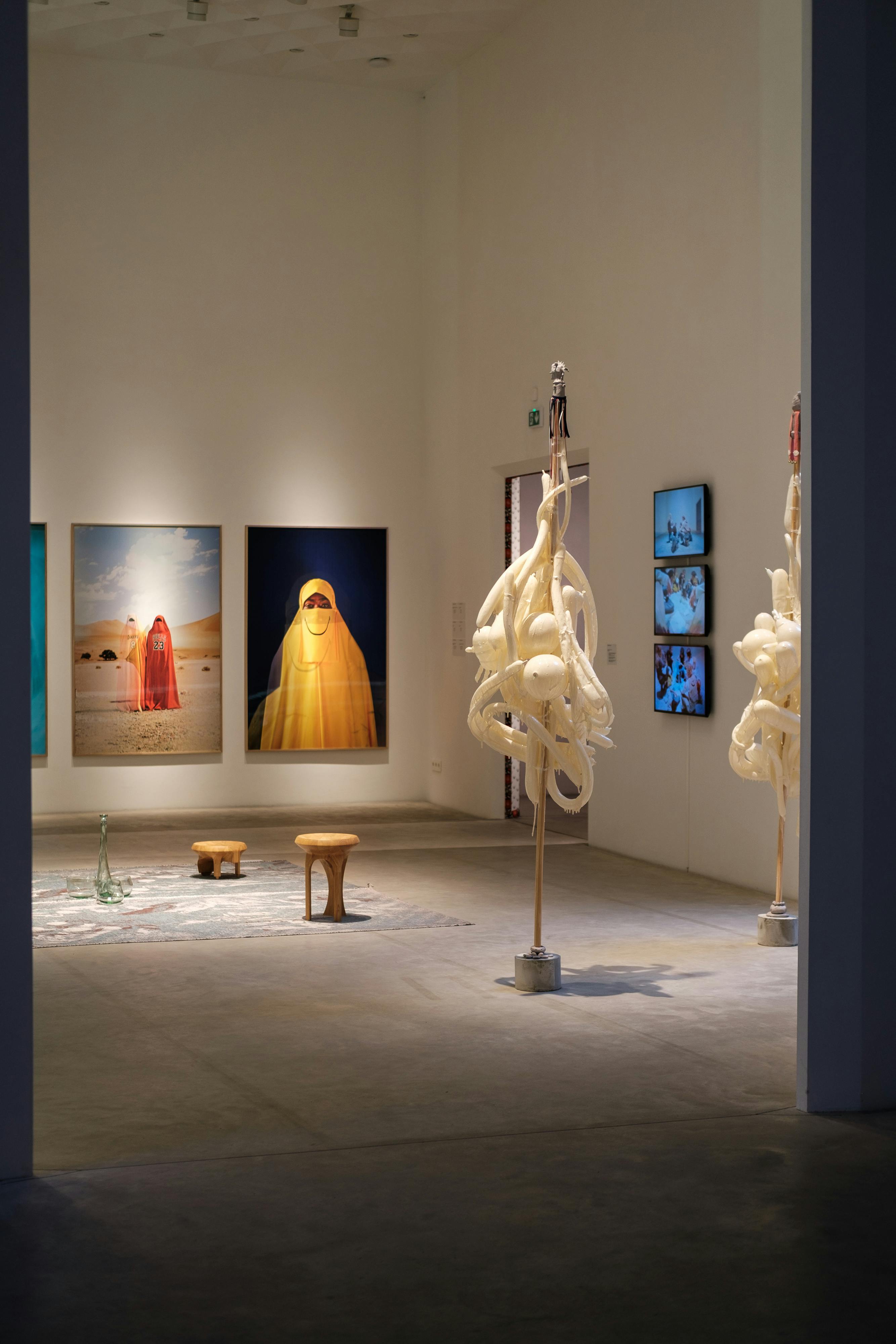




The Eiffel Tower's journey through art is a testament to its enduring appeal. It's not just a structure; it's a canvas for creativity, a symbol of innovation, and a bridge between the past and the future. Whether you're an artist, a historian, or simply an admirer of beauty, the Eiffel Tower offers something for everyone.
Final Thoughts
As we've explored, the Eiffel Tower is more than just a monument; it's a symbol of human creativity and innovation. Its ability to inspire artists across generations and movements is a testament to its timeless appeal. Whether you're drawn to its historical significance, its architectural beauty, or its cultural impact, the Eiffel Tower continues to captivate and inspire.