The Radical Resonance: How John Cage's Silence Still Echoes in Contemporary Art
A personal dive into how John Cage reshaped modern art. We explore his radical ideas—chance, silence, everyday sounds—and trace their influence on today's painters, sculptors, and digital creators.

How John Cage Sneaks into Your Art (Even When You're Not Looking)
It’s a strange thing, isn’t it? You know that moment when you're completely absorbed in a task—painting, writing, even just doodling in a meeting—and something unexpected happens? A blob of ink splatters, a brushstroke goes rogue, or your pencil snaps. Your first instinct is frustration. A mistake. But then, a strange curiosity takes over. You pause, tilt your head, and think, "Wait... what if I just... lean into that?" That flicker of curiosity, that humbling decision to embrace the accident, isn't just your creativity talking. You’ve just had a conversation with the ghost of John Cage.
He’s the composer who famously wrote a piece called 4'33": This piece is often misunderstood as a joke, but it was deadly serious. A performer sits at a piano and plays nothing for four minutes and thirty-three seconds. The "music" is whatever happens during that time: the rustle of the audience's clothes, a cough from the back row, the hum of the building's ventilation. It forces us to question what music is, where art ends and life begins, and challenges our need for the artist to always be "doing" something. It reframes silence not as an absence of sound, but as a presence of everything else., where the performer sits in silence for four minutes and thirty-three seconds. But to label him just a composer feels like calling a hurricane a bit of wind. John Cage was a philosopher, a dedicated mycologist (a mushroom expert, of all things!), a visual artist, and a writer. He is perhaps the most influential artist you’ve never directly studied. His ideas didn't just change music; they rewired the DNA of contemporary art. And here's the thing—his fingerprints are all over our world now, embedded in the very way we think about art, creativity, and what it means to be alive and paying attention.
The Man Who Dared Us to Listen to Nothing
Before we can trace his influence, we have to get a handle on his toolkit. How did one man's obsession with mushrooms and silence manage to rewire the brain of modern art? What were the actual ideas and methods he used to turn the art world inside out? He wasn't just spouting theories; he was creating a practical, and often bewildering, new set of rules for creation. Cage was obsessed with dismantling the artist's ego. He believed that art didn't need to be a vehicle for personal expression. Instead, he proposed that art could be a way to reveal the world as it already is, in all its unpredictable and chaotic beauty.
I think this is the most radical part of his whole philosophy. We're taught that art is about pouring your soul onto the canvas, about communicating your vision. Cage came along and essentially said, 'What ego? What soul? Let's see what happens when we just get out of the way.' It can feel almost offensive to our romantic notions of the tortured, self-expressive genius. But once you start looking for it, you see this principle everywhere in modern art—from abstract art movements that focus on process over meaning, to computer-generated art that explicitly removes the artist's hand, and even to the way street artists incorporate the decay of a wall into their work. It's a profound humbling of the creator's role in favor of a collaboration with the world itself.
The Philosophical Shift: From Meaning to Being
This was a Copernican revolution for art. For centuries, Western art had been built on the idea of the artist putting something into the work—emotion, narrative, a political message. Cage posed a beautifully disruptive question: What if we took something out instead? What if we actively tried to remove our intentions, our likes and dislikes, our very selves from the equation? The result, he was sure, wouldn't be emptiness. It would be a space for everything else to enter: ambient sounds, random occurrences, the simple, undeniable fact of existence. He called this "purposeless play," an activity that was "an affirmation of life—not an attempt to bring order out of chaos."
The best way I can explain this is to tell you about the first time I truly understood it. I was at an experimental music concert—one of those where you're never quite sure what's part of the composition and what's just the city outside. A car alarm started blaring, and for a split second, everyone was annoyed. Then, you could see a wave of recognition pass through the audience. The composer on stage just kept playing, integrating the sound into their performance. The alarm wasn't an interruption; it was part of the sonic landscape. In that moment, I wasn't just hearing a piece of music; I was hearing the room, the city, the world. That's the shift Cage was pointing to—from listening to a message the artist put there, to simply listening to existence as it is. It's the difference between reading a novel and just sitting on a park bench, observing everything that happens.
Practical Techniques: Cage's Toolkit for Letting Go
His core ideas were radical for their time, not because they were chaotic, but because they introduced a disciplined way of not being in control.
- Indeterminacy: The radical idea of leaving critical parts of a work of art up to chance. It’s about giving up the need to steer the ship and becoming a co-creator with the universe. It’s the decision to take a walk without a map; you're not lost, you're just open to discovery. For painters, this could mean letting gravity, wind, or the natural drying process of acrylics dictate the final composition of a large-scale abstract piece. For writers, it's Brian Eno and Peter Schmidt's Oblique Strategies cards, offering cryptic prompts to break a creative block, forcing you down an unpredictable path. It’s the core idea that by surrendering control, we can access a more honest and interesting result than our limited, conscious minds could ever plan.
- Chance Operations: This was Cage's disciplined method for achieving indeterminacy. He didn't just flip a coin on a whim; he used systematic tools like the I Ching (the ancient Chinese Book of Changes) to make compositional decisions. Which note comes next? What should the tempo be? He would consult the oracle, systematically stripping away personal preference from the creative act. It was a way to silence his own taste and let the world's structure speak instead. Artists like Jackson Pollock used a version of this with his drip paintings, letting his body's motion and the physics of falling paint determine the outcome, bypassing conscious design.
- The Prepared Piano: Picture this: a concert grand piano, but with bolts, rubber, and bits of weather stripping carefully inserted between its strings. Suddenly, the familiar, melodic sound transforms into a miniature percussion orchestra—full of mysterious thuds, pings, and otherworldly gongs. He didn't invent a new instrument; he revealed the profound possibilities hidden inside an old one, showing how constraint can breed limitless invention. I see a direct line from his prepared piano to contemporary artists who alter their tools—using old credit cards as paint scrapers, dipping unlikely objects in resin, or gluing sand to a canvas to change its texture. The message is the same: don't just use the tool, change the tool, and see what new worlds open up.
Beyond Music: Cage's Direct Influence on Visual Art
While it's easy to get lost in his musical theories, Cage's true impact was on the visual artists he befriended, taught, and inspired. He didn't just write essays; he taught at Black Mountain College, a hotbed of American avant-garde, where his students included some of the most important names in 20th-century art (famestly, he taught a course on mushroom identification, believing that learning to see the small details of fungi would help you see everything else more clearly). His ideas were a virus, and the art world was a highly susceptible host.
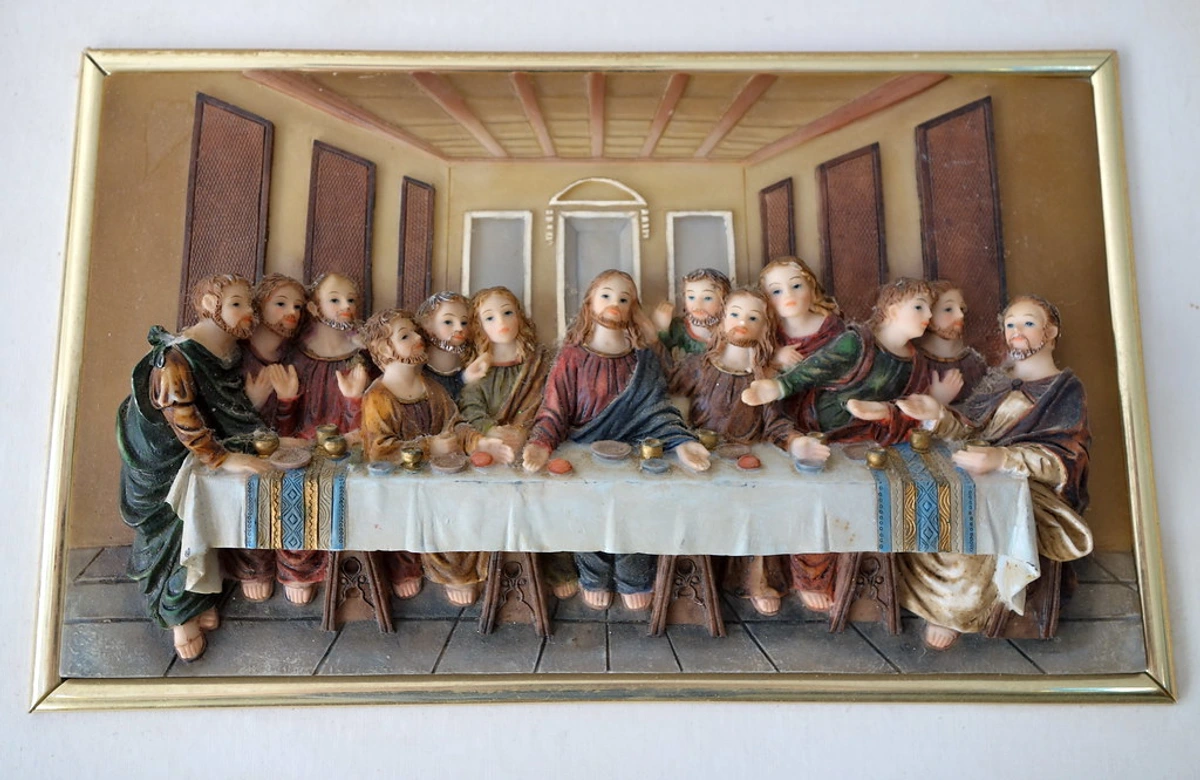
- Performance Art is Born: In 1952, at Black Mountain College, Cage orchestrated what many consider the first "Happening." It was an event with no clear narrative or structure. People read poetry from ladders, a movie was shown with no clear projection, and music was played—all at the same time. The audience was placed in the center, surrounded by the action. It was a chaotic, multi-sensory experience designed to break down the barrier between art and life. This single event was a blueprint for what would become Performance Art, directly influencing artists like Allan Kaprow (who coined the term "Happening"), Yoko Ono, and Fluxus. Without Cage, the idea of art as a one-off, unrepeatable event might never have taken hold.
- Erasing the Artist's Hand: For centuries, an artist's skill was tied to their hand's control. Cage's embrace of chance was a direct assault on this idea. You see this most clearly in Robert Rauschenberg's "Erased de Kooning Drawing" (1953). He didn't create a drawing; he found a drawing by the famous artist Willem de Kooning and spent a month meticulously erasing it. The resulting piece was a blank(ish) sheet of paper, full of the ghostly traces of the eraser. Think about it. It's a visual equivalent of 4'33". By removing the "masterpiece," Rauschenberg forces us to look at what's left—the smudges, the paper's texture, the history of its own destruction. It's a powerful statement that art can be found in subtraction, in process, and in the traces of what once was. Jasper Johns, a close associate of Rauschenberg, also used techniques that obscured personal expression, like painting familiar symbols (flags, targets) that were already "designed" by culture, not by him.
Cage's Idea  | How it Manifested in Visual Art | Key Artists & Examples | The Main Takeaway for Your Art |
|---|---|---|---|
| Indeterminacy & Chance | Artists incorporating random processes, materials, or instructions; the final form can't be fully predicted. | Jackson Pollock (drip paintings), Surrealists (automatic drawing), Sol LeWitt (instruction-based wall drawings) | Your plan isn't sacred. Let accidents be your co-pilot. A random paint spill can become the catalyst for your entire composition. Don't erase your mistakes; build on them. |
| Non-Intentionality | Art that removes the artist's personal taste, emotion, or 'signature style' from the work. | Robert Rauschenberg (Erased de Kooning), Jasper Johns (painted flags and targets), On Kawara (date paintings) | Art doesn't have to be about 'you.' It can be about a process, a system, or an object. Detaching your ego can free you to explore ideas more freely. |
| Blurring Art & Life | Art that uses everyday objects, actions, and sounds as its subject, erasing the line between the gallery and the world. | Andy Warhol (Brillo Boxes), Fluxus (event scores), Installation Art (using the room as part of the work) | Your art doesn't have to be about grand themes. A beautifully composed photograph of your kitchen sink, or a sculpture made from old keys, can be a profound statement. Pay attention to your daily life. |
| Purposeless Play & Process | The focus shifts from creating a perfect final object to the experience and act of creation itself. | Land Art (ephemeral, nature-based works), Process Art (focusing on material properties), Abstract Expressionists (action painting) | The creative act is a journey, not a destination. Let yourself experiment with materials just to see what they do, without the pressure of creating a 'finished product.' |
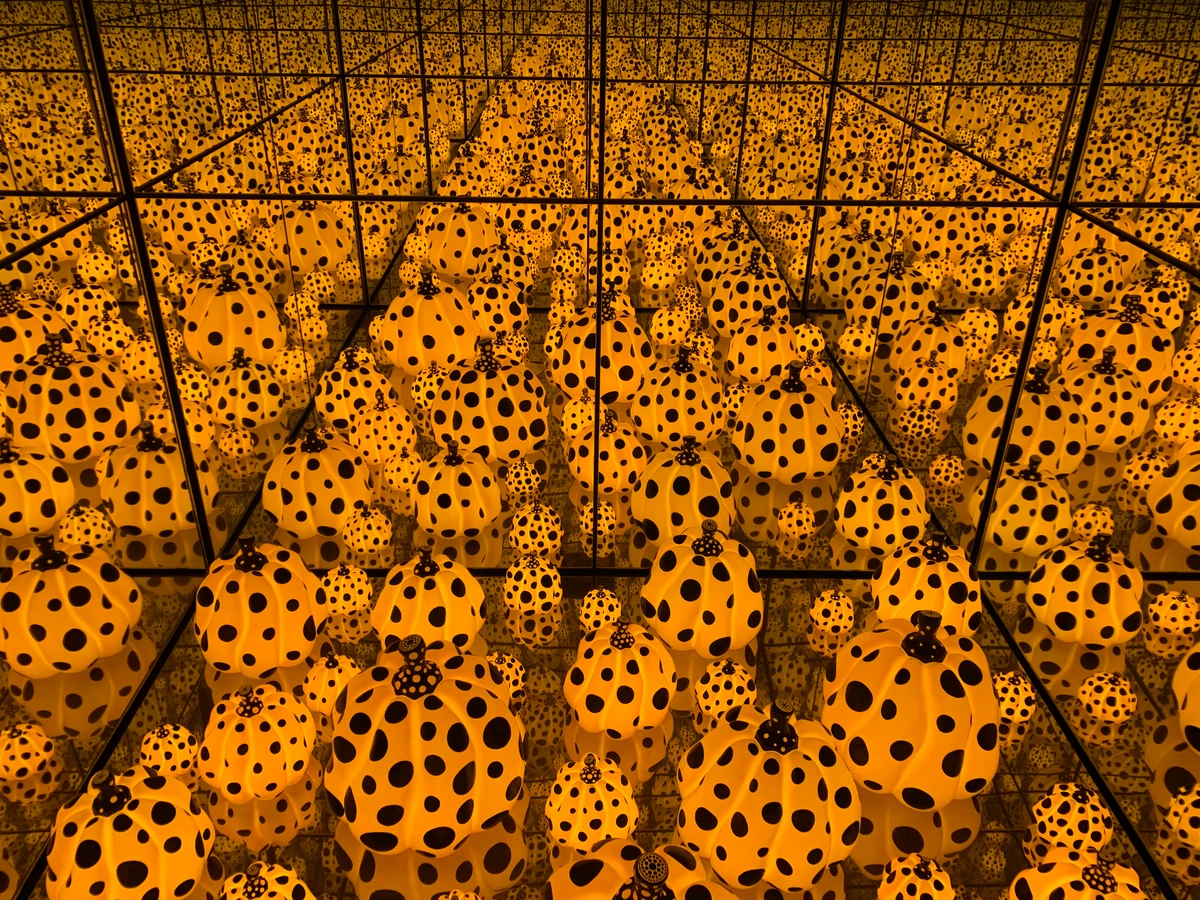

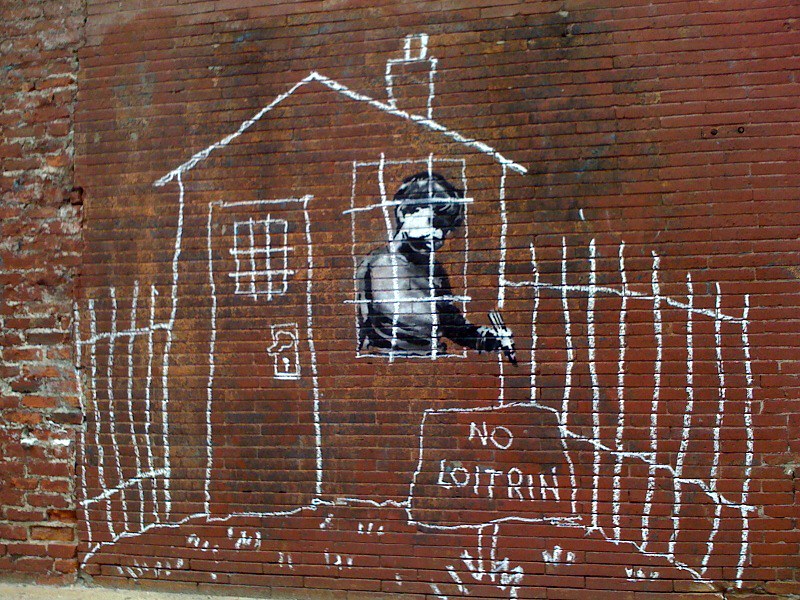


Looking at this table, the pattern becomes clear. Cage wasn't just making weird music; he was handing out a new set of tools, and visual artists were the first to grab them and start building something entirely new." (Inaction):** We touched on it, but its importance can't be overstated. This piece isn't about silence; it's about reframing attention. By removing the performer's intended sounds, Cage forces the audience to become aware of the ambient symphony of life that is always present. It challenges the very distinction between art and non-art. What is the frame? What is inside it, and what is outside? This question is central to everything from installation art that incorporates the gallery space itself, to land art that uses the natural environment as its canvas.