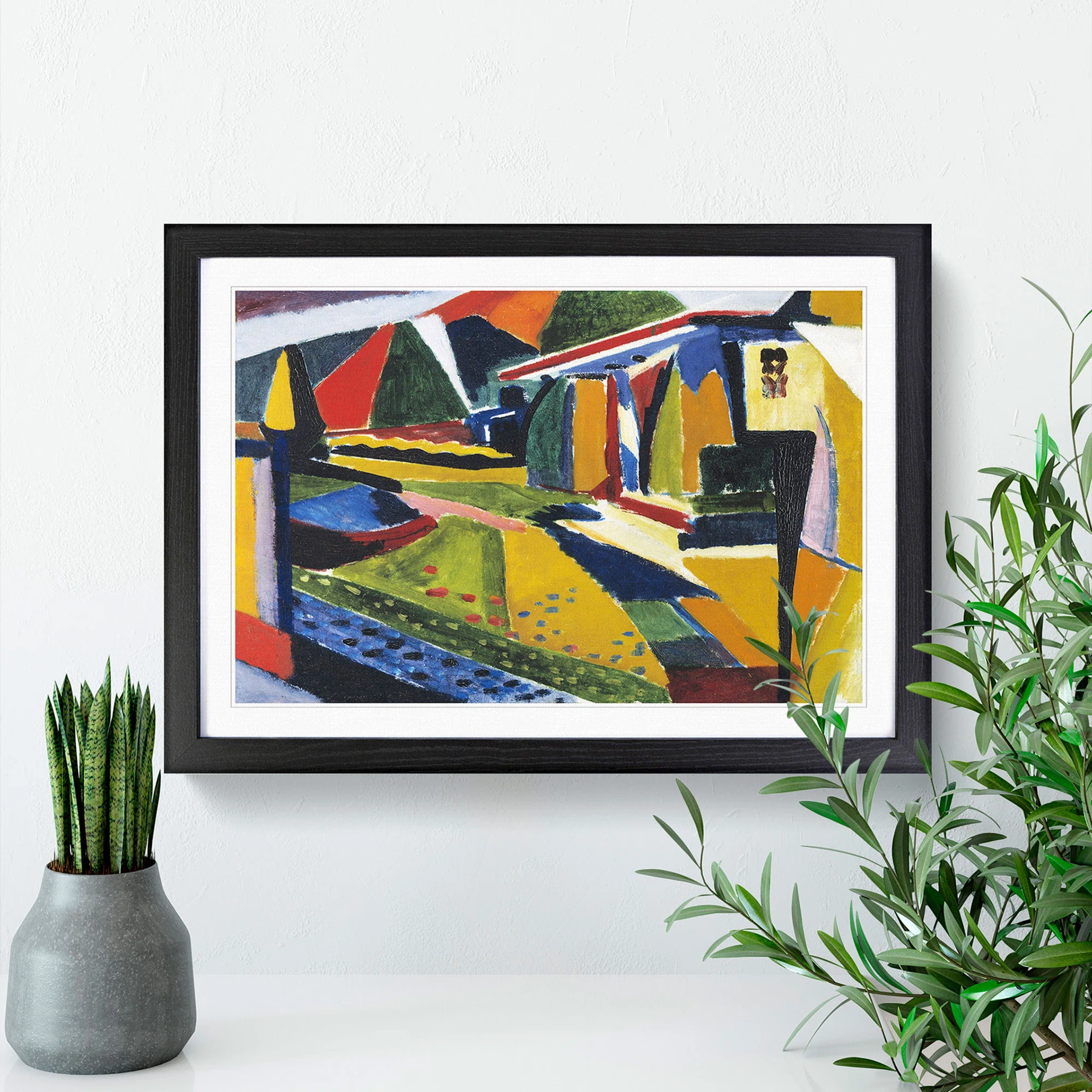
Build Your Art Blog: The Ultimate Guide to Sharing, Connecting, and Thriving
Unlock your artistic voice! This ultimate guide helps artists build a compelling art blog to share their process, connect with collectors, master SEO, and establish a lasting, monetized online presence.

Build Your Art Blog: The Ultimate Guide to Sharing, Connecting, and Thriving
Ever felt like your art is shouting into the void, lost in the endless scroll of social media? You pour your soul into each piece, but translating that passion into words... that feels like a whole different masterpiece. I remember days staring at my easel, wondering how I'd ever translate the chaos and beauty onto a page. It often feels like one more thing on a to-do list that’s already overflowing with studio time, commissions, applications, and just… life. I get it. For the longest time, the idea of writing about my art felt more daunting than making it. I almost gave up on the idea entirely once, convinced no one cared about my process, only the final piece. But then a collector reached out, saying a small post about a failed experiment resonated deeply with them, changing everything.
Here’s the thing I stumbled upon, almost by accident: a blog isn't a chore. It's not a press release. It's a digital version of your studio, an open door that lets people peek inside. They see the beautiful mess, understand the 'why' behind the 'what,' and connect with the human holding the paintbrush. It's about turning viewers into followers, and followers into genuine fans who get what you’re doing. By the end of this guide, you'll have a clear roadmap to creating an art blog that not only showcases your work but also builds a passionate community around it, potentially transforming your entire artistic career. We'll dive deep into making your artist website the ultimate guide for your audience, covering everything from finding your motivation to troubleshooting common issues and ensuring your art blog thrives in the long run. Think of this article as your definitive roadmap to establishing an online presence that genuinely reflects your unique artistic journey and helps others connect with it.

Why Even Bother with an Art Blog? Your Foundation for Growth
Before we get into platforms and post ideas, let's get our motivation straight. Without a solid 'why,' your art blog will fizzle out faster than a watercolor wash on hot press paper. I've seen it happen countless times. You're not starting a blog just to have one; you're starting it to create a lasting impact and cultivate a loyal audience. Historically, artists documented their journeys through journals, sketchbooks, and letters. We even have early artist manifestos and exhibition catalogs that served as precursors to today's digital blogs. What story does your art tell? Because without that, it's just pixels on a screen. This deep dive into your motivations is the true bridge to the tangible benefits that follow.
Beyond immediate sales and fleeting social media likes, a blog offers something more profound: a legacy. It's where your artistic philosophy, your struggles, and your triumphs are recorded for posterity. It's a primary source for future art historians, scholars, or even documentary filmmakers, detailing not just your finished works but your thought processes, influences, and artistic evolution. Think of it as building your own living archive, a place for true intellectual property, fostering a deeper understanding of your artistic output. This isn't just about selling; it's about being remembered, about the stories that outlive the brushstrokes. For me, my blog is a place where I'm building a living record of my artistic journey, a legacy that I hope will resonate for years to come. It can even serve as an archival resource for art historians, a reference for students, or a foundation for academic study of your oeuvre.
Moreover, the act of writing and reflecting on your creative process can be incredibly therapeutic. It's a space for self-discovery, helping you process challenges and articulate your evolving artistic philosophy. Similar to journaling, but with the added benefit of connecting with an audience, it can be a powerful tool for navigating creative blocks and fostering personal growth.
1. Tell Your Story & Build a Deeper Connection
A jpeg of your painting on Instagram is fine, but it doesn't tell the story of the frustration, the breakthrough, the three failed versions before it. Your blog is where your art gets its voice. It’s a living document of your journey, sort of like a public timeline. It's where you can track the evolution of your artistic style, highlight recurring themes, and even share those "aha!" moments when a new technique finally clicks. This offers a richer narrative than any static portfolio ever could, because it includes the emotions, struggles, and thought processes. People connect with stories, not just products. When someone understands the inspiration behind a piece, they're not just buying a decoration; they're buying a piece of your world. It's the difference between a poster and a treasured piece of art. Your blog is where your unique "artist's voice" comes alive, allowing readers to resonate with your values and perspective, fostering a much stronger and more loyal fan base. I once had a collector tell me they bought a piece not just because they loved it, but because they felt like they'd been part of its creation through my blog posts. Imagine that kind of connection!
2. Become the Expert (of Your Own Work)
You are the world's leading authority on your art. Think about it: no one knows your process, your inspirations, or your unique vision better than you. An art blog is where you prove it. You can explain your techniques, dive into your influences, and explore the ideas that fuel your practice. Beyond process and inspiration, you can also share your expertise in art history (as it relates to your work), material science (explaining why specific mediums are chosen), or even offer thoughtful art critique (analyzing other works from your unique perspective). This builds trust and authority. Don't shy away from documenting your learnings from mistakes or experiments; those often make the most relatable and educational content for aspiring artists. Perhaps you could detail how your artistic style has evolved over a decade, analyzing key shifts in composition or subject matter. Or, provide a deep dive into the specific pigments you use, explaining their historical context or lightfastness properties. These kinds of insights position you not just as a creator, but as a knowledgeable and thoughtful authority in your field.
3. Create Your Own Corner of the Internet & Long-Term Security
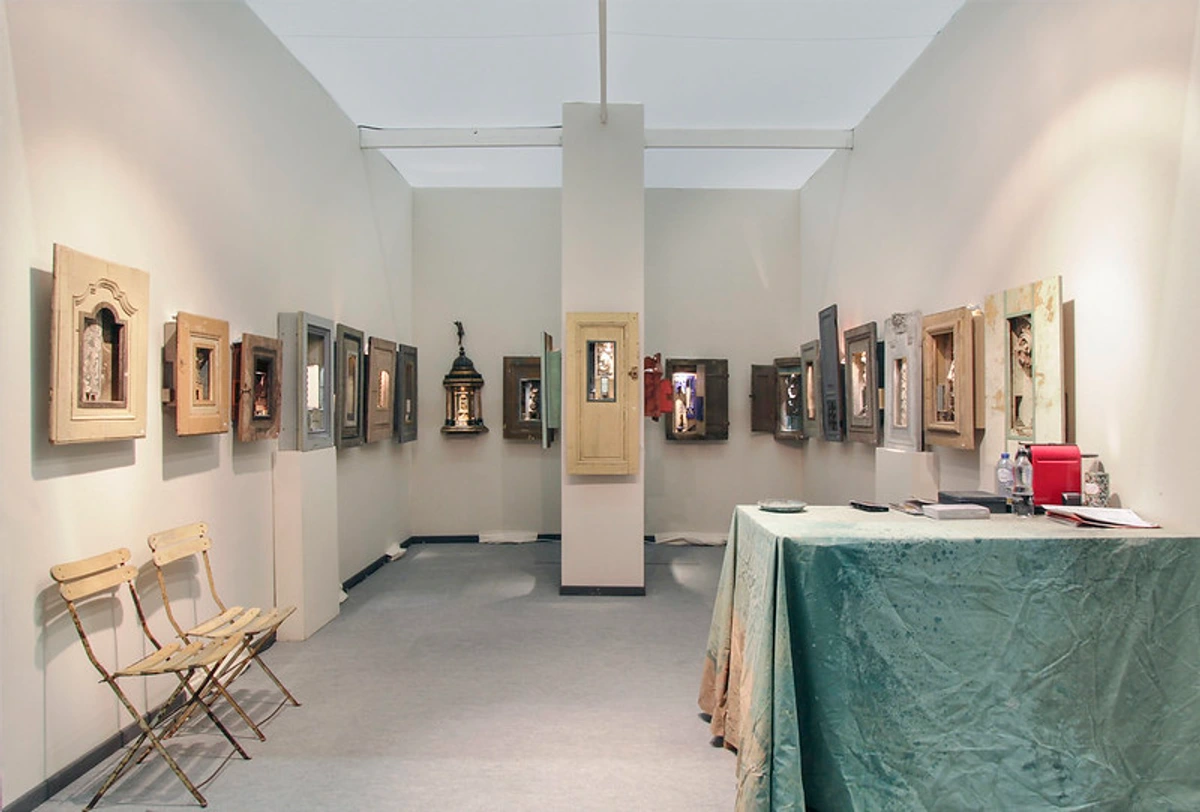
Social media algorithms are fickle beasts, changing their minds (and your reach) on a whim. Your blog is a space you own and control. It's your home base, your digital gallery. This means direct audience access, no algorithmic gatekeepers deciding who sees your work, and the potential for direct sales without platform fees. While emerging digital marketplaces and technologies continue to evolve, your blog offers a foundational, owned space for your art, much like my little corner at the Den Bosch Museum. Beyond direct sales, an owned platform means you're not at the mercy of platform changes that can impact your income overnight. It builds an asset that grows in value over time, ensuring a more sustainable artistic career. It's about cultivating a loyal audience that will follow you, not just a platform. Think of your email list as your primary owned channel – the true direct line to your audience, bypassing social media's unpredictable reach entirely. This is crucial because, unlike social media followers, you own your email list data, protecting you from platform changes, shutdowns, or sudden drops in algorithmic reach.
4. Open Doors to Collaboration & Opportunity
A well-maintained blog demonstrates professionalism and a thoughtful artistic practice, making you an attractive partner for other artists, galleries, brands, or even publications looking for unique voices. It’s a portfolio not just of your art, but of your thought process and engagement. I've seen artists land significant gallery representation and major commissions directly because their blog provided a comprehensive insight into their world. Your blog can also be a powerful tool when applying for grants or preparing proposals, showcasing your unique perspective and dedication.
5. Establish a Professional Online Presence
Beyond immediate sales and connections, your blog establishes a serious, long-term professional online presence. It’s your curated digital legacy, a testament to your career evolution and artistic philosophy. Unlike fleeting social media posts, blog articles can delve deep into your creative journey, exploring textures or sharing your studio playlist. This depth showcases dedication and serious intent, distinguishing you from casual hobbyists and building trust with galleries, collectors, and fellow artists. In essence, your blog becomes the central anchor of your professional identity, reinforcing every other aspect of your online footprint.
The Nuts and Bolts: Your Digital Studio Blueprint
Once you're clear on your 'why,' the next step is to choose the right tools to bring your vision to life. This is where people get paralyzed by choice. Don't. The best platform is the one you'll actually use. We're artists, not coders (mostly!). The goal is to get the tech out of the way so you can focus on the content. This is a crucial part of your artist website guide.
Artist-Specific Platforms: Alternatives or Complements?
Before we dive into building your main site, let's briefly address platforms like ArtStation, Behance, DeviantArt, or even portfolio-focused builders like Adobe Portfolio or Format. These are fantastic for showcasing work within a creative community. They offer built-in exposure and networking, and I highly recommend using them to draw traffic back to your owned space. However, they are not replacements for your own blog or artist website. Think of them as extensions of your digital presence:
- ArtStation: Fantastic for digital artists and illustrators, offering built-in exposure within a technical community. Use it to share process snippets and link back to your blog for the full conceptual story, but remember it's algorithm-driven and less flexible for unique branding.
- Behance: Great for showcasing diverse creative portfolios, often attracting designers and agencies. Good for broad exposure, but like ArtStation, it's a 'rented space' and offers limited storytelling depth or direct monetization compared to your own site.
- DeviantArt: A long-standing community, particularly strong for fantasy, fan art, and diverse styles. Can be a good starting point for exposure, but less tailored for professional art sales or in-depth artist statements, often attracting a younger audience.
- Adobe Portfolio: If you're an Adobe Creative Cloud subscriber, this is a quick and elegant way to create a clean, responsive portfolio site. It integrates well with other Adobe apps. However, it offers limited blogging functionality and customization compared to dedicated platforms.
- Format: Similar to Adobe Portfolio, Format focuses on beautiful, minimalist portfolio layouts with good client proofing tools. It has more robust blogging features than Adobe Portfolio, but still less extensive than a full CMS like WordPress.
Similarly, marketplaces like Etsy or Redbubble are excellent for sales but offer limited storytelling capabilities. They don't offer the deep storytelling or direct audience ownership that a blog provides. Treat them as sales channels that feed into your blog for richer engagement, rather than platforms to host your core content.
If you're truly technically inclined and have unique artistic needs, you could consider building a custom website from scratch using frameworks like React or Vue.js, or even static site generators like Jekyll or Hugo. However, this is definitely for advanced users who enjoy coding as much as creating art – for most of us, it's just another rabbit hole to avoid when we really want to be painting.
Choosing Your Platform: Where Will Your Digital Studio Live?
Platform  | Pros | Cons | Learning Curve | Best For... | Key Consideration for Artists | Scalability/Long-Term Viability | Cost/Pricing Model |
|---|---|---|---|---|---|---|---|
| WordPress (.org) | Infinitely customizable, you own everything, massive plugin ecosystem (themes, e-commerce like WooCommerce), total control over SEO. | Steeper learning curve, requires purchasing hosting and a domain, ongoing maintenance and security updates. Can feel overwhelming without a dedicated theme or developer. | High | The artist who wants total control, doesn't mind tinkering, and plans for significant growth or highly specialized features. | Best for full control over image display, robust e-commerce, advanced portfolio features (e.g., custom fields for artwork details), and deep SEO customization. Requires a significant time investment for setup and maintenance, potentially diverting from creative work. | Excellent, can grow with any artistic career stage, from beginner to established gallery artist with complex needs. | Varies widely. Hosting typically $5-30/month, domain $10-20/year, premium themes $50-100 (one-time or annual), plugins vary. |
| Squarespace | Beautiful, visually-driven templates, all-in-one (hosting included), very user-friendly, good built-in SEO tools. Minimal fuss with updates. | Less flexible than WordPress for deep customization, subscription-based, can be pricey as you scale, proprietary nature can make migrating content difficult. | Low | The artist who values aesthetics and ease-of-use above all else, wants a quick setup, and prioritizes visual presentation. | Excellent for visual portfolios, easy video embedding, strong e-commerce integration, and minimal design effort. Its strong emphasis on visual presentation makes it ideal for showcasing artwork effectively and building thematic collections. | Good for initial growth; may become limiting for highly specialized or complex needs without workarounds, but generally sufficient for most artists. | Plans typically range from $16-54/month (billed annually). |
| Wix | Drag-and-drop editor, very intuitive for visual people, diverse templates, strong design flexibility for unique layouts. | Can be slower loading, hard to migrate content away from due to proprietary code, less control over core SEO aspects compared to WordPress. | Low | The artist who wants a highly visual site and loves drag-and-drop, prioritizing design flexibility and a quick, intuitive build process. | Visually appealing layouts, good for showcasing individual pieces without complex coding. Be aware of potential design limitations for highly specific portfolio layouts and the importance of understanding its proprietary nature; migration can be a headache. | Moderate, can handle growth but proprietary nature might hinder future migrations or advanced integrations. Performance can be a concern for very image-heavy sites. | Plans typically range from $16-32/month (billed annually). |
| Substack/Ghost | Extremely simple, focused on writing and email newsletters, built-in monetization (subscriptions). Great for direct audience connection and long-form essays. | Not designed for visual portfolios, limited design customization, less integrated e-commerce. Best used as a complement to a main portfolio site. | Very Low | The artist who wants to focus primarily on written storytelling, artist statements, manifestos, and building a mailing list, potentially as a complement to a main portfolio site. | Prioritizes written storytelling over high-resolution image galleries; less ideal for primary portfolio display but excellent for audience communication of essays, manifestos, or serialized stories. Consider it a secondary platform for deeper engagement, not a standalone art website. | Limited as a primary portfolio site, but excellent as a complementary content hub for written work and direct audience communication. Good for text-heavy content and paid newsletters. | Substack offers a free tier; Ghost plans start around $9/month. |
My advice? If you're unsure, start with Squarespace or Wix. I've seen artists get something beautiful up and running in a weekend, and the feeling of accomplishment alone is a huge motivator. The important part is to start. If your needs grow, migrating from a simpler platform to something more robust like WordPress is totally doable later. Just make sure you can export your content!
Quick Tip: Choose your platform based on your primary need: total control (WordPress), ease-of-use & aesthetics (Squarespace/Wix), or writing focus (Substack/Ghost).
Now that your digital studio's foundation is laid, let's look at the blueprint of its rooms – the essential pages that will guide your visitors through your artistic world.
Essential Pages: The Blueprint of Your Online Presence
When setting up your artist website guide, these are crucial building blocks for a cohesive and accessible presence:
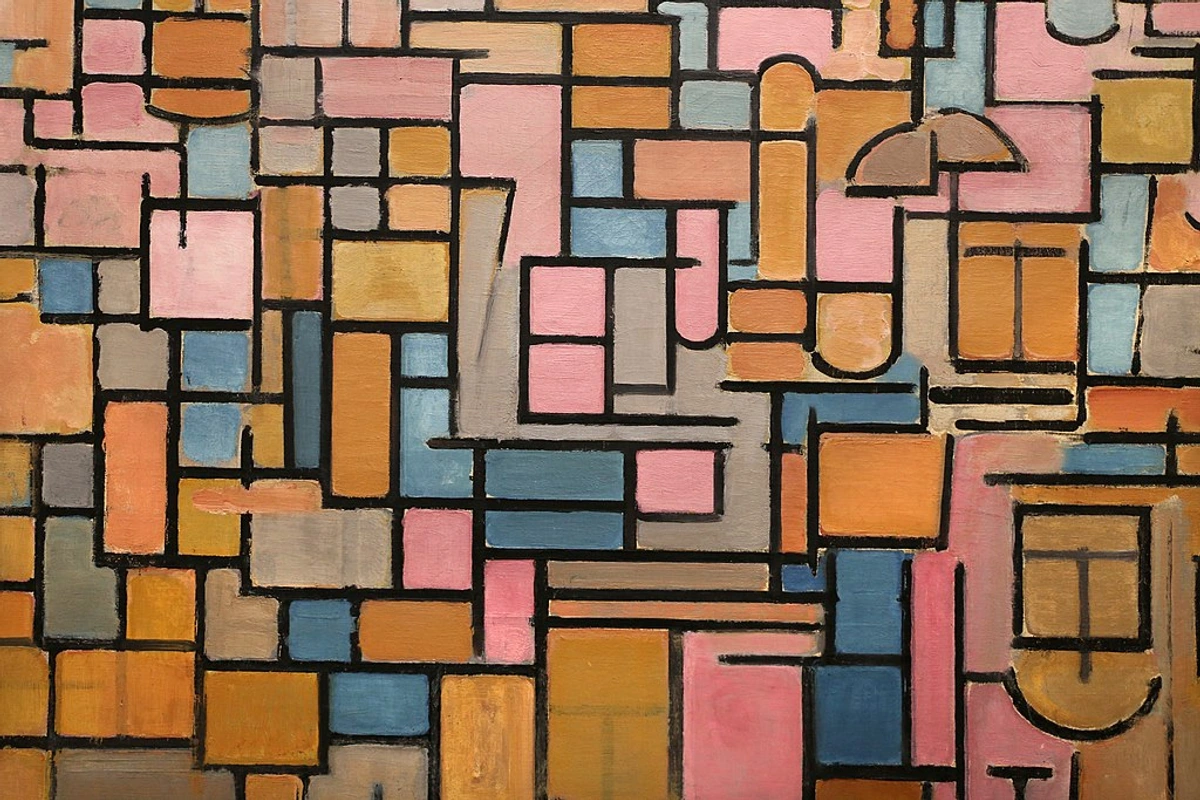
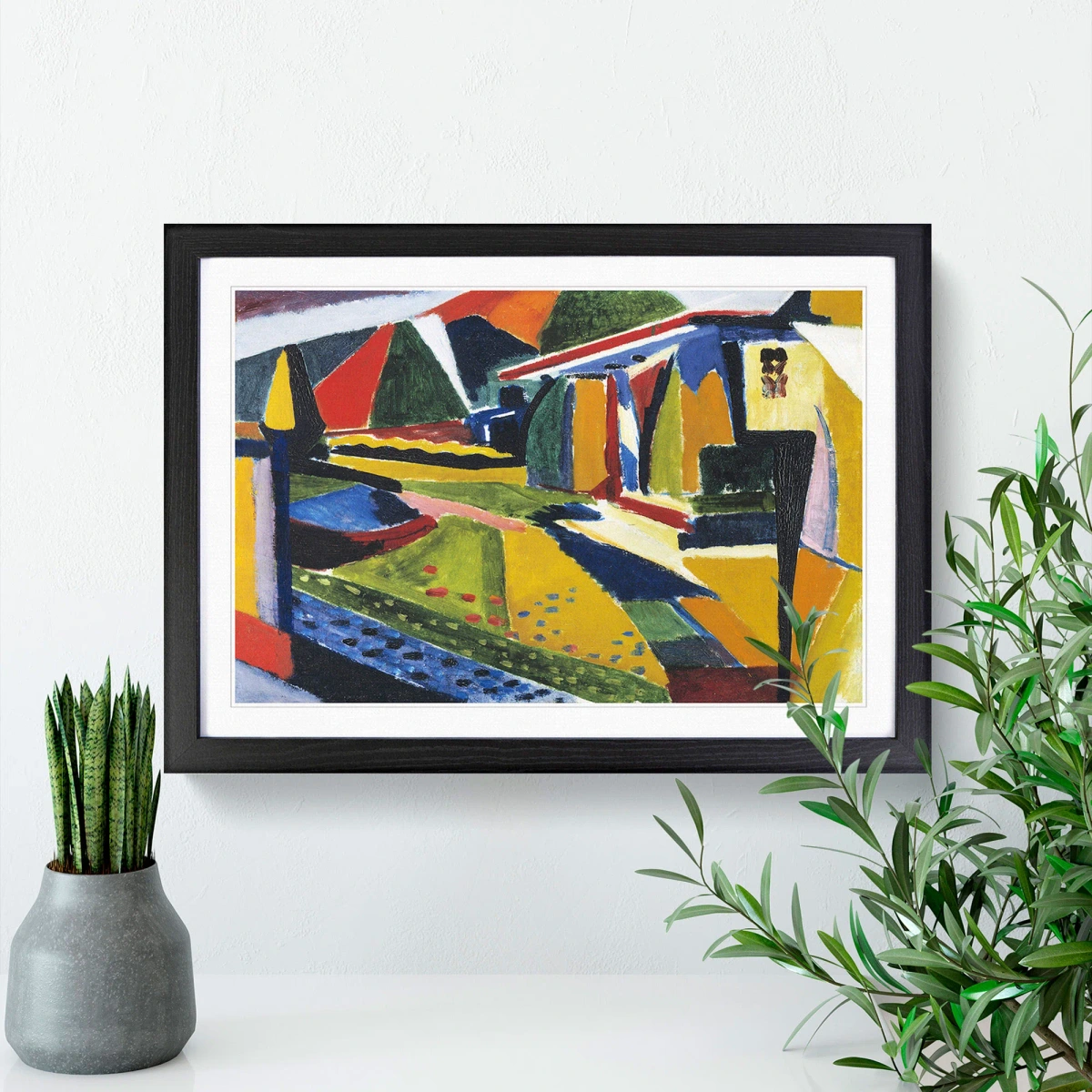
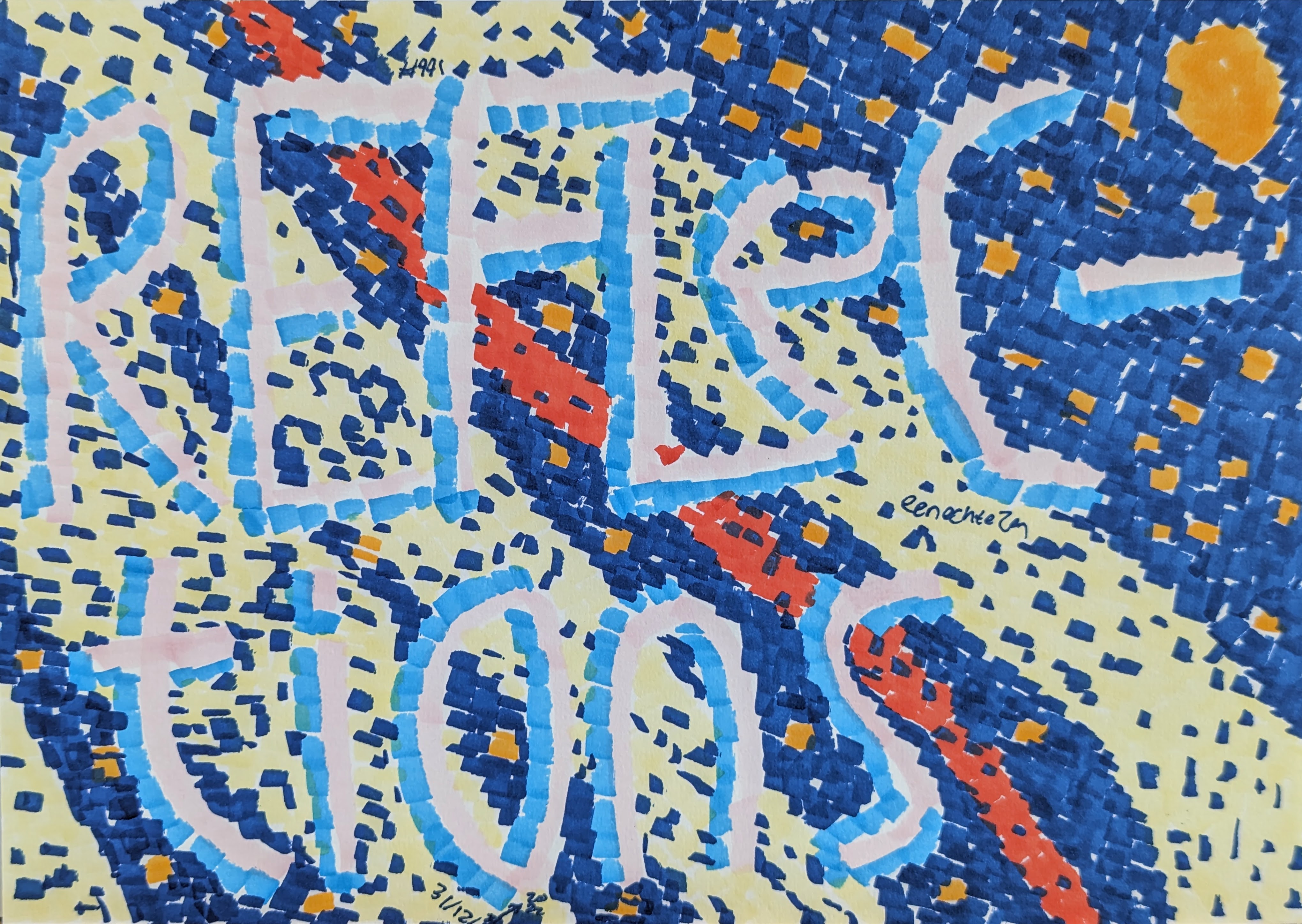
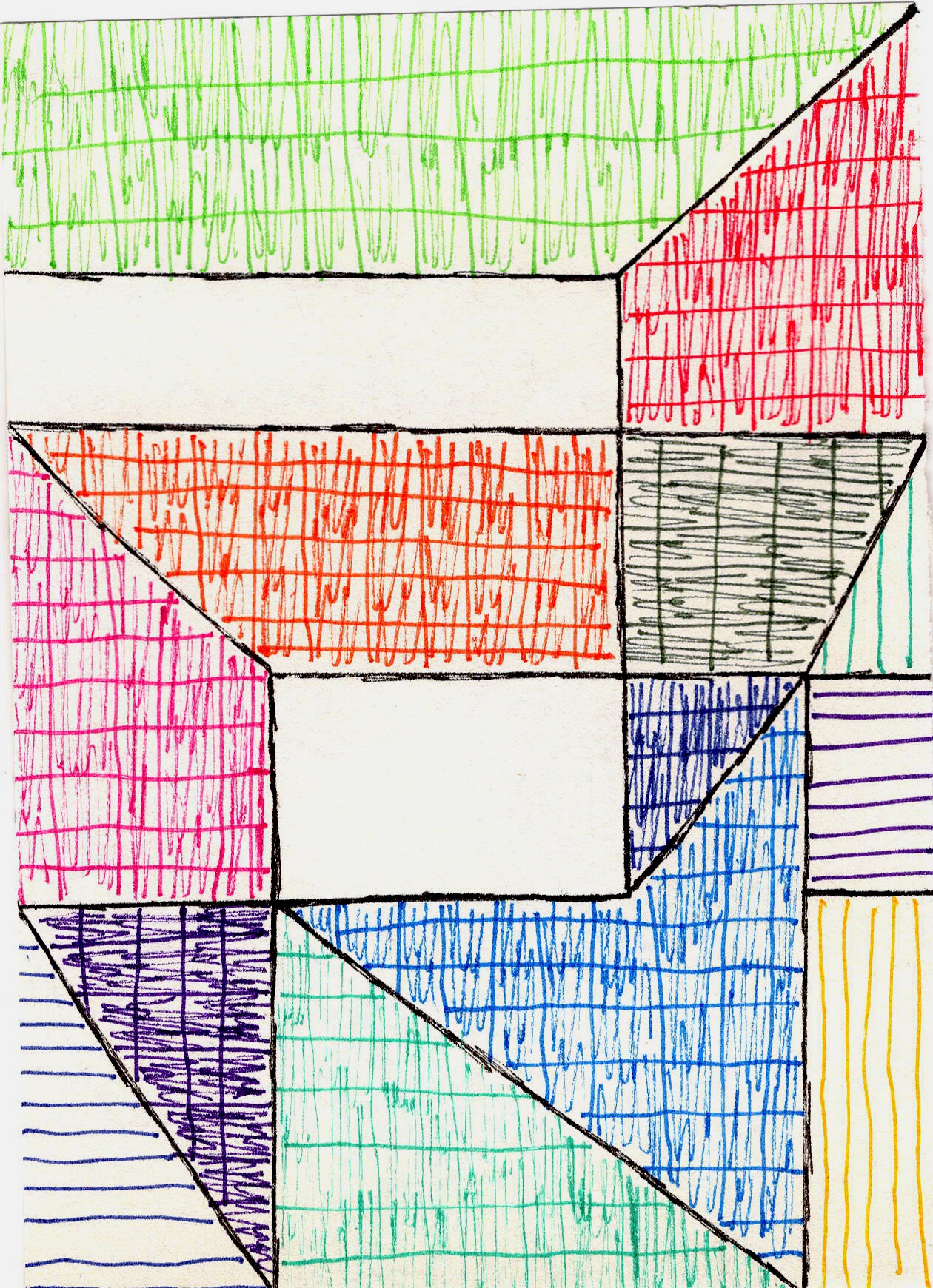
- Homepage: A clear, inviting front door. Think of it as your digital studio entrance, welcoming visitors and giving them a taste of your work. Make it visually striking with your best art. A strong header image or gallery from your portfolio (like Reflections, abstract, geometric, blue, yellow, pink, red, orange, patterned, textured) can make a huge impact. Consider a rotating banner of your latest or most acclaimed pieces, a brief artist statement snippet, and clear calls to action to explore your portfolio or latest blog posts.
- About Page: Don't just list your CV. Tell a story. Why do you make what you make? Be human – share a time you struggled with a piece, or a funny studio mishap. Include a "Mission Statement" or "Artistic Philosophy" section. For example, for an abstract artist, this might be: "My mission is to translate the unseen emotions and energies of the world into vibrant, non-representational forms, inviting viewers into a dialogue with color and texture." I've found my own About page thrives when it answers not just what I do, but why it matters to me (and hopefully, to you!). Consider a "Behind the Art" section briefly touching on your preferred materials or unique techniques. Include a high-quality, approachable headshot. End with a clear call to action, perhaps linking to your portfolio or contact form.
- Portfolio/Gallery: This is crucial. This is where your art truly gets to shine, so let's make sure it does! Show your best work. High-quality images are non-negotiable – consider professional photography or excellent digital rendering. Optimize images for web by balancing quality with file size to ensure fast loading times, crucial for maintaining reader engagement. Think about common file types like JPG (good for photos) and PNG (good for graphics with transparency), but also explore modern formats like WebP for superior compression. Tools like TinyPNG or compressor.io can significantly reduce file sizes without noticeable quality loss. Curate it thoughtfully: explore different portfolio layout options (e.g., a dynamic grid, a focused masonry layout, or a single image spotlight with detailed descriptions) and select pieces that tell a cohesive story, showcase a specific body of work, or highlight your artistic evolution. Consider creating thematic collections or series within your portfolio (e.g., "Urban Reflections," "Nature's Geometry") to guide viewers through different aspects of your artistic journey and demonstrate conceptual depth. Consider a "Featured Works" section for immediate impact, showcasing your latest or most acclaimed pieces, alongside a more comprehensive archive or "Sold Works" section, which adds historical context and demonstrates a successful artistic career. For each piece, include its dimensions, medium, and year of creation. Use descriptive alt text for every image for accessibility and SEO, and consider consistent image naming (e.g.,
artwork-title-artist-year.jpg). This is the perfect place to link to where people can buy your art, and to related blog posts about the piece's creation or inspiration. - Blog: The star of our show, of course! This is where all your amazing content lives. The ultimate how to start an art blog guide lives here.
- Contact Page: Make it easy for people to reach you. A simple form is usually best, but also include your email address. Maybe even link to your social media profiles. Consider offering multiple contact methods for different needs (e.g., a general inquiry form, a separate option for press or collaboration).
- Testimonials/Press Page (Optional but Recommended): As your career progresses, gather quotes from happy collectors, exhibition reviews, or features in publications. This builds immense social proof and authority.
- Website FAQ (Optional): This differs from an article FAQ. Here, you'd answer common questions visitors might have about your art, purchasing process, shipping, commissions, or even your general artistic approach. ("Do you take commissions?" "What's your return policy?")
Now that your digital gallery is set up, how do you decide what stories to tell? This is where a solid content strategy comes into play – your editorial roadmap for captivating your audience.
Content Planning & Strategy: Your Artistic Editorial Roadmap
Before you even start writing, a little planning goes a long way. Think of it as sketching out your composition before you touch the canvas. A solid content strategy ensures you're consistently creating valuable, relevant posts that resonate with your audience and support your artistic goals. This isn't about rigid rules, but about giving yourself a helpful framework. Believe me, a little upfront thought saves a ton of creative headaches down the line.
1. Know Your Audience (and Their Questions)
Who are you trying to reach? Aspiring artists? Experienced collectors? Interior designers? Each audience has different needs. What questions do they frequently ask you? What problems can you solve for them? (e.g., "How do I choose art for my living room?"). Your blog is a dialogue, not a monologue. To truly understand their questions, dig into social media comments, forum discussions, direct messages, and tools like "Answer the Public" or Google's "People also ask" section. These insights are pure gold for content ideas.
2. Brainstorm Broad Themes & Content Pillars
Instead of thinking about individual posts, think about overarching themes related to your art and practice. These are your content pillars, broad categories that funnel into specific post ideas. For instance:
- For an abstract artist like me: "My Creative Process" (e.g., how I use the psychology of color in abstract art), "Art History & Inspiration" (e.g., exploring the definitive guide to the history of abstract art), "Collecting Abstract Art" (e.g., collecting emerging abstract art).
- For a hyperrealist painter: "Mastering Detail & Realism," "The Science of Light and Shadow," "Inspiration from Everyday Objects."
- For a sculptor: "Material Exploration & Form," "The Anatomy of Form," "The Process of Fabrication."
Having these pillars makes brainstorming specific post ideas much easier. What are your artistic obsessions? Turn them into categories!
3. Develop a Content Calendar (Flexibly)
A content calendar helps maintain consistency without burnout. It could be as simple as a spreadsheet listing topics for the next few months, planned around new series, exhibitions, holidays, or art challenges. This allows you to batch content creation (e.g., write several posts in one dedicated session) and reduce last-minute stress. Consider a "seasonal" approach to content: tying blog posts to art exhibition cycles, art historical anniversaries, or even the changing seasons if relevant to your work (e.g., a series on capturing autumnal light). Remember, it's a guide, not gospel – be flexible if inspiration strikes! Consistency beats frequency every time.
4. Repurpose Your Content Creatively
Don't let a great blog post live and die on your website. Maximize its reach! A single blog post can be repurposed into:
- Multiple social media captions and image carousels.
- Short video scripts (e.g., for Reels or TikTok) showcasing a technique discussed in the post.
- An email newsletter with key takeaways and a link to the full article.
- A longer, more in-depth video tutorial for YouTube.
- Part of an e-book or mini-course later down the line.
This intelligent repurposing amplifies your message and makes your efforts go further. I often find a quick process video on social media drives tons of traffic to a detailed blog post that explains the 'why' behind the 'how'.
Key Takeaways from Content Planning:
- Audience First: Always start with what your audience needs and searches for.
- Pillar Content: Organize your ideas into broad themes for structured brainstorming.
- Consistency over Quantity: A flexible content calendar ensures steady, valuable output.
- Repurpose Smartly: Maximize reach by transforming one piece of content into many formats.
With your strategic compass set, let's dive into the exhilarating part: filling your blog with content that truly captivates. Forget the blank page terror; think of this as opening up your creative studio to curious minds.
Content is King: Captivating Stories from Your Studio (An Artist's Blog Guide)
Ah, the terror of the blank page. I've been there. You stare at the cursor, and suddenly every idea you've ever had evaporates. The secret is to stop thinking about 'writing articles' and start thinking about 'sharing stories.' My own journey has taught me that the most engaging posts are the ones that reveal a little piece of myself. Here are some ideas to steal (and expand on!) to create a truly valuable art blog that makes your artist website guide shine:
Behind-the-Scenes & Personal Journeys
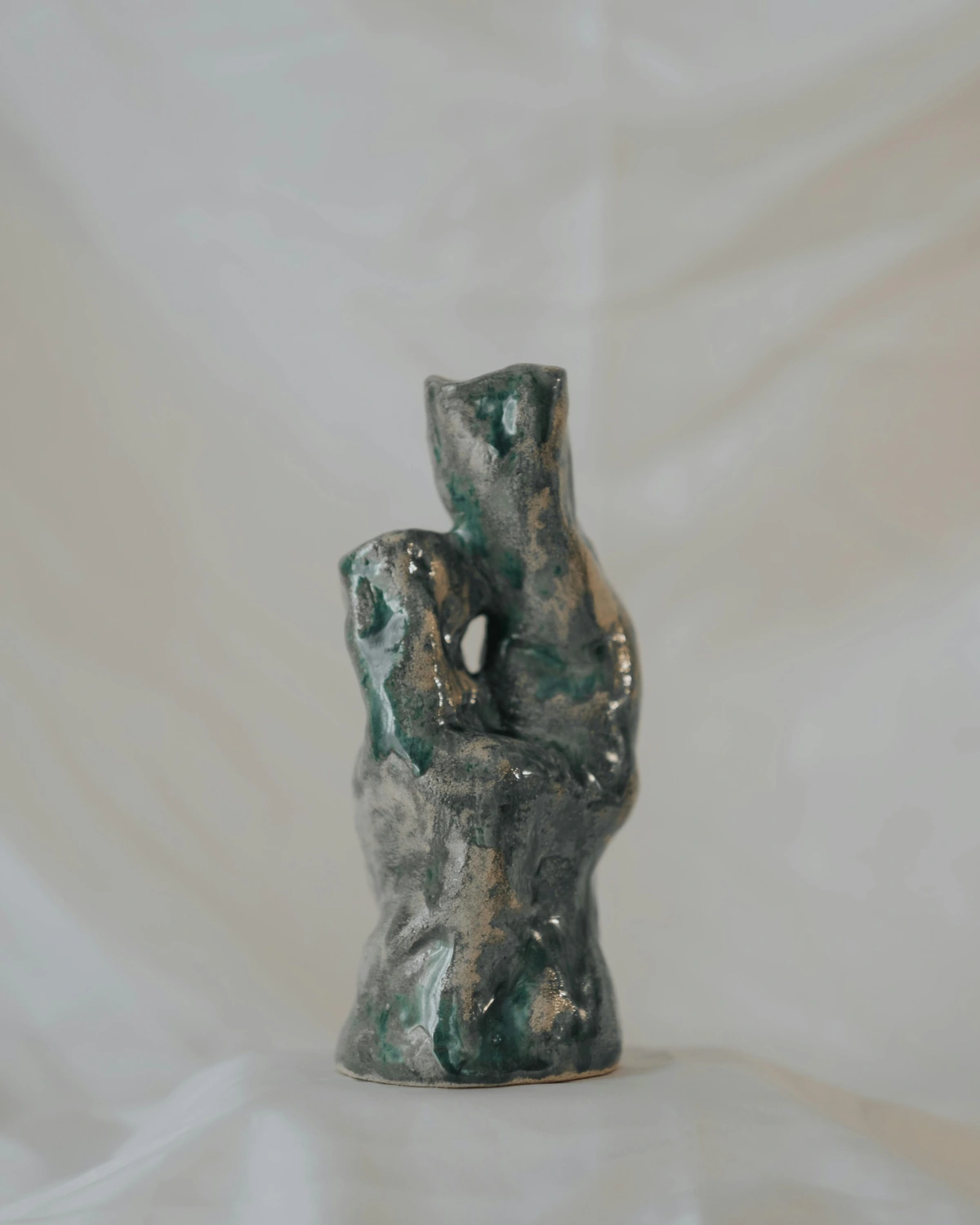
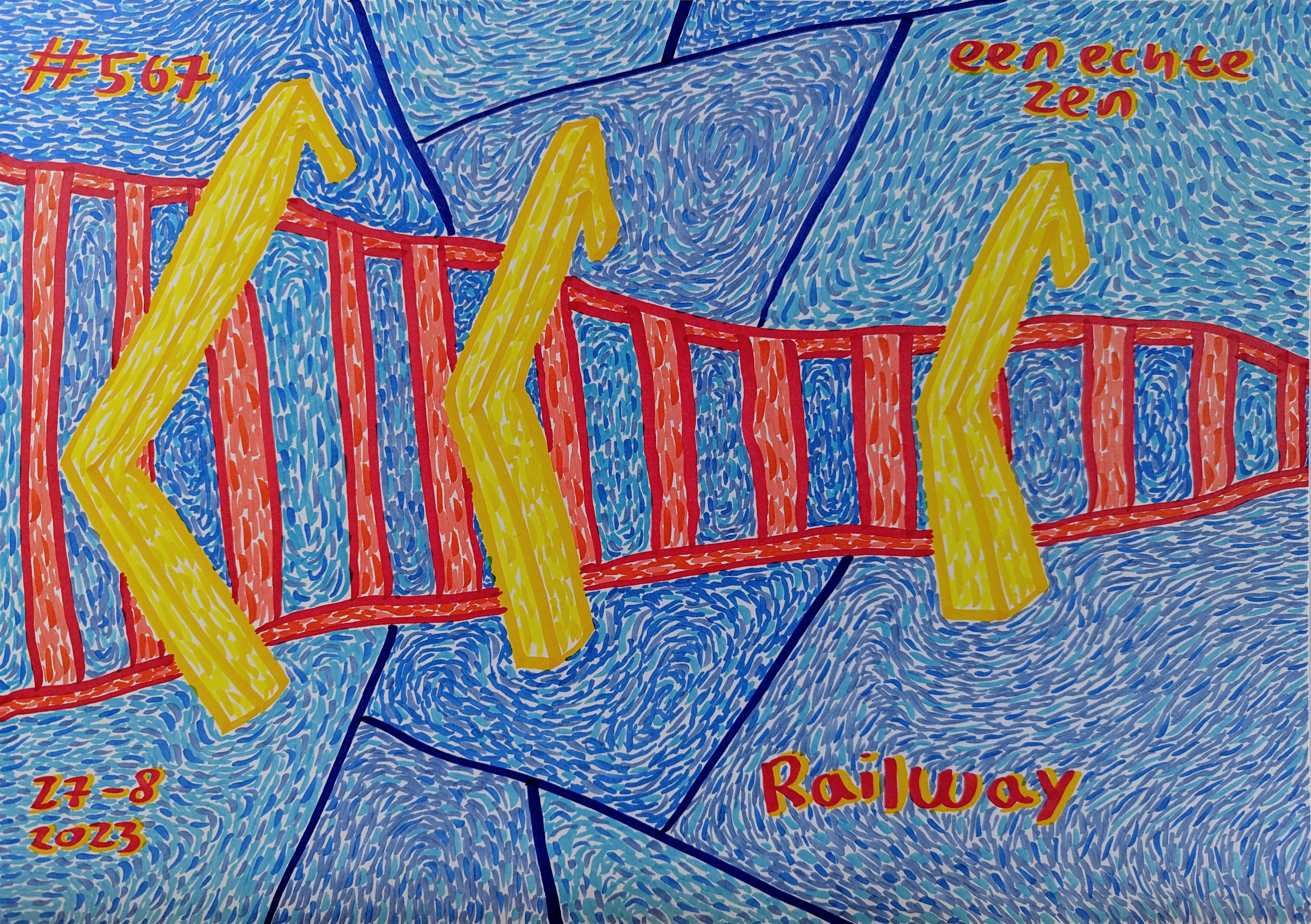
- Studio Tour: Show people where the magic happens. It doesn't have to be pristine; in fact, a little organized chaos is often more relatable. Show your tools, your messy palette, the view from your window. What's your favorite corner to work in? Talk about the lighting, the sounds, even the 'scent' of your studio. It humanizes your process. A great studio tour can show the creative environment behind pieces like Railway, Den Bosch, Zen Dageraad, movement, stillness, adventure, wanderlust.
- The Process Post: Take one piece and document its creation from start to finish. The initial sketch, the ugly middle phase, the final details. People love seeing behind the curtain. Don't shy away from documenting the "failure points" or "happy accidents" – these moments often resonate most deeply and provide valuable learning. You could even write about how to stretch a canvas for painting as part of your prep! Consider a tiered approach: a quick overview for social media, a more detailed blog post, and perhaps a longer-form video tutorial for YouTube, with your blog acting as the central hub.
- The "Ugly Duckling" Phase: Embracing Imperfection in Art Creation: Dedicate a post to the challenging, awkward, or seemingly failed stages of a particular artwork. Share how you pushed through doubt, made crucial revisions, or even salvaged a piece you thought was lost. This reveals the true power of imperfection in your work and makes your journey incredibly relatable. Perhaps like my Lazybones abstract painting, which went through many iterations.
- A Day in the Life: What does a typical Tuesday look like for you as an artist? It demystifies the creative process and makes you more relatable. Don't just list tasks; describe the feelings, the distractions, the small victories. Is it always painting? Or is it admin, marketing, and the occasional coffee break while staring blankly at the wall? (I know my own days are a healthy mix of all of the above, plus contemplating professional napping).
- The Unseen Labor: How Much Time and Effort Goes into My Art: Dedicate a post to breaking down the often-invisible work that goes into each piece – from conceptualization, material sourcing, failed attempts, marketing, and even shipping. This educates collectors on the value of your work beyond just the finished aesthetic and can help justify your pricing. For example, detailing the weeks spent on research for a historical series, the countless sketches, or the meticulous process of stretching and priming a canvas can significantly enhance a collector's appreciation.
- Artistic Ethics and Integrity: Explore the nuances of artistic responsibility. This could involve discussions on the ethical sourcing of materials, respecting intellectual property (your own and others'), fair compensation for assistants, avoiding plagiarism, and maintaining transparency in your creative process. It's also a great space to honestly address creative burnout or the challenges of originality in a saturated world, and even explore questions of cultural appropriation with sensitivity. I once wrote about the surprising ethical dilemmas of using certain pigments, which sparked a fascinating conversation.
Educational & Insightful Content
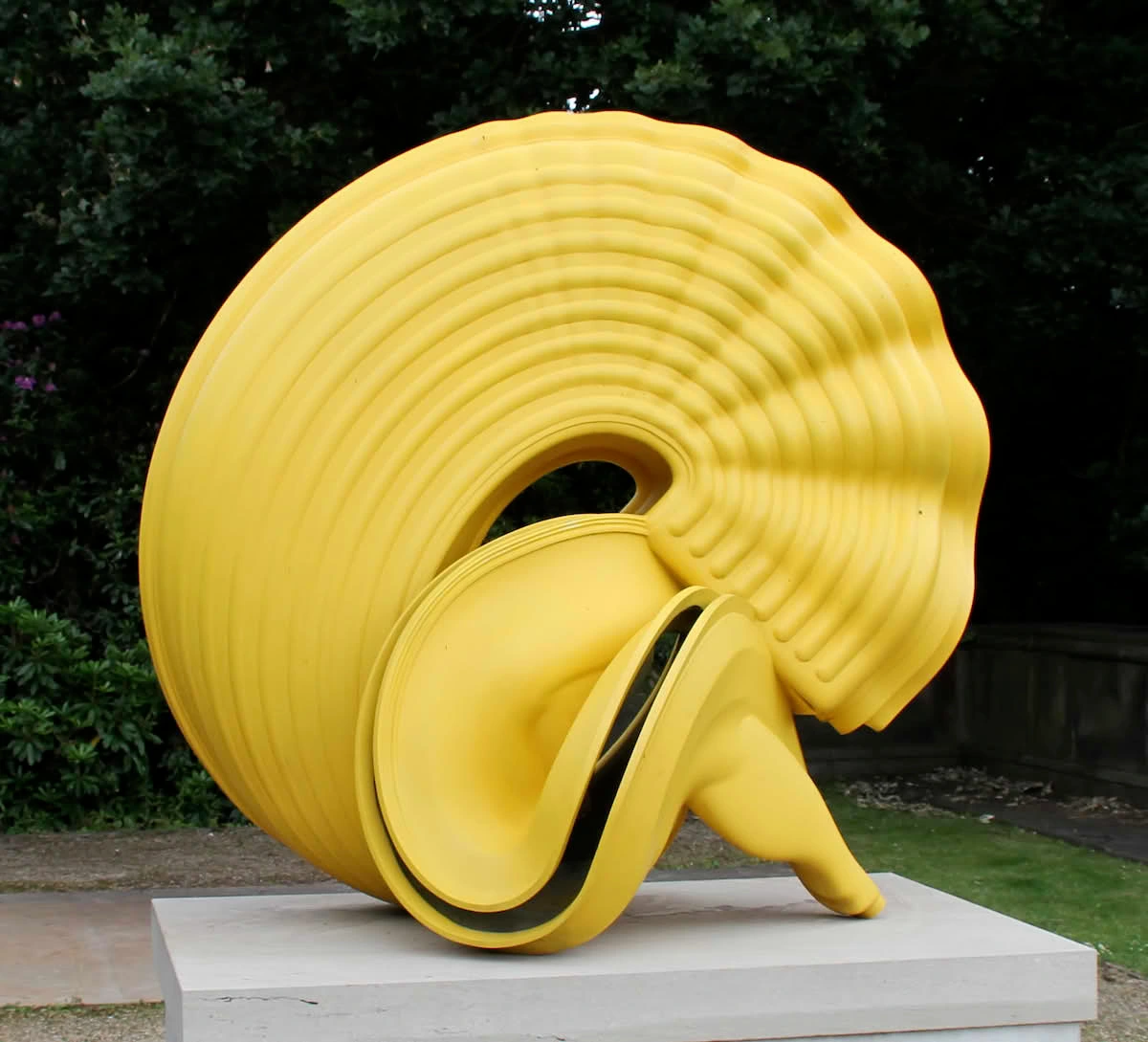
- Artist Statements, Expanded: Beyond the brief text in a gallery, use your blog to write in-depth artist statements. Explore the philosophy and intention behind specific bodies of work or overarching artistic themes, allowing for more nuance and personal reflection than traditional statements.
- Your Inspirations: What are you obsessed with right now? A specific color, a historical art movement, a film, a poem? Write about it! It gives context to your work. Consider creating visual mood boards or embedding Pinterest boards within your post to truly immerse your readers. You could explore a topic like What is Design in Art? or share your process of using Pinterest effectively as an artist.
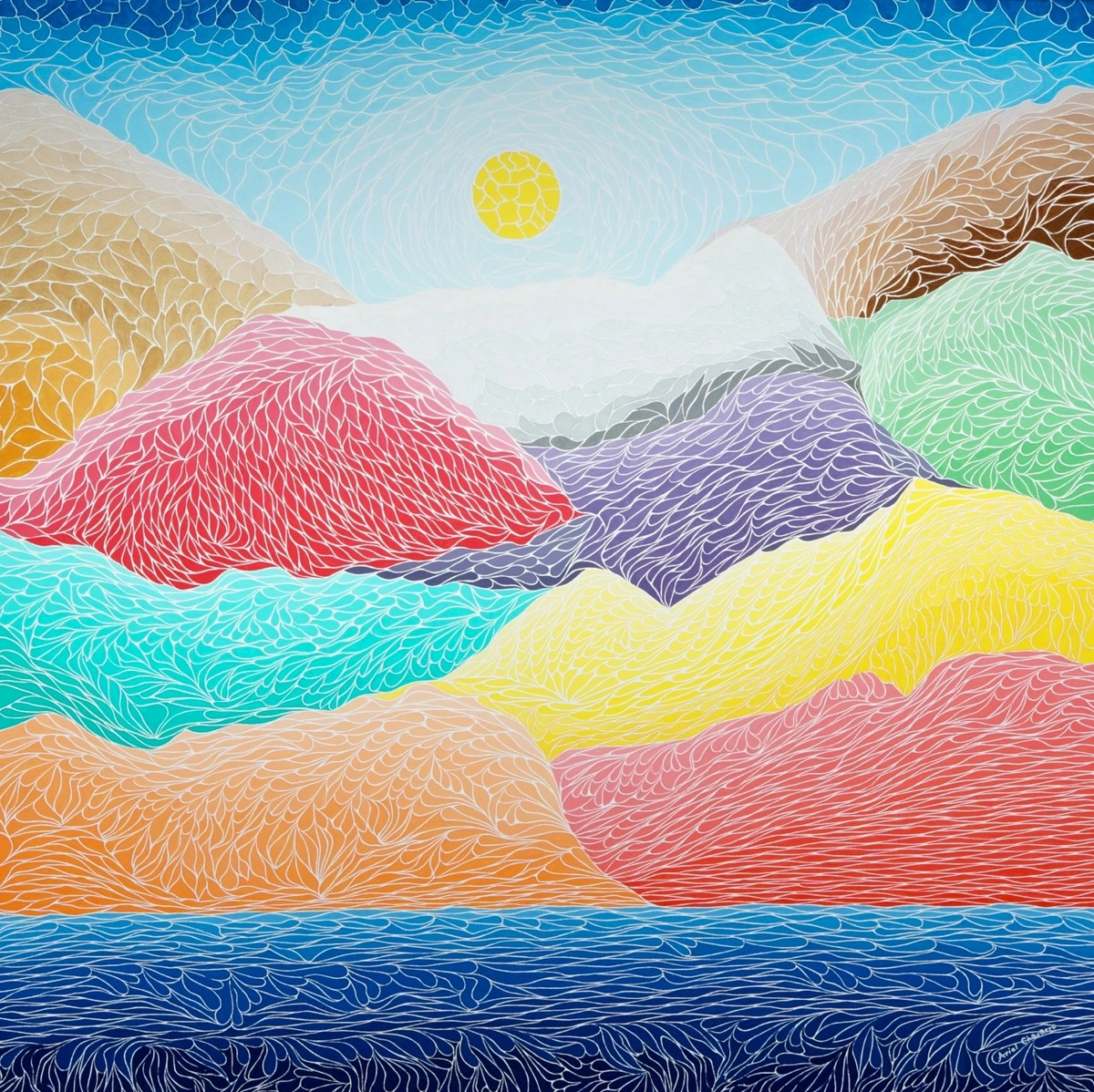
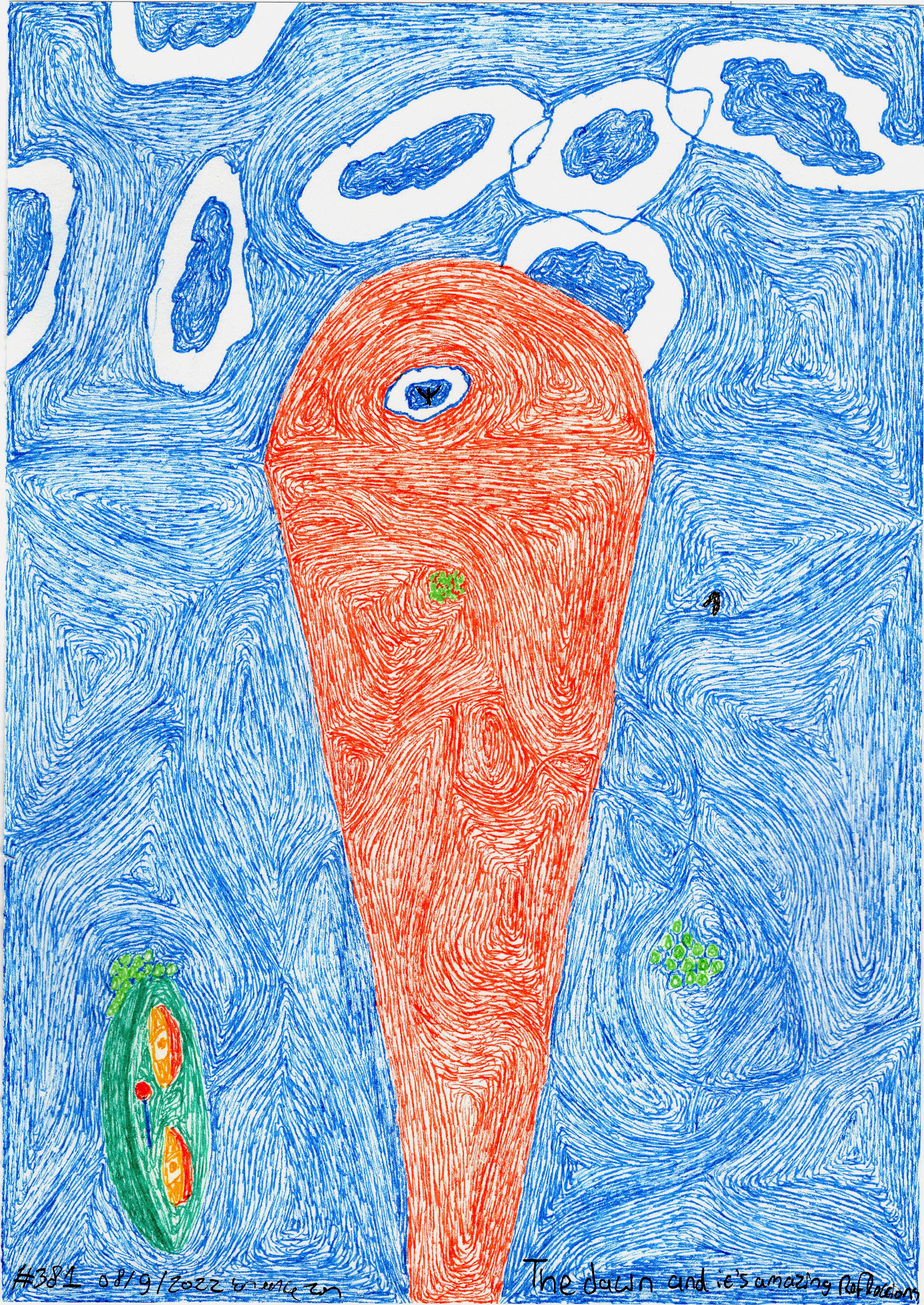
- The Psychology of Color in My Art: Dive into your personal connection to specific color palettes. How do certain hues evoke emotions or memories for you? Discuss how you intentionally use color to convey mood, energy, or narrative in your abstract pieces, like the vibrant blues and oranges of my dawn reflections. You could even link to a deeper dive into the psychology of color in abstract art.
- Address Common Questions Your Audience Asks: What's the one question everyone asks you at an art fair? "How long did that take you?" or "Where do you get your ideas?" Or perhaps, "How do you price your art?" or "What's the best way to display abstract art?" Turn the answer into a blog post. These are evergreen content gold because people are actively searching for these answers. Think about questions related to your specific style, like "How do you create abstract texture?" or "What does a vibrant color palette mean to you?"
- Sharing Specific Techniques & Creative Shortcuts: Share a small part of your technique. Think of it as offering a glimpse into your toolbox, not handing over the blueprints. A mini-tutorial on how you mix your greens, prepare a canvas, or choose specific materials positions you as a helpful authority. Focus on sharing foundational knowledge or specific tricks that don't compromise your core intellectual property. For example, a guide on how to arrange pictures on a wall could be very popular, or a quick tip on achieving a specific texture with your preferred medium.
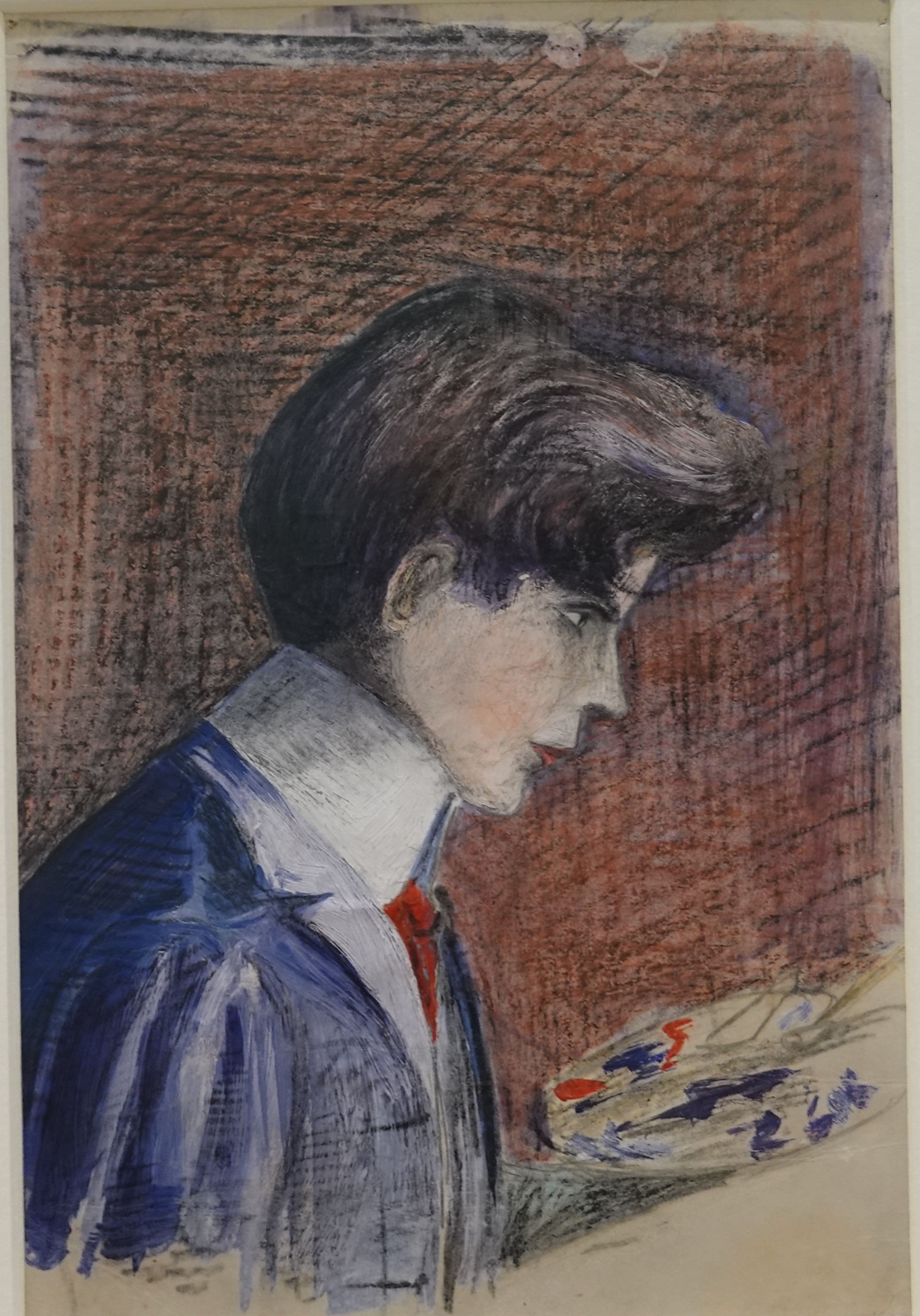
- Art History Connections: Explore how specific historical art movements, artists, or techniques influence your current work. Drawing parallels and explaining their relevance not only educates your audience but also positions your art within a broader historical context. For example, I might explore how Cubism's geometric principles inform my abstract compositions, or how the bold lines of German Expressionism inspire my dramatic color choices – it’s like seeing the world through a different lens. Or perhaps the expressive nature of Egon Schiele's self-portraits influenced my approach to form. For a deeper dive, consider linking to articles like the ultimate guide to art deco movement.
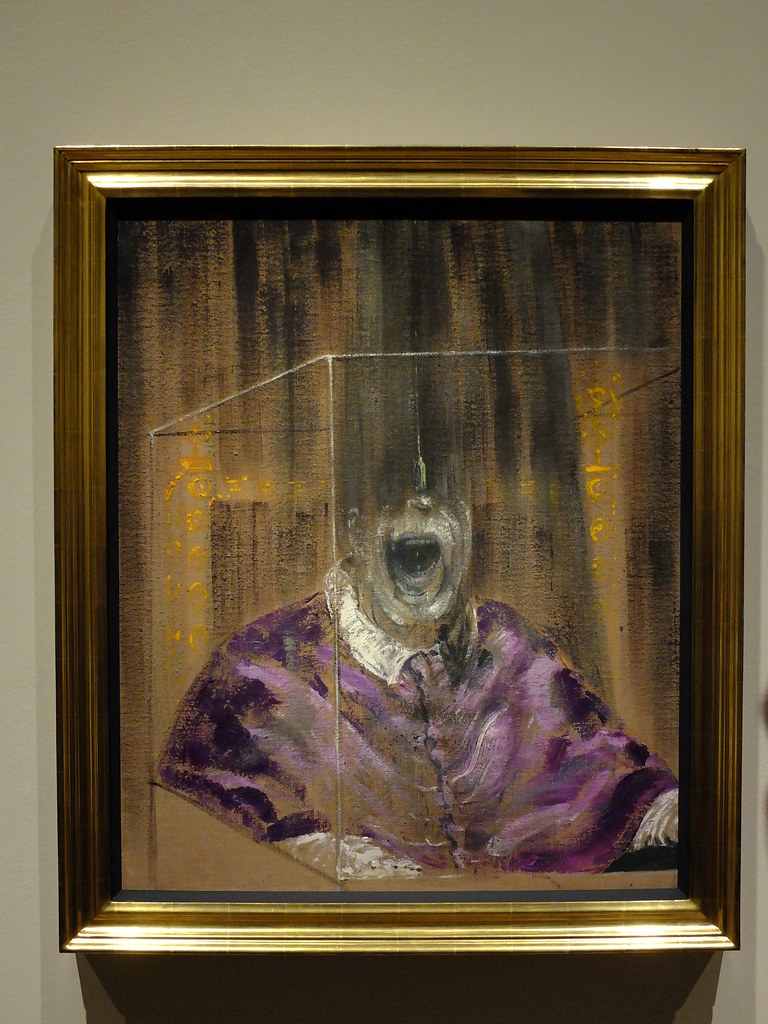
- Critique of a Specific Artwork (Own or Other): Ethically, with permission for others' work, or a candid self-critique. Discussing an artwork's strengths, weaknesses, and intentions can showcase your analytical skills and deepen your audience's appreciation for art. It's a great way to talk about elements of design, composition, and color theory. Consider a "gallery walk-through" post where you discuss artworks you encountered at a recent exhibition, sharing your insights. Imagine discussing a piece like Francis Bacon's 'Head VI' and how its intensity relates to contemporary emotions.
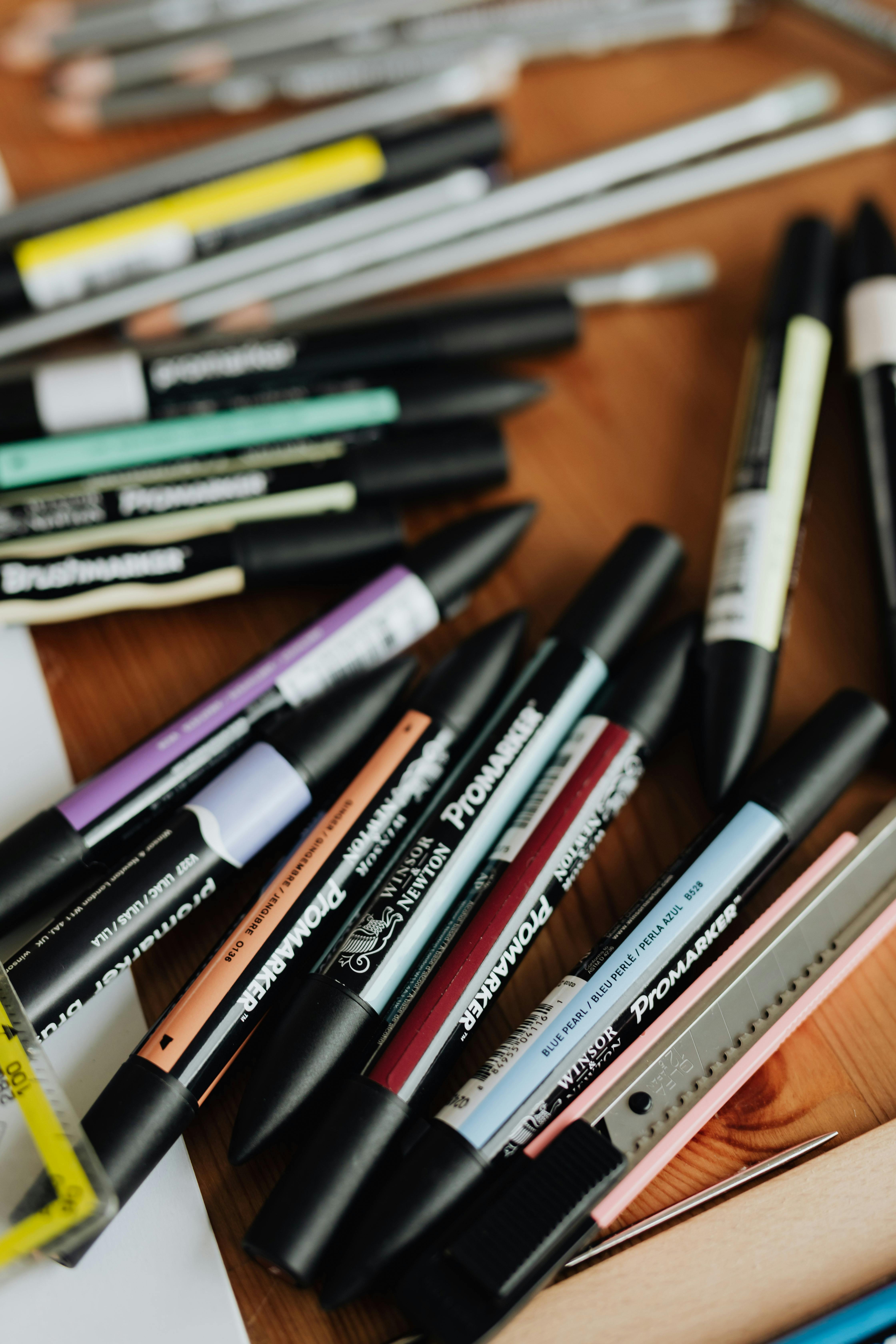
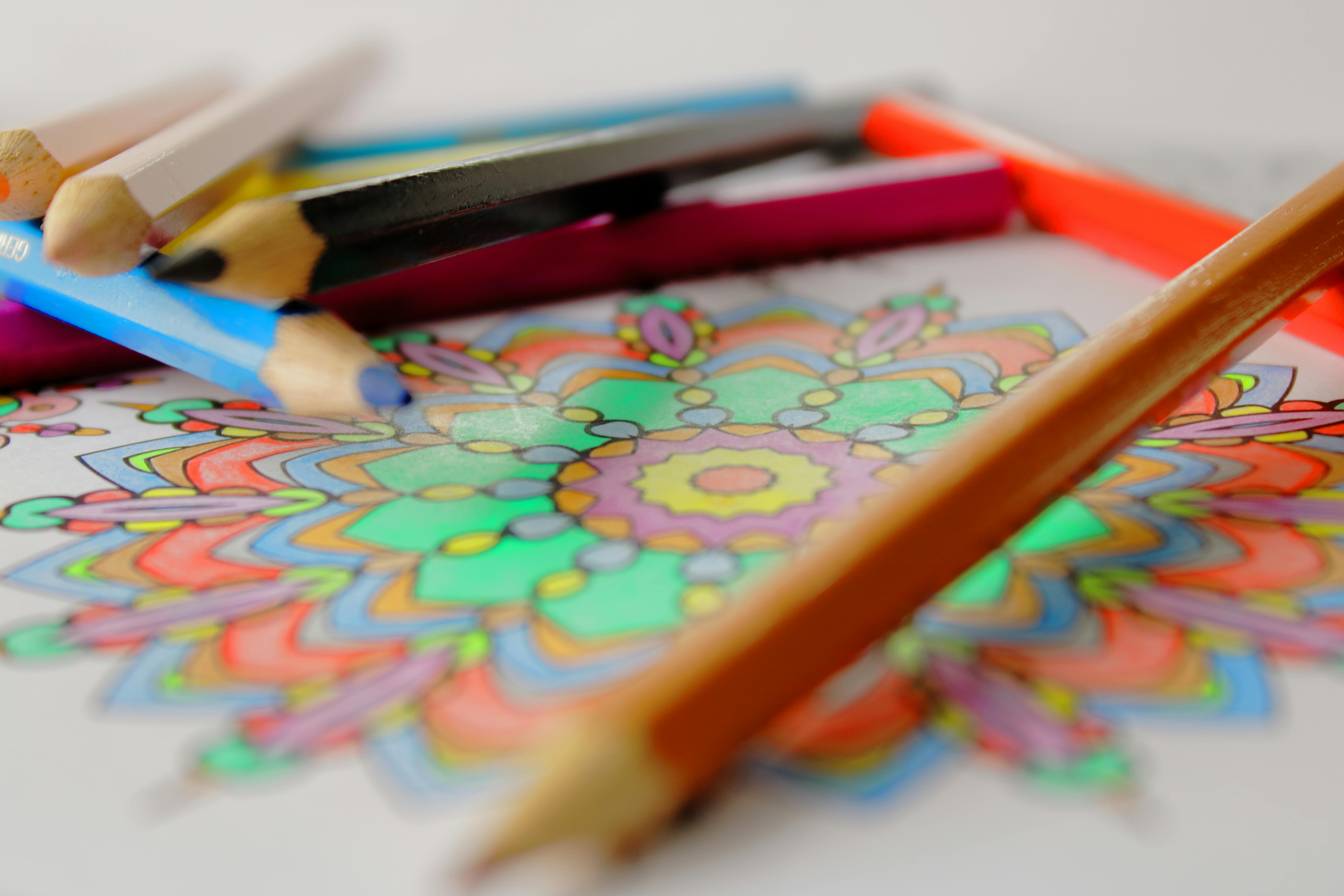
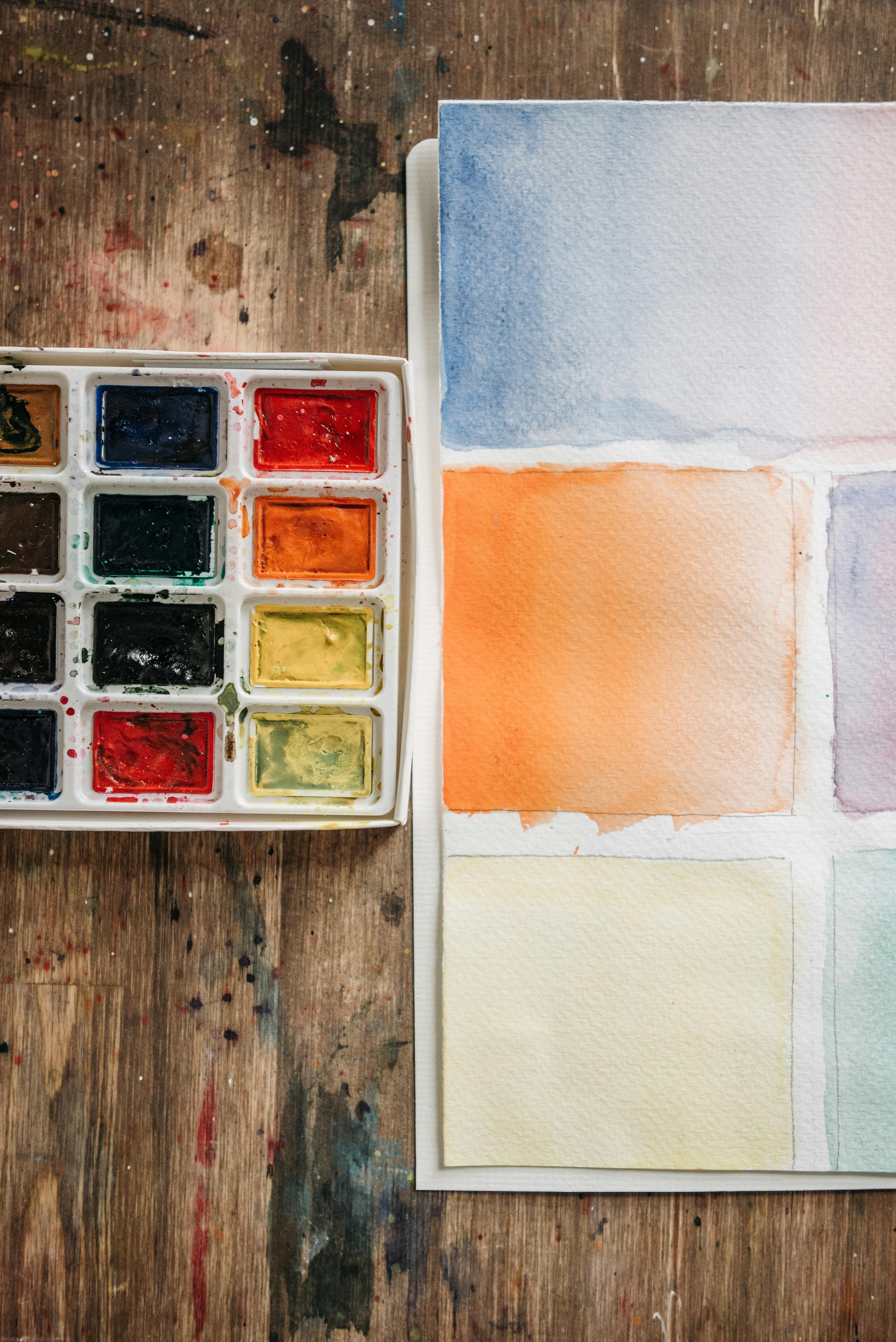
- Tool/Material Deep Dives: Dedicate posts to exploring specific paints, brushes, papers, or digital tools in detail. Offer genuine value by sharing your preferences, tips, and experiences with different art supplies. This can include reviewing something like best sketching pencils for artists, discussing the qualities of different canvases, or even a guide to budget-friendly art supplies for beginners. Perhaps a detailed look at my Prismacolor Premier colored pencils or Winsor & Newton watercolors. Even better, compare them: "Oil vs. Acrylics for Capturing Light in a Landscape" or "Which Watercolor Paper Truly Holds Up? A Comparison."
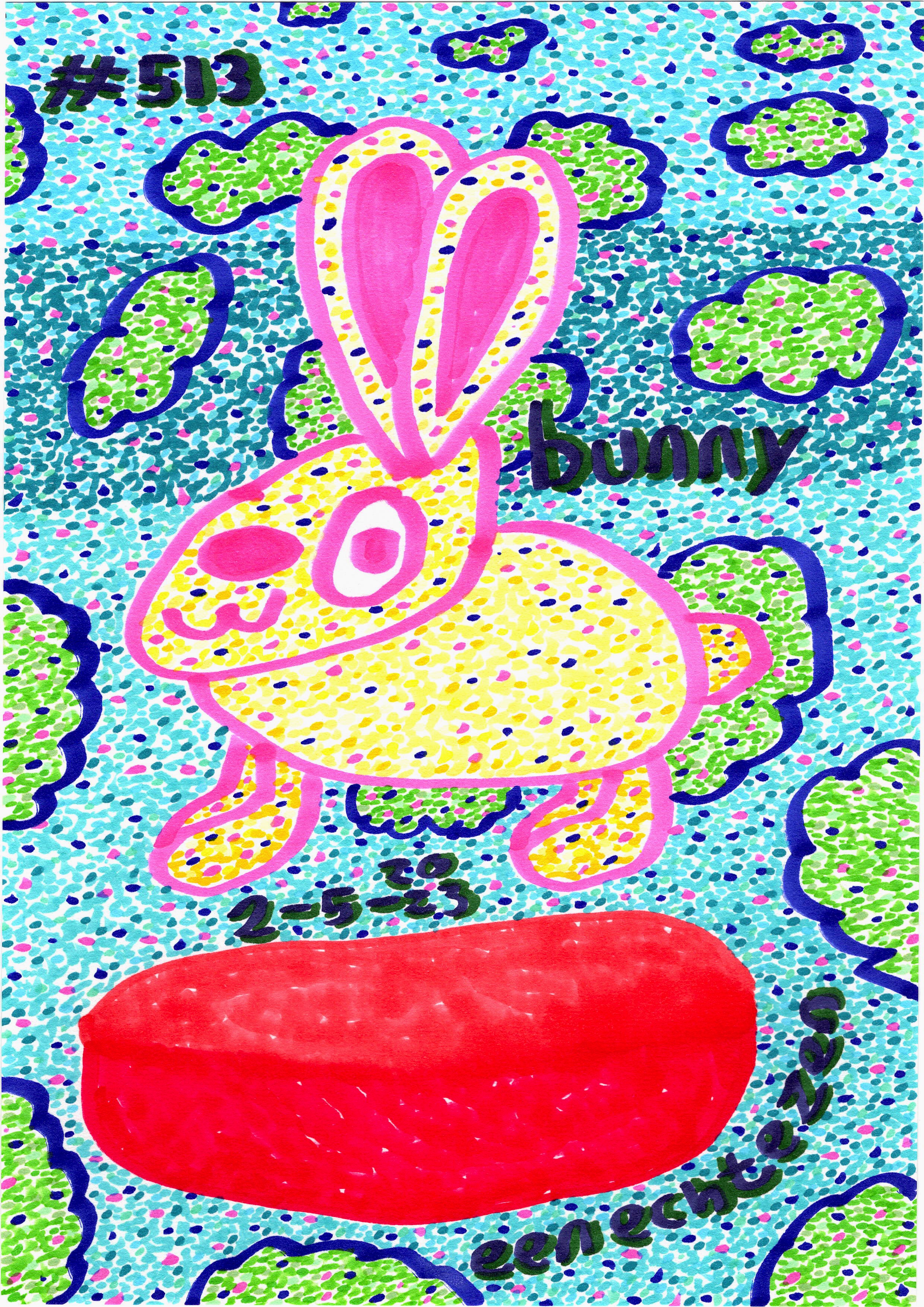
- Evolution of a Specific Motif or Symbol: Trace the development of a recurring element in your artwork – a particular shape, a recurring animal, or a specific color combination. Discuss its origins, how its meaning has evolved for you over time, and how it manifests in different pieces. For example, my yellow bunny art series has a fascinating origin story of recurring dreams.
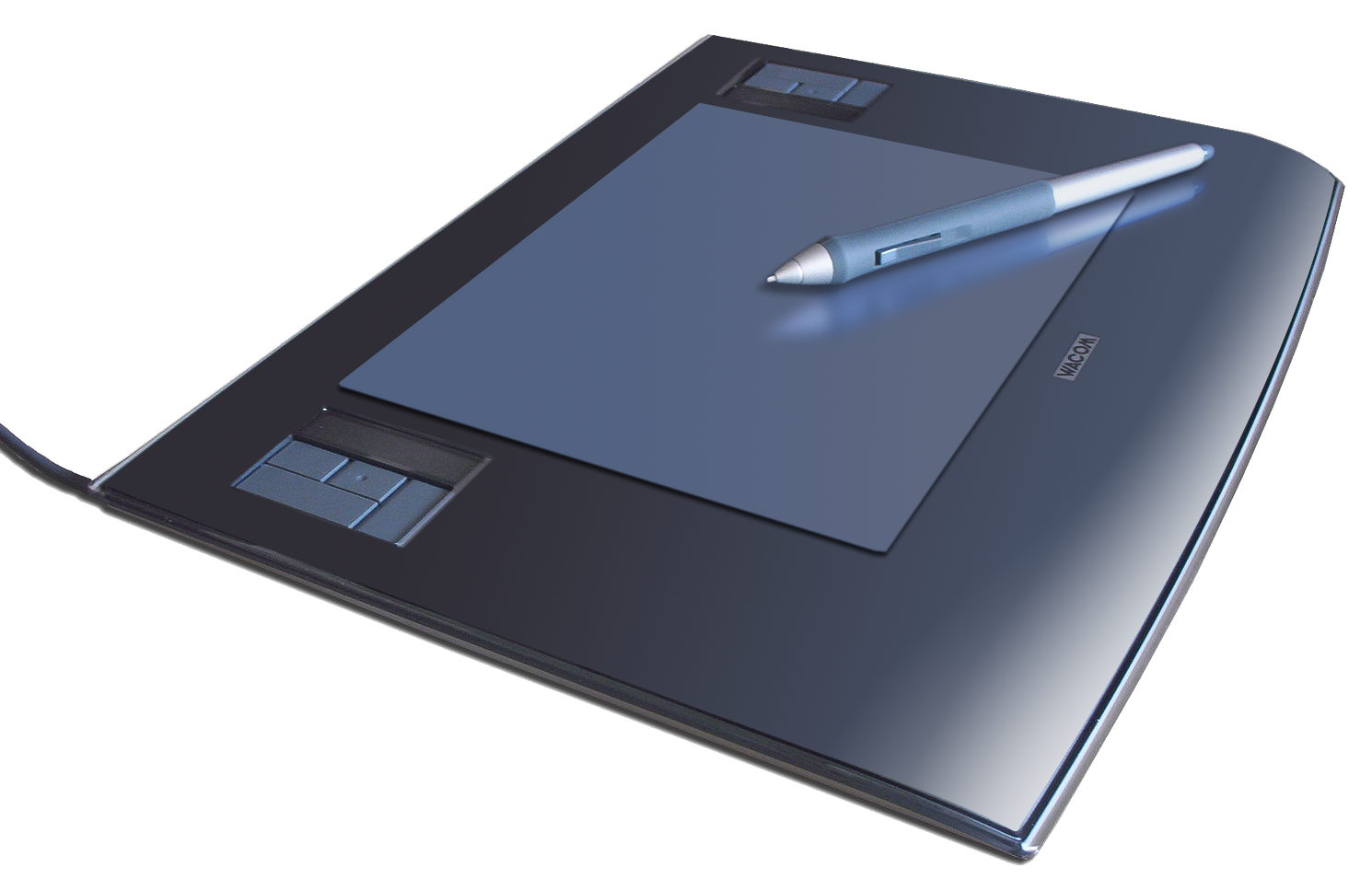
- Exploring Different Artistic Mediums: Dive deep into the specific mediums you use or have experimented with. Compare and contrast oils vs. acrylics for their drying times, blending capabilities, and final effects. Discuss the nuances of digital painting software and hardware (like graphics tablets, such as Wacom). Explain the unique properties of different papers and canvases, and how these choices influence your final artwork. This type of content showcases your technical knowledge and helps aspiring artists make informed decisions.
Curatorial Insights & Art Appreciation
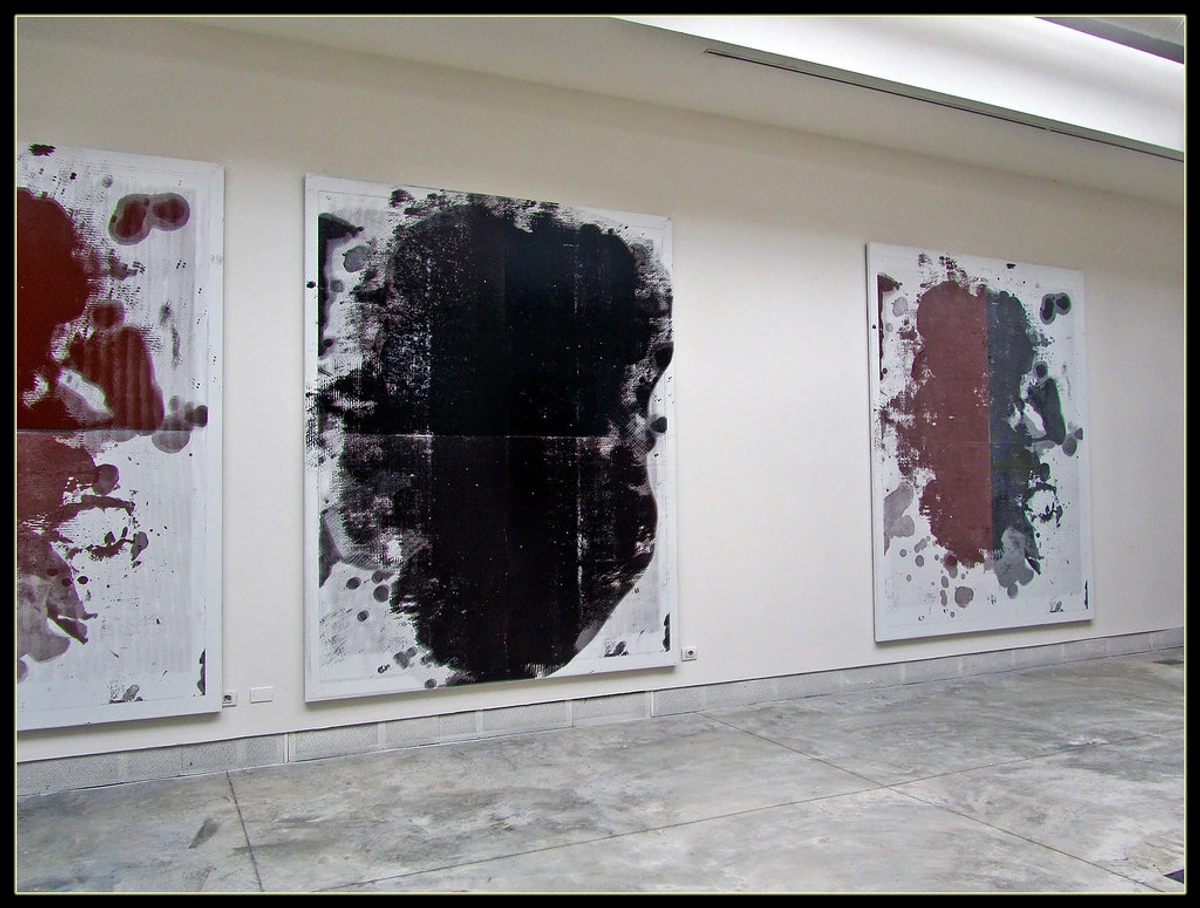
- Decoding My Latest Series: Thematic Connections and Inspirations: Take your audience on a journey through your current body of work. Explain the overarching themes, the specific inspirations that sparked it, and how individual pieces relate to the larger narrative. This helps collectors understand the depth and coherence of your artistic vision.
- How to Look at Abstract Art: A Guide to Appreciating Non-Representational Work: Many people feel intimidated by abstract art. Your blog can demystify it! Offer practical tips on how to engage with abstract pieces, focusing on elements like color, form, line, and texture, rather than literal representation. Encourage viewers to explore their own emotional responses and find personal meaning, like interpreting my geometric abstracts. Explain how composition (the arrangement of elements) impacts the overall feel, or how the tactile quality of paint adds another layer of meaning.
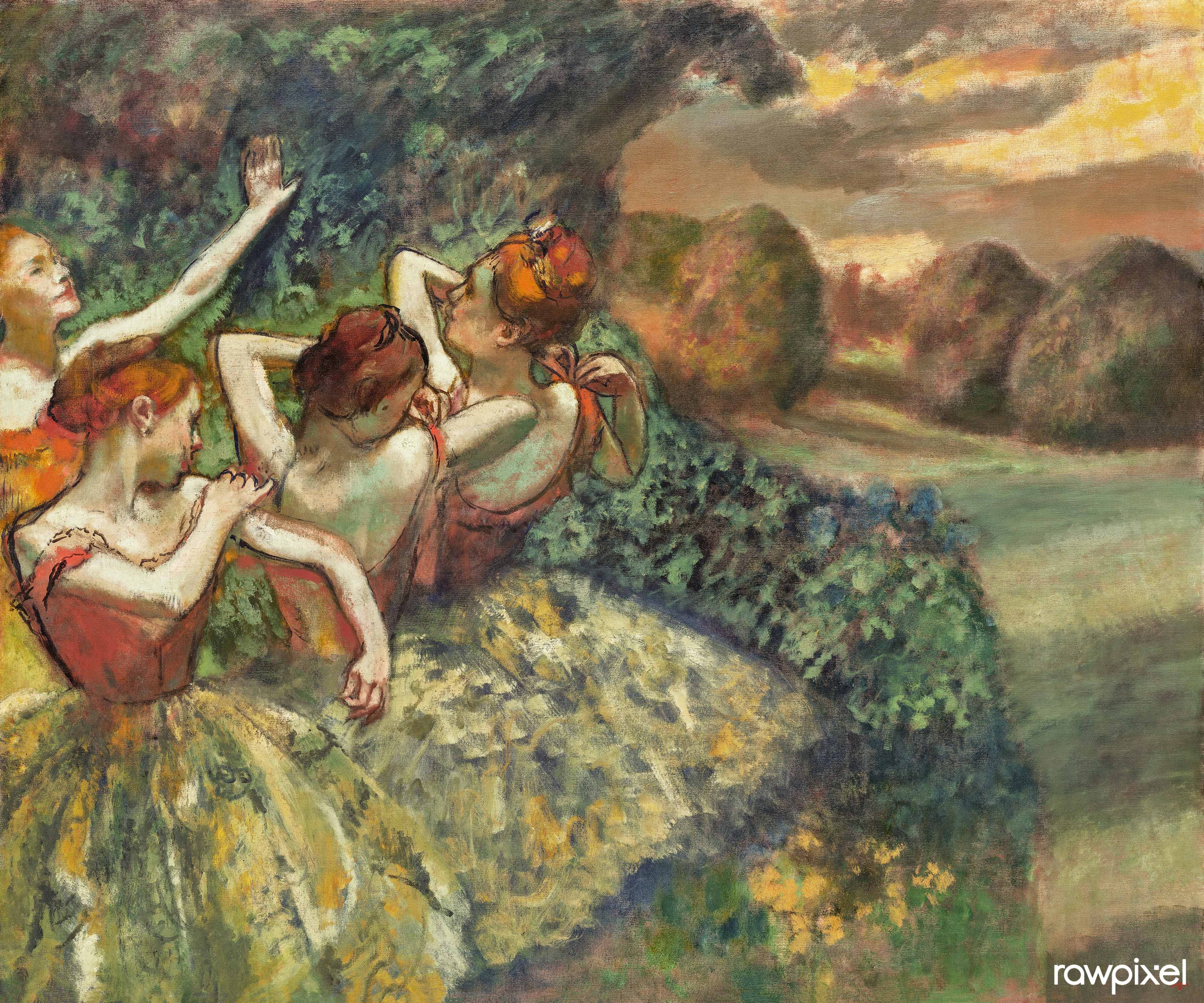
- The Art of Observation: Learning from the Masters (and Applying it to Your Own Practice): Analyze specific artworks by historical or contemporary masters, focusing on particular techniques, compositional choices, or emotional impact. Then, draw clear connections to how these observations inform or inspire your own creative process. This isn't about copying, but about learning and evolving, seeing the world through new eyes, perhaps even examining a classic like Degas' 'Four Dancers' for movement and light.
- Understanding Art Mediums: A Deep Dive into [Specific Mediums Used]: If you work with multiple mediums (e.g., acrylics, oils, mixed media), dedicate posts to explaining the unique properties, challenges, and expressive potential of each. Share why you choose certain mediums for particular effects, and perhaps even touch upon topics like applying gesso or the history of still life painting. Consider a simple pros and cons list for each medium from an artist's perspective, or even for a beginner.
- Art Exhibitions & Curation: My Role as a Curator of My Own Work: Discuss your process for selecting, arranging, and presenting your artwork, whether for an online gallery, a physical exhibition, or even your own studio. Explain how you decide on themes, narratives, and the visual flow of your displays. Your blog itself is a curated space, after all.
- The Role of Art in Society/Culture: Explore how your art, or art in general, intersects with broader societal dialogues, cultural shifts, or historical contexts. How does art respond to, reflect, or even shape the world around us? This kind of discussion elevates your blog beyond personal anecdotes to a platform for thoughtful cultural commentary.
- Understanding Art Movements from an Artist's Perspective: Move beyond academic descriptions of art movements. Discuss how specific movements like Cubism or Art Deco directly inform or challenge your personal practice. How did they change your understanding of composition, color, or narrative? Share your unique insights into their enduring relevance or why you choose to deliberately diverge from their tenets. This offers a deeply personal and insightful take that distinguishes your perspective.
Community & Market Insights
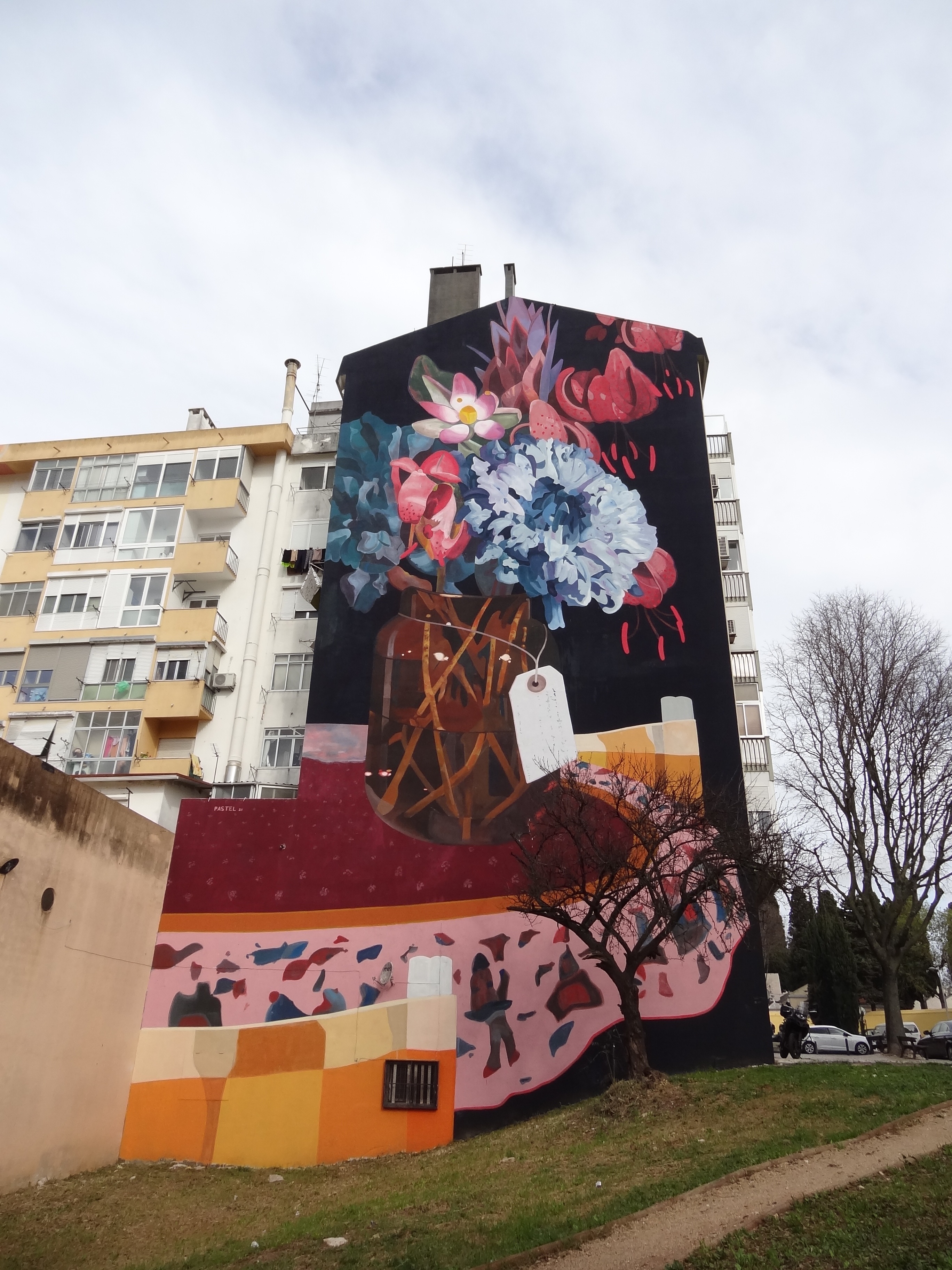
- Responding to Current Events/Art World Trends: How does your art intersect with current global conversations or shifts in the art market? Address these thoughtfully, aligning them with your practice rather than just jumping on a bandwagon. This can include anything from local exhibitions to broader societal themes, such as an abstract artist discussing the environmental impact of color pigments, or a figurative artist exploring themes of social justice. Or perhaps discussing the impact of street art murals like those in Lisbon on urban culture.
- Collaborative Posts/Artist Spotlights: Feature other artists you admire, interview a local gallerist, or collaborate on a post with a fellow creative. This expands your reach and builds community. It's also a fantastic way to introduce your audience to new perspectives. Consider co-authoring blog posts, documenting joint exhibition projects, or even creating shared digital content to leverage diverse audiences.
- Artist Interviews (Even with Yourself!): Interview a fellow artist about their process, or conduct a "self-interview" about a specific theme you're exploring or a challenging piece you created. It's a great way to generate reflective content and delve deeper into your own motivations. Some great questions to ask might include: "What's your biggest creative challenge right now?" "What's one piece of advice you'd give your younger artistic self?" or "How do you define success as an artist?"
- Demystifying the Art Market: Tackle topics like "Understanding Art Pricing," "Preparing Art for Shipping," or "How to Approach a Gallery." Share your experiences to help others navigate this often opaque world. My own experiences, both good and bad, have often been the most valuable lessons for my readers. This is a key part of an effective artist website guide. Consider offering insights on writing compelling artist statements for gallery submissions or understanding art fair logistics.
- Navigating Art Competitions & Grants: Share your experiences applying for art competitions or artist grants. Discuss the challenges of writing compelling proposals, the rewards of success, and the lessons learned from rejections. Provide insights on what makes a strong submission, demystifying a process that often feels impenetrable to emerging artists.
- Monetization Beyond Direct Sales: Beyond selling your artwork directly (buy your art), an art blog can open doors to:
- Affiliate marketing (recommending art supplies you use, e.g., linking to specific Winsor & Newton watercolors).
- Sponsored posts (reviewing products from brands that align with your art).
- Selling digital products (eBooks, mini-courses, downloadable reference photos, brush packs for digital artists, printables, digital art assets for games/metaverse, wallpapers).
- Offering workshops or consultations (online or in-person).
- Patreon or other membership platforms for exclusive content (e.g., early access to new works, behind-the-scenes videos, private Q&As).
- Licensing art for products (e.g., textiles, stationery, app interfaces, website graphics).
- Offering limited edition prints with exclusive blog-subscriber discounts.
- Leveraging it to attract gallery representation or commissions by showcasing your unique voice and process.
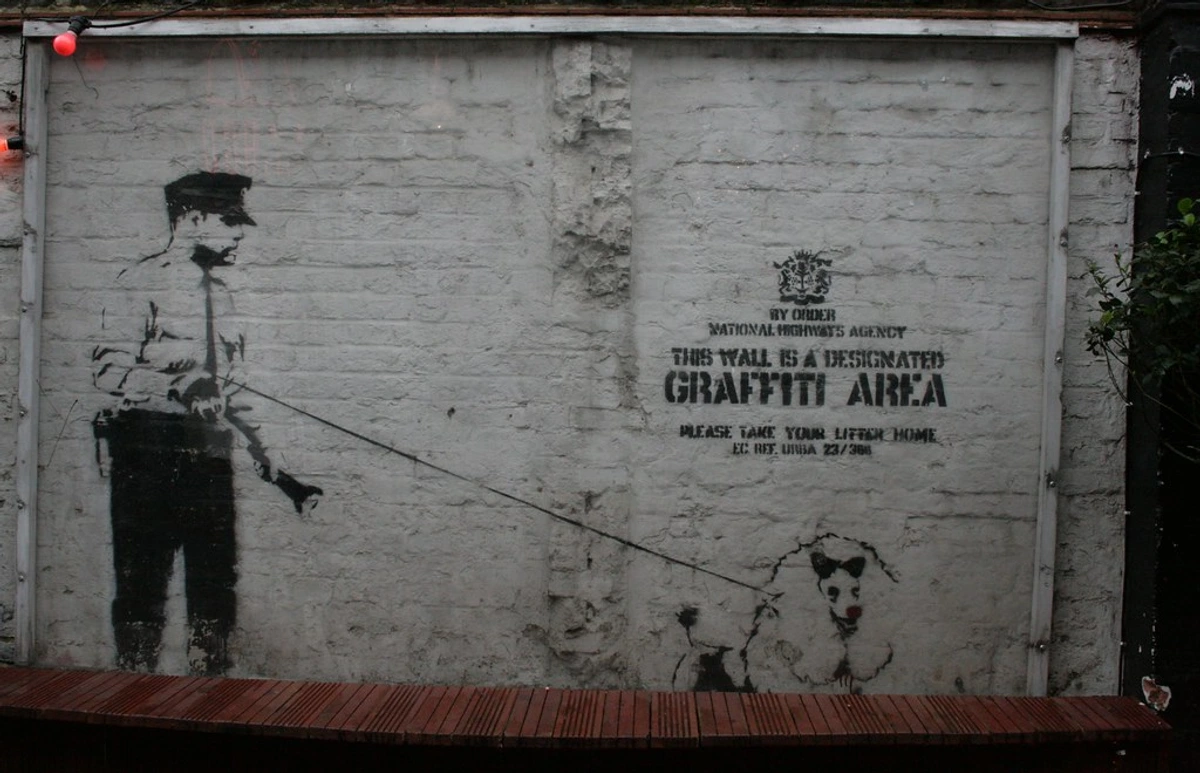
Beyond the canvas and the keyboard, an artistic career involves navigating the often-complex world of business and legalities. Trust me, a little preparation here saves a lot of headaches later, empowering your artistic practice instead of restricting it.
Legal & Business Aspects: Protecting Your Art and Practice
Running an art practice, even a blog, involves more than just creativity. Understanding basic legal and business considerations is crucial for long-term success and peace of mind. I know, not the most glamorous part, but believe me, a little planning here saves a lot of headaches later. While legalities might seem like the opposite of creative freedom, understanding them is actually an act of empowering your artistic practice.
1. Copyright & Intellectual Property
Your art is your intellectual property. This means you own the rights to reproduce, distribute, and display your work. Always add a copyright notice (e.g., © Your Name 2024) to your website. When using images or content from others for inspiration or reference, ensure you have proper licensing or that it falls under Fair Use principles. Fair Use is a legal doctrine that permits limited use of copyrighted material without acquiring permission from the rights holders (e.g., for criticism, commentary, news reporting, teaching, scholarship, or research). For example, using a small portion of a copyrighted image for critical commentary might be fair use, but using it to promote your own work would likely not be. Always err on the side of caution and clear attribution. Even a simple change in color or cropping doesn't automatically make it 'fair use' if the core essence remains copied without permission. Remember, copyright for an original artwork (the physical painting, sculpture, etc.) is distinct from the copyright for prints or reproductions of that artwork. While you own the original, you also own the rights to create and sell reproductions, and these rights are also protected.
Regarding AI-generated art, the legal landscape for copyright is still evolving rapidly and differs significantly across jurisdictions. Generally, AI-generated works may not qualify for copyright protection in the same way human-created works do, especially if there's minimal human authorship. For instance, the US Copyright Office has clarified that for a work to be copyrightable, it must be created by a human author. Questions arise around who owns the copyright to AI-generated images (the user who writes the prompt, the AI developer, or no one?). Prompt engineering is emerging as a skill, but its legal standing as 'authorship' is contentious; simply inputting a prompt is often seen as insufficient for human authorship. The concept of "transformative use" is often debated here: does merely altering an existing image via AI constitute a new, copyrightable work? Or is it merely a derivative work still tied to the original's copyright? If you use AI as a tool within your artistic process (e.g., for brainstorming or generating reference images, much like a camera or Photoshop), transparency with your audience is your best immediate approach to maintain trust. Always understand that simply generating an image with AI doesn't automatically grant you full legal rights to it, especially if it mimics existing styles or artists. For instance, if you use AI to generate an image that looks uncannily like a famous artist's work, you could face significant ethical and legal challenges regarding infringement and originality. The potential for AI to "mimic" or "stylize" existing artists' work also raises complex questions about moral rights and passing off. Watermarking can help deter casual theft, but stronger measures involve registering your copyright (if applicable in your jurisdiction) and understanding how to strategically license your art. For any specific situation involving AI and copyright, always consult legal professionals, as this is a highly dynamic and jurisdiction-dependent area of law.
2. Licensing Your Art
Licensing is when you grant permission for others to use your artwork, usually for a fee, while retaining your copyright. This can be a significant income stream beyond direct sales. Different types of licenses exist:
- Exclusive vs. Non-Exclusive: An exclusive license means only one party can use the art for a specified purpose and time; non-exclusive means you can license the same artwork to multiple parties.
- Royalty-Free vs. Rights-Managed: Royalty-free licenses allow broad usage for a one-time fee, often with few restrictions (though the quality can vary); rights-managed licenses specify exact usage parameters (e.g., time, location, medium, print run) for a specific fee, offering more control and often higher value for unique uses.
- Common Applications: Think textiles, stationery, album covers, book illustrations, website graphics, or even digital assets for games. Licensing can extend to editorial illustrations for magazines, advertising campaigns, or even product packaging. Always ensure you have a clear, written licensing agreement that outlines the scope, duration, territory, and compensation. It’s a great way to generate passive income from your existing portfolio.
3. Contracts and Agreements (for Commissions and More)
For commissions, collaborations, gallery representation, or sales, clear written contracts are essential. They protect both you and the other party by outlining deliverables, timelines, payment terms, and rights. Simple templates can often be found online, but for complex agreements, legal advice is invaluable. Common clauses might include scope of work, payment schedules, usage rights, and termination conditions. For commissions, specifically, detail:
- The Subject Matter & Style: Be very clear on what the client can expect, perhaps referencing previous works or specific sketches.
- Revisions: How many rounds are included? What happens if more are requested and what are the associated costs?
- Deadlines & Delivery: When will the work be completed and how will it be delivered (e.g., framed, unframed, digital file)?
- Payment Schedule: Often a deposit upfront (e.g., 50%), progress payments, and final payment upon completion.
This clarity prevents misunderstandings and protects your artistic time and effort.
4. Website Policies: Terms & Privacy
If you're selling art directly from your website or collecting user data (like email addresses for your newsletter), you need clear Terms and Conditions and a Privacy Policy. These documents outline your rules for using your site, your return/shipping policies, and how you handle personal data. Most website builders offer templates, but ensure they are tailored to your specific practices and comply with relevant data protection laws (e.g., GDPR in Europe, CCPA in California). This isn't just a legal formality; it builds trust with your audience.
5. Resale Rights (Droit de Suite)
In some jurisdictions (notably in the EU and California), artists have a legal right to a percentage of the resale price of their artworks, often called droit de suite or Artist's Resale Right (ARR). This means if a work you originally sold for one price is later sold in the secondary market (e.g., at auction or through a gallery) for a higher price, you are entitled to a small royalty. While not universal, it's an important consideration for your long-term earnings and legacy, so be aware of the laws in your region and how they might apply to your work.
Now for the exciting part – sharing your unique perspective and ensuring your artistic stories reach the right people. This is where your authentic voice truly becomes your superpower.
Finding Your Voice & Getting People to Read Your Art Blog
Your voice is simply... you. Write like you talk. If you're funny, be funny. If you're thoughtful and quiet, let that come through. Don't try to sound like an academic art journal unless you actually are an academic art journal. The most successful art blogs are the ones that feel personal and authentic. I remember one time I tried to sound super formal, and the post felt stiff and unnatural. The moment I started using contractions and a few of my usual conversational quirks, it felt like me, and engagement immediately went up. What does "being you" mean for a hyperrealist painter versus an abstract expressionist? The former might adopt a meticulous, observational tone, detailing every brushstroke with precision, while the latter might embrace a more spontaneous, emotive rhythm, focusing on the feeling of color and movement, perhaps even using fragmented sentences to convey energy. A surrealist might weave dreamlike prose, while a minimalist uses concise, impactful sentences. Finding your rhythm is how you cultivate your authentic artistic voice.
Building Your Personal Brand
Your blog is a cornerstone of your overall personal brand as an artist. It's where your unique vision, values, and personality converge. Consistency across your blog, social media, and physical presence (if applicable) is key. Ensure your visual identity (colors, fonts, image style) and verbal identity (tone of voice, key messages) are cohesive. Your blog deepens the narrative of your brand, turning casual viewers into brand advocates.
Adapting Your Voice for Different Audiences
While authenticity is key, your "voice" can have subtle variations depending on who you're talking to. The way you communicate with a seasoned collector might differ slightly from how you engage with an aspiring artist or a gallery owner. Consider a nuanced approach: maintain your core personality but adjust your language and focus to best serve your audience's needs. For a gallery, you might highlight your conceptual rigor; for a beginner artist, you might emphasize process and encouragement. For example, when addressing a potential gallery, you might articulate your artistic philosophy with more formal, analytical language, focusing on themes and critical reception. When speaking to an aspiring artist, you might use a more encouraging and informal tone, sharing practical tips and relatable struggles. The core "you" remains, but the presentation shifts.
Once you've written something amazing, how do you get eyes on it? This is where your art blogging for artists strategies come into play.
1. Start an Email List: Your Owned Audience
This is non-negotiable. It's the single most valuable connection you have with your audience. Offer a small freebie for signing up—a phone wallpaper of your art, a checklist of your favorite supplies, a mini guide on best sketching pencils for artists, an exclusive studio tour video, or even a discount code for first-time buyers. This is direct access, bypassing fickle algorithms. It’s the ultimate expression of an owned audience, guaranteeing your message reaches interested eyes. To set this up, choose a reliable email service provider (like Mailchimp, ConvertKit, or MailerLite), create a compelling lead magnet, and ensure clear opt-in forms on your site. Consider segmenting your list to send targeted messages – for example, collectors get exhibition updates, while aspiring artists receive technique tips. This isn't just a list; it's a direct, protected communication channel that you control.
2. Use Social Media Smartly
Don't just dump the link. On Instagram, post a great image from the article and write a caption that teases the story. Ask a question. In Stories, talk to the camera about why you wrote it, maybe run a poll related to the topic, or use a Q&A sticker. Guide people to the link in your bio. Consider leveraging short-form video (Reels, TikTok) to showcase quick process shots or finished pieces, always directing viewers to your blog for the full story. You could also get creative with using Pinterest effectively as an artist to drive traffic.

3. Basic SEO (Let's Demystify It!): Helping People Find Your Art Blog
SEO stands for Search Engine Optimization. All it really means is helping search engines understand your content so they can show it to the right people when they're looking for answers. It's about using words people are actually typing into Google, matching their search intent with your valuable content. Instead of titling a post "Chromatic Musings," call it "How to Choose Art for Your Living Room" or "Guide to Modern Abstract Art for Your Home." Think like a human looking for answers. Research your target keywords (tools like Google Keyword Planner or even just Google's "People also ask" section can help!). For an abstract artist, relevant long-tail keyword examples might be: "vibrant abstract painting techniques," "how to find abstract art for home decor," "collecting emerging abstract artists online," "large scale abstract art for sale," "minimalist abstract art ideas," "contemporary colorful wall art," or "buy unique abstract prints." These are more specific phrases people are likely to type in. The direct benefit to you? Increased visibility, targeted audience reach, and ultimately, more potential collectors or fans finding your unique work.
4. Cross-Promotion within Your Own Blog
When you write a new post, look for opportunities to link back to older, relevant articles on your site. This is a win-win-win: your readers discover more great content, they stay on your site longer, and you build a stronger connection between your posts, strengthening your internal link structure. For example, if you're writing about choosing colors, link to a previous post about "What is Design in Art?" or even a decorative guide like "How to Decorate a House".
5. Building Community Beyond the Blog
Respond to comments on your blog posts. Engage with people on social media who share your work or ask questions. Turning passive readers into active participants is key. Consider hosting a Q&A based on a blog post or even a live studio tour on social media. For an even deeper connection, consider fostering a true community of practice by launching a dedicated forum section on your blog, offering private online groups for subscribers, or hosting virtual meetups. You could even feature reader-submitted content, like their studio photos or a short piece about their own artistic journey, to boost involvement.

6. Guest Blogging & Online Communities
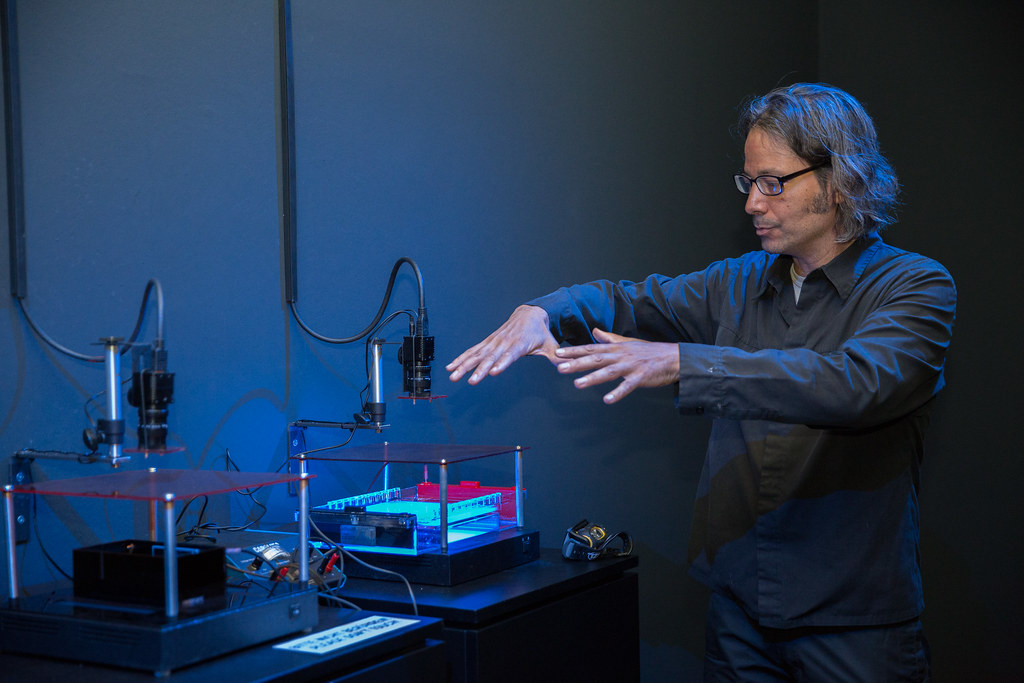
Write for other art-related websites or publications. This exposes your work and writing to a new audience and builds valuable backlinks to your own site, which is great for SEO. (A backlink is simply a link from another website to yours, signaling to search engines that your content is trustworthy and relevant). Target online art magazines, design blogs, or artist community forums that align with your style. To find opportunities, search for "[your art niche] guest post" or "write for us art blog." Participate genuinely in relevant art forums (like Reddit's r/art or specific niche subreddits), Facebook groups, or Discord servers. Share your blog posts when they are truly relevant and helpful to a discussion, not just for self-promotion. Be a valuable member of the community first. Especially for niche art styles, like bio-art (bioart-biology-meets-art), look for communities and publications that cater to that specific interest – perhaps even academic journals or science communication platforms. Your unique perspective is your strength; lean into it!
Key Takeaways for Voice & Reach:
- Authenticity Wins: Write like yourself; your unique voice is your greatest asset.
- Email is King: Build an owned audience through your email list – it's your most direct channel.
- Smart Social: Use social media to tease and direct traffic back to your blog.
- SEO is Your Friend: Use keywords and internal links to help people find you.
- Cultivate Community: Engage with readers and seek collaborative opportunities.
Even with the clearest roadmap, every artist encounters bumps in the road. It's completely normal. Here are some common challenges and my advice on how to navigate them gracefully.
Troubleshooting Common Issues: Navigating the Bumps in the Road
Even with the best intentions, you're bound to hit a few snags on your blogging journey. That's totally normal. Here are some common challenges and how to tackle them:
1. Showcasing Art with Limited Work
This is a classic fear, but don't let it stop you! Your blog isn't just a portfolio; it's a journal. Share your process, sketches, studies, inspirations, and even your learning journey. You could blog about: "My Top 5 Drawing Exercises," "Learning a New Medium: My First Attempts," or "Sketchbook Tour: Ideas in Progress." The vulnerability of sharing your growth can be incredibly engaging.
2. Improving Artwork Photography for Your Blog
High-quality images are non-negotiable. If professional photography isn't in the budget, focus on these tips:
- Natural, even light: Photograph your art near a large window, on an overcast day, or in soft, indirect sunlight. Avoid direct flash or harsh shadows. A simple DIY light box or diffusing direct sunlight with a sheer curtain can make a huge difference.
- White balance: Ensure colors are true to life. Use a gray card if your camera has the option. Most smartphone cameras have manual controls for this now, allowing you to adjust ISO, shutter speed, and white balance for optimal results.
- Tripod: Eliminate blur for crisp, clear shots. Even a stack of books can serve as a makeshift tripod in a pinch.
- Consistent setup: If possible, create a dedicated space with consistent lighting and background for uniformity.
- Basic editing: Crop, straighten, and adjust brightness/contrast slightly. Never alter the colors to misrepresent the original artwork. Apps like Snapseed (mobile), VSCO, or free desktop editors can handle this.
3. Marketing a Very Niche Art Style
Fantastic! A niche is a superpower. It means you can become the definitive voice for that specific audience. Instead of trying to appeal to everyone, focus deeply on the people who already love what you do or are actively searching for it. Join niche online communities, use very specific long-tail keywords in your SEO (e.g., "kinetic art movement in modern sculpture" if you're a kinetic sculptor, or "neo-expressionism art history" for a contemporary expressionist, or even "abstract expressionist painting for large living rooms" for a specific audience), and collaborate with other artists or creators in your particular corner of the art world. Your unique perspective is your strength.
4. Overcoming Creative Burnout and Artist's Block
Artist's block and burnout are very real. Your blog can actually be a powerful antidote! Use your blog as a space to explore the block itself. Document your struggle, research new art movements for inspiration, or interview other artists about how they push through. Proactive strategies include: scheduling regular breaks, seeking inspiration outside your usual medium, collaborating with others, and setting realistic goals. Sometimes, the act of writing about your creative process (or lack thereof) can spark new ideas or reframe your approach, turning a perceived weakness into a powerful story for your audience.
5. Art Blog vs. Online Gallery
Your website is your entire digital home – it includes your portfolio, about page, contact info, and your shop (your online gallery). Your blog is a section within that home, specifically for dynamic, regularly updated content like articles, stories, and insights. An online gallery is primarily for displaying and selling finished pieces, while a blog adds a live, evolving element, offering context, process, and narrative around that art. They work best in tandem. The blog drives engagement and connection, while the gallery facilitates sales.
As we near the finish line, let's tackle those lingering questions that often hold artists back. I've certainly asked myself all of these at some point, and a good artist website guide should address them head-on!
FAQ: Your Burning Questions Answered About Your Artist Blog
How often should I post?
Consistency beats frequency. A thoughtful post once a month is better than a rushed post every week. Start with a manageable goal, like twice a month. Consider creating a content calendar and batching your content creation to maintain consistency without burnout. For example, posting one well-researched article per month that provides significant value is far more impactful than three rushed, superficial ones. If you have a few posts drafted and ready, you'll feel much less pressure. Remember, quality over quantity always.
How long should my posts be?
Long enough to be valuable, short enough to be readable. Aim for anywhere between 500 and 1,500 words. Use lots of headings, images, and short paragraphs to break it up. Variety is good too; sometimes a quick tip is perfect, other times a deep dive is needed. The key is to provide complete information on the topic.

What if I'm not a good writer?
Let's be honest, most of us became artists because we love paint, not prose! But that doesn't mean you can't be a great communicator. Good news: you don't have to be a literary genius. You just have to be yourself. Use a tool like Grammarly to catch typos. Read your posts out loud to catch awkward phrasing. Or, even better, use a voice-to-text app to 'talk' out your first draft – it naturally sounds more conversational. AI writing assistants can also be helpful for brainstorming outlines or refining sentences, but always ensure your unique voice shines through and you maintain editorial control. And don't be afraid to seek feedback from trusted artist friends or mentors on drafts. Authenticity is more important than perfect prose. Plus, writing is a skill, and like painting, it gets better with practice!
How can I use AI writing assistants effectively?
AI writing assistants can be powerful tools if used strategically. Think of them as a highly efficient studio assistant, not the artist themselves. Use them for:
- Brainstorming and ideation: If you're stuck for topic ideas, prompt the AI for suggestions based on your art style or niche.
- Outlining and structuring: AI can quickly generate a logical flow for your blog post, helping you organize your thoughts.
- Drafting initial sections: For introductory or concluding paragraphs, or even basic explanations of concepts, AI can provide a starting point.
- Refining and editing: Use AI to check for grammar, clarity, and conciseness. Ask it to rephrase awkward sentences.
Crucially, always inject your personal voice, unique stories, and specific insights. Your blog should sound like you, not a robot. Maintain full editorial control, fact-check everything, and consider adding a disclaimer if you've used significant AI assistance to be transparent with your audience. For example, a simple note like "This article was created with the assistance of an AI writing tool, but all content was reviewed and edited by the artist for accuracy and personal voice." can build trust.
Do I need to worry about copyright and image licensing?
Yes, absolutely, but don't let it paralyze you. For your own artwork, add a simple copyright notice (e.g., © Your Name 2024). This helps protect your intellectual property (your unique creative works). For images from others used in your blog posts (e.g., for inspiration or context), always use images that are in the public domain or have a Creative Commons license, and always give proper credit and link back to the source. This is not just "good karma"; it's legally and ethically important. When drawing inspiration, remember the principles of Fair Use, but always err on the side of caution and clear attribution. Registering your copyright (if applicable in your jurisdiction) and understanding how to strategically license your art are stronger measures than watermarking alone. For a detailed discussion on AI and copyright, refer to the "Legal & Business Aspects" section.
How do I promote my art using my blog?
Your blog acts as the central hub. Share snippets, compelling images, or intriguing questions on social media platforms that always link back to your full blog post. Use your email list to notify subscribers of new content. Engage in relevant online communities by genuinely contributing, and then subtly directing interested parties to relevant posts on your blog. Think of it as a funnel: social media/forums get them interested, your blog provides the depth, and your email list keeps them coming back.
How do I handle constructive criticism on my blog posts?
Comments are fantastic for engagement! Respond to every genuine comment to foster community. Be prepared for occasional spam or negative feedback. Implement a moderation system (most platforms have built-in options) to filter spam. For negative comments, respond thoughtfully and professionally, or if they're purely malicious, don't hesitate to remove them. Your blog, your rules. Remember that constructive criticism can be a gift, but you get to choose which gifts you accept.
What about analytics and accessibility?
Google Analytics (or your platform's built-in analytics) is your best friend. It helps you understand who your audience is, where they come from, and what content they engage with most. This data is invaluable for informing your content strategy. For example, if your 'studio tour' post gets the most views, consider doing another studio-related post soon! Don't get overwhelmed; even looking at the top 5 performing posts each month can give you huge insights. Additionally, for accessibility, consider:
- Ensuring sufficient color contrast on your site for readability.
- Providing descriptive alt text for all images (not just a generic label).
- Ensuring keyboard navigability for users who can't use a mouse.
- Providing transcripts or captions for any audio or video content.
- Using clear, readable fonts with good line-height for optimal readability.
- Employing a logical heading structure (H1, H2, H3, etc.) for clear content hierarchy, which greatly aids screen readers and overall comprehension.
This ensures your art and stories are accessible to the widest possible audience.
How can a blog help me overcome artist's block?
Artist's block is real, and often crippling. Your blog can actually be a powerful antidote! Instead of forcing yourself to create, use your blog as a space to explore the block itself. Document your struggle, research new art movements for inspiration, or interview other artists about how they push through. You could write a post titled "My Battle with the Blank Canvas: What I Learned from Artist's Block" or "5 Strategies I Use to Spark New Ideas When Creativity Dries Up." Sometimes, the act of writing about your creative process (or lack thereof) can spark new ideas or reframe your approach, turning a perceived weakness into a powerful story for your audience.
How do I maintain reader engagement over time?
Sustaining engagement is about consistent value and interaction. Respond to comments promptly, ask questions in your posts that encourage discussion, and occasionally run polls or Q&As related to your art. Create a content calendar that offers variety (e.g., a mix of process posts, historical insights, and personal reflections). Most importantly, keep delivering authentic, valuable content that resonates with your audience's interests and questions. Don't be afraid to experiment with new formats or topics, and always keep an eye on your analytics to see what works best. Consider also featuring reader-submitted content, like their studio photos or a short piece about their own artistic journey, to boost involvement and build a stronger sense of community.
















Your First Step: Just Start
Your art blog is a marathon, not a sprint. It's a slow burn that builds over time. It won't feel like a viral sensation overnight, and that's okay. The goal isn't to be an influencer; it's to be an artist who effectively shares their work and their story. It's about building genuine connection, piece by piece, post by post. Remember, you're creating a powerful asset that differentiates you, deepens engagement, and opens new pathways for your artistic career. A successful blog brings to life all the benefits we discussed: a deeper connection with your audience, established expertise, owned online presence, and exciting new opportunities.
So here's your homework: forget about platforms and plugins for a moment. Just open a notebook or a blank document. And outline a potential blog post based on one of your recent artworks or a challenging artistic process you just overcame. Think about the story you want to tell, the insights you gained, and the questions your audience might have. Even if it's just a few bullet points. That's it. That's the first step. You've already started. Don't overthink it. Your art is unique, and your voice deserves to be heard. I'd love to hear it. (Though, you know, no pressure or anything).