Craft Your Personalized Sanctuary: The Ultimate Guide to Home Decor & Design Principles
Transform your space into a deeply personal sanctuary. Master essential home decor principles, from visual balance to color psychology, with practical steps and an artist's insights. Discover how thoughtfully chosen art elevates every room, creating a home that tells your unique story and nurtures well-being.

Craft Your Personalized Sanctuary: The Ultimate Guide to Home Decor Through Art and Intuition Balance, Flow, and Your Unique Story
Remember that time I bought a sofa so enormous it refused to fit through the doorway, forcing a hilariously undignified wrestling match with gravity? Yeah, been there. It’s moments like those that remind me our homes are more than just four walls and a roof; they're profound reflections of who we are, evolving canvases where our lives unfold. Decorating isn't merely about arranging furniture or picking paint colors; it’s about shaping an atmosphere, telling a compelling story, and creating a space where you genuinely feel at ease—a true sanctuary that nurtures your soul. And trust me, navigating the world of interior design can sometimes feel a bit overwhelming, like trying to herd cats (beautiful, but delightfully chaotic, right?). So, let’s simplify it, shall we? We’ll strip away the complexity and get to the heart of what makes a space truly 'work,' what makes it sing. Do you ever walk into a perfectly nice room and feel something is... missing? Like it's technically fine, but it doesn't quite feel like you? Often, that missing spark is a conscious application of balance, flow, or a touch of your own unique story woven in.
I’ve spent countless hours pondering what truly elevates a home. It boils down to a few core principles, the kind of foundational ideas that, once you grasp them, suddenly make every design decision a little clearer. Think of them as your secret cheat sheet, a blueprint for creating beauty and function in harmony, or even the fundamental chords in a beautiful song; once you understand them, you can improvise with infinite variations. My hope is to empower you to move beyond just decorating, to truly design your personalized sanctuary, understanding that your home is perhaps your most intimate and ongoing art project.
The Core Elements: Fundamental Design Principles
These are the bedrock of any well-designed space. Get these right, and the rest falls into place, much like the precise arrangement of elements in a compelling abstract artwork that draws the eye and evokes emotion.
Here’s a quick overview of what we’ll dive into:
Principle  | What it is | Why it matters | Practical Application/Example |
|---|---|---|---|
| Balance | Visual equilibrium; even distribution of 'weight'. | Creates calm, stability, and harmony. | Arranging a large sofa opposite two smaller armchairs and a substantial abstract art print. |
| Proportion & Scale | How elements relate to each other and the room. | Ensures comfort, functionality, and a sense of visual harmony rather than discord. | Choosing a rug that fills most of the seating area, not just sitting awkwardly under a coffee table. |
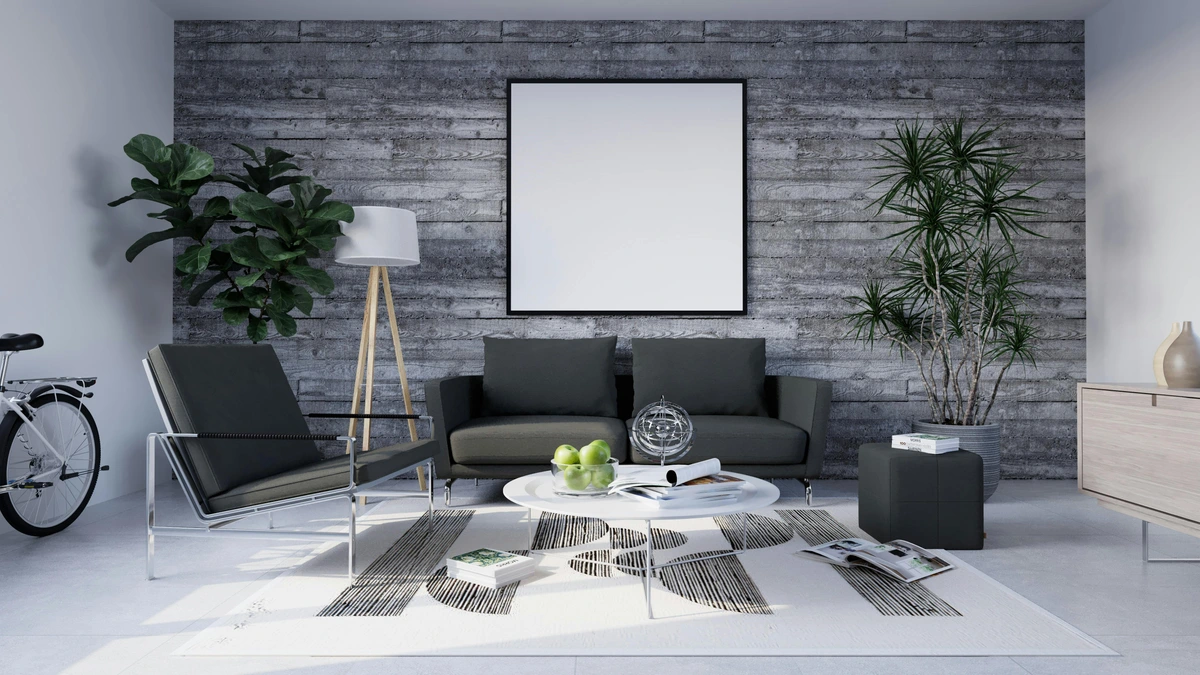
| Contrast | Juxtaposition of different elements. | Adds depth, intrigue, prevents flatness. | Pairing a sleek, modern coffee table with a plush, shaggy rug, or a dark painting on a light wall. |
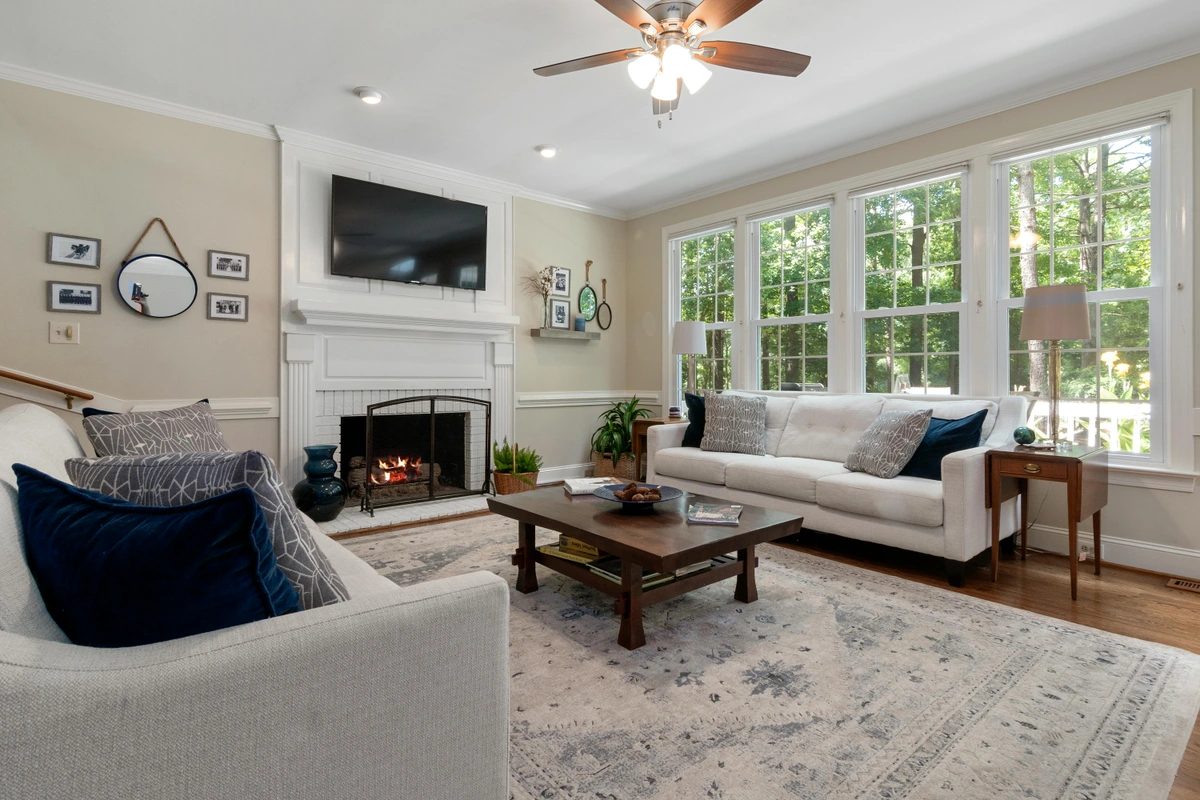
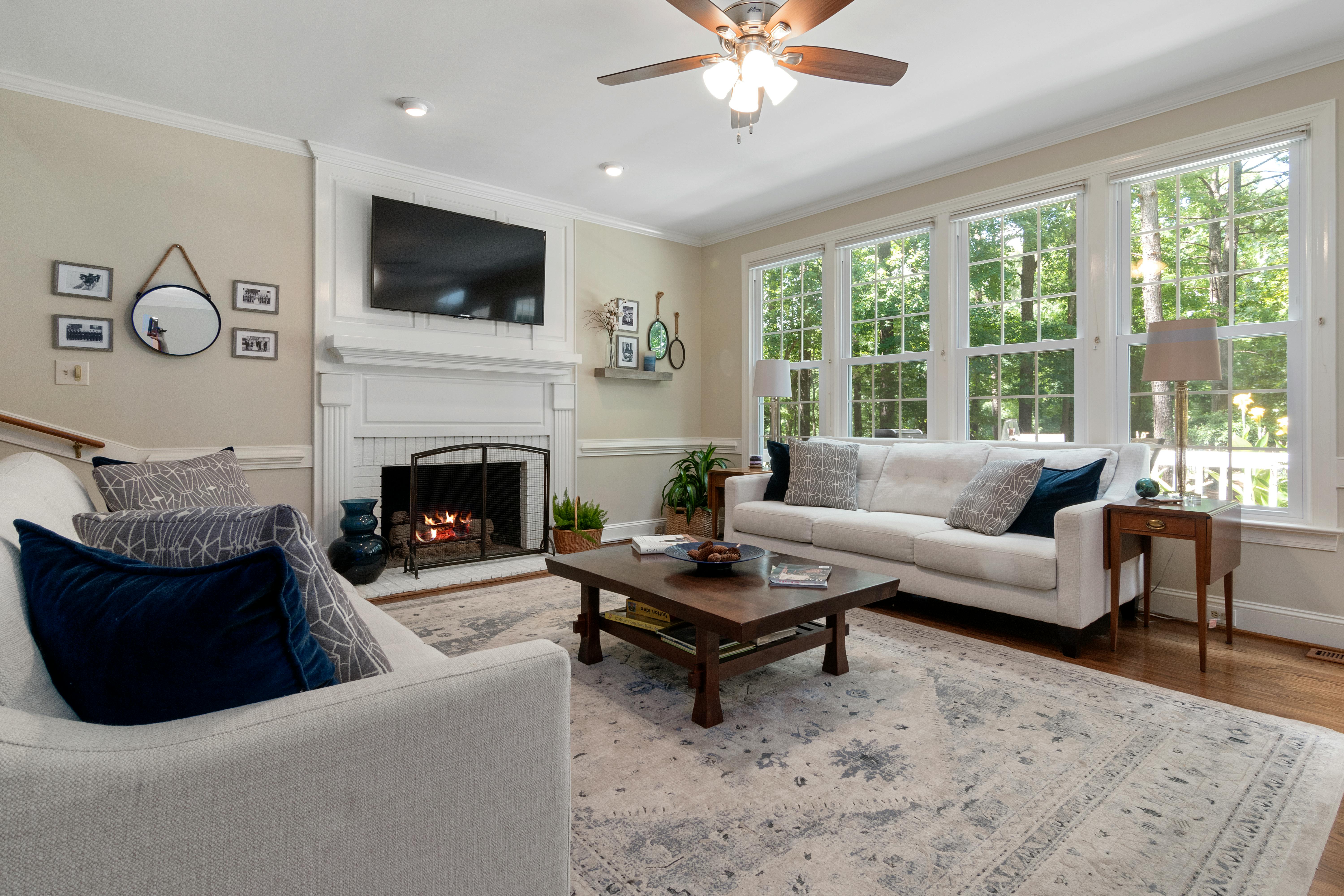
| Focal Point | The main eye-catching element. | Anchors the room, guides arrangement, tells a story. | A grand fireplace, a dramatic window, or a captivating original painting serving as the room's star. |
Balance: Creating Visual Harmony and Calm
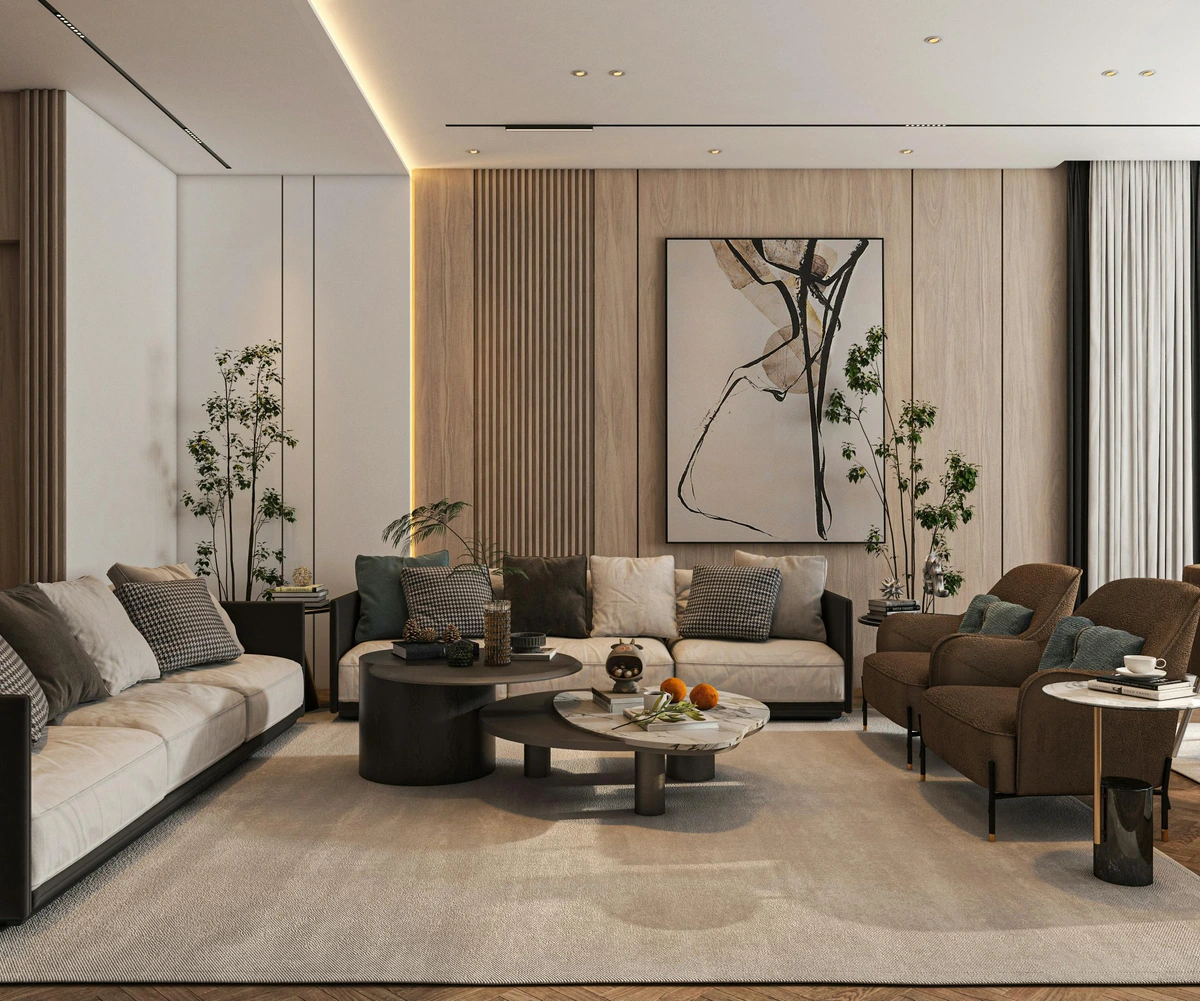
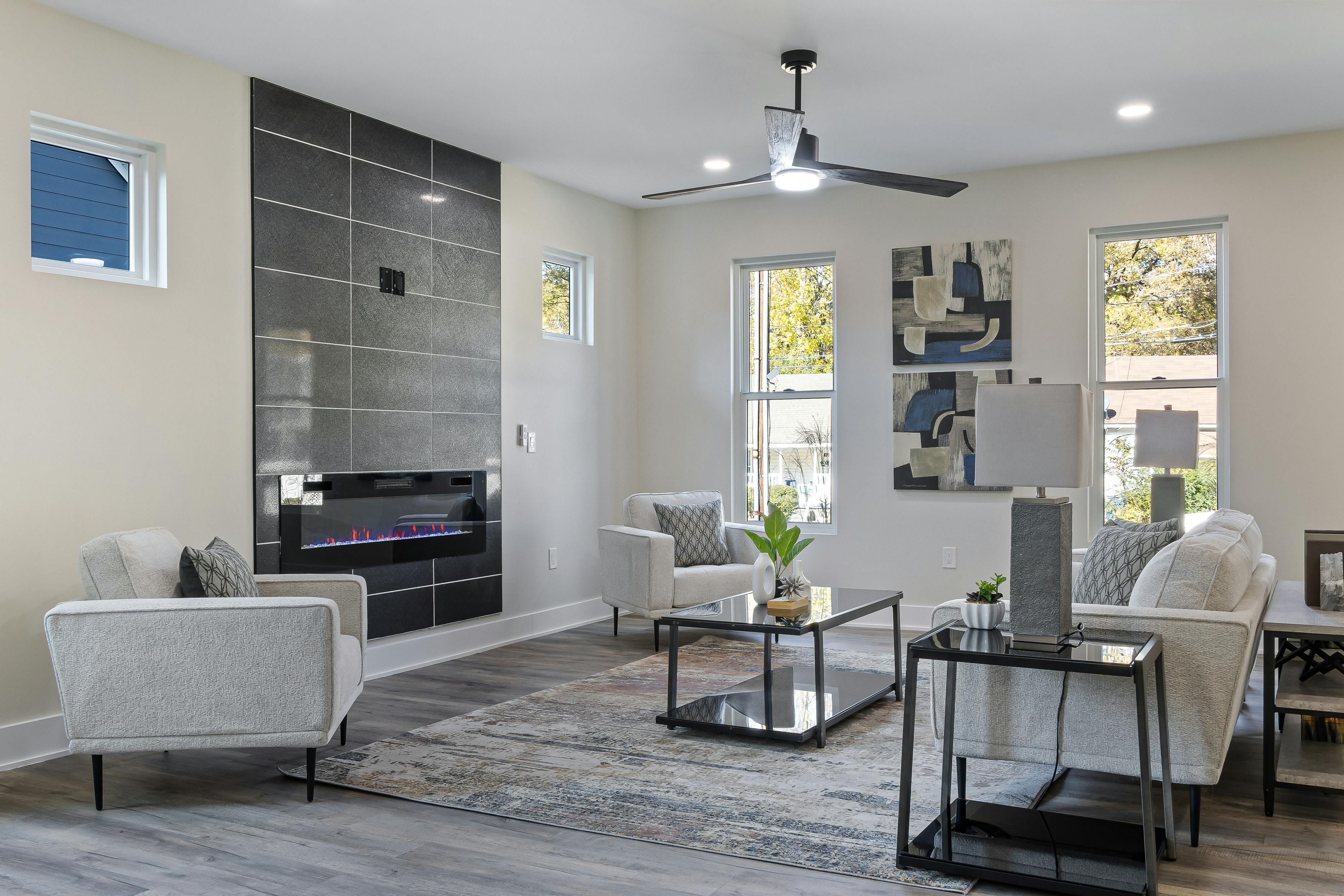
For me, balance is about visual equilibrium, an unspoken agreement in the room. Imagine a seesaw; you want to distribute the 'visual weight' evenly so nothing feels heavy-sided or precarious. It’s not necessarily about symmetry, though that’s certainly one way to achieve it. I often think about asymmetrical balance, where different elements – perhaps a large sofa on one side and two smaller armchairs with a substantial piece of contemporary canvas art on the other – still feel perfectly weighted against each other. This creates a sense of calm and stability, much like a well-composed abstract art print. Different cultures also approach balance uniquely; while Western design often favors explicit symmetry or calculated asymmetry, some Eastern philosophies might emphasize dynamic, evolving balance found in nature, allowing for more organic arrangements. Without either, a space can feel unsettling, like walking into a room where all the furniture is crammed into one corner, making it hard to relax.
Contrast this with symmetrical balance, where identical elements mirror each other across a central axis – think two matching bedside tables with identical lamps flanking a bed, or two identical sofas facing each other. While symmetrical balance offers undeniable formality and order, asymmetrical balance introduces a more dynamic, lived-in feel, relying on equal visual weight rather than identical forms. Ultimately, a balanced room feels harmonious and stable, like a visual sigh of relief.
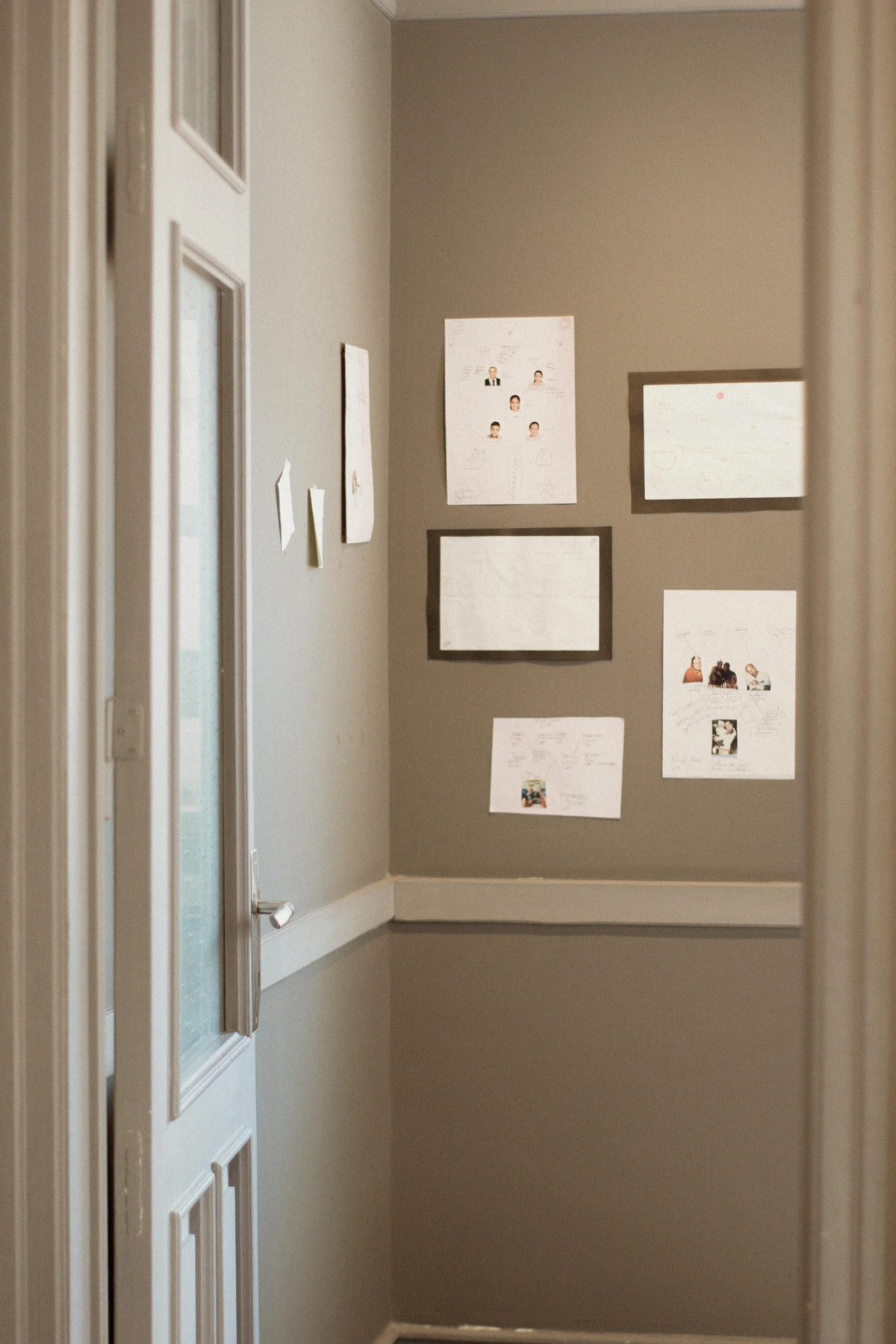
Understanding Visual Weight: Visual weight refers to how much an object attracts the eye and how 'heavy' it appears. Darker colors, larger objects, busy patterns, and solid, dense forms generally have more visual weight than lighter colors, smaller objects, simple patterns, and open, airy forms (like a delicate wire sculpture). But it's also about perceived 'emptiness' – a large framed piece of abstract art with a lot of negative space can still hold significant visual weight, demanding attention. A common mistake I see? Placing all large or dark items on one side of a room, throwing the entire space off balance and making it feel lopsided, which can be surprisingly jarring.
Proportion and Scale: Getting it Just Right
This is where many of us (myself included, in my early decorating days) have made some amusing blunders. Proportion refers to how elements relate to each other in terms of size and shape – are they playing nicely together? Think of a small chair next to a massive sofa. Scale, on the other hand, is about how those individual items relate to the overall size of the room. I remember once buying a magnificent, oversized chandelier that looked perfect in the cavernous showroom, only to install it in my rather modest dining room where it proceeded to devour all sense of headroom and looked utterly ridiculous. Live and learn, right? I also recall trying to fill a vast living room with only dainty, delicate furniture, leaving it feeling empty and cold, like a party where no one showed up. The trick is to ensure furniture, decor, and especially wall art for living room are neither too dominant nor too diminutive for the space they inhabit. A good rule of thumb is to measure, measure, and then measure again! For rugs, ensure it's large enough for at least the front legs of all major seating pieces to sit on it. A common mistake is using too many small items in a large room, making it feel cluttered and lacking presence – or conversely, one giant piece in a tiny room, overwhelming everything. Getting proportion and scale right makes a room feel 'just right,' like a perfectly tailored suit.

Contrast: Adding Depth, Intrigue, and Preventing Flatness
Have you ever walked into a room that felt... flat? Monotonous? A bit like a bland piece of toast? That’s often a lack of contrast. It’s the delightful push and pull, the juxtaposition of different elements that prevents visual boredom and adds much-needed depth. As an artist, I think of contrast as the vibrant tension that makes a composition sing. It's what creates visual rhythm, guiding your eye around the room and preventing any single area from becoming dull or overlooked. I absolutely love playing with contrast – think:
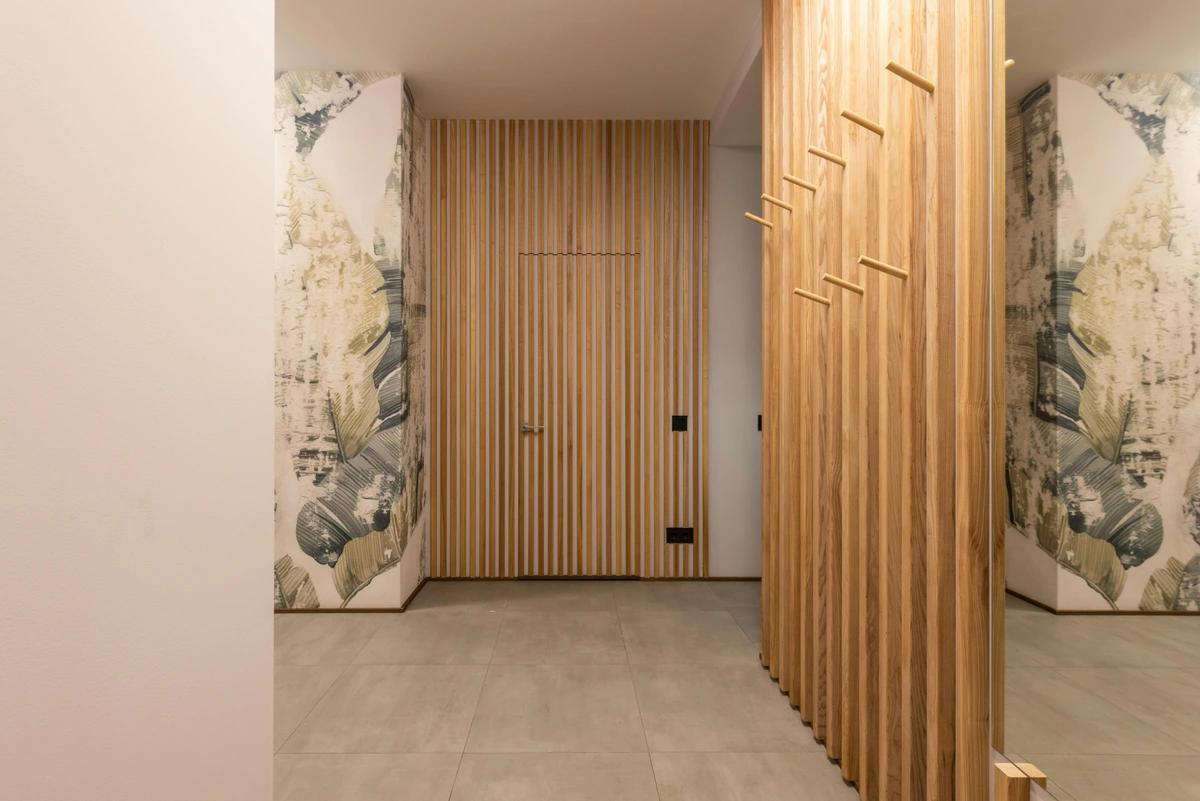
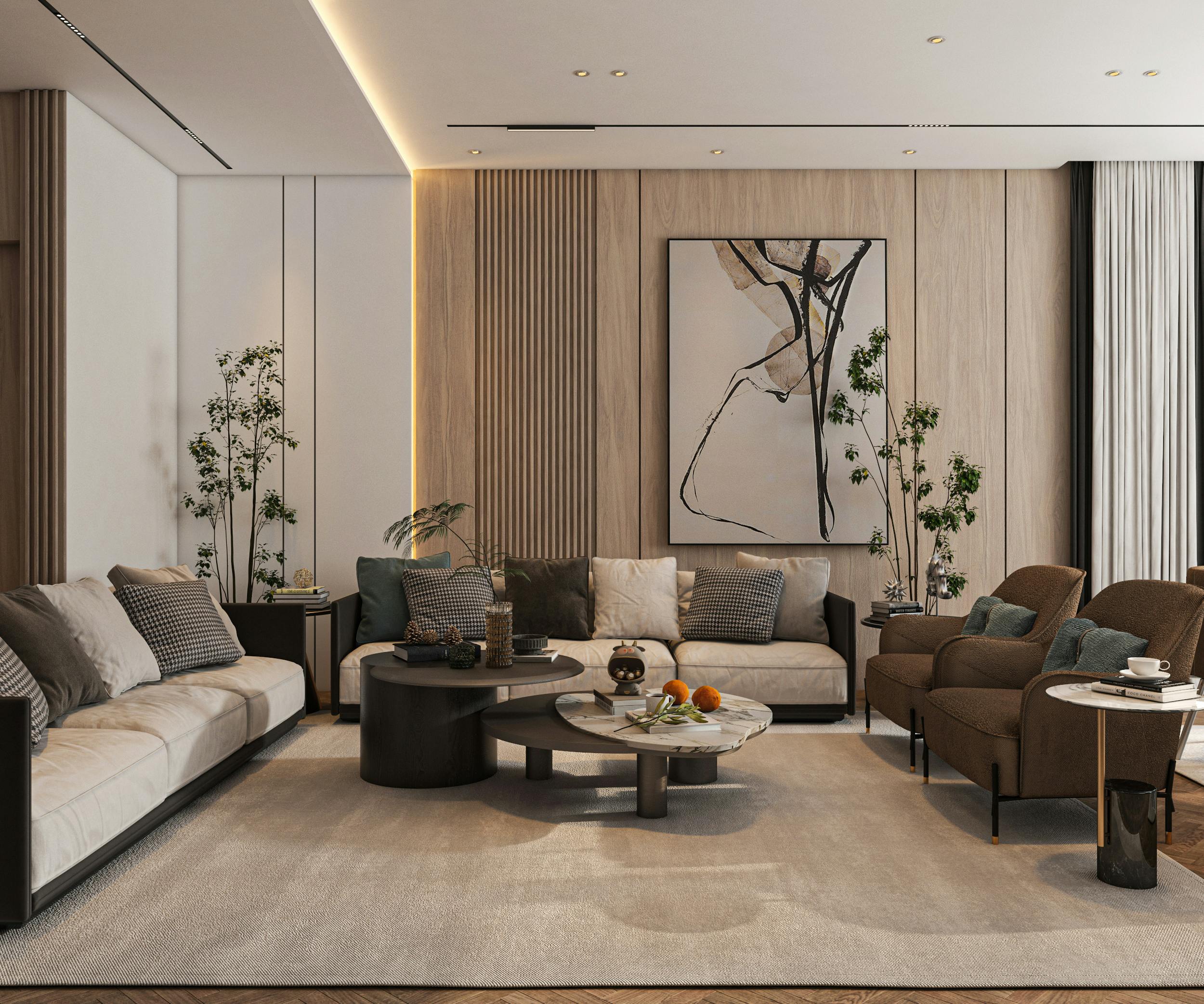
- Rough against smooth: A sleek, modern coffee table next to a plush, shaggy rug, or a weathered, reclaimed wood coffee table juxtaposed with a sleek, glass vase filled with smooth pebbles. Consider also the softness of a velvet throw against the coolness of a leather armchair, or the natural grain of a wooden table contrasted with the polished sheen of metal accents. It can also be found in a bold, textured abstract art print on a smooth, minimalist wall.
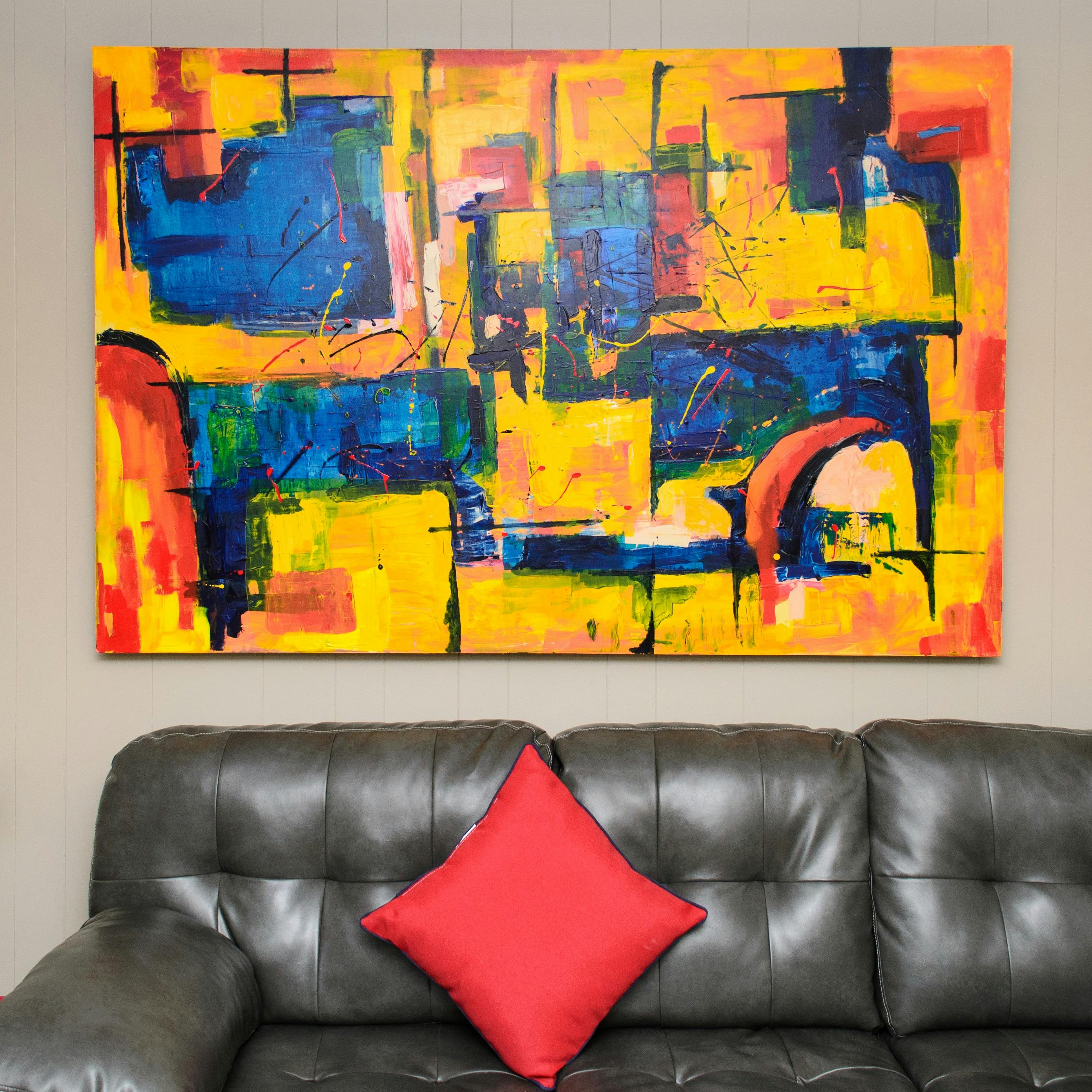
- Dark against light: A bold, colorful artwork on a neutral wall, or a deep charcoal velvet throw blanket draped over a pale linen sofa. The stark visual difference makes both elements pop.
- Geometric shapes against organic forms: The crisp lines of contemporary furniture against the rich, flowing texture of heavy drapes or a leafy plant. This interplay adds dynamic interest.
- Old against new: A vintage find paired with a minimalist piece – a truly satisfying blend of history and modernity.
Without contrast, a space can feel uninspired and one-dimensional, a missed opportunity for visual storytelling. With it, a room feels layered, inviting, and truly alive.

Focal Point: The Room's Narrative Center
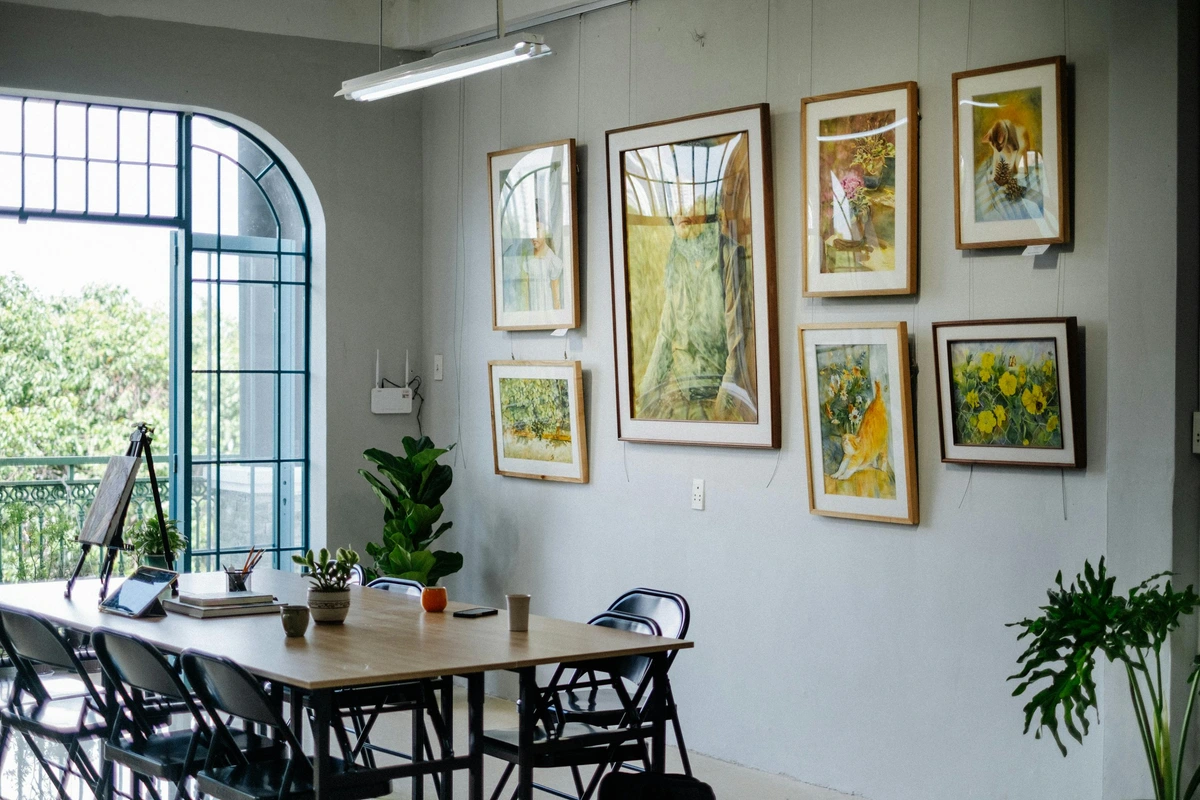
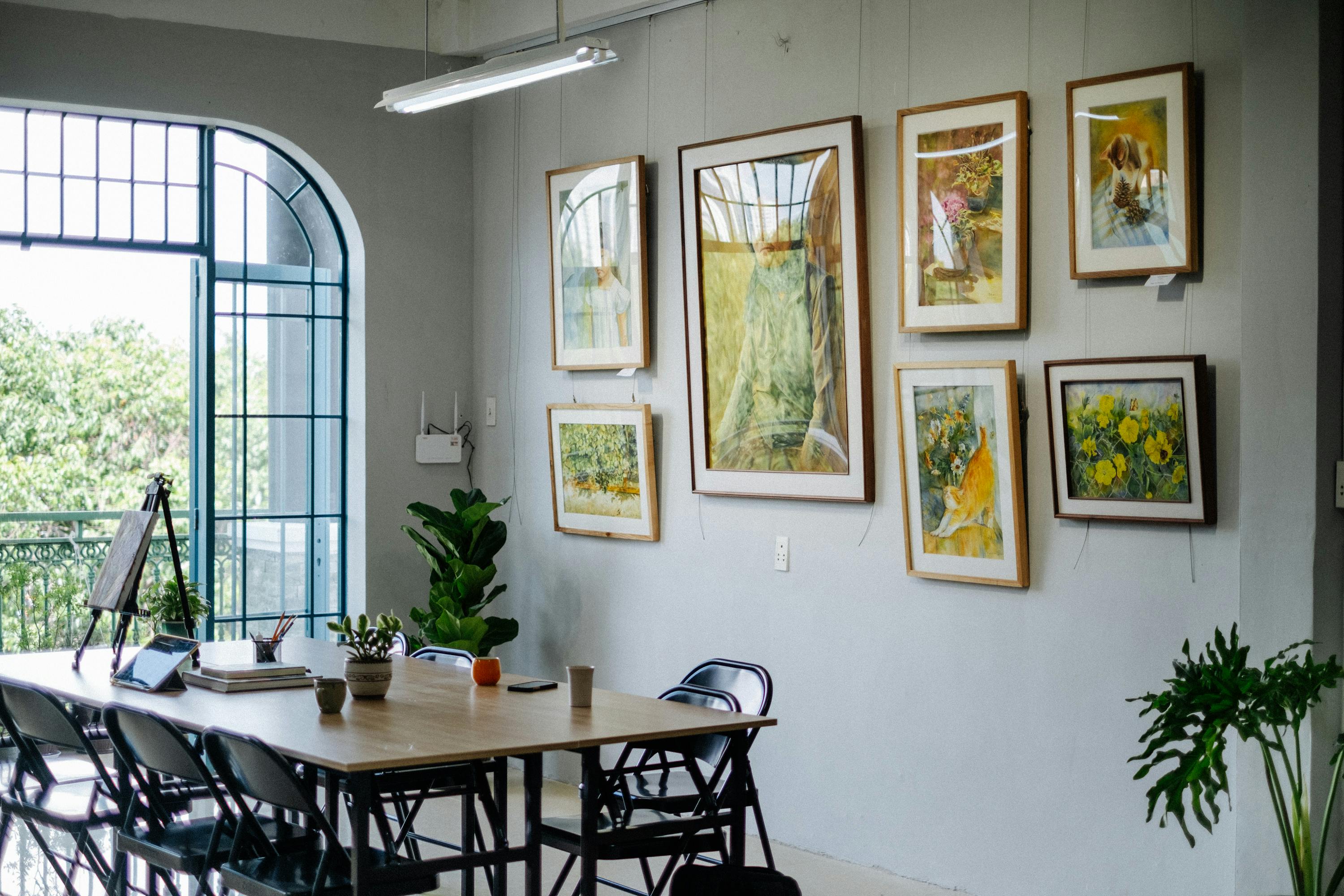
Every great story needs a main character, and every well-decorated room needs a focal point. This is the element that immediately grabs your attention, drawing your eye and anchoring the space. It could be a grand fireplace, a stunning piece of original painting (my personal favorite, obviously!), a dramatic window with a breathtaking view, or even a statement piece of furniture. Your focal point is often the room’s visual storyteller – perhaps a striking original painting that sparks conversation, or a unique antique that holds a cherished memory. Sometimes, a focal point can even be a curated collection of items, like a thoughtfully arranged gallery wall or a beautifully styled bookshelf that tells a personal story. Once you’ve established your focal point, the rest of your decor can then orbit around it, supporting and enhancing its presence. It gives purpose to the room and helps guide your arrangement decisions. A common pitfall is having too many competing focal points, leading to a visually chaotic and overwhelming space where nothing truly stands out – it's like trying to have ten main characters in one scene. If you have multiple elements that could potentially be focal points, gently guide the eye by making one clearly dominant through size, placement, or contrasting elements, allowing others to act as secondary points of interest rather than competitors. A strong focal point gives a room direction and purpose, making it feel complete and intentional.

Beyond the Basics: Elevating Your Home's Aesthetics and Functionality
With a strong understanding of these core principles, we can now move beyond the structural elements to the sensory experiences and deeper considerations that truly bring a space to life. These are the layers that transform a merely functional space into a personal sanctuary that truly nourishes the soul.

The Magic of Light: Maximizing Natural and Artificial Illumination
Lighting is, without exaggeration, everything. It sets the mood, highlights features, and makes a room functional. I always try to maximize natural light first – sheer curtains, strategically placed mirrors (which can act as beautiful decorative elements, much like art in enhancing light and space), and keeping windows unobstructed. But then comes the magic of artificial lighting. Think layers:

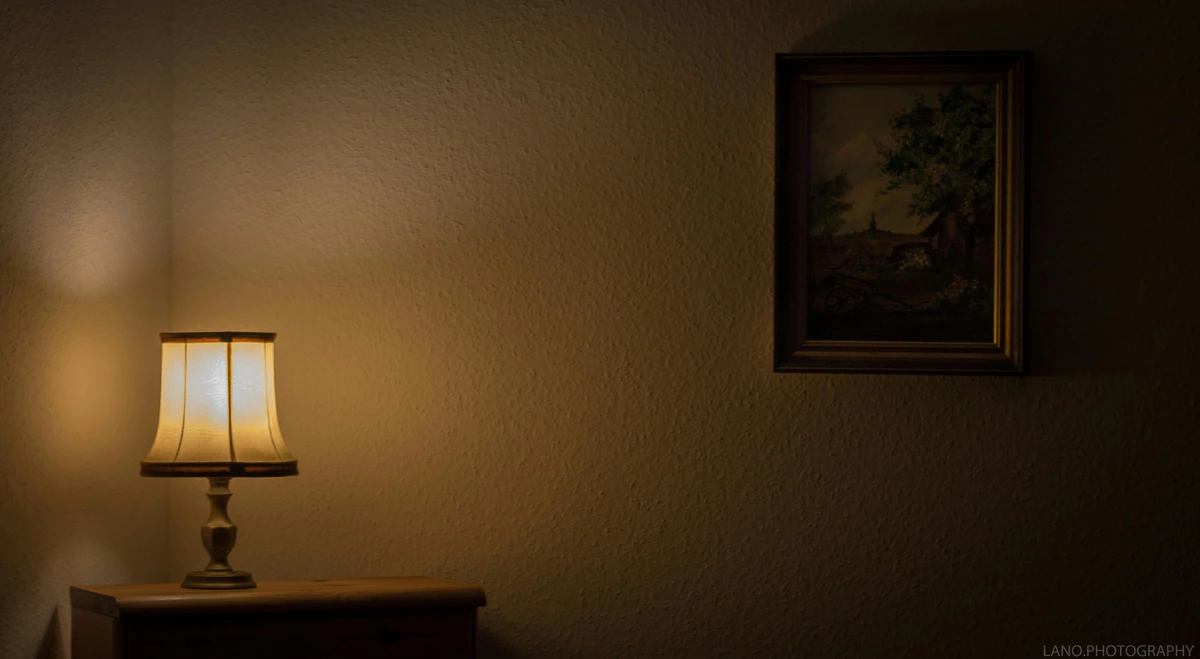
- Ambient lighting: This is your overall brightness, like recessed ceiling lights or a stylish floor lamp casting a soft, widespread glow. To achieve this, consider dimmable fixtures or a large floor lamp with an opaque shade for diffused light. Choosing bulbs with a warmer color temperature (around 2700K-3000K) can make a room feel cozier and more inviting, while cooler tones (above 4000K) are better for task-oriented spaces.
- Task lighting: For specific activities, such as a sleek desk lamp for focused work in your home office or a beautiful gooseneck lamp over your reading chair. Look for adjustable lamps that direct light where it's most needed without glare.
- Accent lighting: To highlight your art, a plant, or architectural features. This could be picture lights over an artwork, spotlights, or even strip lighting in shelves. They add drama and draw attention to specific elements. Consider how to choose the right lighting to enhance your abstract art collection.
Swapping harsh overheads for warmer-toned bulbs, adding dimmers, and scattering table lamps and floor lamps can utterly transform a space, making it feel cozy and inviting. It's often the quickest way to change a room's vibe without moving a single piece of furniture. A common mistake is relying solely on a single overhead light source, which creates flat, uninviting illumination and harsh shadows.
The Psychology of Color: Setting the Mood and Expressing Personality
Color is a powerful, often subconscious, driver of mood and perception. It's not just about picking pretty hues; it's about understanding how different shades can make a room feel expansive or intimate, energizing or calming. As an artist, I see color as the emotional heartbeat of a space. The way hues interact on a canvas is mirrored in how they can make a room feel warm, cool, inviting, or stimulating. Think of how deep blues have been associated with tranquility across cultures, or warm reds with energy and passion. Green often evokes nature and serenity, while yellow can spark joy and optimism. I love experimenting with a vibrant accent wall to invigorate a space, or a soft, monochromatic palette for serene bedrooms.
Do you want a lively space for entertaining, perhaps with warmer, more stimulating tones? Or a tranquil retreat with cool blues and greens? Thinking about color theory – whether using complementary colors (like blue and orange, opposite on the color wheel, for dynamic contrast often seen in bold contemporary art) or analogous colors (like blues and greens, next to each other, for a harmonious flow often found in landscapes) – can profoundly impact the feel of your home. It’s particularly vital when considering how your art selections will interact with the overall palette, as a piece of art can truly anchor your color scheme. To test how a color will feel, paint a small swatch on different walls of the room and observe it throughout the day, noticing how the natural and artificial light transforms its mood. Consider these common associations for different room functions:
Room Function | Recommended Colors (General) | Mood Created | Why it works |
|---|---|---|---|
| Bedroom | Soft blues, greens, neutrals | Calm, restful, serene | Promotes relaxation and sleep. |
| Living Room | Warm neutrals, soft greens, blues, pops of brighter color | Inviting, sociable, cozy | Encourages conversation and comfort. |
| Home Office | Greens, blues, soft yellows | Focus, creativity, productivity | Reduces stress, enhances concentration. |
| Dining Room | Reds, oranges, warm yellows | Stimulating, energetic, appetizing | Traditionally believed to stimulate conversation and appetite. |
| Bathroom | Cool blues, greens, whites | Clean, fresh, spa-like | Evokes cleanliness and tranquility. |
A common mistake is choosing colors in isolation without considering how natural light or artificial lighting will affect them throughout the day – a color can look entirely different at noon versus sunset. Don't forget to consider the undertones of a color (e.g., a gray with a blue undertone vs. a gray with a beige undertone) as they significantly impact how the color interacts with other elements in the room.

Texture: The Unsung Hero of Interior Design
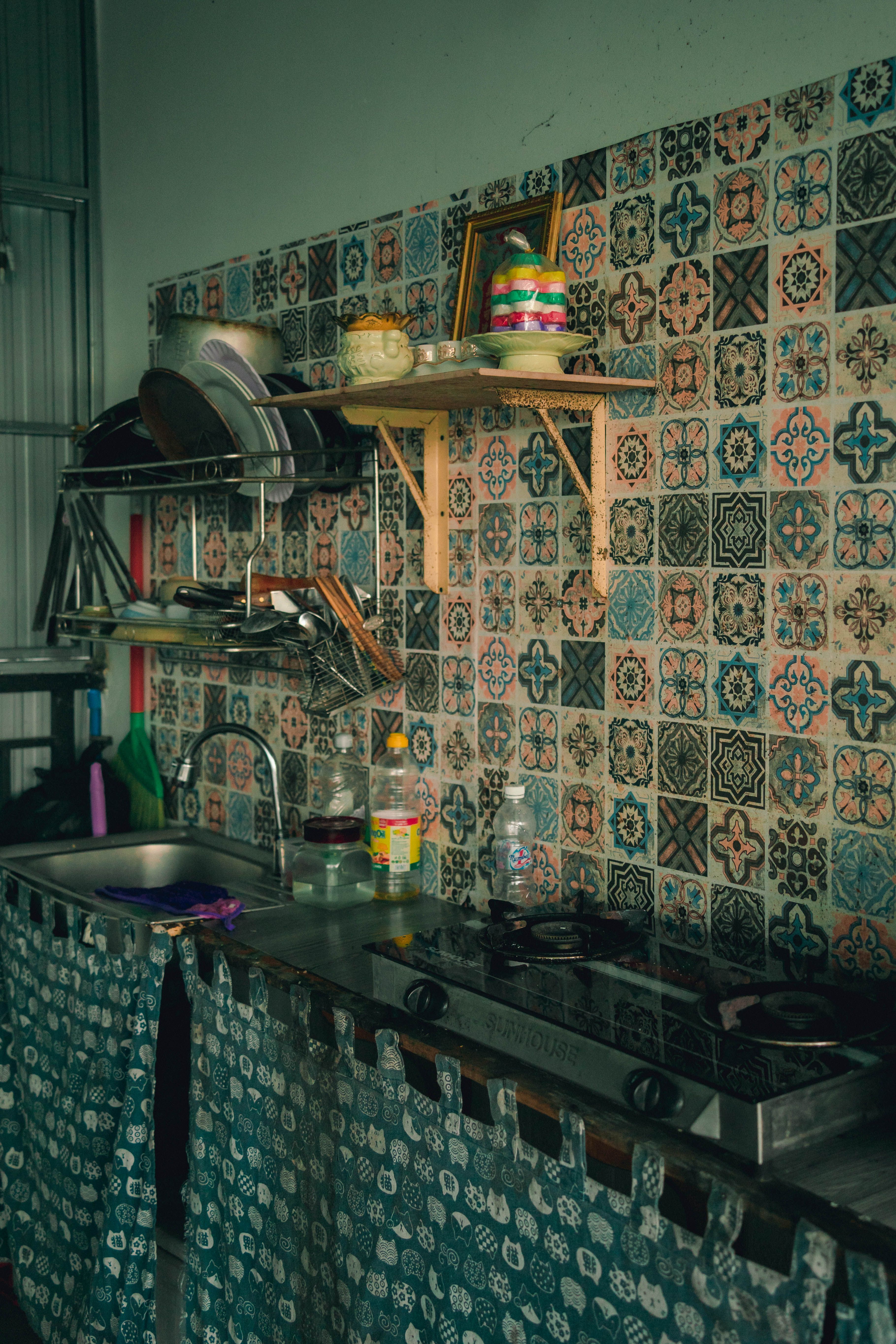
This is a big one for me. Texture adds depth and dimension, inviting you to engage with a room not just visually, but tactilely. Imagine a room with only smooth, flat surfaces – boring, right? I once tried to create a minimalist space with sleek, glossy everything, and it felt utterly sterile, like a doctor's office. Now picture the same room with a chunky knit throw, a rough-hewn wooden coffee table, velvet cushions, a sisal rug, and perhaps some lush green plants. Suddenly, it feels rich and inviting! Mixing textures is like adding different instruments to an orchestra – each one plays a part, and together they create a fuller, more resonant experience. Rough textures often absorb light and feel cozy, while smooth, reflective textures bounce light and feel more sleek and modern. Consider incorporating elements like natural stone, rough plaster finishes, distressed metals, or even a living wall of plants for varied tactile experiences.
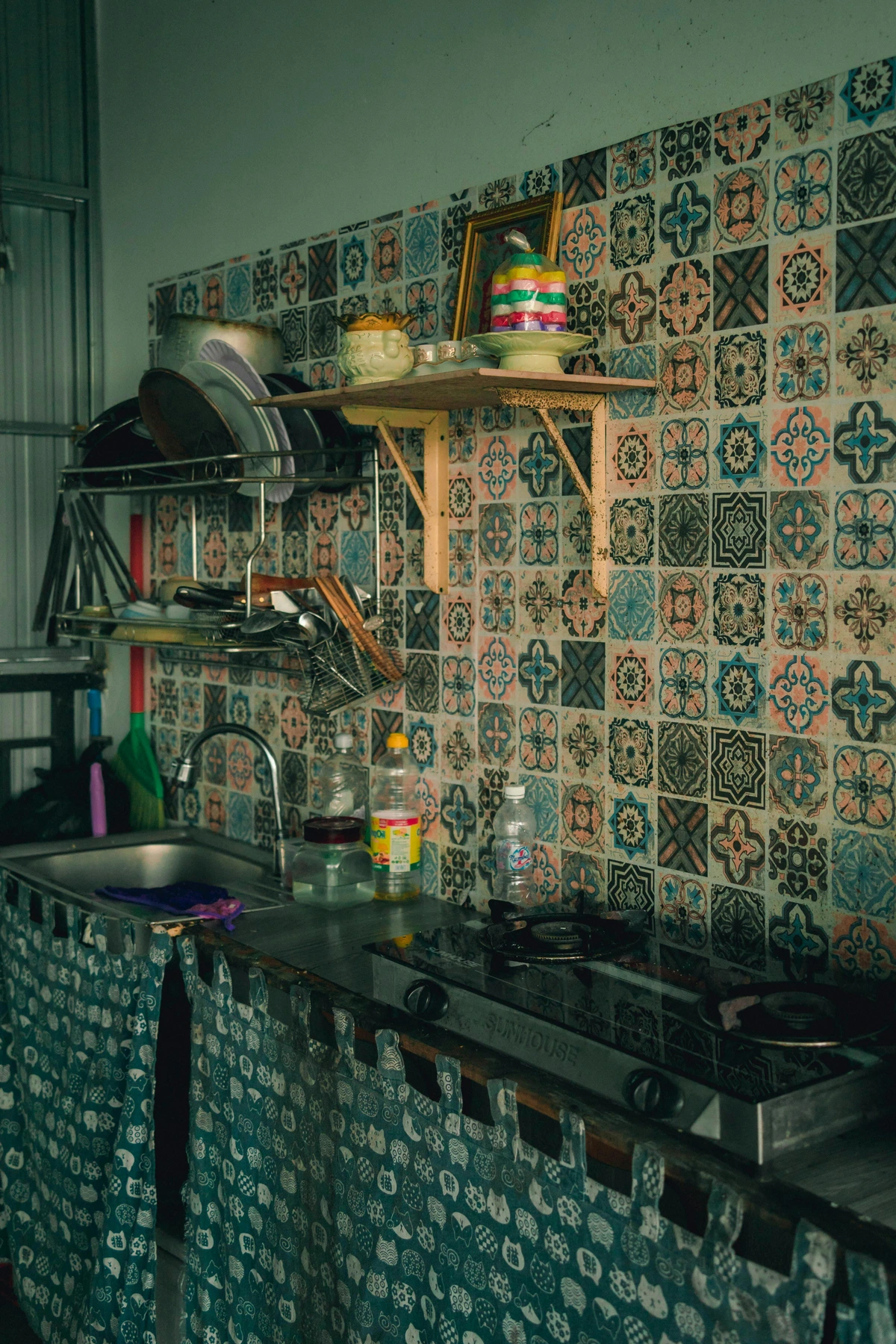
It's particularly effective when pairing with abstract art prints, as the varied textures in your decor can subtly echo the visual depth and complexity of the artwork. For instance, the rough wood grain on your coffee table might beautifully complement the impasto strokes in a textured abstract art print, or the softness of velvet cushions could provide a tactile counterpoint to a sleek, minimalist painting. Conversely, highly textured textile art on a wall can introduce a soft element to a room dominated by hard surfaces. A common mistake is neglecting texture altogether, resulting in a room that feels flat and uninviting, like a beautiful painting rendered in only one shade.

Flow and Negative Space: Creating Seamless Comfort
Ever noticed how some homes just feel... easy to move through? That’s flow. It’s about creating clear, unobstructed pathways and a sense of continuity from one room to the next, both visually and physically. I like to imagine the invisible lines of movement through a house when I'm decorating a home. Try physically walking through your space, noting any bottlenecks or awkward transitions. Are pathways at least 3 feet wide? Does furniture invite movement rather than block it? Consider the visual weight of your furniture; heavier pieces can sometimes be offset with lighter, more open designs to maintain an airy feel.
This often ties into the concept of negative space – the empty areas around and between objects. It’s counterintuitive, but negative space is just as important as the objects themselves. Think of it as the quiet pauses in music, the breath between notes; it allows your eyes (and your furniture!) to breathe, preventing a cluttered, suffocating feeling. Don't be afraid of empty walls or open floor space; sometimes, less truly is more, especially if you want your statement art to have maximum impact. Imagine a large, minimalist sculpture placed in a room with ample surrounding empty floor space – the negative space allows the sculpture to command full attention. Similarly, imagine a large, impactful abstract art piece on an otherwise bare wall; the negative space surrounding it amplifies its presence and allows it to become the undisputed star, a principle often employed in minimalist art to enhance the power of a single object. A common mistake is filling every available surface and wall, leading to a crowded and chaotic environment that feels visually suffocating. A truly well-designed room understands the delicate dance between what's there and what isn't.

Cultivating Atmosphere and Well-being: Beyond Aesthetics
It’s not just about how a home looks, but how it feels. The most beautiful spaces are those that nurture, inspire, and genuinely make you feel at peace. This takes us beyond purely visual principles to the very essence of living well within our spaces.
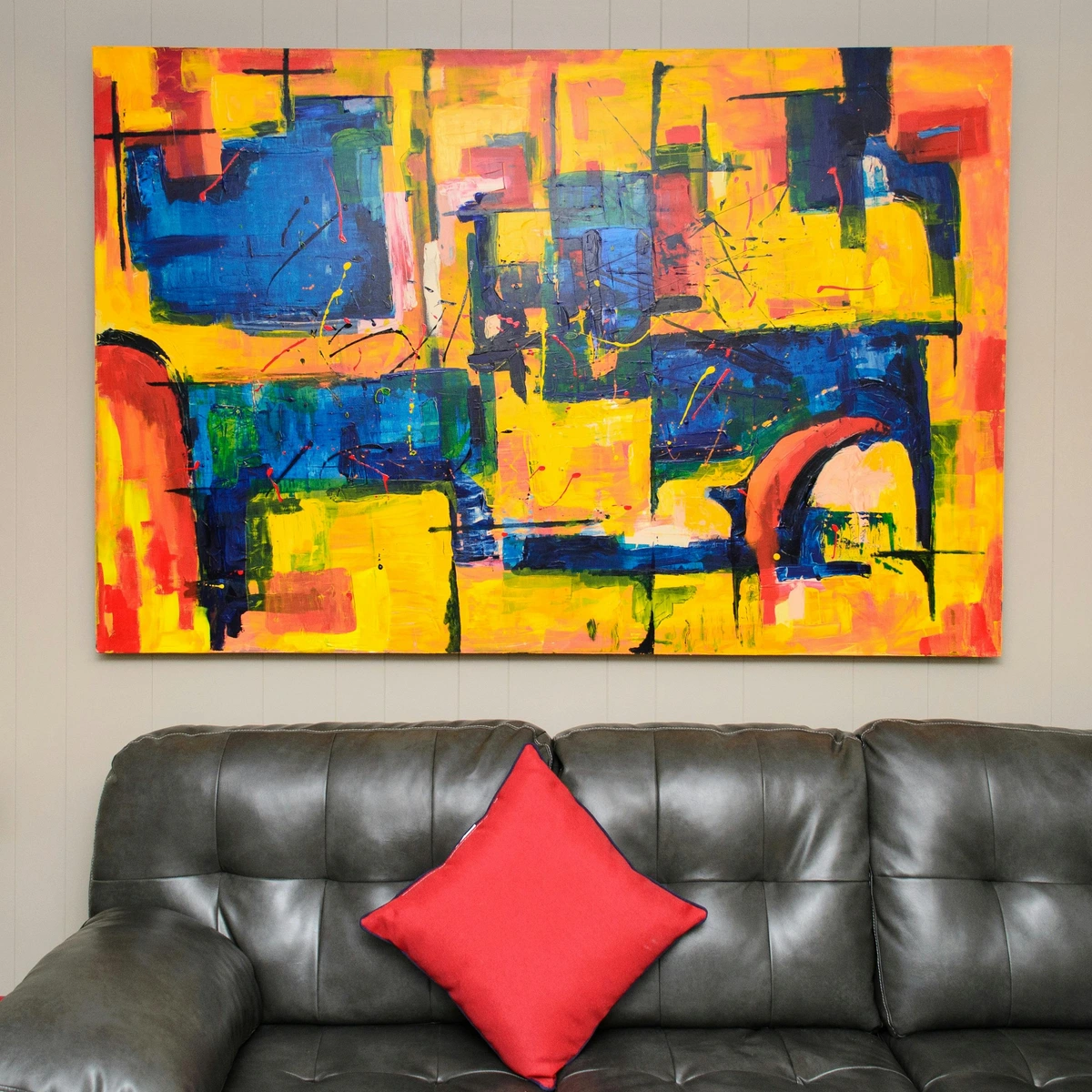
Gezelligheid: Embracing Dutch Warmth and Togetherness
This beautiful Dutch concept, Gezelligheid, is more than just coziness; it’s about creating a warm, comfortable, and convivial atmosphere that fosters a sense of belonging and togetherness. Historically rooted in a culture that values community and intimate domestic spaces, Gezelligheid is intentionally cultivated, often reflecting the necessity of making indoor spaces as inviting as possible during long, cold winters. When I think of it, I envision a cozy corner bathed in warm light, the gentle murmur of conversation, perhaps the comforting aroma of fresh coffee or baking, and a sense that time has slowed down. It's not just about the objects, but the feeling they collectively evoke.
When cultivating Gezelligheid, I focus on:
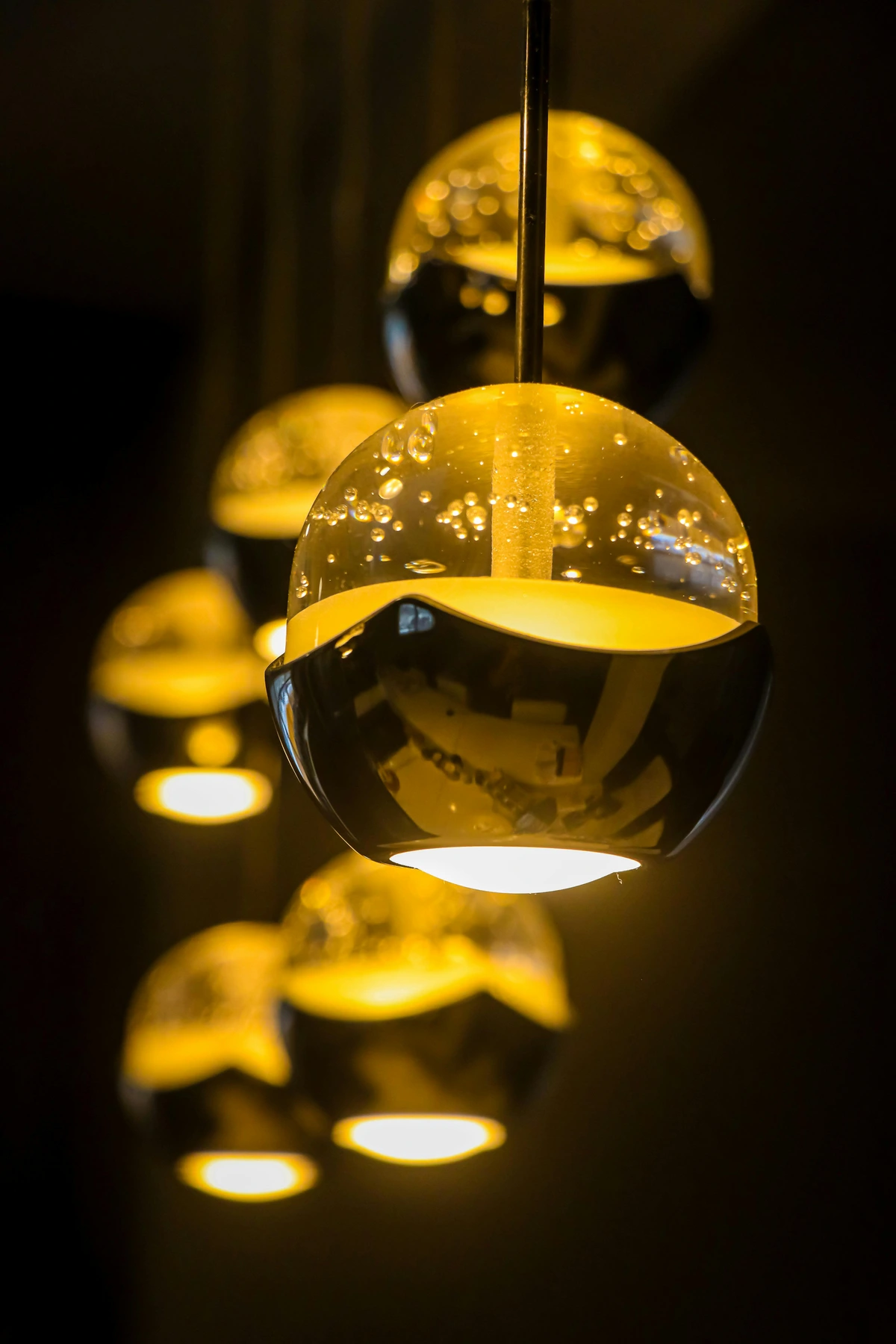
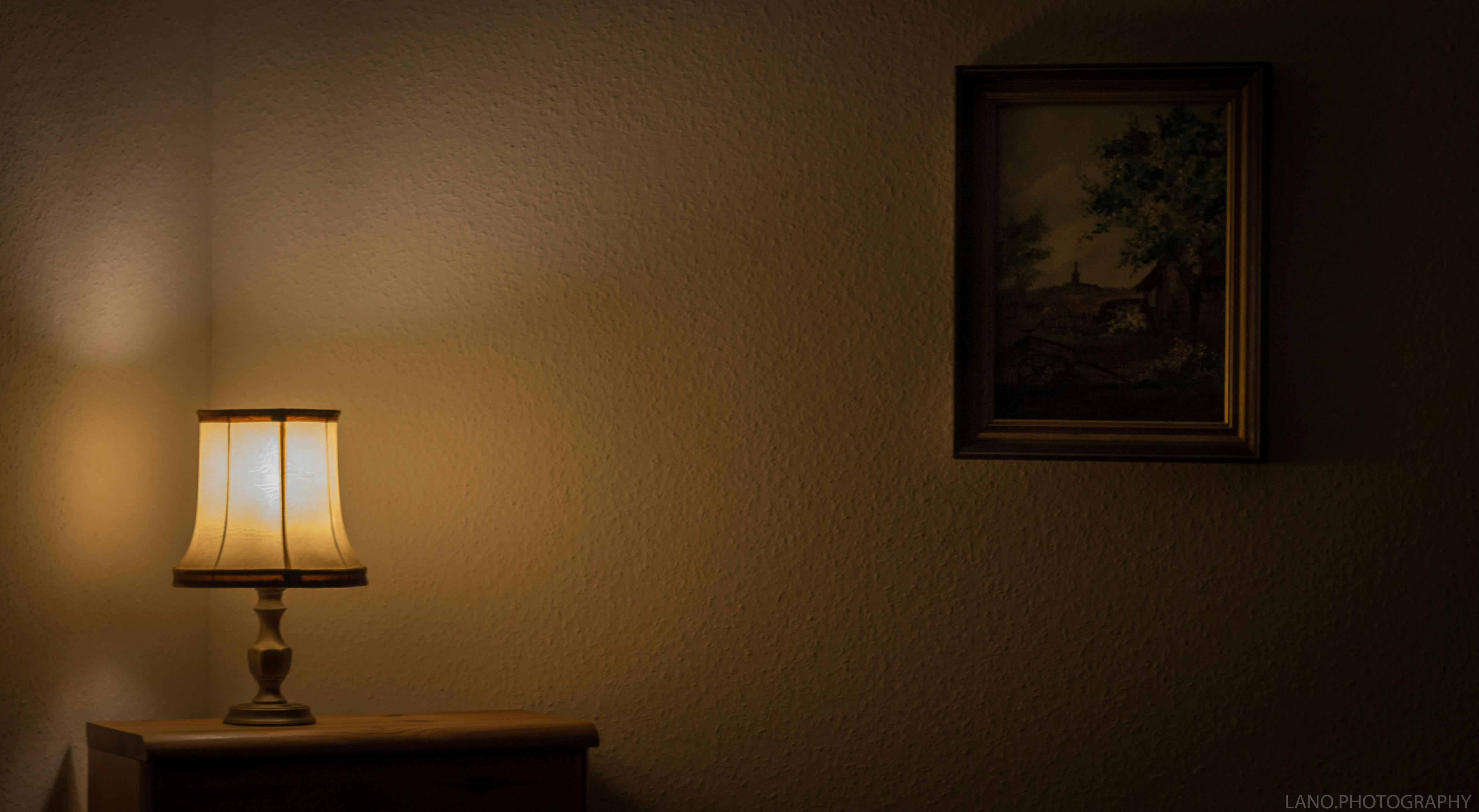
- Soft, diffused lighting: Candles, dimmers, multiple lamps, and even the glow of a fireplace. Embrace warm-toned bulbs over harsh, cool ones. This creates a gentle, inviting glow.
- Comfortable seating: Arranged to encourage conversation and connection, often with plush textiles like velvet or chunky knits. Think about a sofa piled with throws and cushions.
- Personal touches: Thoughtfully displayed collections, cherished artworks for your bedroom, souvenirs, or family photos. These are the anchors of your personal story and make a space uniquely yours.
- Natural materials: Wood, wool, cotton, and an abundance of green plants to connect with nature, even indoors. These bring warmth and authenticity.
- The feeling a space evokes: It's not necessarily about expensive decor, but about simple pleasures and a profound sense of well-being, a collective contentment.
While Gezelligheid offers a specific cultural lens, the underlying desire for comfort and belonging is universal. Other philosophies, like Scandinavian 'Hygge' or Japanese 'Wabi-Sabi,' similarly emphasize creating spaces that reflect natural beauty, simplicity, and mindful living. For Hygge, think extra blankets and warm drinks. For Wabi-Sabi, embrace the beauty of aged wood, handmade pottery, and slightly imperfect, authentic objects. The core idea is to move beyond mere decoration to curate an experience.
Functionality and Personal Expression: Making It Truly Yours
While aesthetics are vital, a home must also be functional. What good is a beautiful room if it doesn't serve your daily needs? This is particularly true in Dutch design, where simplicity and purpose are paramount – minimizing unnecessary clutter, ensuring clever storage solutions are both practical and aesthetically pleasing, and that every item serves a practical (or deeply personal) purpose. We’re talking about smart storage that blends in, like built-in window seats with hidden compartments, modular shelving systems that adapt to your needs, elegant benches with hidden storage, or even custom cabinetry that seamlessly integrates with your walls. Consider how function varies by room: a kitchen needs efficient workflow, a home office needs focus, and a playroom needs resilient, easily cleanable surfaces. Form, in these cases, truly follows function.
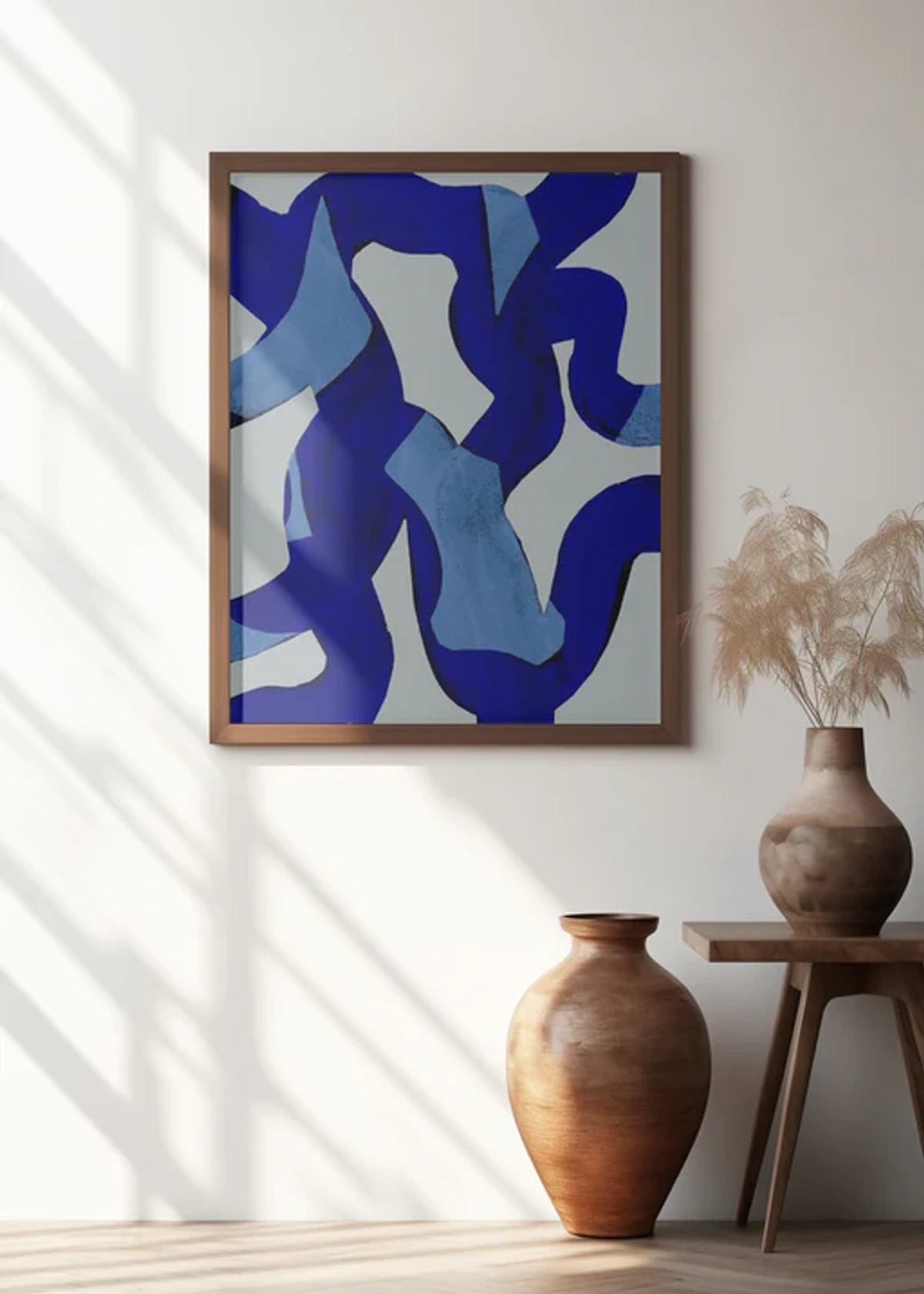
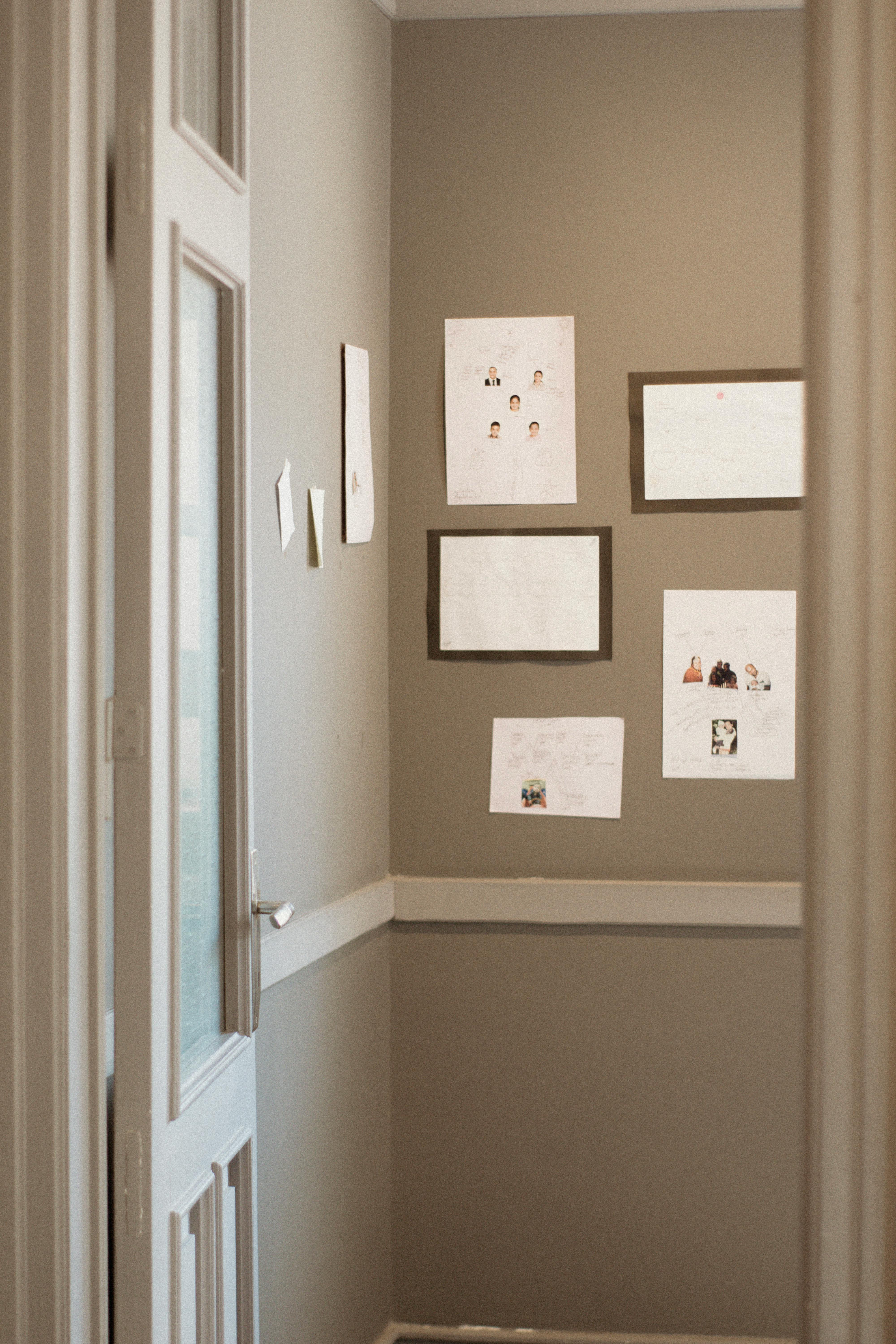
And then there's personal expression. This is where you get to truly inject your personality into your space. Beyond a gallery wall of cherished artworks, think about displaying collections, family heirlooms, souvenirs from travels, or even your own creative projects. These are the elements that make your home unequivocally yours and tell your unique story. Your contemporary art isn't just decoration; it’s a curated extension of your personality, a visual anchor that makes even the most functional space feel deeply personal and lived-in. Your home should be a direct reflection of who you are, not just a showroom.
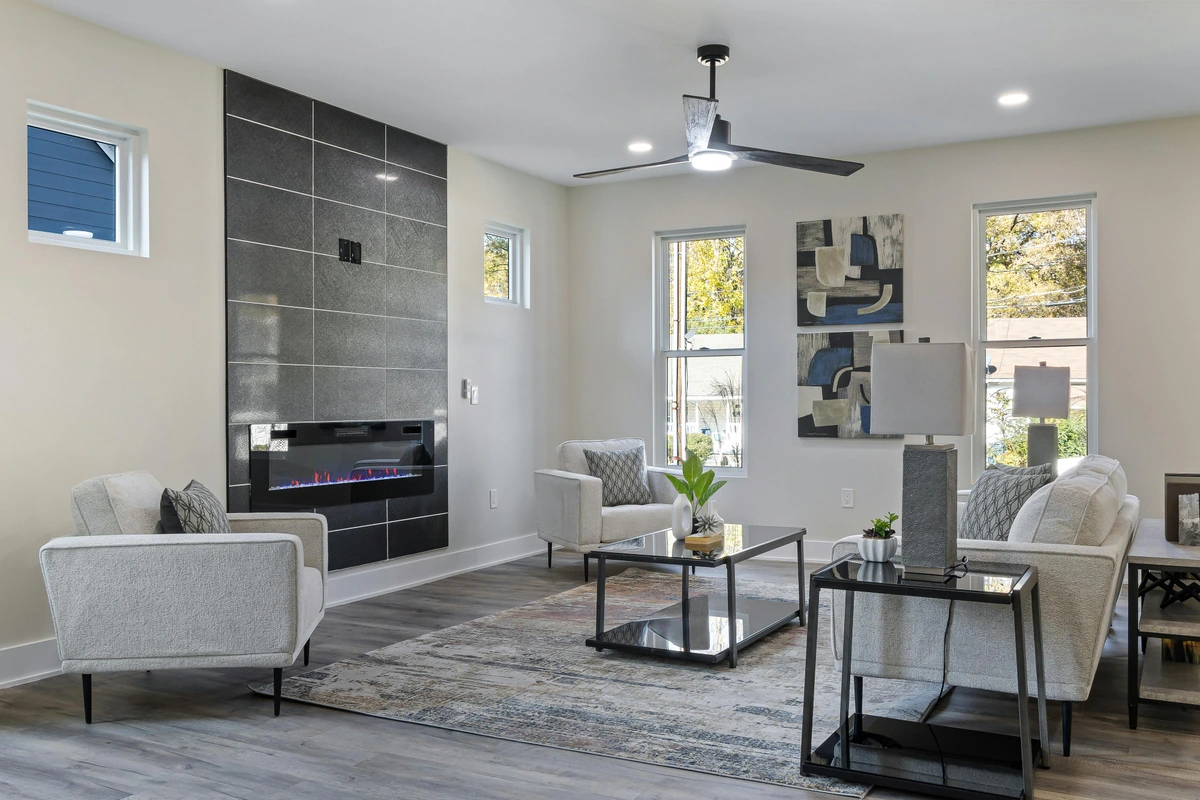
Sustainable & Thoughtful Choices: Decorating for the Future
In our modern world, how we decorate impacts not just our immediate environment but also the planet. I've found that thoughtful, sustainable choices don't just feel good – they often lead to more unique and enduring homes. Consider:
- Durability over trends: Investing in well-made furniture and decor that will last, rather than constantly replacing fast-fashion home items. This reduces waste and saves money in the long run.
- Ethically sourced materials: Opting for wood from sustainable forests, recycled materials, or natural fibers like organic cotton, linen, wool, or bamboo. Bamboo, for example, is a highly renewable resource with a beautiful natural aesthetic.
- Upcycling and repurposing: Giving old furniture a new life with paint or new upholstery. Think of vintage luggage as unique side tables, old window frames as decorative wall art, or antique chairs reupholstered with vibrant, sustainable fabrics. Even old glass jars can become elegant candle holders or vases.
- Eco-friendly finishes: Choosing paints with low or zero VOCs (volatile organic compounds) to improve indoor air quality. Look for reputable brands that prioritize environmental safety.
- Local and handmade: Supporting local artisans and businesses often means less transportation impact and more unique, quality pieces. Look for regional markets or online platforms that support independent creators, or even art schools near you.
By making conscious decisions, you're not just decorating your home; you're contributing to a healthier planet and a more meaningful living space.
The Unseen Layer: Acoustics
It might seem secondary, but the sound quality of a room profoundly affects its comfort. Have you ever been in a beautiful room that echoed so much it felt cold or distracting? That's poor acoustics at play. Hard surfaces like wood floors, glass, and bare walls bounce sound around, while soft, absorbent materials help create a calmer, more inviting ambiance. Imagine walking into a room with all hard surfaces – sounds bounce, conversations feel strained. Now picture that same room with plush rugs, heavy drapes, and upholstered seating; suddenly, the atmosphere is calmer, more inviting, and conversation flows easily. Consider a common issue like a long, narrow hallway that echoes every footstep – adding a runner rug and perhaps a fabric wall hanging can dramatically reduce the echo. Think about incorporating:
- Rugs: Especially thick, plush ones, to dampen sound on hard floors and define zones. They are excellent for living rooms and bedrooms.
- Heavy drapes or curtains: They absorb sound much better than blinds and add a layer of warmth and texture. Crucial for rooms with large windows.
- Upholstered furniture: Sofas, armchairs, and ottomans naturally soak up sound, contributing to a softer auditory environment. The more fabric, the better.
- Wall hangings and textile art: Tapestries, fabric panels, or even a large piece of abstract art on canvas can help. Think about decorating with art in a home office to reduce distractions.
- Bookshelves filled with books: The varied surfaces and materials are excellent sound diffusers and absorbers. A full bookshelf isn't just decorative; it's acoustic magic.
Paying attention to acoustics ensures your beautiful space sounds as good as it looks, creating a truly sensory sanctuary.
Practical Steps for Your Decorating Journey
Now that we've explored the foundational principles and deeper elements, let's translate this knowledge into actionable steps for your decorating journey. Ready to translate these ideas into your own space? Let's get practical and start crafting your personalized sanctuary.

- Critique Your Current Space: Before changing anything, take an honest look at your current home. What do you love about it? What dislikes do you have? What feels functional, and what feels like it's fighting against your daily life? Understanding these points of friction will be your most valuable guide.
- Declutter First: Seriously, I can't stress this enough. Before you buy anything new, let’s get ruthless (but lovingly so!). Clear out what you don't need. Decluttering isn't just about clearing space; it's about making room for intention and appreciating what truly serves your vision. Often, decluttering alone makes a huge difference.
- Define Your Style: This doesn't have to be a rigid category. Collect images, create a mood board (physical or digital, using tools like Pinterest or Canva), and identify common themes, colors, and textures that resonate with you. Ask yourself: What colors make me feel energized or calm? What's my must-have comfort piece? Look for recurring themes: Are you drawn to organic shapes or sharp lines? Warm, earthy tones or vibrant, bold palettes? This clarity will guide your decisions, helping you to identify a dominant style while still allowing for eclectic elements. Your home decor should be an extension of your personality.
- Measure Everything: Your room, your furniture, the walls for hanging art. This prevents those 'beached whale' moments I mentioned earlier and ensures good proportion and scale, especially when hanging wall art for living room or creating a gallery wall – ensure there's adequate breathing room and that art is hung at eye level. This is a step you simply cannot skip!
- Start with the Big Pieces (or the Art): Sofa, bed, dining table. These are often your anchors. While we typically suggest starting with big furniture pieces, remember that a truly captivating piece of living room art can also serve as your first inspiration for the entire room's layout and color scheme. Don't be afraid to let an artwork dictate the mood and palette! Once these foundational elements are in place, the smaller items will fall into place more easily.
- Layer Your Lighting: Don't rely solely on harsh overhead lights. Incorporate ambient, task, and accent lighting with lamps, sconces, and even candles for warmth and versatility. Dimmers are truly your best friend for creating ambiance and adapting the mood throughout the day. This creates a dynamic, functional space that can adapt to different activities and moods, preventing the harsh, shadow-filled environments that single overhead lights often produce. Consider how to choose the right lighting to enhance your abstract art collection.
- Embrace Texture and Color: Introduce warmth and personality through textiles (rugs, throws, cushions), plants, and strategic splashes of color. This is where your unique personality truly shines through. Remember, even a single vibrant abstract art piece can inspire your entire color palette and serve as a bold statement of your individual style.
- Incorporate Personal Touches: Display cherished photos, unique artworks, travel souvenirs, or heirlooms. These items tell your story and make your house a home, infusing it with character and warmth. Your chosen abstract art piece can be the ultimate statement of this individuality, a visual anchor for your personal narrative.
- Budget and Prioritize: Decorating can be an investment. Set a realistic budget for each room or project, and prioritize what's most important to you. Sometimes, a few high-impact pieces are better than many small, inexpensive ones. Don't be afraid to save up for that perfect original painting that truly speaks to you.
- Don't Rush It: Decorating is a process, not a race. Take your time, experiment, and enjoy the journey. Your home evolves with you, and that's perfectly okay. It's an ongoing dialogue between you and your space. And remember, the most beautifully designed spaces are those that continue to evolve with you. So, embrace the journey, trust your instincts, and keep creating a home that truly sings your song.
Frequently Asked Questions About Home Decor
To make this truly the ultimate guide, let's tackle some common questions people often have about home decor and interior design:
What are the most important elements of interior design?
The most important elements are Balance, Proportion & Scale, Contrast, and a clear Focal Point. These foundational principles ensure a room feels cohesive, comfortable, and visually appealing. Beyond these, consider Light, Color, Texture, Flow, and Acoustics to create a truly inviting atmosphere. Your art choices can dramatically influence each of these elements.
How can I make my small room look bigger?
Maximize natural light with sheer curtains and mirrors. Use a lighter color palette, especially on walls. Choose furniture with clean lines and legs visible to create a sense of openness. Incorporate vertical elements like tall bookshelves or a striking, vertically oriented abstract art print to draw the eye upwards. Don't be afraid of negative space; resist the urge to fill every corner, as this often makes a small room feel cluttered and suffocating.
How do I choose a color scheme for my home?
Start by identifying colors that genuinely make you feel good. Look for inspiration in existing artworks, textiles, or even nature. Consider the mood you want to create in each room – calming blues and greens for bedrooms, energizing yellows or reds for social spaces. Use color theory (complementary, analogous, monochromatic) as a guide. Always test swatches on your walls to see how they look in different lighting conditions throughout the day, and pay close attention to the undertones of the colors you choose, as these subtle hues greatly affect the overall feel.
What's the best way to arrange furniture for good flow?
Ensure clear pathways (ideally 3 feet wide) between furniture pieces and into/out of the room. Group furniture to encourage conversation and functionality (e.g., a seating arrangement around a coffee table). Avoid blocking windows or doorways. Pull furniture slightly away from walls to create a more dynamic feel. Use rugs to define zones, especially in open-plan spaces. Think about how people will naturally move through the room and arrange furniture to facilitate that movement rather than impede it.
How can I incorporate my personality into my home decor?
This is the fun part! Display items that tell your story: cherished artworks (especially original paintings or abstract art that resonates with you), travel souvenirs, family photos, heirlooms, or collections. Don't just follow trends; choose pieces that you genuinely love and that evoke positive memories or feelings. Your home is a canvas for your life, and your decor should be a curated reflection of your unique tastes and experiences. Art, in particular, can be a profound expression of your inner world.
How can I ensure my decor reflects my personal story without looking cluttered?
The key is intentionality and curation. Instead of displaying everything, select a few meaningful pieces for each space that truly resonate with you. Use concepts like focal points and negative space to give your cherished items room to breathe and shine. Group similar items, use clever storage solutions to hide clutter, and regularly declutter to ensure every item in your home has a purpose or brings you joy. Your home tells your story, not the story of all your possessions.
What are some common decorating mistakes beginners make?
Many common mistakes stem from a lack of planning or an oversight of foundational principles. These include ignoring proportion and scale (e.g., tiny rug in a large room, oversized furniture in a small space), relying solely on a single overhead light source (leading to harsh, flat illumination), neglecting texture (making a room feel sterile), or failing to declutter before decorating. Another big one is trying to fill every available space, which suffocates the room and prevents any element from truly standing out. Always go back to the basics: balance, flow, and purpose.
What role does art play in home decor?
Art is absolutely crucial. It serves as a focal point, defines color palettes, adds texture and contrast, and injects personality and meaning into a space. A well-chosen piece of wall art can elevate a room from merely decorated to truly designed, sparking conversation and reflecting the homeowner's unique taste and expressing complex emotions or ideas. It can anchor a room's aesthetic or provide a vibrant splash of unexpected color, transforming a house into a gallery of your life.











How often should I redecorate my home?
There's no strict rule! Some people enjoy subtle seasonal updates, while others prefer a major refresh every few years. Your home should evolve with your life, tastes, and needs. Focus on creating a space that feels good to you now. Don't be afraid to make small changes over time – move furniture, swap out textiles, or introduce a new abstract art piece – to keep your space fresh and inspiring. It's an ongoing journey of refinement.
A Final Thought: Your Home, Your Masterpiece
Ultimately, your home is more than just a place to live; it's a living canvas, a continuous art project, and a deeply personal statement. By understanding and applying these principles, you're not just decorating walls; you're curating an experience, shaping an environment that supports your well-being, fosters connection, and reflects the beautiful, unique story of you. So go ahead, embrace your inner artist, trust your intuition, and let your home sing your song. And when you're ready to find that perfect piece to complete your vision, remember the power of art to transform a space into a true masterpiece. Explore our collections and discover the abstract art that speaks to your soul, waiting to become part of your personalized sanctuary.