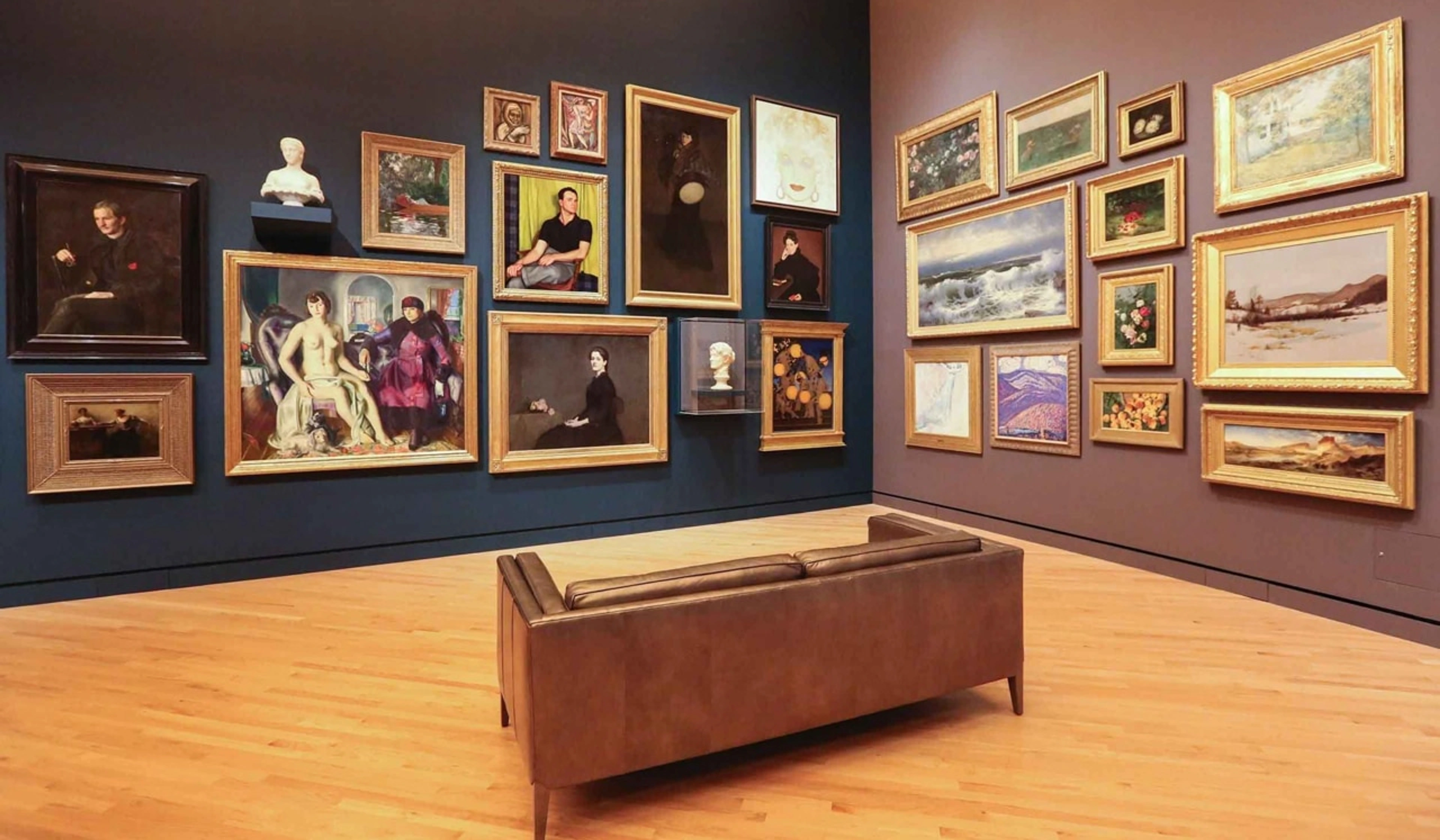
Seamless TV-Art Integration: Your Ultimate Home Gallery Guide
Master TV art integration! Transform your screen into a stunning centerpiece with expert gallery wall ideas, optimal placement, smart lighting, and curated styling tips for every room.

Seamless TV Art Integration: The Ultimate Home Gallery Guide
I confess, for the longest time, my television was my home's most stubbornly defiant design element. I'd spend hours curating a living room, meticulously arranging art and furniture, only for my eyes to invariably snag on that imposing black rectangle, sucking the very life out of the carefully crafted ambiance. It felt like a visual anchor, dragging down every attempt at aesthetic harmony. I vividly recall one particularly frustrating afternoon, staring at a gorgeous abstract piece I'd just hung, only for my eyes to be relentlessly pulled to the black void of the TV below it, completely sucking the energy out of the room. My instinct was always to hide it, to pretend it wasn't there. But let's face it, we watch TV. A lot of us do. So, instead of fighting this essential part of modern life, I started thinking: what if we embraced it? What if the TV wasn't a design flaw to conceal, but a challenging canvas around which to create something truly spectacular? In this ultimate guide, we'll delve into practical strategies and design principles, explore the power of gallery walls, consider alternative styling, discuss optimal lighting, and even look at smart TV innovations to help you curate a space that truly reflects your artistic vision.
The TV as a Design Dilemma: Overcoming the 'Black Hole' Effect
You know that feeling, right? You've got your beautiful sofa, maybe a striking abstract piece above it – speaking of which, if you're curious about art above the sofa, I've definitely got thoughts on that! – and then BAM, there's the TV. This isn't just about interior design TV placement; it's about how that screen, when off, becomes a glossy, light-absorbing void that often clashes with our intended aesthetic. Unlike a painting, which is a static object designed for contemplation, a television, even when off, hints at dynamic light and motion, creating a visual tension. It's a statement piece, but often one that unintentionally dominates, subtly undermining the room's ambiance. This 'black hole' effect isn't just an aesthetic inconvenience; psychologically, a large, dark, reflective surface can disrupt the visual flow of a room, creating a subtle sense of unease or incompleteness in a space designed for comfort and beauty. I learned this the hard way, spending far too long trying to pretend my television was an avant-garde sculpture that just happened to broadcast Netflix. The key, I've found, is to treat it less like a disruptive appliance and more like a permanent installation. Yes, a very large, very dark piece of art in itself. Once you accept that, the possibilities for designing with a TV and modern TV art integration open up. But how do you make this 'black hole' feel intentional and integrated?
Principle 1: Scale and Balance – How to Size Art Around Your TV
My biggest mistake early on was trying to 'minimize' the TV by putting tiny pieces of art around it. All that did was make the TV look even bigger and more dominant. It's like trying to hide a mountain with a pebble – it just doesn't work. When you're thinking about choosing art for your living room with a TV in mind, you need to think big. Not necessarily one huge piece, but a collection that collectively holds its own. The goal is to create visual equilibrium, making the TV feel like a component of a larger, harmonious display, rather than a solitary, imposing rectangle. Visual equilibrium, in this context, means balancing the 'visual weight' of the television with the surrounding art, so no single element overwhelms the others. And visual weight isn't just about physical size; it's about perceived density, color intensity, texture, and even the emotional resonance of a piece. A small, vibrant abstract painting, for instance, might carry more visual weight than a large, muted landscape, making this dynamic interplay crucial for TV art arrangement ideas. This principle applies whether you're working with a small bedroom TV or a large home theater screen; the proportions are what truly matter. If you want to dive deeper into sizing, I've got a whole guide on how to choose the right size art for your space.
Here’s a simple guide to balancing art with your TV's size and placement, ensuring visual equilibrium:
Scenario  | Recommended Art Arrangement Width | Visual Impact Goal | Notes |
|---|---|---|---|
| TV on a Console | Roughly 2/3 to 3/4 the width of the console | To integrate the TV seamlessly into the furniture setup, making it part of a cohesive unit. | Provides visual anchors on either side, integrating the TV into the furniture setup. This also gives space for small sculptural art or other decor on the console. |
| Wall-Mounted TV (No Console) | At least 1.5 times the width of the TV | To create a grander, more integrated art wall that envelops the TV. | Especially crucial if there's no console below. Creates a grander, more integrated art wall. |
| Art Above TV (Single Piece) | Approximately 80-90% of the TV's width | For a focused, intentional look, drawing the eye to the art above when the TV is off. | Ensure at least 4-6 inches (10-15 cm) of space between TV and art. |
| Art Above TV (Group/Gallery) | Collectively wider than the TV | To anchor the entire wall visually, creating a unified 'art zone' where the TV lives comfortably. | Helps anchor the entire wall visually, creating a unified 'art zone' where the TV lives comfortably. |
| Very Small TV in Large Room | Surround with a dense, multi-layered gallery wall | To make the TV a small focal point within a much larger, cohesive art installation, preventing it from looking lost. | This strategy allows the TV to become a small focal point within a much larger, cohesive art installation. |
| Very Large TV in Small Room | Opt for minimalist symmetry or dark accent wall | To integrate the large screen without overwhelming the space or making the room feel cramped. | Avoid overwhelming the space. Symmetrical flanking pieces or a dark, receding wall color will integrate the large screen without making the room feel cramped. |
The Gallery Wall Strategy: Creating an Art Ensemble Around Your TV
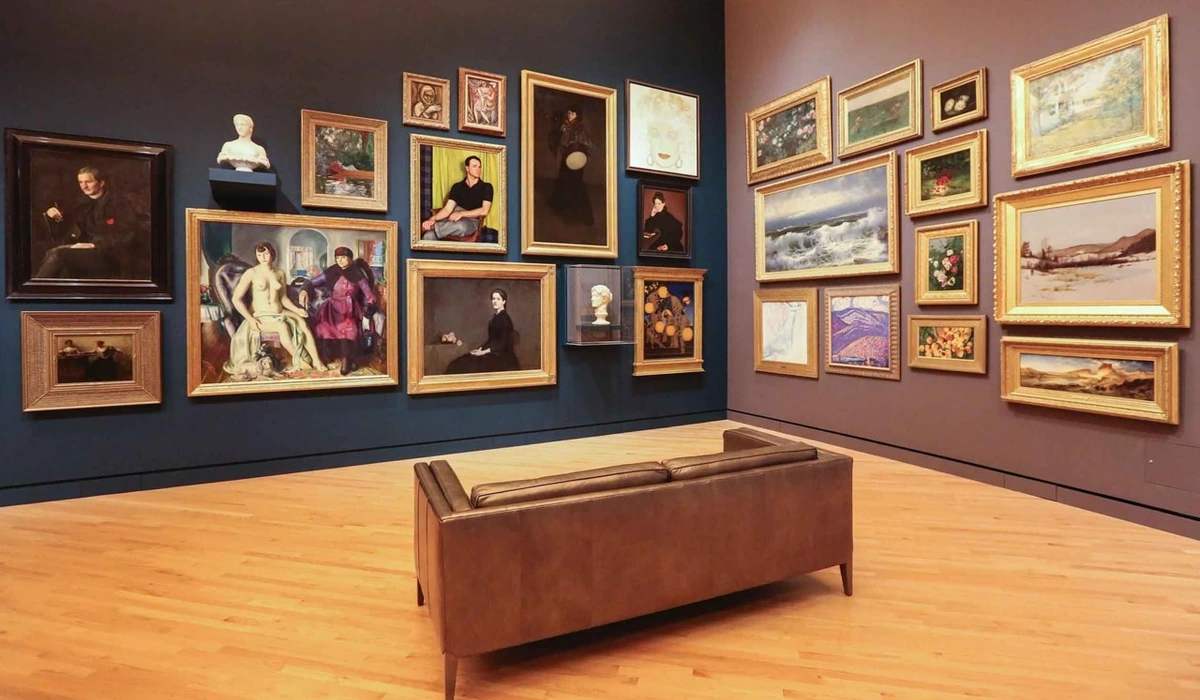
Once you understand the foundational principles of scale, you can move on to implementing specific strategies for decorating a wall with a television. My favorite for a truly cohesive look is the gallery wall. This, my friends, is my go-to strategy. It's classic, it's versatile, and it's incredibly forgiving. Think of your TV not as the enemy, but as the largest, darkest frame in your gallery wall. I've always loved how a well-executed gallery wall can tell a story, and now your TV gets to be a central character in that narrative, part of a dynamic TV art arrangement idea.
Here's how I approach it, step by step:
- Start with the TV as Your Anchor: It's the fixed point. Begin by measuring the TV's dimensions and the wall space available around it. Decide if you want a tight, dense gallery around it, or something more airy and spread out. My personal preference leans towards a slightly denser arrangement to truly envelop the screen and minimize its dominance. When planning, consider drawing a rough sketch or using paper templates on the wall (a trick I picked up from how to hang a perfect gallery wall tutorials, if I'm being honest).
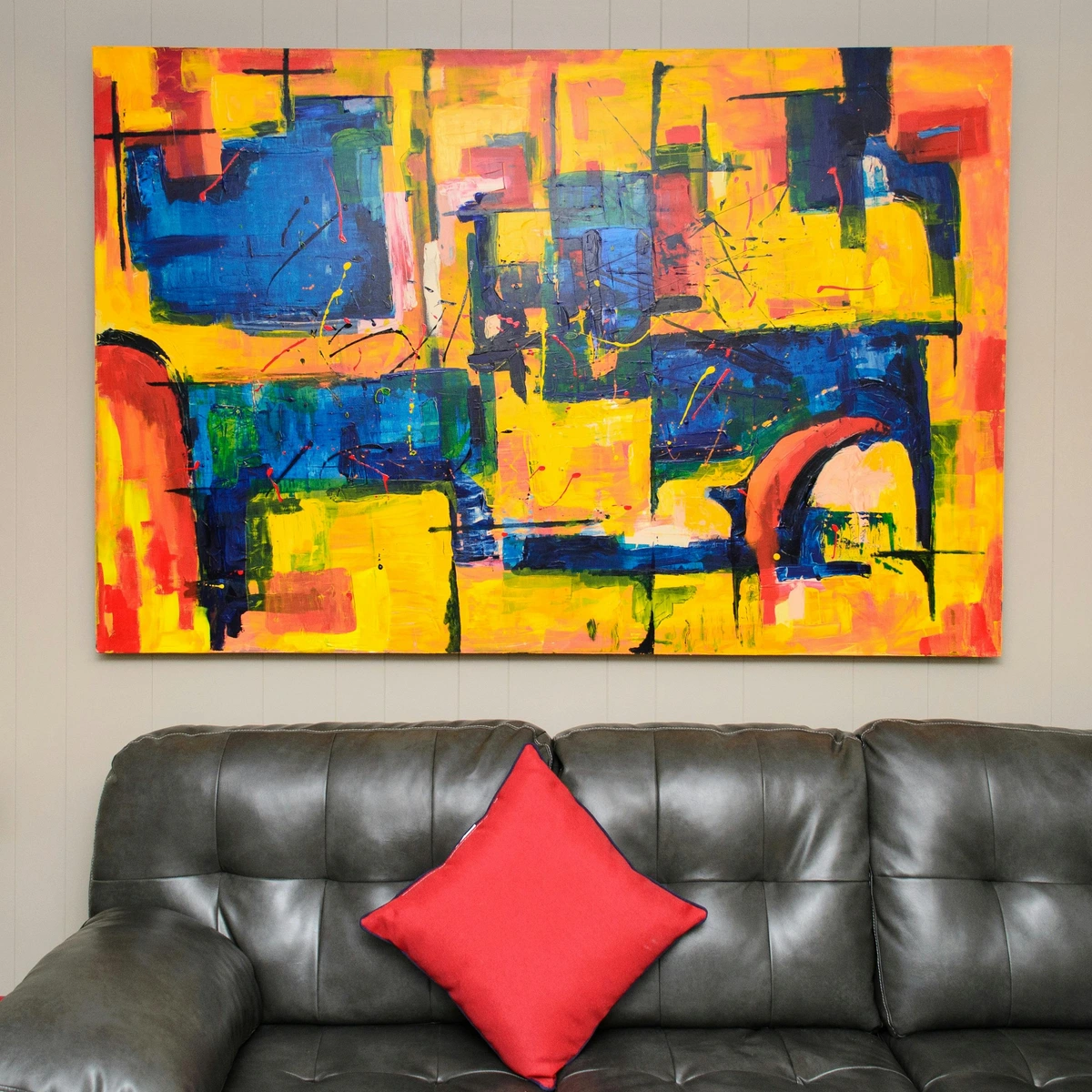
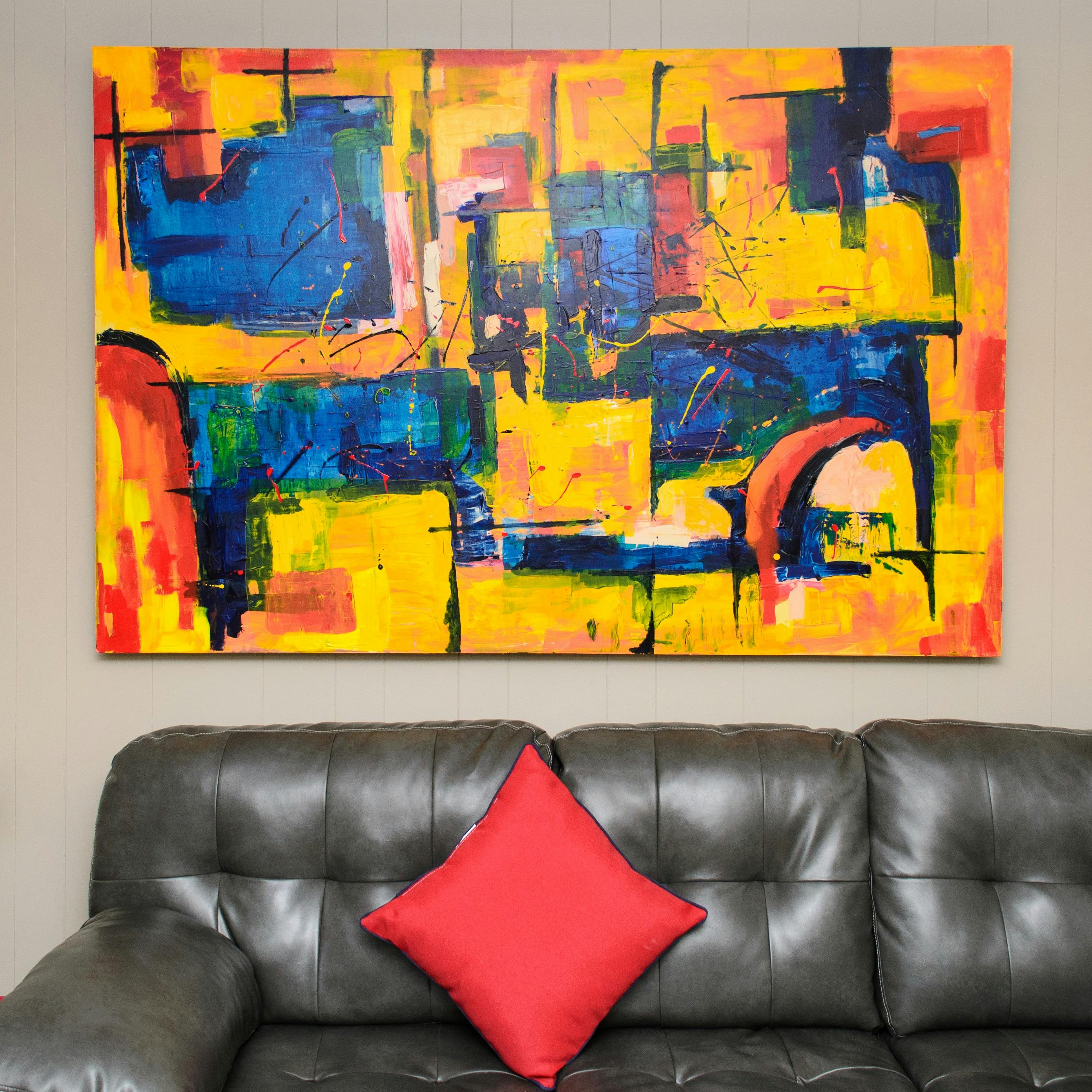
- Mirror the Mood with Art Types: Your art choices should complement or intentionally contrast your interior style, making the TV feel like a curated part of the room. If your TV is modern and sleek, abstract or geometric pieces can create a cohesive vibe. For instance, something with clean lines and vibrant colors:
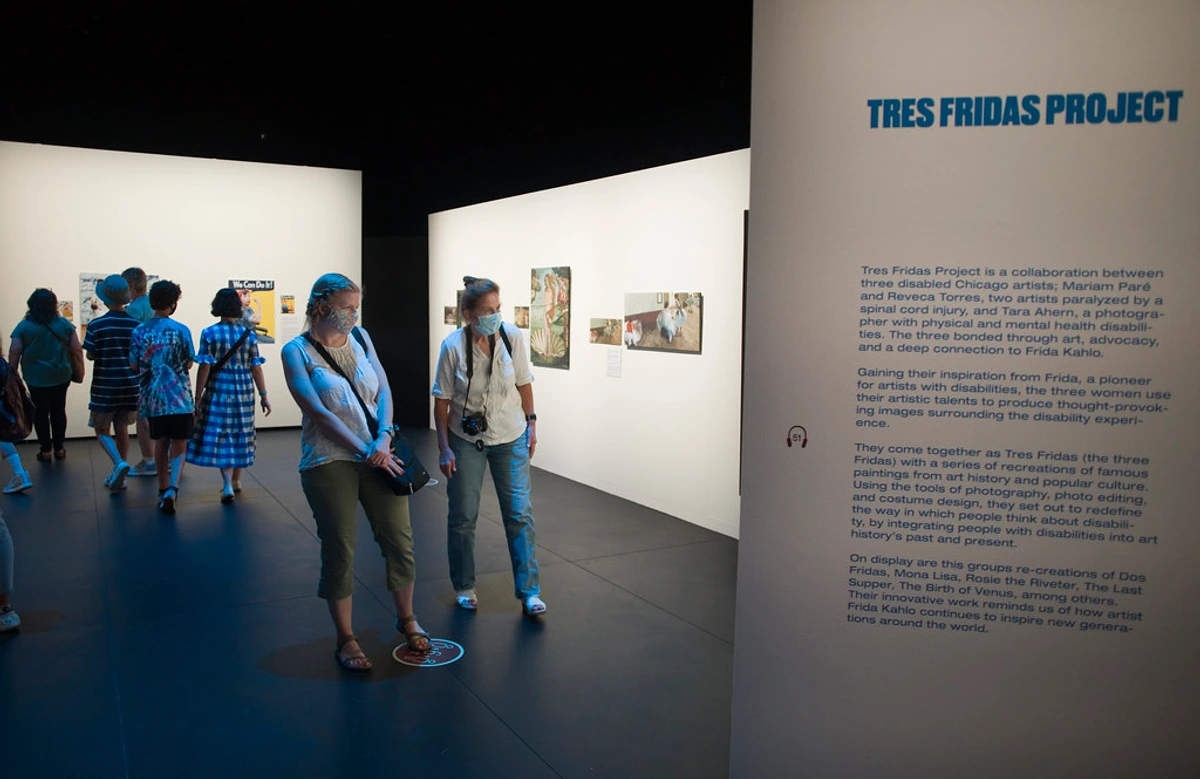
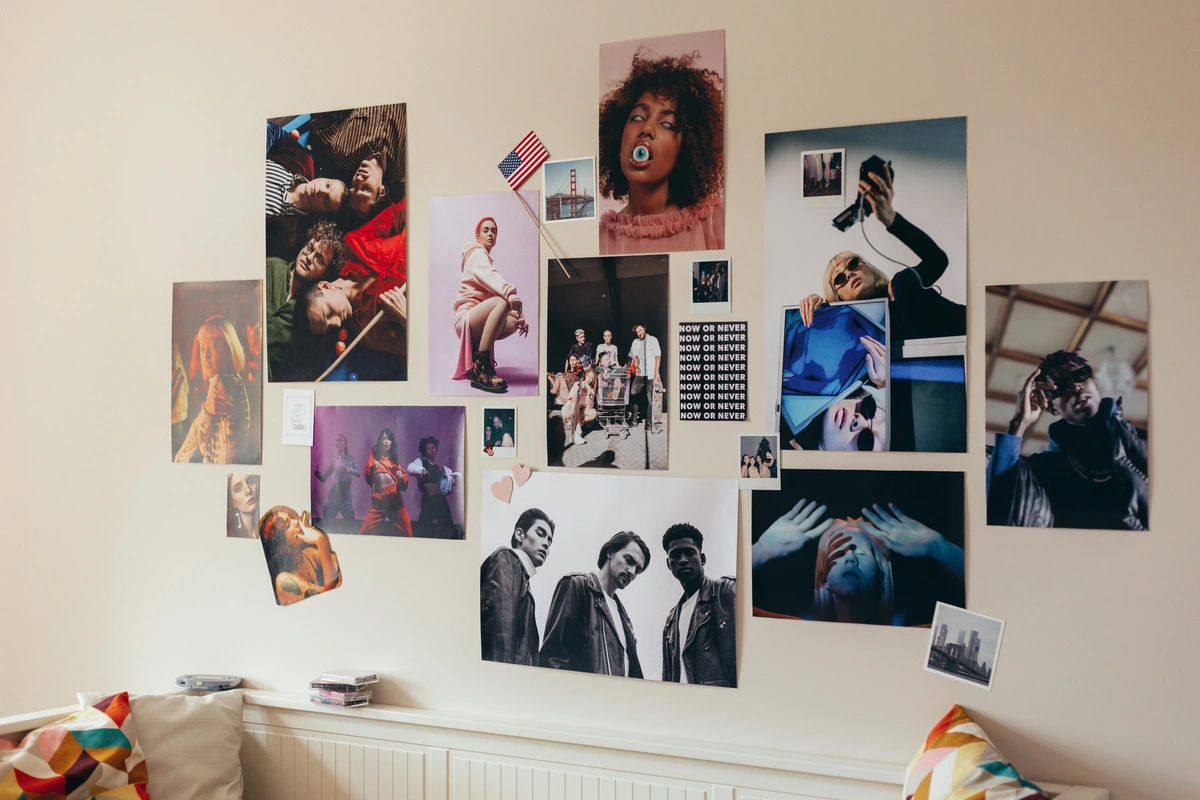
This kind of organized chaos picks up on the clean lines but injects color and personality, which you'll know I love if you've seen my art for sale. "Organized chaos," for me, means a deliberate scattering of diverse elements that still adhere to underlying principles of balance and aesthetic cohesion. On the other hand, if you're going for a more eclectic, bohemian chic interior, you might mix frames, textures, and even small sculptural art pieces. For a Mid-Century Modern aesthetic, think abstract organic shapes or bold graphic prints, perhaps inspired by artists like Charles and Ray Eames. For a Scandinavian look, embrace minimalist line art, natural textures, or serene landscape photography, as I've detailed in how to choose art for a scandinavian style home. In an Industrial space, consider incorporating distressed metal art or large-format architectural photography, a style I explored for decorating with art in industrial interiors. For a minimalist home, select a few impactful pieces with clean lines and a restrained palette. Transitional spaces benefit from a mix of classic and contemporary elements, while a maximalist approach would revel in abundant, varied art. The key is to create intentional contrast – I personally find bold juxtapositions incredibly engaging, as they stimulate the kind of dynamic thinking I try to achieve in my own work as an artist. For example, pairing a hyper-realistic photograph with a highly abstract painting can create a fascinating visual dialogue.
- Vary Sizes and Shapes: Don't get stuck with all squares or all rectangles. Mix it up! Ovals, small round mirrors, or even a tiny framed shelf can add interest and break up the monotony. This also helps distract from the TV's rigid shape, drawing the eye across the entire composition. Consider incorporating unique prints or vibrant photography to add diverse visual textures. Think textured impasto paintings, detailed linocuts, or mixed-media collages for added depth.
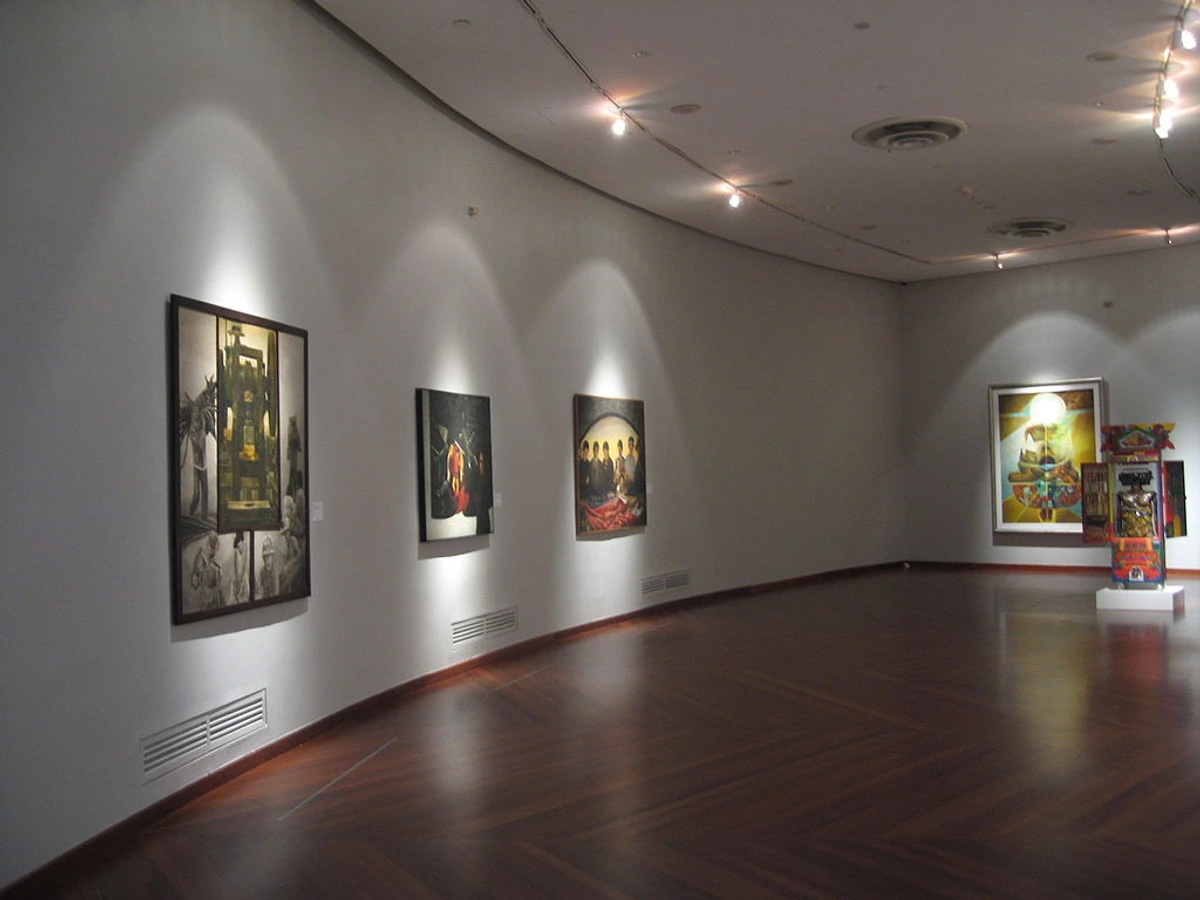
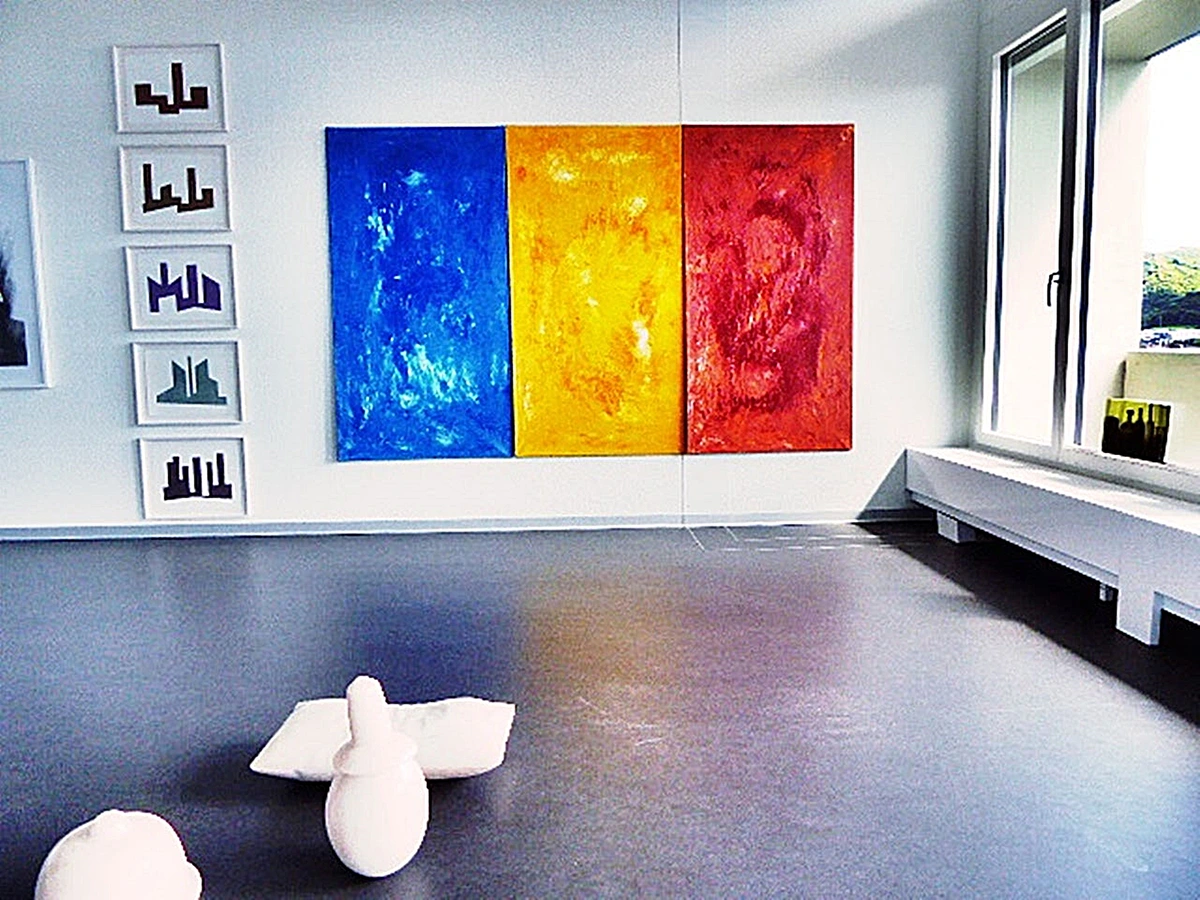
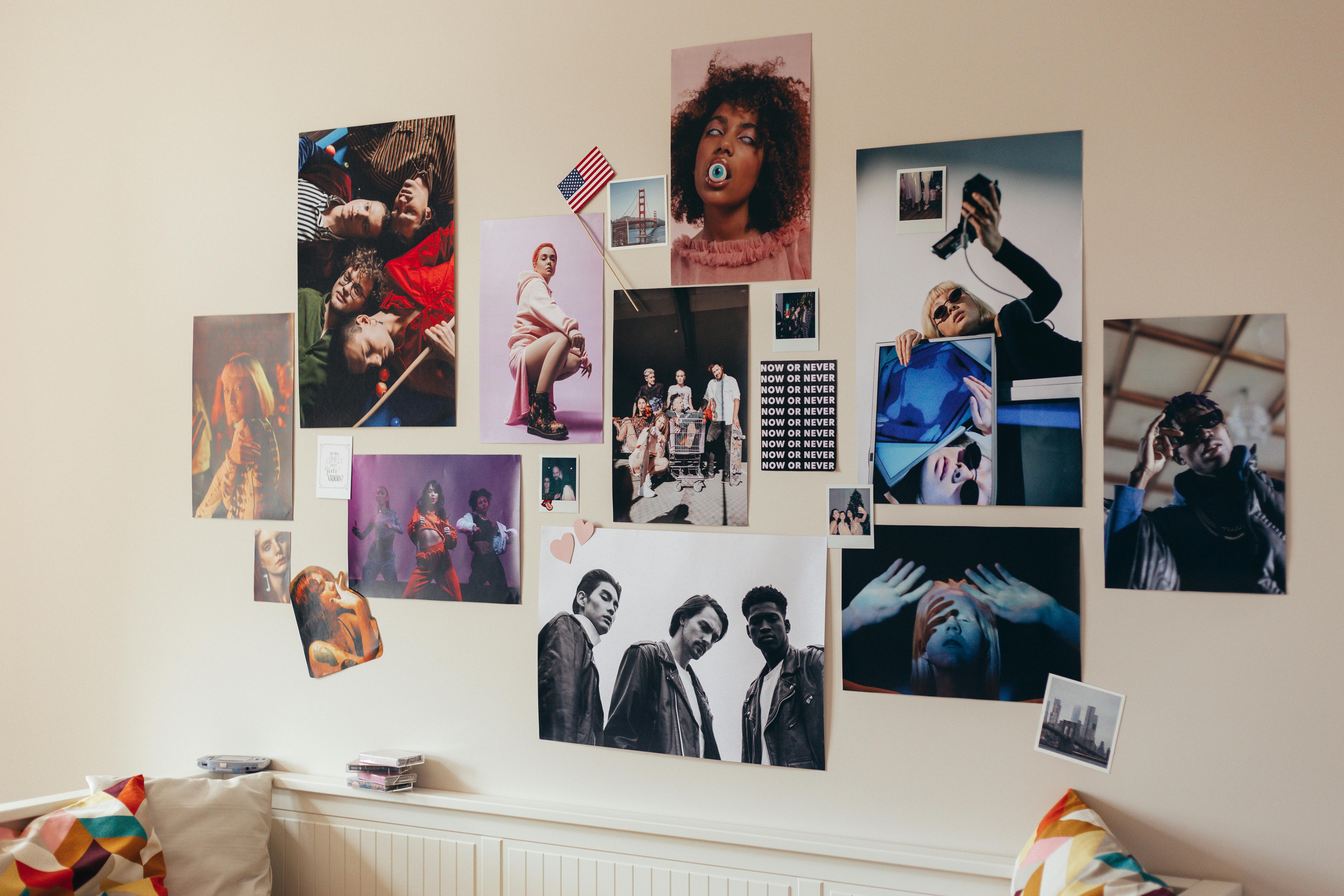
- Maintain a Cohesive Color Palette (or a deliberate clash): I often lean towards colorful pieces, but when it's around a TV, sometimes a more subdued palette with pops of color works wonders – imagine a gallery of black and white prints with one strategically placed, vibrant red abstract. Or, go wild with contrasting colors and textures like this:
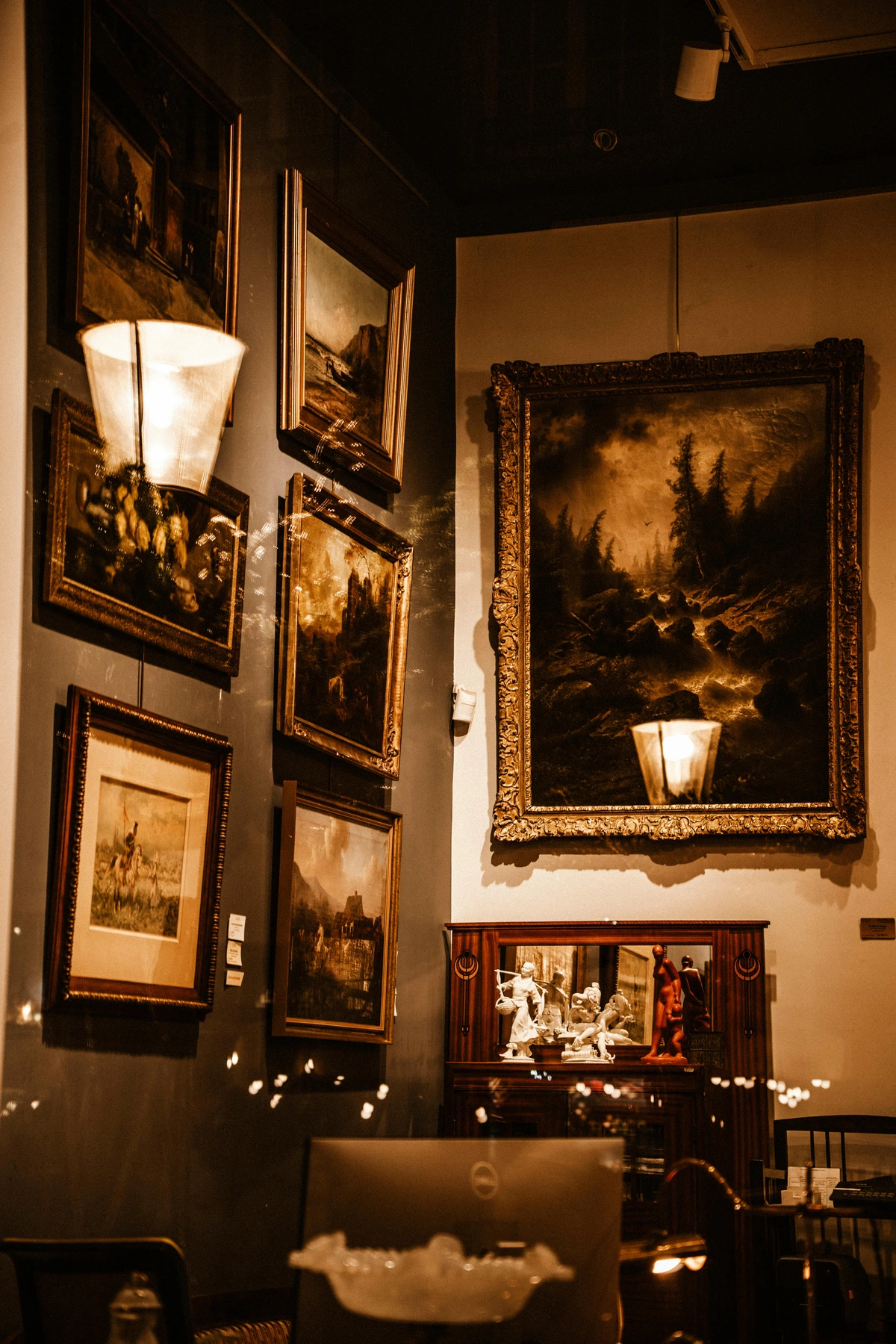
The goal isn't to make the art invisible, but to make the TV less of a solo performer and more part of an ensemble, a truly curated art collection.
Beyond Prints: Diverse Art Forms for Your TV Gallery Wall
Don't limit yourself to just framed prints! Bringing in other mediums can add incredible depth and texture, enriching your artistic TV display. Here are a few I love:
- Photography: Whether abstract landscapes or compelling portraits, photography can offer a different visual language. Think about a striking black and white series that complements a modern TV's sleekness, or a vibrant travel photo that injects personality. The compositions and emotional depth in the street photography of Henri Cartier-Bresson or the dramatic landscapes of Ansel Adams, for instance, translate beautifully when juxtaposed with a screen's geometric presence. TV gallery wall photography often benefits from large-format prints to create significant visual impact.
- Illustrations & Text-Based Art: Graphic illustrations or well-designed typographic art above TV can add a playful or thought-provoking element. A bold quote or an abstract pattern in graphic form can act as a visual bridge between the digital world of the TV and the tangible world of art. I've seen some fantastic text pieces that inject a bit of wry humor, breaking up the seriousness of an art display. Consider pieces with bold, graphic lines or powerful statements, similar to the impactful yet often witty street art of Banksy, albeit in a framed context. His work demonstrates how text and image can converge to create a strong visual message.
- Small Sculptural Art: Don't forget three-dimensional pieces! Tiny busts, abstract ceramic forms, or intriguing found-object art on floating shelves can add unexpected volume and draw the eye away from the flat screen. These pieces, when strategically placed as TV console decor art or as small sculptures on shelves near TV, can mimic the architectural elements of an art gallery, creating a truly curated feel and adding tactile interest. For example, a small, polished abstract sculpture by an artist like Anish Kapoor, or a captivating assemblage piece, can introduce a completely different texture and form.
- Textile Art & Wall Hangings: Think woven tapestries, macramé, or even framed fabric samples. These add softness, texture, and often a unique, bohemian vibe that can beautifully contrast the hard lines of a television, making for intriguing TV wall decor.
Alternative Styling Approaches: Integrating Your TV Beyond the Gallery Wall
Sometimes a full gallery wall isn't your vibe, and that's perfectly okay. There are other powerful ways to integrate your television that offer a different aesthetic for creative TV wall ideas.
- The 'Frame' Effect: This is about creating a larger visual unit where the TV is just one element. I'll often use art pieces that act almost like a frame for the TV. This means aligning the outer edges of the art with the outer edges of the TV, or even slightly overlapping imaginary lines to create a larger 'art zone' where the TV lives. Think of it like a beautifully designed mat board in a frame: the art extends the visual boundary of the screen itself, creating one grand, integrated rectangle of visual interest. It sounds a bit abstract, I know, but by consciously extending the perceived boundaries of the television with carefully chosen art – perhaps two vertical pieces of equal height on either side of the TV, with a horizontal piece above and below, all aligned to form a larger rectangle with the TV at its center – you create a cohesive visual plane, effectively making the TV a part of a larger, intentional modern TV art integration.
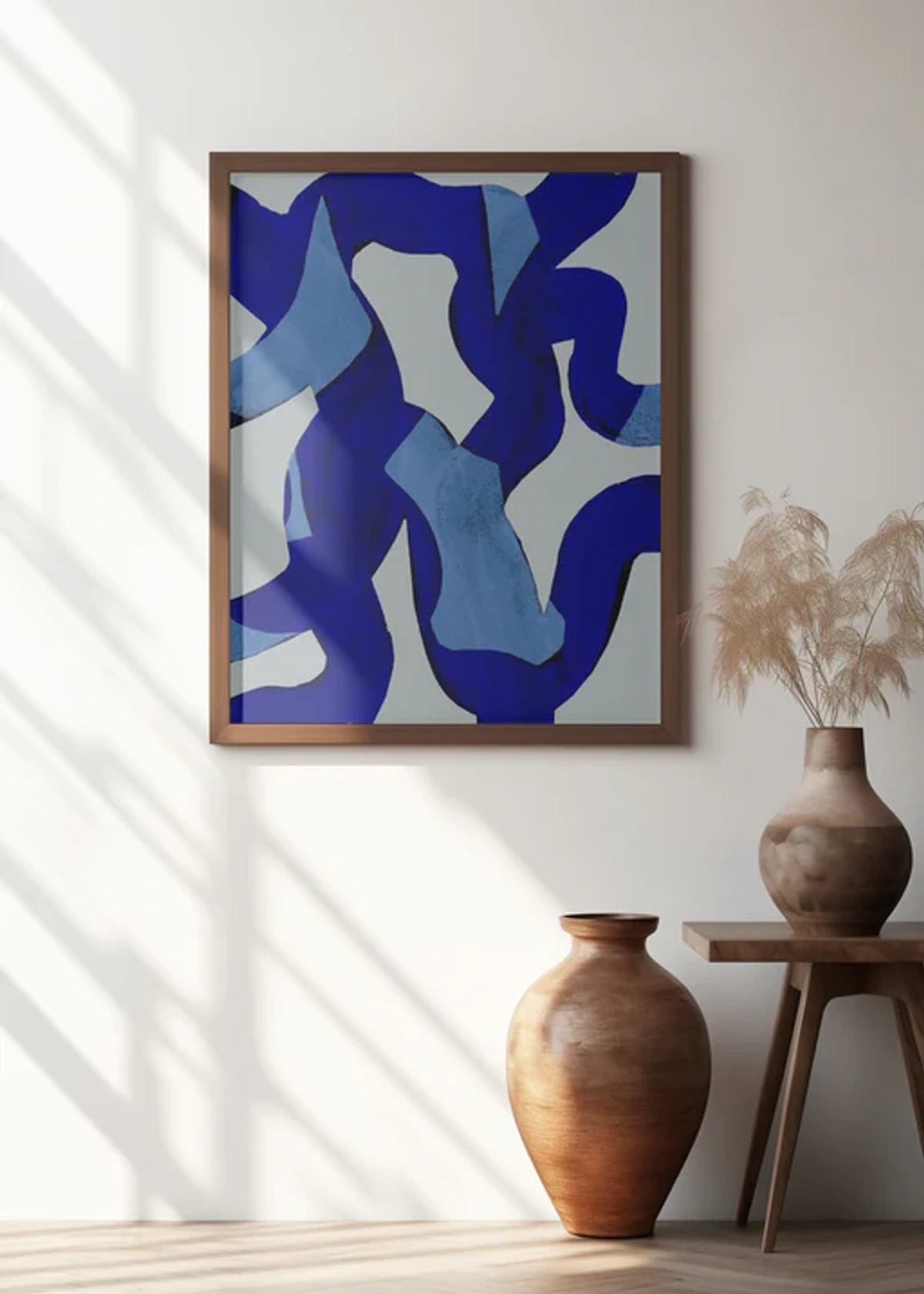
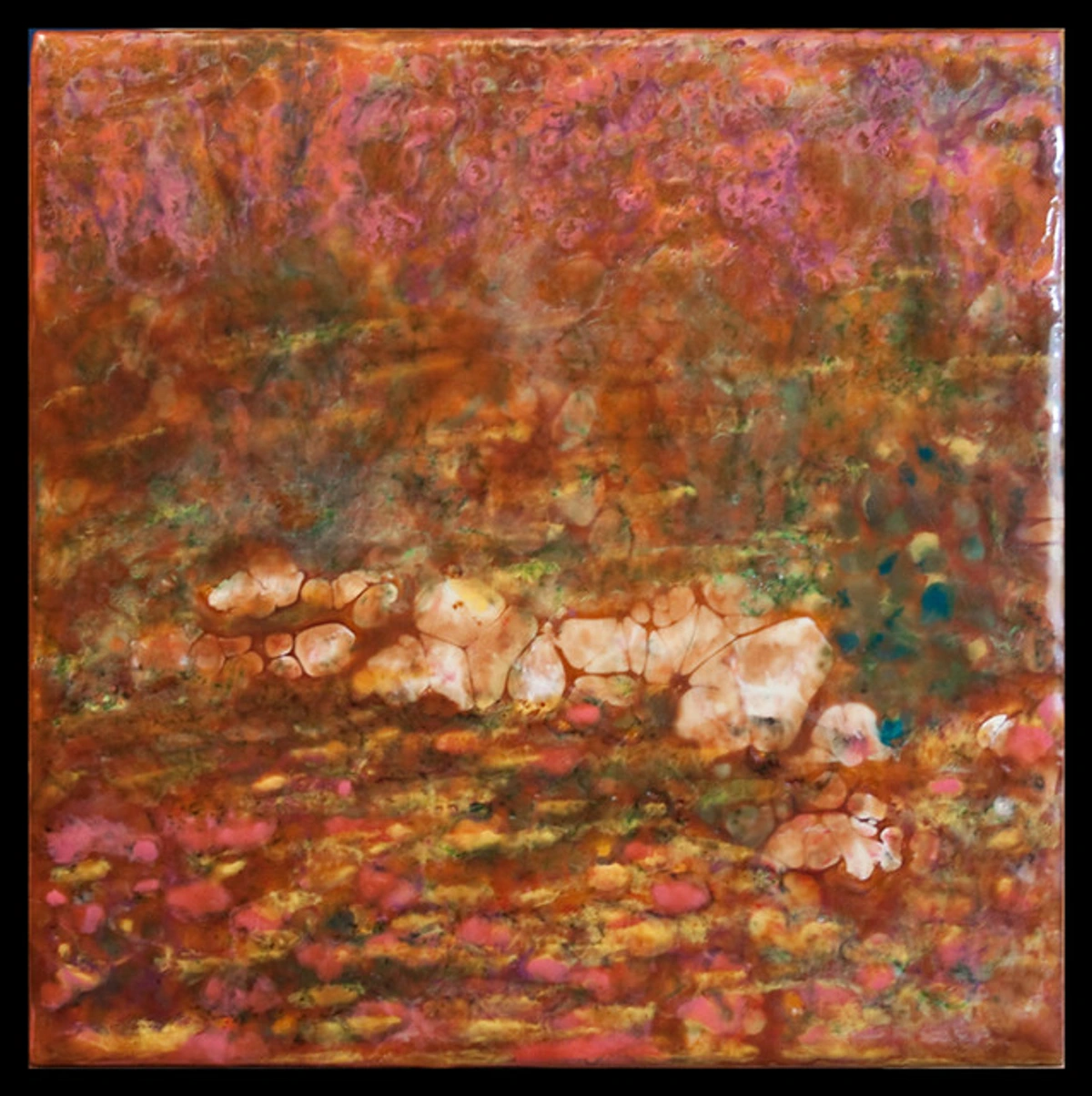
- The Symmetrical Statement: If you're a creature of order (unlike me, usually), symmetrical arrangements can be incredibly satisfying. Two identical pieces, one on each side of the TV, perhaps mirroring its height, can create a sophisticated, balanced look. Or, two vertical stacks of smaller pieces. It's a more formal approach, but it grounds the TV beautifully. I once designed a living room with two tall, slender abstract canvases flanking a wall-mounted TV, and the sense of calm and balance it brought was almost meditative. Imagine this abstract piece, replicated on both sides for a balanced feel:
- Art Above and Below: This isn't just for TVs mounted high. Even with a console, placing art above and a few small, framed pieces or even sculptures on the console itself can create depth and pull the eye away from just the screen. I remember this working wonders in a friend's apartment where the TV felt a little stranded; adding a large abstract print above and three smaller, framed photographs on the console below made the entire setup feel deliberate. This layering effectively lifts the visual weight of the television, allowing it to breathe within the composition and feel more integrated with your decor.
Camouflage Techniques: Making Your TV Blend In
For those who really, really don't want the TV to dominate, consider using a dark accent wall. This is a bit of a designer's secret weapon for disguising TV in living room. If the wall behind the TV is a deep charcoal, navy, forest green, rich plum, or even black, the TV itself will recede into it, becoming far less conspicuous. You could even use a dark, subtly textured wallpaper, wood paneling, brick veneer, or even dark, patterned tiles with a matte finish for added sophistication. Then, add brighter, more contrasting art around it to bring the visual interest back. It's a bit of a magic trick, actually, and for truly minimalist interiors, this can be a game-changer when designing a wall with a TV.
Specific TV Placement Strategies: How to Style Art Around a TV in Any Space
The location of your television significantly impacts how art can be integrated around it. Let's explore some common scenarios for art placement TV in various rooms.
- TV Above the Fireplace: Integrating Art and Safety: This is a classic, yet often tricky, placement. The key is balance and safety. Ensure your TV is mounted at a comfortable viewing height and consider the heat generated by the fireplace – it can damage electronics and art. For mantelpiece art with TV, a single, impactful piece above the mantel (when the TV is off or lower) or a symmetrical arrangement of two taller, narrower pieces on either side of a mounted TV can work beautifully. Always prioritize heat-resistant art for above fireplace if placed very close, or ensure adequate distance. For the TV itself, check the manufacturer's recommendations; typically, a TV should be at least 12 inches (30 cm) above the fireplace opening, and even more if the fireplace generates significant heat. Your artwork also needs protection; direct heat and smoke can cause cracking, fading, and discoloration.
- Corner TV Arrangements: Maximizing Awkward Spaces: A corner can be a challenging spot, but it offers unique opportunities for creative corner TV placement. Instead of fighting the angle, embrace it. Use a corner console that allows for art on either side, wrapping the display around the corner. Alternatively, a gallery wall that extends onto both adjoining walls can seamlessly integrate the TV, making it feel less like an afterthought. Consider staggered floating shelves in the corner, with a mix of small framed prints and objects, to create a dynamic, integrated display that draws the eye into the corner rather than seeing it as an awkward void.
- Entertainment Centers & Built-ins: Seamless Integration: When your TV is housed within an entertainment center or a custom built-in, you have a natural framework. Here, art can be placed on shelves above, beside, or even within other compartments. Think small sculptures, stacked books, or framed prints that complement the scale of the individual shelves and drawers. The goal of built-in TV unit styling is to break up the mass of the unit and add visual texture, making the entire setup feel like a curated display rather than just storage, effectively creating art within entertainment center. For decorating with art in modern farmhouse interiors, for example, you might use rustic frames and botanical prints within a built-in.
TV Wall Art for Specific Rooms
Beyond general living room strategies, different spaces call for nuanced approaches to living room TV art ideas and beyond:
- Bedroom: In a bedroom, the goal is often serenity. Opt for calming abstract art or tranquil landscapes around the TV. A minimalist approach with one or two well-chosen pieces can prevent the space from feeling cluttered. Consider a dark accent wall behind the TV to help it recede when not in use. I often advise clients to choose art that evokes relaxation, much like when I suggest how to choose art for a small bedroom.
- Dining Room: If your dining room includes a TV, the art should complement the room's function as a gathering space. Groupings of art that spark conversation, or a single statement piece, can work. Avoid anything too distracting during meals. The artistic TV display here should be sophisticated and inviting.
- Home Office: For a home office, integrating the TV into an art display can boost creativity or provide a subtle escape. Think about placing it within a gallery wall of inspiring prints, or flanking it with abstract art that stimulates thought without being overly busy. The art should align with the desired mood – whether that's focus or creative energy.
Lighting Your Art and Managing the Screen's Glow
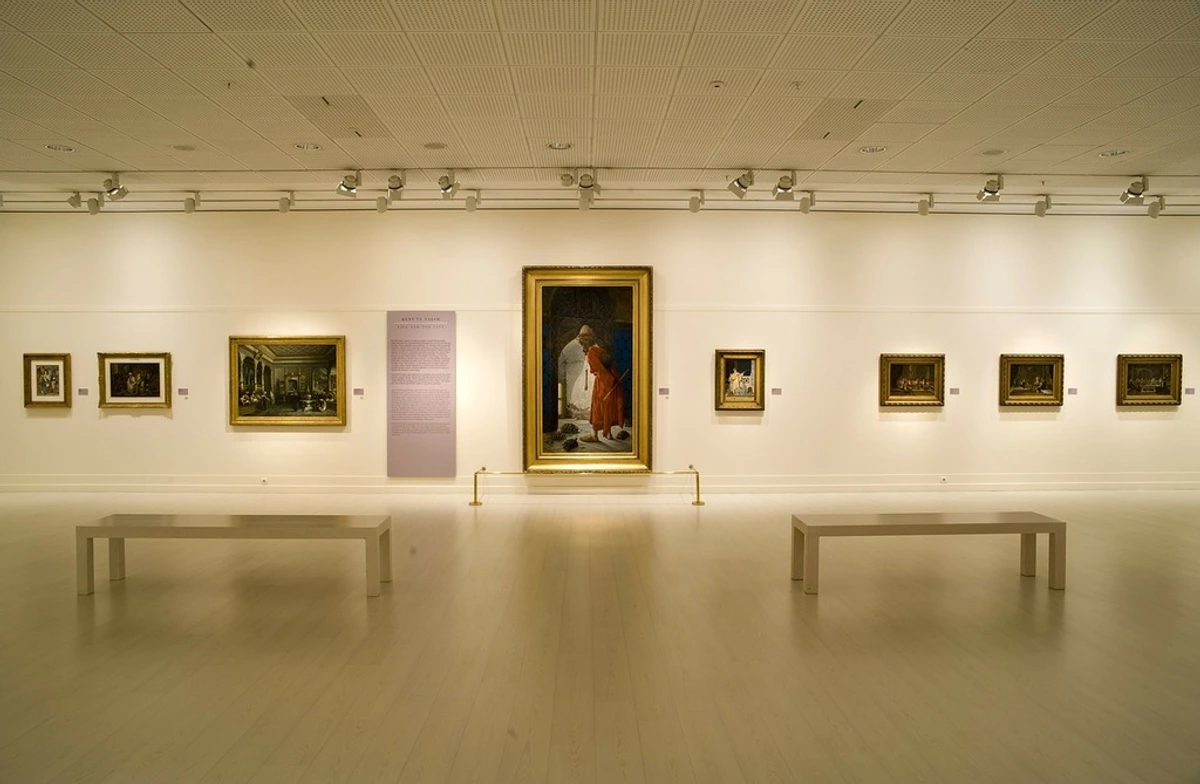
Lighting is an often-overlooked hero in integrating art with your television. It can make or break the visual harmony of your space, influencing how both your art and your TV wall decor are perceived. This is where a bit of design magic happens, as I observed during my visits to places like the Den Bosch Museum, where strategic lighting truly transforms the viewing experience.
- Ambient Light: Setting the Mood: The general lighting in your room plays a huge role. Soft, diffused ambient lighting for TV room helps reduce the harsh contrast of a dark screen and prevents it from appearing as a stark void. Dimmers are your best friend here, allowing you to adjust the room's brightness to suit both TV watching and art appreciation. A gentle glow can drastically soften the TV's presence. For more on this, check out my guide on how to light art in your home.
- Accent Lighting for Art: Drawing the Eye: Just as in a gallery, accent lighting can highlight your artworks, drawing attention to them and away from the TV when it’s off. Small picture lights mounted above individual pieces, or track lighting directed at specific works, can create a beautiful glow that emphasizes texture and color. This makes the art pop and establishes it as a focal point. My experience at the Den Bosch Museum taught me just how transformative well-placed accent lighting can be.
- Minimizing Glare: A Practical Consideration: When planning your lighting, always consider potential glare on the TV screen. Position lights so they don't directly reflect off the screen, or choose dimmable options that can be adjusted during viewing. High-quality matte screen protectors can also help mitigate this issue significantly. Additionally, when choosing surrounding artwork, consider framing options: matting artwork (adding a border between the art and the frame) not only enhances the piece but also creates a subtle visual buffer that can reduce reflections from nearby light sources, and also gives the art more visual importance. Different frame styles – from sleek modern to ornate traditional – can also greatly impact how the art integrates with the TV.
- Smart Lighting Systems: Dynamic Integration: Modern smart lighting systems can offer incredible flexibility. Imagine programming scenes where your accent lights softly illuminate your art when the TV is off, then dim or change color when you start watching a movie. This dynamic integration allows your living space to seamlessly shift between a vibrant art gallery and a cozy media room, truly elevating your TV wall decor.
- Considering Color Temperature: An advanced consideration for the meticulous decorator: if your TV is often on while you're appreciating the surrounding art, the TV's own color temperature (warm vs. cool tones) can influence how the art appears. Aim for a consistent color temperature between your room lighting and the TV's display settings if possible, or embrace a deliberate, striking contrast.
The Rise of the Art-Focused TV: Embracing Digital Displays
It’s fascinating to see how television design has evolved, from bulky CRT boxes to sleek LED panels, and now to smart TVs with 'Art Mode' features that display digital artworks when off. These innovations, like Samsung's 'The Frame' or LG's Gallery Series, directly respond to the desire to integrate technology more seamlessly into our homes. An art mode TV is essentially a display designed to mimic physical art, complete with frames and customizable digital art collections. This evolution marks a significant shift, truly empowering us to see the television not as a design compromise, but as a dynamic and beautiful element in our home's artistic narrative.
- Benefits: These TVs are designed to mimic real art, often with matte screens that reduce reflections and sensors that adjust brightness to match ambient light. The ability to display high-resolution digital art means you can change your entire gallery aesthetic at the touch of a button, whether you're seeking living room TV art ideas or something more subtle for a bedroom. For instance, Samsung Frame TV art allows you to subscribe to vast art libraries, showcasing masterpieces or contemporary digital creations. Similarly, the LG Gallery Series TV excels at disappearing into its surroundings, offering an immersive viewing experience that also functions as a sophisticated display for digital art when not in use.
- The Art Mode TV as a Standalone Art Piece: When using an Art Mode TV, selecting the right digital art is paramount. Treat the TV as a primary art installation. Choose digital pieces that truly complement your room's decor, considering style, color palette, and mood. The beauty of these high-resolution displays is their ability to transform, allowing you to showcase a diverse range of art, from classic paintings to vibrant abstract digital creations, making the TV a versatile focal point in your curated space. And the best part? No concerns about heat damage or dust accumulation on valuable originals!
Budget-Friendly & DIY Art Integration
Creating a stunning home gallery around your TV doesn't have to break the bank. I've always believed that great art, and great design, should be accessible to everyone. Here are some ways to integrate art without a hefty investment:
- Affordable Prints and Posters: High-quality prints of famous artworks, abstract designs, or stunning photography are widely available. You can find beautiful pieces for a fraction of the cost of originals. Look for open editions or smaller artists just starting out. Frame them yourself with inexpensive yet stylish frames to instantly elevate their look. Old postcards or botanical prints can be framed inexpensively for unique character.
- DIY Canvas Art: Don't underestimate your own creative potential! Simple abstract paintings using acrylics, or even textured canvases created with plaster or joint compound, can add depth and personality. You can even find tutorials online for creating abstract geometric art with painter's tape and a few colors (a surprisingly fun weekend project!). Or try splatter painting for an expressive touch, gradient washes for a calming effect, or using a palette knife for bold textures. It’s surprisingly rewarding and unique.
- Repurposed & Vintage Finds: Scour flea markets, thrift stores, or online marketplaces for unique vintage prints, old maps, or interesting decorative plates. Sometimes, an old frame with a new matte can transform an ordinary object into a compelling art piece. These pieces often come with a story and instantly add character. Imagine framing a beautiful old silk scarf or a vintage concert poster for a truly unique touch.
- Framed Fabric or Wallpaper Samples: Have a leftover piece of beautiful fabric or an eye-catching wallpaper sample? Frame it! This instantly turns a scrap into a sophisticated piece of wall art. It's a fantastic way to introduce color, pattern, or texture that perfectly matches your existing decor.
Troubleshooting Common Issues in TV Art Integration
Even with the best intentions, integrating your TV into an art display can present a few challenges. Here's how I typically approach some common stumbling blocks:
- Mismatched Styles: Sometimes you love an artwork, but it just doesn't seem to 'go' with your TV or the surrounding pieces. My advice? Don't force it. If the styles clash in an unintentional, jarring way (as opposed to a deliberate, engaging contrast), it might be better to relocate that specific piece. Focus on finding art that, while diverse, shares some common thread – be it color, dominant shapes, or an underlying theme – that allows it to coexist harmoniously. Often, a change in frame style can also bridge the gap.
- Overwhelming the Art (or the TV): If your gallery wall feels too busy, or if the TV still dominates despite your efforts, step back and simplify. Remove one or two pieces. Increase the spacing between elements. Sometimes, less is truly more. Conversely, if your TV looks too isolated or small, it's usually because the surrounding art isn't holding its own. Refer back to the 'Scale and Balance' table. Remember, the art should collectively match or exceed the visual weight of the TV, creating a true art ensemble.
- Cable Clutter: This is the eternal nemesis of any wall-mounted TV display. Always plan for cable management before mounting. Options include in-wall cable routing kits, decorative cable covers (paintable to match your wall), or strategically placed furniture or plants to obscure them. I've even seen clever uses of repurposing cable raceways to look like decorative molding elements. A truly integrated art display looks intentional in every detail, including the absence of visible wires.
What to Avoid: Common Mistakes in TV Art Integration
To ensure your styling TV console or gallery wall project is a success, steer clear of these pitfalls:





- Ignoring Heat and Safety: As mentioned for fireplaces, avoid placing highly valuable or sensitive artworks directly above heat sources. Electronics also need proper ventilation. Always consult your TV's manual and fireplace specifications. Your artwork also needs protection; direct heat and smoke can cause cracking, fading, and discoloration.
- Poor Viewing Angles: While aesthetics are key, remember the TV's primary function. Ensure the viewing height and angle remain comfortable for most seating positions. Typically, the center of the screen should be at eye-level when seated.
- Over-Cluttering: Resist the urge to fill every blank space. Sometimes, negative space around the TV and art is just as important for visual breathing room and a sophisticated feel. Less is often more for a refined artistic TV display. Consider that a well-placed single piece can have more impact than a crowded wall.
- Letting the TV Dictate Everything: The TV should be integrated, not the dictator. Your overall room aesthetic and personal style should still shine through, with the TV as a harmonious element rather than the sole focal point.
- Damaging Art: Avoid placing highly textured or fragile artworks in areas prone to accidental knocks, such as directly above a frequently used console where remotes or drinks are placed, or in high-traffic zones. Consider the material and framing of your art; protective glass or robust frames can mitigate some risks.
Frequently Asked Questions (FAQ)
How high should art be above a TV?
Generally, aim for 4-6 inches (10-15 cm) of space between the top of the TV and the bottom of the artwork. This creates a cohesive look without feeling cramped. If the art is significantly larger, you might go up to 8-12 inches, but always consider the overall viewing height of the television and the proportions of your wall. The goal is visual comfort and balance, ensuring neither element feels disconnected.
Can I put a large painting next to my TV?
Absolutely! A single large painting can be a powerful statement piece beside a TV, especially if it's part of a symmetrical arrangement or if the painting's size is roughly comparable to the TV's visual weight. The key is balance; ensure the large painting doesn't completely dwarf the TV, or vice-versa. Think of it as creating a balanced tableau rather than just hanging objects, allowing for harmonious living room TV art ideas. It can effectively draw attention away from the TV itself.
How do I hide a TV on a wall?
Beyond simply covering it, several techniques can help hide a TV on a wall. These include mounting it on a dark accent wall so it recedes visually, integrating it into a gallery wall, using sliding panels or custom cabinetry, or utilizing a modern 'Art Mode' TV that displays artwork when off. The goal is to make it disappear into the decor rather than stand out as a black rectangle. Some even use retractable art panels that slide over the screen when not in use.
What is Art Mode on a TV?
Art Mode is a feature on select smart televisions (like Samsung's 'The Frame' or LG's Gallery Series) that transforms the TV screen into a digital art display when it's not in use. Instead of a black screen, it shows high-resolution digital artworks, photographs, or custom images, often with a matte finish and ambient light sensors to blend seamlessly into the room like a real framed painting. This feature makes the TV an active part of your artistic TV display, even when off.
What are some creative ways to arrange art around a large TV?
For a large TV, consider a comprehensive gallery wall that extends well beyond its perimeter to make it feel like part of a larger composition. Symmetrical arrangements with equally sized pieces flanking the TV can create a sophisticated look. Alternatively, use art to create a 'frame effect' by placing pieces directly above, below, and to the sides to form a larger visual rectangle around the screen. A dark accent wall behind the TV can also help it recede, allowing surrounding, brighter art to take prominence. These how to decorate around a TV methods are highly effective, transforming a potentially overwhelming screen into a balanced design element.
Can I use mirrors in a TV gallery wall?
Yes, mirrors can be a fantastic addition to a TV gallery wall! They add depth, reflect light to brighten the space, and can create interesting visual breaks. However, be mindful of glare: position them so they don't directly reflect light sources onto the TV screen during viewing. Mirrors can also make a small space feel larger, creating an illusion of more wall space for your art collection.
Conclusion: Embrace Your TV, Curate Your Canvas
Integrating a television into your home's art narrative might seem daunting at first. For years, I struggled, trying to fight against its imposing presence, seeing it only as a design obstacle. But I've learned that the most rewarding design comes from embracing challenges, from seeing problems as opportunities for creativity. Your television isn't just an appliance; it's a dynamic, ever-changing canvas within your home. By thoughtfully applying principles of scale and balance, embracing diverse art forms, and experimenting with placement and lighting, you can transform that 'black hole' into a celebrated element of your personal gallery. Don't be afraid to experiment, to mix and match, and to let your space evolve. After all, your home should tell your story, and with these strategies, your TV can become a beautiful chapter in that tale. I've poured years of my own artistic and design journey into these insights, and I truly believe they can empower you to see your TV not as a problem, but as an opportunity for artistic expression. Now go forth, curate, and create something truly unique! I can't wait to see what you come up with.